Visual abstracts
New randomized trials and meta-analyses from leading journals at a glance: who was studied, what was compared, and what was found. Every paper is free to read in full.
All specialtiesCardiology 4877Oncology 4138Gastroenterology & Hepatology 1942Infectious Disease 3837Neurology 1905Psychiatry & Mental Health 2273Pulmonology 2143Critical Care 1365Endocrinology & Diabetes 2580Pediatrics 2980Surgery 2559Orthopedics & Sports Medicine 931Neurosurgery 537Cardiothoracic & Vascular Surgery 674Plastic & Reconstructive Surgery 591Nephrology 1133Rheumatology 823Hematology 1109Dermatology 621Ophthalmology 543Obstetrics & Gynecology 1686Public & Global Health 1058Radiology & Imaging 648Anesthesiology 986Urology 764ENT (Otolaryngology) 503Emergency Medicine 511Allergy & Immunology 313Geriatrics 981Family Medicine & Primary Care 562Medical Genetics & Genomics 676Pathology & Laboratory Medicine 159Physical Medicine & Rehabilitation 757Palliative Care 444Nutrition 1588Digital Health & AI 2201General Medicine 321
Evaluation of multiple micronutrient supplementation and medium-quantity lipid-based nutrient supplementation in pregnancy on child development in rural Niger: A secondary analysis of a cluster randomized controlled trial
3-arm cluster-randomized trialMixed results
Does prenatal multiple micronutrient or lipid-based nutrient supplementation affect child development?
Who
53
singleton children and pregnant women in rural Niger · Madarounfa, Niger
Compared
Multiple micronutrient supplementation: no effect on child cognitive, language or motor scores
Lipid-based nutrient supplementation: higher cognitive scores at 18 and 21 months
Iron-folic acid supplementation
Main outcome
child development via Bayley Scales and WHO motor milestones
Result: hazard ratio 1.57 (95% CI 1.10 to 2.24) for sitting alone
Bottom line: Prenatal multiple micronutrient supplementation had no effect, while lipid-based supplementation showed positive effects on cognitive trajectories and some motor milestones.
Limitation: assessment up to 2 years of age may not capture effects emerging at older ages
PLOS Med · 2022-05-02Download image

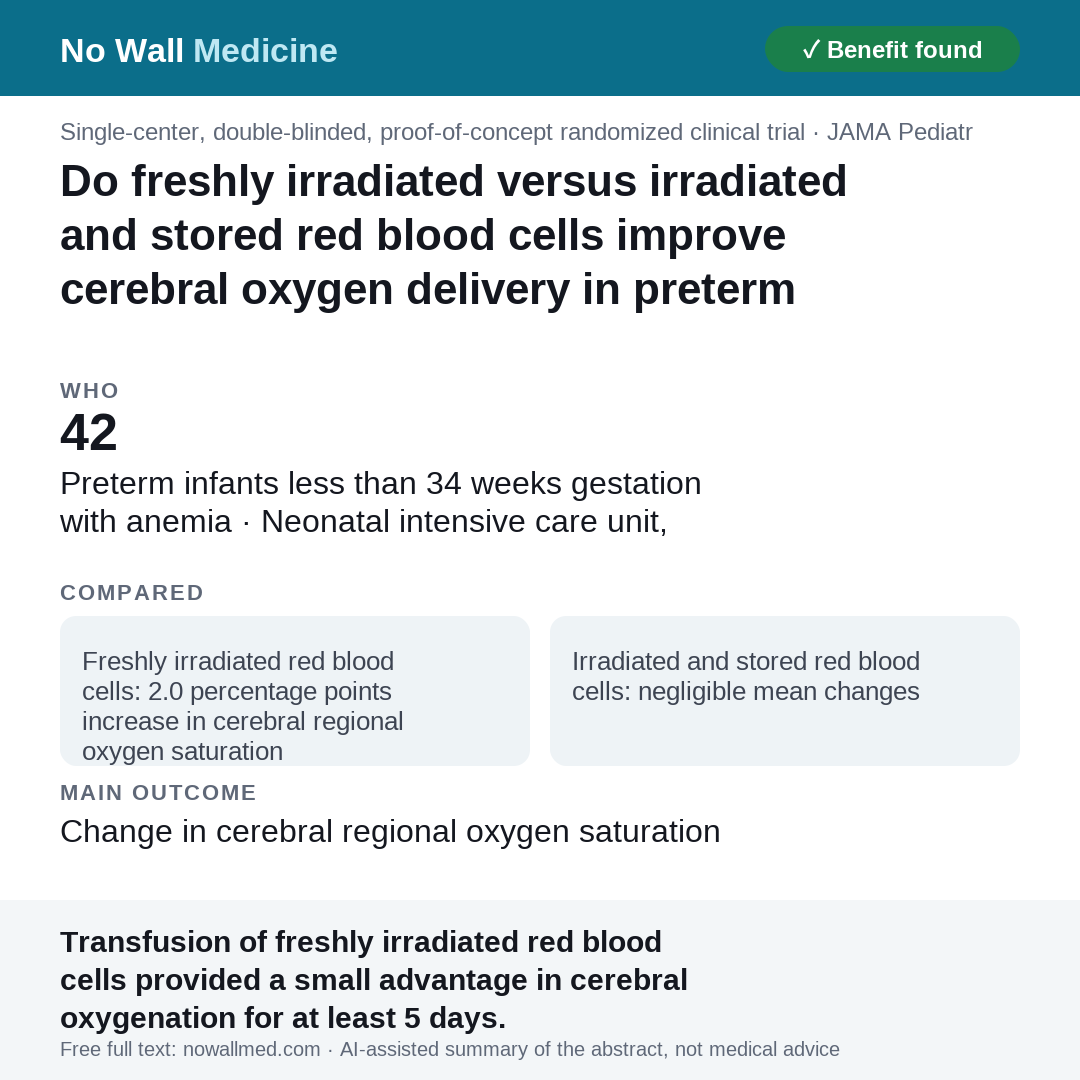
Effects of Freshly Irradiated vs Irradiated and Stored Red Blood Cell Transfusion on Cerebral Oxygenation in Preterm Infants: A Randomized Clinical Trial
Single-center, double-blinded, proof-of-concept randomized clinical trialBenefit found
Do freshly irradiated versus irradiated and stored red blood cells improve cerebral oxygen delivery in preterm infants?
Who
42
Preterm infants less than 34 weeks gestation with anemia · Neonatal intensive care unit, Wellington, New Zealand
Compared
Freshly irradiated red blood cells: 2.0 percentage points increase in cerebral regional oxygen saturation
Irradiated and stored red blood cells: negligible mean changes
Main outcome
Change in cerebral regional oxygen saturation
Result: 2.0 percentage points; 95% CI, 1.2-2.8 percentage points
Bottom line: Transfusion of freshly irradiated red blood cells provided a small advantage in cerebral oxygenation for at least 5 days.
JAMA Pediatr · 2022-05-02Download image
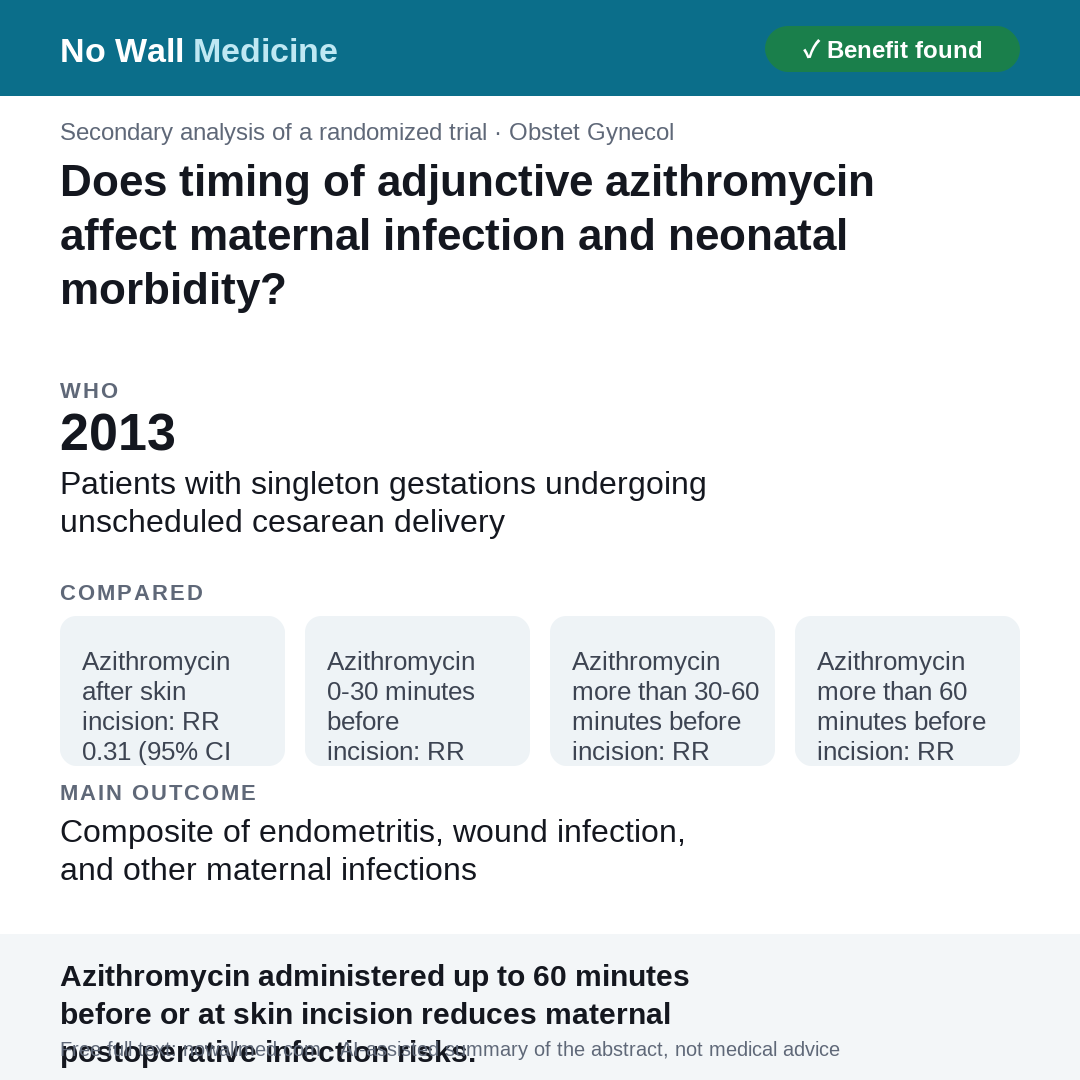
Timing of Adjunctive Azithromycin for Unscheduled Cesarean Delivery and Postdelivery Infection
Secondary analysis of a randomized trialBenefit found
Does timing of adjunctive azithromycin affect maternal infection and neonatal morbidity?
Who
2013
Patients with singleton gestations undergoing unscheduled cesarean delivery
Compared
Azithromycin after skin incision: RR 0.31 (95% CI 0.13-0.76)
Azithromycin 0-30 minutes before incision: RR 0.62 (95% CI 0.44-0.89)
Azithromycin more than 30-60 minutes before incision: RR 0.31 (95% CI 0.13-0.66)
Azithromycin more than 60 minutes before incision: RR 0.59 (95% CI 0.10-3.36)
Main outcome
Composite of endometritis, wound infection, and other maternal infections
Bottom line: Azithromycin administered up to 60 minutes before or at skin incision reduces maternal postoperative infection risks.
Obstet Gynecol · 2022-05-02Download image
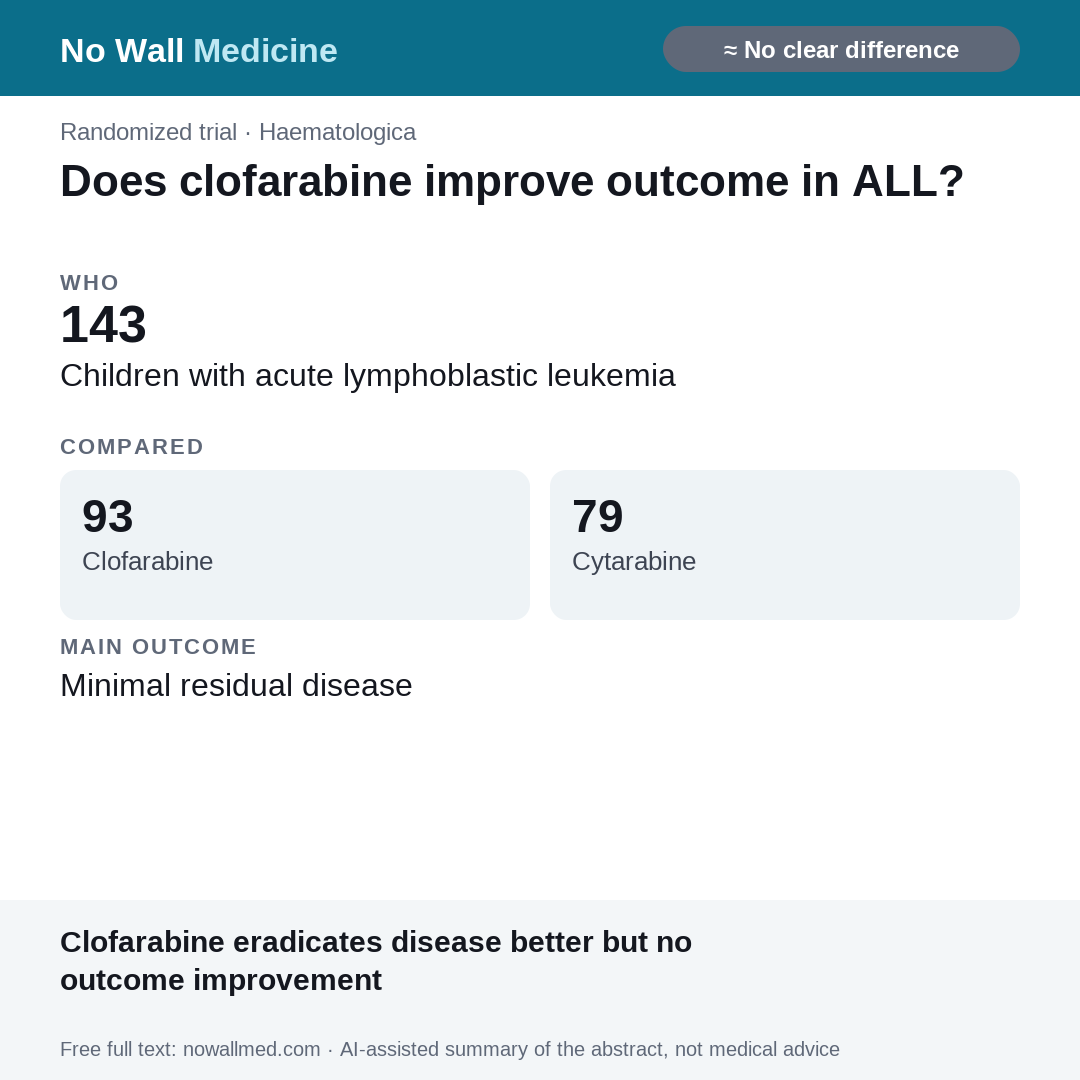
Clofarabine increases the eradication of minimal residual disease of primary B-precursor acute lymphoblastic leukemia compared to high-dose cytarabine without improvement of outcome. Results from the randomized clinical trial 08-09 of the Cooperative Acute Lymphoblastic Leukemia Study Group
Randomized trialNo clear difference
Does clofarabine improve outcome in ALL?
Who
143
Children with acute lymphoblastic leukemia
Compared
93Clofarabine
79Cytarabine
Main outcome
Minimal residual disease
Bottom line: Clofarabine eradicates disease better but no outcome improvement
Haematologica · 2022-05-01Download image
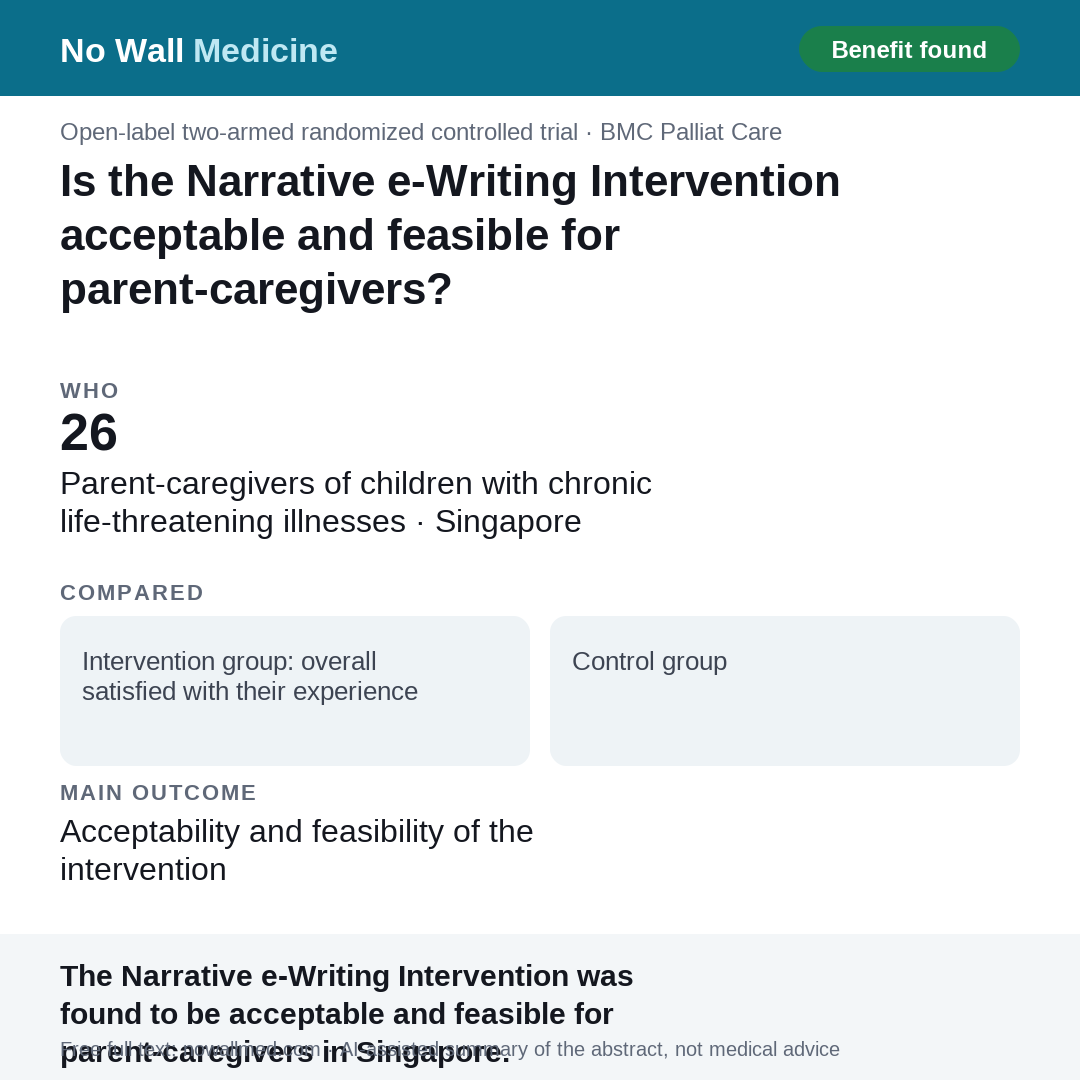
Acceptability and feasibility of a pilot randomized controlled trial of Narrative e-Writing Intervention (NeW-I) for parent-caregivers of children with chronic life-threatening illnesses in Singapore
Open-label two-armed randomized controlled trialBenefit found
Is the Narrative e-Writing Intervention acceptable and feasible for parent-caregivers?
Who
26
Parent-caregivers of children with chronic life-threatening illnesses · Singapore
Compared
Intervention group: overall satisfied with their experience
Control group
Main outcome
Acceptability and feasibility of the intervention
Bottom line: The Narrative e-Writing Intervention was found to be acceptable and feasible for parent-caregivers in Singapore.
BMC Palliat Care · 2022-04-29Download image
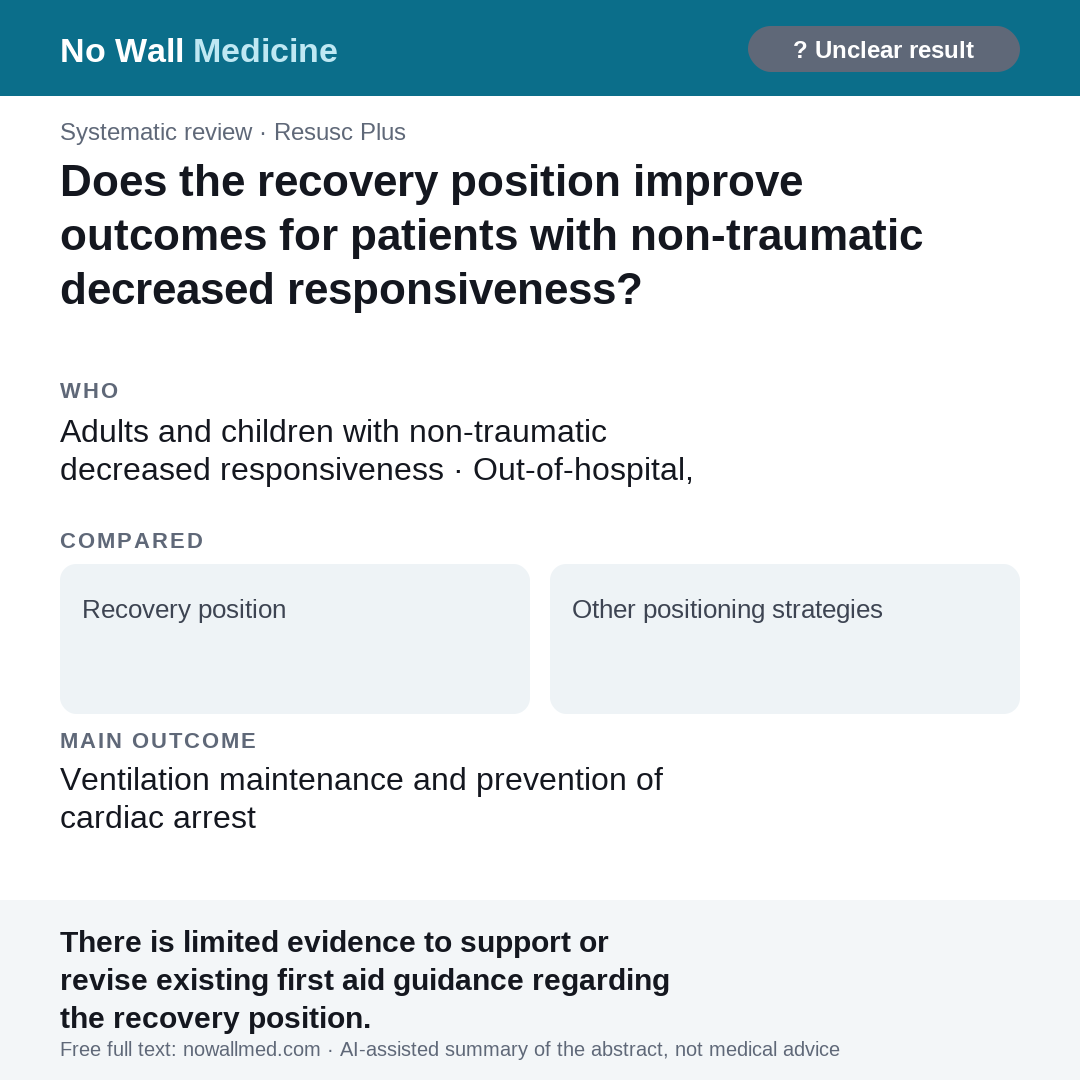
The recovery position for maintenance of adequate ventilation and the prevention of cardiac arrest: A systematic review
Systematic reviewUnclear result
Does the recovery position improve outcomes for patients with non-traumatic decreased responsiveness?
Who
Adults and children with non-traumatic decreased responsiveness · Out-of-hospital, first aid setting
Compared
Recovery position
Other positioning strategies
Main outcome
Ventilation maintenance and prevention of cardiac arrest
Bottom line: There is limited evidence to support or revise existing first aid guidance regarding the recovery position.
Limitation: High risk of bias, imprecision and indirectness of evidence limited pooled analyses.
Resusc Plus · 2022-04-29Download image
Group B streptococcus infection during pregnancy and infancy: estimates of regional and global burden
Meta-analysis using Bayesian hierarchical modelsUnclear result
What is the global burden of Group B streptococcus in pregnancy and infancy?
Who
Pregnant women and infants in 183 countries · 183 countries
Compared
Maternal rectovaginal colonisation: 19.7 million (95% posterior interval 17.9-21.9)
Early-onset infant invasive disease: 231 800 (114 100-455 000)
Late-onset infant invasive disease: 162 200 (70 200-394 400)
Main outcome
Global burden of Group B streptococcus disease and complications
Bottom line: Group B streptococcus causes millions of maternal colonisations and significant infant invasive disease, deaths, and neurodevelopmental impairment globally.
Limitation: Uncertainty is considerable, notably regarding Group B streptococcus-associated preterm births.
Funded by: Bill & Melinda Gates Foundation
Lancet Glob Health · 2022-04-28Download image

Global population attributable fraction of potentially modifiable risk factors for mental disorders: a meta-umbrella systematic review
Meta-umbrella systematic reviewBenefit found
What is the global population attributable fraction of modifiable risk factors for mental disorders?
Who
Global population with mental disorders · Global
Compared
37.84%Childhood adversities and schizophrenia spectrum disorders (95% CI 26.77-48.40%)
24.76%Tobacco smoking and opioid use disorders (95% CI 13.98-36.49%)
17.88%Job strain and depression (95% CI not available)
14.60%Insufficient physical activity and Alzheimer's disease (95% CI 9.46-20.52%)
Main outcome
Global population attributable fraction of modifiable risk factors
Bottom line: Addressing modifiable risk factors, especially childhood adversities, can reduce global population-level incidence of mental disorders.
Limitation: Study quality assessment showed 20.0% low quality reviews.
Mol Psychiatry · 2022-04-28Download image

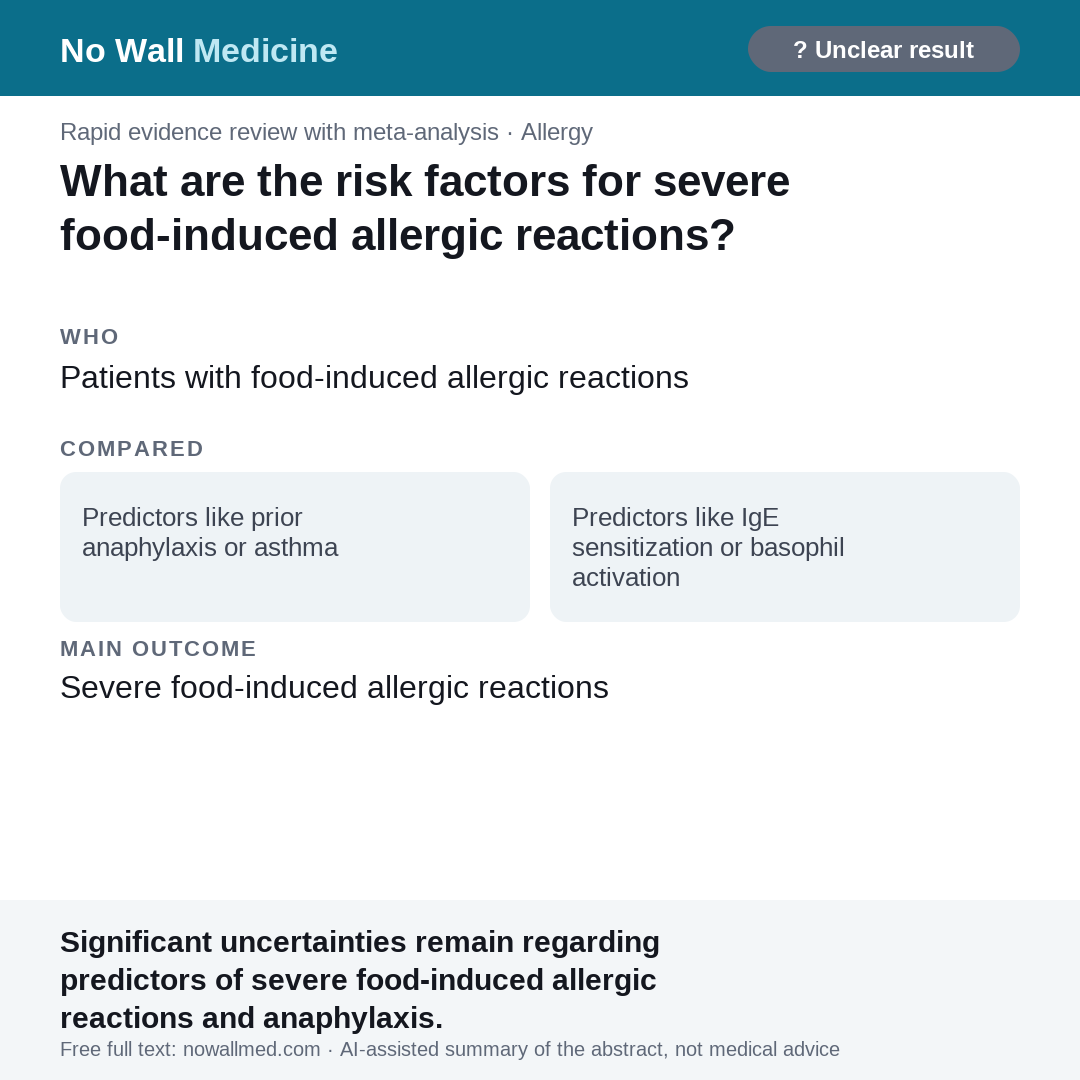
Risk factors for severe reactions in food allergy: Rapid evidence review with meta-analysis
Rapid evidence review with meta-analysisUnclear result
What are the risk factors for severe food-induced allergic reactions?
Who
88
Patients with food-induced allergic reactions
Compared
Predictors like prior anaphylaxis or asthma
Predictors like IgE sensitization or basophil activation
Main outcome
Severe food-induced allergic reactions
Bottom line: Significant uncertainties remain regarding predictors of severe food-induced allergic reactions and anaphylaxis.
Allergy · 2022-04-28Download image
Noninvasive High-Frequency Oscillatory Ventilation vs Nasal Continuous Positive Airway Pressure vs Nasal Intermittent Positive Pressure Ventilation as Postextubation Support for Preterm Neonates in China: A Randomized Clinical Trial
Multicenter, assessor-blinded, 3-group, randomized clinical trialBenefit found
Is noninvasive high-frequency oscillatory ventilation more efficacious than NCPAP or NIPPV for preterm neonates?
Who
1440
Preterm neonates between 25 weeks 0 days and 32 weeks 6 days · 69 tertiary referral neonatal intensive care units in China
Compared
Noninvasive high-frequency oscillatory ventilation
Nasal continuous positive airway pressure: risk difference 12.5% (95% CI 7.5%-17.4%) for reintubation
Nasal intermittent positive pressure ventilation: mean difference 1.2 (95% CI 0.01-2.3 days) for IMV duration
Main outcome
Total duration of invasive mechanical ventilation, reintubation, and ventilator-free days
Bottom line: Noninvasive high-frequency oscillatory ventilation reduced invasive mechanical ventilation duration and reintubation risk compared to other strategies.
JAMA Pediatr · 2022-04-26Download image

Maturation of GFR in Term-Born Neonates: An Individual Participant Data Meta-Analysis
Individual participant data meta-analysisBenefit found
What is the maturational pattern of glomerular filtration rate in healthy term-born neonates?
Who
881
Healthy, term-born neonates
Compared
Birth to 5 days: 19.6 (95% CI, 14.7 to 24.6) to 40.6 (95% CI, 36.7 to 44.5) ml/min per 1.73 m2
By 4 weeks of age: 59.4 (95% CI, 45.9 to 72.9) ml/min per 1.73 m2
Main outcome
Measured glomerular filtration rate
Bottom line: Glomerular filtration rate shows a biphasic increase, doubling in the first five days after birth.
Limitation: Validation in a large cohort of neonates is required to enable widespread implementation.
JASN · 2022-04-26Download image

Planned delivery or expectant management in preeclampsia: an individual participant data meta-analysis
Individual participant data meta-analysisMixed results
Does planned delivery versus expectant management improve outcomes in women with preeclampsia?
Who
1790
Women with singleton or multifetal pregnancies with preeclampsia from 34 weeks gestation
Compared
Planned delivery: maternal morbidity 2.6%
Expectant management: maternal morbidity 4.4%
Main outcome
maternal and perinatal mortality or morbidity
Result: adjusted risk ratio 0.59 (95% confidence interval, 0.36-0.98) for maternal morbidity
Bottom line: Planned delivery reduces maternal morbidity but may increase short-term neonatal respiratory morbidity in preeclampsia.
AJOG · 2022-04-26Download image

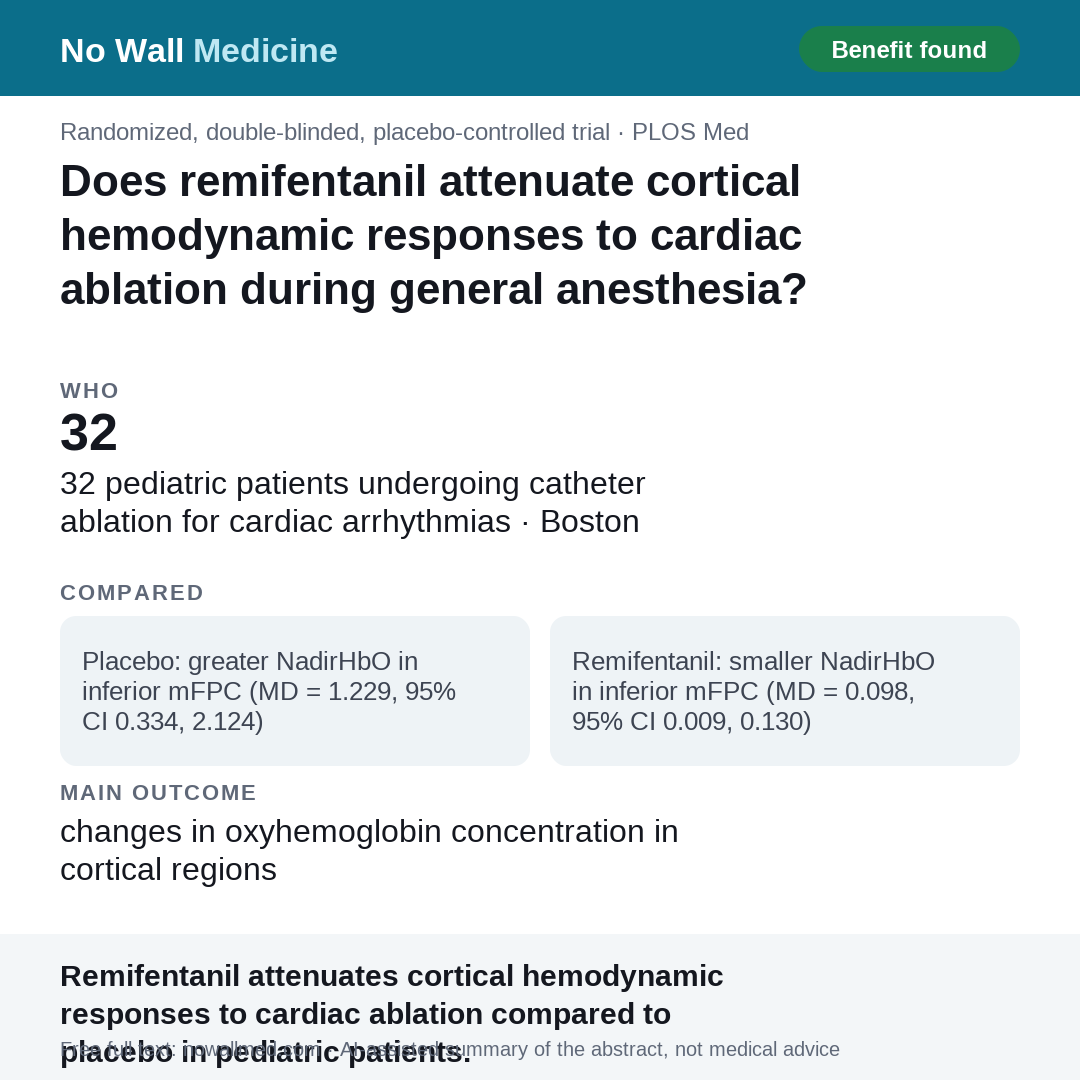
Brain-based measures of nociception during general anesthesia with remifentanil: A randomized controlled trial
Randomized, double-blinded, placebo-controlled trialBenefit found
Does remifentanil attenuate cortical hemodynamic responses to cardiac ablation during general anesthesia?
Who
32
32 pediatric patients undergoing catheter ablation for cardiac arrhythmias · Boston Children's Hospital
Compared
Placebo: greater NadirHbO in inferior mFPC (MD = 1.229, 95% CI 0.334, 2.124)
Remifentanil: smaller NadirHbO in inferior mFPC (MD = 0.098, 95% CI 0.009, 0.130)
Main outcome
changes in oxyhemoglobin concentration in cortical regions
Result: MD = 1.229 (95% CI 0.334, 2.124) for NadirHbO in inferior mFPC
Bottom line: Remifentanil attenuates cortical hemodynamic responses to cardiac ablation compared to placebo in pediatric patients.
Limitation: Small sample size, motion from surgery, indirect nociception measure, and shallow fNIRS penetration depth.
PLOS Med · 2022-04-22Download image
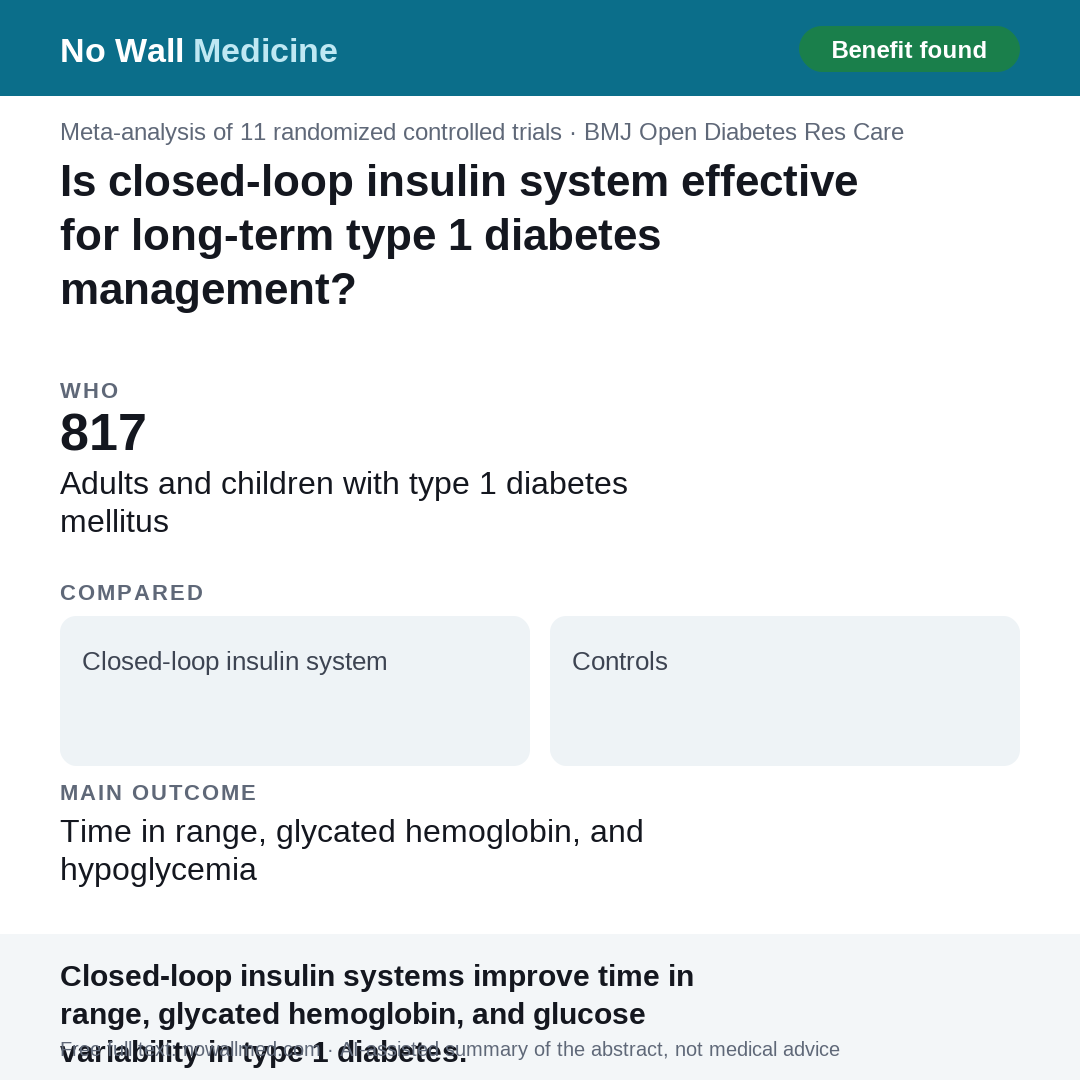
Better TIR, HbA1c, and less hypoglycemia in closed-loop insulin system in patients with type 1 diabetes: a meta-analysis
Meta-analysis of 11 randomized controlled trialsBenefit found
Is closed-loop insulin system effective for long-term type 1 diabetes management?
Who
817
Adults and children with type 1 diabetes mellitus
Compared
Closed-loop insulin system
Controls
Main outcome
Time in range, glycated hemoglobin, and hypoglycemia
Result: glycated hemoglobin -0.30% (-0.41% to -0.19%)
Bottom line: Closed-loop insulin systems improve time in range, glycated hemoglobin, and glucose variability in type 1 diabetes.
BMJ Open Diabetes Res Care · 2022-04-22Download image
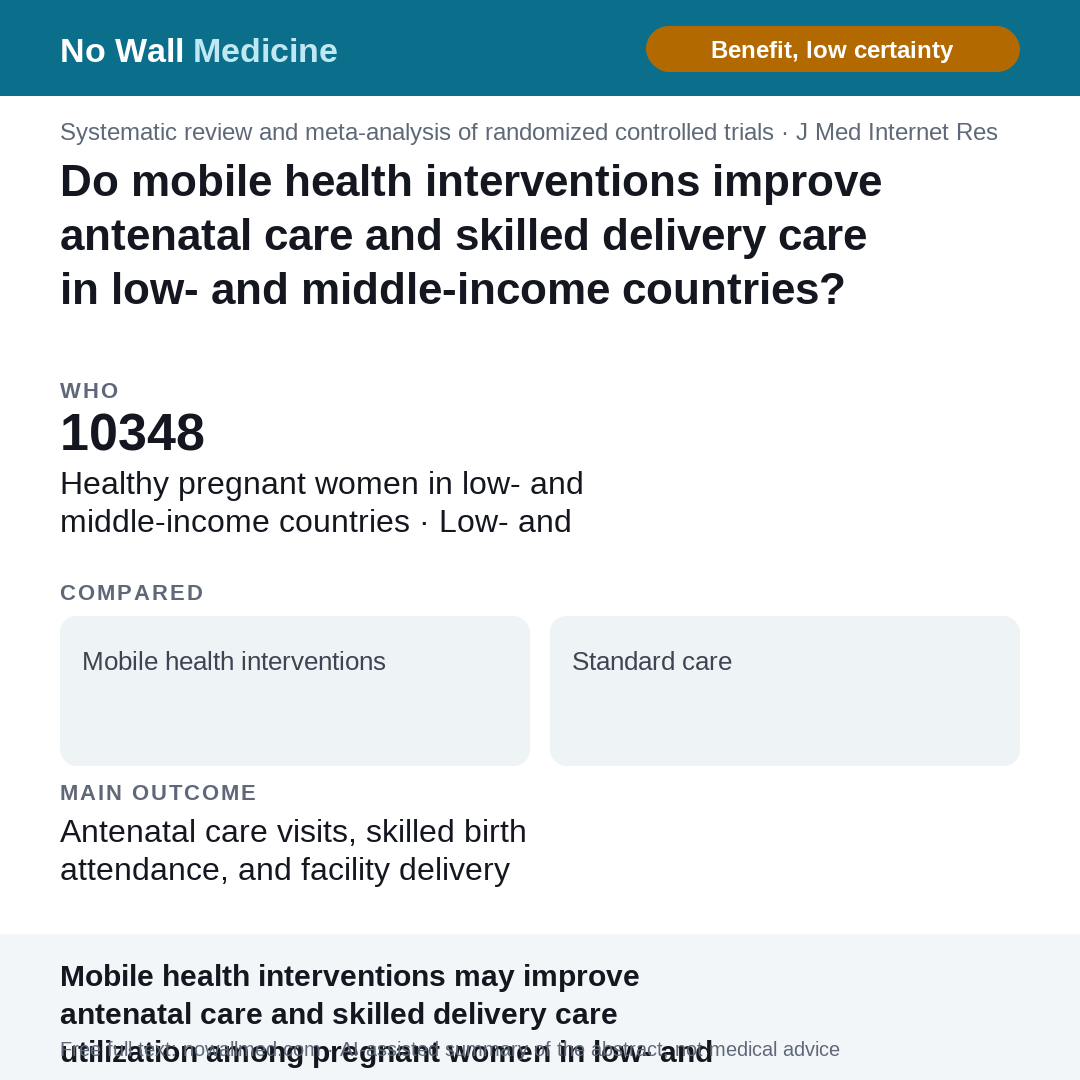
Effects of mHealth Interventions on Improving Antenatal Care Visits and Skilled Delivery Care in Low- and Middle-Income Countries: Systematic Review and Meta-analysis
Systematic review and meta-analysis of randomized controlled trialsBenefit found
Do mobile health interventions improve antenatal care and skilled delivery care in low- and middle-income countries?
Who
10348
Healthy pregnant women in low- and middle-income countries · Low- and middle-income countries
Compared
Mobile health interventions
Standard care
Main outcome
Antenatal care visits, skilled birth attendance, and facility delivery
Result: RR 2.14 (95% CI 1.76-2.60) for 4 or more antenatal care visits (1-way communications)
Bottom line: Mobile health interventions may improve antenatal care and skilled delivery care utilization among pregnant women in low- and middle-income countries.
Limitation: Considerable heterogeneity observed in the meta-analyses.
J Med Internet Res · 2022-04-22Download image
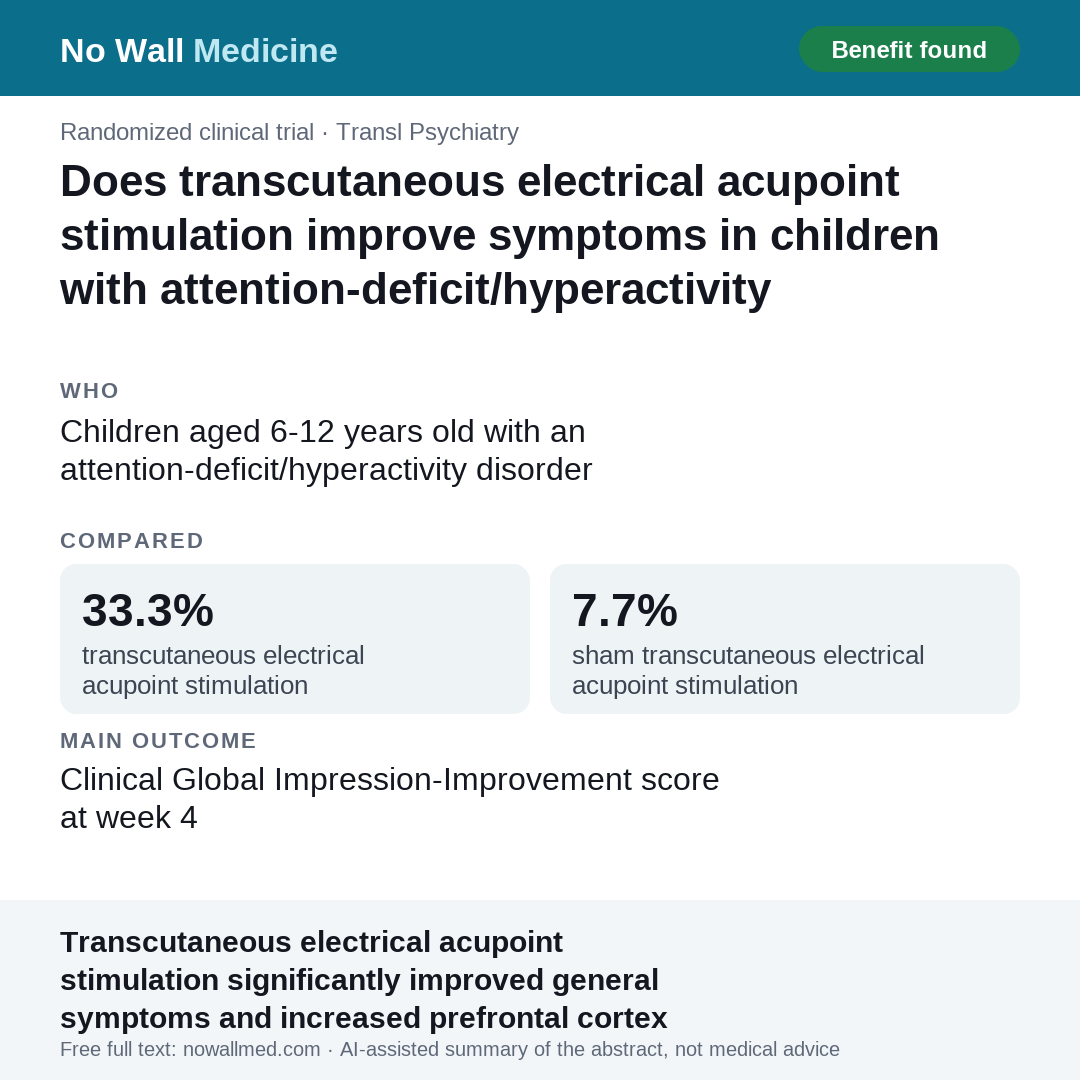
Transcutaneous electrical acupoint stimulation for children with attention-deficit/hyperactivity disorder: a randomized clinical trial
Randomized clinical trialBenefit found
Does transcutaneous electrical acupoint stimulation improve symptoms in children with attention-deficit/hyperactivity disorder?
Who
Children aged 6-12 years old with an attention-deficit/hyperactivity disorder diagnosis
Compared
33.3%transcutaneous electrical acupoint stimulation
7.7%sham transcutaneous electrical acupoint stimulation
Main outcome
Clinical Global Impression-Improvement score at week 4
Bottom line: Transcutaneous electrical acupoint stimulation significantly improved general symptoms and increased prefrontal cortex blood flow in children with attention-deficit/hyperactivity disorder.
Transl Psychiatry · 2022-04-21Download image
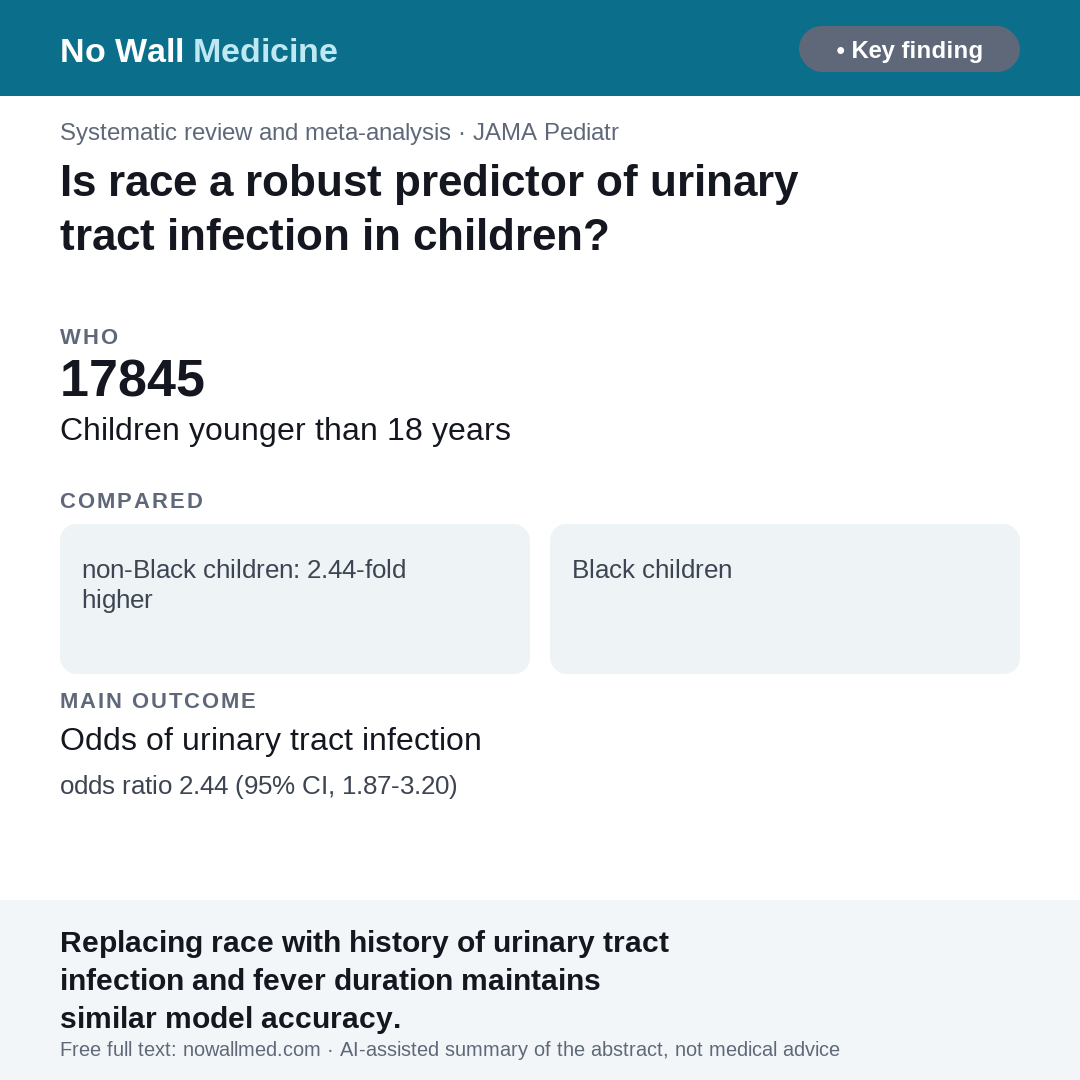
Reassessment of the Role of Race in Calculating the Risk for Urinary Tract Infection: A Systematic Review and Meta-analysis
Systematic review and meta-analysisBenefit found
Is race a robust predictor of urinary tract infection in children?
Who
17845
Children younger than 18 years
Compared
non-Black children: 2.44-fold higher
Black children
Main outcome
Odds of urinary tract infection
Result: odds ratio 2.44 (95% CI, 1.87-3.20)
Bottom line: Replacing race with history of urinary tract infection and fever duration maintains similar model accuracy.
JAMA Pediatr · 2022-04-19Download image
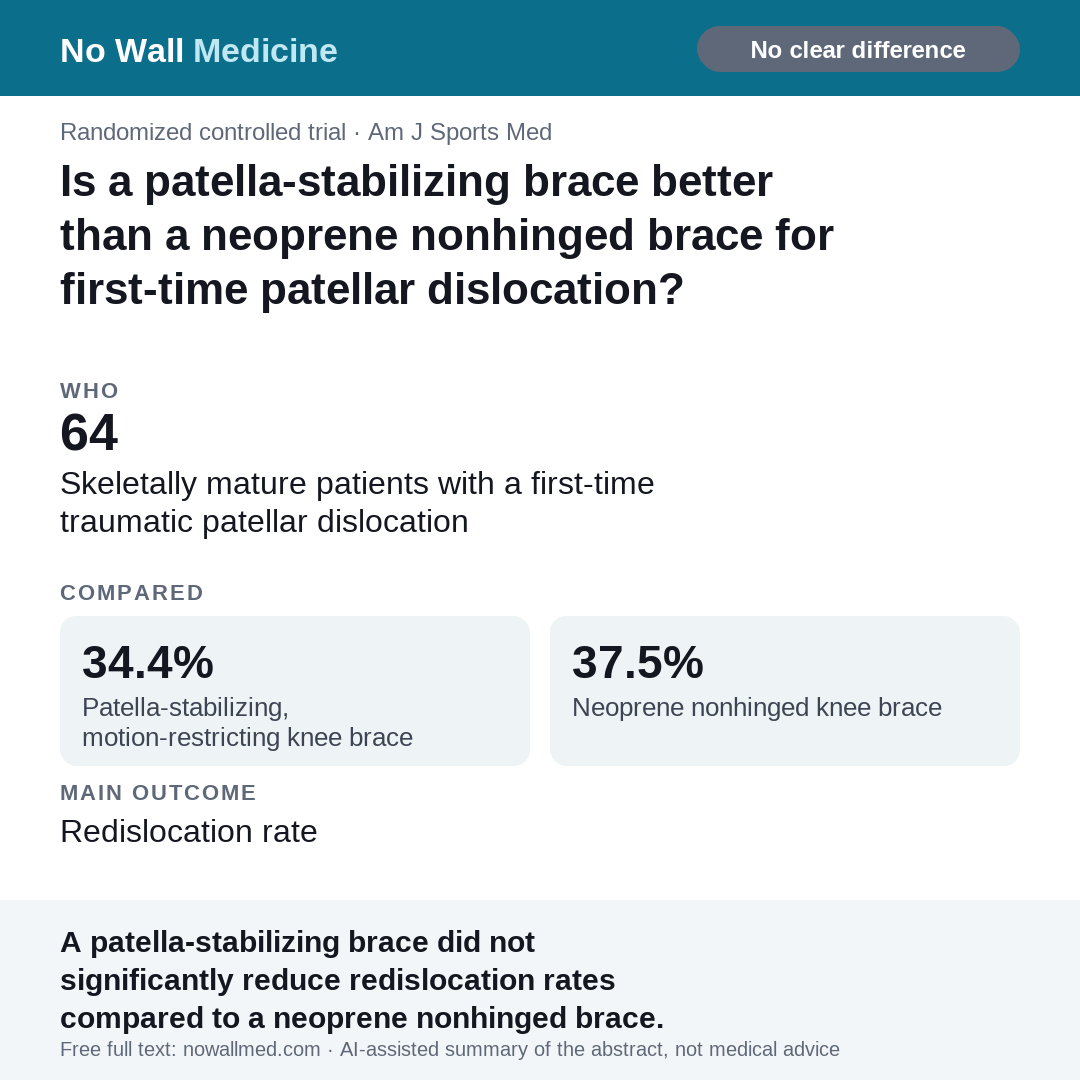
A Randomized Controlled Trial Comparing a Patella-Stabilizing, Motion-Restricting Knee Brace Versus a Neoprene Nonhinged Knee Brace After a First-Time Traumatic Patellar Dislocation
Randomized controlled trialNo clear difference
Is a patella-stabilizing brace better than a neoprene nonhinged brace for first-time patellar dislocation?
Who
64
Skeletally mature patients with a first-time traumatic patellar dislocation
Compared
34.4%Patella-stabilizing, motion-restricting knee brace (11/32)
37.5%Neoprene nonhinged knee brace (12/32)
Main outcome
Redislocation rate
Result: risk difference, -3.1% (95% CI, -26.6% to 20.3%)
Bottom line: A patella-stabilizing brace did not significantly reduce redislocation rates compared to a neoprene nonhinged brace.
Am J Sports Med · 2022-04-19Download image
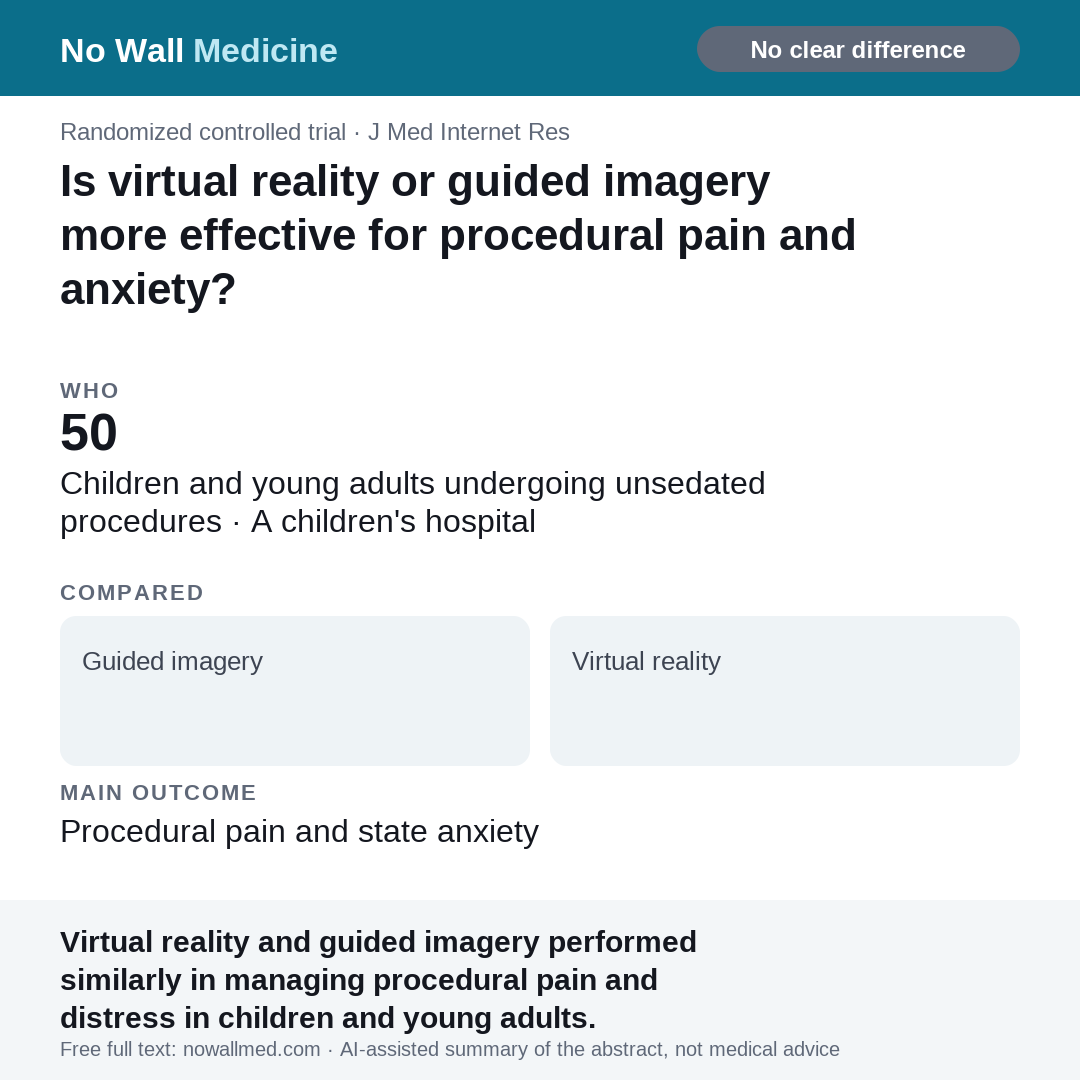
Distracting Through Procedural Pain and Distress Using Virtual Reality and Guided Imagery in Pediatric, Adolescent, and Young Adult Patients: Randomized Controlled Trial
Randomized controlled trialNo clear difference
Is virtual reality or guided imagery more effective for procedural pain and anxiety?
Who
50
Children and young adults undergoing unsedated procedures · A children's hospital
Compared
Guided imagery
Virtual reality
Main outcome
Procedural pain and state anxiety
Bottom line: Virtual reality and guided imagery performed similarly in managing procedural pain and distress in children and young adults.
J Med Internet Res · 2022-04-18Download image
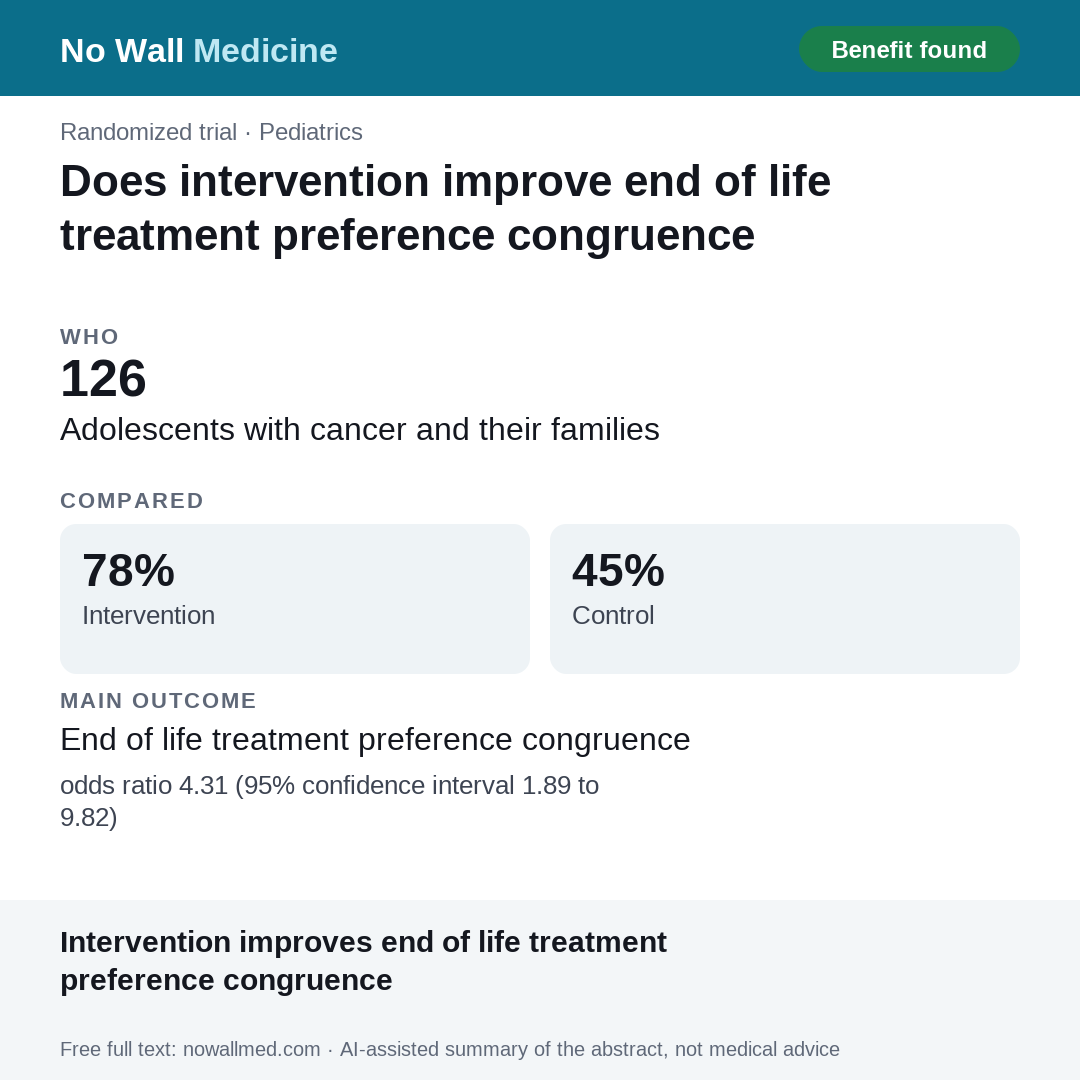
An Intervention in Congruence for End-of-Life Treatment Preference: A Randomized Trial
Randomized trialBenefit found
Does intervention improve end of life treatment preference congruence
Who
126
Adolescents with cancer and their families
Compared
78%Intervention (57/73)
45%Control (19/42)
Main outcome
End of life treatment preference congruence
Result: odds ratio 4.31 (95% confidence interval 1.89 to 9.82)
Bottom line: Intervention improves end of life treatment preference congruence
Pediatrics · 2022-04-16Download image