Visual abstracts
New randomized trials and meta-analyses from leading journals at a glance: who was studied, what was compared, and what was found. Every paper is free to read in full.
All specialtiesCardiology 4877Oncology 4138Gastroenterology & Hepatology 1942Infectious Disease 3837Neurology 1905Psychiatry & Mental Health 2273Pulmonology 2143Critical Care 1365Endocrinology & Diabetes 2580Pediatrics 2980Surgery 2559Orthopedics & Sports Medicine 931Neurosurgery 537Cardiothoracic & Vascular Surgery 674Plastic & Reconstructive Surgery 591Nephrology 1133Rheumatology 823Hematology 1109Dermatology 621Ophthalmology 543Obstetrics & Gynecology 1686Public & Global Health 1058Radiology & Imaging 648Anesthesiology 986Urology 764ENT (Otolaryngology) 503Emergency Medicine 511Allergy & Immunology 313Geriatrics 981Family Medicine & Primary Care 562Medical Genetics & Genomics 676Pathology & Laboratory Medicine 159Physical Medicine & Rehabilitation 757Palliative Care 444Nutrition 1588Digital Health & AI 2201General Medicine 321
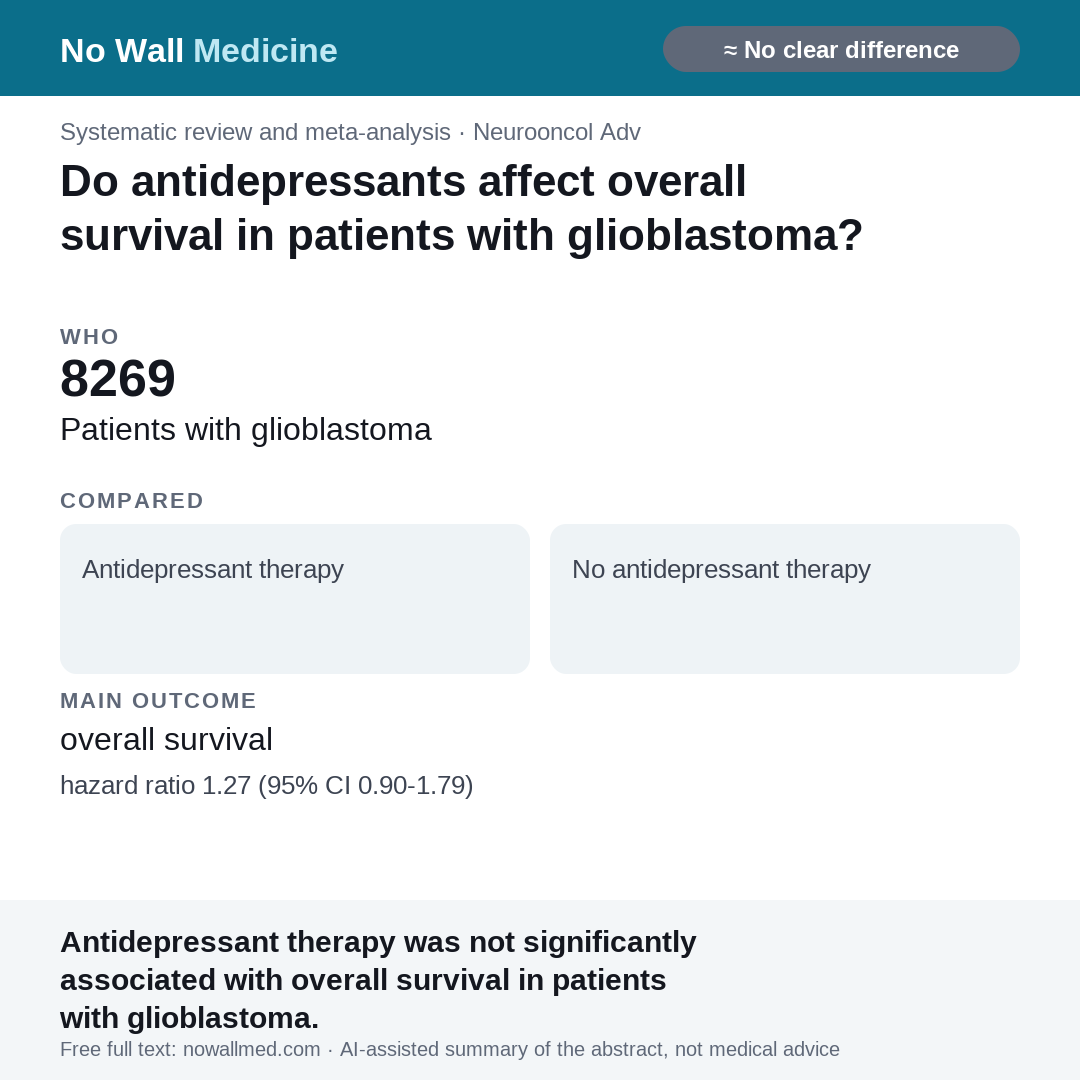
The effect of antidepressants on glioblastoma survival: A systematic review and meta-analysis
Systematic review and meta-analysisNo clear difference
Do antidepressants affect overall survival in patients with glioblastoma?
Who
8269
Patients with glioblastoma
Compared
Antidepressant therapy
No antidepressant therapy
Main outcome
overall survival
Result: hazard ratio 1.27 (95% CI 0.90-1.79)
Bottom line: Antidepressant therapy was not significantly associated with overall survival in patients with glioblastoma.
Limitation: significant heterogeneity observed across studies
Neurooncol Adv · 2025-06-14Download image
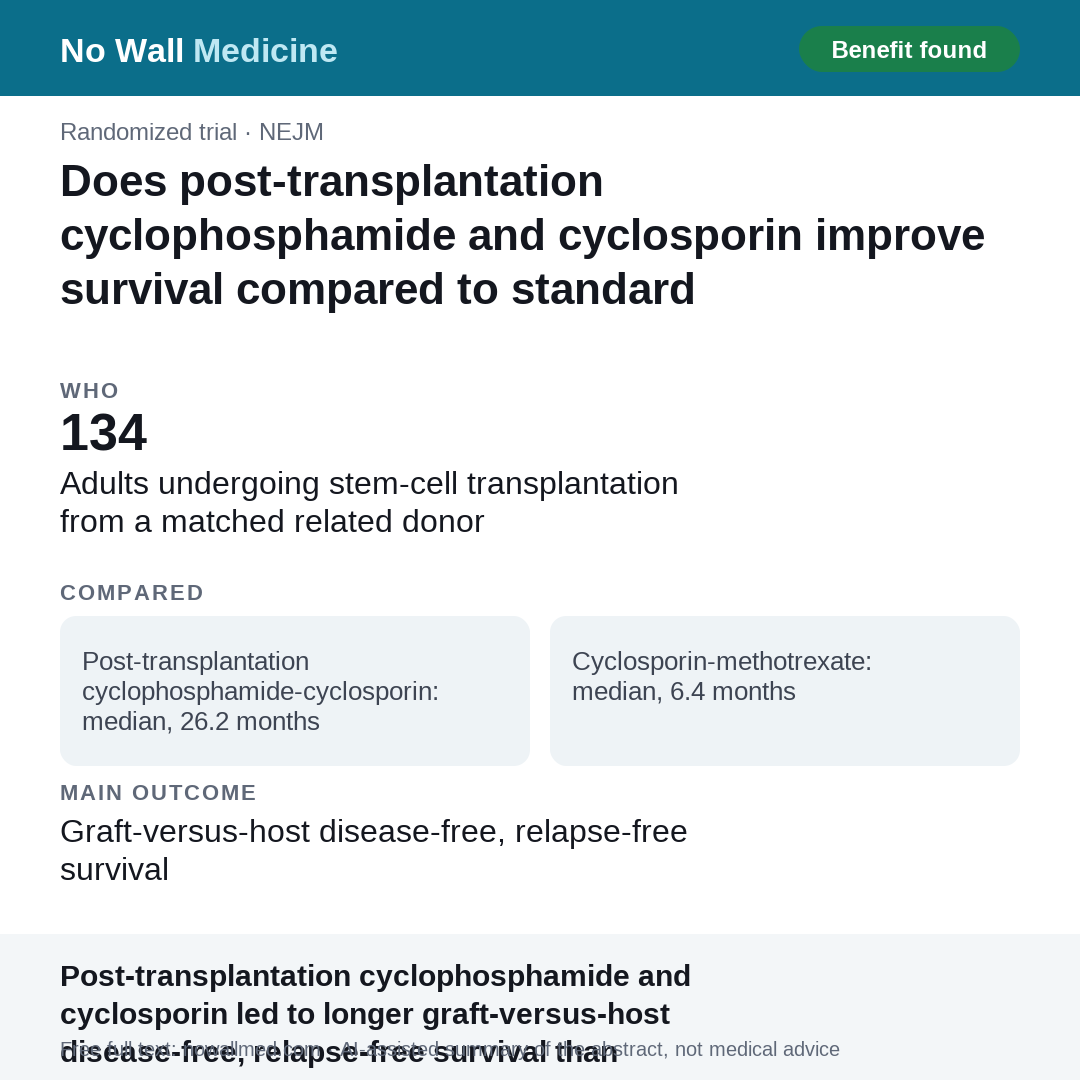
Graft-versus-Host Disease Prophylaxis with Cyclophosphamide and Cyclosporin
Randomized trialBenefit found
Does post-transplantation cyclophosphamide and cyclosporin improve survival compared to standard prophylaxis?
Who
134
Adults undergoing stem-cell transplantation from a matched related donor
Compared
Post-transplantation cyclophosphamide-cyclosporin: median, 26.2 months
Cyclosporin-methotrexate: median, 6.4 months
Main outcome
Graft-versus-host disease-free, relapse-free survival
Result: hazard ratio 0.42 (95% CI, 0.27 to 0.66)
Bottom line: Post-transplantation cyclophosphamide and cyclosporin led to longer graft-versus-host disease-free, relapse-free survival than standard prophylaxis.
Funded by: Australian Government Medical Research Future Fund and others
NEJM · 2025-06-13Download image
Education of healthcare professionals to improve guideline adherence in atrial fibrillation: the STEEER-AF cluster-randomized clinical trial
Cluster-randomized clinical trialMixed results
Does professional education improve guideline adherence in atrial fibrillation?
Who
1732
Patients with atrial fibrillation seen in routine practice · 70 centers in six countries
Compared
Intervention group: 67.5% stroke prevention adherence
Control group: 60.9% stroke prevention adherence
Main outcome
Guideline adherence to stroke prevention and rhythm control
Result: adjusted risk ratio 1.10 (95% CI 0.97 to 1.24)
Bottom line: Education improved rhythm control guideline adherence but had no significant effect on stroke prevention adherence.
Nat Med · 2025-06-13Download image

An intensive weight loss programme with behavioural support for people with type 2 diabetes at risk of eating disorders in England (ARIADNE): a randomised, controlled, non-inferiority trial
Randomised, controlled, non-inferiority trialBenefit found
Does a total diet replacement programme affect eating disorder symptoms in people with type 2 diabetes?
Who
56
People with type 2 diabetes, overweight or obesity, and eating disorder symptoms · England
Compared
-0·8 pointsTotal diet replacement programme (-1·4 to -0·3)
Usual care
Main outcome
Eating Disorders Examination Questionnaire global score at 6 months
Result: -0·8 points (-1·4 to -0·3)
Bottom line: A supported total diet replacement programme did not worsen eating disorder symptoms in people with type 2 diabetes.
Funded by: Novo Nordisk UK Research Foundation
Lancet Psychiatry · 2025-06-13Download image

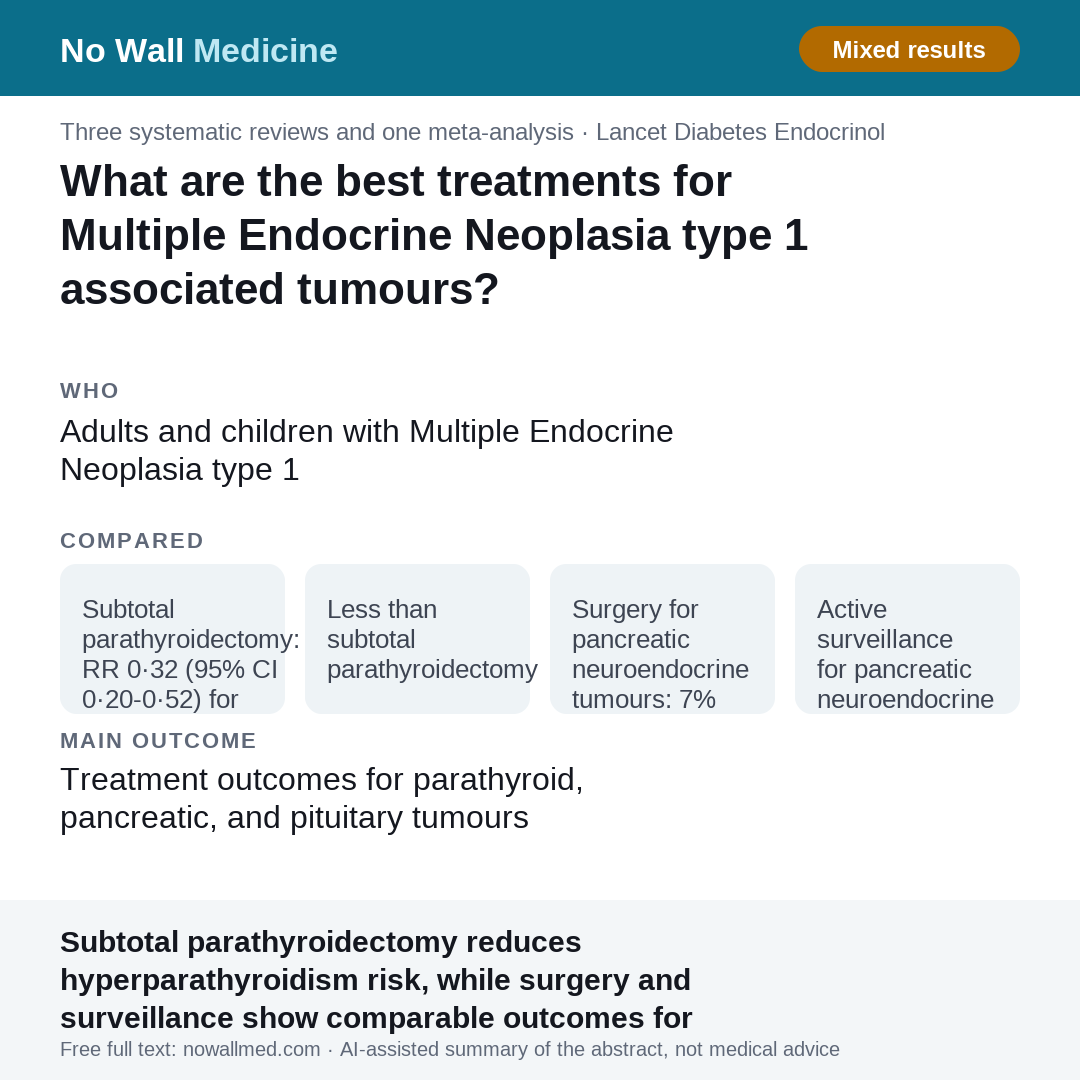
Treatments for MEN1-associated endocrine tumours: three systematic reviews and a meta-analysis
Three systematic reviews and one meta-analysisMixed results
What are the best treatments for Multiple Endocrine Neoplasia type 1 associated tumours?
Who
Adults and children with Multiple Endocrine Neoplasia type 1
Compared
Subtotal parathyroidectomy: RR 0·32 (95% CI 0·20-0·52) for persistent hyperparathyroidism
Less than subtotal parathyroidectomy
Surgery for pancreatic neuroendocrine tumours: 7% (2/27) to 20% (3/15) mortality/metastatic disease
Active surveillance for pancreatic neuroendocrine tumours: 3% (1/33) to 8% (4/50) mortality/metastatic disease
Main outcome
Treatment outcomes for parathyroid, pancreatic, and pituitary tumours
Bottom line: Subtotal parathyroidectomy reduces hyperparathyroidism risk, while surgery and surveillance show comparable outcomes for small pancreatic neuroendocrine tumours.
Lancet Diabetes Endocrinol · 2025-06-13Download image
Magnetic Resonance Imaging-based Biopsy Strategies in Prostate Cancer Screening: A Systematic Review
Systematic reviewBenefit found
Does integrating magnetic resonance imaging into prostate cancer screening provide a net benefit?
Who
Men undergoing prostate cancer screening
Compared
First-line MRI screening: detects twice as many men with grade group 2 or greater cancer
Second-stage MRI screening: significantly reduced biopsy rates (range, 42-79%)
Main outcome
clinically significant cancer detection and biopsy avoidance
Bottom line: Both first-line and second-stage magnetic resonance imaging screening strategies show positive net benefits for prostate cancer screening.
Limitation: Heterogeneity in the study protocols limits generalisability.
Eur Urol · 2025-06-13Download image

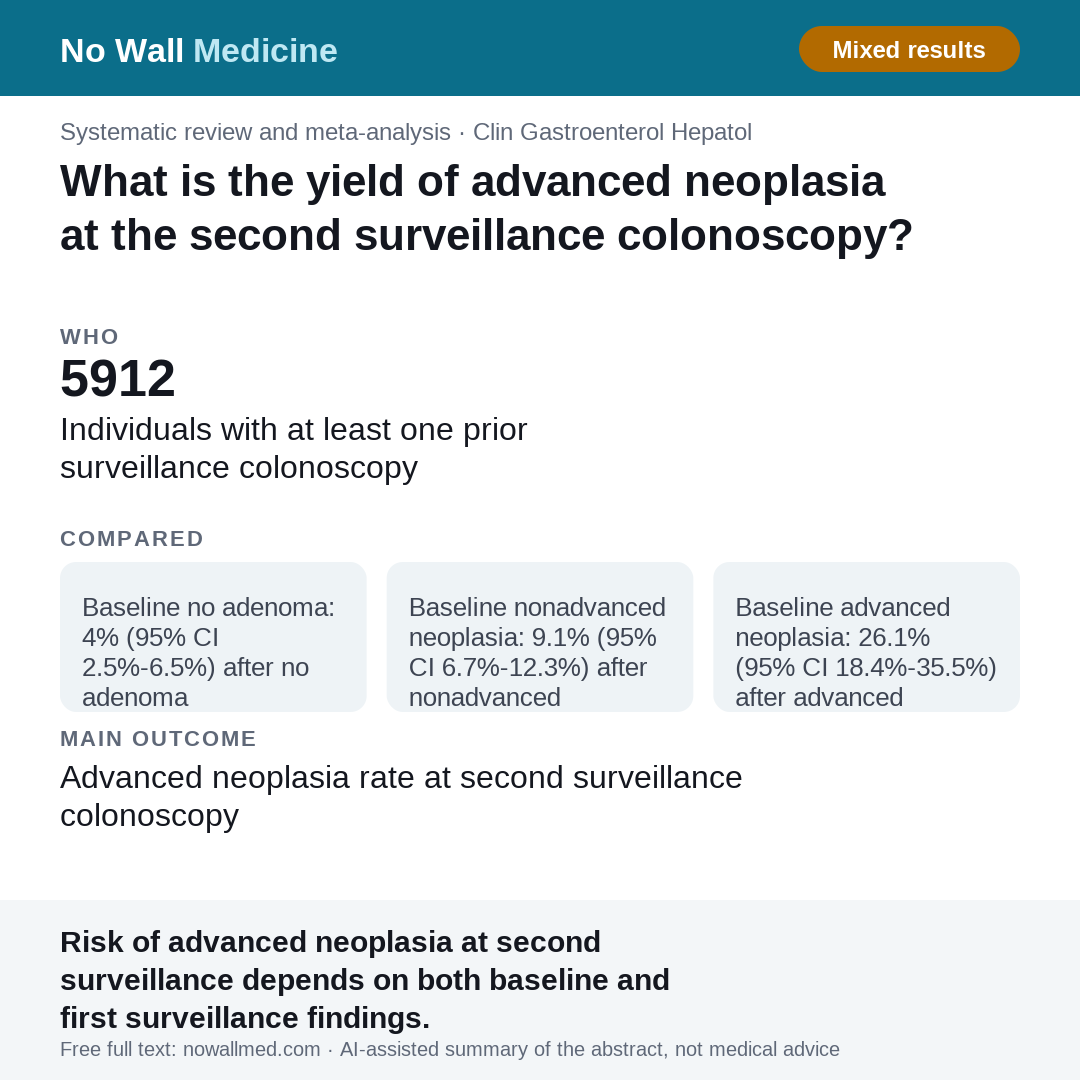
Yield of Advanced Neoplasia at Second Post-polypectomy Surveillance Colonoscopy: A Systematic Review and Meta-analysis
Systematic review and meta-analysisMixed results
What is the yield of advanced neoplasia at the second surveillance colonoscopy?
Who
5912
Individuals with at least one prior surveillance colonoscopy
Compared
Baseline no adenoma: 4% (95% CI 2.5%-6.5%) after no adenoma
Baseline nonadvanced neoplasia: 9.1% (95% CI 6.7%-12.3%) after nonadvanced neoplasia
Baseline advanced neoplasia: 26.1% (95% CI 18.4%-35.5%) after advanced neoplasia
Main outcome
Advanced neoplasia rate at second surveillance colonoscopy
Bottom line: Risk of advanced neoplasia at second surveillance depends on both baseline and first surveillance findings.
Limitation: Included 11 observational studies
Clin Gastroenterol Hepatol · 2025-06-13Download image
A multidomain trial for cognition in women with cardiovascular disease
2 x 2 factorial design randomized controlled trialNo clear difference
Does MindMoves improve cognition and serum neurotrophic biomarkers in women with cardiovascular disease?
Who
253
Older women with cardiovascular disease without cognitive impairment
Compared
Mind (cognitive training)
Move (lifestyle physical activity)
Mind and Move combination
Main outcome
change in global cognition and four serum biomarkers
Bottom line: Mind and Move, alone or in combination, were not associated with improved cognition in this sample.
Alzheimers Dement · 2025-06-13Download image

Genetic abnormalities in catatonia: a systematic review
Systematic reviewMixed results
Genetic basis of catatonia
Who
8600
individuals with catatonia
Compared
Genetic conditions
Non-genetic conditions
Main outcome
genetic abnormalities
Bottom line: Catatonia linked to many genetic syndromes
Psychol Med · 2025-06-13Download image

Efficacy and safety of the oral Janus kinase 1 inhibitor povorcitinib in patients with extensive vitiligo in a phase 2, randomized, double-blinded, dose-ranging, placebo-controlled study
Randomized, double-blinded trialBenefit found
Does povorcitinib improve vitiligo?
Who
171
Adult patients with extensive nonsegmental vitiligo
Compared
19.1%Povorcitinib 15mg
17.8%Povorcitinib 45mg
15.7%Povorcitinib 75mg
-2.3%Placebo
Main outcome
Total Vitiligo Area Scoring Index
Bottom line: Povorcitinib improves vitiligo repigmentation
Limitation: Limited demographic diversity
J Am Acad Dermatol · 2025-06-13Download image

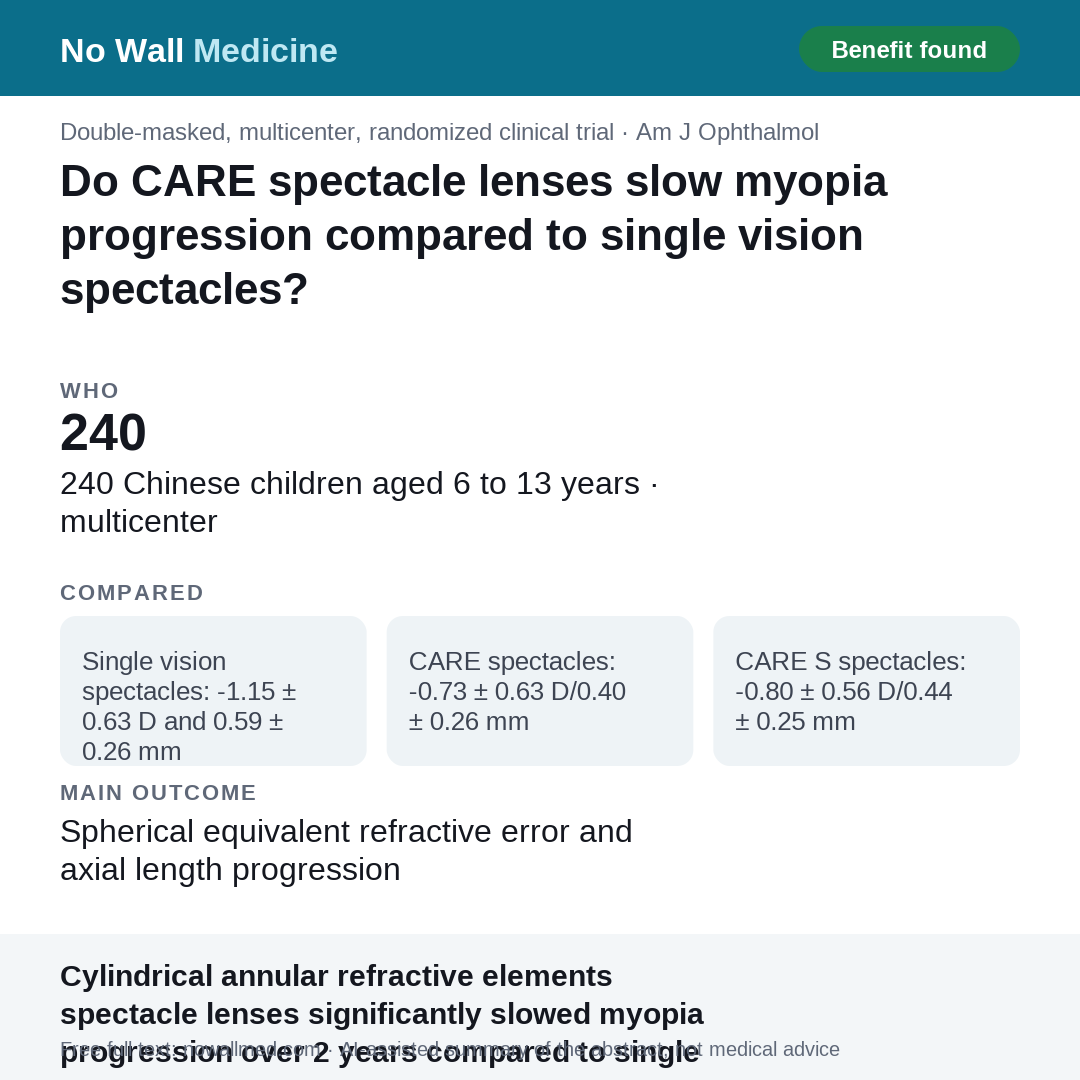
Efficacy of Cylindrical Annular Refractive Elements (CARE) Spectacle Lenses in Slowing Myopia Progression Over 2 Years
Double-masked, multicenter, randomized clinical trialBenefit found
Do CARE spectacle lenses slow myopia progression compared to single vision spectacles?
Who
240
240 Chinese children aged 6 to 13 years · multicenter
Compared
Single vision spectacles: -1.15 ± 0.63 D and 0.59 ± 0.26 mm
CARE spectacles: -0.73 ± 0.63 D/0.40 ± 0.26 mm
CARE S spectacles: -0.80 ± 0.56 D/0.44 ± 0.25 mm
Main outcome
Spherical equivalent refractive error and axial length progression
Result: absolute difference in SE of 0.44 D (95% CI, 0.21-0.66 D) for CARE
Bottom line: Cylindrical annular refractive elements spectacle lenses significantly slowed myopia progression over 2 years compared to single vision lenses.
Am J Ophthalmol · 2025-06-13Download image
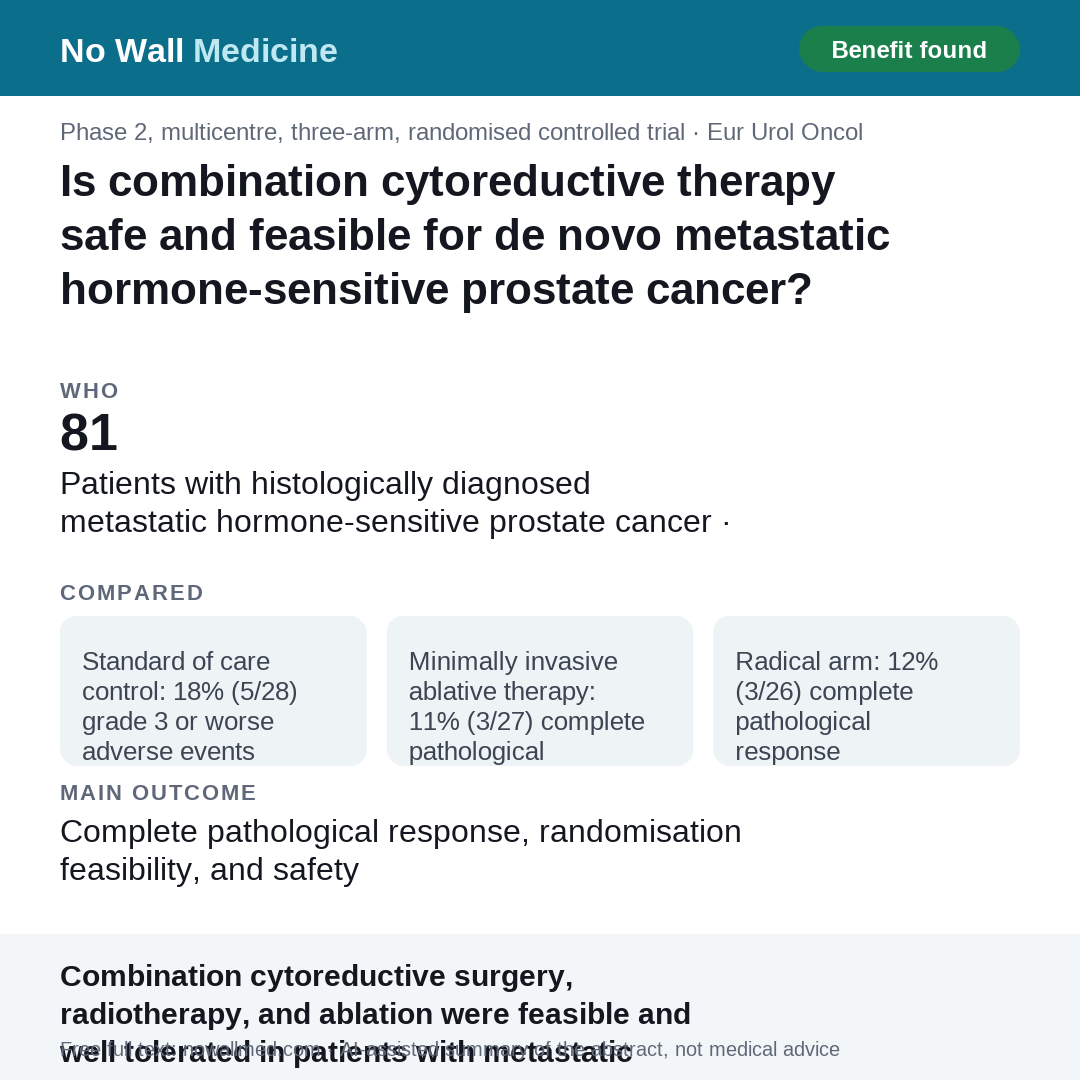
Combination Cytoreductive Surgery, Radiotherapy, or Ablation for De Novo Metastatic Prostate Cancer: The IP2-ATLANTA Internal Pilot, Phase 2, Randomised Controlled Trial
Phase 2, multicentre, three-arm, randomised controlled trialBenefit found
Is combination cytoreductive therapy safe and feasible for de novo metastatic hormone-sensitive prostate cancer?
Who
81
Patients with histologically diagnosed metastatic hormone-sensitive prostate cancer · multicentre
Compared
Standard of care control: 18% (5/28) grade 3 or worse adverse events
Minimally invasive ablative therapy: 11% (3/27) complete pathological response
Radical arm: 12% (3/26) complete pathological response
Main outcome
Complete pathological response, randomisation feasibility, and safety
Bottom line: Combination cytoreductive surgery, radiotherapy, and ablation were feasible and well tolerated in patients with metastatic prostate cancer.
Limitation: The majority of patients still have viable residual prostate cancer after systemic therapy.
Eur Urol Oncol · 2025-06-13Download image
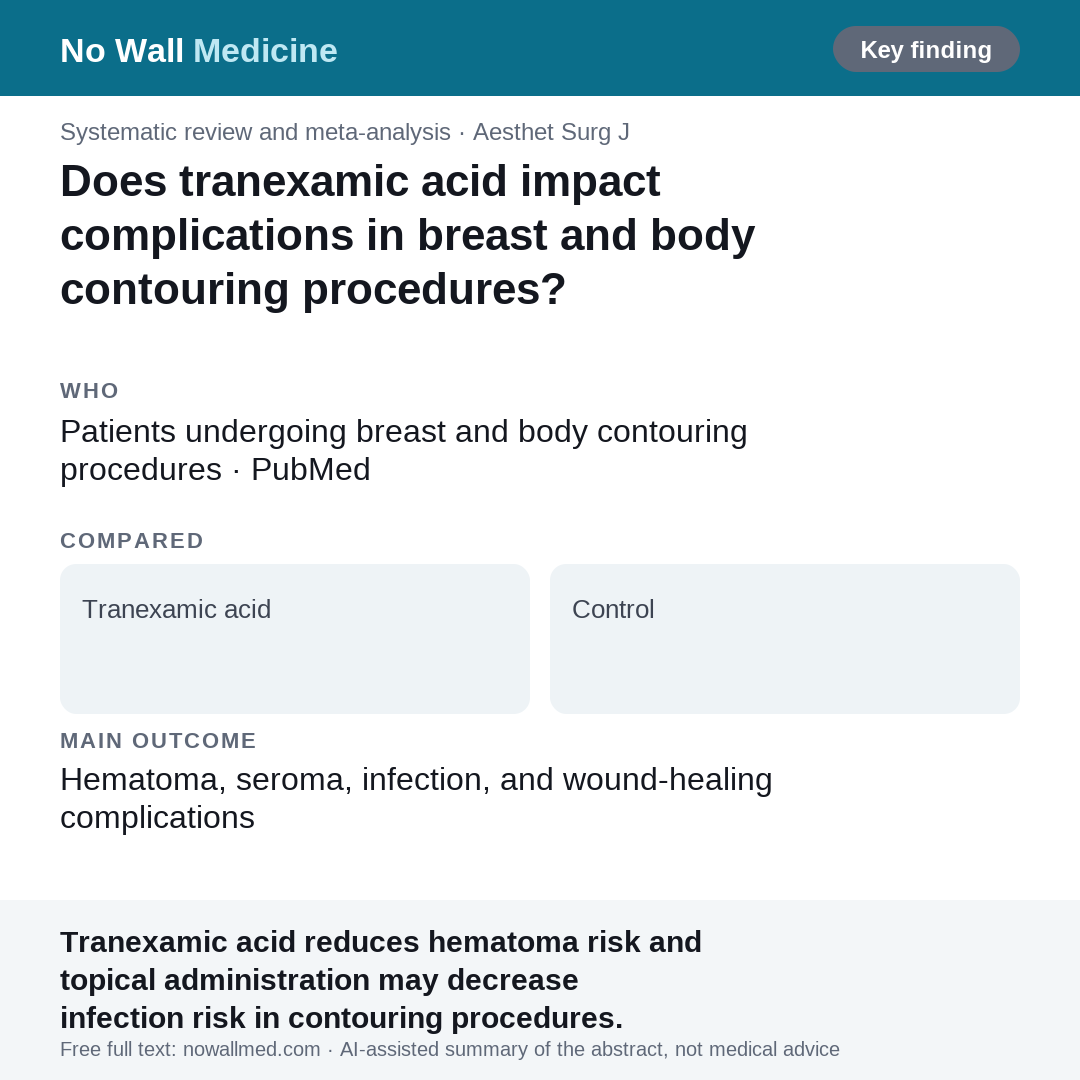
Tranexamic Acid in Body Contouring Surgery: A Systematic Review and Meta-Analysis
Systematic review and meta-analysisBenefit found
Does tranexamic acid impact complications in breast and body contouring procedures?
Who
Patients undergoing breast and body contouring procedures · PubMed
Compared
Tranexamic acid
Control
Main outcome
Hematoma, seroma, infection, and wound-healing complications
Result: odds ratio 0.37 (95% CI 0.18-077) for hematoma
Bottom line: Tranexamic acid reduces hematoma risk and topical administration may decrease infection risk in contouring procedures.
Aesthet Surg J · 2025-06-13Download image
Effects of Nut Intake on Gut Microbiome Composition and Gut Function in Adults: A Systematic Review and Meta-analysis
Systematic review and meta-analysisMixed results
Do nut intakes affect gut microbiota composition, metabolites, and gut function in adults?
Who
28
Adults
Compared
Nut intervention
Control
Main outcome
Gut microbiota composition, metabolites, and gut function
Bottom line: Nuts have modest effects on gut health, with positive effects on propionate but unfavorable effects on fecal moisture.
Limitation: Substantial heterogeneity between studies may hinder further conclusions.
Adv Nutr · 2025-06-13Download image

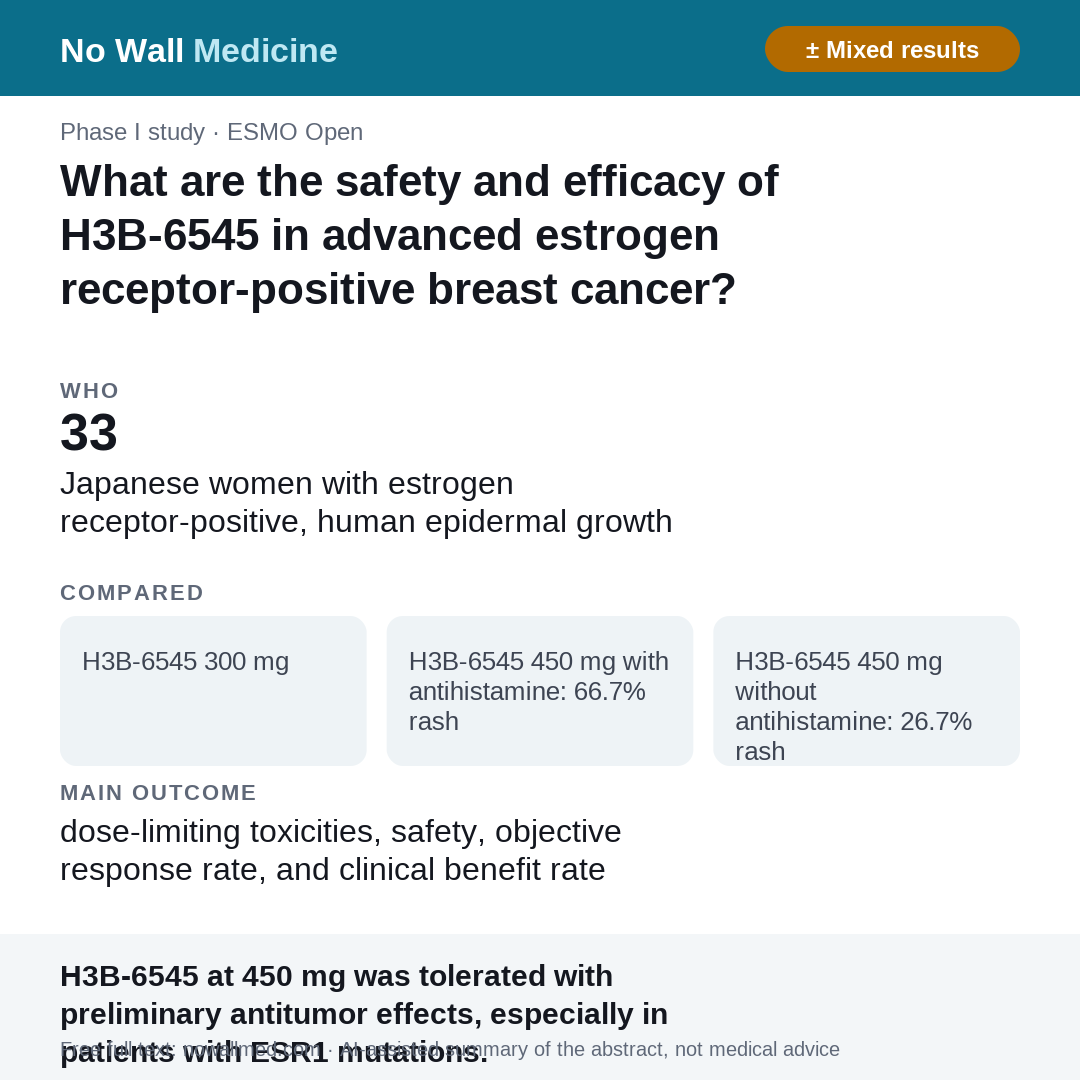
Phase I study of H3B-6545 in patients with estrogen receptor-positive breast cancer
Phase I studyMixed results
What are the safety and efficacy of H3B-6545 in advanced estrogen receptor-positive breast cancer?
Who
33
Japanese women with estrogen receptor-positive, human epidermal growth factor receptor 2-negative, advanced/metastatic breast cancer · Japan
Compared
H3B-6545 300 mg
H3B-6545 450 mg with antihistamine: 66.7% rash
H3B-6545 450 mg without antihistamine: 26.7% rash
Main outcome
dose-limiting toxicities, safety, objective response rate, and clinical benefit rate
Bottom line: H3B-6545 at 450 mg was tolerated with preliminary antitumor effects, especially in patients with ESR1 mutations.
ESMO Open · 2025-06-13Download image
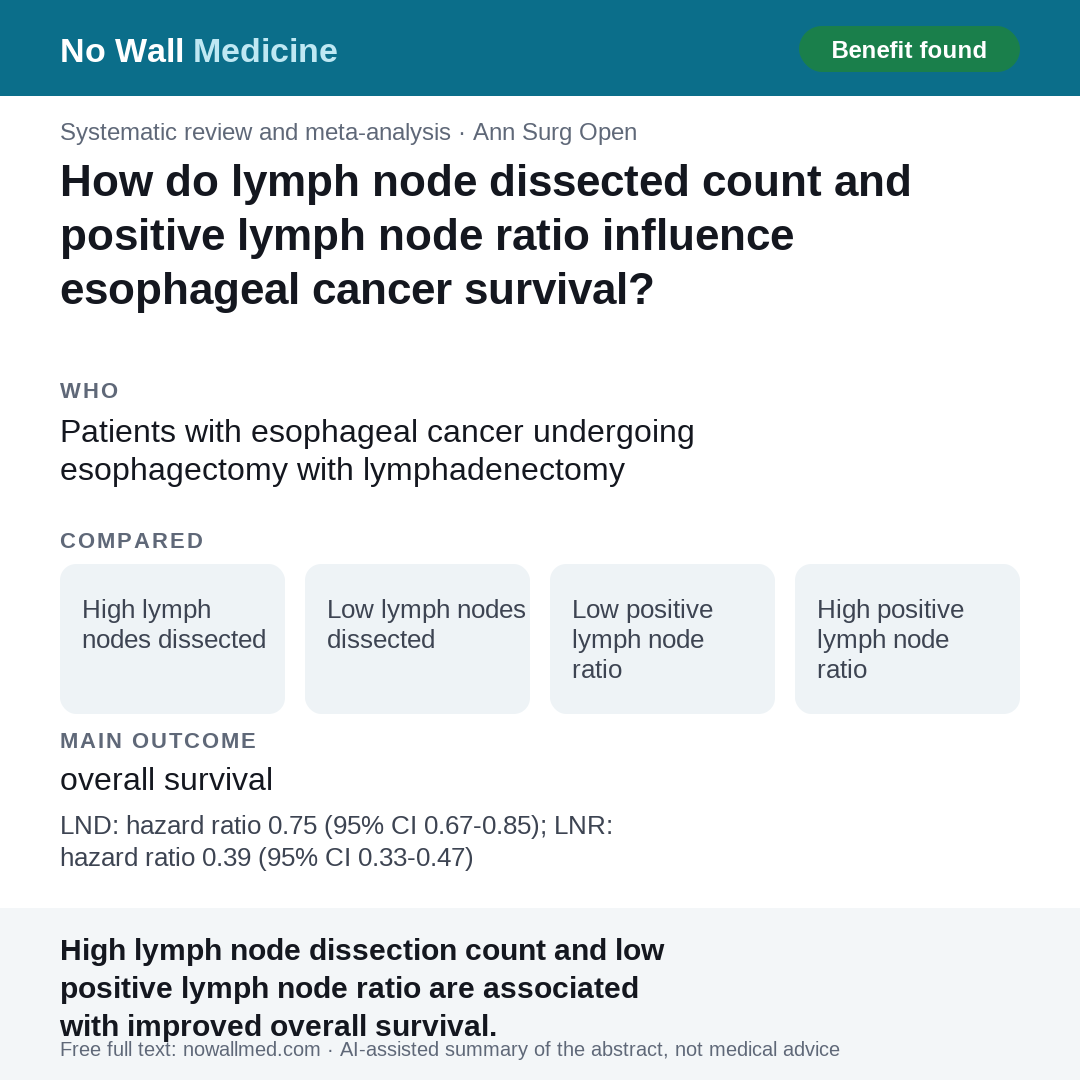
Impact of Dissected Lymph Node Count and Positive Lymph Node Ratio Following Esophagectomy on Long-Term Outcomes in Esophageal Cancer: A Systematic Review and Meta-Analysis
Systematic review and meta-analysisBenefit found
How do lymph node dissected count and positive lymph node ratio influence esophageal cancer survival?
Who
Patients with esophageal cancer undergoing esophagectomy with lymphadenectomy
Compared
High lymph nodes dissected
Low lymph nodes dissected
Low positive lymph node ratio
High positive lymph node ratio
Main outcome
overall survival
Result: LND: hazard ratio 0.75 (95% CI 0.67-0.85); LNR: hazard ratio 0.39 (95% CI 0.33-0.47)
Bottom line: High lymph node dissection count and low positive lymph node ratio are associated with improved overall survival.
Ann Surg Open · 2025-06-13Download image
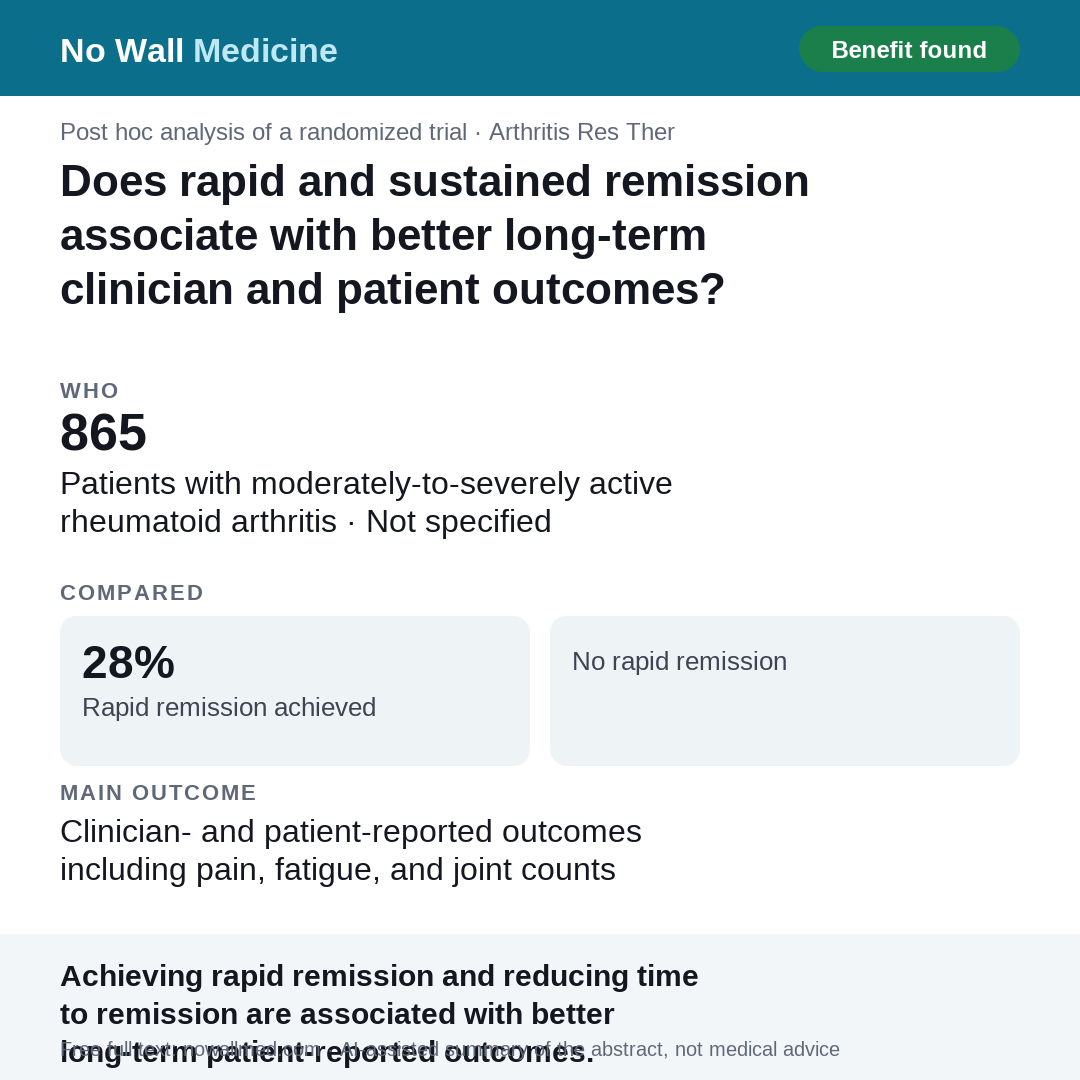
Association between rapid and sustained remission and clinician- and patient-reported outcomes in patients with rheumatoid arthritis: post hoc analysis of data from the SELECT-COMPARE study
Post hoc analysis of a randomized trialBenefit found
Does rapid and sustained remission associate with better long-term clinician and patient outcomes?
Who
865
Patients with moderately-to-severely active rheumatoid arthritis · Not specified
Compared
28%Rapid remission achieved (247/865)
No rapid remission
Main outcome
Clinician- and patient-reported outcomes including pain, fatigue, and joint counts
Result: adjusted odds ratios 2.2-5.6 for MCIDs and 1.6-9.8 for normative values
Bottom line: Achieving rapid remission and reducing time to remission are associated with better long-term patient-reported outcomes.
Arthritis Res Ther · 2025-06-13Download image
The Machine Learning Models in Major Cardiovascular Adverse Events Prediction Based on Coronary Computed Tomography Angiography: Systematic Review
Systematic review and meta-analysisBenefit found
What is the diagnostic value of machine learning models using CCTA radiomics for predicting MACEs?
Who
Patients who underwent coronary computed tomography angiography
Compared
Machine learning models (training set): 0.7879 AUROC
Machine learning models (testing set): 0.7981 AUROC
Main outcome
Major adverse cardiovascular events prediction
Result: pooled AUROC 0.7879 in training and 0.7981 in testing
Bottom line: Machine learning models using radiomics from CCTA show superior performance in predicting major adverse cardiovascular events.
Limitation: Limited number of studies, high heterogeneity, and types of included studies.
J Med Internet Res · 2025-06-13Download image

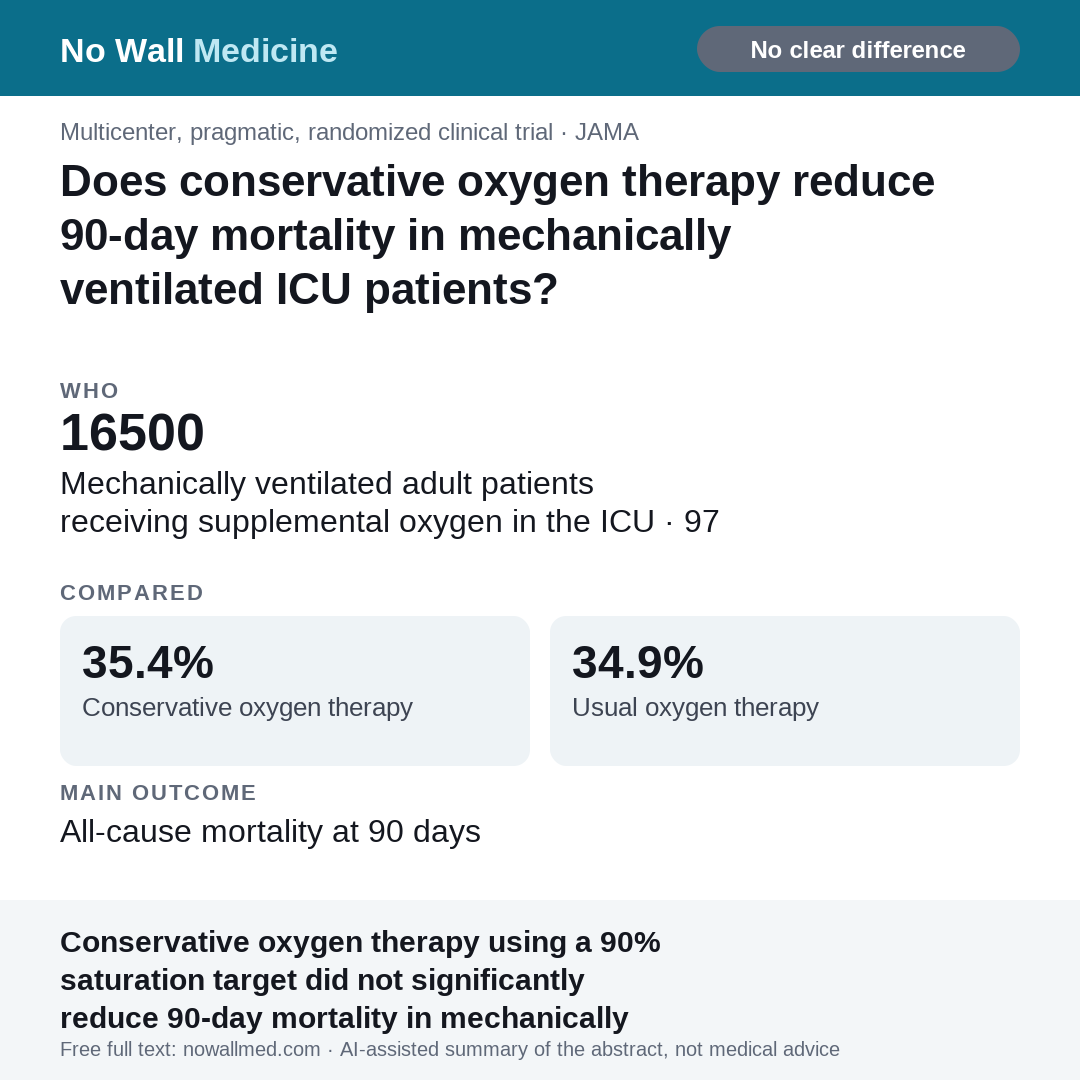
Conservative Oxygen Therapy in Mechanically Ventilated Critically Ill Adult Patients: The UK-ROX Randomized Clinical Trial
Multicenter, pragmatic, randomized clinical trialNo clear difference
Does conservative oxygen therapy reduce 90-day mortality in mechanically ventilated ICU patients?
Who
16500
Mechanically ventilated adult patients receiving supplemental oxygen in the ICU · 97 intensive care units in the UK
Compared
35.4%Conservative oxygen therapy (2908/8211)
34.9%Usual oxygen therapy (2858/8183)
Main outcome
All-cause mortality at 90 days
Result: risk difference 0.7 percentage points (95% CI, -0.7 to 2.0)
Bottom line: Conservative oxygen therapy using a 90% saturation target did not significantly reduce 90-day mortality in mechanically ventilated patients.
JAMA · 2025-06-12Download image
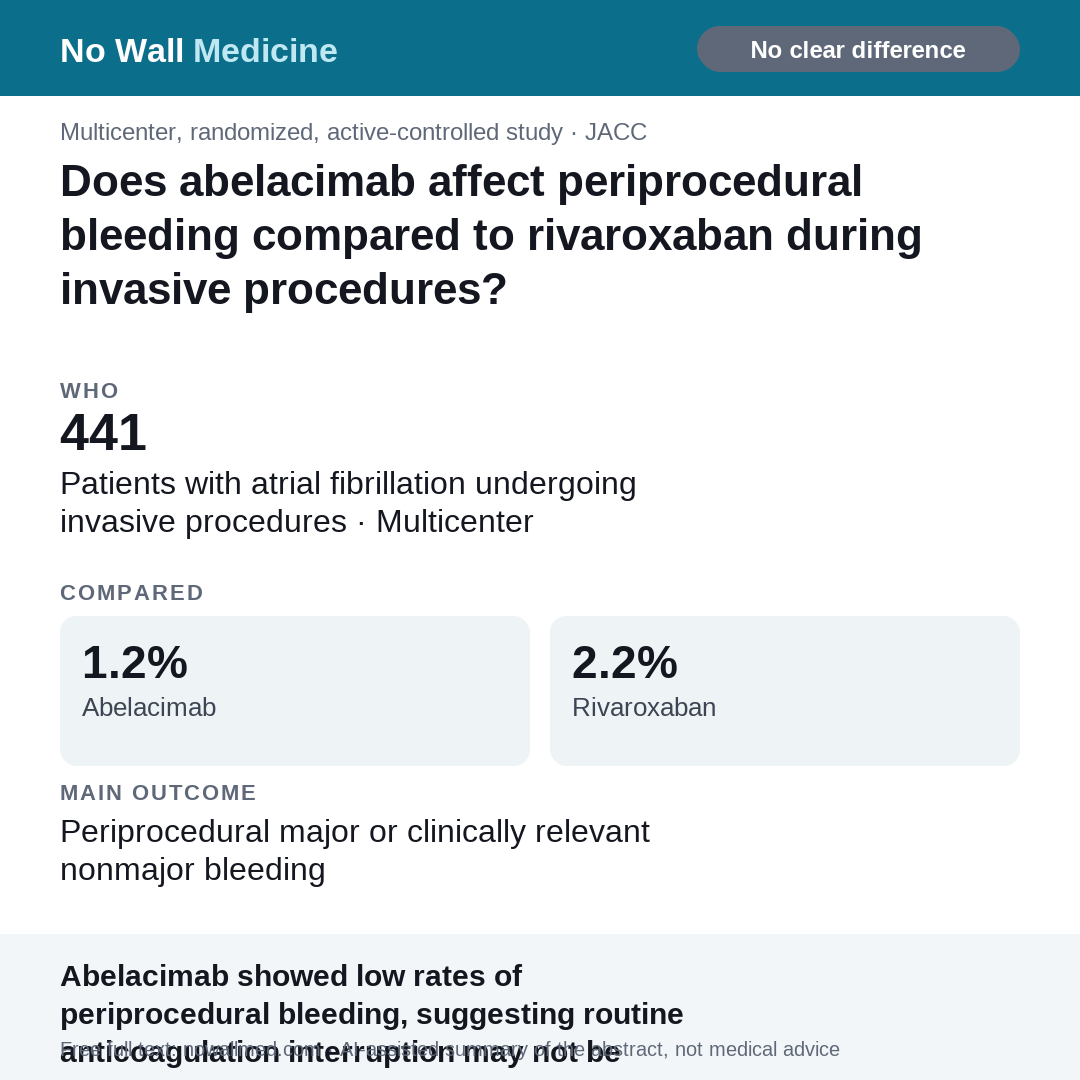
Long-Acting Factor XI Inhibition and Periprocedural Bleeding: An Analysis From AZALEA-TIMI 71
Multicenter, randomized, active-controlled studyNo clear difference
Does abelacimab affect periprocedural bleeding compared to rivaroxaban during invasive procedures?
Who
441
Patients with atrial fibrillation undergoing invasive procedures · Multicenter
Compared
1.2%Abelacimab
2.2%Rivaroxaban
Main outcome
Periprocedural major or clinically relevant nonmajor bleeding
Result: risk ratio 0.54 (95% CI 0.19-1.58)
Bottom line: Abelacimab showed low rates of periprocedural bleeding, suggesting routine anticoagulation interruption may not be necessary for all procedures.
JACC · 2025-06-12Download image