Visual abstracts
New randomized trials and meta-analyses from leading journals at a glance: who was studied, what was compared, and what was found. Every paper is free to read in full.
All specialtiesCardiology 857Oncology 770Gastroenterology & Hepatology 311Infectious Disease 626Neurology 354Psychiatry & Mental Health 430Pulmonology 370Critical Care 260Endocrinology & Diabetes 484Pediatrics 542Surgery 351Orthopedics & Sports Medicine 166Neurosurgery 115Cardiothoracic & Vascular Surgery 87Plastic & Reconstructive Surgery 144Nephrology 197Rheumatology 108Hematology 183Dermatology 82Ophthalmology 97Obstetrics & Gynecology 266Public & Global Health 168Radiology & Imaging 105Anesthesiology 130Urology 162ENT (Otolaryngology) 115Emergency Medicine 103Allergy & Immunology 58Geriatrics 160Family Medicine & Primary Care 111Medical Genetics & Genomics 91Pathology & Laboratory Medicine 27Physical Medicine & Rehabilitation 149Palliative Care 81Nutrition 223Digital Health & AI 462General Medicine 101
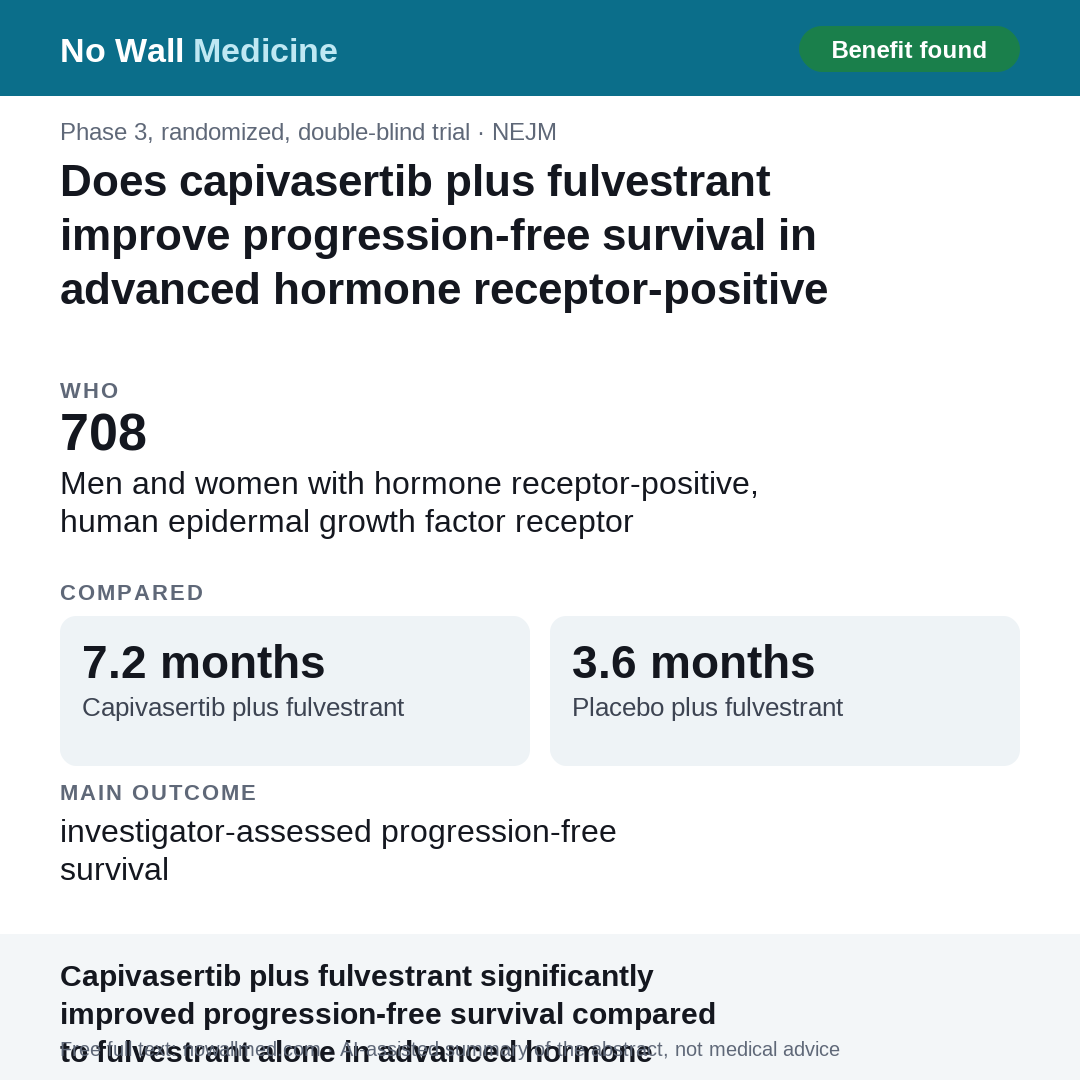
Capivasertib in Hormone Receptor-Positive Advanced Breast Cancer
Phase 3, randomized, double-blind trialBenefit found
Does capivasertib plus fulvestrant improve progression-free survival in advanced hormone receptor-positive breast cancer?
Who
708
Men and women with hormone receptor-positive, human epidermal growth factor receptor 2-negative advanced breast cancer
Compared
7.2 monthsCapivasertib plus fulvestrant
3.6 monthsPlacebo plus fulvestrant
Main outcome
investigator-assessed progression-free survival
Result: hazard ratio 0.60 (95% CI 0.51 to 0.71)
Bottom line: Capivasertib plus fulvestrant significantly improved progression-free survival compared to fulvestrant alone in advanced hormone receptor-positive breast cancer.
Funded by: AstraZeneca and the National Cancer Institute
NEJM · 2023-05-31Download image
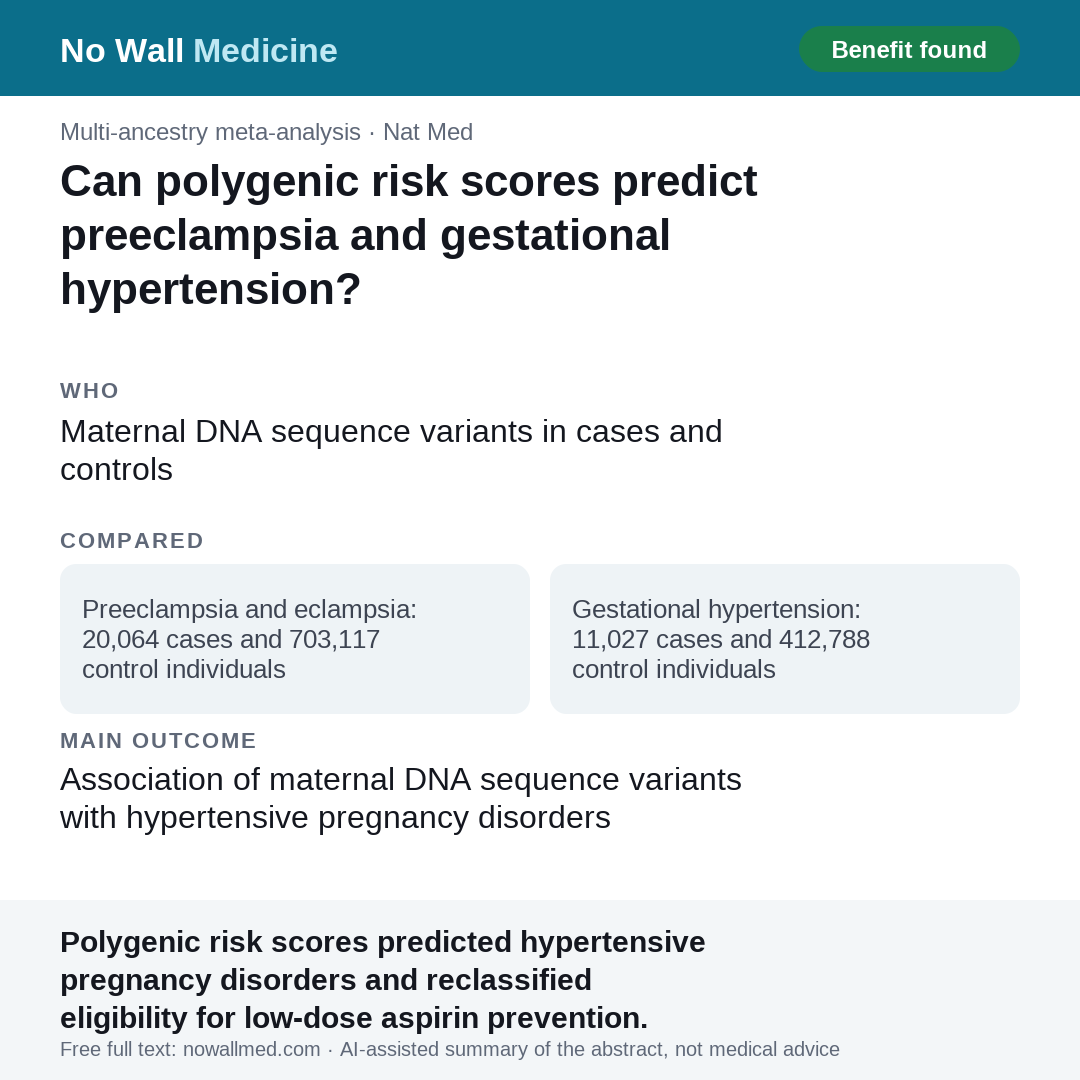
Polygenic prediction of preeclampsia and gestational hypertension
Multi-ancestry meta-analysisBenefit found
Can polygenic risk scores predict preeclampsia and gestational hypertension?
Who
Maternal DNA sequence variants in cases and controls
Compared
Preeclampsia and eclampsia: 20,064 cases and 703,117 control individuals
Gestational hypertension: 11,027 cases and 412,788 control individuals
Main outcome
Association of maternal DNA sequence variants with hypertensive pregnancy disorders
Bottom line: Polygenic risk scores predicted hypertensive pregnancy disorders and reclassified eligibility for low-dose aspirin prevention.
Nat Med · 2023-05-29Download image
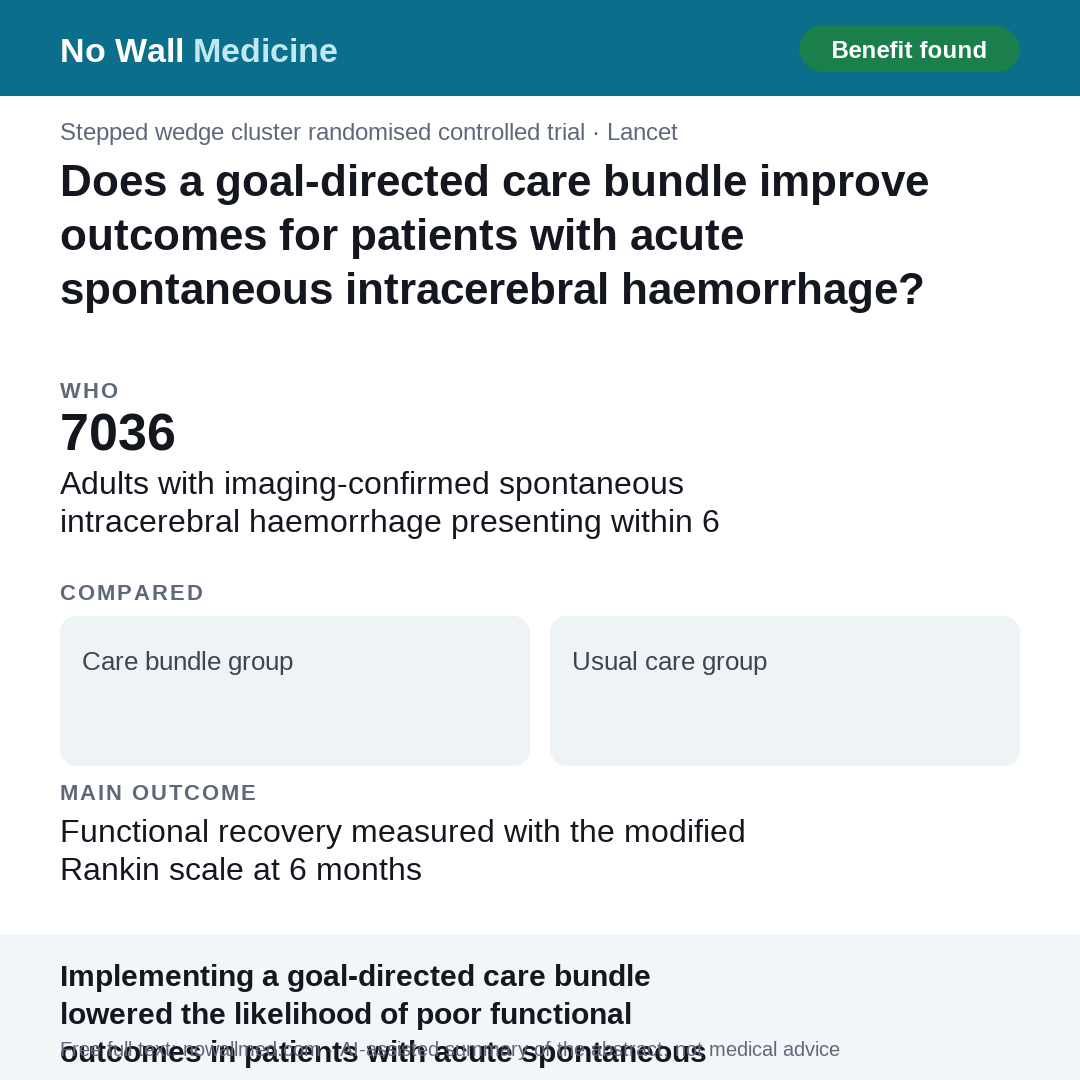
The third Intensive Care Bundle with Blood Pressure Reduction in Acute Cerebral Haemorrhage Trial (INTERACT3): an international, stepped wedge cluster randomised controlled trial
Stepped wedge cluster randomised controlled trialBenefit found
Does a goal-directed care bundle improve outcomes for patients with acute spontaneous intracerebral haemorrhage?
Who
7036
Adults with imaging-confirmed spontaneous intracerebral haemorrhage presenting within 6 hours · 121 hospitals in ten countries
Compared
Care bundle group
Usual care group
Main outcome
Functional recovery measured with the modified Rankin scale at 6 months
Result: common odds ratio 0·86 (95% CI 0·76-0·97)
Bottom line: Implementing a goal-directed care bundle lowered the likelihood of poor functional outcomes in patients with acute spontaneous intracerebral haemorrhage.
Lancet · 2023-05-25Download image
Normothermic machine perfusion versus static cold storage in donation after circulatory death kidney transplantation: a randomized controlled trial
Randomized controlled trialNo clear difference
Does normothermic machine perfusion reduce delayed graft function in donation after circulatory death kidney transplantation?
Who
277
Kidneys from donation after circulatory death donors
Compared
Normothermic machine perfusion: 82 of 135 (60.7%)
Static cold storage: 83 of 142 (58.5%)
Main outcome
Delayed graft function requiring dialysis in the first 7 days
Result: adjusted odds ratio 1.13 (95% confidence interval 0.69-1.84)
Bottom line: One hour of normothermic machine perfusion did not reduce delayed graft function in donation after circulatory death kidney transplants.
Nat Med · 2023-05-25Download image
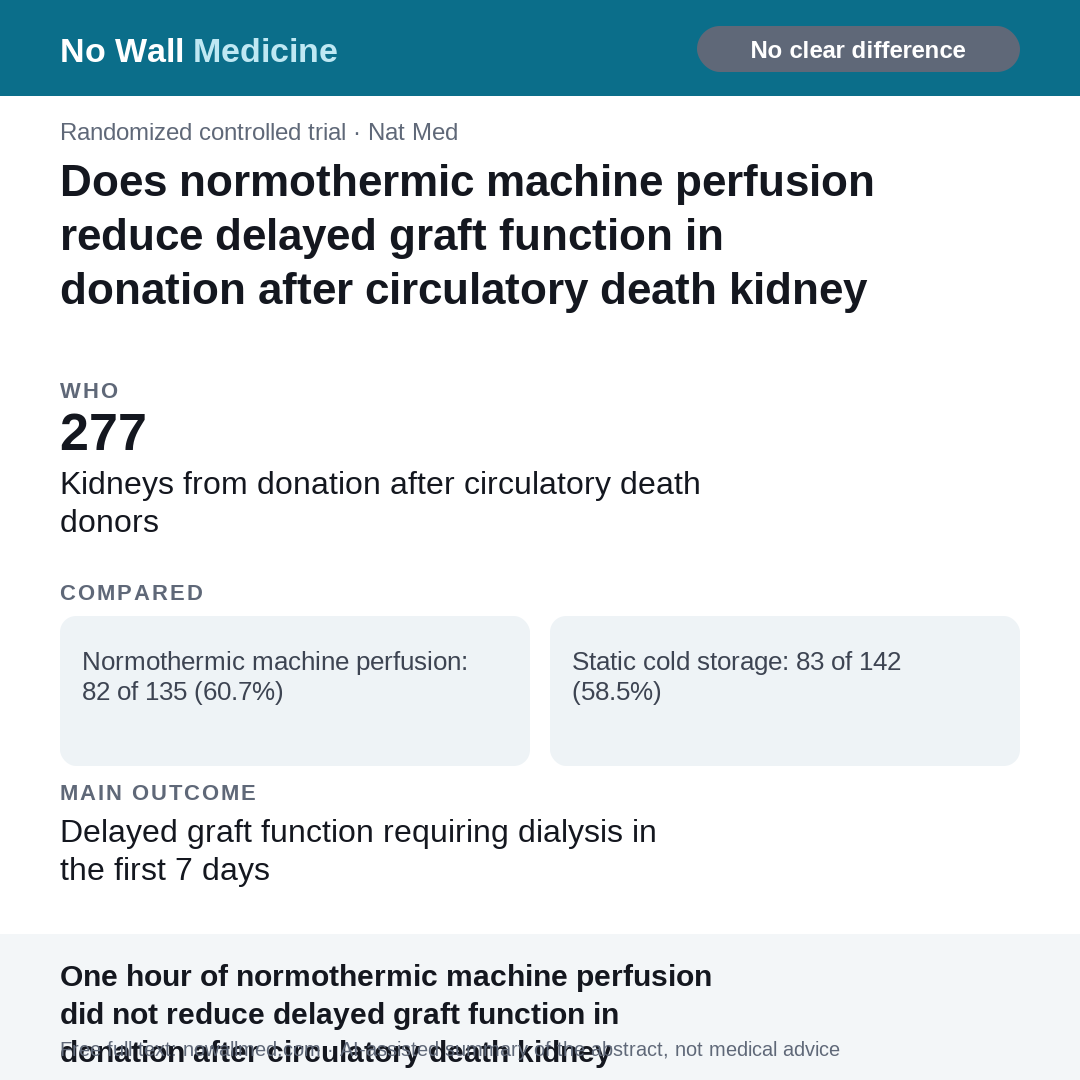
Meningococcal ACWYX Conjugate Vaccine in 2-to-29-Year-Olds in Mali and Gambia
Phase 3, noninferiority trialBenefit found
Is NmCV-5 noninferior to MenACWY-D in 2-to-29-year-olds?
Who
1800
Healthy 2-to-29-year-olds · Mali and Gambia
Compared
NmCV-5: 97.2% (95% CI, 96.0 to 98.1) serogroup X response
MenACWY-D
Main outcome
Seroresponse and geometric mean titer ratios
Bottom line: NmCV-5 was noninferior to MenACWY-D for four shared serogroups and elicited responses to serogroup X.
Funded by: United Kingdom Foreign, Commonwealth, and Development Office and others
NEJM · 2023-05-24Download image
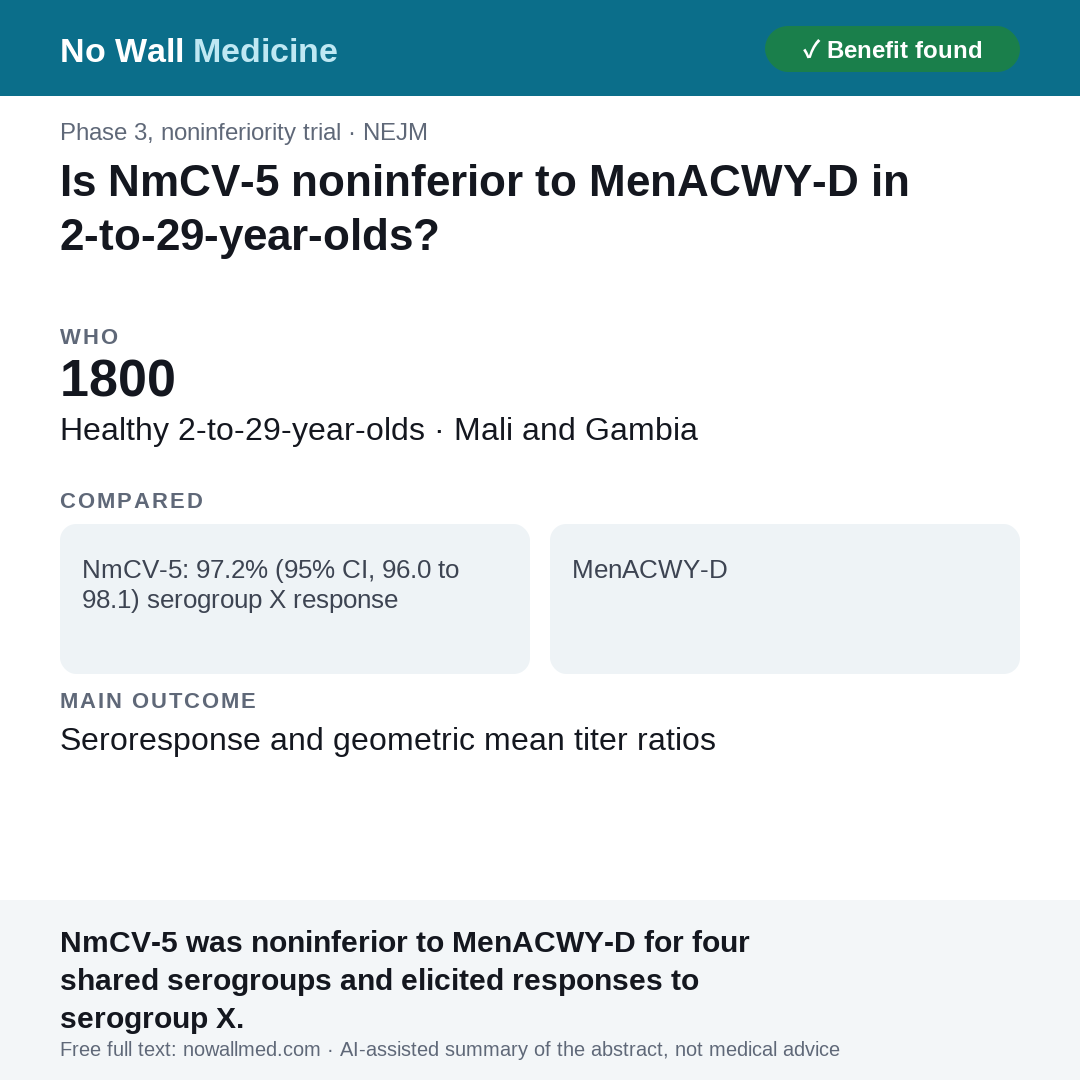
Early versus Later Anticoagulation for Stroke with Atrial Fibrillation
Open-label randomized trialNo clear difference
Does early versus later direct oral anticoagulant initiation improve outcomes after ischemic stroke?
Who
2013
Persons with atrial fibrillation who had an acute ischemic stroke · 103 sites in 15 countries
Compared
2.9%early anticoagulation
4.1%later anticoagulation
Main outcome
composite of recurrent stroke, embolism, major bleeding, hemorrhage, or vascular death
Result: risk difference, -1.18 percentage points; 95% confidence interval, -2.84 to 0.47
Bottom line: Early versus later direct oral anticoagulant initiation showed no significant difference in the composite primary outcome within 30 days.
Funded by: Swiss National Science Foundation and others
NEJM · 2023-05-24Download image
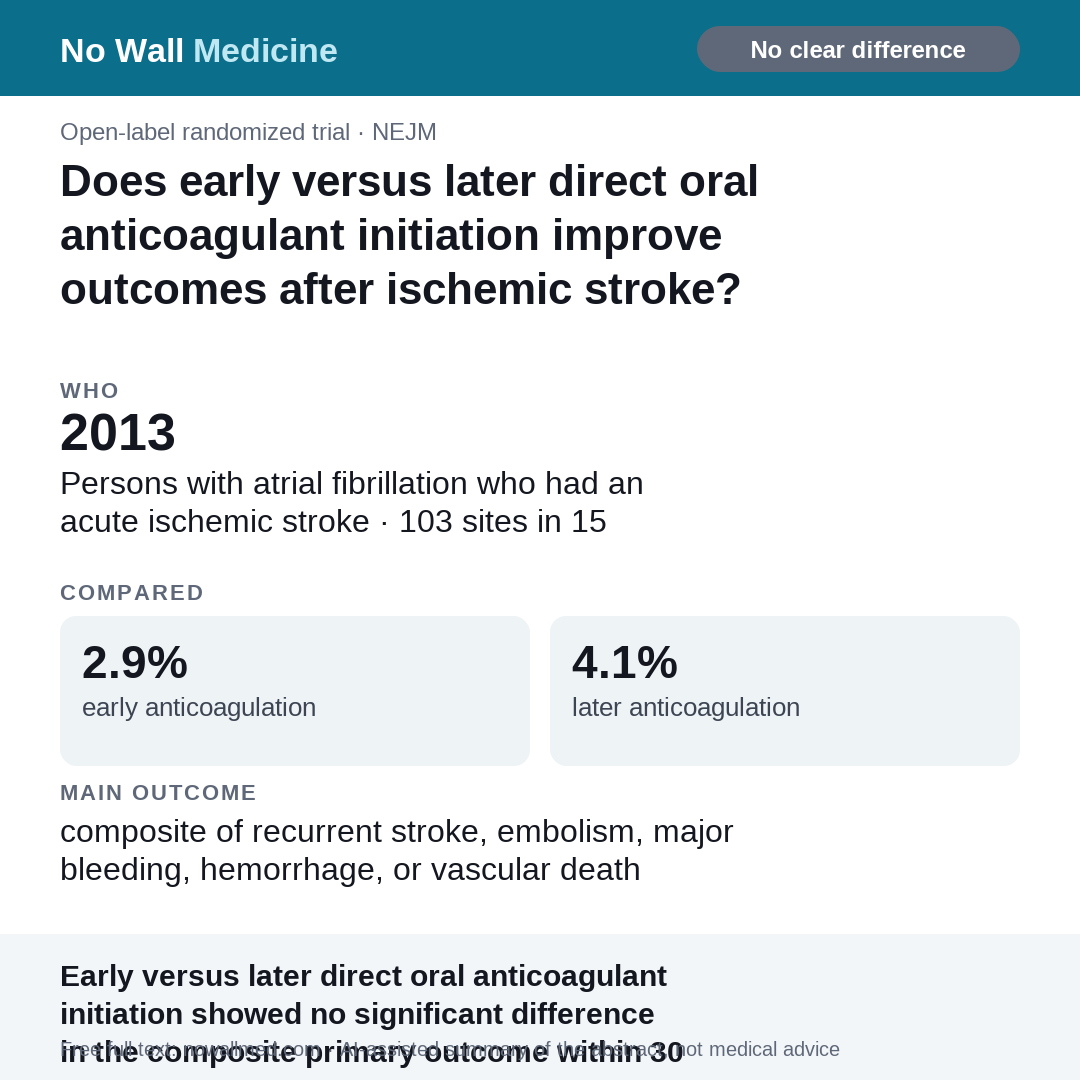
Optimising prescribing in older adults with multimorbidity and polypharmacy in primary care (OPTICA): cluster randomised clinical trial
Cluster randomised clinical trialUnclear result
Does an electronic clinical decision support system improve medication appropriateness and reduce prescribing omissions?
Who
323
Patients aged 65 or older with three or more chronic conditions · Swiss primary care
Compared
Intervention group
Control group
Main outcome
Medication Appropriateness Index and Assessment of Underutilisation at 12 months
Result: odds ratio 1.05 (95% confidence interval 0.59 to 1.87)
Bottom line: The electronic clinical decision support system intervention led to inconclusive results for medication appropriateness and prescribing omissions.
BMJ · 2023-05-24Download image
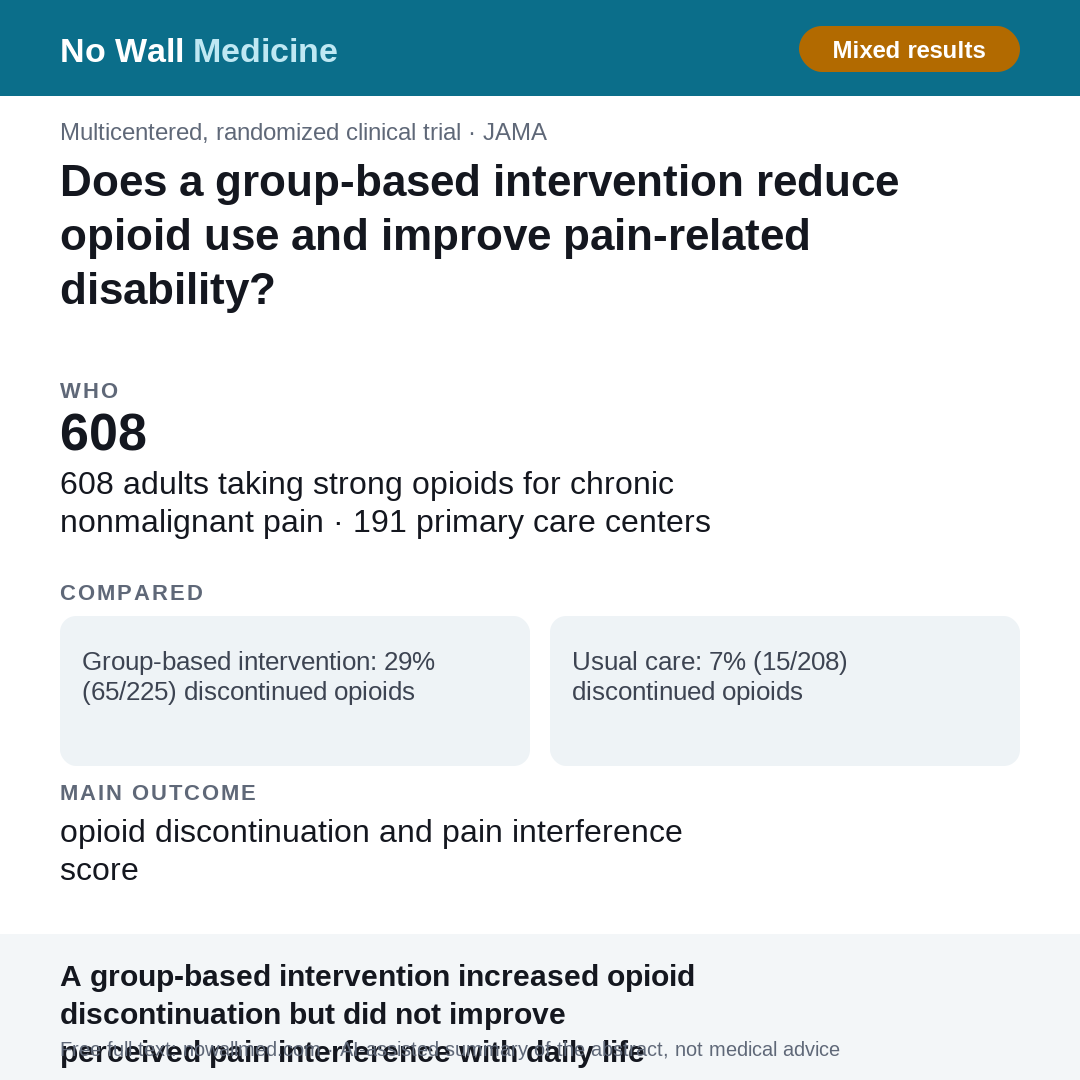
Reducing Opioid Use for Chronic Pain With a Group-Based Intervention: A Randomized Clinical Trial
Multicentered, randomized clinical trialMixed results
Does a group-based intervention reduce opioid use and improve pain-related disability?
Who
608
608 adults taking strong opioids for chronic nonmalignant pain · 191 primary care centers in England
Compared
Group-based intervention: 29% (65/225) discontinued opioids
Usual care: 7% (15/208) discontinued opioids
Main outcome
opioid discontinuation and pain interference score
Result: odds ratio 5.55 (95% CI 2.80 to 10.99)
Bottom line: A group-based intervention increased opioid discontinuation but did not improve perceived pain interference with daily life activities.
JAMA · 2023-05-23Download image
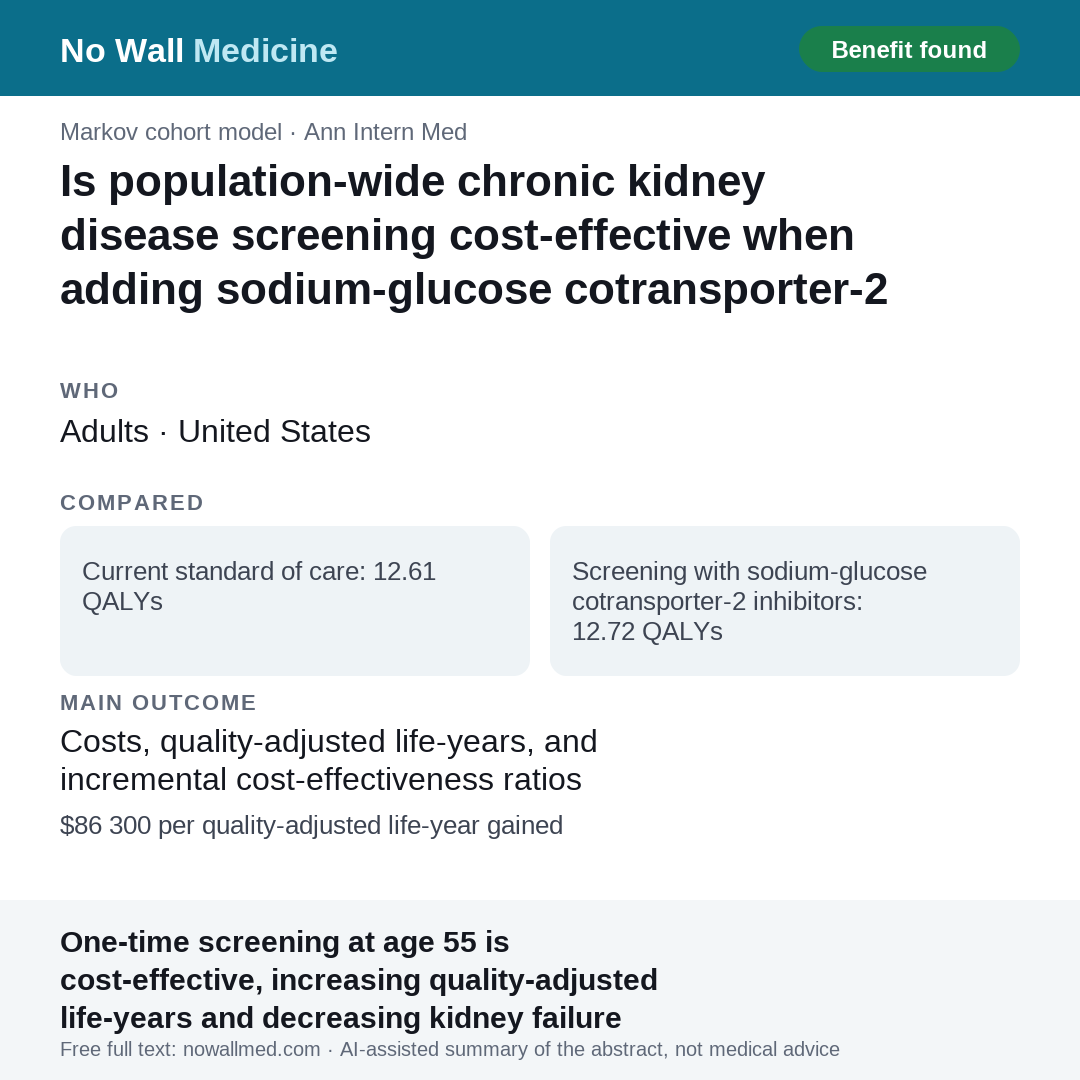
Population-Wide Screening for Chronic Kidney Disease : A Cost-Effectiveness Analysis
Markov cohort modelBenefit found
Is population-wide chronic kidney disease screening cost-effective when adding sodium-glucose cotransporter-2 inhibitors?
Who
Adults · United States
Compared
Current standard of care: 12.61 QALYs
Screening with sodium-glucose cotransporter-2 inhibitors: 12.72 QALYs
Main outcome
Costs, quality-adjusted life-years, and incremental cost-effectiveness ratios
Result: $86 300 per quality-adjusted life-year gained
Bottom line: One-time screening at age 55 is cost-effective, increasing quality-adjusted life-years and decreasing kidney failure incidence.
Limitation: The efficacy of sodium-glucose cotransporter-2 inhibitors was derived from a single randomized controlled trial.
Funded by: Agency for Healthcare Research and Quality, Veterans Affairs, and NIDDK
Ann Intern Med · 2023-05-23Download image
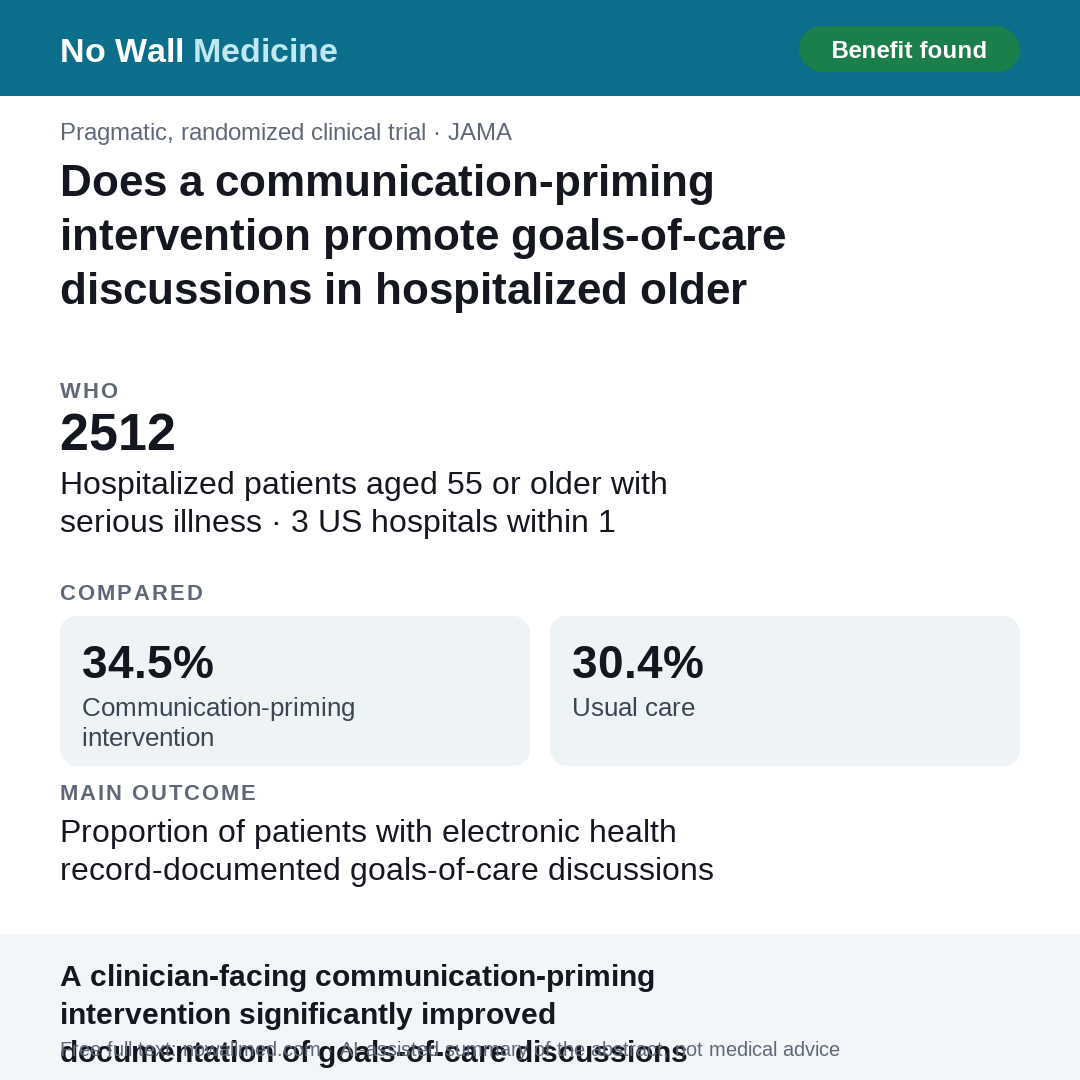
Intervention to Promote Communication About Goals of Care for Hospitalized Patients With Serious Illness: A Randomized Clinical Trial
Pragmatic, randomized clinical trialBenefit found
Does a communication-priming intervention promote goals-of-care discussions in hospitalized older patients?
Who
2512
Hospitalized patients aged 55 or older with serious illness · 3 US hospitals within 1 health care system
Compared
34.5%Communication-priming intervention (433 of 1255 patients)
30.4%Usual care (382 of 1257 patients)
Main outcome
Proportion of patients with electronic health record-documented goals-of-care discussions
Result: hospital- and dementia-adjusted difference, 4.1% (95% CI, 0.4% to 7.8%)
Bottom line: A clinician-facing communication-priming intervention significantly improved documentation of goals-of-care discussions in hospitalized older adults.
JAMA · 2023-05-21Download image
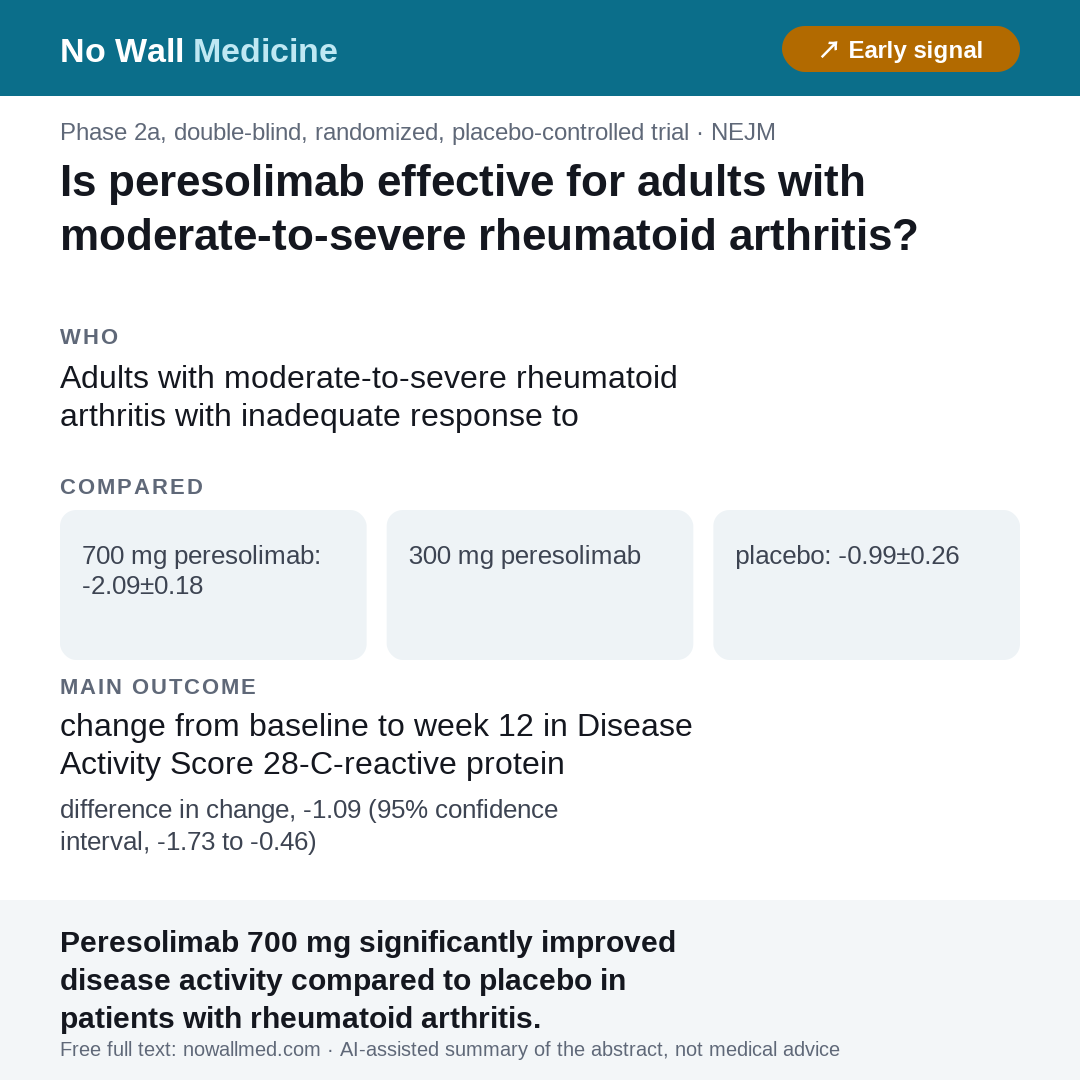
A Phase 2 Trial of Peresolimab for Adults with Rheumatoid Arthritis
Phase 2a, double-blind, randomized, placebo-controlled trialBenefit found
Is peresolimab effective for adults with moderate-to-severe rheumatoid arthritis?
Who
Adults with moderate-to-severe rheumatoid arthritis with inadequate response to disease-modifying antirheumatic drugs
Compared
700 mg peresolimab: -2.09±0.18
300 mg peresolimab
placebo: -0.99±0.26
Main outcome
change from baseline to week 12 in Disease Activity Score 28-C-reactive protein
Result: difference in change, -1.09 (95% confidence interval, -1.73 to -0.46)
Bottom line: Peresolimab 700 mg significantly improved disease activity compared to placebo in patients with rheumatoid arthritis.
Funded by: Eli Lilly
NEJM · 2023-05-17Download image
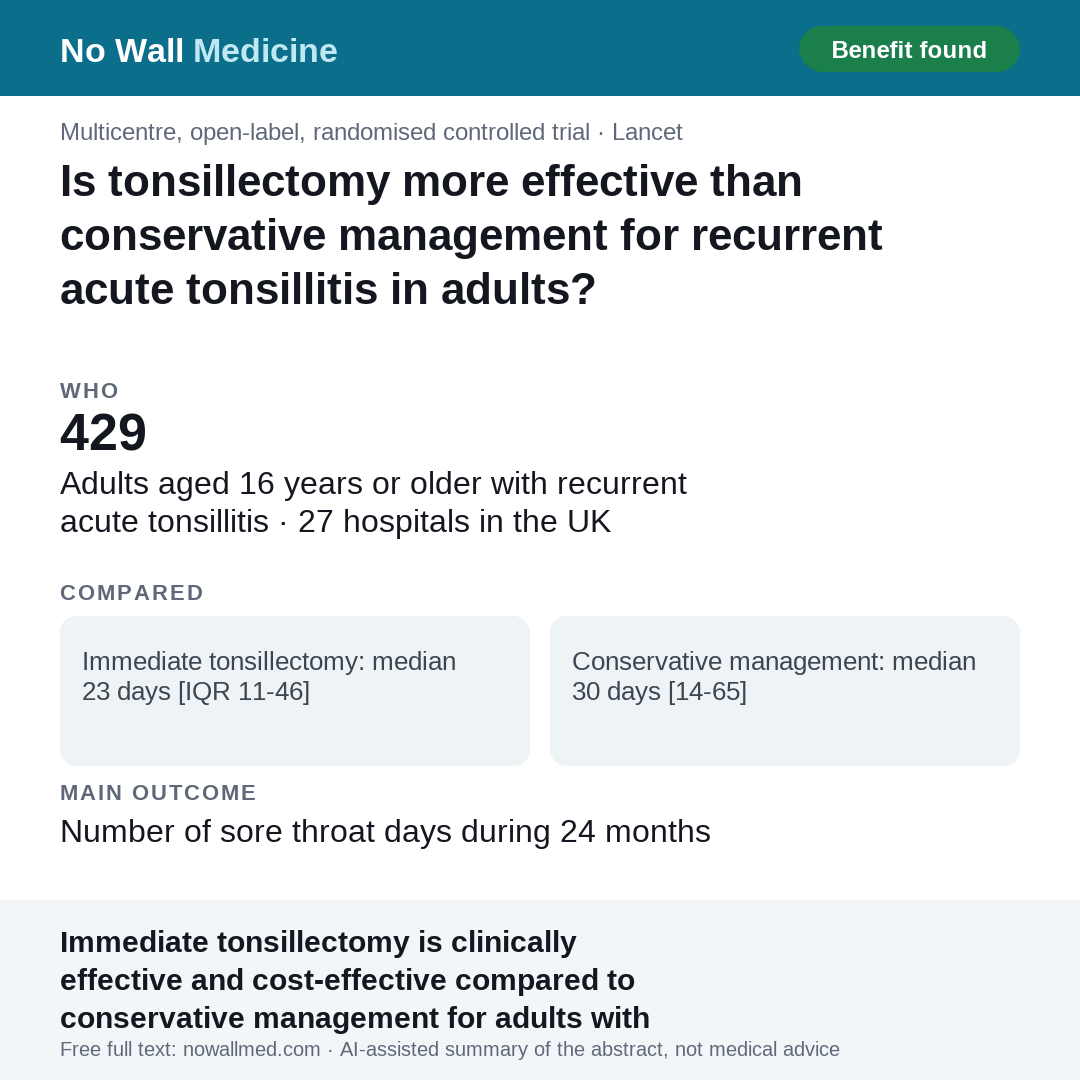
Conservative management versus tonsillectomy in adults with recurrent acute tonsillitis in the UK (NATTINA): a multicentre, open-label, randomised controlled trial
Multicentre, open-label, randomised controlled trialBenefit found
Is tonsillectomy more effective than conservative management for recurrent acute tonsillitis in adults?
Who
429
Adults aged 16 years or older with recurrent acute tonsillitis · 27 hospitals in the UK
Compared
Immediate tonsillectomy: median 23 days [IQR 11-46]
Conservative management: median 30 days [14-65]
Main outcome
Number of sore throat days during 24 months
Result: incident rate ratio 0·53 (95% CI 0·43 to 0·65)
Bottom line: Immediate tonsillectomy is clinically effective and cost-effective compared to conservative management for adults with recurrent acute tonsillitis.
Funded by: National Institute for Health Research
Lancet · 2023-05-17Download image
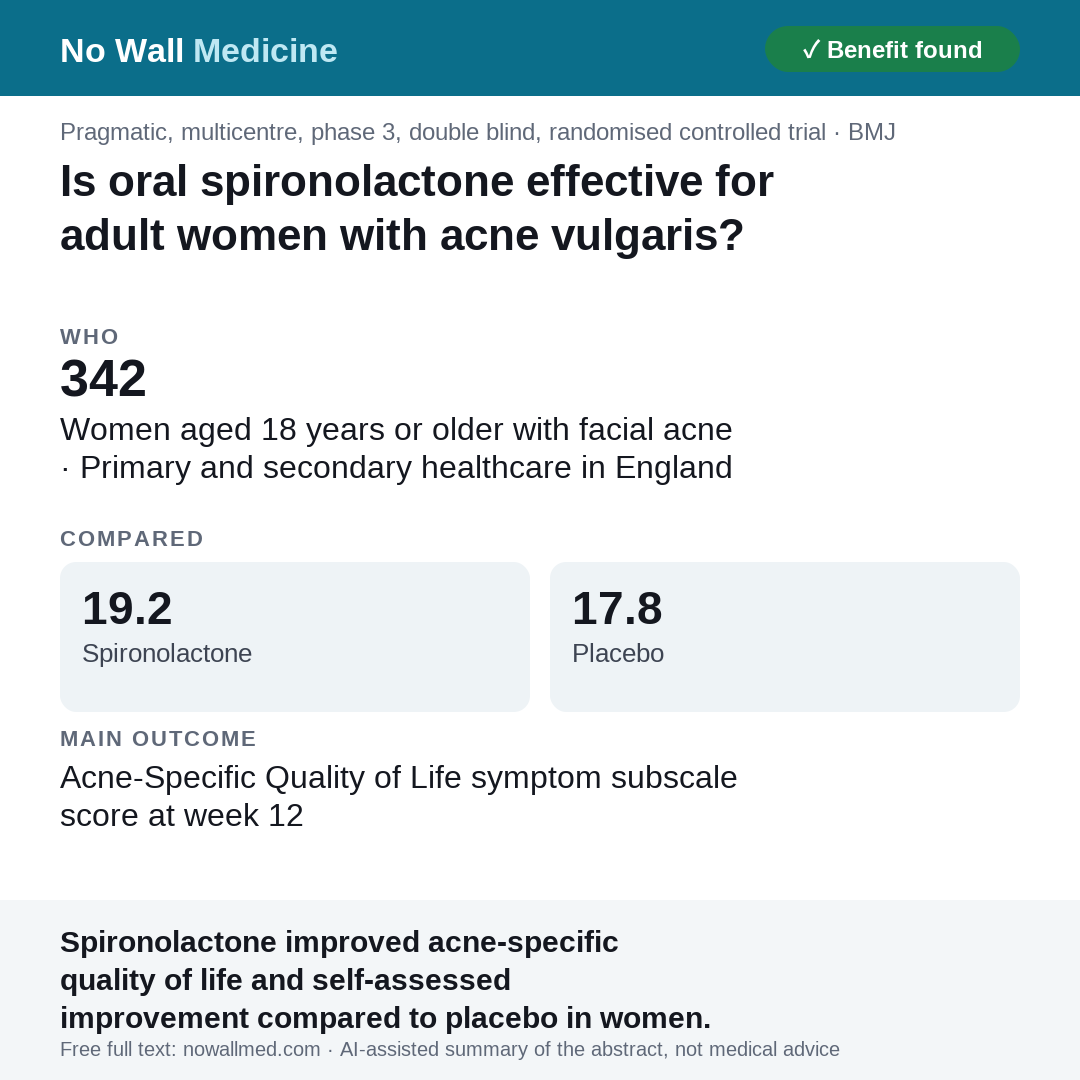
Effectiveness of spironolactone for women with acne vulgaris (SAFA) in England and Wales: pragmatic, multicentre, phase 3, double blind, randomised controlled trial
Pragmatic, multicentre, phase 3, double blind, randomised controlled trialBenefit found
Is oral spironolactone effective for adult women with acne vulgaris?
Who
342
Women aged 18 years or older with facial acne · Primary and secondary healthcare in England and Wales
Compared
19.2Spironolactone (6.1)
17.8Placebo (5.6)
Main outcome
Acne-Specific Quality of Life symptom subscale score at week 12
Result: difference favouring spironolactone 1.27 (95% confidence interval 0.07 to 2.46)
Bottom line: Spironolactone improved acne-specific quality of life and self-assessed improvement compared to placebo in women.
BMJ · 2023-05-16Download image
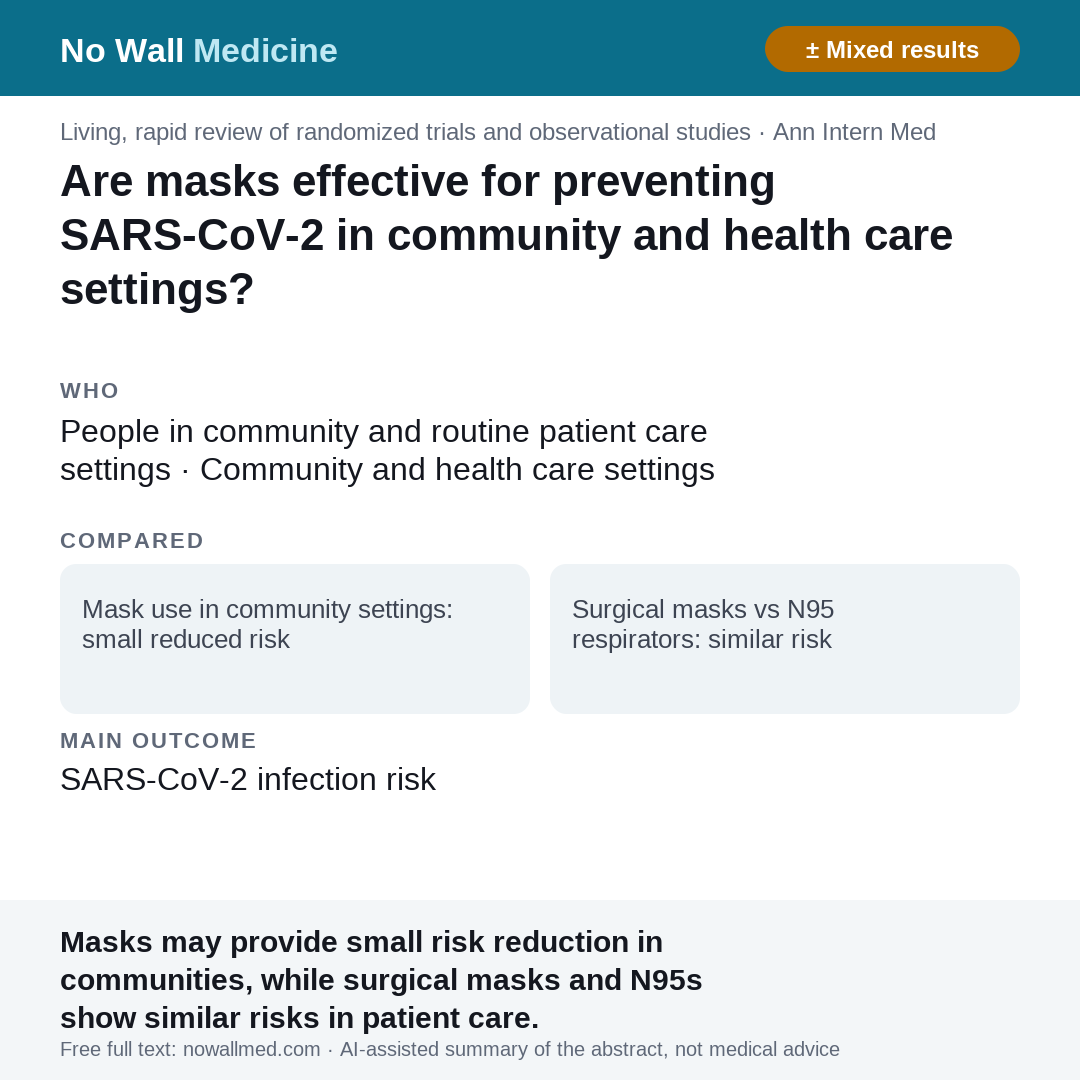
Major Update: Masks for Prevention of SARS-CoV-2 in Health Care and Community Settings-Final Update of a Living, Rapid Review
Living, rapid review of randomized trials and observational studiesMixed results
Are masks effective for preventing SARS-CoV-2 in community and health care settings?
Who
People in community and routine patient care settings · Community and health care settings
Compared
Mask use in community settings: small reduced risk
Surgical masks vs N95 respirators: similar risk
Main outcome
SARS-CoV-2 infection risk
Bottom line: Masks may provide small risk reduction in communities, while surgical masks and N95s show similar risks in patient care.
Limitation: Few randomized trials, methodological limitations, imprecision, and uncertain applicability to Omicron variant era.
Ann Intern Med · 2023-05-16Download image
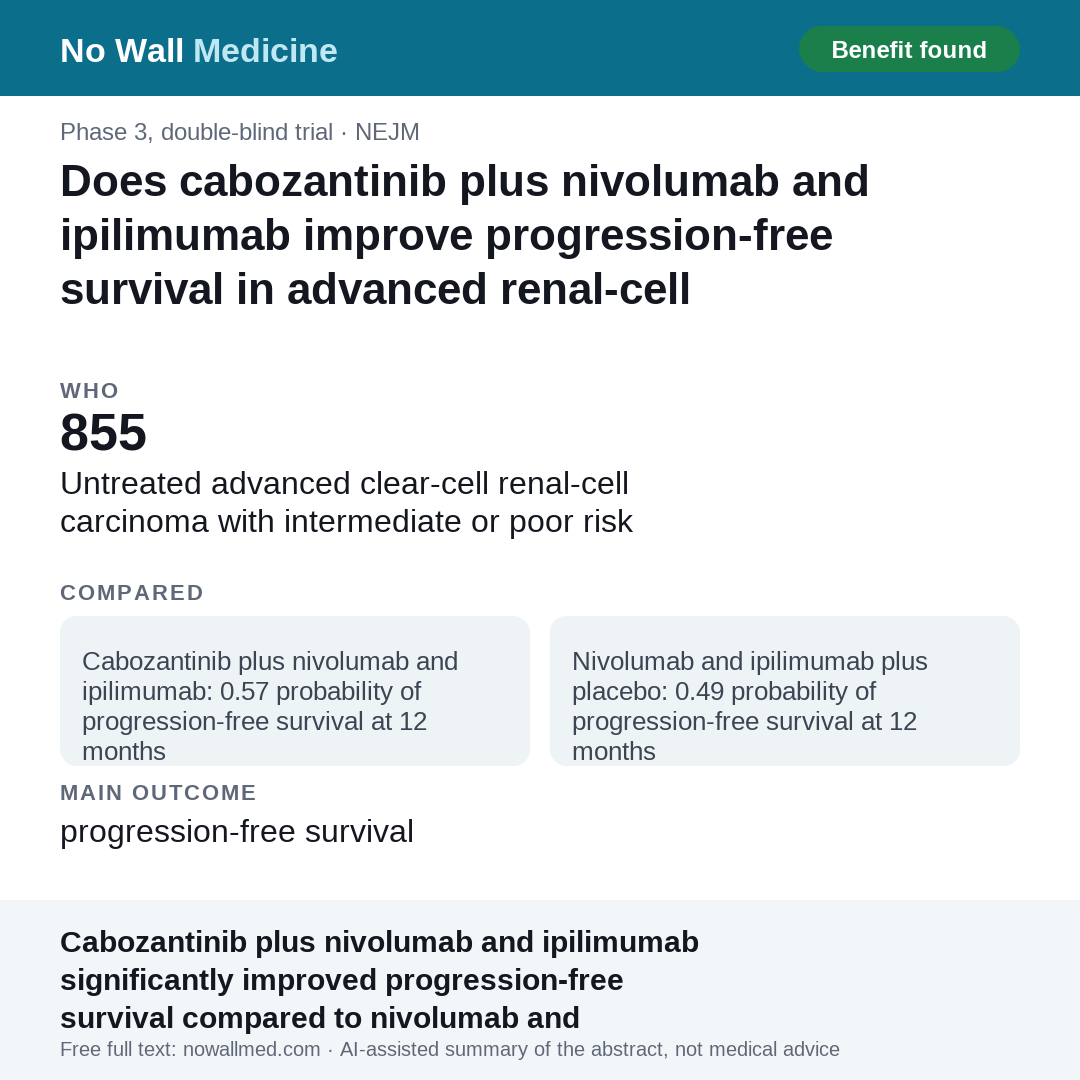
Cabozantinib plus Nivolumab and Ipilimumab in Renal-Cell Carcinoma
Phase 3, double-blind trialBenefit found
Does cabozantinib plus nivolumab and ipilimumab improve progression-free survival in advanced renal-cell carcinoma?
Who
855
Untreated advanced clear-cell renal-cell carcinoma with intermediate or poor risk
Compared
Cabozantinib plus nivolumab and ipilimumab: 0.57 probability of progression-free survival at 12 months
Nivolumab and ipilimumab plus placebo: 0.49 probability of progression-free survival at 12 months
Main outcome
progression-free survival
Result: hazard ratio 0.73 (95% confidence interval, 0.57 to 0.94)
Bottom line: Cabozantinib plus nivolumab and ipilimumab significantly improved progression-free survival compared to nivolumab and ipilimumab alone.
Funded by: Exelixis
NEJM · 2023-05-10Download image
Development and internal-external validation of statistical and machine learning models for breast cancer prognostication: cohort study
Population based cohort studyBenefit found
Which models best estimate 10 year breast cancer related mortality risk?
Who
141765
Women aged 20 years and older with invasive breast cancer · England primary care database
Compared
Regression models: Cox model Harrell's C index 0.858
Machine learning models: XGBoost Harrell's C index 0.821
Main outcome
10 year risk of breast cancer related mortality
Result: Cox model Harrell's C index 0.858 (95% CI 0.853 to 0.864)
Bottom line: Regression based models showed better and more consistent performance than machine learning for breast cancer mortality prediction.
BMJ · 2023-05-10Download image
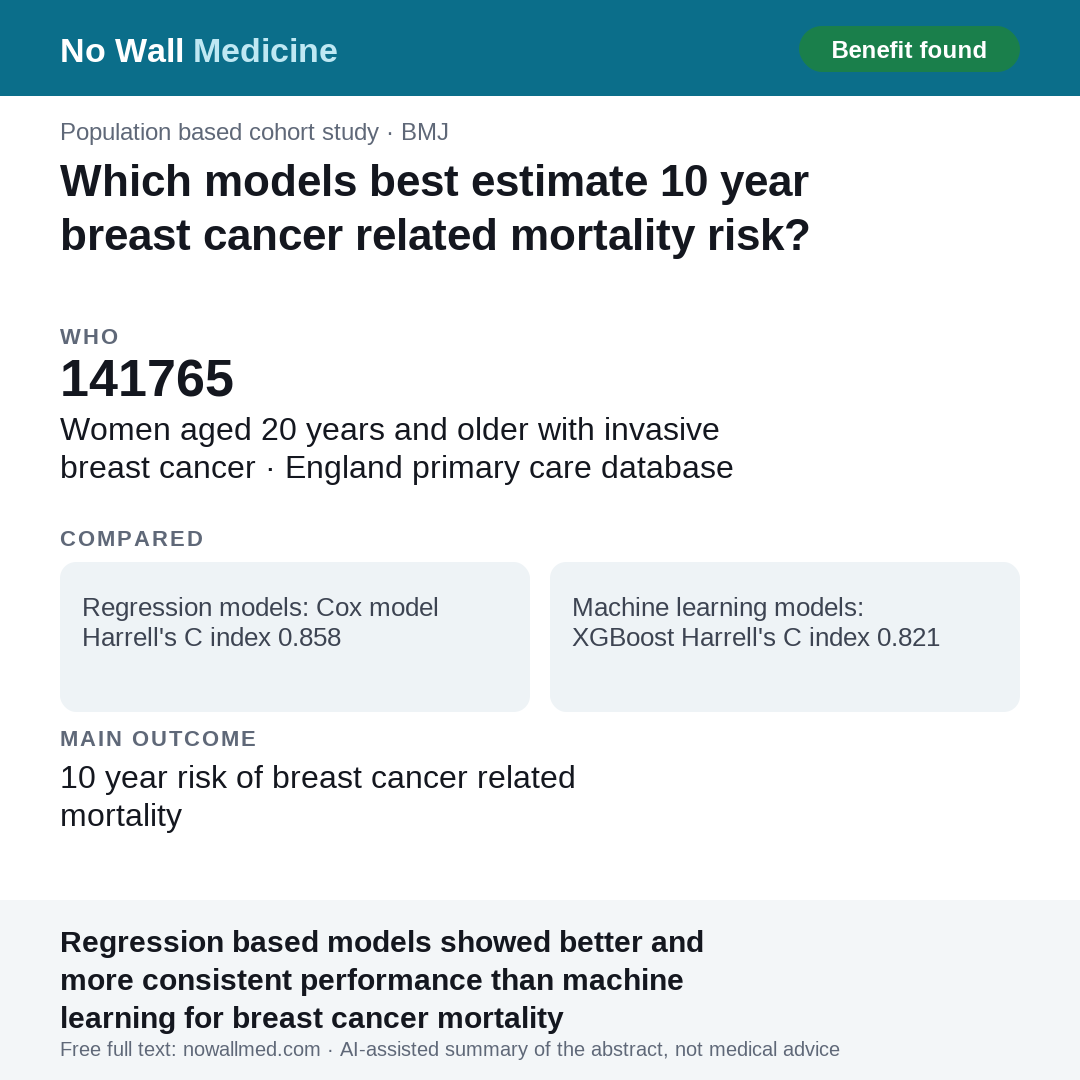
Effect of Prophylactic Antibiotics on Mortality in Severe Alcohol-Related Hepatitis: A Randomized Clinical Trial
Multicenter, randomized, double-blind clinical trialNo clear difference
Does amoxicillin-clavulanate improve mortality in severe alcohol-related hepatitis patients treated with prednisolone?
Who
292
Hospitalized patients with biopsy-proven severe alcohol-related hepatitis · 25 centers in France and Belgium
Compared
17.3%Amoxicillin-clavulanate and prednisolone
21.3%Placebo and prednisolone
Main outcome
All-cause mortality at 60 days
Result: hazard ratio 0.77 (95% CI 0.45-1.31)
Bottom line: Amoxicillin-clavulanate combined with prednisolone did not improve 60-day survival compared to prednisolone alone.
JAMA · 2023-05-09Download image
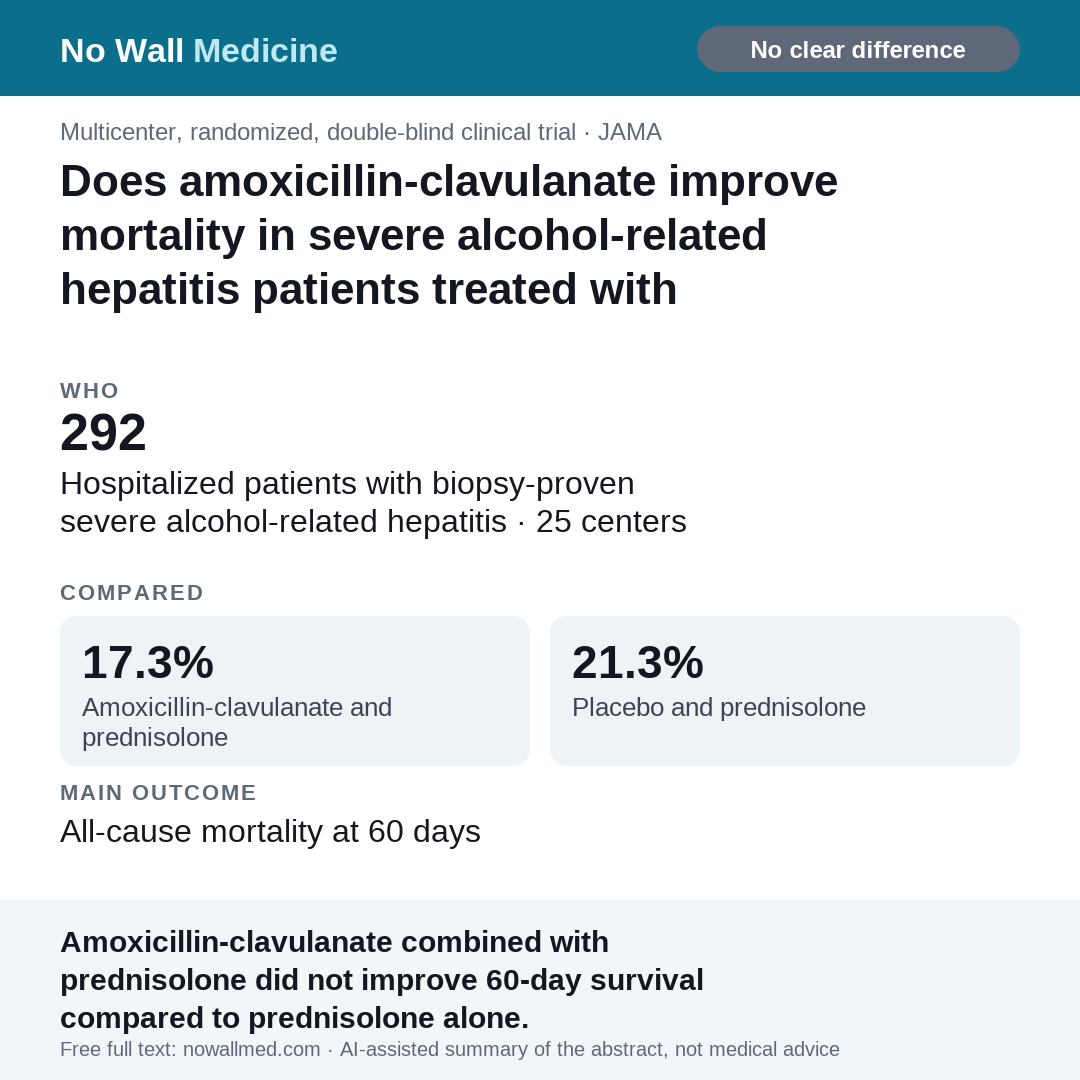
Prednisone vs Placebo and Live Birth in Patients With Recurrent Implantation Failure Undergoing In Vitro Fertilization: A Randomized Clinical Trial
Double-blind, placebo-controlled, randomized clinical trialNo clear difference
Does 10 mg of prednisone improve live birth compared to placebo in recurrent implantation failure?
Who
715
Women with recurrent implantation failure undergoing frozen-thawed embryo transfer · 8 fertility centers in China
Compared
37.8%Prednisone (135 of 357)
38.8%Placebo (139 of 358)
Main outcome
Live birth
Result: relative ratio 0.97 (95% CI 0.81 to 1.17)
Bottom line: Prednisone did not improve live birth rates and may increase risks of preterm delivery and biochemical pregnancy loss.
JAMA · 2023-05-02Download image
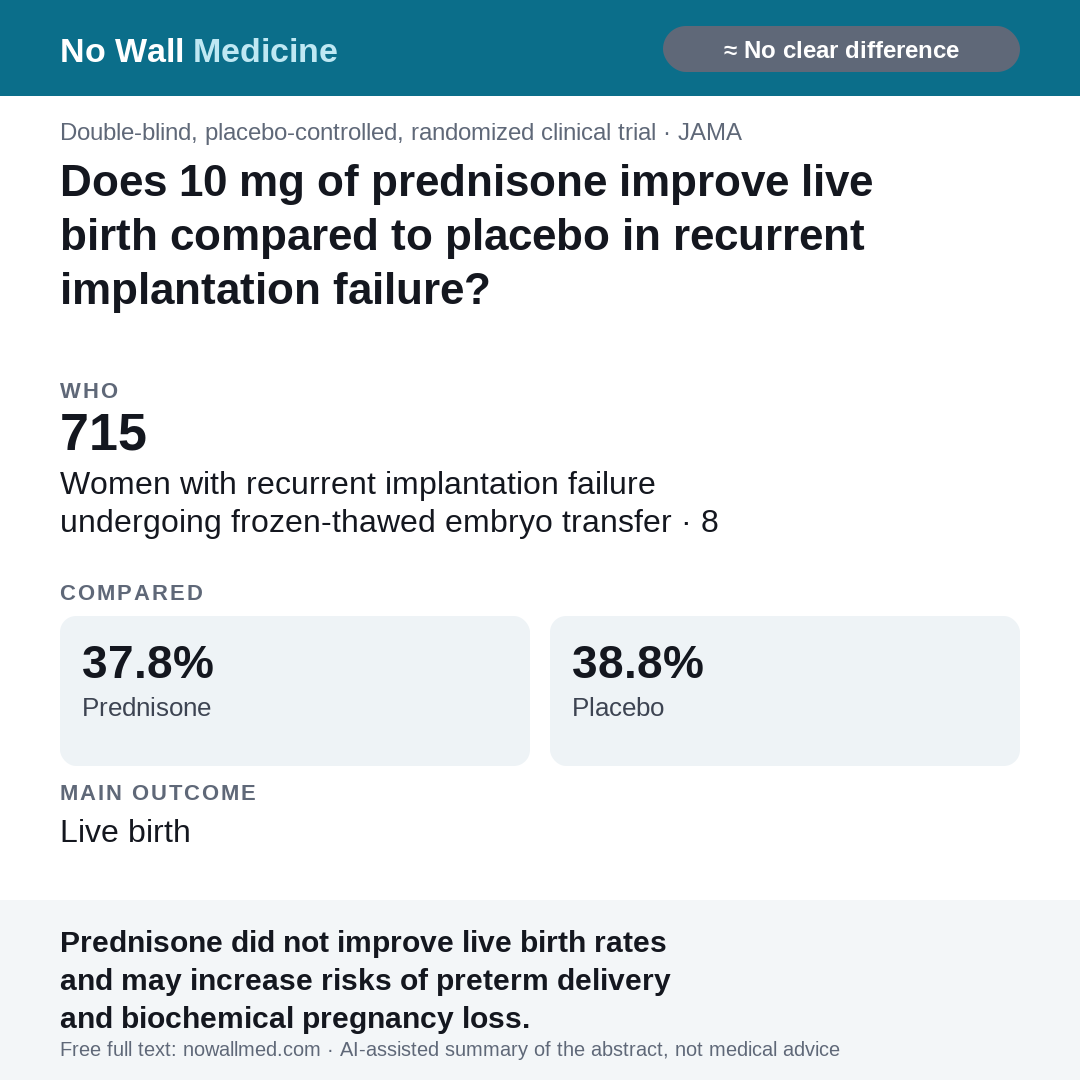
Fracture risk reduction and safety by osteoporosis treatment compared with placebo or active comparator in postmenopausal women: systematic review, network meta-analysis, and meta-regression analysis of randomised clinical trials
Meta-analysis of 69 trialsBenefit found
Osteoporosis treatment effectiveness
Who
80000
postmenopausal women
Compared
treatment
placebo
Main outcome
clinical fractures
Result: odds ratio 1.49 (95% CI 1.12 to 2.00)
Bottom line: Osteoporosis treatments reduce fracture risk
Limitation: serious risk of bias and imprecision
BMJ · 2023-05-02Download image
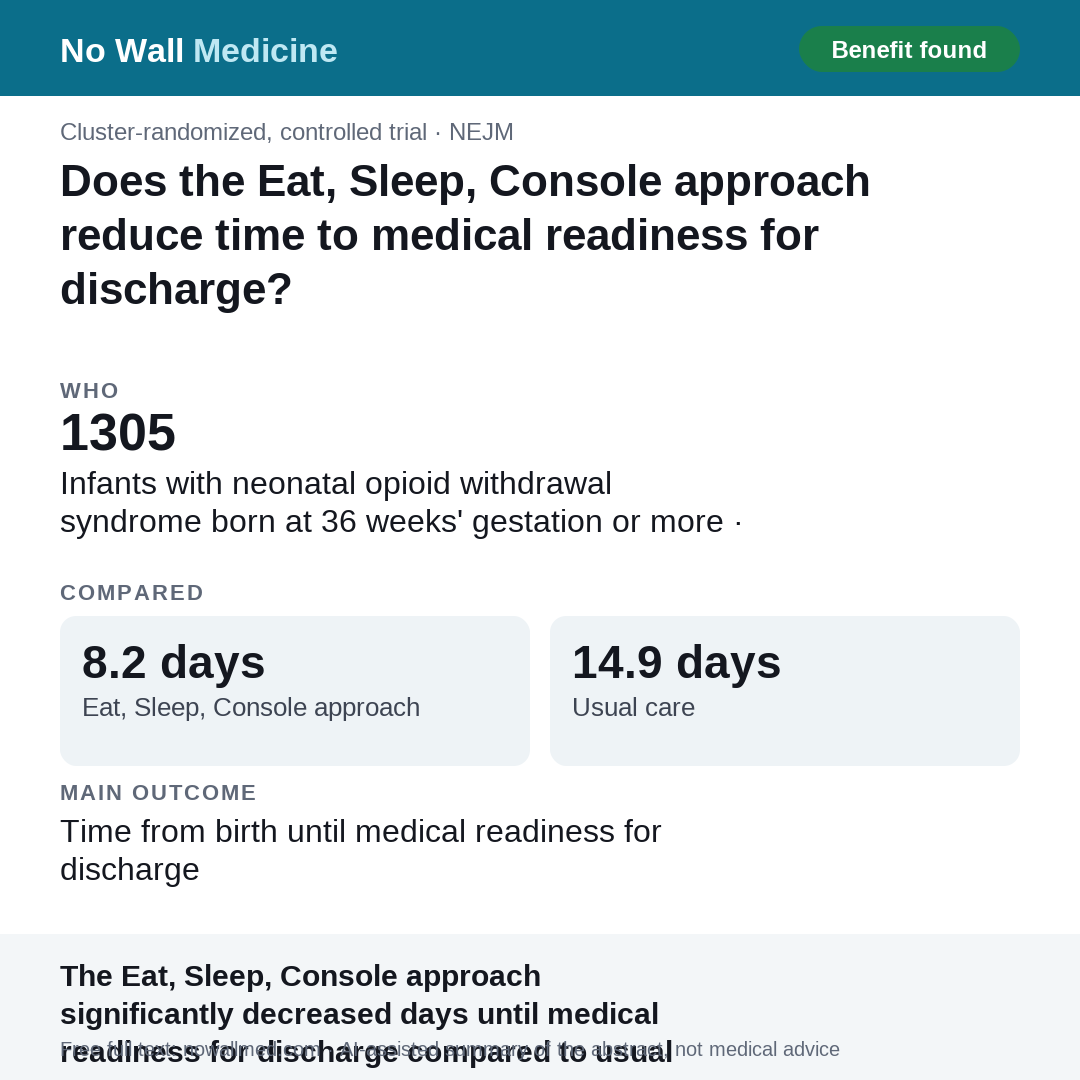
Eat, Sleep, Console Approach or Usual Care for Neonatal Opioid Withdrawal
Cluster-randomized, controlled trialBenefit found
Does the Eat, Sleep, Console approach reduce time to medical readiness for discharge?
Who
1305
Infants with neonatal opioid withdrawal syndrome born at 36 weeks' gestation or more · 26 United States hospitals
Compared
8.2 daysEat, Sleep, Console approach
14.9 daysUsual care
Main outcome
Time from birth until medical readiness for discharge
Result: rate ratio 0.55 (95% CI, 0.46 to 0.65)
Bottom line: The Eat, Sleep, Console approach significantly decreased days until medical readiness for discharge compared to usual care.
Funded by: National Institutes of Health Helping End Addiction Long-term Initiative
NEJM · 2023-04-30Download image