Visual abstracts
New randomized trials and meta-analyses from leading journals at a glance: who was studied, what was compared, and what was found. Every paper is free to read in full.
All specialtiesCardiology 4877Oncology 4138Gastroenterology & Hepatology 1942Infectious Disease 3837Neurology 1905Psychiatry & Mental Health 2273Pulmonology 2143Critical Care 1365Endocrinology & Diabetes 2580Pediatrics 2980Surgery 2558Orthopedics & Sports Medicine 931Neurosurgery 537Cardiothoracic & Vascular Surgery 674Plastic & Reconstructive Surgery 591Nephrology 1133Rheumatology 823Hematology 1109Dermatology 621Ophthalmology 543Obstetrics & Gynecology 1686Public & Global Health 1058Radiology & Imaging 648Anesthesiology 986Urology 764ENT (Otolaryngology) 503Emergency Medicine 511Allergy & Immunology 313Geriatrics 981Family Medicine & Primary Care 562Medical Genetics & Genomics 676Pathology & Laboratory Medicine 159Physical Medicine & Rehabilitation 757Palliative Care 444Nutrition 1588Digital Health & AI 2201General Medicine 321
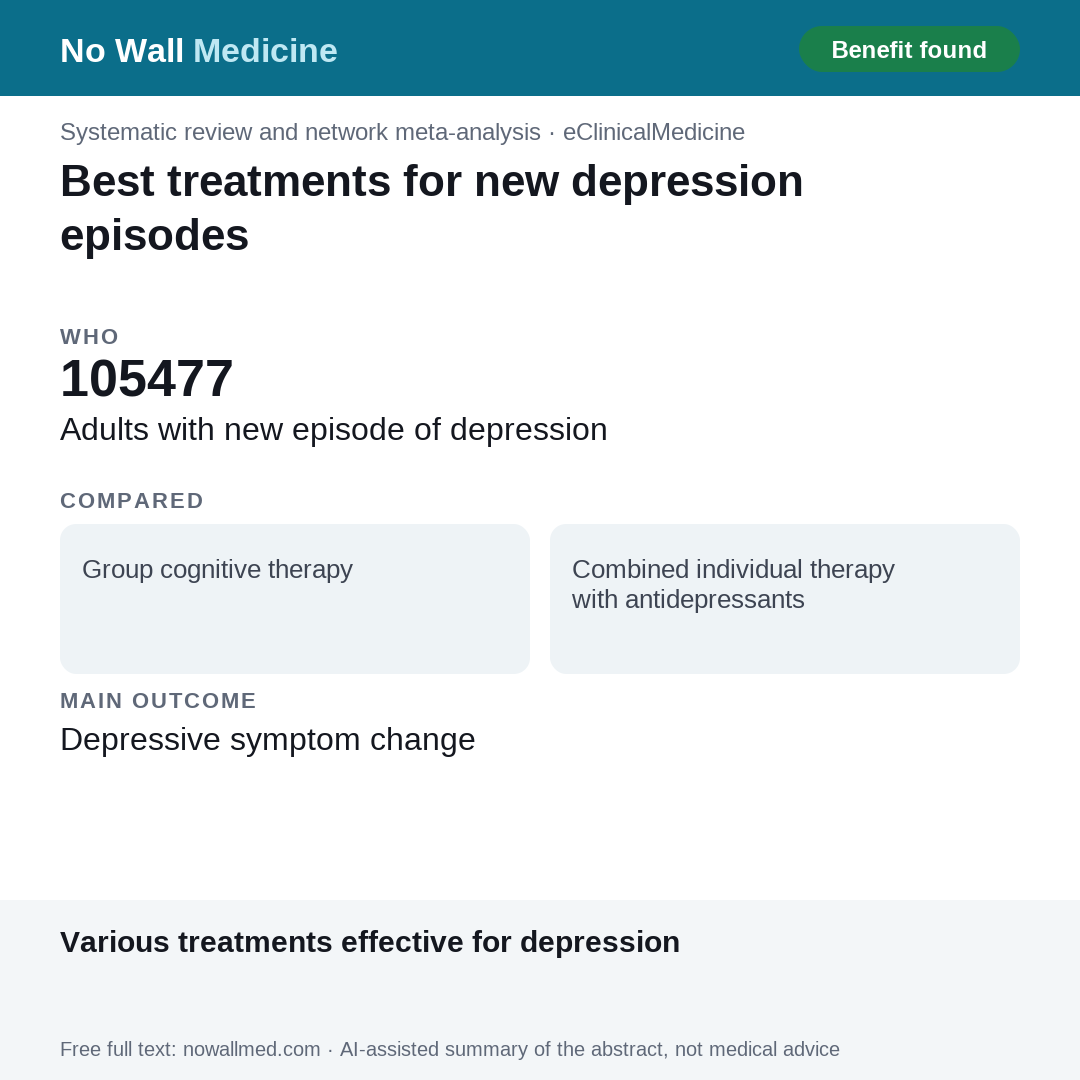
A systematic review and network meta-analysis of psychological, psychosocial, pharmacological, physical and combined treatments for adults with a new episode of depression
Systematic review and network meta-analysisBenefit found
Best treatments for new depression episodes
Who
105477
Adults with new episode of depression
Compared
Group cognitive therapy
Combined individual therapy with antidepressants
Main outcome
Depressive symptom change
Bottom line: Various treatments effective for depression
Funded by: National Institute for Health and Care Excellence
eClinicalMedicine · 2024-08-16Download image
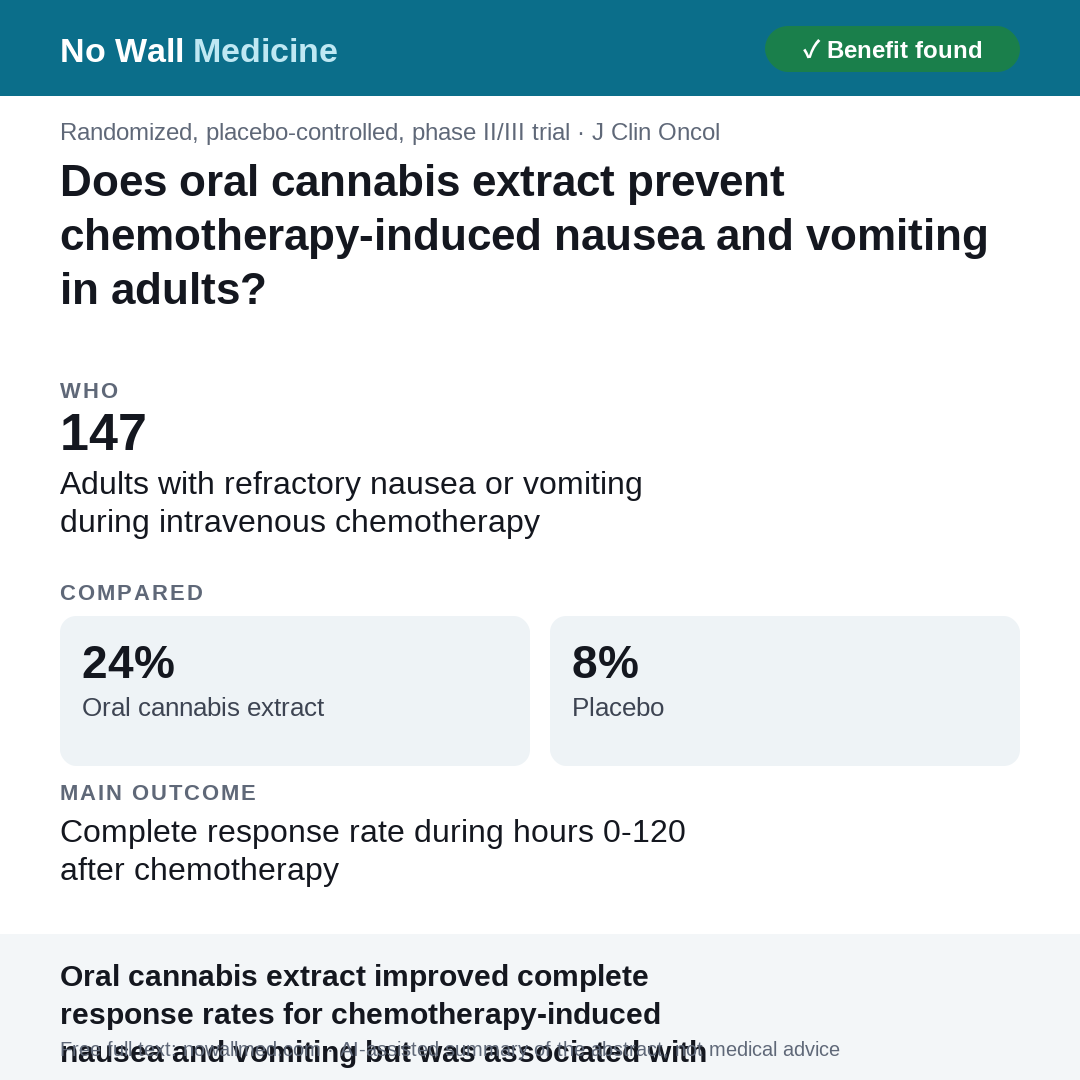
Oral Cannabis Extract for Secondary Prevention of Chemotherapy-Induced Nausea and Vomiting: Final Results of a Randomized, Placebo-Controlled, Phase II/III Trial
Randomized, placebo-controlled, phase II/III trialBenefit found
Does oral cannabis extract prevent chemotherapy-induced nausea and vomiting in adults?
Who
147
Adults with refractory nausea or vomiting during intravenous chemotherapy
Compared
24%Oral cannabis extract
8%Placebo
Main outcome
Complete response rate during hours 0-120 after chemotherapy
Result: absolute difference 16%, 95% CI, 4 to 28
Bottom line: Oral cannabis extract improved complete response rates for chemotherapy-induced nausea and vomiting but was associated with more adverse events.
J Clin Oncol · 2024-08-16Download image
The Ethical Obligation to Treat Infectious Patients: A Systematic Review of Reasons
Systematic reviewMixed results
What are the ethical reasons regarding the obligation to treat infectious patients?
Who
156
Articles discussing infectious diseases like HIV/AIDS, SARS, COVID-19, Ebola, and influenza
Compared
81.9%Articles indicating obligation to treat (n = 128)
60%COVID-19 papers indicating ethical acceptability of refusal
13.3%HIV papers indicating ethical acceptability of refusal
Main outcome
Ethical position and reasons for treatment refusal
Bottom line: Literature shows a surge in advocating for the permissibility of treatment refusal during the COVID-19 pandemic.
Clin Infect Dis · 2024-08-16Download image

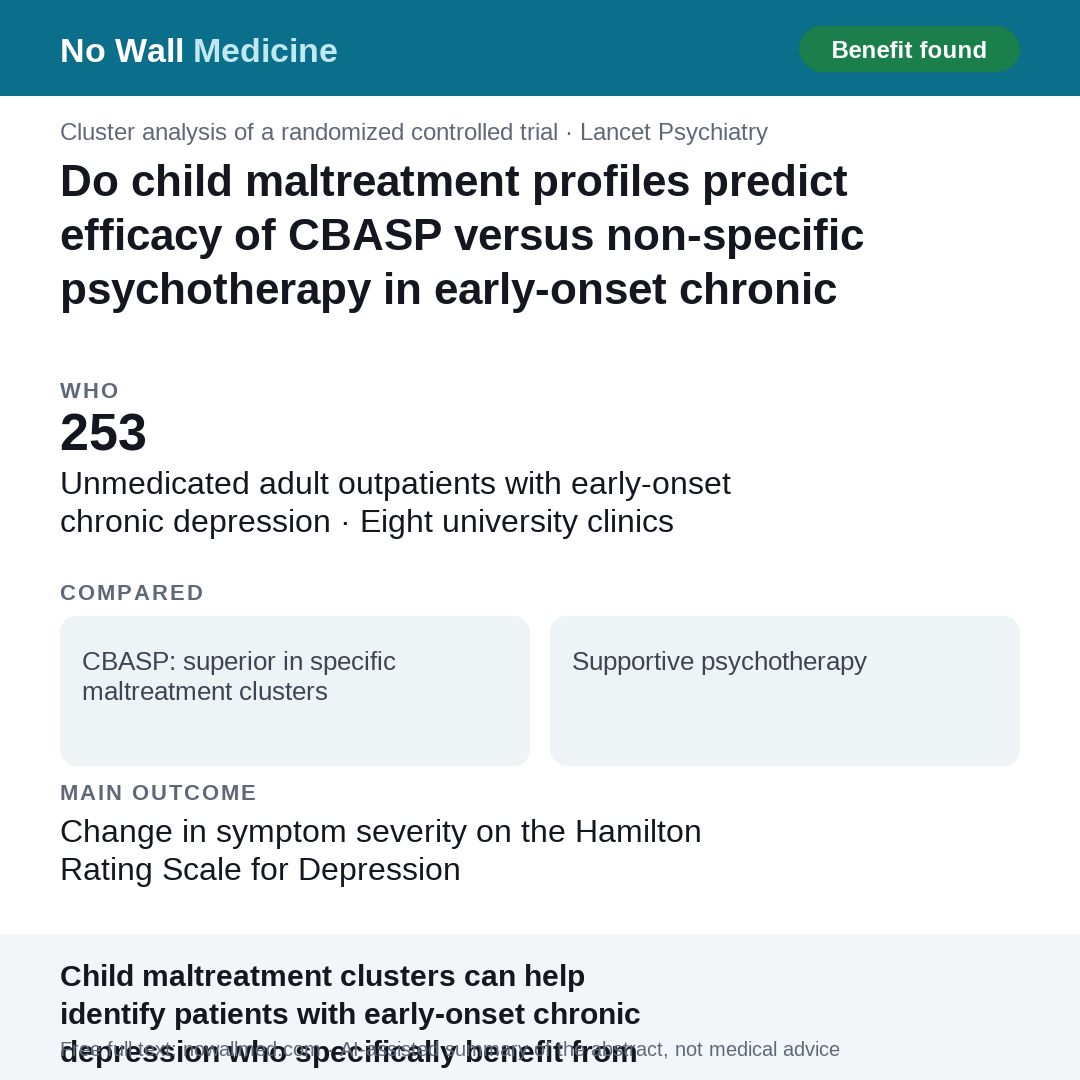
Childhood Trauma Questionnaire-based child maltreatment profiles to predict efficacy of the Cognitive Behavioral Analysis System of Psychotherapy versus non-specific psychotherapy in adults with early-onset chronic depression: cluster analysis of data from a randomised controlled trial
Cluster analysis of a randomized controlled trialBenefit found
Do child maltreatment profiles predict efficacy of CBASP versus non-specific psychotherapy in early-onset chronic depression?
Who
253
Unmedicated adult outpatients with early-onset chronic depression · Eight university clinics and psychological institutes in Germany
Compared
CBASP: superior in specific maltreatment clusters
Supportive psychotherapy
Main outcome
Change in symptom severity on the Hamilton Rating Scale for Depression
Result: F(6,948·76)=2·47; p=0·023
Bottom line: Child maltreatment clusters can help identify patients with early-onset chronic depression who specifically benefit from CBASP.
Funded by: German Research Foundation and German Federal Ministry of Education and Research
Lancet Psychiatry · 2024-08-16Download image
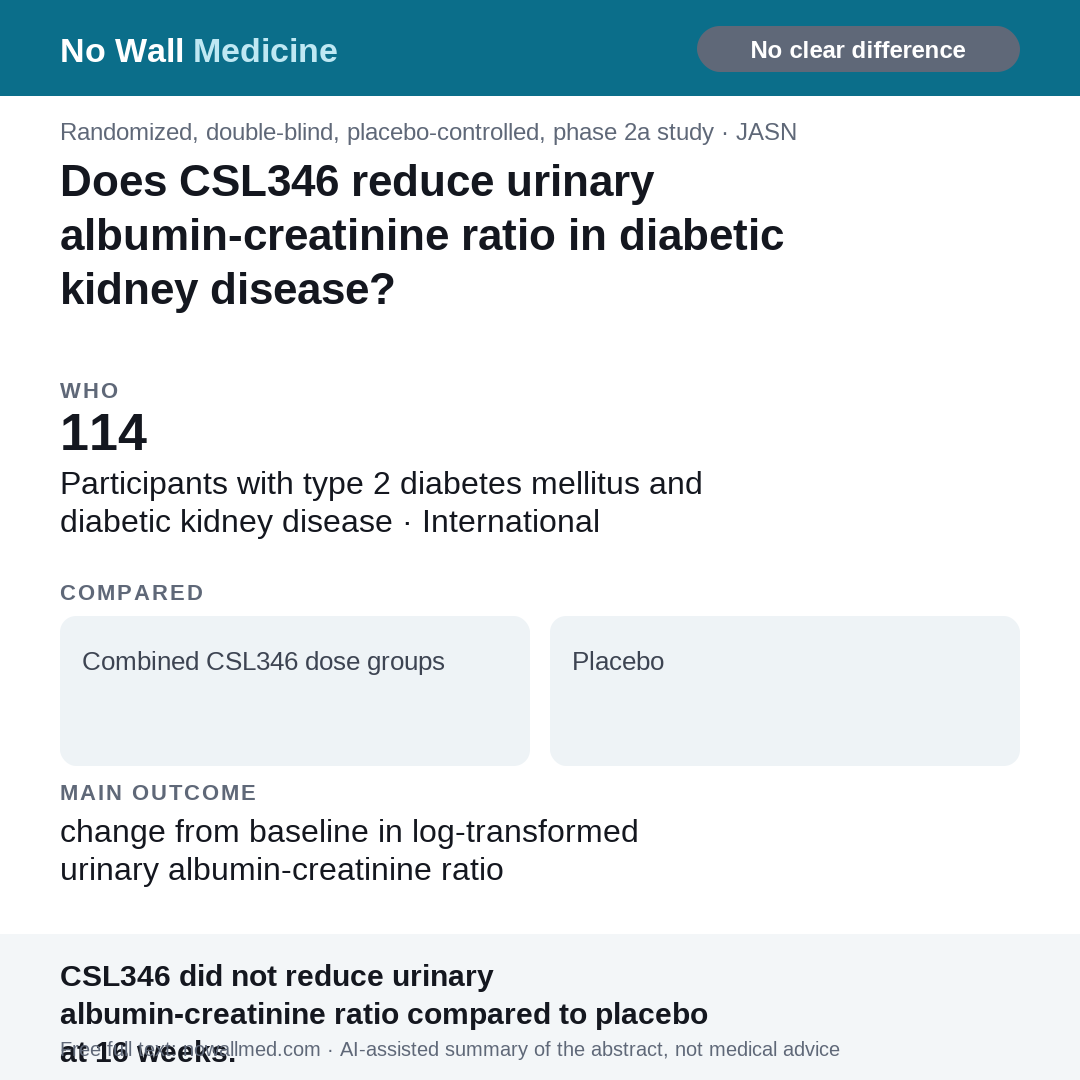
Vascular Endothelial Growth Factor-B Blockade with CSL346 in Diabetic Kidney Disease: A Phase 2A Randomized Controlled Trial
Randomized, double-blind, placebo-controlled, phase 2a studyNo clear difference
Does CSL346 reduce urinary albumin-creatinine ratio in diabetic kidney disease?
Who
114
Participants with type 2 diabetes mellitus and diabetic kidney disease · International
Compared
Combined CSL346 dose groups
Placebo
Main outcome
change from baseline in log-transformed urinary albumin-creatinine ratio
Result: 4.0% (95% confidence interval, -14.7 to 26.8)
Bottom line: CSL346 did not reduce urinary albumin-creatinine ratio compared to placebo at 16 weeks.
JASN · 2024-08-16Download image
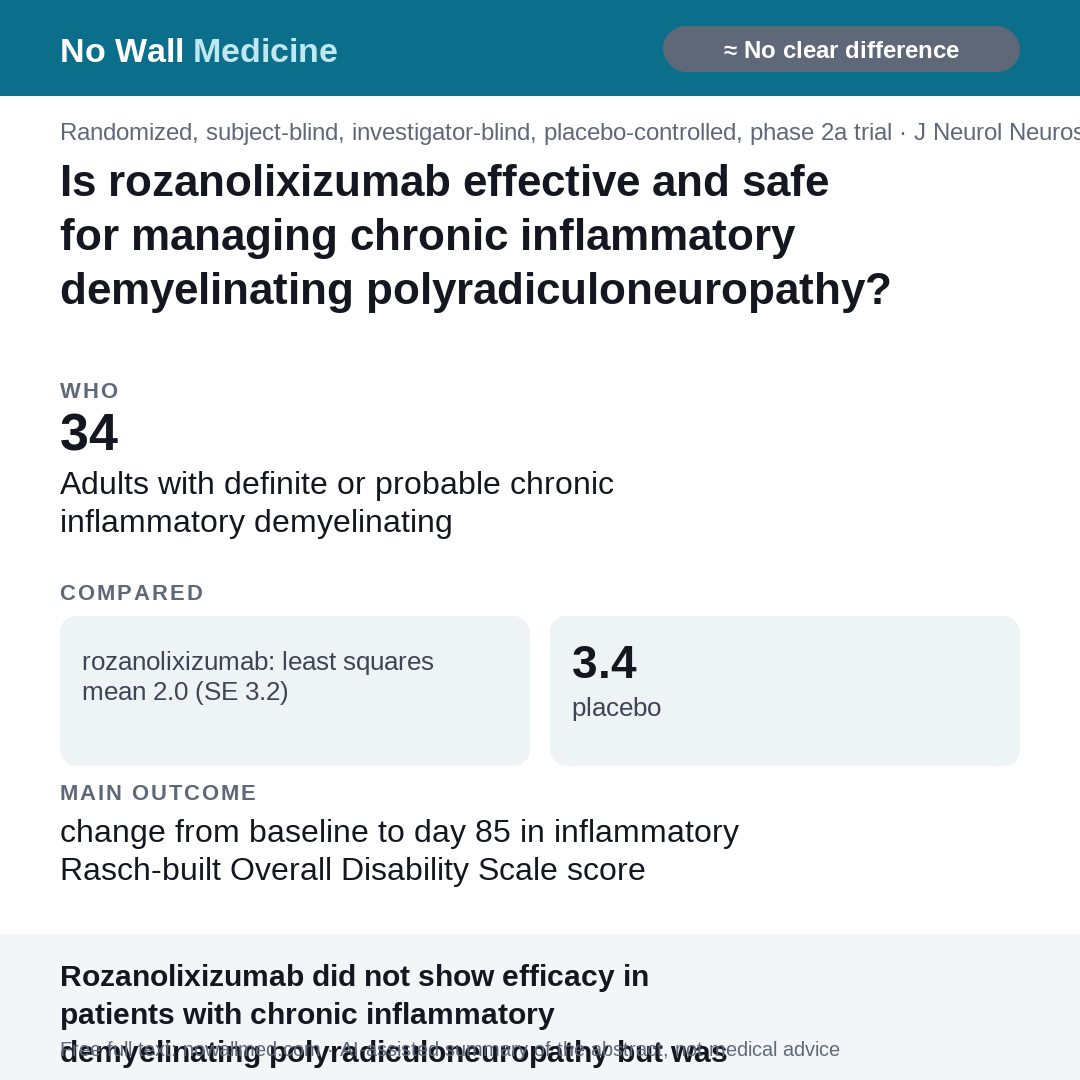
Efficacy, safety and tolerability of rozanolixizumab in patients with chronic inflammatory demyelinating polyradiculoneuropathy: a randomised, subject-blind, investigator-blind, placebo-controlled, phase 2a trial and open-label extension study
Randomized, subject-blind, investigator-blind, placebo-controlled, phase 2a trialNo clear difference
Is rozanolixizumab effective and safe for managing chronic inflammatory demyelinating polyradiculoneuropathy?
Who
34
Adults with definite or probable chronic inflammatory demyelinating polyradiculoneuropathy
Compared
rozanolixizumab: least squares mean 2.0 (SE 3.2)
3.4placebo (2.6)
Main outcome
change from baseline to day 85 in inflammatory Rasch-built Overall Disability Scale score
Result: difference -1.5 (90% CI -7.5 to 4.5)
Bottom line: Rozanolixizumab did not show efficacy in patients with chronic inflammatory demyelinating polyradiculoneuropathy but was well tolerated.
J Neurol Neurosurg Psychiatry · 2024-08-16Download image
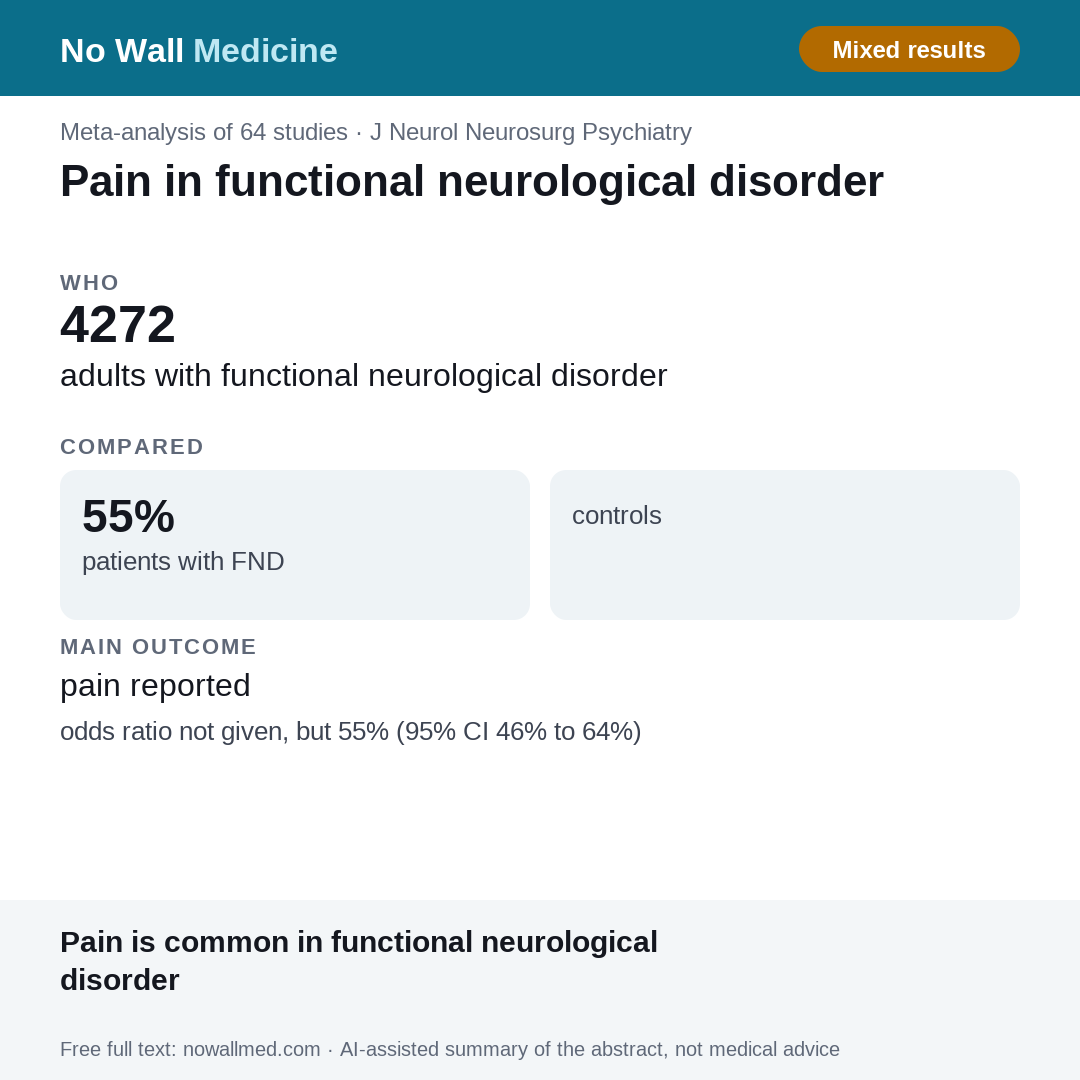
Pain and functional neurological disorder: a systematic review and meta-analysis
Meta-analysis of 64 studiesMixed results
Pain in functional neurological disorder
Who
4272
adults with functional neurological disorder
Compared
55%patients with FND (4272 patients)
controls
Main outcome
pain reported
Result: odds ratio not given, but 55% (95% CI 46% to 64%)
Bottom line: Pain is common in functional neurological disorder
J Neurol Neurosurg Psychiatry · 2024-08-16Download image
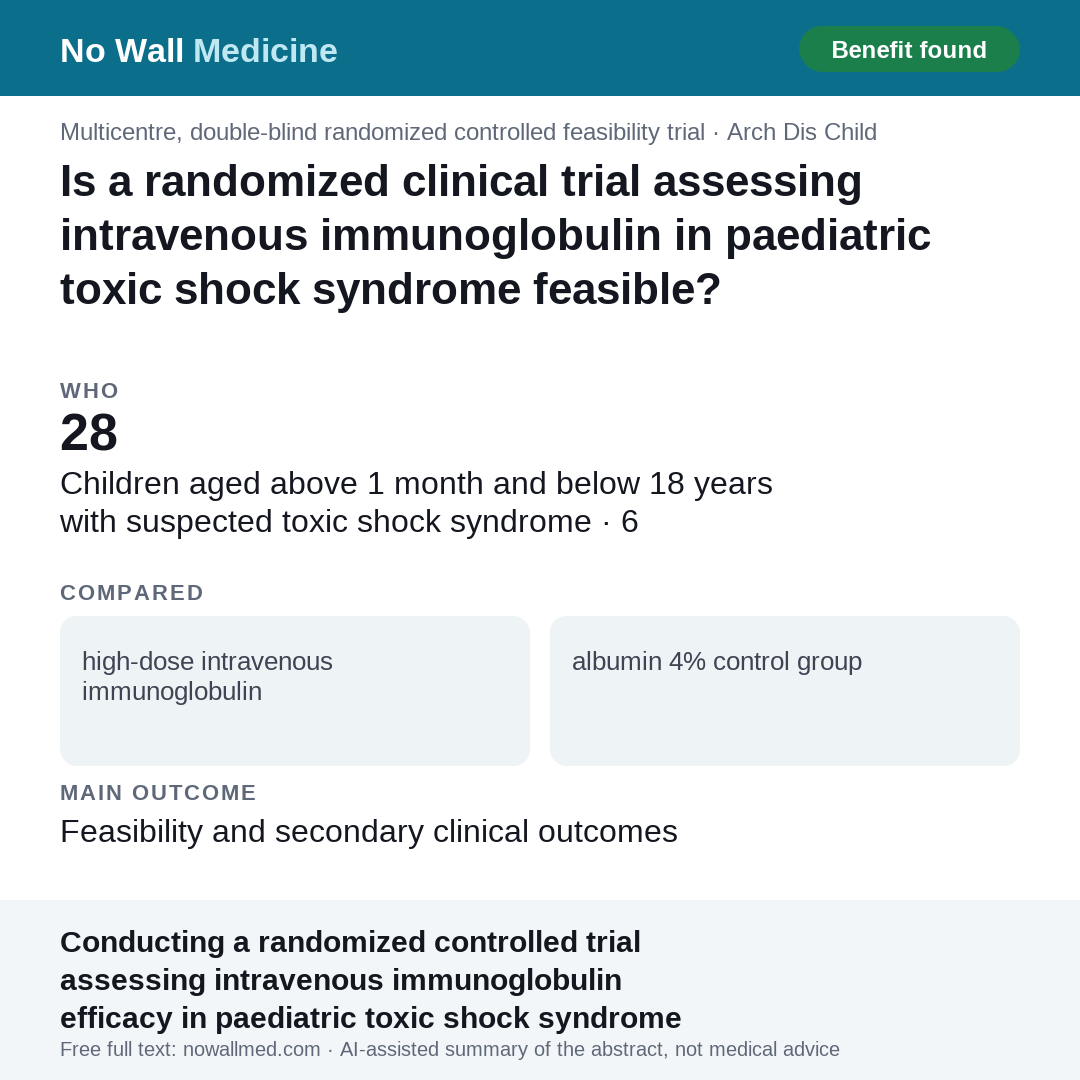
High-dose intravenous immunoglobulin versus albumin 4% in paediatric toxic shock syndrome: a randomised controlled feasibility study
Multicentre, double-blind randomized controlled feasibility trialBenefit found
Is a randomized clinical trial assessing intravenous immunoglobulin in paediatric toxic shock syndrome feasible?
Who
28
Children aged above 1 month and below 18 years with suspected toxic shock syndrome · 6 paediatric intensive care units
Compared
high-dose intravenous immunoglobulin
albumin 4% control group
Main outcome
Feasibility and secondary clinical outcomes
Bottom line: Conducting a randomized controlled trial assessing intravenous immunoglobulin efficacy in paediatric toxic shock syndrome is feasible.
Arch Dis Child · 2024-08-16Download image
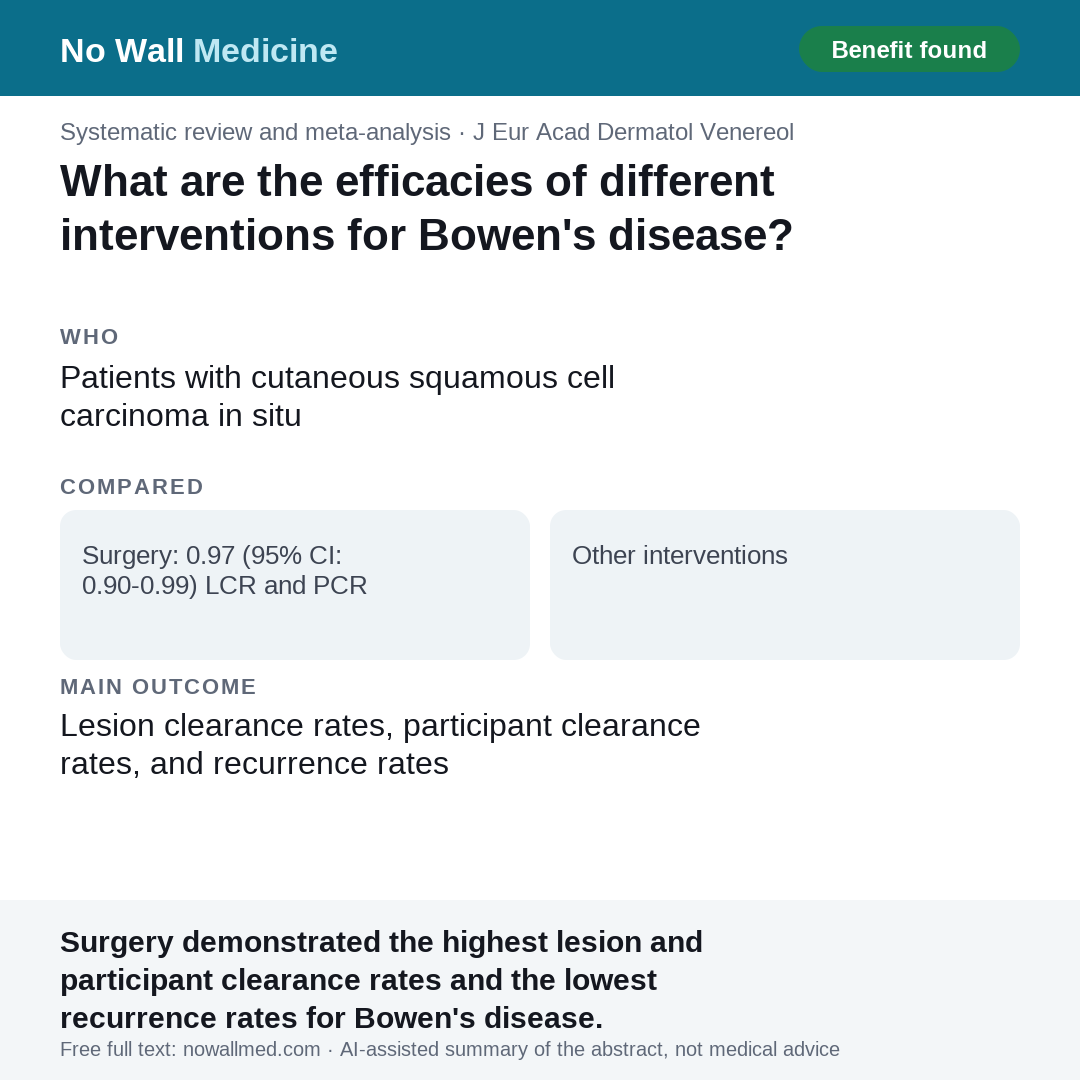
Efficacy of interventions for cutaneous squamous cell carcinoma in situ (Bowen's disease): A systematic review and meta-analysis of proportions
Systematic review and meta-analysisBenefit found
What are the efficacies of different interventions for Bowen's disease?
Who
Patients with cutaneous squamous cell carcinoma in situ
Compared
Surgery: 0.97 (95% CI: 0.90-0.99) LCR and PCR
Other interventions
Main outcome
Lesion clearance rates, participant clearance rates, and recurrence rates
Bottom line: Surgery demonstrated the highest lesion and participant clearance rates and the lowest recurrence rates for Bowen's disease.
Limitation: Comparability was restricted by different numbers of studies, methodical and clinical heterogeneity.
J Eur Acad Dermatol Venereol · 2024-08-16Download image
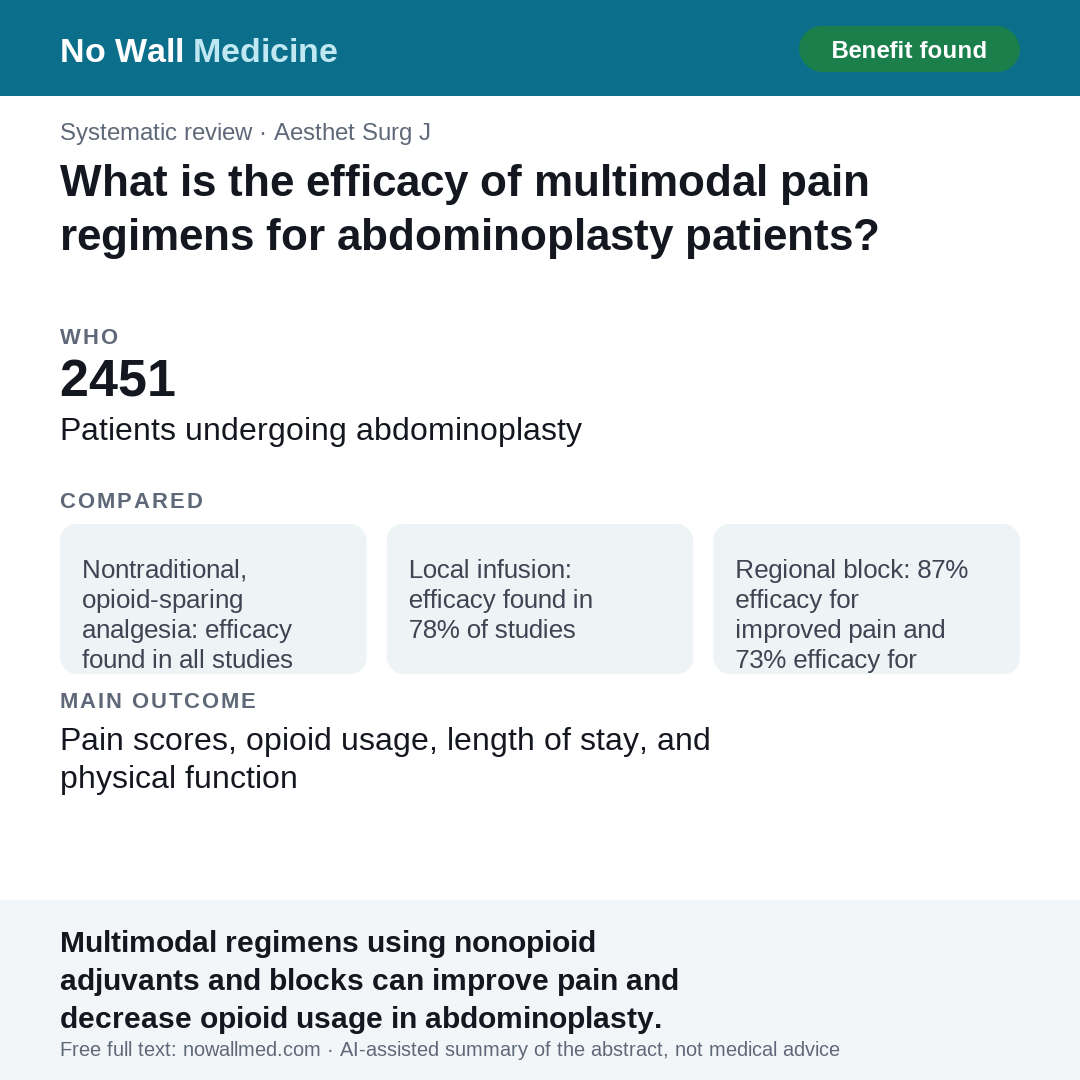
Multimodal Pain Control in Abdominoplasty: A Systematic Review and Algorithm of Optimal Pain Management
Systematic reviewBenefit found
What is the efficacy of multimodal pain regimens for abdominoplasty patients?
Who
2451
Patients undergoing abdominoplasty
Compared
Nontraditional, opioid-sparing analgesia: efficacy found in all studies
Local infusion: efficacy found in 78% of studies
Regional block: 87% efficacy for improved pain and 73% efficacy for decreased opioid usage
Main outcome
Pain scores, opioid usage, length of stay, and physical function
Bottom line: Multimodal regimens using nonopioid adjuvants and blocks can improve pain and decrease opioid usage in abdominoplasty.
Aesthet Surg J · 2024-08-16Download image
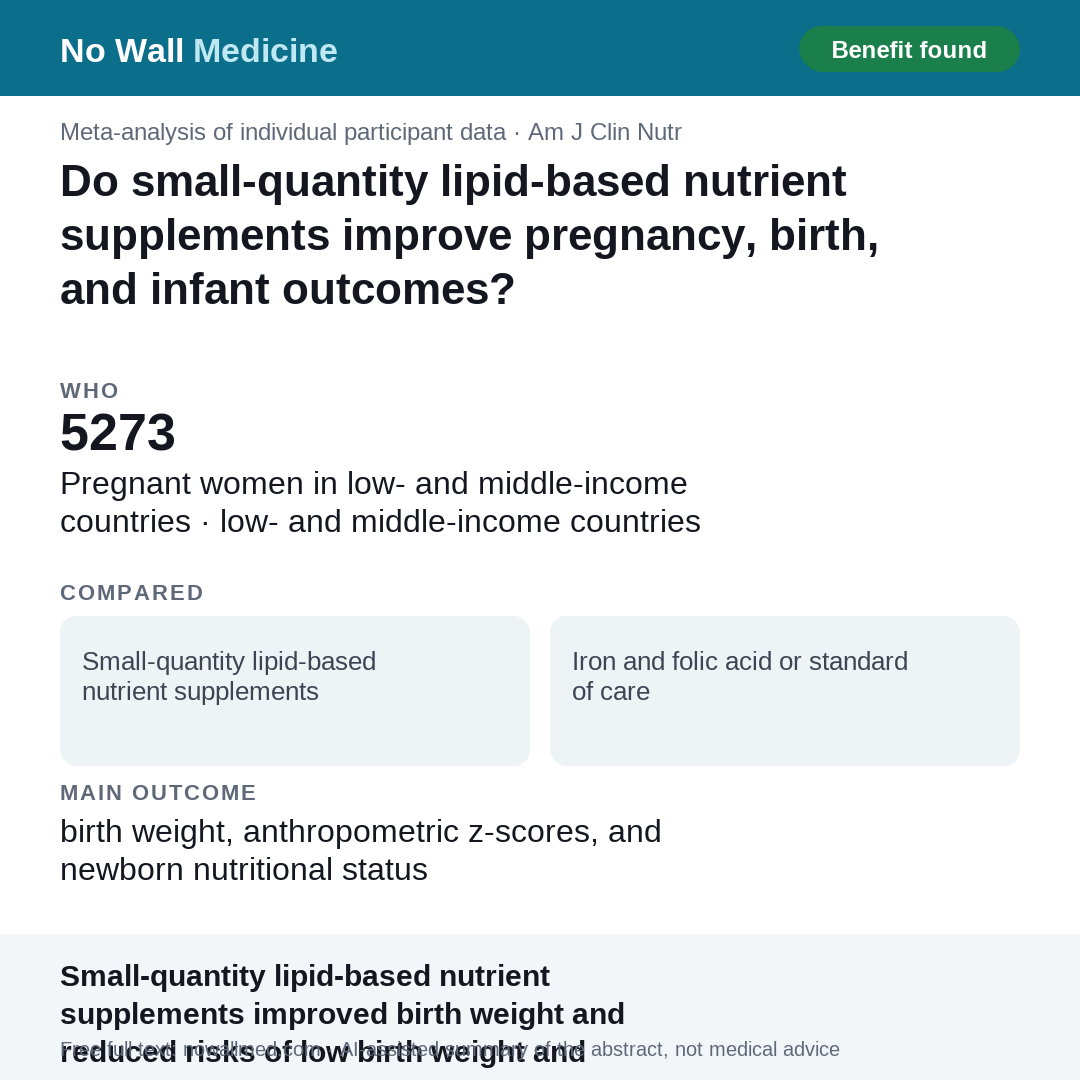
Effects of prenatal small-quantity lipid-based nutrient supplements on pregnancy, birth, and infant outcomes: a systematic review and meta-analysis of individual participant data from randomized controlled trials in low- and middle-income countries
Meta-analysis of individual participant dataBenefit found
Do small-quantity lipid-based nutrient supplements improve pregnancy, birth, and infant outcomes?
Who
5273
Pregnant women in low- and middle-income countries · low- and middle-income countries
Compared
Small-quantity lipid-based nutrient supplements
Iron and folic acid or standard of care
Main outcome
birth weight, anthropometric z-scores, and newborn nutritional status
Result: mean difference: +49 g; 95% confidence interval (CI): 26, 71 g
Bottom line: Small-quantity lipid-based nutrient supplements improved birth weight and reduced risks of low birth weight and newborn stunting.
Am J Clin Nutr · 2024-08-16Download image
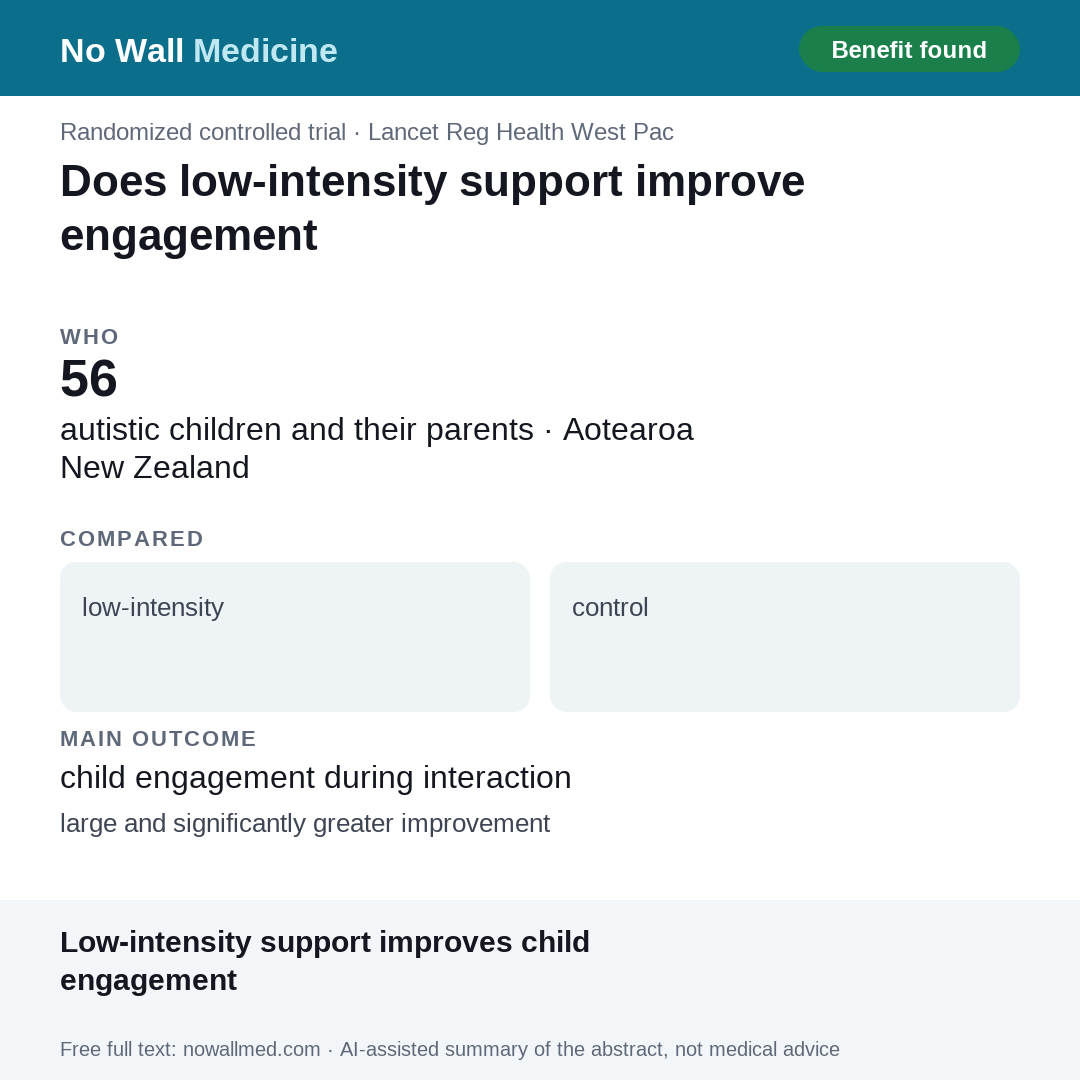
Low-intensity parent- and clinician-delivered support for young autistic children in Aotearoa New Zealand: a randomised controlled trial
Randomized controlled trialBenefit found
Does low-intensity support improve engagement
Who
56
autistic children and their parents · Aotearoa New Zealand
Compared
low-intensity
control
Main outcome
child engagement during interaction
Result: large and significantly greater improvement
Bottom line: Low-intensity support improves child engagement
Limitation: drop-outs occurred
Funded by: Health Research Council of New Zealand
Lancet Reg Health West Pac · 2024-08-16Download image
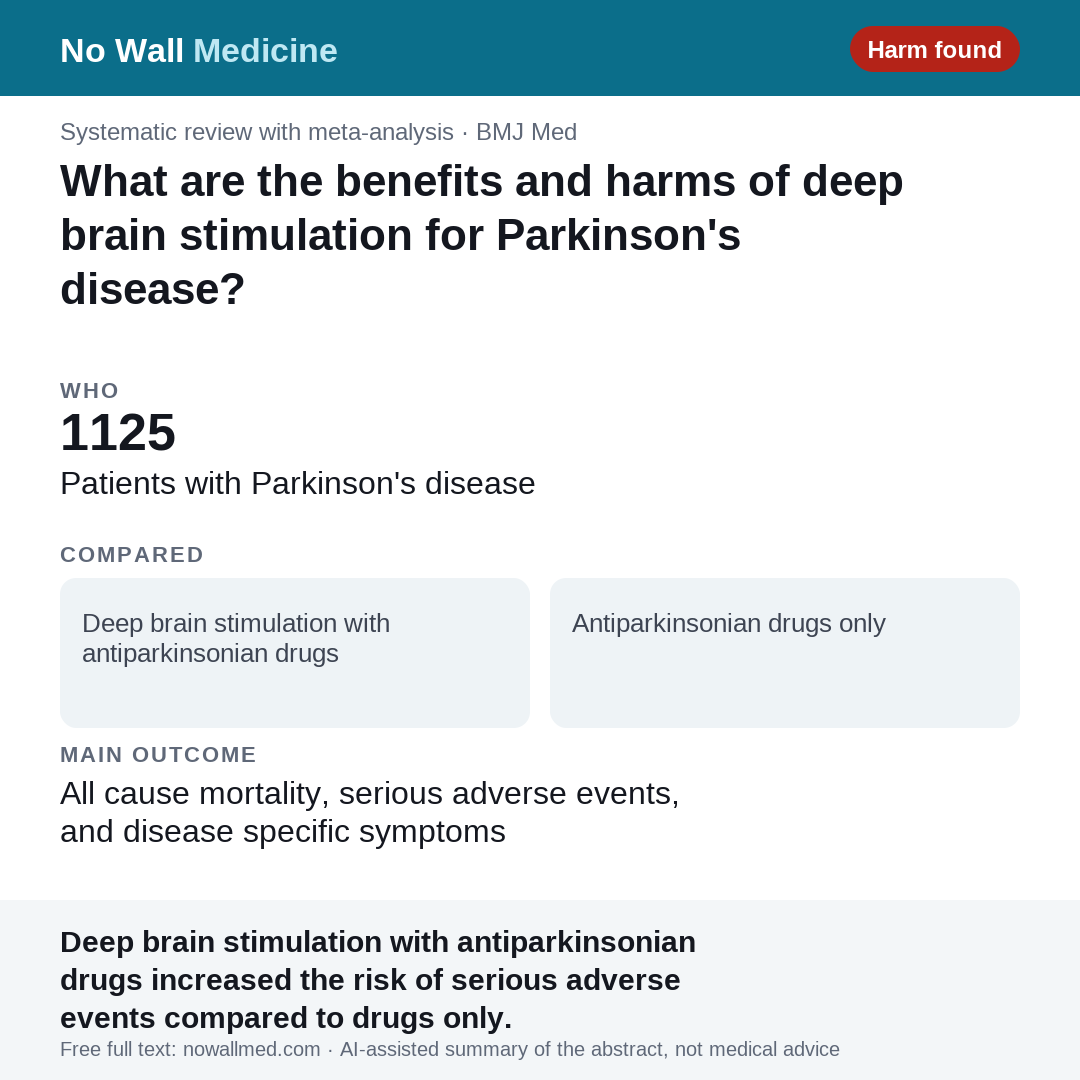
Deep brain stimulation for Parkinson's disease: systematic review with meta-analysis and trial sequential analysis
Systematic review with meta-analysisHarm found
What are the benefits and harms of deep brain stimulation for Parkinson's disease?
Who
1125
Patients with Parkinson's disease
Compared
Deep brain stimulation with antiparkinsonian drugs
Antiparkinsonian drugs only
Main outcome
All cause mortality, serious adverse events, and disease specific symptoms
Result: risk ratio 2.36 (95% CI 1.37 to 4.09) for serious adverse events
Bottom line: Deep brain stimulation with antiparkinsonian drugs increased the risk of serious adverse events compared to drugs only.
Limitation: High risk of bias and very low certainty of evidence for all primary outcomes.
BMJ Med · 2024-08-16Download image
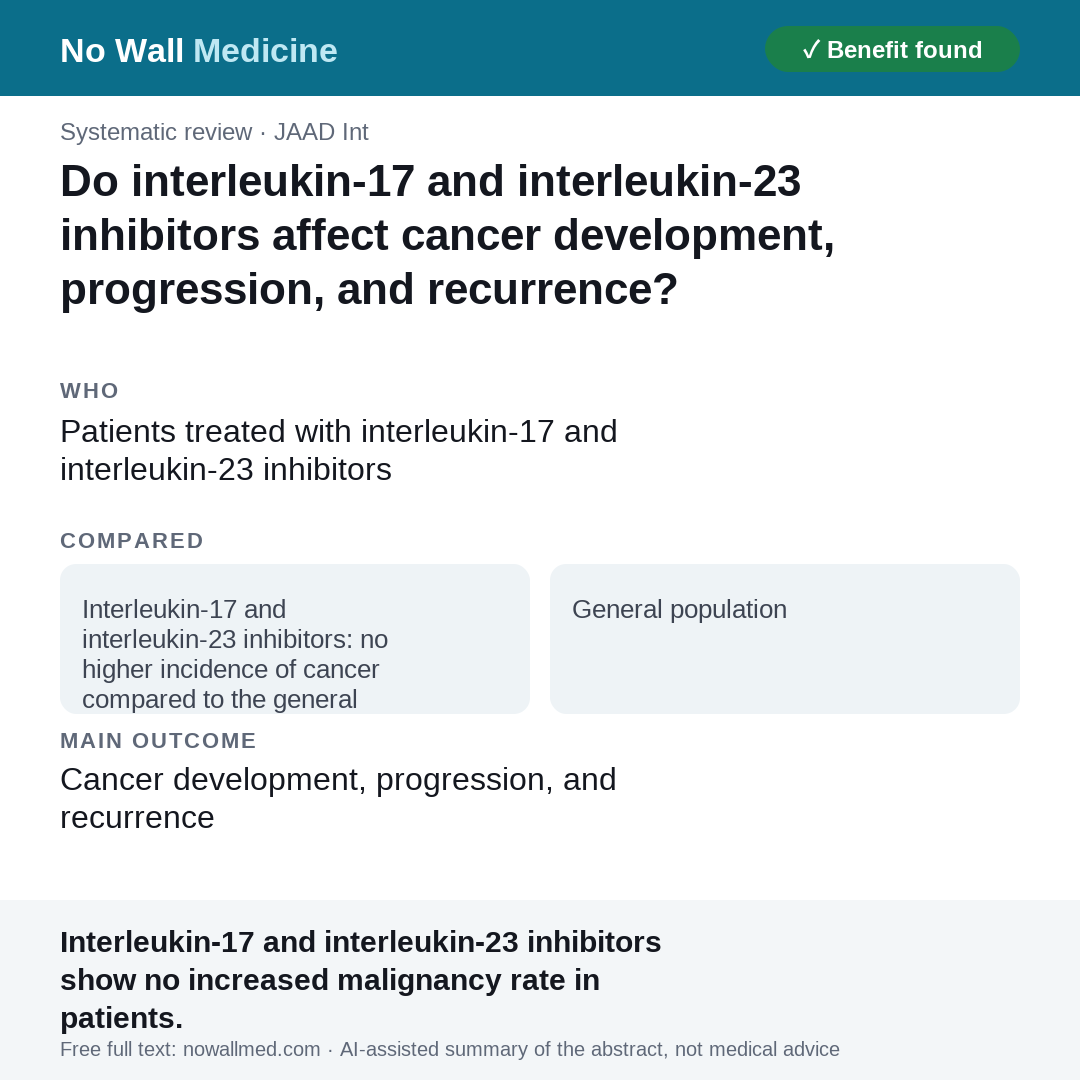
The role of interleukin-17 and interleukin-23 inhibitors in the development, progression, and recurrence of cancer: A systematic review
Systematic reviewBenefit found
Do interleukin-17 and interleukin-23 inhibitors affect cancer development, progression, and recurrence?
Who
Patients treated with interleukin-17 and interleukin-23 inhibitors
Compared
Interleukin-17 and interleukin-23 inhibitors: no higher incidence of cancer compared to the general population
General population
Main outcome
Cancer development, progression, and recurrence
Bottom line: Interleukin-17 and interleukin-23 inhibitors show no increased malignancy rate in patients.
Limitation: Variations in study designs, outcomes, and small sample sizes.
JAAD Int · 2024-08-16Download image
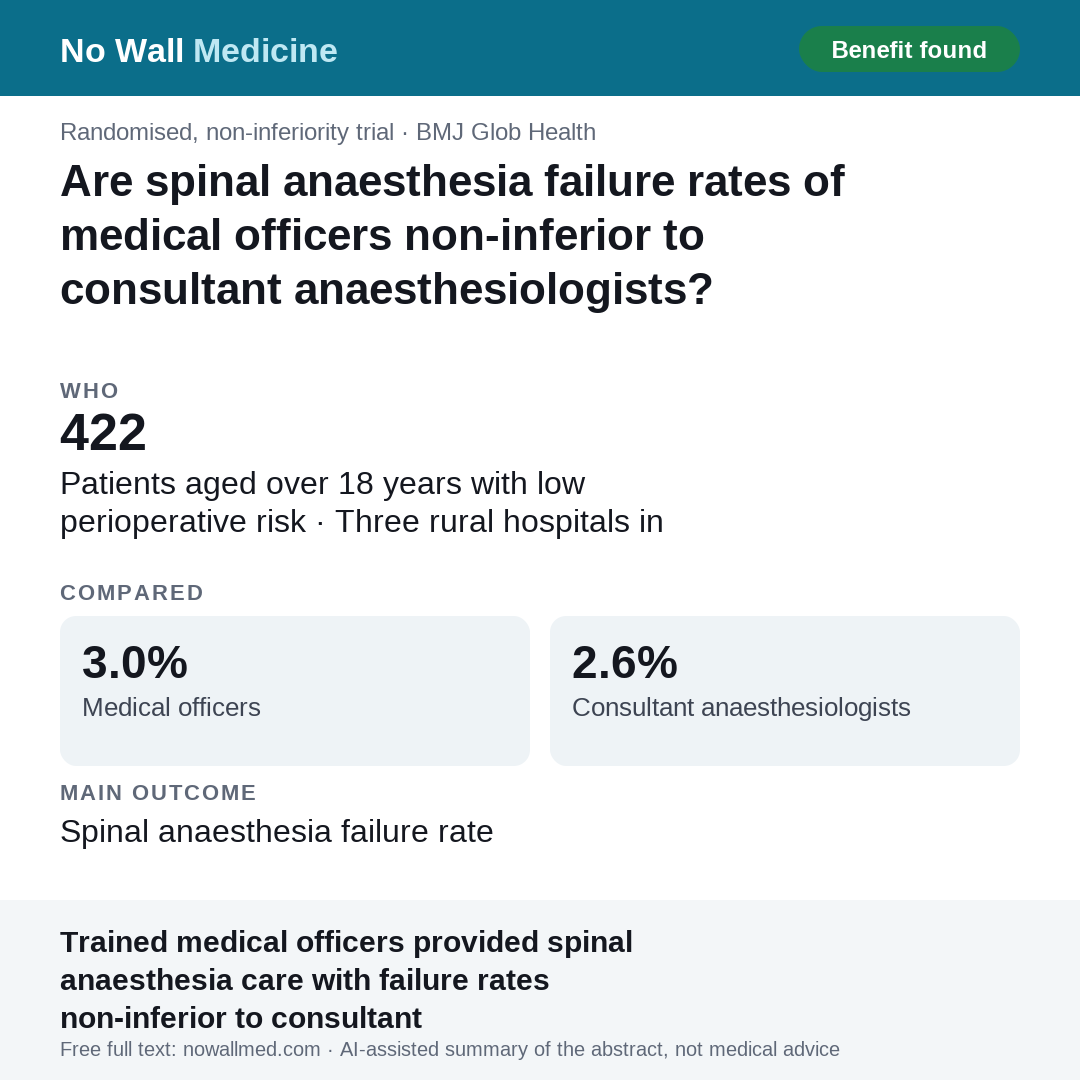
Task-sharing spinal anaesthesia care in three rural Indian hospitals: a non-inferiority randomised controlled clinical trial
Randomised, non-inferiority trialBenefit found
Are spinal anaesthesia failure rates of medical officers non-inferior to consultant anaesthesiologists?
Who
422
Patients aged over 18 years with low perioperative risk · Three rural hospitals in Tamil Nadu and Chhattisgarh, India
Compared
3.0%Medical officers
2.6%Consultant anaesthesiologists
Main outcome
Spinal anaesthesia failure rate
Result: difference in success rate of 0.4% (95% CI=0.36-0.43%; p=0.80)
Bottom line: Trained medical officers provided spinal anaesthesia care with failure rates non-inferior to consultant anaesthesiologists in low-risk patients.
BMJ Glob Health · 2024-08-16Download image
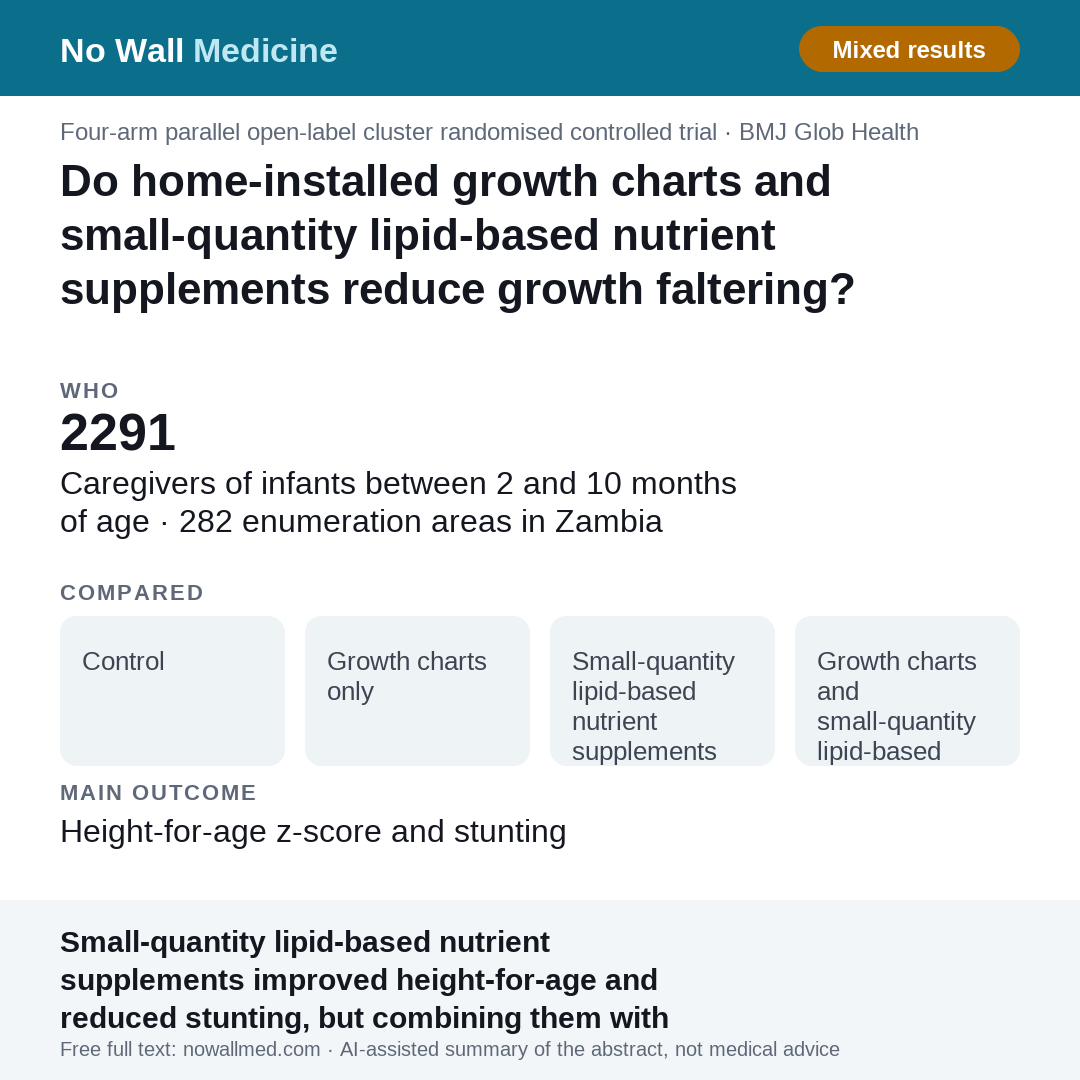
The impact of home-installed growth charts and small-quantity lipid-based nutrient supplements (SQ-LNS) on child growth in Zambia: a four-arm parallel open-label cluster randomised controlled trial
Four-arm parallel open-label cluster randomised controlled trialMixed results
Do home-installed growth charts and small-quantity lipid-based nutrient supplements reduce growth faltering?
Who
2291
Caregivers of infants between 2 and 10 months of age · 282 enumeration areas in Zambia
Compared
Control
Growth charts only
Small-quantity lipid-based nutrient supplements only: 0.21 SD (95% CI 0.06 to 0.36)
Growth charts and small-quantity lipid-based nutrient supplements
Main outcome
Height-for-age z-score and stunting
Result: hazard ratio 0.63 (95% CI 0.46 to 0.87)
Bottom line: Small-quantity lipid-based nutrient supplements improved height-for-age and reduced stunting, but combining them with growth charts showed no additional benefit.
BMJ Glob Health · 2024-08-16Download image
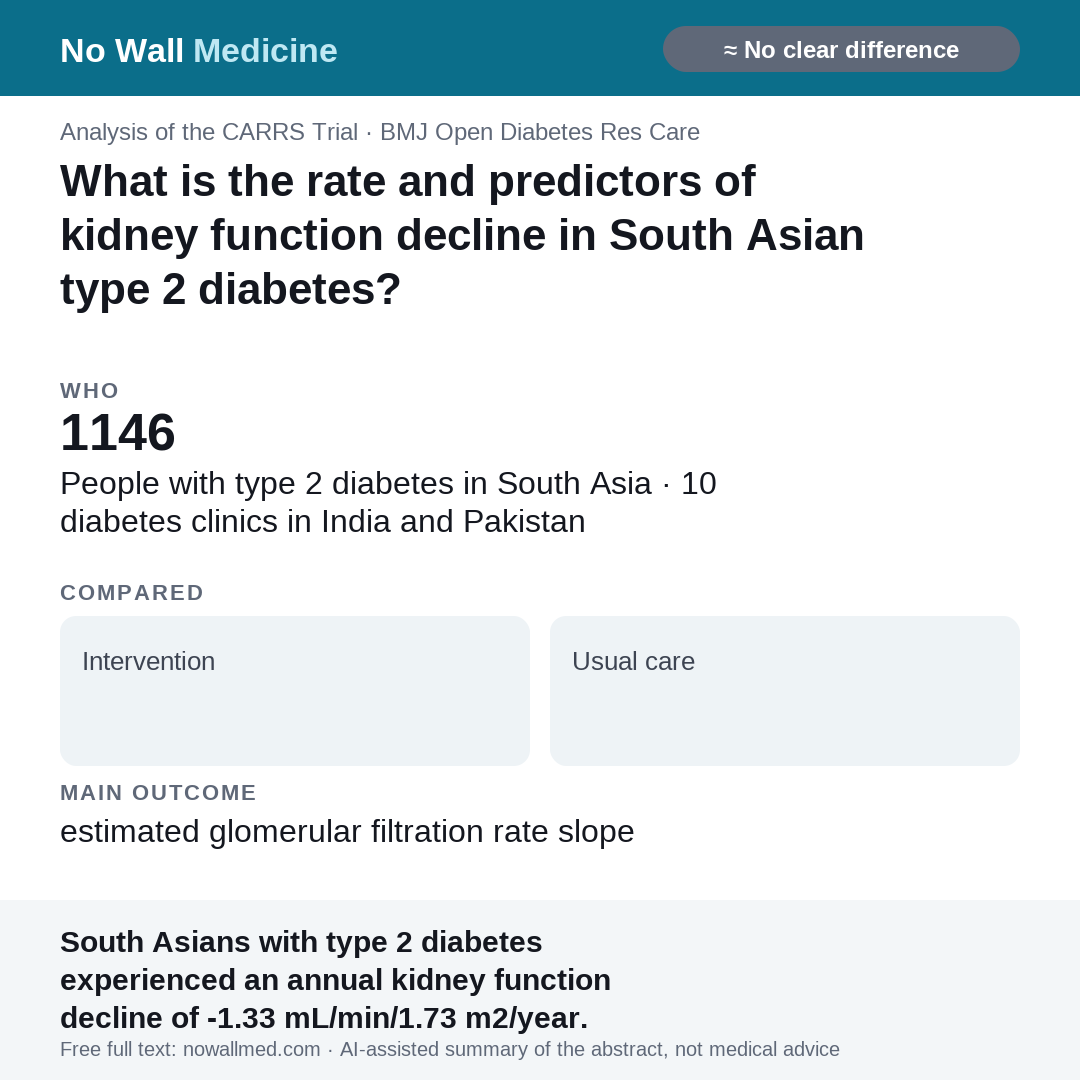
Rate and risk factors of kidney function decline among South Asians with type 2 diabetes: analysis of the CARRS Trial
Analysis of the CARRS TrialNo clear difference
What is the rate and predictors of kidney function decline in South Asian type 2 diabetes?
Who
1146
People with type 2 diabetes in South Asia · 10 diabetes clinics in India and Pakistan
Compared
Intervention
Usual care
Main outcome
estimated glomerular filtration rate slope
Bottom line: South Asians with type 2 diabetes experienced an annual kidney function decline of -1.33 mL/min/1.73 m2/year.
BMJ Open Diabetes Res Care · 2024-08-16Download image
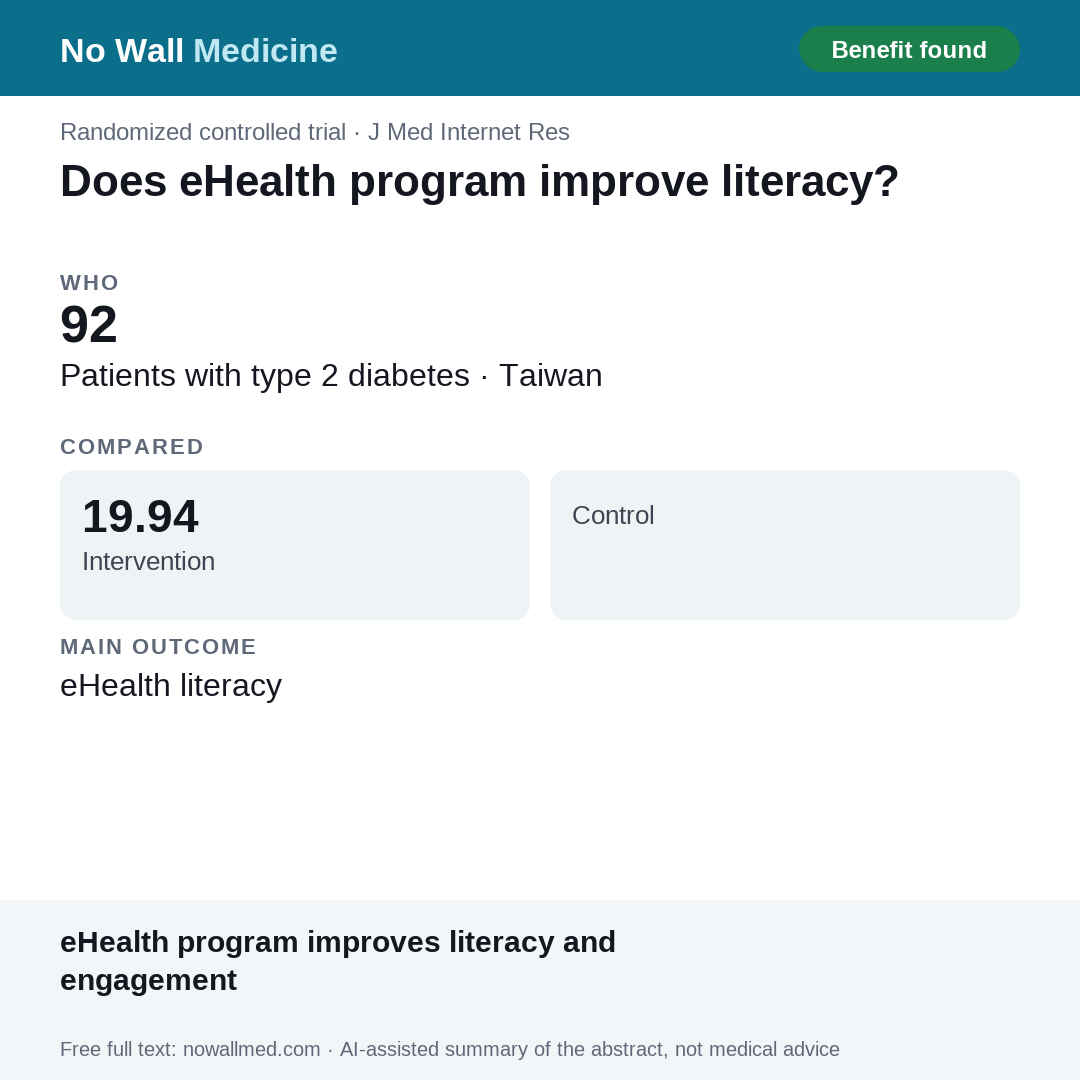
Short-Term Effects of an eHealth Care Experiential Learning Program Among Patients With Type 2 Diabetes: Randomized Controlled Trial
Randomized controlled trialBenefit found
Does eHealth program improve literacy?
Who
92
Patients with type 2 diabetes · Taiwan
Compared
19.94Intervention
Control
Main outcome
eHealth literacy
Bottom line: eHealth program improves literacy and engagement
J Med Internet Res · 2024-08-16Download image
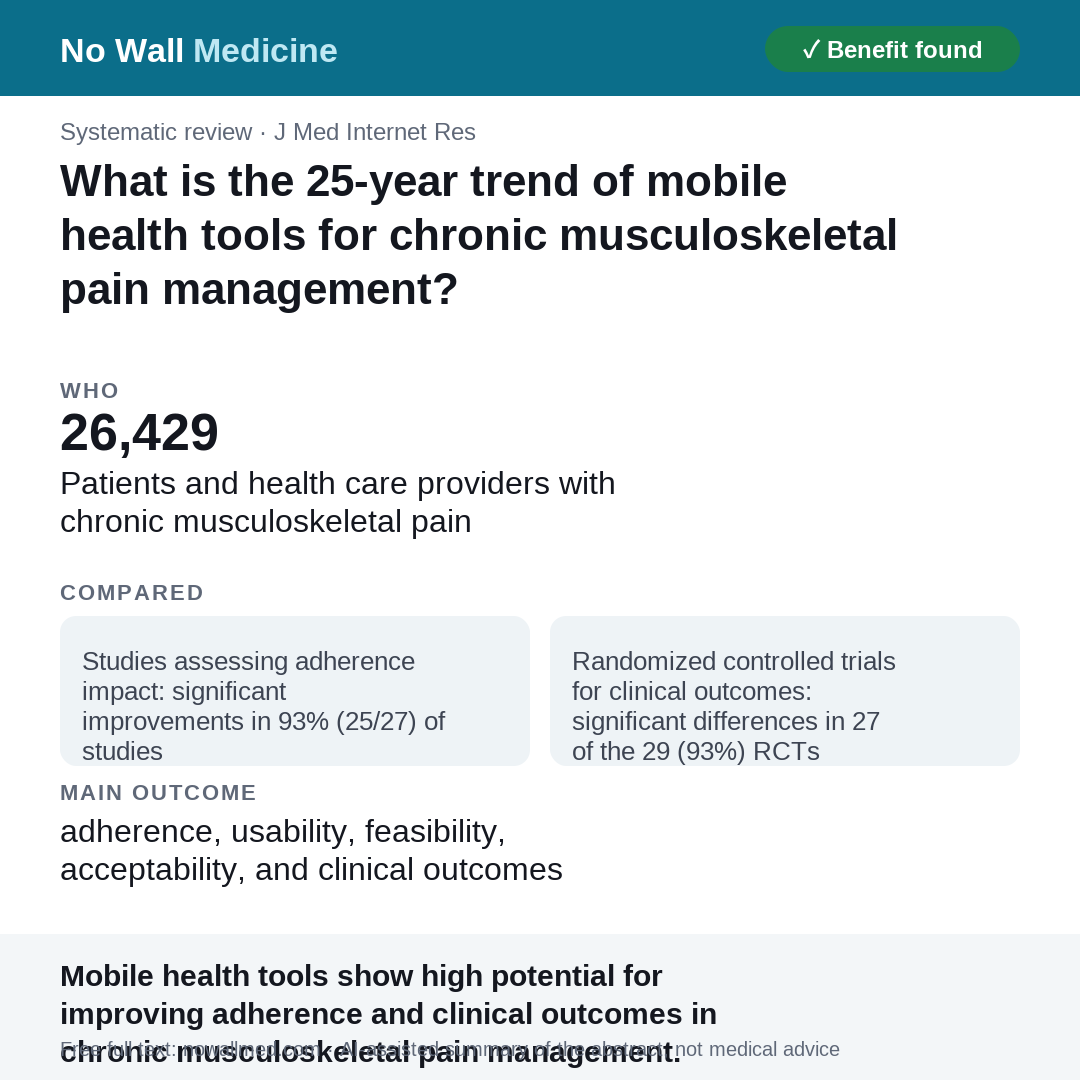
Impact of 25 Years of Mobile Health Tools for Pain Management in Patients With Chronic Musculoskeletal Pain: Systematic Review
Systematic reviewBenefit found
What is the 25-year trend of mobile health tools for chronic musculoskeletal pain management?
Who
26,429
Patients and health care providers with chronic musculoskeletal pain
Compared
Studies assessing adherence impact: significant improvements in 93% (25/27) of studies
Randomized controlled trials for clinical outcomes: significant differences in 27 of the 29 (93%) RCTs
Main outcome
adherence, usability, feasibility, acceptability, and clinical outcomes
Bottom line: Mobile health tools show high potential for improving adherence and clinical outcomes in chronic musculoskeletal pain management.
J Med Internet Res · 2024-08-16Download image
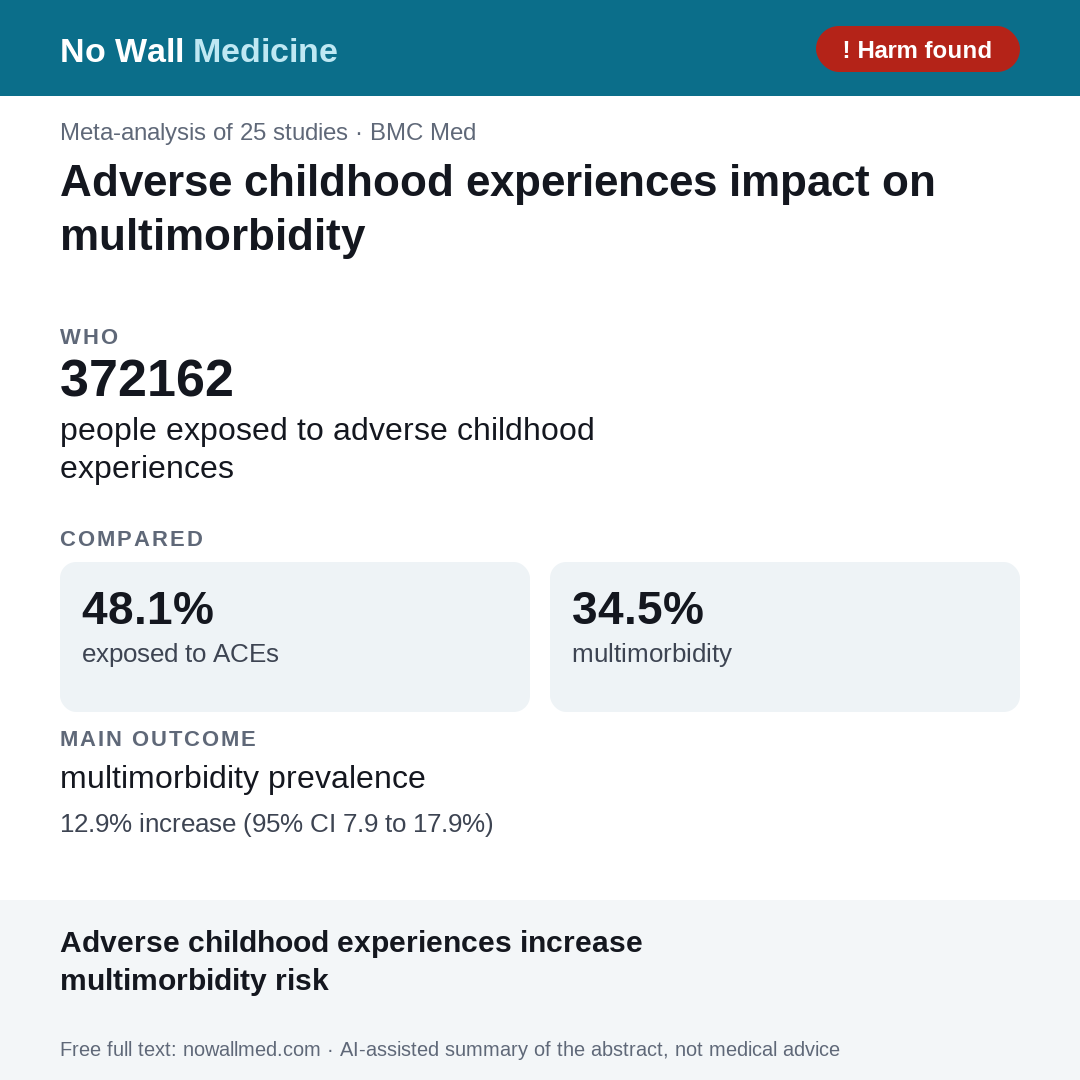
The impact of adverse childhood experiences on multimorbidity: a systematic review and meta-analysis
Meta-analysis of 25 studiesHarm found
Adverse childhood experiences impact on multimorbidity
Who
372162
people exposed to adverse childhood experiences
Compared
48.1%exposed to ACEs (95% CI 33.4 to 63.1%)
34.5%multimorbidity (95% CI 23.4 to 47.5%)
Main outcome
multimorbidity prevalence
Result: 12.9% increase (95% CI 7.9 to 17.9%)
Bottom line: Adverse childhood experiences increase multimorbidity risk
Limitation: heterogeneity among studies
BMC Med · 2024-08-15Download image