Visual abstracts
New randomized trials and meta-analyses from leading journals at a glance: who was studied, what was compared, and what was found. Every paper is free to read in full.
All specialtiesCardiology 1334Oncology 1181Gastroenterology & Hepatology 477Infectious Disease 868Neurology 549Psychiatry & Mental Health 661Pulmonology 568Critical Care 394Endocrinology & Diabetes 739Pediatrics 789Surgery 631Orthopedics & Sports Medicine 256Neurosurgery 179Cardiothoracic & Vascular Surgery 151Plastic & Reconstructive Surgery 208Nephrology 283Rheumatology 178Hematology 283Dermatology 142Ophthalmology 151Obstetrics & Gynecology 417Public & Global Health 261Radiology & Imaging 171Anesthesiology 253Urology 246ENT (Otolaryngology) 182Emergency Medicine 144Allergy & Immunology 90Geriatrics 277Family Medicine & Primary Care 168Medical Genetics & Genomics 142Pathology & Laboratory Medicine 41Physical Medicine & Rehabilitation 230Palliative Care 121Nutrition 347Digital Health & AI 686General Medicine 121
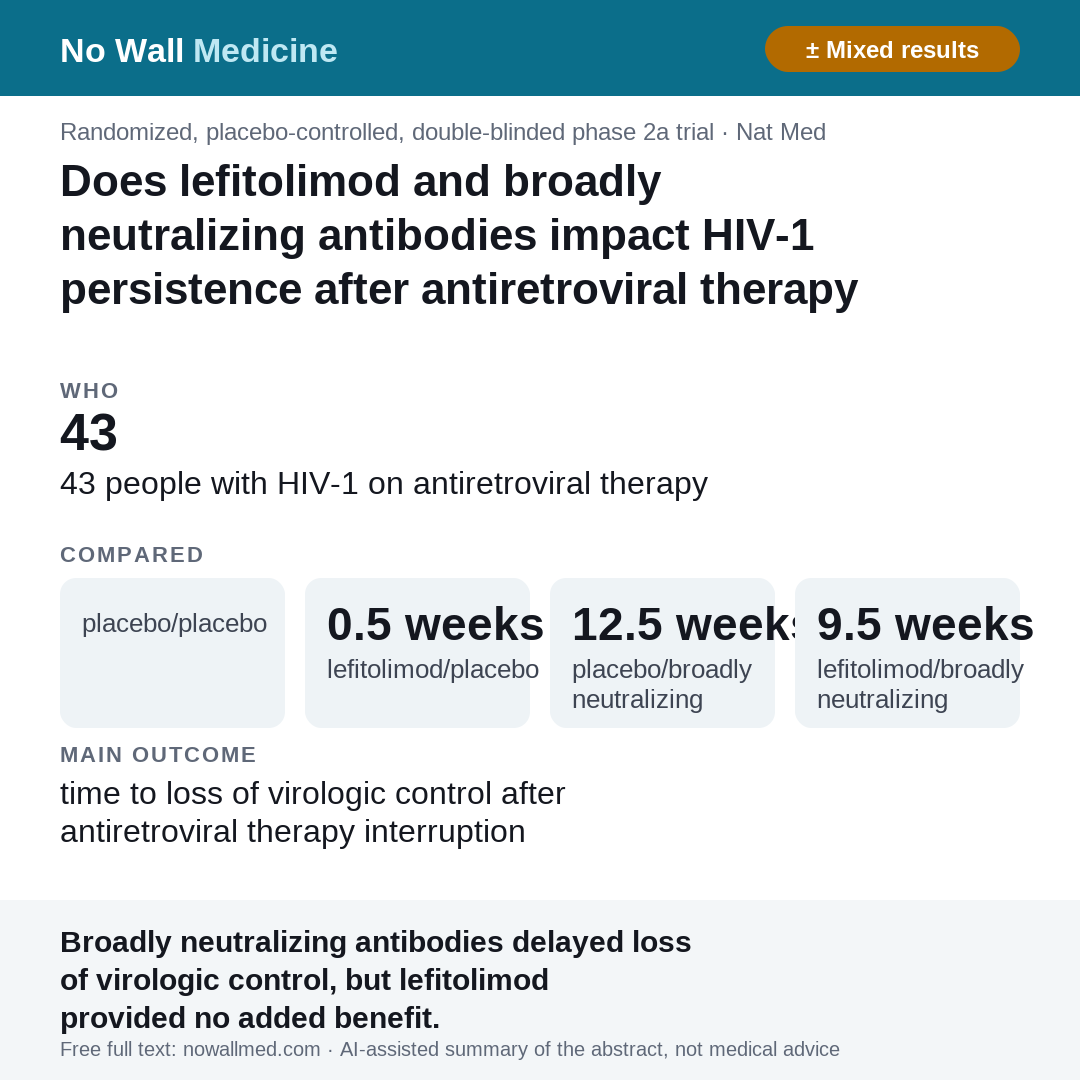
Impact of a TLR9 agonist and broadly neutralizing antibodies on HIV-1 persistence: the randomized phase 2a TITAN trial
Randomized, placebo-controlled, double-blinded phase 2a trialMixed results
Does lefitolimod and broadly neutralizing antibodies impact HIV-1 persistence after antiretroviral therapy interruption?
Who
43
43 people with HIV-1 on antiretroviral therapy
Compared
placebo/placebo
0.5 weekslefitolimod/placebo (P = 0.49)
12.5 weeksplacebo/broadly neutralizing antibodies (P = 0.003)
9.5 weekslefitolimod/broadly neutralizing antibodies (P = 0.004)
Main outcome
time to loss of virologic control after antiretroviral therapy interruption
Bottom line: Broadly neutralizing antibodies delayed loss of virologic control, but lefitolimod provided no added benefit.
Nat Med · 2023-09-11Download image
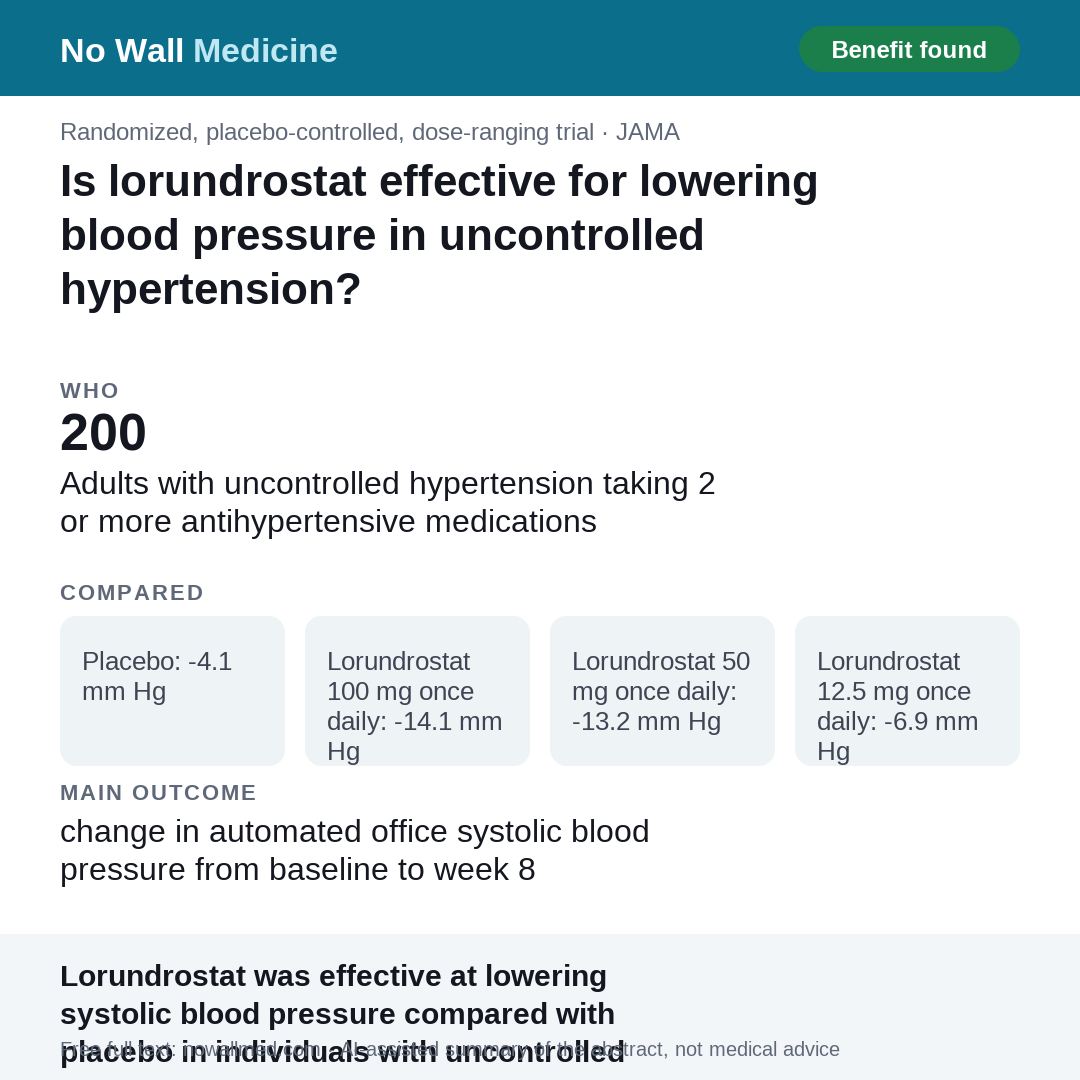
Aldosterone Synthase Inhibition With Lorundrostat for Uncontrolled Hypertension: The Target-HTN Randomized Clinical Trial
Randomized, placebo-controlled, dose-ranging trialBenefit found
Is lorundrostat effective for lowering blood pressure in uncontrolled hypertension?
Who
200
Adults with uncontrolled hypertension taking 2 or more antihypertensive medications
Compared
Placebo: -4.1 mm Hg
Lorundrostat 100 mg once daily: -14.1 mm Hg
Lorundrostat 50 mg once daily: -13.2 mm Hg
Lorundrostat 12.5 mg once daily: -6.9 mm Hg
Main outcome
change in automated office systolic blood pressure from baseline to week 8
Result: -9.6 mm Hg (90% CI, -15.8 to -3.4 mm Hg)
Bottom line: Lorundrostat was effective at lowering systolic blood pressure compared with placebo in individuals with uncontrolled hypertension.
JAMA · 2023-09-10Download image
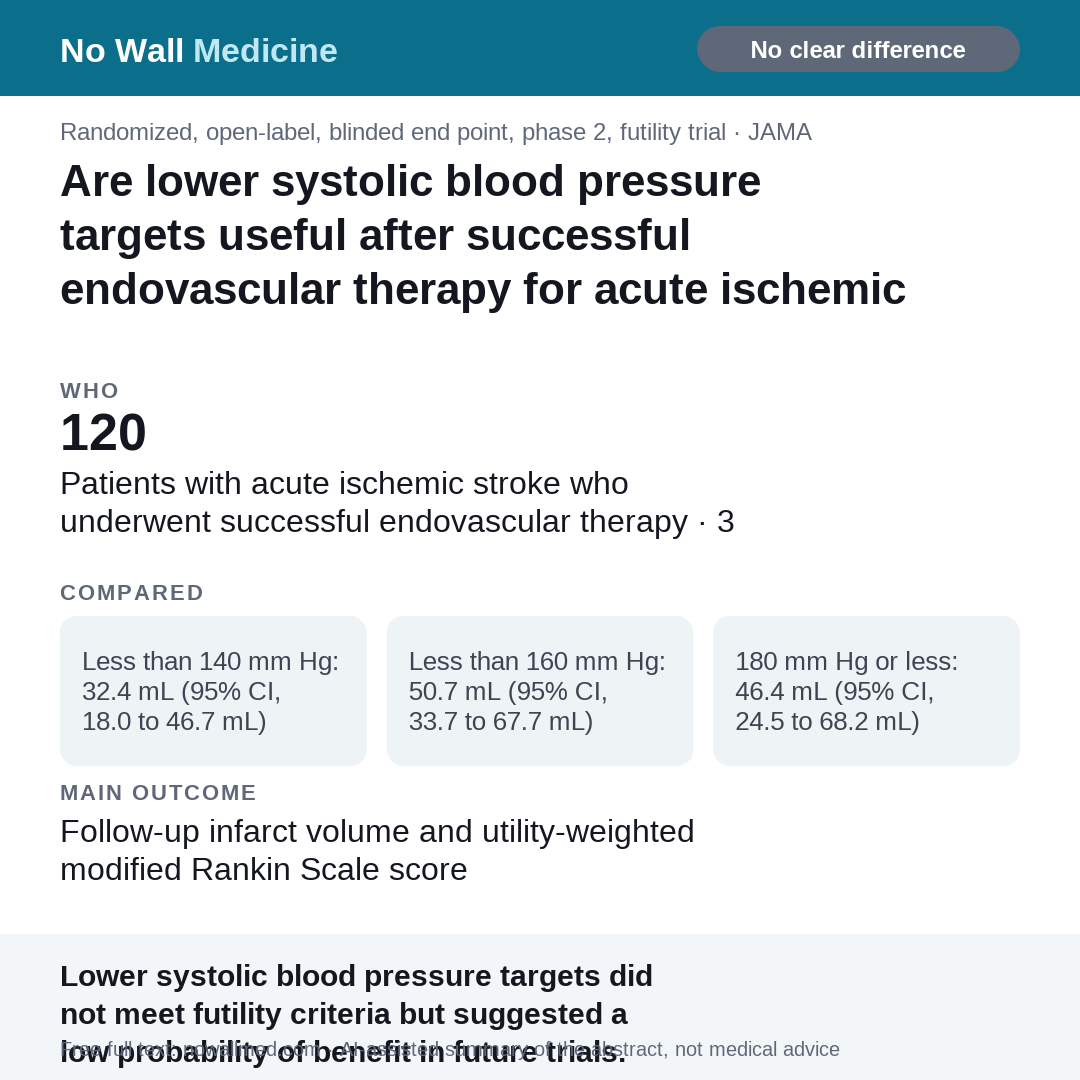
Blood Pressure Management After Endovascular Therapy for Acute Ischemic Stroke: The BEST-II Randomized Clinical Trial
Randomized, open-label, blinded end point, phase 2, futility trialNo clear difference
Are lower systolic blood pressure targets useful after successful endovascular therapy for acute ischemic stroke?
Who
120
Patients with acute ischemic stroke who underwent successful endovascular therapy · 3 US comprehensive stroke centers
Compared
Less than 140 mm Hg: 32.4 mL (95% CI, 18.0 to 46.7 mL)
Less than 160 mm Hg: 50.7 mL (95% CI, 33.7 to 67.7 mL)
180 mm Hg or less: 46.4 mL (95% CI, 24.5 to 68.2 mL)
Main outcome
Follow-up infarct volume and utility-weighted modified Rankin Scale score
Bottom line: Lower systolic blood pressure targets did not meet futility criteria but suggested a low probability of benefit in future trials.
Limitation: The findings suggested a low probability of benefit if tested in a future larger trial.
JAMA · 2023-09-05Download image
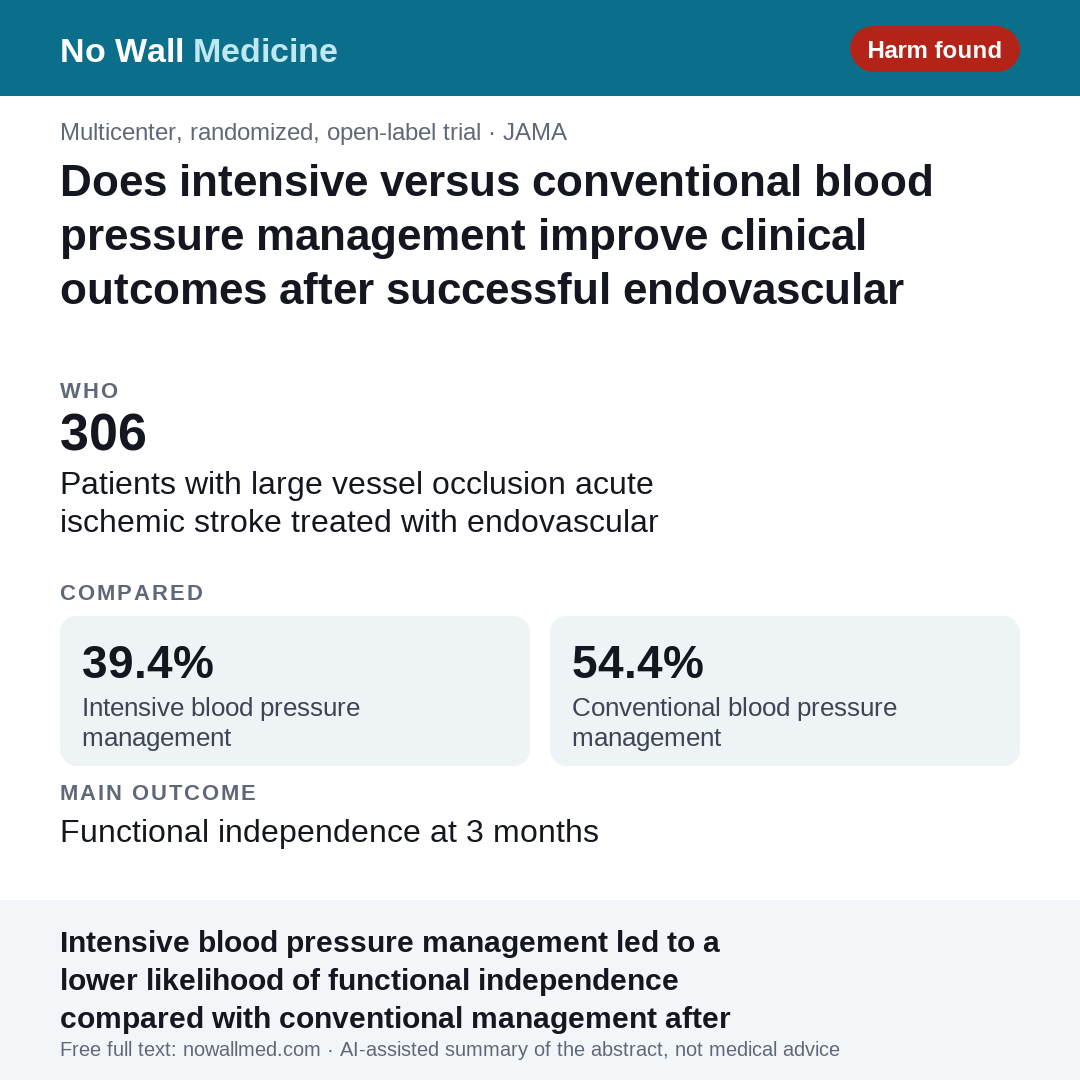
Intensive vs Conventional Blood Pressure Lowering After Endovascular Thrombectomy in Acute Ischemic Stroke: The OPTIMAL-BP Randomized Clinical Trial
Multicenter, randomized, open-label trialHarm found
Does intensive versus conventional blood pressure management improve clinical outcomes after successful endovascular thrombectomy?
Who
306
Patients with large vessel occlusion acute ischemic stroke treated with endovascular thrombectomy · 19 stroke centers in South Korea
Compared
39.4%Intensive blood pressure management
54.4%Conventional blood pressure management
Main outcome
Functional independence at 3 months
Result: risk difference -15.1% (95% CI, -26.2% to -3.9%)
Bottom line: Intensive blood pressure management led to a lower likelihood of functional independence compared with conventional management after successful endovascular thrombectomy.
JAMA · 2023-09-05Download image
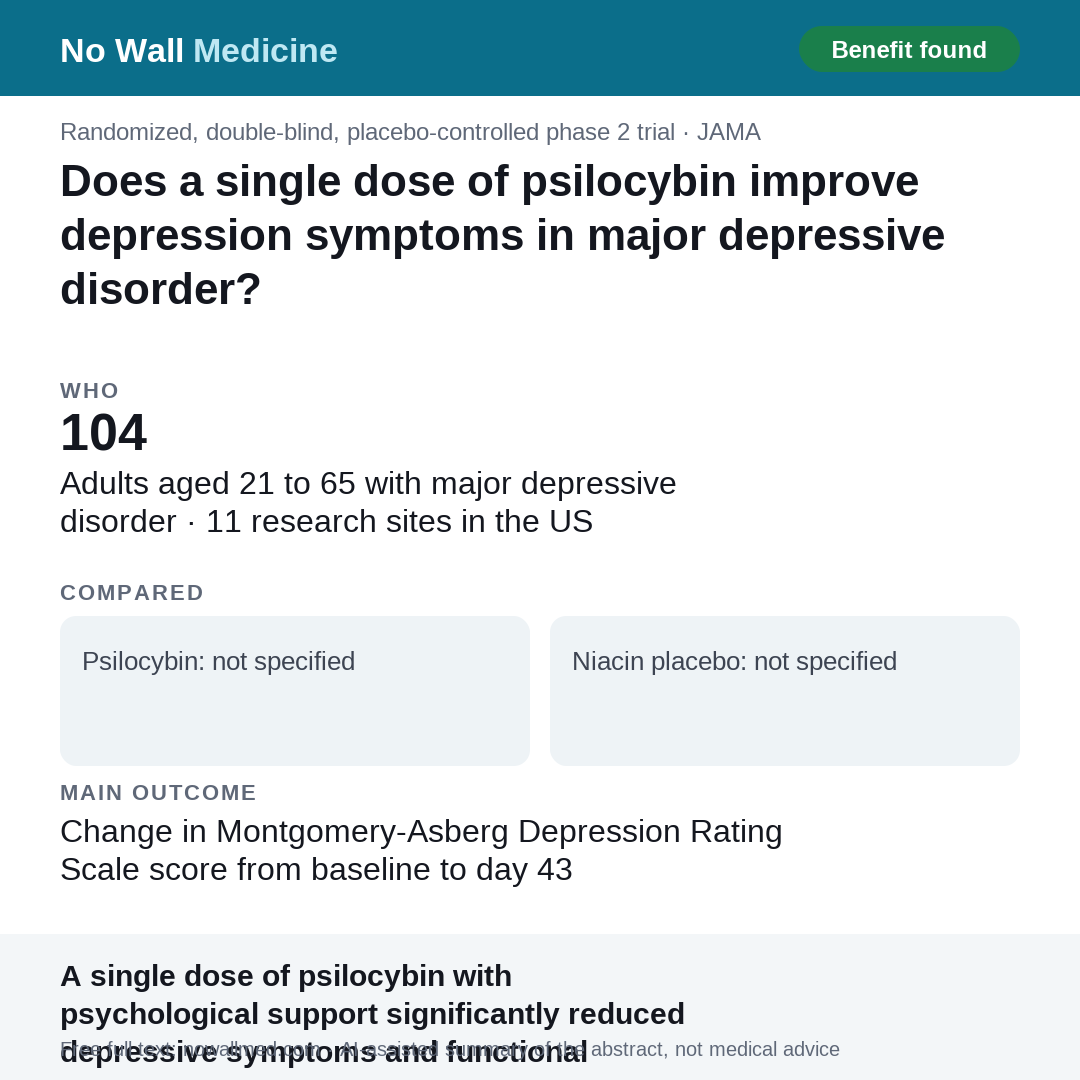
Single-Dose Psilocybin Treatment for Major Depressive Disorder: A Randomized Clinical Trial
Randomized, double-blind, placebo-controlled phase 2 trialBenefit found
Does a single dose of psilocybin improve depression symptoms in major depressive disorder?
Who
104
Adults aged 21 to 65 with major depressive disorder · 11 research sites in the US
Compared
Psilocybin: not specified
Niacin placebo: not specified
Main outcome
Change in Montgomery-Asberg Depression Rating Scale score from baseline to day 43
Result: mean difference -12.3 (95% CI -17.5 to -7.2)
Bottom line: A single dose of psilocybin with psychological support significantly reduced depressive symptoms and functional disability compared to niacin placebo.
Limitation: Psilocybin treatment was associated with a higher rate of overall and severe adverse events.
JAMA · 2023-08-31Download image
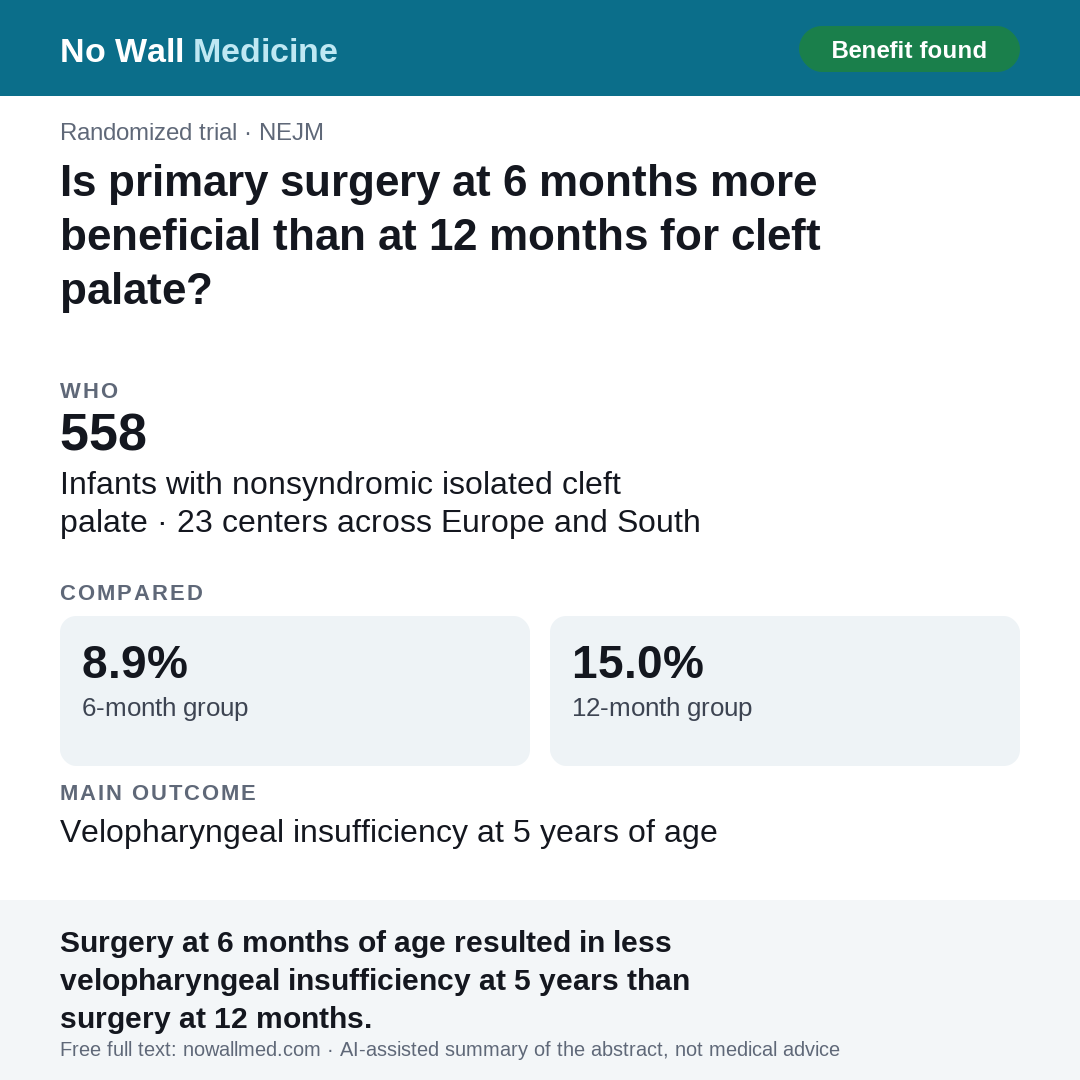
Timing of Primary Surgery for Cleft Palate
Randomized trialBenefit found
Is primary surgery at 6 months more beneficial than at 12 months for cleft palate?
Who
558
Infants with nonsyndromic isolated cleft palate · 23 centers across Europe and South America
Compared
8.9%6-month group (21/235)
15.0%12-month group (34/226)
Main outcome
Velopharyngeal insufficiency at 5 years of age
Result: risk ratio 0.59 (95% CI 0.36 to 0.99)
Bottom line: Surgery at 6 months of age resulted in less velopharyngeal insufficiency at 5 years than surgery at 12 months.
Funded by: National Institute of Dental and Craniofacial Research
NEJM · 2023-08-30Download image
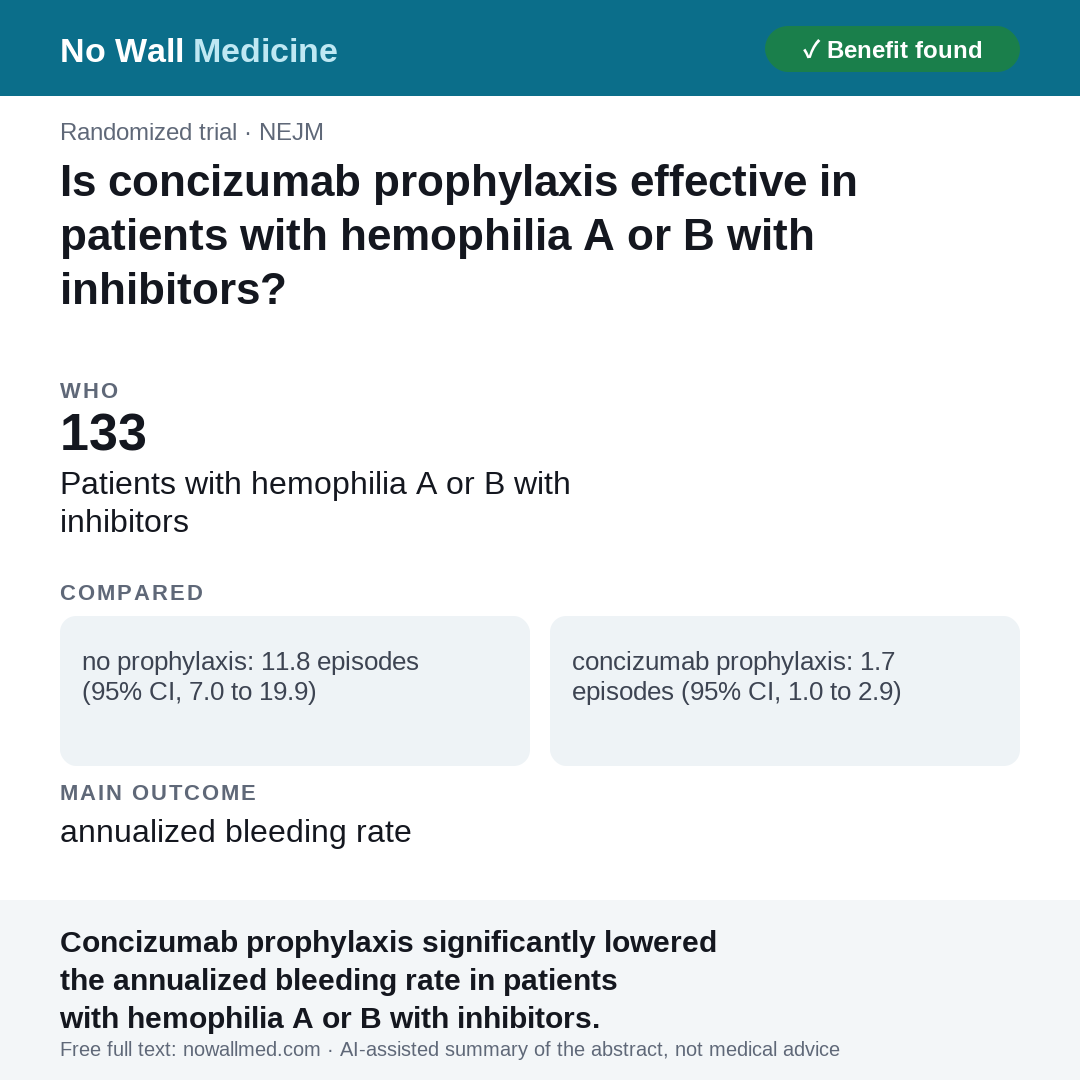
Phase 3 Trial of Concizumab in Hemophilia with Inhibitors
Randomized trialBenefit found
Is concizumab prophylaxis effective in patients with hemophilia A or B with inhibitors?
Who
133
Patients with hemophilia A or B with inhibitors
Compared
no prophylaxis: 11.8 episodes (95% CI, 7.0 to 19.9)
concizumab prophylaxis: 1.7 episodes (95% CI, 1.0 to 2.9)
Main outcome
annualized bleeding rate
Result: rate ratio, 0.14 (95% CI, 0.07 to 0.29)
Bottom line: Concizumab prophylaxis significantly lowered the annualized bleeding rate in patients with hemophilia A or B with inhibitors.
Funded by: Novo Nordisk
NEJM · 2023-08-30Download image
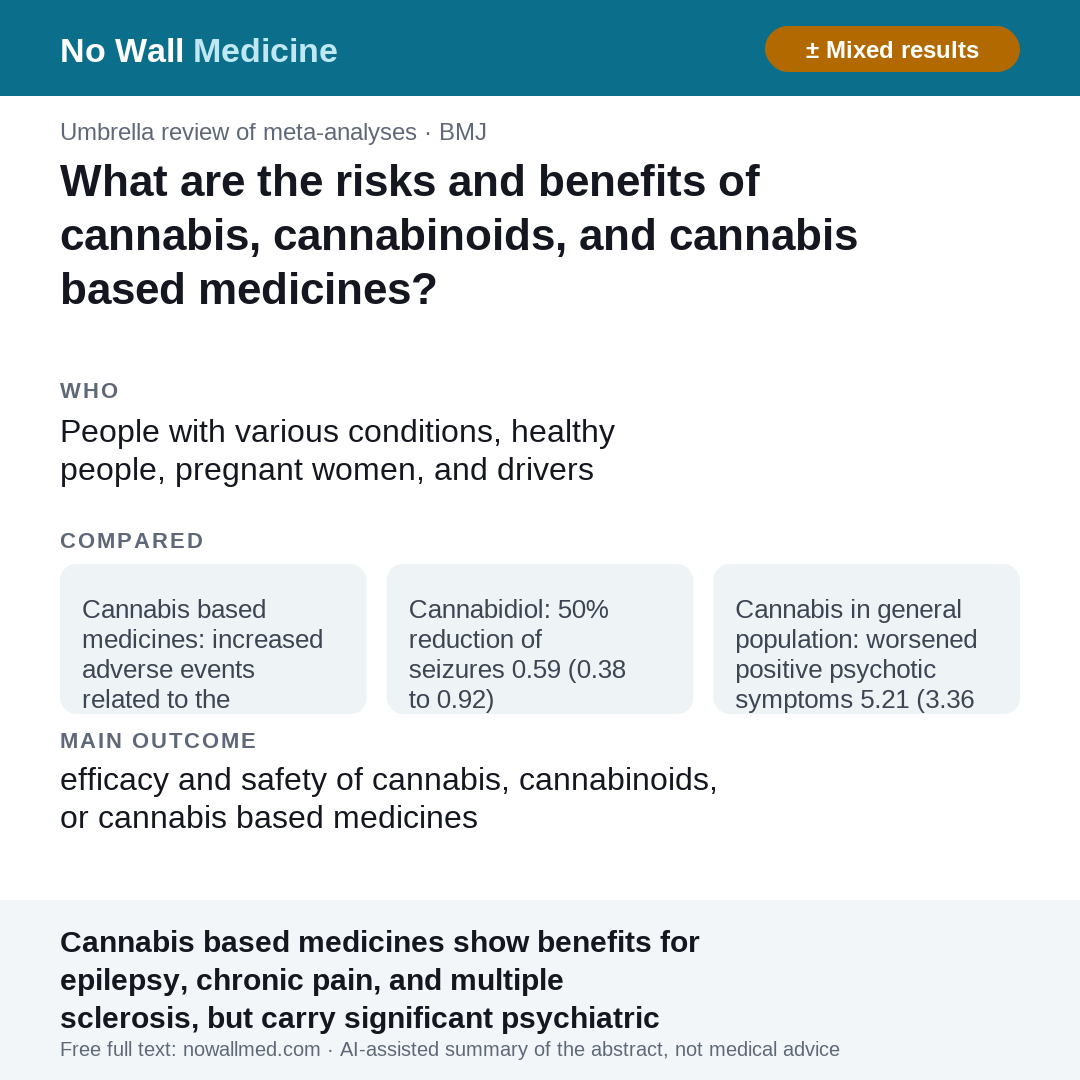
Balancing risks and benefits of cannabis use: umbrella review of meta-analyses of randomised controlled trials and observational studies
Umbrella review of meta-analysesMixed results
What are the risks and benefits of cannabis, cannabinoids, and cannabis based medicines?
Who
People with various conditions, healthy people, pregnant women, and drivers
Compared
Cannabis based medicines: increased adverse events related to the central nervous system 2.84 (95% confidence interval 2.16 to 3.73)
Cannabidiol: 50% reduction of seizures 0.59 (0.38 to 0.92)
Cannabis in general population: worsened positive psychotic symptoms 5.21 (3.36 to 8.01)
Main outcome
efficacy and safety of cannabis, cannabinoids, or cannabis based medicines
Bottom line: Cannabis based medicines show benefits for epilepsy, chronic pain, and multiple sclerosis, but carry significant psychiatric and physical risks.
BMJ · 2023-08-30Download image
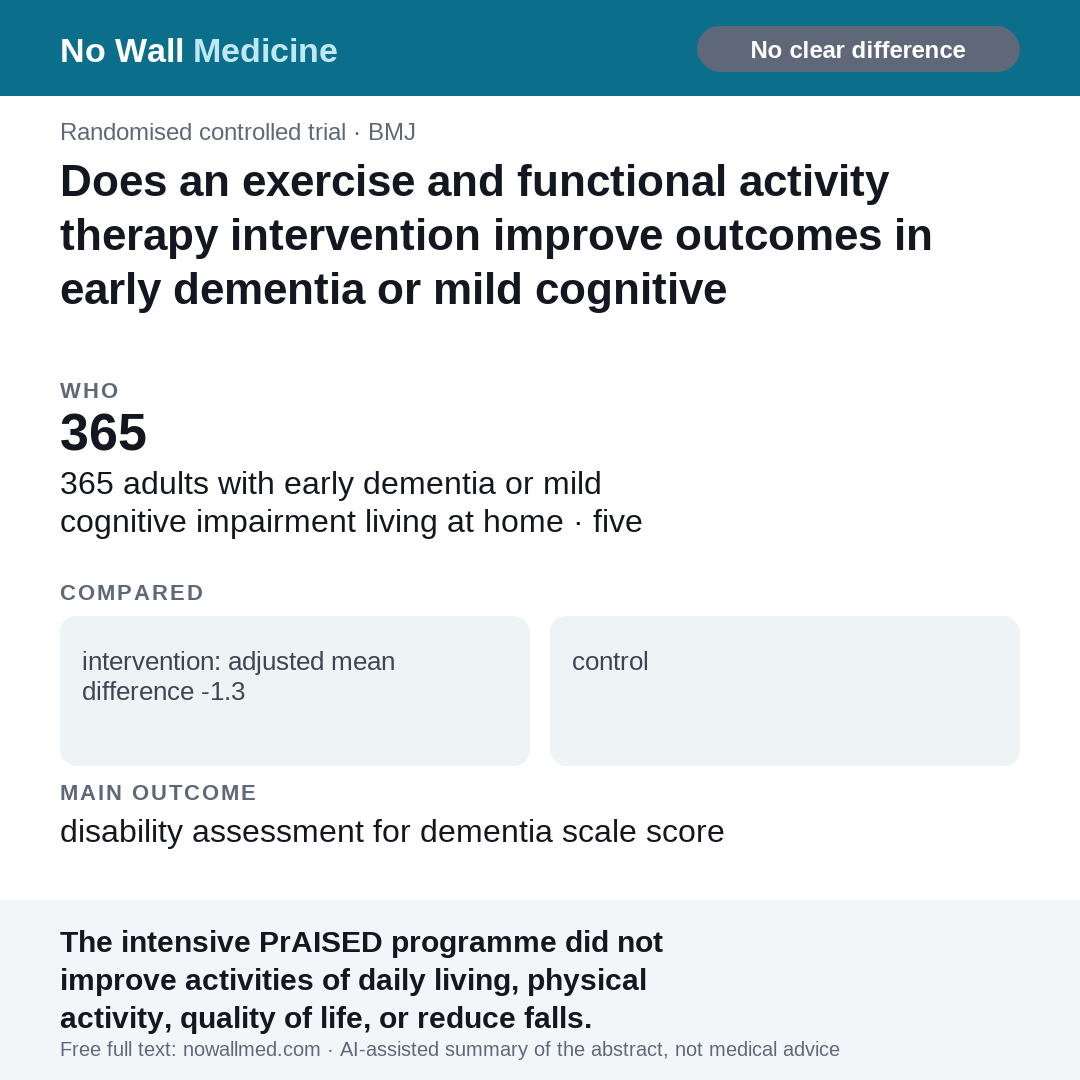
Promoting Activity, Independence, and Stability in Early Dementia and mild cognitive impairment (PrAISED): randomised controlled trial
Randomised controlled trialNo clear difference
Does an exercise and functional activity therapy intervention improve outcomes in early dementia or mild cognitive impairment?
Who
365
365 adults with early dementia or mild cognitive impairment living at home · five sites in the United Kingdom
Compared
intervention: adjusted mean difference -1.3
control
Main outcome
disability assessment for dementia scale score
Result: adjusted mean difference -1.3, 95% confidence interval -5.2 to 2.6
Bottom line: The intensive PrAISED programme did not improve activities of daily living, physical activity, quality of life, or reduce falls.
BMJ · 2023-08-29Download image
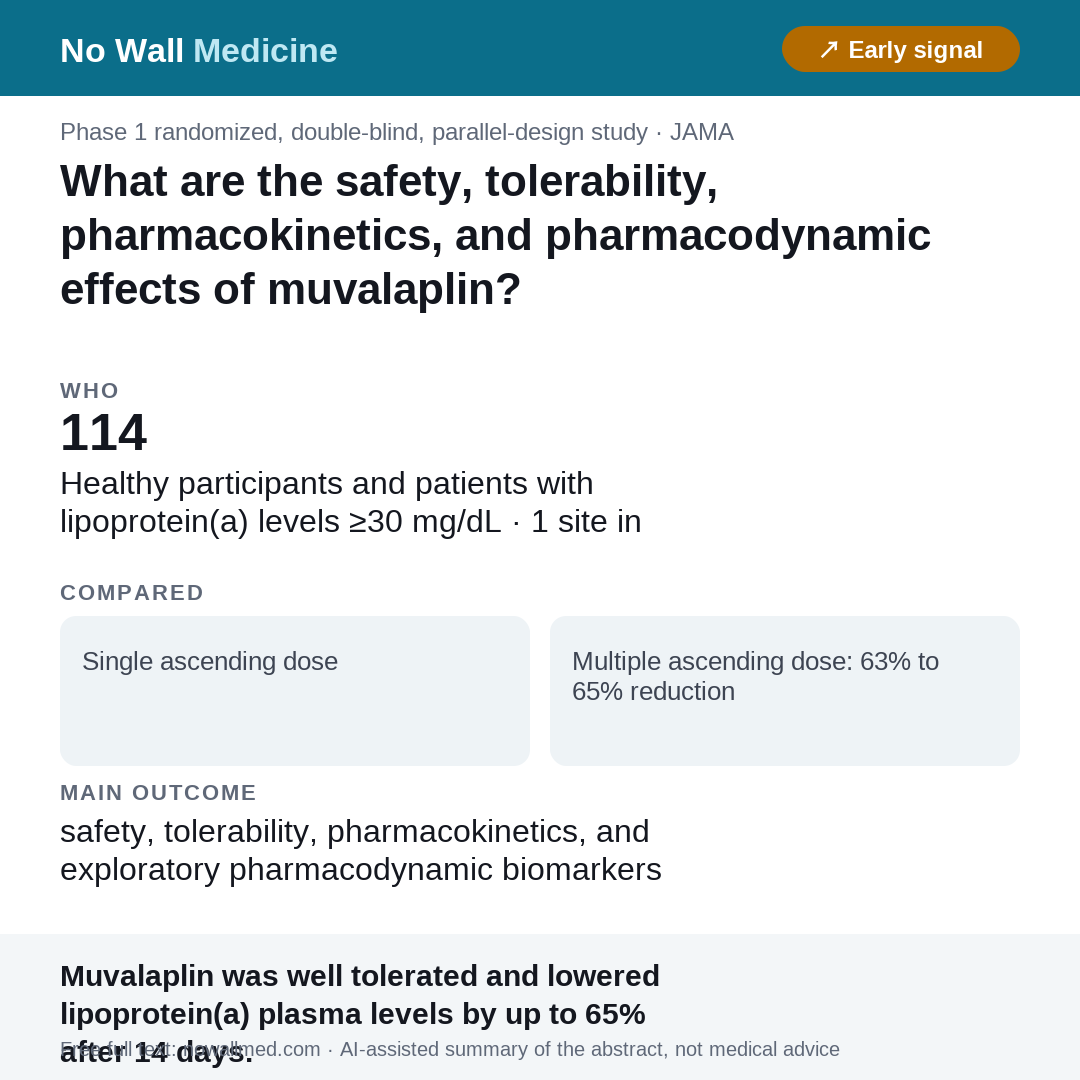
Muvalaplin, an Oral Small Molecule Inhibitor of Lipoprotein(a) Formation: A Randomized Clinical Trial
Phase 1 randomized, double-blind, parallel-design studyBenefit found
What are the safety, tolerability, pharmacokinetics, and pharmacodynamic effects of muvalaplin?
Who
114
Healthy participants and patients with lipoprotein(a) levels ≥30 mg/dL · 1 site in the Netherlands
Compared
Single ascending dose
Multiple ascending dose: 63% to 65% reduction
Main outcome
safety, tolerability, pharmacokinetics, and exploratory pharmacodynamic biomarkers
Bottom line: Muvalaplin was well tolerated and lowered lipoprotein(a) plasma levels by up to 65% after 14 days.
JAMA · 2023-08-28Download image
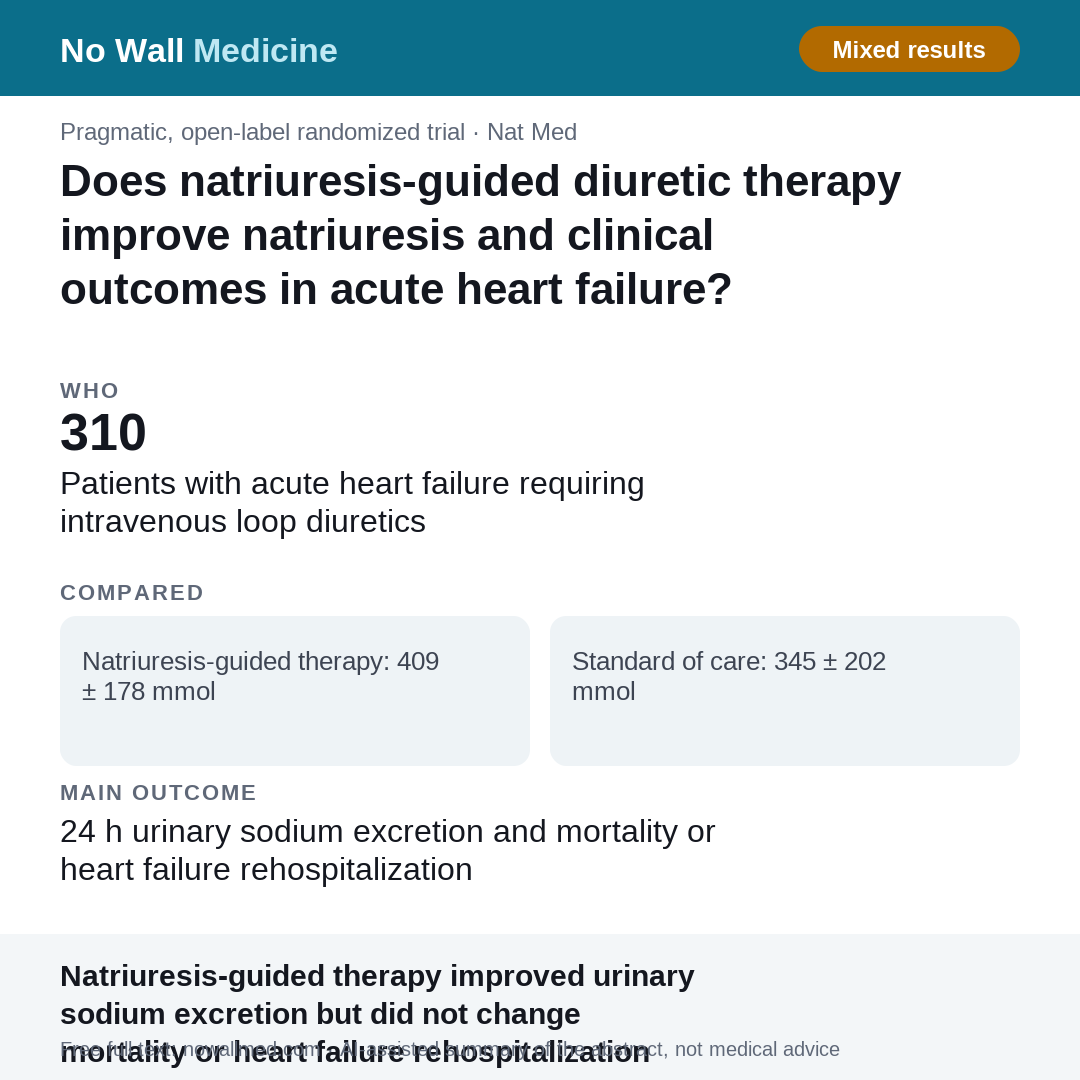
Natriuresis-guided diuretic therapy in acute heart failure: a pragmatic randomized trial
Pragmatic, open-label randomized trialMixed results
Does natriuresis-guided diuretic therapy improve natriuresis and clinical outcomes in acute heart failure?
Who
310
Patients with acute heart failure requiring intravenous loop diuretics
Compared
Natriuresis-guided therapy: 409 ± 178 mmol
Standard of care: 345 ± 202 mmol
Main outcome
24 h urinary sodium excretion and mortality or heart failure rehospitalization
Result: hazard ratio 0.92 (95% confidence interval 0.62-1.38)
Bottom line: Natriuresis-guided therapy improved urinary sodium excretion but did not change mortality or heart failure rehospitalization rates.
Nat Med · 2023-08-28Download image
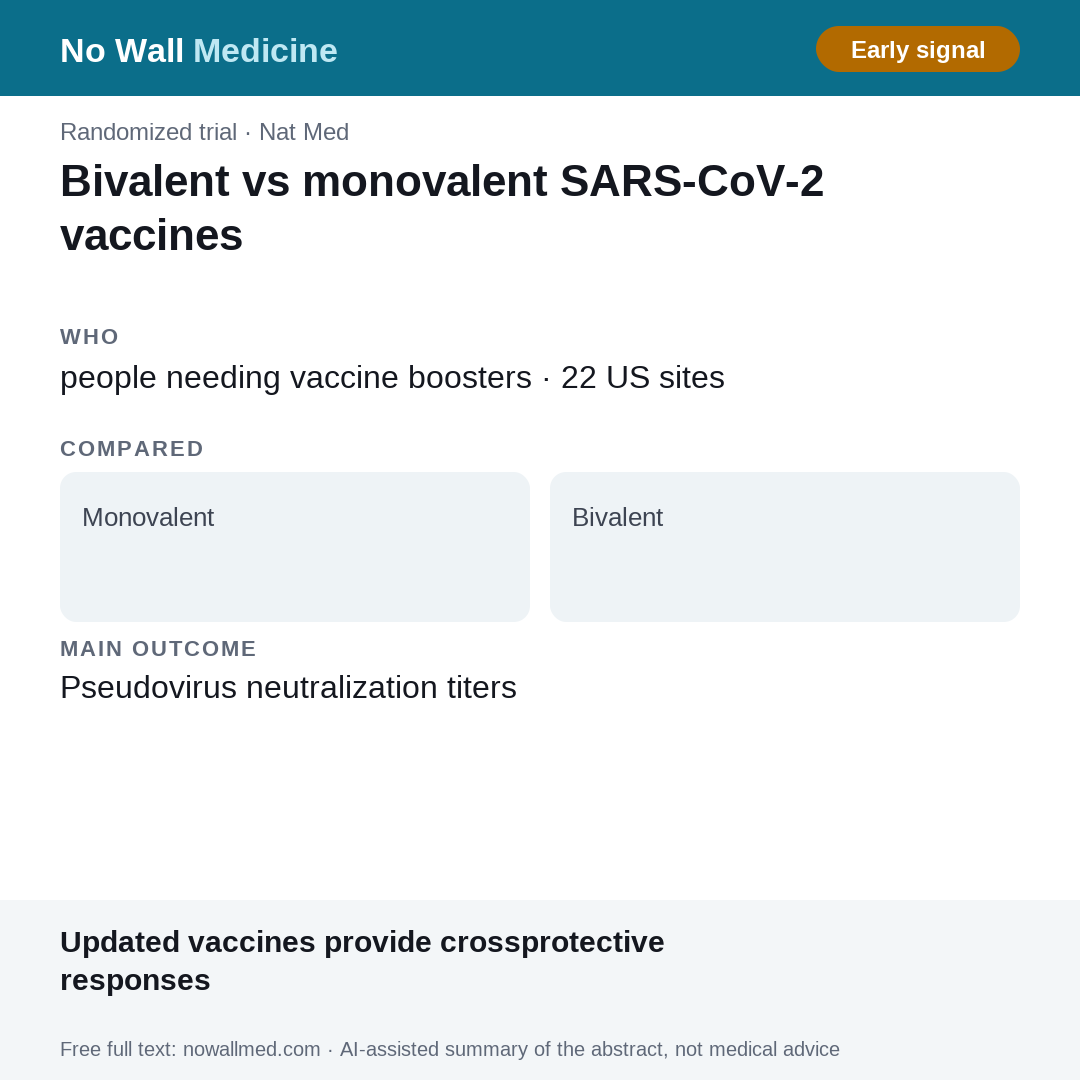
Comparison of bivalent and monovalent SARS-CoV-2 variant vaccines: the phase 2 randomized open-label COVAIL trial
Randomized trialBenefit found
Bivalent vs monovalent SARS-CoV-2 vaccines
Who
people needing vaccine boosters · 22 US sites
Compared
Monovalent
Bivalent
Main outcome
Pseudovirus neutralization titers
Bottom line: Updated vaccines provide crossprotective responses
Nat Med · 2023-08-28Download image
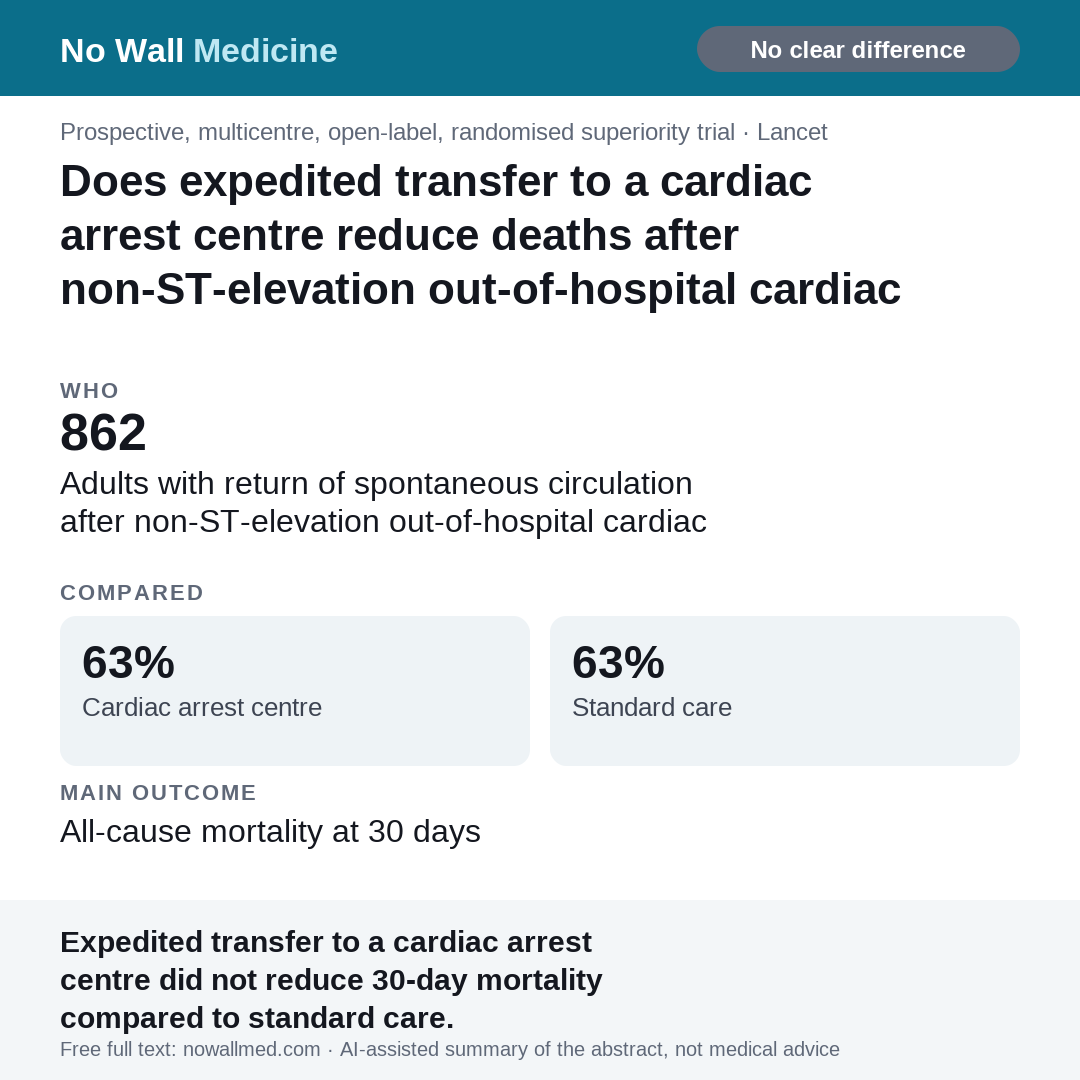
Expedited transfer to a cardiac arrest centre for non-ST-elevation out-of-hospital cardiac arrest (ARREST): a UK prospective, multicentre, parallel, randomised clinical trial
Prospective, multicentre, open-label, randomised superiority trialNo clear difference
Does expedited transfer to a cardiac arrest centre reduce deaths after non-ST-elevation out-of-hospital cardiac arrest?
Who
862
Adults with return of spontaneous circulation after non-ST-elevation out-of-hospital cardiac arrest · London, United Kingdom
Compared
63%Cardiac arrest centre (258/411)
63%Standard care (258/412)
Main outcome
All-cause mortality at 30 days
Result: unadjusted risk ratio for survival 1·00 (95% CI 0·90-1·11)
Bottom line: Expedited transfer to a cardiac arrest centre did not reduce 30-day mortality compared to standard care.
Funded by: British Heart Foundation
Lancet · 2023-08-27Download image
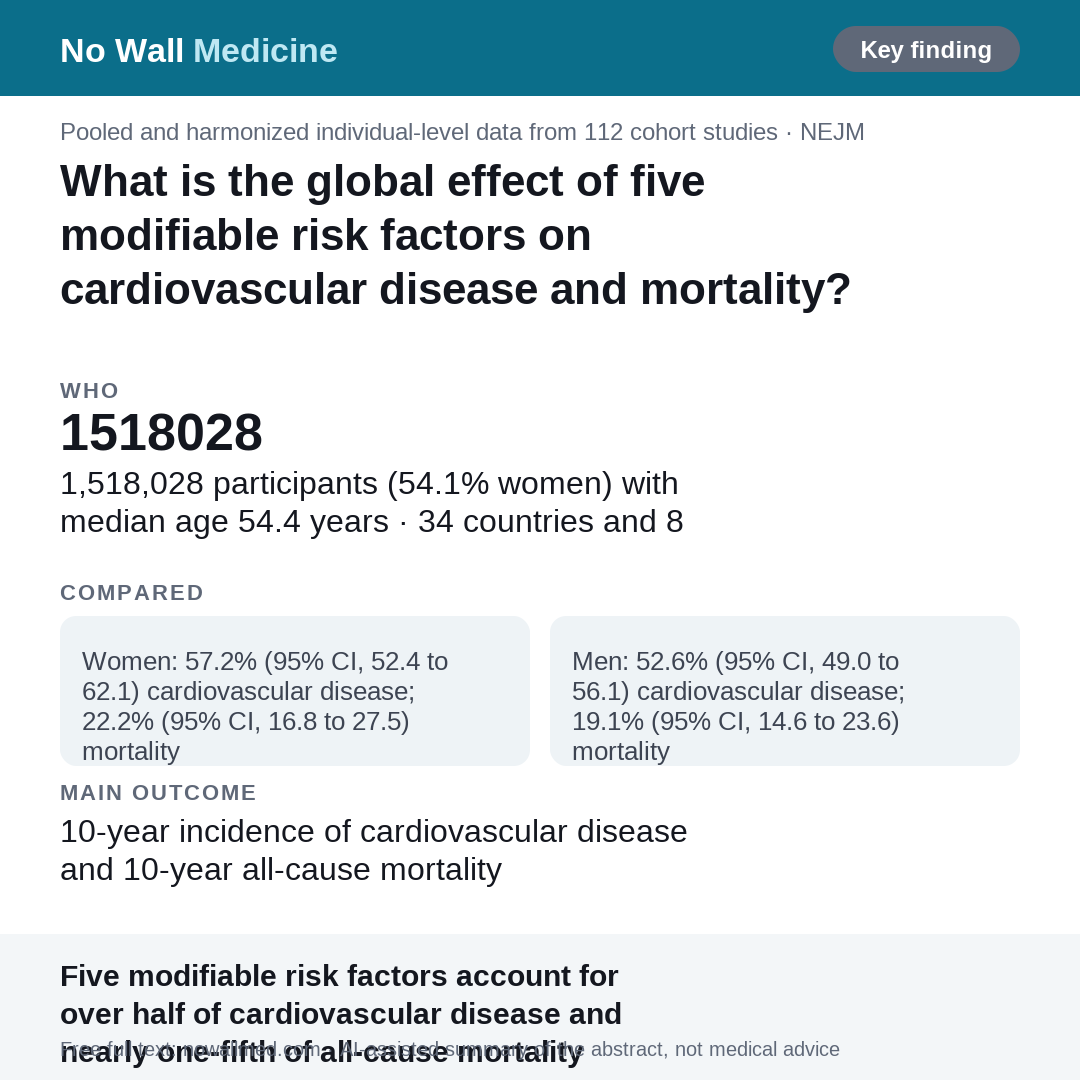
Global Effect of Modifiable Risk Factors on Cardiovascular Disease and Mortality
Pooled and harmonized individual-level data from 112 cohort studiesBenefit found
What is the global effect of five modifiable risk factors on cardiovascular disease and mortality?
Who
1518028
1,518,028 participants (54.1% women) with median age 54.4 years · 34 countries and 8 geographic regions
Compared
Women: 57.2% (95% CI, 52.4 to 62.1) cardiovascular disease; 22.2% (95% CI, 16.8 to 27.5) mortality
Men: 52.6% (95% CI, 49.0 to 56.1) cardiovascular disease; 19.1% (95% CI, 14.6 to 23.6) mortality
Main outcome
10-year incidence of cardiovascular disease and 10-year all-cause mortality
Bottom line: Five modifiable risk factors account for over half of cardiovascular disease and nearly one-fifth of all-cause mortality globally.
Funded by: German Center for Cardiovascular Research (DZHK)
NEJM · 2023-08-26Download image
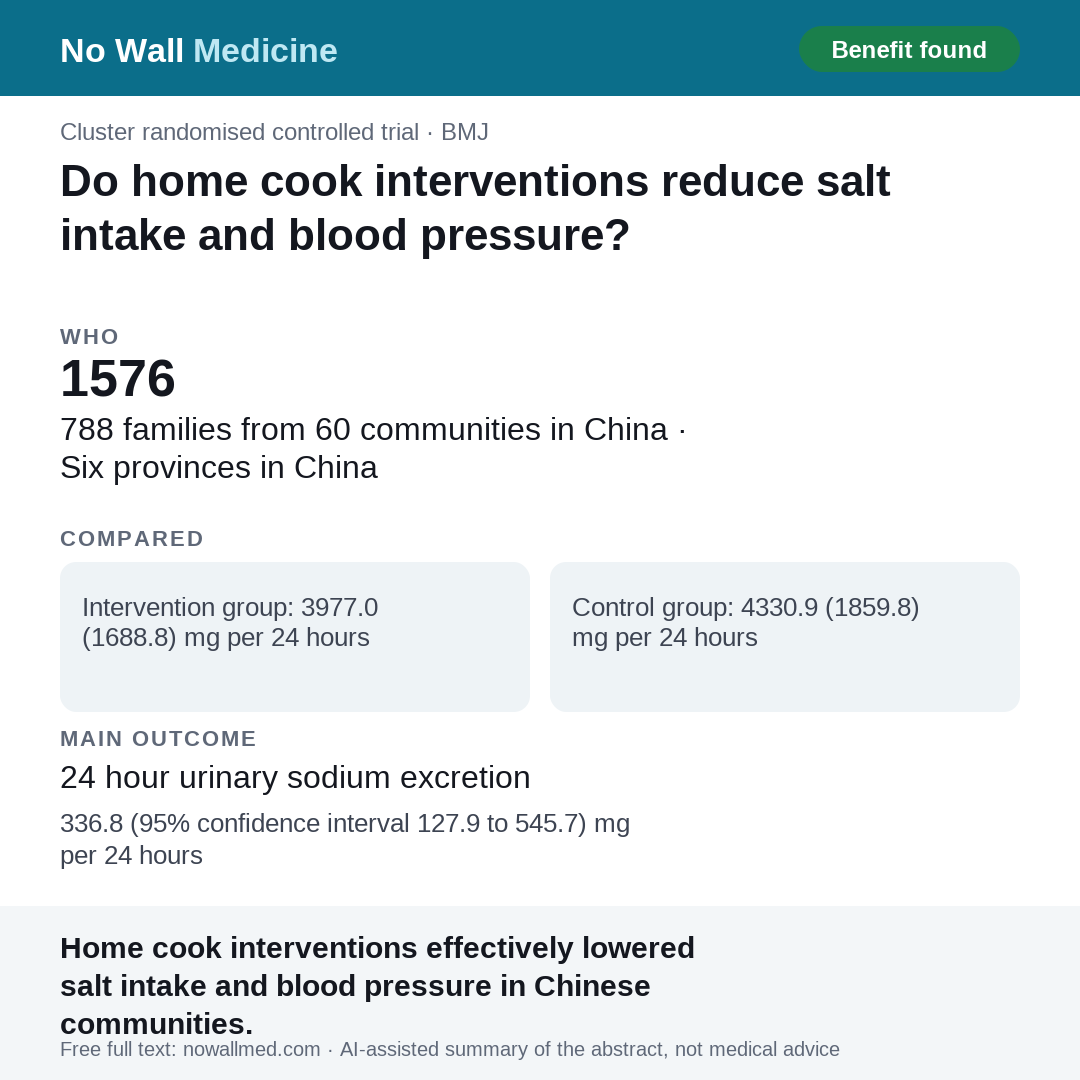
Effect of home cook interventions for salt reduction in China: cluster randomised controlled trial
Cluster randomised controlled trialBenefit found
Do home cook interventions reduce salt intake and blood pressure?
Who
1576
788 families from 60 communities in China · Six provinces in China
Compared
Intervention group: 3977.0 (1688.8) mg per 24 hours
Control group: 4330.9 (1859.8) mg per 24 hours
Main outcome
24 hour urinary sodium excretion
Result: 336.8 (95% confidence interval 127.9 to 545.7) mg per 24 hours
Bottom line: Home cook interventions effectively lowered salt intake and blood pressure in Chinese communities.
BMJ · 2023-08-24Download image
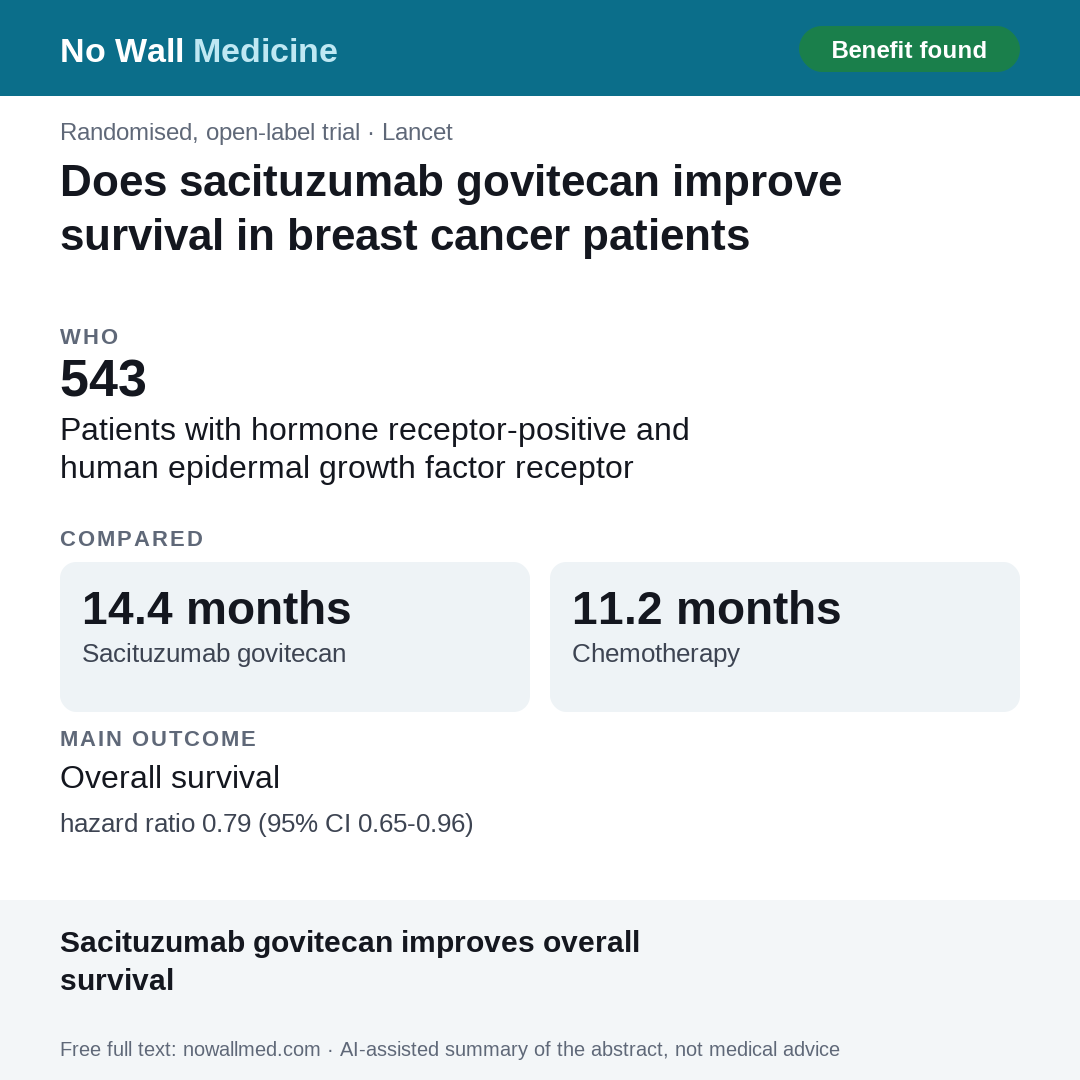
Overall survival with sacituzumab govitecan in hormone receptor-positive and human epidermal growth factor receptor 2-negative metastatic breast cancer (TROPiCS-02): a randomised, open-label, multicentre, phase 3 trial
Randomised, open-label trialBenefit found
Does sacituzumab govitecan improve survival in breast cancer patients
Who
543
Patients with hormone receptor-positive and human epidermal growth factor receptor 2-negative metastatic breast cancer · Ninety-one centres across North America and Europe
Compared
14.4 monthsSacituzumab govitecan (95% CI 13.0-15.7)
11.2 monthsChemotherapy (10.1-12.7)
Main outcome
Overall survival
Result: hazard ratio 0.79 (95% CI 0.65-0.96)
Bottom line: Sacituzumab govitecan improves overall survival
Funded by: Gilead Sciences
Lancet · 2023-08-23Download image
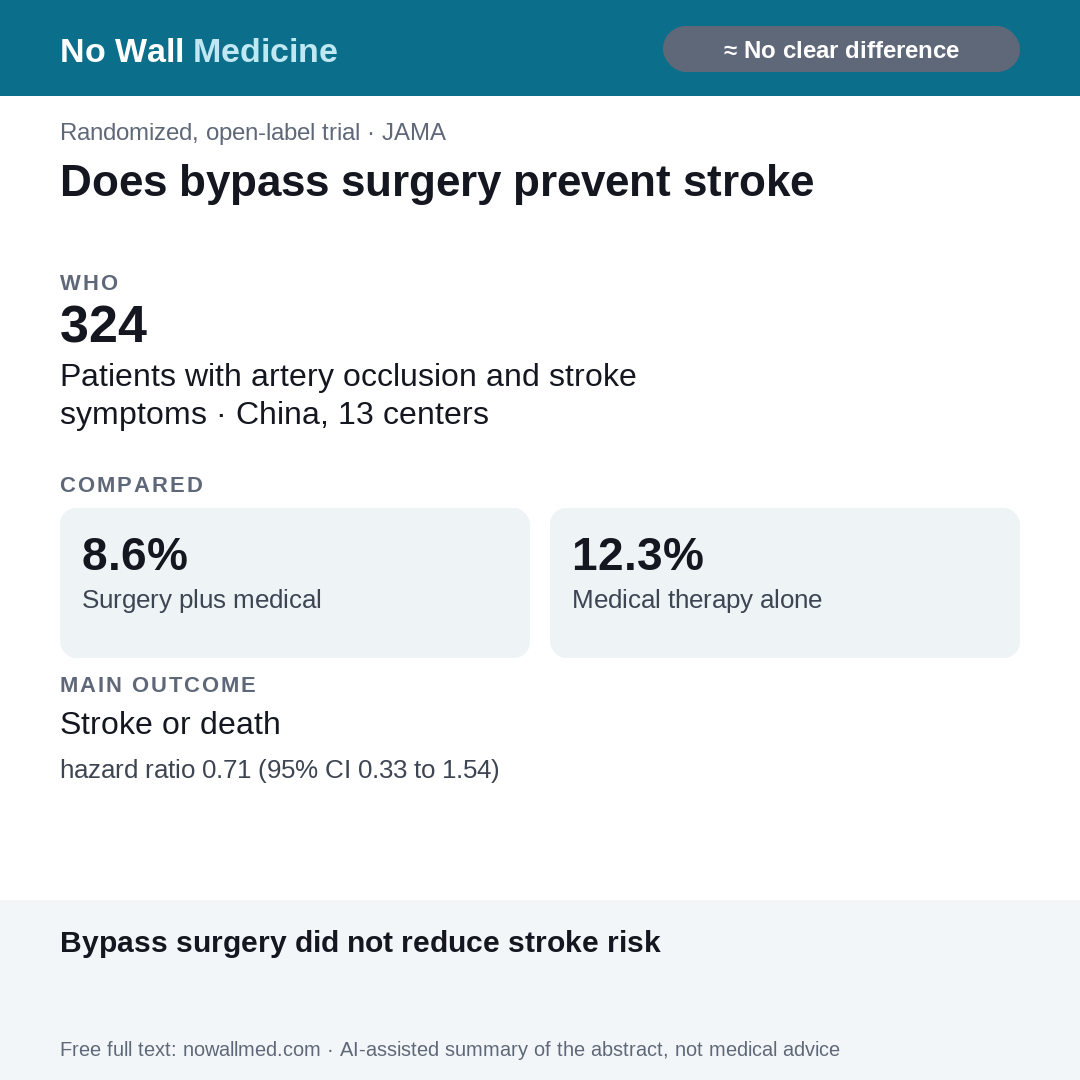
Extracranial-Intracranial Bypass and Risk of Stroke and Death in Patients With Symptomatic Artery Occlusion: The CMOSS Randomized Clinical Trial
Randomized, open-label trialNo clear difference
Does bypass surgery prevent stroke
Who
324
Patients with artery occlusion and stroke symptoms · China, 13 centers
Compared
8.6%Surgery plus medical (13/151)
12.3%Medical therapy alone (19/155)
Main outcome
Stroke or death
Result: hazard ratio 0.71 (95% CI 0.33 to 1.54)
Bottom line: Bypass surgery did not reduce stroke risk
JAMA · 2023-08-22Download image
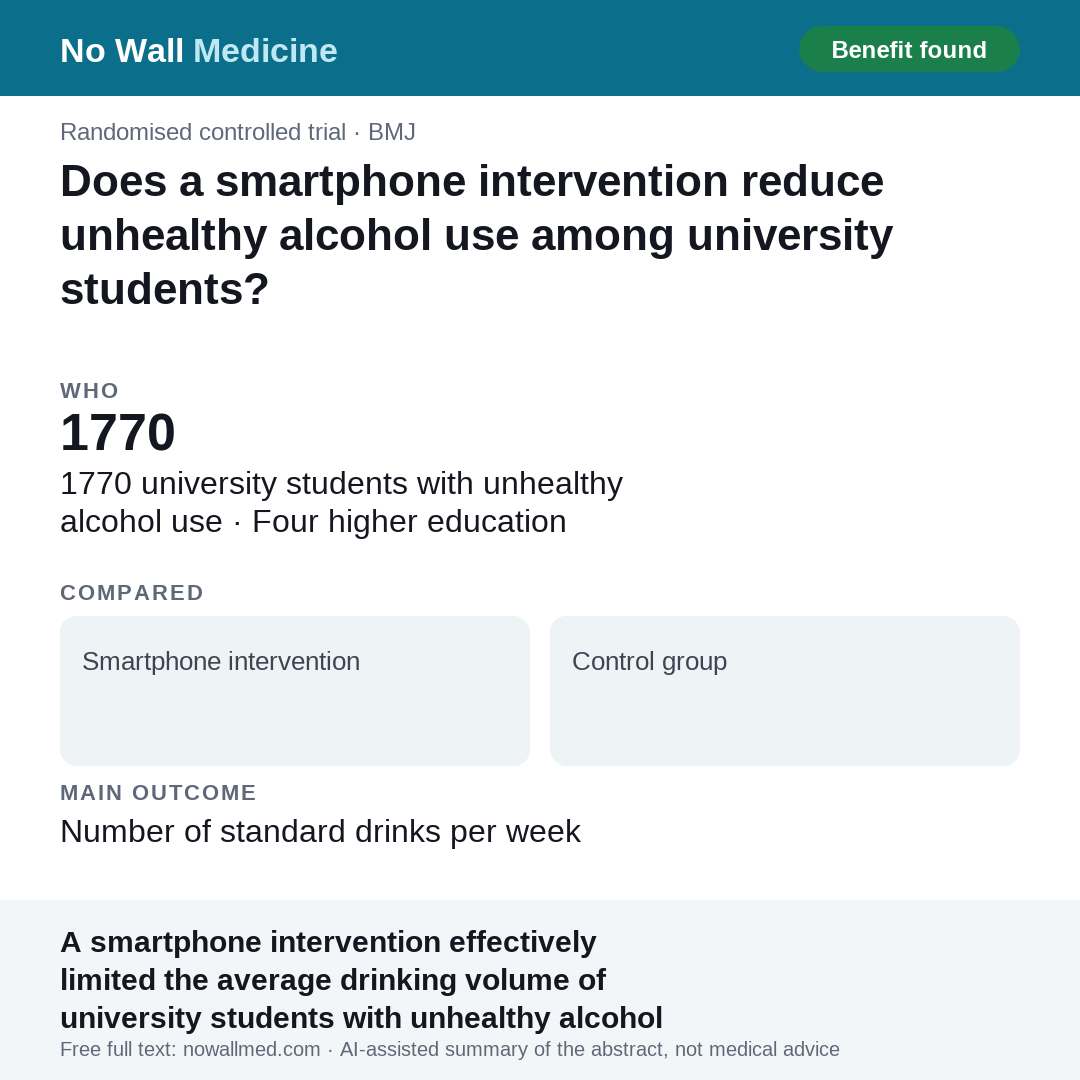
Effect of a smartphone intervention as a secondary prevention for use among university students with unhealthy alcohol use: randomised controlled trial
Randomised controlled trialBenefit found
Does a smartphone intervention reduce unhealthy alcohol use among university students?
Who
1770
1770 university students with unhealthy alcohol use · Four higher education institutions in Switzerland
Compared
Smartphone intervention
Control group
Main outcome
Number of standard drinks per week
Result: incidence rate ratio 0.90 (95% confidence interval 0.85 to 0.96)
Bottom line: A smartphone intervention effectively limited the average drinking volume of university students with unhealthy alcohol use.
BMJ · 2023-08-16Download image
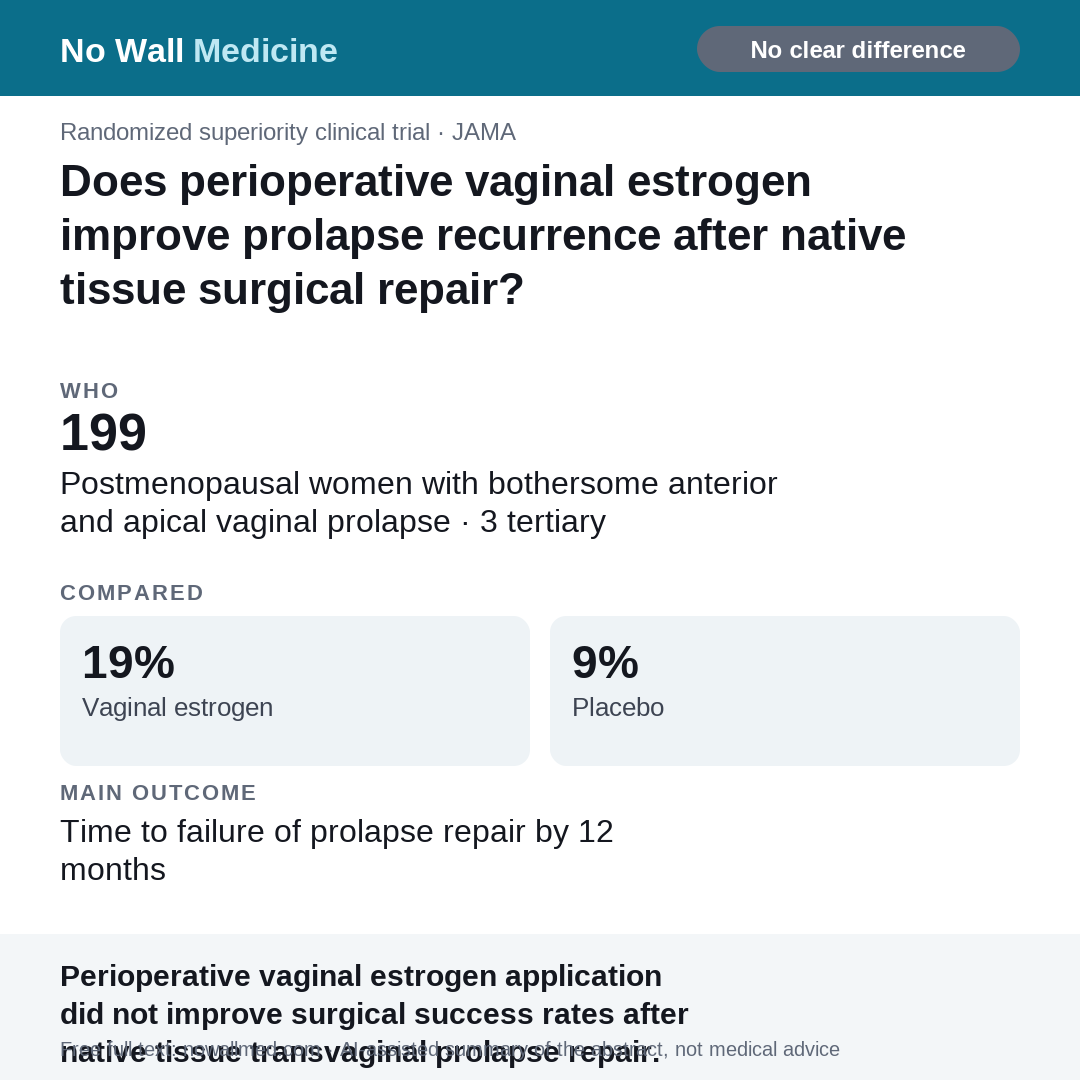
Perioperative Vaginal Estrogen as Adjunct to Native Tissue Vaginal Apical Prolapse Repair: A Randomized Clinical Trial
Randomized superiority clinical trialNo clear difference
Does perioperative vaginal estrogen improve prolapse recurrence after native tissue surgical repair?
Who
199
Postmenopausal women with bothersome anterior and apical vaginal prolapse · 3 tertiary United States clinical sites
Compared
19%Vaginal estrogen (n=20)
9%Placebo (n=10)
Main outcome
Time to failure of prolapse repair by 12 months
Result: adjusted hazard ratio 1.97 (95% CI 0.92-4.22)
Bottom line: Perioperative vaginal estrogen application did not improve surgical success rates after native tissue transvaginal prolapse repair.
JAMA · 2023-08-15Download image
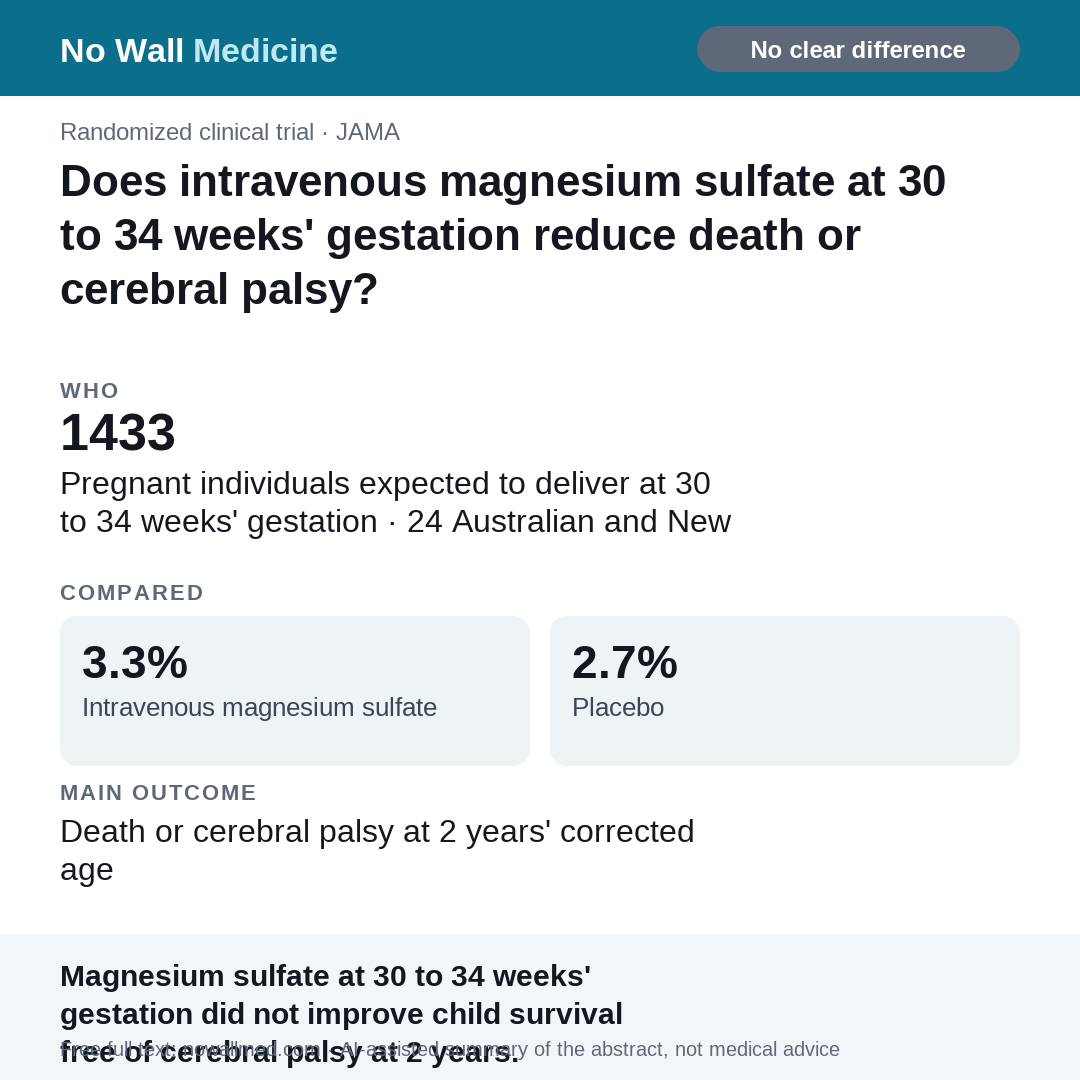
Prenatal Intravenous Magnesium at 30-34 Weeks' Gestation and Neurodevelopmental Outcomes in Offspring: The MAGENTA Randomized Clinical Trial
Randomized clinical trialNo clear difference
Does intravenous magnesium sulfate at 30 to 34 weeks' gestation reduce death or cerebral palsy?
Who
1433
Pregnant individuals expected to deliver at 30 to 34 weeks' gestation · 24 Australian and New Zealand hospitals
Compared
3.3%Intravenous magnesium sulfate (23 of 691 children)
2.7%Placebo (18 of 674 children)
Main outcome
Death or cerebral palsy at 2 years' corrected age
Result: risk difference 0.61% (95% CI -1.27% to 2.50%)
Bottom line: Magnesium sulfate at 30 to 34 weeks' gestation did not improve child survival free of cerebral palsy at 2 years.
Limitation: The study had limited power to detect small between-group differences.
JAMA · 2023-08-15Download image