Visual abstracts
New randomized trials and meta-analyses from leading journals at a glance: who was studied, what was compared, and what was found. Every paper is free to read in full.
All specialtiesCardiology 2187Oncology 1870Gastroenterology & Hepatology 825Infectious Disease 1373Neurology 885Psychiatry & Mental Health 1053Pulmonology 917Critical Care 608Endocrinology & Diabetes 1158Pediatrics 1274Surgery 1103Orthopedics & Sports Medicine 406Neurosurgery 268Cardiothoracic & Vascular Surgery 234Plastic & Reconstructive Surgery 332Nephrology 460Rheumatology 304Hematology 474Dermatology 254Ophthalmology 258Obstetrics & Gynecology 711Public & Global Health 410Radiology & Imaging 301Anesthesiology 434Urology 380ENT (Otolaryngology) 283Emergency Medicine 241Allergy & Immunology 135Geriatrics 461Family Medicine & Primary Care 253Medical Genetics & Genomics 237Pathology & Laboratory Medicine 74Physical Medicine & Rehabilitation 380Palliative Care 190Nutrition 582Digital Health & AI 1111General Medicine 166
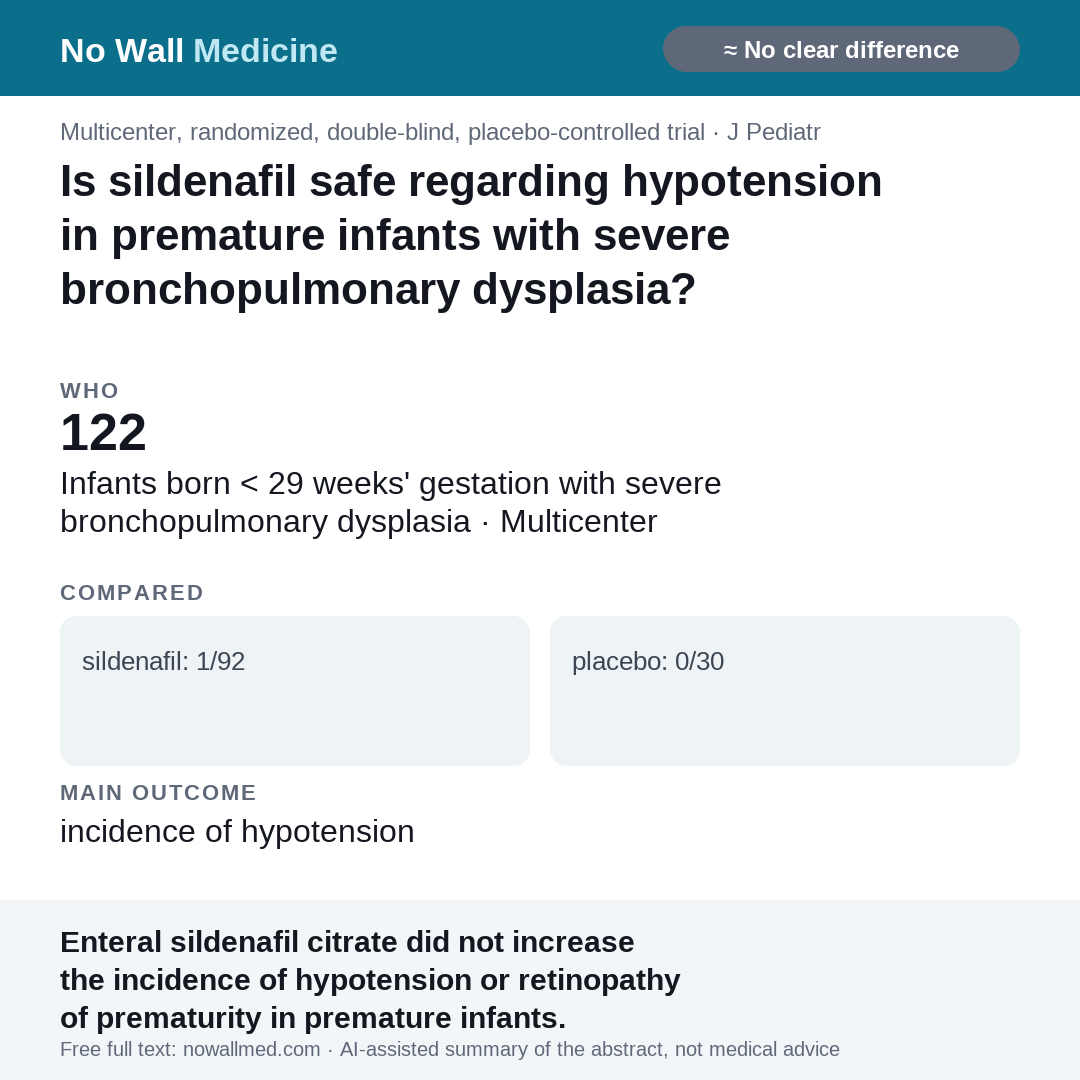
Safety of Sildenafil in Premature Infants with Severe Bronchopulmonary Dysplasia (SILDI-SAFE): A Randomized Controlled Trial
Multicenter, randomized, double-blind, placebo-controlled trialNo clear difference
Is sildenafil safe regarding hypotension in premature infants with severe bronchopulmonary dysplasia?
Who
122
Infants born < 29 weeks' gestation with severe bronchopulmonary dysplasia · Multicenter
Compared
sildenafil: 1/92
placebo: 0/30
Main outcome
incidence of hypotension
Bottom line: Enteral sildenafil citrate did not increase the incidence of hypotension or retinopathy of prematurity in premature infants.
J Pediatr · 2026-05-07Download image
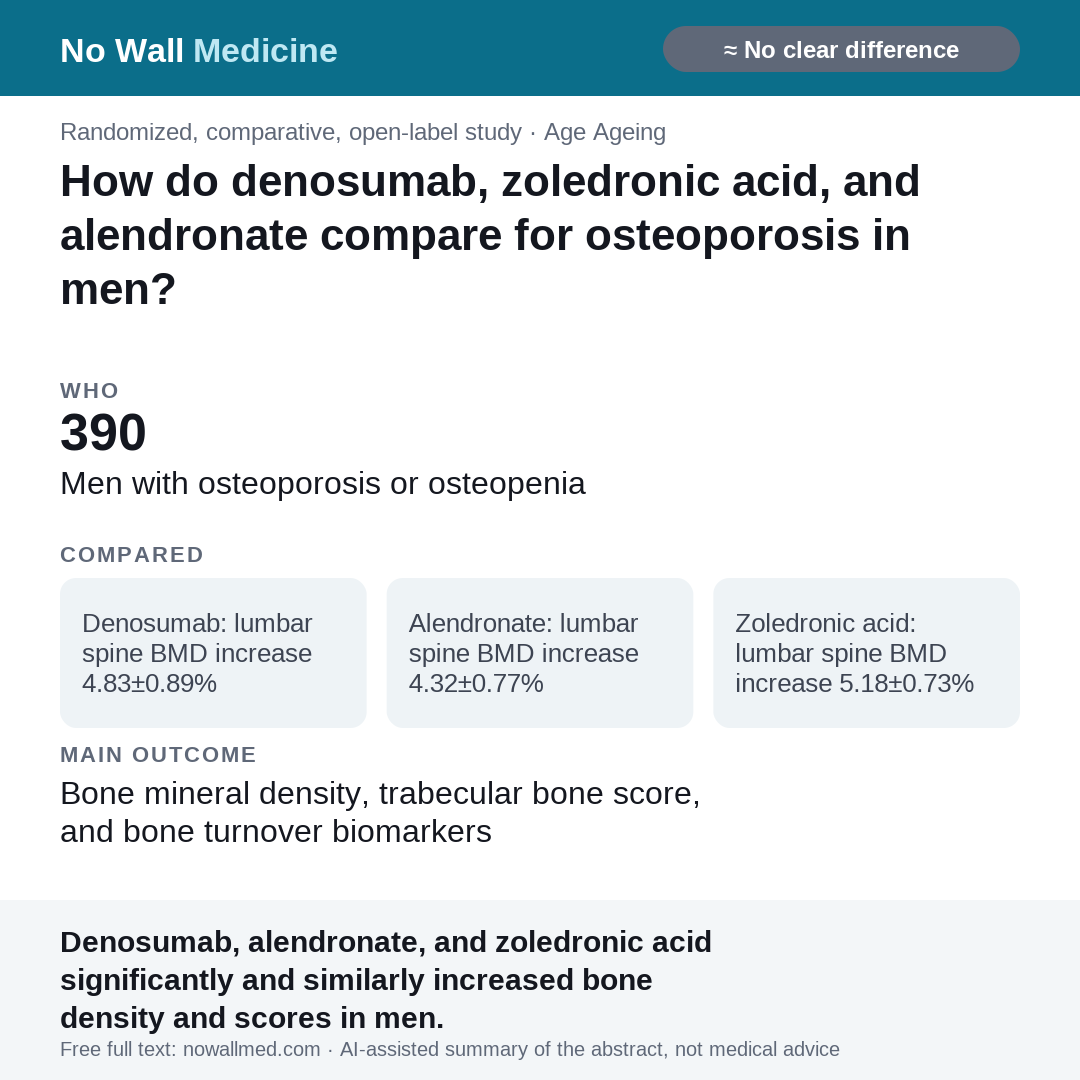
Efficacy and safety of denosumab, zoledronic acid and alendronate on bone mineral density and trabecular bone score in men with osteoporosis
Randomized, comparative, open-label studyNo clear difference
How do denosumab, zoledronic acid, and alendronate compare for osteoporosis in men?
Who
390
Men with osteoporosis or osteopenia
Compared
Denosumab: lumbar spine BMD increase 4.83±0.89%
Alendronate: lumbar spine BMD increase 4.32±0.77%
Zoledronic acid: lumbar spine BMD increase 5.18±0.73%
Main outcome
Bone mineral density, trabecular bone score, and bone turnover biomarkers
Bottom line: Denosumab, alendronate, and zoledronic acid significantly and similarly increased bone density and scores in men.
Age Ageing · 2026-05-07Download image
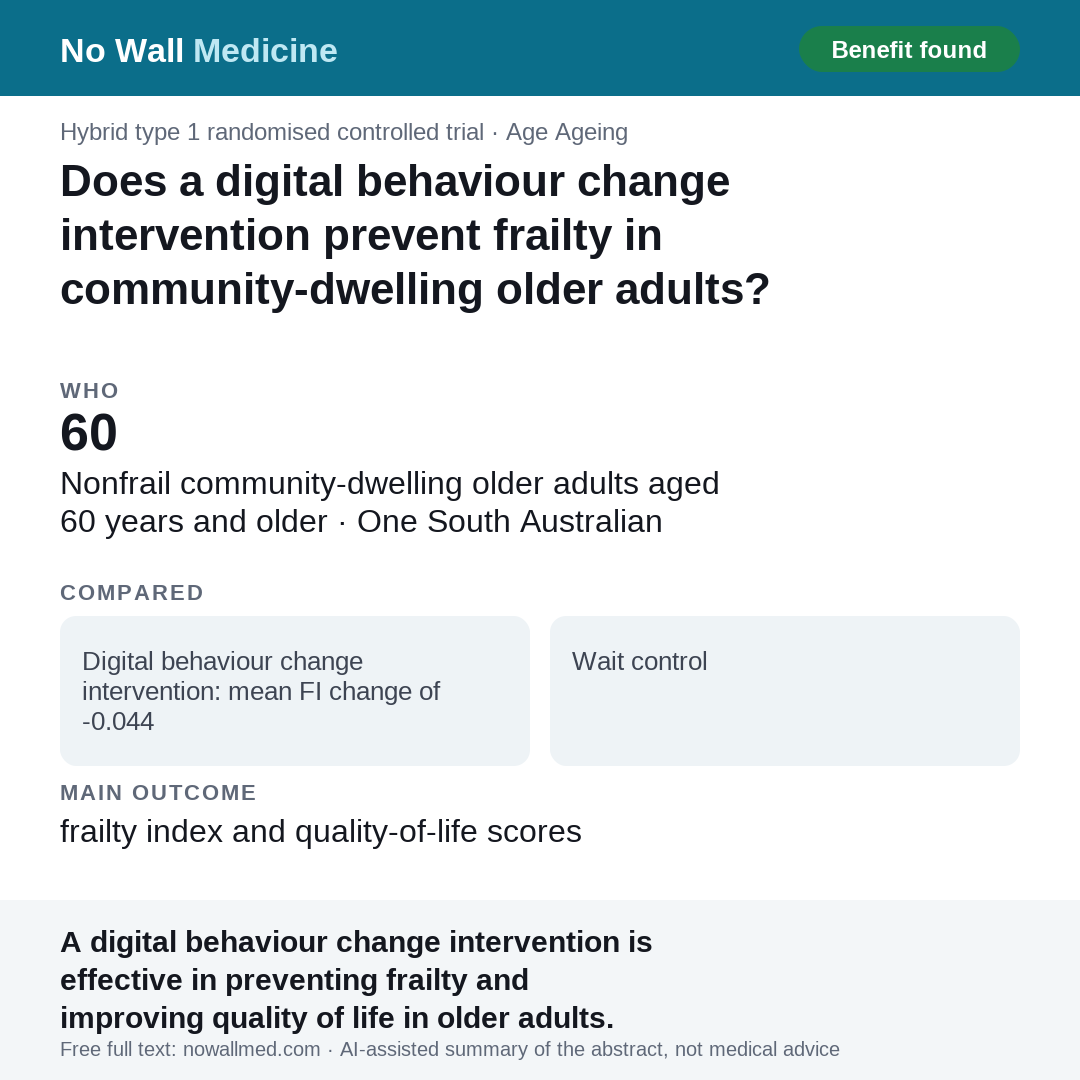
A hybrid type 1 trial of a digital behaviour change intervention for frailty prevention in community-dwelling older adults aged 60 years and older
Hybrid type 1 randomised controlled trialBenefit found
Does a digital behaviour change intervention prevent frailty in community-dwelling older adults?
Who
60
Nonfrail community-dwelling older adults aged 60 years and older · One South Australian local council
Compared
Digital behaviour change intervention: mean FI change of -0.044
Wait control
Main outcome
frailty index and quality-of-life scores
Result: mean FI change of -0.044 [95% confidence interval -0.076 to -0.012]
Bottom line: A digital behaviour change intervention is effective in preventing frailty and improving quality of life in older adults.
Limitation: Solving technical barriers and incorporating intelligent technologies could enhance impact.
Age Ageing · 2026-05-07Download image
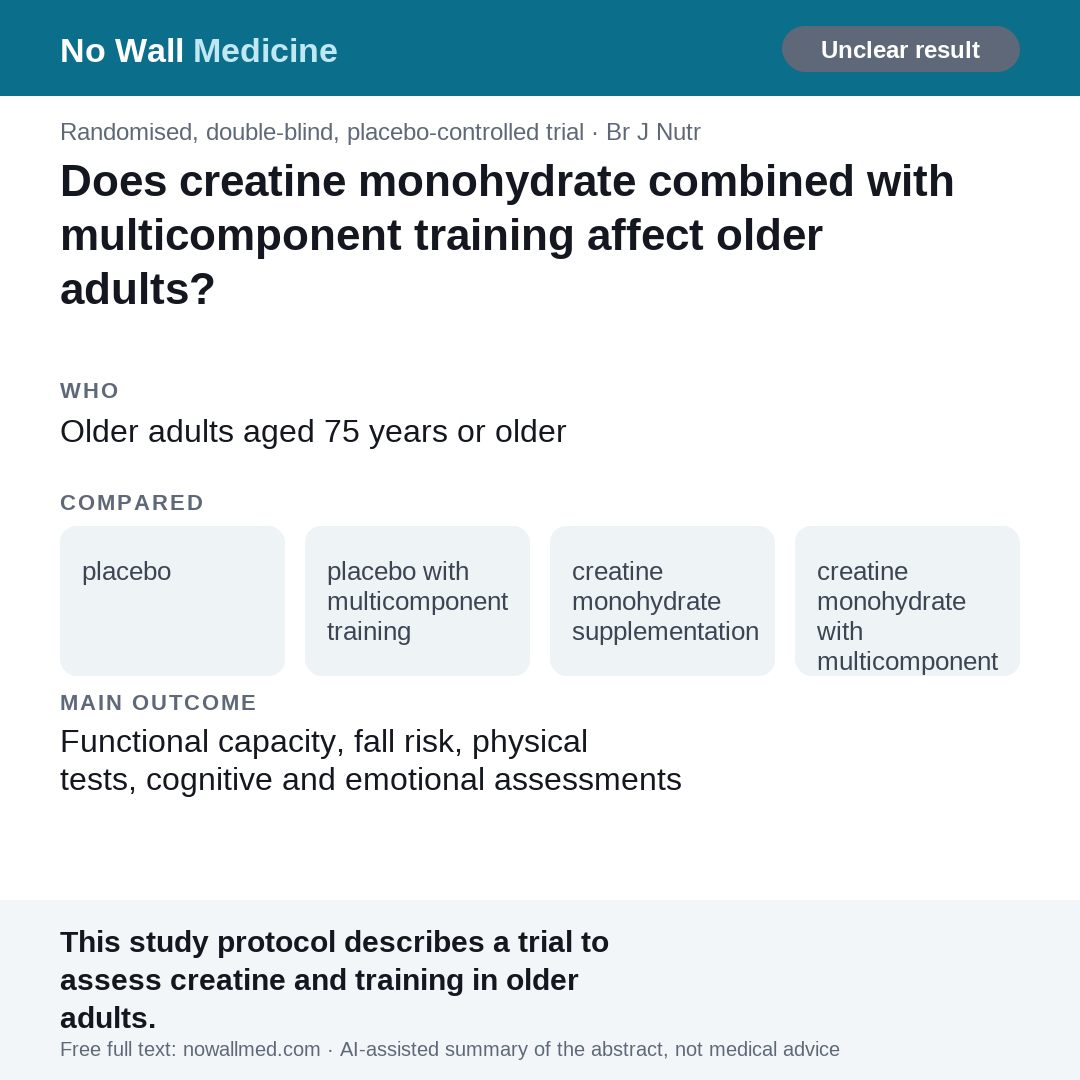
Impact of creatine monohydrate supplementation combined with multicomponent training in older adults (≥ 75 years): study protocol of a randomised controlled trial
Randomised, double-blind, placebo-controlled trialUnclear result
Does creatine monohydrate combined with multicomponent training affect older adults?
Who
Older adults aged 75 years or older
Compared
placebo
placebo with multicomponent training
creatine monohydrate supplementation
creatine monohydrate with multicomponent training
Main outcome
Functional capacity, fall risk, physical tests, cognitive and emotional assessments
Bottom line: This study protocol describes a trial to assess creatine and training in older adults.
Br J Nutr · 2026-05-07Download image
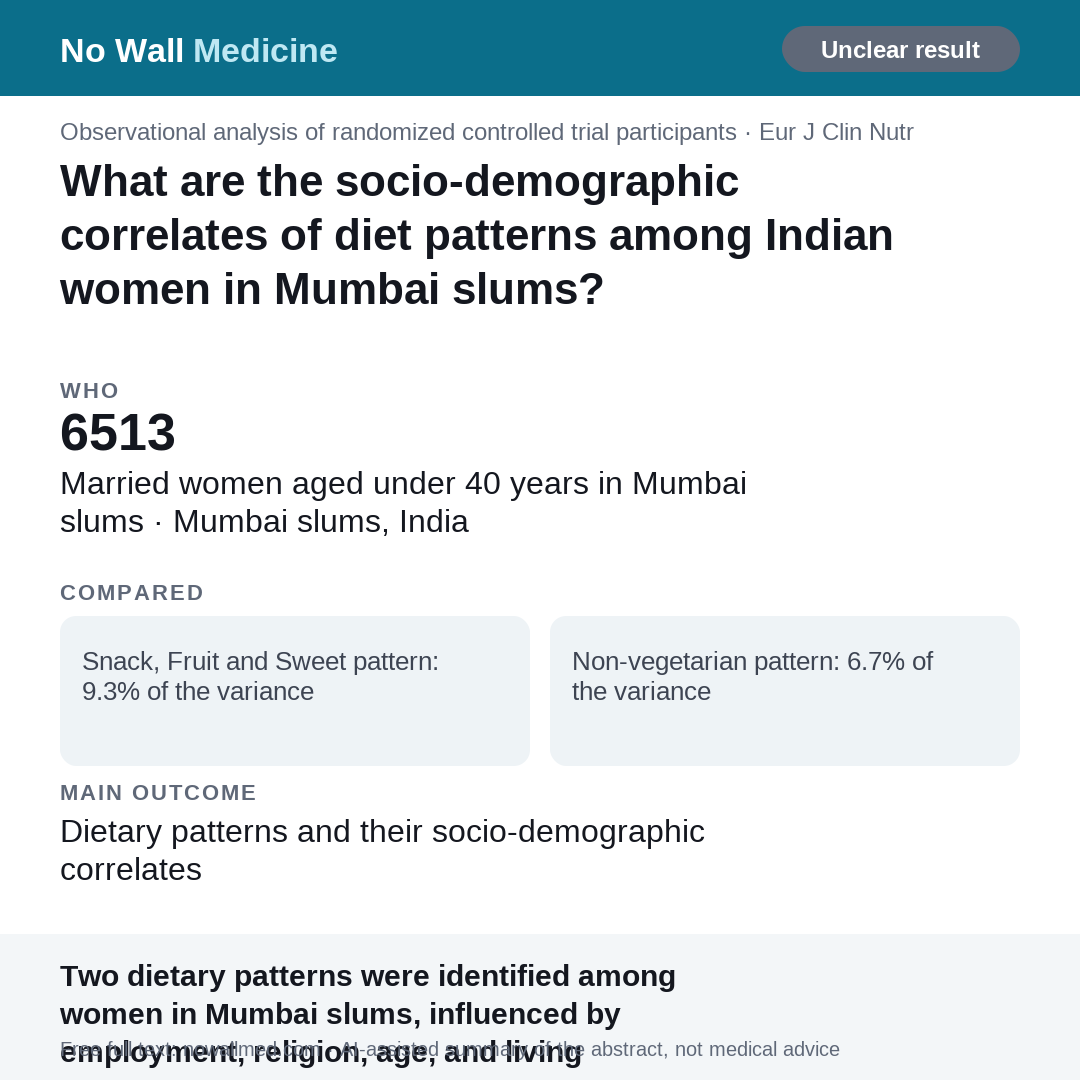
Associations between socio-demographic factors and diet patterns among Indian women in a low-income urban setting
Observational analysis of randomized controlled trial participantsUnclear result
What are the socio-demographic correlates of diet patterns among Indian women in Mumbai slums?
Who
6513
Married women aged under 40 years in Mumbai slums · Mumbai slums, India
Compared
Snack, Fruit and Sweet pattern: 9.3% of the variance
Non-vegetarian pattern: 6.7% of the variance
Main outcome
Dietary patterns and their socio-demographic correlates
Bottom line: Two dietary patterns were identified among women in Mumbai slums, influenced by employment, religion, age, and living standards.
Eur J Clin Nutr · 2026-05-07Download image
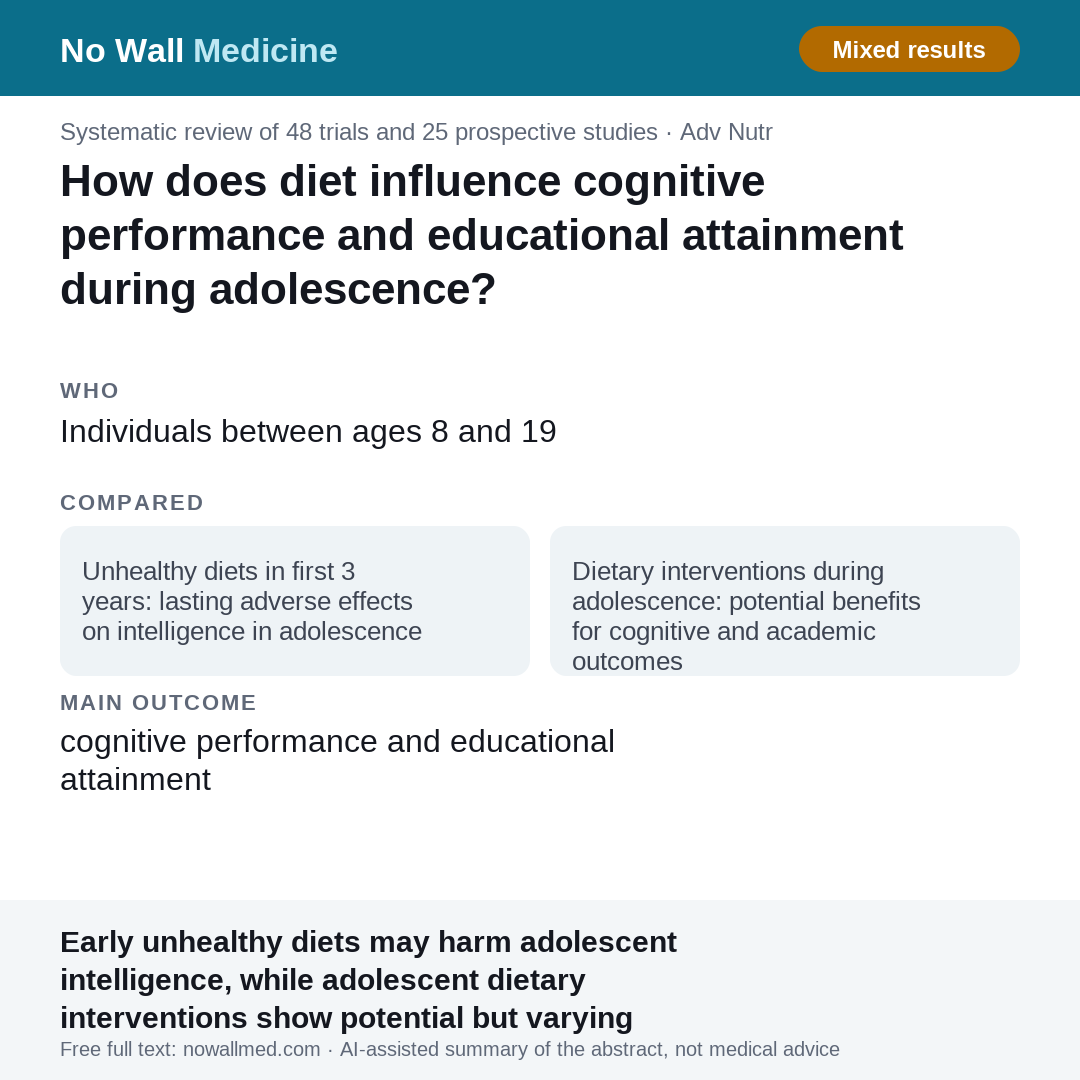
Diet and the Developing Brain: A Systematic Review of Nutritional Influences on Adolescent Cognitive and Academic Outcomes
Systematic review of 48 trials and 25 prospective studiesMixed results
How does diet influence cognitive performance and educational attainment during adolescence?
Who
Individuals between ages 8 and 19
Compared
Unhealthy diets in first 3 years: lasting adverse effects on intelligence in adolescence
Dietary interventions during adolescence: potential benefits for cognitive and academic outcomes
Main outcome
cognitive performance and educational attainment
Bottom line: Early unhealthy diets may harm adolescent intelligence, while adolescent dietary interventions show potential but varying benefits.
Limitation: findings vary and are often constrained by methodological limitations
Adv Nutr · 2026-05-07Download image
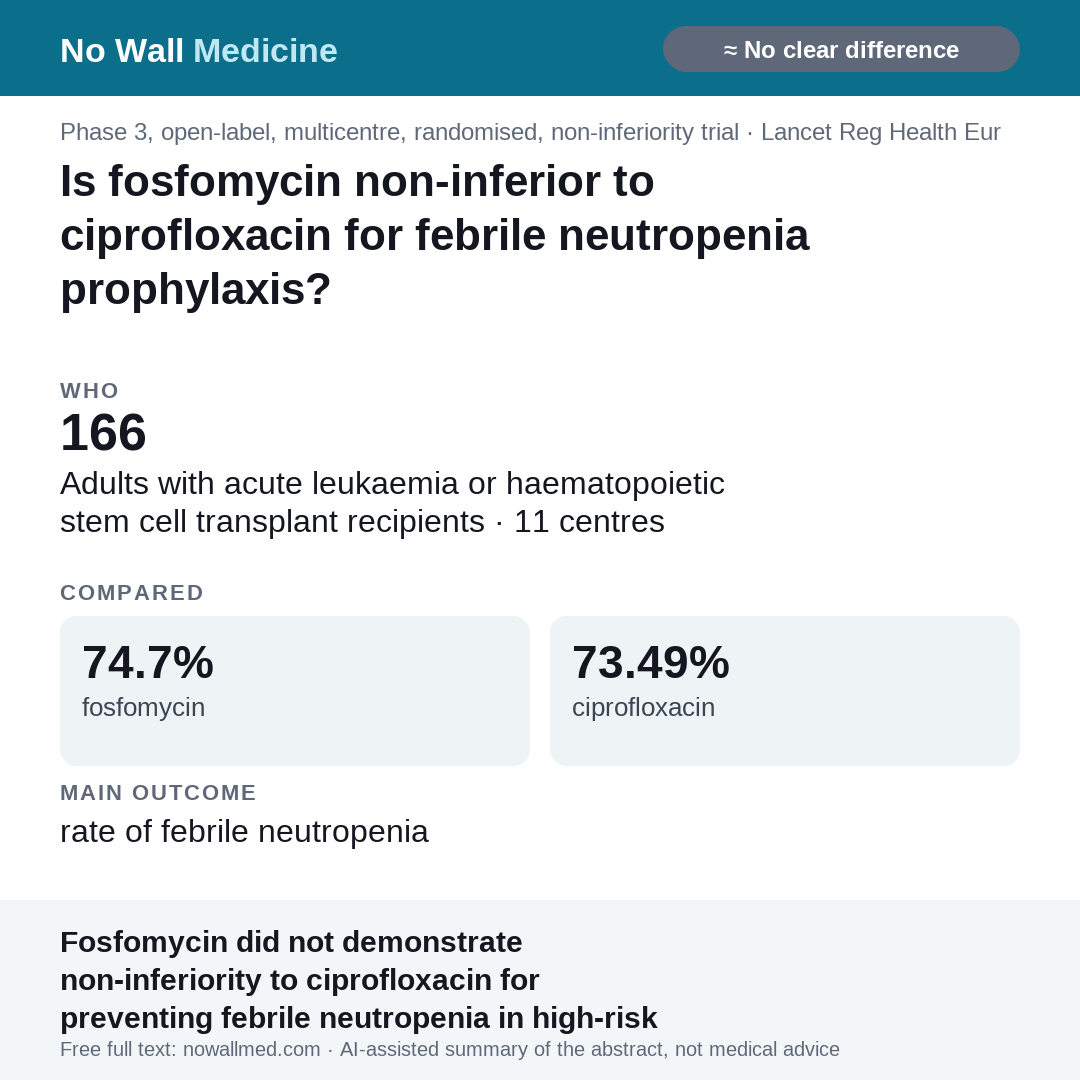
Fosfomycin versus ciprofloxacin for febrile neutropenia prophylaxis in high-risk haematological patients (FOVOCIP): a phase 3, open-label, multicentre, randomised, non-inferiority trial
Phase 3, open-label, multicentre, randomised, non-inferiority trialNo clear difference
Is fosfomycin non-inferior to ciprofloxacin for febrile neutropenia prophylaxis?
Who
166
Adults with acute leukaemia or haematopoietic stem cell transplant recipients · 11 centres in Spain
Compared
74.7%fosfomycin (62 of 83 patients)
73.49%ciprofloxacin (61 of 83 patients)
Main outcome
rate of febrile neutropenia
Result: risk difference -1.2%, (95% CI: -14.5 to 12.12)
Bottom line: Fosfomycin did not demonstrate non-inferiority to ciprofloxacin for preventing febrile neutropenia in high-risk haematological patients.
Funded by: Instituto de Salud Carlos III, Agencia SEKUENS, Instituto de Investigación del Principado de Asturias
Lancet Reg Health Eur · 2026-05-07Download image
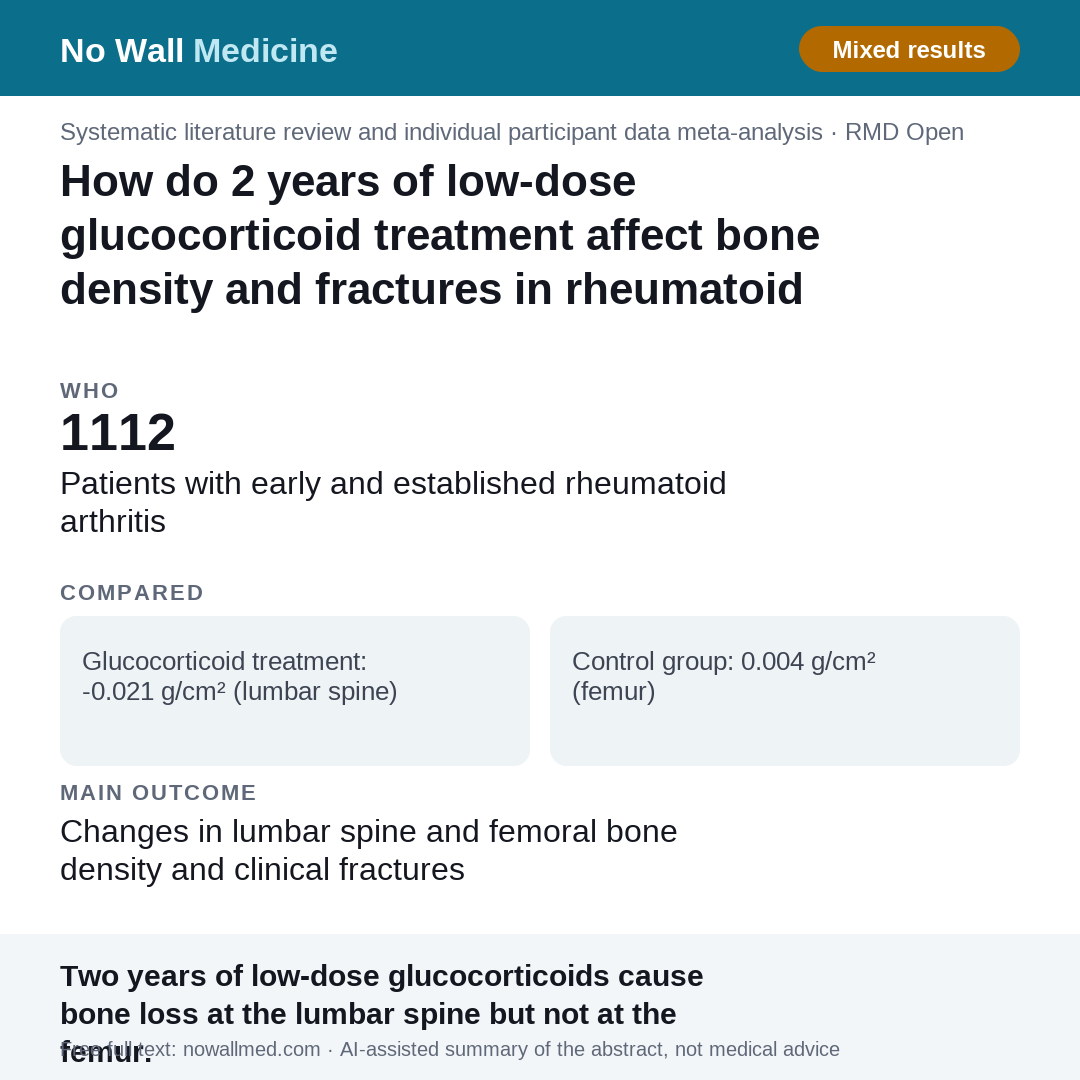
Changes in bone mineral density and fractures during 2 years of low-dose glucocorticoid treatment for rheumatoid arthritis: a systematic literature review and individual participant data meta-analysis
Systematic literature review and individual participant data meta-analysisMixed results
How do 2 years of low-dose glucocorticoid treatment affect bone density and fractures in rheumatoid arthritis?
Who
1112
Patients with early and established rheumatoid arthritis
Compared
Glucocorticoid treatment: -0.021 g/cm² (lumbar spine)
Control group: 0.004 g/cm² (femur)
Main outcome
Changes in lumbar spine and femoral bone density and clinical fractures
Result: -0.021 g/cm² (95% CI -0.037 to -0.005) for lumbar spine
Bottom line: Two years of low-dose glucocorticoids cause bone loss at the lumbar spine but not at the femur.
RMD Open · 2026-05-07Download image
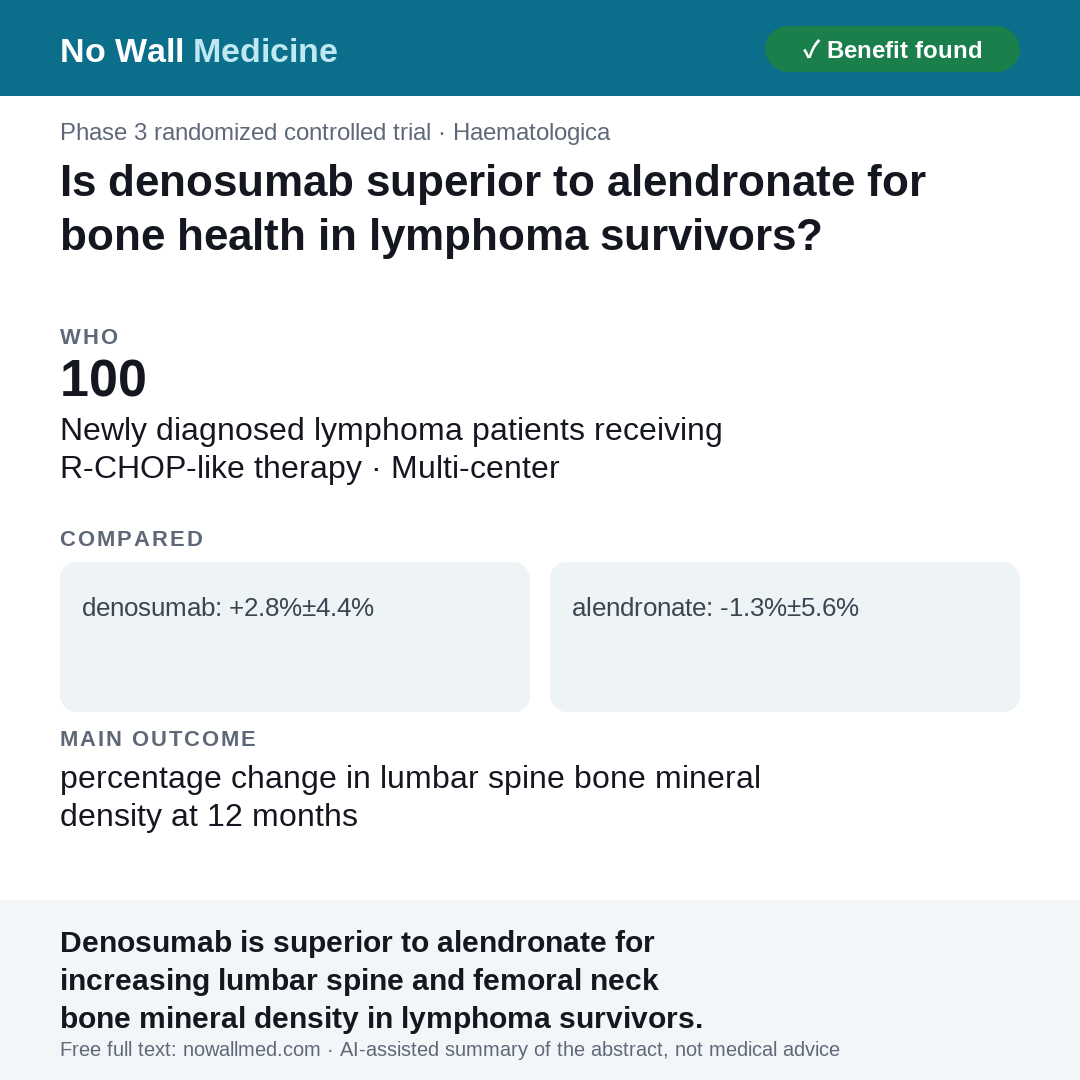
Optimizing bone health in lymphoma survivors: denosumab superiority to alendronate for R-CHOP-like therapy (the DENOSULY phase III randomized controlled trial)
Phase 3 randomized controlled trialBenefit found
Is denosumab superior to alendronate for bone health in lymphoma survivors?
Who
100
Newly diagnosed lymphoma patients receiving R-CHOP-like therapy · Multi-center
Compared
denosumab: +2.8%±4.4%
alendronate: -1.3%±5.6%
Main outcome
percentage change in lumbar spine bone mineral density at 12 months
Result: p=0.0010
Bottom line: Denosumab is superior to alendronate for increasing lumbar spine and femoral neck bone mineral density in lymphoma survivors.
Haematologica · 2026-05-07Download image
GenAI-Supported Virtual Patients in Health Care Education: Systematic Review
Systematic review of 15 studiesBenefit found
What is the educational impact of generative artificial intelligence supported virtual patients?
Who
645
Students in nursing, medicine, pharmacy, radiography, and medical first-responder training
Compared
Generative artificial intelligence supported virtual patients: consistently improved outcomes relative to control conditions
Control conditions
Main outcome
User perceptions, communication skills, clinical reasoning, and performance
Bottom line: Generative artificial intelligence supported virtual patients show feasibility, acceptability, and promising outcomes for health care skills development.
Limitation: Brief intervention durations, reliance on single-session interactions, and lack of underpinning educational theory.
J Med Internet Res · 2026-05-07Download image

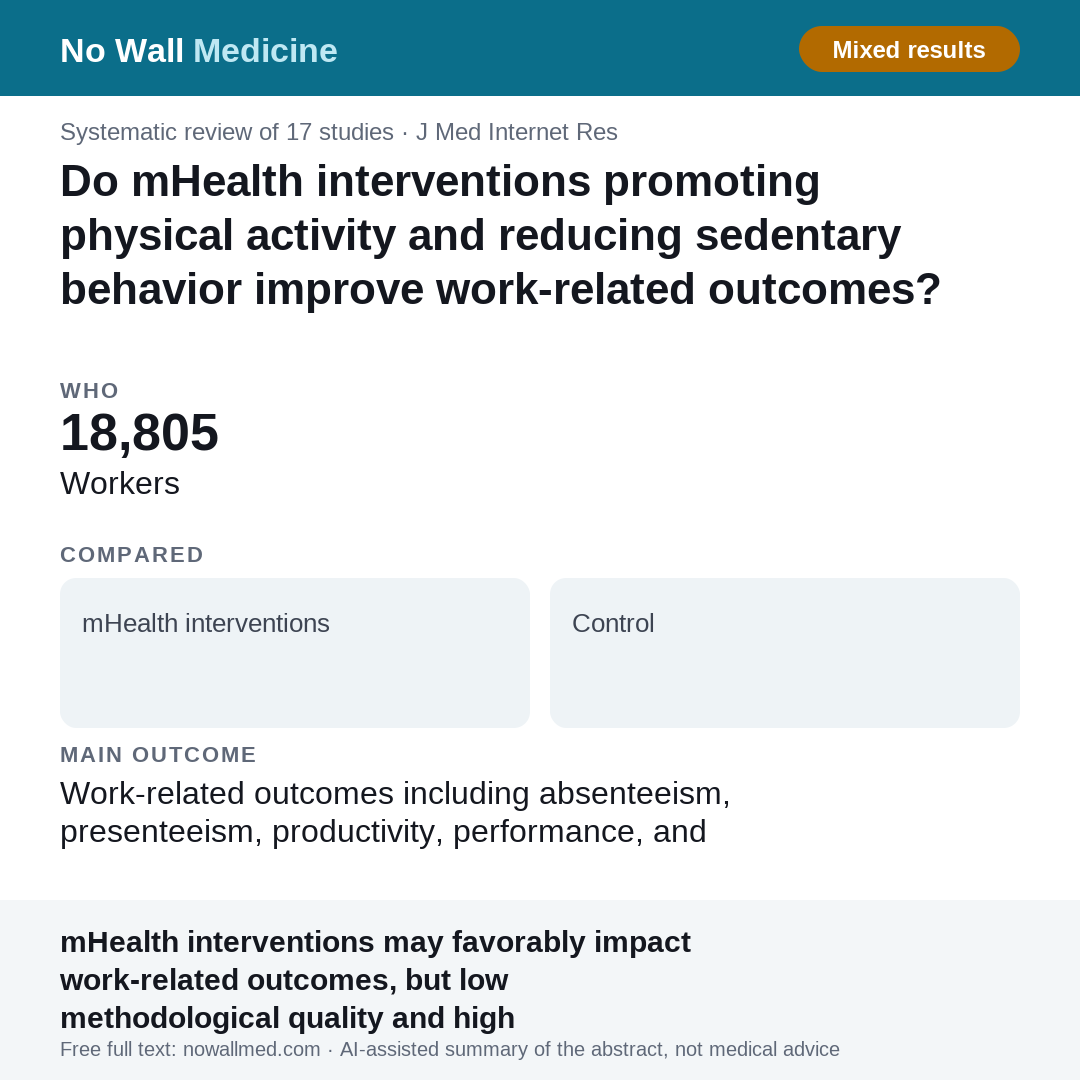
Effectiveness of mHealth Interventions Aimed at Promoting Physical Activity and Reducing Sedentary Behavior on Work-Related Outcomes Among Workers: Systematic Review
Systematic review of 17 studiesMixed results
Do mHealth interventions promoting physical activity and reducing sedentary behavior improve work-related outcomes?
Who
18,805
Workers
Compared
mHealth interventions
Control
Main outcome
Work-related outcomes including absenteeism, presenteeism, productivity, performance, and workability
Bottom line: mHealth interventions may favorably impact work-related outcomes, but low methodological quality and high heterogeneity prevent definitive conclusions.
Limitation: High risk of bias and considerable heterogeneity across studies due to diverse characteristics and assessment tools.
J Med Internet Res · 2026-05-07Download image
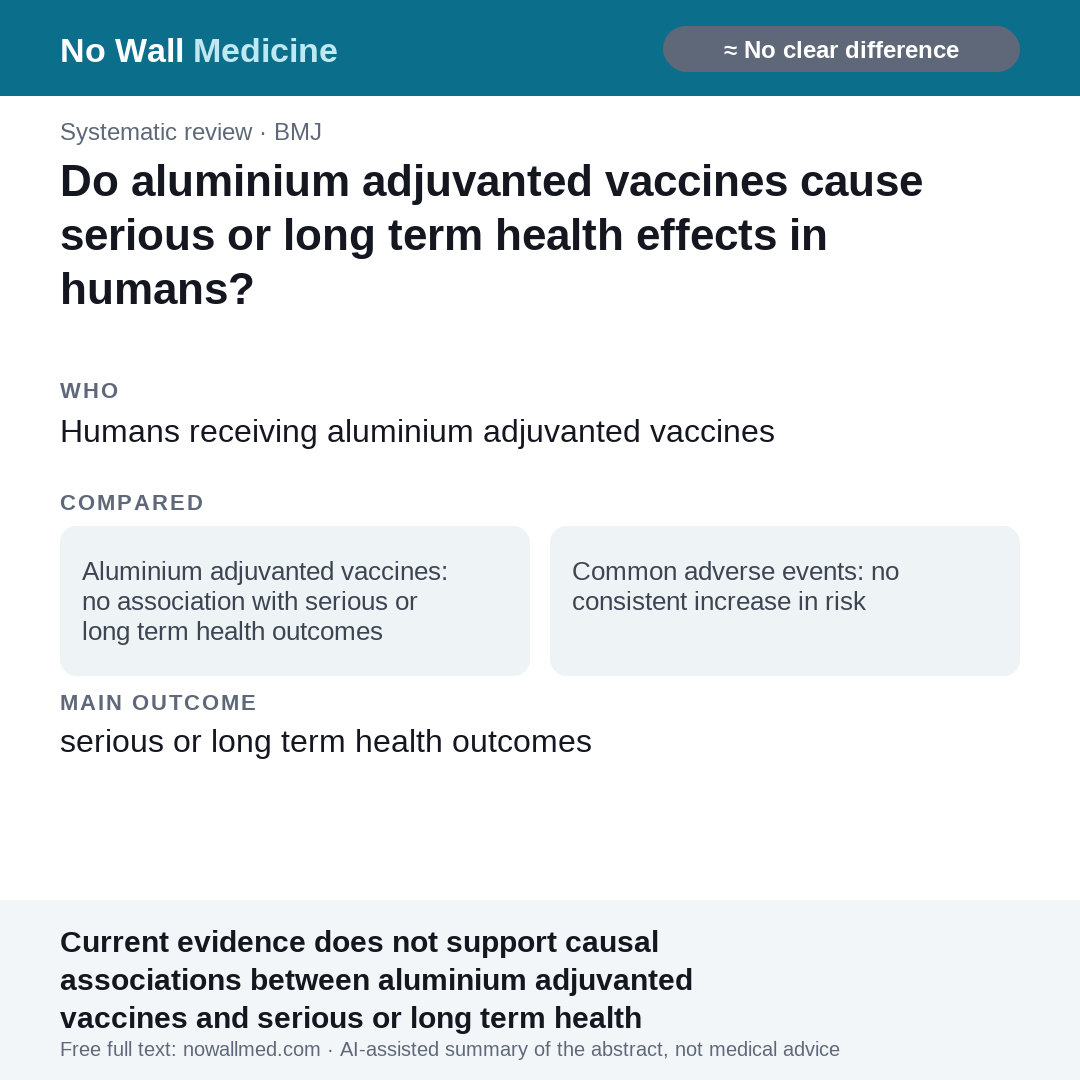
Aluminium adjuvants in vaccines and potential health effects: systematic review
Systematic reviewNo clear difference
Do aluminium adjuvanted vaccines cause serious or long term health effects in humans?
Who
59
Humans receiving aluminium adjuvanted vaccines
Compared
Aluminium adjuvanted vaccines: no association with serious or long term health outcomes
Common adverse events: no consistent increase in risk
Main outcome
serious or long term health outcomes
Bottom line: Current evidence does not support causal associations between aluminium adjuvanted vaccines and serious or long term health outcomes.
Limitation: Evidence was dominated by methodologically limited studies with high risk of bias.
BMJ · 2026-05-06Download image
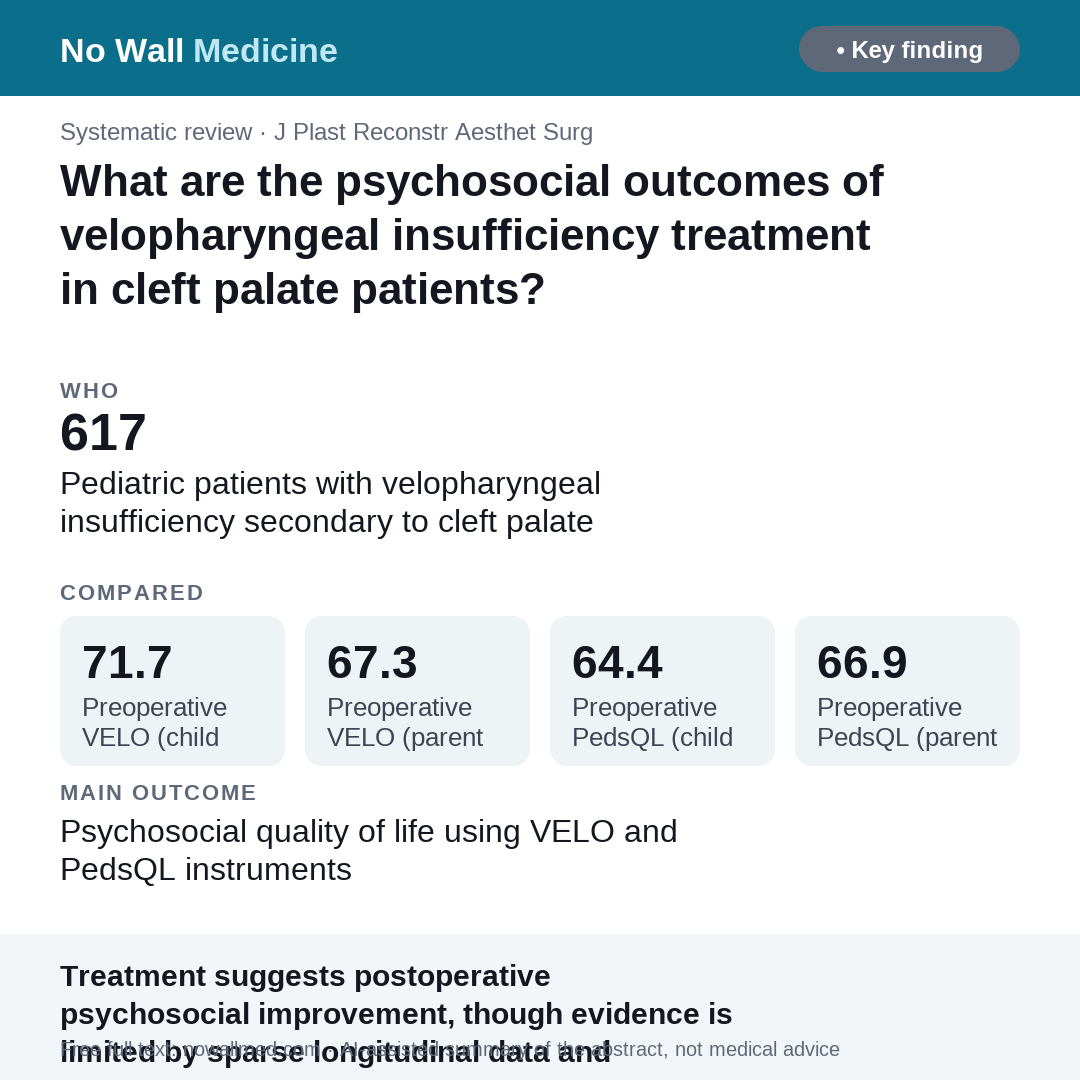
Psychosocial outcomes of velopharyngeal insufficiency treatment in patients with cleft palate: A systematic review
Systematic reviewBenefit found
What are the psychosocial outcomes of velopharyngeal insufficiency treatment in cleft palate patients?
Who
617
Pediatric patients with velopharyngeal insufficiency secondary to cleft palate
Compared
71.7Preoperative VELO (child self-report) (SD 23.1)
67.3Preoperative VELO (parent proxy) (SD 22.5)
64.4Preoperative PedsQL (child report) (SD 17.4)
66.9Preoperative PedsQL (parent proxy) (SD 13.3)
Main outcome
Psychosocial quality of life using VELO and PedsQL instruments
Bottom line: Treatment suggests postoperative psychosocial improvement, though evidence is limited by sparse longitudinal data and inconsistent reporting.
Limitation: Inference is limited by sparse longitudinal data and lack of postoperative child self-reports.
J Plast Reconstr Aesthet Surg · 2026-05-06Download image
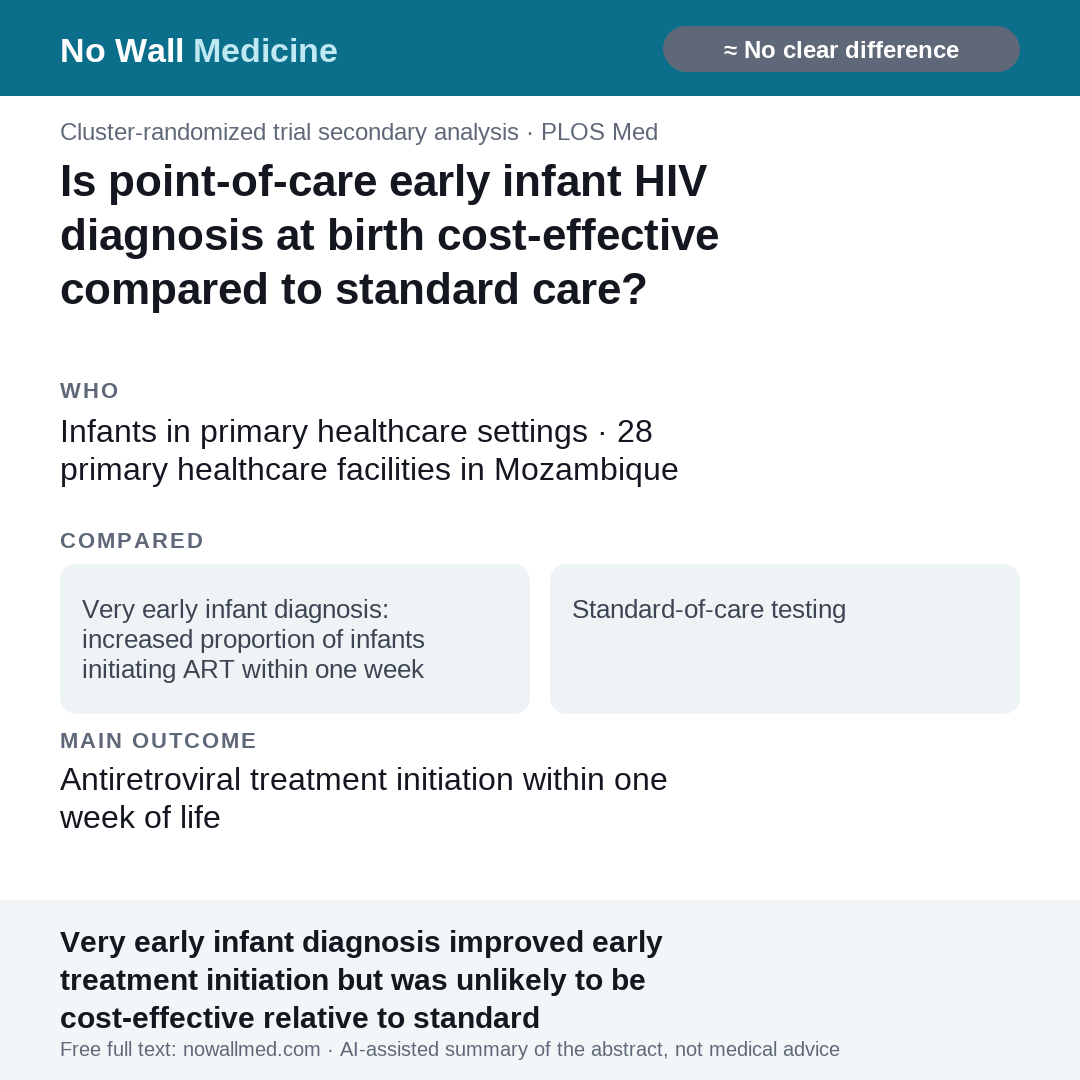
Point-of-care early infant HIV diagnosis at birth in a pragmatic cluster-randomized trial in Mozambique and Tanzania: A comparative cost and cost-effectiveness study
Cluster-randomized trial secondary analysisNo clear difference
Is point-of-care early infant HIV diagnosis at birth cost-effective compared to standard care?
Who
Infants in primary healthcare settings · 28 primary healthcare facilities in Mozambique and Tanzania
Compared
Very early infant diagnosis: increased proportion of infants initiating ART within one week
Standard-of-care testing
Main outcome
Antiretroviral treatment initiation within one week of life
Result: Mozambique ICER $2,924; Tanzania ICER $10,458
Bottom line: Very early infant diagnosis improved early treatment initiation but was unlikely to be cost-effective relative to standard thresholds.
Limitation: Lack of long-term health outcome data and reliance on an intermediate outcome.
PLOS Med · 2026-05-06Download image
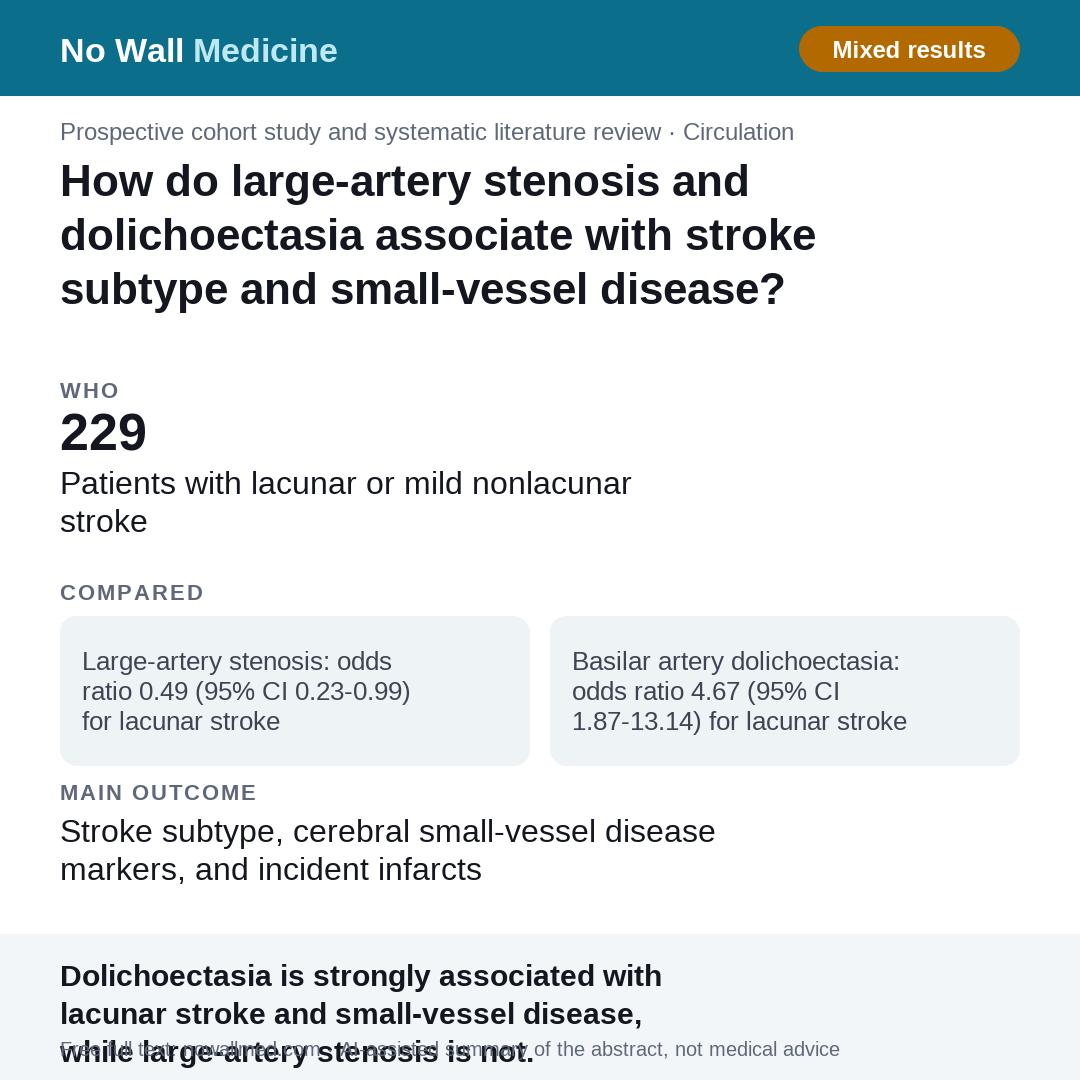
Implications of Cranial Arterial Stenosis and Dolichoectasia for Cerebral Small-Vessel Disease Etiopathogenesis: Findings From a Prospective Mild Stroke Cohort
Prospective cohort study and systematic literature reviewMixed results
How do large-artery stenosis and dolichoectasia associate with stroke subtype and small-vessel disease?
Who
229
Patients with lacunar or mild nonlacunar stroke
Compared
Large-artery stenosis: odds ratio 0.49 (95% CI 0.23-0.99) for lacunar stroke
Basilar artery dolichoectasia: odds ratio 4.67 (95% CI 1.87-13.14) for lacunar stroke
Main outcome
Stroke subtype, cerebral small-vessel disease markers, and incident infarcts
Result: odds ratio 4.67 (95% CI 1.87-13.14) for lacunar stroke with dolichoectasia
Bottom line: Dolichoectasia is strongly associated with lacunar stroke and small-vessel disease, while large-artery stenosis is not.
Circulation · 2026-05-06Download image
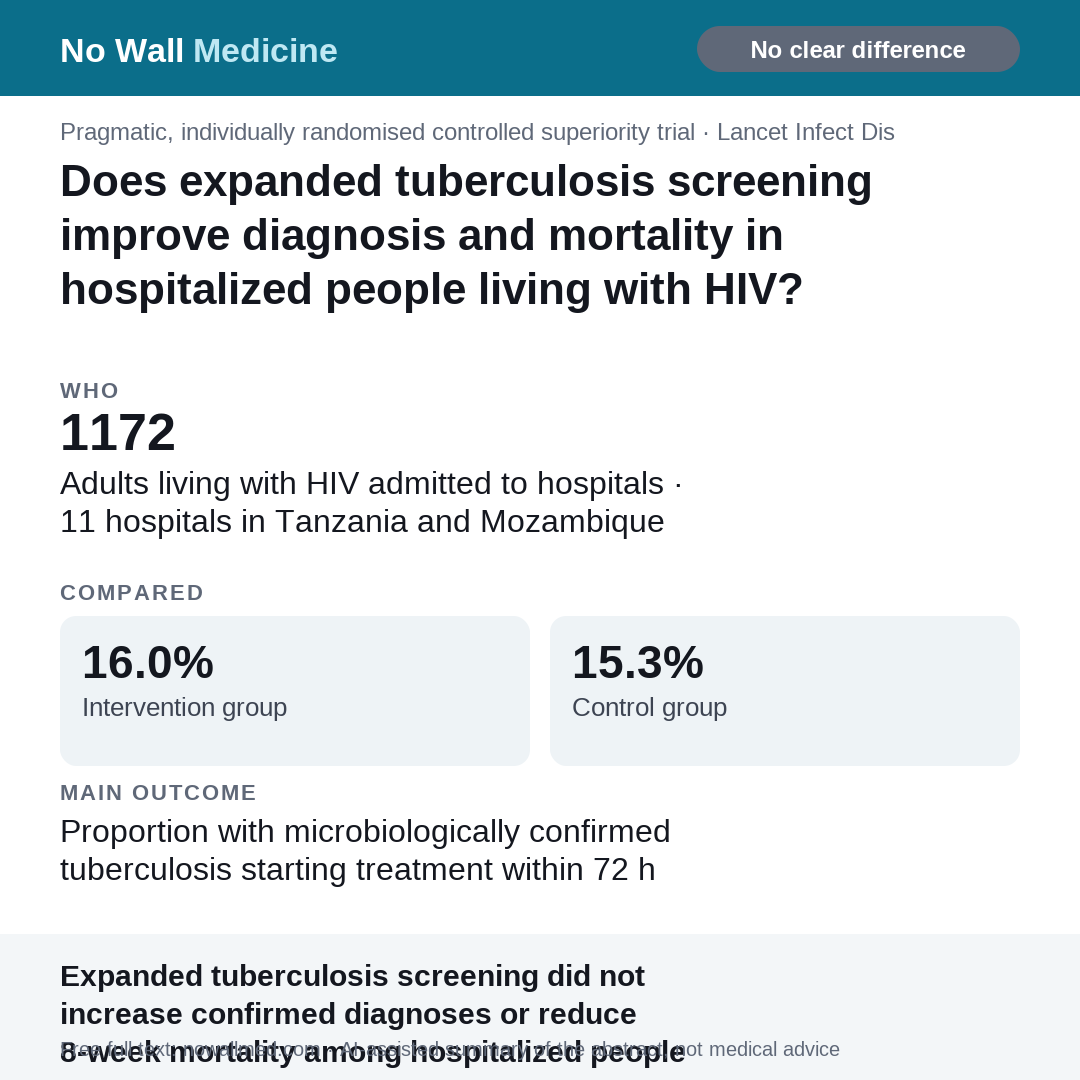
Expanding Xpert MTB/RIF Ultra and lateral flow urine lipoarabinomannan testing for diagnosis of tuberculosis among adults living with HIV admitted to hospitals in Tanzania and Mozambique (EXULTANT): a randomised controlled trial
Pragmatic, individually randomised controlled superiority trialNo clear difference
Does expanded tuberculosis screening improve diagnosis and mortality in hospitalized people living with HIV?
Who
1172
Adults living with HIV admitted to hospitals · 11 hospitals in Tanzania and Mozambique
Compared
16.0%Intervention group (93/582)
15.3%Control group (90/590)
Main outcome
Proportion with microbiologically confirmed tuberculosis starting treatment within 72 h
Result: difference 0.7%, 95% CI -3.4 to 4.8
Bottom line: Expanded tuberculosis screening did not increase confirmed diagnoses or reduce 8-week mortality among hospitalized people living with HIV.
Funded by: EDCTP2 programme, supported by the EU
Lancet Infect Dis · 2026-05-06Download image
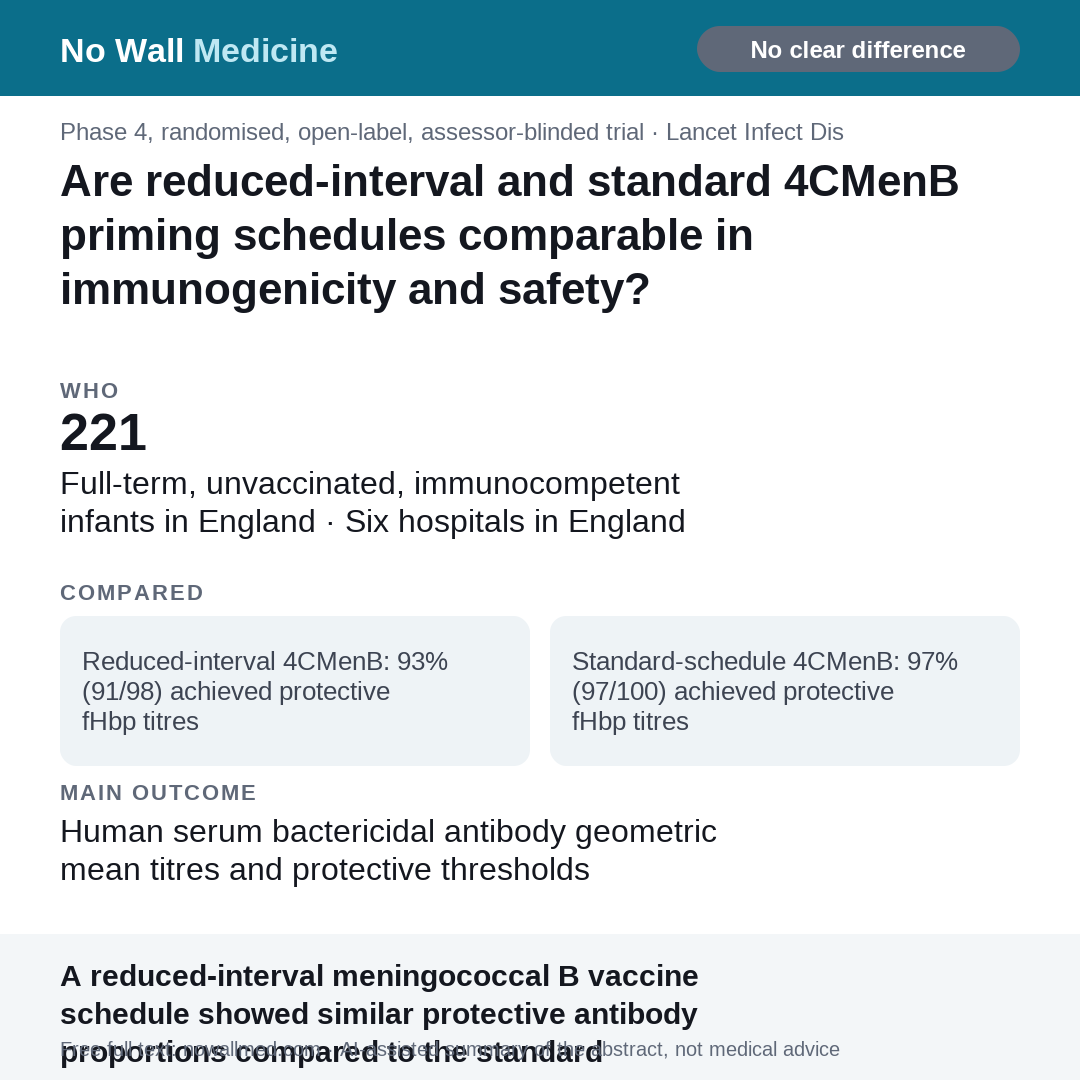
Immunogenicity, reactogenicity, and safety of a reduced-interval 4CMenB primary immunisation schedule in UK infants: a multicentre, open-label, assessor-blinded, phase 4 randomised controlled trial
Phase 4, randomised, open-label, assessor-blinded trialNo clear difference
Are reduced-interval and standard 4CMenB priming schedules comparable in immunogenicity and safety?
Who
221
Full-term, unvaccinated, immunocompetent infants in England · Six hospitals in England
Compared
Reduced-interval 4CMenB: 93% (91/98) achieved protective fHbp titres
Standard-schedule 4CMenB: 97% (97/100) achieved protective fHbp titres
Main outcome
Human serum bactericidal antibody geometric mean titres and protective thresholds
Result: risk difference -0·04 (95% CI -0·10 to 0·02) for fHbp protective titres
Bottom line: A reduced-interval meningococcal B vaccine schedule showed similar protective antibody proportions compared to the standard schedule.
Lancet Infect Dis · 2026-05-06Download image
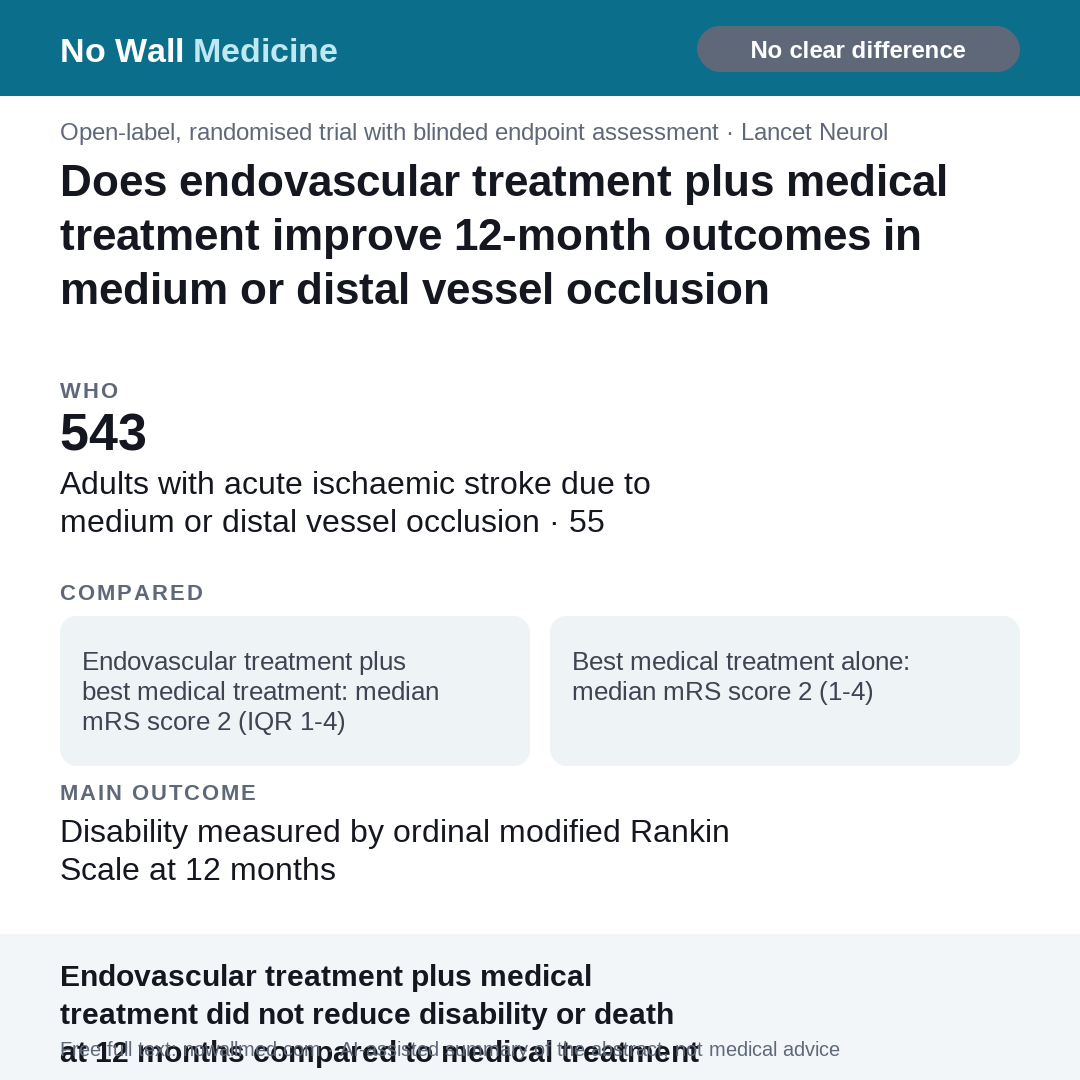
Endovascular treatment for medium or distal vessel occlusion stroke (DISTAL): 12-month outcomes of a multicentre, open-label, randomised trial
Open-label, randomised trial with blinded endpoint assessmentNo clear difference
Does endovascular treatment plus medical treatment improve 12-month outcomes in medium or distal vessel occlusion stroke?
Who
543
Adults with acute ischaemic stroke due to medium or distal vessel occlusion · 55 hospitals in Europe and the Middle East
Compared
Endovascular treatment plus best medical treatment: median mRS score 2 (IQR 1-4)
Best medical treatment alone: median mRS score 2 (1-4)
Main outcome
Disability measured by ordinal modified Rankin Scale at 12 months
Result: adjusted common odds ratio 0·81 (95% CI 0·59-1·12)
Bottom line: Endovascular treatment plus medical treatment did not reduce disability or death at 12 months compared to medical treatment alone.
Funded by: Swiss National Science Foundation and others
Lancet Neurol · 2026-05-06Download image
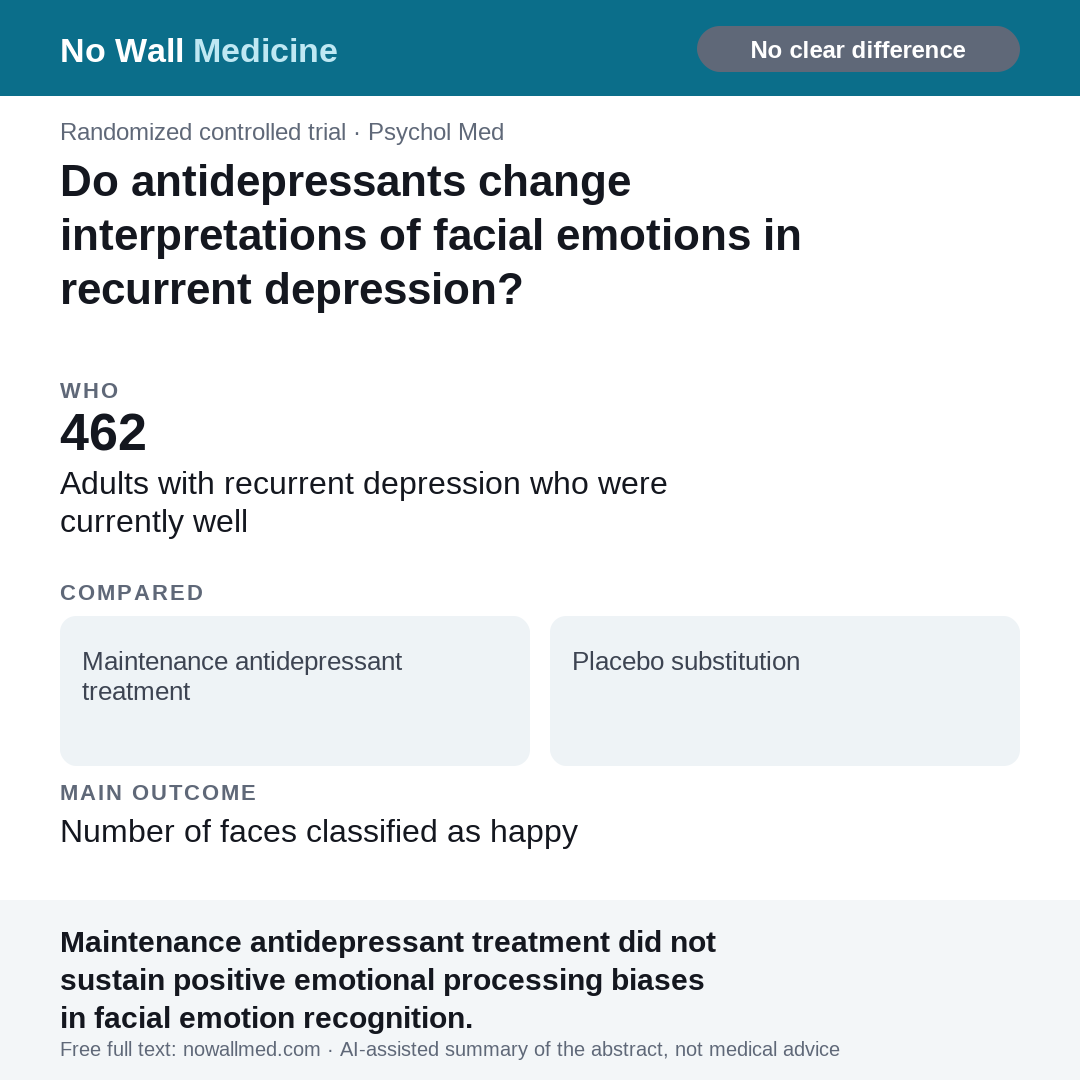
Do antidepressants change our interpretations of facial emotions?
Randomized controlled trialNo clear difference
Do antidepressants change interpretations of facial emotions in recurrent depression?
Who
462
Adults with recurrent depression who were currently well
Compared
Maintenance antidepressant treatment
Placebo substitution
Main outcome
Number of faces classified as happy
Result: adjusted mean difference 0.23 (95% CI -0.5 to 1.0) at 12 weeks
Bottom line: Maintenance antidepressant treatment did not sustain positive emotional processing biases in facial emotion recognition.
Limitation: Findings challenge the generalizability of laboratory evidence to long-term clinical treatment.
Psychol Med · 2026-05-06Download image
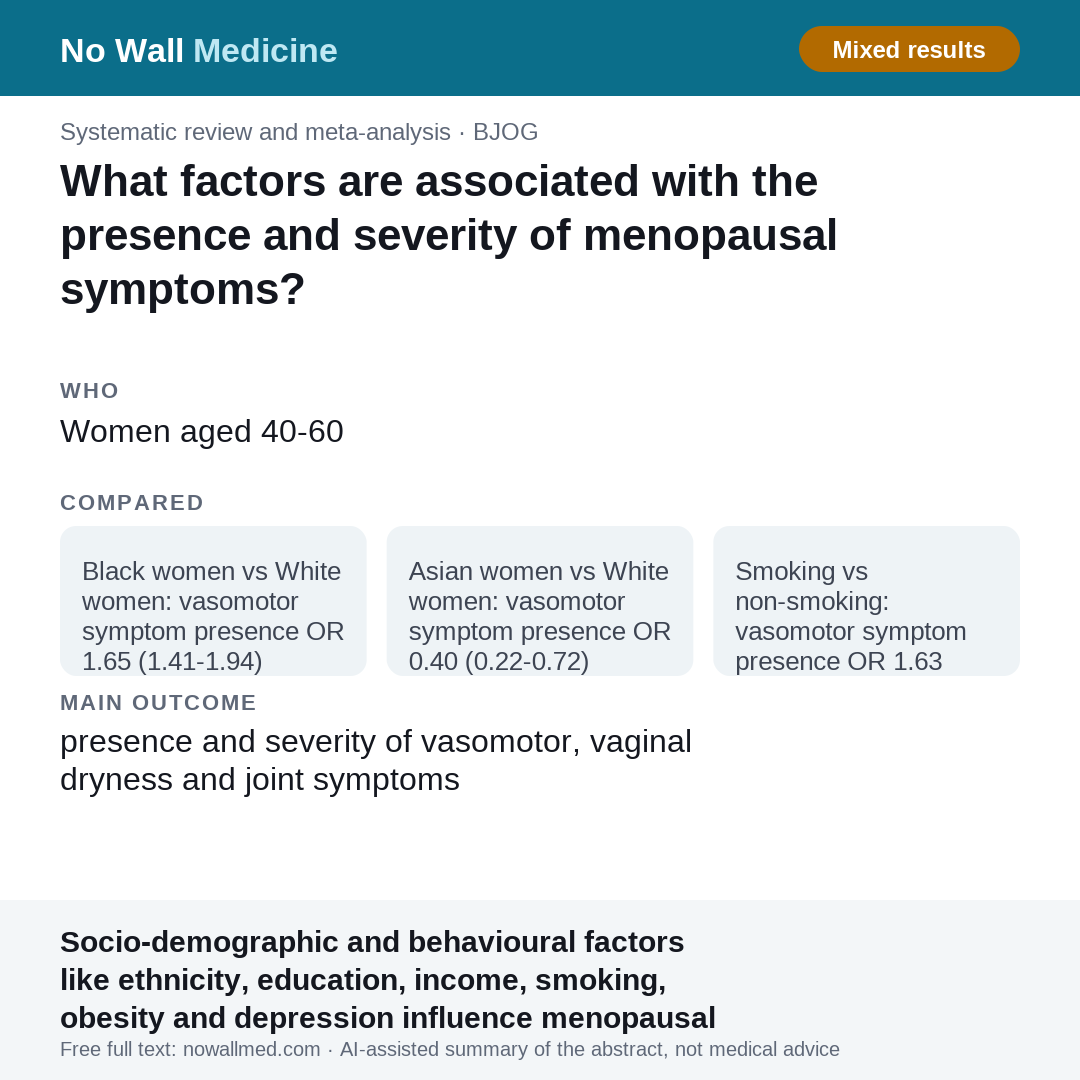
Factors Associated With Menopause Symptoms: A Systematic Review and Meta-Analysis
Systematic review and meta-analysisMixed results
What factors are associated with the presence and severity of menopausal symptoms?
Who
Women aged 40-60
Compared
Black women vs White women: vasomotor symptom presence OR 1.65 (1.41-1.94)
Asian women vs White women: vasomotor symptom presence OR 0.40 (0.22-0.72)
Smoking vs non-smoking: vasomotor symptom presence OR 1.63 (1.30-2.04)
Main outcome
presence and severity of vasomotor, vaginal dryness and joint symptoms
Bottom line: Socio-demographic and behavioural factors like ethnicity, education, income, smoking, obesity and depression influence menopausal symptoms.
BJOG · 2026-05-06Download image