Visual abstracts
New randomized trials and meta-analyses from leading journals at a glance: who was studied, what was compared, and what was found. Every paper is free to read in full.
All specialtiesCardiology 4765Oncology 4048Gastroenterology & Hepatology 1906Infectious Disease 3759Neurology 1874Psychiatry & Mental Health 2217Pulmonology 2046Critical Care 1323Endocrinology & Diabetes 2545Pediatrics 2891Surgery 2482Orthopedics & Sports Medicine 917Neurosurgery 526Cardiothoracic & Vascular Surgery 657Plastic & Reconstructive Surgery 574Nephrology 1108Rheumatology 810Hematology 1090Dermatology 611Ophthalmology 532Obstetrics & Gynecology 1646Public & Global Health 1037Radiology & Imaging 620Anesthesiology 958Urology 745ENT (Otolaryngology) 494Emergency Medicine 481Allergy & Immunology 309Geriatrics 973Family Medicine & Primary Care 534Medical Genetics & Genomics 659Pathology & Laboratory Medicine 156Physical Medicine & Rehabilitation 736Palliative Care 421Nutrition 1561Digital Health & AI 2136General Medicine 316
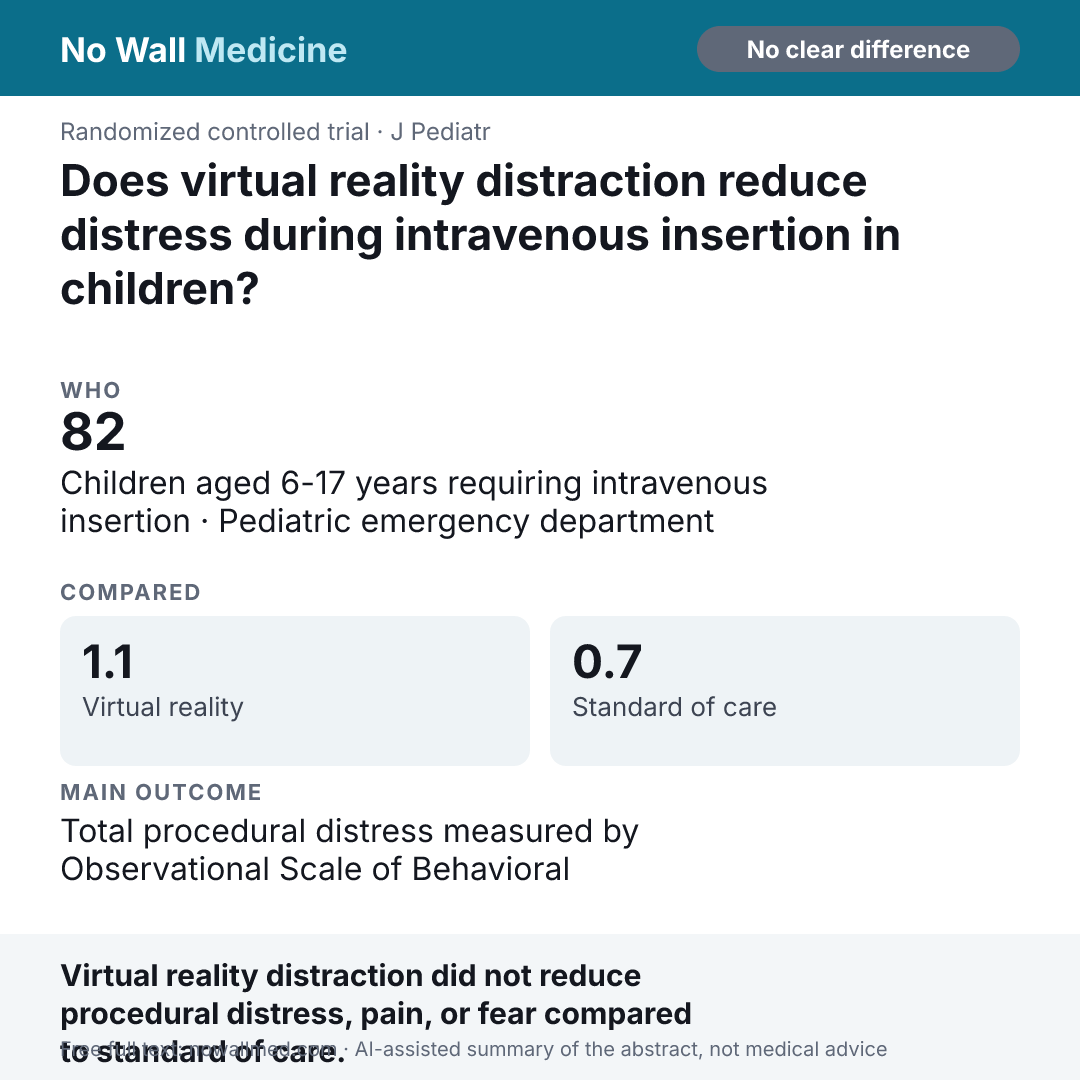
A Randomized Controlled Trial of Commercially Available Virtual Reality for Intravenous Cannulation-Related Distress in Children
Randomized controlled trialNo clear difference
Does virtual reality distraction reduce distress during intravenous insertion in children?
Who
82
Children aged 6-17 years requiring intravenous insertion · Pediatric emergency department
Compared
1.1Virtual reality (1.5)
0.7Standard of care (1.4)
Main outcome
Total procedural distress measured by Observational Scale of Behavioral Distress-Revised
Bottom line: Virtual reality distraction did not reduce procedural distress, pain, or fear compared to standard of care.
J Pediatr · 2025-09-15 · Save PNG
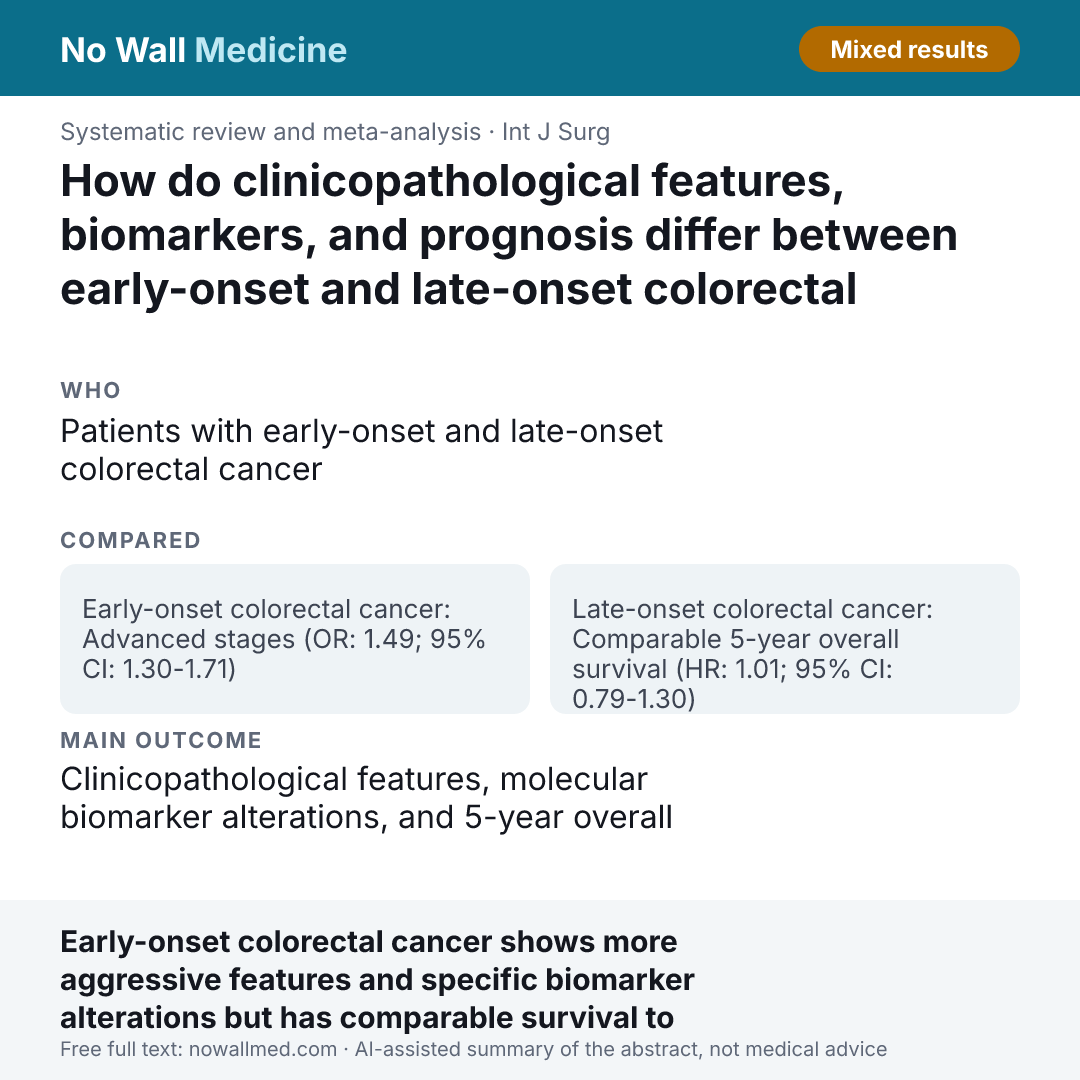
Clinicopathological characteristics and biomarker alterations in early-onset vs. late-onset colorectal cancer: a systematic review and meta-analysis
Systematic review and meta-analysisMixed results
How do clinicopathological features, biomarkers, and prognosis differ between early-onset and late-onset colorectal cancer?
Who
Patients with early-onset and late-onset colorectal cancer
Compared
Early-onset colorectal cancer: Advanced stages (OR: 1.49; 95% CI: 1.30-1.71)
Late-onset colorectal cancer: Comparable 5-year overall survival (HR: 1.01; 95% CI: 0.79-1.30)
Main outcome
Clinicopathological features, molecular biomarker alterations, and 5-year overall survival
Result: hazard ratio 1.01 (95% CI 0.79-1.30) for 5-year overall survival
Bottom line: Early-onset colorectal cancer shows more aggressive features and specific biomarker alterations but has comparable survival to late-onset cancer.
Int J Surg · 2025-09-15 · Save PNG
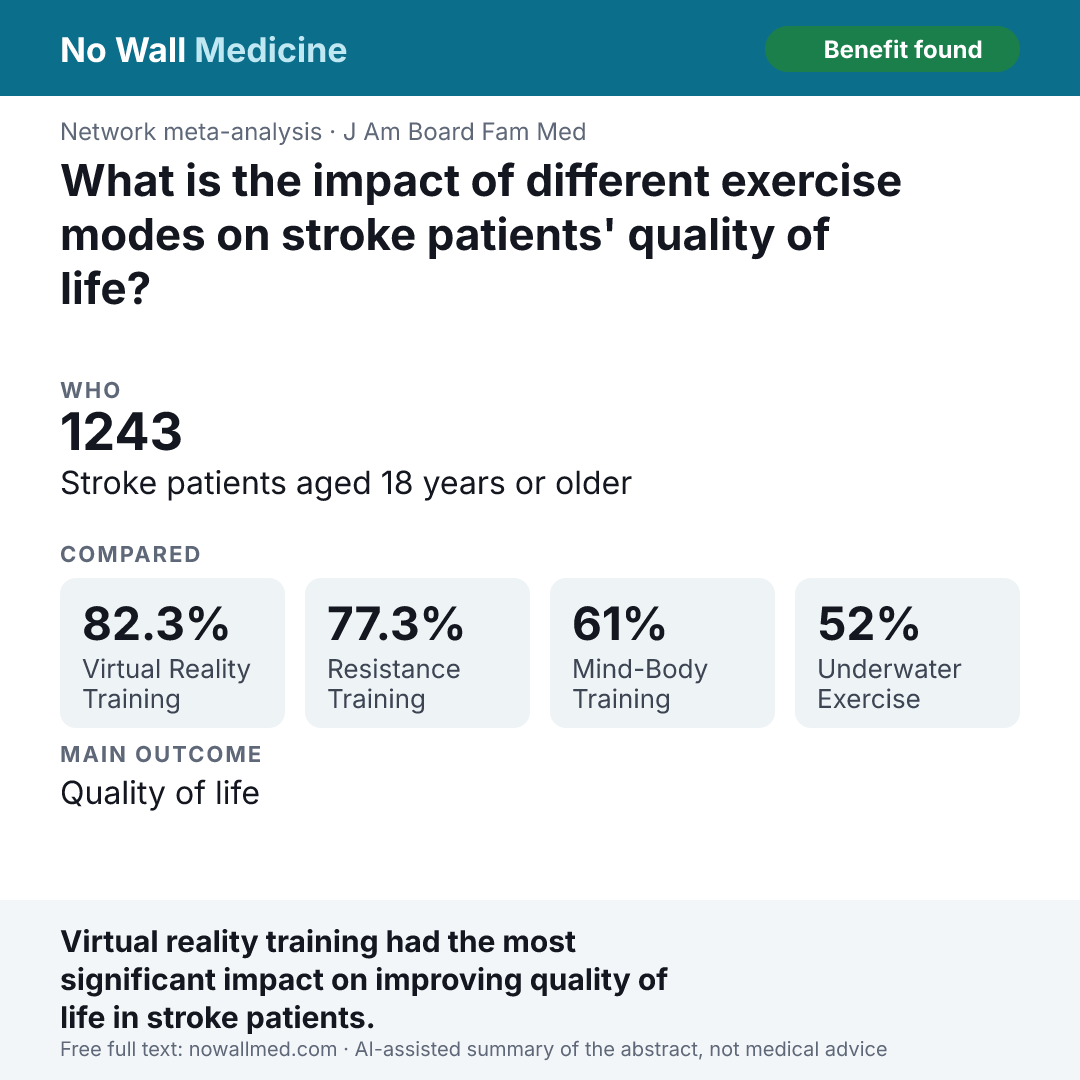
The Impact of Multiple Exercise Modes on the Quality of Life of Stroke Patients: A Network Meta-Analysis
Network meta-analysisBenefit found
What is the impact of different exercise modes on stroke patients' quality of life?
Who
1243
Stroke patients aged 18 years or older
Compared
82.3%Virtual Reality Training
77.3%Resistance Training
61%Mind-Body Training
52%Underwater Exercise
Main outcome
Quality of life
Bottom line: Virtual reality training had the most significant impact on improving quality of life in stroke patients.
J Am Board Fam Med · 2025-09-15 · Save PNG
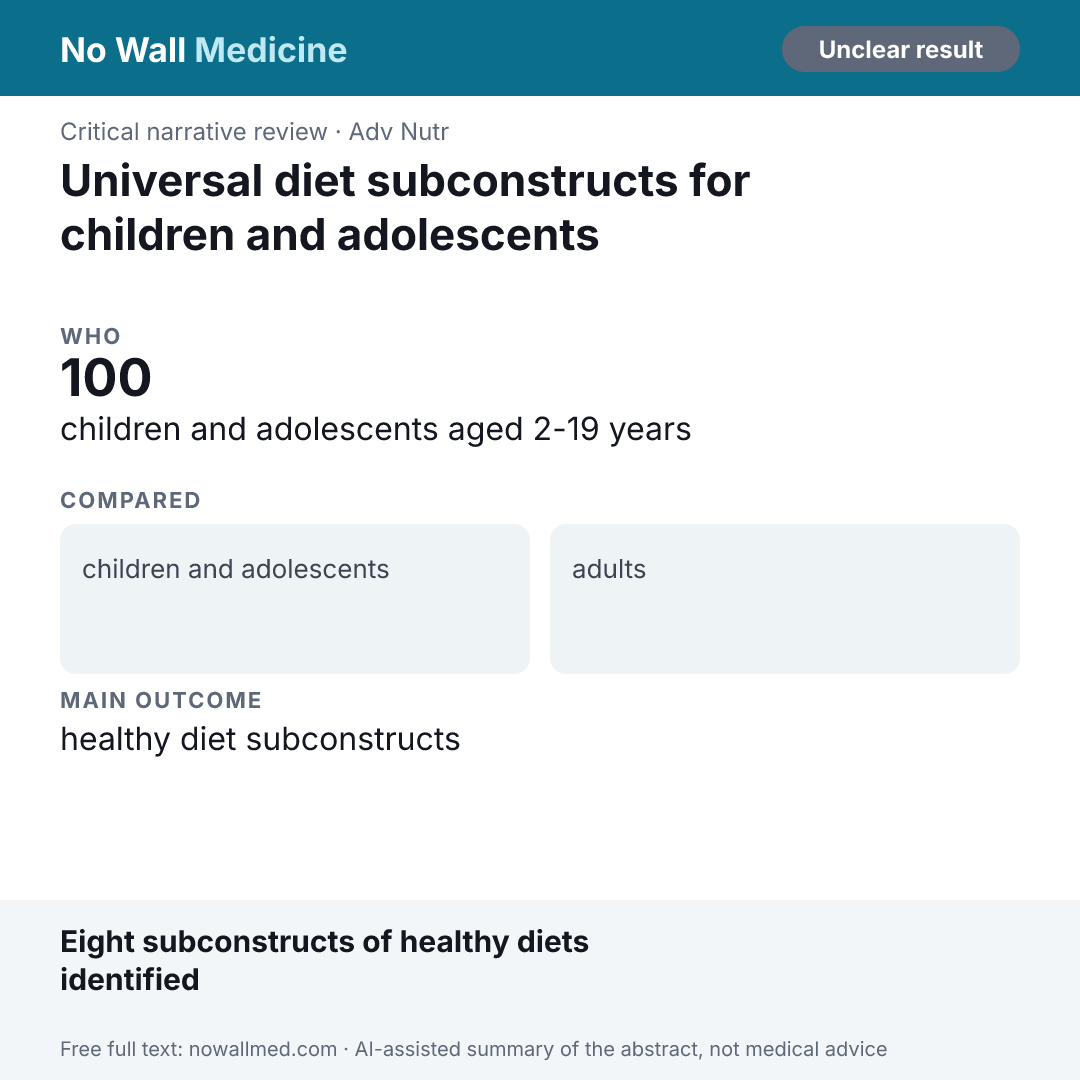
Universal Subconstructs of a Healthy Diet for Children and Adolescents: A Critical Review
Critical narrative reviewUnclear result
Universal diet subconstructs for children and adolescents
Who
100
children and adolescents aged 2-19 years
Compared
children and adolescents
adults
Main outcome
healthy diet subconstructs
Bottom line: Eight subconstructs of healthy diets identified
Adv Nutr · 2025-09-15 · Save PNG
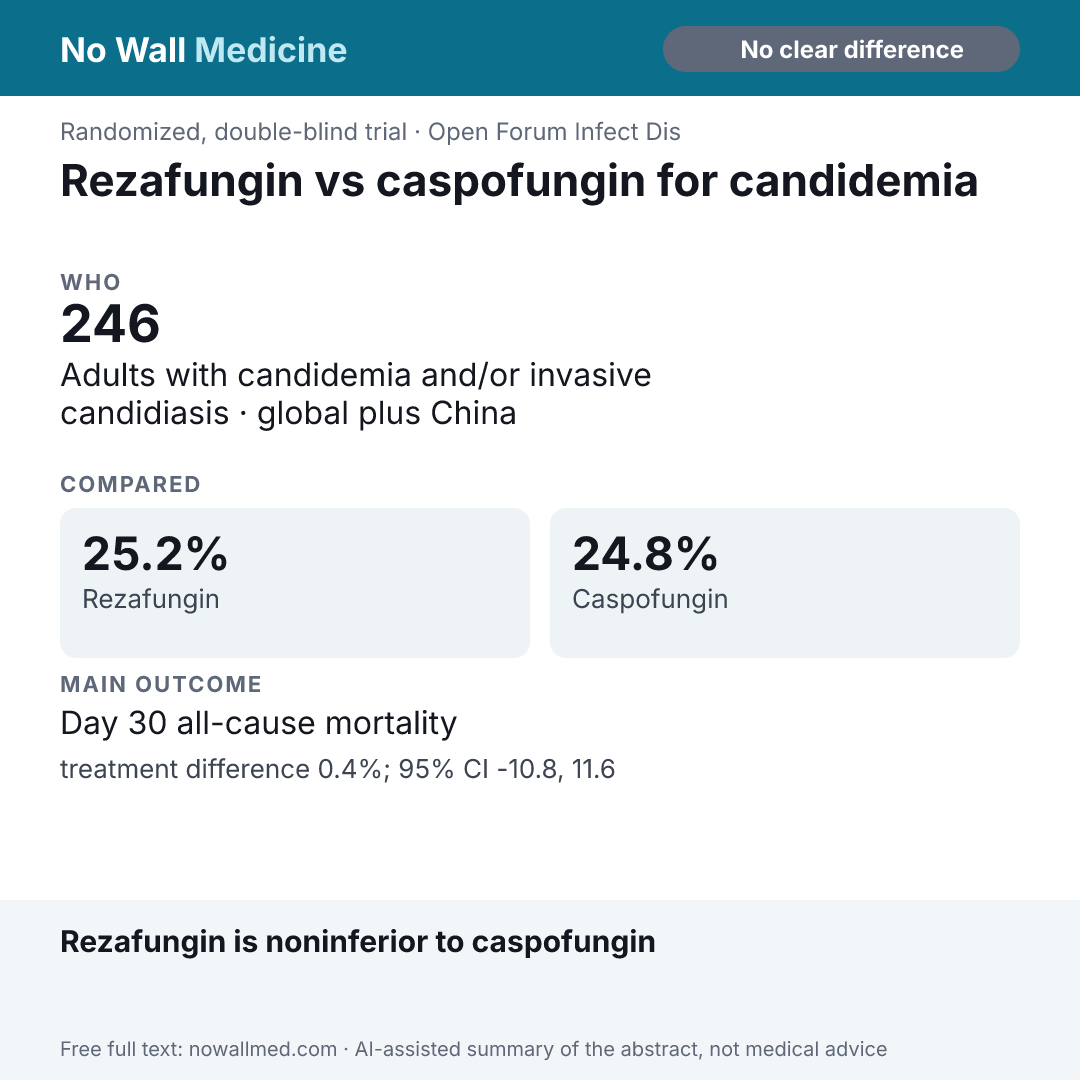
Rezafungin Versus Caspofungin for the Treatment of Candidemia and Invasive Candidiasis: Results from the Double-blind, Randomized, Phase 3 ReSTORE Trial Including the China Extension Study
Randomized, double-blind trialNo clear difference
Rezafungin vs caspofungin for candidemia
Who
246
Adults with candidemia and/or invasive candidiasis · global plus China
Compared
25.2%Rezafungin
24.8%Caspofungin
Main outcome
Day 30 all-cause mortality
Result: treatment difference 0.4%; 95% CI -10.8, 11.6
Bottom line: Rezafungin is noninferior to caspofungin
Open Forum Infect Dis · 2025-09-15 · Save PNG
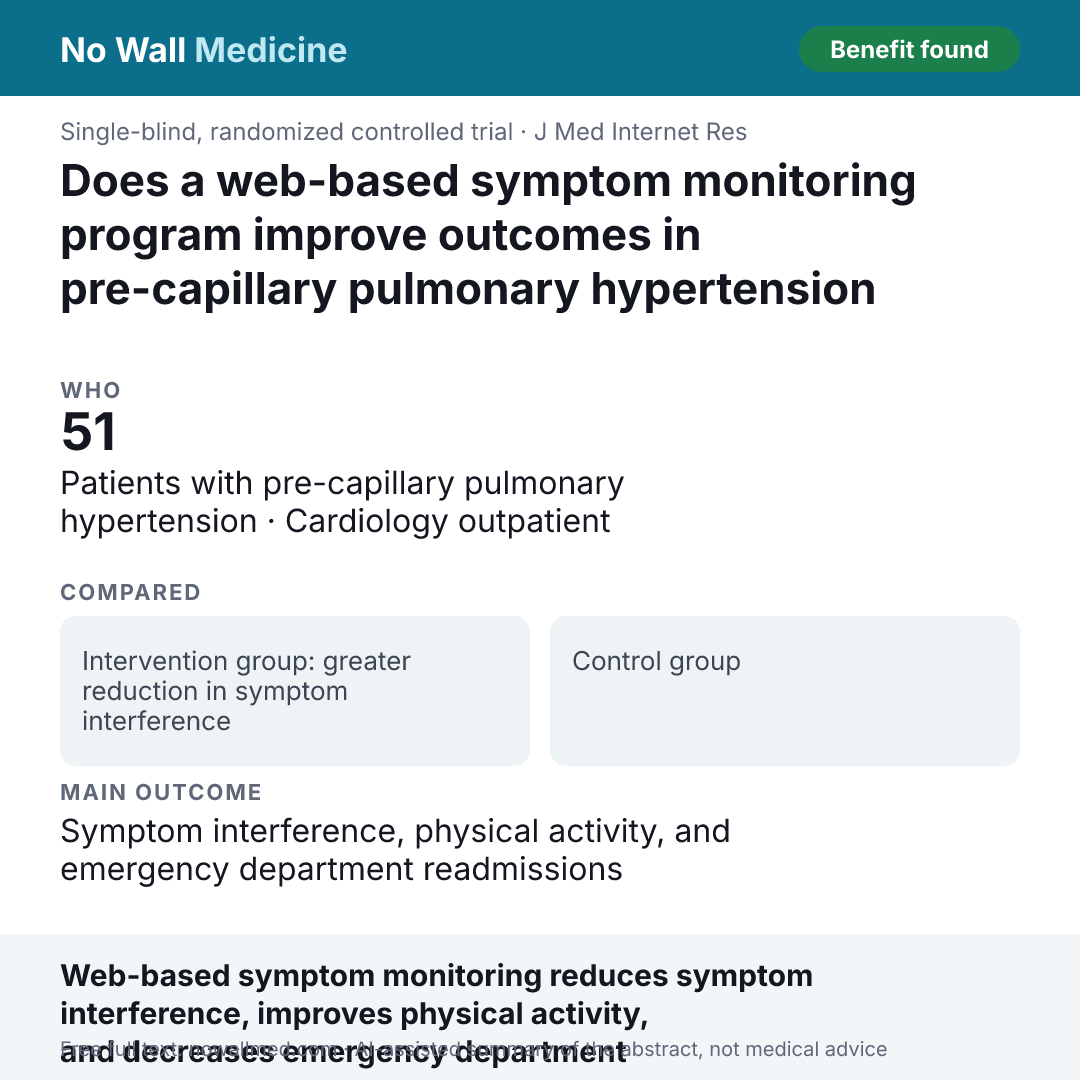
Effects of Web-Based Symptom Monitoring Program on Symptom Interference, Physical Activity, and Emergency Department Readmissions in Patients With Pre-Capillary Pulmonary Hypertension: Randomized Controlled Trial
Single-blind, randomized controlled trialBenefit found
Does a web-based symptom monitoring program improve outcomes in pre-capillary pulmonary hypertension patients?
Who
51
Patients with pre-capillary pulmonary hypertension · Cardiology outpatient department in northern Taiwan
Compared
Intervention group: greater reduction in symptom interference
Control group
Main outcome
Symptom interference, physical activity, and emergency department readmissions
Result: OR=0.35 (95% CI 0.93 to 18.70 for 6-minute walk test; OR=0.35 for emergency department readmissions)
Bottom line: Web-based symptom monitoring reduces symptom interference, improves physical activity, and decreases emergency department readmissions in pulmonary hypertension patients.
J Med Internet Res · 2025-09-15 · Save PNG
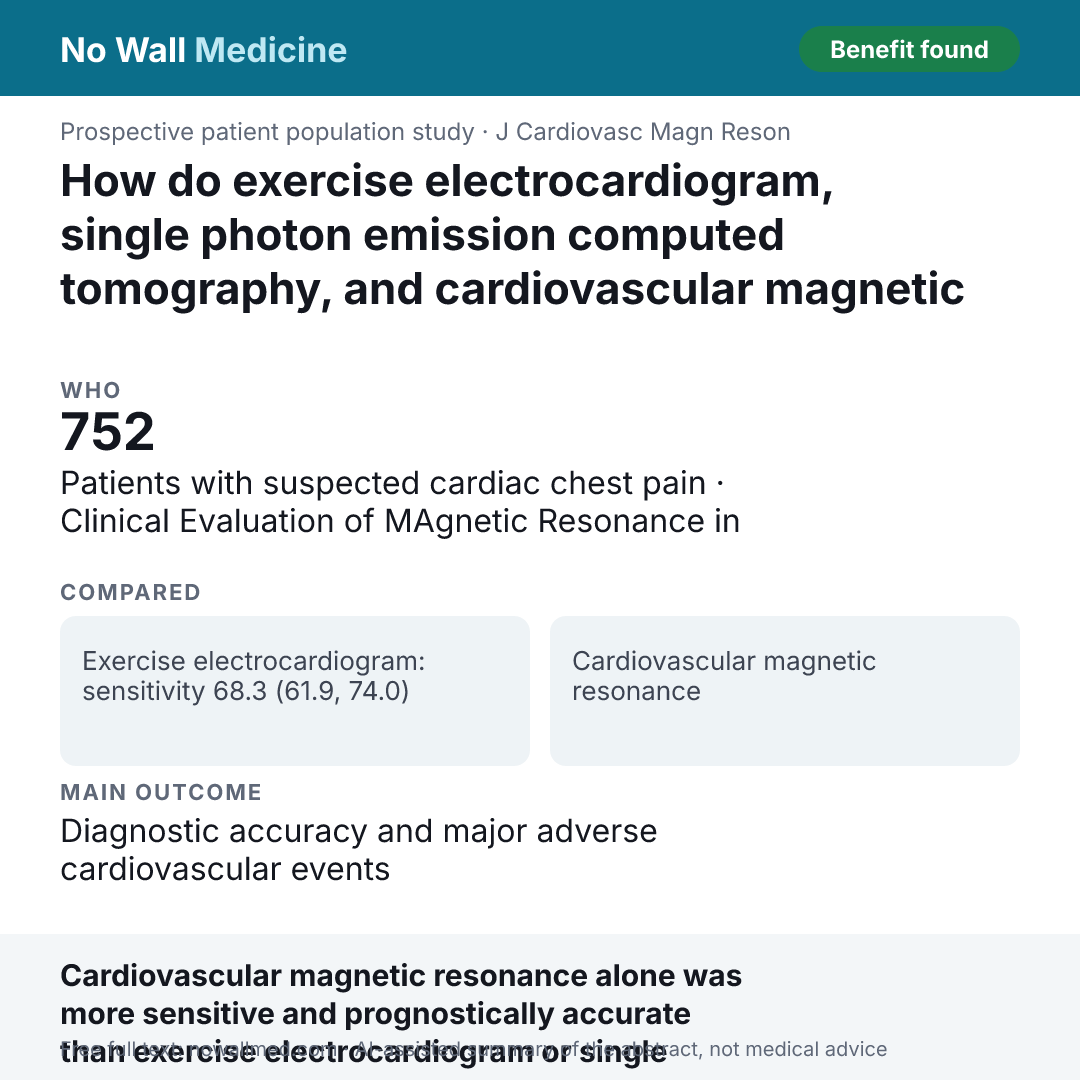
Diagnostic and prognostic comparison of stress electrocardiogram, cardiovascular magnetic resonance, and single photon emission computed tomography, alone and sequentially, in stable chest pain
Prospective patient population studyBenefit found
How do exercise electrocardiogram, single photon emission computed tomography, and cardiovascular magnetic resonance compare?
Who
752
Patients with suspected cardiac chest pain · Clinical Evaluation of MAgnetic Resonance in Coronary heart disease trial
Compared
Exercise electrocardiogram: sensitivity 68.3 (61.9, 74.0)
Cardiovascular magnetic resonance
Main outcome
Diagnostic accuracy and major adverse cardiovascular events
Result: hazard ratio 1.14 [0.75, 1.72]
Bottom line: Cardiovascular magnetic resonance alone was more sensitive and prognostically accurate than exercise electrocardiogram or single photon emission computed tomography.
J Cardiovasc Magn Reson · 2025-09-15 · Save PNG
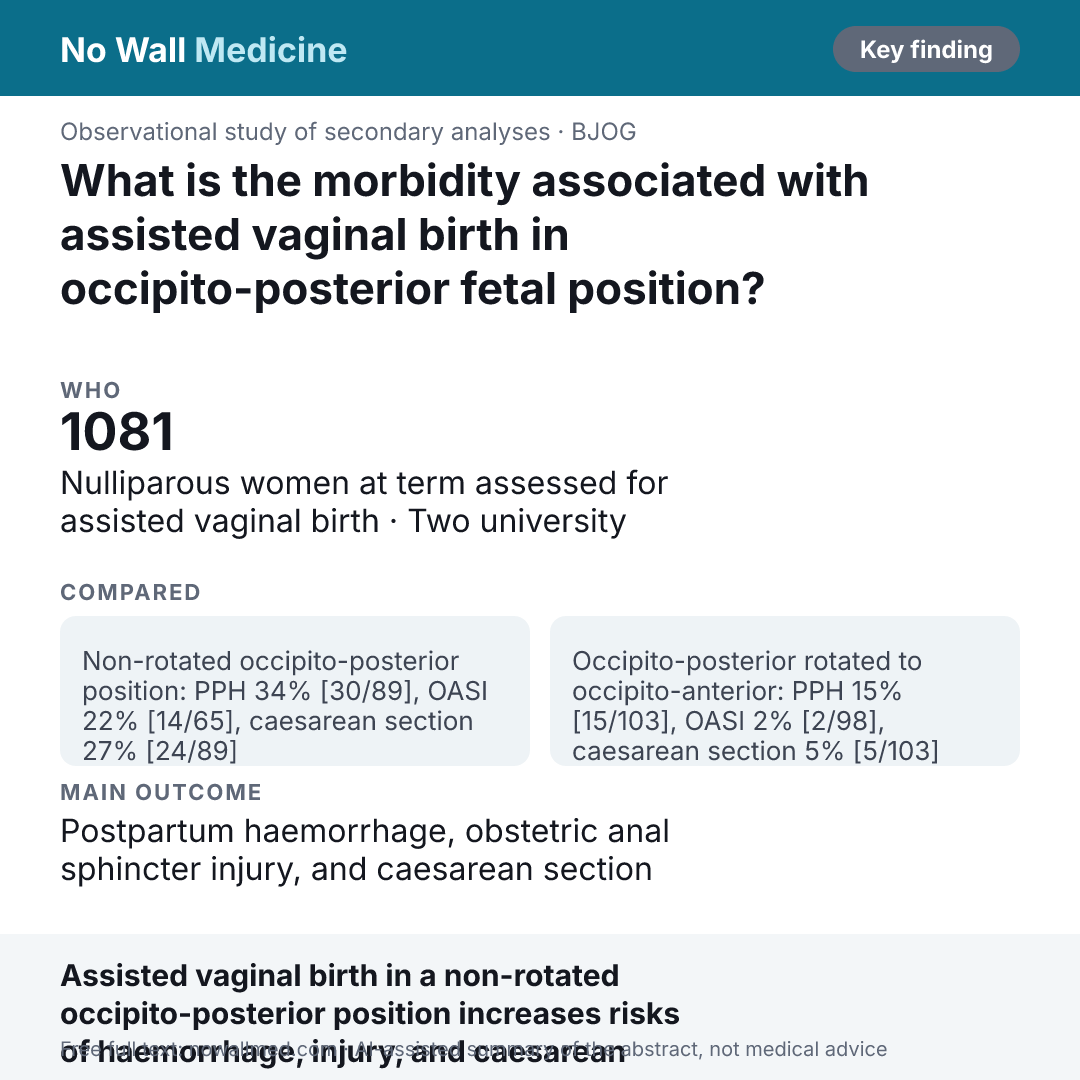
Birth Outcomes Associated With Assisted Vaginal Birth in an Occipito-Posterior Position: Secondary Analyses of a Randomised Controlled Trial and Cohort Study
Observational study of secondary analysesKey finding
What is the morbidity associated with assisted vaginal birth in occipito-posterior fetal position?
Who
1081
Nulliparous women at term assessed for assisted vaginal birth · Two university affiliated maternity hospitals in Ireland
Compared
Non-rotated occipito-posterior position: PPH 34% [30/89], OASI 22% [14/65], caesarean section 27% [24/89]
Occipito-posterior rotated to occipito-anterior: PPH 15% [15/103], OASI 2% [2/98], caesarean section 5% [5/103]
Main outcome
Postpartum haemorrhage, obstetric anal sphincter injury, and caesarean section
Result: adj OR 3.57 (95% CI 1.68 to 7.58) for PPH; adj OR 12.62 (95% CI 2.65 to 60.12) for OASI; adj OR 8.99 (95% CI 3.14 to 25.74) for caesarean section
Bottom line: Assisted vaginal birth in a non-rotated occipito-posterior position increases risks of haemorrhage, injury, and caesarean section.
BJOG · 2025-09-14 · Save PNG
Association between heat and air pollution (PM2.5 and black carbon) exposure in pregnancy and preterm birth in low- and middle-income countries: a systematic review and meta-analysis
Systematic review and meta-analysisHarm found
Do heat and air pollution exposure in pregnancy increase preterm birth risk in low- and middle-income countries?
Who
32
Pregnant women in low- and middle-income countries · Low- and middle-income countries
Compared
Heat exposure: OR=1.29 (first trimester) and 1.39 (third trimester)
Particulate matter 2.5 exposure: OR=1.09
Black carbon exposure: OR=2.74 (third trimester)
Main outcome
Preterm birth
Bottom line: Heat, particulate matter 2.5, and black carbon exposure are associated with increased preterm birth risk in low- and middle-income countries.
Limitation: Few studies investigated the impact of combined exposures and there is a dearth of representative data.
BMJ Paediatr Open · 2025-09-14 · Save PNG

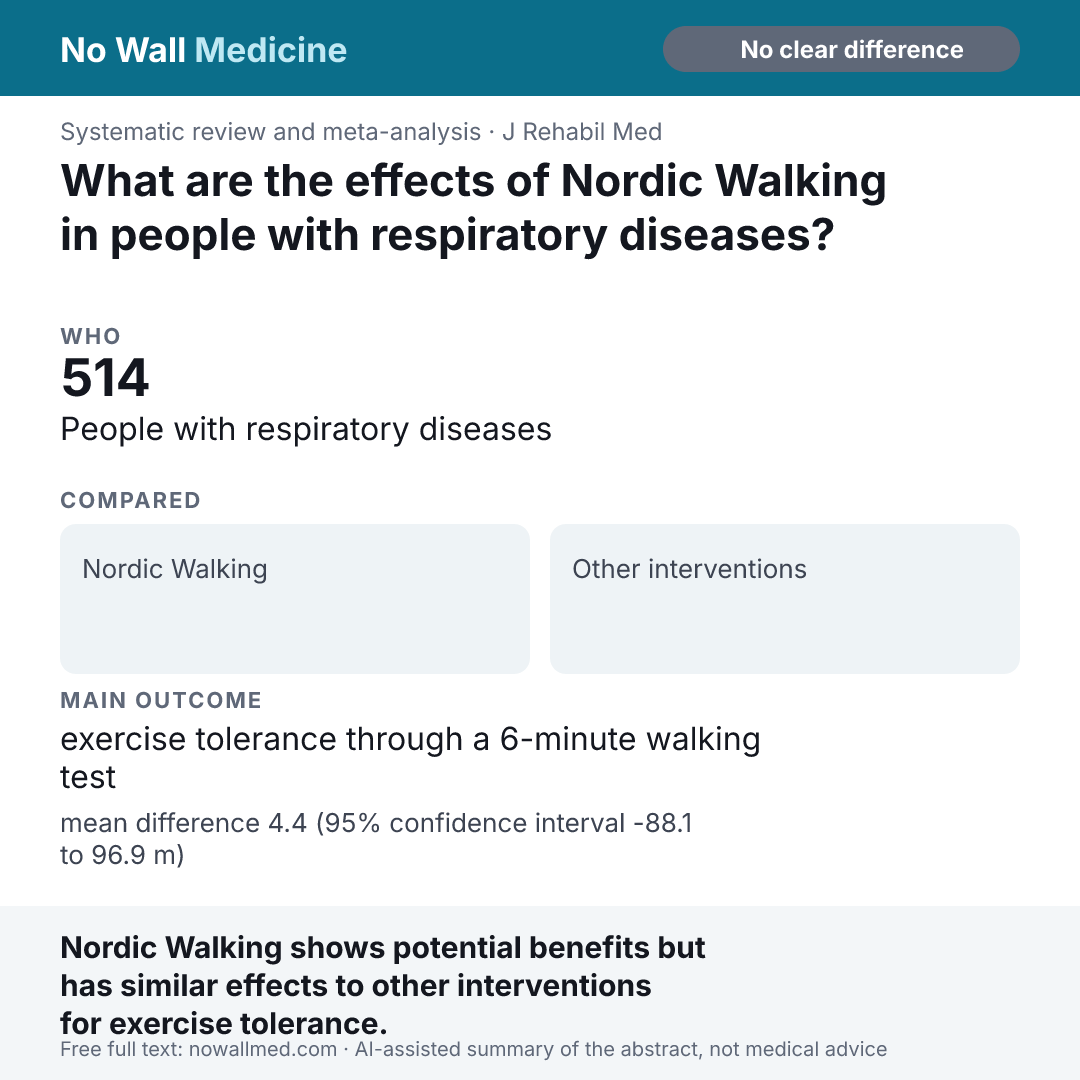
Effects of Nordic Walking in people with respiratory diseases: a systematic review and meta-analysis
Systematic review and meta-analysisNo clear difference
What are the effects of Nordic Walking in people with respiratory diseases?
Who
514
People with respiratory diseases
Compared
Nordic Walking
Other interventions
Main outcome
exercise tolerance through a 6-minute walking test
Result: mean difference 4.4 (95% confidence interval -88.1 to 96.9 m)
Bottom line: Nordic Walking shows potential benefits but has similar effects to other interventions for exercise tolerance.
J Rehabil Med · 2025-09-14 · Save PNG
Effectiveness of organization-directed interventions on healthcare professionals' well-being: a systematic review
Systematic reviewMixed results
Do organization-directed interventions improve healthcare professionals' well-being and work environment?
Who
Hospital staff and healthcare professionals
Compared
Social resources and support interventions: consistently yielded positive effects
Management and building interventions: linked to worse outcomes
Main outcome
Well-being, work environment, retention, and quality of care
Result: standardized mean differences ranging from -3.28 to 3.56
Bottom line: Organization-directed interventions show mixed effects, with social support being beneficial while some management interventions may be detrimental.
Limitation: Overall certainty of evidence was rated very low and most studies showed some risk of bias.
Funded by: NFU and ZIN
eClinicalMedicine · 2025-09-13 · Save PNG

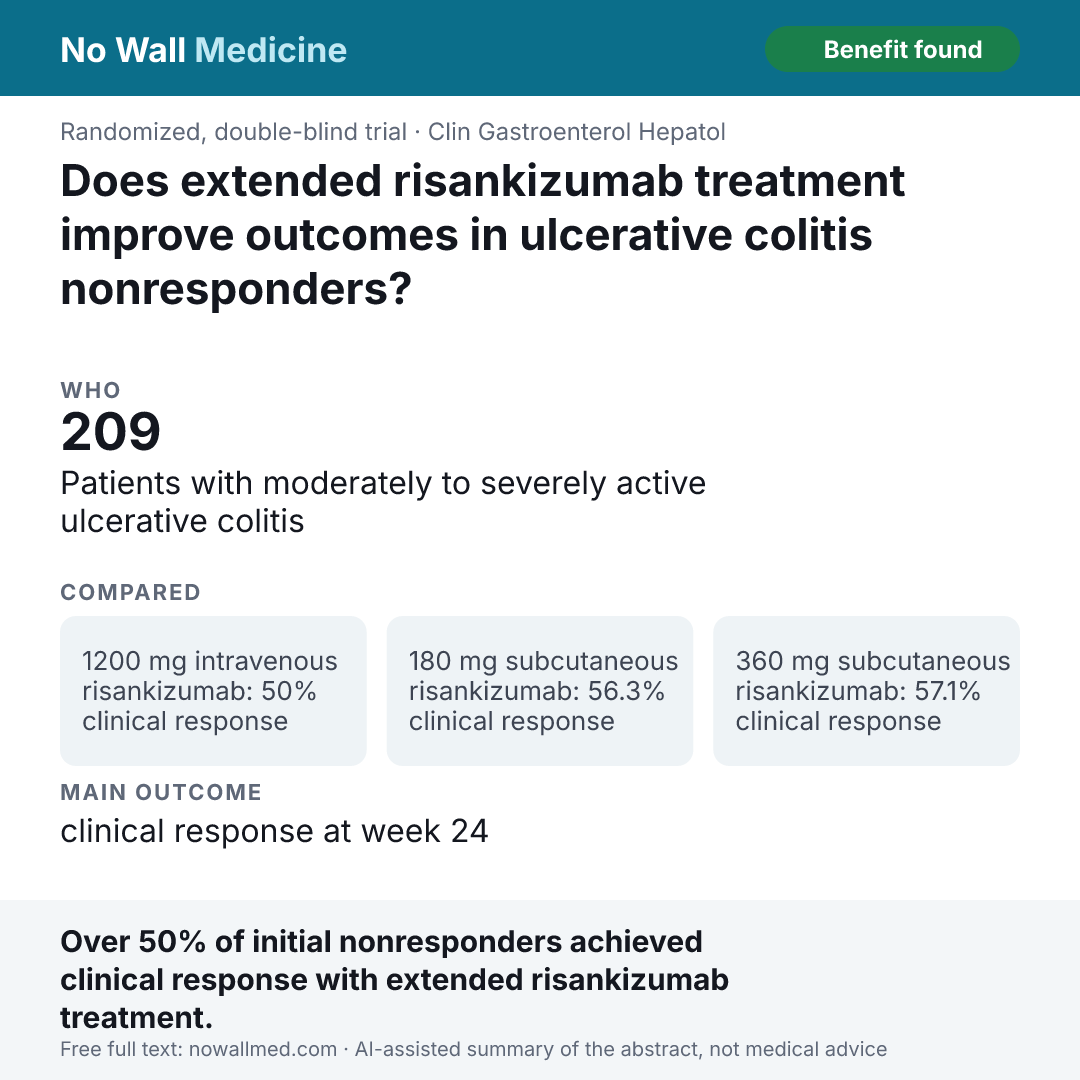
Impact of Extended Risankizumab Treatment in Patients With Ulcerative Colitis Who Did Not Respond to Induction Treatment
Randomized, double-blind trialBenefit found
Does extended risankizumab treatment improve outcomes in ulcerative colitis nonresponders?
Who
209
Patients with moderately to severely active ulcerative colitis
Compared
1200 mg intravenous risankizumab: 50% clinical response
180 mg subcutaneous risankizumab: 56.3% clinical response
360 mg subcutaneous risankizumab: 57.1% clinical response
Main outcome
clinical response at week 24
Bottom line: Over 50% of initial nonresponders achieved clinical response with extended risankizumab treatment.
Clin Gastroenterol Hepatol · 2025-09-13 · Save PNG
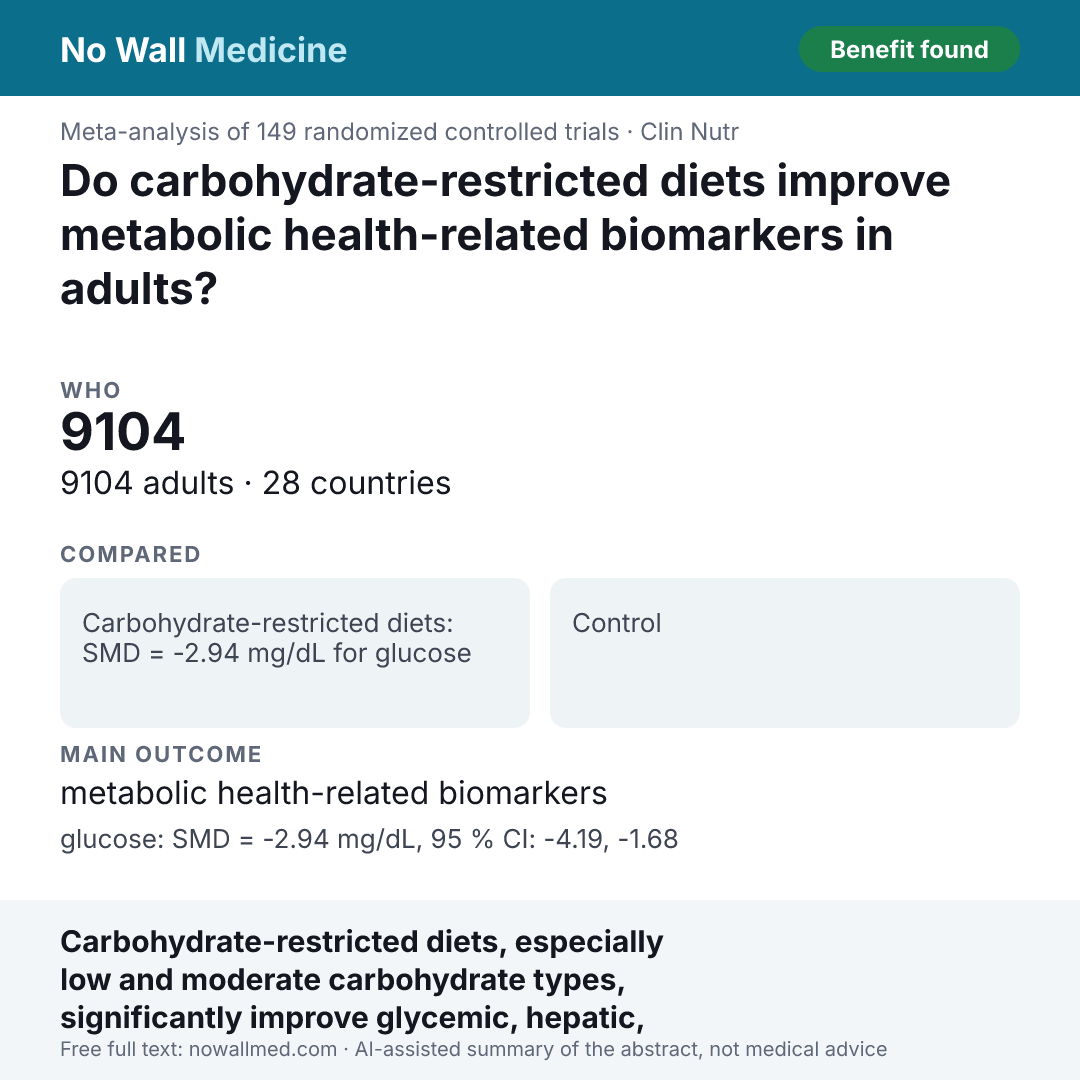
Carbohydrate-restricted diet types and macronutrient replacements for metabolic health in adults: A meta-analysis of randomized trials
Meta-analysis of 149 randomized controlled trialsBenefit found
Do carbohydrate-restricted diets improve metabolic health-related biomarkers in adults?
Who
9104
9104 adults · 28 countries
Compared
Carbohydrate-restricted diets: SMD = -2.94 mg/dL for glucose
Control
Main outcome
metabolic health-related biomarkers
Result: glucose: SMD = -2.94 mg/dL, 95 % CI: -4.19, -1.68
Bottom line: Carbohydrate-restricted diets, especially low and moderate carbohydrate types, significantly improve glycemic, hepatic, renal, and adipokine biomarkers.
Clin Nutr · 2025-09-13 · Save PNG
Horizontal versus vertical scapular free flap reconstructions in total maxillectomies without orbital exenteration-A systematic review and clinical case series
Systematic review and clinical case seriesBenefit found
Is horizontal or vertical scapular free flap better for total maxillectomy reconstructions?
Who
44
Patients undergoing total maxillectomy without orbital exenteration · Tertiary care center in Sweden
Compared
Vertically orientated scapulas: fewer complications
Horizontally orientated scapulas
Main outcome
Postoperative complications related to ocular and palato-maxillary outcomes
Result: p = 0.04
Bottom line: Vertically orientated scapula with an osteotomized fragment for orbital floor reconstruction may offer a single flap solution.
Limitation: No universally optimal technique exists for reconstructing the total maxillectomy without orbital exenteration.
JPRAS Open · 2025-09-13 · Save PNG

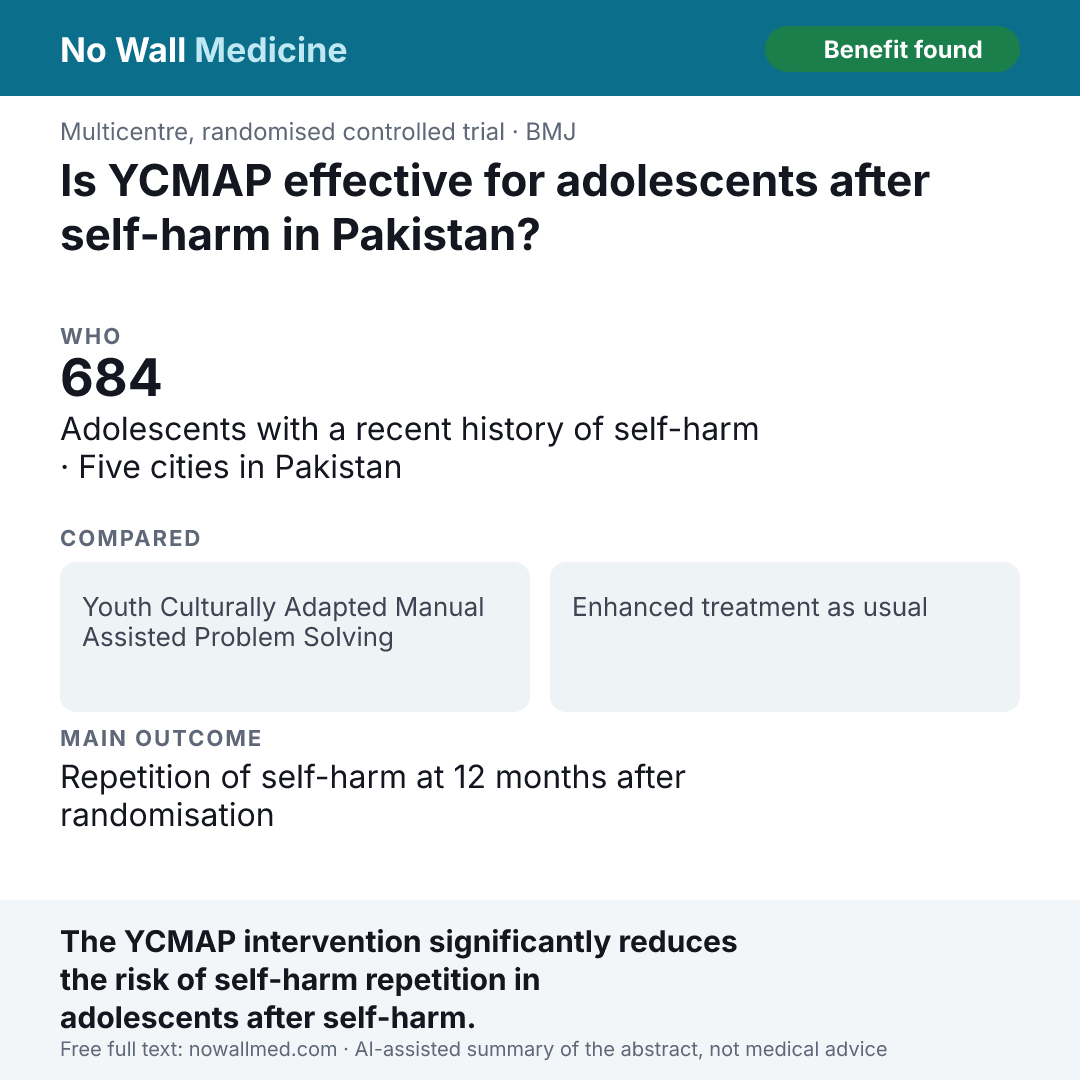
Effectiveness of YCMAP (youth culturally adapted manual assisted problem solving) intervention in adolescents after self-harm in Pakistan: multicentre, randomised controlled trial
Multicentre, randomised controlled trialBenefit found
Is YCMAP effective for adolescents after self-harm in Pakistan?
Who
684
Adolescents with a recent history of self-harm · Five cities in Pakistan
Compared
Youth Culturally Adapted Manual Assisted Problem Solving
Enhanced treatment as usual
Main outcome
Repetition of self-harm at 12 months after randomisation
Result: odds ratio 0.20 (95% confidence interval 0.06 to 0.70)
Bottom line: The YCMAP intervention significantly reduces the risk of self-harm repetition in adolescents after self-harm.
BMJ · 2025-09-12 · Save PNG
A post-diagnostic psycho-education, acceptance and commitment therapy programme for caregivers of children recently diagnosed with autism: a randomised controlled trial-based cost-effectiveness analysis (REACH-ASD Trial)
Multicentre, assessor-masked, randomised controlled trialMixed results
Is Empower-Autism plus treatment as usual cost-effective for caregivers of children with autism?
Who
379
379 primary caregivers of children with a recent autism spectrum disorder diagnosis · North-West England
Compared
Empower-Autism plus treatment as usual
Treatment as usual alone
Main outcome
quality-adjusted life years at 52-week follow-up
Result: ICER ∼£51 k
Bottom line: The intervention shows some indication of being cost-effective, though results vary between primary and complete case analyses.
Limitation: The proportion of participants with incomplete data, likely due to the COVID-19 pandemic, results in uncertainty.
Funded by: NIHRHTA Programme
eClinicalMedicine · 2025-09-12 · Save PNG

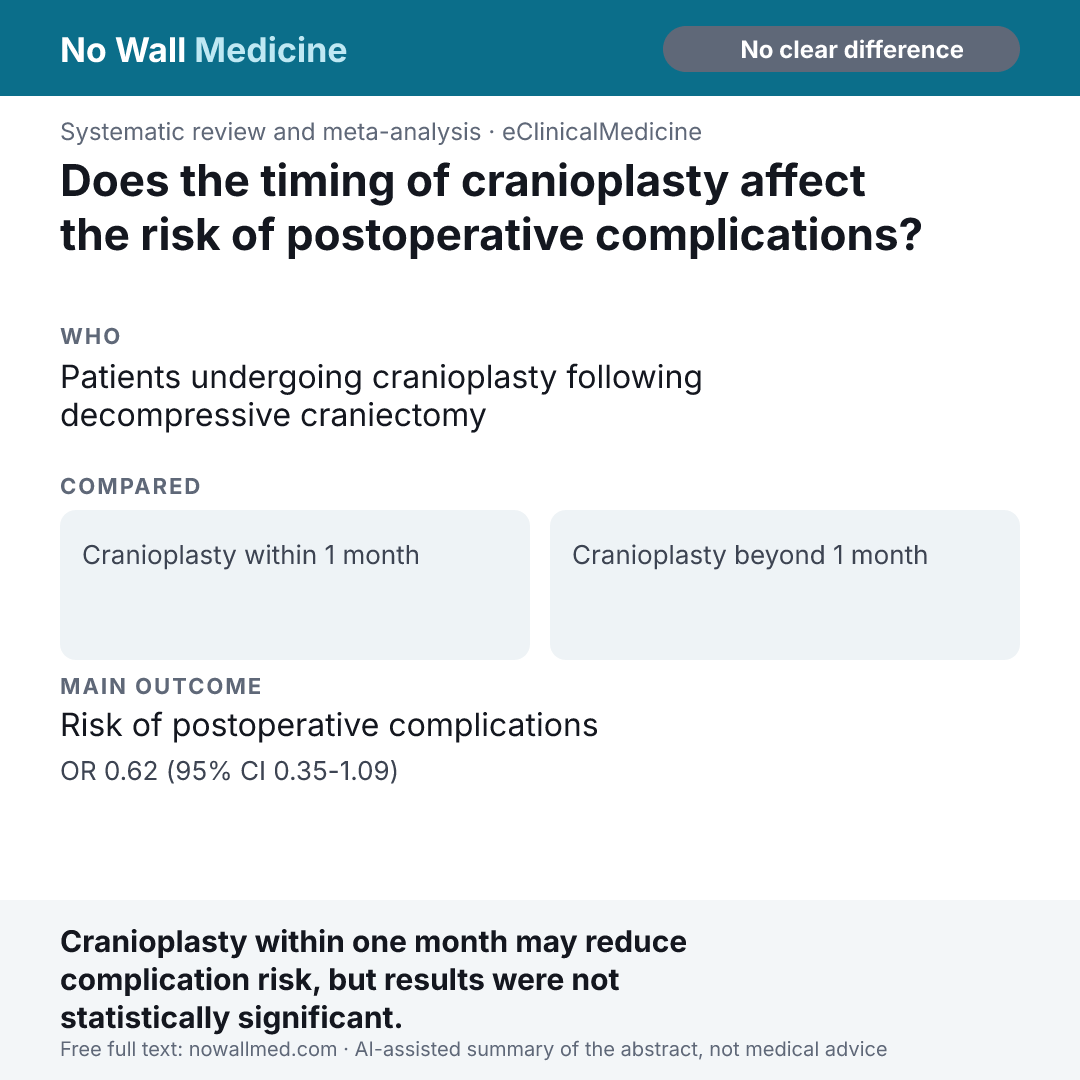
The timing of cranioplasty and the risk of postoperative complications: a systematic review and meta-analysis
Systematic review and meta-analysisNo clear difference
Does the timing of cranioplasty affect the risk of postoperative complications?
Who
Patients undergoing cranioplasty following decompressive craniectomy
Compared
Cranioplasty within 1 month
Cranioplasty beyond 1 month
Main outcome
Risk of postoperative complications
Result: OR 0.62 (95% CI 0.35-1.09)
Bottom line: Cranioplasty within one month may reduce complication risk, but results were not statistically significant.
Funded by: President Foundation of ZhuJiang Hospital and others
eClinicalMedicine · 2025-09-12 · Save PNG
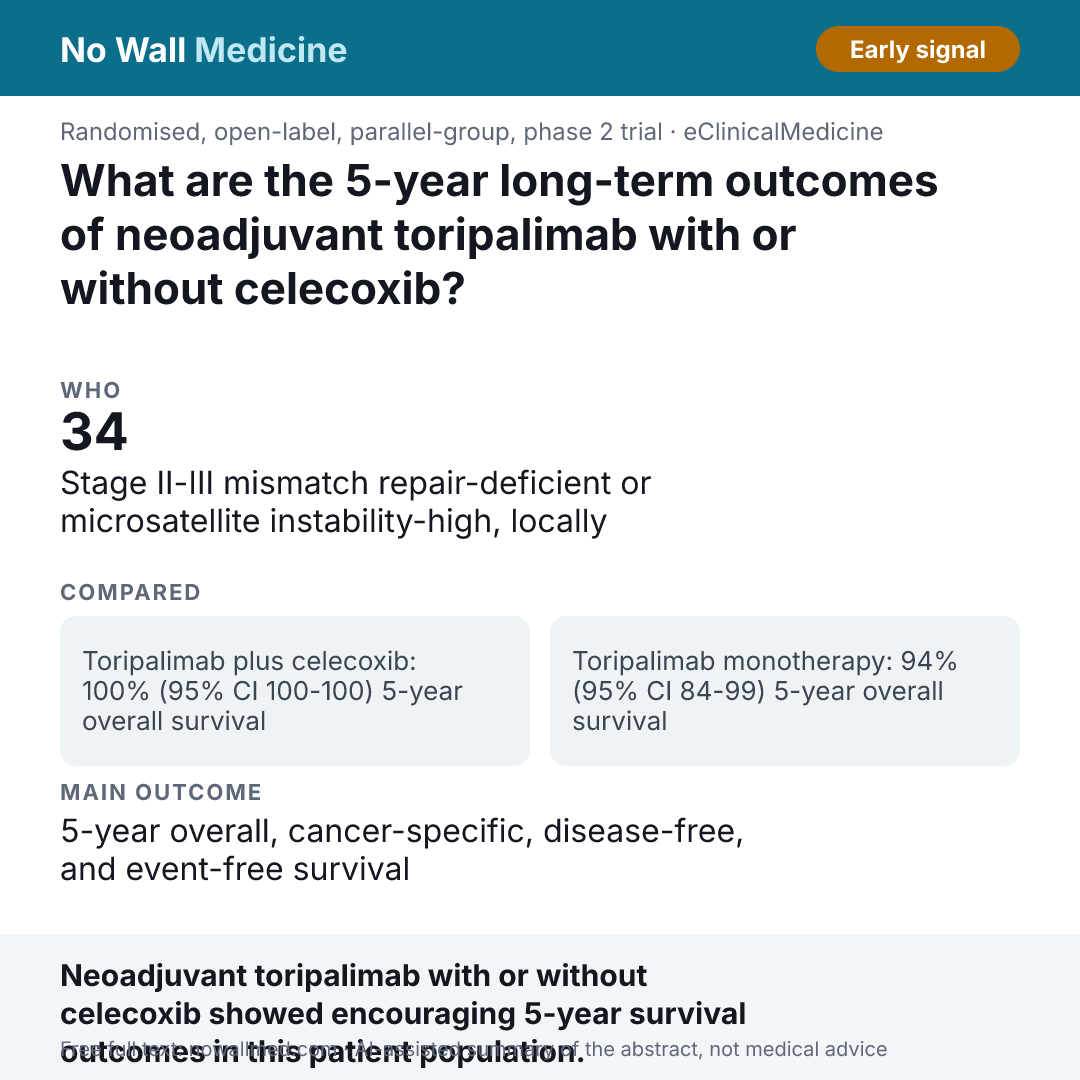
Neoadjuvant PD-1 blockade with toripalimab with or without celecoxib for patients with mismatch repair-deficient or microsatellite instability-high, locally advanced, colorectal cancer (PICC): long-term outcomes of a single-centre, parallel-group, non-comparative, randomised phase 2 trial
Randomised, open-label, parallel-group, phase 2 trialEarly signal
What are the 5-year long-term outcomes of neoadjuvant toripalimab with or without celecoxib?
Who
34
Stage II-III mismatch repair-deficient or microsatellite instability-high, locally advanced colorectal cancer · Single-centre
Compared
Toripalimab plus celecoxib: 100% (95% CI 100-100) 5-year overall survival
Toripalimab monotherapy: 94% (95% CI 84-99) 5-year overall survival
Main outcome
5-year overall, cancer-specific, disease-free, and event-free survival
Bottom line: Neoadjuvant toripalimab with or without celecoxib showed encouraging 5-year survival outcomes in this patient population.
Limitation: This was a single-centre, non-comparative, phase 2 study.
Funded by: National Natural Science Foundation of China and others
eClinicalMedicine · 2025-09-12 · Save PNG
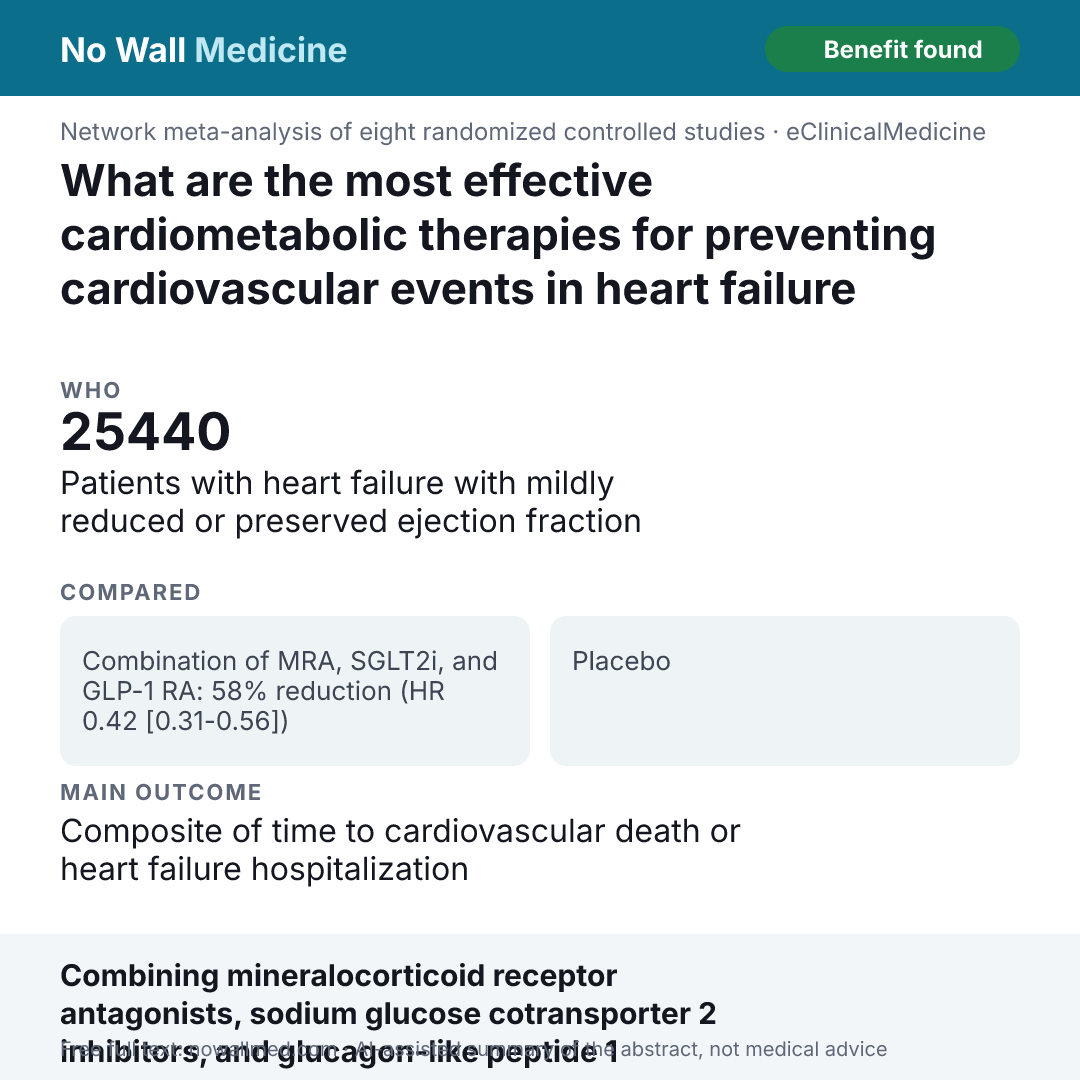
Prevention of cardiovascular events in heart failure with mildly reduced or preserved ejection fraction: a comprehensive network meta-analysis of eight randomized controlled trials using reconstructed individual patient's data
Network meta-analysis of eight randomized controlled studiesBenefit found
What are the most effective cardiometabolic therapies for preventing cardiovascular events in heart failure patients?
Who
25440
Patients with heart failure with mildly reduced or preserved ejection fraction
Compared
Combination of MRA, SGLT2i, and GLP-1 RA: 58% reduction (HR 0.42 [0.31-0.56])
Placebo
Main outcome
Composite of time to cardiovascular death or heart failure hospitalization
Result: hazard ratio 0.42 (95% CI 0.31 to 0.56)
Bottom line: Combining mineralocorticoid receptor antagonists, sodium glucose cotransporter 2 inhibitors, and glucagon-like peptide 1 receptor agonists reduces cardiovascular events.
Limitation: Large-scale randomized combination therapies with extended follow-up are needed to confirm these findings.
eClinicalMedicine · 2025-09-12 · Save PNG
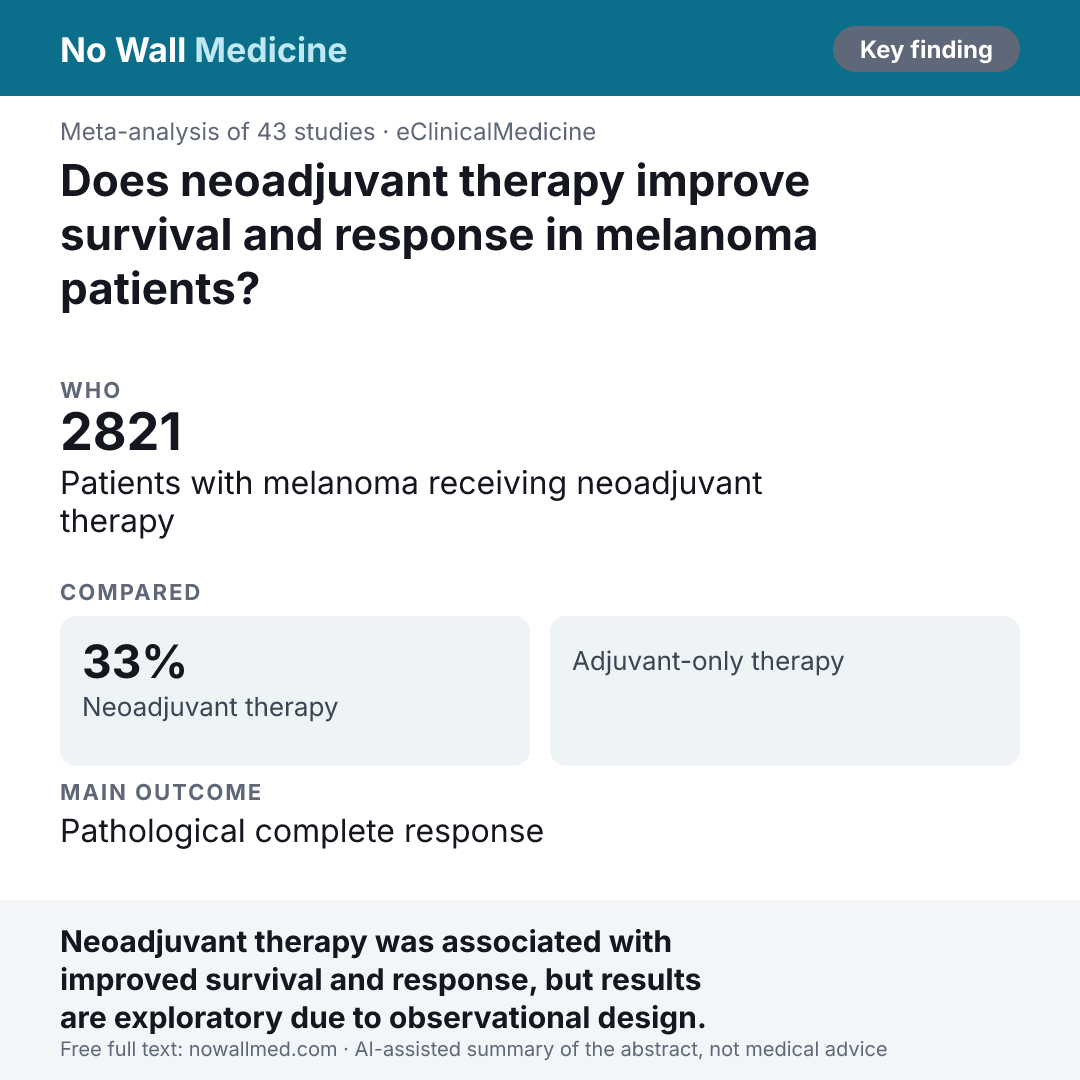
Effect of neoadjuvant therapy on survival outcomes in patients with melanoma: a systematic review and meta-analysis
Meta-analysis of 43 studiesKey finding
Does neoadjuvant therapy improve survival and response in melanoma patients?
Who
2821
Patients with melanoma receiving neoadjuvant therapy
Compared
33%Neoadjuvant therapy (95% CI: 27%-39%)
Adjuvant-only therapy
Main outcome
Pathological complete response
Result: hazard ratio 0.64 (95% CI: 0.41-0.99)
Bottom line: Neoadjuvant therapy was associated with improved survival and response, but results are exploratory due to observational design.
Limitation: Majority of included studies are single-arm or observational studies
eClinicalMedicine · 2025-09-12 · Save PNG