Visual abstracts
New randomized trials and meta-analyses from leading journals at a glance: who was studied, what was compared, and what was found. Every paper is free to read in full.
All specialtiesCardiology 4763Oncology 4043Gastroenterology & Hepatology 1903Infectious Disease 3756Neurology 1872Psychiatry & Mental Health 2216Pulmonology 2044Critical Care 1319Endocrinology & Diabetes 2544Pediatrics 2889Surgery 2480Orthopedics & Sports Medicine 917Neurosurgery 525Cardiothoracic & Vascular Surgery 656Plastic & Reconstructive Surgery 574Nephrology 1107Rheumatology 810Hematology 1090Dermatology 611Ophthalmology 532Obstetrics & Gynecology 1645Public & Global Health 1037Radiology & Imaging 619Anesthesiology 958Urology 745ENT (Otolaryngology) 494Emergency Medicine 481Allergy & Immunology 309Geriatrics 972Family Medicine & Primary Care 534Medical Genetics & Genomics 659Pathology & Laboratory Medicine 156Physical Medicine & Rehabilitation 734Palliative Care 421Nutrition 1560Digital Health & AI 2137General Medicine 318
Treatment strategies for patients with ischemic mitral regurgitation: a systematic review and meta-analysis
Systematic review and meta-analysisMixed results
What are the outcomes of different treatment strategies for ischemic mitral regurgitation?
Who
3001
Patients with ischemic mitral regurgitation
Compared
Coronary artery bypass grafting plus mitral valve replacement: 37.5% five-year mortality
Percutaneous coronary intervention alone: 41.8% five-year mortality
Percutaneous coronary intervention plus transcatheter edge-to-edge repair: 13.8% (95% CI 3.9%-31.7%) in-hospital/30-day mortality
Main outcome
In-hospital, 30-day, and long-term mortality and complications
Bottom line: Coronary artery bypass grafting plus mitral valve replacement showed superior long-term survival but higher perioperative risks than percutaneous coronary intervention.
Limitation: Robust comparative trials are needed to optimize ischemic mitral regurgitation management.
Int J Surg · 2025-08-12 · Save PNG

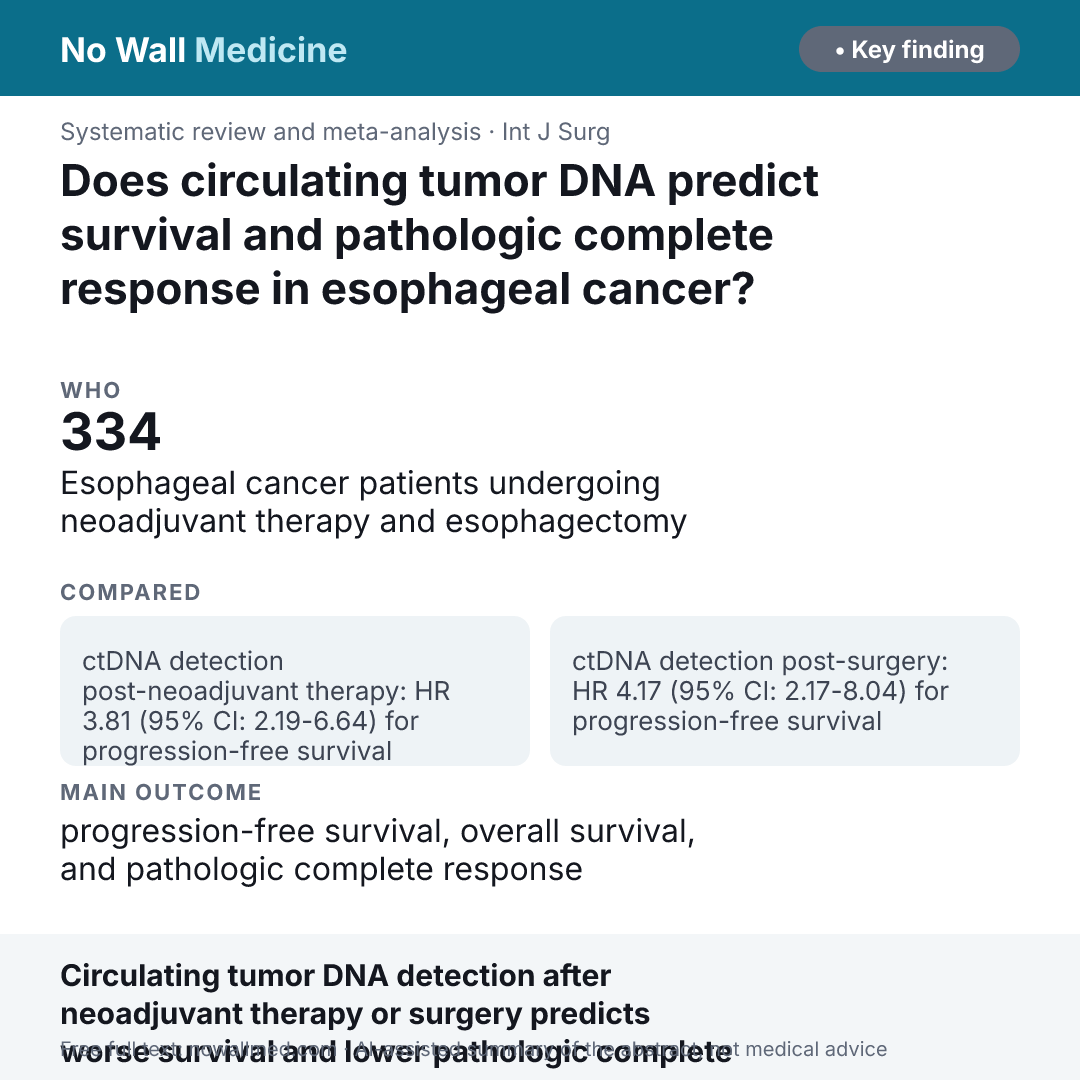
Circulating tumor DNA as a biomarker for progression and survival in esophageal cancer after neoadjuvant therapy and esophagectomy: a systematic review and meta-analysis
Systematic review and meta-analysisKey finding
Does circulating tumor DNA predict survival and pathologic complete response in esophageal cancer?
Who
334
Esophageal cancer patients undergoing neoadjuvant therapy and esophagectomy
Compared
ctDNA detection post-neoadjuvant therapy: HR 3.81 (95% CI: 2.19-6.64) for progression-free survival
ctDNA detection post-surgery: HR 4.17 (95% CI: 2.17-8.04) for progression-free survival
Main outcome
progression-free survival, overall survival, and pathologic complete response
Result: HR 3.81 (95% CI: 2.19-6.64) for progression-free survival post-neoadjuvant therapy
Bottom line: Circulating tumor DNA detection after neoadjuvant therapy or surgery predicts worse survival and lower pathologic complete response rates.
Limitation: Further standardization of circulating tumor DNA detection methods is essential.
Int J Surg · 2025-08-12 · Save PNG
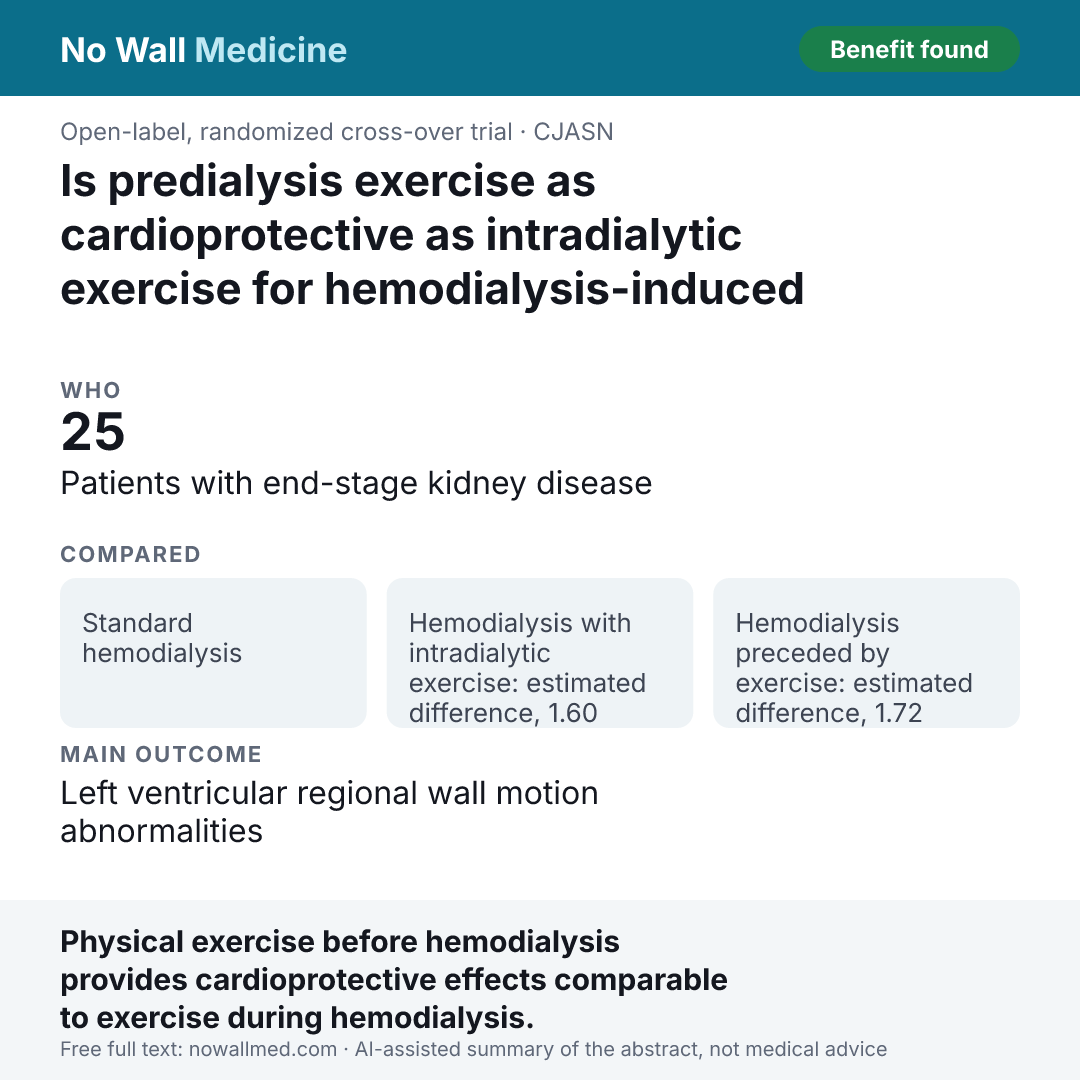
Acute Exercise before Dialysis Is as Cardioprotective as during Dialysis: A Randomized Controlled Trial
Open-label, randomized cross-over trialBenefit found
Is predialysis exercise as cardioprotective as intradialytic exercise for hemodialysis-induced myocardial stunning?
Who
25
Patients with end-stage kidney disease
Compared
Standard hemodialysis
Hemodialysis with intradialytic exercise: estimated difference, 1.60 segments (95% confidence interval, 0.09 to 3.10)
Hemodialysis preceded by exercise: estimated difference, 1.72 segments (95% confidence interval, 0.21 to 3.22)
Main outcome
Left ventricular regional wall motion abnormalities
Bottom line: Physical exercise before hemodialysis provides cardioprotective effects comparable to exercise during hemodialysis.
CJASN · 2025-08-12 · Save PNG
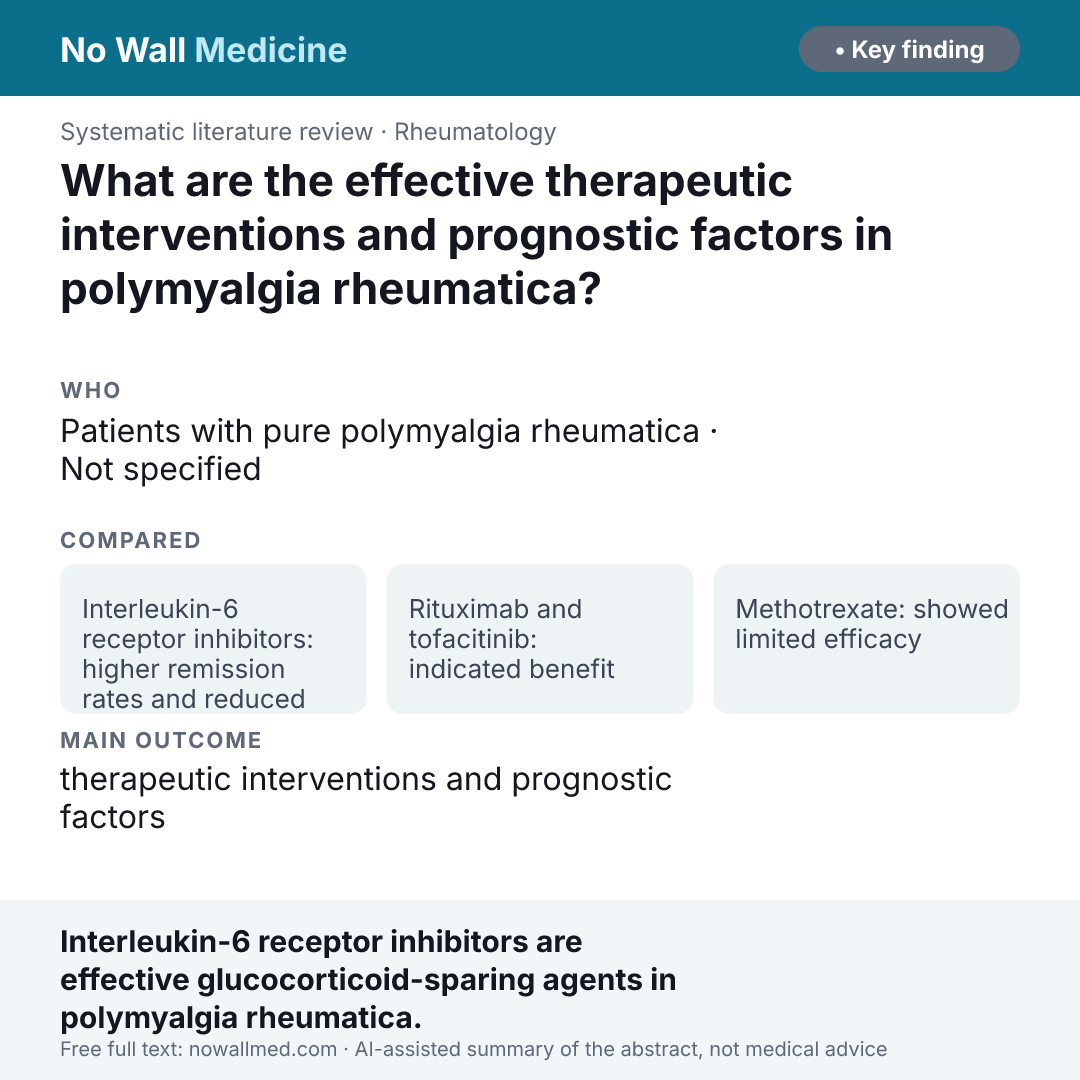
Treatment and prognostic factors in PMR: a systematic literature review informing German, Austrian and Swiss guidelines
Systematic literature reviewKey finding
What are the effective therapeutic interventions and prognostic factors in polymyalgia rheumatica?
Who
Patients with pure polymyalgia rheumatica · Not specified
Compared
Interleukin-6 receptor inhibitors: higher remission rates and reduced glucocorticoid use
Rituximab and tofacitinib: indicated benefit
Methotrexate: showed limited efficacy
Main outcome
therapeutic interventions and prognostic factors
Bottom line: Interleukin-6 receptor inhibitors are effective glucocorticoid-sparing agents in polymyalgia rheumatica.
Limitation: Studies on prognostic factors were of variable quality and yielded inconclusive results.
Rheumatology · 2025-08-12 · Save PNG
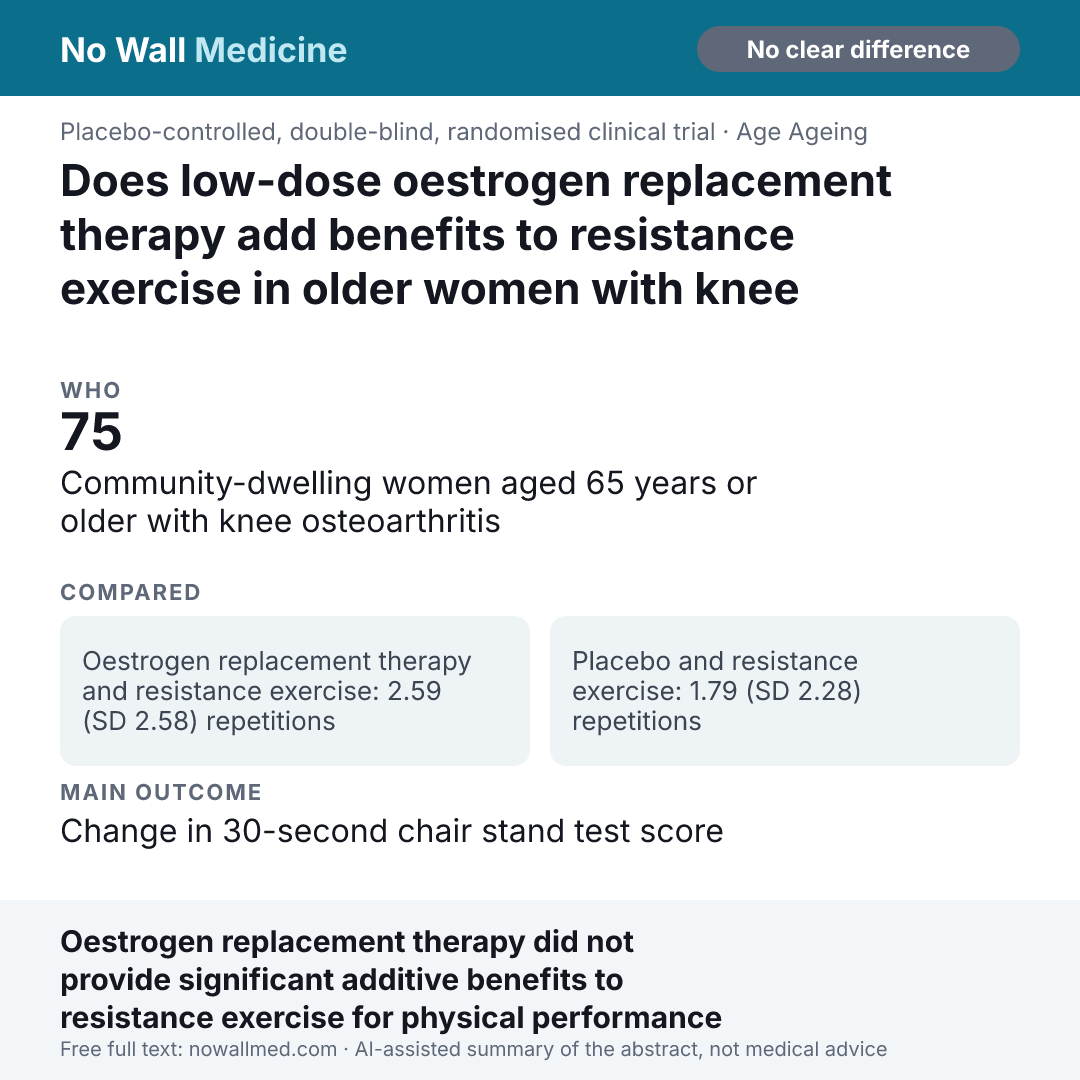
Oestrogen replacement combined with resistance exercise in older women with knee osteoarthritis: a randomised, double-blind, placebo-controlled clinical trial
Placebo-controlled, double-blind, randomised clinical trialNo clear difference
Does low-dose oestrogen replacement therapy add benefits to resistance exercise in older women with knee osteoarthritis?
Who
75
Community-dwelling women aged 65 years or older with knee osteoarthritis
Compared
Oestrogen replacement therapy and resistance exercise: 2.59 (SD 2.58) repetitions
Placebo and resistance exercise: 1.79 (SD 2.28) repetitions
Main outcome
Change in 30-second chair stand test score
Result: regression coefficient: 0.81 (95% CI: -0.31, 1.92)
Bottom line: Oestrogen replacement therapy did not provide significant additive benefits to resistance exercise for physical performance in older women.
Age Ageing · 2025-08-12 · Save PNG
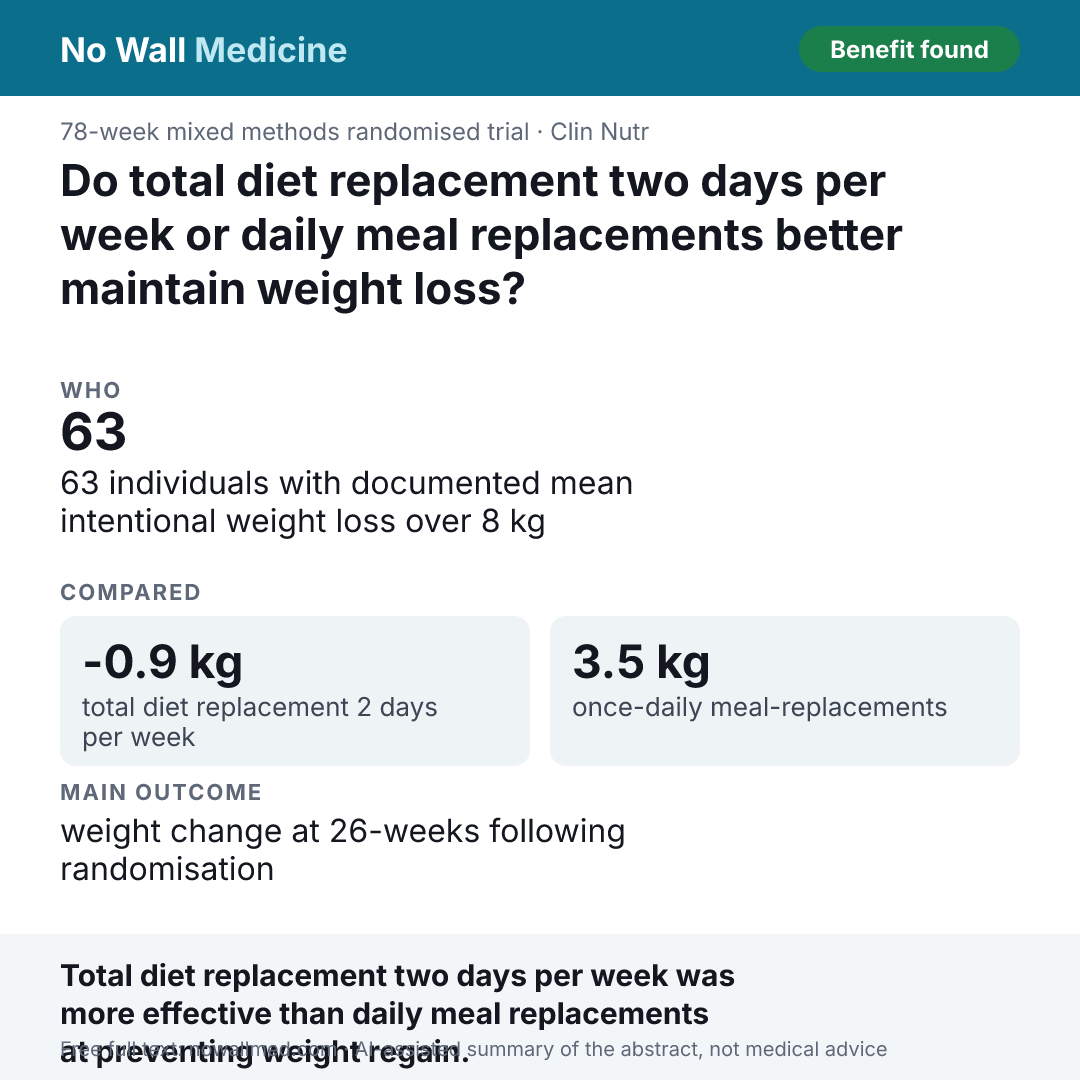
Diet strategies for maintaining substantial therapeutic weight loss: 78-week mixed methods randomised trial
78-week mixed methods randomised trialBenefit found
Do total diet replacement two days per week or daily meal replacements better maintain weight loss?
Who
63
63 individuals with documented mean intentional weight loss over 8 kg
Compared
-0.9 kgtotal diet replacement 2 days per week (95% CI -2.9, 1.5 kg)
3.5 kgonce-daily meal-replacements (95% CI 1.3, 5.5 kg)
Main outcome
weight change at 26-weeks following randomisation
Result: -4.4 kg (95% CI -7.3, -1.6 kg)
Bottom line: Total diet replacement two days per week was more effective than daily meal replacements at preventing weight regain.
Clin Nutr · 2025-08-12 · Save PNG
Plant-based diets and risk of type 2 diabetes: systematic review and dose-response meta-analysis
Systematic review and dose-response meta-analysisKey finding
Do plant-based, vegetarian, or vegan diets affect type 2 diabetes risk?
Who
Adult subjects
Compared
Vegan diet: RR = 0·65 (95 % CI 0·42, 1·00)
Lacto-ovo-vegetarian diet: RR = 0·68 (0·57, 0·82)
Healthy plant-based index: RR = 0·76 (0·69, 0·82)
Unhealthy plant-based index: RR = 1·13 (0·98, 1·30)
Main outcome
Type 2 diabetes risk
Bottom line: Vegetarian and healthy plant-based diets may reduce type 2 diabetes risk, while unhealthy plant-based diets may increase it.
Limitation: The association for the vegan diet was statistically imprecise.
Br J Nutr · 2025-08-12 · Save PNG

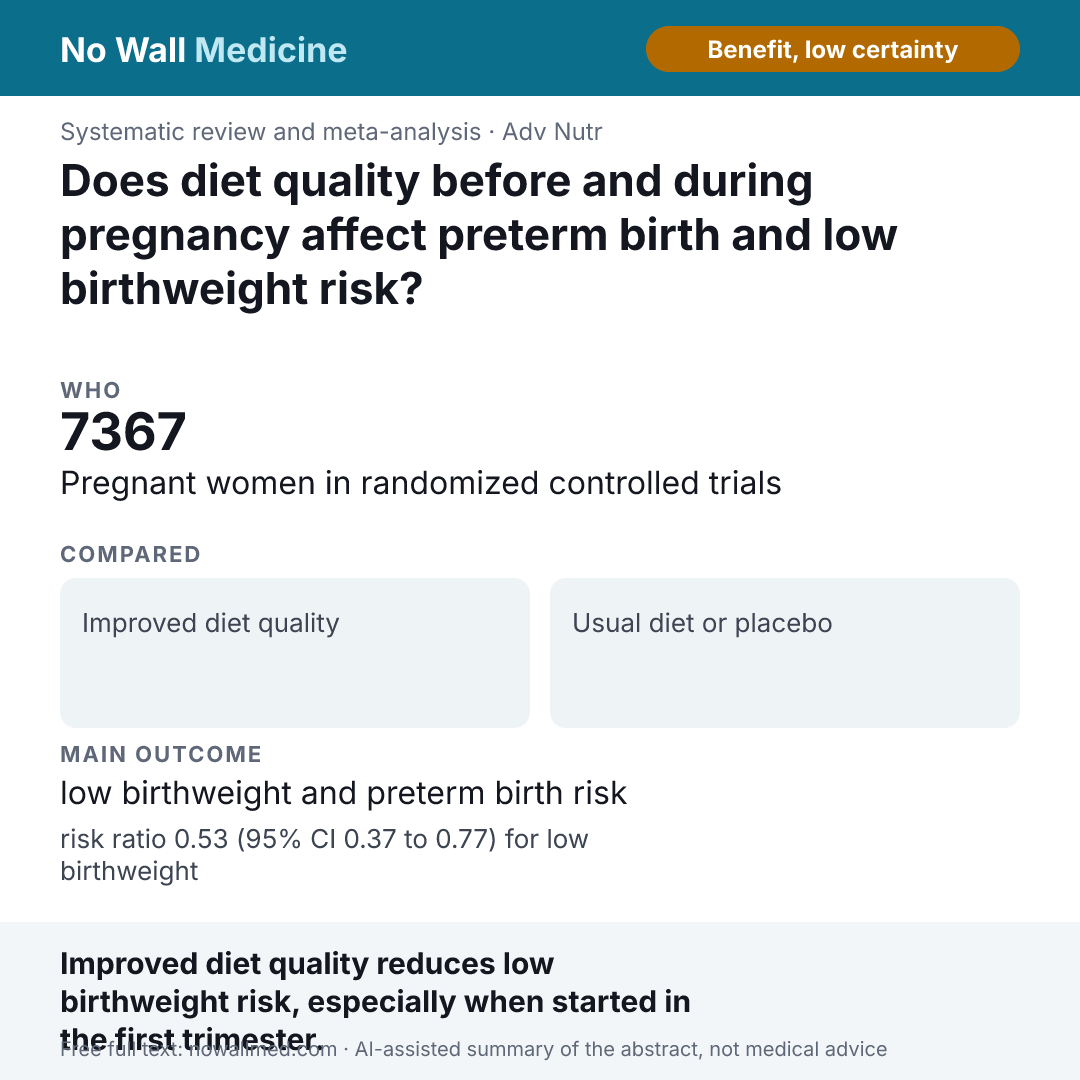
Dietary Patterns and Diet Quality before and/or during Pregnancy and How These Affect Birth Outcomes: A Systematic Review and Meta-analysis
Systematic review and meta-analysisBenefit, low certainty
Does diet quality before and during pregnancy affect preterm birth and low birthweight risk?
Who
7367
Pregnant women in randomized controlled trials
Compared
Improved diet quality
Usual diet or placebo
Main outcome
low birthweight and preterm birth risk
Result: risk ratio 0.53 (95% CI 0.37 to 0.77) for low birthweight
Bottom line: Improved diet quality reduces low birthweight risk, especially when started in the first trimester.
Limitation: low certainty of evidence
Adv Nutr · 2025-08-12 · Save PNG
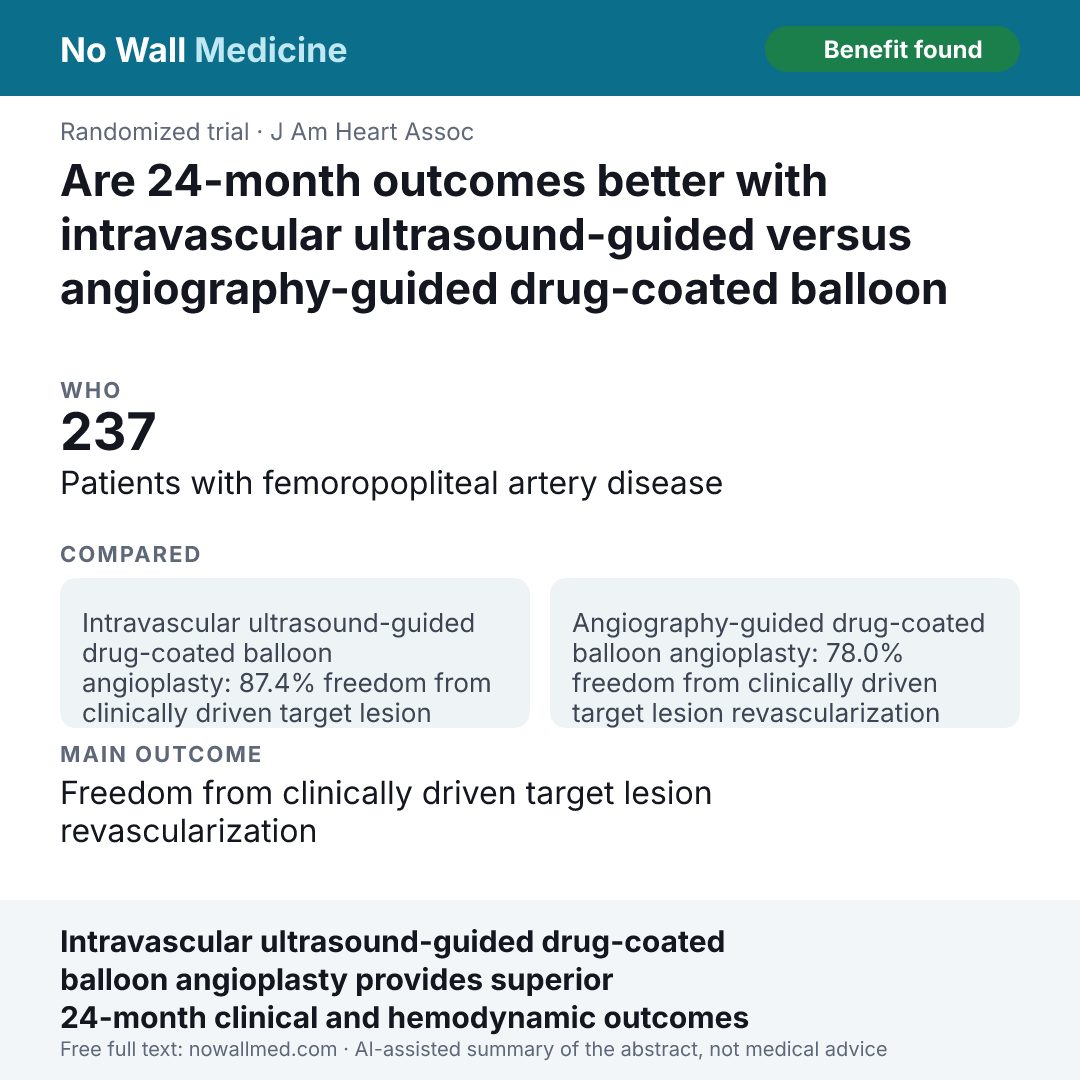
Twenty-Four-Month Outcomes of Intravascular Ultrasound-Guided Drug-Coated Balloon Angioplasty for Femoropopliteal Artery Disease
Randomized trialBenefit found
Are 24-month outcomes better with intravascular ultrasound-guided versus angiography-guided drug-coated balloon angioplasty?
Who
237
Patients with femoropopliteal artery disease
Compared
Intravascular ultrasound-guided drug-coated balloon angioplasty: 87.4% freedom from clinically driven target lesion revascularization
Angiography-guided drug-coated balloon angioplasty: 78.0% freedom from clinically driven target lesion revascularization
Main outcome
Freedom from clinically driven target lesion revascularization
Result: hazard ratio 0.46 (95% CI 0.24-0.88)
Bottom line: Intravascular ultrasound-guided drug-coated balloon angioplasty provides superior 24-month clinical and hemodynamic outcomes for femoropopliteal artery disease.
J Am Heart Assoc · 2025-08-12 · Save PNG
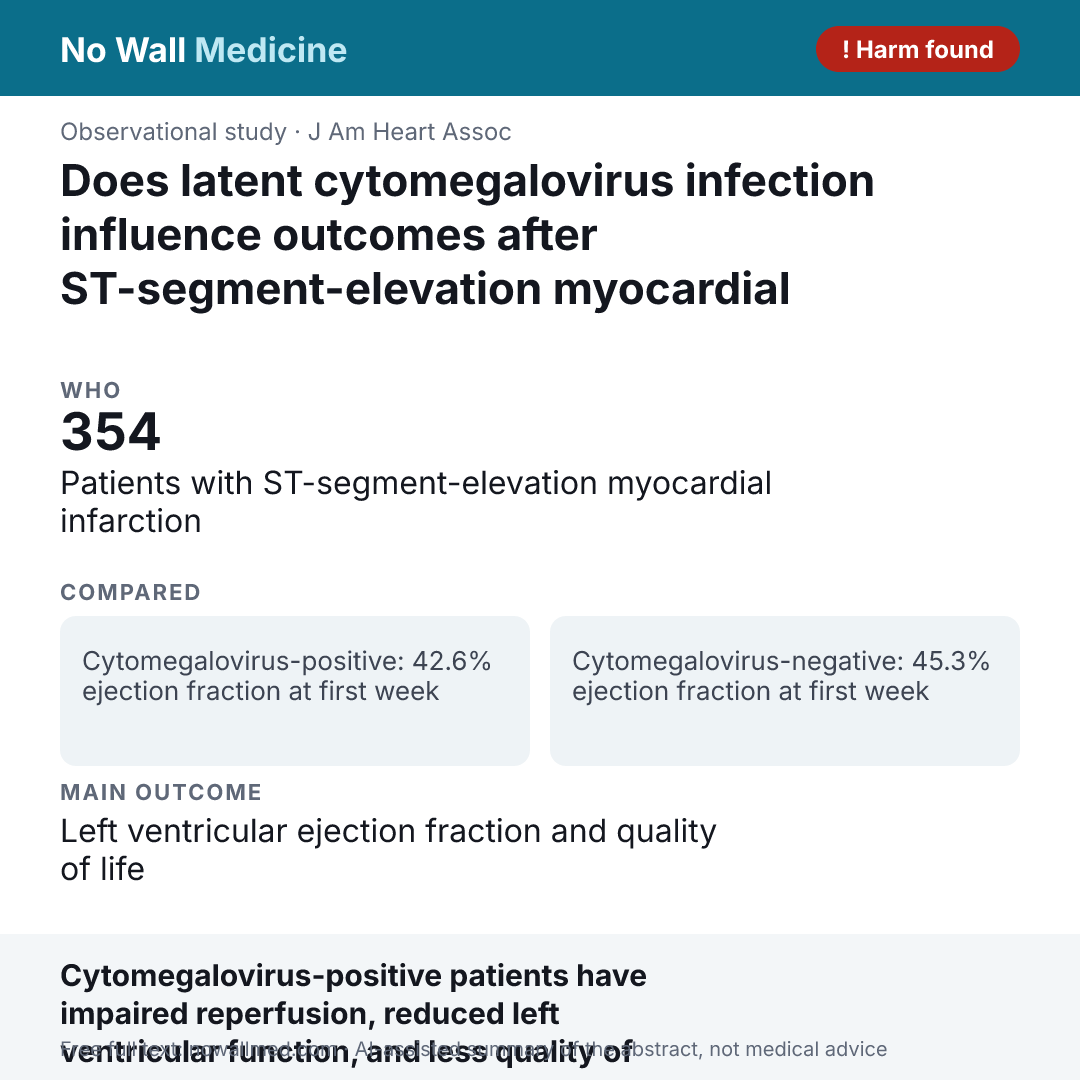
Latent Cytomegalovirus Infection Is Associated With Impaired Left Ventricular Function After ST-Segment-Elevation Myocardial Infarction
Observational studyHarm found
Does latent cytomegalovirus infection influence outcomes after ST-segment-elevation myocardial infarction?
Who
354
Patients with ST-segment-elevation myocardial infarction
Compared
Cytomegalovirus-positive: 42.6% ejection fraction at first week
Cytomegalovirus-negative: 45.3% ejection fraction at first week
Main outcome
Left ventricular ejection fraction and quality of life
Bottom line: Cytomegalovirus-positive patients have impaired reperfusion, reduced left ventricular function, and less quality of life improvement.
J Am Heart Assoc · 2025-08-12 · Save PNG
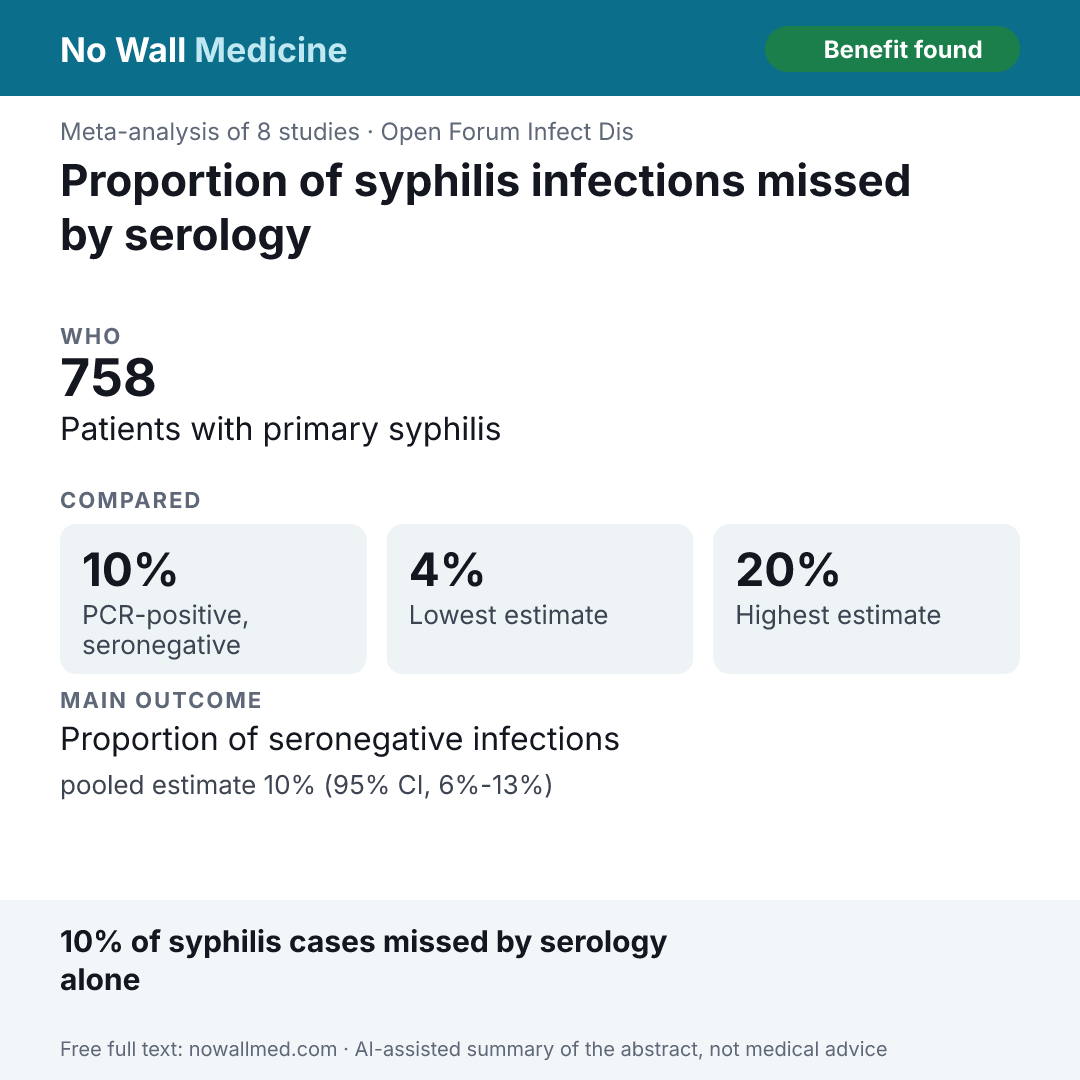
The Proportion of Treponema pallidum Polymerase Chain Reaction-Positive Primary Syphilis Infections That Are Seronegative for Syphilis: A Systematic Review and Meta-analysis
Meta-analysis of 8 studiesBenefit found
Proportion of syphilis infections missed by serology
Who
758
Patients with primary syphilis
Compared
10%PCR-positive, seronegative (73/758)
4%Lowest estimate (4/108)
20%Highest estimate (14/71)
Main outcome
Proportion of seronegative infections
Result: pooled estimate 10% (95% CI, 6%-13%)
Bottom line: 10% of syphilis cases missed by serology alone
Open Forum Infect Dis · 2025-08-12 · Save PNG
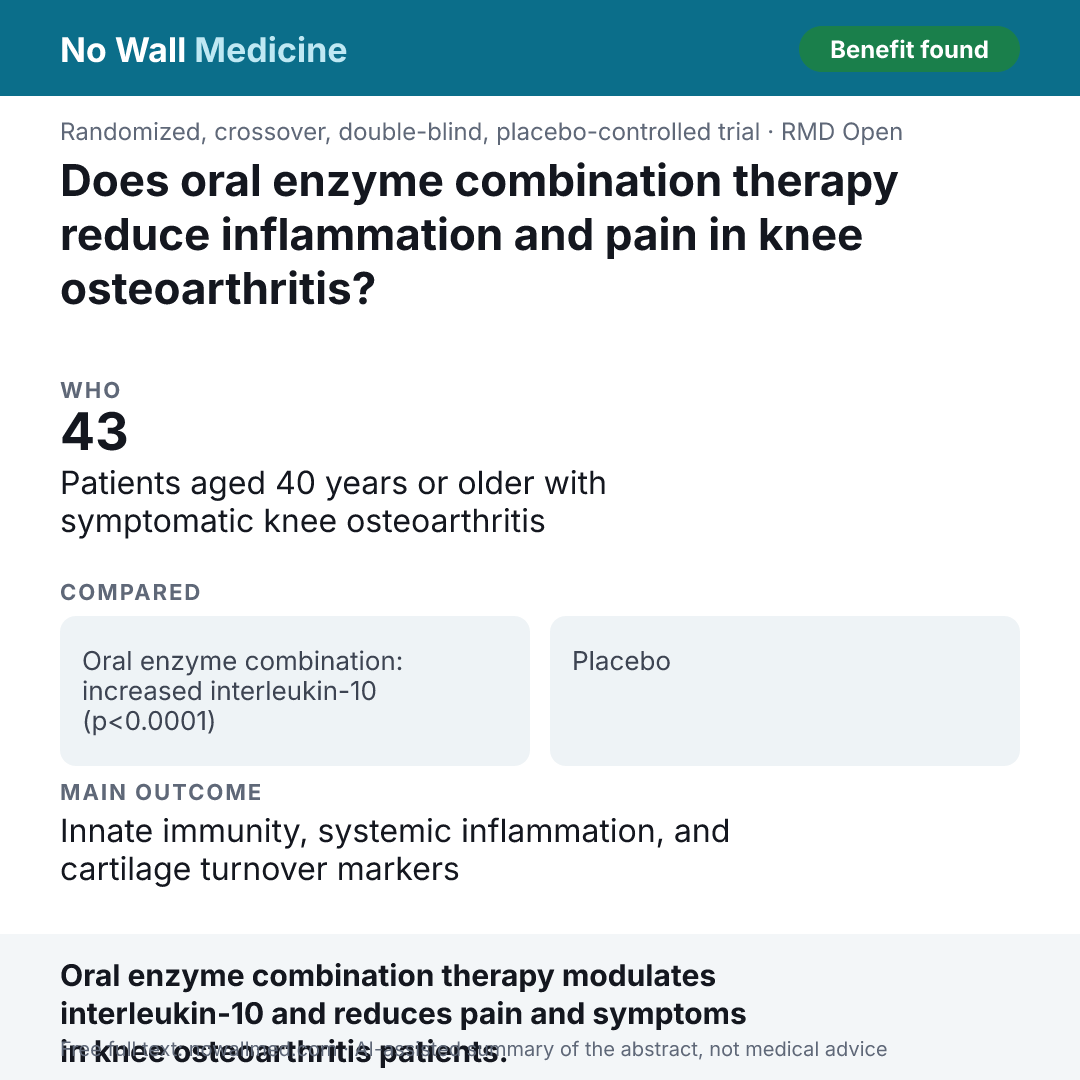
Oral enzyme combination therapy reduces systemic inflammation, urinary CTXII and pain in knee osteoarthritis: a proof-of-mechanism, randomised, crossover, double-blind, placebo-controlled trial
Randomized, crossover, double-blind, placebo-controlled trialBenefit found
Does oral enzyme combination therapy reduce inflammation and pain in knee osteoarthritis?
Who
43
Patients aged 40 years or older with symptomatic knee osteoarthritis
Compared
Oral enzyme combination: increased interleukin-10 (p<0.0001)
Placebo
Main outcome
Innate immunity, systemic inflammation, and cartilage turnover markers
Bottom line: Oral enzyme combination therapy modulates interleukin-10 and reduces pain and symptoms in knee osteoarthritis patients.
RMD Open · 2025-08-12 · Save PNG
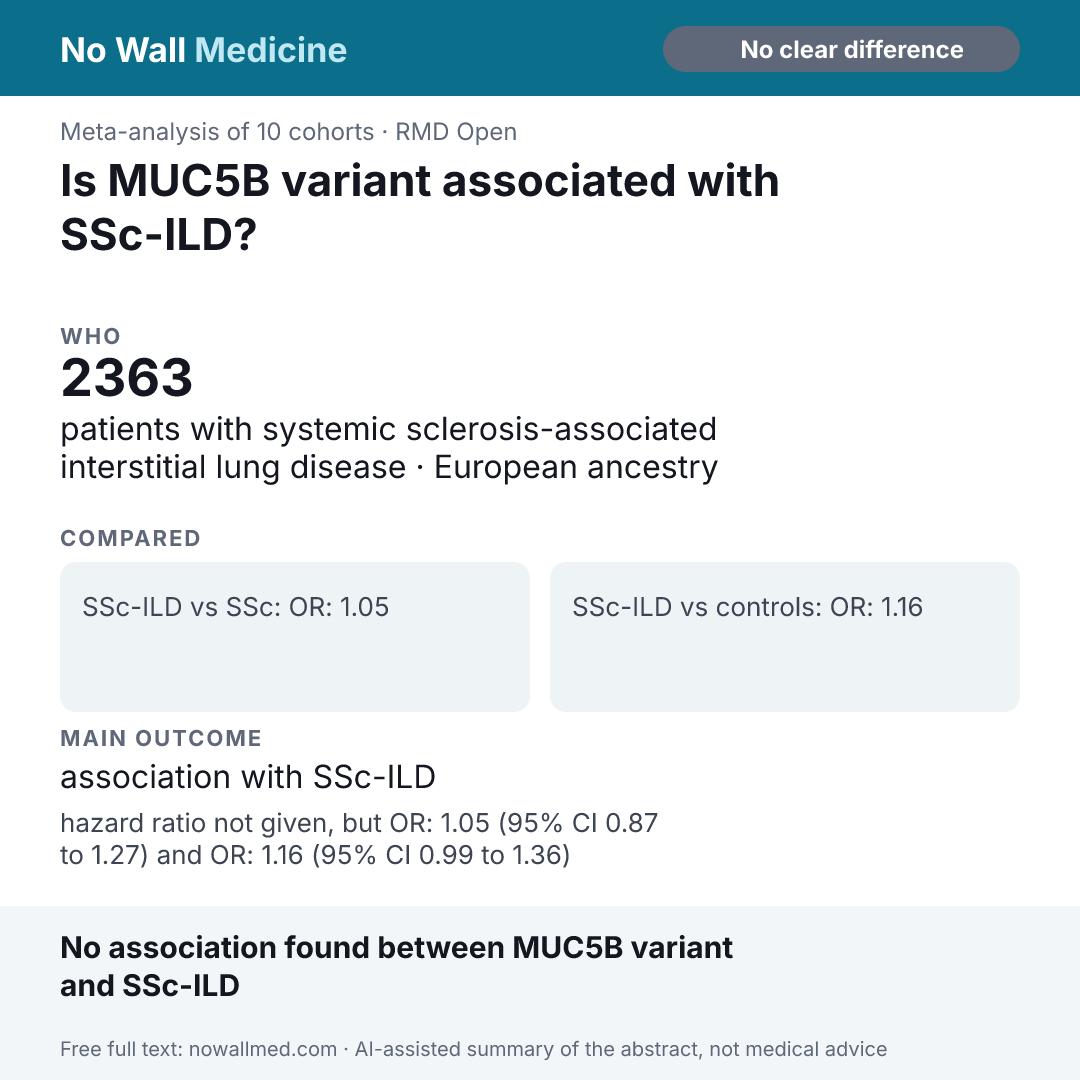
Assessing the MUC5B promoter variant in a large cohort of systemic sclerosis-associated interstitial lung disease
Meta-analysis of 10 cohortsNo clear difference
Is MUC5B variant associated with SSc-ILD?
Who
2363
patients with systemic sclerosis-associated interstitial lung disease · European ancestry
Compared
SSc-ILD vs SSc: OR: 1.05
SSc-ILD vs controls: OR: 1.16
Main outcome
association with SSc-ILD
Result: hazard ratio not given, but OR: 1.05 (95% CI 0.87 to 1.27) and OR: 1.16 (95% CI 0.99 to 1.36)
Bottom line: No association found between MUC5B variant and SSc-ILD
RMD Open · 2025-08-12 · Save PNG
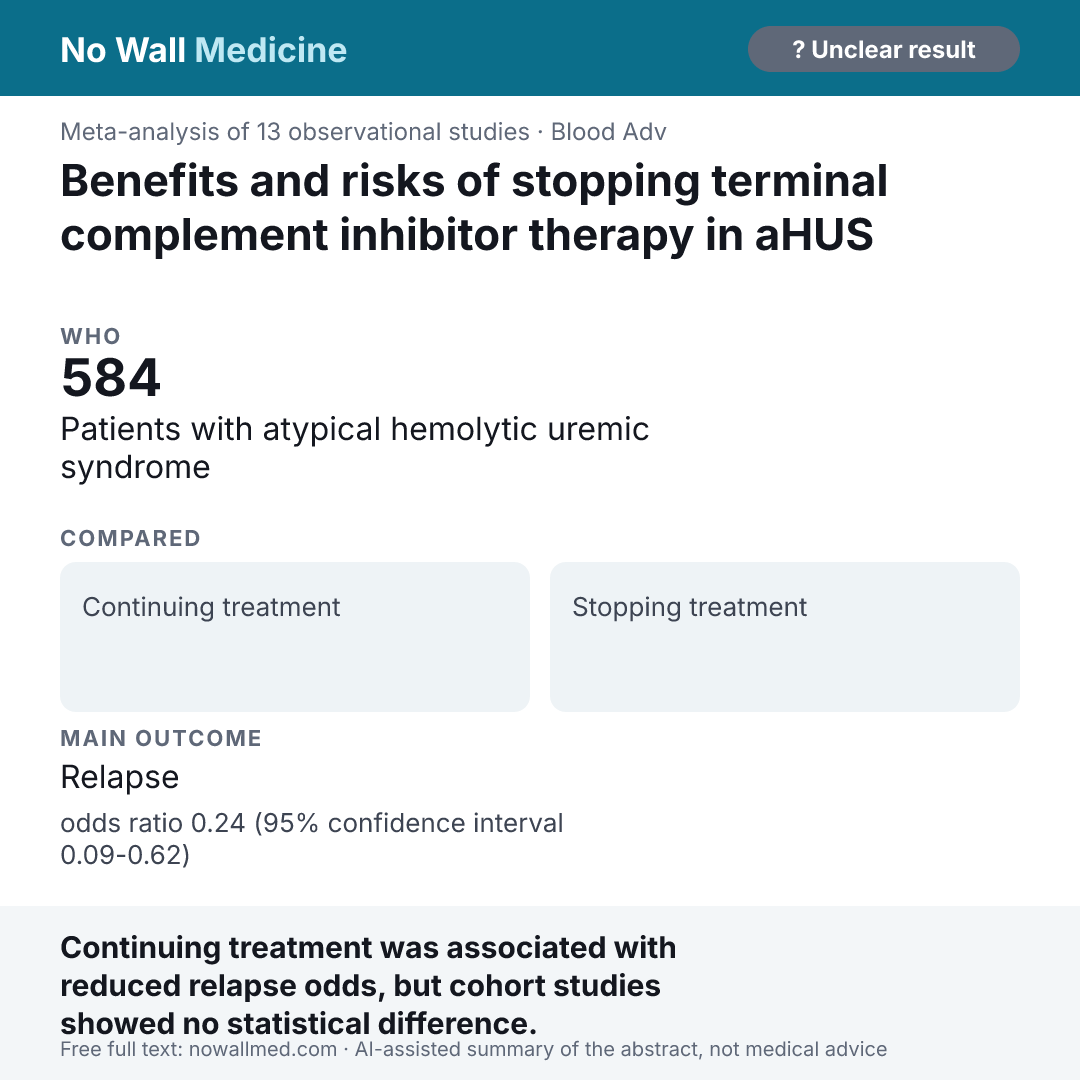
Efficacy of eculizumab discontinuation in atypical hemolytic uremic syndrome: a systematic review and meta-analysis
Meta-analysis of 13 observational studiesUnclear result
Benefits and risks of stopping terminal complement inhibitor therapy in aHUS
Who
584
Patients with atypical hemolytic uremic syndrome
Compared
Continuing treatment
Stopping treatment
Main outcome
Relapse
Result: odds ratio 0.24 (95% confidence interval 0.09-0.62)
Bottom line: Continuing treatment was associated with reduced relapse odds, but cohort studies showed no statistical difference.
Blood Adv · 2025-08-12 · Save PNG
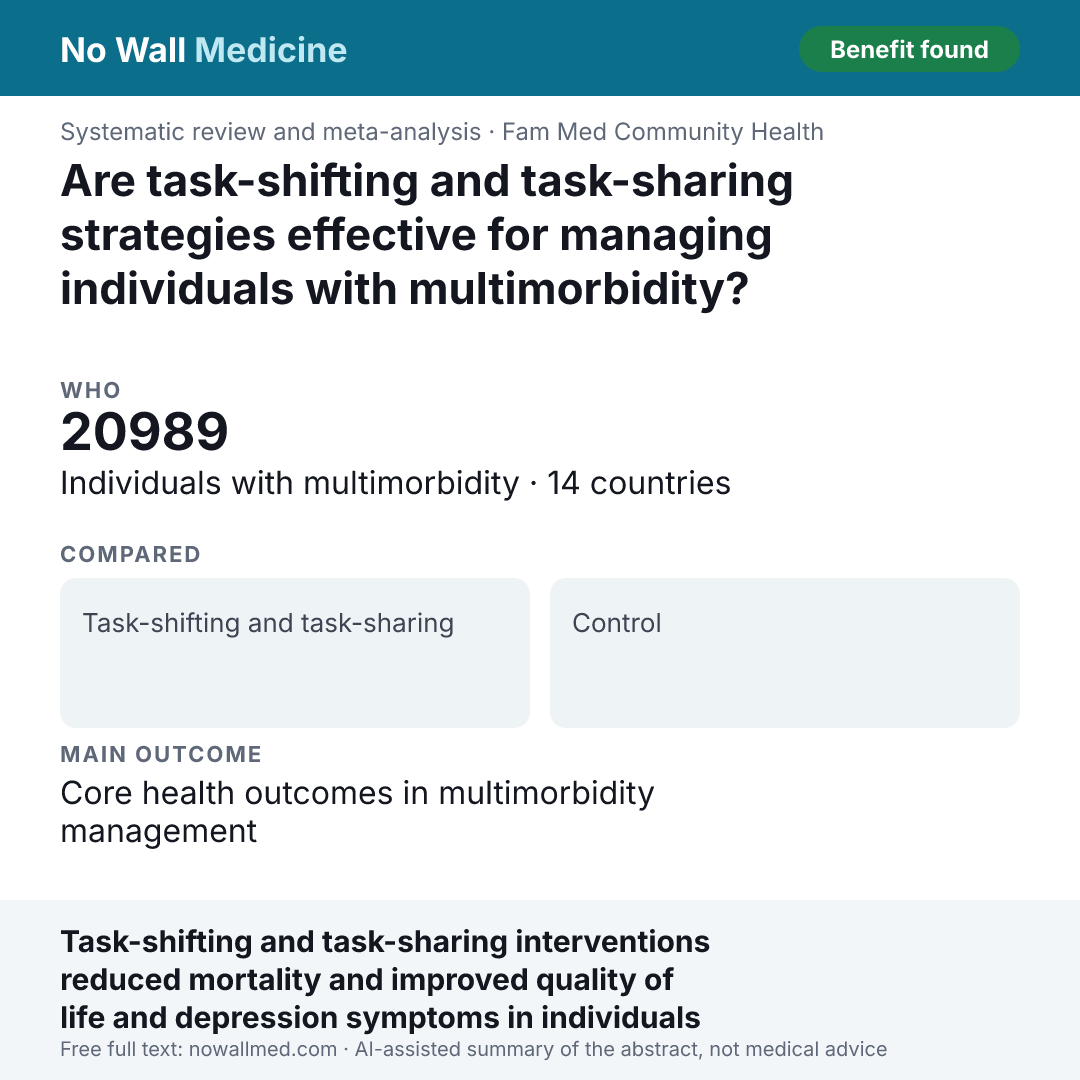
Global evidence on the effectiveness of task-shifting and task-sharing strategies for managing individuals with multimorbidity: systematic review and meta-analysis
Systematic review and meta-analysisBenefit found
Are task-shifting and task-sharing strategies effective for managing individuals with multimorbidity?
Who
20989
Individuals with multimorbidity · 14 countries
Compared
Task-shifting and task-sharing
Control
Main outcome
Core health outcomes in multimorbidity management
Result: OR: 0.73, 95% CI: 0.55 to 0.97
Bottom line: Task-shifting and task-sharing interventions reduced mortality and improved quality of life and depression symptoms in individuals with multimorbidity.
Limitation: Evidence remains scarce in low-income and middle-income countries.
Fam Med Community Health · 2025-08-12 · Save PNG
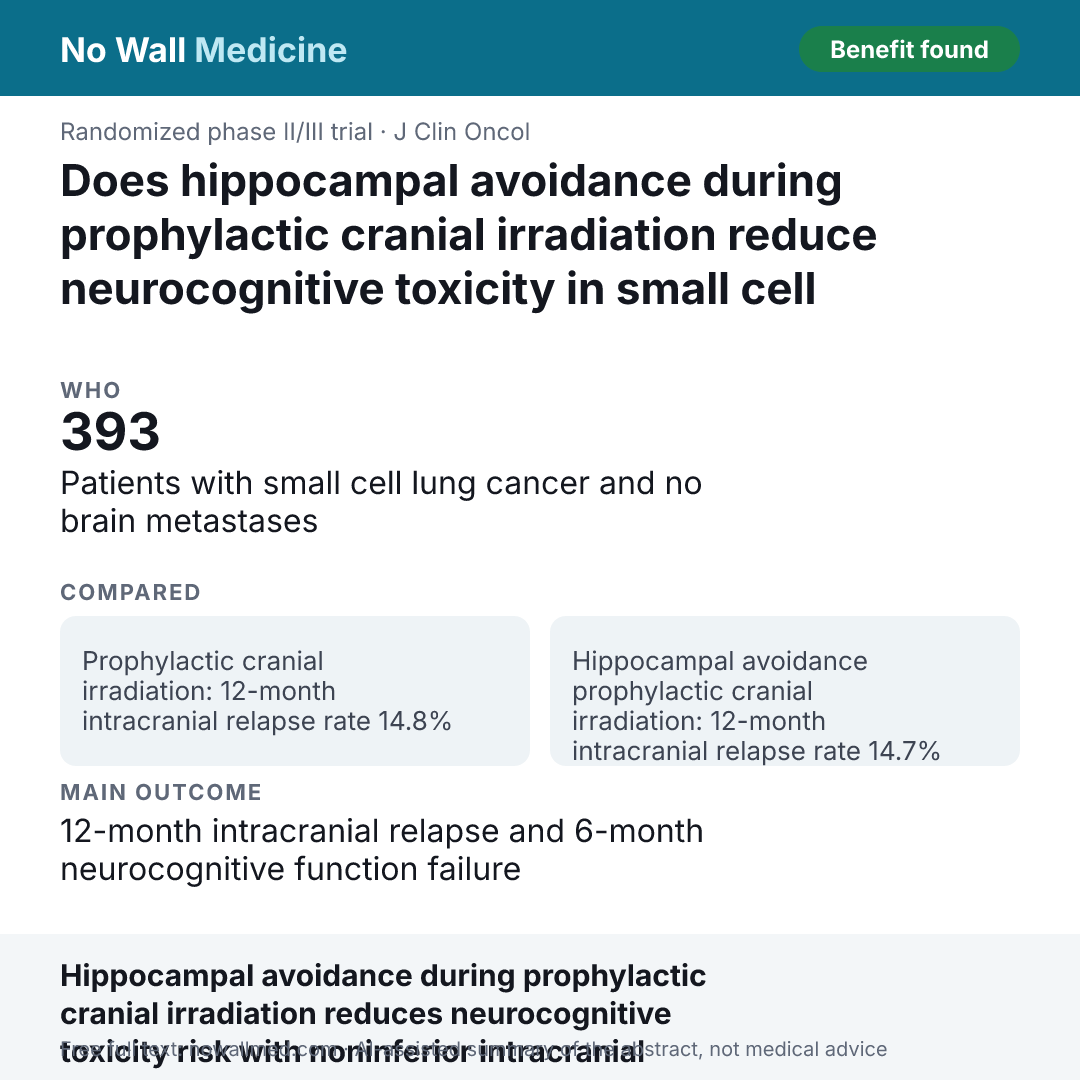
Hippocampal Avoidance During Prophylactic Cranial Irradiation for Patients With Small Cell Lung Cancer: Randomized Phase II/III Trial NRG-CC003
Randomized phase II/III trialBenefit found
Does hippocampal avoidance during prophylactic cranial irradiation reduce neurocognitive toxicity in small cell lung cancer?
Who
393
Patients with small cell lung cancer and no brain metastases
Compared
Prophylactic cranial irradiation: 12-month intracranial relapse rate 14.8%
Hippocampal avoidance prophylactic cranial irradiation: 12-month intracranial relapse rate 14.7%
Main outcome
12-month intracranial relapse and 6-month neurocognitive function failure
Result: adjusted hazard ratio 0.78 (95% CI 0.61 to 0.99)
Bottom line: Hippocampal avoidance during prophylactic cranial irradiation reduces neurocognitive toxicity risk with noninferior intracranial relapse and similar survival.
J Clin Oncol · 2025-08-11 · Save PNG
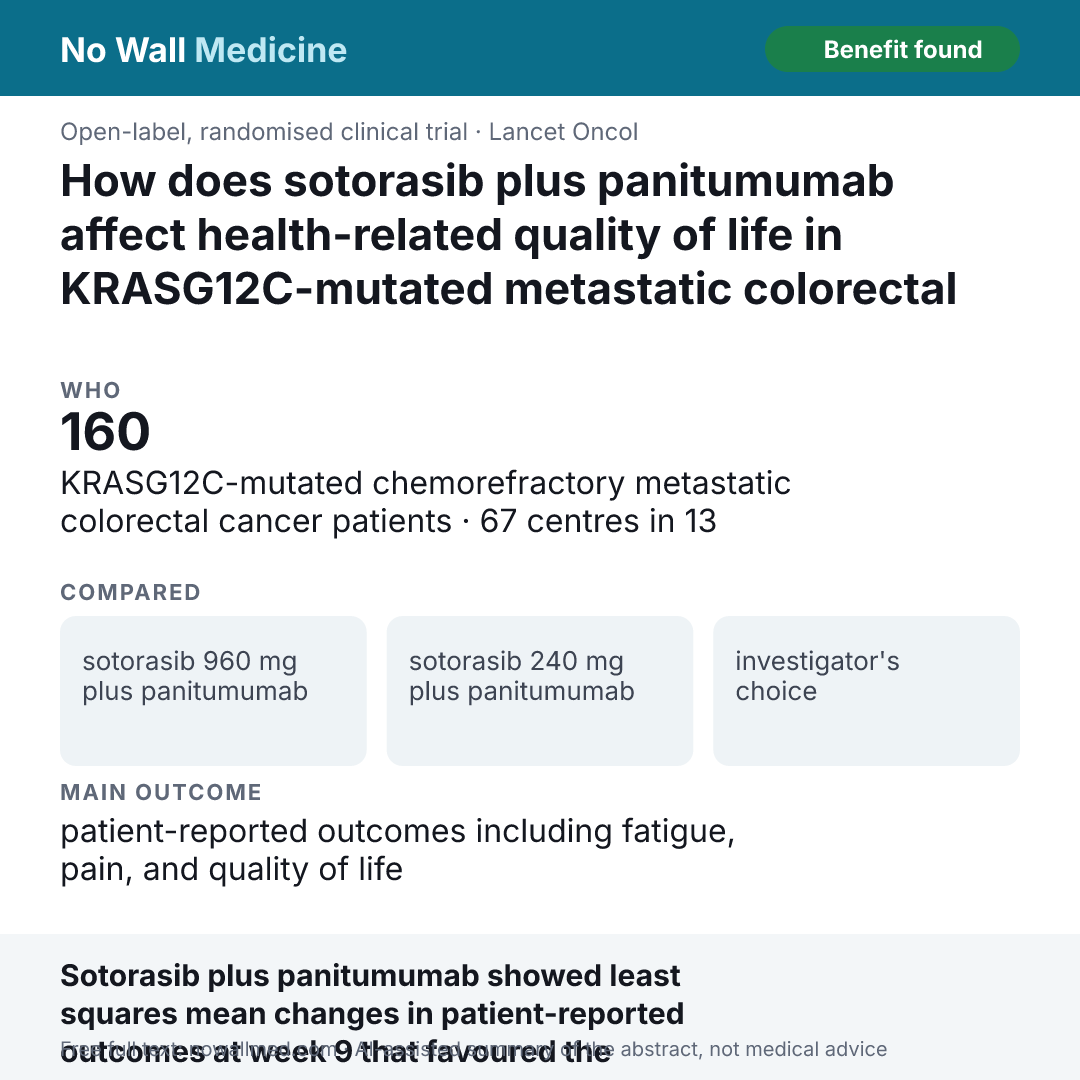
Health-related quality of life in patients with KRASG12C-mutated chemorefractory metastatic colorectal cancer treated with sotorasib plus panitumumab or standard of care (CodeBreaK 300): results from a phase 3, randomised clinical trial
Open-label, randomised clinical trialBenefit found
How does sotorasib plus panitumumab affect health-related quality of life in KRASG12C-mutated metastatic colorectal cancer?
Who
160
KRASG12C-mutated chemorefractory metastatic colorectal cancer patients · 67 centres in 13 countries
Compared
sotorasib 960 mg plus panitumumab
sotorasib 240 mg plus panitumumab
investigator's choice
Main outcome
patient-reported outcomes including fatigue, pain, and quality of life
Bottom line: Sotorasib plus panitumumab showed least squares mean changes in patient-reported outcomes at week 9 that favoured the sotorasib groups.
Lancet Oncol · 2025-08-11 · Save PNG
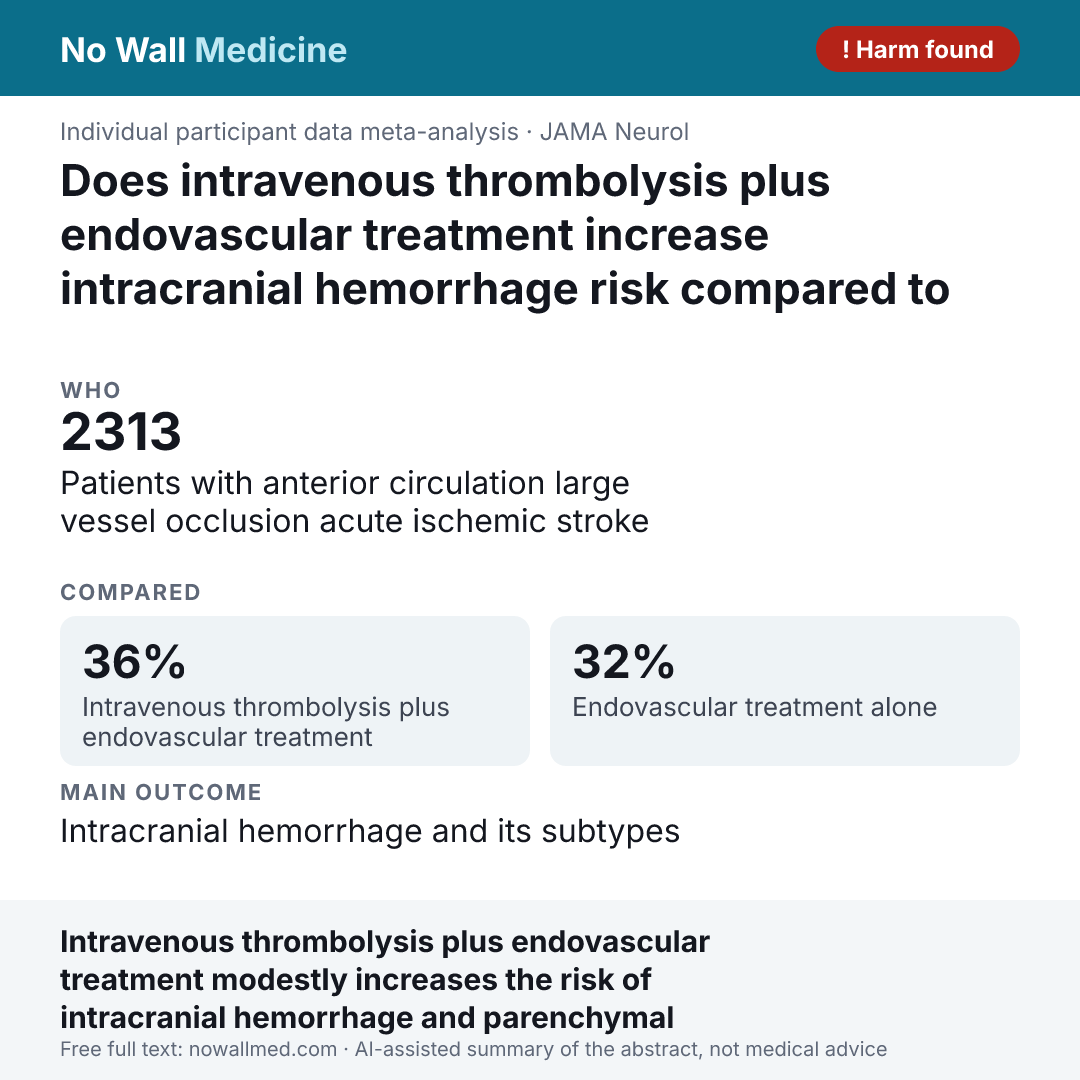
Intracranial Hemorrhage in Patients With Stroke After Endovascular Treatment With or Without IV Alteplase: An Individual Participant Data Meta-Analysis
Individual participant data meta-analysisHarm found
Does intravenous thrombolysis plus endovascular treatment increase intracranial hemorrhage risk compared to endovascular treatment alone?
Who
2313
Patients with anterior circulation large vessel occlusion acute ischemic stroke
Compared
36%Intravenous thrombolysis plus endovascular treatment (411 of 1133)
32%Endovascular treatment alone (357 of 1128)
Main outcome
Intracranial hemorrhage and its subtypes
Result: adjusted odds ratio 1.23 (95% CI 1.02-1.49)
Bottom line: Intravenous thrombolysis plus endovascular treatment modestly increases the risk of intracranial hemorrhage and parenchymal hematoma.
JAMA Neurol · 2025-08-11 · Save PNG
Baseline OCT Biomarkers Associated with Visual Acuity in Diabetic Macular Edema: A Systematic Review and Meta-analysis
Systematic review and meta-analysisMixed results
Are baseline optical coherence tomography biomarkers associated with visual acuity in diabetic macular edema?
Who
Patients with diabetic macular edema receiving anti-vascular endothelial growth factor, steroid, or laser treatment
Compared
Biomarkers associated with reduced visual acuity: five biomarkers identified
Other biomarkers: no moderate certainty association
Main outcome
patient visual acuity and changes in visual acuity
Bottom line: Five specific biomarkers are associated with reduced visual acuity at multiple time points with moderate certainty of evidence.
Limitation: Greater standardization in biomarker classification and better control of confounding variables are needed.
Ophthalmology · 2025-08-11 · Save PNG

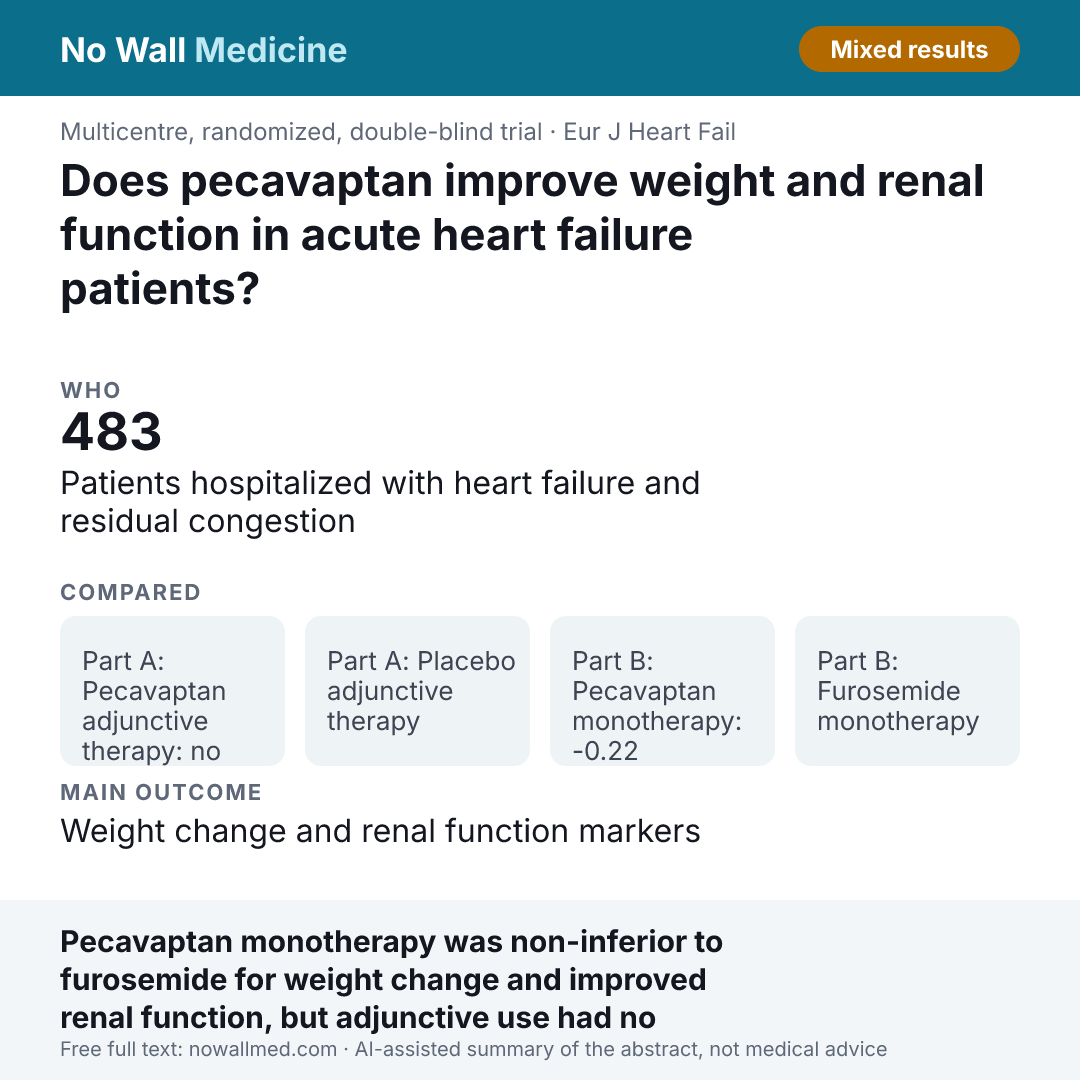
A multicentre, randomized, double-blind, active and placebo-controlled study of pecavaptan, a dual V1a/V2 vasopressin receptor antagonist, in patients with acute heart failure: The AVANTI trial
Multicentre, randomized, double-blind trialMixed results
Does pecavaptan improve weight and renal function in acute heart failure patients?
Who
483
Patients hospitalized with heart failure and residual congestion
Compared
Part A: Pecavaptan adjunctive therapy: no difference in weight reduction
Part A: Placebo adjunctive therapy
Part B: Pecavaptan monotherapy: -0.22 log-transformed change in blood urea nitrogen/creatinine ratio
Part B: Furosemide monotherapy
Main outcome
Weight change and renal function markers
Result: between-group difference in log-transformed change in blood urea nitrogen/creatinine ratio was -0.22 (upper one-sided 80% CI -0.19, p < 0.0001)
Bottom line: Pecavaptan monotherapy was non-inferior to furosemide for weight change and improved renal function, but adjunctive use had no impact.
Eur J Heart Fail · 2025-08-11 · Save PNG