Visual abstracts
New randomized trials and meta-analyses from leading journals at a glance: who was studied, what was compared, and what was found. Every paper is free to read in full.
All specialtiesCardiology 189Oncology 153Gastroenterology & Hepatology 87Infectious Disease 155Neurology 85Psychiatry & Mental Health 124Pulmonology 92Critical Care 52Endocrinology & Diabetes 118Pediatrics 79Surgery 59Orthopedics & Sports Medicine 38Neurosurgery 6Cardiothoracic & Vascular Surgery 17Plastic & Reconstructive Surgery 44Nephrology 37Rheumatology 38Hematology 49Dermatology 19Ophthalmology 33Obstetrics & Gynecology 50Public & Global Health 55Radiology & Imaging 15Anesthesiology 30Urology 45ENT (Otolaryngology) 24Emergency Medicine 18Allergy & Immunology 15Geriatrics 58Family Medicine & Primary Care 22Medical Genetics & Genomics 19Pathology & Laboratory Medicine 5Physical Medicine & Rehabilitation 48Palliative Care 24Nutrition 63Digital Health & AI 172General Medicine 27
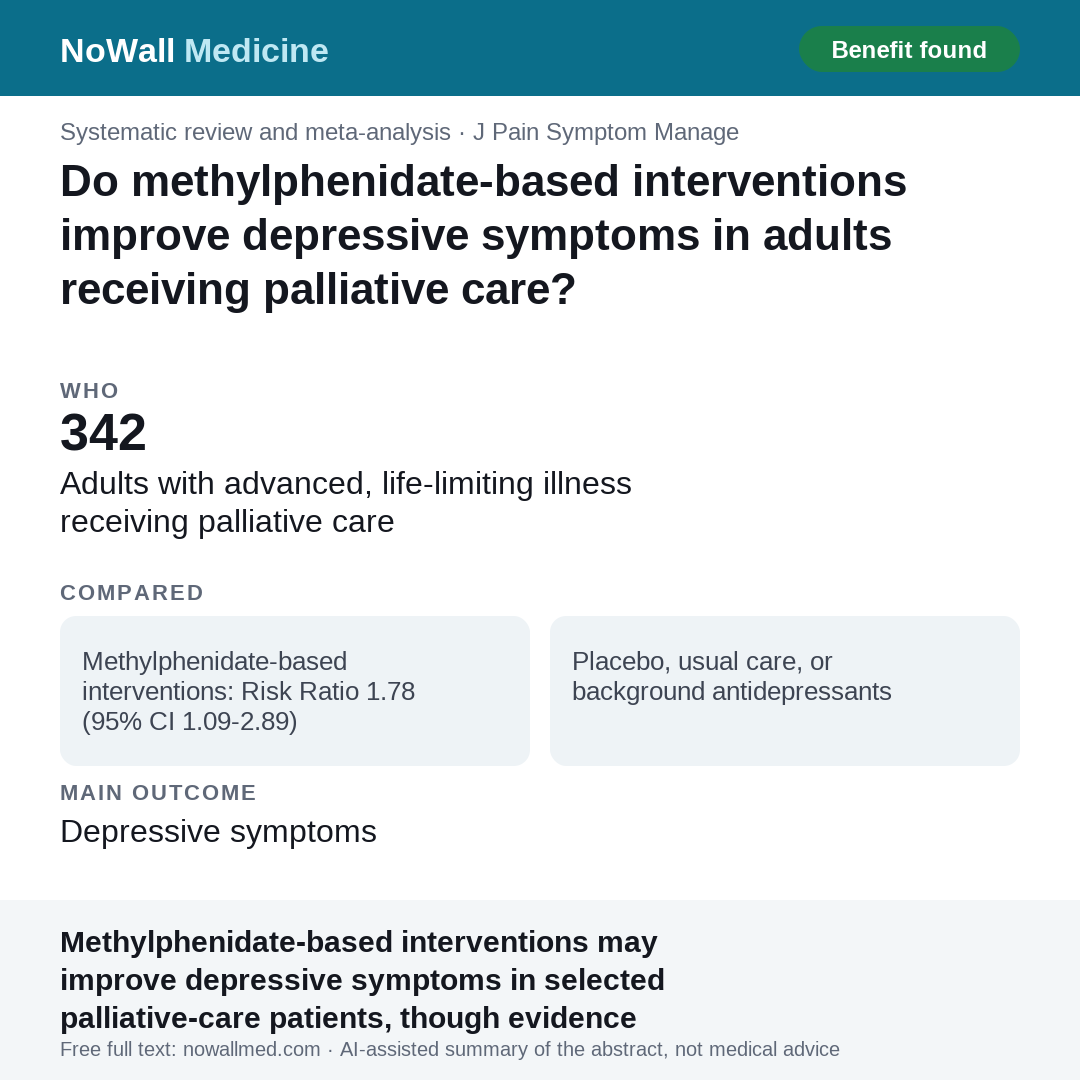
Methylphenidate-Based Interventions for Depressive Symptoms in Palliative Care: A Systematic Review and Meta-analysis
Systematic review and meta-analysisBenefit found
Do methylphenidate-based interventions improve depressive symptoms in adults receiving palliative care?
Who
342
Adults with advanced, life-limiting illness receiving palliative care
Compared
Methylphenidate-based interventions: Risk Ratio 1.78 (95% CI 1.09-2.89)
Placebo, usual care, or background antidepressants
Main outcome
Depressive symptoms
Result: standardized mean difference -0.47 (95% CI -0.81 to -0.13)
Bottom line: Methylphenidate-based interventions may improve depressive symptoms in selected palliative-care patients, though evidence certainty is very low to low.
Limitation: Small samples, heterogeneity, and indirectness resulted in very low to low evidence certainty.
J Pain Symptom Manage · 2026-09-19Download image
Revisiting the link between childhood adversity and stress-sensitive brain regions in psychosis and bipolar disorder: a systematic review and meta-analysis
Systematic review and meta-analysisNo clear difference
Are childhood adversity and gray matter volume alterations linked in psychosis and bipolar disorder?
Who
3056
Participants with psychotic disorder and bipolar disorder
Compared
Hippocampus volume: no significant association (p ≥ 0.66)
Amygdala volume: no significant association (p ≥ 0.87)
Main outcome
Gray matter volume alterations in stress-sensitive brain regions
Bottom line: Childhood adversity was not consistently associated with hippocampal or amygdala volume alterations in psychosis and bipolar disorder.
Transl Psychiatry · 2026-09-19Download image

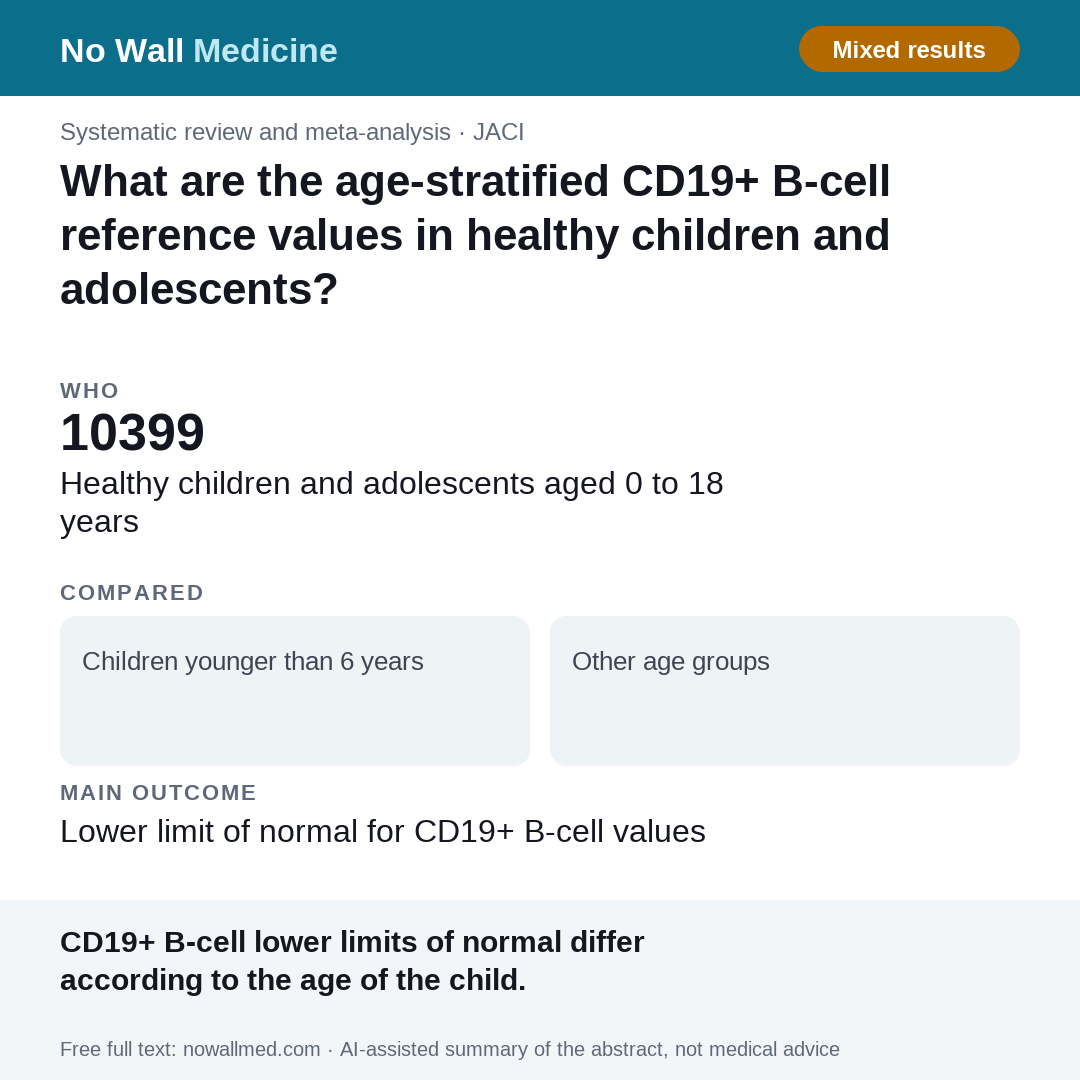
Age-stratified CD19+ B-cell reference values in children and adolescents-a systematic review and meta-analysis
Systematic review and meta-analysisMixed results
What are the age-stratified CD19+ B-cell reference values in healthy children and adolescents?
Who
10399
Healthy children and adolescents aged 0 to 18 years
Compared
Children younger than 6 years
Other age groups
Main outcome
Lower limit of normal for CD19+ B-cell values
Bottom line: CD19+ B-cell lower limits of normal differ according to the age of the child.
JACI · 2026-09-18Download image
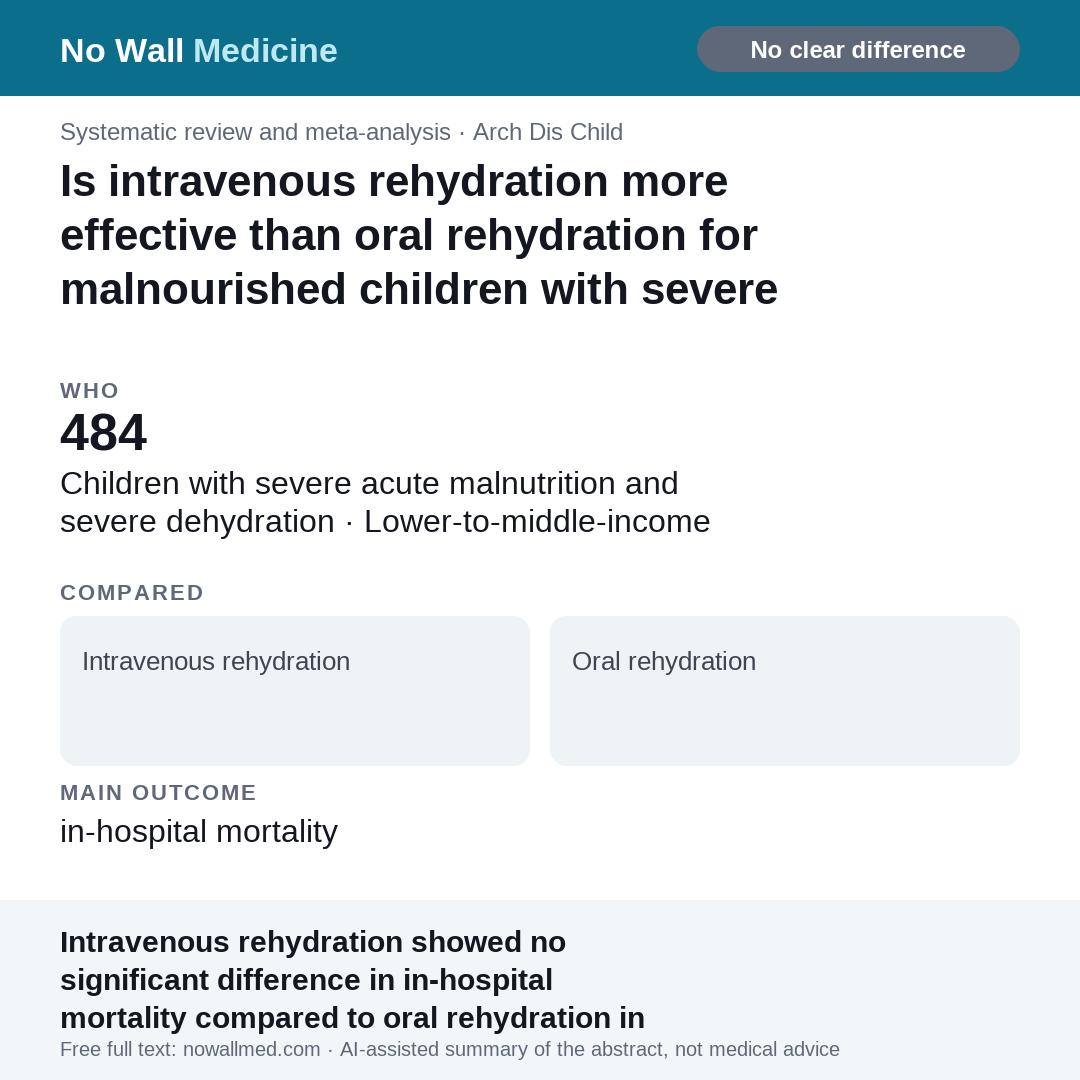
Intravenous rehydration in children with severe malnutrition and severe dehydration: a systematic review and meta-analysis
Systematic review and meta-analysisNo clear difference
Is intravenous rehydration more effective than oral rehydration for children with severe malnutrition?
Who
484
Children with severe acute malnutrition and severe dehydration · Lower-to-middle-income countries
Compared
Intravenous rehydration
Oral rehydration
Main outcome
In-hospital mortality
Result: risk ratio 0.71 (95% CI 0.46 to 1.10)
Bottom line: Intravenous rehydration showed no significant difference in in-hospital mortality compared to oral rehydration in children.
Limitation: Two trials had some risk of bias
Arch Dis Child · 2026-09-18Download image
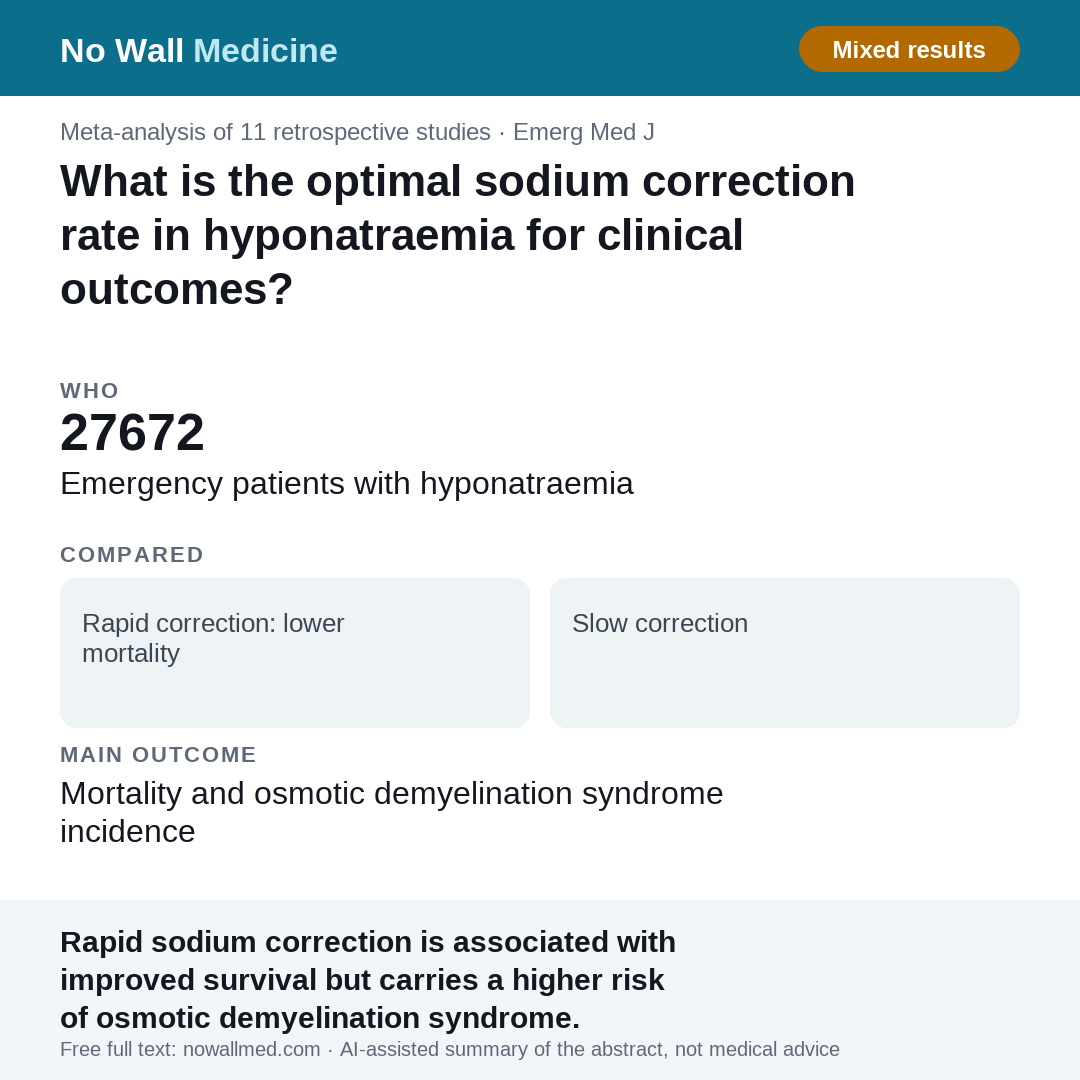
On the optimal sodium correction rate in hyponatraemia and clinical outcome: a meta-analysis
Meta-analysis of 11 retrospective studiesBenefit found
What is the optimal sodium correction rate in hyponatraemia for clinical outcome?
Who
27672
Emergency patients with hyponatraemia
Compared
Rapid correction
Slow correction
Main outcome
Mortality
Result: OR: 0.398
Bottom line: Rapid sodium correction was associated with improved survival across all three studied thresholds.
Limitation: No causal relation can be concluded from these retrospective studies.
Emerg Med J · 2026-09-18Download image
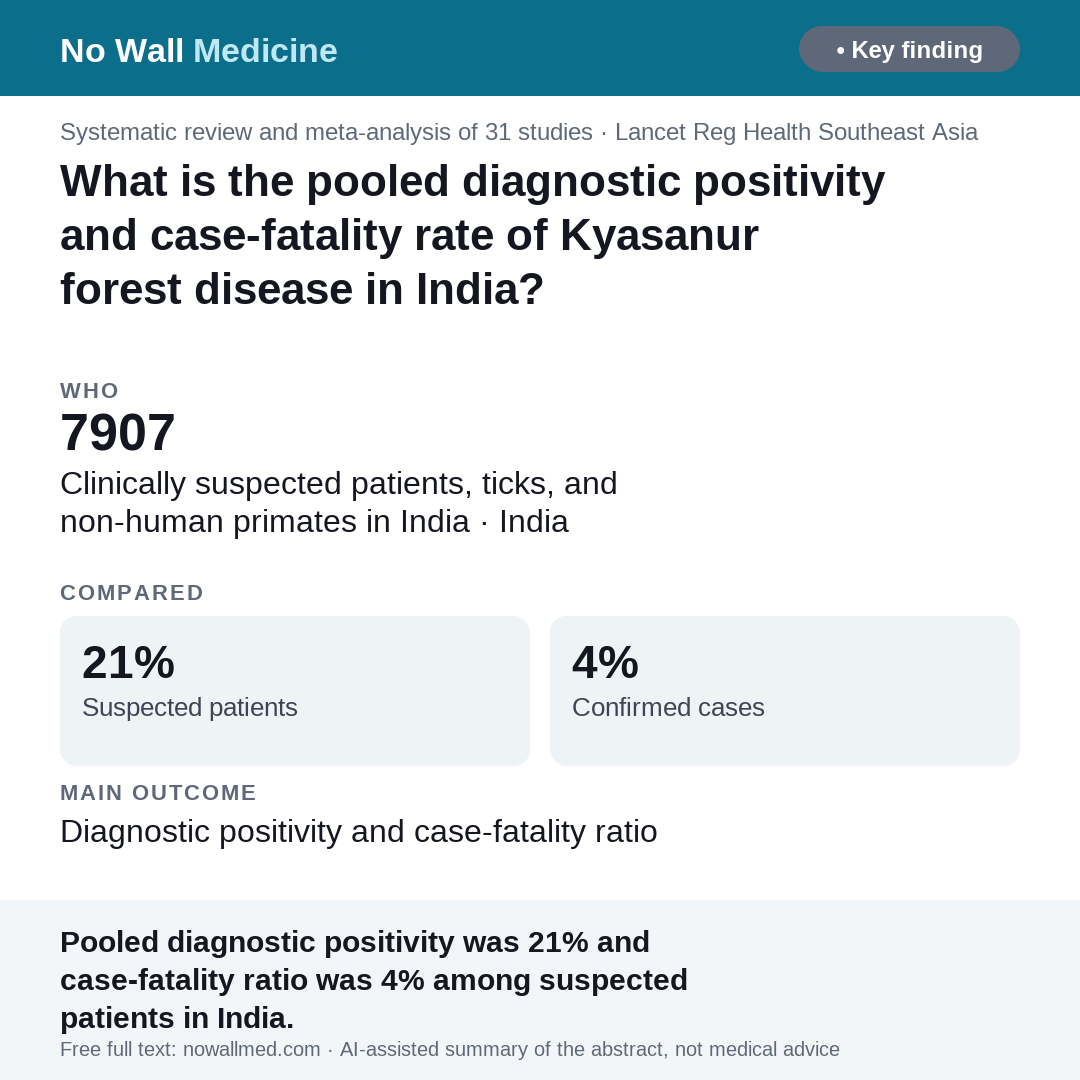
Epidemiology of Kyasanur forest disease in India, 2000-2025: a systematic review and meta-analysis
Systematic review and meta-analysisUnclear result
What are the pooled Kyasanur forest disease positivity and case-fatality rates in India?
Who
7907
Clinically suspected Kyasanur forest disease patients in India · India
Compared
Suspected patients: 21% (1431/7907) positivity rate
Cumulative cases: 4% case-fatality ratio
Main outcome
Diagnostic positivity and case-fatality ratio
Result: positivity 21% (95% CI: 14-30); case fatality ratio 4% (95% CI: 2-8)
Bottom line: Kyasanur forest disease shows a 21% diagnostic positivity rate and a 4% case-fatality ratio across India.
Limitation: Positivity varied substantially by district.
Lancet Reg Health Southeast Asia · 2026-09-18Download image
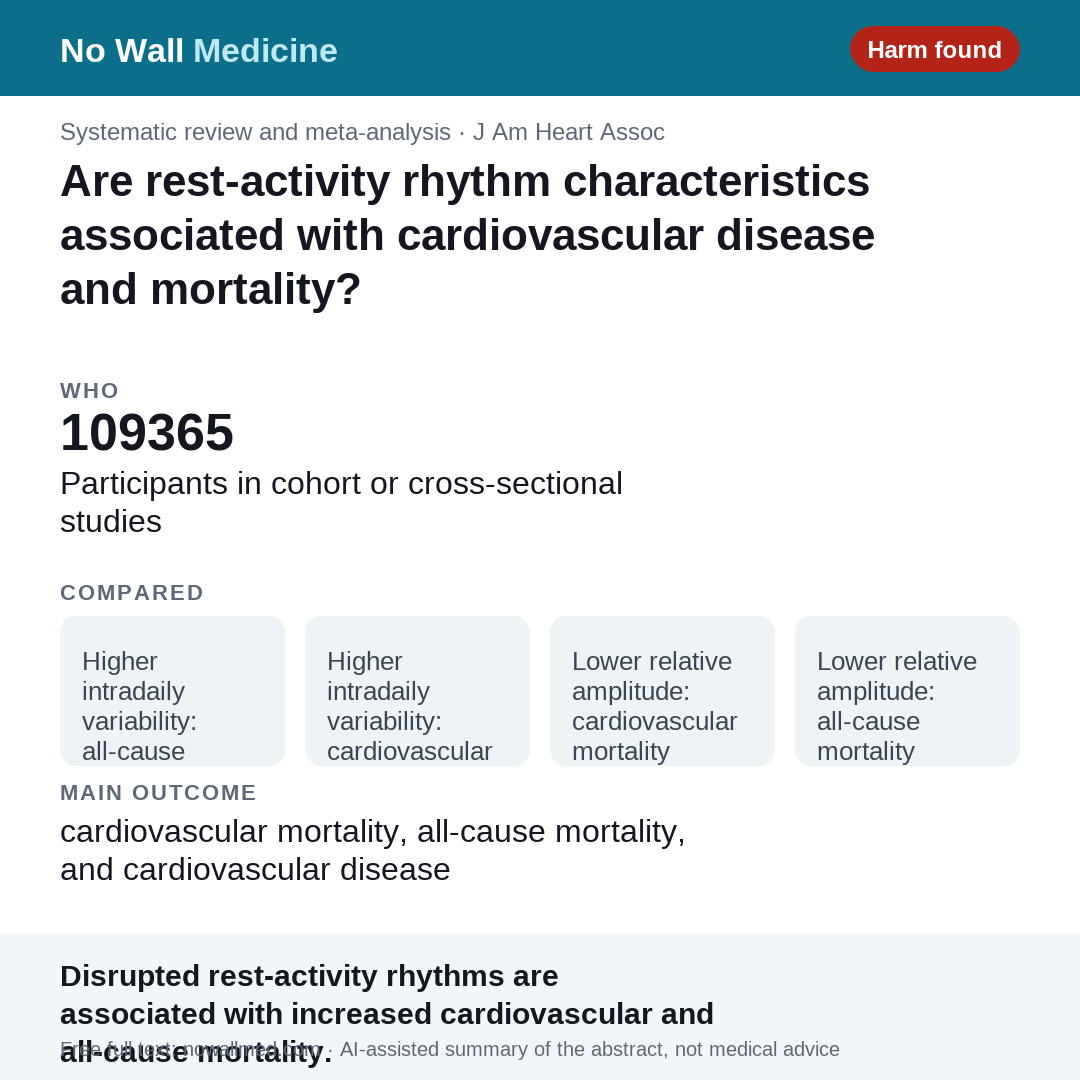
Association Between Rest-Activity Rhythm and Cardiovascular Disease, Cardiovascular Mortality, and All-Cause Mortality: A Systematic Review and Meta-Analysis
Systematic review and meta-analysisHarm found
Are rest-activity rhythm characteristics associated with cardiovascular disease and mortality?
Who
109365
Participants in cohort or cross-sectional studies
Compared
Higher intradaily variability: all-cause mortality hazard ratio 1.05 (95% CI 1.02-1.09)
Higher intradaily variability: cardiovascular disease prevalence odds ratio 1.73 (95% CI 1.21-2.47)
Lower relative amplitude: cardiovascular mortality hazard ratio 1.50 (95% CI 1.13-1.98)
Lower relative amplitude: all-cause mortality hazard ratio 1.46 (95% CI 1.27-1.68)
Main outcome
cardiovascular mortality, all-cause mortality, and cardiovascular disease
Bottom line: Disrupted rest-activity rhythms are associated with increased cardiovascular and all-cause mortality.
J Am Heart Assoc · 2026-09-18Download image
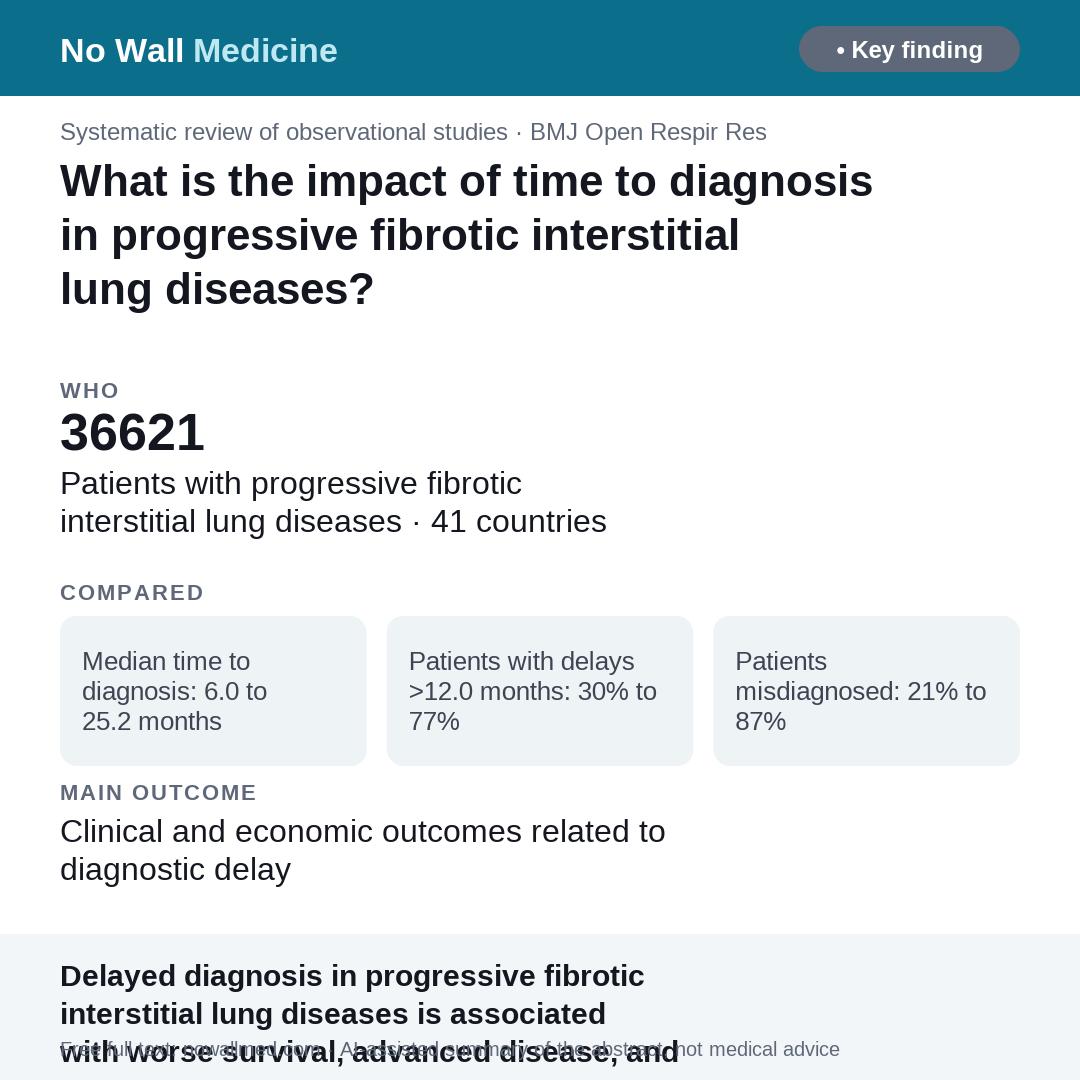
Impact of time to diagnosis in patients with progressive fibrotic ILD: a systematic review
Systematic review of observational studiesHarm found
What is the impact of time to diagnosis in progressive fibrotic interstitial lung diseases?
Who
36621
Patients with progressive fibrotic interstitial lung diseases · 41 countries
Compared
Median time to diagnosis: 6.0 to 25.2 months
Patients with delays >12.0 months: 30% to 77%
Patients misdiagnosed: 21% to 87%
Main outcome
Clinical and economic outcomes related to diagnostic delay
Bottom line: Delayed diagnosis in progressive fibrotic interstitial lung diseases is associated with worse survival, advanced disease, and increased hospitalisation.
Limitation: Direct economic burden resulting from delayed diagnosis is currently poorly understood.
BMJ Open Respir Res · 2026-09-18Download image
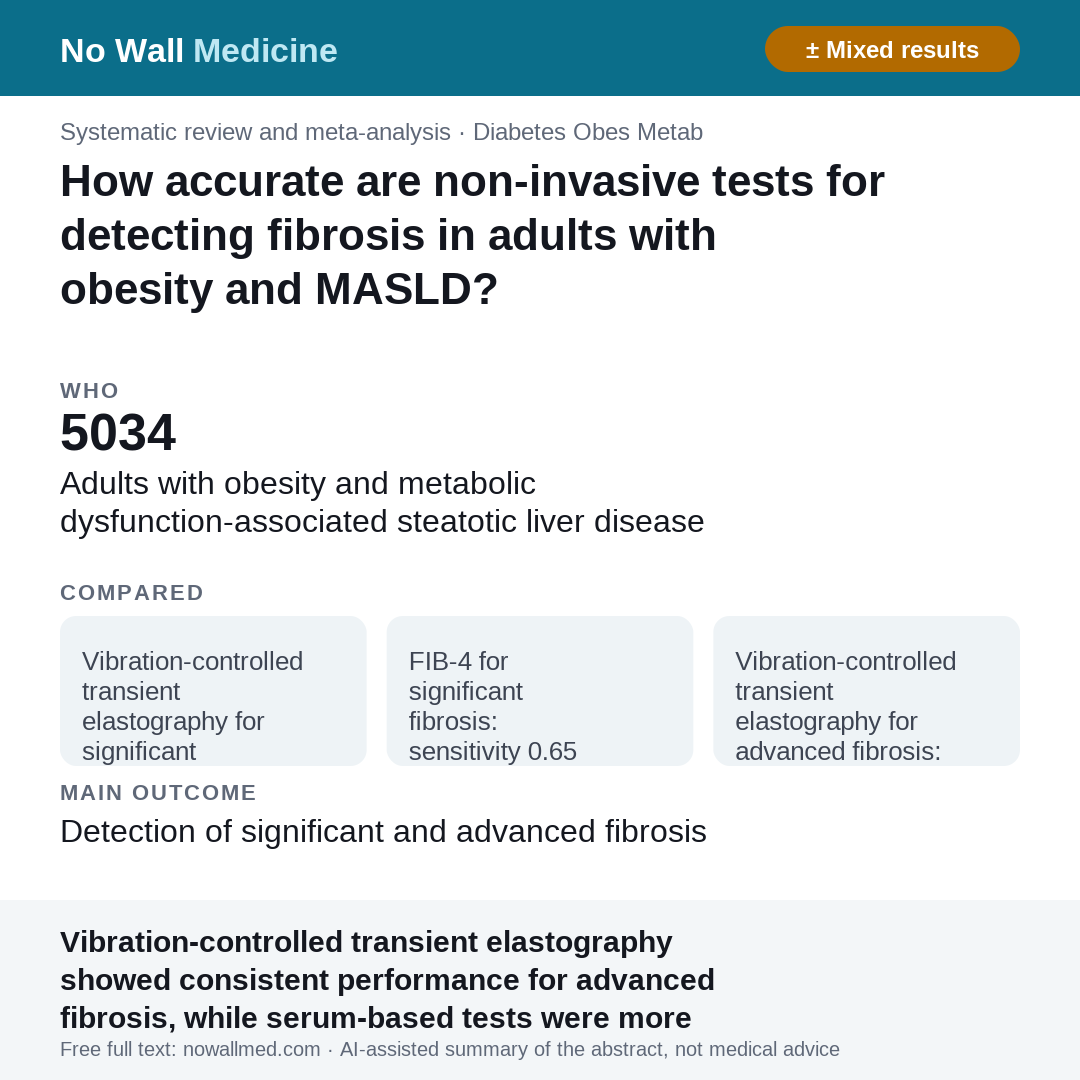
Non-Invasive Fibrosis Testing in Adults With Obesity and MASLD: A Systematic Review and Meta-Analysis
Systematic review and meta-analysisMixed results
How accurate are non-invasive tests for detecting fibrosis in adults with obesity and MASLD?
Who
5034
Adults with obesity and metabolic dysfunction-associated steatotic liver disease
Compared
Vibration-controlled transient elastography for significant fibrosis: sensitivity 0.64 (95% CI, 0.49-0.77)
FIB-4 for significant fibrosis: sensitivity 0.65 (95% CI, 0.53-0.75)
Vibration-controlled transient elastography for advanced fibrosis: sensitivity 0.77 (95% CI, 0.67-0.85)
Main outcome
Detection of significant and advanced fibrosis
Bottom line: Vibration-controlled transient elastography showed consistent performance for advanced fibrosis, while serum-based tests were more variable.
Diabetes Obes Metab · 2026-09-17Download image
RSV Vaccination in Systemic Autoimmune Rheumatic Diseases: A Systematic Review
Systematic reviewBenefit found
What are the epidemiology, effectiveness, immunogenicity, and safety of RSV vaccination in SARDs?
Who
Adults with systemic autoimmune rheumatic diseases
Compared
Immunocompromised adults: 60-73% first-season effectiveness
Immunocompetent populations
Main outcome
vaccine effectiveness, immunogenicity, and safety
Bottom line: RSV vaccination appears effective and safe in immunocompromised populations, though protection may wane more rapidly.
Limitation: No study evaluated vaccine effectiveness stratified by disease-modifying antirheumatic drugs class.
Rheumatology · 2026-09-17Download image

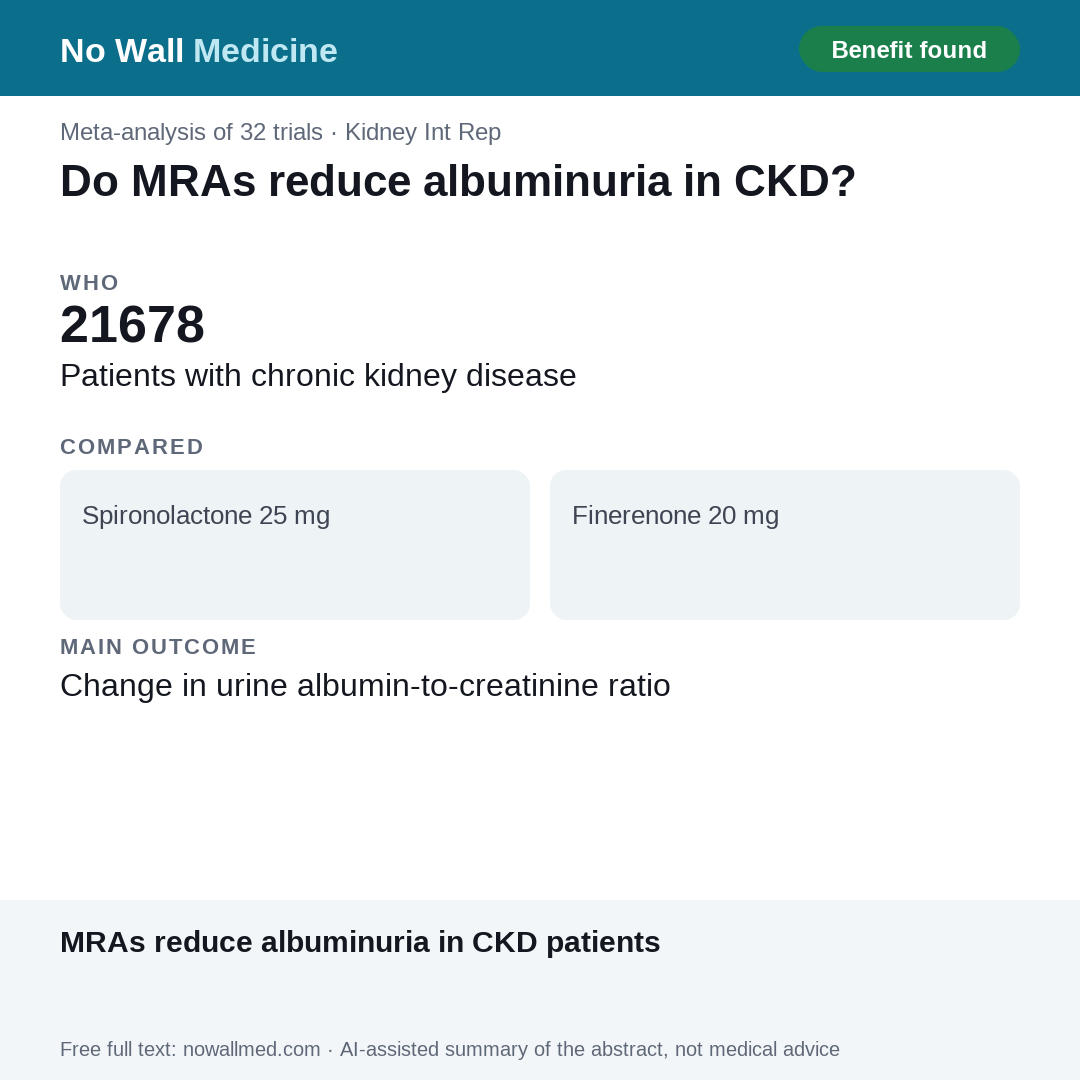
Dose-Specific Network Meta-Analysis of Mineralocorticoid Receptor Antagonists in CKD
Meta-analysis of 32 trialsBenefit found
Do MRAs reduce albuminuria in CKD?
Who
21678
Patients with chronic kidney disease
Compared
Spironolactone 25 mg
Finerenone 20 mg
Main outcome
Change in urine albumin-to-creatinine ratio
Bottom line: MRAs reduce albuminuria in CKD patients
Limitation: Short-term studies informed eGFR results
Kidney Int Rep · 2026-09-17Download image
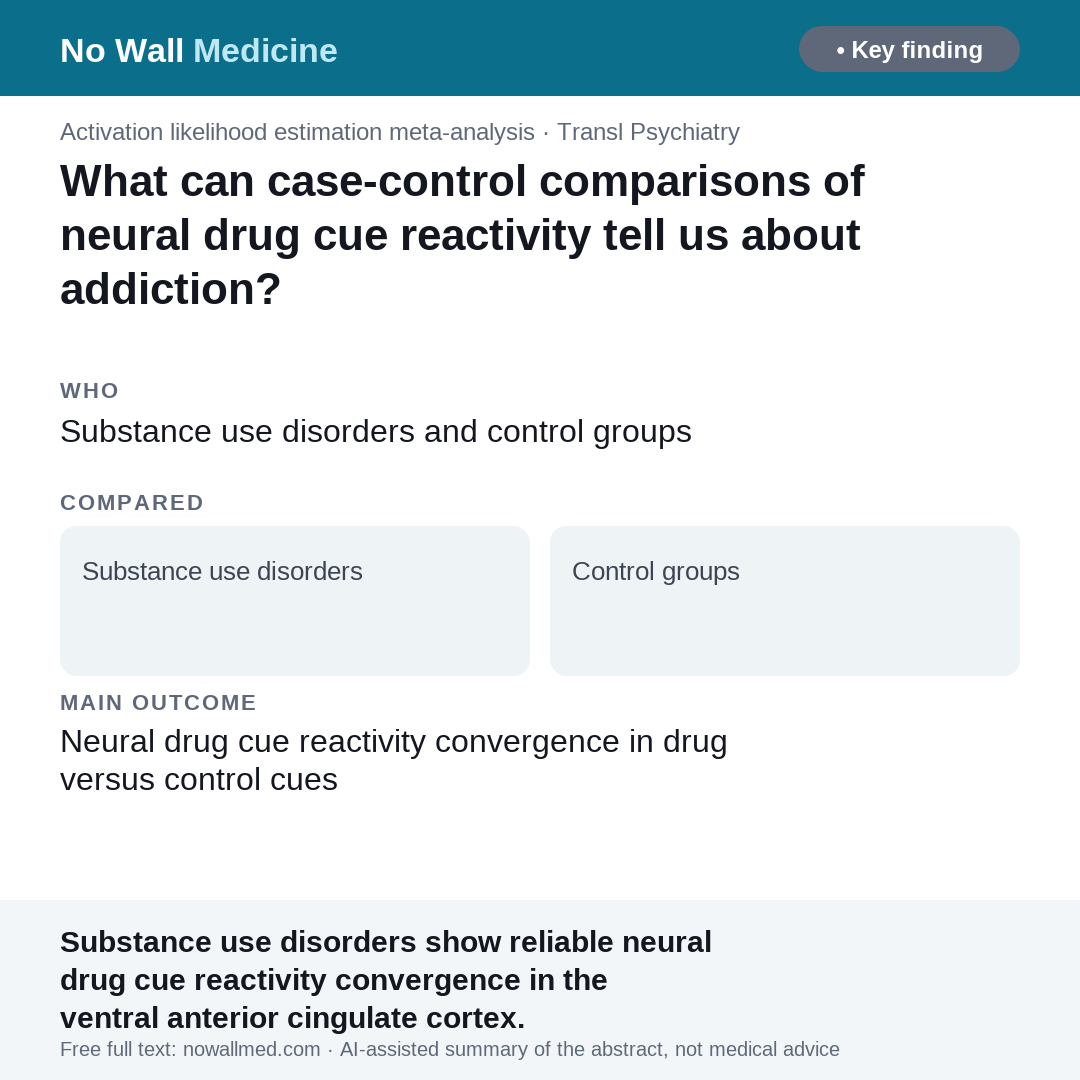
What can case-control comparisons of neural drug cue reactivity tell us about addiction? A neuroimaging meta-analysis
Activation likelihood estimation meta-analysisBenefit found
What can case-control comparisons of neural drug cue reactivity tell us about addiction?
Who
Substance use disorders and control groups
Compared
Substance use disorders
Control groups
Main outcome
Neural drug cue reactivity convergence in drug versus control cues
Bottom line: Substance use disorders show reliable neural drug cue reactivity convergence in the ventral anterior cingulate cortex.
Limitation: Results were sensitive to matching conditions for human content.
Transl Psychiatry · 2026-09-17Download image
Fine-Tuning, Retrieval-Augmented Generation, and Hybrid Adaptation of Language Models for Clinical Decision-Making in Health Care: Systematic Review
Systematic reviewMixed results
How do fine-tuning, retrieval-augmented generation, and hybrid strategies compare for clinical decision-making?
Who
35
Transformer-based language models for clinical decision support and diagnosis
Compared
Fine-tuning: area under the receiver operating characteristic curve up to 0.912
Retrieval-augmented generation: increases from 71.1% to 92.1%
Hybrid approaches: external validation accuracies exceeding 90%
Main outcome
Performance in clinical diagnosis and decision-support tasks
Bottom line: Adaptation strategies should align with task needs, but current evidence is largely retrospective or benchmark-based.
Limitation: Substantial methodological limitations including inadequate external validation and lack of calibration assessment.
J Med Internet Res · 2026-09-17Download image

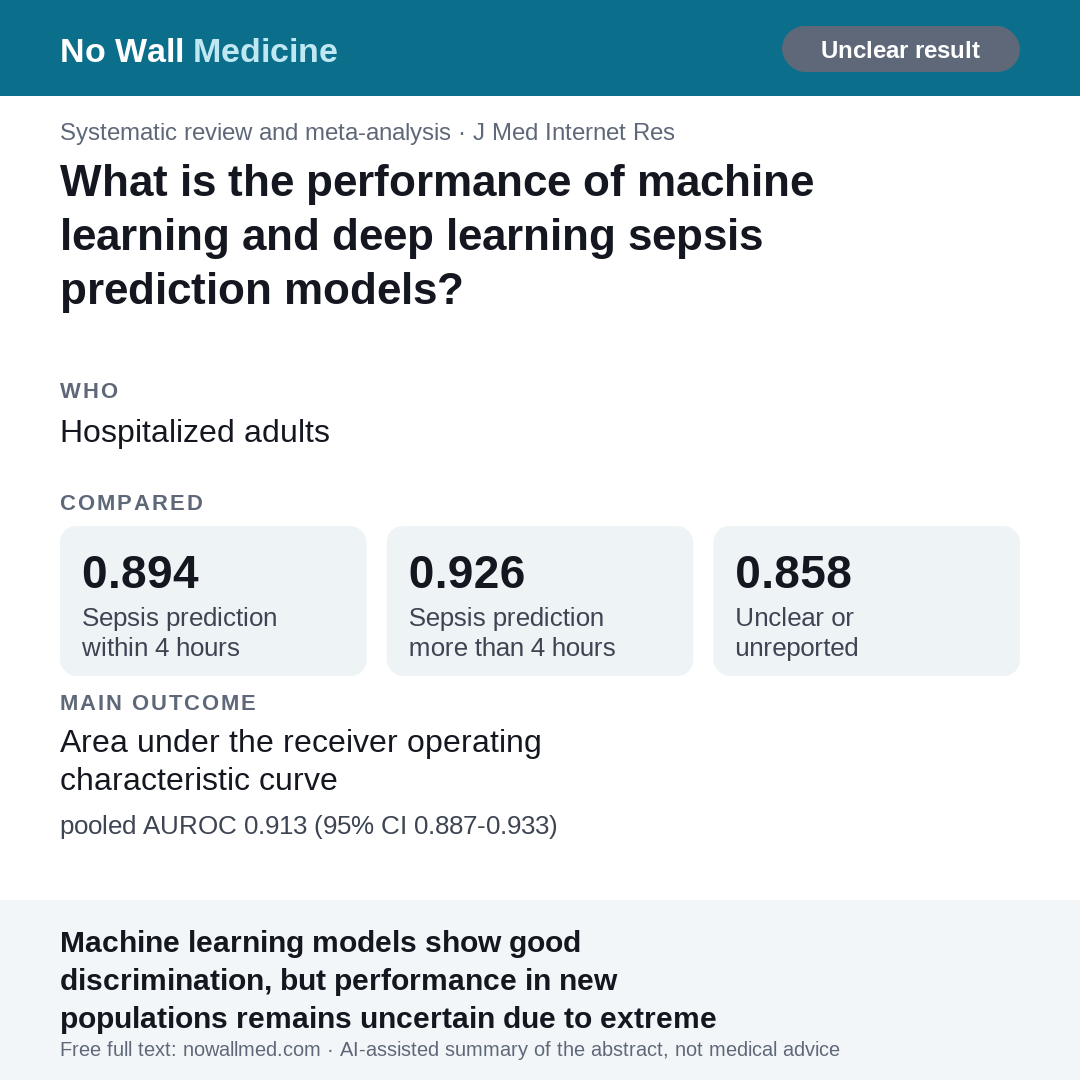
AI-Based Sepsis Prediction in Hospitalized Adults: Systematic Review, Subgroup Meta-Analysis, and Contextual Analysis of Clinical Burden
Systematic review and meta-analysisUnclear result
What is the performance of machine learning and deep learning sepsis prediction models?
Who
34
Hospitalized adults
Compared
0.894Sepsis prediction within 4 hours (95% CI 0.829-0.936)
0.926Sepsis prediction more than 4 hours before onset (95% CI 0.897-0.948)
0.858Unclear or unreported prediction windows (95% CI 0.581-0.964)
Main outcome
Area under the receiver operating characteristic curve
Result: pooled AUROC 0.913 (95% CI 0.887-0.933)
Bottom line: Machine learning models show good discrimination, but performance in new populations remains uncertain due to extreme heterogeneity and limited prospective evaluation.
Limitation: Extreme heterogeneity, overlapping public data, inconsistent reporting, and limited prospective evaluation.
J Med Internet Res · 2026-09-17Download image
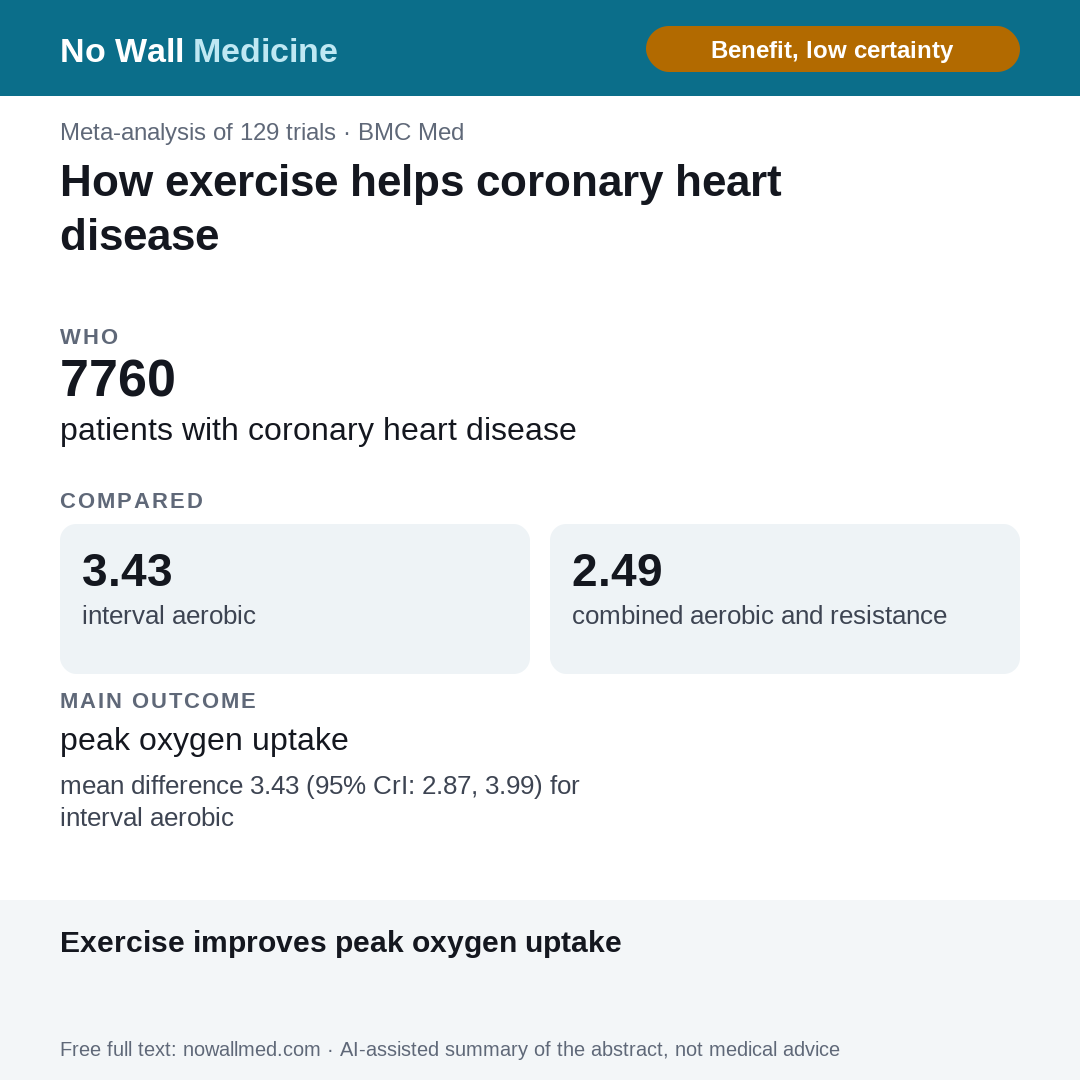
Exercise-based management of patients with coronary heart disease: an integrated network meta-analysis and machine learning exploration
Meta-analysis of 129 trialsBenefit found
How exercise helps coronary heart disease
Who
7760
patients with coronary heart disease
Compared
3.43interval aerobic
2.49combined aerobic and resistance
Main outcome
peak oxygen uptake
Result: mean difference 3.43 (95% CrI: 2.87, 3.99) for interval aerobic
Bottom line: Exercise improves peak oxygen uptake
Limitation: low-certainty evidence
BMC Med · 2026-09-16Download image
Impact of Botulinum Toxin on Ocular Surface Parameters in Patients With Orbicularis Spasm: A Systematic Review and Meta-Analysis
Systematic review and meta-analysisBenefit found
What is the impact of botulinum toxin on ocular surface parameters in orbicularis spasm?
Who
820
Patients with blepharospasm and hemifacial spasm
Compared
Pretreatment
Posttreatment: OSDI scores significantly improved at 1 to 4 weeks
Main outcome
Ocular surface parameters and corneal metrics
Result: mean difference -11.77 (95% CI -19.93 to -0.28) for OSDI
Bottom line: Botulinum toxin improves ocular surface symptoms and tear film stability in patients with orbicularis oculi spasm.
Limitation: Effects may be due to reduced involuntary eyelid contractions rather than direct biologic effects.
Am J Ophthalmol · 2026-09-16Download image

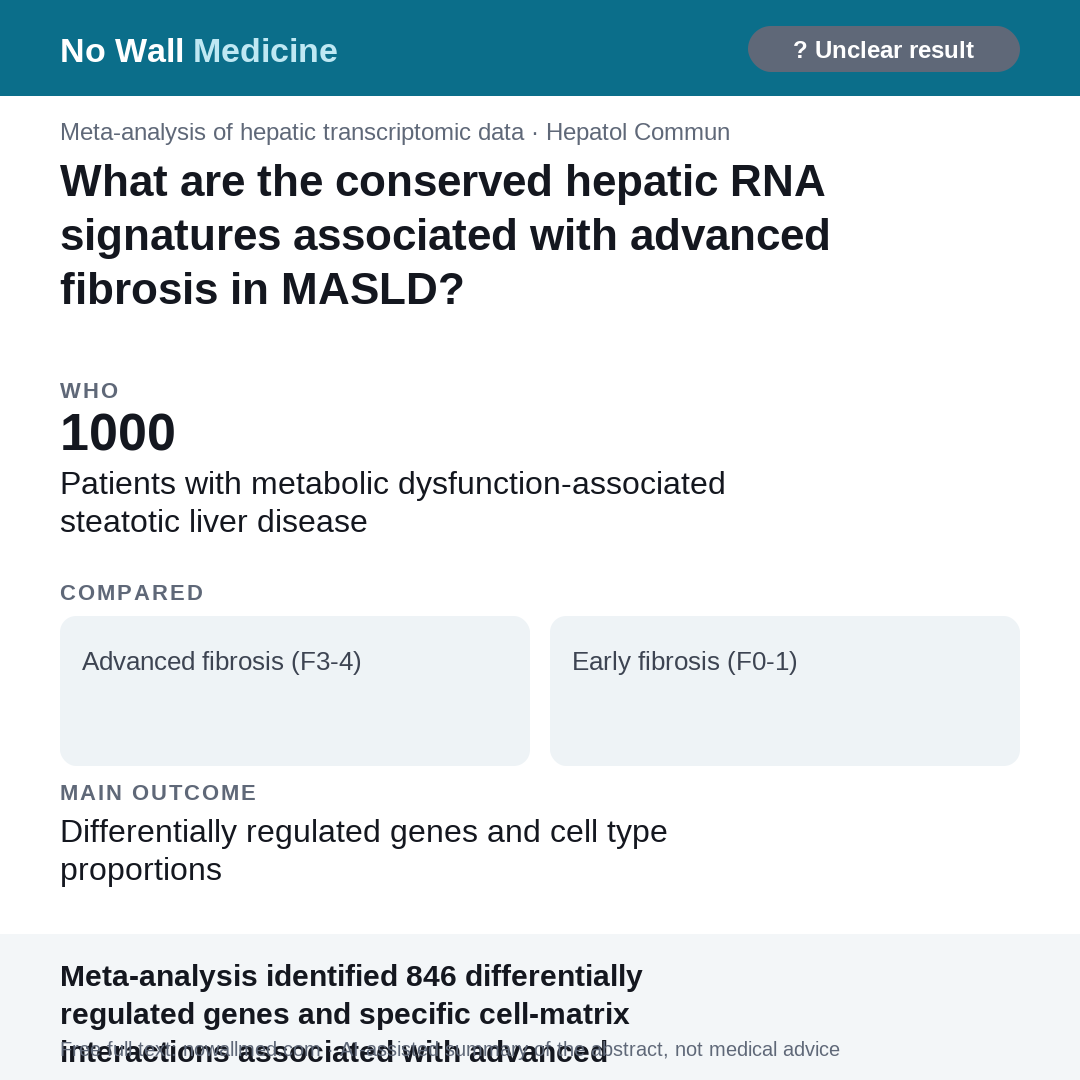
Conserved hepatic RNA signatures across multiple cohorts reveal novel mechanistic clues for advanced fibrosis in human MASLD
Meta-analysis of hepatic transcriptomic dataUnclear result
What are the conserved hepatic RNA signatures associated with advanced fibrosis in MASLD?
Who
1000
Patients with metabolic dysfunction-associated steatotic liver disease
Compared
Advanced fibrosis (F3-4)
Early fibrosis (F0-1)
Main outcome
Differentially regulated genes and cell type proportions
Bottom line: Meta-analysis identified 846 differentially regulated genes and specific cell-matrix interactions associated with advanced fibrosis.
Limitation: Interstudy heterogeneity and limited sample size hinder identification of consistent mechanisms.
Hepatol Commun · 2026-09-16Download image
Zolbetuximab plus chemotherapy versus immune checkpoint inhibitor regimens by programmed death-ligand 1 combined positive score in locally advanced or metastatic gastric or gastroesophageal junction adenocarcinoma: a Bayesian network meta-analysis
Bayesian network meta-analysisBenefit found
How does zolbetuximab plus chemotherapy compare to immune checkpoint inhibitor regimens?
Who
Adults with locally advanced or metastatic gastric or gastroesophageal junction adenocarcinoma · Global trials
Compared
Zolbetuximab plus chemotherapy
Immune checkpoint inhibitor regimens
Main outcome
Overall survival and progression-free survival
Bottom line: Zolbetuximab plus chemotherapy shows consistent efficacy across various programmed death-ligand 1 combined positive score levels.
ESMO Open · 2026-09-16Download image

Drawing and visual art interventions for anxiety in children aged 5-12: a systematic review and meta-analysis of randomised controlled trials
Systematic review and meta-analysis of randomised controlled trialsBenefit found
Do drawing and visual art interventions reduce anxiety in children aged 5-12 years?
Who
816
Children aged 5-12 years · Medical or procedure-related contexts
Compared
Drawing and visual art interventions
Non-art or usual-care comparators
Main outcome
Postintervention anxiety
Result: standardised mean difference -2.70 (95% CI -3.73 to -1.68)
Bottom line: Drawing and visual art interventions may reduce short-term anxiety in acute medical or procedure-related contexts.
Limitation: Substantial heterogeneity and lack of generalisable effect across paediatric settings.
BMJ Paediatr Open · 2026-09-16Download image

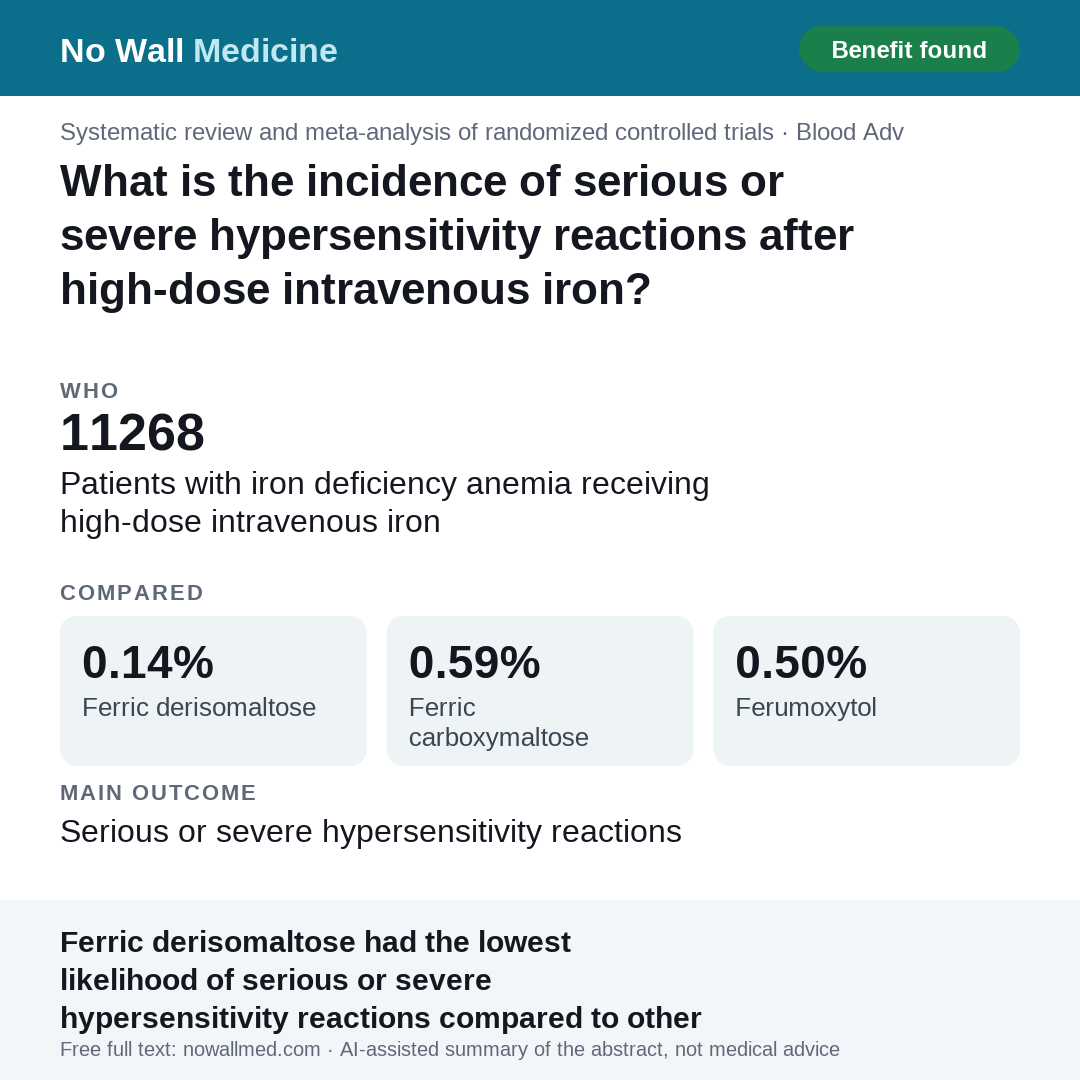
Systematic review and meta-analysis of hypersensitivity reactions after high-dose IV iron
Systematic review and meta-analysis of randomized controlled trialsBenefit found
What is the incidence of serious or severe hypersensitivity reactions after high-dose intravenous iron?
Who
11268
Patients with iron deficiency anemia receiving high-dose intravenous iron
Compared
0.14%Ferric derisomaltose
0.59%Ferric carboxymaltose
0.50%Ferumoxytol
Main outcome
Serious or severe hypersensitivity reactions
Result: FDI vs FCM 0.21 (95% CrI 0.03-1.73); FDI vs FER 0.07 (95% CrI 0.00-1.93)
Bottom line: Ferric derisomaltose had the lowest likelihood of serious or severe hypersensitivity reactions compared to other high-dose intravenous iron formulations.
Blood Adv · 2026-09-16Download image