Visual abstracts
New randomized trials and meta-analyses from leading journals at a glance: who was studied, what was compared, and what was found. Every paper is free to read in full.
All specialtiesCardiology 4763Oncology 4043Gastroenterology & Hepatology 1903Infectious Disease 3756Neurology 1872Psychiatry & Mental Health 2216Pulmonology 2044Critical Care 1319Endocrinology & Diabetes 2544Pediatrics 2889Surgery 2480Orthopedics & Sports Medicine 917Neurosurgery 525Cardiothoracic & Vascular Surgery 656Plastic & Reconstructive Surgery 574Nephrology 1107Rheumatology 810Hematology 1090Dermatology 611Ophthalmology 532Obstetrics & Gynecology 1645Public & Global Health 1037Radiology & Imaging 619Anesthesiology 958Urology 745ENT (Otolaryngology) 494Emergency Medicine 481Allergy & Immunology 309Geriatrics 972Family Medicine & Primary Care 534Medical Genetics & Genomics 659Pathology & Laboratory Medicine 156Physical Medicine & Rehabilitation 734Palliative Care 421Nutrition 1560Digital Health & AI 2137General Medicine 318
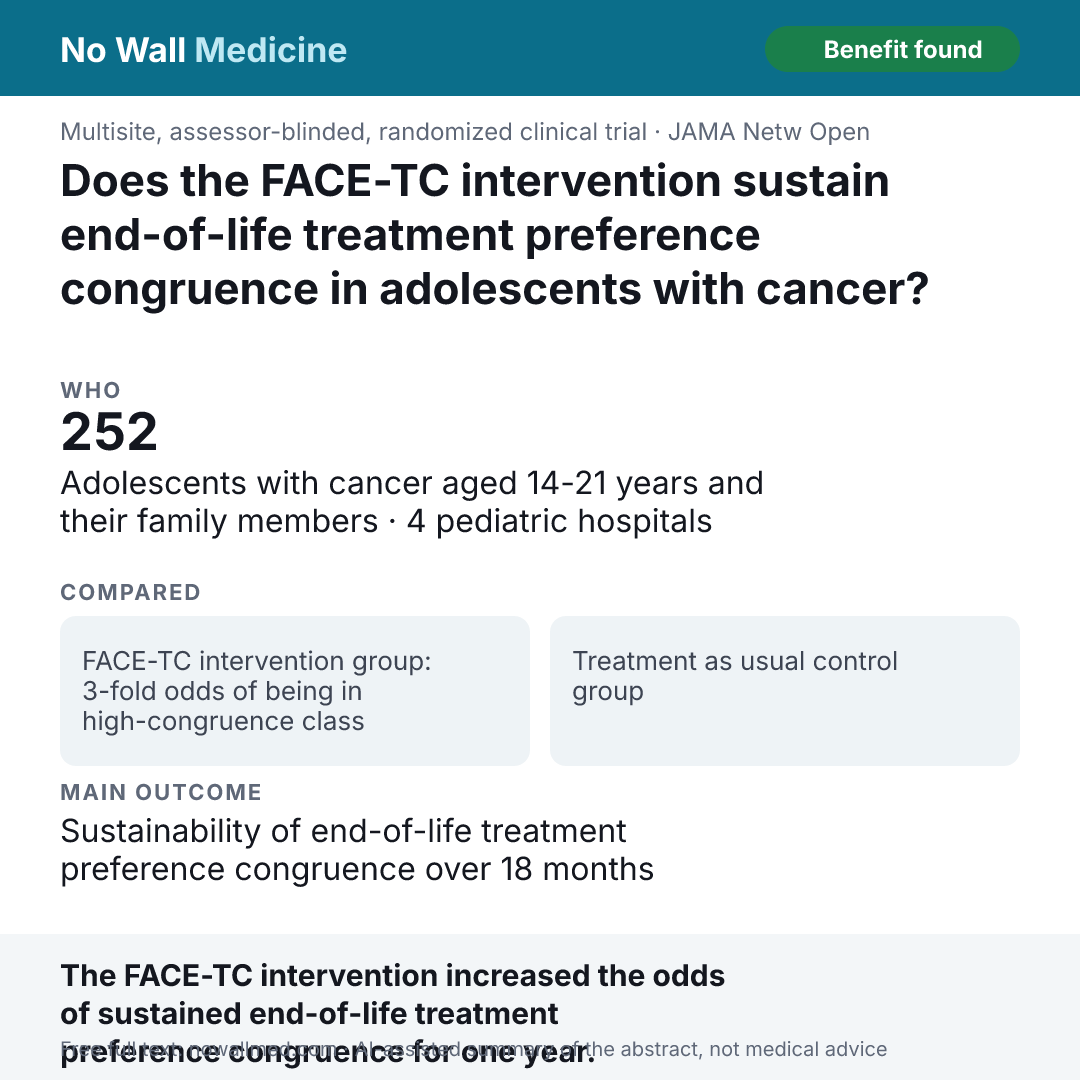
Effect of the Family-Centered Advance Care Planning for Teens with Cancer Intervention on Sustainability of Congruence About End-of-Life Treatment Preferences: A Randomized Clinical Trial
Multisite, assessor-blinded, randomized clinical trialBenefit found
Does the FACE-TC intervention sustain end-of-life treatment preference congruence in adolescents with cancer?
Who
252
Adolescents with cancer aged 14-21 years and their family members · 4 pediatric hospitals
Compared
FACE-TC intervention group: 3-fold odds of being in high-congruence class
Treatment as usual control group
Main outcome
Sustainability of end-of-life treatment preference congruence over 18 months
Result: odds ratio 3.22 (95% CI, 1.09-9.57)
Bottom line: The FACE-TC intervention increased the odds of sustained end-of-life treatment preference congruence for one year.
JAMA Netw Open · 2022-07-01 · Save PNG
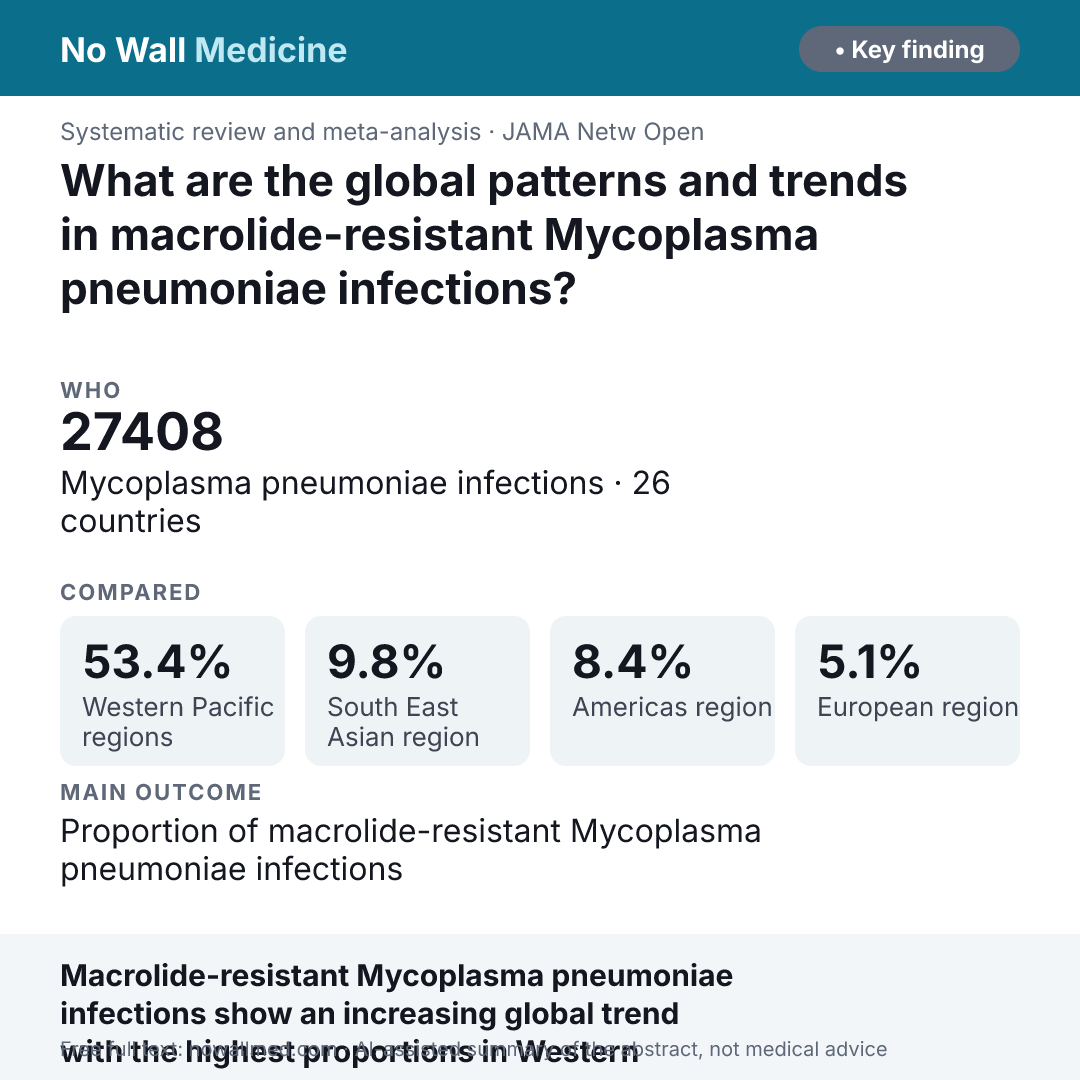
Global Trends in the Proportion of Macrolide-Resistant Mycoplasma pneumoniae Infections: A Systematic Review and Meta-analysis
Systematic review and meta-analysisKey finding
What are the global patterns and trends in macrolide-resistant Mycoplasma pneumoniae infections?
Who
27408
Mycoplasma pneumoniae infections · 26 countries
Compared
53.4%Western Pacific regions (95% CI, 47.4%-60.3%)
9.8%South East Asian region (95% CI, 0.8%-100%)
8.4%Americas region (95% CI, 6.1%-11.6%)
5.1%European region (95% CI, 3.3%-8.0%)
Main outcome
Proportion of macrolide-resistant Mycoplasma pneumoniae infections
Bottom line: Macrolide-resistant Mycoplasma pneumoniae infections show an increasing global trend with the highest proportions in Western Pacific regions.
JAMA Netw Open · 2022-07-01 · Save PNG
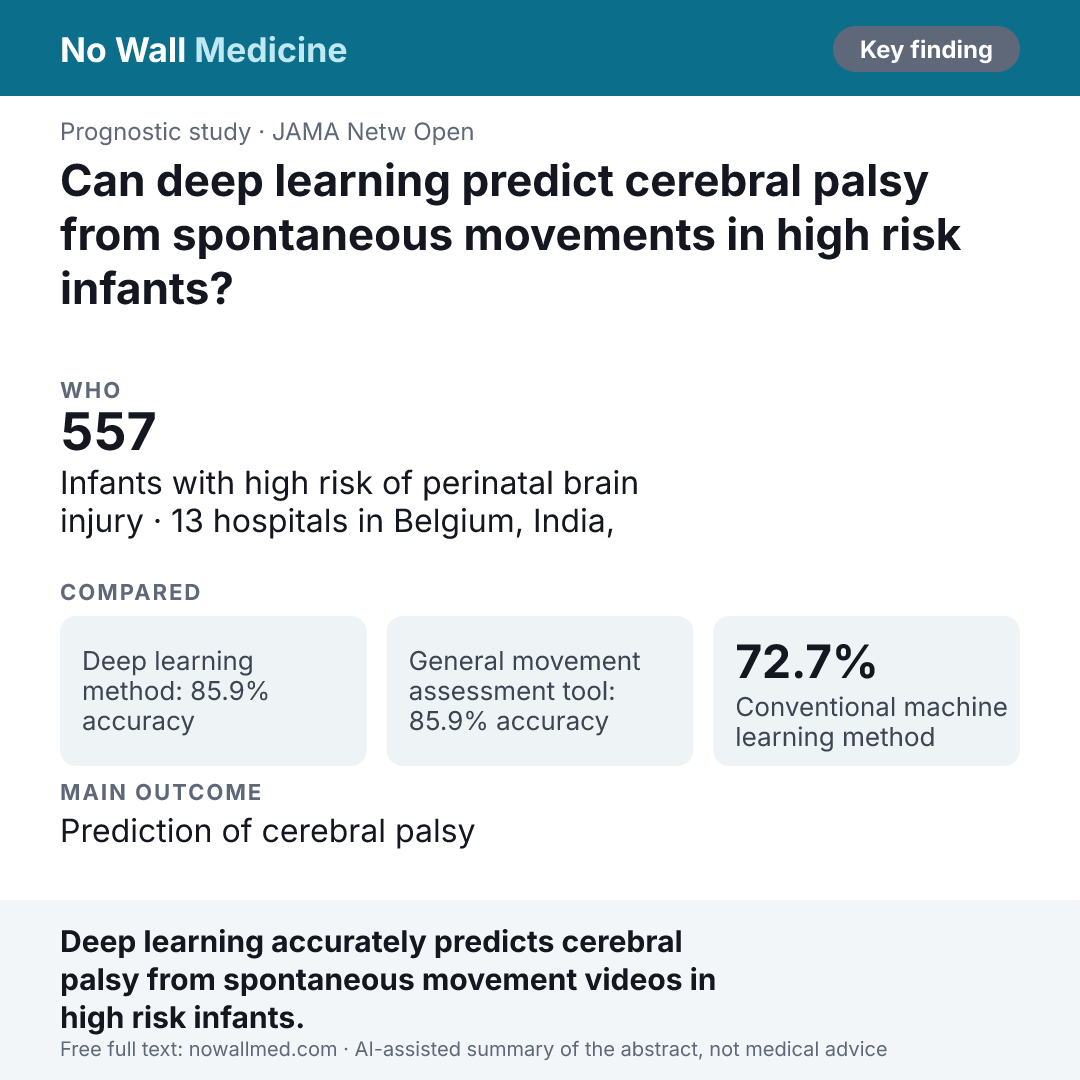
Development and Validation of a Deep Learning Method to Predict Cerebral Palsy From Spontaneous Movements in Infants at High Risk
Prognostic studyKey finding
Can deep learning predict cerebral palsy from spontaneous movements in high risk infants?
Who
557
Infants with high risk of perinatal brain injury · 13 hospitals in Belgium, India, Norway, and the US
Compared
Deep learning method: 85.9% accuracy
General movement assessment tool: 85.9% accuracy
72.7%Conventional machine learning method (95% CI, 64.5%-79.9%)
Main outcome
Prediction of cerebral palsy
Result: sensitivity 71.4% (95% CI, 47.8%-88.7%)
Bottom line: Deep learning accurately predicts cerebral palsy from spontaneous movement videos in high risk infants.
JAMA Netw Open · 2022-07-01 · Save PNG
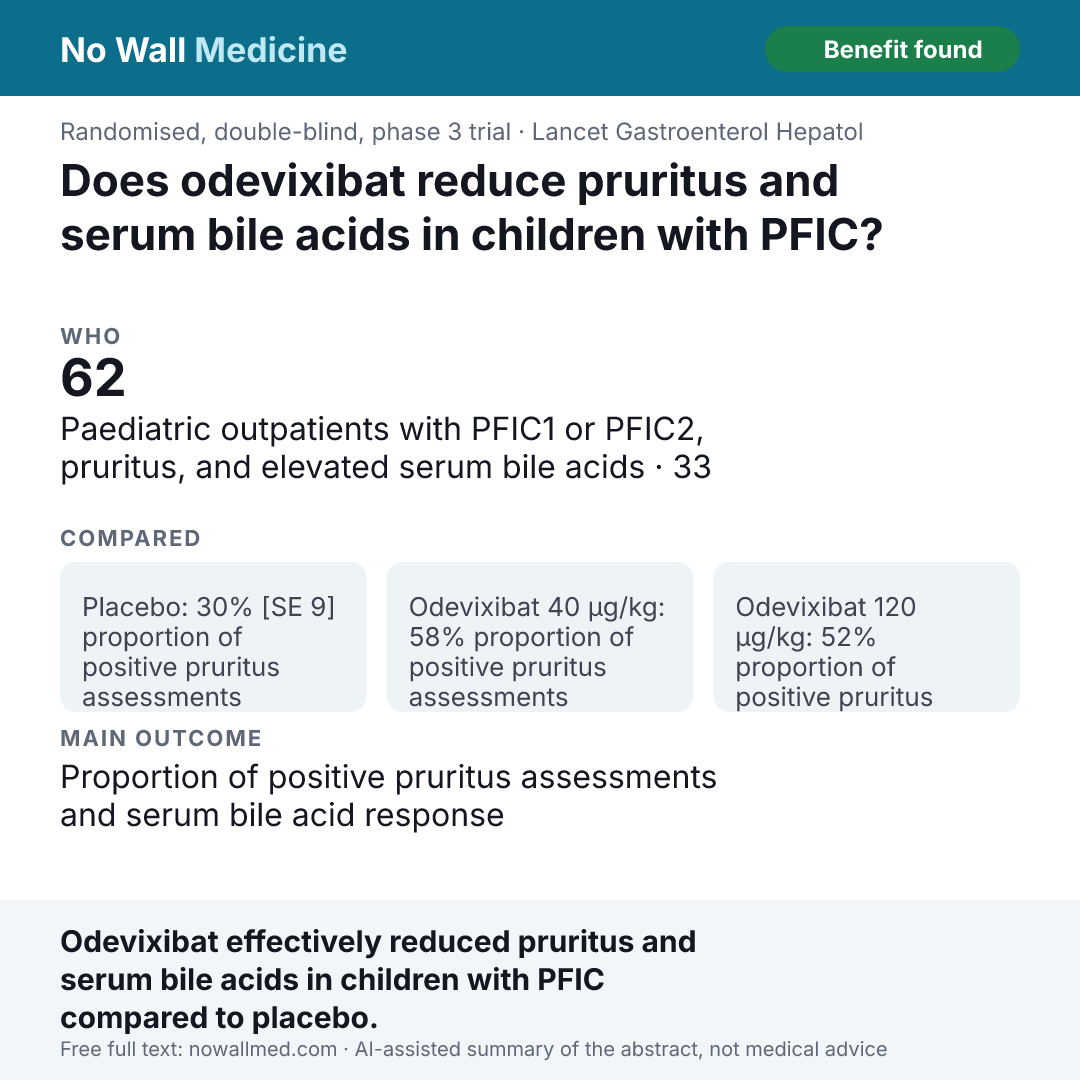
Odevixibat treatment in progressive familial intrahepatic cholestasis: a randomised, placebo-controlled, phase 3 trial
Randomised, double-blind, phase 3 trialBenefit found
Does odevixibat reduce pruritus and serum bile acids in children with PFIC?
Who
62
Paediatric outpatients with PFIC1 or PFIC2, pruritus, and elevated serum bile acids · 33 global sites
Compared
Placebo: 30% [SE 9] proportion of positive pruritus assessments
Odevixibat 40 μg/kg: 58% proportion of positive pruritus assessments
Odevixibat 120 μg/kg: 52% proportion of positive pruritus assessments
Main outcome
Proportion of positive pruritus assessments and serum bile acid response
Result: model-adjusted mean difference 25·0% [95% CI 8·5-41·5]
Bottom line: Odevixibat effectively reduced pruritus and serum bile acids in children with PFIC compared to placebo.
Funded by: Albireo Pharma
Lancet Gastroenterol Hepatol · 2022-07-01 · Save PNG
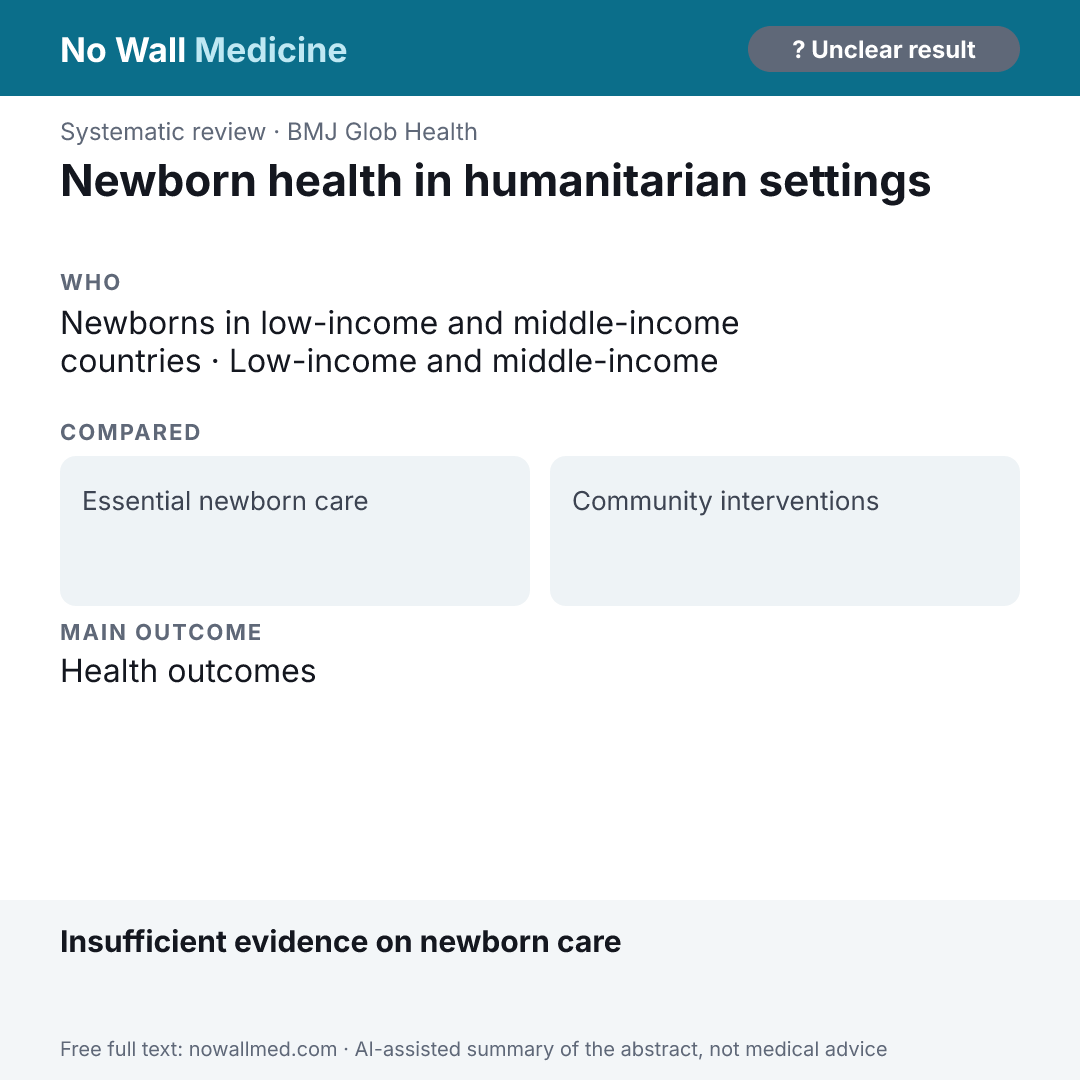
A systematic review of newborn health interventions in humanitarian settings
Systematic reviewUnclear result
Newborn health in humanitarian settings
Who
Newborns in low-income and middle-income countries · Low-income and middle-income countries
Compared
Essential newborn care
Community interventions
Main outcome
Health outcomes
Bottom line: Insufficient evidence on newborn care
BMJ Glob Health · 2022-07-01 · Save PNG
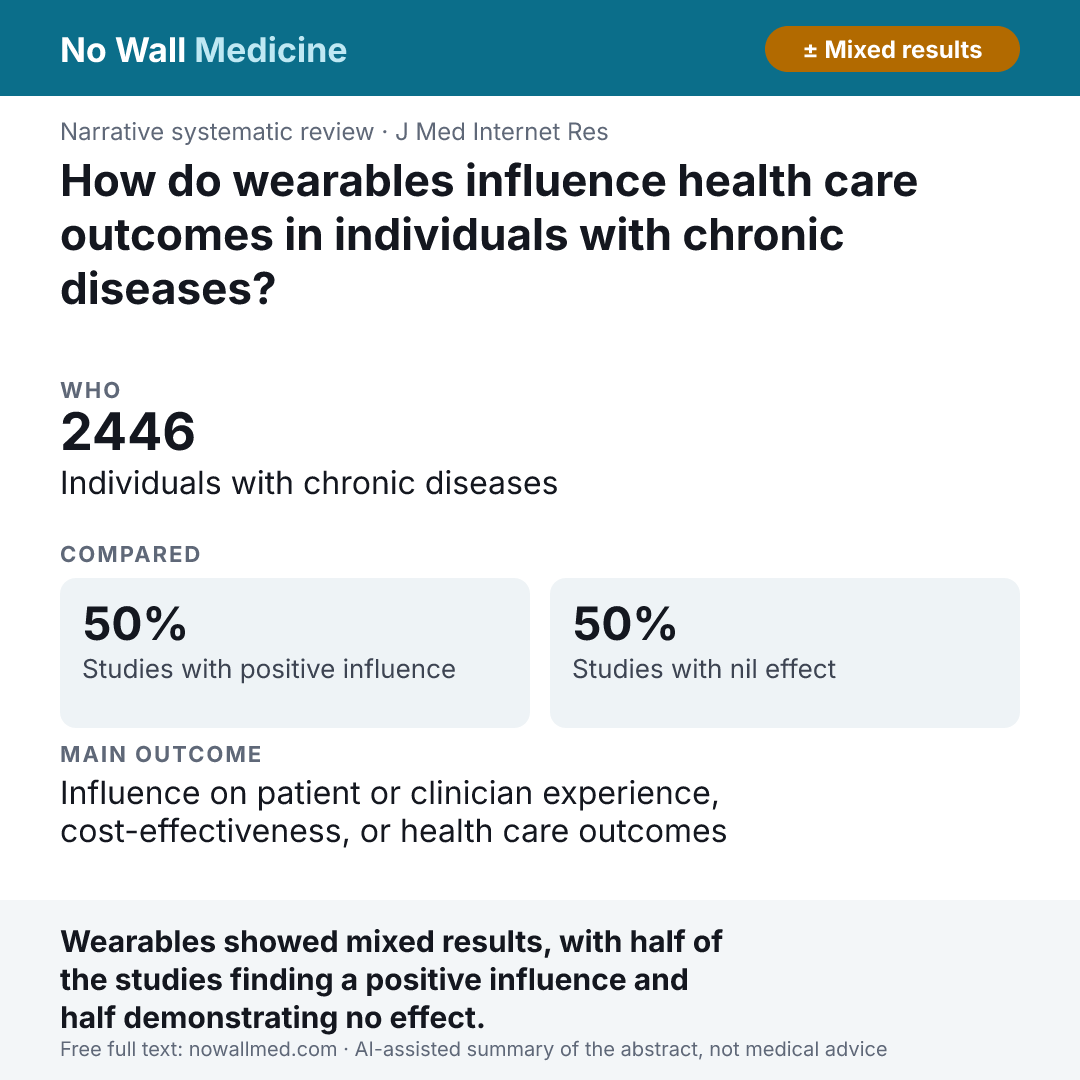
The Influence of Wearables on Health Care Outcomes in Chronic Disease: Systematic Review
Narrative systematic reviewMixed results
How do wearables influence health care outcomes in individuals with chronic diseases?
Who
2446
Individuals with chronic diseases
Compared
50%Studies with positive influence (15/30)
50%Studies with nil effect (15/30)
Main outcome
Influence on patient or clinician experience, cost-effectiveness, or health care outcomes
Bottom line: Wearables showed mixed results, with half of the studies finding a positive influence and half demonstrating no effect.
Limitation: Further research is required to generate a strong evidence base for safe and effective implementation.
J Med Internet Res · 2022-07-01 · Save PNG
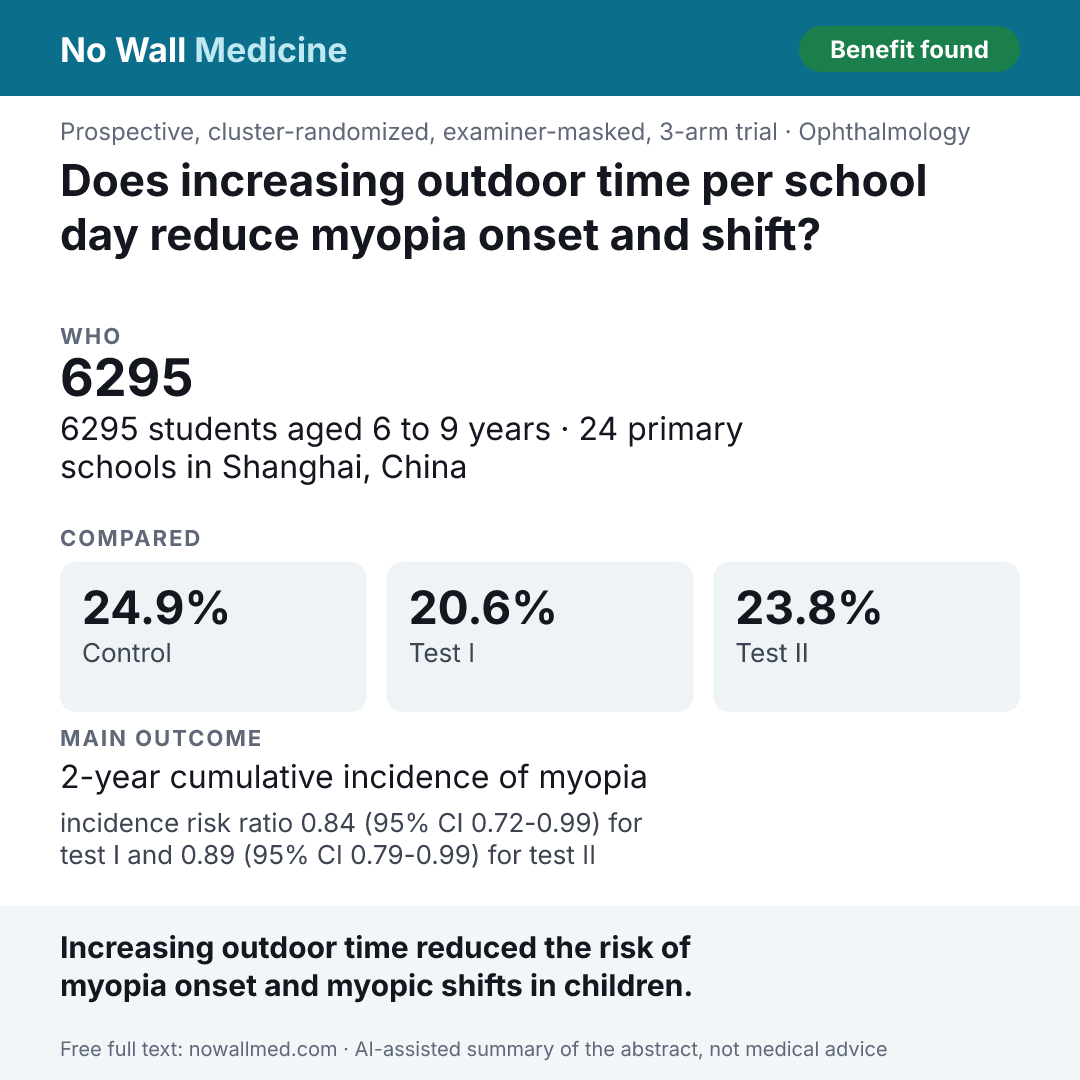
Time Outdoors in Reducing Myopia: A School-Based Cluster Randomized Trial with Objective Monitoring of Outdoor Time and Light Intensity
Prospective, cluster-randomized, examiner-masked, 3-arm trialBenefit found
Does increasing outdoor time per school day reduce myopia onset and shift?
Who
6295
6295 students aged 6 to 9 years · 24 primary schools in Shanghai, China
Compared
24.9%Control
20.6%Test I
23.8%Test II
Main outcome
2-year cumulative incidence of myopia
Result: incidence risk ratio 0.84 (95% CI 0.72-0.99) for test I and 0.89 (95% CI 0.79-0.99) for test II
Bottom line: Increasing outdoor time reduced the risk of myopia onset and myopic shifts in children.
Ophthalmology · 2022-06-30 · Save PNG
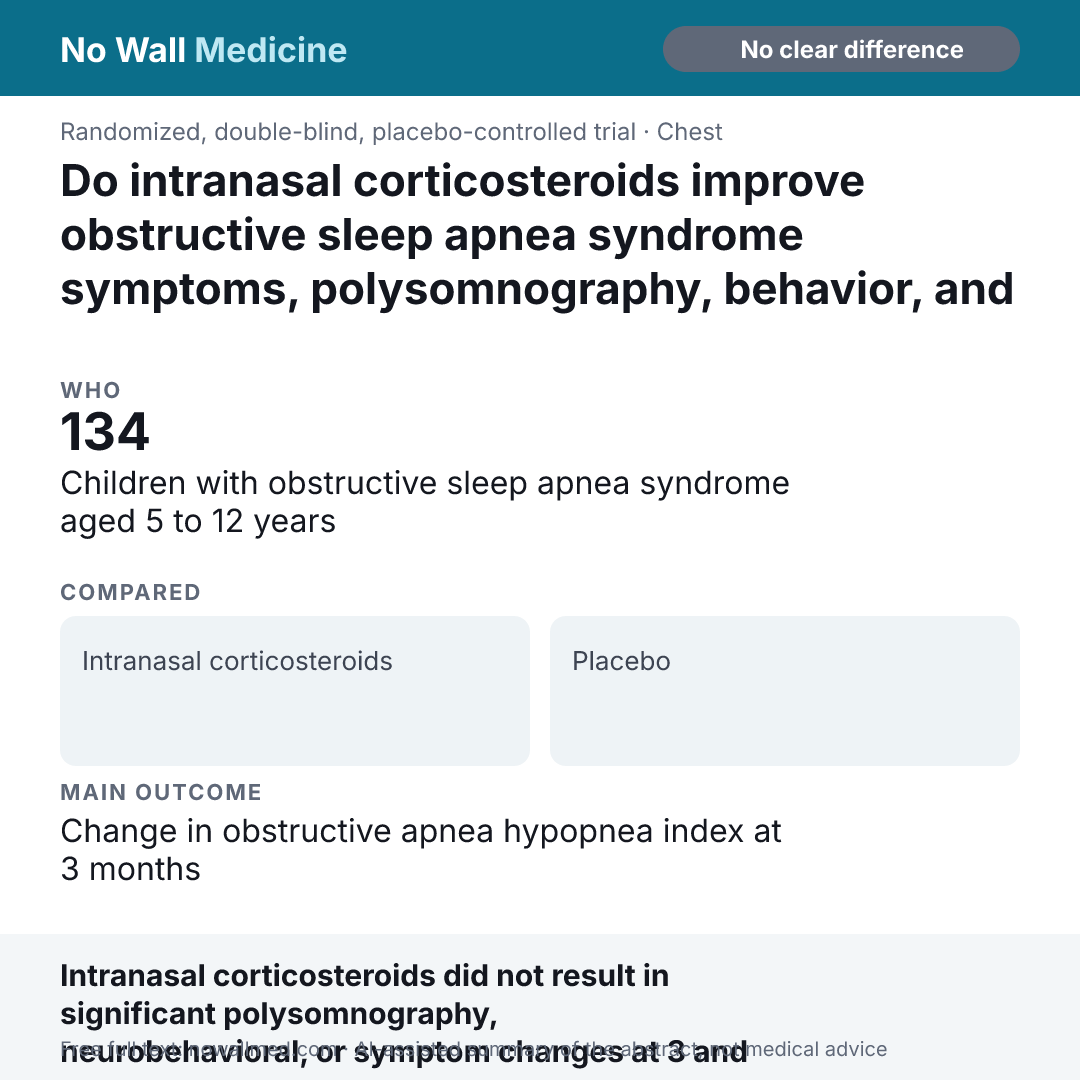
A Trial of Intranasal Corticosteroids to Treat Childhood OSA Syndrome
Randomized, double-blind, placebo-controlled trialNo clear difference
Do intranasal corticosteroids improve obstructive sleep apnea syndrome symptoms, polysomnography, behavior, and quality of life?
Who
134
Children with obstructive sleep apnea syndrome aged 5 to 12 years
Compared
Intranasal corticosteroids
Placebo
Main outcome
Change in obstructive apnea hypopnea index at 3 months
Bottom line: Intranasal corticosteroids did not result in significant polysomnography, neurobehavioral, or symptom changes at 3 and 12 months.
Limitation: Twelve months of treatment resulted in a statistically significant but not clinically relevant reduction.
Chest · 2022-06-30 · Save PNG
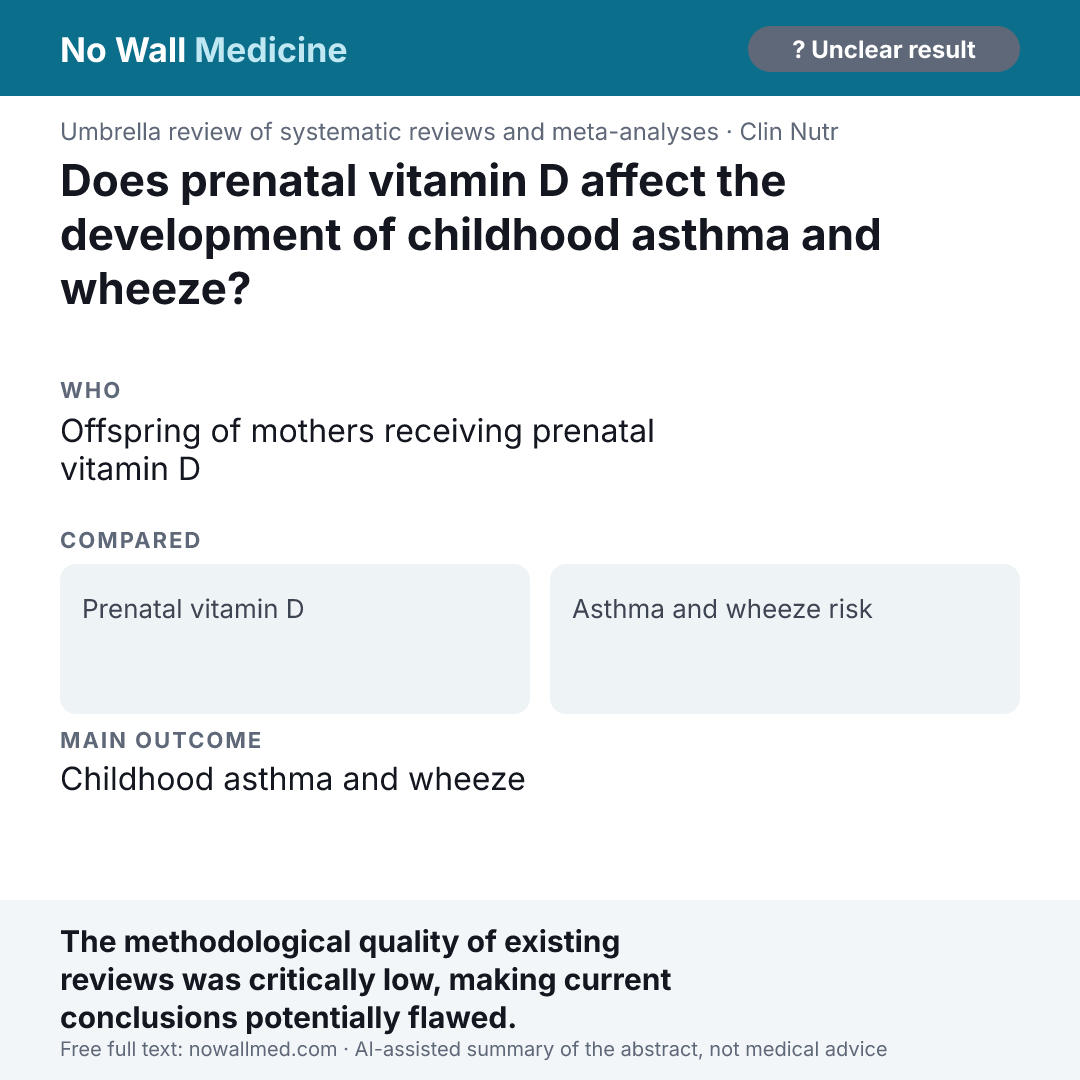
The role of prenatal vitamin D on the development of childhood asthma and wheeze: An umbrella review of systematic reviews and meta-analyses
Umbrella review of systematic reviews and meta-analysesUnclear result
Does prenatal vitamin D affect the development of childhood asthma and wheeze?
Who
Offspring of mothers receiving prenatal vitamin D
Compared
Prenatal vitamin D
Asthma and wheeze risk
Main outcome
Childhood asthma and wheeze
Bottom line: The methodological quality of existing reviews was critically low, making current conclusions potentially flawed.
Clin Nutr · 2022-06-30 · Save PNG
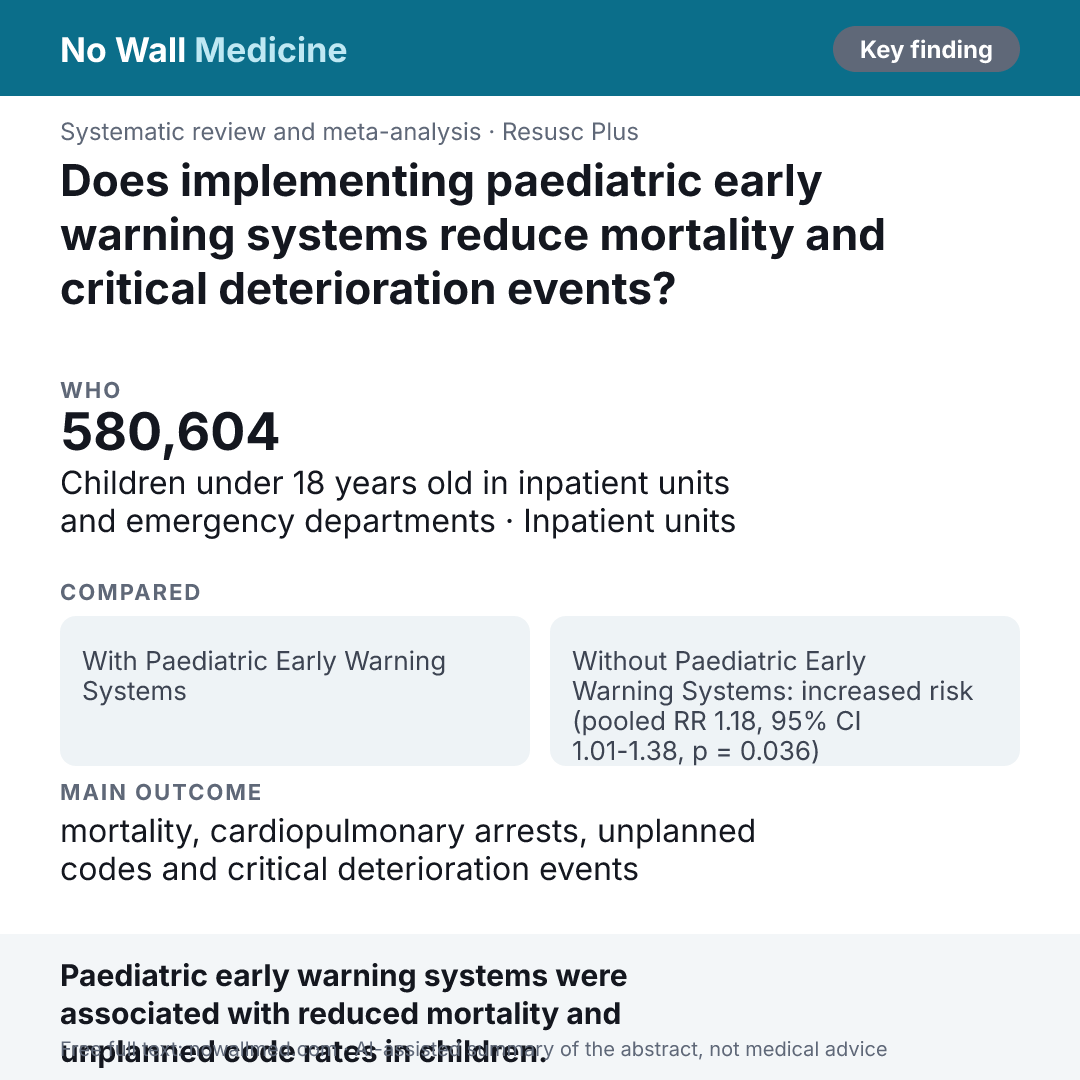
Do paediatric early warning systems reduce mortality and critical deterioration events among children? A systematic review and meta-analysis
Systematic review and meta-analysisKey finding
Does implementing paediatric early warning systems reduce mortality and critical deterioration events?
Who
580,604
Children under 18 years old in inpatient units and emergency departments · Inpatient units and emergency departments
Compared
With Paediatric Early Warning Systems
Without Paediatric Early Warning Systems: increased risk (pooled RR 1.18, 95% CI 1.01-1.38, p = 0.036)
Main outcome
mortality, cardiopulmonary arrests, unplanned codes and critical deterioration events
Result: pooled RR 1.18 (95% CI 1.01-1.38)
Bottom line: Paediatric early warning systems were associated with reduced mortality and unplanned code rates in children.
Limitation: potential confounders and imprecision among included studies
Resusc Plus · 2022-06-29 · Save PNG
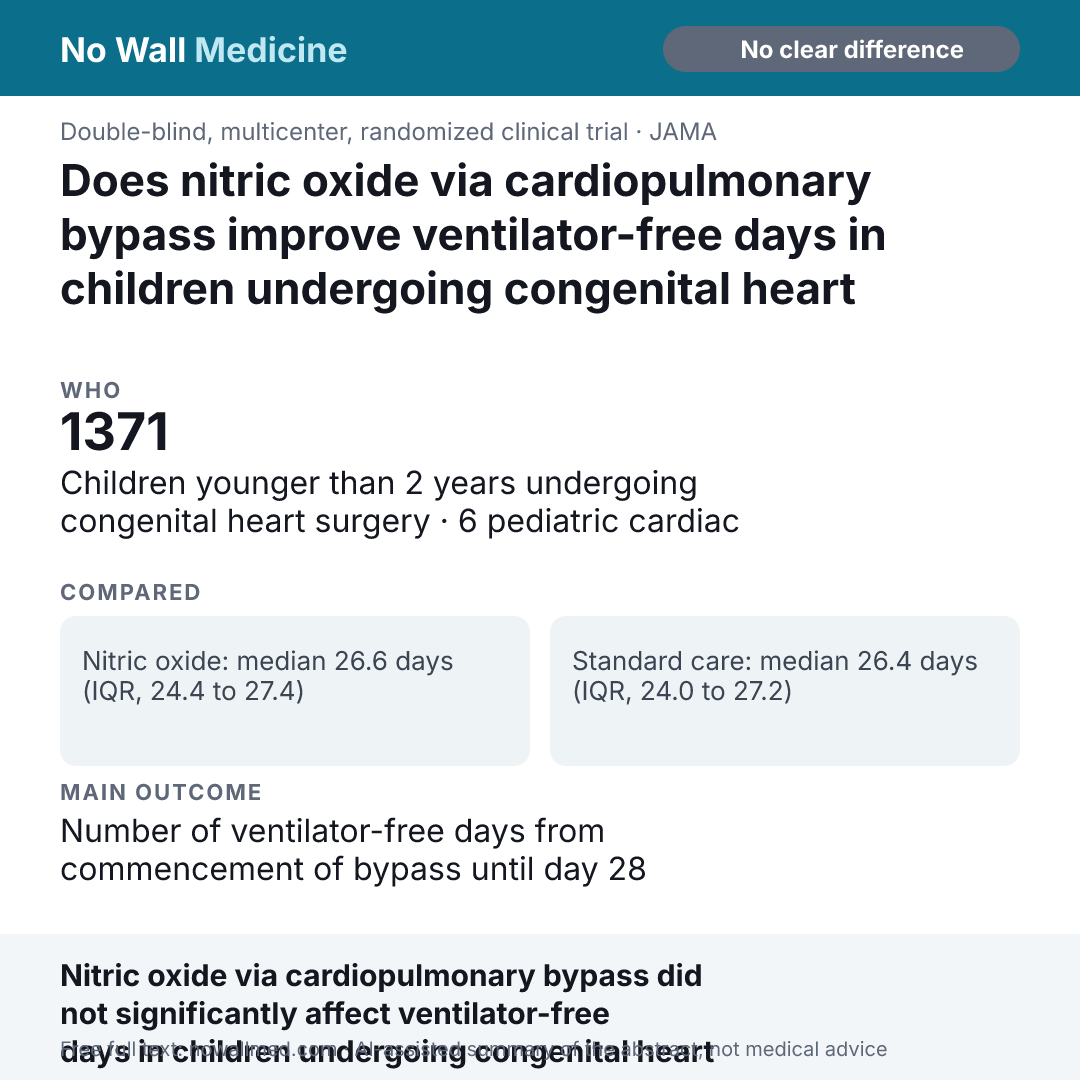
Effect of Nitric Oxide via Cardiopulmonary Bypass on Ventilator-Free Days in Young Children Undergoing Congenital Heart Disease Surgery: The NITRIC Randomized Clinical Trial
Double-blind, multicenter, randomized clinical trialNo clear difference
Does nitric oxide via cardiopulmonary bypass improve ventilator-free days in children undergoing congenital heart disease surgery?
Who
1371
Children younger than 2 years undergoing congenital heart surgery · 6 pediatric cardiac surgical centers in Australia, New Zealand, Netherlands
Compared
Nitric oxide: median 26.6 days (IQR, 24.4 to 27.4)
Standard care: median 26.4 days (IQR, 24.0 to 27.2)
Main outcome
Number of ventilator-free days from commencement of bypass until day 28
Result: absolute difference of -0.01 days (95% CI, -0.25 to 0.22)
Bottom line: Nitric oxide via cardiopulmonary bypass did not significantly affect ventilator-free days in children undergoing congenital heart surgery.
JAMA · 2022-06-28 · Save PNG
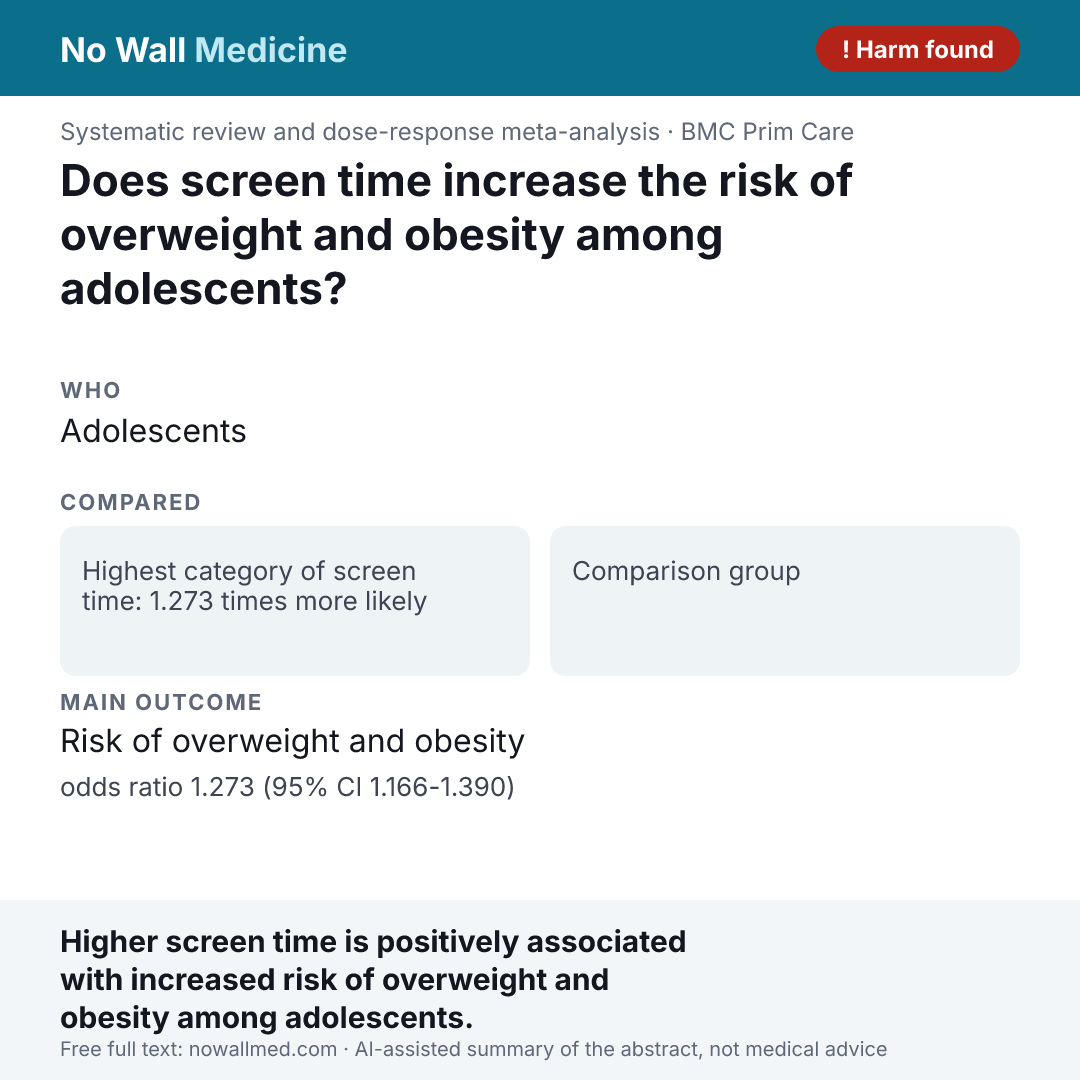
Screen time increases overweight and obesity risk among adolescents: a systematic review and dose-response meta-analysis
Systematic review and dose-response meta-analysisHarm found
Does screen time increase the risk of overweight and obesity among adolescents?
Who
Adolescents
Compared
Highest category of screen time: 1.273 times more likely
Comparison group
Main outcome
Risk of overweight and obesity
Result: odds ratio 1.273 (95% CI 1.166-1.390)
Bottom line: Higher screen time is positively associated with increased risk of overweight and obesity among adolescents.
BMC Prim Care · 2022-06-28 · Save PNG
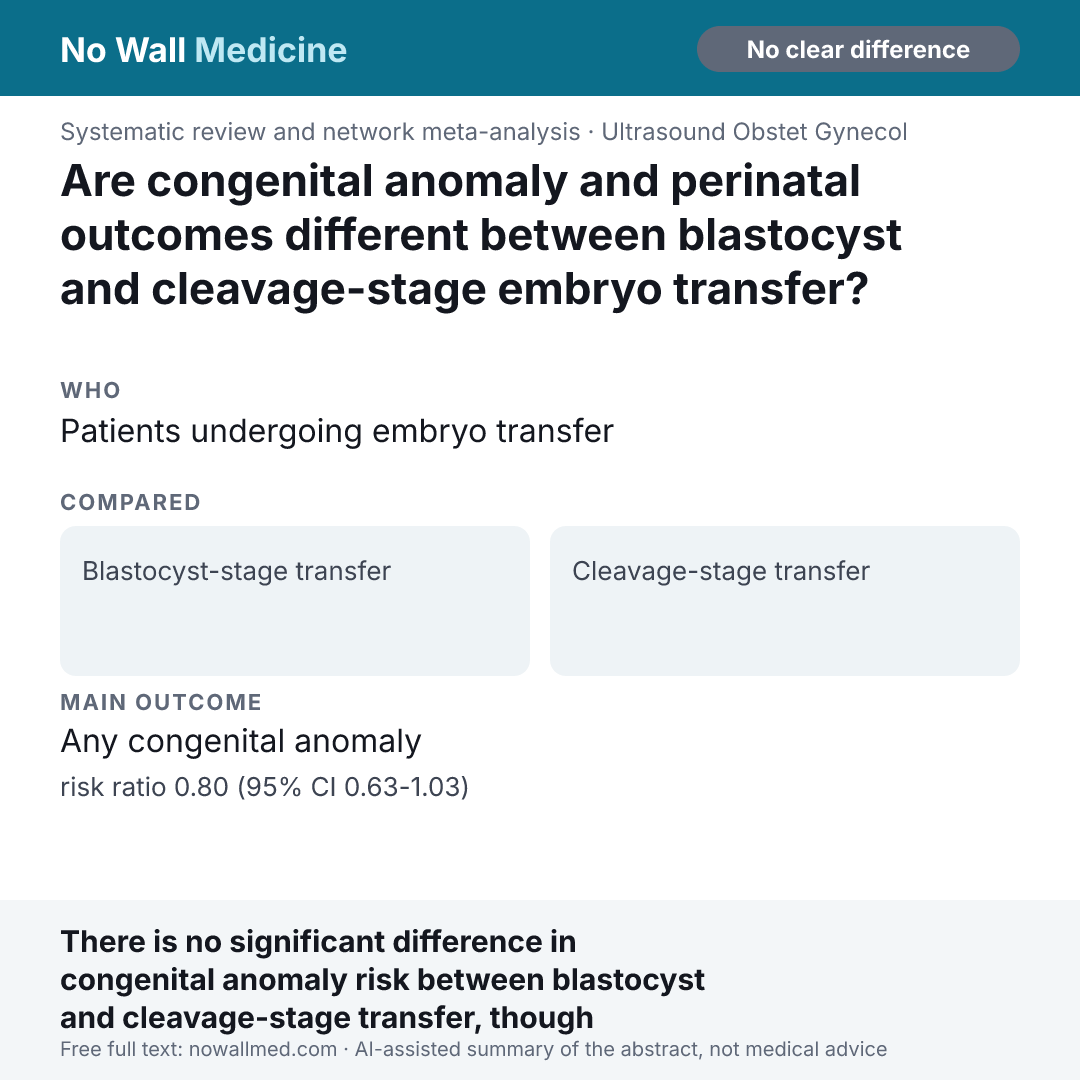
Congenital anomaly and perinatal outcome following blastocyst- vs cleavage-stage embryo transfer: systematic review and network meta-analysis
Systematic review and network meta-analysisNo clear difference
Are congenital anomaly and perinatal outcomes different between blastocyst and cleavage-stage embryo transfer?
Who
Patients undergoing embryo transfer
Compared
Blastocyst-stage transfer
Cleavage-stage transfer
Main outcome
Any congenital anomaly
Result: risk ratio 0.80 (95% CI 0.63-1.03)
Bottom line: There is no significant difference in congenital anomaly risk between blastocyst and cleavage-stage transfer, though blastocyst transfer shows increased male neonate probability.
Limitation: All outcomes were assessed to be of very-low certainty of evidence.
Ultrasound Obstet Gynecol · 2022-06-26 · Save PNG
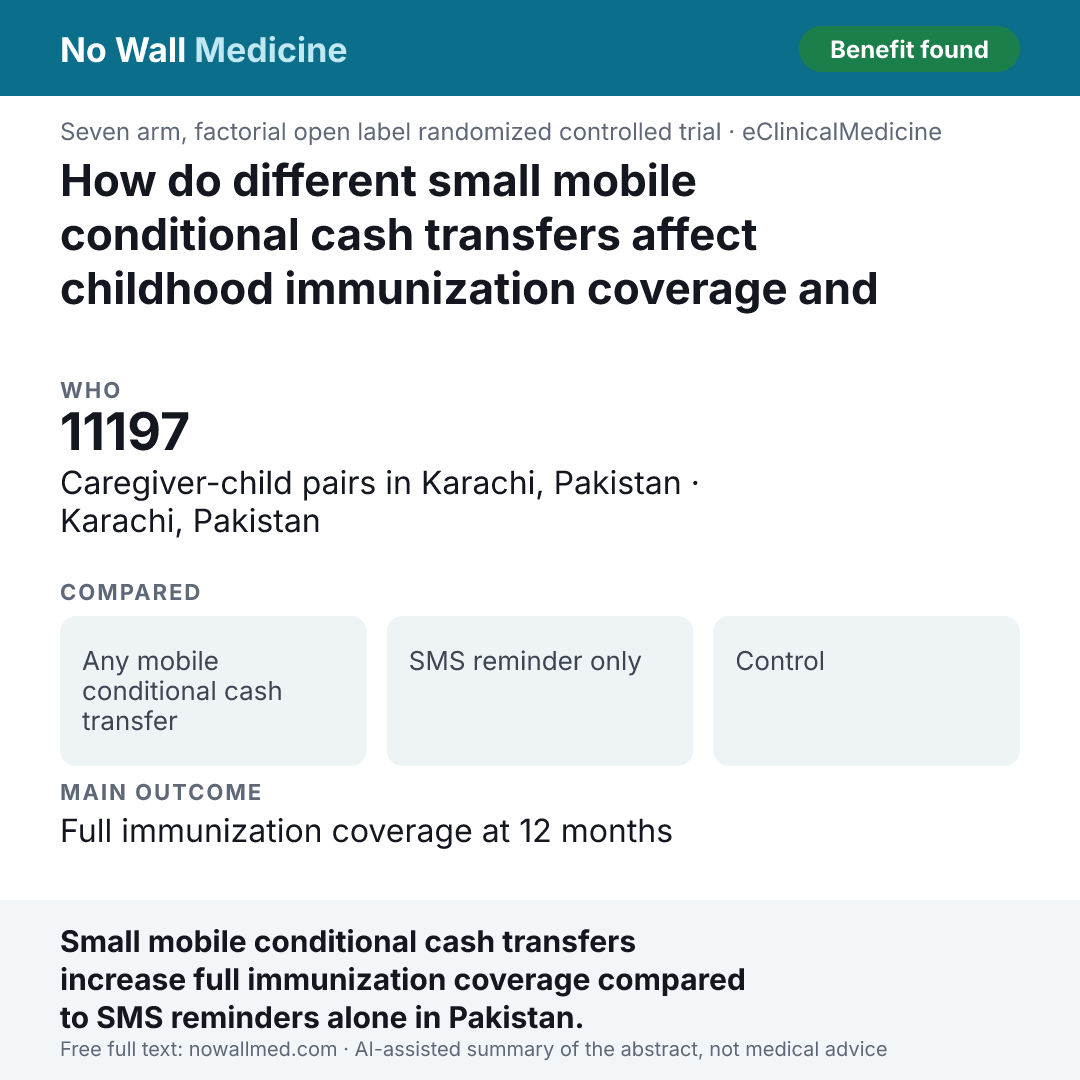
Small mobile conditional cash transfers (mCCTs) of different amounts, schedules and design to improve routine childhood immunization coverage and timeliness of children aged 0-23 months in Pakistan: An open label multi-arm randomized controlled trial
Seven arm, factorial open label randomized controlled trialBenefit found
How do different small mobile conditional cash transfers affect childhood immunization coverage and timeliness in Pakistan?
Who
11197
Caregiver-child pairs in Karachi, Pakistan · Karachi, Pakistan
Compared
Any mobile conditional cash transfer
SMS reminder only
Control
Main outcome
Full immunization coverage at 12 months
Result: OR:1.18, 95% CI: 1.05-1.33
Bottom line: Small mobile conditional cash transfers increase full immunization coverage compared to SMS reminders alone in Pakistan.
Funded by: Global Innovation Fund, GiveWell
eClinicalMedicine · 2022-06-25 · Save PNG
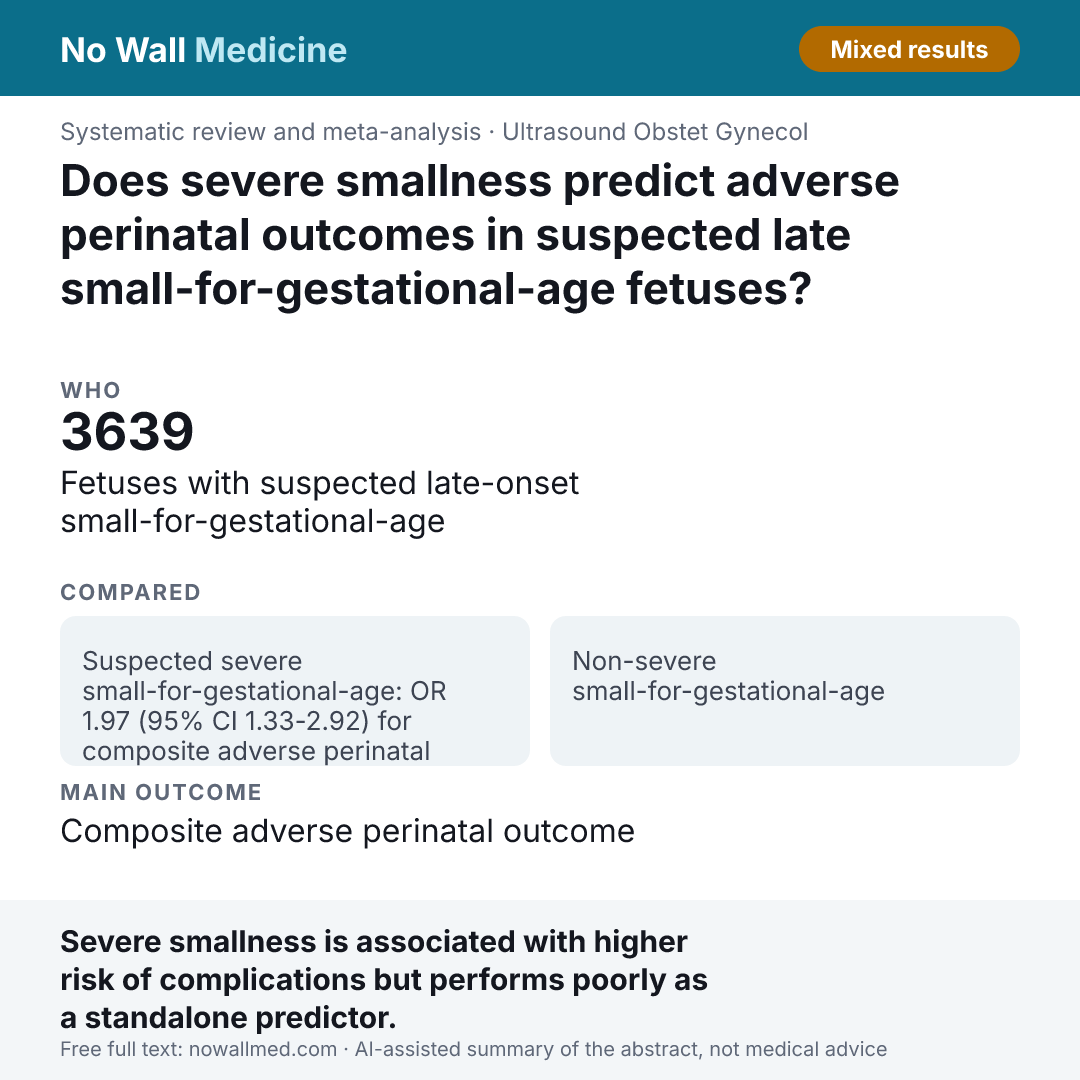
Severe smallness as predictor of adverse perinatal outcome in suspected late small-for-gestational-age fetuses: systematic review and meta-analysis
Systematic review and meta-analysisMixed results
Does severe smallness predict adverse perinatal outcomes in suspected late small-for-gestational-age fetuses?
Who
3639
Fetuses with suspected late-onset small-for-gestational-age
Compared
Suspected severe small-for-gestational-age: OR 1.97 (95% CI 1.33-2.92) for composite adverse perinatal outcome
Non-severe small-for-gestational-age
Main outcome
Composite adverse perinatal outcome
Result: odds ratio 1.97 (95% CI 1.33-2.92)
Bottom line: Severe smallness is associated with higher risk of complications but performs poorly as a standalone predictor.
Ultrasound Obstet Gynecol · 2022-06-25 · Save PNG
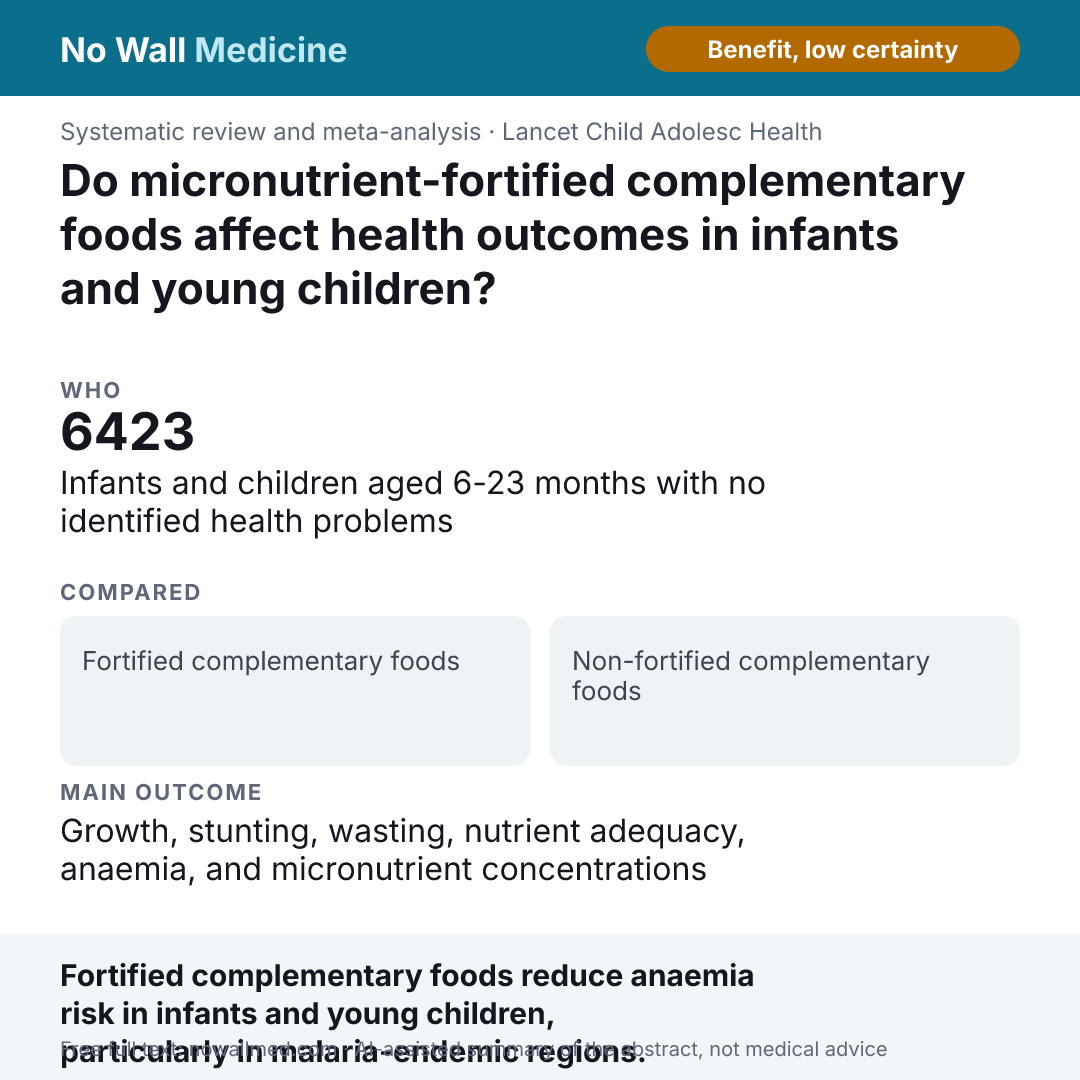
Health outcomes associated with micronutrient-fortified complementary foods in infants and young children aged 6-23 months: a systematic review and meta-analysis
Systematic review and meta-analysisBenefit, low certainty
Do micronutrient-fortified complementary foods affect health outcomes in infants and young children?
Who
6423
Infants and children aged 6-23 months with no identified health problems
Compared
Fortified complementary foods
Non-fortified complementary foods
Main outcome
Growth, stunting, wasting, nutrient adequacy, anaemia, and micronutrient concentrations
Result: risk ratio 0·57 (95% CI 0·39 to 0·82) for anaemia
Bottom line: Fortified complementary foods reduce anaemia risk in infants and young children, particularly in malaria-endemic regions.
Limitation: Effects should be further investigated in high-income countries and regions where malaria is not endemic.
Funded by: World Health Organization
Lancet Child Adolesc Health · 2022-06-24 · Save PNG
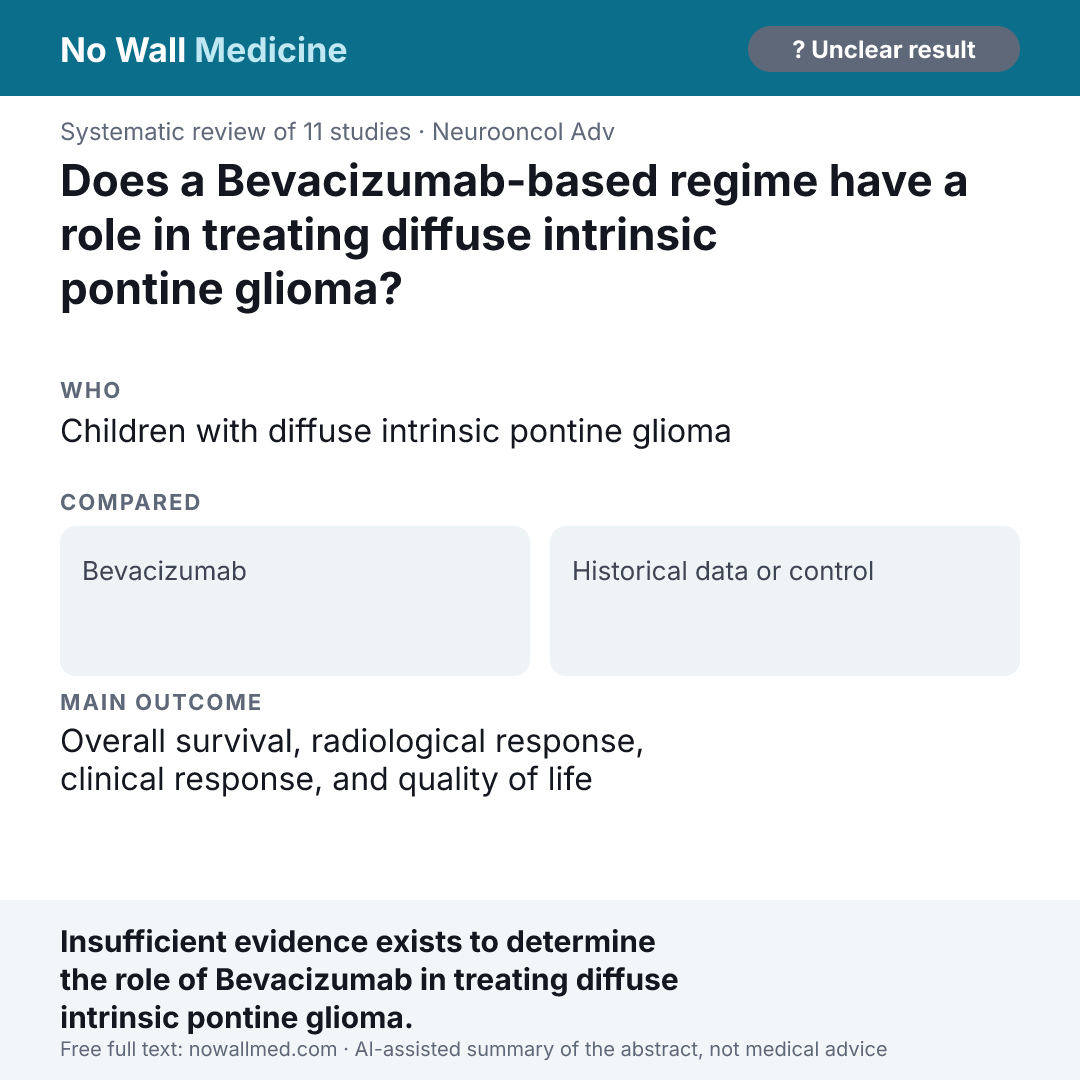
Does a Bevacizumab-based regime have a role in the treatment of children with diffuse intrinsic pontine glioma? A systematic review
Systematic review of 11 studiesUnclear result
Does a Bevacizumab-based regime have a role in treating diffuse intrinsic pontine glioma?
Who
Children with diffuse intrinsic pontine glioma
Compared
Bevacizumab
Historical data or control
Main outcome
Overall survival, radiological response, clinical response, and quality of life
Bottom line: Insufficient evidence exists to determine the role of Bevacizumab in treating diffuse intrinsic pontine glioma.
Limitation: Insufficient evidence available from the included studies.
Neurooncol Adv · 2022-06-24 · Save PNG
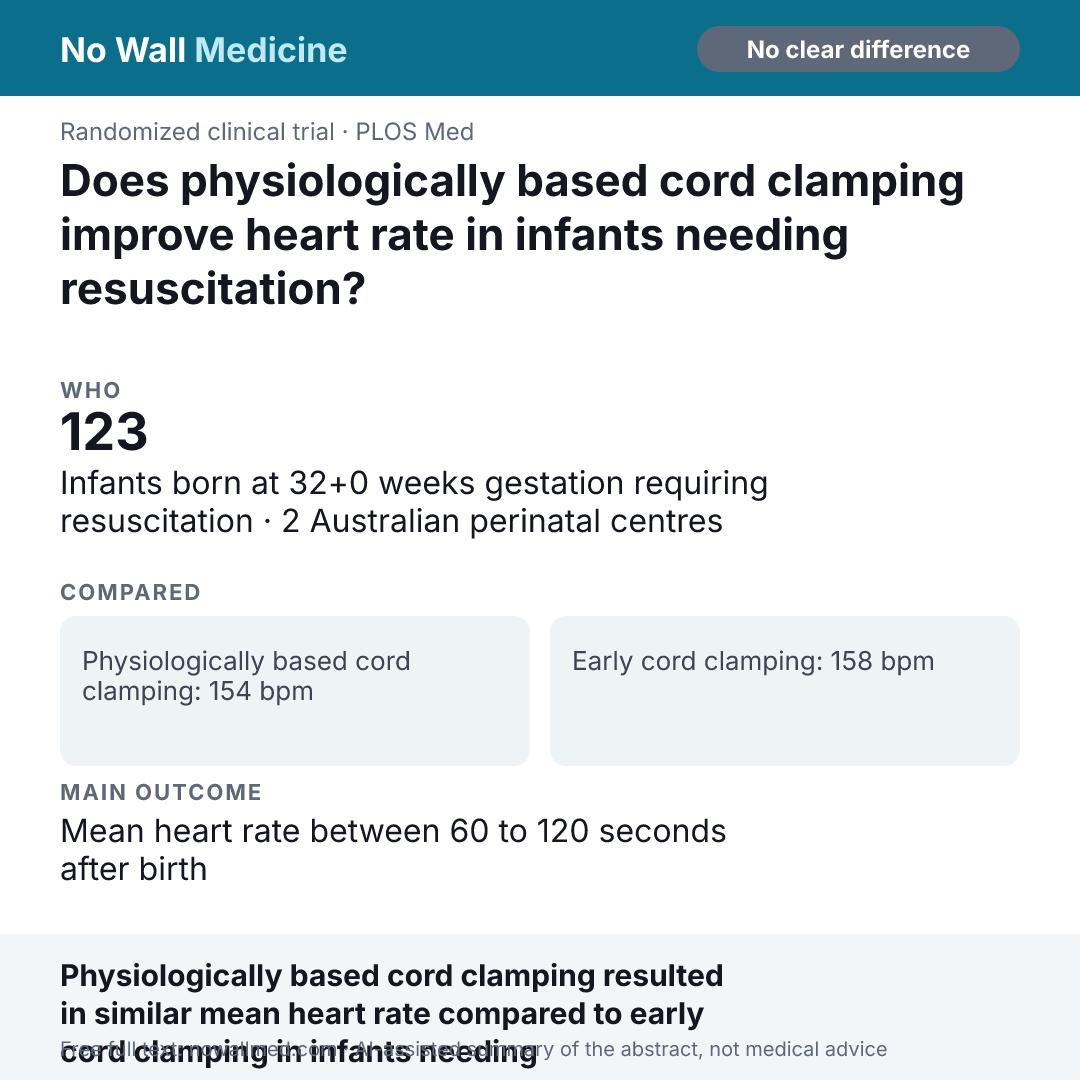
Physiologically based cord clamping for infants ≥32+0 weeks gestation: A randomised clinical trial and reference percentiles for heart rate and oxygen saturation for infants ≥35+0 weeks gestation
Randomized clinical trialNo clear difference
Does physiologically based cord clamping improve heart rate in infants needing resuscitation?
Who
123
Infants born at 32+0 weeks gestation requiring resuscitation · 2 Australian perinatal centres
Compared
Physiologically based cord clamping: 154 bpm
Early cord clamping: 158 bpm
Main outcome
Mean heart rate between 60 to 120 seconds after birth
Result: adjusted mean difference -6 bpm (95% CI -17 to 5 bpm)
Bottom line: Physiologically based cord clamping resulted in similar mean heart rate compared to early cord clamping in infants needing resuscitation.
Limitation: Small number of infants requiring prolonged or advanced resuscitation.
PLOS Med · 2022-06-23 · Save PNG
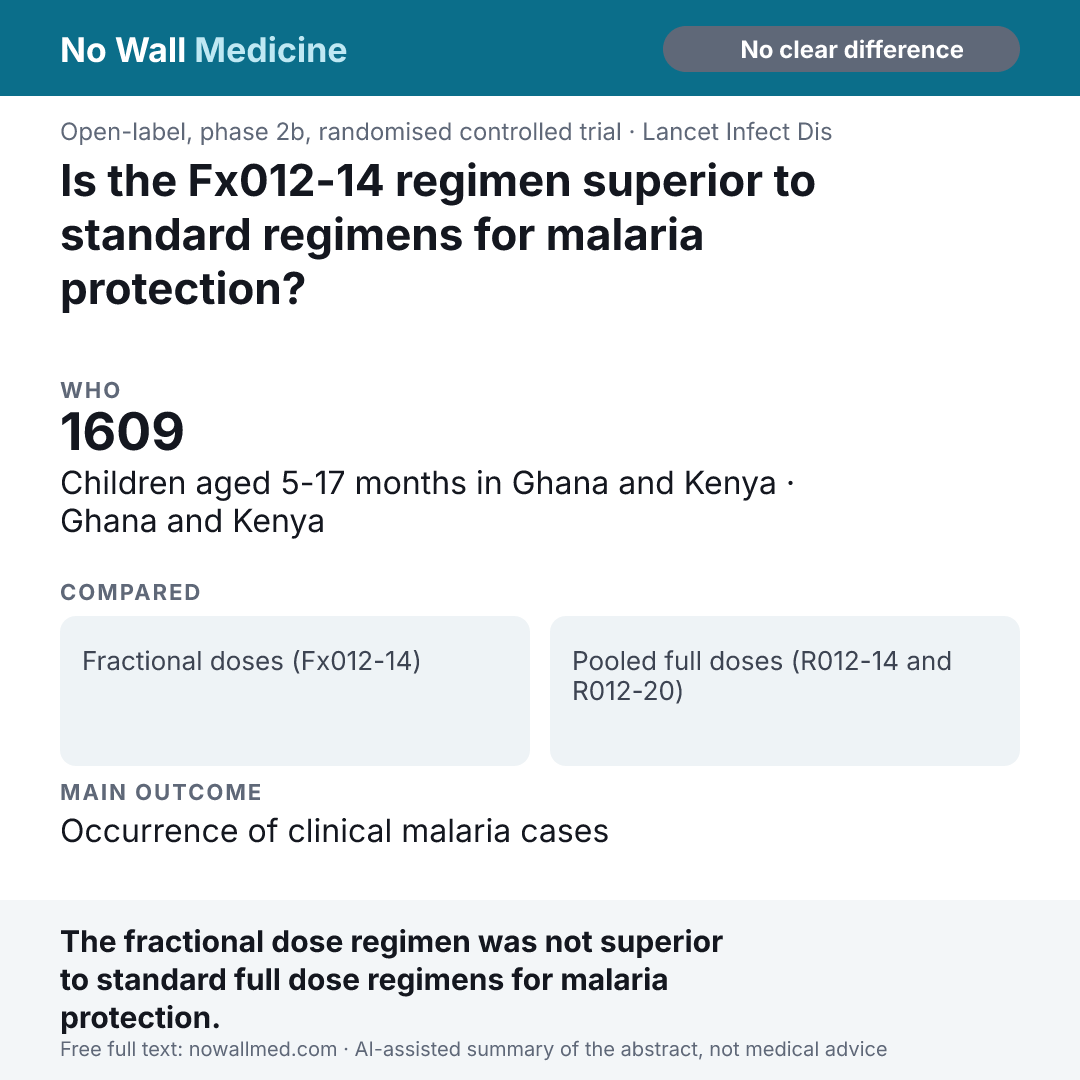
Efficacy of RTS,S/AS01E malaria vaccine administered according to different full, fractional, and delayed third or early fourth dose regimens in children aged 5-17 months in Ghana and Kenya: an open-label, phase 2b, randomised controlled trial
Open-label, phase 2b, randomised controlled trialNo clear difference
Is the Fx012-14 regimen superior to standard regimens for malaria protection?
Who
1609
Children aged 5-17 months in Ghana and Kenya · Ghana and Kenya
Compared
Fractional doses (Fx012-14)
Pooled full doses (R012-14 and R012-20)
Main outcome
Occurrence of clinical malaria cases
Result: incremental vaccine efficacy -21% (95% CI -57 to 7)
Bottom line: The fractional dose regimen was not superior to standard full dose regimens for malaria protection.
Funded by: GlaxoSmithKline Biologicals; PATH's Malaria Vaccine Initiative
Lancet Infect Dis · 2022-06-23 · Save PNG
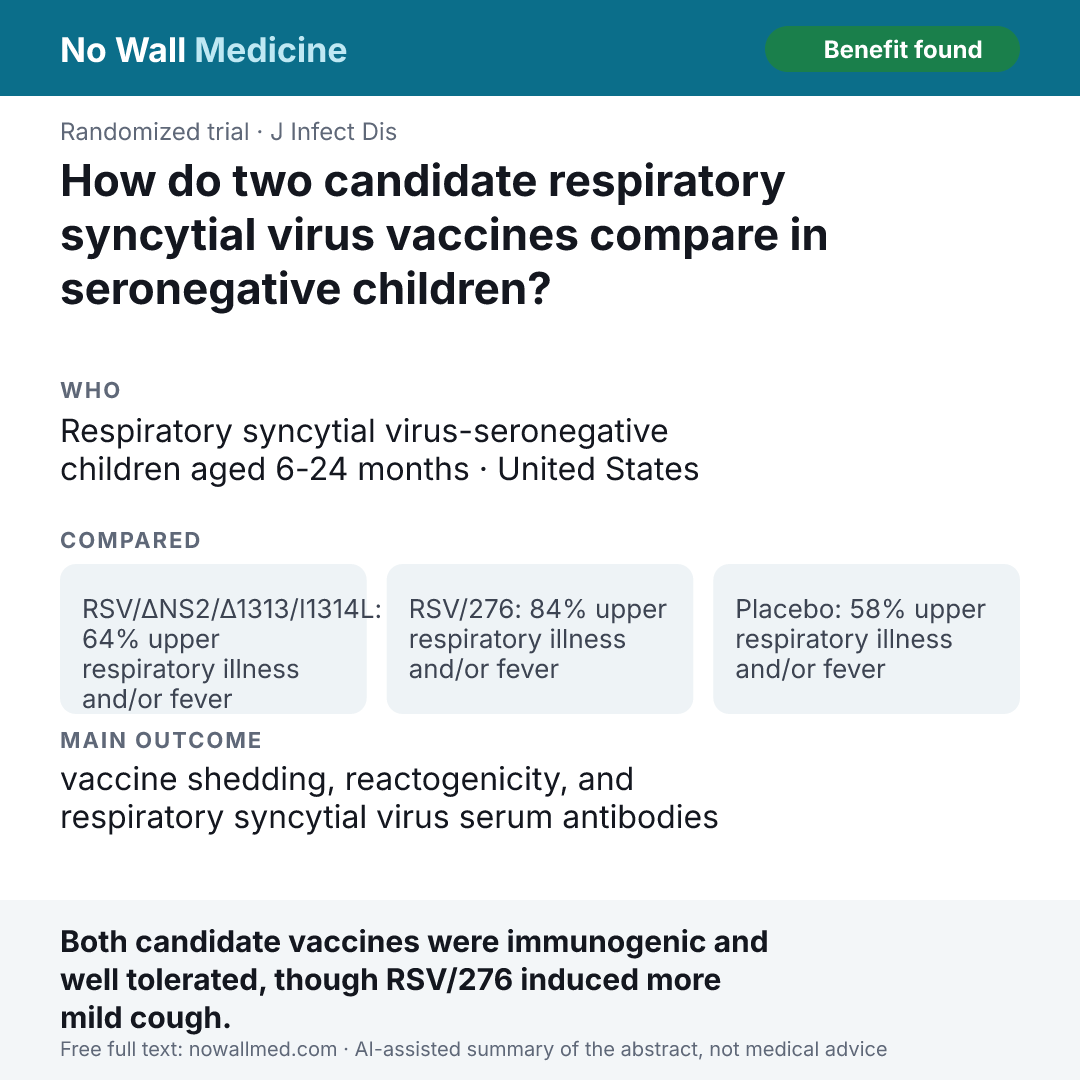
Evaluation of Recombinant Live-Attenuated Respiratory Syncytial Virus (RSV) Vaccines RSV/ΔNS2/Δ1313/I1314L and RSV/276 in RSV-Seronegative Children
Randomized trialBenefit found
How do two candidate respiratory syncytial virus vaccines compare in seronegative children?
Who
Respiratory syncytial virus-seronegative children aged 6-24 months · United States
Compared
RSV/ΔNS2/Δ1313/I1314L: 64% upper respiratory illness and/or fever
RSV/276: 84% upper respiratory illness and/or fever
Placebo: 58% upper respiratory illness and/or fever
Main outcome
vaccine shedding, reactogenicity, and respiratory syncytial virus serum antibodies
Bottom line: Both candidate vaccines were immunogenic and well tolerated, though RSV/276 induced more mild cough.
J Infect Dis · 2022-06-23 · Save PNG