Visual abstracts
New randomized trials and meta-analyses from leading journals at a glance: who was studied, what was compared, and what was found. Every paper is free to read in full.
All specialtiesCardiology 202Oncology 170Gastroenterology & Hepatology 97Infectious Disease 169Neurology 97Psychiatry & Mental Health 139Pulmonology 95Critical Care 54Endocrinology & Diabetes 134Pediatrics 90Surgery 64Orthopedics & Sports Medicine 39Neurosurgery 7Cardiothoracic & Vascular Surgery 21Plastic & Reconstructive Surgery 49Nephrology 38Rheumatology 39Hematology 49Dermatology 24Ophthalmology 37Obstetrics & Gynecology 53Public & Global Health 61Radiology & Imaging 16Anesthesiology 34Urology 49ENT (Otolaryngology) 26Emergency Medicine 21Allergy & Immunology 16Geriatrics 62Family Medicine & Primary Care 28Medical Genetics & Genomics 22Pathology & Laboratory Medicine 5Physical Medicine & Rehabilitation 53Palliative Care 26Nutrition 72Digital Health & AI 185General Medicine 29
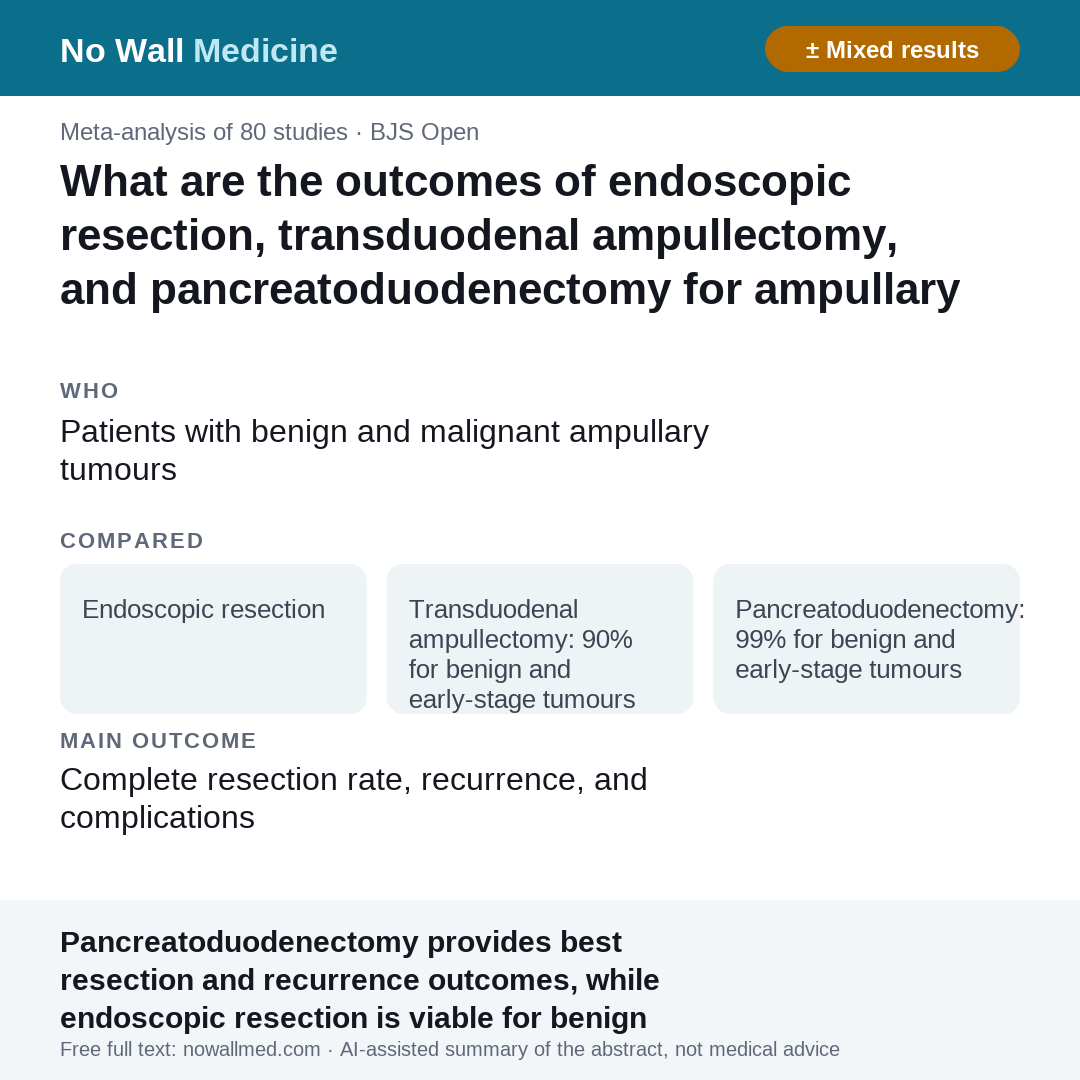
Therapeutic strategies and outcomes in the management of ampullary tumours: meta-analysis
Meta-analysis of 80 studiesMixed results
What are the outcomes of endoscopic resection, transduodenal ampullectomy, and pancreatoduodenectomy for ampullary tumours?
Who
80
Patients with benign and malignant ampullary tumours
Compared
Endoscopic resection
Transduodenal ampullectomy: 90% for benign and early-stage tumours
Pancreatoduodenectomy: 99% for benign and early-stage tumours
Main outcome
Complete resection rate, recurrence, and complications
Bottom line: Pancreatoduodenectomy provides best resection and recurrence outcomes, while endoscopic resection is viable for benign tumours.
Limitation: Further prospective research is needed to optimize preoperative diagnostics to distinguish benign from malignant tumours.
BJS Open · 2026-08-26Download image
AI-Based Approaches to Refugee Mental Health Care: Systematic Integrative Review
Systematic integrative reviewUnclear result
How is artificial intelligence used in refugee mental health research and care?
Who
23
Refugee and forcibly displaced populations
Compared
Detection, Prediction, and Classification: 15/23 (65.2%)
Intervention and Clinical Support: 4/23 (17.4%)
Information Synthesis: 5/23 (21.7%)
Main outcome
Functional categories of artificial intelligence applications in refugee mental health
Bottom line: Artificial intelligence in refugee mental health focuses on detection, intervention, and information synthesis, though biases and access barriers remain.
Limitation: Potential biases, lack of contextual understanding, and structural barriers in technology access.
J Med Internet Res · 2026-08-26Download image

Improvement of Clinical Practice Guideline Appraisal by Human Experts and AI Agents by Using Structured Guidance: Systematic Review, Meta-Analysis, and Validation Study
Systematic review, meta-analysis, and validation studyBenefit found
Does structured guidance improve agreement between human experts and AI agents in guideline appraisal?
Who
227
Rehabilitation clinical practice guidelines · Multiple databases including Embase, Scopus, and PubMed
Compared
Without structured guidance: mean intraclass correlation coefficients -0.09 to 0.66
With structured guidance: mean intraclass correlation coefficients 0.84-0.92
Main outcome
Agreement between human experts and AI agents
Bottom line: Structured guidance significantly improves agreement between human experts and AI agents during clinical practice guideline appraisal.
J Med Internet Res · 2026-08-26Download image

Heart Failure and Cancer: Incidence and Mortality Patterns, A Systematic Review and Meta-analysis
Systematic review and meta-analysisHarm found
What is the cancer incidence and mortality in patients with heart failure?
Who
8,979,195
Individuals with and without heart failure
Compared
Heart failure
Without heart failure
Main outcome
Incidence of any cancer
Result: hazard ratio 1.33 (95% CI 1.14-1.54)
Bottom line: Heart failure is associated with a higher incidence of cancer, though results vary by cancer type and methodology.
Limitation: Substantial heterogeneity and mortality data were sparse and heterogeneous.
Eur J Heart Fail · 2026-08-25Download image

The role of antifactor Xa monitoring in the dosing and administration of low-molecular-weight heparins in pregnancy: a systematic review and meta-analysis
Meta-analysis of 94 studiesUnclear result
LMWH dosing in pregnancy safety
Who
5007
pregnant women with mechanical heart valves or at risk of venous thromboembolism
Compared
Fixed dose
Weight-based dose
Anti-Xa-monitored dose
Main outcome
thromboembolic complications and major bleeding
Bottom line: LMWH dosing methods have overlapping event rates
Limitation: small sample sizes and low certainty of evidence
J Thromb Haemost · 2026-08-25Download image

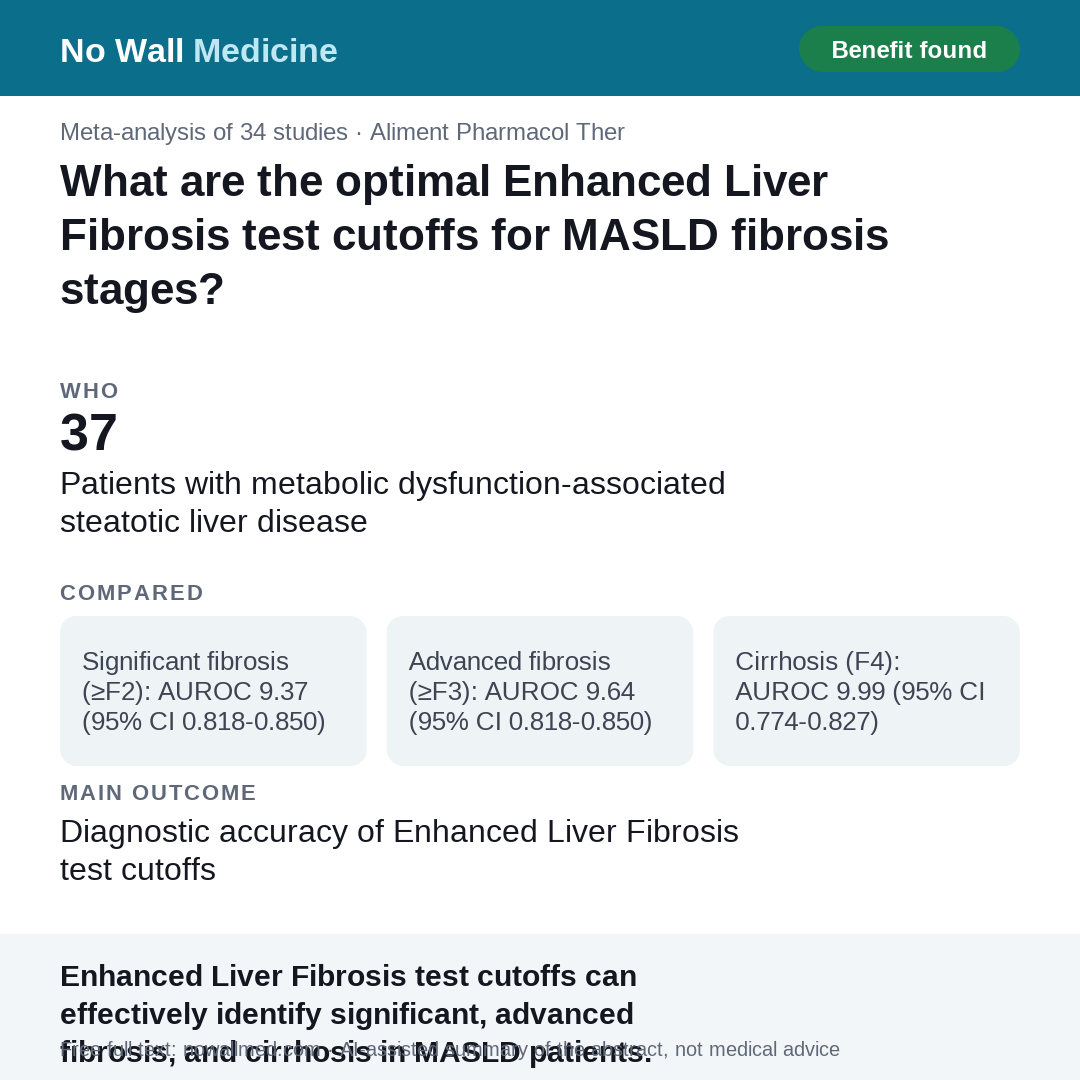
Meta-Analysis: Enhanced Liver Fibrosis (ELF) Test for Identifying Significant Fibrosis, Advanced Fibrosis, and Cirrhosis in Patients With Metabolic Dysfunction-Associated Steatotic Liver Disease
Meta-analysis of 34 studiesBenefit found
What are the optimal Enhanced Liver Fibrosis test cutoffs for MASLD fibrosis stages?
Who
37
Patients with metabolic dysfunction-associated steatotic liver disease
Compared
Significant fibrosis (≥F2): AUROC 9.37 (95% CI 0.818-0.850)
Advanced fibrosis (≥F3): AUROC 9.64 (95% CI 0.818-0.850)
Cirrhosis (F4): AUROC 9.99 (95% CI 0.774-0.827)
Main outcome
Diagnostic accuracy of Enhanced Liver Fibrosis test cutoffs
Bottom line: Enhanced Liver Fibrosis test cutoffs can effectively identify significant, advanced fibrosis, and cirrhosis in MASLD patients.
Aliment Pharmacol Ther · 2026-08-24Download image
Brain-computer interface for upper limb functional recovery post-stroke: a meta-analysis of improvement in upper limb motor function and changes in neurophysiological markers
Meta-analysis of 16 randomized controlled trialsBenefit found
Does brain-computer interface improve upper limb motor function and neurophysiological markers post-stroke?
Who
1761
Patients with upper limb dysfunction following stroke
Compared
Brain-computer interface rehabilitation
Conventional rehabilitation
Main outcome
Fugl-Meyer Upper Extremity Scale scores
Result: standardized mean difference 0.49 (95% CI 0.26 to 0.73)
Bottom line: Brain-computer interface rehabilitation significantly improves upper limb motor function, functional activities, and neurophysiological markers compared to conventional rehabilitation.
J Neuroeng Rehabil · 2026-08-24Download image

Mayo Clinic classification of presacral tumors: evolution of classifications and systematic review of pathologies
Systematic reviewUnclear result
Classification of presacral tumors
Who
Patients with presacral tumors · Multiple sites
Compared
Developmental origin
Acquired origin
Main outcome
Classification of tumors
Bottom line: New classification system developed
BJS Open · 2026-08-24Download image

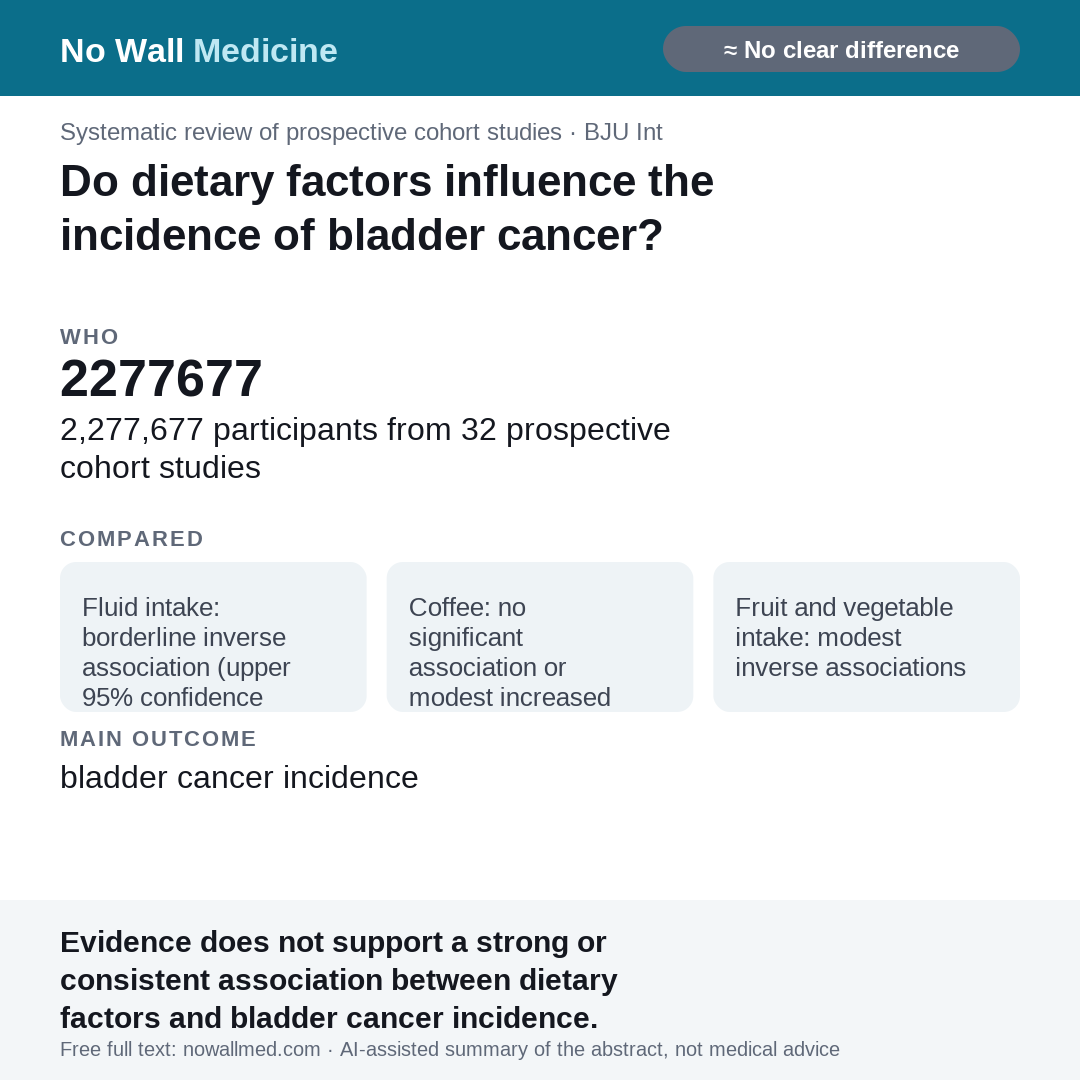
Diet and risk of bladder cancer: a systematic review of epidemiological evidence
Systematic review of prospective cohort studiesNo clear difference
Do dietary factors influence the incidence of bladder cancer?
Who
2277677
2,277,677 participants from 32 prospective cohort studies
Compared
Fluid intake: borderline inverse association (upper 95% confidence interval >0.95)
Coffee: no significant association or modest increased risk
Fruit and vegetable intake: modest inverse associations
Main outcome
bladder cancer incidence
Bottom line: Evidence does not support a strong or consistent association between dietary factors and bladder cancer incidence.
Limitation: Residual confounding, particularly by smoking, remains a concern.
BJU Int · 2026-08-23Download image
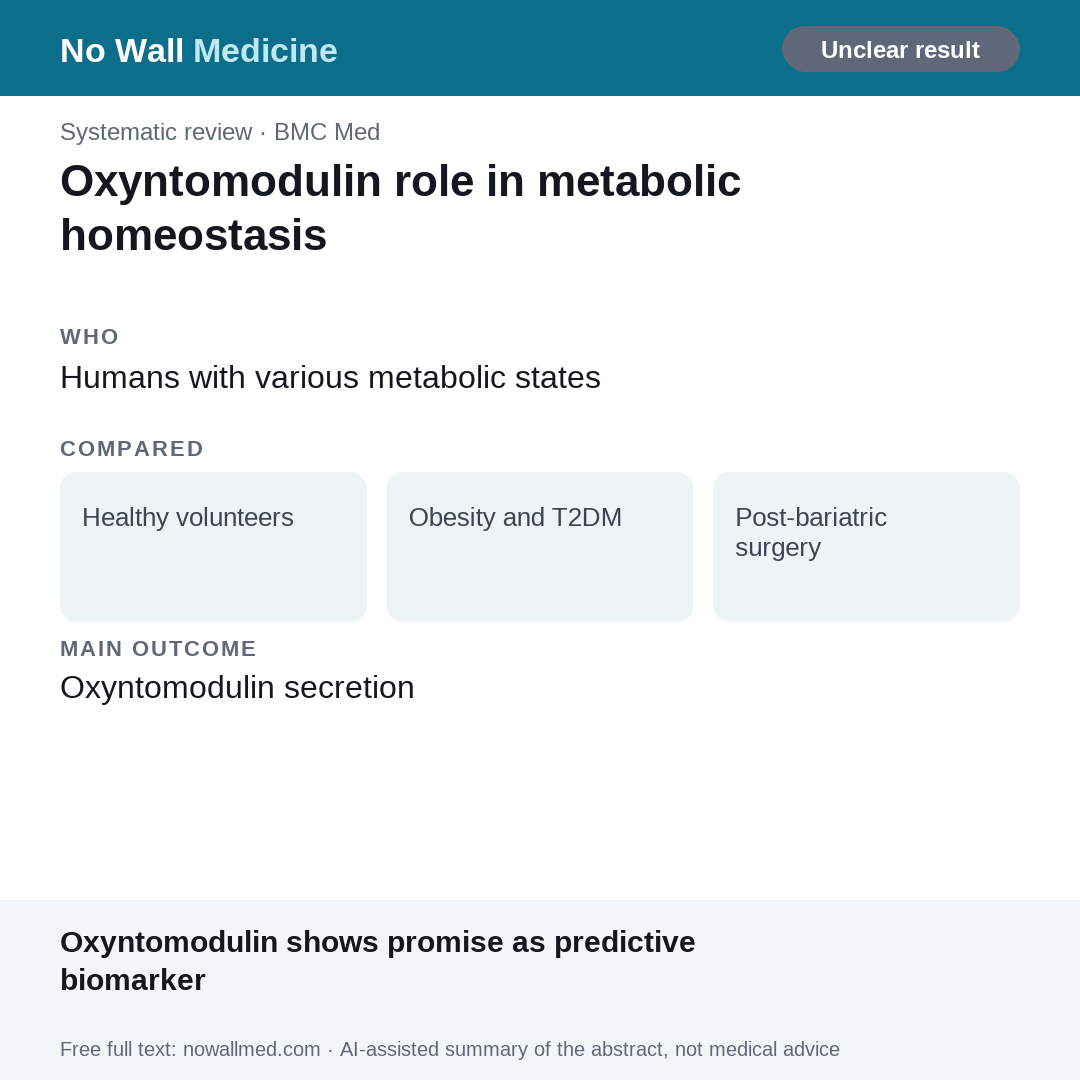
Endogenous oxyntomodulin in metabolic homeostasis and clinical utility as a prognostic biomarker: a systematic review
Systematic reviewUnclear result
Oxyntomodulin role in metabolic homeostasis
Who
Humans with various metabolic states
Compared
Healthy volunteers
Obesity and T2DM
Post-bariatric surgery
Main outcome
Oxyntomodulin secretion
Bottom line: Oxyntomodulin shows promise as predictive biomarker
BMC Med · 2026-08-22Download image
The impact of cannabis on clinical outcomes in burn patients: A systematic review
Systematic reviewMixed results
How does cannabis exposure impact clinical outcomes in burn patients?
Who
Hospitalized burn patients of any age · North America and Europe
Compared
Cannabis exposure
No cannabis exposure
Main outcome
Mortality, infection, graft success, thromboembolism, and length of stay
Bottom line: Cannabis exposure does not appear to worsen survival but may increase infectious, respiratory, and thromboembolic complications.
Limitation: Retrospective design, inconsistent exposure definitions, and confounding from polysubstance use.
Burns · 2026-08-22Download image

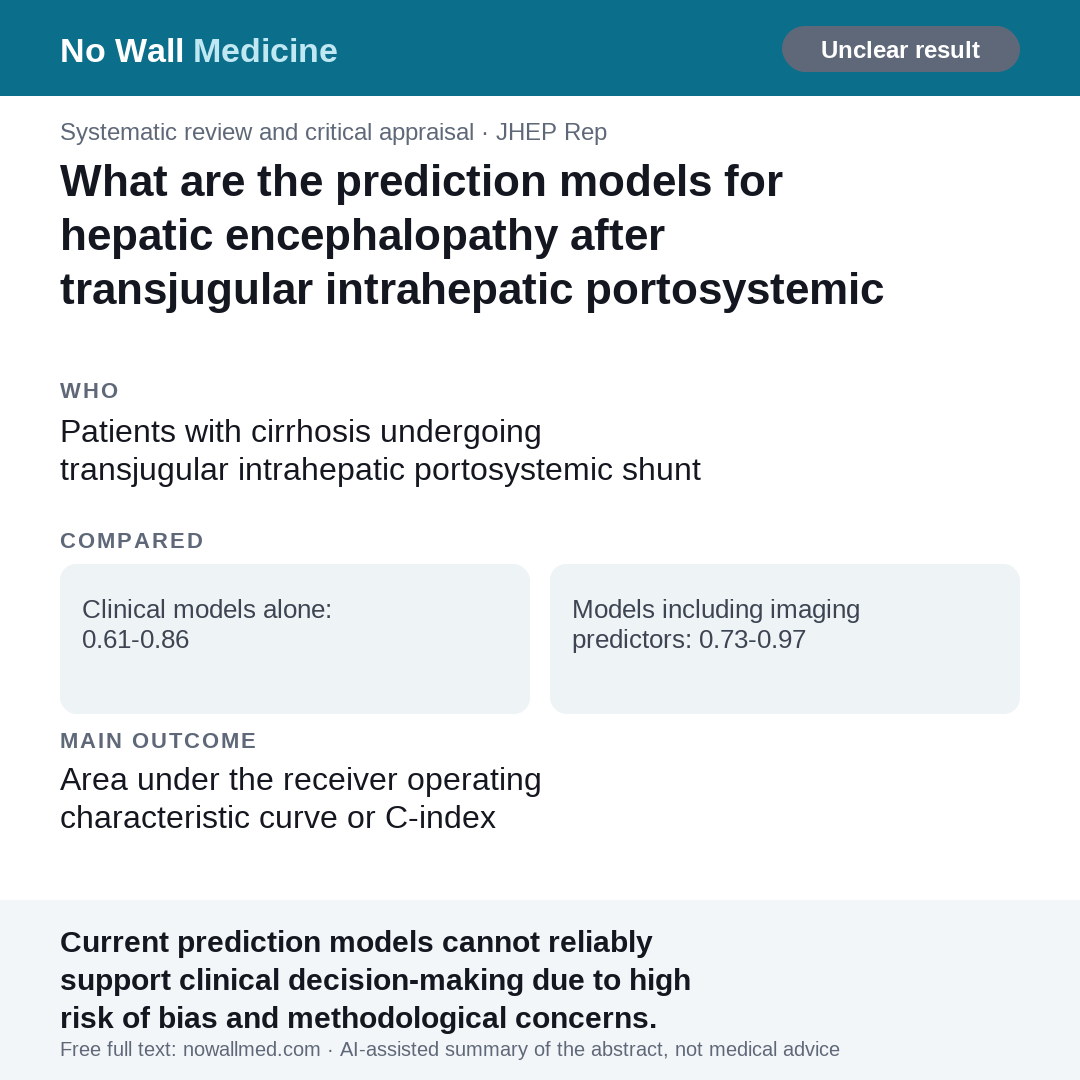
Risk prediction models for hepatic encephalopathy post-transjugular intrahepatic portosystemic shunt: A systematic review and critical appraisal
Systematic review and critical appraisalUnclear result
What are the prediction models for hepatic encephalopathy after transjugular intrahepatic portosystemic shunt?
Who
Patients with cirrhosis undergoing transjugular intrahepatic portosystemic shunt · 25 cohorts from Asia (93%)
Compared
Clinical models alone: 0.61-0.86
Models including imaging predictors: 0.73-0.97
Main outcome
Area under the receiver operating characteristic curve or C-index
Bottom line: Current prediction models cannot reliably support clinical decision-making due to high risk of bias and methodological concerns.
Limitation: High risk of bias, inappropriate patient exclusion, low events-per-variable ratio, and inadequate validation.
JHEP Rep · 2026-08-22Download image
Pancreatic surgery and length of hospital stay: meta-analysis of randomized clinical trials
Meta-analysis of 186 trialsUnclear result
Length of hospital stay after pancreatic surgery
Who
28381
patients undergoing pancreatic surgery · multiple countries
Compared
various resections
various countries
Main outcome
length of hospital stay
Result: mean differences
Bottom line: Length of stay varies by country and operation
Limitation: statistical heterogeneity
BJS Open · 2026-08-22Download image

Comparative efficacy of non-pharmacological interventions on executive function and attentional control in children and adolescents with ADHD: a Bayesian network meta-analysis based on task-based cognitive outcomes
Bayesian random-effects network meta-analysisBenefit found
How do non-pharmacological interventions compare for executive function and attentional control in ADHD?
Who
4628
Children and adolescents with ADHD aged 6-18 years
Compared
Multicomponent interventions: inhibitory control Hedges' g = 0.63
Cognitive Training: inhibitory control Hedges' g = 0.61
Control
Main outcome
task-based executive function and attentional control performance
Bottom line: Multicomponent interventions and Cognitive Training show consistent improvements in objective executive and attentional tasks for pediatric ADHD.
Transl Psychiatry · 2026-08-21Download image

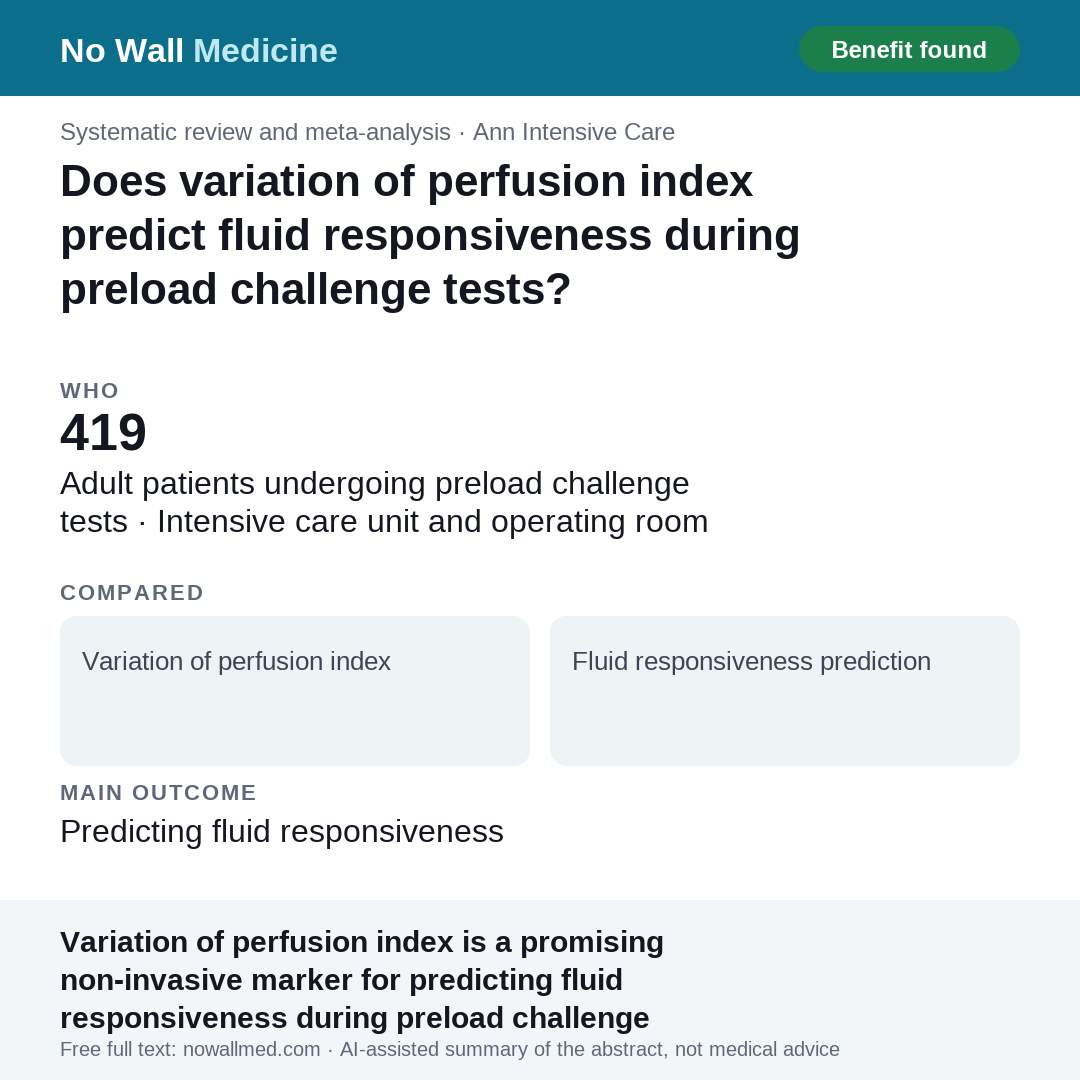
Variation of perfusion index to evaluate fluid responsiveness during the preload challenge tests: a systematic review and meta-analysis
Systematic review and meta-analysisBenefit found
Does variation of perfusion index predict fluid responsiveness during preload challenge tests?
Who
419
Adult patients undergoing preload challenge tests · Intensive care unit and operating room
Compared
Variation of perfusion index
Fluid responsiveness prediction
Main outcome
Predicting fluid responsiveness
Result: AUROC 0.88 (95% CI 0.85 to 0.90)
Bottom line: Variation of perfusion index is a promising non-invasive marker for predicting fluid responsiveness during preload challenge tests.
Limitation: The current evidence base remains limited, heterogeneous, and at risk of bias.
Ann Intensive Care · 2026-08-21Download image
Psychosocial coping with intensive care delirium: a mixed-methods systematic review of patient and family perspectives
Mixed-methods systematic reviewMixed results
What psychosocial coping strategies do intensive care unit patients and families use during delirium?
Who
Intensive care unit patients and their family caregivers · Seven countries
Compared
Patients: problem-focused, emotion-focused, and meaning-based strategies
Families: supporting patients and managing their own distress
Main outcome
Psychosocial coping strategies employed during intensive care unit delirium
Bottom line: Patients and families use diverse coping strategies, with families serving as a primary resource for patients.
Crit Care · 2026-08-21Download image

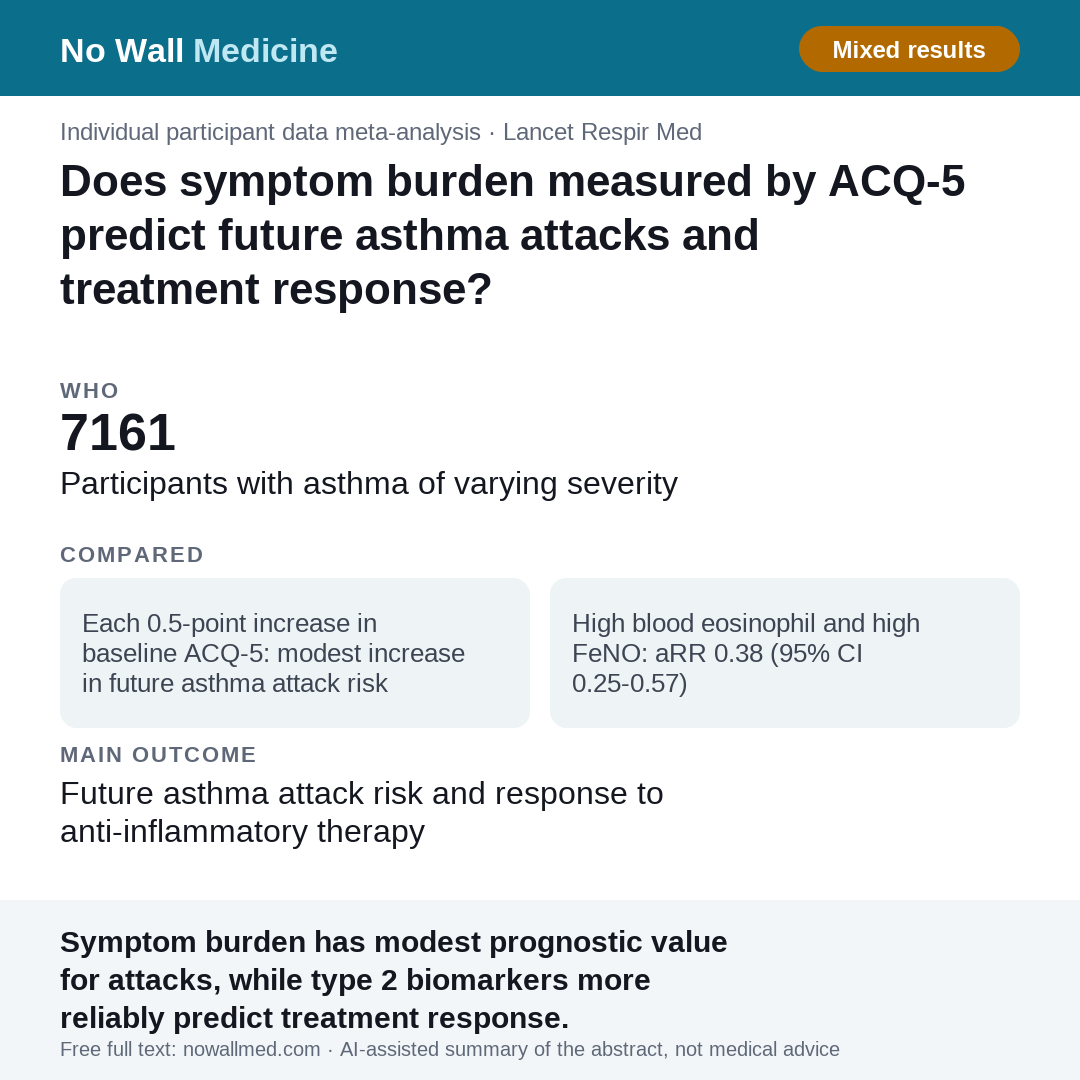
Symptom burden to characterise, predict, and prevent asthma attacks: a patient-level meta-analysis of randomised trials and translational prospective studies
Individual participant data meta-analysisMixed results
Does symptom burden measured by ACQ-5 predict future asthma attacks and treatment response?
Who
7161
Participants with asthma of varying severity
Compared
Each 0.5-point increase in baseline ACQ-5: modest increase in future asthma attack risk
High blood eosinophil and high FeNO: aRR 0.38 (95% CI 0.25-0.57)
Main outcome
Future asthma attack risk and response to anti-inflammatory therapy
Result: adjusted rate ratio 1.09 (95% CI 1.06-1.12)
Bottom line: Symptom burden has modest prognostic value for attacks, while type 2 biomarkers more reliably predict treatment response.
Funded by: National Institute for Health and Care Research and others
Lancet Respir Med · 2026-08-20Download image
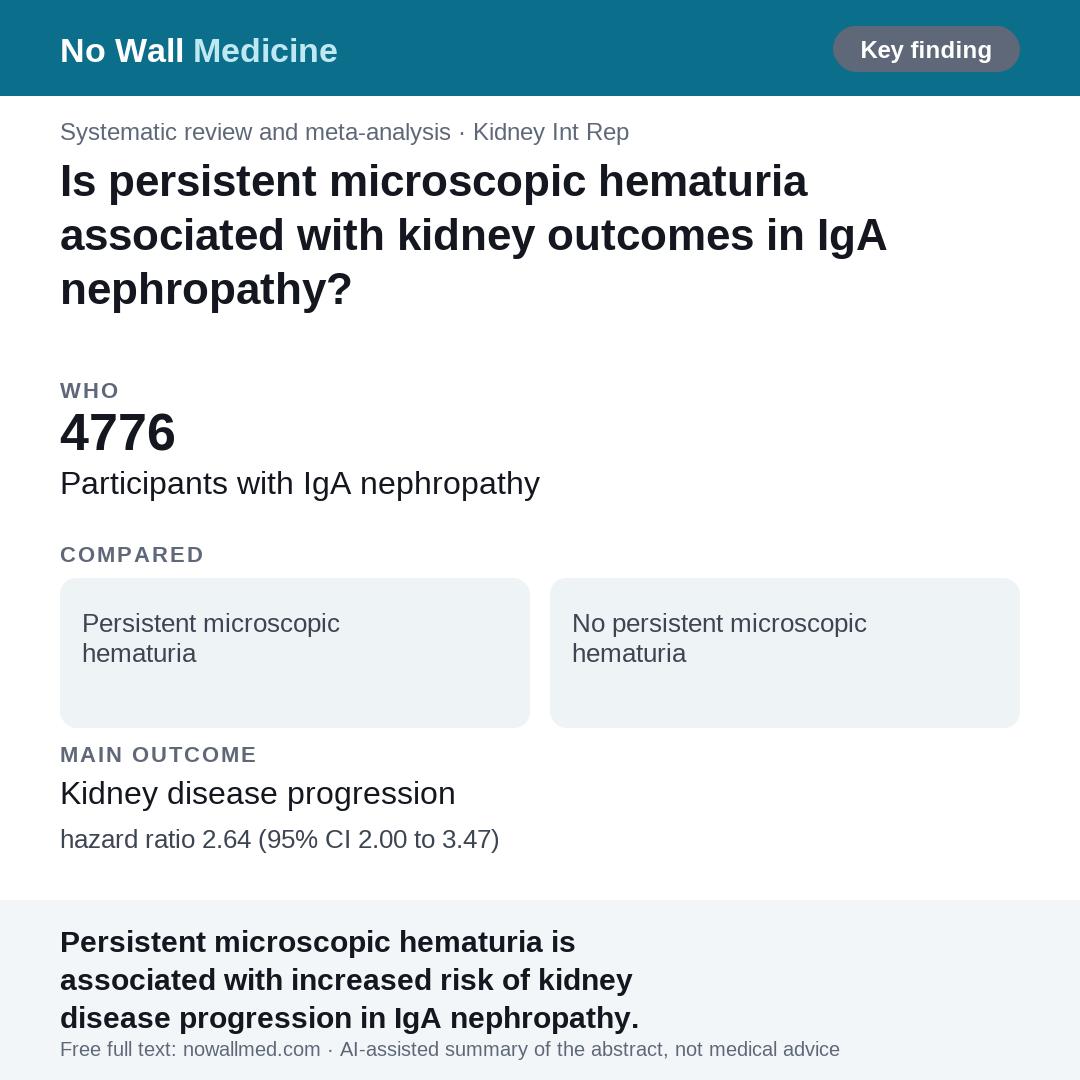
Systematic Review of Persistent Microscopic Hematuria and Kidney Outcomes in IgAN
Systematic review and meta-analysisBenefit found
Is persistent microscopic hematuria associated with kidney outcomes in IgA nephropathy?
Who
4776
Participants with IgA nephropathy
Compared
Persistent microscopic hematuria
No persistent microscopic hematuria
Main outcome
Kidney disease progression
Result: hazard ratio 2.64 (95% CI 2.00 to 3.47)
Bottom line: Persistent microscopic hematuria is associated with increased risk of kidney disease progression in IgA nephropathy.
Kidney Int Rep · 2026-08-20Download image
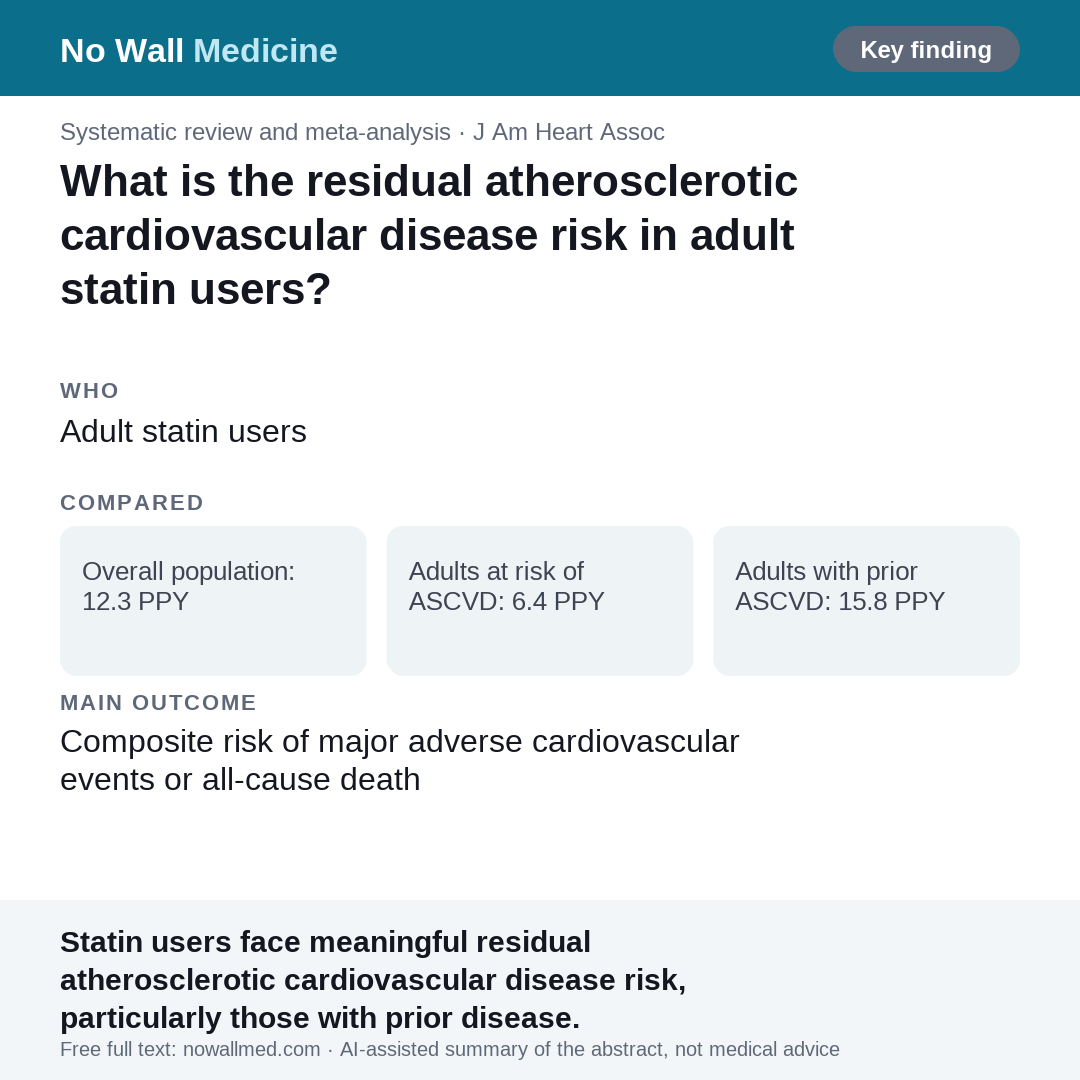
Residual Atherosclerotic Cardiovascular Disease Risk in Statin Users: A Systematic Review and Meta-Analysis
Systematic review and meta-analysisHarm found
What is the residual atherosclerotic cardiovascular disease risk in adult statin users?
Who
Adult statin users
Compared
Overall population: 12.3 PPY
Adults at risk of ASCVD: 6.4 PPY
Adults with prior ASCVD: 15.8 PPY
Main outcome
Composite risk of major adverse cardiovascular events or all-cause death
Bottom line: Statin users face meaningful residual atherosclerotic cardiovascular disease risk, particularly those with prior disease.
Limitation: substantial between-study variability
J Am Heart Assoc · 2026-08-20Download image
Systematic Review on Noncomputed Tomography-Based Technologies for Prehospital Stroke Diagnosis
Systematic reviewUnclear result
What are the current noncomputed tomography-based technologies for prehospital stroke diagnosis?
Who
Patients requiring prehospital stroke diagnosis
Compared
Individual technologies
Combined modalities
Main outcome
Prehospital stroke diagnosis and differentiation of stroke types
Bottom line: No single noncomputed tomography technology can currently differentiate between ischemic and hemorrhagic stroke effectively.
Limitation: No single technology provides capabilities similar to computed tomography for stroke differentiation.
J Am Heart Assoc · 2026-08-20Download image