Visual abstracts
New randomized trials and meta-analyses from leading journals at a glance: who was studied, what was compared, and what was found. Every paper is free to read in full.
All specialtiesCardiology 4832Oncology 4114Gastroenterology & Hepatology 1934Infectious Disease 3824Neurology 1899Psychiatry & Mental Health 2256Pulmonology 2082Critical Care 1345Endocrinology & Diabetes 2572Pediatrics 2940Surgery 2525Orthopedics & Sports Medicine 926Neurosurgery 534Cardiothoracic & Vascular Surgery 671Plastic & Reconstructive Surgery 591Nephrology 1124Rheumatology 823Hematology 1104Dermatology 620Ophthalmology 543Obstetrics & Gynecology 1684Public & Global Health 1056Radiology & Imaging 641Anesthesiology 962Urology 754ENT (Otolaryngology) 503Emergency Medicine 489Allergy & Immunology 313Geriatrics 981Family Medicine & Primary Care 541Medical Genetics & Genomics 675Pathology & Laboratory Medicine 157Physical Medicine & Rehabilitation 751Palliative Care 424Nutrition 1580Digital Health & AI 2195General Medicine 321
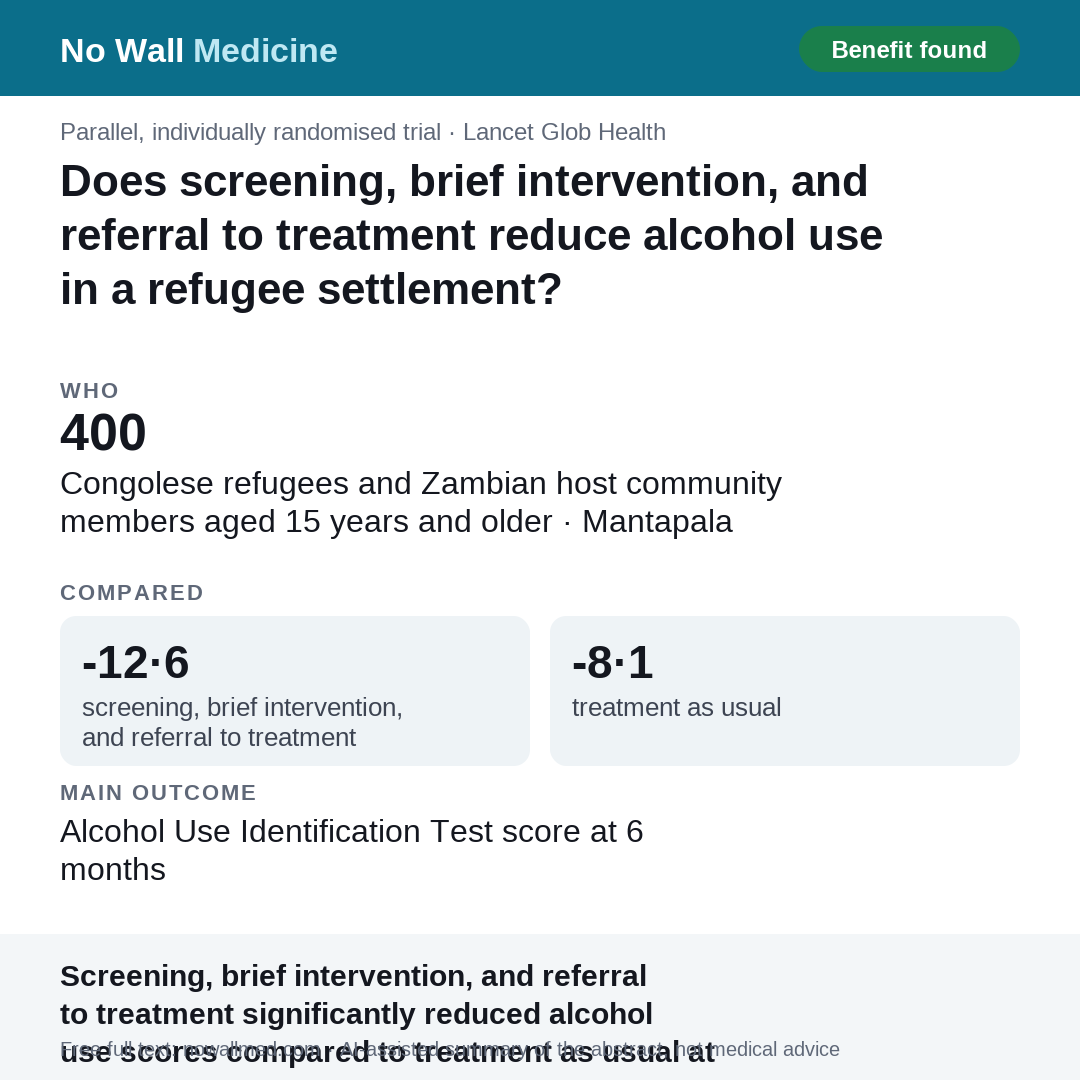
Screening, brief intervention, and referral to treatment compared with treatment as usual for alcohol use in an integrated refugee settlement in Zambia: a hybrid, type 1, randomised controlled trial
Parallel, individually randomised trialBenefit found
Does screening, brief intervention, and referral to treatment reduce alcohol use in a refugee settlement?
Who
400
Congolese refugees and Zambian host community members aged 15 years and older · Mantapala refugee settlement in Zambia
Compared
-12·6Screening, brief intervention, and referral to treatment (95% CI -14·3 to -11·0)
-8·1Treatment as usual (-9·8 to -6·3)
Main outcome
Alcohol Use Identification Test score at 6 months
Result: -4·6 (95% CI -6·9 to -2·2)
Bottom line: Screening, brief intervention, and referral to treatment significantly reduced alcohol use compared to treatment as usual in a refugee settlement.
Funded by: Elrha's Research for Health in Humanitarian Crises Programme
Lancet Glob Health · 2026-07-24Download image
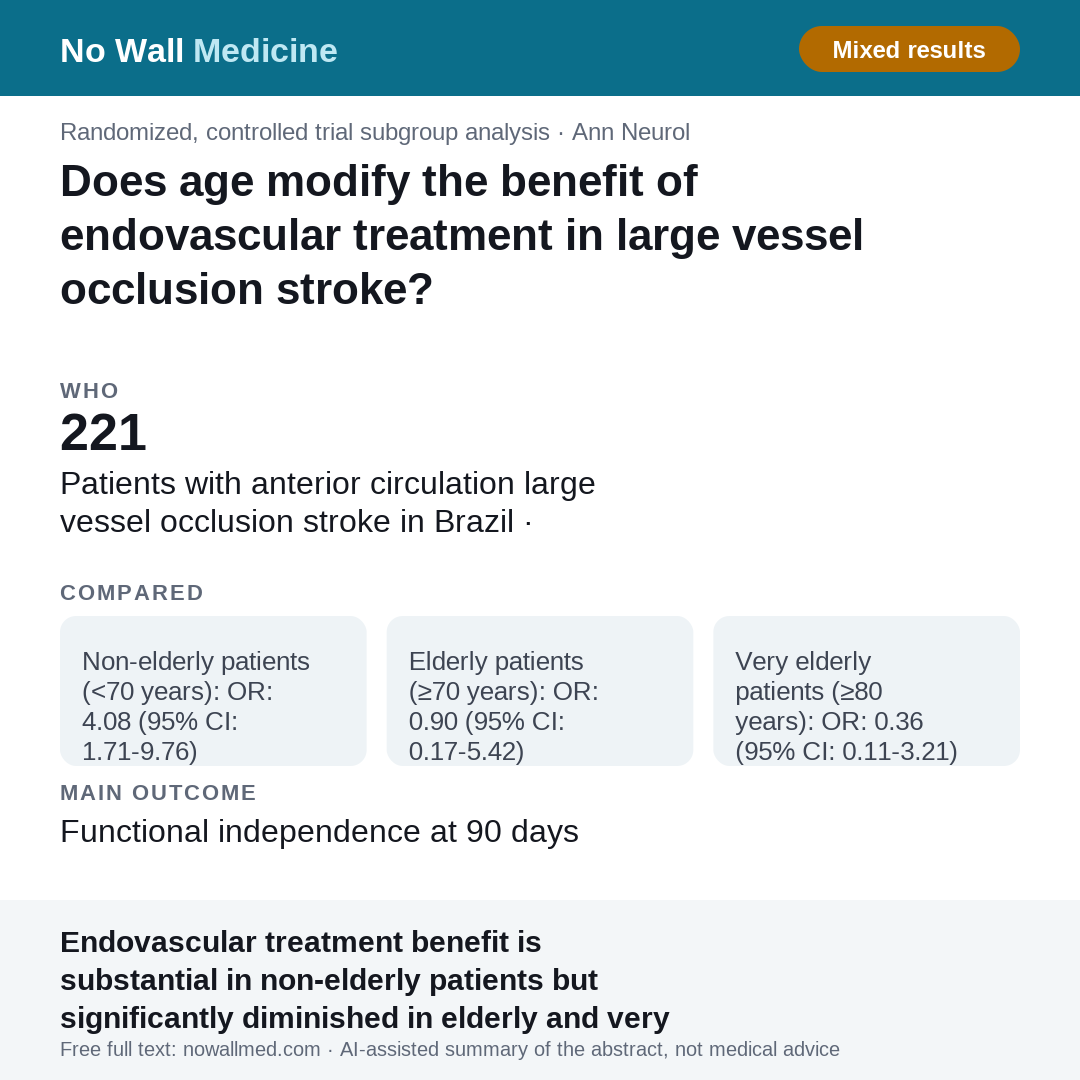
Age Is an Effect Modifier of Thrombectomy Benefit in a Socioeconomically Vulnerable Stroke Population
Randomized, controlled trial subgroup analysisMixed results
Does age modify the benefit of endovascular treatment in large vessel occlusion stroke?
Who
221
Patients with anterior circulation large vessel occlusion stroke in Brazil · Multicenter, public healthcare system in Brazil
Compared
Non-elderly patients (<70 years): OR: 4.08 (95% CI: 1.71-9.76)
Elderly patients (≥70 years): OR: 0.90 (95% CI: 0.17-5.42)
Very elderly patients (≥80 years): OR: 0.36 (95% CI: 0.11-3.21)
Main outcome
Functional independence at 90 days
Result: pinteraction = 0.03
Bottom line: Endovascular treatment benefit is substantial in non-elderly patients but significantly diminished in elderly and very elderly patients.
Limitation: Further studies are needed to understand the mechanism underlying these findings.
Ann Neurol · 2026-07-24Download image
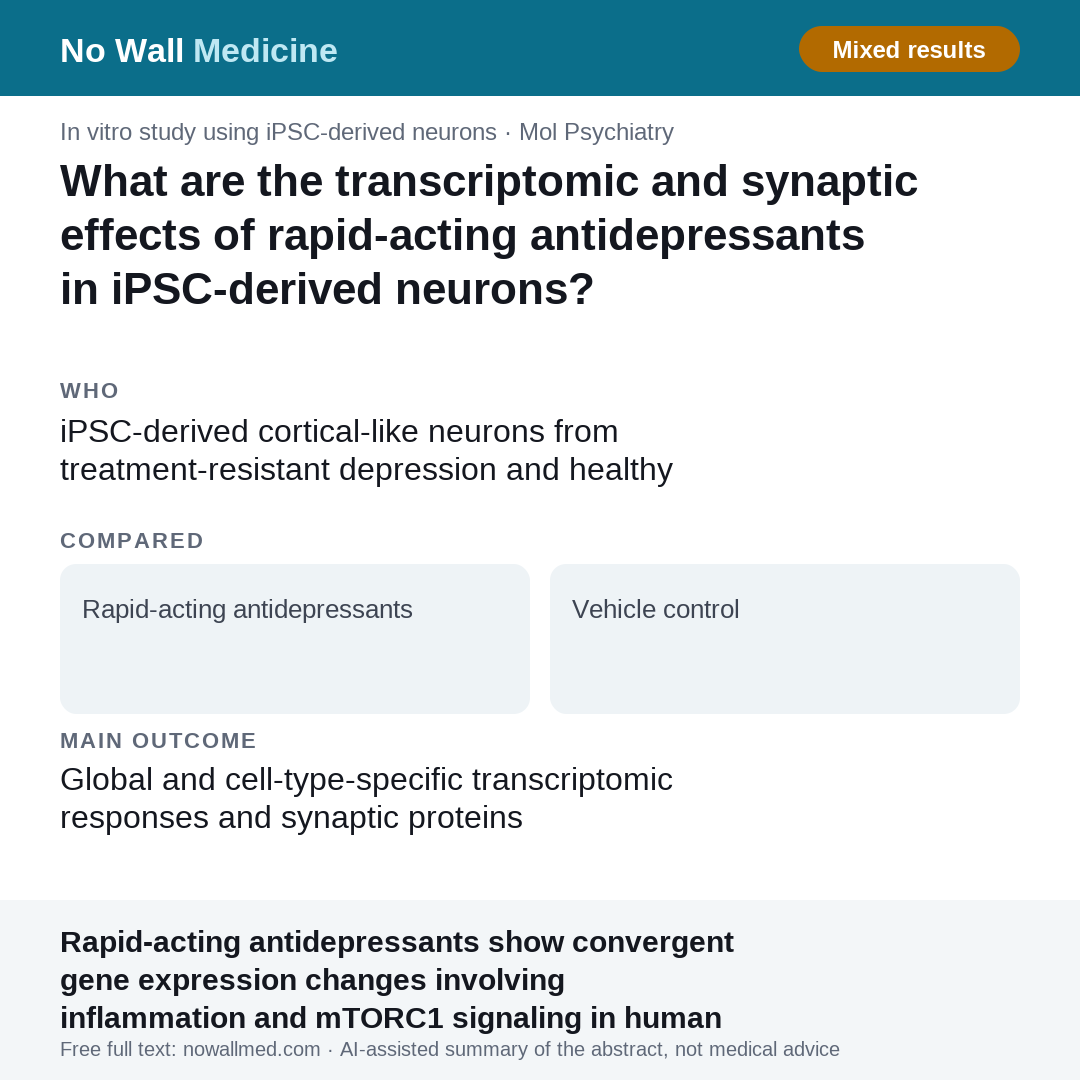
Time-dependent effects of rapid-acting antidepressants in iPSC-derived neurons from treatment-resistant depression and healthy volunteers
In vitro study using iPSC-derived neuronsMixed results
What are the transcriptomic and synaptic effects of rapid-acting antidepressants in iPSC-derived neurons?
Who
iPSC-derived cortical-like neurons from treatment-resistant depression and healthy volunteers
Compared
Rapid-acting antidepressants
Vehicle control
Main outcome
Global and cell-type-specific transcriptomic responses and synaptic proteins
Bottom line: Rapid-acting antidepressants show convergent gene expression changes involving inflammation and mTORC1 signaling in human iPSC-derived neurons.
Mol Psychiatry · 2026-07-24Download image
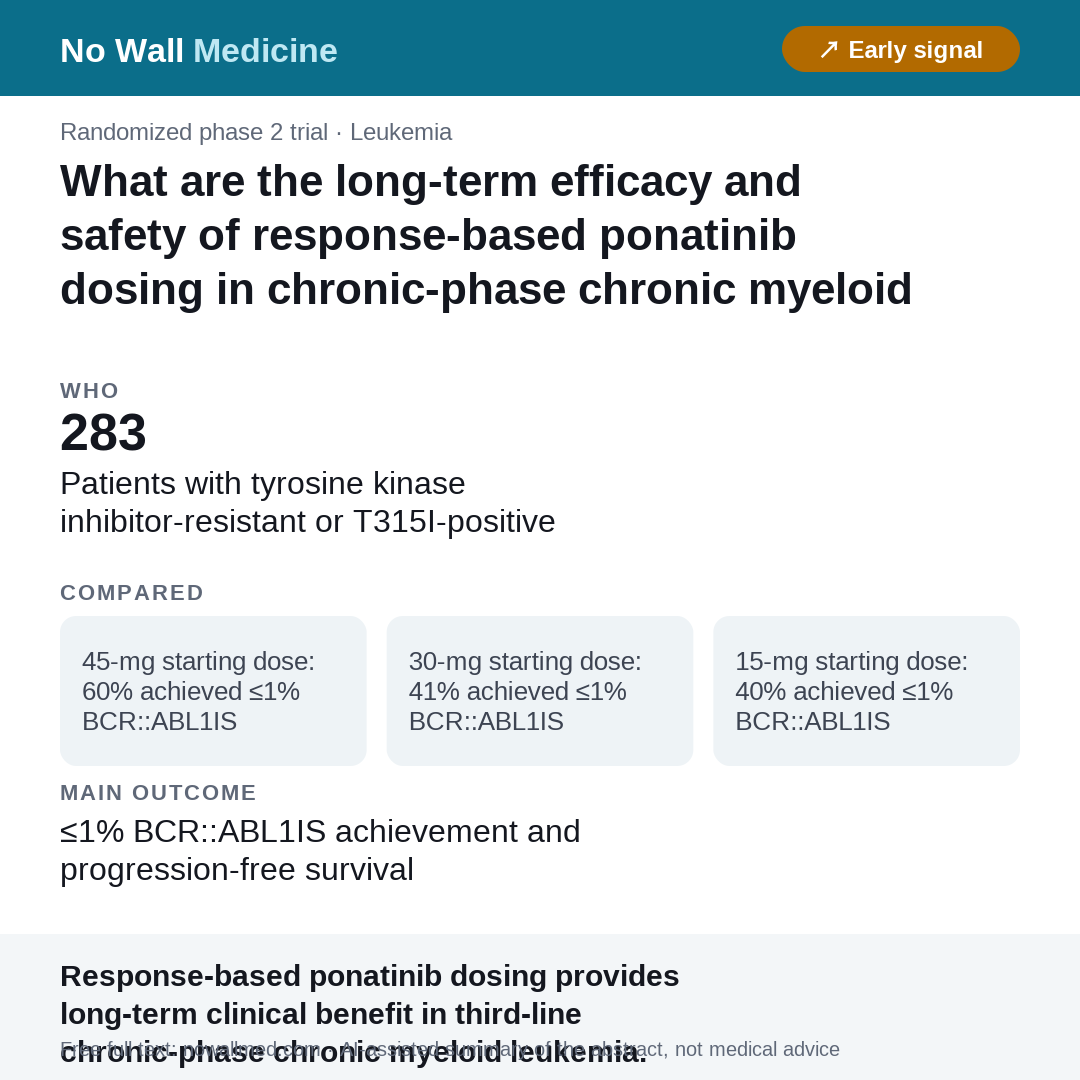
Five-year follow-up of OPTIC: long-term efficacy, safety, and mutation analyses of ponatinib in chronic-phase chronic myeloid leukemia from a randomized phase 2 trial
Randomized phase 2 trialEarly signal
What are the long-term efficacy and safety of response-based ponatinib dosing in chronic-phase chronic myeloid leukemia?
Who
283
Patients with tyrosine kinase inhibitor-resistant or T315I-positive chronic-phase chronic myeloid leukemia
Compared
45-mg starting dose: 60% achieved ≤1% BCR::ABL1IS
30-mg starting dose: 41% achieved ≤1% BCR::ABL1IS
15-mg starting dose: 40% achieved ≤1% BCR::ABL1IS
Main outcome
≤1% BCR::ABL1IS achievement and progression-free survival
Bottom line: Response-based ponatinib dosing provides long-term clinical benefit in third-line chronic-phase chronic myeloid leukemia.
Leukemia · 2026-07-24Download image
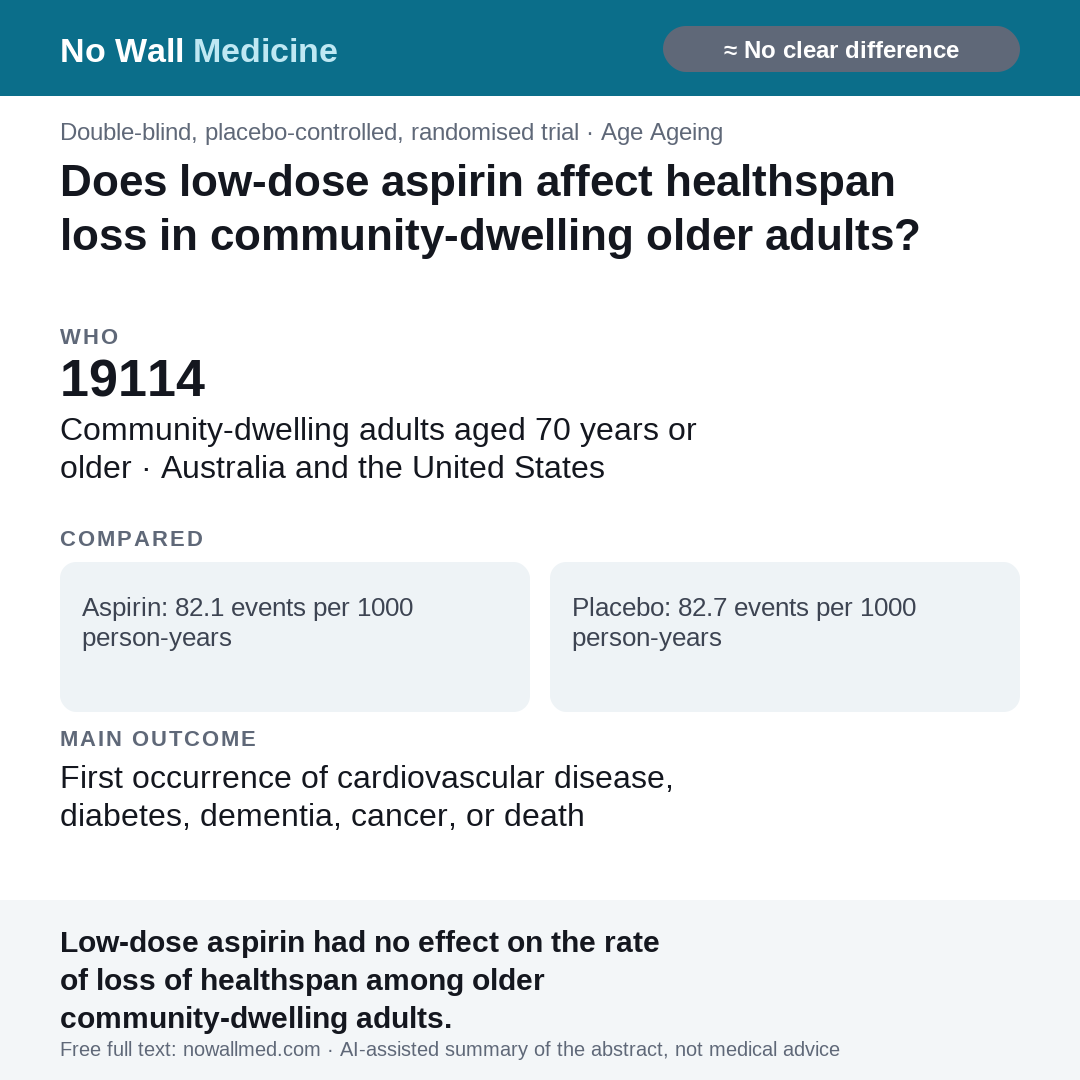
Effect of aspirin on healthspan in community-dwelling older adults: the ASPirin in reducing events in the elderly study
Double-blind, placebo-controlled, randomised trialNo clear difference
Does low-dose aspirin affect healthspan loss in community-dwelling older adults?
Who
19114
Community-dwelling adults aged 70 years or older · Australia and the United States
Compared
Aspirin: 82.1 events per 1000 person-years
Placebo: 82.7 events per 1000 person-years
Main outcome
First occurrence of cardiovascular disease, diabetes, dementia, cancer, or death
Result: hazard ratio 0.98 (95% CI: 0.92-1.05)
Bottom line: Low-dose aspirin had no effect on the rate of loss of healthspan among older community-dwelling adults.
Age Ageing · 2026-07-24Download image
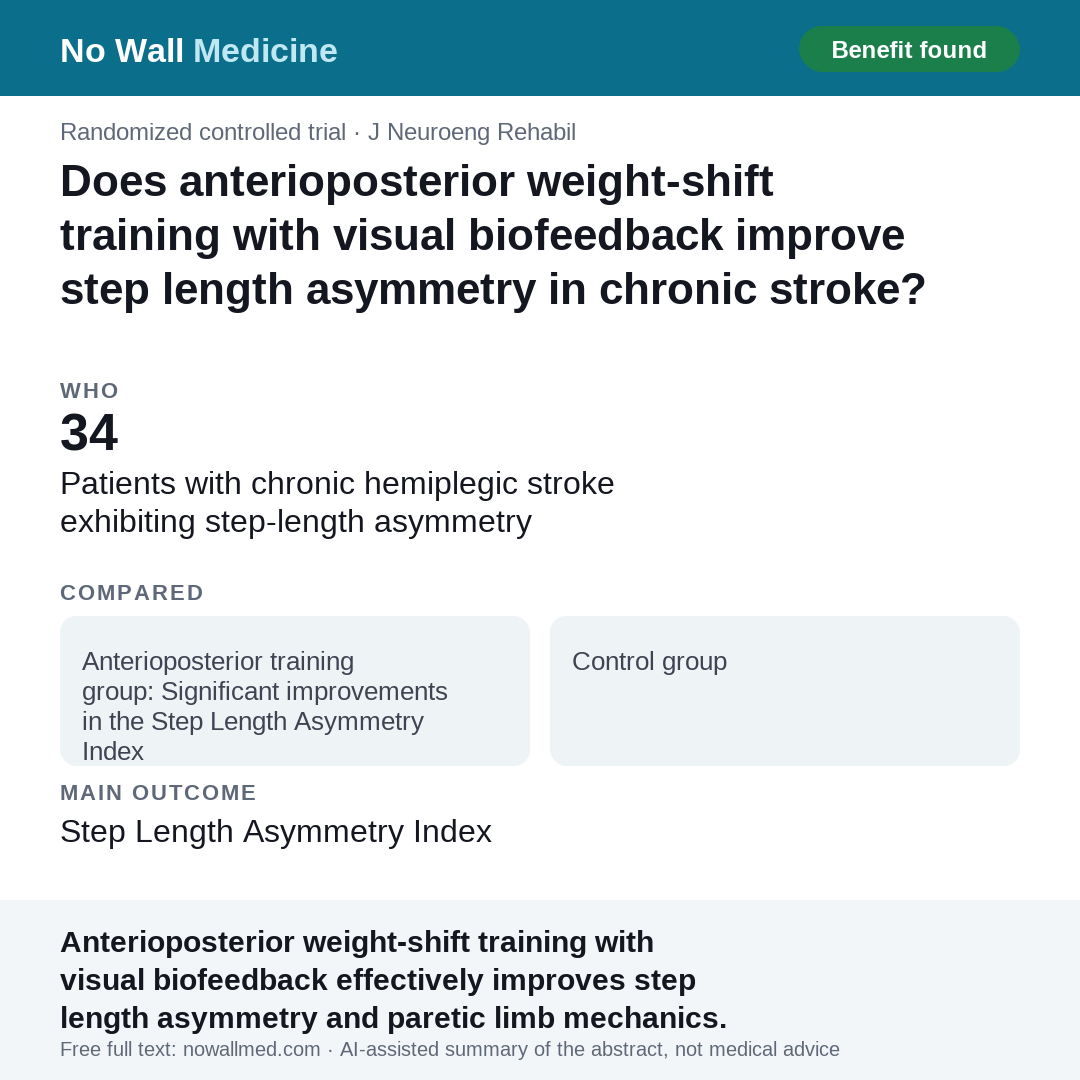
Efficacy of anterioposterior weight-shift training with visual biofeedback for step length asymmetry and functional mobility in chronic stroke: a randomized controlled trial
Randomized controlled trialBenefit found
Does anterioposterior weight-shift training with visual biofeedback improve step length asymmetry in chronic stroke?
Who
34
Patients with chronic hemiplegic stroke exhibiting step-length asymmetry
Compared
Anterioposterior training group: Significant improvements in the Step Length Asymmetry Index
Control group
Main outcome
Step Length Asymmetry Index
Bottom line: Anterioposterior weight-shift training with visual biofeedback effectively improves step length asymmetry and paretic limb mechanics.
J Neuroeng Rehabil · 2026-07-24Download image
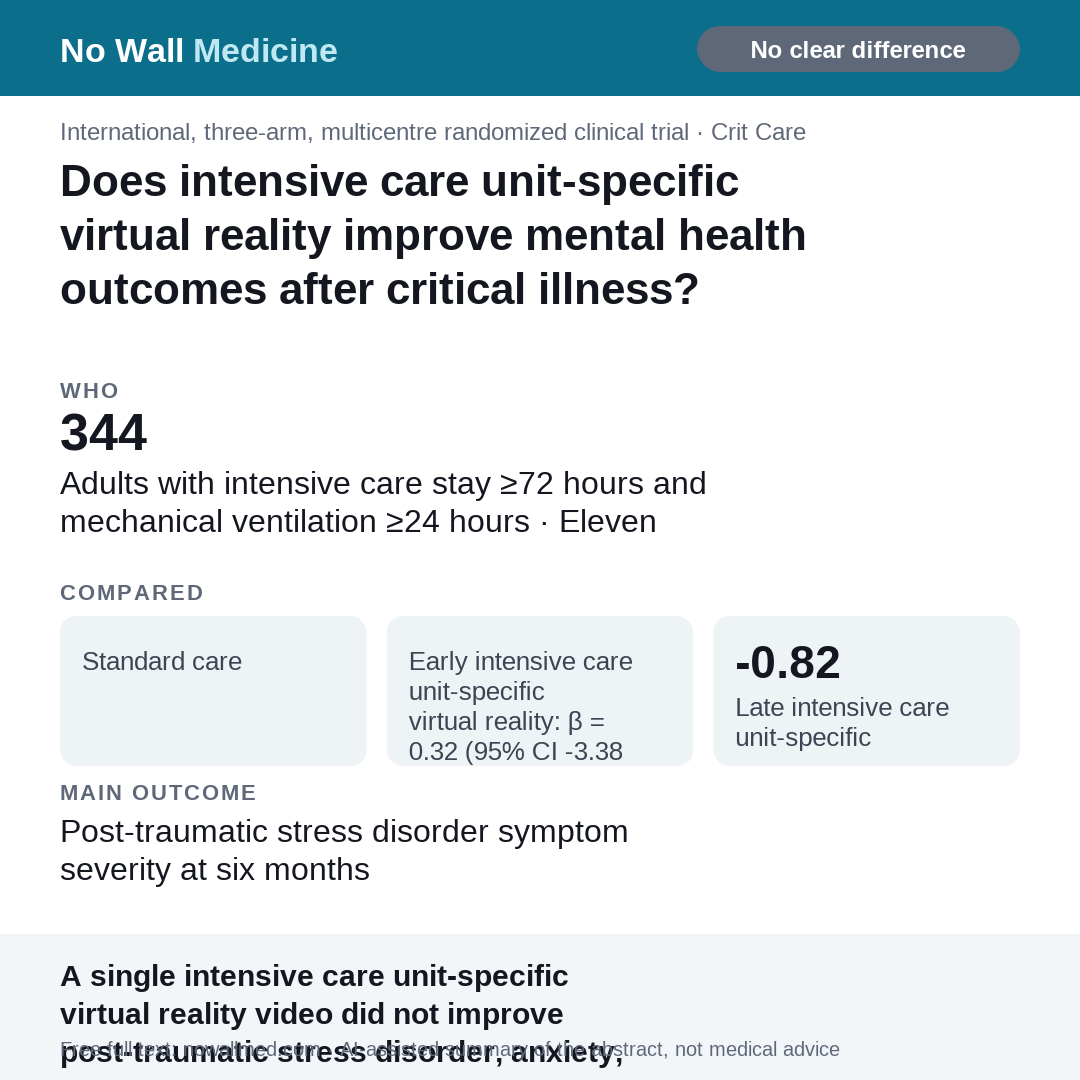
ICU-specific virtual reality for mental health after critical illness: an international three-arm randomized clinical trial
International, three-arm, multicentre randomized clinical trialNo clear difference
Does intensive care unit-specific virtual reality improve mental health outcomes after critical illness?
Who
344
Adults with intensive care stay ≥72 hours and mechanical ventilation ≥24 hours · Eleven hospitals
Compared
Standard care
Early intensive care unit-specific virtual reality: β = 0.32 (95% CI -3.38 to 4.02)
-0.82Late intensive care unit-specific virtual reality (95% CI -4.62 to 2.97)
Main outcome
Post-traumatic stress disorder symptom severity at six months
Result: β = 0.32 (95% CI -3.38 to 4.02) for early vs control
Bottom line: A single intensive care unit-specific virtual reality video did not improve post-traumatic stress disorder, anxiety, depression, or quality of life.
Limitation: Findings should not be generalized to multi-session, therapist-guided, or personalized virtual reality interventions.
Crit Care · 2026-07-24Download image
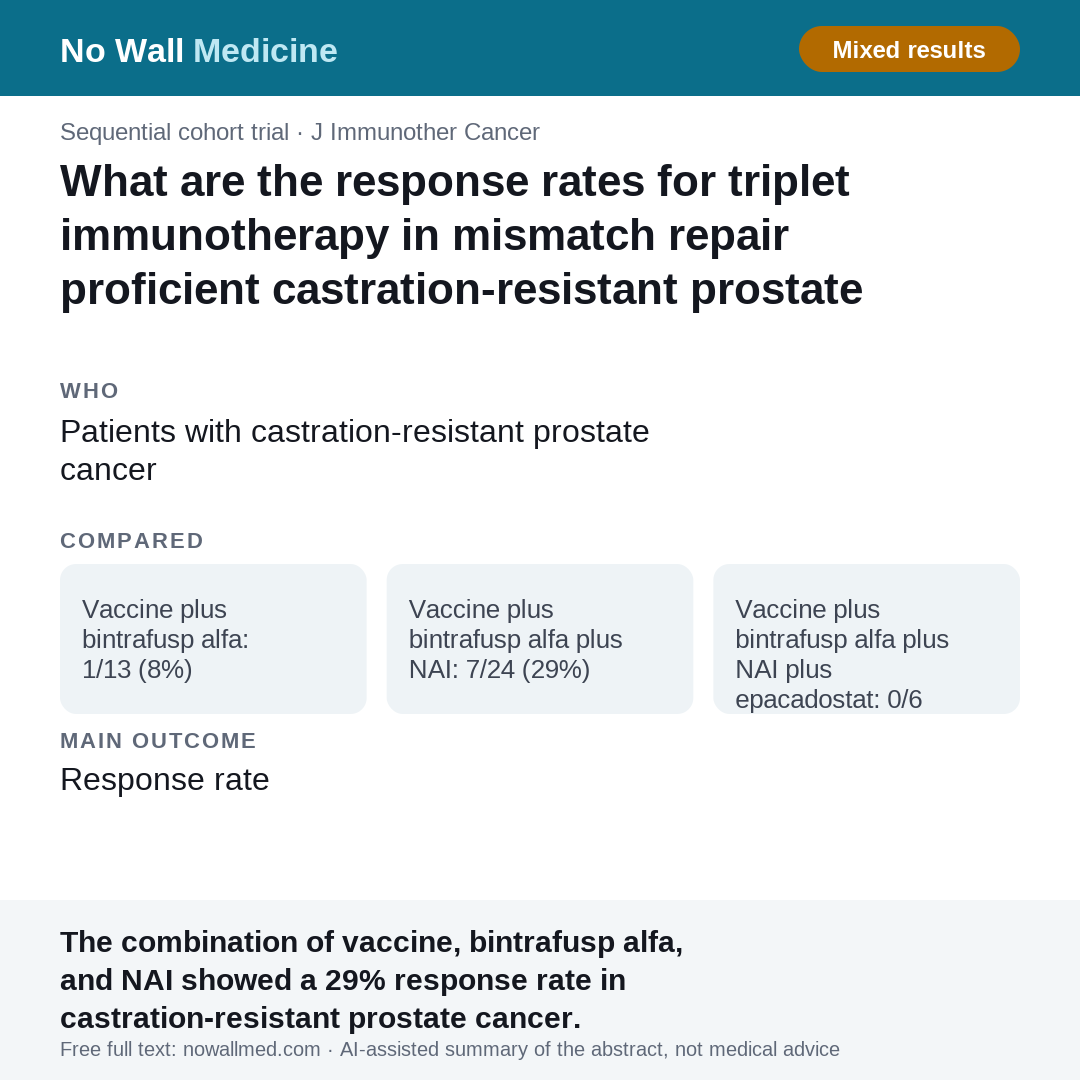
Durable responses to triplet immunotherapy targeting TGF-β, PD-L1, and tumor antigen, with an IL-15 receptor superagonist in mismatch repair proficient castration-resistant prostate cancer
Sequential cohort trialMixed results
What are the response rates for triplet immunotherapy in mismatch repair proficient castration-resistant prostate cancer?
Who
Patients with castration-resistant prostate cancer
Compared
Vaccine plus bintrafusp alfa: 1/13 (8%)
Vaccine plus bintrafusp alfa plus NAI: 7/24 (29%)
Vaccine plus bintrafusp alfa plus NAI plus epacadostat: 0/6 (0%)
Main outcome
Response rate
Bottom line: The combination of vaccine, bintrafusp alfa, and NAI showed a 29% response rate in castration-resistant prostate cancer.
J Immunother Cancer · 2026-07-24Download image
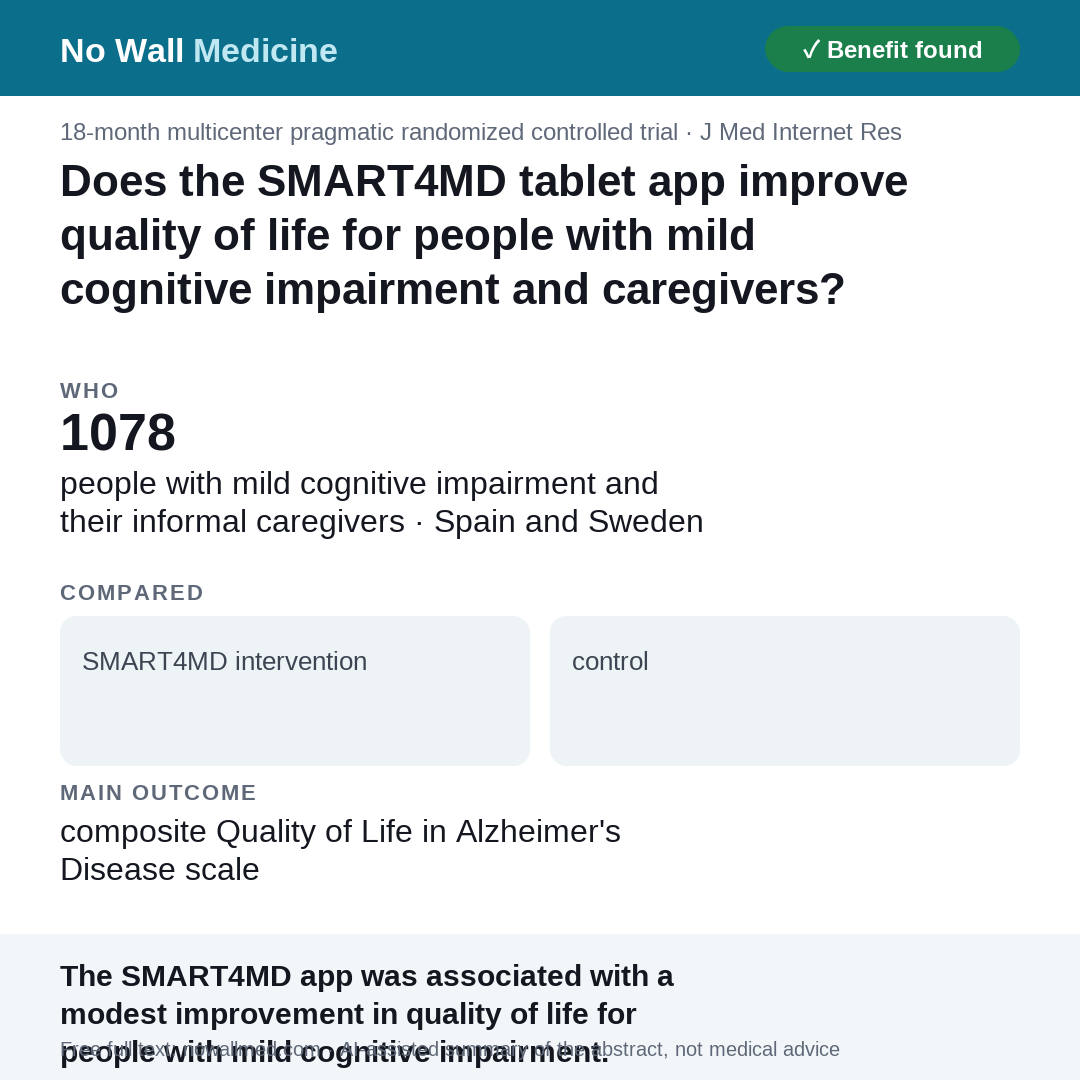
Effects of the Digital App "Support, Monitoring and Reminder Technology for Mild Dementia" (SMART4MD) on People With Mild Cognitive Impairment and Their Informal Caregivers: 18-Month Multicenter Pragmatic Randomized Controlled Trial
18-month multicenter pragmatic randomized controlled trialBenefit found
Does the SMART4MD tablet app improve quality of life for people with mild cognitive impairment and caregivers?
Who
1078
people with mild cognitive impairment and their informal caregivers · Spain and Sweden
Compared
SMART4MD intervention
control
Main outcome
composite Quality of Life in Alzheimer's Disease scale
Result: mean difference 0.75 (95% CI 0.07-1.42)
Bottom line: The SMART4MD app was associated with a modest improvement in quality of life for people with mild cognitive impairment.
Limitation: Exploratory outcomes were not adjusted for multiplicity and should be interpreted with caution.
J Med Internet Res · 2026-07-24Download image
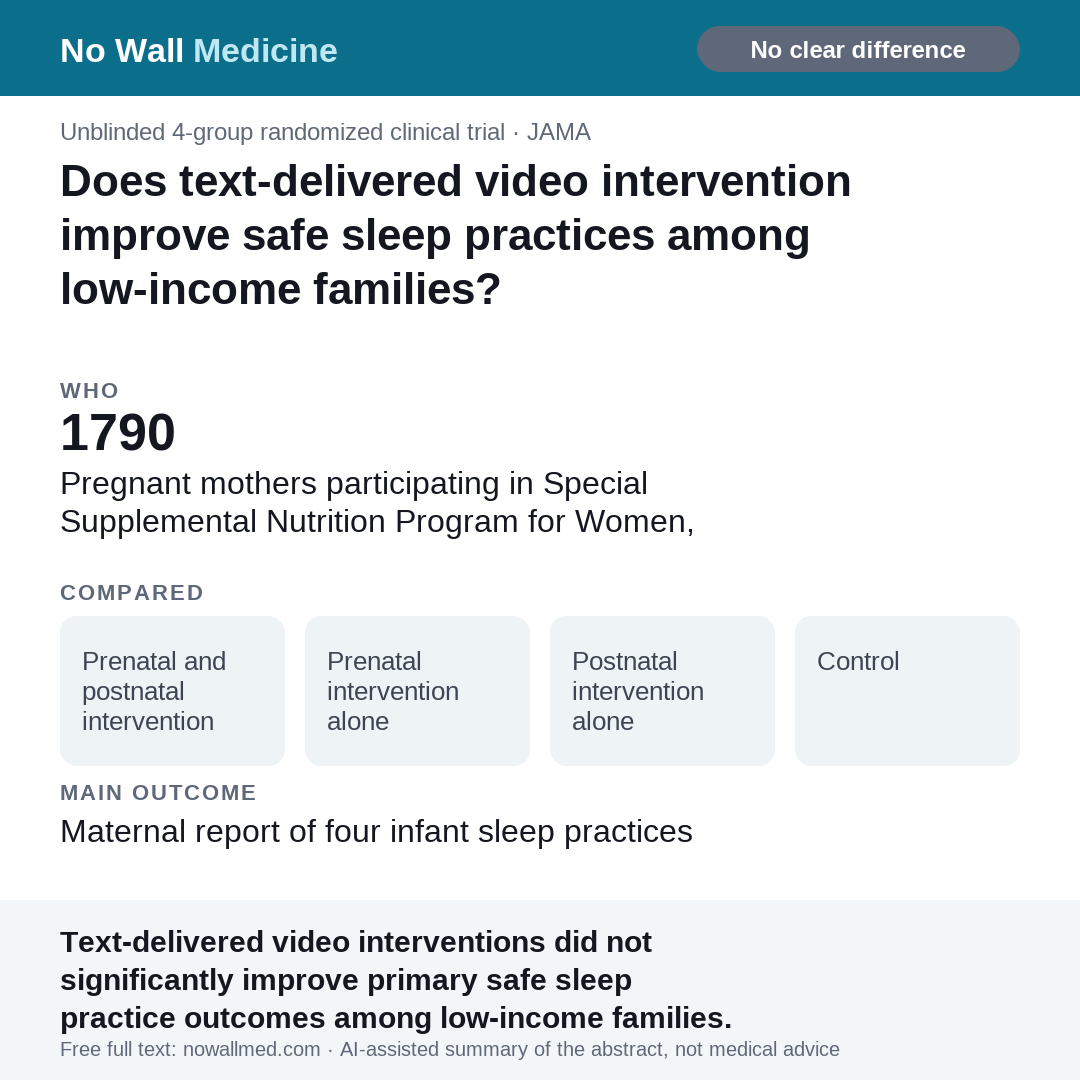
Safe Sleep Video Intervention via Text Messaging to Low-Income Families: The SMARTER Randomized Clinical Trial
Unblinded 4-group randomized clinical trialNo clear difference
Does text-delivered video intervention improve safe sleep practices among low-income families?
Who
1790
Pregnant mothers participating in Special Supplemental Nutrition Program for Women, Infants, and Children · WIC and Federally Qualified Health Centers in 18 states
Compared
Prenatal and postnatal intervention
Prenatal intervention alone
Postnatal intervention alone
Control
Main outcome
Maternal report of four infant sleep practices
Bottom line: Text-delivered video interventions did not significantly improve primary safe sleep practice outcomes among low-income families.
JAMA · 2026-07-23Download image
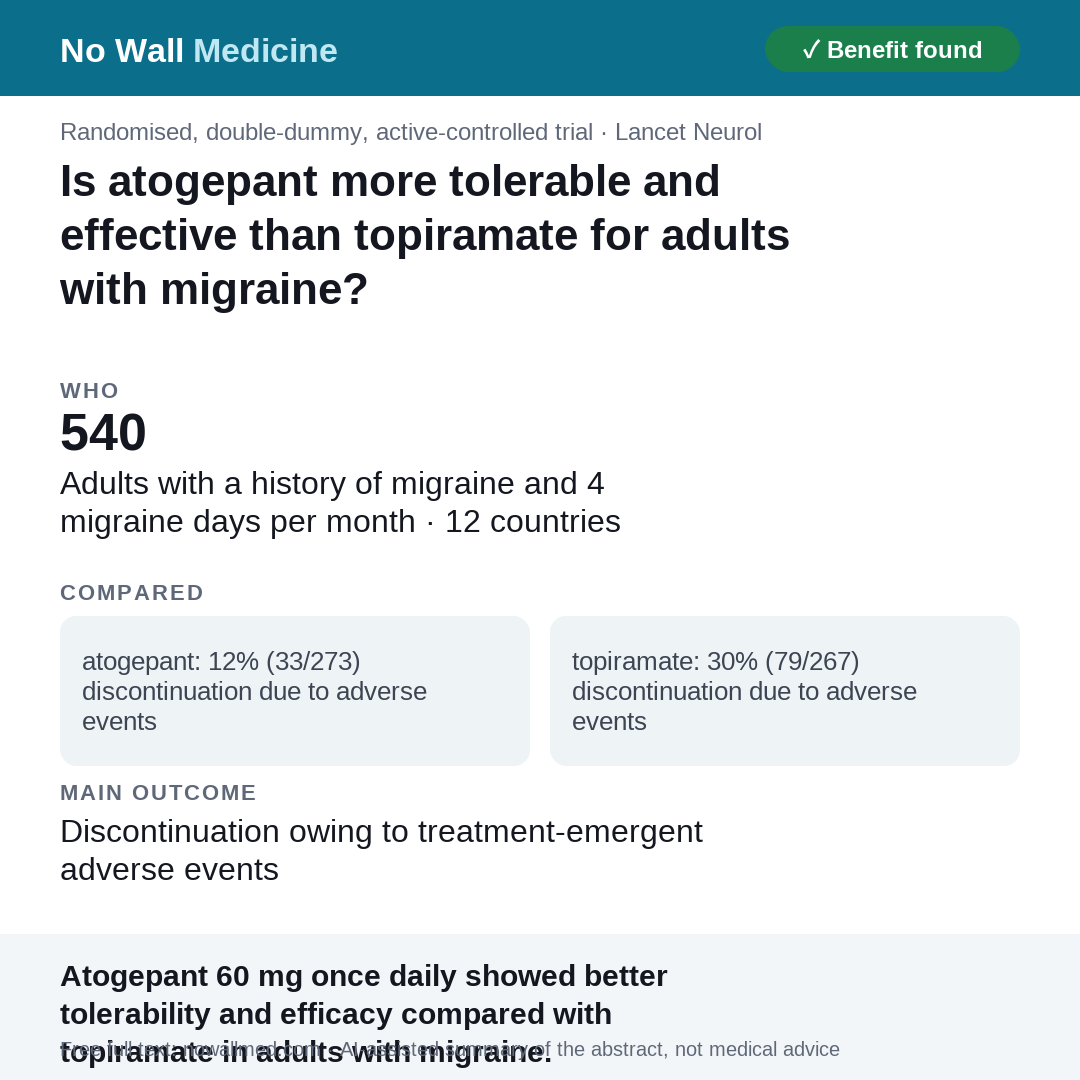
Tolerability, safety, and efficacy of atogepant versus topiramate in adults with migraine (TEMPLE): a randomised, head-to-head, phase 3b trial
Randomised, double-dummy, active-controlled trialBenefit found
Is atogepant more tolerable and effective than topiramate for adults with migraine?
Who
540
Adults with a history of migraine and 4 migraine days per month · 12 countries
Compared
atogepant: 12% (33/273) discontinuation due to adverse events
topiramate: 30% (79/267) discontinuation due to adverse events
Main outcome
Discontinuation owing to treatment-emergent adverse events
Result: relative risk 0·4 (95% CI 0·3 to 0·6)
Bottom line: Atogepant 60 mg once daily showed better tolerability and efficacy compared with topiramate in adults with migraine.
Lancet Neurol · 2026-07-23Download image
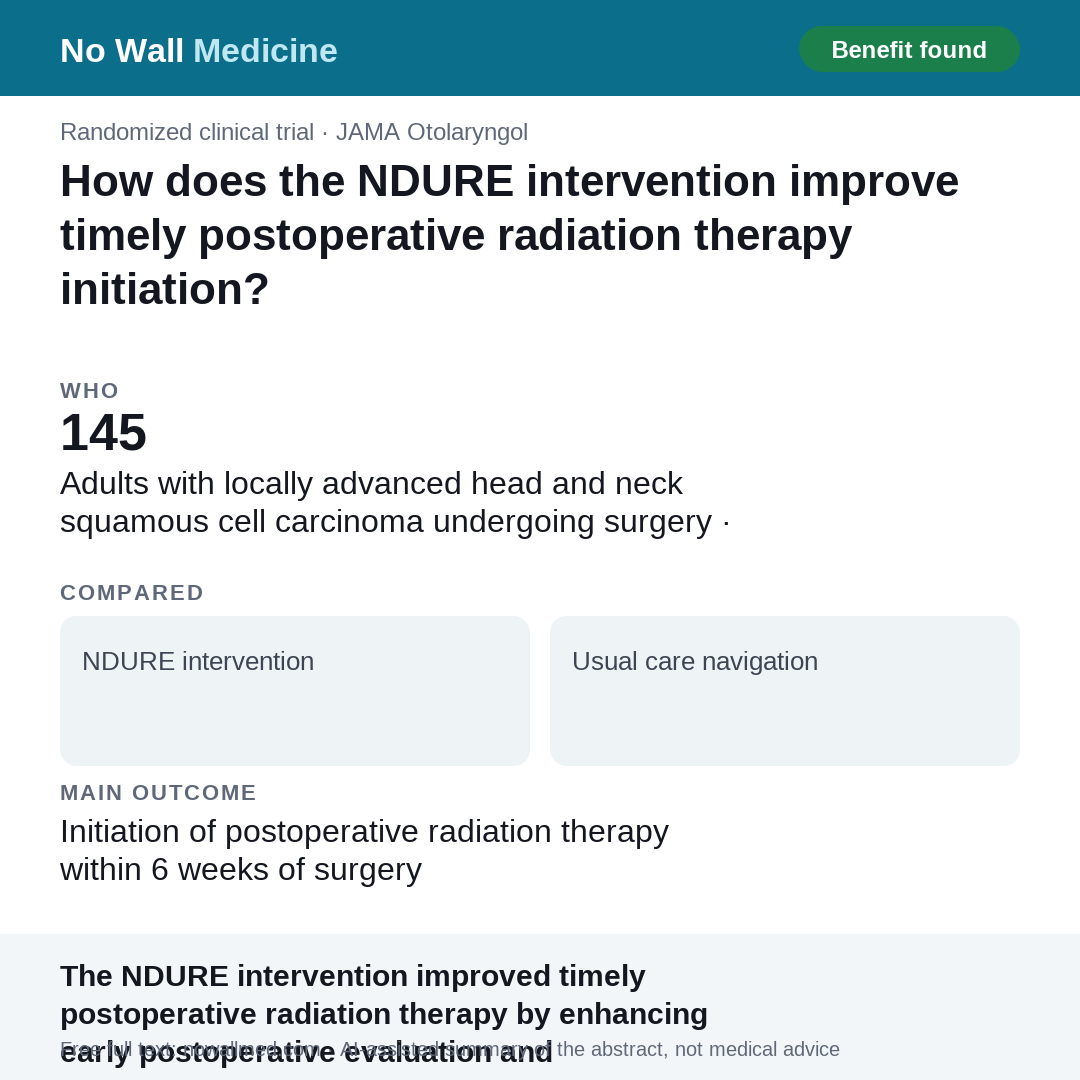
Mechanisms Underlying an Enhanced Navigation-Based Intervention to Improve Timely Adjuvant Therapy: A Secondary Analysis of the NDURE Randomized Clinical Trial
Randomized clinical trialBenefit found
How does the NDURE intervention improve timely postoperative radiation therapy initiation?
Who
145
Adults with locally advanced head and neck squamous cell carcinoma undergoing surgery · Single US academic medical center
Compared
NDURE intervention
Usual care navigation
Main outcome
Initiation of postoperative radiation therapy within 6 weeks of surgery
Bottom line: The NDURE intervention improved timely postoperative radiation therapy by enhancing early postoperative evaluation and completion of care steps.
JAMA Otolaryngol · 2026-07-23Download image
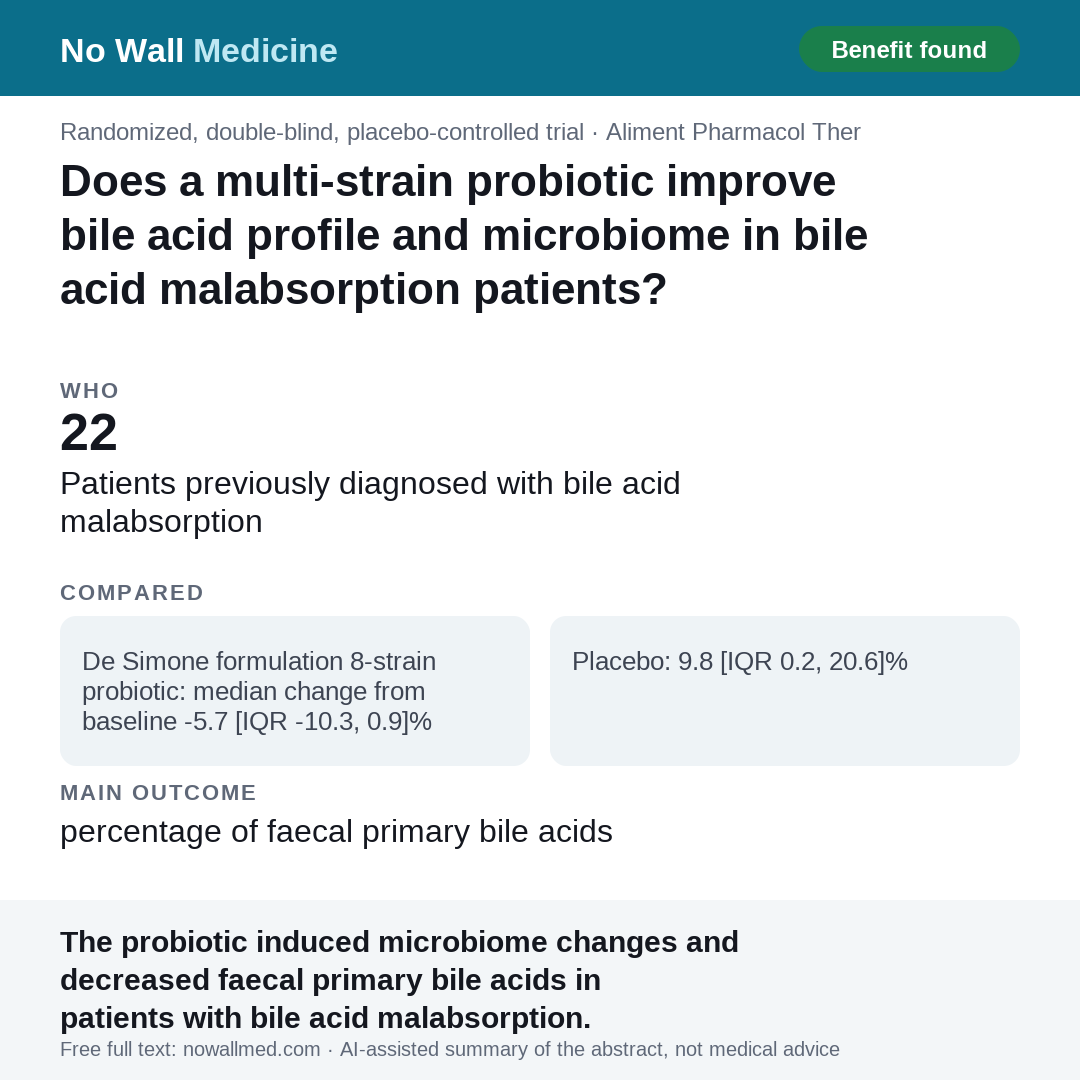
Clinical Trial: Multi-Strain Probiotic Improves Bile Acid Profile, Microbiome, and Metabolomic Parameters in Patients With History of Bile Acid Malabsorption-A Randomized, Controlled Trial
Randomized, double-blind, placebo-controlled trialBenefit found
Does a multi-strain probiotic improve bile acid profile and microbiome in bile acid malabsorption patients?
Who
22
Patients previously diagnosed with bile acid malabsorption
Compared
De Simone formulation 8-strain probiotic: median change from baseline -5.7 [IQR -10.3, 0.9]%
Placebo: 9.8 [IQR 0.2, 20.6]%
Main outcome
percentage of faecal primary bile acids
Result: p = 0.012
Bottom line: The probiotic induced microbiome changes and decreased faecal primary bile acids in patients with bile acid malabsorption.
Aliment Pharmacol Ther · 2026-07-23Download image
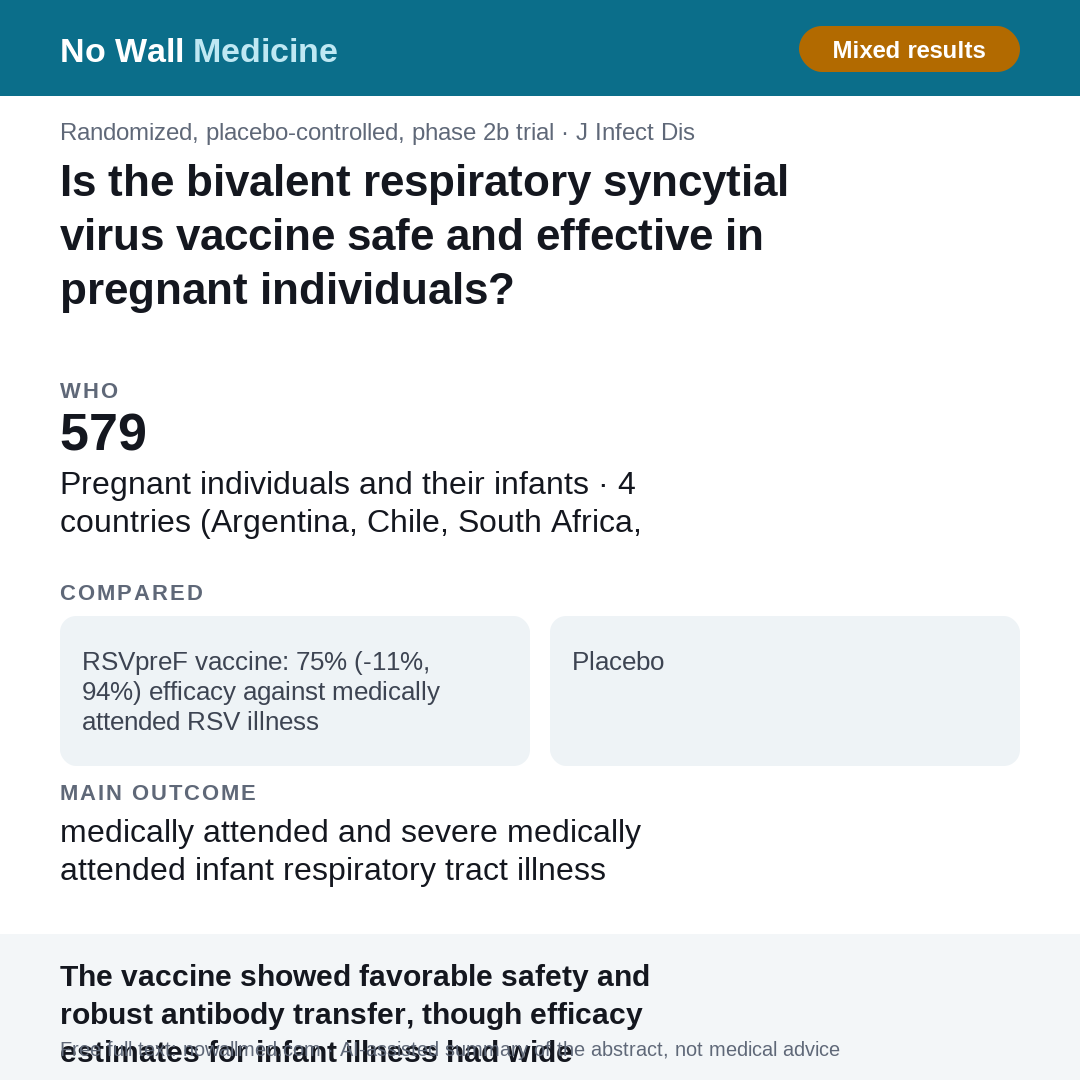
Phase 2 Randomized Bivalent RSVpreF Maternal Vaccine Trial: Final Safety, Antibody Persistence and Efficacy
Randomized, placebo-controlled, phase 2b trialMixed results
Is the bivalent respiratory syncytial virus vaccine safe and effective in pregnant individuals?
Who
579
Pregnant individuals and their infants · 4 countries (Argentina, Chile, South Africa, United States)
Compared
RSVpreF vaccine: 75% (-11%, 94%) efficacy against medically attended RSV illness
Placebo
Main outcome
medically attended and severe medically attended infant respiratory tract illness
Result: 75% (-11%, 94%) for medically attended; 83% (-48%, 99%) for severe
Bottom line: The vaccine showed favorable safety and robust antibody transfer, though efficacy estimates for infant illness had wide confidence intervals.
J Infect Dis · 2026-07-23Download image
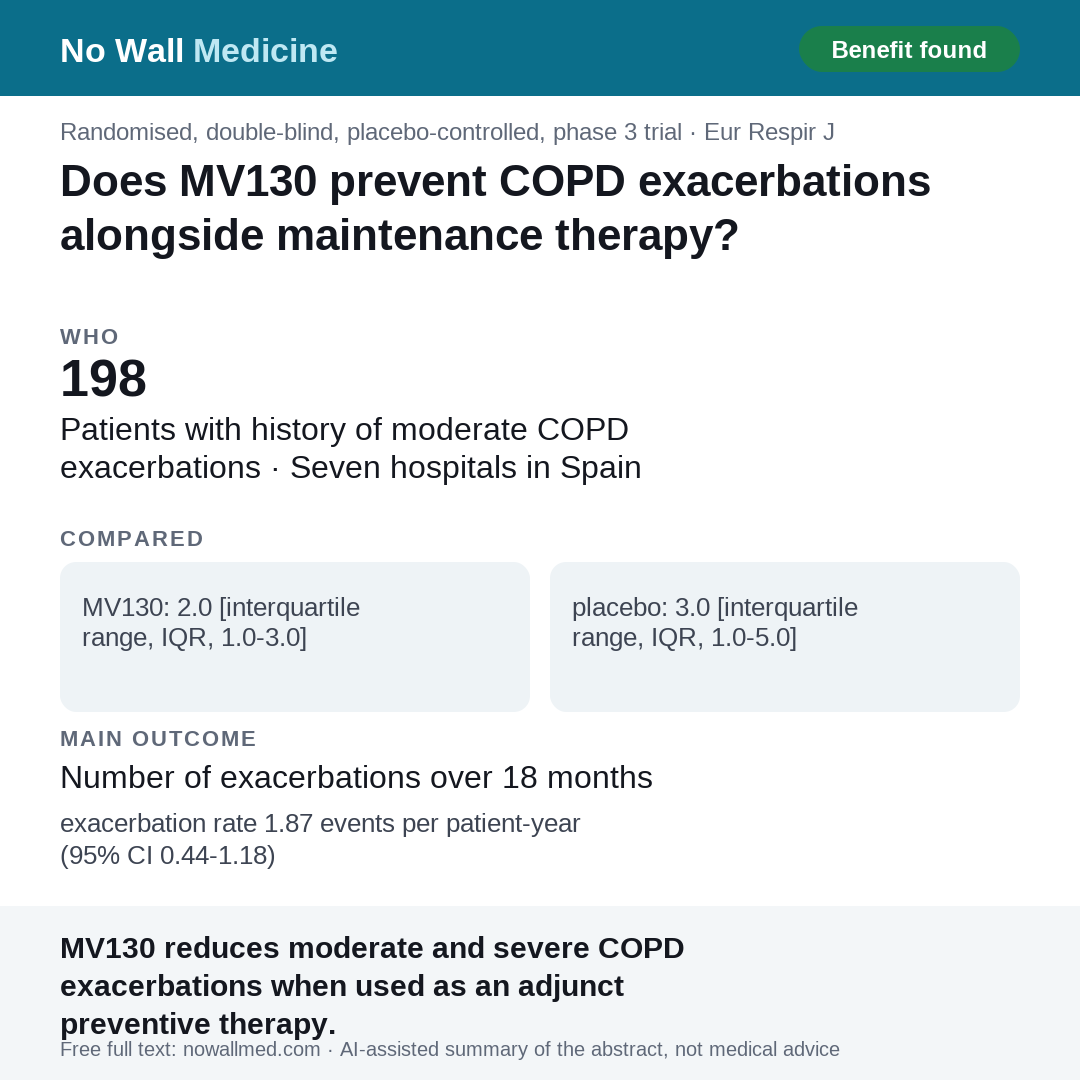
Prevention of COPD exacerbations with a mucosal trained immunity-based vaccine (MV130): a randomised phase 3 trial
Randomised, double-blind, placebo-controlled, phase 3 trialBenefit found
Does MV130 prevent COPD exacerbations alongside maintenance therapy?
Who
198
Patients with history of moderate COPD exacerbations · Seven hospitals in Spain
Compared
MV130: 2.0 [interquartile range, IQR, 1.0-3.0]
placebo: 3.0 [interquartile range, IQR, 1.0-5.0]
Main outcome
Number of exacerbations over 18 months
Result: exacerbation rate 1.87 events per patient-year (95% CI 0.44-1.18)
Bottom line: MV130 reduces moderate and severe COPD exacerbations when used as an adjunct preventive therapy.
Eur Respir J · 2026-07-23Download image
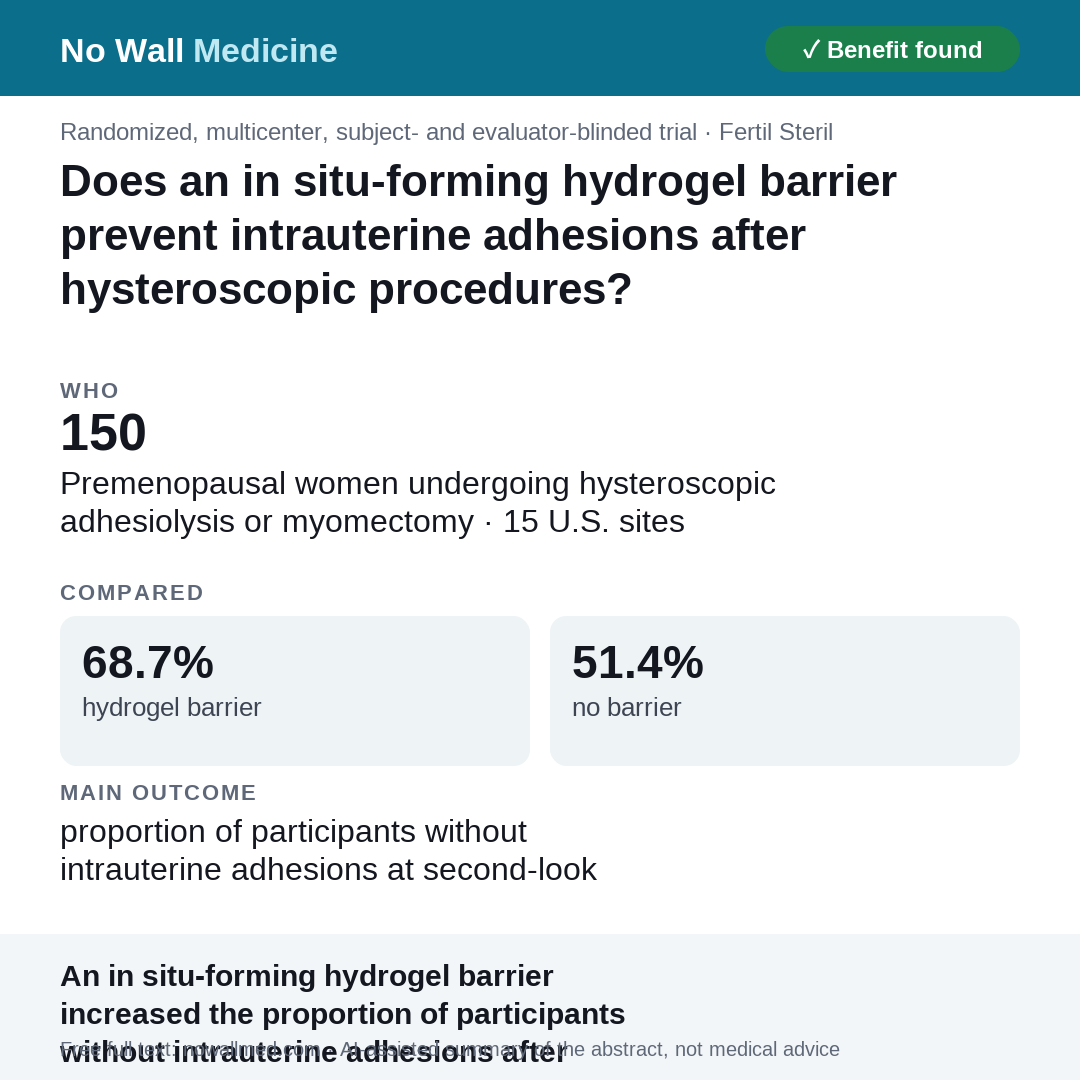
Safety and effectiveness of an in situ-forming hydrogel barrier in preventing intrauterine adhesions after adhesiogenic hysteroscopic procedures: a multicenter, randomized, controlled trial
Randomized, multicenter, subject- and evaluator-blinded trialBenefit found
Does an in situ-forming hydrogel barrier prevent intrauterine adhesions after hysteroscopic procedures?
Who
150
Premenopausal women undergoing hysteroscopic adhesiolysis or myomectomy · 15 U.S. sites
Compared
68.7%hydrogel barrier
51.4%no barrier
Main outcome
proportion of participants without intrauterine adhesions at second-look hysteroscopy
Result: odds ratio 3.19 (95% CI 1.29-7.90) in adhesiolysis subgroup
Bottom line: An in situ-forming hydrogel barrier increased the proportion of participants without intrauterine adhesions after hysteroscopic procedures.
Limitation: The leiomyoma subgroup treatment effect was imprecise due to limited sample size.
Fertil Steril · 2026-07-23Download image
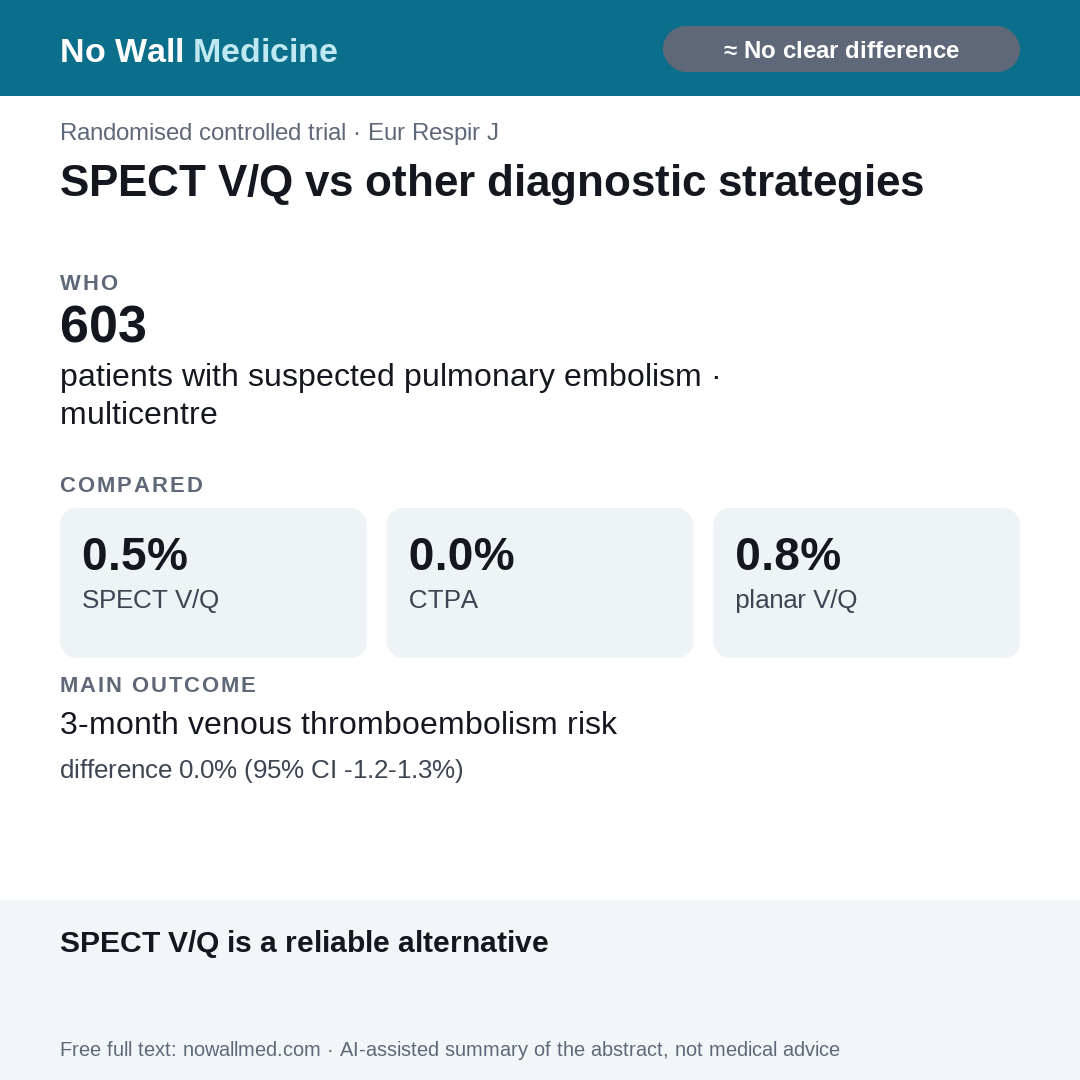
Comparison of three diagnostic strategies for suspicion of pulmonary embolism: planar ventilation/perfusion scan, CT pulmonary angiography and single-photon emission CT ventilation/perfusion scan - a multicentre, non-inferiority randomised controlled trial
Randomised controlled trialNo clear difference
SPECT V/Q vs other diagnostic strategies
Who
603
patients with suspected pulmonary embolism · multicentre
Compared
0.5%SPECT V/Q (1/221)
0.0%CTPA (0/107)
0.8%planar V/Q (1/118)
Main outcome
3-month venous thromboembolism risk
Result: difference 0.0% (95% CI -1.2-1.3%)
Bottom line: SPECT V/Q is a reliable alternative
Limitation: slow recruitment and funding limitations
Eur Respir J · 2026-07-23Download image
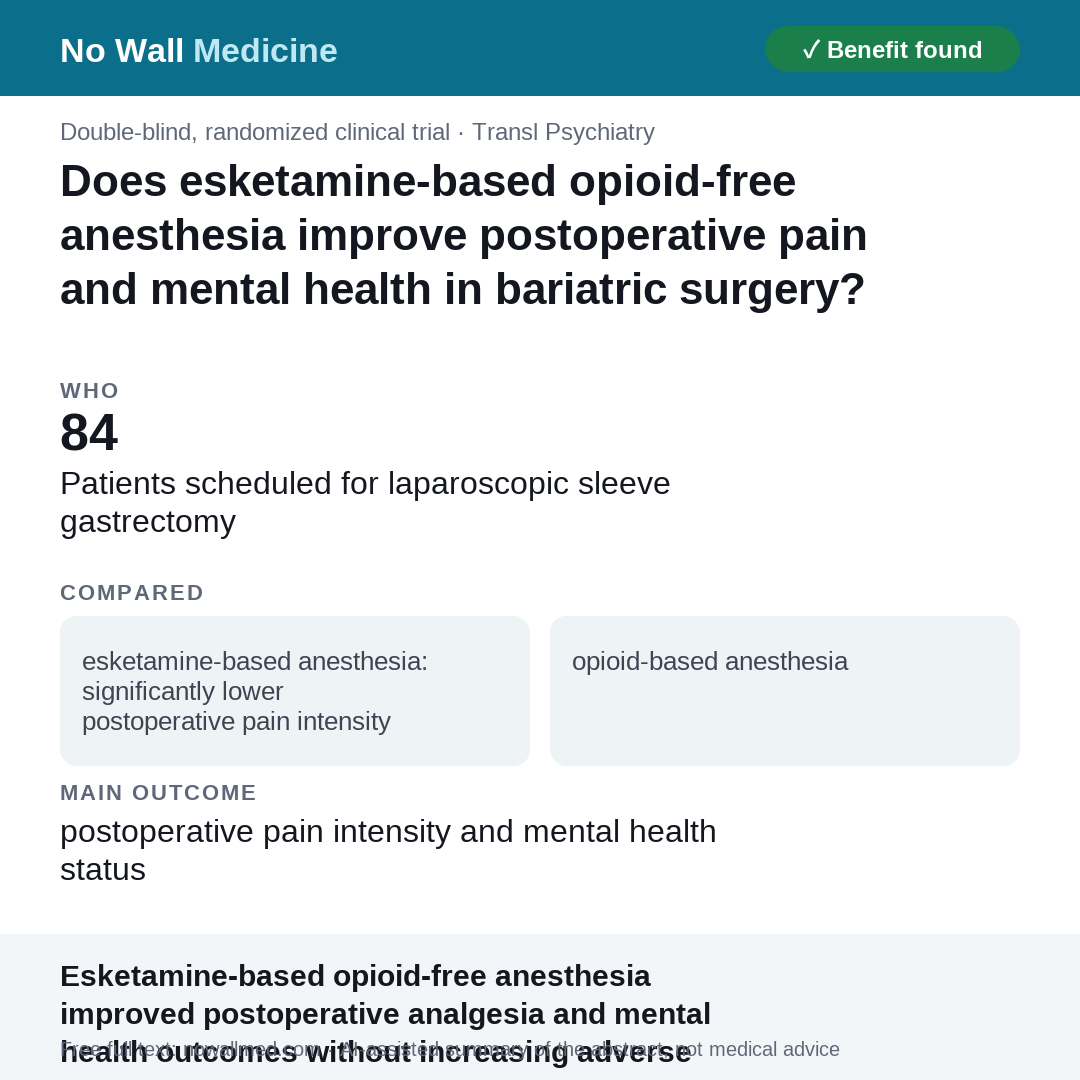
Dual benefit of esketamine-based opioid-free anesthesia on postoperative pain and mental health outcomes in patients undergoing bariatric surgery: a randomized controlled trial
Double-blind, randomized clinical trialBenefit found
Does esketamine-based opioid-free anesthesia improve postoperative pain and mental health in bariatric surgery?
Who
84
Patients scheduled for laparoscopic sleeve gastrectomy
Compared
esketamine-based anesthesia: significantly lower postoperative pain intensity
opioid-based anesthesia
Main outcome
postoperative pain intensity and mental health status
Bottom line: Esketamine-based opioid-free anesthesia improved postoperative analgesia and mental health outcomes without increasing adverse events.
Transl Psychiatry · 2026-07-23Download image
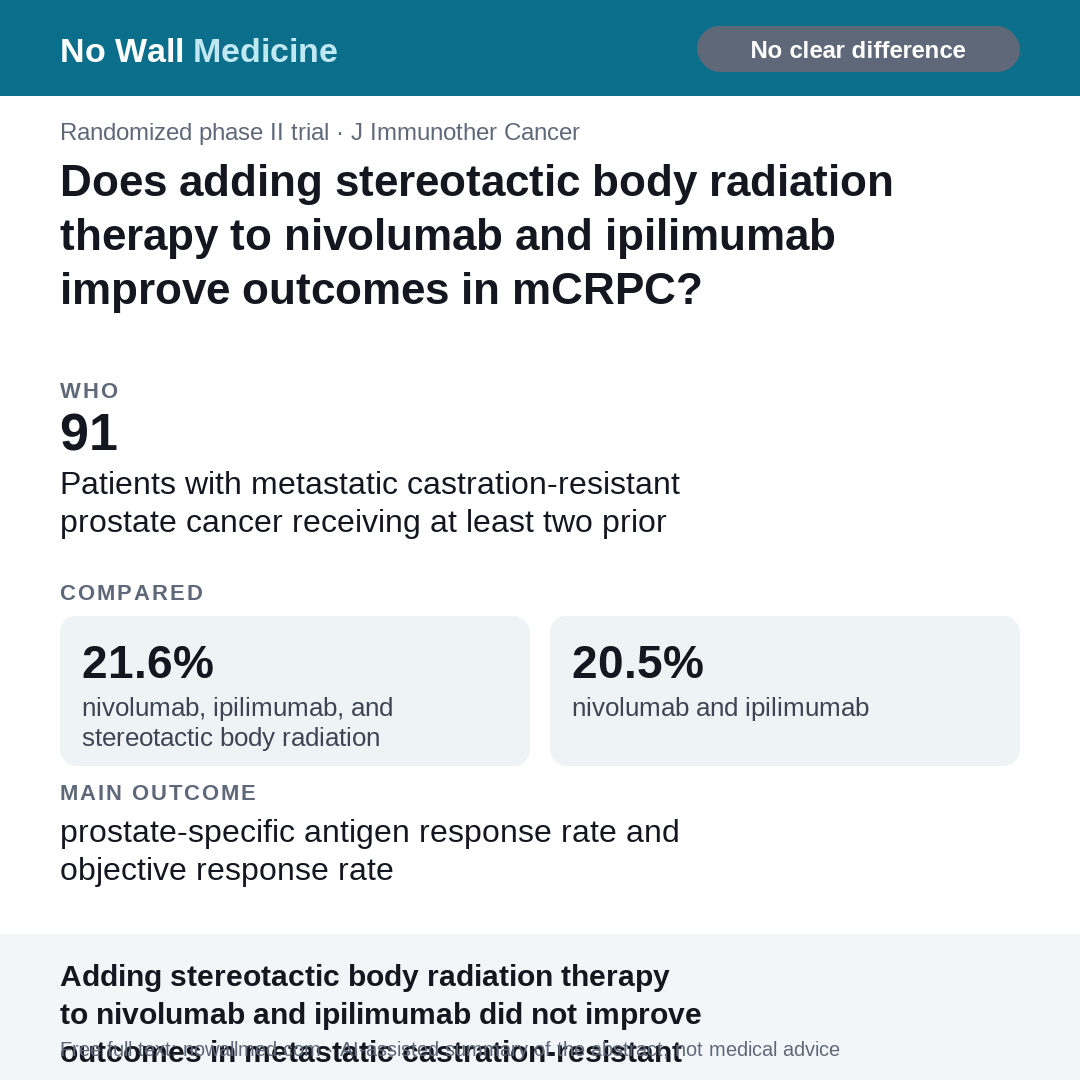
Randomized phase II trial of nivolumab and ipilimumab with or without stereotactic body radiation therapy in patients with metastatic castration-resistant prostate cancer: the CheckPRO, CA209-8TY trial
Randomized phase II trialNo clear difference
Does adding stereotactic body radiation therapy to nivolumab and ipilimumab improve outcomes in mCRPC?
Who
91
Patients with metastatic castration-resistant prostate cancer receiving at least two prior therapies
Compared
21.6%nivolumab, ipilimumab, and stereotactic body radiation therapy (95% CI 9.8% to 38.2%)
20.5%nivolumab and ipilimumab (95% CI 9.8% to 35.3%)
Main outcome
prostate-specific antigen response rate and objective response rate
Bottom line: Adding stereotactic body radiation therapy to nivolumab and ipilimumab did not improve outcomes in metastatic castration-resistant prostate cancer.
Limitation: Explorative translational research is needed to identify possible biomarkers of response.
J Immunother Cancer · 2026-07-23Download image
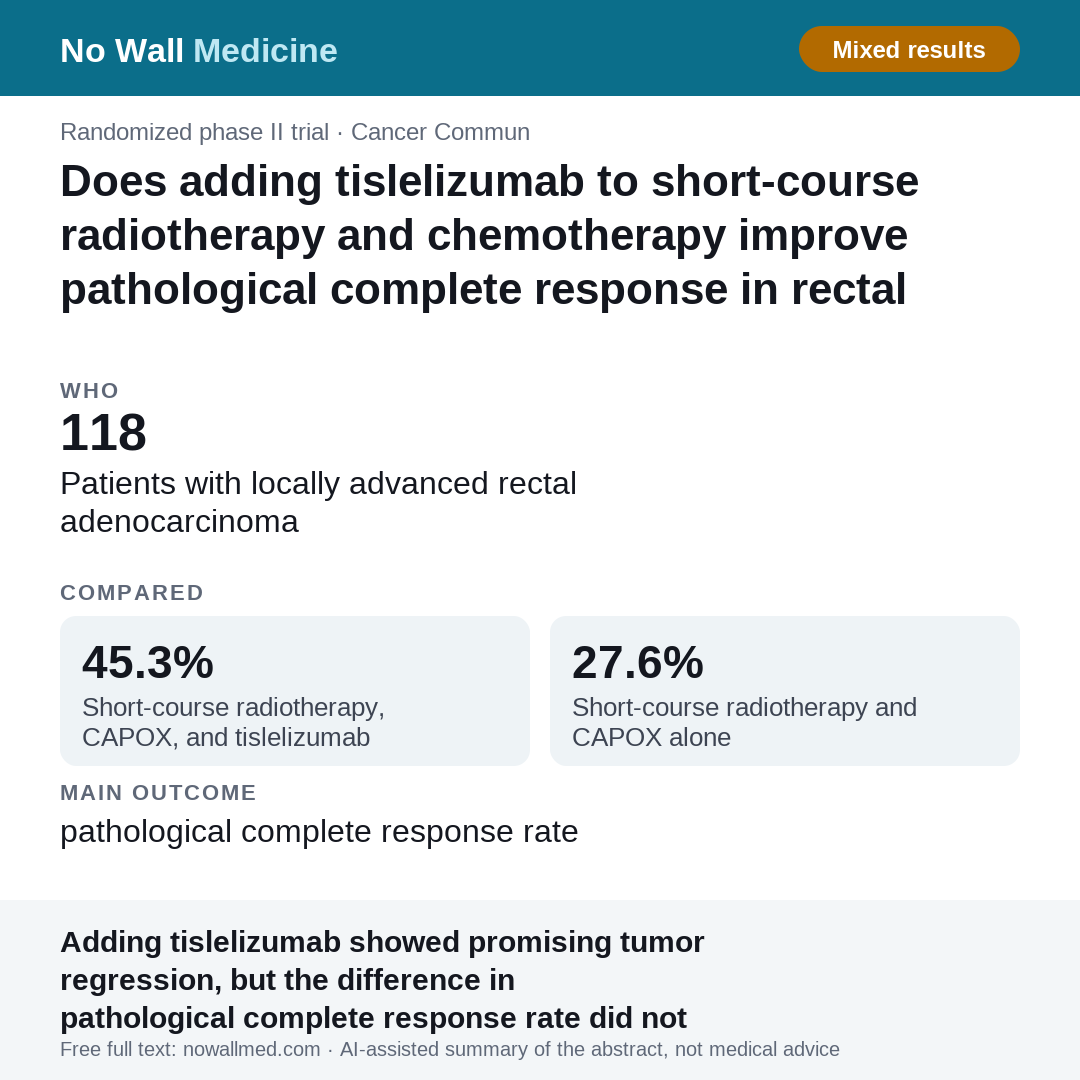
Short-Course Radiotherapy-Based Total Neoadjuvant Therapy plus Tislelizumab for Locally Advanced Rectal Cancer (Neo-STAR): Early Outcomes of a Randomized Phase II Trial
Randomized phase II trialMixed results
Does adding tislelizumab to short-course radiotherapy and chemotherapy improve pathological complete response in rectal cancer?
Who
118
Patients with locally advanced rectal adenocarcinoma
Compared
45.3%Short-course radiotherapy, CAPOX, and tislelizumab (95% CI, 31.5% to 59.8%)
27.6%Short-course radiotherapy and CAPOX alone (95% CI, 16.6% to 40.8%)
Main outcome
pathological complete response rate
Result: odds ratio = 2.17; 95% CI, 0.99 to 4.79
Bottom line: Adding tislelizumab showed promising tumor regression, but the difference in pathological complete response rate did not reach statistical significance.
Limitation: This phase II study provides preliminary evidence warranting further validation in phase III trials.
Cancer Commun · 2026-07-23Download image