Visual abstracts
New randomized trials and meta-analyses from leading journals at a glance: who was studied, what was compared, and what was found. Every paper is free to read in full.
All specialtiesCardiology 265Oncology 207Gastroenterology & Hepatology 117Infectious Disease 220Neurology 124Psychiatry & Mental Health 178Pulmonology 126Critical Care 80Endocrinology & Diabetes 176Pediatrics 116Surgery 80Orthopedics & Sports Medicine 48Neurosurgery 16Cardiothoracic & Vascular Surgery 30Plastic & Reconstructive Surgery 59Nephrology 54Rheumatology 53Hematology 64Dermatology 27Ophthalmology 48Obstetrics & Gynecology 77Public & Global Health 80Radiology & Imaging 21Anesthesiology 43Urology 58ENT (Otolaryngology) 36Emergency Medicine 28Allergy & Immunology 27Geriatrics 81Family Medicine & Primary Care 39Medical Genetics & Genomics 27Pathology & Laboratory Medicine 5Physical Medicine & Rehabilitation 67Palliative Care 40Nutrition 99Digital Health & AI 239General Medicine 39
Genome-wide analysis implicates inner ear development in Ménière disease
Genome-wide meta-analysisUnclear result
Genetic basis of Ménière disease
Who
8969, 1962542
Ménière disease case subjects and control subjects · five biobanks
Compared
case subjects
control subjects
Main outcome
Ménière disease risk
Result: odds ratios between 1.1 and 1.25
Bottom line: Genetic variation contributes to Ménière disease risk
Am J Hum Genet · 2026-06-16Download image

Surgical Challenges and Harm-reduction Strategies in Xylazine-associated Wounds: A Systematic Review
Systematic reviewMixed results
What are the clinical features and management strategies of xylazine-associated wounds?
Who
92
Patients with xylazine-associated necrotic wounds
Compared
Patients with detailed case-level data: 100% extremity involvement
Patients with detailed case-level data: 56% bone or tendon exposure
Patients with detailed case-level data: 30% osteomyelitis
Main outcome
Clinical features and surgical management outcomes
Bottom line: Xylazine-associated wounds involve high rates of extremity involvement, bone exposure, and require significant surgical management.
Plast Reconstr Surg Glob Open · 2026-06-16Download image

Systematic Review of Kidney Involvement in Antisynthetase Syndrome
Systematic reviewMixed results
What are the characteristics and outcomes of kidney involvement in antisynthetase syndrome?
Who
52
Adults with biopsy-proven or clinically defined kidney involvement in antisynthetase syndrome
Compared
Non-Jo1 antibodies: 4.7 mg/dl peak creatinine
Anti-Jo1 antibodies: 2.3 mg/dl peak creatinine
Main outcome
Kidney disease characteristics and clinical outcomes
Bottom line: Kidney involvement in antisynthetase syndrome is clinically significant, with non-Jo1 antibodies potentially predicting worse outcomes.
Limitation: Association requires confirmation in prospective cohorts with multivariable adjustment.
Kidney Int Rep · 2026-06-16Download image

Achondroplasia management in the era of targeted therapies: a meta-analysis of C-type natriuretic peptide analogs
Meta-analysis of 4 randomized controlled trialsBenefit found
What are the safety and efficacy of C-type natriuretic peptide analogs in achondroplasia?
Who
326
Children with achondroplasia
Compared
C-type natriuretic peptide analogs
Placebo
Main outcome
Annual growth velocity
Result: mean difference 1.36 cm/year (95% CI: 1.05 to 1.68)
Bottom line: C-type natriuretic peptide analogs provide slight but statistically meaningful improvements in linear growth in children with achondroplasia.
Limitation: Long-term studies are needed to define optimal timing of therapy and functional outcomes.
J Endocr Soc · 2026-06-16Download image

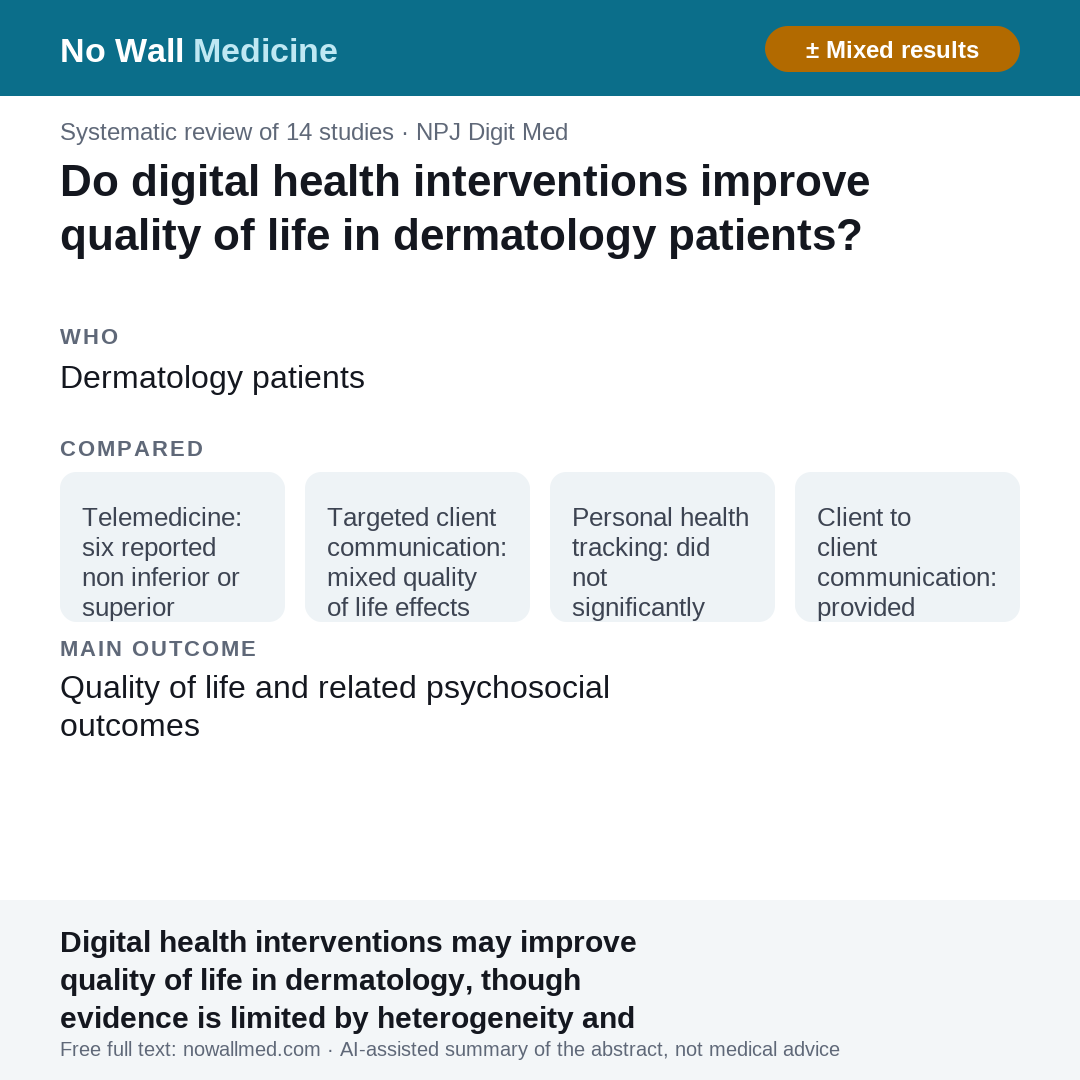
Advancing dermatology patients' quality of life through digital health innovations: a comprehensive systematic review
Systematic review of 14 studiesMixed results
Do digital health interventions improve quality of life in dermatology patients?
Who
Dermatology patients
Compared
Telemedicine: six reported non inferior or superior quality of life
Targeted client communication: mixed quality of life effects
Personal health tracking: did not significantly improve quality of life
Client to client communication: provided psychosocial support
Main outcome
Quality of life and related psychosocial outcomes
Bottom line: Digital health interventions may improve quality of life in dermatology, though evidence is limited by heterogeneity and risk of bias.
Limitation: Methodological heterogeneity, risk of bias, and short follow up.
NPJ Digit Med · 2026-06-16Download image
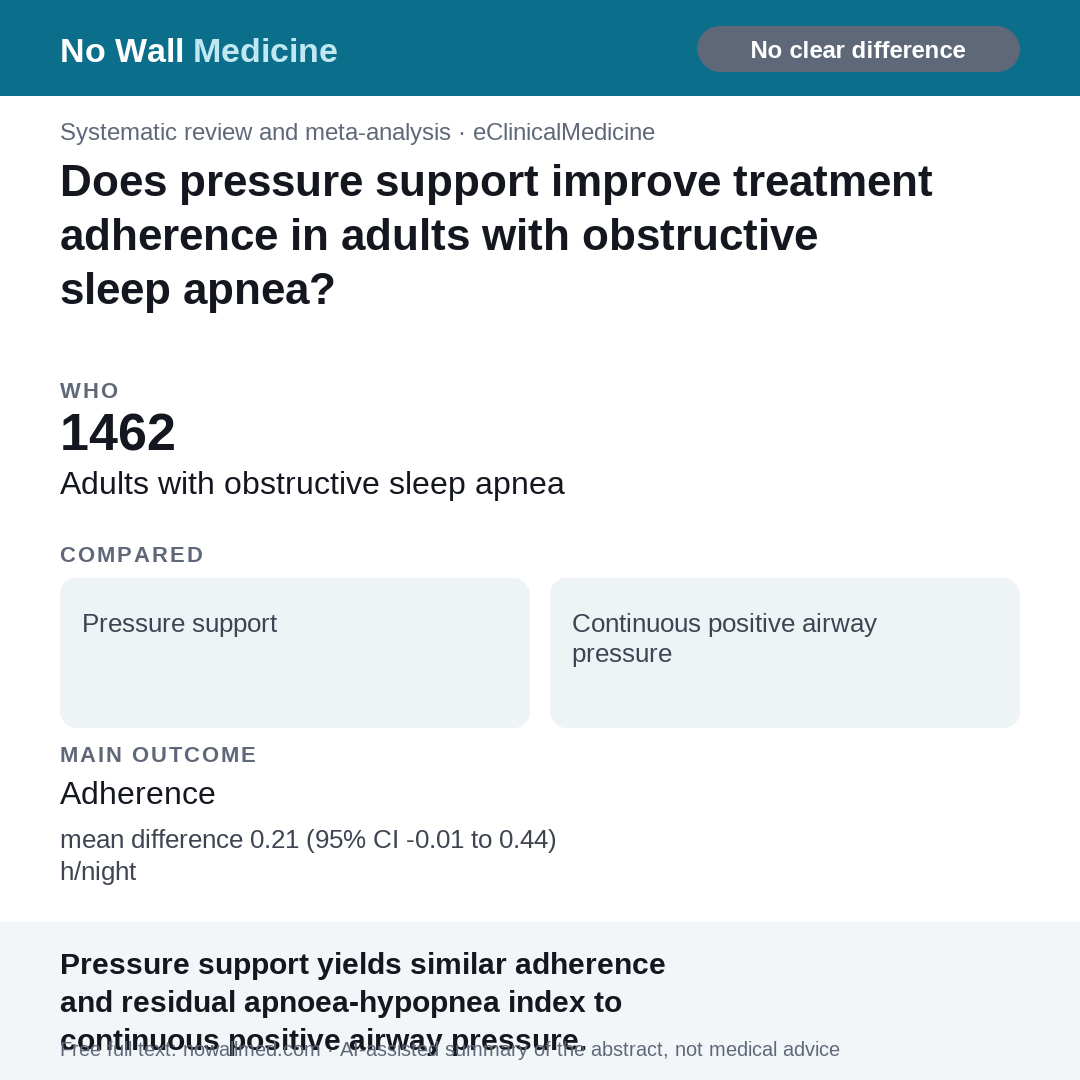
The effect of bilevel ventilation or modified continuous positive airway pressure on treatment adherence in adults with obstructive sleep apnea: a systematic review and meta-analysis
Systematic review and meta-analysisNo clear difference
Does pressure support improve treatment adherence in adults with obstructive sleep apnea?
Who
1462
Adults with obstructive sleep apnea
Compared
Pressure support
Continuous positive airway pressure
Main outcome
Adherence
Result: mean difference 0.21 (95% CI -0.01 to 0.44) h/night
Bottom line: Pressure support yields similar adherence and residual apnoea-hypopnea index to continuous positive airway pressure.
Limitation: Certainty of evidence was very-low-to-moderate.
eClinicalMedicine · 2026-06-15Download image
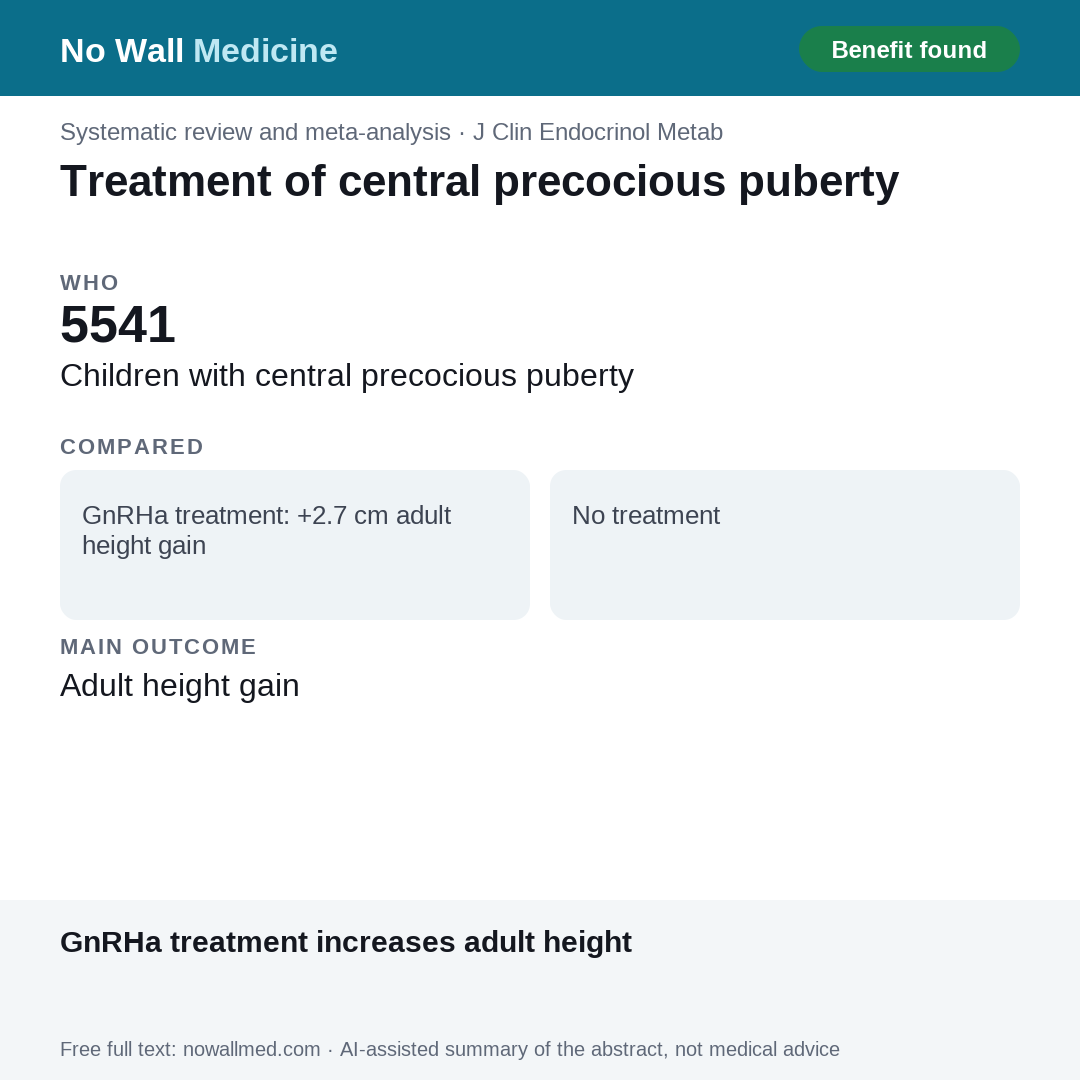
A systematic review supporting the Endocrine Society clinical practice guidelines on central precocious puberty
Systematic review and meta-analysisBenefit found
Treatment of central precocious puberty
Who
5541
Children with central precocious puberty
Compared
GnRHa treatment: +2.7 cm adult height gain
No treatment
Main outcome
Adult height gain
Bottom line: GnRHa treatment increases adult height
J Clin Endocrinol Metab · 2026-06-15Download image
The Effect of Semaglutide on Quality of Life in Adults With Overweight or Obesity: A Brief Systematic Review and Meta-Analysis
Systematic review and meta-analysisMixed results
Does once-weekly subcutaneous semaglutide 2.4 mg improve physical functioning and weight-related quality of life?
Who
4182
Adults with overweight or obesity
Compared
Semaglutide
Placebo
Main outcome
SF-36v2 Physical Functioning and weight-related quality-of-life outcomes
Result: mean difference 1.71 points (95% CI 1.07 to 2.35)
Bottom line: Semaglutide statistically improves physical functioning, but average gains remain below clinically meaningful thresholds.
Limitation: The available randomised evidence comes from the semaglutide development programme.
Diabetes Obes Metab · 2026-06-15Download image

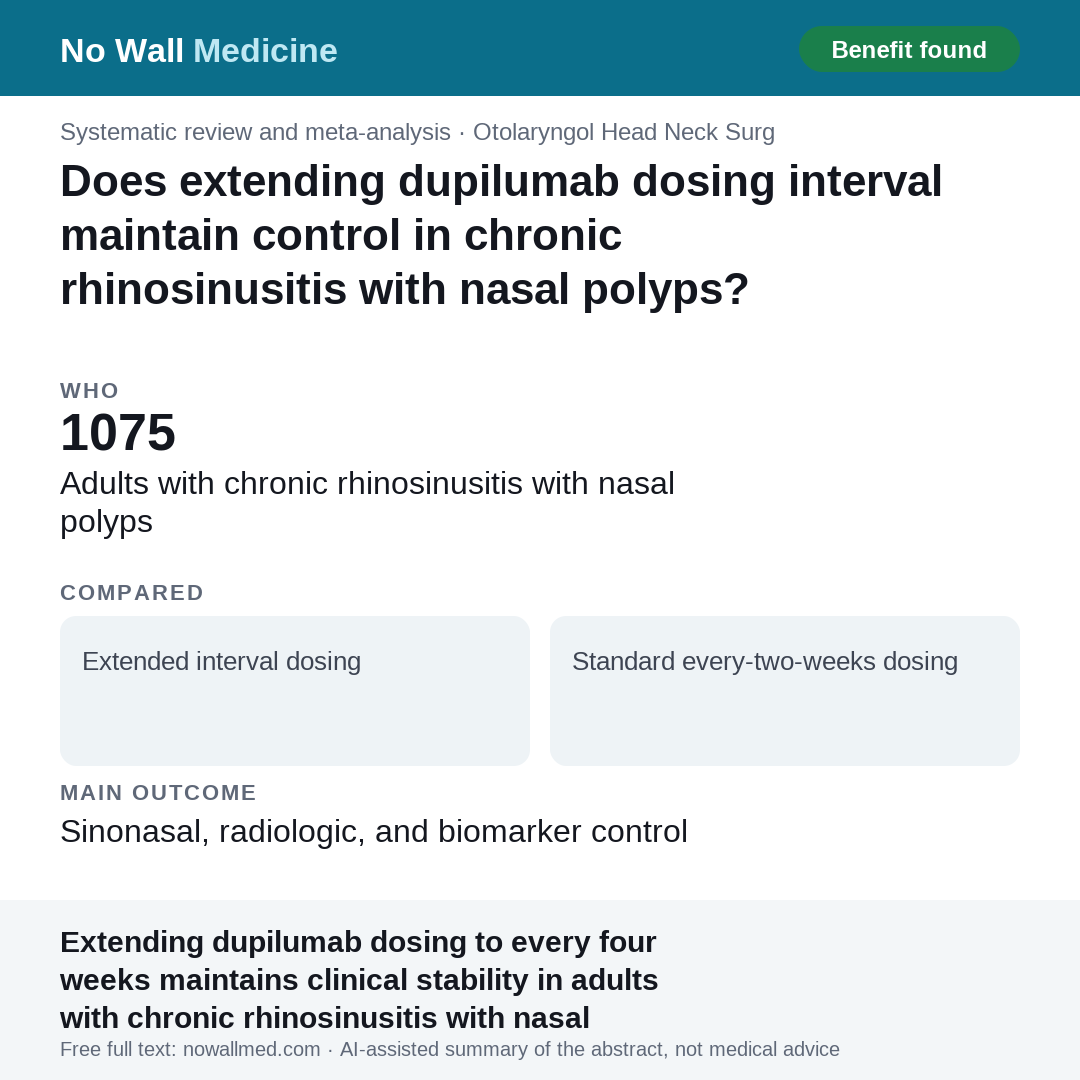
Dupilumab Extended Interval Dosing in Chronic Rhinosinusitis With Nasal Polyps: A Systematic Review and Meta-analysis
Systematic review and meta-analysisBenefit found
Does extending dupilumab dosing interval maintain control in chronic rhinosinusitis with nasal polyps?
Who
1075
Adults with chronic rhinosinusitis with nasal polyps
Compared
Extended interval dosing
Standard every-two-weeks dosing
Main outcome
Sinonasal, radiologic, and biomarker control
Result: SNOT-22 mean difference -0.56; eosinophils decreased -0.13 × 10⁹/L
Bottom line: Extending dupilumab dosing to every four weeks maintains clinical stability in adults with chronic rhinosinusitis with nasal polyps.
Limitation: Further controlled trials are required to define optimal tapering strategies and identify predictors of success.
Otolaryngol Head Neck Surg · 2026-06-15Download image
Bone-Anchored Prostheses for Transtibial Amputation: A Systematic Review of Outcomes, Complications, and Cost-Effectiveness
Systematic reviewBenefit found
What are the clinical outcomes, complications, and cost-effectiveness of transtibial osseointegration?
Who
102
Adults with transtibial amputation
Compared
Osseointegration
Socket or no prosthesis
Main outcome
Clinical outcomes, complications, and cost-effectiveness
Bottom line: Osseointegration may improve quality of life, mobility, and prosthesis use, though superficial infection is a common risk.
Limitation: Most studies used press-fit fixation and had short follow-up of 1-3 years.
Arch Phys Med Rehabil · 2026-06-15Download image

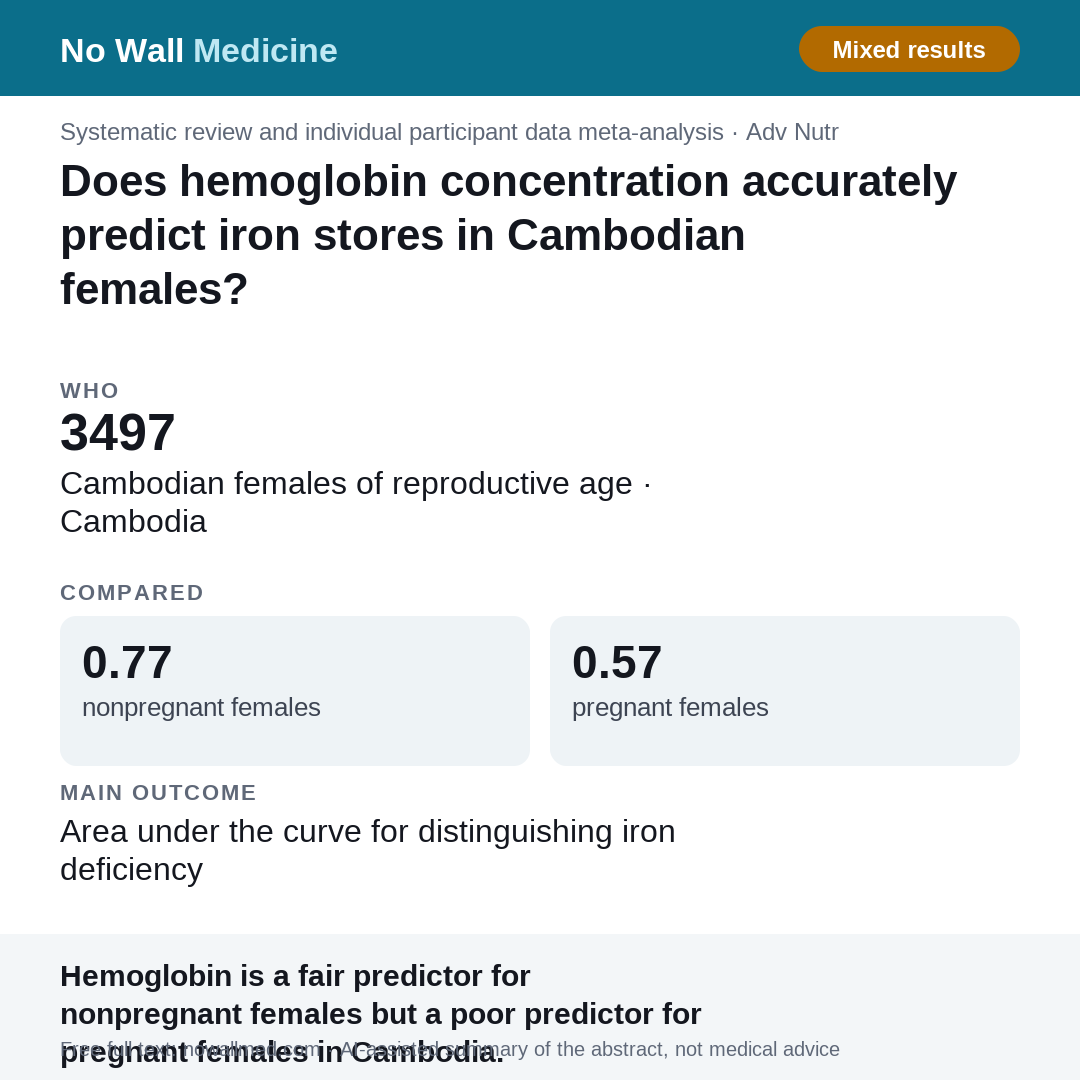
Assessing the Discriminatory Ability of Hemoglobin Concentration to Predict Iron Stores in Cambodian Females: A Systematic Review and Individual Participant Data Meta-Analysis
Systematic review and individual participant data meta-analysisMixed results
Does hemoglobin concentration accurately predict iron stores in Cambodian females?
Who
3497
Cambodian females of reproductive age · Cambodia
Compared
0.77nonpregnant females (95% CI 0.74, 0.79)
0.57pregnant females (95% CI 0.47, 0.68)
Main outcome
Area under the curve for distinguishing iron deficiency
Bottom line: Hemoglobin is a fair predictor for nonpregnant females but a poor predictor for pregnant females in Cambodia.
Limitation: Low certainty evidence for pregnant females.
Adv Nutr · 2026-06-15Download image
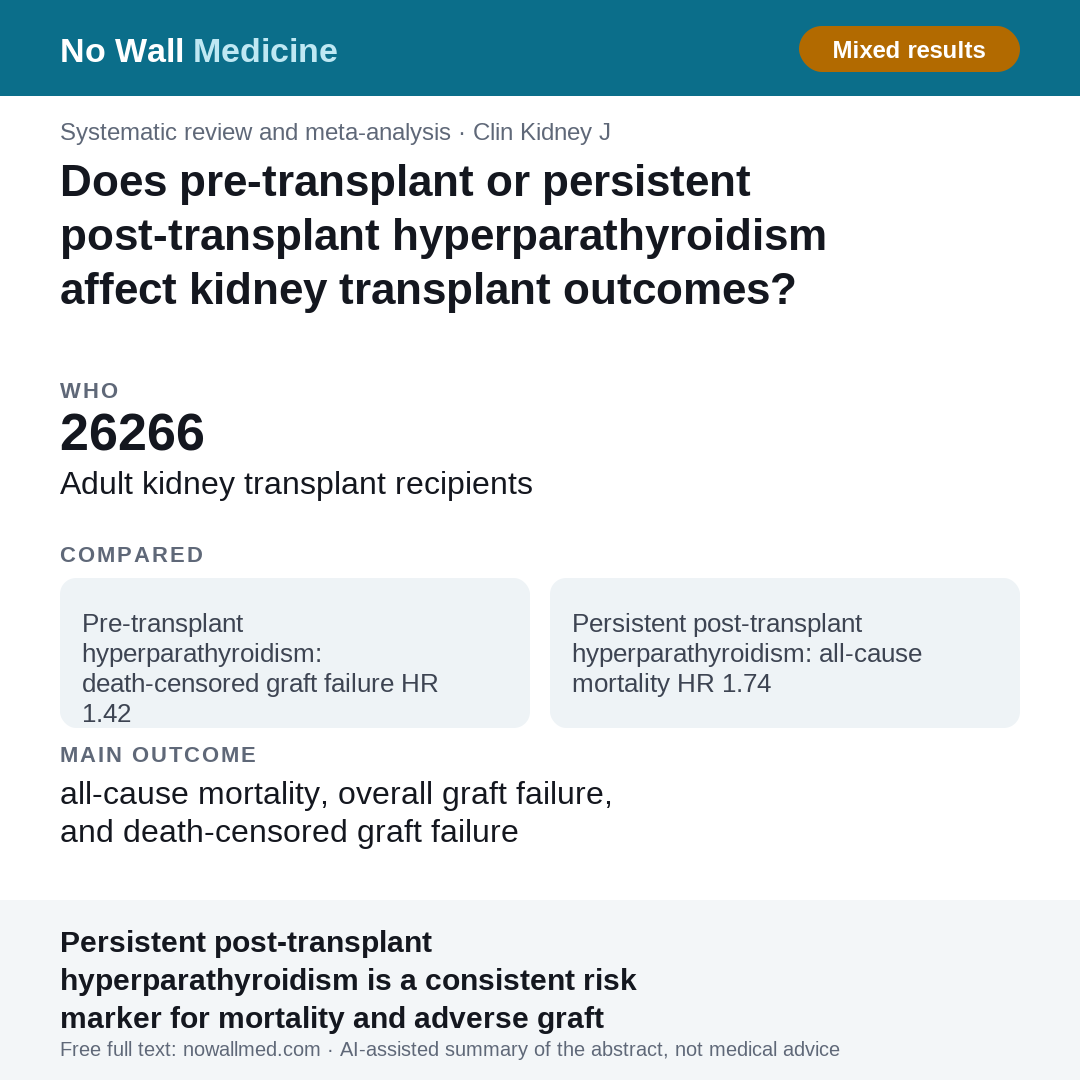
Pre-transplant and persistent post-transplant hyperparathyroidism and kidney transplant outcomes: a systematic review and meta-analysis
Systematic review and meta-analysisMixed results
Does pre-transplant or persistent post-transplant hyperparathyroidism affect kidney transplant outcomes?
Who
26266
Adult kidney transplant recipients
Compared
Pre-transplant hyperparathyroidism: death-censored graft failure HR 1.42
Persistent post-transplant hyperparathyroidism: all-cause mortality HR 1.74
Main outcome
all-cause mortality, overall graft failure, and death-censored graft failure
Result: persistent hyperparathyroidism: all-cause mortality HR 1.74, overall graft failure HR 2.16, death-censored graft failure HR 1.92
Bottom line: Persistent post-transplant hyperparathyroidism is a consistent risk marker for mortality and adverse graft outcomes.
Limitation: Heterogeneous definitions and variable timing of assessment; need for standardized definitions and prospective studies.
Clin Kidney J · 2026-06-15Download image
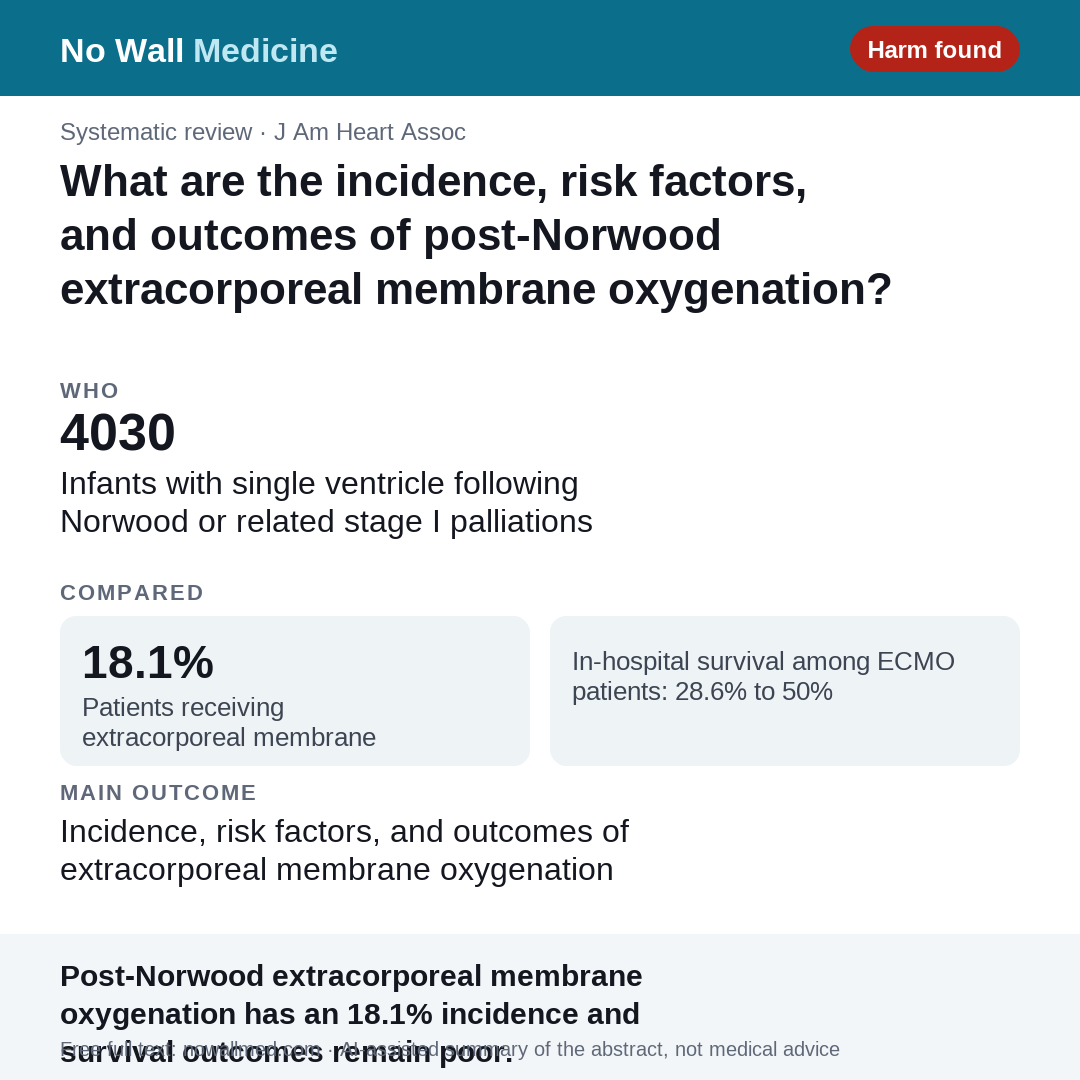
Extracorporeal Membrane Oxygenation in the Interstage Period After Norwood and Related Stage I Palliations in Infants With Single Ventricle: A Systematic Review of Incidence, Risk Factors, and Outcomes
Systematic reviewHarm found
What are the incidence, risk factors, and outcomes of post-Norwood extracorporeal membrane oxygenation?
Who
4030
Infants with single ventricle following Norwood or related stage I palliations
Compared
18.1%Post-Norwood extracorporeal membrane oxygenation (685/3775 patients)
In-hospital survival among ECMO patients: 28.6% to 50%
Main outcome
Incidence, risk factors, and outcomes of extracorporeal membrane oxygenation
Bottom line: Post-Norwood extracorporeal membrane oxygenation has an 18.1% incidence and survival outcomes remain poor.
J Am Heart Assoc · 2026-06-15Download image
Optimal Antithrombotic Therapy for Peripheral Artery Disease: A Systematic Review and Network Meta-Analysis
Network meta-analysisBenefit found
Optimal antithrombotic therapy for peripheral artery disease
Who
44532
patients with peripheral artery disease
Compared
aspirin monotherapy
clopidogrel plus cilostazol: hazard ratio 0.37 (95% CI 0.20-0.72)
clopidogrel monotherapy: hazard ratio 0.80 (95% CI 0.67-0.96)
aspirin plus rivaroxaban: hazard ratio 0.81 (95% CI 0.72-0.92)
Main outcome
major adverse cardiac events
Bottom line: Some therapies reduce cardiac events
J Am Heart Assoc · 2026-06-15Download image

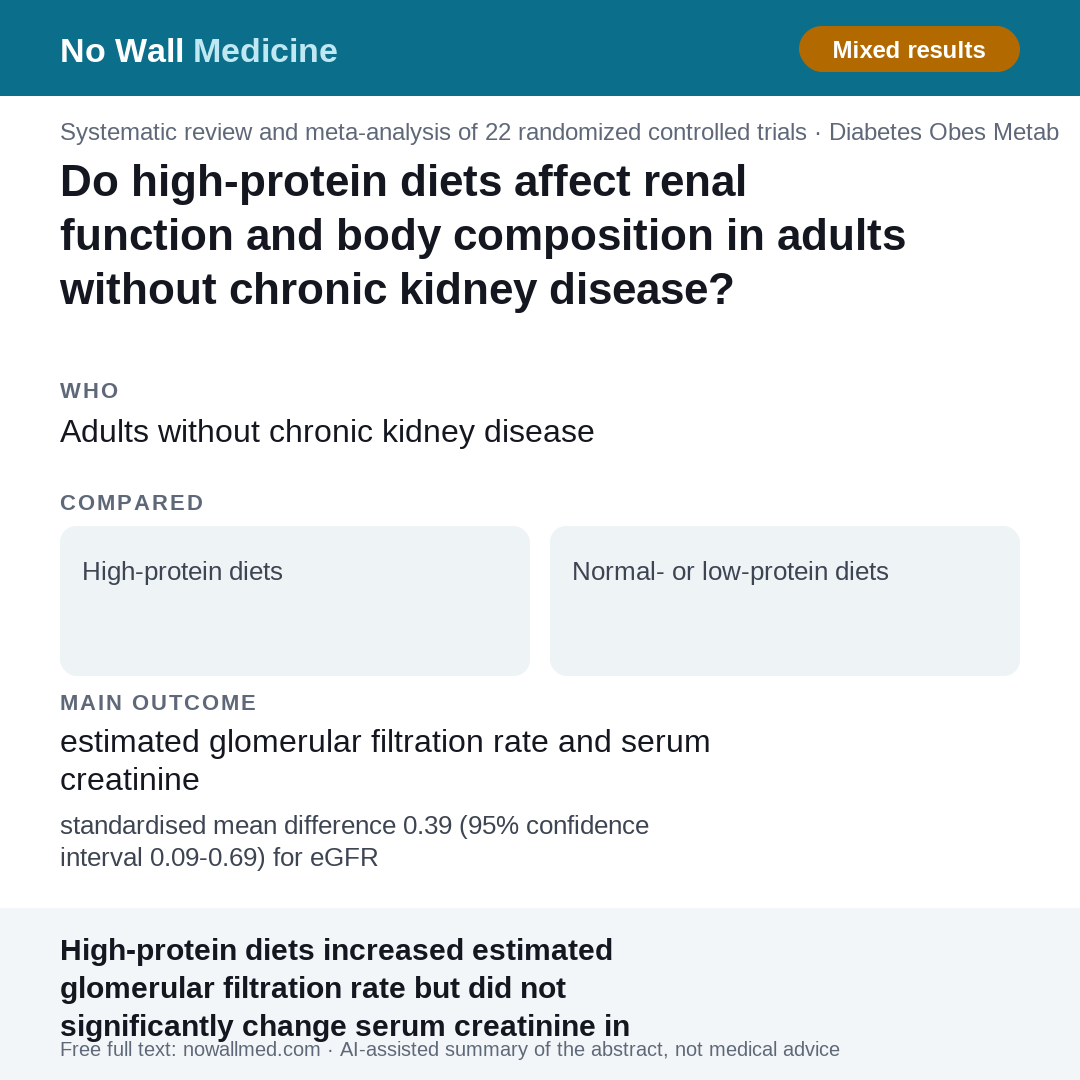
Effects of High-Protein Diets on Renal Function and Body Composition in Adults Without Chronic Kidney Disease: A Systematic Review and Meta-Analysis of Randomised Trials
Systematic review and meta-analysis of 22 randomized controlled trialsMixed results
Do high-protein diets affect renal function and body composition in adults without chronic kidney disease?
Who
Adults without chronic kidney disease
Compared
High-protein diets
Normal- or low-protein diets
Main outcome
estimated glomerular filtration rate and serum creatinine
Result: standardised mean difference 0.39 (95% confidence interval 0.09-0.69) for eGFR
Bottom line: High-protein diets increased estimated glomerular filtration rate but did not significantly change serum creatinine in adults without chronic kidney disease.
Limitation: Most studies were relatively short duration and relied on creatinine-based estimates of renal function.
Diabetes Obes Metab · 2026-06-14Download image
Paediatric penile length: a systematic review and meta-analysis
Systematic review and meta-analysisHarm found
What are the geographical variations and temporal trends in stretched penile length among prepubertal boys?
Who
31915
Prepubertal boys
Compared
2000s era: 3.46 to 6.46 cm
2020s era: 2.90 to 4.77 cm
Main outcome
Stretched penile length
Bottom line: Stretched penile length in prepubertal boys showed significant geographical variation and a possible decline over the past two decades.
BJU Int · 2026-06-14Download image

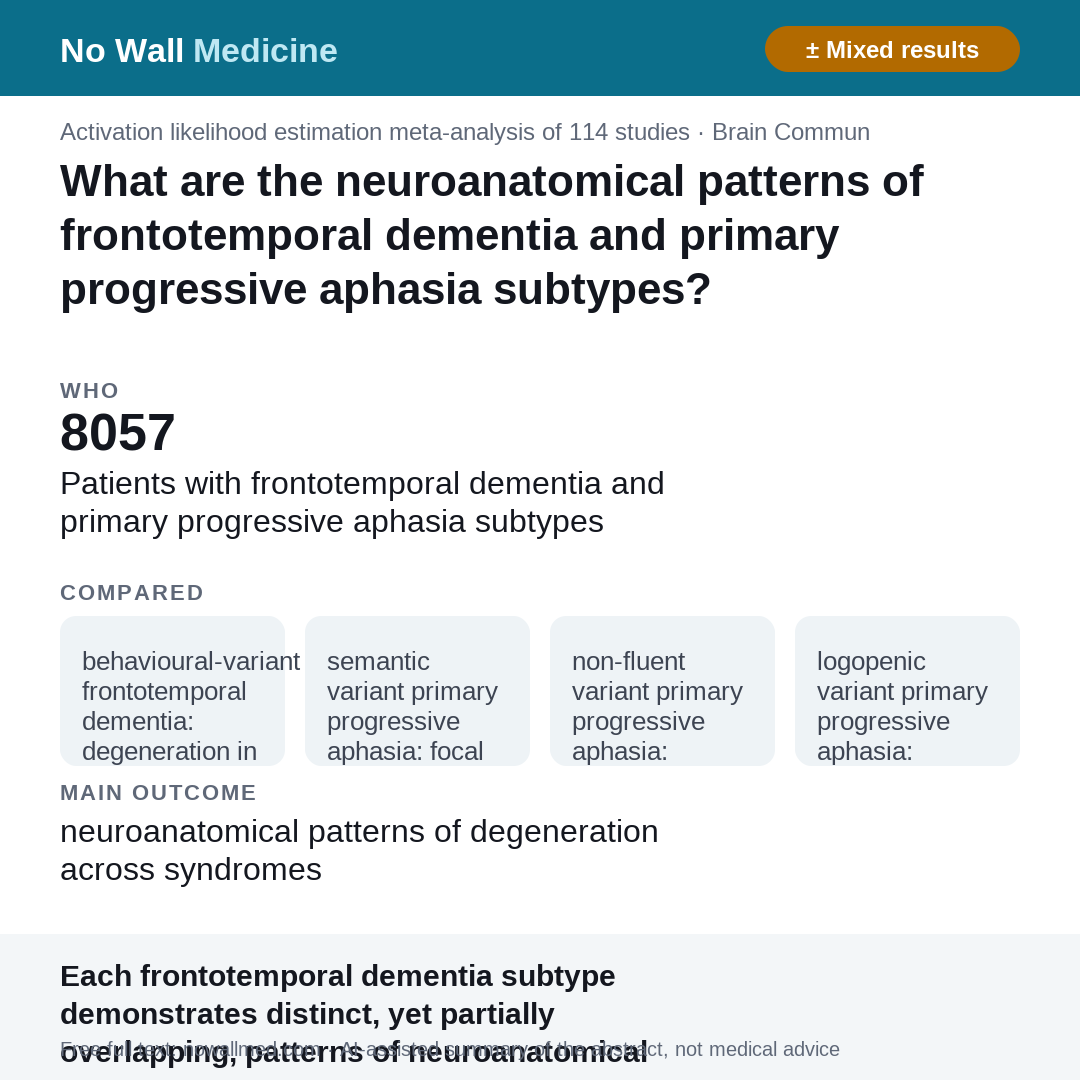
The neural bases of frontotemporal dementia and primary progressive aphasia subtypes: insights from activation likelihood estimation meta-analyses of 8057 patients
Activation likelihood estimation meta-analysis of 114 studiesMixed results
What are the neuroanatomical patterns of frontotemporal dementia and primary progressive aphasia subtypes?
Who
8057
Patients with frontotemporal dementia and primary progressive aphasia subtypes
Compared
behavioural-variant frontotemporal dementia: degeneration in the frontal and medial temporal lobes, insula, cingulate cortex and limbic system
semantic variant primary progressive aphasia: focal atrophy in the anterior temporal lobes
non-fluent variant primary progressive aphasia: degeneration in the speech production network, particularly the insula and inferior frontal gyrus
logopenic variant primary progressive aphasia: left-lateralized abnormalities in the posterior temporal and inferior parietal lobes
Main outcome
neuroanatomical patterns of degeneration across syndromes
Bottom line: Each frontotemporal dementia subtype demonstrates distinct, yet partially overlapping, patterns of neuroanatomical degeneration.
Brain Commun · 2026-06-13Download image
School-based Motor Skill Interventions for Children and Adolescents with Developmental Coordination Disorder: A Systematic Review and Meta-Analysis
Systematic review and meta-analysisBenefit found
Do school-based interventions improve motor performance in children and adolescents with developmental coordination disorder?
Who
Children and adolescents aged 5 to 19 years with developmental coordination disorder · School settings
Compared
Motor skill training
Nontraining control group
Main outcome
Motor performance
Result: Hedges g=1.06 (95% CI, 0.60-1.53)
Bottom line: School-based motor skill interventions significantly improve motor performance in children and adolescents with developmental coordination disorder.
Arch Phys Med Rehabil · 2026-06-12Download image

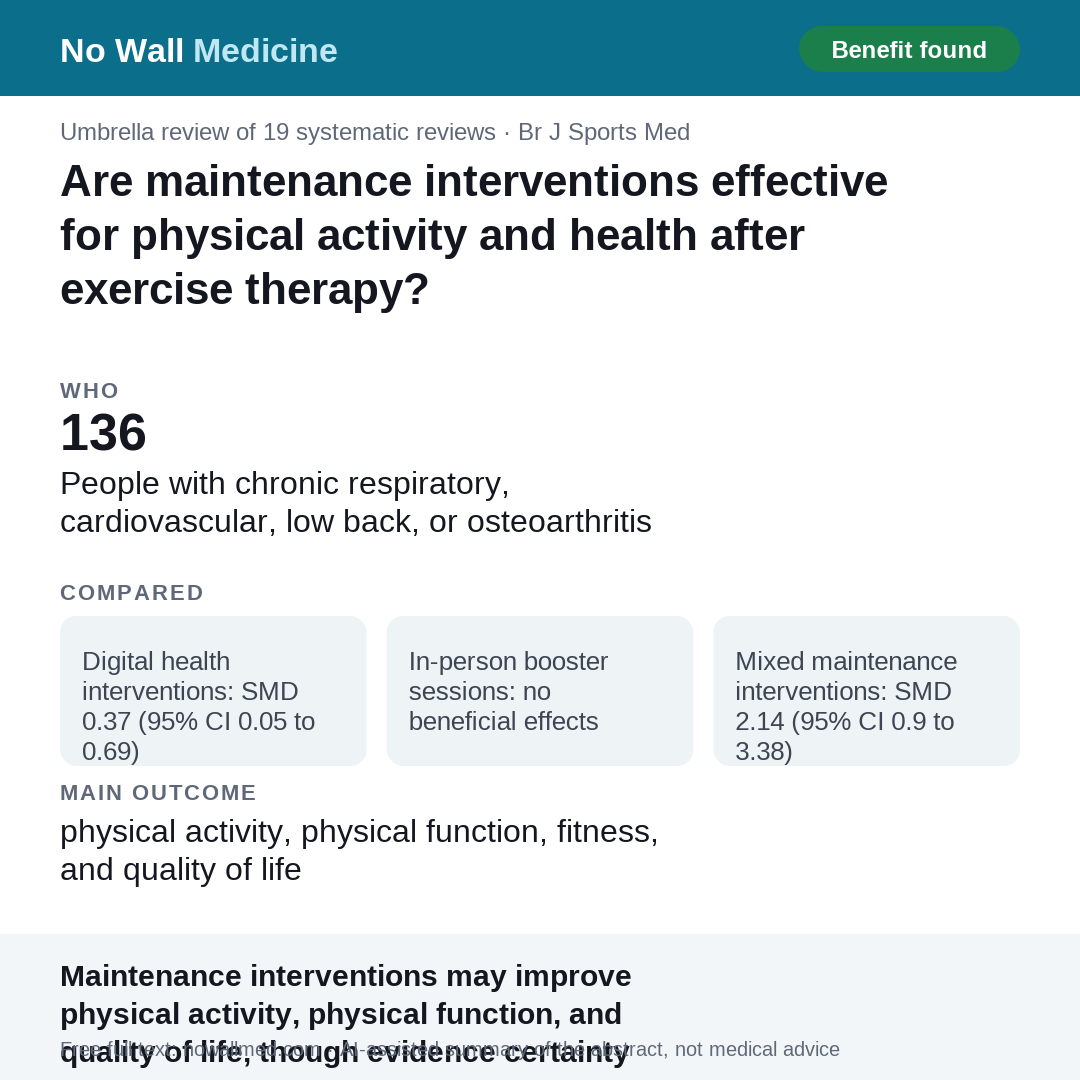
Effectiveness of maintenance interventions promoting physical activity following exercise therapy for chronic conditions: an umbrella review
Umbrella review of 19 systematic reviewsBenefit found
Are maintenance interventions effective for physical activity and health after exercise therapy?
Who
136
People with chronic respiratory, cardiovascular, low back, or osteoarthritis
Compared
Digital health interventions: SMD 0.37 (95% CI 0.05 to 0.69)
In-person booster sessions: no beneficial effects
Mixed maintenance interventions: SMD 2.14 (95% CI 0.9 to 3.38)
Main outcome
physical activity, physical function, fitness, and quality of life
Result: SMD 0.37 (95% CI 0.05 to 0.69)
Bottom line: Maintenance interventions may improve physical activity, physical function, and quality of life, though evidence certainty is low.
Limitation: Most reviews had an unclear risk of bias and evidence certainty was low.
Br J Sports Med · 2026-06-12Download image
Effects of polygenic risk score communication on short term health outcomes: systematic review and meta-analysis
Systematic review and meta-analysisNo clear difference
Does communicating polygenic risk scores change short term health outcomes?
Who
27
Human participants in randomized controlled trials
Compared
Polygenic risk score disclosure
No genetic information provided
Main outcome
Behavioural, psychological, or clinical measures
Bottom line: Disclosure of polygenic risk scores did not result in meaningful changes in behavioural, psychological, or clinical measures.
Limitation: Heterogeneity and methodological limitations of the available trials should be considered.
BMJ Med · 2026-06-12Download image