Visual abstracts
New randomized trials and meta-analyses from leading journals at a glance: who was studied, what was compared, and what was found. Every paper is free to read in full.
All specialtiesCardiology 820Oncology 740Gastroenterology & Hepatology 302Infectious Disease 596Neurology 343Psychiatry & Mental Health 424Pulmonology 358Critical Care 231Endocrinology & Diabetes 467Pediatrics 520Surgery 327Orthopedics & Sports Medicine 155Neurosurgery 74Cardiothoracic & Vascular Surgery 85Plastic & Reconstructive Surgery 100Nephrology 192Rheumatology 106Hematology 168Dermatology 69Ophthalmology 95Obstetrics & Gynecology 252Public & Global Health 164Radiology & Imaging 91Anesthesiology 104Urology 161ENT (Otolaryngology) 71Emergency Medicine 88Allergy & Immunology 58Geriatrics 158Family Medicine & Primary Care 110Medical Genetics & Genomics 92Pathology & Laboratory Medicine 22Physical Medicine & Rehabilitation 146Palliative Care 80Nutrition 221Digital Health & AI 456General Medicine 96
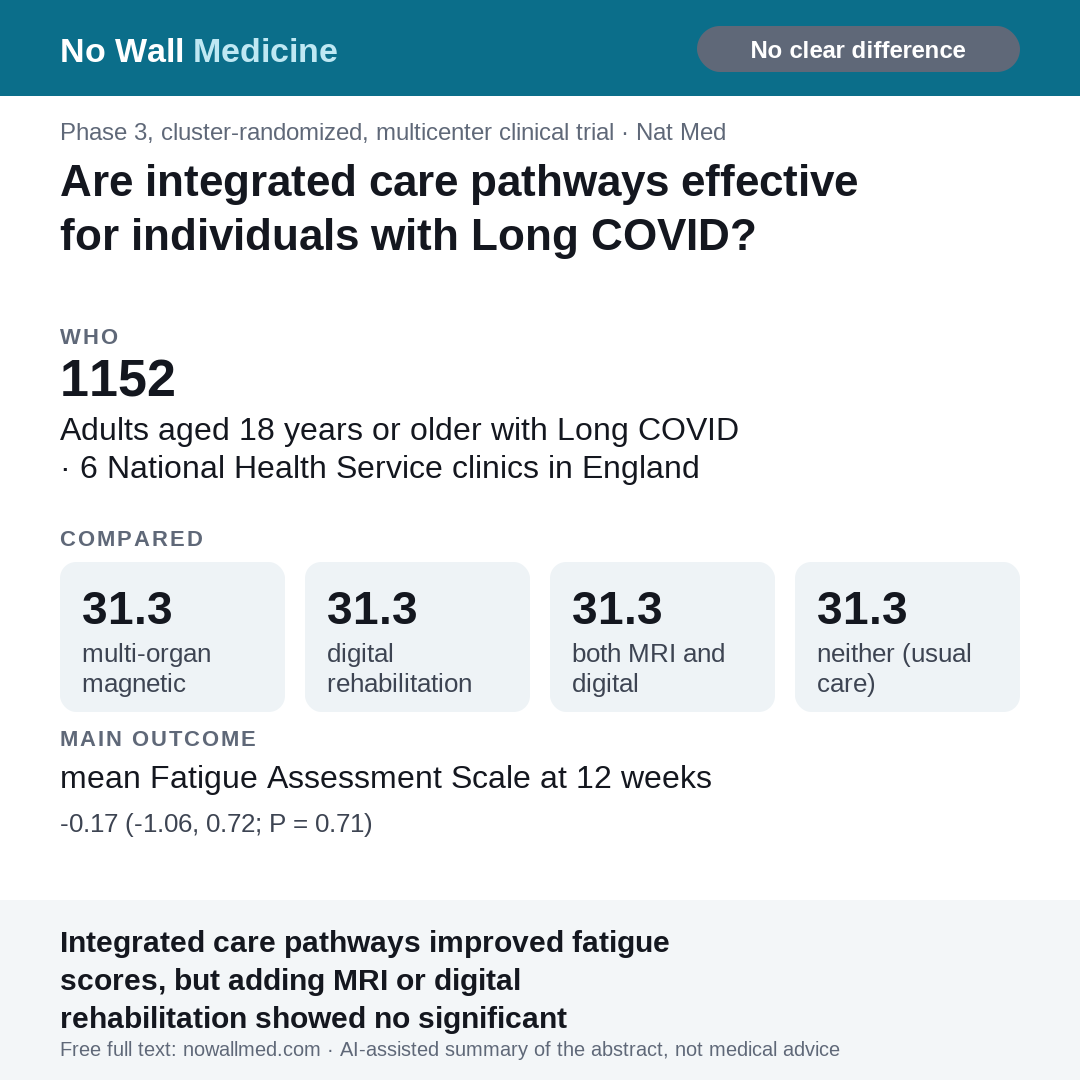
Integrated care pathway in individuals with Long COVID: STIMULATE-ICP, a cluster-randomized, phase 3 trial
Phase 3, cluster-randomized, multicenter clinical trialNo clear difference
Are integrated care pathways effective for individuals with Long COVID?
Who
1152
Adults aged 18 years or older with Long COVID · 6 National Health Service clinics in England
Compared
31.3multi-organ magnetic resonance imaging (s.d. 9.31)
31.3digital rehabilitation (s.d. 9.31)
31.3both MRI and digital rehabilitation (s.d. 9.31)
31.3neither (usual care) (s.d. 9.31)
Main outcome
mean Fatigue Assessment Scale at 12 weeks
Result: -0.17 (-1.06, 0.72; P = 0.71)
Bottom line: Integrated care pathways improved fatigue scores, but adding MRI or digital rehabilitation showed no significant difference over usual care.
Limitation: further trials are required
Nat Med · 2026-07-28Download image
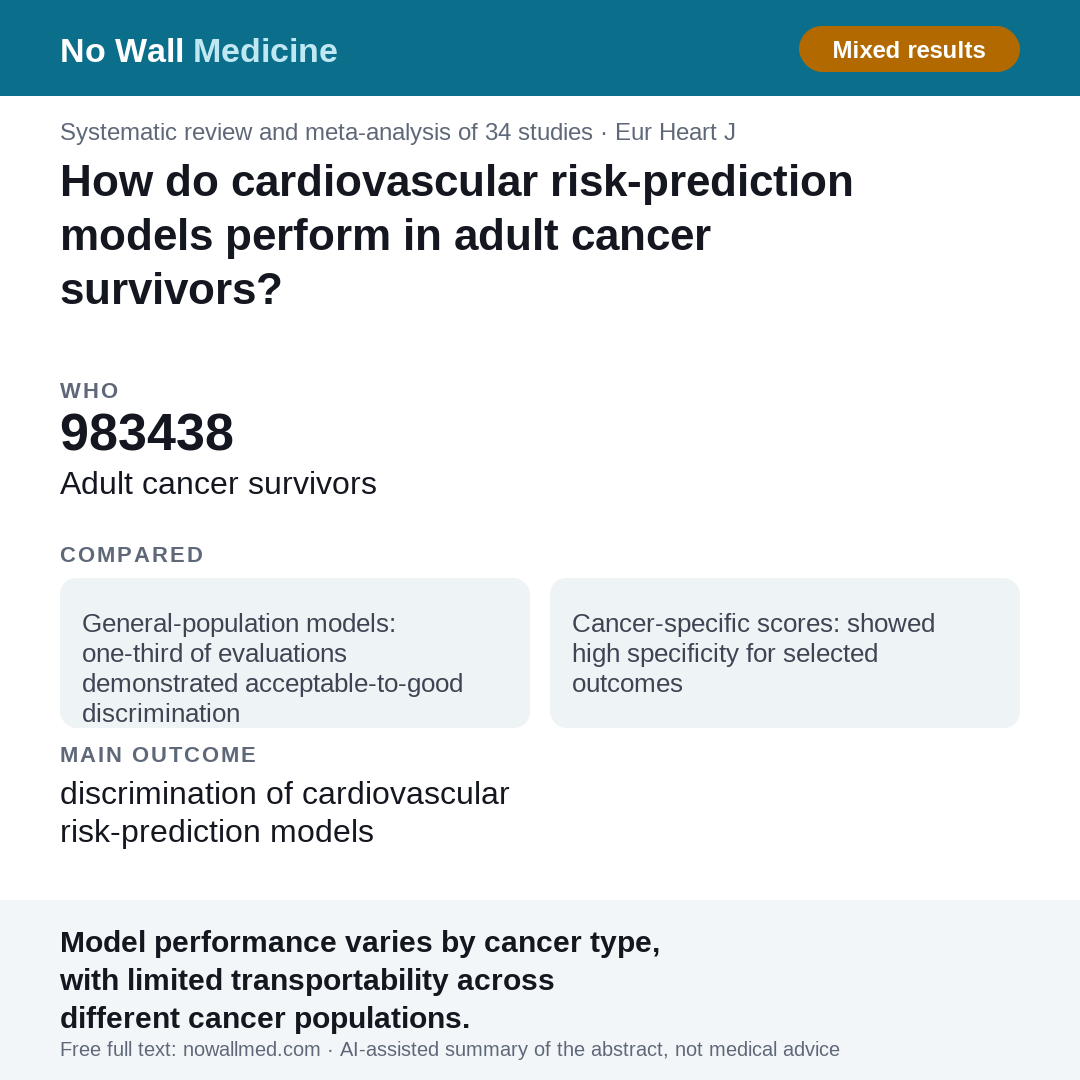
Cardiovascular risk-prediction models in cancer survivors: a meta-analysis
Systematic review and meta-analysis of 34 studiesMixed results
How do cardiovascular risk-prediction models perform in adult cancer survivors?
Who
983438
Adult cancer survivors
Compared
General-population models: one-third of evaluations demonstrated acceptable-to-good discrimination
Cancer-specific scores: showed high specificity for selected outcomes
Main outcome
discrimination of cardiovascular risk-prediction models
Bottom line: Model performance varies by cancer type, with limited transportability across different cancer populations.
Limitation: Performance was substantially poorer in survivors of haematologic malignancies.
Eur Heart J · 2026-07-28Download image
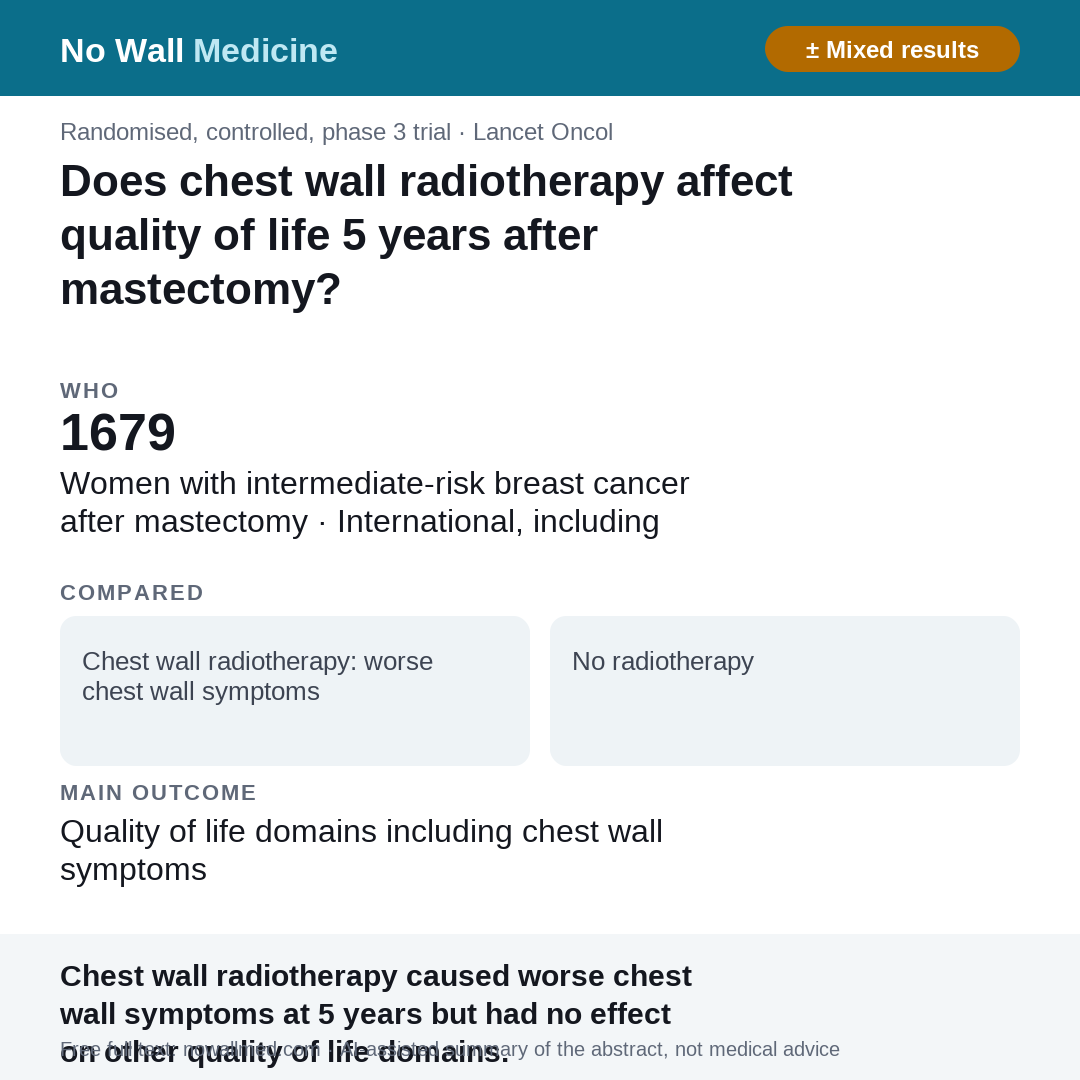
Postmastectomy chest wall radiotherapy for breast cancer (SUPREMO): 5-year quality-of-life results from a randomised, controlled, phase 3 trial
Randomised, controlled, phase 3 trialMixed results
Does chest wall radiotherapy affect quality of life 5 years after mastectomy?
Who
1679
Women with intermediate-risk breast cancer after mastectomy · International, including United Kingdom centres
Compared
Chest wall radiotherapy: worse chest wall symptoms
No radiotherapy
Main outcome
Quality of life domains including chest wall symptoms
Result: effect estimate 1·99 (95% CI 0·36-3·62)
Bottom line: Chest wall radiotherapy caused worse chest wall symptoms at 5 years but had no effect on other quality of life domains.
Funded by: UK Medical Research Council, National Institute for Health and Care Research, and others
Lancet Oncol · 2026-07-28Download image
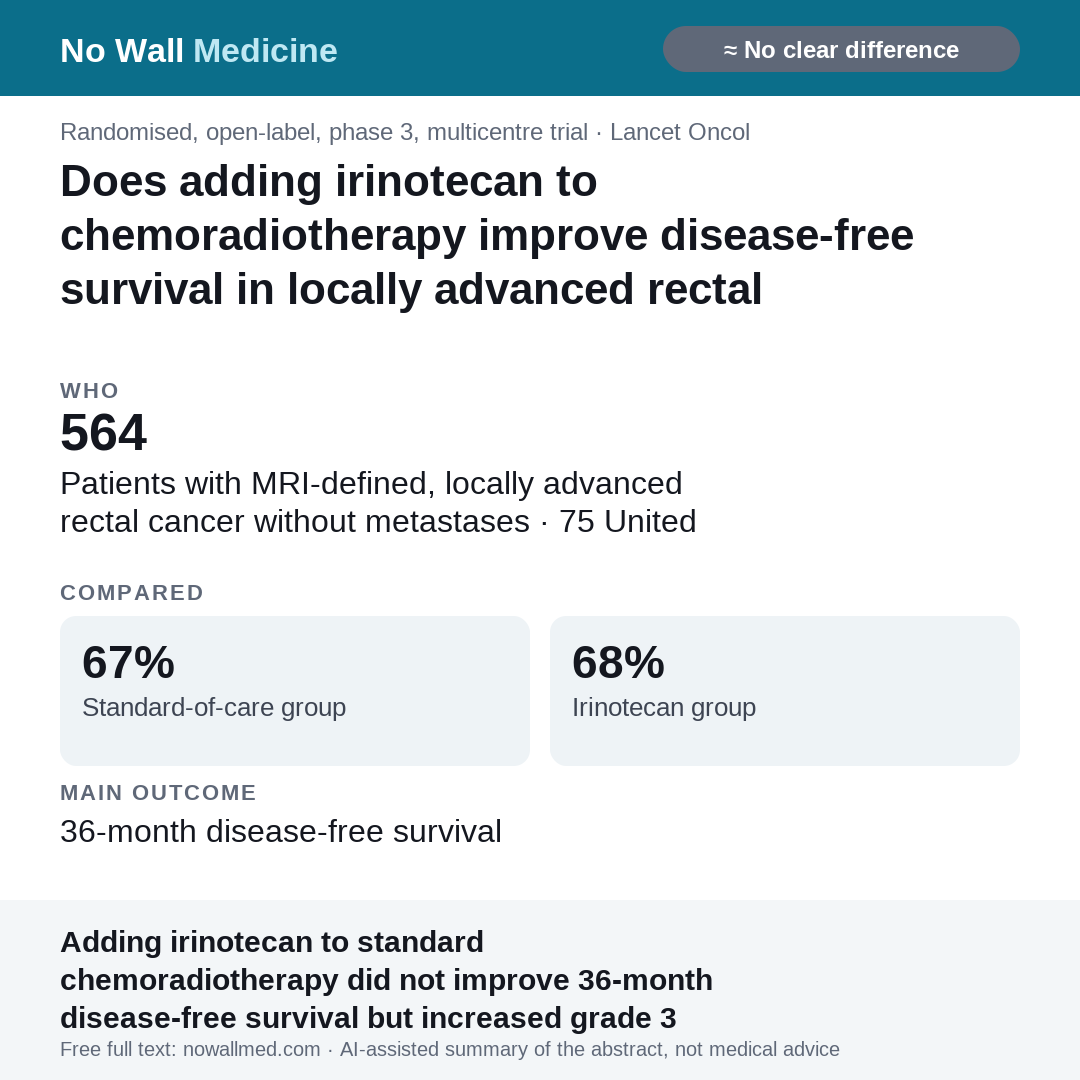
Addition of irinotecan to chemoradiotherapy as preoperative treatment for locally advanced rectal cancer (ARISTOTLE): a multicentre, open-label, phase 3, randomised controlled trial
Randomised, open-label, phase 3, multicentre trialNo clear difference
Does adding irinotecan to chemoradiotherapy improve disease-free survival in locally advanced rectal cancer?
Who
564
Patients with MRI-defined, locally advanced rectal cancer without metastases · 75 United Kingdom hospital sites
Compared
67%Standard-of-care group (95% CI 61-72)
68%Irinotecan group (95% CI 63-73)
Main outcome
36-month disease-free survival
Result: hazard ratio 0·91 (95% CI 0·68-1·23)
Bottom line: Adding irinotecan to standard chemoradiotherapy did not improve 36-month disease-free survival but increased grade 3 or worse adverse events.
Lancet Oncol · 2026-07-28Download image
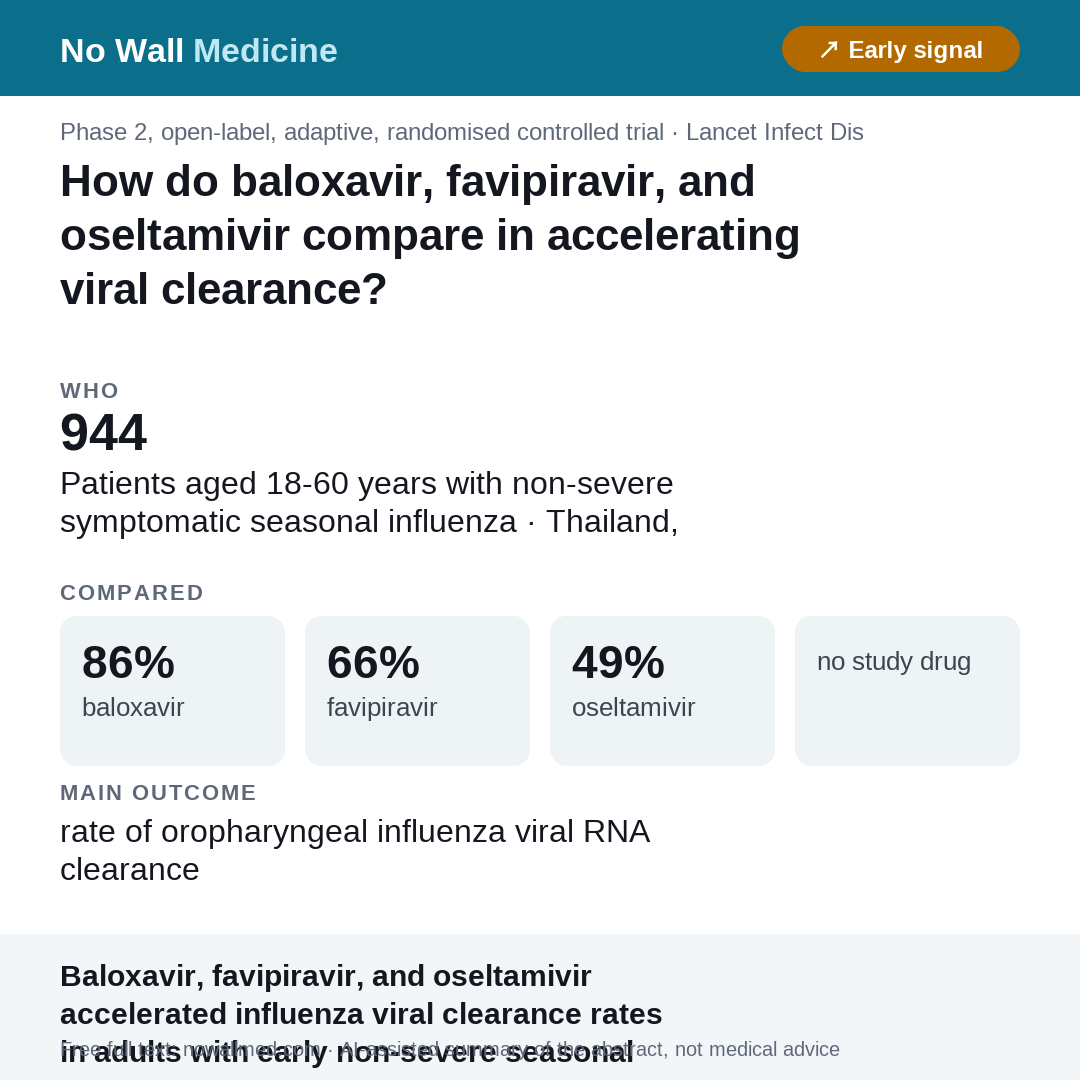
Baloxavir marboxil, favipiravir, or oseltamivir in patients with non-severe symptomatic seasonal influenza (AD ASTRA): a phase 2, open-label, adaptive, randomised controlled trial
Phase 2, open-label, adaptive, randomised controlled trialBenefit found
How do baloxavir, favipiravir, and oseltamivir compare in accelerating viral clearance?
Who
944
Patients aged 18-60 years with non-severe symptomatic seasonal influenza · Thailand, Laos, Nepal, and Brazil
Compared
86%baloxavir (95% credible interval 60-117)
66%favipiravir (45-94)
49%oseltamivir (28-74)
no study drug
Main outcome
rate of oropharyngeal influenza viral RNA clearance
Result: 86% (95% credible interval 60-117) with baloxavir
Bottom line: Baloxavir, favipiravir, and oseltamivir accelerated influenza viral clearance rates in adults with early non-severe seasonal influenza.
Lancet Infect Dis · 2026-07-28Download image
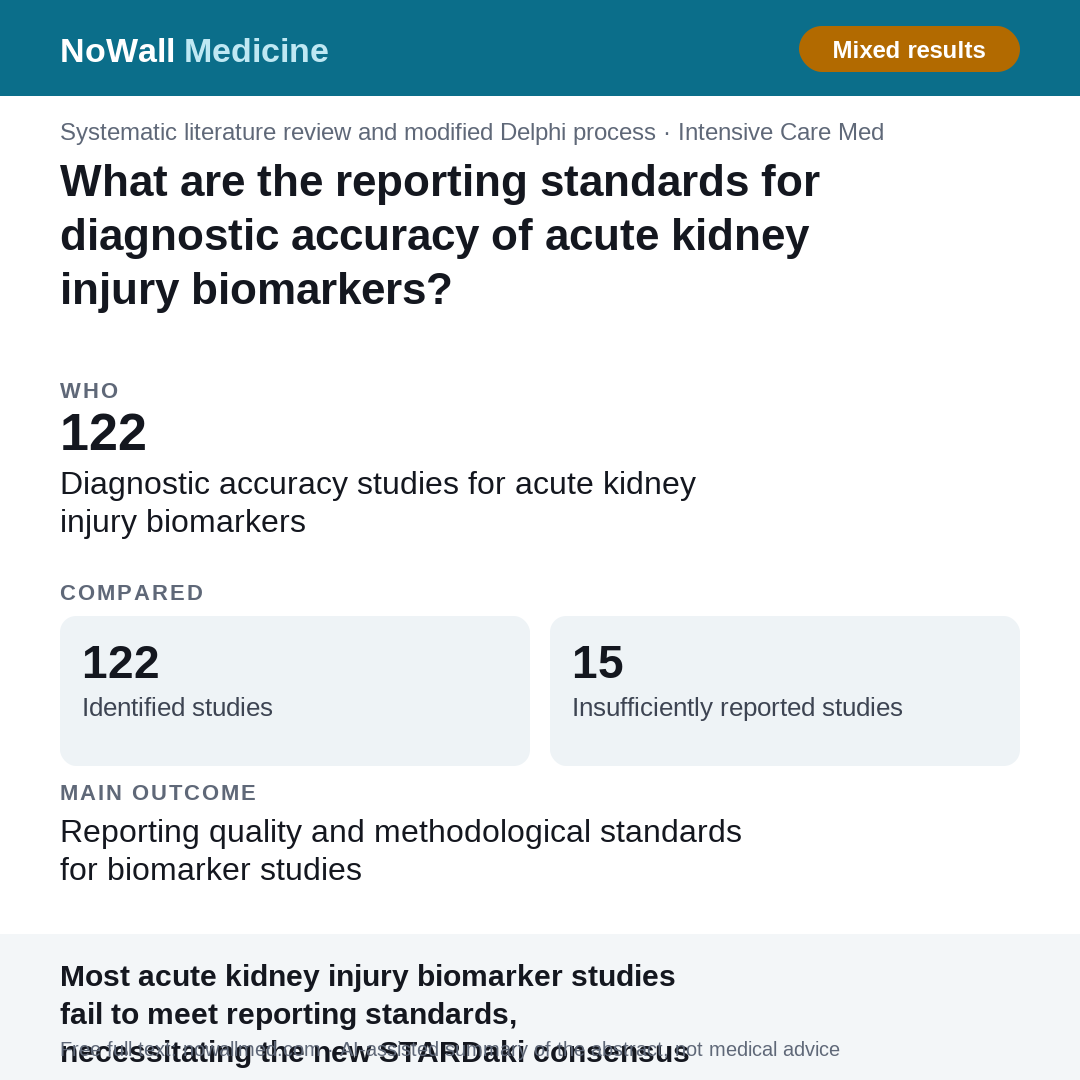
STARDaki: a consensus-based STARD extension for standardized reporting of diagnostic accuracy in acute kidney injury
Systematic literature review and modified Delphi processMixed results
What are the reporting standards for diagnostic accuracy of acute kidney injury biomarkers?
Who
122
Diagnostic accuracy studies for acute kidney injury biomarkers
Compared
122Identified studies
15Insufficiently reported studies
Main outcome
Reporting quality and methodological standards for biomarker studies
Bottom line: Most acute kidney injury biomarker studies fail to meet reporting standards, necessitating the new STARDaki consensus criteria.
Limitation: Low compliance with the STARD checklist prevented meta-analysis.
Intensive Care Med · 2026-07-28Download image
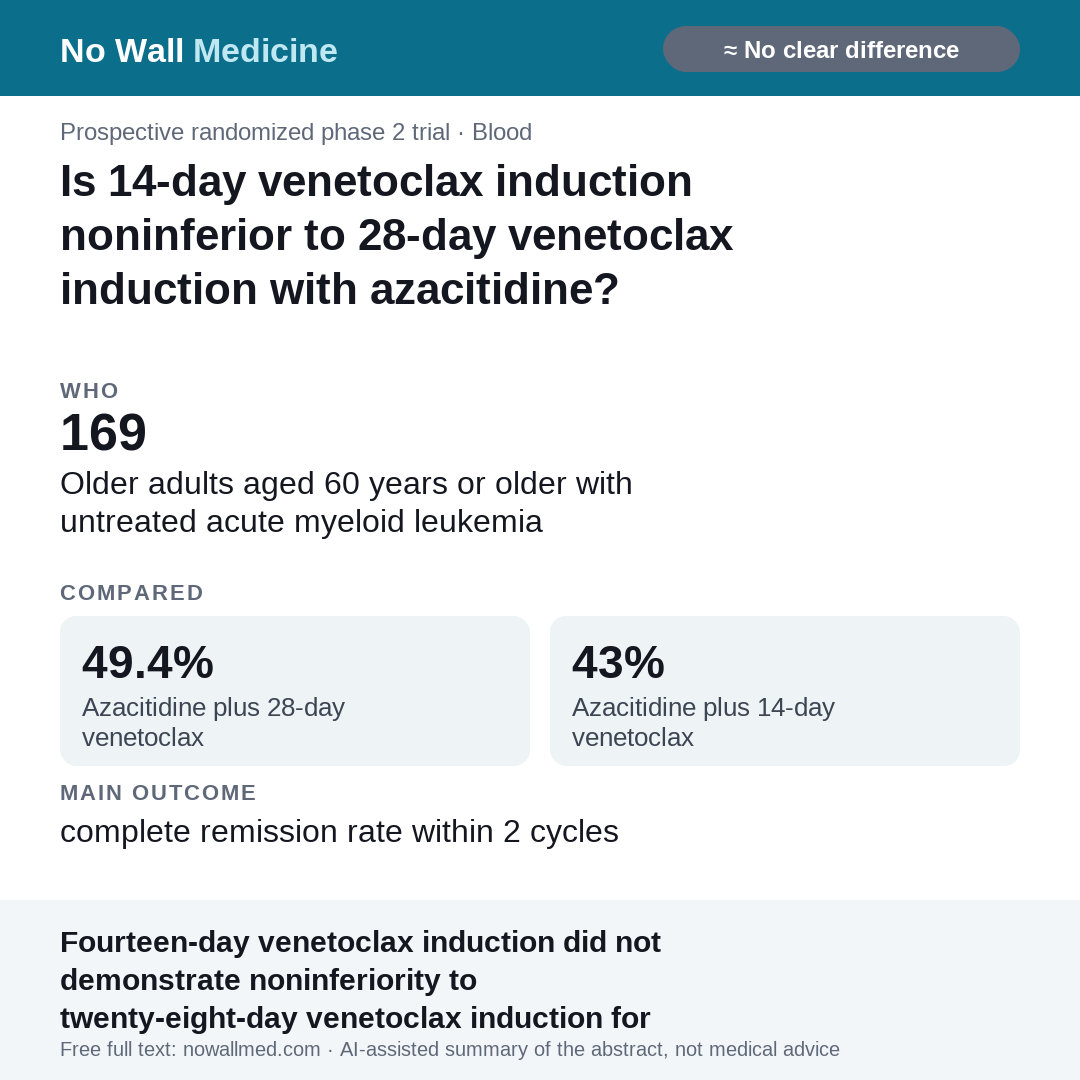
Prospective comparison of 28 vs 14 days of venetoclax induction with azacitidine in older adults with untreated AML: OPTI-AML trial
Prospective randomized phase 2 trialNo clear difference
Is 14-day venetoclax induction noninferior to 28-day venetoclax induction with azacitidine?
Who
169
Older adults aged 60 years or older with untreated acute myeloid leukemia
Compared
49.4%Azacitidine plus 28-day venetoclax
43%Azacitidine plus 14-day venetoclax
Main outcome
complete remission rate within 2 cycles
Result: difference of 6.4% (90% confidence interval: -6.1% to 19.0%)
Bottom line: Fourteen-day venetoclax induction did not demonstrate noninferiority to twenty-eight-day venetoclax induction for complete remission.
Blood · 2026-07-28Download image
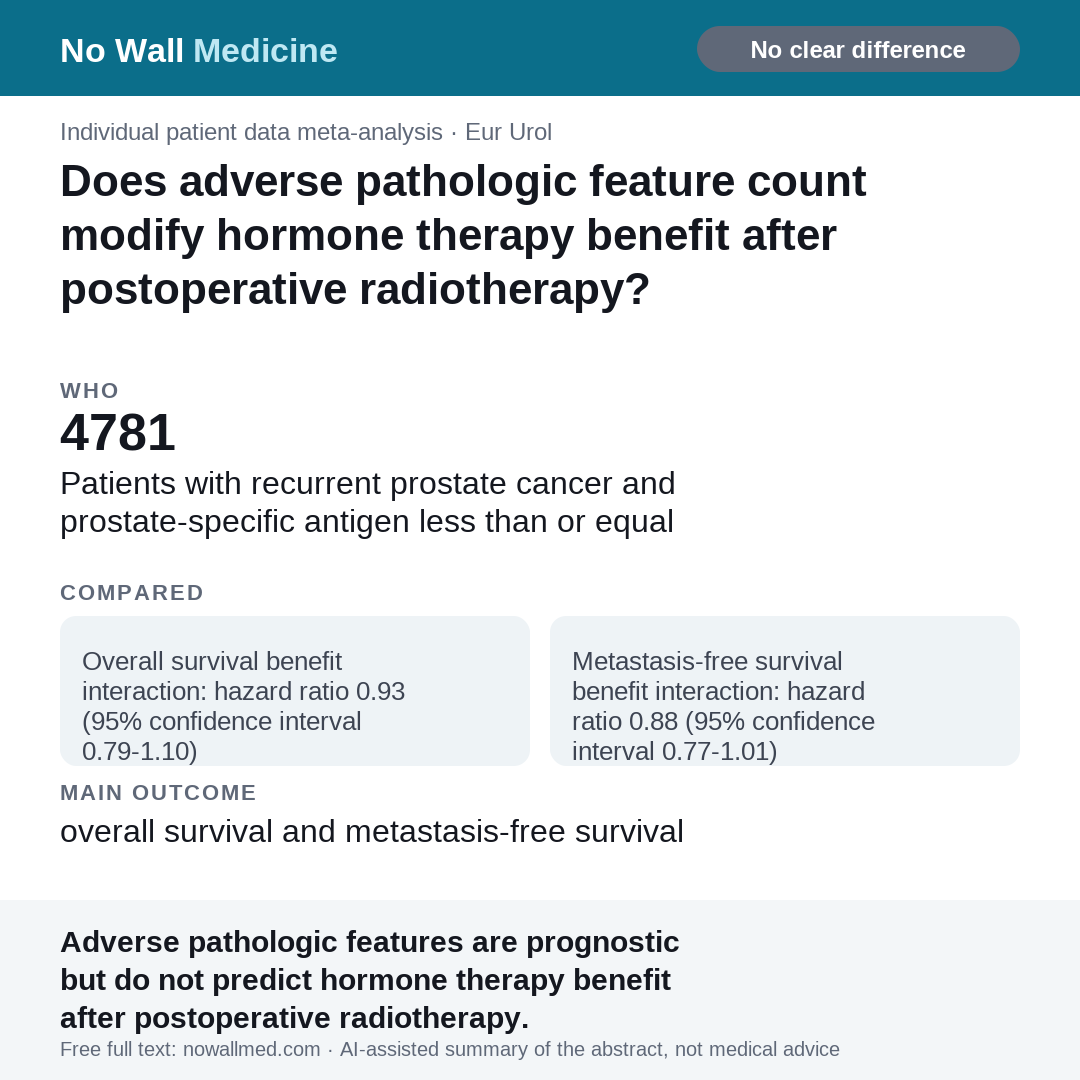
Influence of Adverse Pathologic Features on Potential Benefit of Hormone Therapy Use with Postoperative Radiotherapy in Recurrent Prostate Cancer: An Individual Patient Data Meta-analysis
Individual patient data meta-analysisNo clear difference
Does adverse pathologic feature count modify hormone therapy benefit after postoperative radiotherapy?
Who
4781
Patients with recurrent prostate cancer and prostate-specific antigen less than or equal to 0.5 ng/ml
Compared
Overall survival benefit interaction: hazard ratio 0.93 (95% confidence interval 0.79-1.10)
Metastasis-free survival benefit interaction: hazard ratio 0.88 (95% confidence interval 0.77-1.01)
Main outcome
overall survival and metastasis-free survival
Result: interaction hazard ratio 0.93 (95% CI 0.79-1.10) for overall survival
Bottom line: Adverse pathologic features are prognostic but do not predict hormone therapy benefit after postoperative radiotherapy.
Eur Urol · 2026-07-28Download image
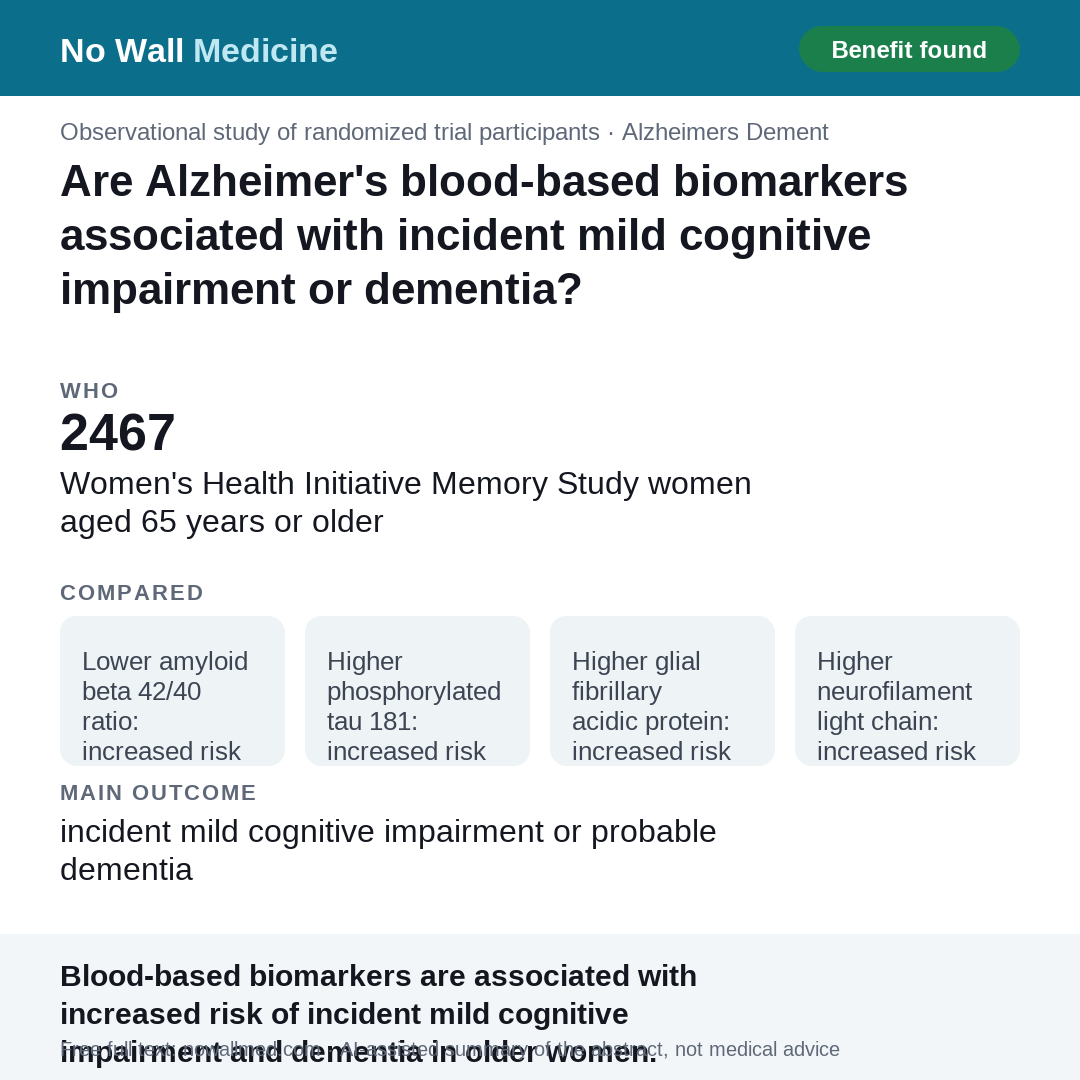
Alzheimer's blood-based biomarkers, incident dementia, and interactions with age, APOE status, and hormone therapy
Observational study of randomized trial participantsBenefit found
Are Alzheimer's blood-based biomarkers associated with incident mild cognitive impairment or dementia?
Who
2467
Women's Health Initiative Memory Study women aged 65 years or older
Compared
Lower amyloid beta 42/40 ratio: increased risk of MCI and dementia
Higher phosphorylated tau 181: increased risk of MCI and dementia
Higher glial fibrillary acidic protein: increased risk of MCI and dementia
Higher neurofilament light chain: increased risk of MCI and dementia
Main outcome
incident mild cognitive impairment or probable dementia
Bottom line: Blood-based biomarkers are associated with increased risk of incident mild cognitive impairment and dementia in older women.
Alzheimers Dement · 2026-07-28Download image
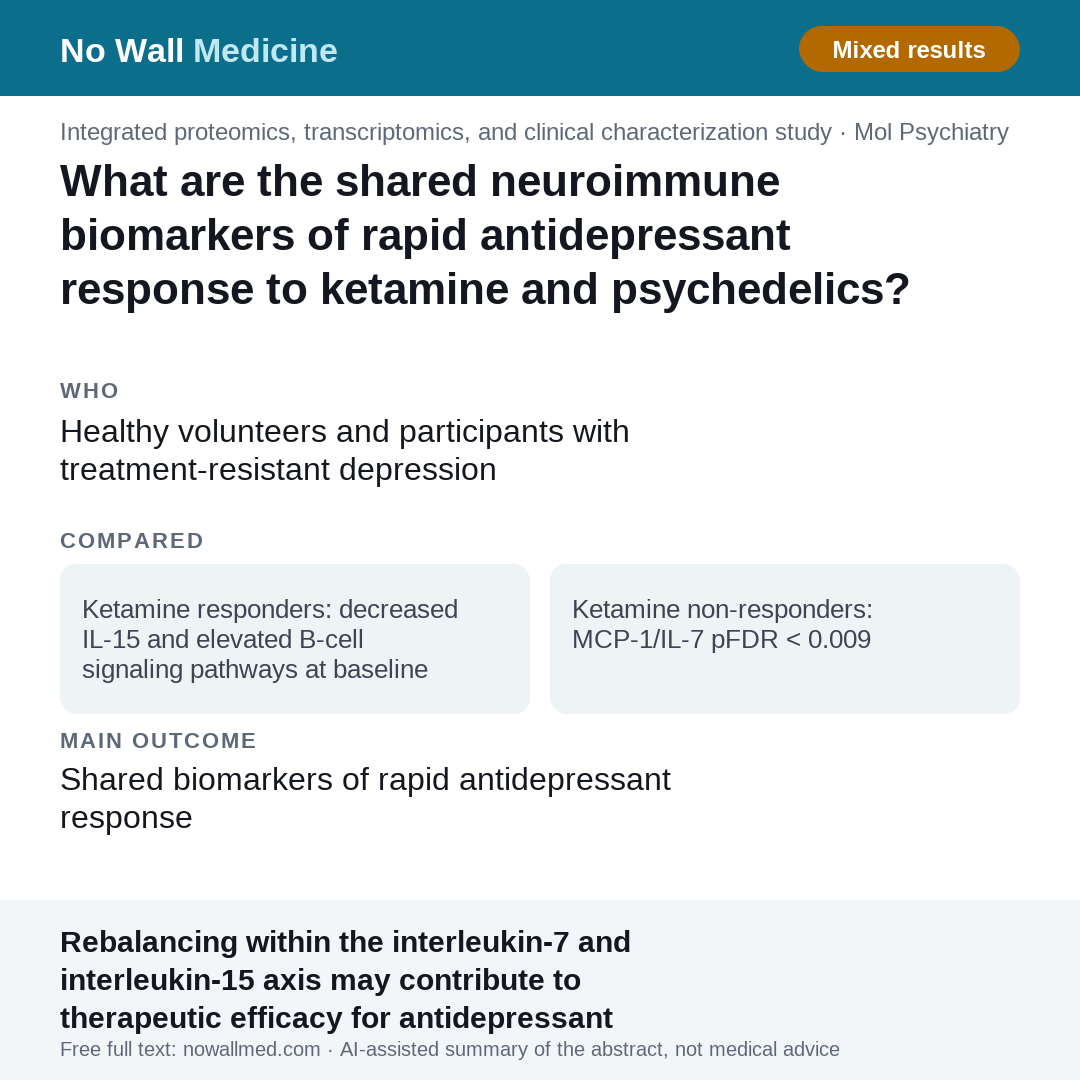
Convergent neuroimmune signaling underlying rapid antidepressant response to ketamine and psychedelics
Integrated proteomics, transcriptomics, and clinical characterization studyMixed results
What are the shared neuroimmune biomarkers of rapid antidepressant response to ketamine and psychedelics?
Who
Healthy volunteers and participants with treatment-resistant depression
Compared
Ketamine responders: decreased IL-15 and elevated B-cell signaling pathways at baseline
Ketamine non-responders: MCP-1/IL-7 pFDR < 0.009
Main outcome
Shared biomarkers of rapid antidepressant response
Bottom line: Rebalancing within the interleukin-7 and interleukin-15 axis may contribute to therapeutic efficacy for antidepressant response.
Mol Psychiatry · 2026-07-28Download image
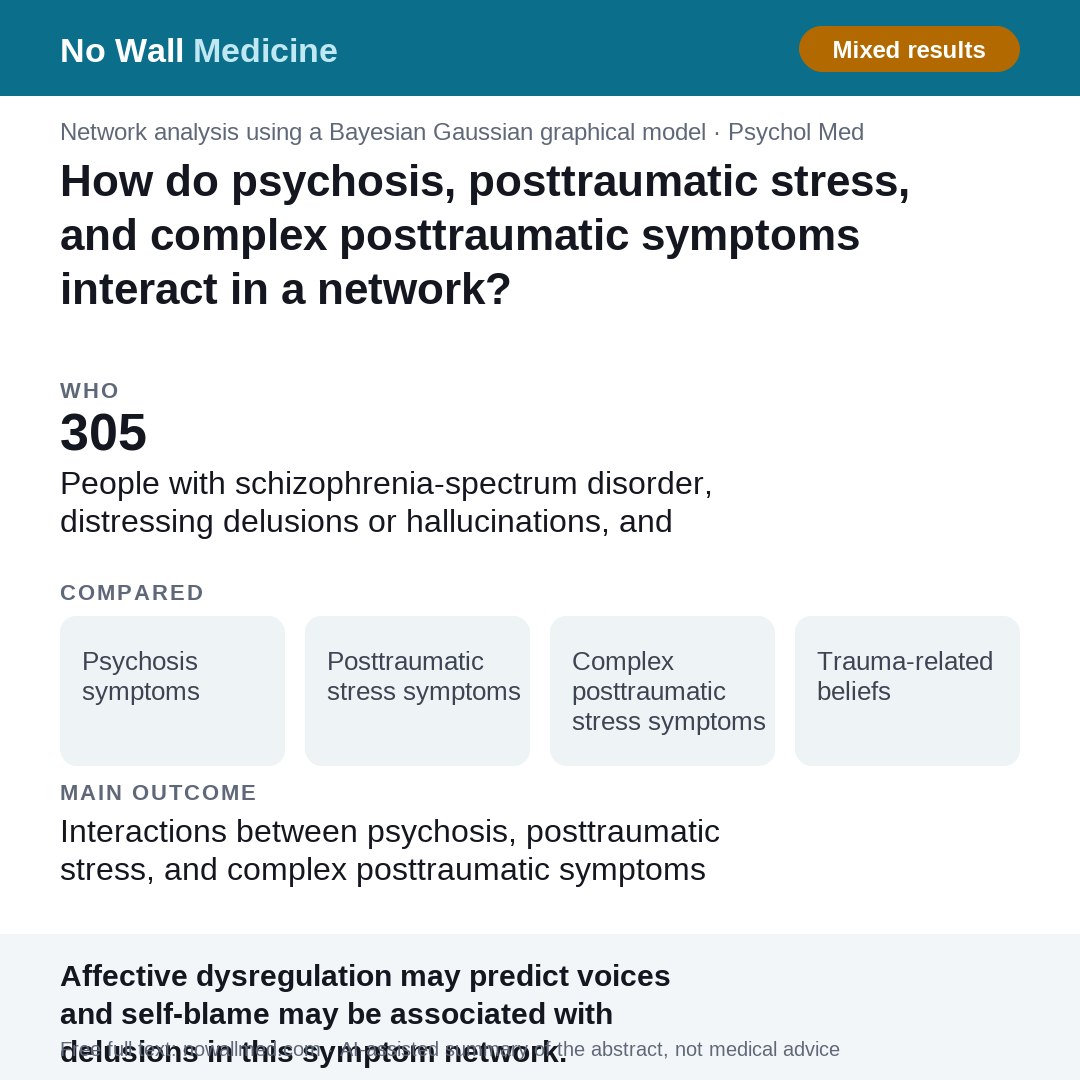
Symptom networks of therapy-seeking individuals with comorbid psychosis and PTSD
Network analysis using a Bayesian Gaussian graphical modelMixed results
How do psychosis, posttraumatic stress, and complex posttraumatic symptoms interact in a network?
Who
305
People with schizophrenia-spectrum disorder, distressing delusions or hallucinations, and comorbid posttraumatic stress disorder · Study of Trauma and Recovery
Compared
Psychosis symptoms
Posttraumatic stress symptoms
Complex posttraumatic stress symptoms
Trauma-related beliefs
Main outcome
Interactions between psychosis, posttraumatic stress, and complex posttraumatic symptoms
Bottom line: Affective dysregulation may predict voices and self-blame may be associated with delusions in this symptom network.
Limitation: Future research should identify symptom presentation subgroups to improve network reliability.
Psychol Med · 2026-07-28Download image
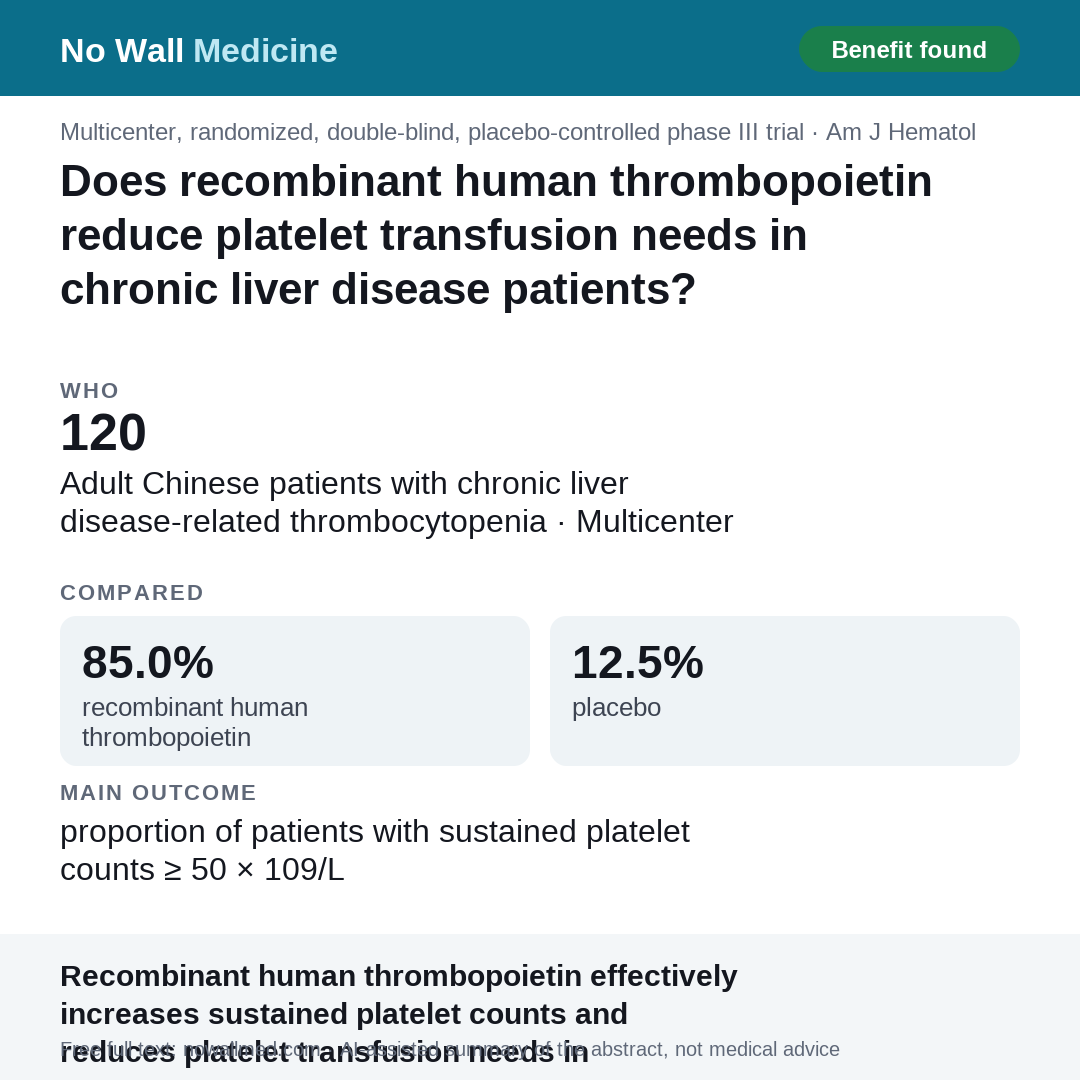
Recombinant Human Thrombopoietin Reduces the Need for Platelet Transfusion in Patients With Chronic Liver Disease and Thrombocytopenia
Multicenter, randomized, double-blind, placebo-controlled phase III trialBenefit found
Does recombinant human thrombopoietin reduce platelet transfusion needs in chronic liver disease patients?
Who
120
Adult Chinese patients with chronic liver disease-related thrombocytopenia · Multicenter
Compared
85.0%recombinant human thrombopoietin
12.5%placebo
Main outcome
proportion of patients with sustained platelet counts ≥ 50 × 109/L
Bottom line: Recombinant human thrombopoietin effectively increases sustained platelet counts and reduces platelet transfusion needs in chronic liver disease patients.
Am J Hematol · 2026-07-28Download image
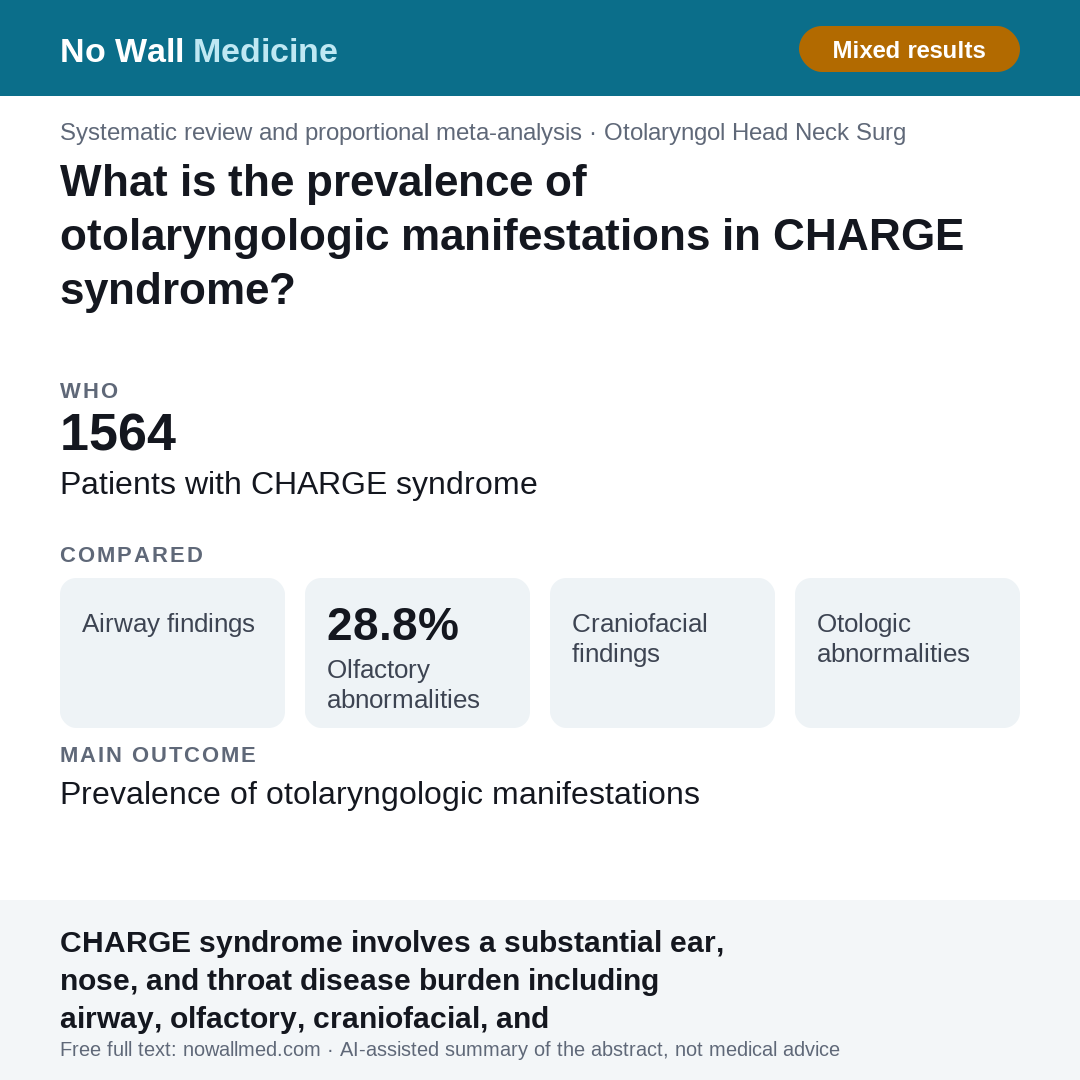
CHARGE Syndrome: What an Otolaryngologist Should Know-A Systematic Review and Meta-Analysis
Systematic review and proportional meta-analysisMixed results
What is the prevalence of otolaryngologic manifestations in CHARGE syndrome?
Who
1564
Patients with CHARGE syndrome
Compared
Airway findings
28.8%Olfactory abnormalities (95% CI 14.7-42.9)
Craniofacial findings
Otologic abnormalities
Main outcome
Prevalence of otolaryngologic manifestations
Bottom line: CHARGE syndrome involves a substantial ear, nose, and throat disease burden including airway, olfactory, craniofacial, and vestibulocochlear malformations.
Otolaryngol Head Neck Surg · 2026-07-28Download image
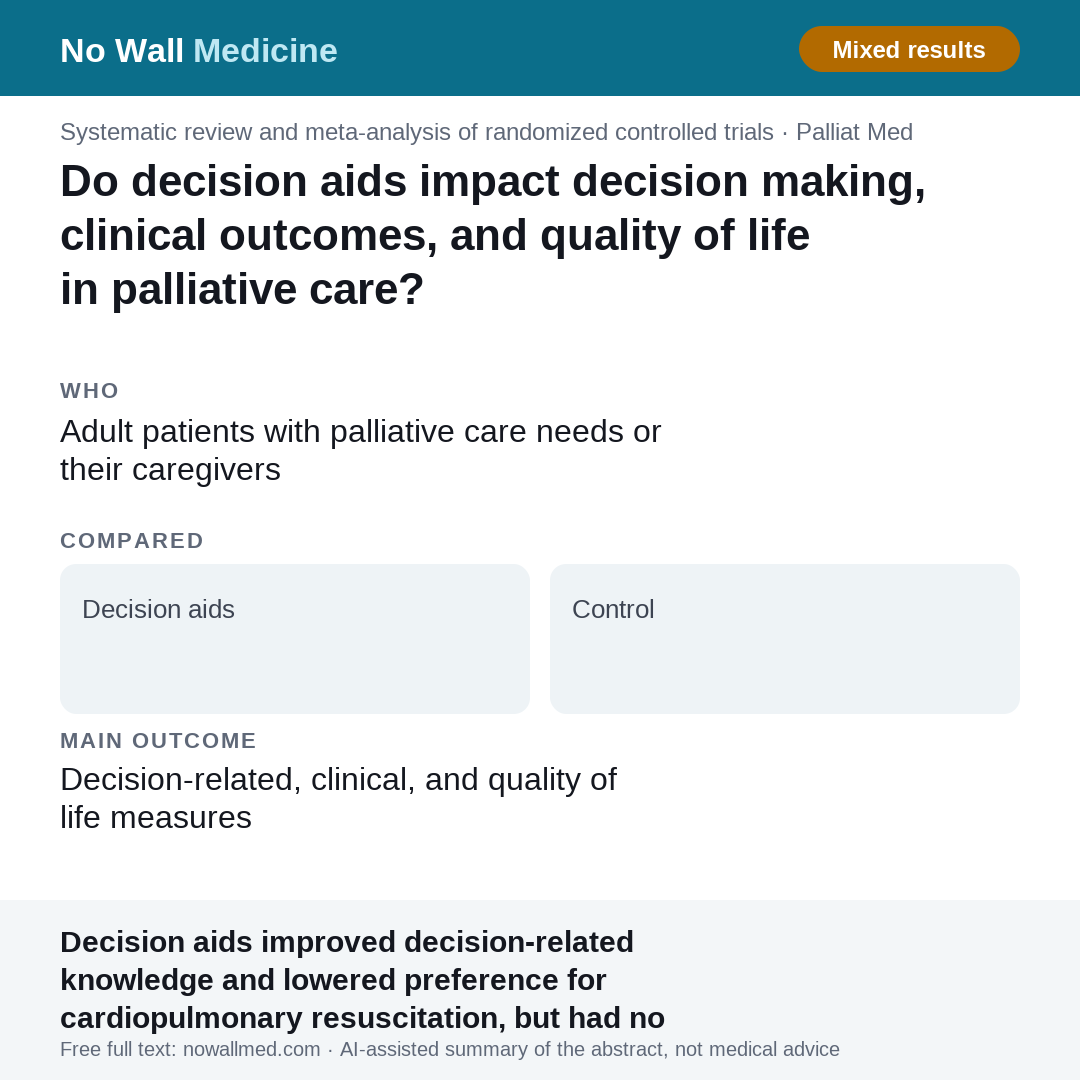
Shared Decision making aids in palliative care: A systematic review & meta-analysis of randomized controlled trials
Systematic review and meta-analysis of randomized controlled trialsMixed results
Do decision aids impact decision making, clinical outcomes, and quality of life in palliative care?
Who
Adult patients with palliative care needs or their caregivers
Compared
Decision aids
Control
Main outcome
Decision-related, clinical, and quality of life measures
Result: SMD 0.40 (95% CI 0.14-0.67) for decision-related knowledge
Bottom line: Decision aids improved decision-related knowledge and lowered preference for cardiopulmonary resuscitation, but had no significant impact on satisfaction or regret.
Limitation: Evidence is limited and of low overall quality.
Palliat Med · 2026-07-28Download image
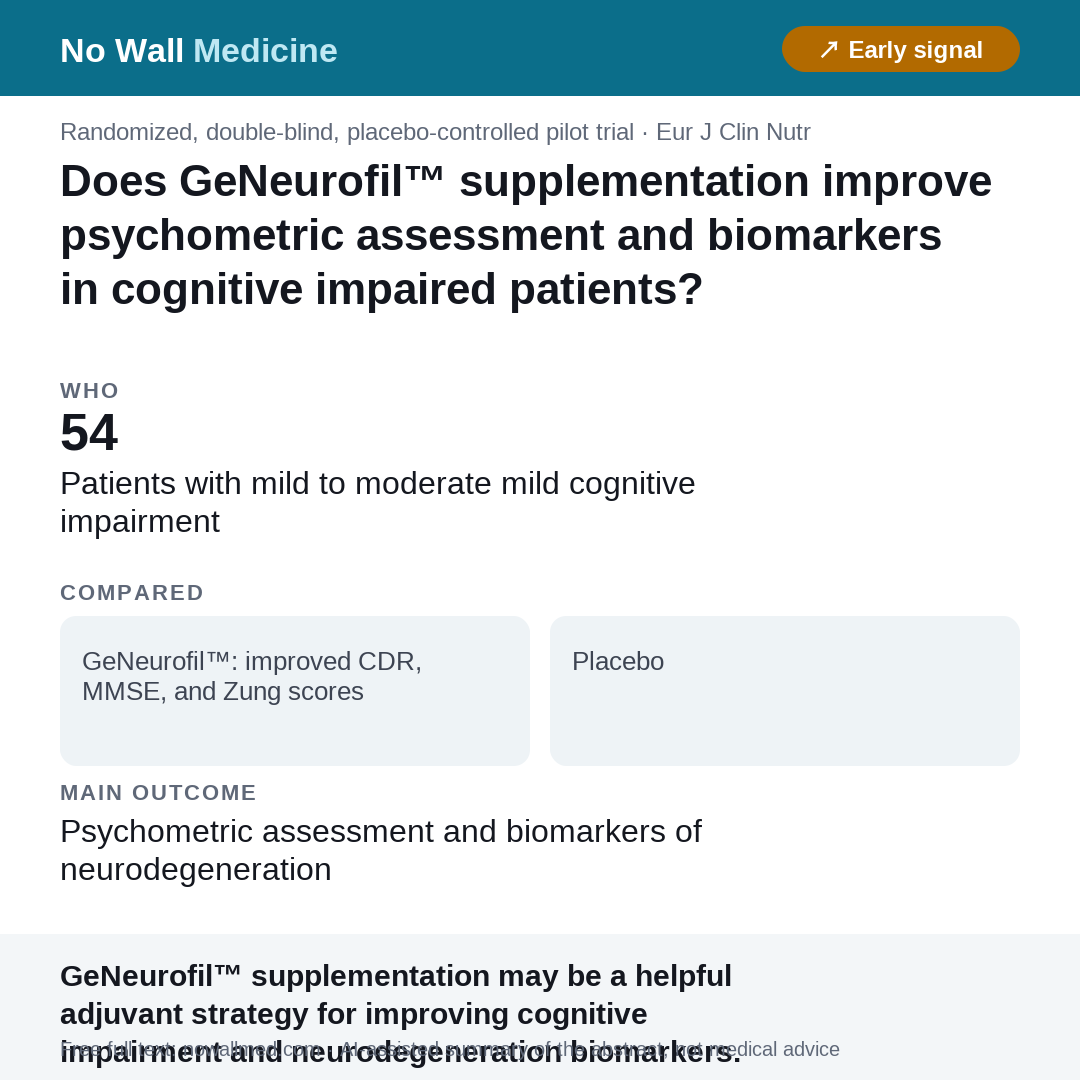
The impact of GeNeurofil™ nutraceutical supplementation on psychometric assessment and biomarkers of neurodegeneration in cognitive impaired patients: a pilot study
Randomized, double-blind, placebo-controlled pilot trialBenefit found
Does GeNeurofil™ supplementation improve psychometric assessment and biomarkers in cognitive impaired patients?
Who
54
Patients with mild to moderate mild cognitive impairment
Compared
GeNeurofil™: improved CDR, MMSE, and Zung scores
Placebo
Main outcome
Psychometric assessment and biomarkers of neurodegeneration
Bottom line: GeNeurofil™ supplementation may be a helpful adjuvant strategy for improving cognitive impairment and neurodegeneration biomarkers.
Limitation: This was an exploratory pilot feasibility trial requiring confirmation in larger clinical trials.
Eur J Clin Nutr · 2026-07-28Download image
Low reporting quality limits the contribution of human organ models to COVID-19 research: a systematic review
Systematic reviewMixed results
How were human organ models applied to investigate SARS-CoV-2 and what was their reporting quality?
Who
558
Human organ models used to investigate SARS-CoV-2
Compared
Pandemic period studies
Post-pandemic period studies
Main outcome
Reporting quality and application of human organ models
Bottom line: Low reporting quality and heterogeneity in human organ models limit their contribution to COVID-19 research.
Limitation: Substantial limitations included heterogeneity of outcome measures and incomplete documentation of model characteristics.
eBioMedicine · 2026-07-28Download image

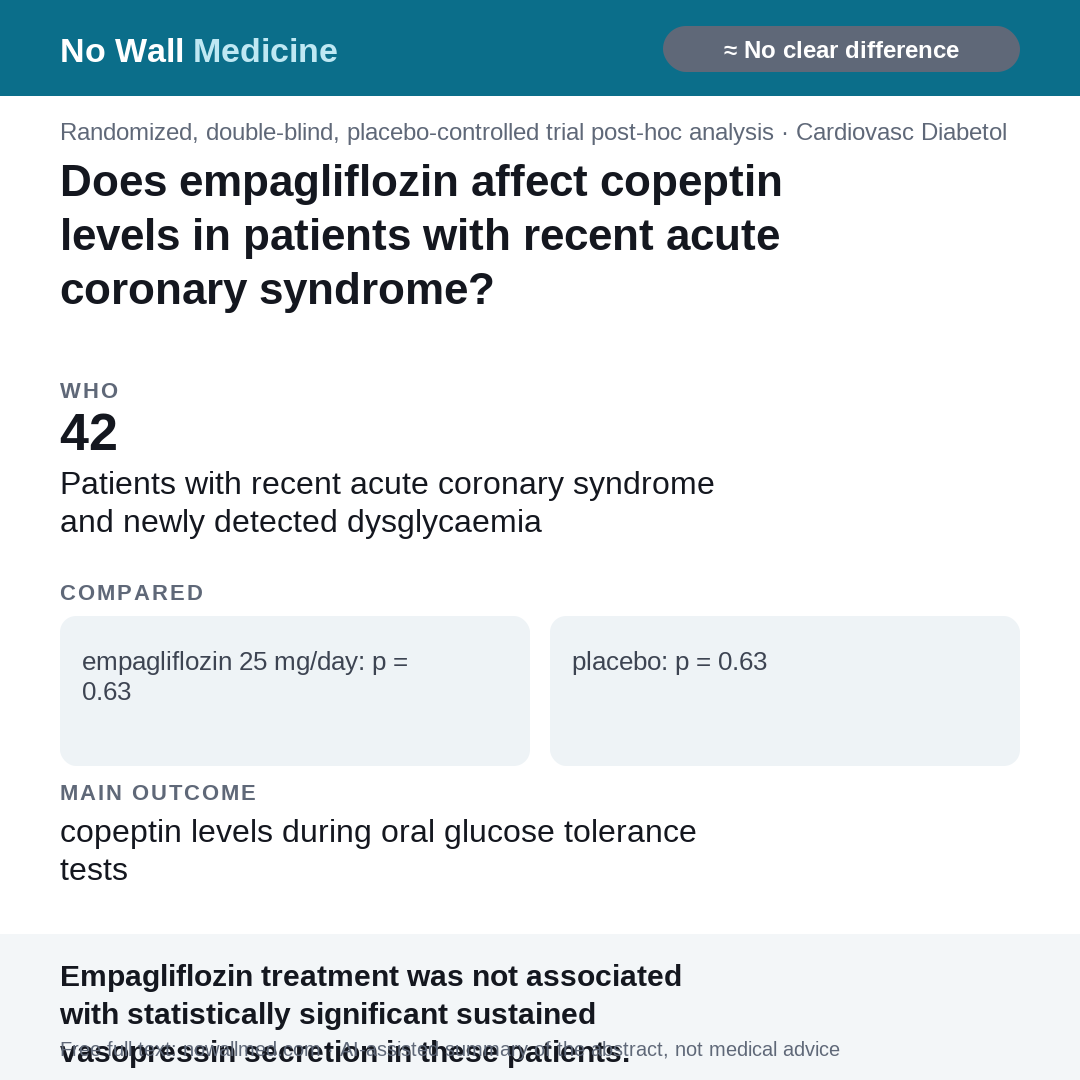
Effect of empagliflozin on copeptin levels in patients with recent acute coronary syndrome and newly detected dysglycaemia: a post-hoc analysis of the SOCOGAMI randomized controlled trial
Randomized, double-blind, placebo-controlled trial post-hoc analysisNo clear difference
Does empagliflozin affect copeptin levels in patients with recent acute coronary syndrome?
Who
42
Patients with recent acute coronary syndrome and newly detected dysglycaemia
Compared
empagliflozin 25 mg/day: p = 0.63
placebo: p = 0.63
Main outcome
copeptin levels during oral glucose tolerance tests
Bottom line: Empagliflozin treatment was not associated with statistically significant sustained vasopressin secretion in these patients.
Limitation: Limited power and the absence of early on-treatment sampling.
Cardiovasc Diabetol · 2026-07-28Download image
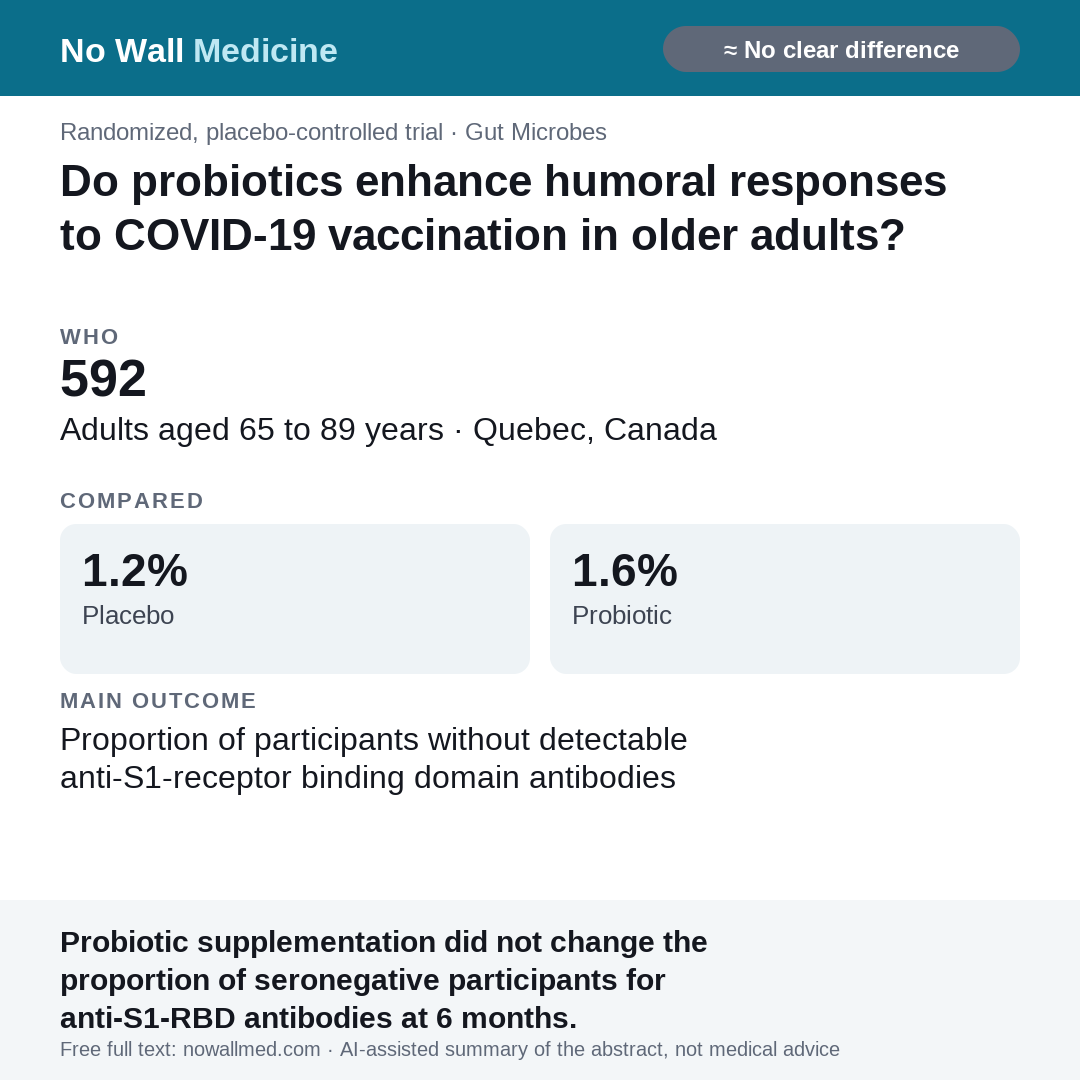
Effect of probiotics on humoral responses to COVID-19 vaccination in older adults: a randomized, placebo-controlled trial (PIRATES-COV study)
Randomized, placebo-controlled trialNo clear difference
Do probiotics enhance humoral responses to COVID-19 vaccination in older adults?
Who
592
Adults aged 65 to 89 years · Quebec, Canada
Compared
1.2%Placebo
1.6%Probiotic
Main outcome
Proportion of participants without detectable anti-S1-receptor binding domain antibodies
Bottom line: Probiotic supplementation did not change the proportion of seronegative participants for anti-S1-RBD antibodies at 6 months.
Limitation: Interpretation of lower anti-N antibody levels remains speculative.
Gut Microbes · 2026-07-28Download image
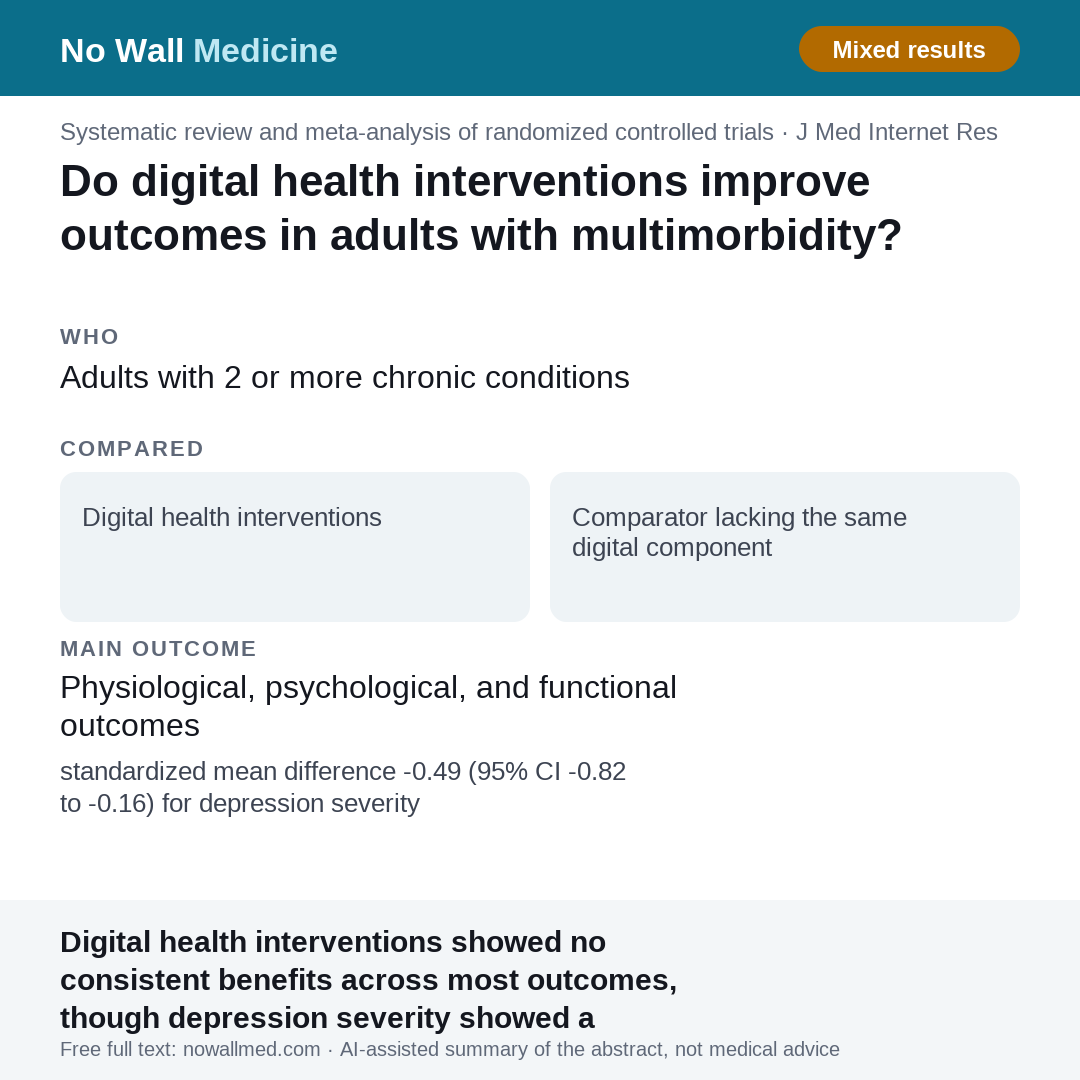
Effectiveness and Implementation of Digital Health Interventions on Physiological, Psychological, and Functional Outcomes in Adults With Multimorbidity: Systematic Review and Meta-Analysis of Randomized Controlled Trials
Systematic review and meta-analysis of randomized controlled trialsMixed results
Do digital health interventions improve outcomes in adults with multimorbidity?
Who
Adults with 2 or more chronic conditions
Compared
Digital health interventions
Comparator lacking the same digital component
Main outcome
Physiological, psychological, and functional outcomes
Result: standardized mean difference -0.49 (95% CI -0.82 to -0.16) for depression severity
Bottom line: Digital health interventions showed no consistent benefits across most outcomes, though depression severity showed a statistically significant improvement.
Limitation: Certainty of evidence was low or very low for all assessed outcomes.
J Med Internet Res · 2026-07-28Download image
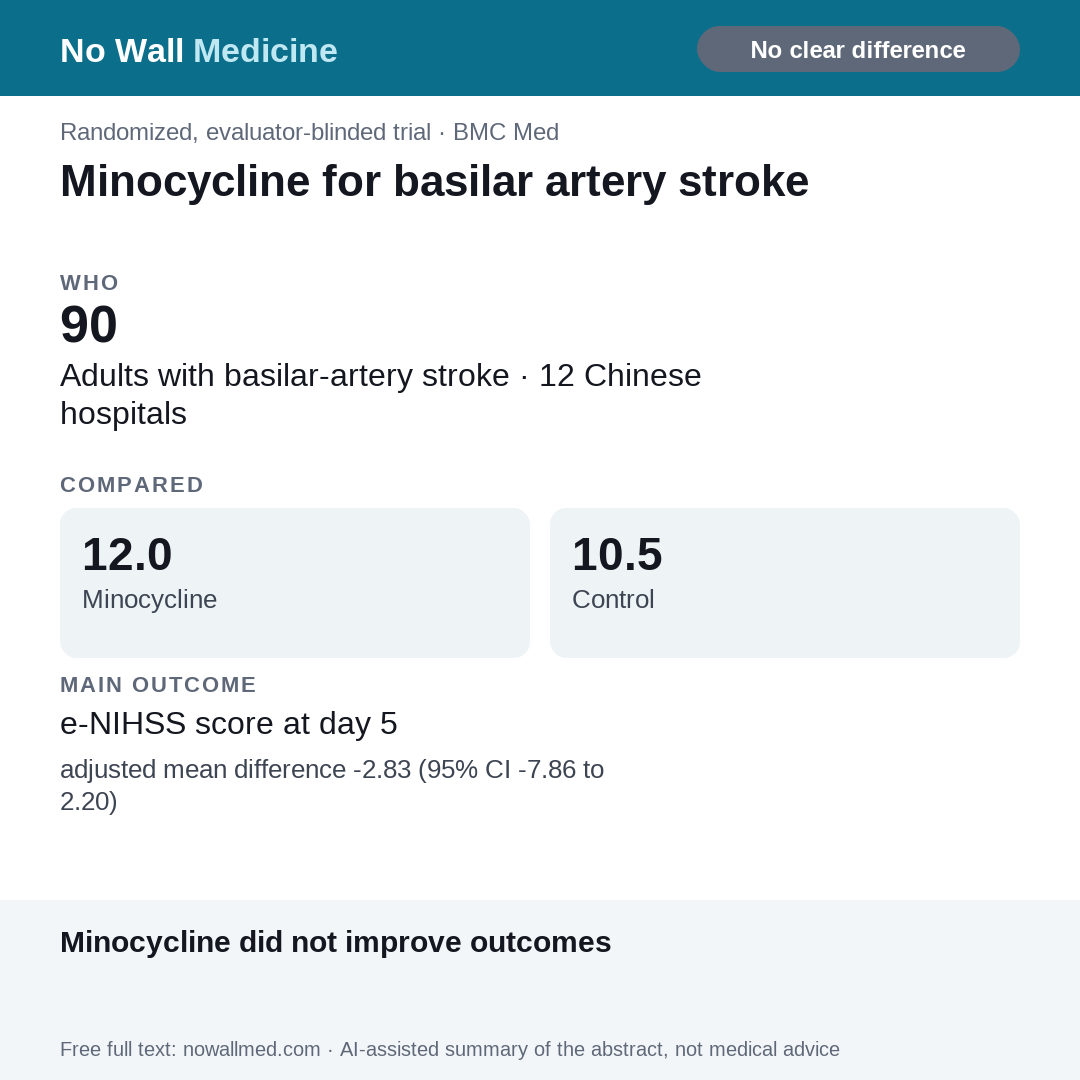
Minocycline for acute basilar artery occlusion stroke undergoing endovascular treatment: a randomized, evaluator-blinded, open-label, pilot trial
Randomized, evaluator-blinded trialNo clear difference
Minocycline for basilar artery stroke
Who
90
Adults with basilar-artery stroke · 12 Chinese hospitals
Compared
12.0Minocycline (IQR 3.5 to 30.0)
10.5Control (IQR 2.0 to 35.0)
Main outcome
e-NIHSS score at day 5
Result: adjusted mean difference -2.83 (95% CI -7.86 to 2.20)
Bottom line: Minocycline did not improve outcomes
Limitation: small sample size
BMC Med · 2026-07-27Download image