Visual abstracts
New randomized trials and meta-analyses from leading journals at a glance: who was studied, what was compared, and what was found. Every paper is free to read in full.
All specialtiesCardiology 4877Oncology 4138Gastroenterology & Hepatology 1942Infectious Disease 3837Neurology 1905Psychiatry & Mental Health 2273Pulmonology 2143Critical Care 1365Endocrinology & Diabetes 2580Pediatrics 2980Surgery 2559Orthopedics & Sports Medicine 931Neurosurgery 537Cardiothoracic & Vascular Surgery 674Plastic & Reconstructive Surgery 591Nephrology 1133Rheumatology 823Hematology 1109Dermatology 621Ophthalmology 543Obstetrics & Gynecology 1686Public & Global Health 1058Radiology & Imaging 648Anesthesiology 986Urology 764ENT (Otolaryngology) 503Emergency Medicine 511Allergy & Immunology 313Geriatrics 981Family Medicine & Primary Care 562Medical Genetics & Genomics 676Pathology & Laboratory Medicine 159Physical Medicine & Rehabilitation 757Palliative Care 444Nutrition 1588Digital Health & AI 2201General Medicine 321
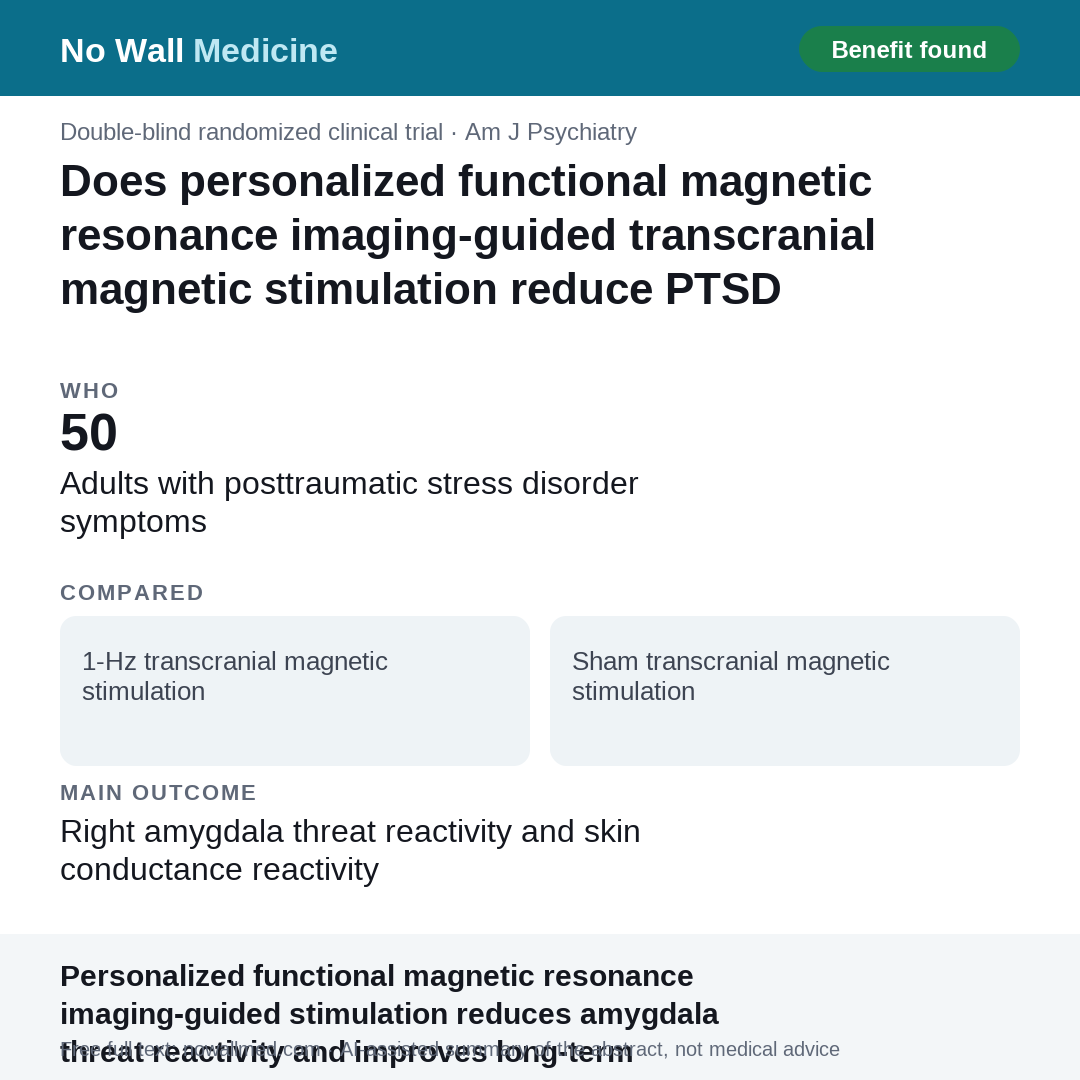
Personalized fMRI-Guided TMS Targeting the Threat Neurocircuitry in PTSD: A Randomized Clinical Trial
Double-blind randomized clinical trialBenefit found
Does personalized functional magnetic resonance imaging-guided transcranial magnetic stimulation reduce PTSD symptoms?
Who
50
Adults with posttraumatic stress disorder symptoms
Compared
1-Hz transcranial magnetic stimulation
Sham transcranial magnetic stimulation
Main outcome
Right amygdala threat reactivity and skin conductance reactivity
Bottom line: Personalized functional magnetic resonance imaging-guided stimulation reduces amygdala threat reactivity and improves long-term symptoms.
Am J Psychiatry · 2026-04-02Download image
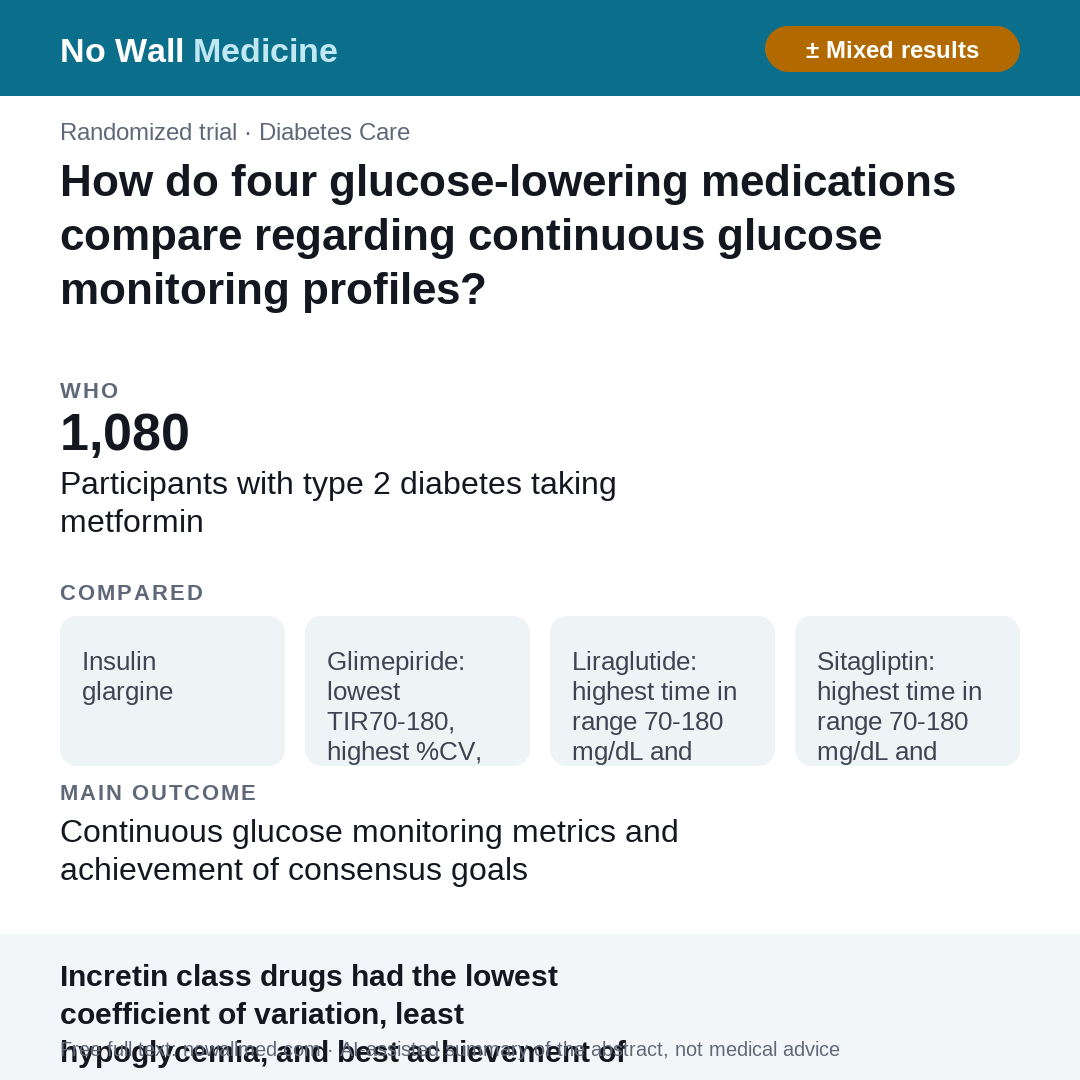
Comparison of the Continuous Glucose Monitoring Profiles of Four Glucose-Lowering Medications in the GRADE Randomized Trial
Randomized trialMixed results
How do four glucose-lowering medications compare regarding continuous glucose monitoring profiles?
Who
1,080
Participants with type 2 diabetes taking metformin
Compared
Insulin glargine
Glimepiride: lowest TIR70-180, highest %CV, TBR<70, and hypoglycemic events
Liraglutide: highest time in range 70-180 mg/dL and lowest TBR<70
Sitagliptin: highest time in range 70-180 mg/dL and lowest TBR<70
Main outcome
Continuous glucose monitoring metrics and achievement of consensus goals
Bottom line: Incretin class drugs had the lowest coefficient of variation, least hypoglycemia, and best achievement of glycemic targets.
Diabetes Care · 2026-04-02Download image
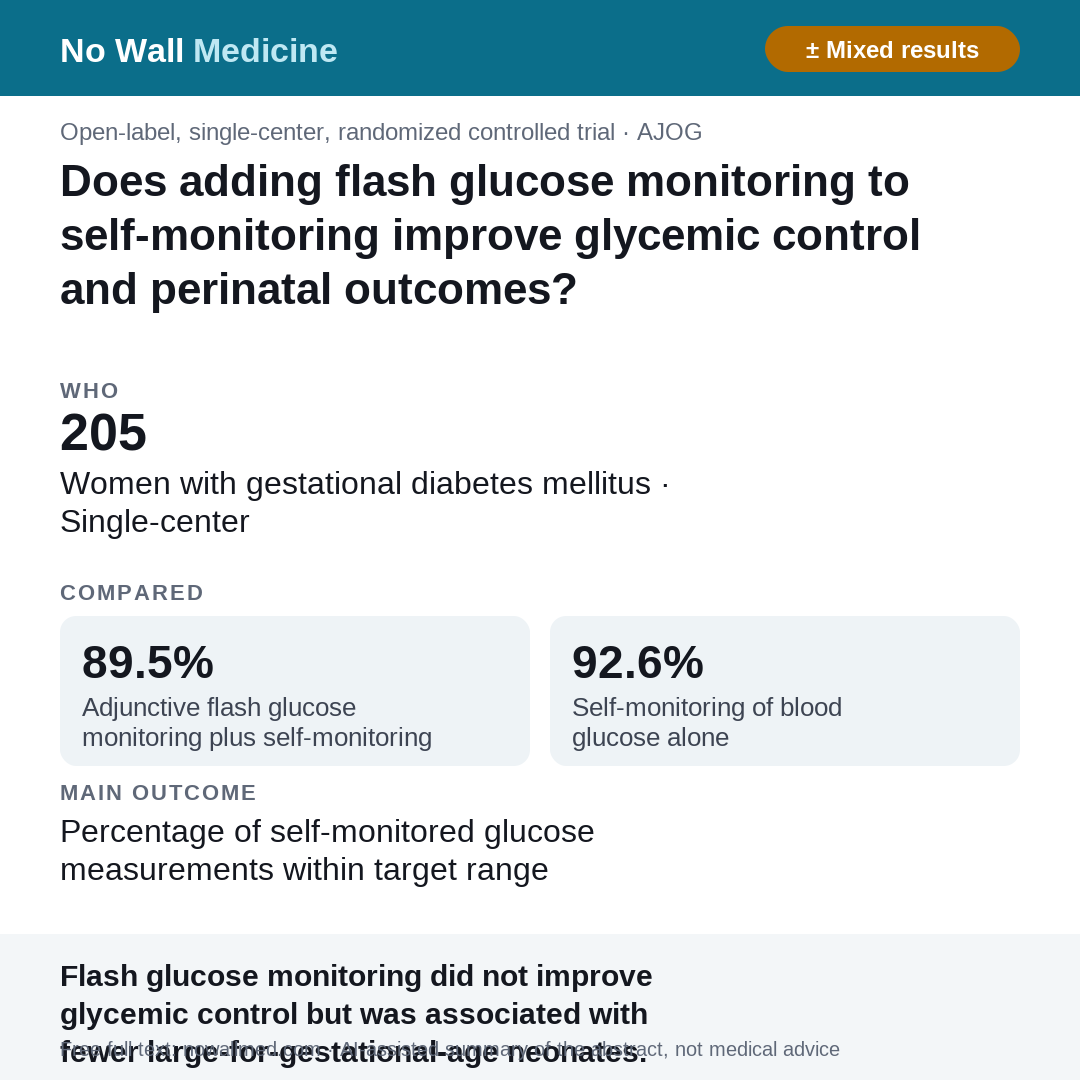
Flash glucose monitoring addition to self-monitoring of blood glucose and perinatal outcomes in gestational diabetes: a randomized controlled trial
Open-label, single-center, randomized controlled trialMixed results
Does adding flash glucose monitoring to self-monitoring improve glycemic control and perinatal outcomes?
Who
205
Women with gestational diabetes mellitus · Single-center
Compared
89.5%Adjunctive flash glucose monitoring plus self-monitoring
92.6%Self-monitoring of blood glucose alone
Main outcome
Percentage of self-monitored glucose measurements within target range
Result: odds ratio 0.27 (95% confidence interval 0.07-0.99)
Bottom line: Flash glucose monitoring did not improve glycemic control but was associated with fewer large-for-gestational-age neonates.
Limitation: Small sample size and number of events for secondary outcomes.
AJOG · 2026-04-02Download image
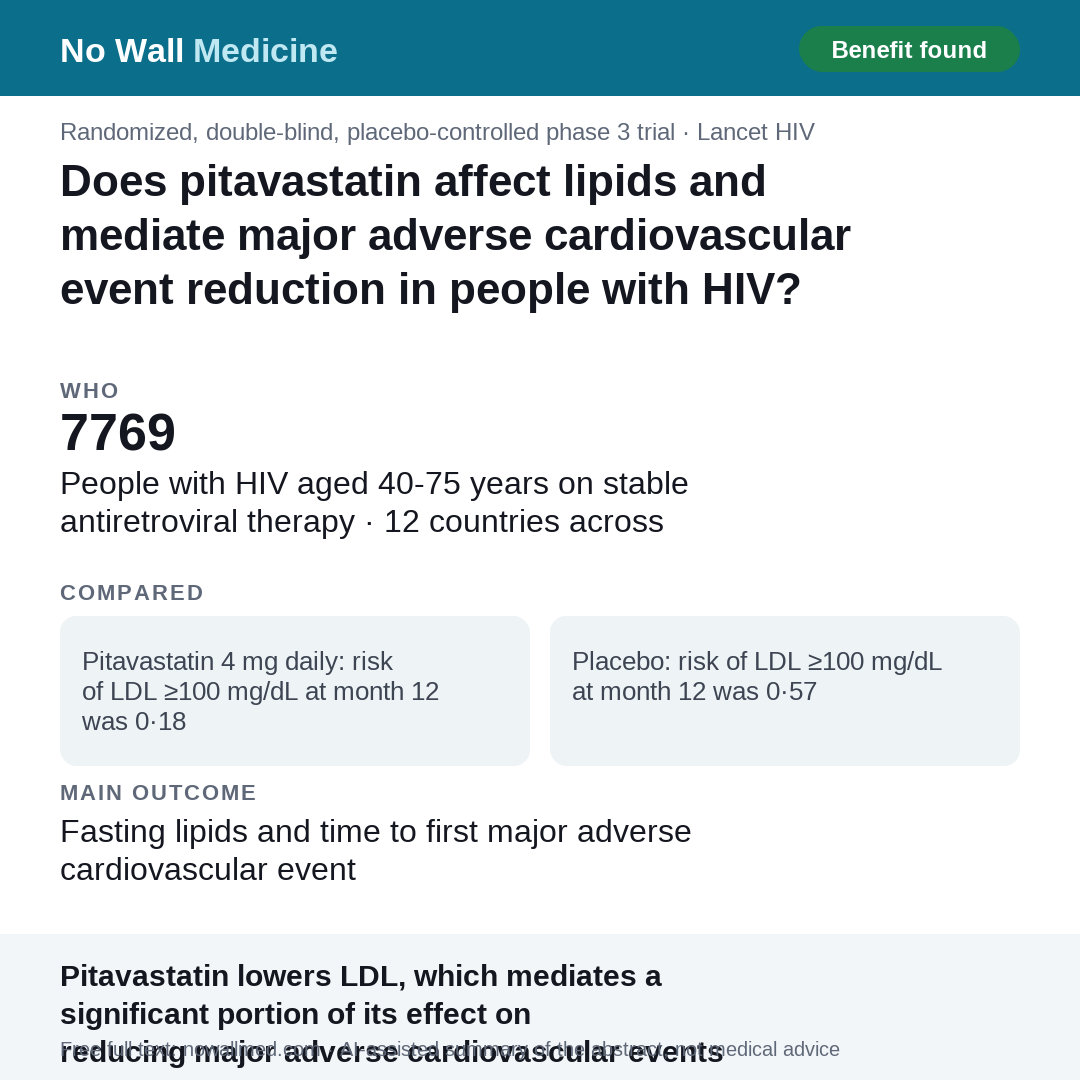
Pitavastatin effects on lipids in relation to major adverse cardiovascular events: a REPRIEVE secondary analysis
Randomized, double-blind, placebo-controlled phase 3 trialBenefit found
Does pitavastatin affect lipids and mediate major adverse cardiovascular event reduction in people with HIV?
Who
7769
People with HIV aged 40-75 years on stable antiretroviral therapy · 12 countries across five Global Burden of Diseases super-regions
Compared
Pitavastatin 4 mg daily: risk of LDL ≥100 mg/dL at month 12 was 0·18
Placebo: risk of LDL ≥100 mg/dL at month 12 was 0·57
Main outcome
Fasting lipids and time to first major adverse cardiovascular event
Result: hazard ratio 0·80 (95% CI 0·68-0·94) for 30% lower average LDL
Bottom line: Pitavastatin lowers LDL, which mediates a significant portion of its effect on reducing major adverse cardiovascular events in people with HIV.
Funded by: US National Institutes of Health, Kowa Pharmaceuticals America, Gilead Sciences, and ViiV Healthcare
Lancet HIV · 2026-04-02Download image
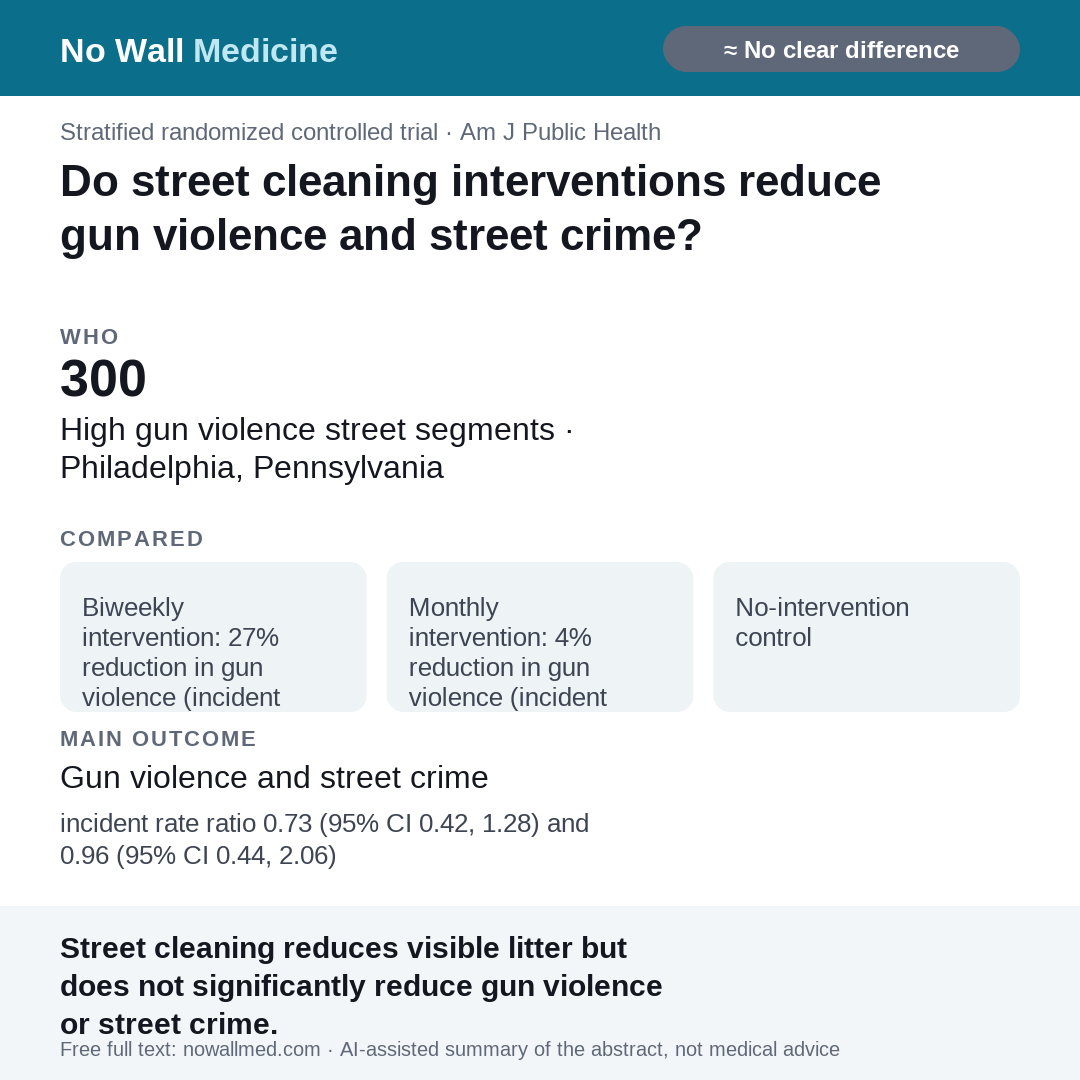
The Effects of Street Cleaning on Serious Crime and Gun Violence in Philadelphia, 2023-2024: A Stratified Randomized Controlled Trial
Stratified randomized controlled trialNo clear difference
Do street cleaning interventions reduce gun violence and street crime?
Who
300
High gun violence street segments · Philadelphia, Pennsylvania
Compared
Biweekly intervention: 27% reduction in gun violence (incident rate ratio 0.73)
Monthly intervention: 4% reduction in gun violence (incident rate ratio 0.96)
No-intervention control
Main outcome
Gun violence and street crime
Result: incident rate ratio 0.73 (95% CI 0.42, 1.28) and 0.96 (95% CI 0.44, 2.06)
Bottom line: Street cleaning reduces visible litter but does not significantly reduce gun violence or street crime.
Am J Public Health · 2026-04-02Download image
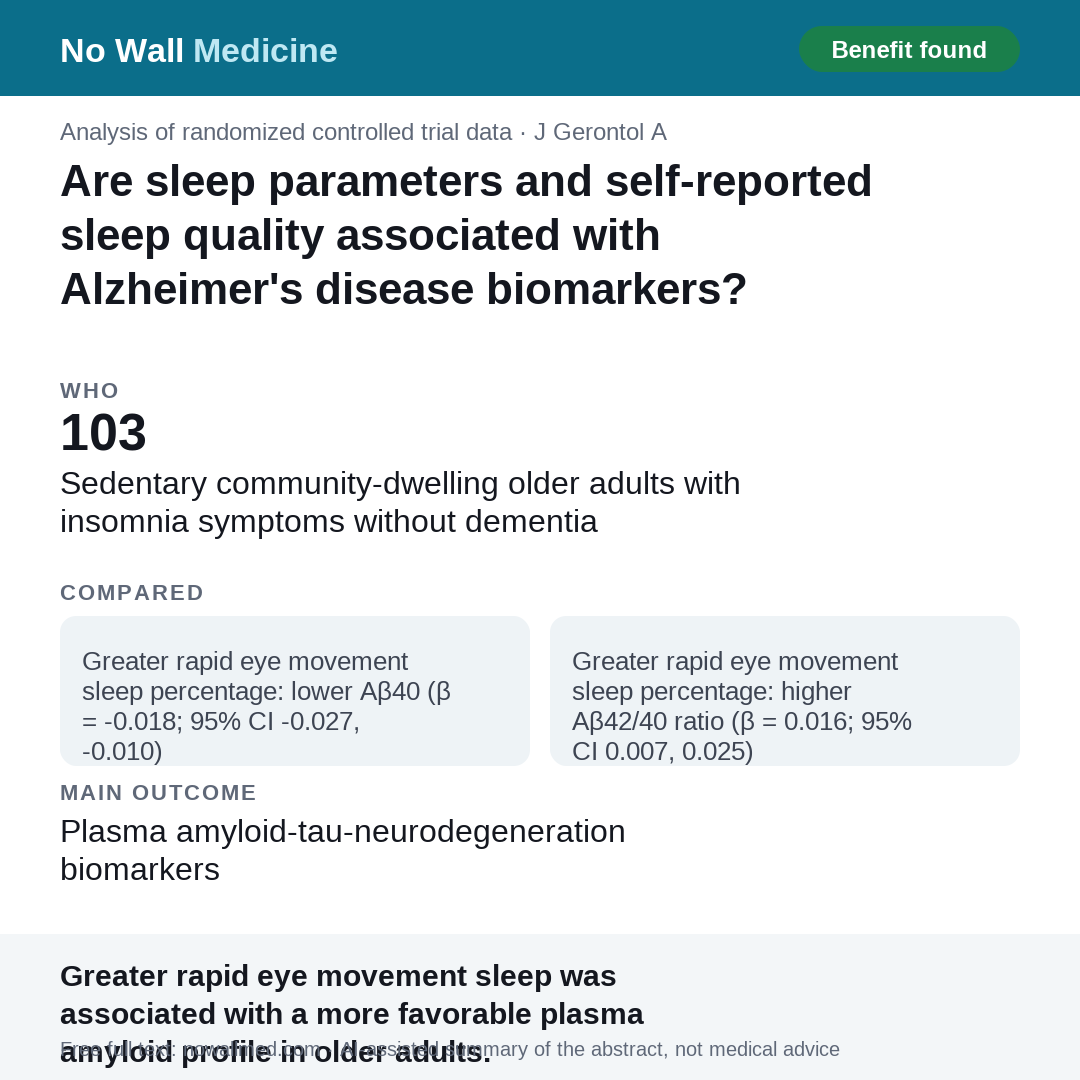
Sleep architecture and self-reported sleep quality are associated with Alzheimer's disease biomarkers in older adults without dementia
Analysis of randomized controlled trial dataBenefit found
Are sleep parameters and self-reported sleep quality associated with Alzheimer's disease biomarkers?
Who
103
Sedentary community-dwelling older adults with insomnia symptoms without dementia
Compared
Greater rapid eye movement sleep percentage: lower Aβ40 (β = -0.018; 95% CI -0.027, -0.010)
Greater rapid eye movement sleep percentage: higher Aβ42/40 ratio (β = 0.016; 95% CI 0.007, 0.025)
Main outcome
Plasma amyloid-tau-neurodegeneration biomarkers
Bottom line: Greater rapid eye movement sleep was associated with a more favorable plasma amyloid profile in older adults.
J Gerontol A · 2026-04-02Download image
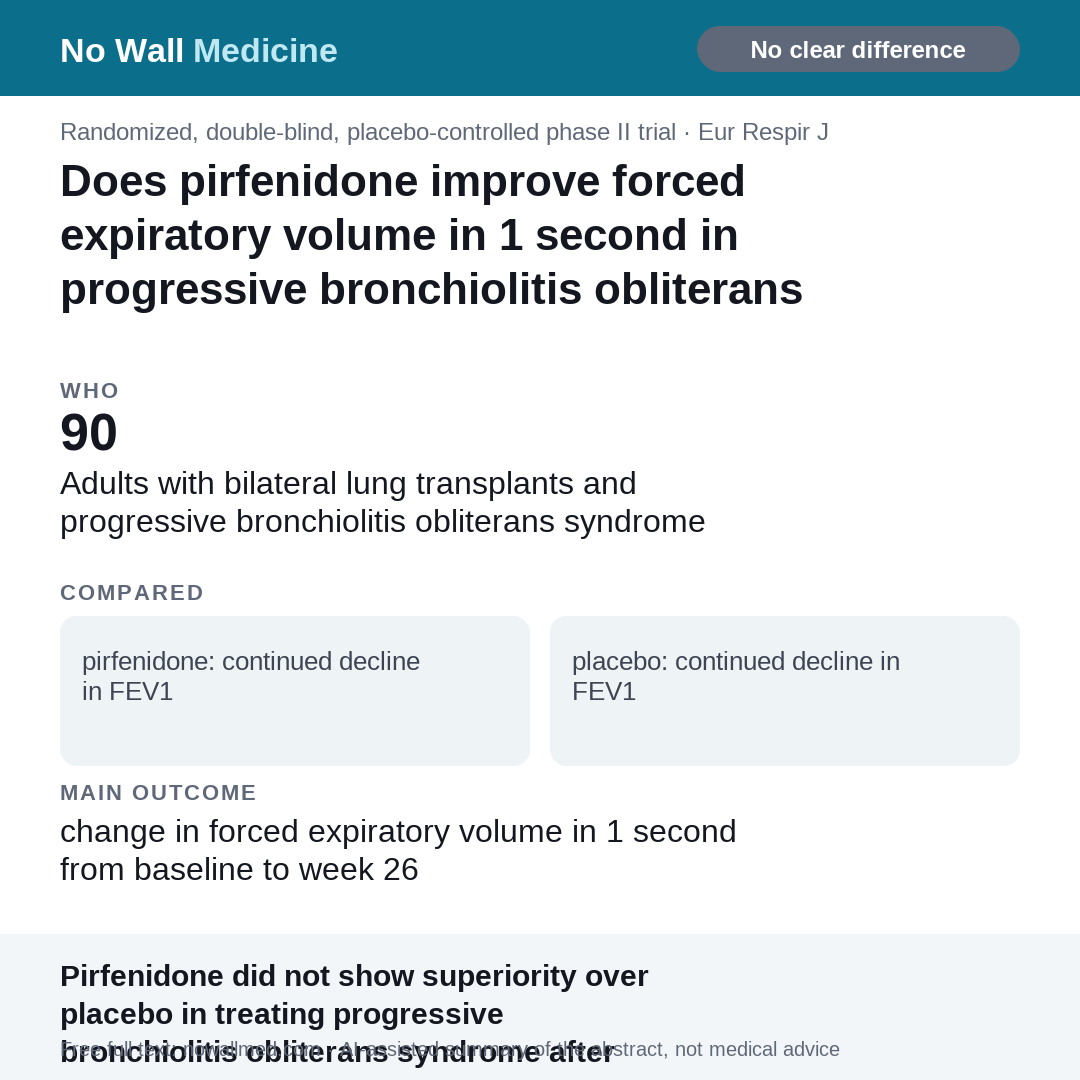
A European multicentre, randomised controlled trial of pirfenidone in bronchiolitis obliterans syndrome after bilateral lung transplantation
Randomized, double-blind, placebo-controlled phase II trialNo clear difference
Does pirfenidone improve forced expiratory volume in 1 second in progressive bronchiolitis obliterans syndrome?
Who
90
Adults with bilateral lung transplants and progressive bronchiolitis obliterans syndrome · Nine European lung transplant centres
Compared
pirfenidone: continued decline in FEV1
placebo: continued decline in FEV1
Main outcome
change in forced expiratory volume in 1 second from baseline to week 26
Bottom line: Pirfenidone did not show superiority over placebo in treating progressive bronchiolitis obliterans syndrome after bilateral lung transplantation.
Eur Respir J · 2026-04-02Download image
Mepolizumab for the treatment of refractory chronic cough in patients with eosinophilic airways disease (MUCOSA): a randomised, double-blind, parallel-group, placebo-controlled trial
Randomised, double-blind, placebo-controlled trialNo clear difference
Does mepolizumab reduce cough in patients with refractory chronic cough and eosinophilic airways disease?
Who
30
Patients with refractory chronic cough and eosinophilic airways disease · Single-centre
Compared
Mepolizumab
Placebo
Main outcome
Change from baseline in 24-h cough frequency at 14 weeks
Result: percentage change relative to placebo +18.0%, 95% CI -46.4-160.1%
Bottom line: Mepolizumab did not improve cough despite reducing blood and sputum eosinophils in patients with refractory chronic cough.
Eur Respir J · 2026-04-02Download image
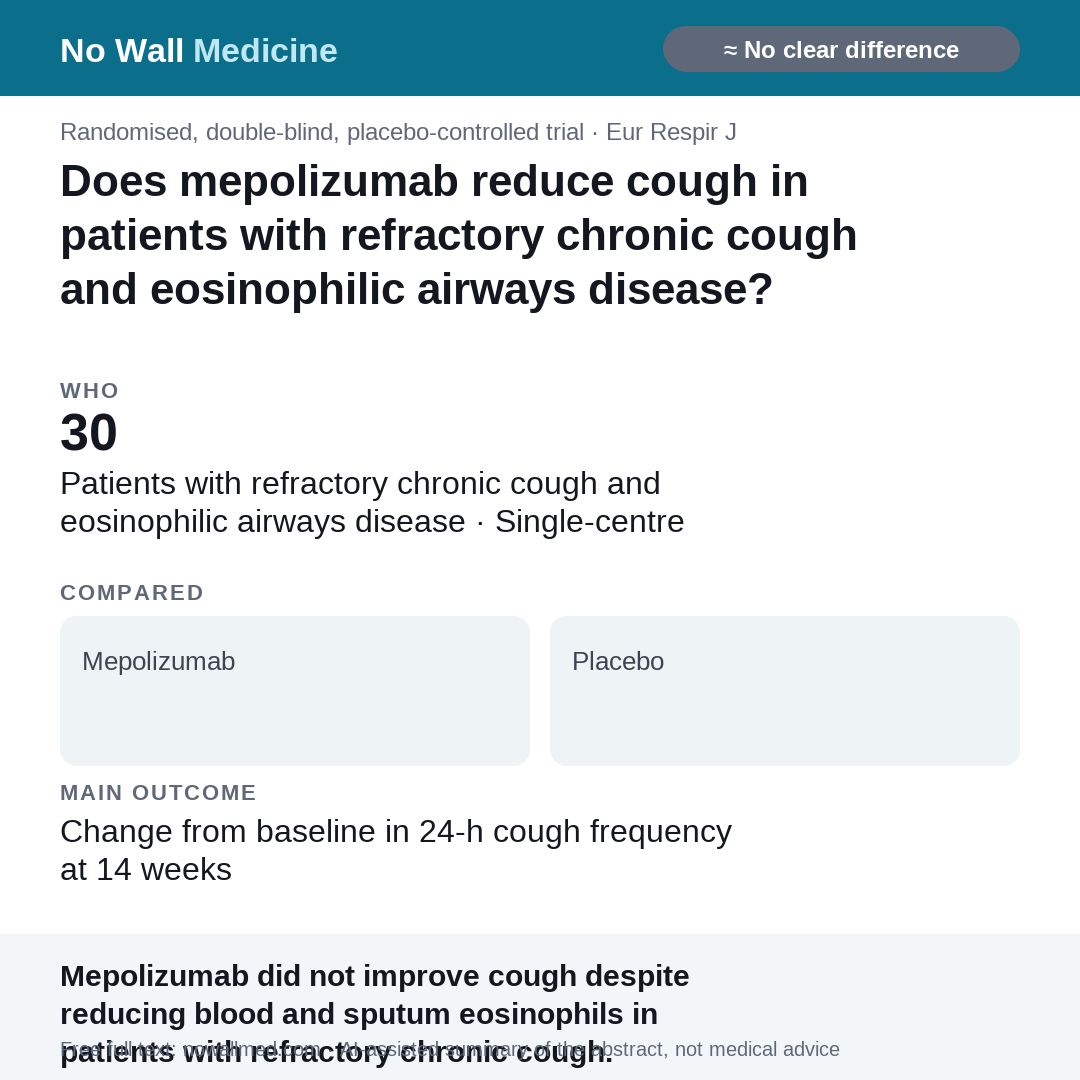
Anesthetic approaches and 2-year recurrence rates in non-muscle invasive bladder cancer: a randomized clinical trial
Prospective randomized controlled trialBenefit found
Does anesthesia method affect 2-year recurrence rates in non-muscle invasive bladder cancer?
Who
272
Patients with clinical non-muscle invasive bladder cancer · Seoul National University Hospital
Compared
26.8%Spinal anesthesia
39.6%General anesthesia
Main outcome
Disease recurrence at 2 years after resection
Bottom line: Spinal anesthesia was associated with a significantly lower 2-year recurrence rate compared to general anesthesia.
Reg Anesth Pain Med · 2026-04-02Download image
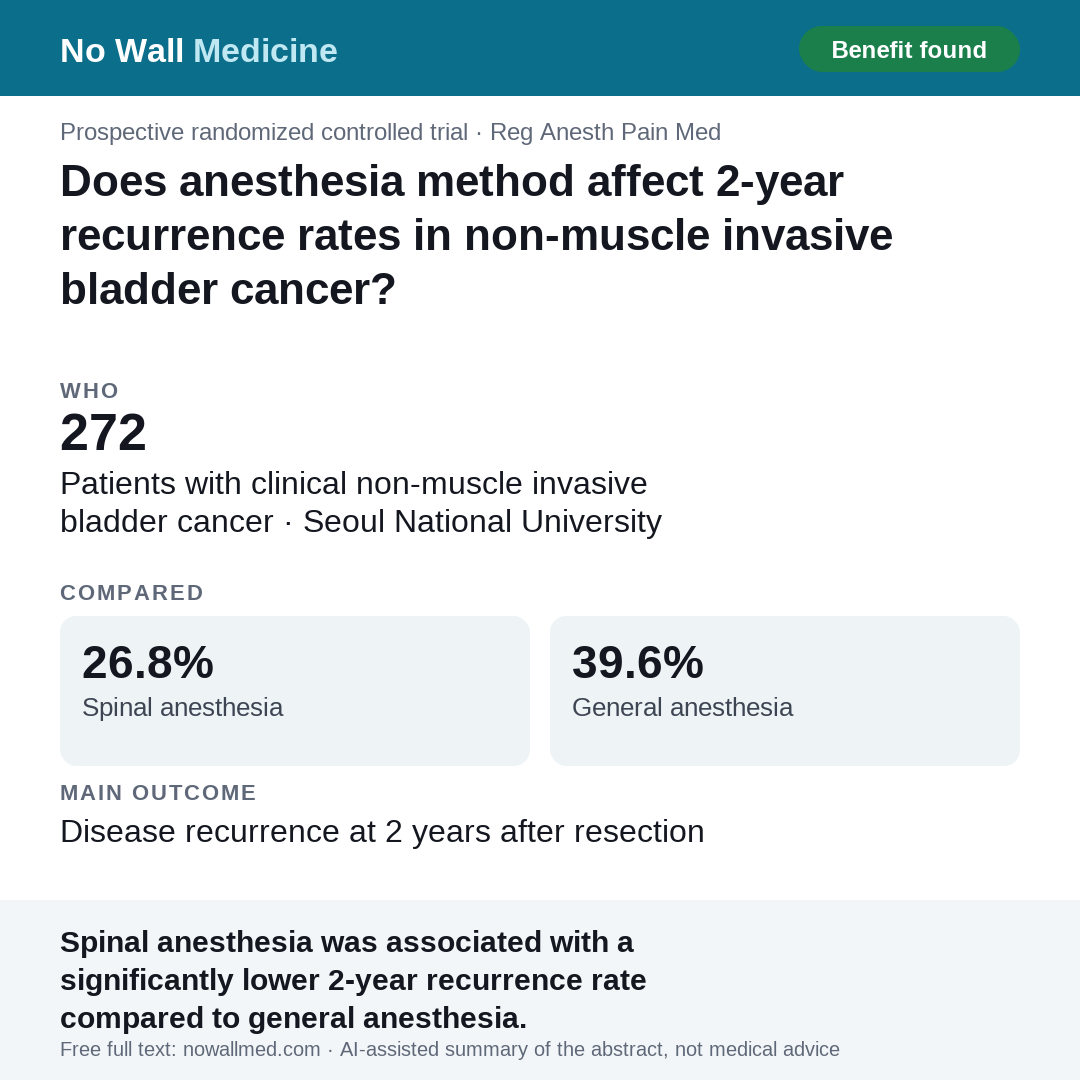
Transcranial temporal interference stimulation targeting the subthalamic region for motor symptoms in Parkinson's disease: a pilot, randomised, double-blind, sham-controlled crossover study
Randomised, double-blind, sham-controlled crossover studyBenefit found
Does transcranial temporal interference stimulation targeting the subthalamic region improve Parkinson's disease motor symptoms?
Who
30
Thirty people with early-to-mid-stage idiopathic Parkinson's disease · Shanghai, China
Compared
Transcranial temporal interference stimulation: 70% responder rate
Sham: 15% responder rate
Main outcome
MDS-UPDRS-III total score change
Result: risk difference 56.3%, 95% CI 38.3-74.4
Bottom line: A single session of transcranial temporal interference stimulation improved motor symptoms in Parkinson's disease compared to sham.
Funded by: National Natural Science Foundation of China
eBioMedicine · 2026-04-02Download image
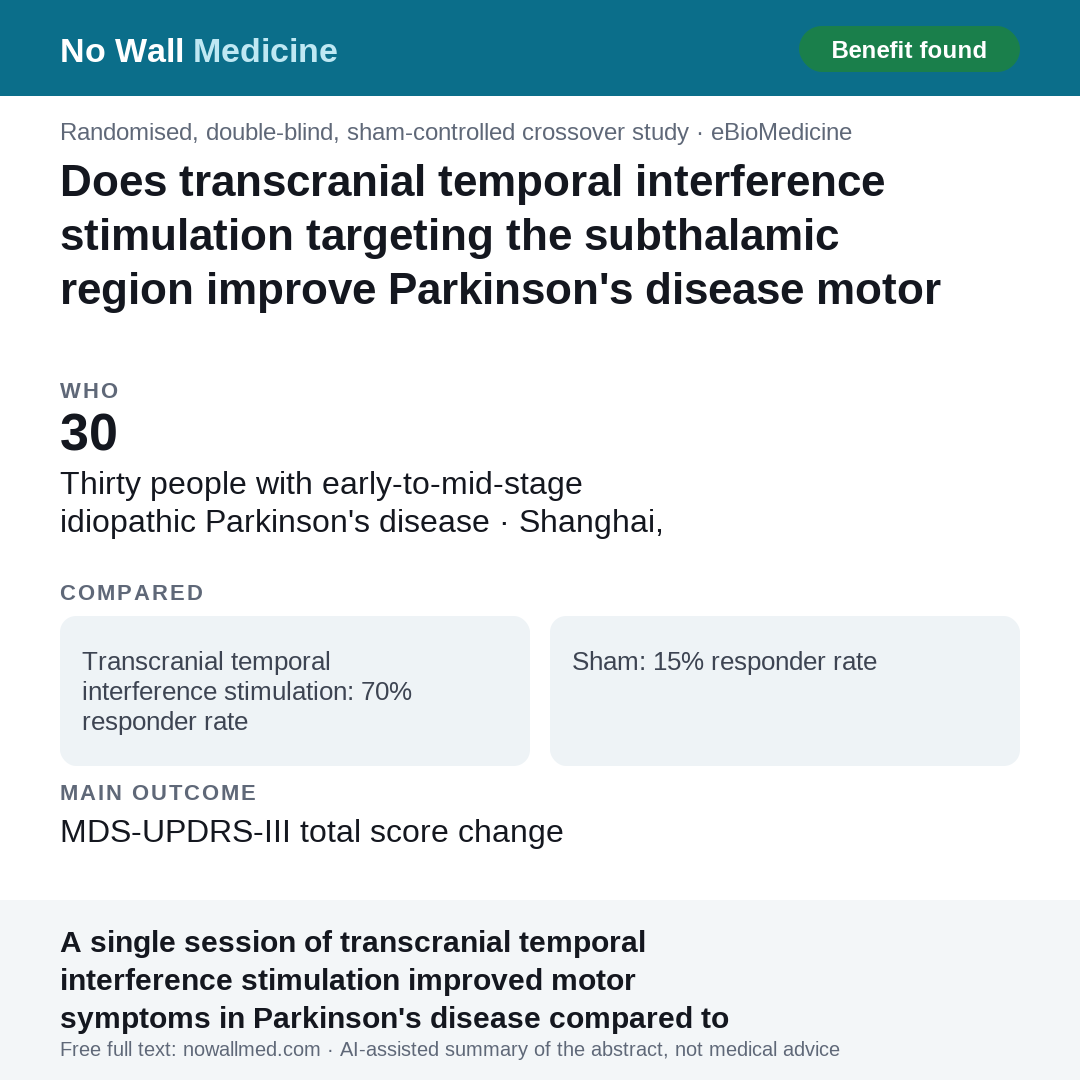
Amikacin pharmacokinetics after nebulization among intubated patients
Population pharmacokinetic modelling of an ancillary studyBenefit found
What are the pulmonary and systemic pharmacokinetics of nebulized amikacin in mechanically ventilated patients?
Who
261
Mechanically ventilated patients
Compared
Tracheal aspirate: median peak concentration 7269 µg/g
Plasma: median peak plasma concentration 1.9 mg/L
Main outcome
Pulmonary and systemic amikacin concentrations
Bottom line: Nebulized amikacin achieves high pulmonary concentrations with minimal systemic exposure regardless of ventilation or nebulization conditions.
Crit Care · 2026-04-02Download image
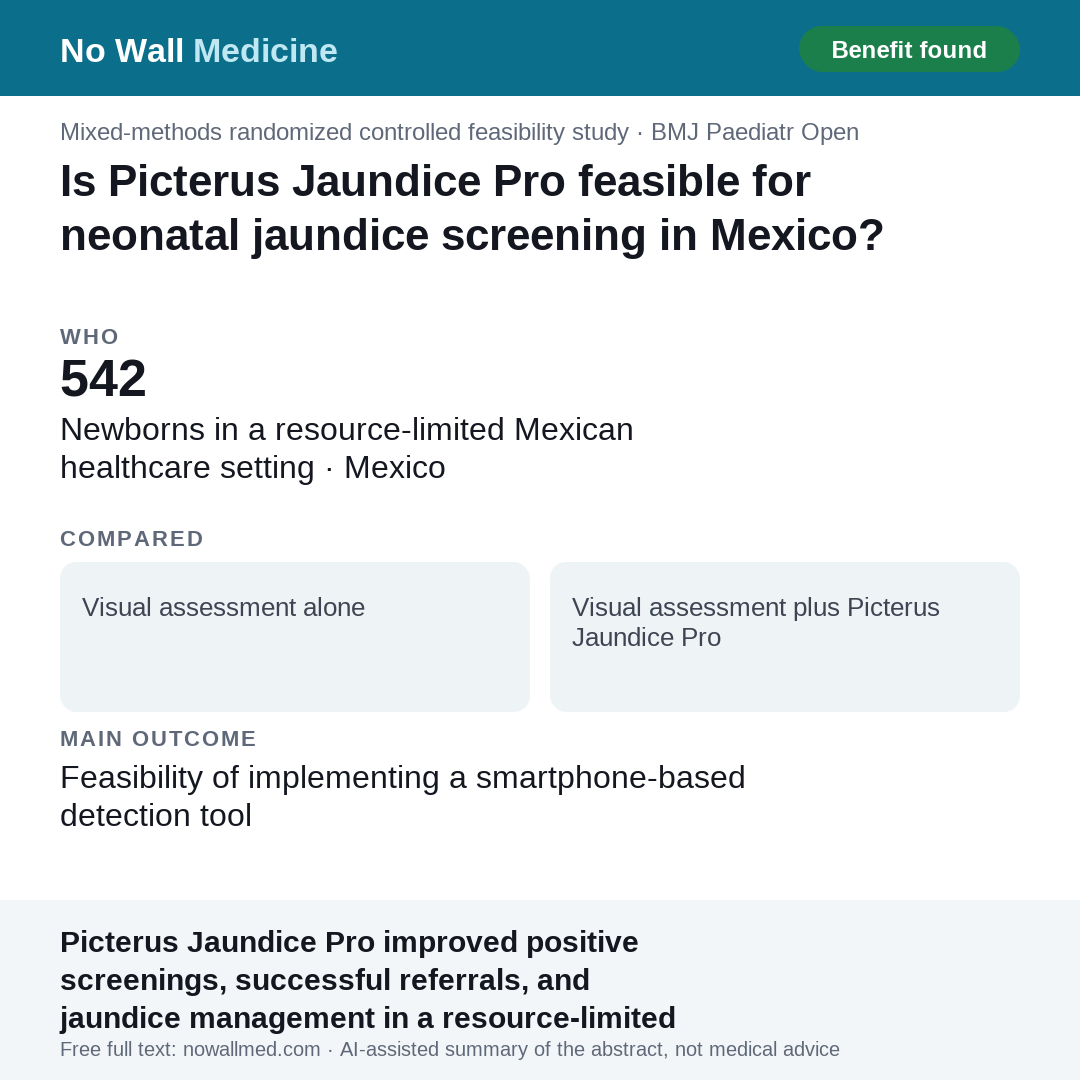
Advancing neonatal jaundice screening with mHealth: a mixed-methods randomised controlled feasibility study in a resource-limited setting in Mexico
Mixed-methods randomized controlled feasibility studyBenefit found
Is Picterus Jaundice Pro feasible for neonatal jaundice screening in Mexico?
Who
542
Newborns in a resource-limited Mexican healthcare setting · Mexico
Compared
Visual assessment alone
Visual assessment plus Picterus Jaundice Pro
Main outcome
Feasibility of implementing a smartphone-based detection tool
Result: proportional difference [95% CI 0.230 to 0.362] for positive screenings
Bottom line: Picterus Jaundice Pro improved positive screenings, successful referrals, and jaundice management in a resource-limited setting.
Limitation: Incomplete referrals occurred due to logistical barriers and low perceived risk by parents.
BMJ Paediatr Open · 2026-04-02Download image
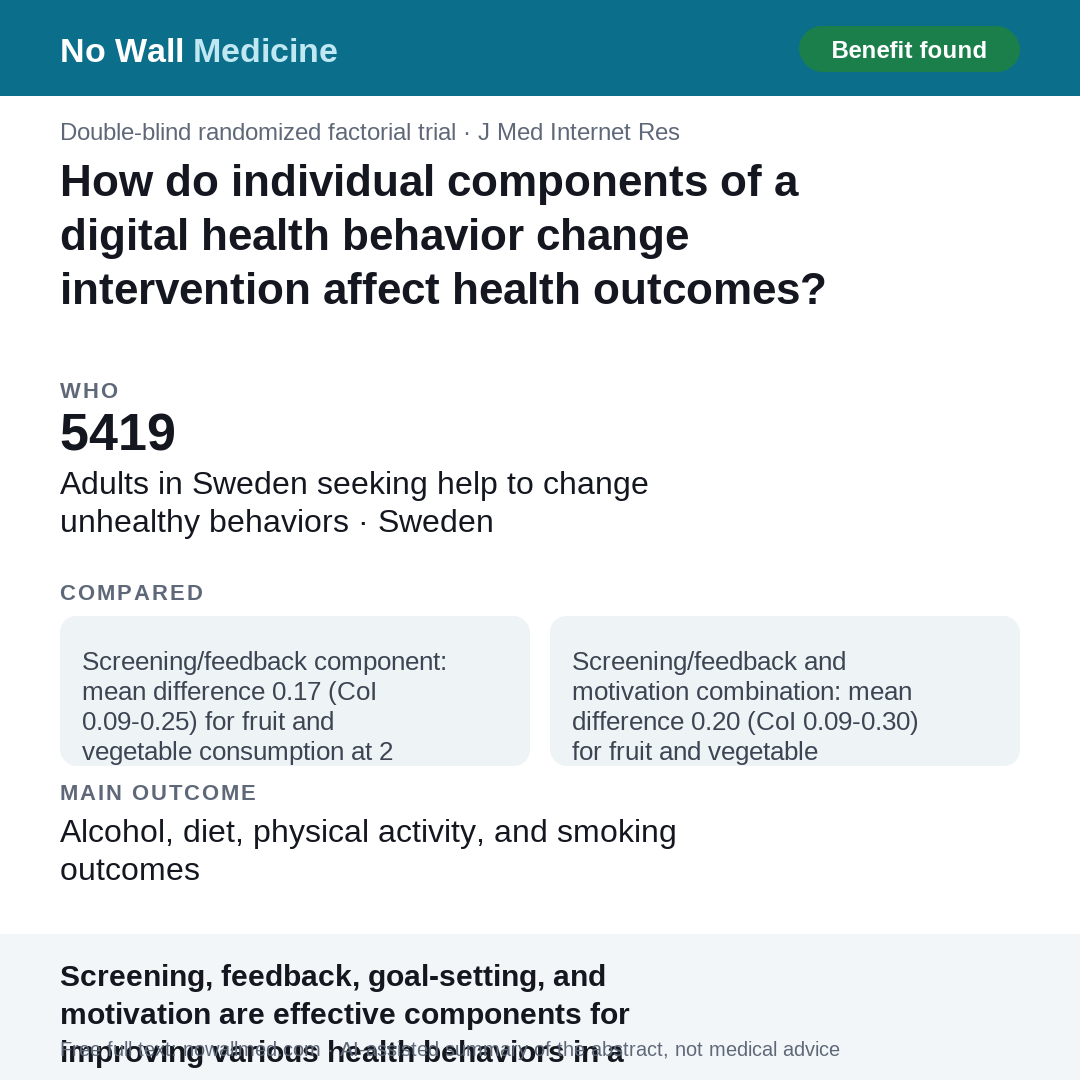
Effectiveness of the Components of a Digital Multiple Health Behavior Change Intervention Among Individuals Seeking Help Online (Coach): Factorial Randomized Trial
Double-blind randomized factorial trialBenefit found
How do individual components of a digital health behavior change intervention affect health outcomes?
Who
5419
Adults in Sweden seeking help to change unhealthy behaviors · Sweden
Compared
Screening/feedback component: mean difference 0.17 (CoI 0.09-0.25) for fruit and vegetable consumption at 2 months
Screening/feedback and motivation combination: mean difference 0.20 (CoI 0.09-0.30) for fruit and vegetable consumption at 2 months
Main outcome
Alcohol, diet, physical activity, and smoking outcomes
Result: incidence rate ratio 0.91 (CoI 0.81-1.03) for heavy episodic drinking at 4 months
Bottom line: Screening, feedback, goal-setting, and motivation are effective components for improving various health behaviors in a digital intervention.
J Med Internet Res · 2026-04-02Download image
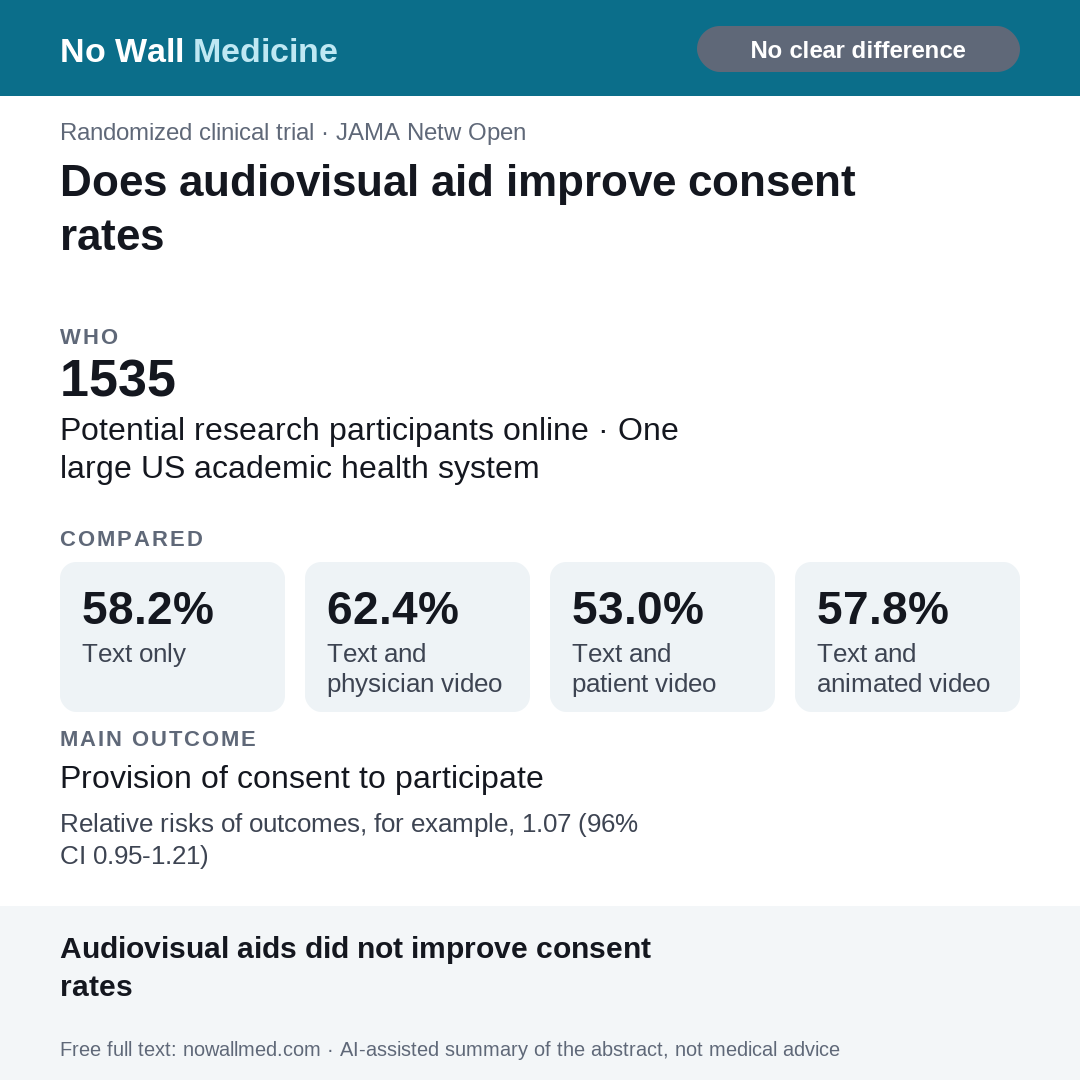
Audiovisual Augmentation of Electronic Consent to Improve Consent Rates and Comprehension: A Randomized Clinical Trial
Randomized clinical trialNo clear difference
Does audiovisual aid improve consent rates
Who
1535
Potential research participants online · One large US academic health system
Compared
58.2%Text only (221/380)
62.4%Text and physician video (241/386)
53.0%Text and patient video (203/383)
57.8%Text and animated video (223/386)
Main outcome
Provision of consent to participate
Result: Relative risks of outcomes, for example, 1.07 (96% CI 0.95-1.21)
Bottom line: Audiovisual aids did not improve consent rates
Limitation: No follow-up undertaken
JAMA Netw Open · 2026-04-01Download image
Navigating Prognostic Dialogue During Serious Illness Conversations
Qualitative studyUnclear result
How do patients navigate prognostic dialogue
Who
50
Patients with hematologic malignant neoplasms and caregivers · Danish hematology departments
Compared
Patients
Caregivers
Main outcome
Prognostic dialogue navigation
Bottom line: Clinicians' attentiveness enabled prognostic dialogue
JAMA Netw Open · 2026-04-01Download image

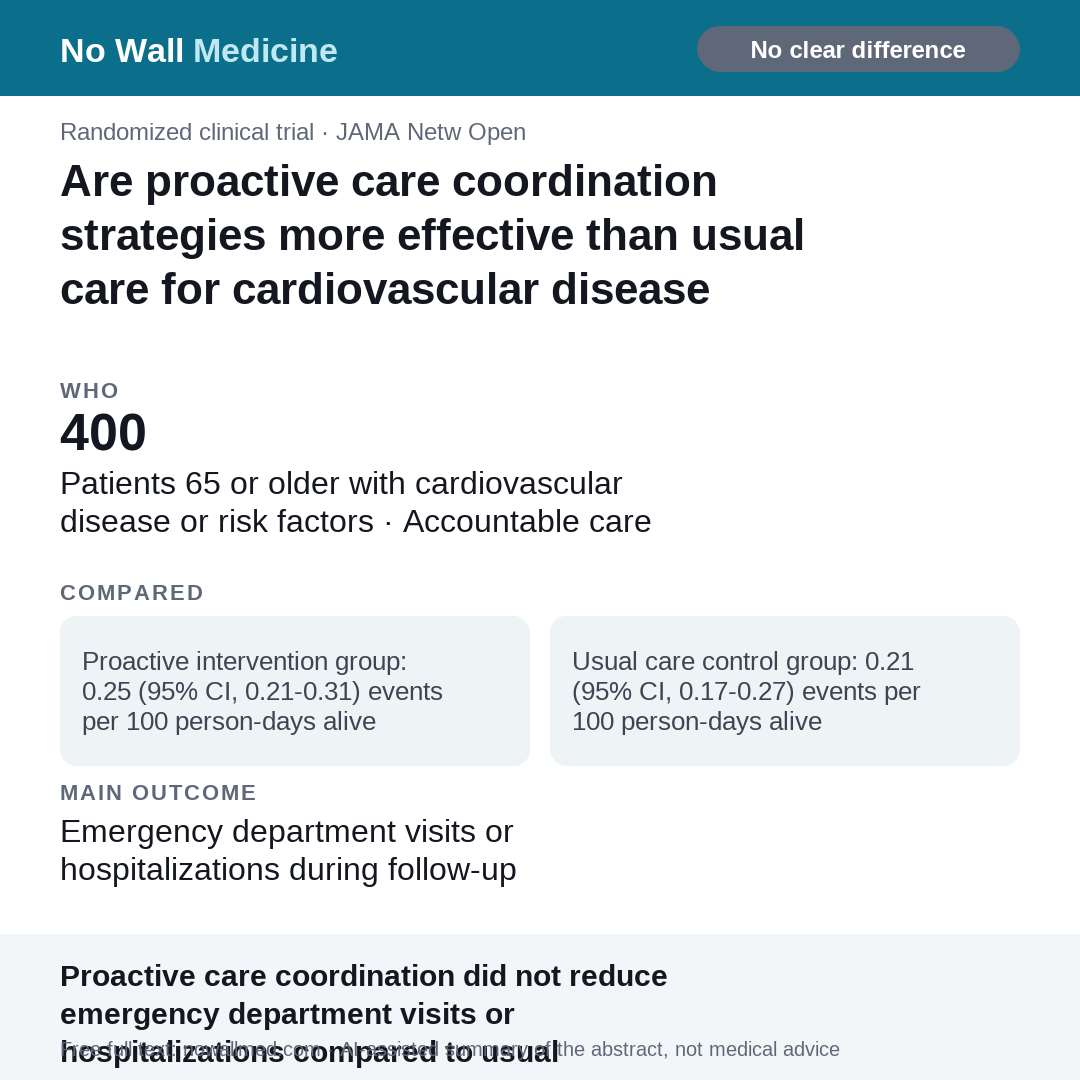
Care Coordination and Hospitalization in Older Adults With or at Risk for Cardiovascular Disease: A Randomized Clinical Trial
Randomized clinical trialNo clear difference
Are proactive care coordination strategies more effective than usual care for cardiovascular disease patients?
Who
400
Patients 65 or older with cardiovascular disease or risk factors · Accountable care organization in New York, New York
Compared
Proactive intervention group: 0.25 (95% CI, 0.21-0.31) events per 100 person-days alive
Usual care control group: 0.21 (95% CI, 0.17-0.27) events per 100 person-days alive
Main outcome
Emergency department visits or hospitalizations during follow-up
Result: 0.25 (95% CI, 0.21-0.31) vs 0.21 (95% CI, 0.17-0.27) events per 100 person-days alive
Bottom line: Proactive care coordination did not reduce emergency department visits or hospitalizations compared to usual post-hospitalization care.
JAMA Netw Open · 2026-04-01Download image
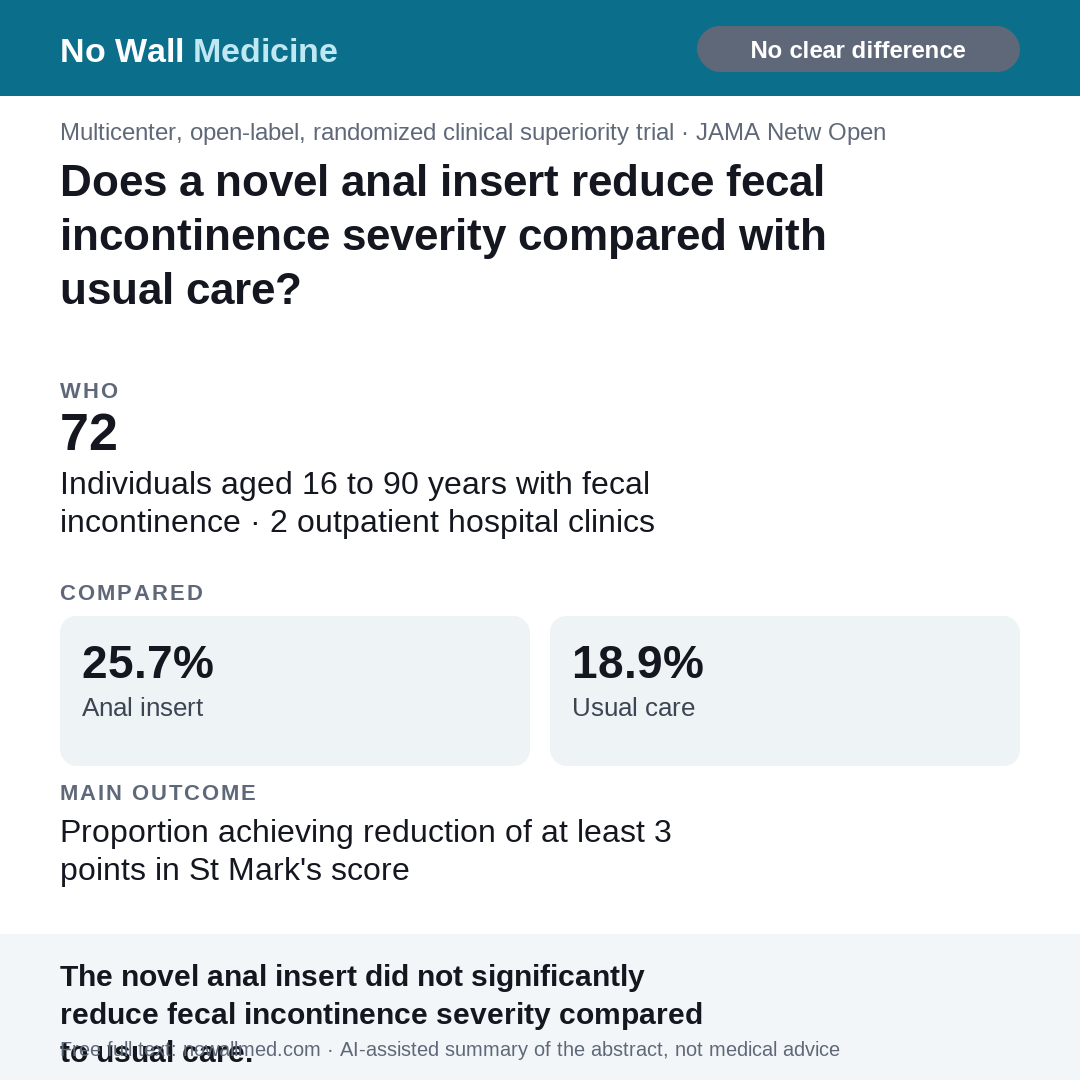
Controlling Fecal Incontinence With a Novel Anal Device: A Randomized Clinical Trial
Multicenter, open-label, randomized clinical superiority trialNo clear difference
Does a novel anal insert reduce fecal incontinence severity compared with usual care?
Who
72
Individuals aged 16 to 90 years with fecal incontinence · 2 outpatient hospital clinics in the Netherlands
Compared
25.7%Anal insert (9/35)
18.9%Usual care (7/37)
Main outcome
Proportion achieving reduction of at least 3 points in St Mark's score
Result: relative risk 1.36 (95% CI 0.57 to 3.25)
Bottom line: The novel anal insert did not significantly reduce fecal incontinence severity compared to usual care.
JAMA Netw Open · 2026-04-01Download image
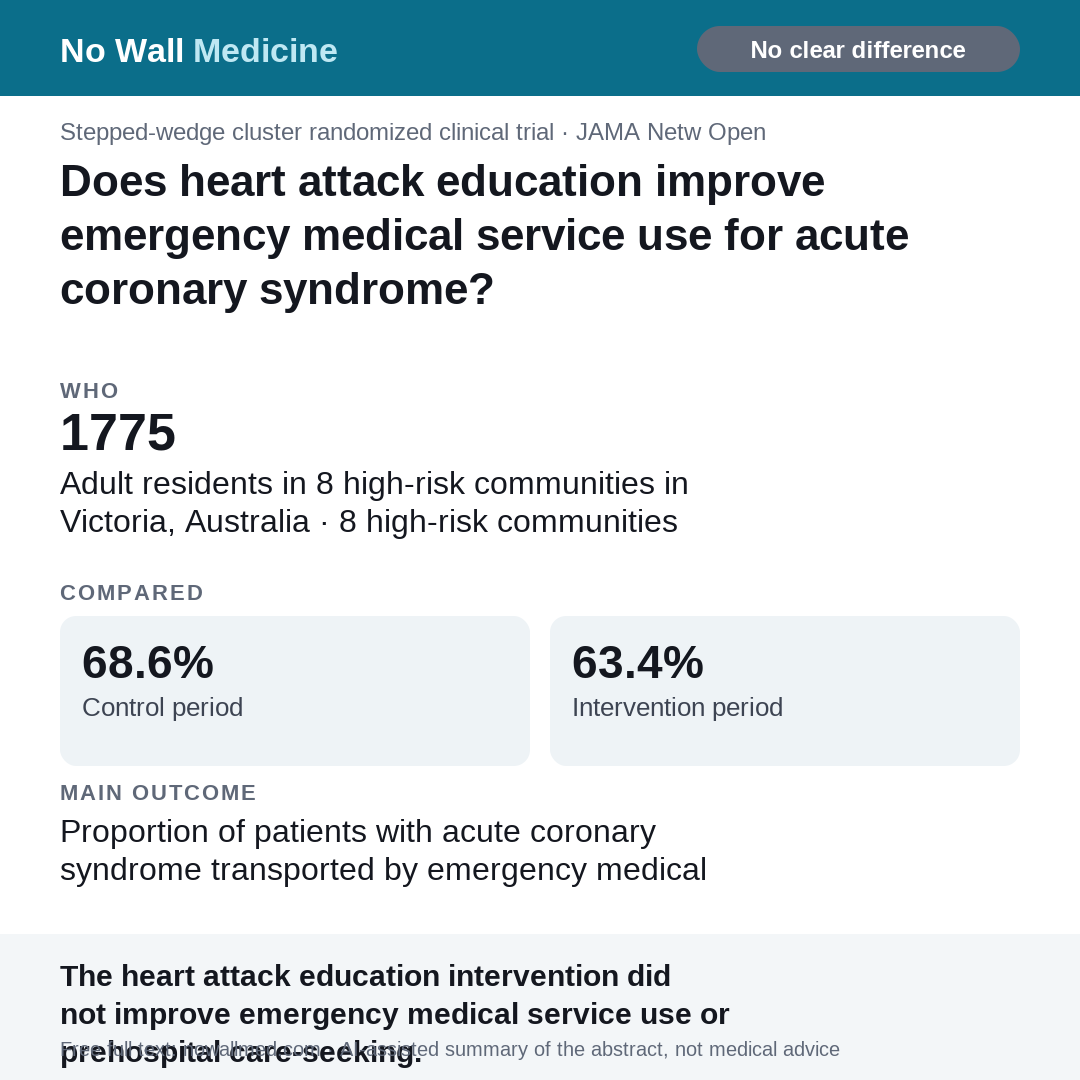
Heart Attack Education and EMS Response in High-Risk, Low EMS Usage Areas: A Stepped-Wedge Cluster-Randomized Trial
Stepped-wedge cluster randomized clinical trialNo clear difference
Does heart attack education improve emergency medical service use for acute coronary syndrome?
Who
1775
Adult residents in 8 high-risk communities in Victoria, Australia · 8 high-risk communities in Victoria, Australia
Compared
68.6%Control period
63.4%Intervention period
Main outcome
Proportion of patients with acute coronary syndrome transported by emergency medical services
Result: adjusted risk difference -8.98% (95% CI -17.50% to -0.46%)
Bottom line: The heart attack education intervention did not improve emergency medical service use or prehospital care-seeking.
JAMA Netw Open · 2026-04-01Download image
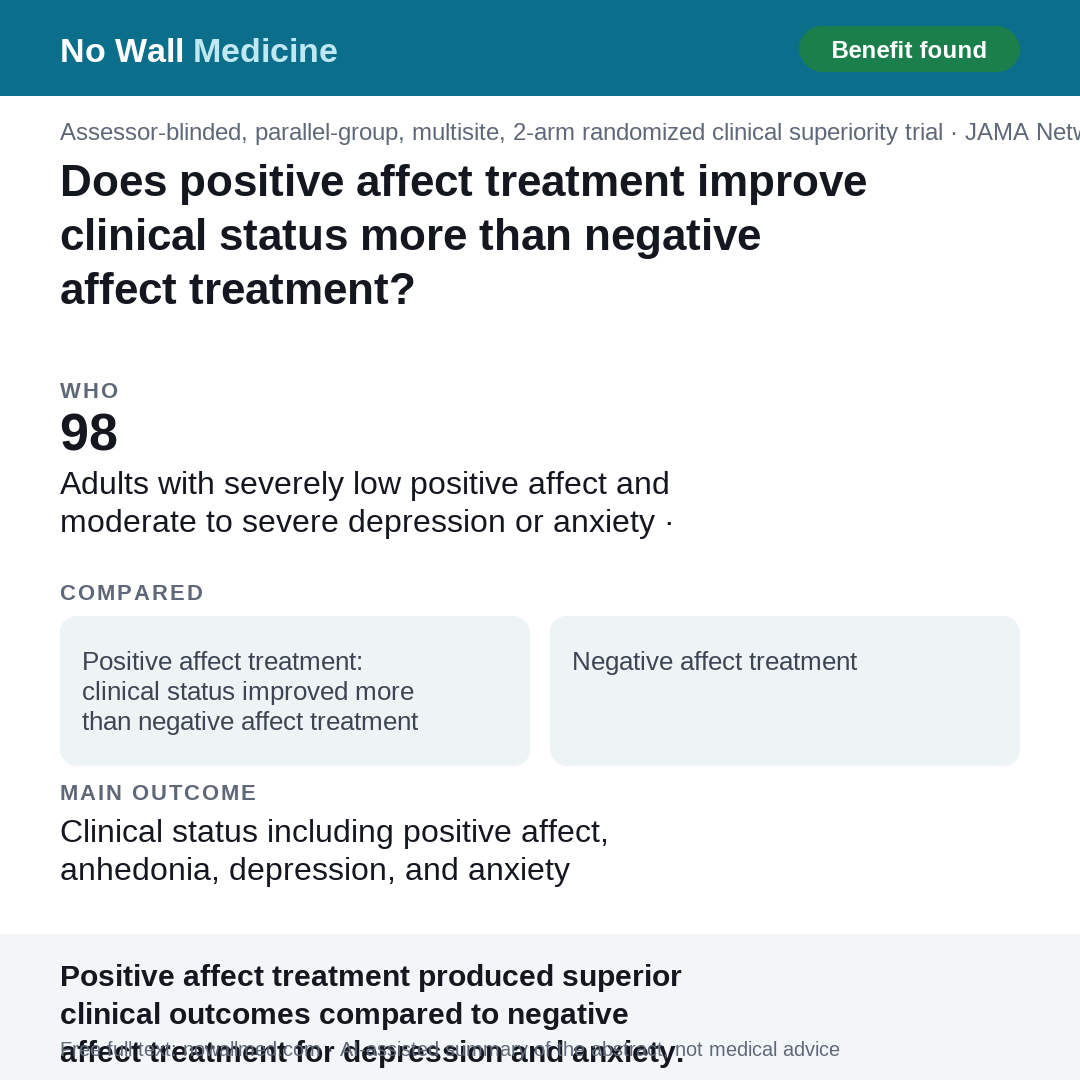
Positive Affect Treatment for Depression, Anxiety, and Low Positive Affect: A Randomized Clinical Trial
Assessor-blinded, parallel-group, multisite, 2-arm randomized clinical superiority trialBenefit found
Does positive affect treatment improve clinical status more than negative affect treatment?
Who
98
Adults with severely low positive affect and moderate to severe depression or anxiety · Academic outpatient treatment centers in California and Texas
Compared
Positive affect treatment: clinical status improved more than negative affect treatment
Negative affect treatment
Main outcome
Clinical status including positive affect, anhedonia, depression, and anxiety
Result: b = -0.06 (95% CI, -0.11 to -0.01)
Bottom line: Positive affect treatment produced superior clinical outcomes compared to negative affect treatment for depression and anxiety.
JAMA Netw Open · 2026-04-01Download image
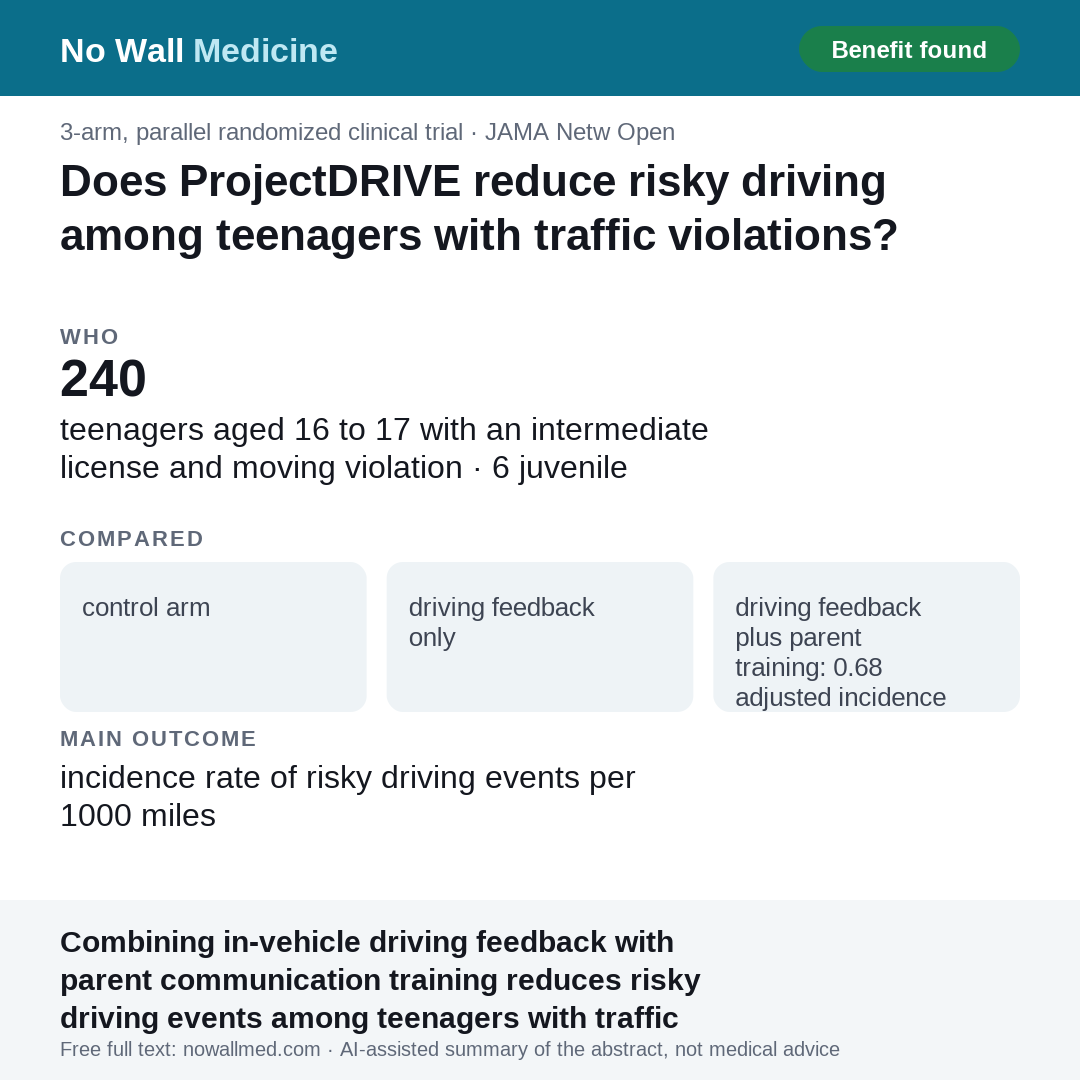
In-Vehicle Feedback With or Without Parent Communication Training and Teenage Driving Behaviors: A Randomized Clinical Trial
3-arm, parallel randomized clinical trialBenefit found
Does ProjectDRIVE reduce risky driving among teenagers with traffic violations?
Who
240
teenagers aged 16 to 17 with an intermediate license and moving violation · 6 juvenile traffic courts across Ohio
Compared
control arm
driving feedback only
driving feedback plus parent training: 0.68 adjusted incidence rate ratio
Main outcome
incidence rate of risky driving events per 1000 miles
Result: adjusted incidence rate ratio 0.68 (97.5% CI 0.51 to 0.90)
Bottom line: Combining in-vehicle driving feedback with parent communication training reduces risky driving events among teenagers with traffic violations.
JAMA Netw Open · 2026-04-01Download image