Visual abstracts
New randomized trials and meta-analyses from leading journals at a glance: who was studied, what was compared, and what was found. Every paper is free to read in full.
All specialtiesCardiology 4763Oncology 4043Gastroenterology & Hepatology 1903Infectious Disease 3756Neurology 1872Psychiatry & Mental Health 2216Pulmonology 2044Critical Care 1319Endocrinology & Diabetes 2544Pediatrics 2889Surgery 2480Orthopedics & Sports Medicine 917Neurosurgery 525Cardiothoracic & Vascular Surgery 656Plastic & Reconstructive Surgery 574Nephrology 1107Rheumatology 810Hematology 1090Dermatology 611Ophthalmology 532Obstetrics & Gynecology 1645Public & Global Health 1037Radiology & Imaging 619Anesthesiology 958Urology 745ENT (Otolaryngology) 494Emergency Medicine 481Allergy & Immunology 309Geriatrics 972Family Medicine & Primary Care 534Medical Genetics & Genomics 659Pathology & Laboratory Medicine 156Physical Medicine & Rehabilitation 734Palliative Care 421Nutrition 1560Digital Health & AI 2137General Medicine 318
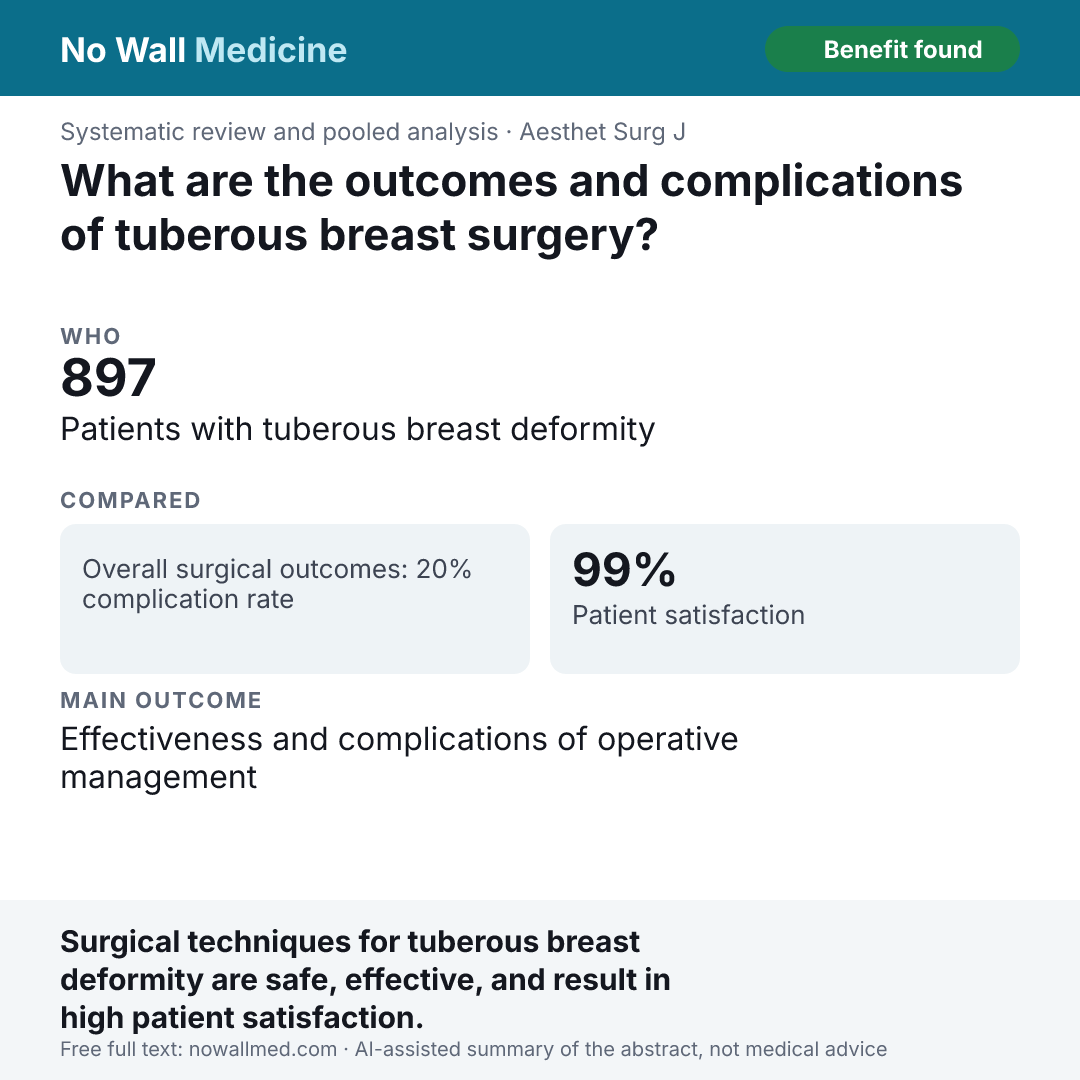
A Systematic Review of Outcomes and Complications of Tuberous Breast Surgery
Systematic review and pooled analysisBenefit found
What are the outcomes and complications of tuberous breast surgery?
Who
897
Patients with tuberous breast deformity
Compared
Overall surgical outcomes: 20% complication rate
99%Patient satisfaction
Main outcome
Effectiveness and complications of operative management
Bottom line: Surgical techniques for tuberous breast deformity are safe, effective, and result in high patient satisfaction.
Aesthet Surg J · 2023-07-13 · Save PNG
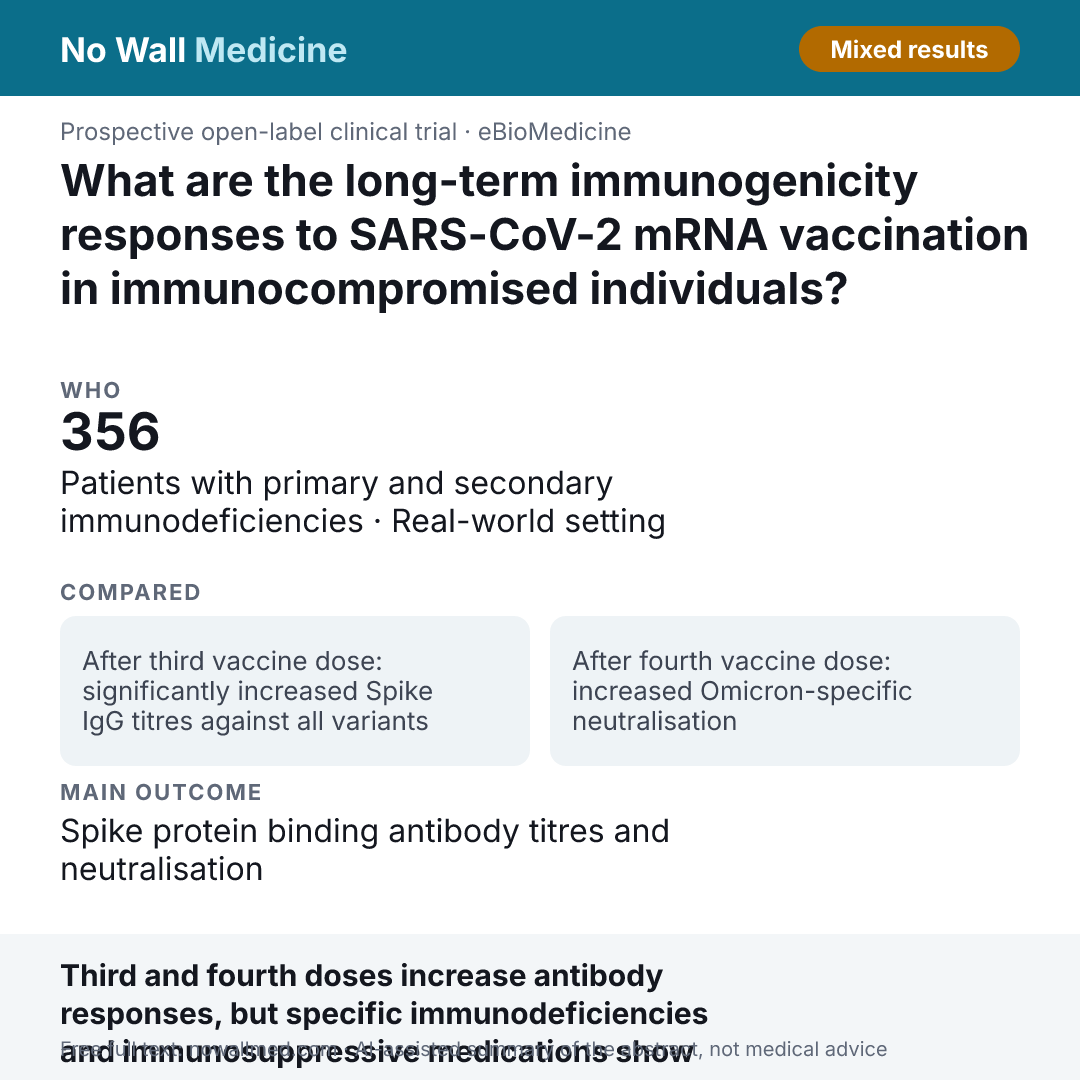
Real-world assessment of immunogenicity in immunocompromised individuals following SARS-CoV-2 mRNA vaccination: a one-year follow-up of the prospective clinical trial COVAXID
Prospective open-label clinical trialMixed results
What are the long-term immunogenicity responses to SARS-CoV-2 mRNA vaccination in immunocompromised individuals?
Who
356
Patients with primary and secondary immunodeficiencies · Real-world setting
Compared
After third vaccine dose: significantly increased Spike IgG titres against all variants
After fourth vaccine dose: increased Omicron-specific neutralisation
Main outcome
Spike protein binding antibody titres and neutralisation
Bottom line: Third and fourth doses increase antibody responses, but specific immunodeficiencies and immunosuppressive medications show weaker responses.
Funded by: Swedish Research Council, Knut and Alice Wallenberg Foundation, Nordstjernan AB, Region Stockholm, Karolinska Institutet
eBioMedicine · 2023-07-13 · Save PNG
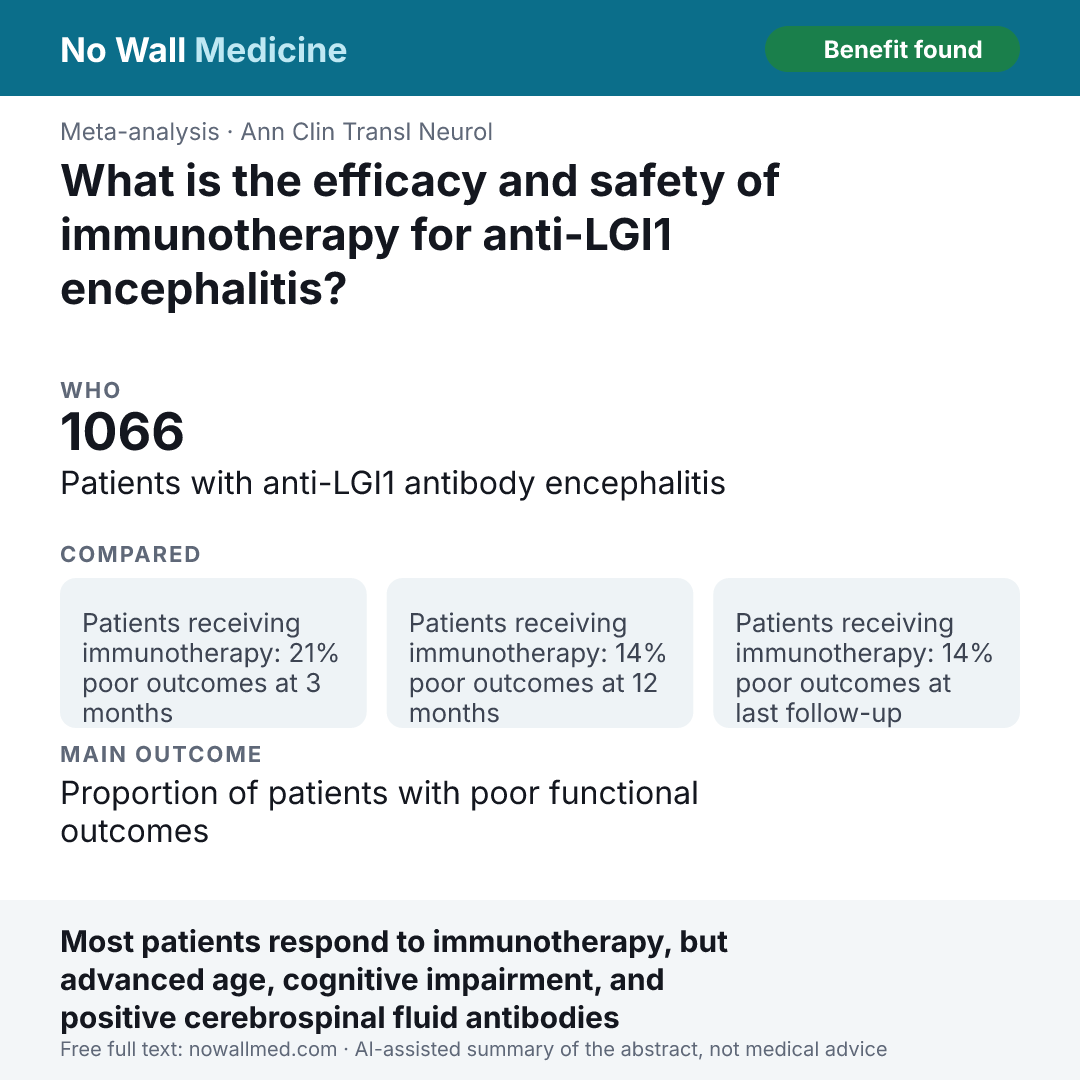
Efficacy of immunotherapy and prognosis in anti-LGI1 encephalitis patients: A meta-analysis
Meta-analysisBenefit found
What is the efficacy and safety of immunotherapy for anti-LGI1 encephalitis?
Who
1066
Patients with anti-LGI1 antibody encephalitis
Compared
Patients receiving immunotherapy: 21% poor outcomes at 3 months
Patients receiving immunotherapy: 14% poor outcomes at 12 months
Patients receiving immunotherapy: 14% poor outcomes at last follow-up
Main outcome
Proportion of patients with poor functional outcomes
Bottom line: Most patients respond to immunotherapy, but advanced age, cognitive impairment, and positive cerebrospinal fluid antibodies predict poor outcomes.
Limitation: The insufficiency of the data requires conclusions to be interpreted with caution.
Ann Clin Transl Neurol · 2023-07-13 · Save PNG
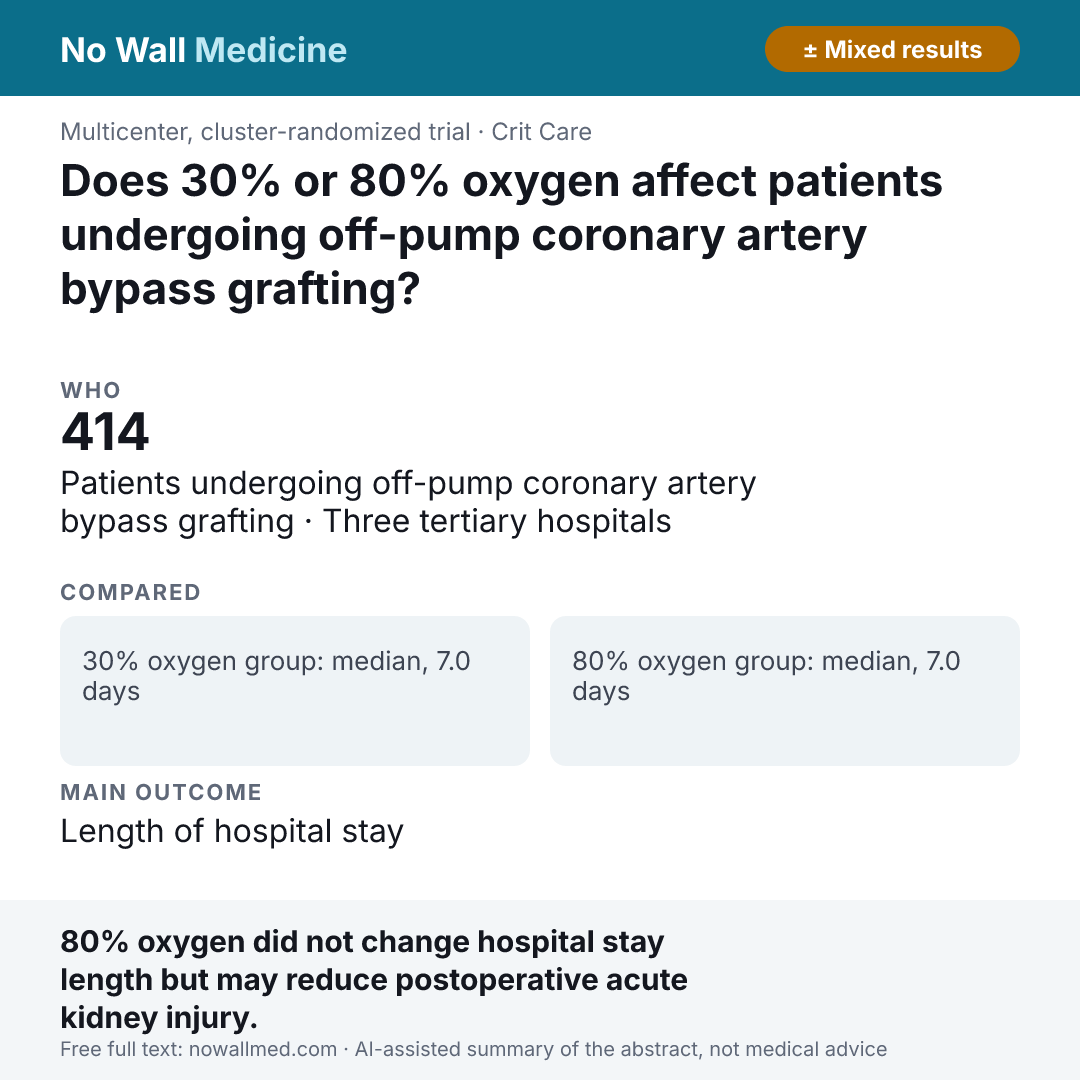
Effects of intraoperative inspired oxygen fraction (FiO2 0.3 vs 0.8) on patients undergoing off-pump coronary artery bypass grafting: the CARROT multicenter, cluster-randomized trial
Multicenter, cluster-randomized trialMixed results
Does 30% or 80% oxygen affect patients undergoing off-pump coronary artery bypass grafting?
Who
414
Patients undergoing off-pump coronary artery bypass grafting · Three tertiary hospitals
Compared
30% oxygen group: median, 7.0 days
80% oxygen group: median, 7.0 days
Main outcome
Length of hospital stay
Result: sub-distribution hazard ratio 0.98 (95% CI 0.83-1.16)
Bottom line: 80% oxygen did not change hospital stay length but may reduce postoperative acute kidney injury.
Crit Care · 2023-07-13 · Save PNG
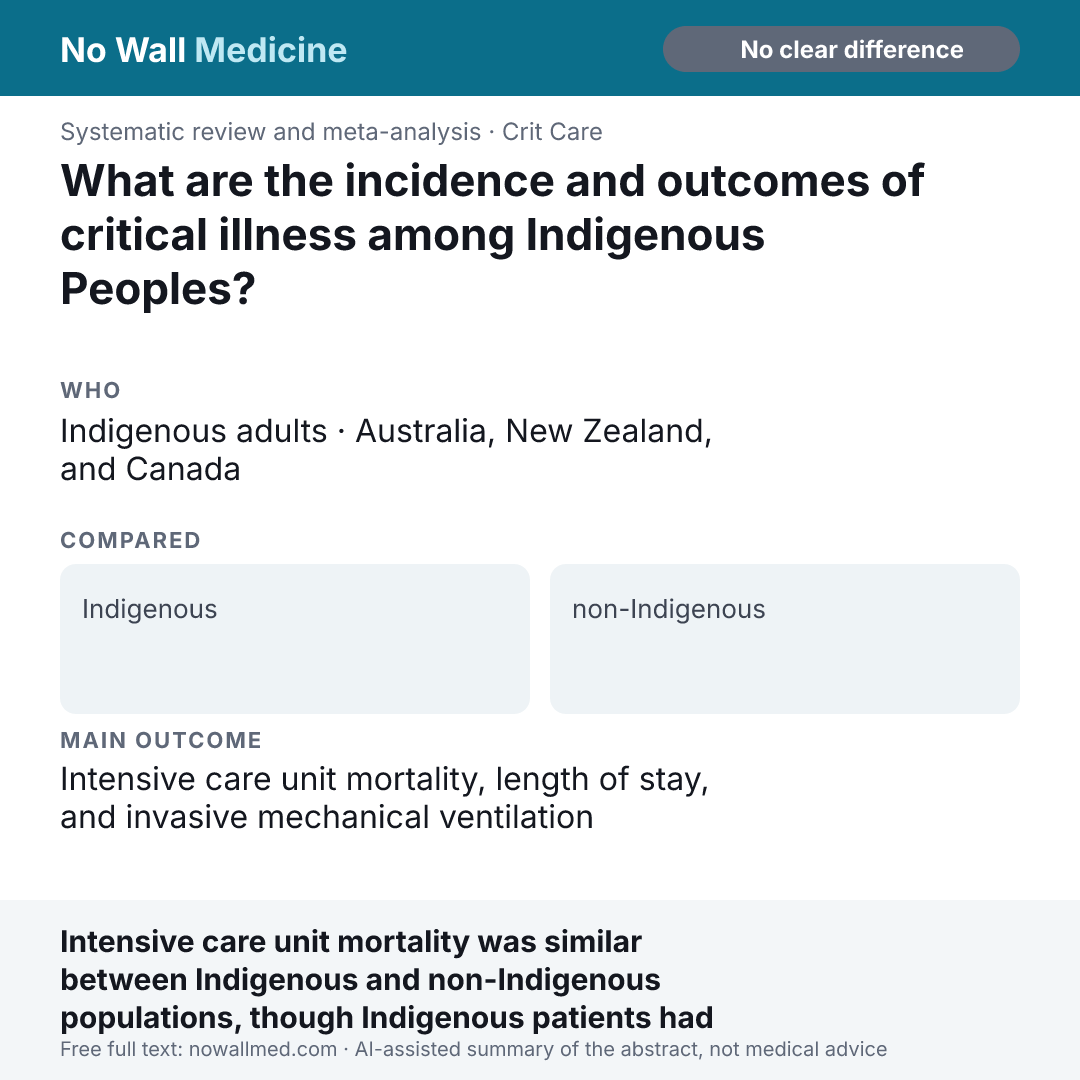
Incidence and outcomes of critical illness in indigenous peoples: a systematic review and meta-analysis
Systematic review and meta-analysisNo clear difference
What are the incidence and outcomes of critical illness among Indigenous Peoples?
Who
Indigenous adults · Australia, New Zealand, and Canada
Compared
Indigenous
non-Indigenous
Main outcome
Intensive care unit mortality, length of stay, and invasive mechanical ventilation
Result: risk ratio 1.14 (95%CI 0.98 to 1.34)
Bottom line: Intensive care unit mortality was similar between Indigenous and non-Indigenous populations, though Indigenous patients had shorter stays and less ventilation.
Limitation: Included studies had minimal incorporation of Indigenous perspectives or consultation.
Crit Care · 2023-07-13 · Save PNG
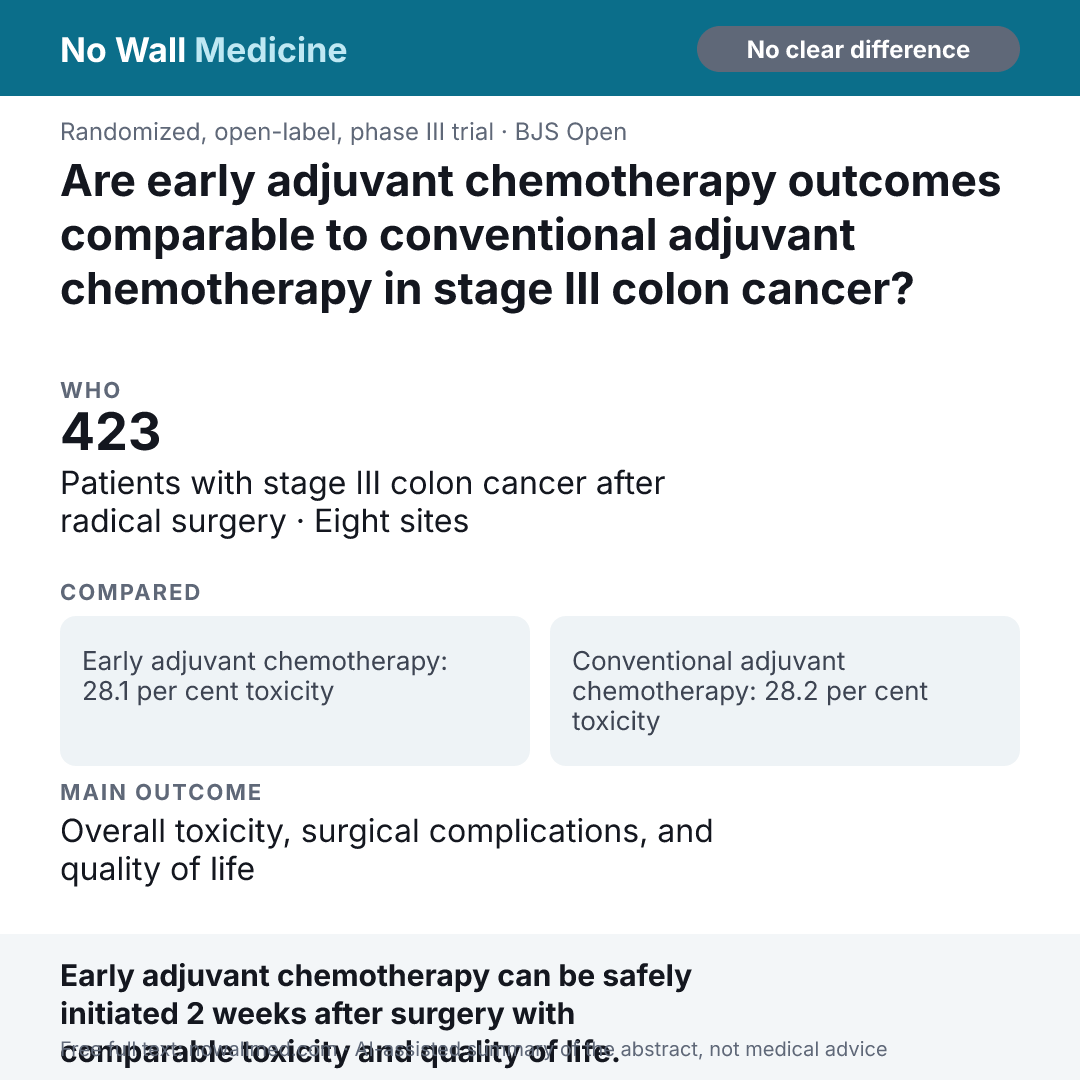
Short-term outcomes of Early versus conventional adjuvant chemotherapy in stage III colon cancer: randomized clinical trial
Randomized, open-label, phase III trialNo clear difference
Are early adjuvant chemotherapy outcomes comparable to conventional adjuvant chemotherapy in stage III colon cancer?
Who
423
Patients with stage III colon cancer after radical surgery · Eight sites
Compared
Early adjuvant chemotherapy: 28.1 per cent toxicity
Conventional adjuvant chemotherapy: 28.2 per cent toxicity
Main outcome
Overall toxicity, surgical complications, and quality of life
Bottom line: Early adjuvant chemotherapy can be safely initiated 2 weeks after surgery with comparable toxicity and quality of life.
BJS Open · 2023-07-13 · Save PNG
Assessing Interventions on Crowdsourcing Platforms to Nudge Patients for Engagement Behaviors in Primary Care Settings: Randomized Controlled Trial
Randomized controlled trialBenefit found
Do crowdsourced surveys work for patient engagement interventions?
Who
569
Patients in primary care settings · Amazon Mechanical Turk
Compared
Baseline
17.51%Monetary compensation
11.85%Psychological reward
24.35%Loss frame
Main outcome
Willingness to bring medicines
Bottom line: Nudges increase willingness to bring medicines
J Med Internet Res · 2023-07-13 · Save PNG

The Effectiveness of Digital Apps Providing Personalized Exercise Videos: Systematic Review With Meta-Analysis
Systematic review with meta-analysisBenefit, low certainty
Do digital apps providing personalized exercise videos improve rehabilitation outcomes?
Who
1050
People with short- and long-term disabling conditions
Compared
Personalized video exercise apps
Control
Main outcome
functional capacity
Result: standardized mean difference 0.35 (95% CI 0.19-0.51)
Bottom line: Personalized video exercise apps significantly improved physical function and confidence in exercise performance, though evidence quality was low.
Limitation: All included studies had a high overall risk of bias and evidence quality was low.
J Med Internet Res · 2023-07-13 · Save PNG

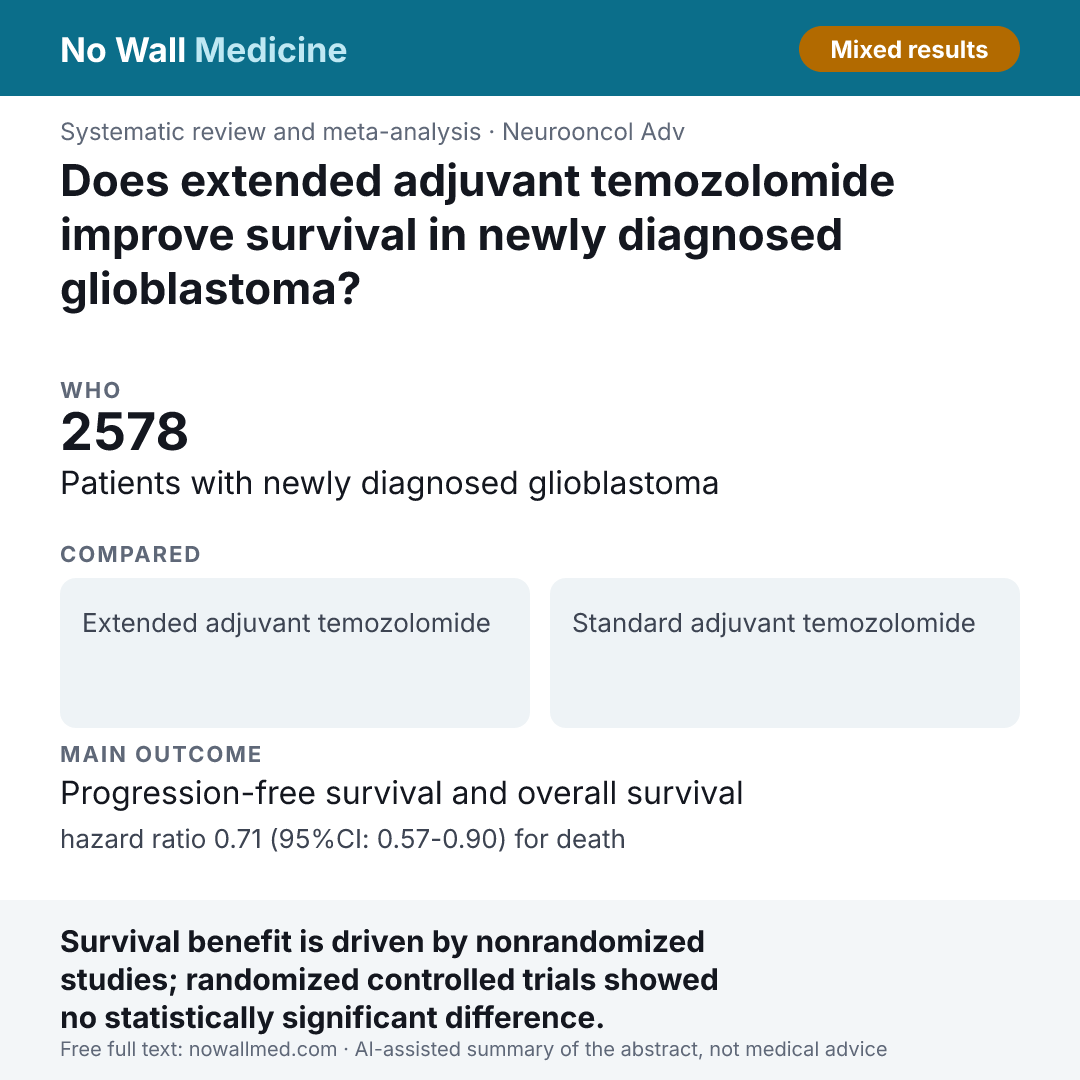
Updated systematic review and meta-analysis of extended adjuvant temozolomide in patients with newly diagnosed glioblastoma
Systematic review and meta-analysisMixed results
Does extended adjuvant temozolomide improve survival in newly diagnosed glioblastoma?
Who
2578
Patients with newly diagnosed glioblastoma
Compared
Extended adjuvant temozolomide
Standard adjuvant temozolomide
Main outcome
Progression-free survival and overall survival
Result: hazard ratio 0.71 (95%CI: 0.57-0.90) for death
Bottom line: Survival benefit is driven by nonrandomized studies; randomized controlled trials showed no statistically significant difference.
Limitation: Survival benefit was limited to retrospective nonrandomized comparative studies with high potential for bias.
Neurooncol Adv · 2023-07-13 · Save PNG
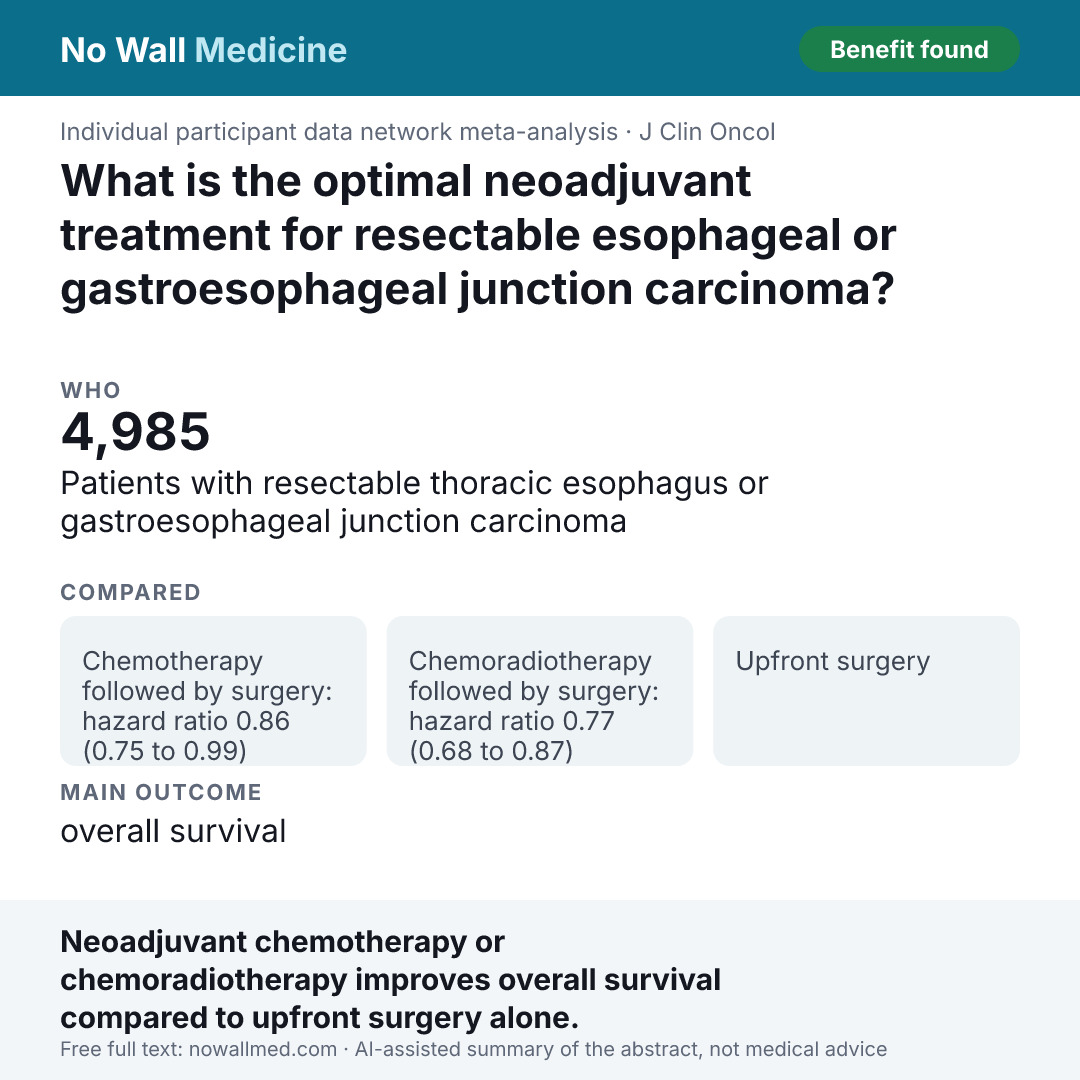
Individual Participant Data Network Meta-Analysis of Neoadjuvant Chemotherapy or Chemoradiotherapy in Esophageal or Gastroesophageal Junction Carcinoma
Individual participant data network meta-analysisBenefit found
What is the optimal neoadjuvant treatment for resectable esophageal or gastroesophageal junction carcinoma?
Who
4,985
Patients with resectable thoracic esophagus or gastroesophageal junction carcinoma
Compared
Chemotherapy followed by surgery: hazard ratio 0.86 (0.75 to 0.99)
Chemoradiotherapy followed by surgery: hazard ratio 0.77 (0.68 to 0.87)
Upfront surgery
Main outcome
overall survival
Result: hazard ratio 0.90 (0.74 to 1.09) for chemoradiotherapy versus chemotherapy
Bottom line: Neoadjuvant chemotherapy or chemoradiotherapy improves overall survival compared to upfront surgery alone.
J Clin Oncol · 2023-07-12 · Save PNG
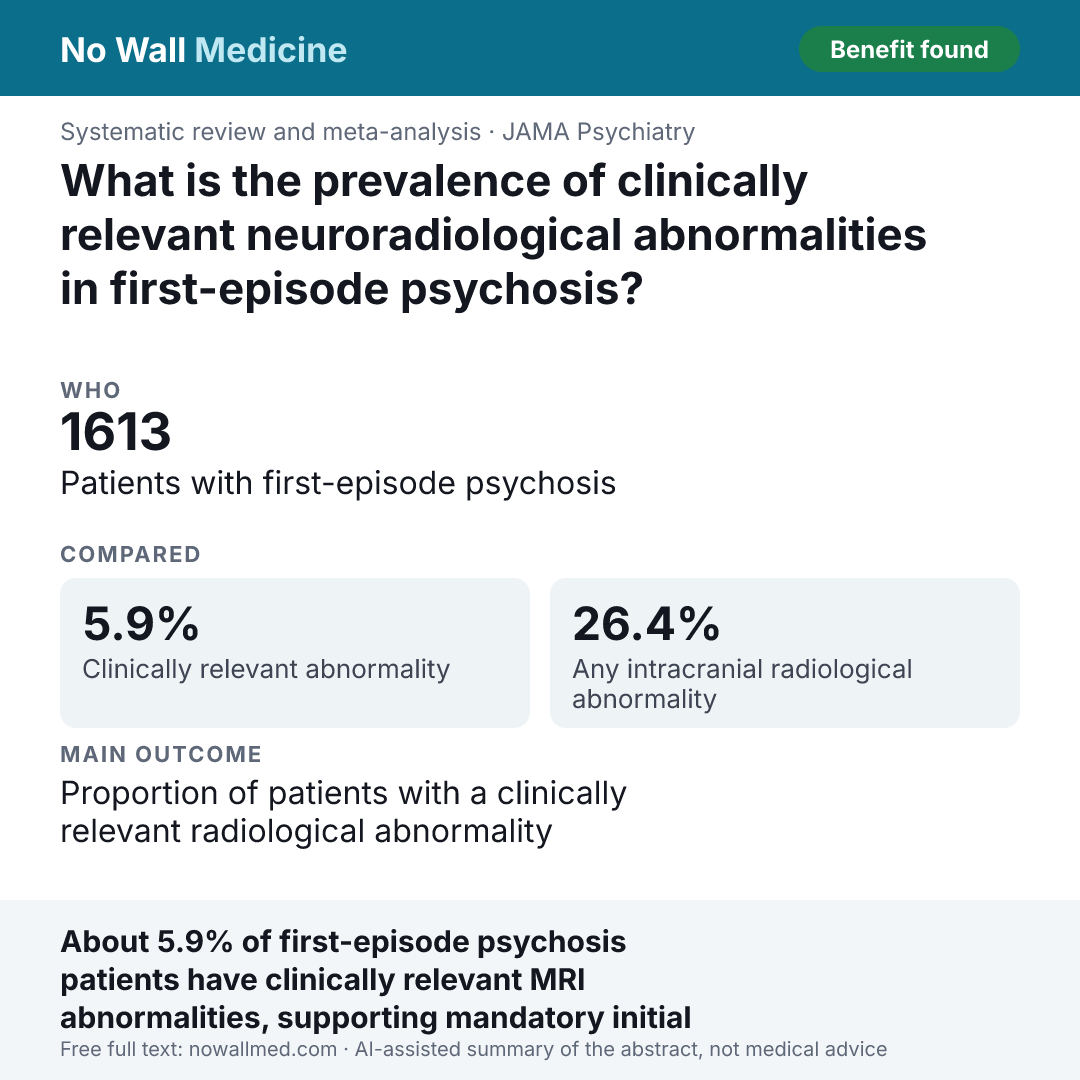
Prevalence of Neuroradiological Abnormalities in First-Episode Psychosis: A Systematic Review and Meta-analysis
Systematic review and meta-analysisBenefit found
What is the prevalence of clinically relevant neuroradiological abnormalities in first-episode psychosis?
Who
1613
Patients with first-episode psychosis
Compared
5.9%Clinically relevant abnormality (95% CI, 3.2%-9.0%)
26.4%Any intracranial radiological abnormality (95% CI, 16.3%-37.9%)
Main outcome
Proportion of patients with a clinically relevant radiological abnormality
Bottom line: About 5.9% of first-episode psychosis patients have clinically relevant MRI abnormalities, supporting mandatory initial brain imaging.
Limitation: There were high degrees of heterogeneity among the studies for these outcomes.
JAMA Psychiatry · 2023-07-12 · Save PNG
Prognostic models for surgical-site infection in gastrointestinal surgery: systematic review
Systematic reviewUnclear result
Prognostic models for surgical site infection
Who
Gastrointestinal surgery patients
Compared
Existing models
Externally validated models
Main outcome
Surgical site infection
Bottom line: Existing tools insufficient for routine use
Limitation: Substantial heterogeneity and bias
Br J Surg · 2023-07-12 · Save PNG
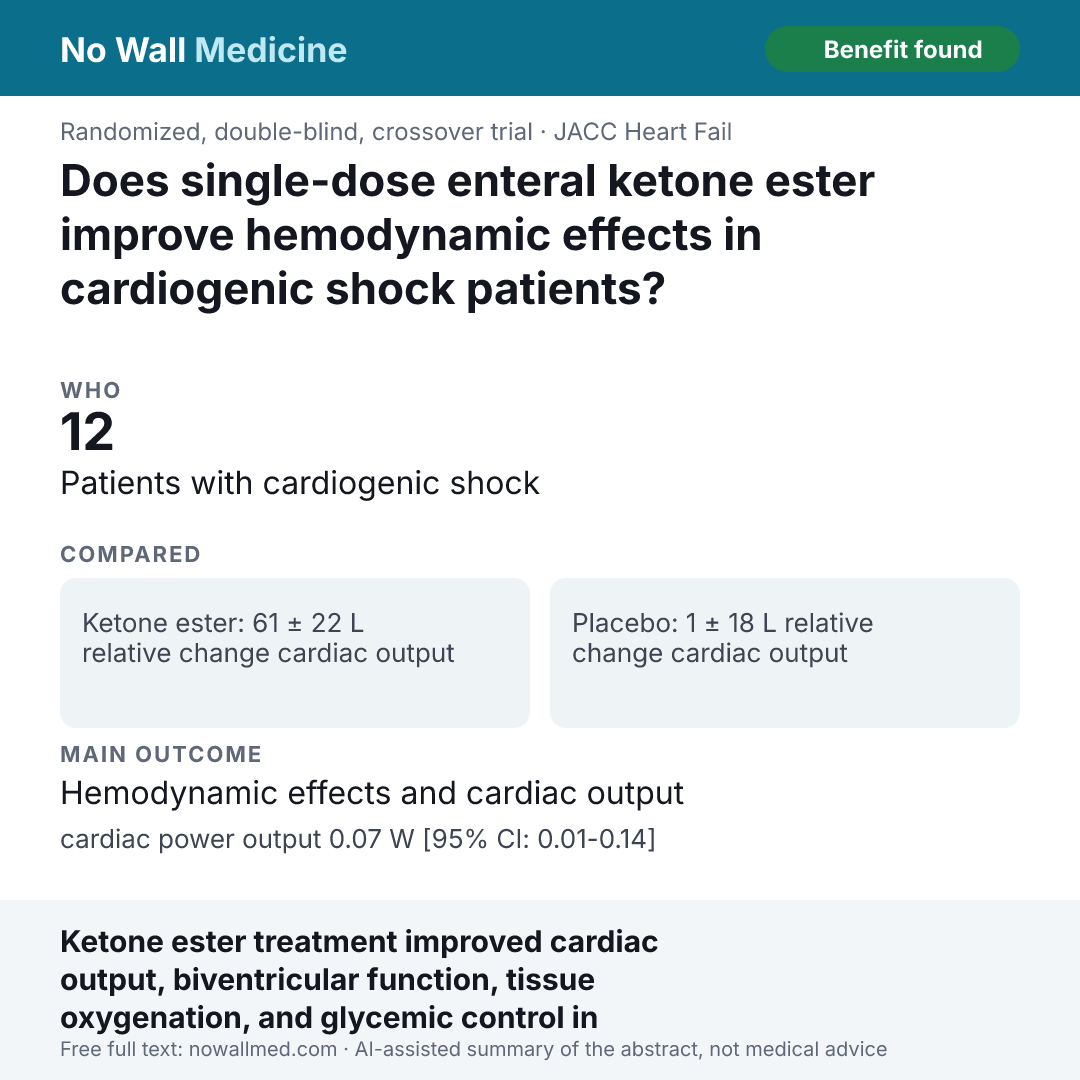
Beneficial Effects of Ketone Ester in Patients With Cardiogenic Shock: A Randomized, Controlled, Double-Blind Trial
Randomized, double-blind, crossover trialBenefit found
Does single-dose enteral ketone ester improve hemodynamic effects in cardiogenic shock patients?
Who
12
Patients with cardiogenic shock
Compared
Ketone ester: 61 ± 22 L relative change cardiac output
Placebo: 1 ± 18 L relative change cardiac output
Main outcome
Hemodynamic effects and cardiac output
Result: cardiac power output 0.07 W [95% CI: 0.01-0.14]
Bottom line: Ketone ester treatment improved cardiac output, biventricular function, tissue oxygenation, and glycemic control in cardiogenic shock patients.
JACC Heart Fail · 2023-07-12 · Save PNG
Cost-effectiveness analysis of 7 treatments in metastatic hormone-sensitive prostate cancer: a public-payer perspective
Economic evaluationBenefit found
Cost-effectiveness of prostate cancer treatments
Who
7208
metastatic hormone-sensitive prostate cancer patients · US public sector
Compared
androgen deprivation therapy: 3.25 QALYs
abiraterone acetate-prednisone androgen deprivation therapy
Main outcome
quality-adjusted life-years
Result: incremental cost-effectiveness ratios = $21 247/QALY
Bottom line: Abiraterone acetate-prednisone is most cost-effective
J Natl Cancer Inst · 2023-07-12 · Save PNG
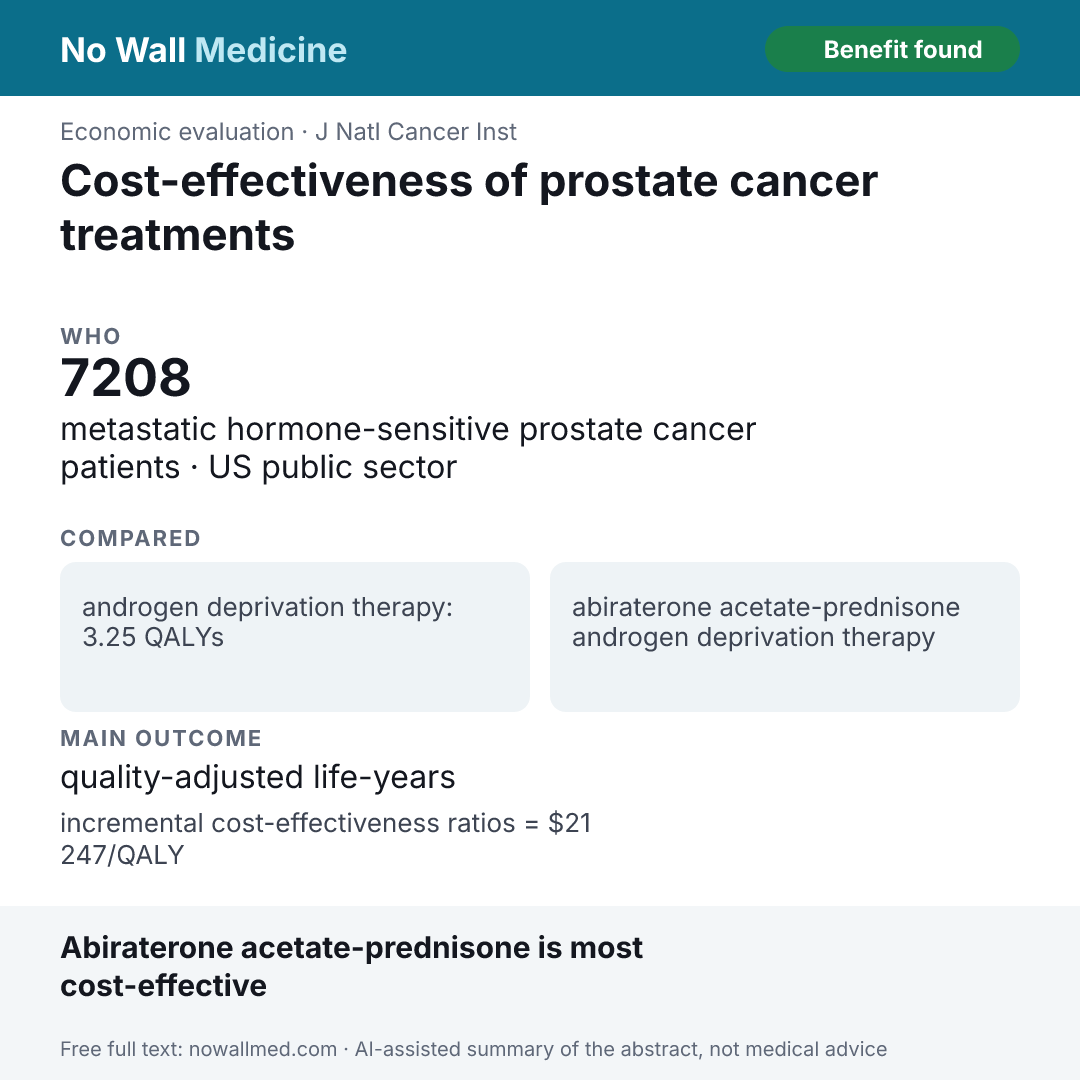
Trends in HIV testing, the treatment cascade, and HIV incidence among men who have sex with men in Africa: a systematic review and meta-analysis
Meta-analysis of 152 studiesNo clear difference
HIV trends among men who have sex with men in Africa
Who
men who have sex with men in Africa · Africa
Compared
men who have sex with men: 73% (62-87) had ever tested for HIV
all men
Main outcome
HIV incidence
Result: incidence ratio per year 0·96 (95% CrI 0·63-1·50)
Bottom line: HIV incidence remains high among men who have sex with men
Funded by: US National Institutes of Health
Lancet HIV · 2023-07-12 · Save PNG
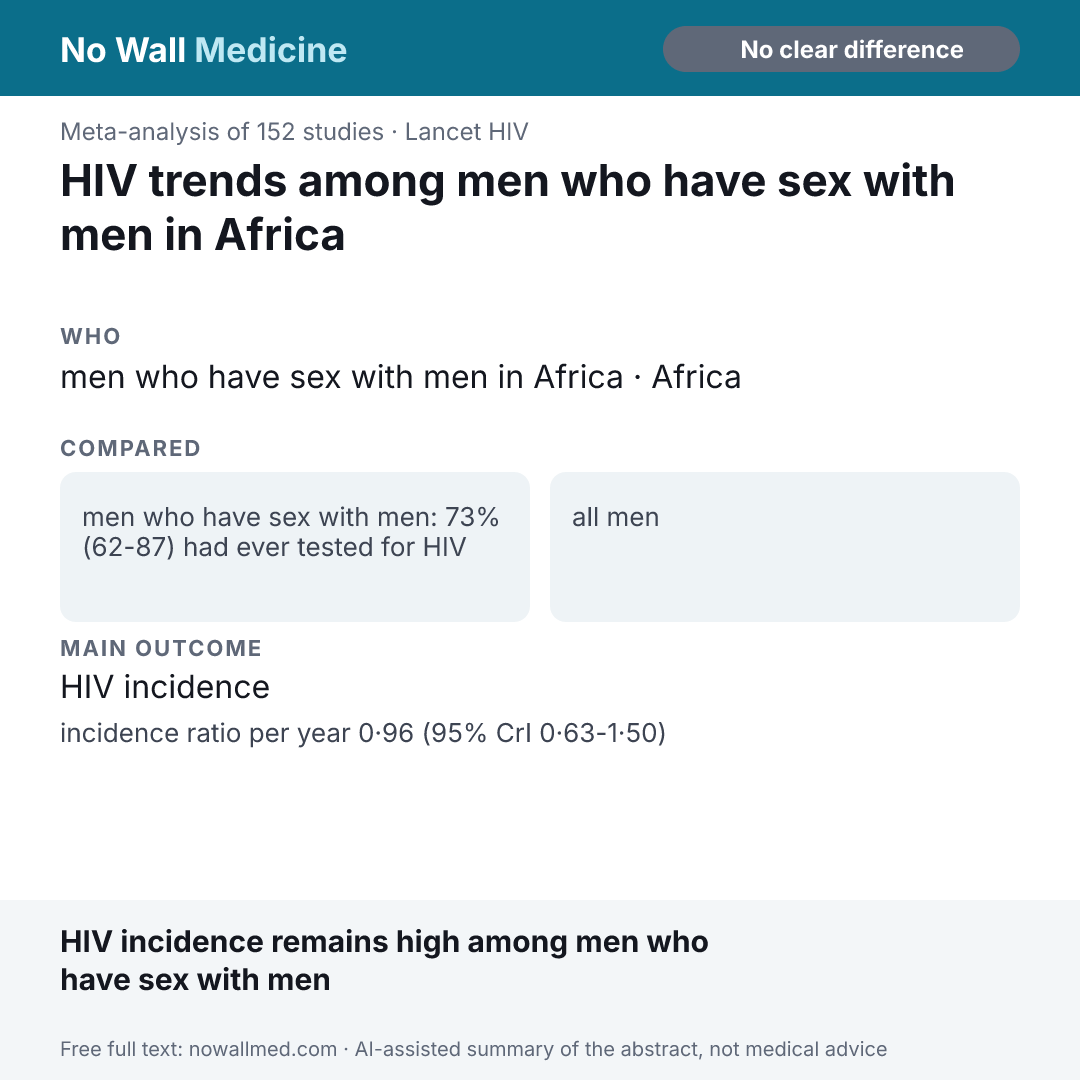
Mastectomy Skin Flap Stability Prediction Using Indocyanine Green Angiography: A Randomized Prospective Trial
Randomized prospective trialMixed results
Does intraoperative indocyanine green angiography impact breast reconstruction skin flap outcomes?
Who
64
Patients undergoing immediate breast reconstruction · at the authors' institution
Compared
experimental group undergoing indocyanine green angiography: 82.8% partial-thickness necrosis
control group undergoing gross inspection alone: 55.6% partial-thickness necrosis
Main outcome
skin flap necrosis and skin erosion
Bottom line: Indocyanine green angiography enables more active intraoperative debridement, potentially contributing to a lower incidence of advanced skin necrosis.
Aesthet Surg J · 2023-07-12 · Save PNG
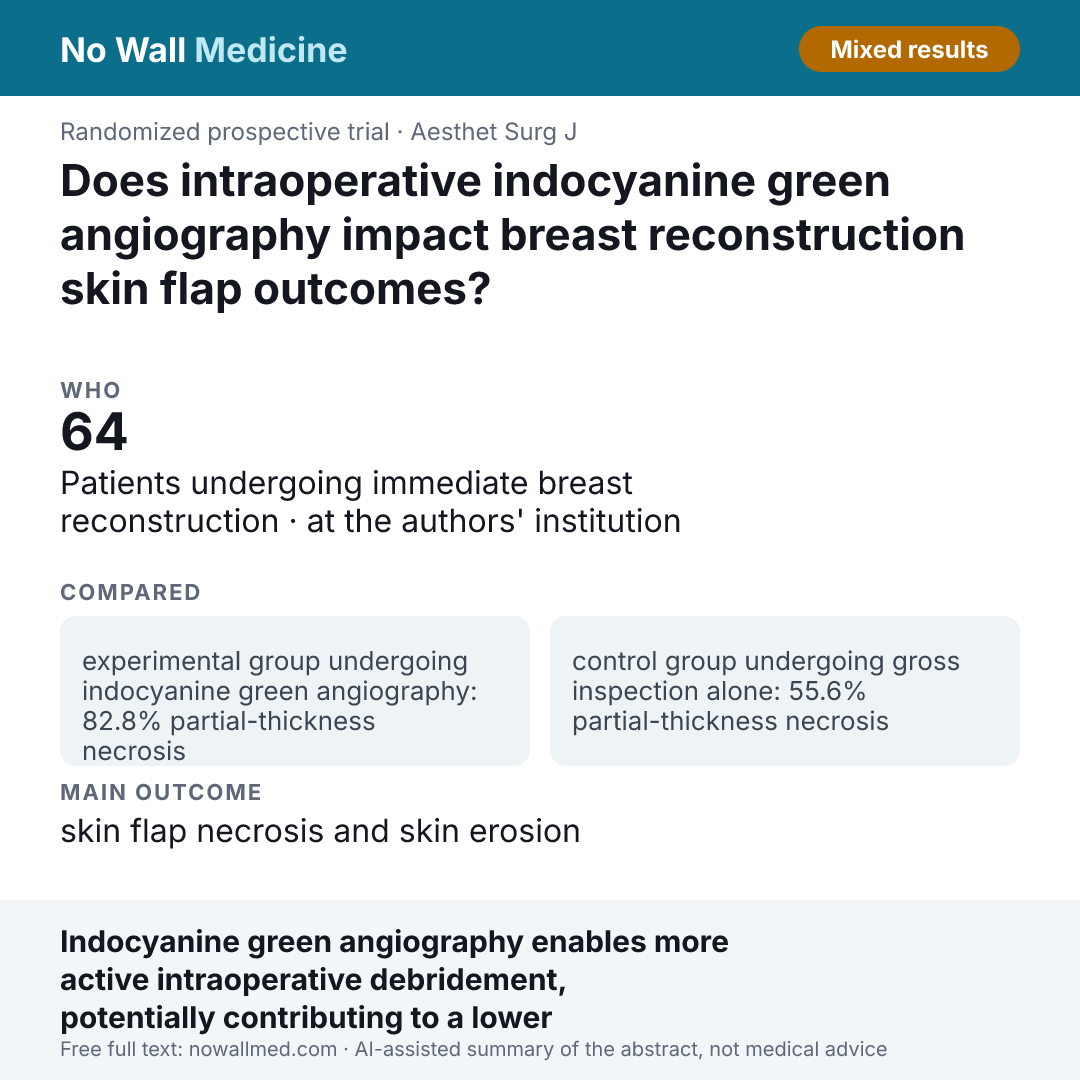
Insulin growth factor axis and cardio-renal risk in diabetic kidney disease: an analysis from the CREDENCE trial
Analysis from a randomized trialHarm found
Association of IGF-1 and IGFBP-3 with cardio-renal outcomes in type 2 diabetes?
Who
2627
Individuals with type 2 diabetes and chronic kidney disease
Compared
17.8%Elevated IGF-1
12.7%Below age-specific cutoffs
Main outcome
Composite of end-stage kidney disease, creatinine doubling, or renal/cardiovascular death
Result: hazard ratio 1.52 (95% CI 1.09-2.13)
Bottom line: Elevated insulin-like growth factor-1 is associated with higher risk of cardio-renal outcomes in type 2 diabetes.
Cardiovasc Diabetol · 2023-07-12 · Save PNG
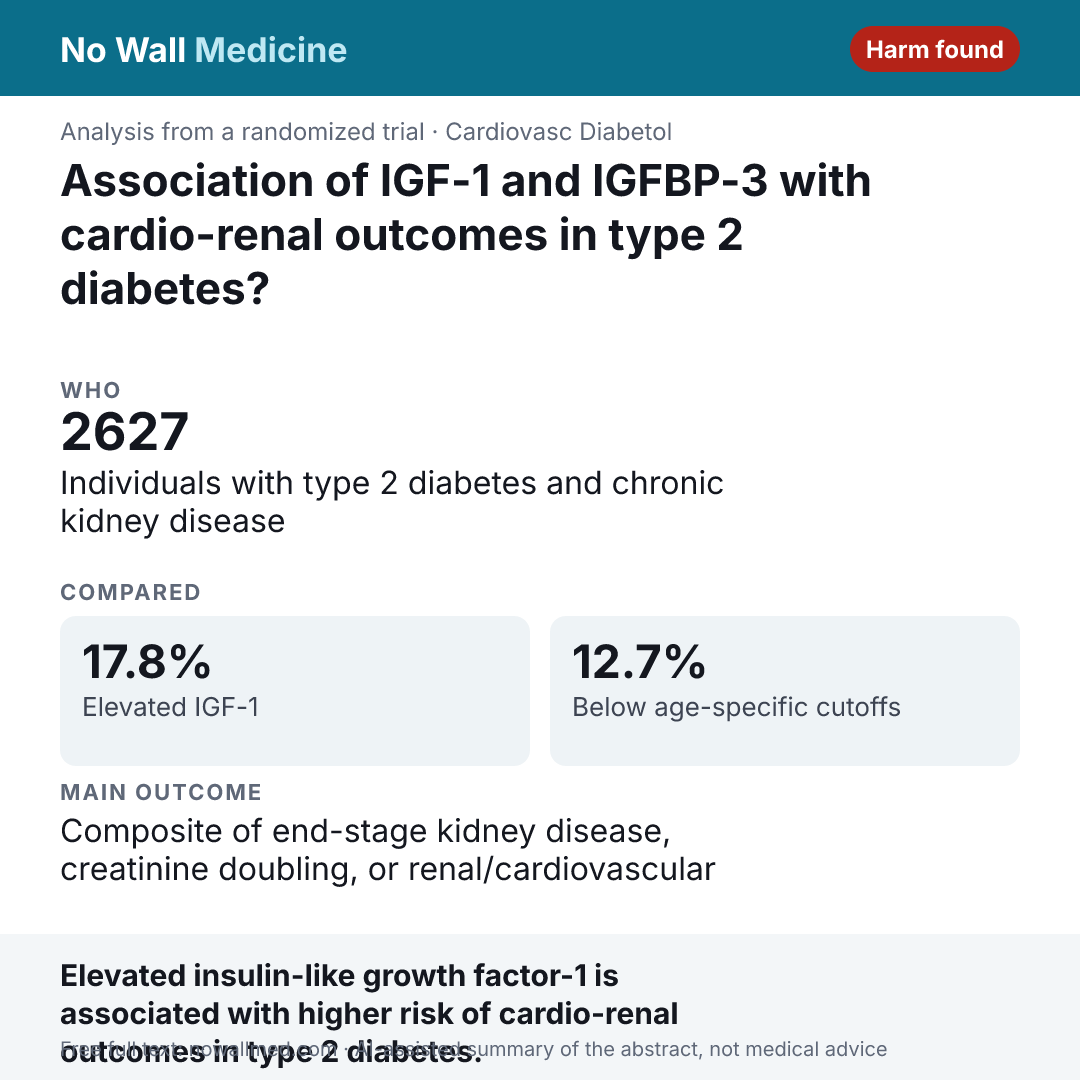
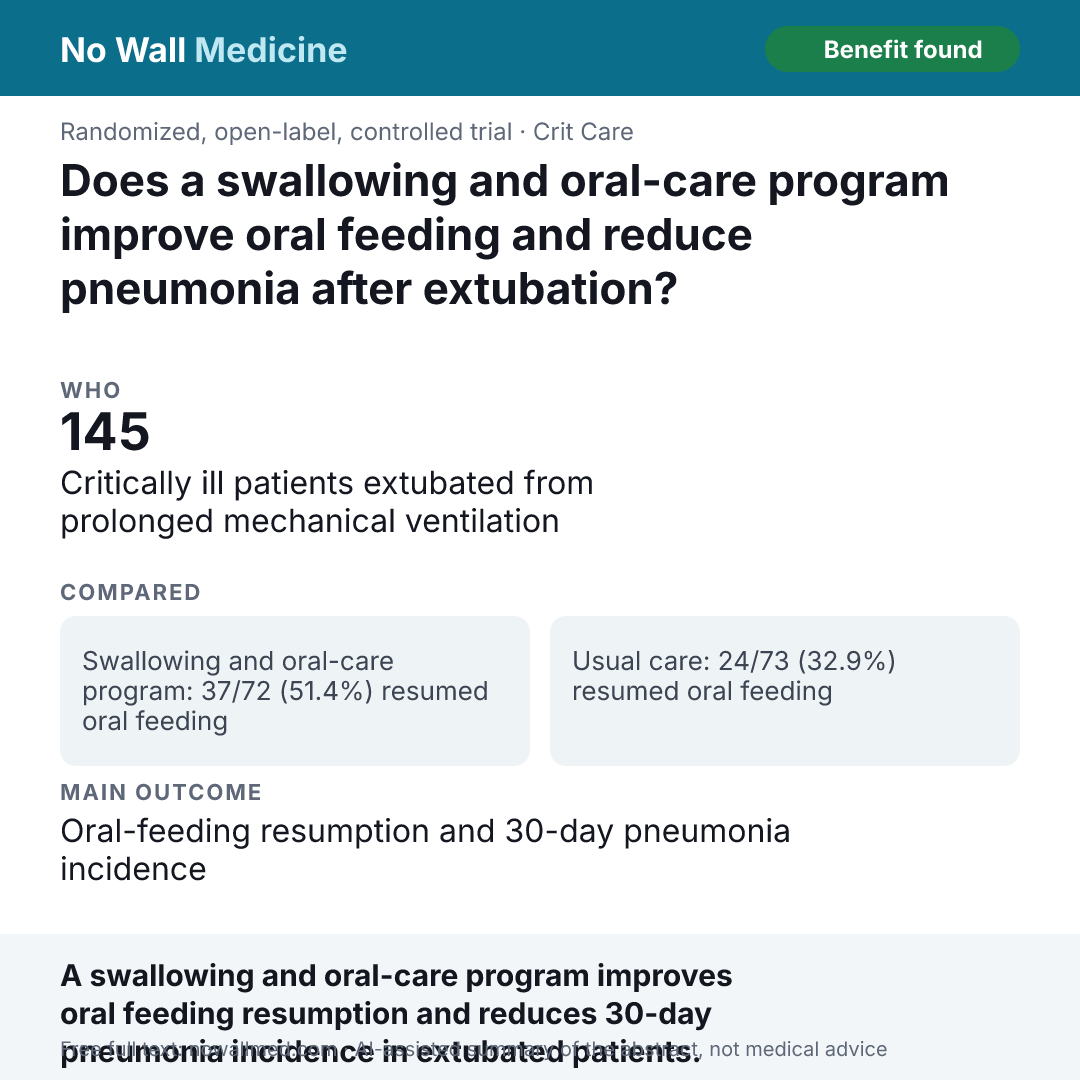
Effects of a swallowing and oral-care program on resuming oral feeding and reducing pneumonia in patients following endotracheal extubation: a randomized, open-label, controlled trial
Randomized, open-label, controlled trialBenefit found
Does a swallowing and oral-care program improve oral feeding and reduce pneumonia after extubation?
Who
145
Critically ill patients extubated from prolonged mechanical ventilation
Compared
Swallowing and oral-care program: 37/72 (51.4%) resumed oral feeding
Usual care: 24/73 (32.9%) resumed oral feeding
Main outcome
Oral-feeding resumption and 30-day pneumonia incidence
Result: adjusted hazard ratio 2.35 (95% CI 1.38-4.01) and adjusted odds ratio 0.28 (95% CI 0.12-0.65)
Bottom line: A swallowing and oral-care program improves oral feeding resumption and reduces 30-day pneumonia incidence in extubated patients.
Crit Care · 2023-07-12 · Save PNG
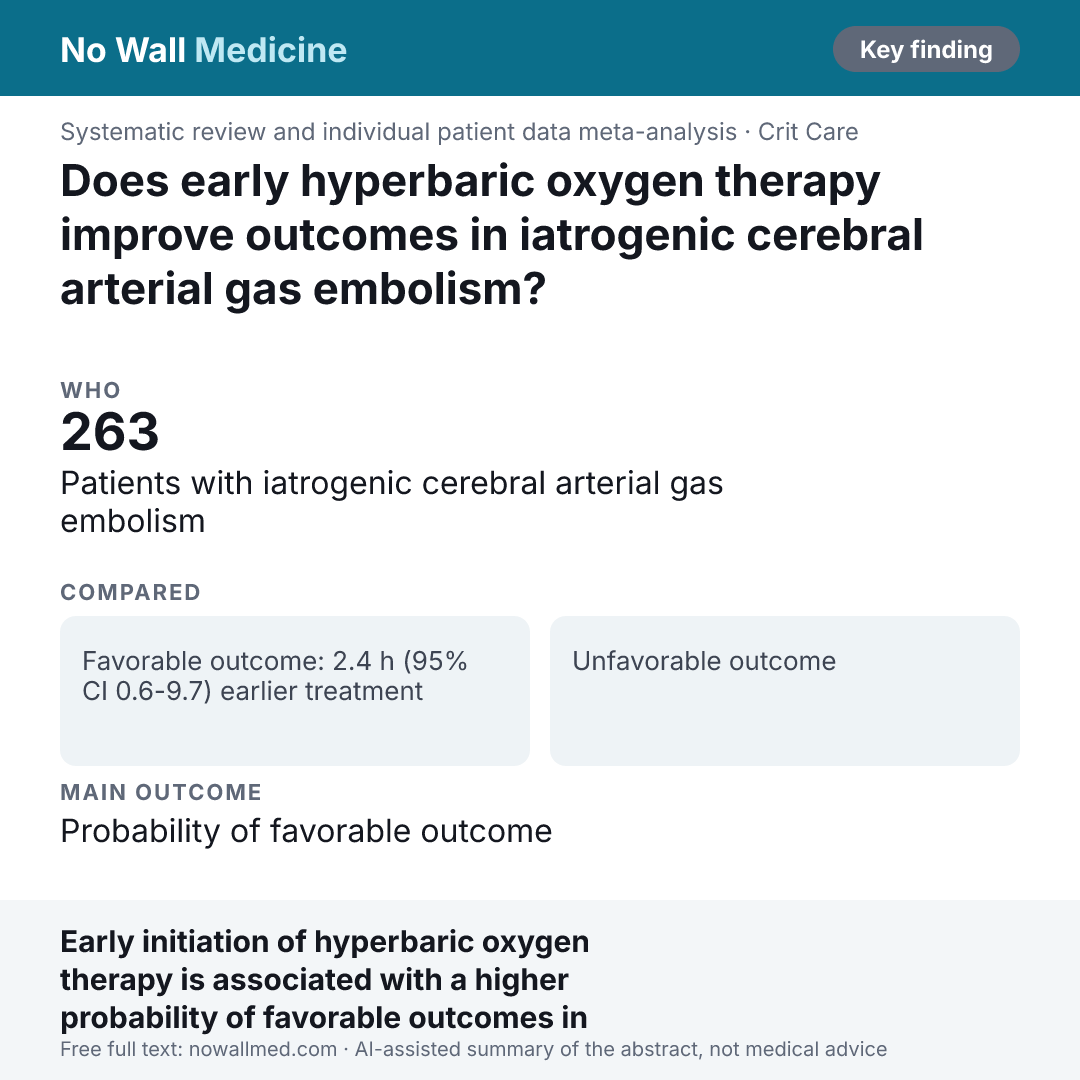
Early hyperbaric oxygen therapy is associated with favorable outcome in patients with iatrogenic cerebral arterial gas embolism: systematic review and individual patient data meta-analysis of observational studies
Systematic review and individual patient data meta-analysisKey finding
Does early hyperbaric oxygen therapy improve outcomes in iatrogenic cerebral arterial gas embolism?
Who
263
Patients with iatrogenic cerebral arterial gas embolism
Compared
Favorable outcome: 2.4 h (95% CI 0.6-9.7) earlier treatment
Unfavorable outcome
Main outcome
Probability of favorable outcome
Bottom line: Early initiation of hyperbaric oxygen therapy is associated with a higher probability of favorable outcomes in iatrogenic cerebral arterial gas embolism.
Limitation: The study was based on observational studies.
Crit Care · 2023-07-12 · Save PNG
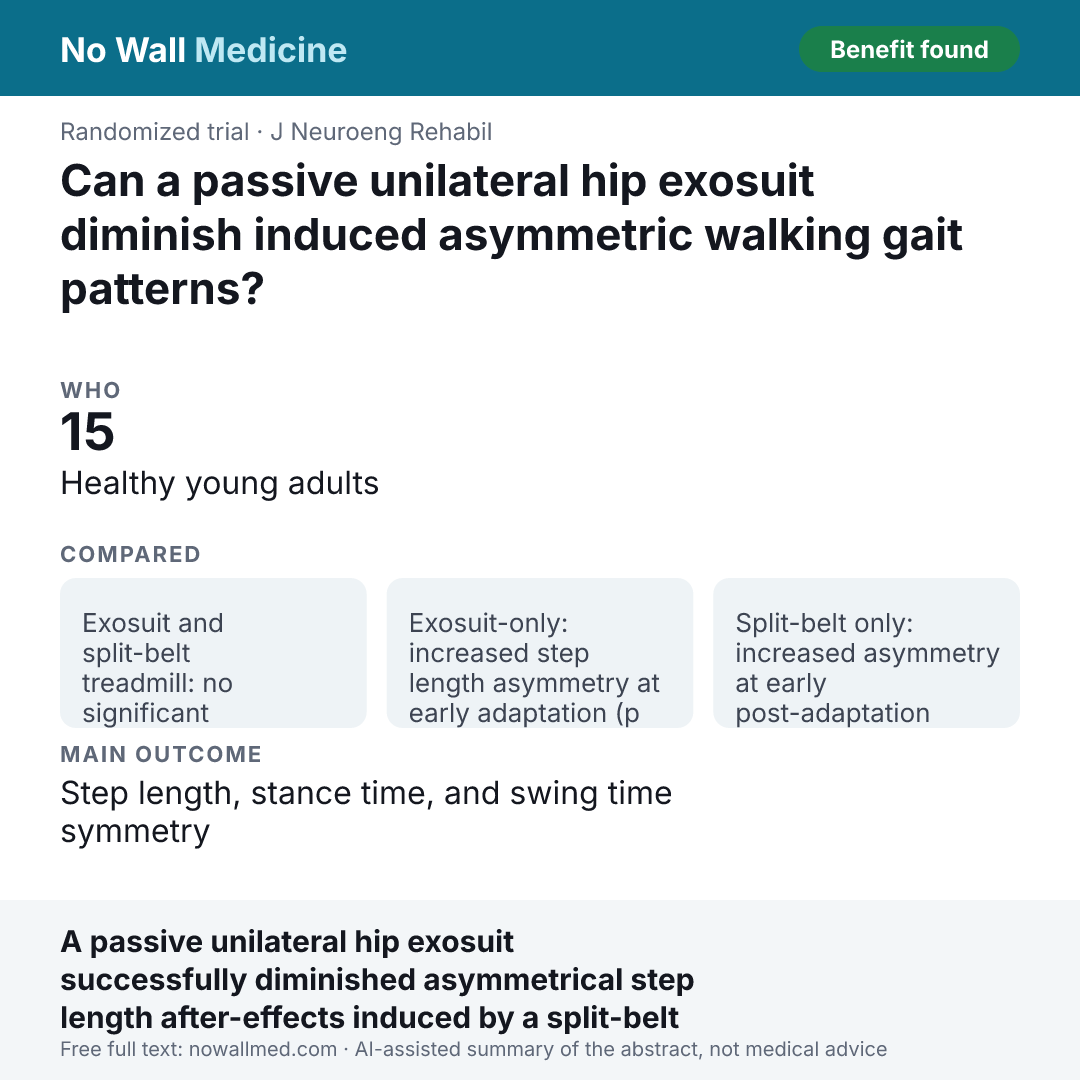
Can a passive unilateral hip exosuit diminish walking asymmetry? A randomized trial
Randomized trialBenefit found
Can a passive unilateral hip exosuit diminish induced asymmetric walking gait patterns?
Who
15
Healthy young adults
Compared
Exosuit and split-belt treadmill: no significant after-effect between early post-adaptation and baseline (p = 0.0885)
Exosuit-only: increased step length asymmetry at early adaptation (p = 0.0392)
Split-belt only: increased asymmetry at early post-adaptation compared to baseline (p < 0.0001)
Main outcome
Step length, stance time, and swing time symmetry
Bottom line: A passive unilateral hip exosuit successfully diminished asymmetrical step length after-effects induced by a split-belt treadmill.
J Neuroeng Rehabil · 2023-07-12 · Save PNG