Visual abstracts
New randomized trials and meta-analyses from leading journals at a glance: who was studied, what was compared, and what was found. Every paper is free to read in full.
All specialtiesCardiology 4877Oncology 4138Gastroenterology & Hepatology 1942Infectious Disease 3837Neurology 1905Psychiatry & Mental Health 2273Pulmonology 2143Critical Care 1365Endocrinology & Diabetes 2580Pediatrics 2980Surgery 2559Orthopedics & Sports Medicine 931Neurosurgery 537Cardiothoracic & Vascular Surgery 674Plastic & Reconstructive Surgery 591Nephrology 1133Rheumatology 823Hematology 1109Dermatology 621Ophthalmology 543Obstetrics & Gynecology 1686Public & Global Health 1058Radiology & Imaging 648Anesthesiology 986Urology 764ENT (Otolaryngology) 503Emergency Medicine 511Allergy & Immunology 313Geriatrics 981Family Medicine & Primary Care 562Medical Genetics & Genomics 676Pathology & Laboratory Medicine 159Physical Medicine & Rehabilitation 757Palliative Care 444Nutrition 1588Digital Health & AI 2201General Medicine 321
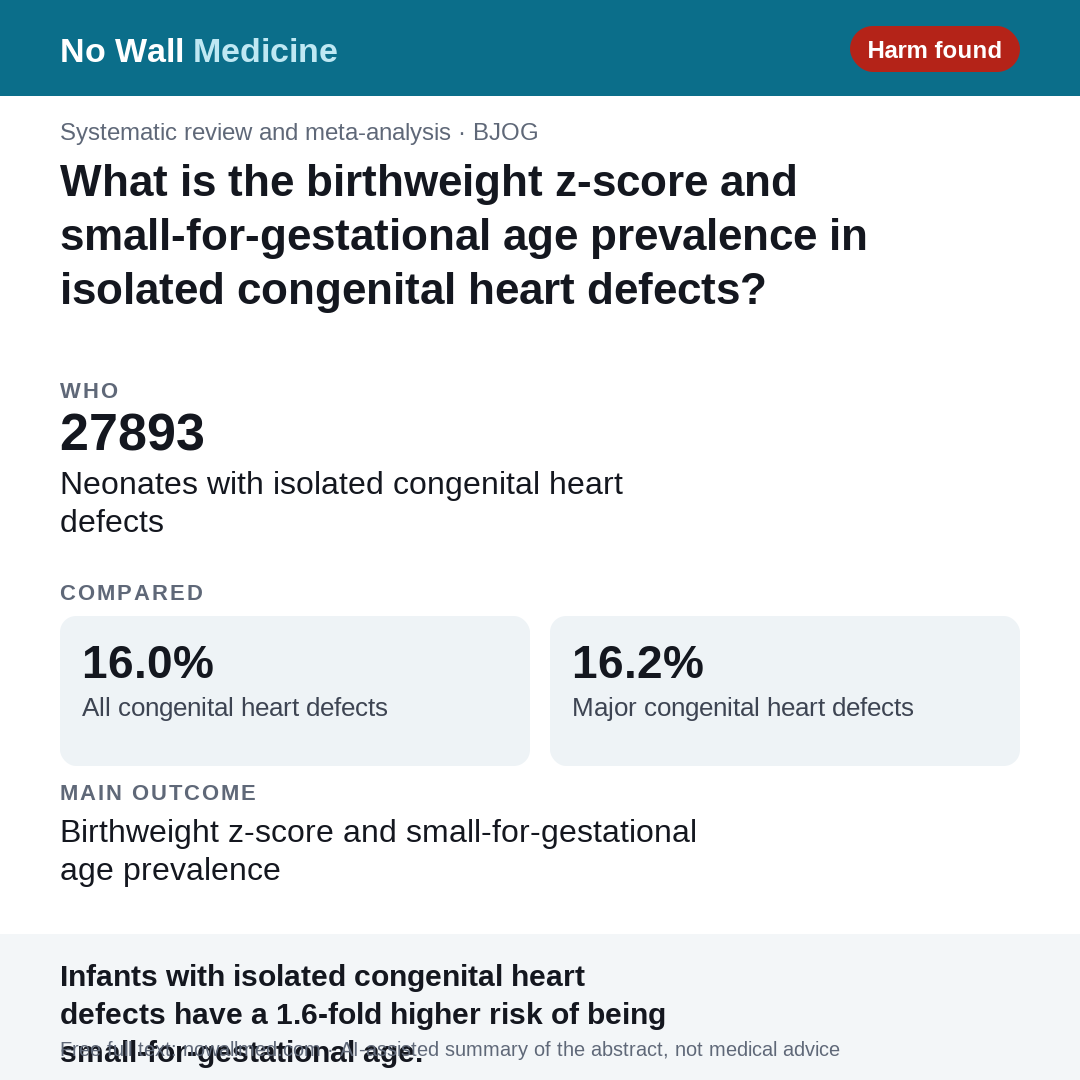
Birthweight and isolated congenital heart defects - A systematic review and meta-analysis
Systematic review and meta-analysisHarm found
What is the birthweight z-score and small-for-gestational age prevalence in isolated congenital heart defects?
Who
27893
Neonates with isolated congenital heart defects
Compared
16.0%All congenital heart defects (95% CI 11.4-20.5)
16.2%Major congenital heart defects
Main outcome
Birthweight z-score and small-for-gestational age prevalence
Result: pooled z-score of -0.20 (95% CI -0.50 to 0.11)
Bottom line: Infants with isolated congenital heart defects have a 1.6-fold higher risk of being small-for-gestational age.
Limitation: Future research should include all types of congenital heart defects and placental-related disease.
BJOG · 2022-04-15Download image
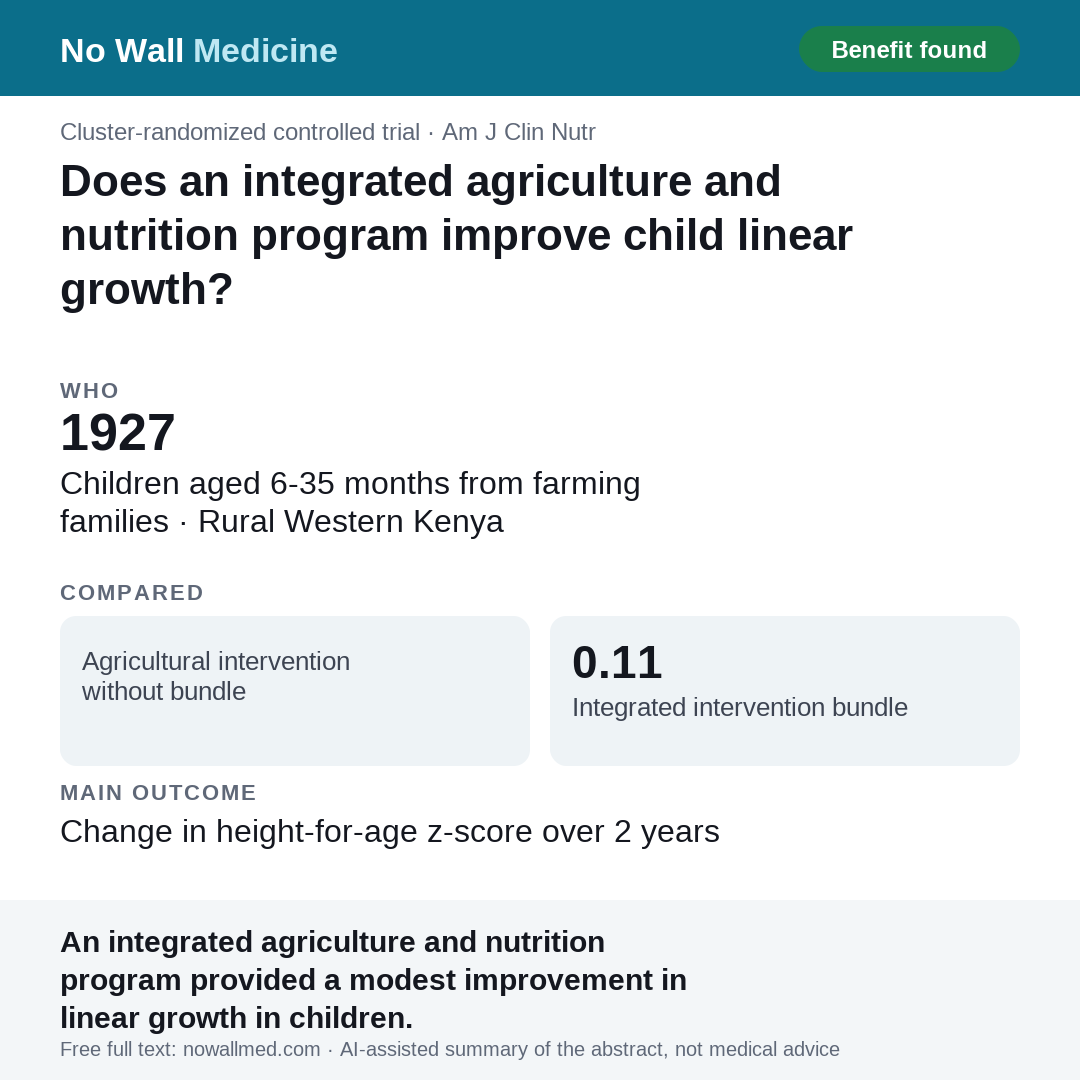
Effectiveness of an integrated agriculture, nutrition-specific, and nutrition-sensitive program on child growth in Western Kenya: a cluster-randomized controlled trial
Cluster-randomized controlled trialBenefit found
Does an integrated agriculture and nutrition program improve child linear growth?
Who
1927
Children aged 6-35 months from farming families · Rural Western Kenya
Compared
Agricultural intervention without bundle
0.11Integrated intervention bundle (adjusted effect size)
Main outcome
Change in height-for-age z-score over 2 years
Result: adjusted effect size 0.11 (95% CI: 0.02-0.19)
Bottom line: An integrated agriculture and nutrition program provided a modest improvement in linear growth in children.
Am J Clin Nutr · 2022-04-15Download image
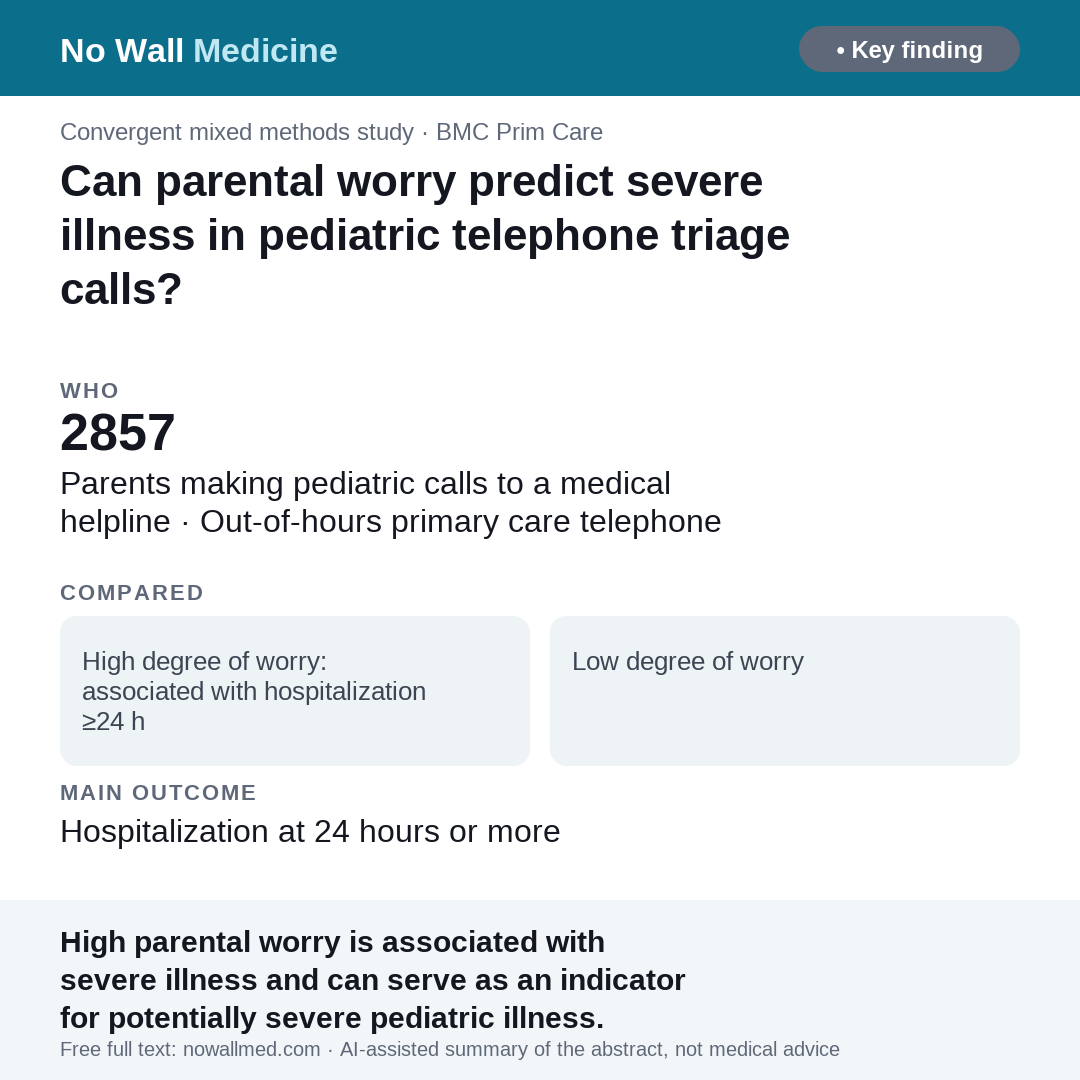
How parents express their worry in calls to a medical helpline: a mixed methods study
Convergent mixed methods studyBenefit found
Can parental worry predict severe illness in pediatric telephone triage calls?
Who
2857
Parents making pediatric calls to a medical helpline · Out-of-hours primary care telephone triage
Compared
High degree of worry: associated with hospitalization ≥24 h
Low degree of worry
Main outcome
Hospitalization at 24 hours or more
Result: odds ratio 3.33 (95% CI 1.53-7.21)
Bottom line: High parental worry is associated with severe illness and can serve as an indicator for potentially severe pediatric illness.
BMC Prim Care · 2022-04-15Download image
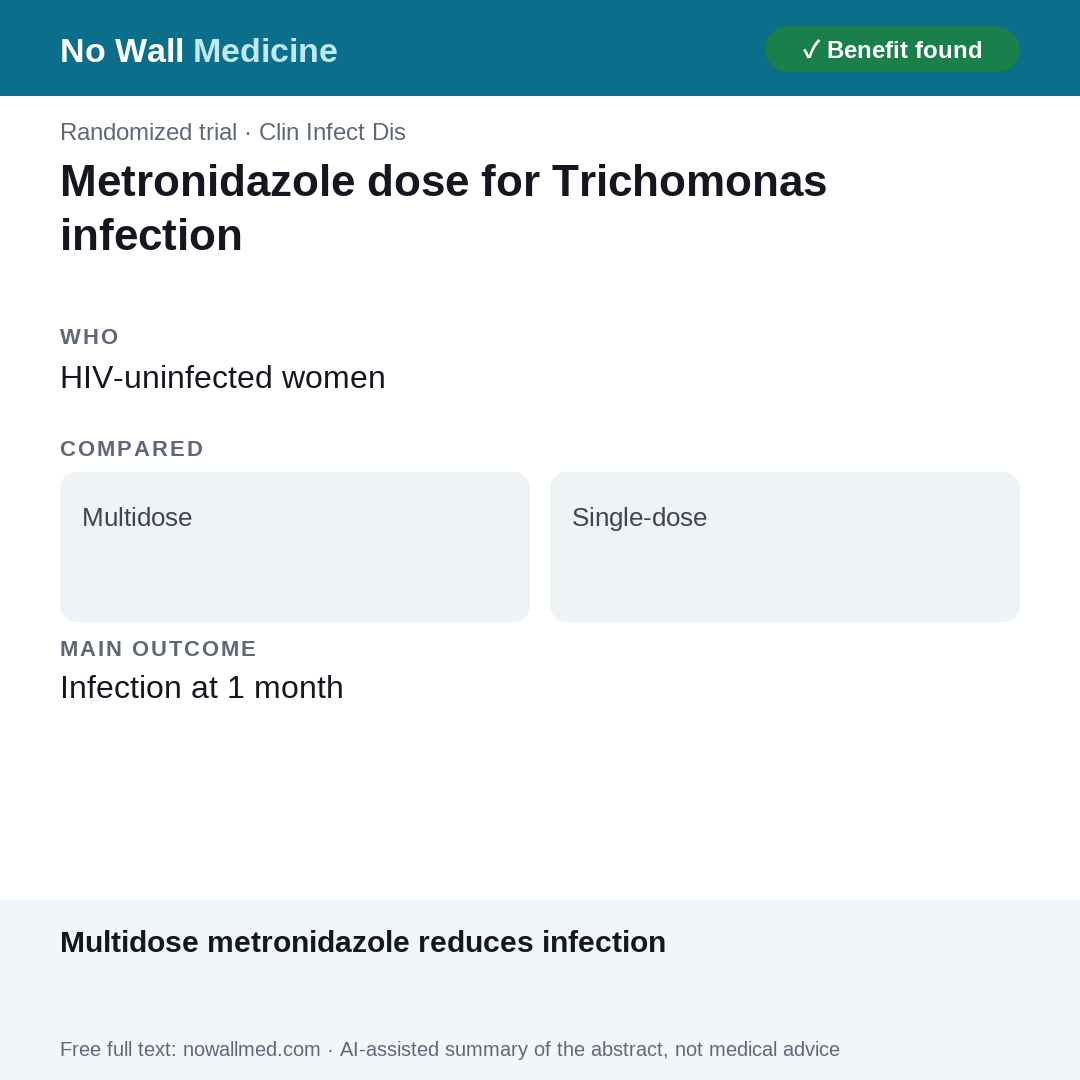
Diagnosis and Management of Trichomonas vaginalis: Summary of Evidence Reviewed for the 2021 Centers for Disease Control and Prevention Sexually Transmitted Infections Treatment Guidelines
Randomized trialBenefit found
Metronidazole dose for Trichomonas infection
Who
HIV-uninfected women
Compared
Multidose
Single-dose
Main outcome
Infection at 1 month
Bottom line: Multidose metronidazole reduces infection
Clin Infect Dis · 2022-04-13Download image
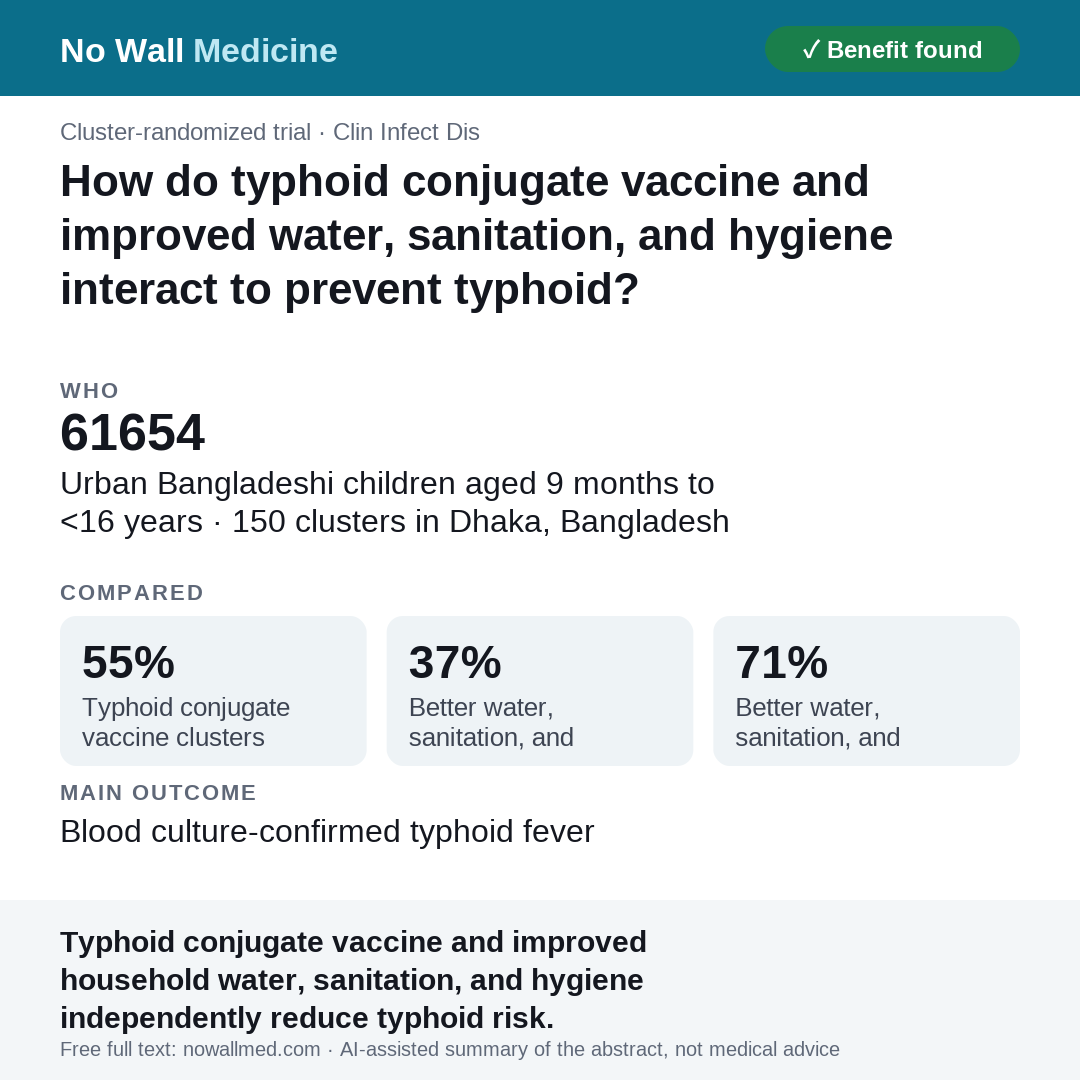
Prevention of Typhoid by Vi Conjugate Vaccine and Achievable Improvements in Household Water, Sanitation, and Hygiene: Evidence From a Cluster-Randomized Trial in Dhaka, Bangladesh
Cluster-randomized trialBenefit found
How do typhoid conjugate vaccine and improved water, sanitation, and hygiene interact to prevent typhoid?
Who
61654
Urban Bangladeshi children aged 9 months to <16 years · 150 clusters in Dhaka, Bangladesh
Compared
55%Typhoid conjugate vaccine clusters (95% CI, 43%-65%)
37%Better water, sanitation, and hygiene households (95% CI, 24%-48%)
71%Better water, sanitation, and hygiene in vaccine clusters (95% CI, 59%-80%)
Main outcome
Blood culture-confirmed typhoid fever
Bottom line: Typhoid conjugate vaccine and improved household water, sanitation, and hygiene independently reduce typhoid risk.
Clin Infect Dis · 2022-04-13Download image
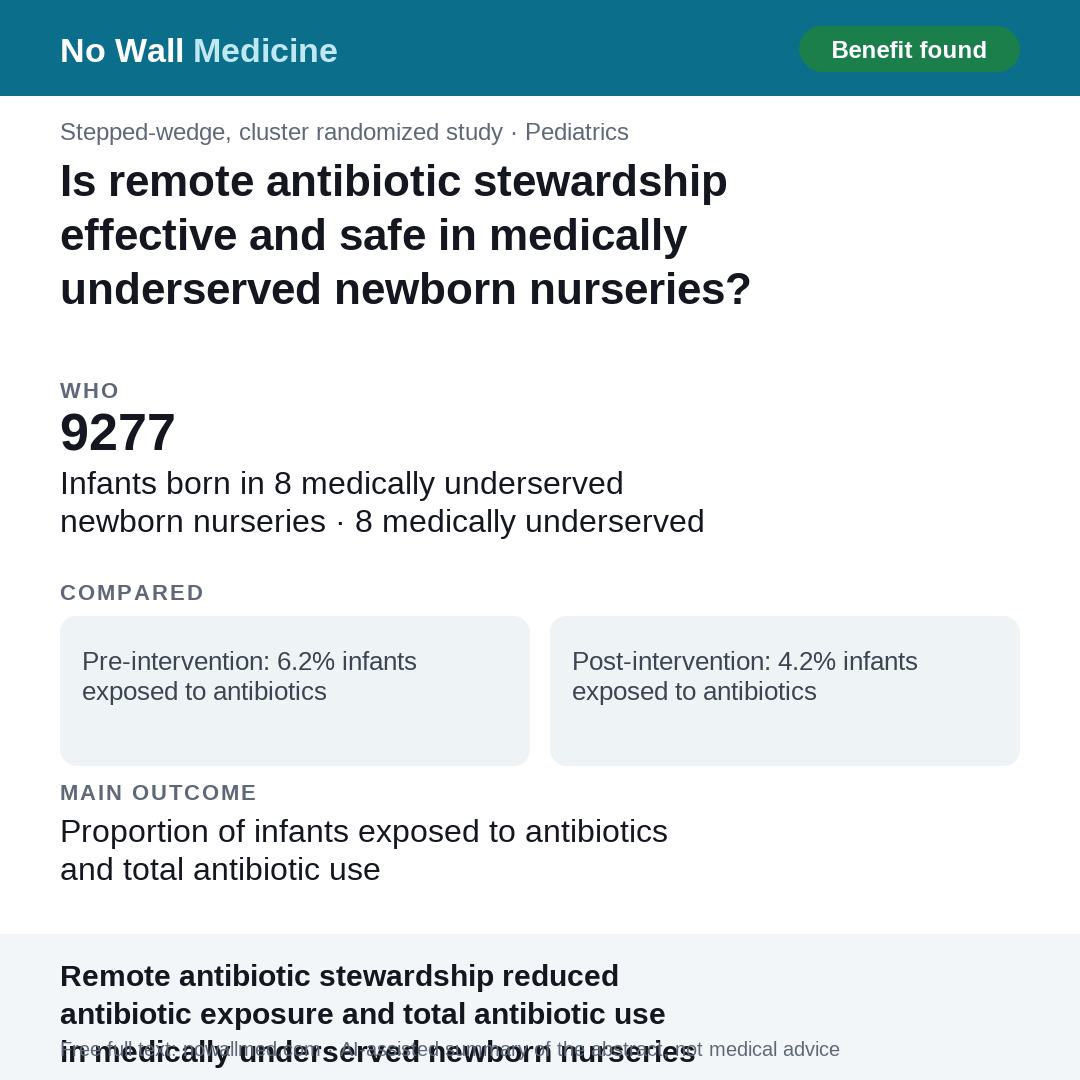
Remote Stewardship for Medically Underserved Nurseries: A Stepped-Wedge, Cluster Randomized Study
Stepped-wedge, cluster randomized studyBenefit found
Is remote antibiotic stewardship effective and safe in medically underserved newborn nurseries?
Who
9277
Infants born in 8 medically underserved newborn nurseries · 8 medically underserved newborn nurseries
Compared
Pre-intervention: 6.2% infants exposed to antibiotics
Post-intervention: 4.2% infants exposed to antibiotics
Main outcome
Proportion of infants exposed to antibiotics and total antibiotic use
Result: relative risk 0.68 (95% confidence interval, 0.63% to 0.75%)
Bottom line: Remote antibiotic stewardship reduced antibiotic exposure and total antibiotic use in medically underserved newborn nurseries without safety concerns.
Pediatrics · 2022-04-13Download image
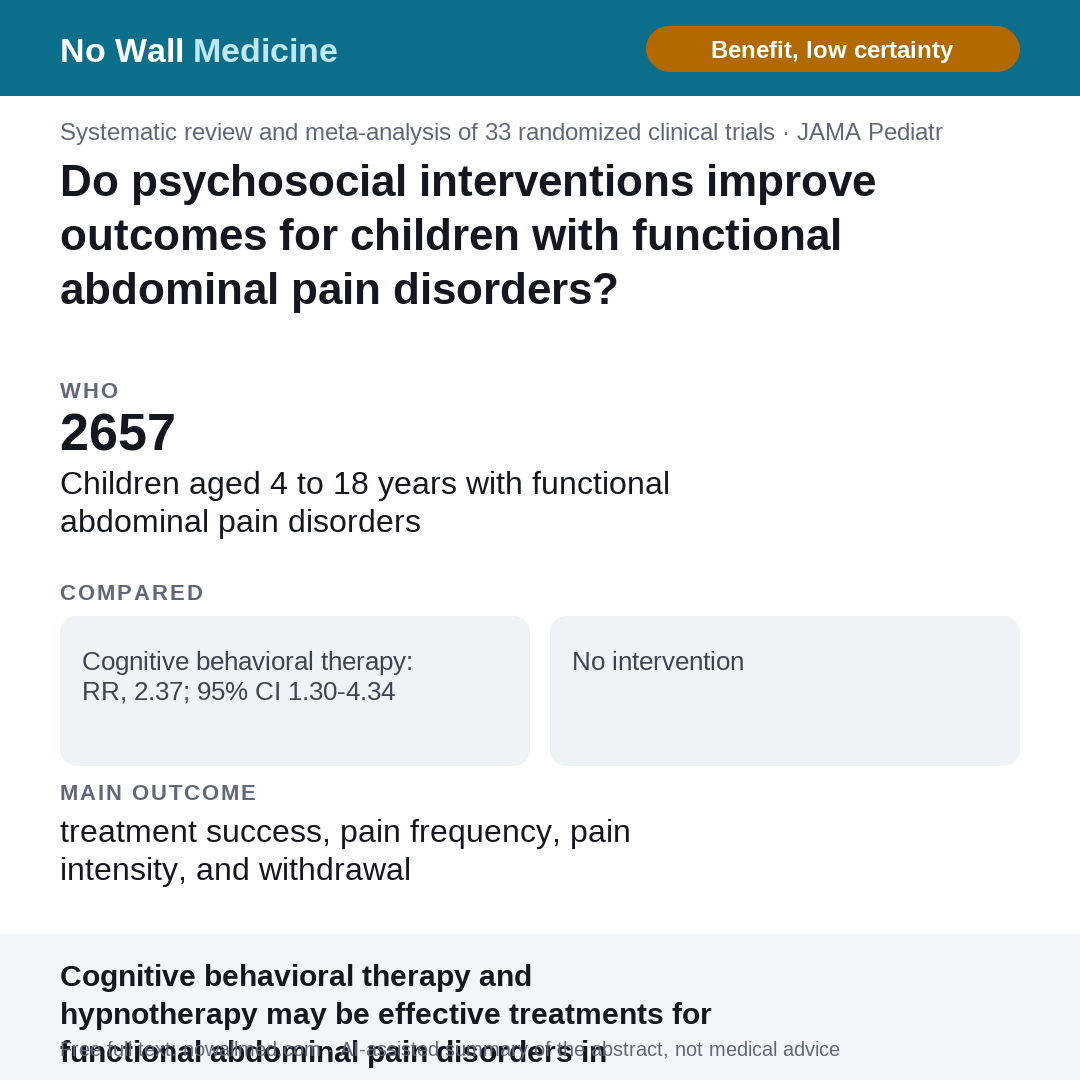
Psychosocial Interventions for the Treatment of Functional Abdominal Pain Disorders in Children: A Systematic Review and Meta-analysis
Systematic review and meta-analysis of 33 randomized clinical trialsBenefit found
Do psychosocial interventions improve outcomes for children with functional abdominal pain disorders?
Who
2657
Children aged 4 to 18 years with functional abdominal pain disorders
Compared
Cognitive behavioral therapy: RR, 2.37; 95% CI 1.30-4.34
No intervention
Main outcome
treatment success, pain frequency, pain intensity, and withdrawal
Result: RR, 2.37 (95% CI 1.30-4.34)
Bottom line: Cognitive behavioral therapy and hypnotherapy may be effective treatments for functional abdominal pain disorders in children.
Limitation: Risk of bias and imprecision in several included studies.
JAMA Pediatr · 2022-04-12Download image
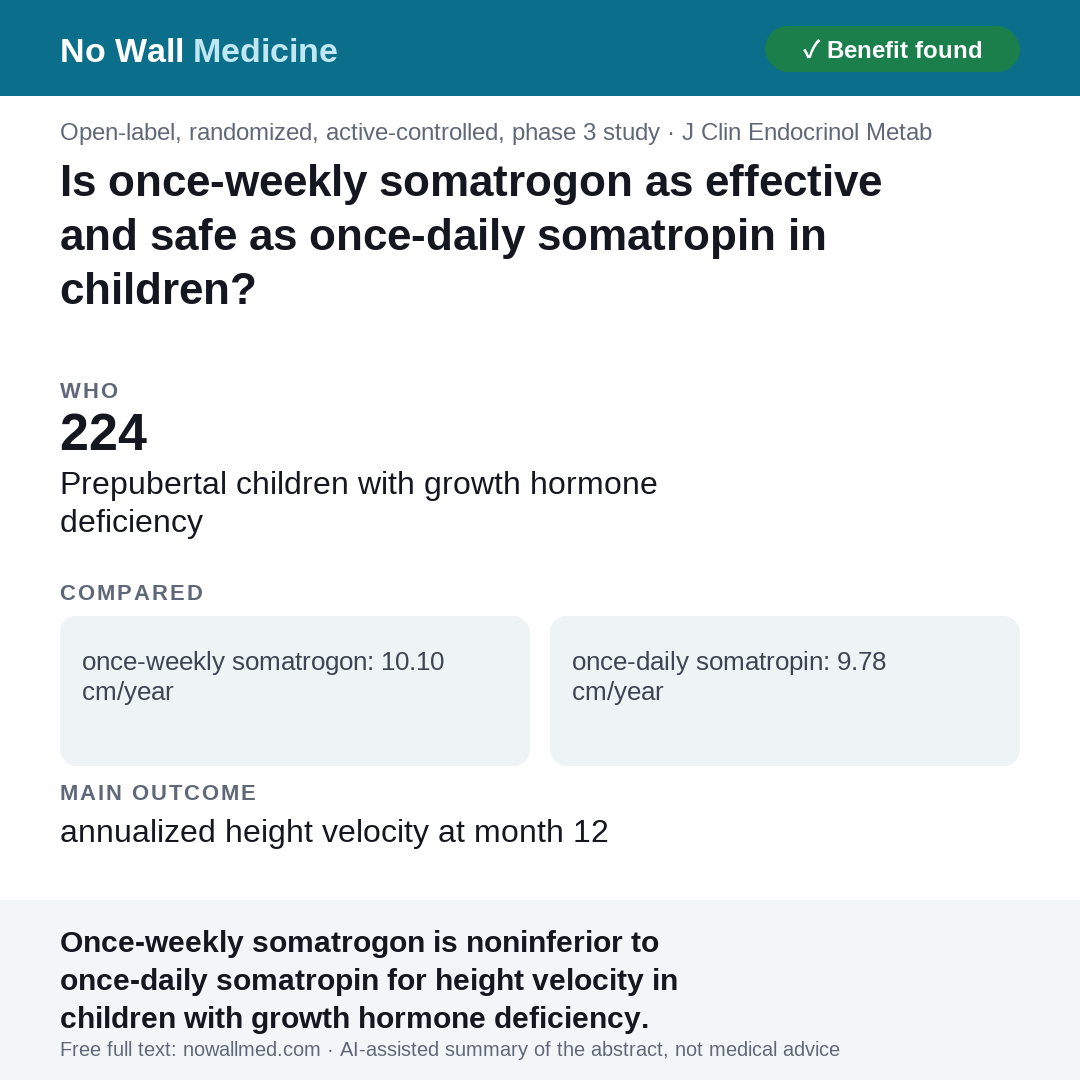
Efficacy and Safety of Weekly Somatrogon vs Daily Somatropin in Children With Growth Hormone Deficiency: A Phase 3 Study
Open-label, randomized, active-controlled, phase 3 studyBenefit found
Is once-weekly somatrogon as effective and safe as once-daily somatropin in children?
Who
224
Prepubertal children with growth hormone deficiency
Compared
once-weekly somatrogon: 10.10 cm/year
once-daily somatropin: 9.78 cm/year
Main outcome
annualized height velocity at month 12
Result: treatment difference 0.33 (95% CI: -0.24, 0.89)
Bottom line: Once-weekly somatrogon is noninferior to once-daily somatropin for height velocity in children with growth hormone deficiency.
J Clin Endocrinol Metab · 2022-04-12Download image
Efficacy of melatonin in term neonatal models of perinatal hypoxia-ischaemia
Meta-analysis of 14 studiesBenefit found
Is melatonin effective in term neonatal models of perinatal hypoxia-ischaemia?
Who
Term animal models of neonatal encephalopathy
Compared
Melatonin treatment
Control
Main outcome
Cerebral infarct size, neurobehavioural tests, and cell death
Result: SMD -2.05 (95% CI -2.93 to -1.16) for brain infarct size
Bottom line: Melatonin shows significant neuroprotective efficacy in term neonatal models of hypoxia-ischaemia regarding infarct size, behaviour, and cell death.
Ann Clin Transl Neurol · 2022-04-12Download image

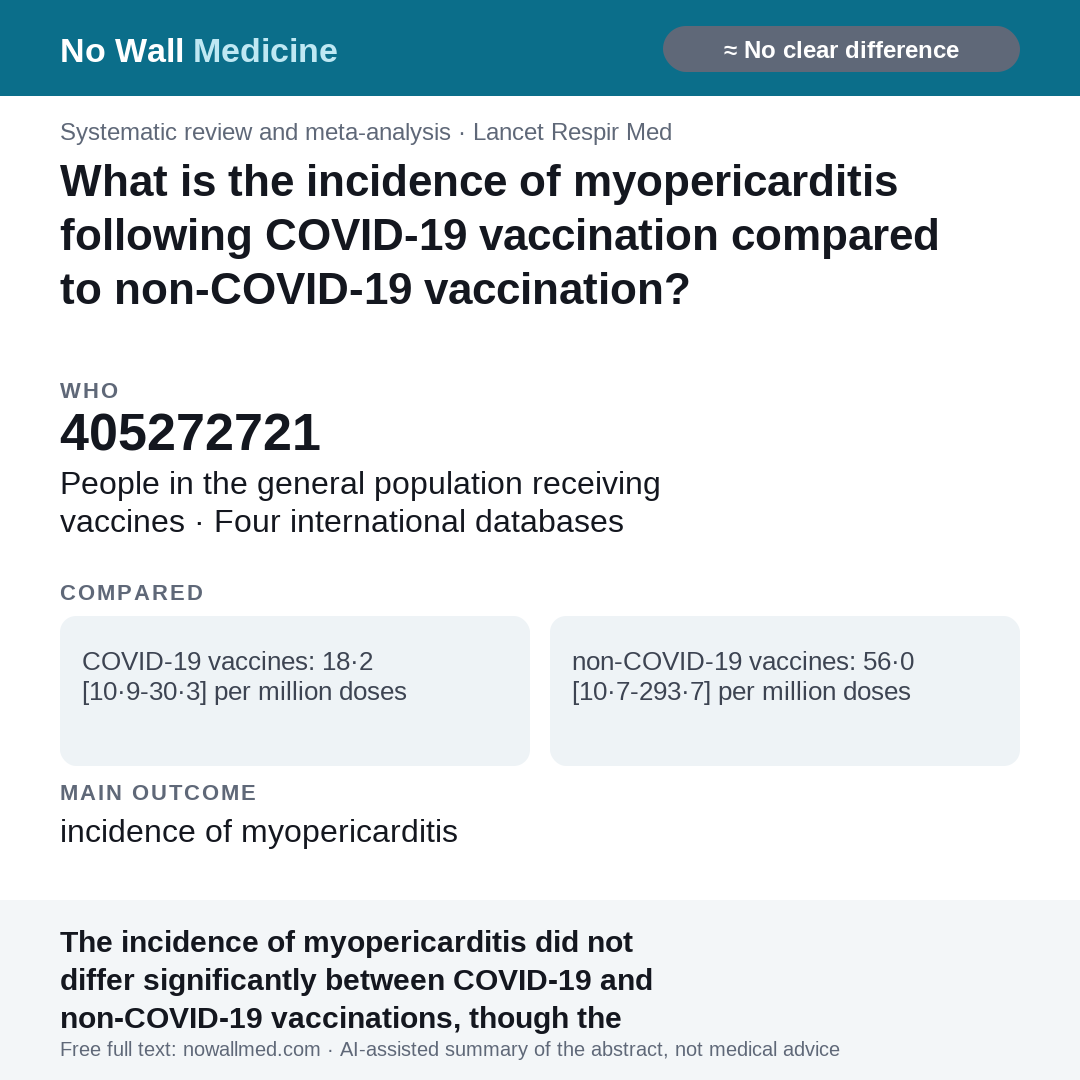
Myopericarditis following COVID-19 vaccination and non-COVID-19 vaccination: a systematic review and meta-analysis
Systematic review and meta-analysisNo clear difference
What is the incidence of myopericarditis following COVID-19 vaccination compared to non-COVID-19 vaccination?
Who
405272721
People in the general population receiving vaccines · Four international databases
Compared
COVID-19 vaccines: 18·2 [10·9-30·3] per million doses
non-COVID-19 vaccines: 56·0 [10·7-293·7] per million doses
Main outcome
incidence of myopericarditis
Result: p=0·20
Bottom line: The incidence of myopericarditis did not differ significantly between COVID-19 and non-COVID-19 vaccinations, though the overall risk is low.
Lancet Respir Med · 2022-04-11Download image
Postnatal circulation in patients with aortic stenosis undergoing fetal aortic valvuloplasty: systematic review and meta-analysis
Systematic review and meta-analysisNo clear difference
What is the type of postnatal circulation achieved following fetal aortic valvuloplasty?
Who
266
Fetuses with critical aortic stenosis undergoing fetal aortic valvuloplasty
Compared
Liveborn patients: 45.8% (95% CI, 39.2-52.4%) BVC
Liveborn patients with technically successful FAV: 51.9% (95% CI, 44.7-59.1%) BVC
Main outcome
Type of postnatal circulation
Result: 45.8% (95% CI, 39.2-52.4%) BVC prevalence
Bottom line: Fetal aortic valvuloplasty resulted in biventricular circulation in 46% of liveborn patients, suggesting no true benefit for achieving it.
Limitation: Lack of randomized clinical trials
Ultrasound Obstet Gynecol · 2022-04-11Download image

Efficacy and safety of low-dose versus high-dose hydrocortisone to treat hypotension in neonates: a protocol for a systematic review and meta-analysis
Systematic review and meta-analysis protocolUnclear result
Is low-dose versus high-dose hydrocortisone more effective and safe for neonatal hypotension?
Who
Critically ill term, preterm and very low birth weight neonates
Compared
low-dosing hydrocortisone
high-dosing hydrocortisone
Main outcome
improvement in end-organ perfusion and mortality prior to discharge
Bottom line: The protocol aims to determine the optimal hydrocortisone dose for treating hypotension in critically ill neonates.
BMJ Paediatr Open · 2022-04-11Download image

Computerized Cognitive Behavioral Therapy for Treatment of Depression and Anxiety in Adolescents: Systematic Review and Meta-analysis
Systematic review and meta-analysisBenefit found
Is computerized cognitive behavioral therapy effective for adolescent depression and anxiety?
Who
Adolescents aged 11 to 19 years
Compared
Computerized cognitive behavioral therapy
Control groups
Main outcome
Self-reported depression or anxiety symptom scores
Result: anxiety standardized mean difference -0.21 (95% CI -0.33 to -0.09); depression standardized mean difference -0.23 (95% CI -0.39 to -0.07)
Bottom line: Computerized cognitive behavioral therapy shows small but statistically significant effects for treating anxiety and depression in adolescents.
Limitation: The quality of the included studies was mixed, with 56% rated as poor.
J Med Internet Res · 2022-04-11Download image

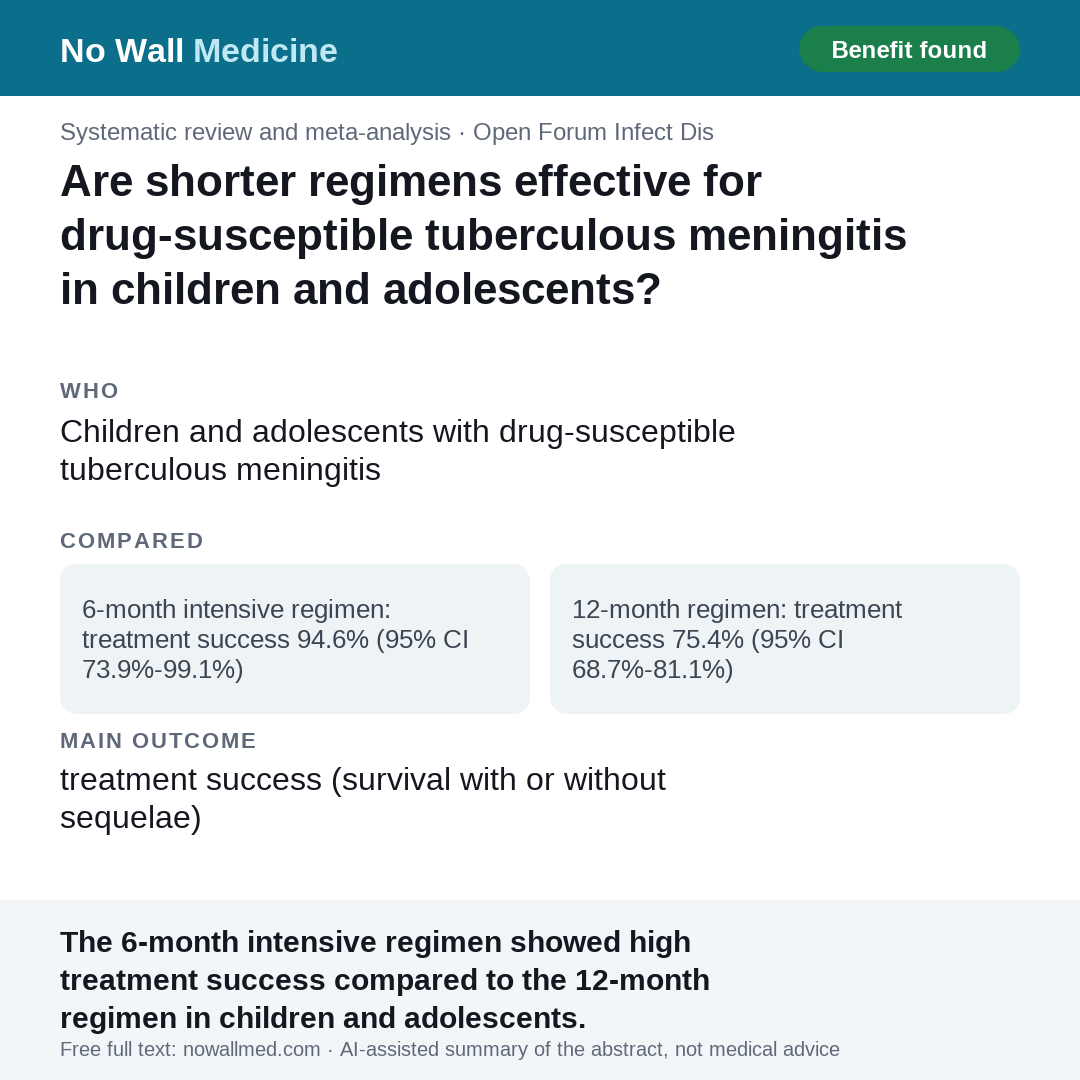
Comparative Effectiveness of Regimens for Drug-Susceptible Tuberculous Meningitis in Children and Adolescents: A Systematic Review and Aggregate-Level Data Meta-Analysis
Systematic review and meta-analysisBenefit found
Are shorter regimens effective for drug-susceptible tuberculous meningitis in children and adolescents?
Who
Children and adolescents with drug-susceptible tuberculous meningitis
Compared
6-month intensive regimen: treatment success 94.6% (95% CI 73.9%-99.1%)
12-month regimen: treatment success 75.4% (95% CI 68.7%-81.1%)
Main outcome
treatment success (survival with or without sequelae)
Bottom line: The 6-month intensive regimen showed high treatment success compared to the 12-month regimen in children and adolescents.
Limitation: small number of studies and substantial potential for confounding
Open Forum Infect Dis · 2022-04-09Download image
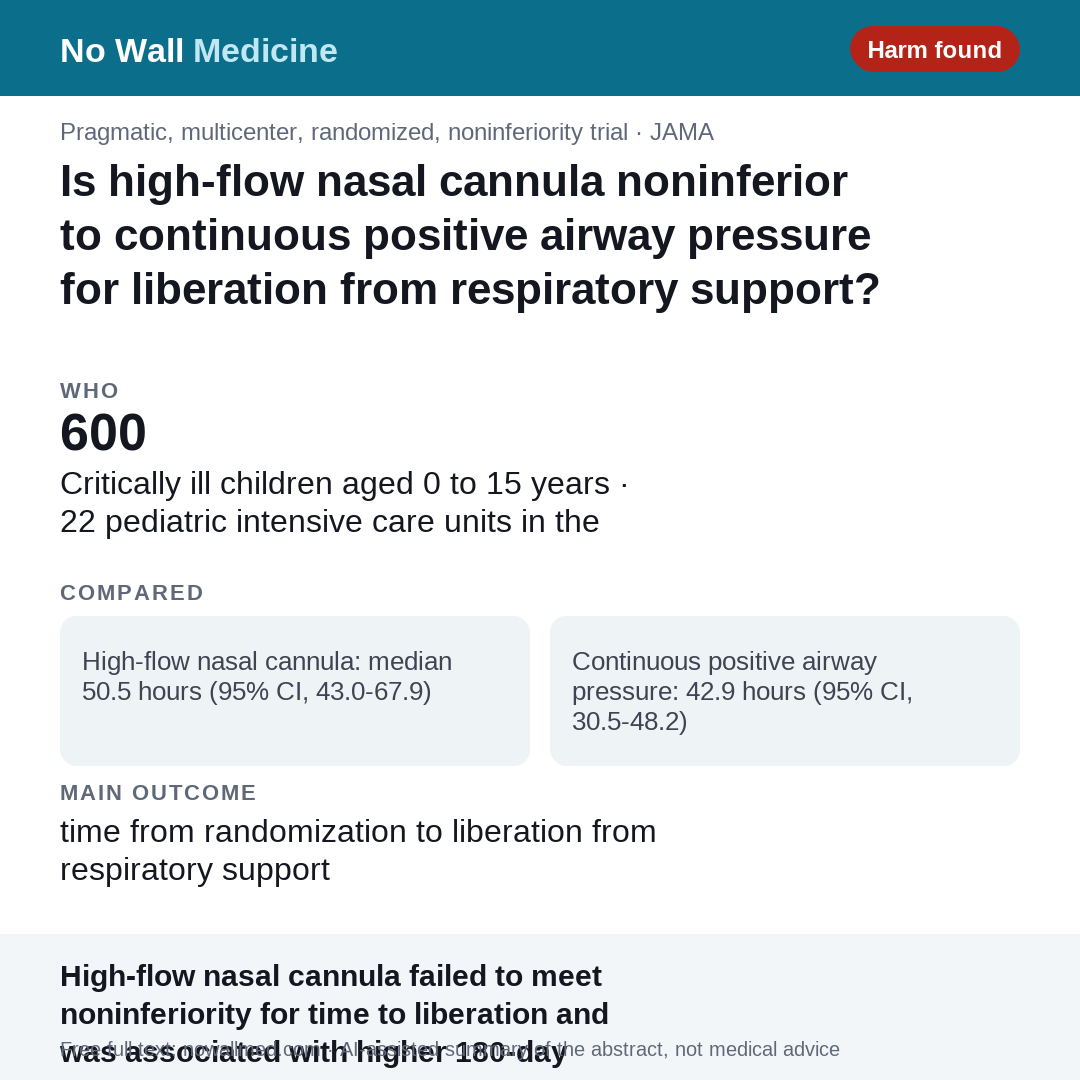
Effect of High-Flow Nasal Cannula Therapy vs Continuous Positive Airway Pressure Following Extubation on Liberation From Respiratory Support in Critically Ill Children: A Randomized Clinical Trial
Pragmatic, multicenter, randomized, noninferiority trialHarm found
Is high-flow nasal cannula noninferior to continuous positive airway pressure for liberation from respiratory support?
Who
600
Critically ill children aged 0 to 15 years · 22 pediatric intensive care units in the United Kingdom
Compared
High-flow nasal cannula: median 50.5 hours (95% CI, 43.0-67.9)
Continuous positive airway pressure: 42.9 hours (95% CI, 30.5-48.2)
Main outcome
time from randomization to liberation from respiratory support
Result: adjusted hazard ratio 0.83; 1-sided 95% CI, 0.70-∞
Bottom line: High-flow nasal cannula failed to meet noninferiority for time to liberation and was associated with higher 180-day mortality.
JAMA · 2022-04-08Download image
Brain morphometric features predict medication response in youth with bipolar disorder: a prospective randomized clinical trial
Prospective randomized clinical trialBenefit found
Can brain morphometric features predict medication response in youth with bipolar disorder?
Who
121
Youth with early course bipolar disorder
Compared
quetiapine: 83.2% balanced accuracy
lithium: 83.5% balanced accuracy
Main outcome
Positive antimanic treatment response at week 6
Bottom line: Pre-treatment and early brain morphometric changes can predict medication response in pediatric bipolar disorder.
Psychol Med · 2022-04-08Download image

Traumatic injury clinical trial evaluating tranexamic acid in children (TIC-TOC): A pilot randomized trial
Double-blind randomized pilot trialNo clear difference
Is a large-scale trial of tranexamic acid in injured children feasible?
Who
31
Severely injured children up to 18th birthday · Four pediatric Level I trauma centers in the United States
Compared
Tranexamic acid 15 mg/kg bolus
Tranexamic acid 30 mg/kg bolus
Normal saline placebo
Main outcome
Global functioning
Bottom line: The pilot trial confirmed the feasibility of conducting a large-scale trial evaluating tranexamic acid in severely injured children.
Limitation: This was a pilot trial with a small sample size.
Acad Emerg Med · 2022-04-08Download image

Characterization of Asthma by Age of Onset: A Multi-Database Cohort Study
Multi-database cohort study and meta-analysisMixed results
How do patient characteristics and comorbidities differ by age of asthma onset?
Who
586436
Adult patients with doctor-diagnosed asthma · 5 European electronic databases
Compared
Childhood-onset asthma
Adult-onset asthma
Late-onset asthma
Main outcome
Patient characteristics and comorbidities
Bottom line: Comorbidities and asthma control differ significantly based on the age of asthma onset.
J Allergy Clin Immunol Pract · 2022-04-08Download image

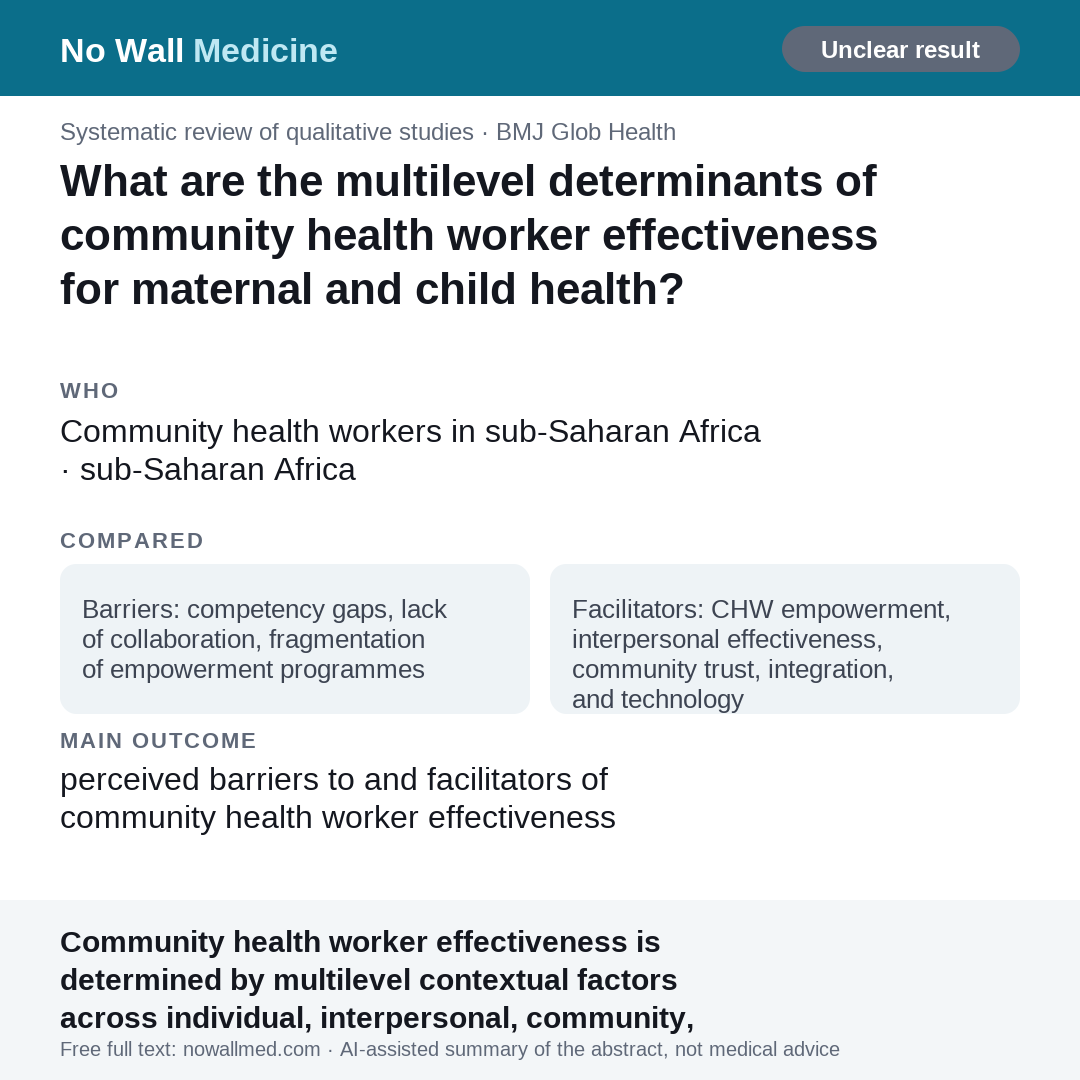
Multilevel determinants of community health workers for an effective maternal and child health programme in sub-Saharan Africa: a systematic review
Systematic review of qualitative studiesUnclear result
What are the multilevel determinants of community health worker effectiveness for maternal and child health?
Who
Community health workers in sub-Saharan Africa · sub-Saharan Africa
Compared
Barriers: competency gaps, lack of collaboration, fragmentation of empowerment programmes
Facilitators: CHW empowerment, interpersonal effectiveness, community trust, integration, and technology
Main outcome
perceived barriers to and facilitators of community health worker effectiveness
Bottom line: Community health worker effectiveness is determined by multilevel contextual factors across individual, interpersonal, community, and health system levels.
BMJ Glob Health · 2022-04-08Download image
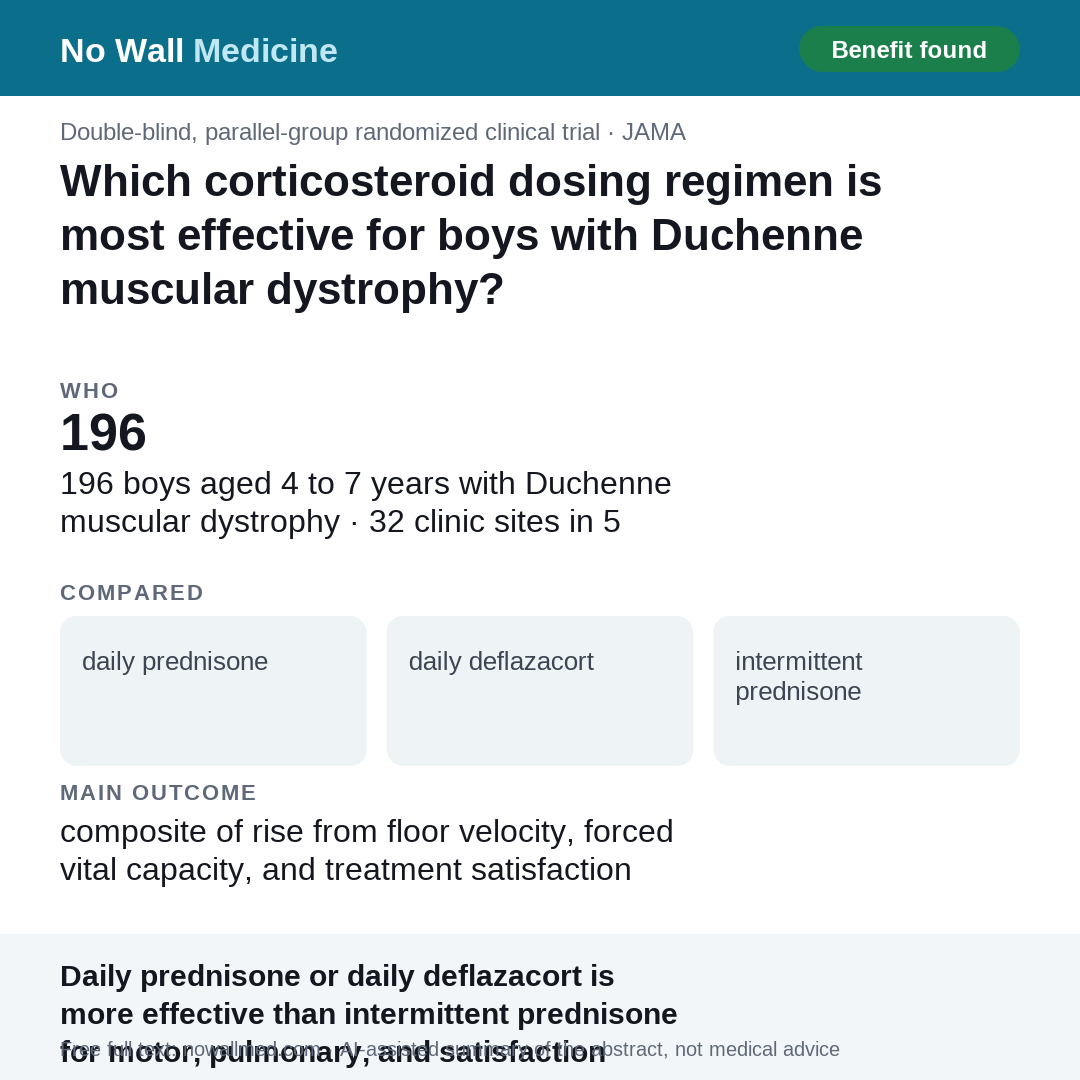
Effect of Different Corticosteroid Dosing Regimens on Clinical Outcomes in Boys With Duchenne Muscular Dystrophy: A Randomized Clinical Trial
Double-blind, parallel-group randomized clinical trialBenefit found
Which corticosteroid dosing regimen is most effective for boys with Duchenne muscular dystrophy?
Who
196
196 boys aged 4 to 7 years with Duchenne muscular dystrophy · 32 clinic sites in 5 countries
Compared
daily prednisone
daily deflazacort
intermittent prednisone
Main outcome
composite of rise from floor velocity, forced vital capacity, and treatment satisfaction
Bottom line: Daily prednisone or daily deflazacort is more effective than intermittent prednisone for motor, pulmonary, and satisfaction outcomes.
JAMA · 2022-04-06Download image