Visual abstracts
New randomized trials and meta-analyses from leading journals at a glance: who was studied, what was compared, and what was found. Every paper is free to read in full.
All specialtiesCardiology 4877Oncology 4138Gastroenterology & Hepatology 1942Infectious Disease 3837Neurology 1905Psychiatry & Mental Health 2273Pulmonology 2143Critical Care 1365Endocrinology & Diabetes 2580Pediatrics 2980Surgery 2559Orthopedics & Sports Medicine 931Neurosurgery 537Cardiothoracic & Vascular Surgery 674Plastic & Reconstructive Surgery 591Nephrology 1133Rheumatology 823Hematology 1109Dermatology 621Ophthalmology 543Obstetrics & Gynecology 1686Public & Global Health 1058Radiology & Imaging 648Anesthesiology 986Urology 764ENT (Otolaryngology) 503Emergency Medicine 511Allergy & Immunology 313Geriatrics 981Family Medicine & Primary Care 562Medical Genetics & Genomics 676Pathology & Laboratory Medicine 159Physical Medicine & Rehabilitation 757Palliative Care 444Nutrition 1588Digital Health & AI 2201General Medicine 321
Role of 3D printing technology in paediatric teaching and training: a systematic review
Systematic reviewBenefit found
Does 3D printing technology improve paediatric teaching and training?
Who
Medical students, postgraduate trainees or clinical staff
Compared
3D printing models: improved test scores and faster times
Traditional teaching methods
Main outcome
Test scores, task time, confidence, and personal preferences
Bottom line: 3D printing models are associated with greater user satisfaction and good short-term educational outcomes.
Limitation: Mostly non-randomised and single-centred studies that did not address bias or long-term outcomes.
BMJ Paediatr Open · 2022-03-15Download image

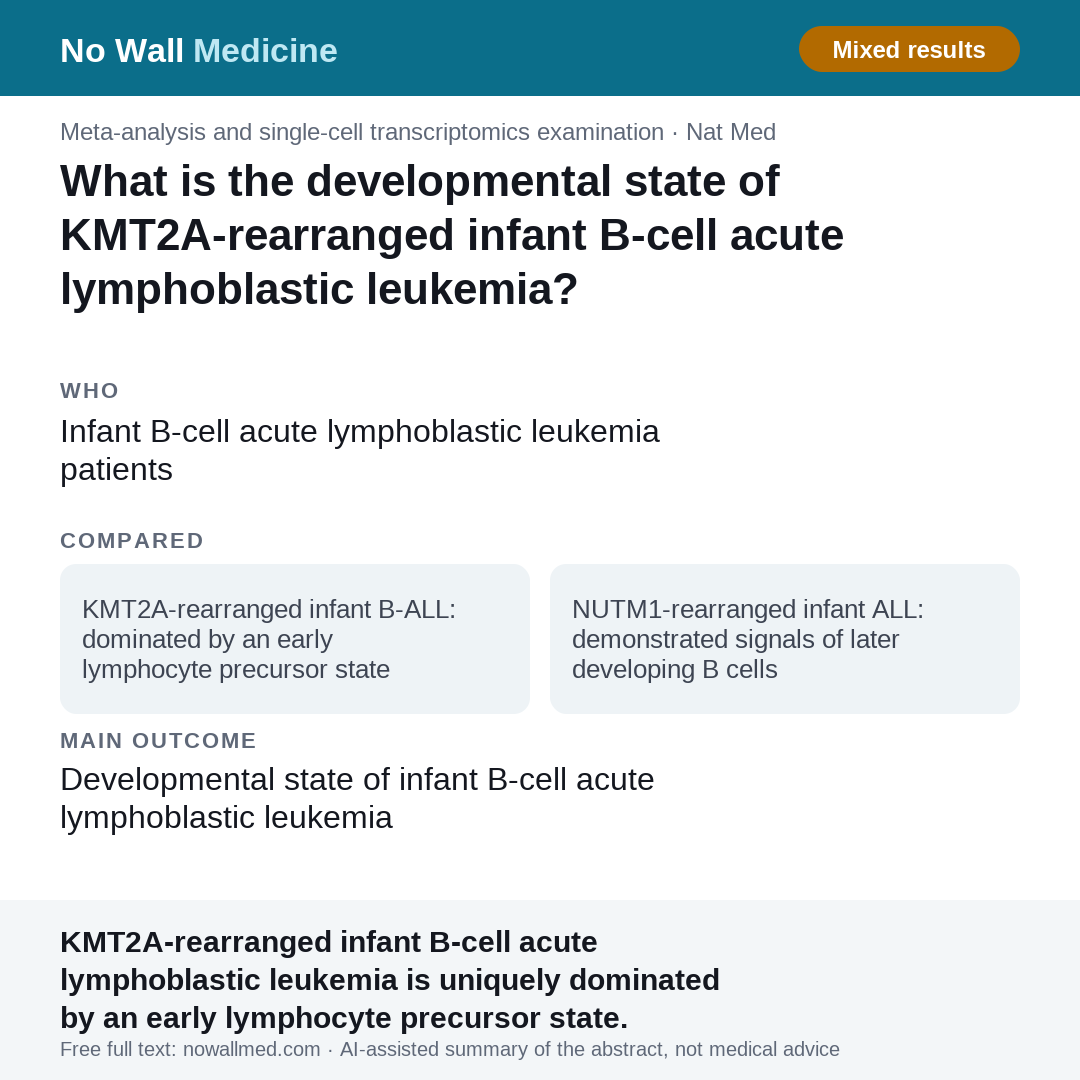
Single-cell transcriptomics reveals a distinct developmental state of KMT2A-rearranged infant B-cell acute lymphoblastic leukemia
Meta-analysis and single-cell transcriptomics examinationMixed results
What is the developmental state of KMT2A-rearranged infant B-cell acute lymphoblastic leukemia?
Who
Infant B-cell acute lymphoblastic leukemia patients
Compared
KMT2A-rearranged infant B-ALL: dominated by an early lymphocyte precursor state
NUTM1-rearranged infant ALL: demonstrated signals of later developing B cells
Main outcome
Developmental state of infant B-cell acute lymphoblastic leukemia
Bottom line: KMT2A-rearranged infant B-cell acute lymphoblastic leukemia is uniquely dominated by an early lymphocyte precursor state.
Nat Med · 2022-03-14Download image
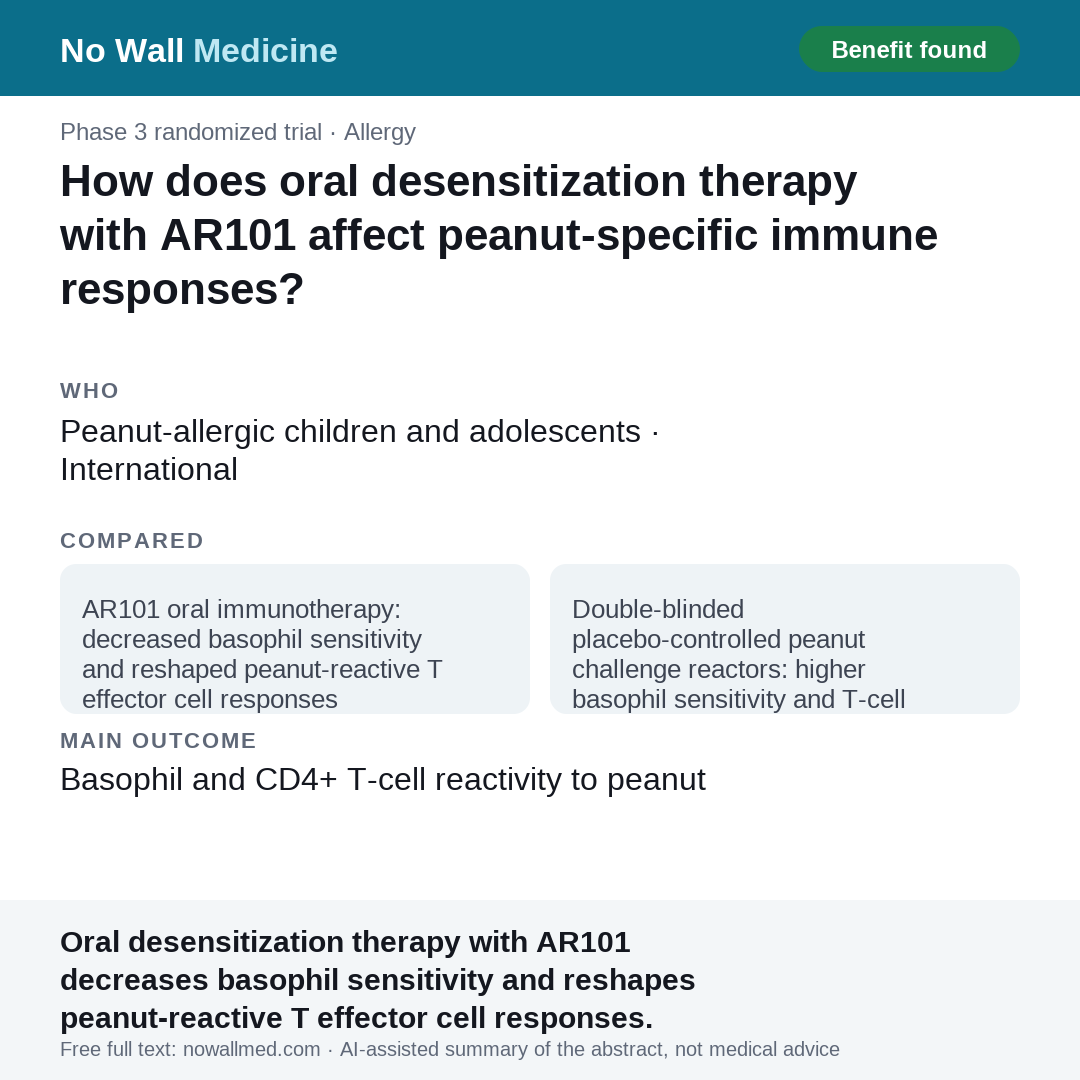
Oral desensitization therapy for peanut allergy induces dynamic changes in peanut-specific immune responses
Phase 3 randomized trialBenefit found
How does oral desensitization therapy with AR101 affect peanut-specific immune responses?
Who
Peanut-allergic children and adolescents · International
Compared
AR101 oral immunotherapy: decreased basophil sensitivity and reshaped peanut-reactive T effector cell responses
Double-blinded placebo-controlled peanut challenge reactors: higher basophil sensitivity and T-cell reactivity to peanut
Main outcome
Basophil and CD4+ T-cell reactivity to peanut
Bottom line: Oral desensitization therapy with AR101 decreases basophil sensitivity and reshapes peanut-reactive T effector cell responses.
Limitation: Results were observed in a subset of peanut-allergic individuals.
Allergy · 2022-03-14Download image
Repeated intravenous cardiosphere-derived cell therapy in late-stage Duchenne muscular dystrophy (HOPE-2): a multicentre, randomised, double-blind, placebo-controlled, phase 2 trial
Randomised, double-blind, placebo-controlled, phase 2 trialBenefit found
Does repeated intravenous cardiosphere-derived cell therapy improve upper limb function in Duchenne muscular dystrophy?
Who
26
Male patients with Duchenne muscular dystrophy aged 10 years or older · Seven centres in the USA
Compared
CAP-1002: difference of 2.6 points
placebo
Main outcome
change in mid-level elbow Performance of Upper Limb version 1.2 score
Result: percentile difference 36.2, 95% CI 12.7-59.7
Bottom line: CAP-1002 cell therapy appears safe and effective in reducing upper limb function deterioration in late-stage Duchenne muscular dystrophy.
Funded by: Capricor Therapeutics
Lancet · 2022-03-13Download image

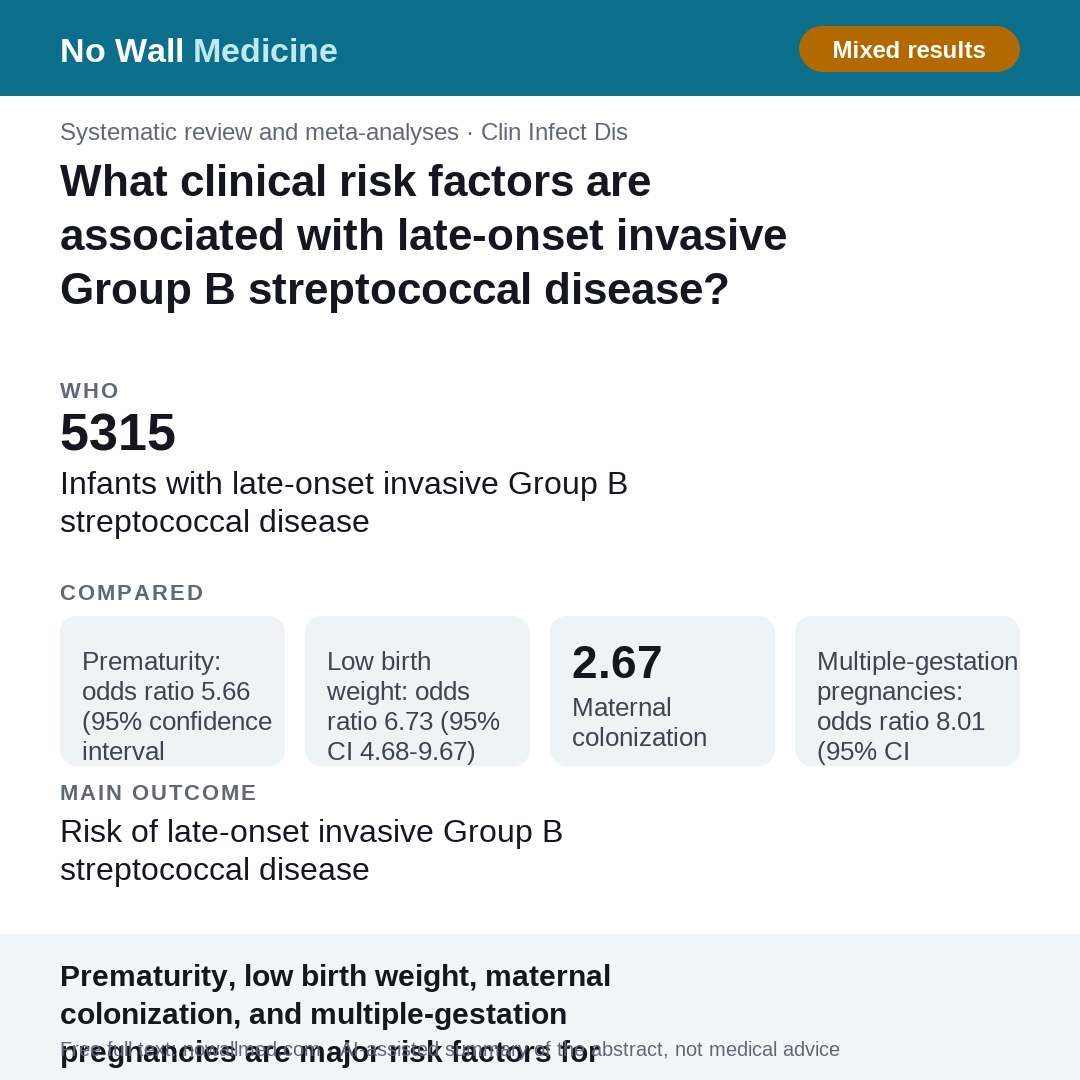
Clinical Risk Factors Associated With Late-Onset Invasive Group B Streptococcal Disease: Systematic Review and Meta-Analyses
Systematic review and meta-analysesMixed results
What clinical risk factors are associated with late-onset invasive Group B streptococcal disease?
Who
5315
Infants with late-onset invasive Group B streptococcal disease
Compared
Prematurity: odds ratio 5.66 (95% confidence interval 4.43-7.22)
Low birth weight: odds ratio 6.73 (95% CI 4.68-9.67)
2.67Maternal colonization (2.07-3.45)
Multiple-gestation pregnancies: odds ratio 8.01 (95% CI 5.19-12.38)
Main outcome
Risk of late-onset invasive Group B streptococcal disease
Bottom line: Prematurity, low birth weight, maternal colonization, and multiple-gestation pregnancies are major risk factors for late-onset Group B streptococcal disease.
Clin Infect Dis · 2022-03-12Download image
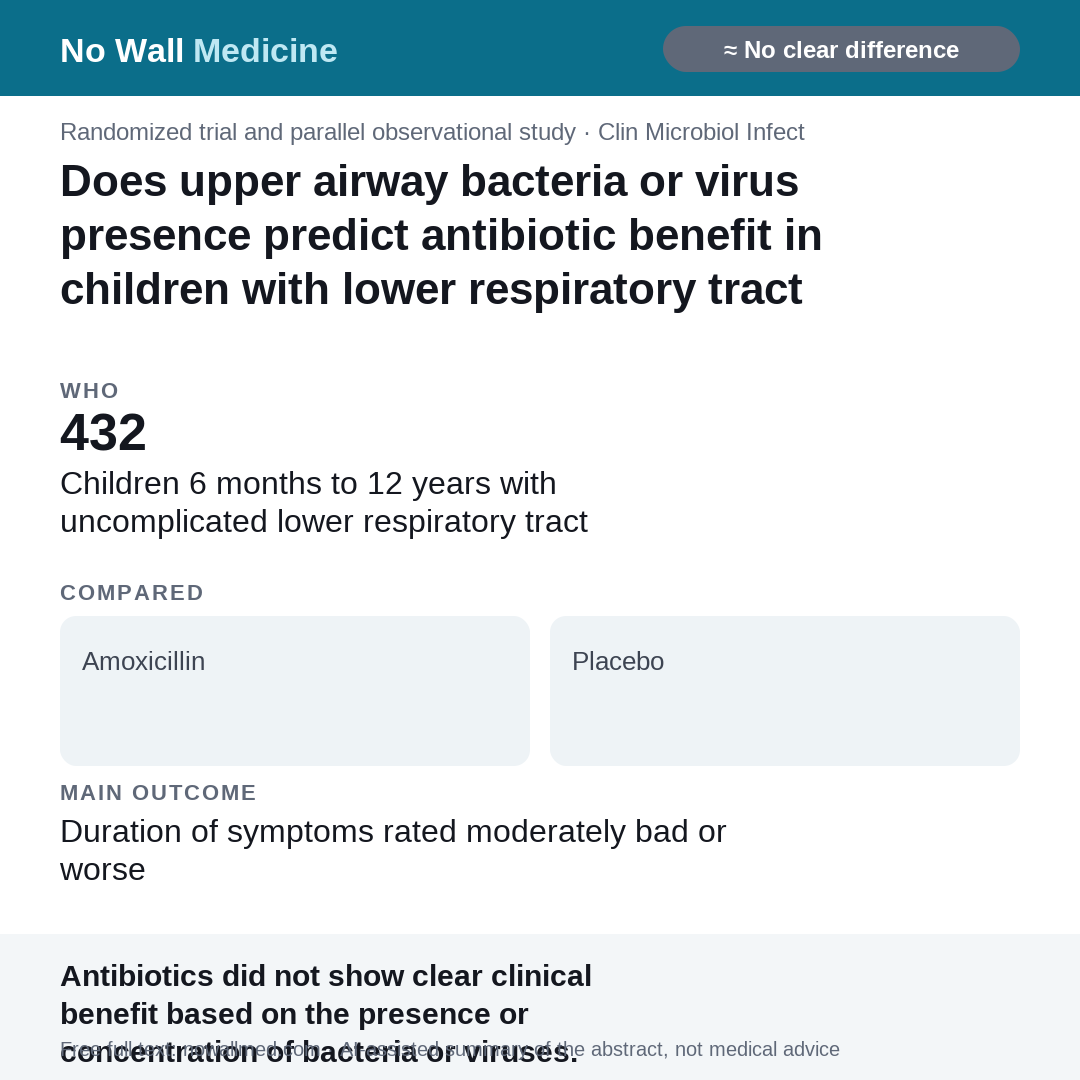
Antibiotics for lower respiratory tract infection in children presenting in primary care (ARTIC-PC): the predictive value of molecular testing
Randomized trial and parallel observational studyNo clear difference
Does upper airway bacteria or virus presence predict antibiotic benefit in children with lower respiratory tract infection?
Who
432
Children 6 months to 12 years with uncomplicated lower respiratory tract infection · United Kingdom general practices
Compared
Amoxicillin
Placebo
Main outcome
Duration of symptoms rated moderately bad or worse
Result: median difference -1 day (99% CI, -12.3 to 10.3) when bacteria present
Bottom line: Antibiotics did not show clear clinical benefit based on the presence or concentration of bacteria or viruses.
Clin Microbiol Infect · 2022-03-11Download image
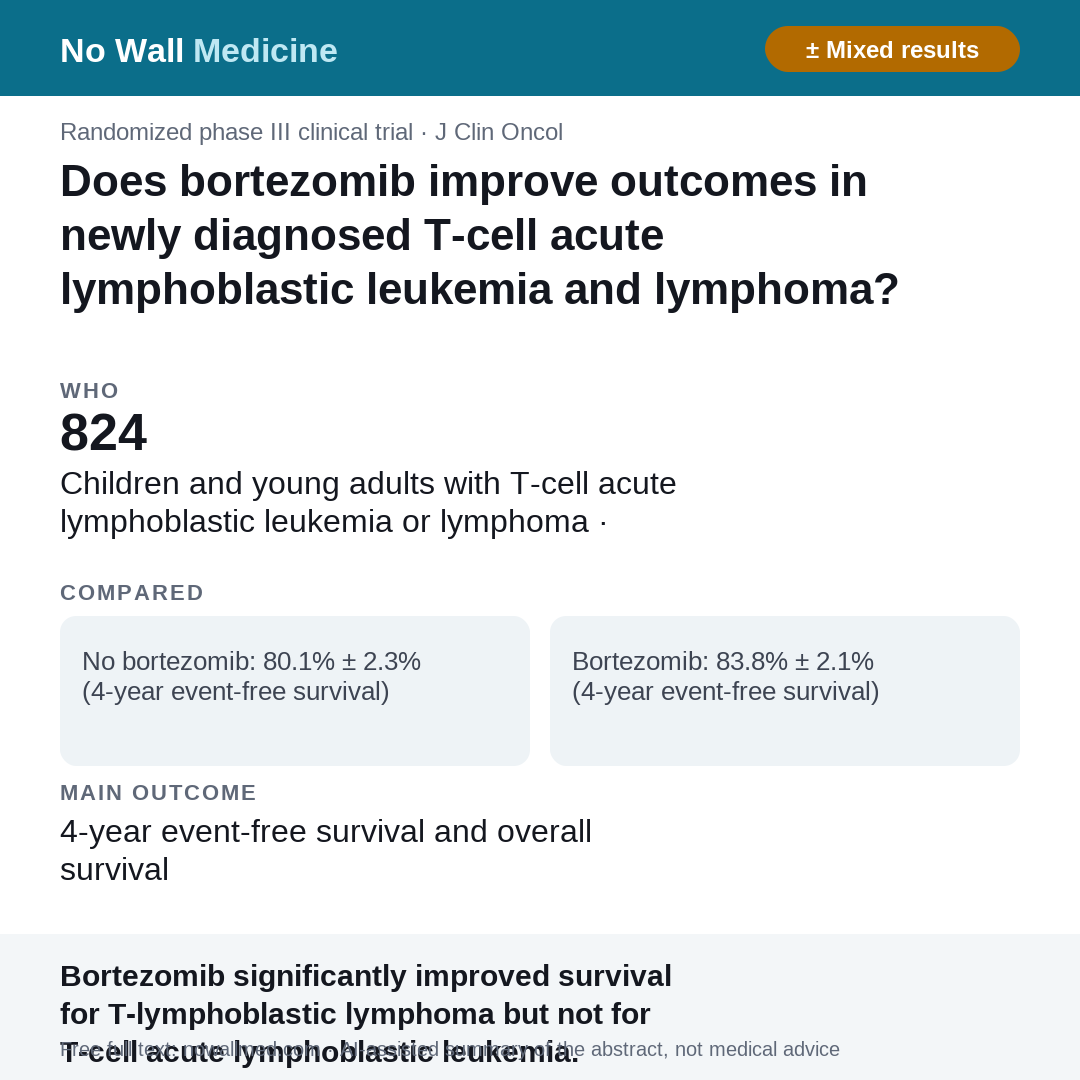
Children's Oncology Group Trial AALL1231: A Phase III Clinical Trial Testing Bortezomib in Newly Diagnosed T-Cell Acute Lymphoblastic Leukemia and Lymphoma
Randomized phase III clinical trialMixed results
Does bortezomib improve outcomes in newly diagnosed T-cell acute lymphoblastic leukemia and lymphoma?
Who
824
Children and young adults with T-cell acute lymphoblastic leukemia or lymphoma · Children's Oncology Group
Compared
No bortezomib: 80.1% ± 2.3% (4-year event-free survival)
Bortezomib: 83.8% ± 2.1% (4-year event-free survival)
Main outcome
4-year event-free survival and overall survival
Bottom line: Bortezomib significantly improved survival for T-lymphoblastic lymphoma but not for T-cell acute lymphoblastic leukemia.
J Clin Oncol · 2022-03-10Download image
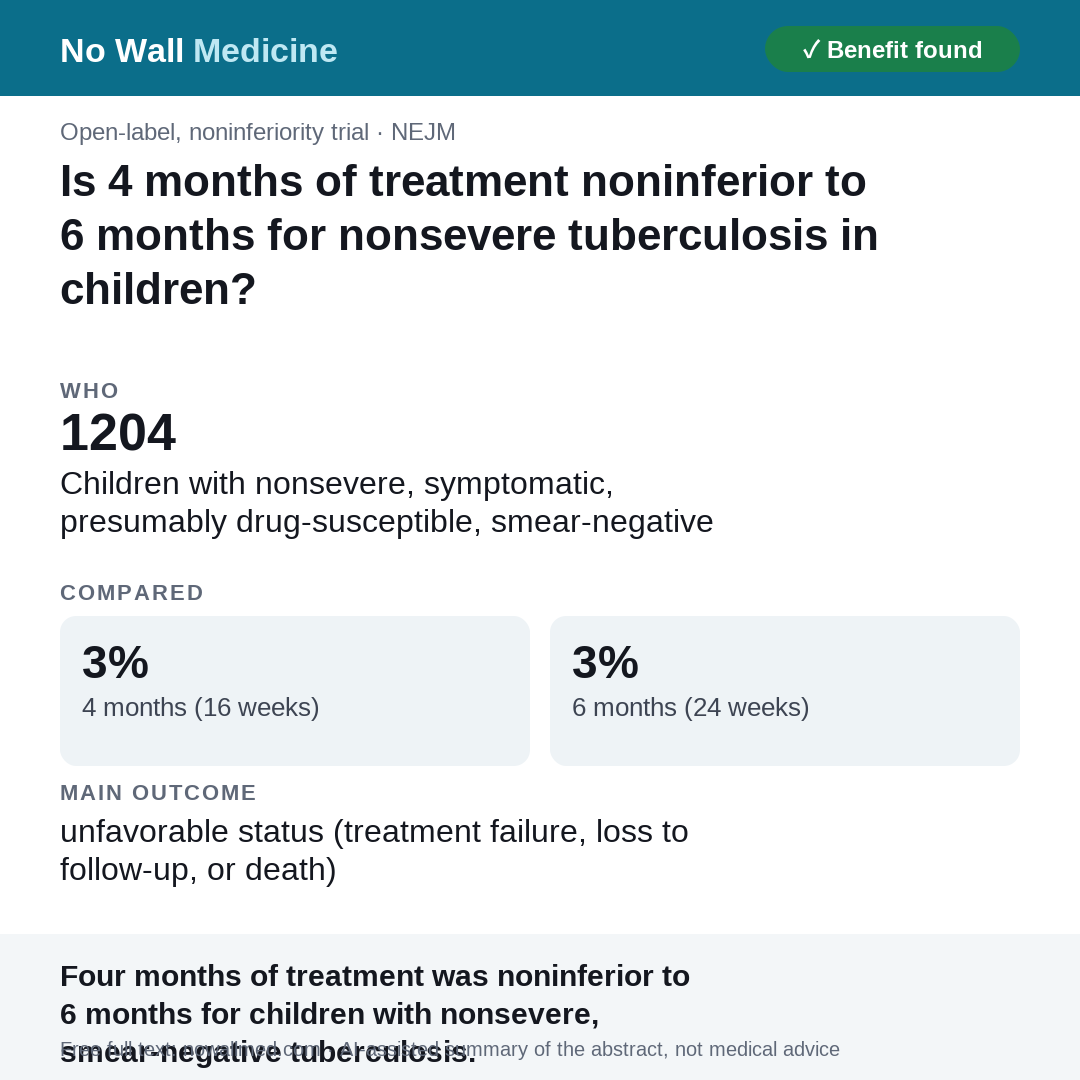
Shorter Treatment for Nonsevere Tuberculosis in African and Indian Children
Open-label, noninferiority trialBenefit found
Is 4 months of treatment noninferior to 6 months for nonsevere tuberculosis in children?
Who
1204
Children with nonsevere, symptomatic, presumably drug-susceptible, smear-negative tuberculosis · Uganda, Zambia, South Africa, and India
Compared
3%4 months (16 weeks)
3%6 months (24 weeks)
Main outcome
unfavorable status (treatment failure, loss to follow-up, or death)
Result: adjusted difference -0.4 percentage points (95% CI -2.2 to 1.5)
Bottom line: Four months of treatment was noninferior to 6 months for children with nonsevere, smear-negative tuberculosis.
Funded by: U.K. Medical Research Council and others
NEJM · 2022-03-09Download image
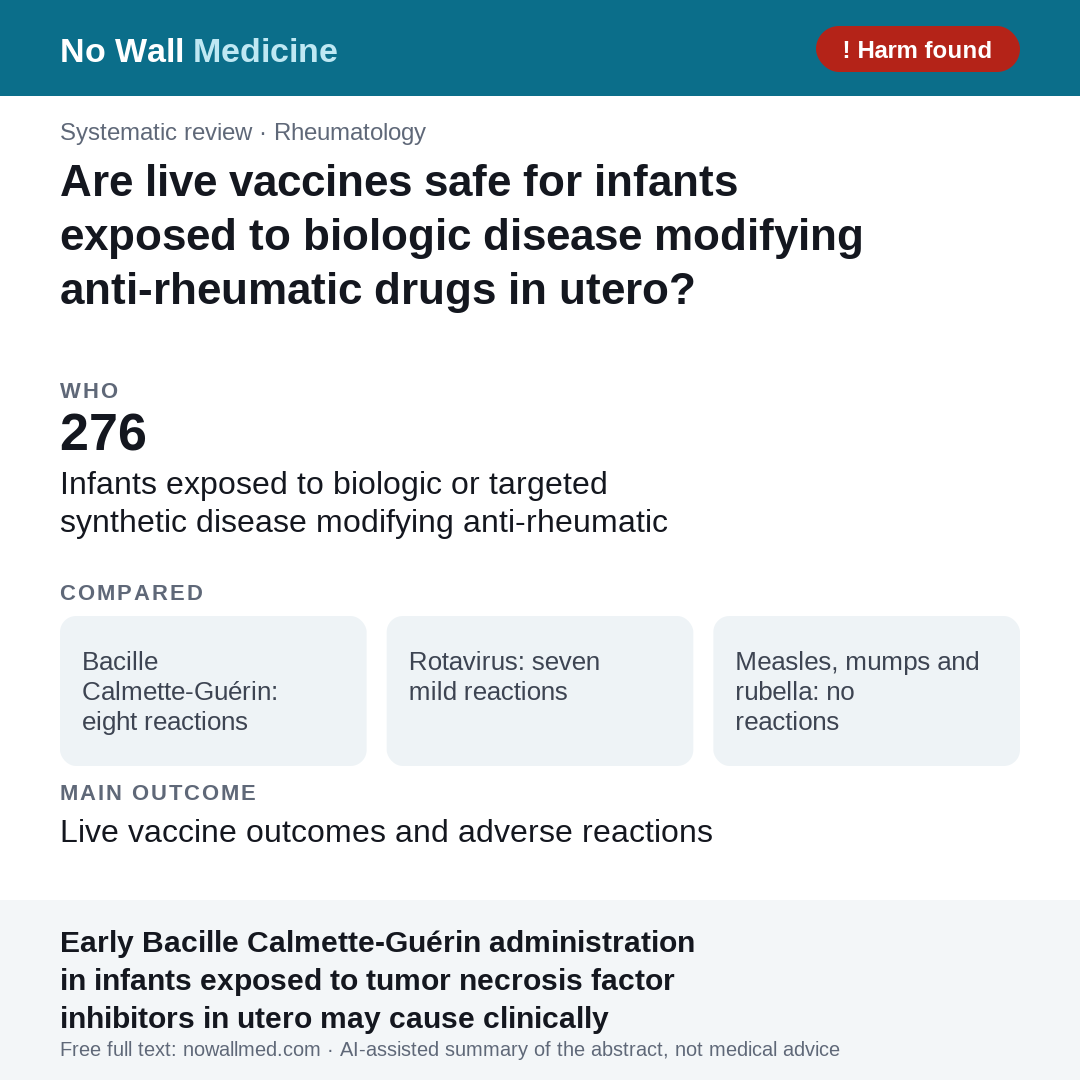
A systematic review of live vaccine outcomes in infants exposed to biologic disease modifying anti-rheumatic drugs in utero
Systematic reviewHarm found
Are live vaccines safe for infants exposed to biologic disease modifying anti-rheumatic drugs in utero?
Who
276
Infants exposed to biologic or targeted synthetic disease modifying anti-rheumatic drugs in utero
Compared
Bacille Calmette-Guérin: eight reactions
Rotavirus: seven mild reactions
Measles, mumps and rubella: no reactions
Main outcome
Live vaccine outcomes and adverse reactions
Bottom line: Early Bacille Calmette-Guérin administration in infants exposed to tumor necrosis factor inhibitors in utero may cause clinically harmful effects.
Rheumatology · 2022-03-09Download image
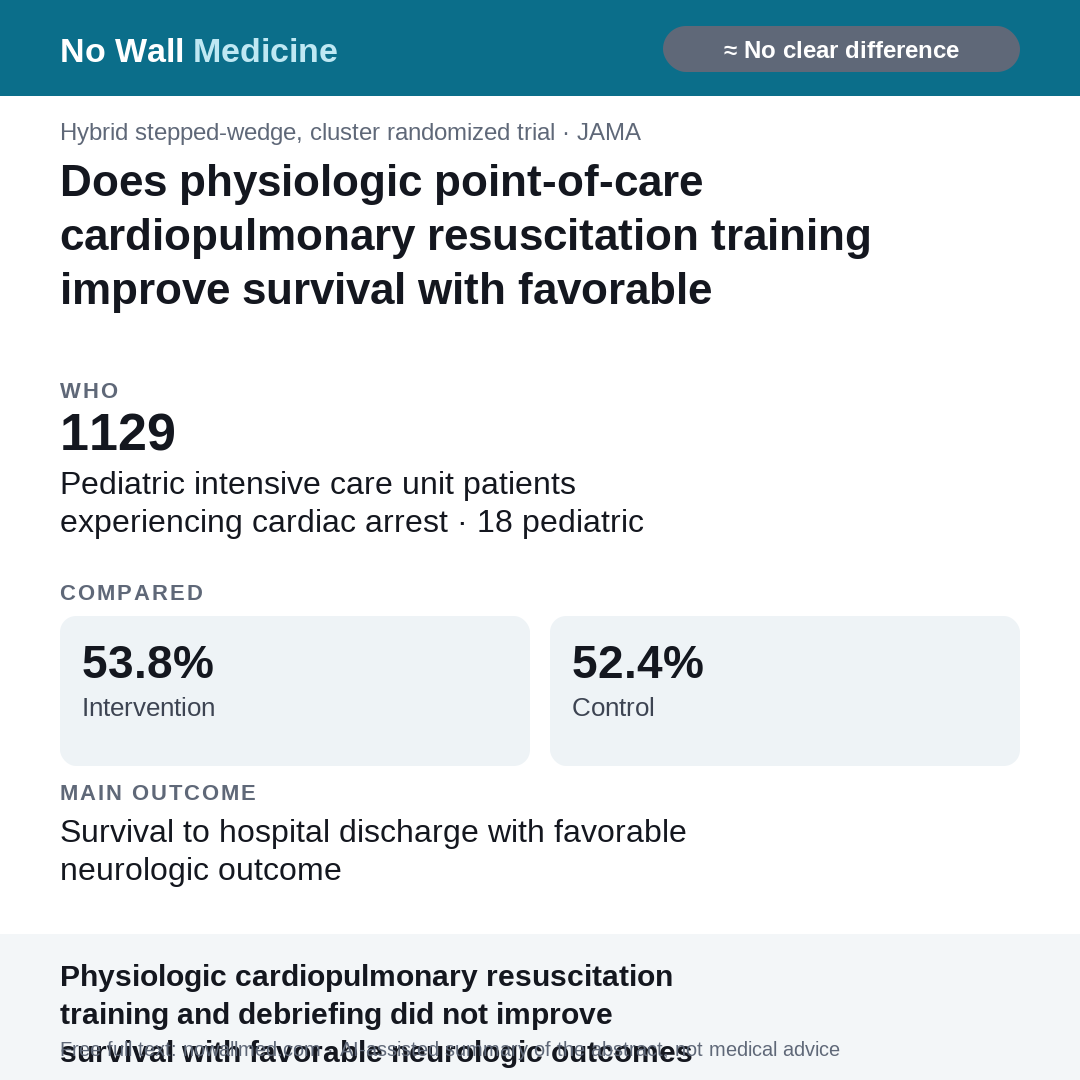
Effect of Physiologic Point-of-Care Cardiopulmonary Resuscitation Training on Survival With Favorable Neurologic Outcome in Cardiac Arrest in Pediatric ICUs: A Randomized Clinical Trial
Hybrid stepped-wedge, cluster randomized trialNo clear difference
Does physiologic point-of-care cardiopulmonary resuscitation training improve survival with favorable neurologic outcome?
Who
1129
Pediatric intensive care unit patients experiencing cardiac arrest · 18 pediatric intensive care units at 10 US sites
Compared
53.8%Intervention
52.4%Control
Main outcome
Survival to hospital discharge with favorable neurologic outcome
Result: risk difference 3.2% (95% CI -4.6% to 11.4%)
Bottom line: Physiologic cardiopulmonary resuscitation training and debriefing did not improve survival with favorable neurologic outcomes in pediatric intensive care unit cardiac arrests.
JAMA · 2022-03-08Download image
Humanistic and Economic Burden of Conversion Therapy Among LGBTQ Youths in the United States
Systematic literature review and economic evaluationHarm found
What are the humanistic and economic consequences of conversion therapy among LGBTQ youths?
Who
190695
LGBTQ individuals and youths in the United States · United States
Compared
SOGICE: 1.61 QALYs lost
Affirmative therapy: $40 329 cost savings
No intervention
Main outcome
Total incremental costs and quality-adjusted life-years
Result: $9.23 billion total economic burden
Bottom line: Conversion therapy causes significant psychological distress and an estimated annual economic burden of $9.23 billion in the United States.
JAMA Pediatr · 2022-03-08Download image

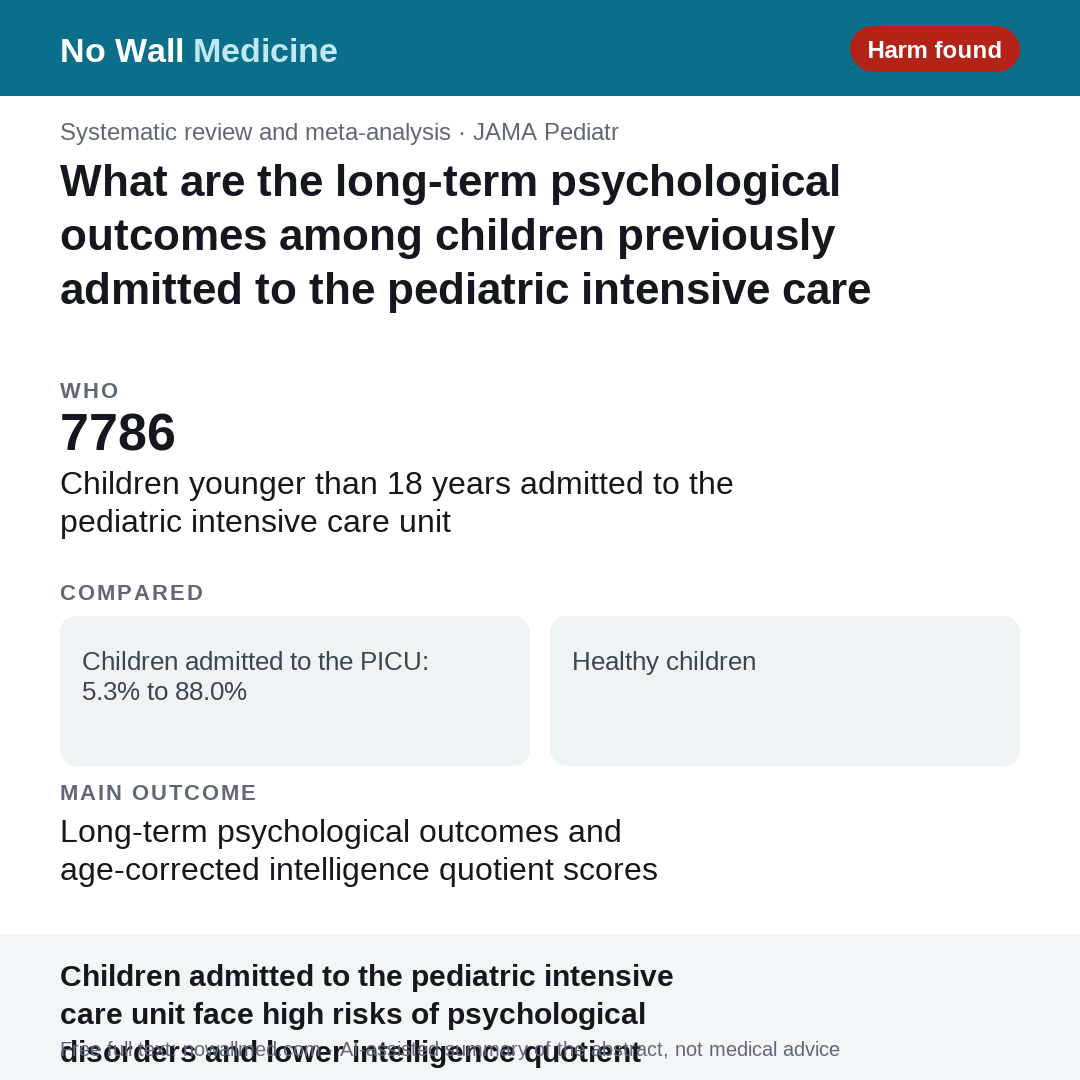
Assessment of Long-term Psychological Outcomes After Pediatric Intensive Care Unit Admission: A Systematic Review and Meta-analysis
Systematic review and meta-analysisHarm found
What are the long-term psychological outcomes among children previously admitted to the pediatric intensive care unit?
Who
7786
Children younger than 18 years admitted to the pediatric intensive care unit
Compared
Children admitted to the PICU: 5.3% to 88.0%
Healthy children
Main outcome
Long-term psychological outcomes and age-corrected intelligence quotient scores
Result: mean 89.40 points [95% CI, 88.33-90.47 points] vs 100.70 points [95% CI, 99.43-101.97 points]
Bottom line: Children admitted to the pediatric intensive care unit face high risks of psychological disorders and lower intelligence quotient scores.
Limitation: Race and ethnicity were not reported by all studies.
JAMA Pediatr · 2022-03-07Download image
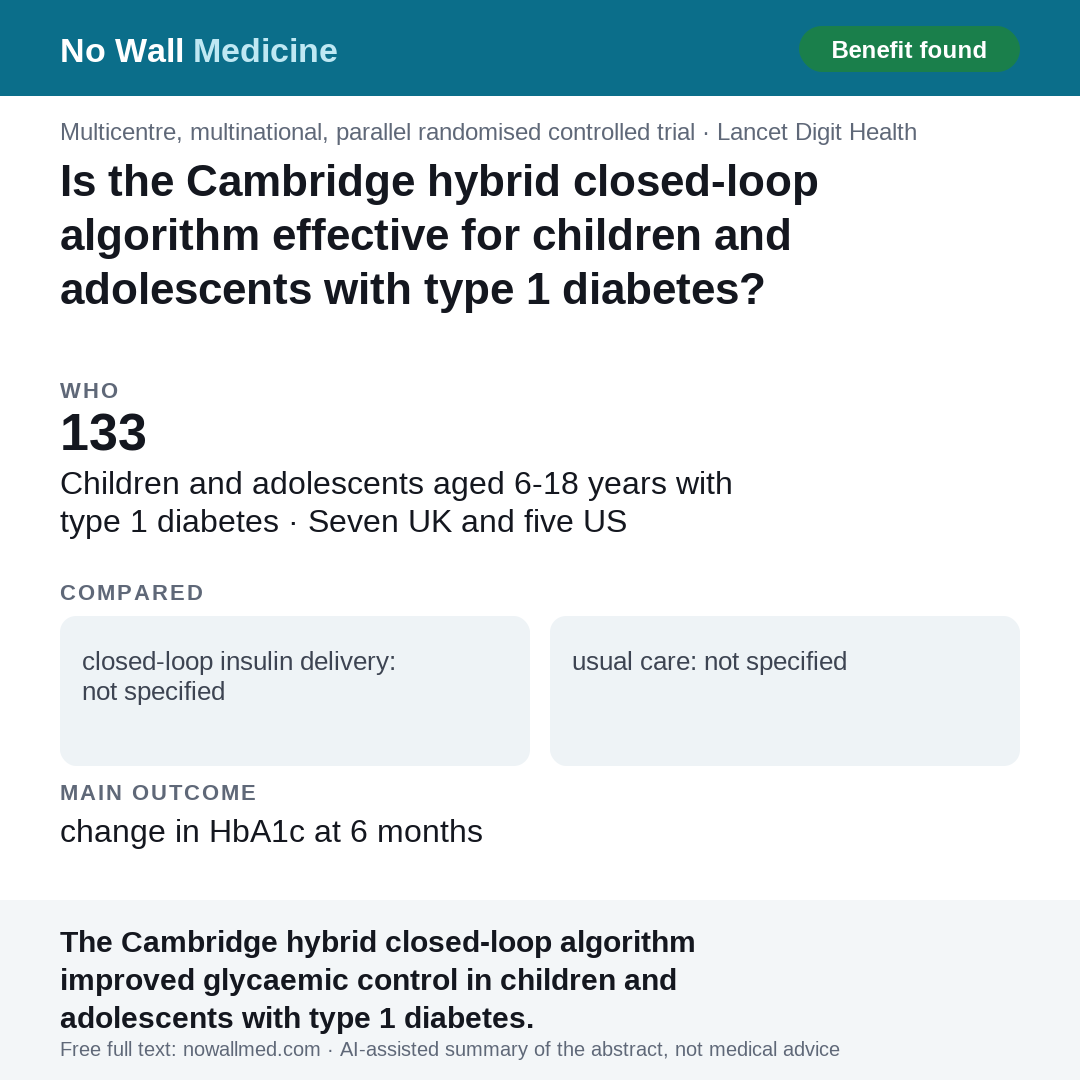
Cambridge hybrid closed-loop algorithm in children and adolescents with type 1 diabetes: a multicentre 6-month randomised controlled trial
Multicentre, multinational, parallel randomised controlled trialBenefit found
Is the Cambridge hybrid closed-loop algorithm effective for children and adolescents with type 1 diabetes?
Who
133
Children and adolescents aged 6-18 years with type 1 diabetes · Seven UK and five US paediatric diabetes centres
Compared
closed-loop insulin delivery: not specified
usual care: not specified
Main outcome
change in HbA1c at 6 months
Result: -3.5 mmol/mol (95% CI -6.5 to -0.5 [-0.32 percentage points, -0.59 to -0.04]; p=0.023)
Bottom line: The Cambridge hybrid closed-loop algorithm improved glycaemic control in children and adolescents with type 1 diabetes.
Funded by: National Institute of Diabetes and Digestive and Kidney Diseases
Lancet Digit Health · 2022-03-07Download image
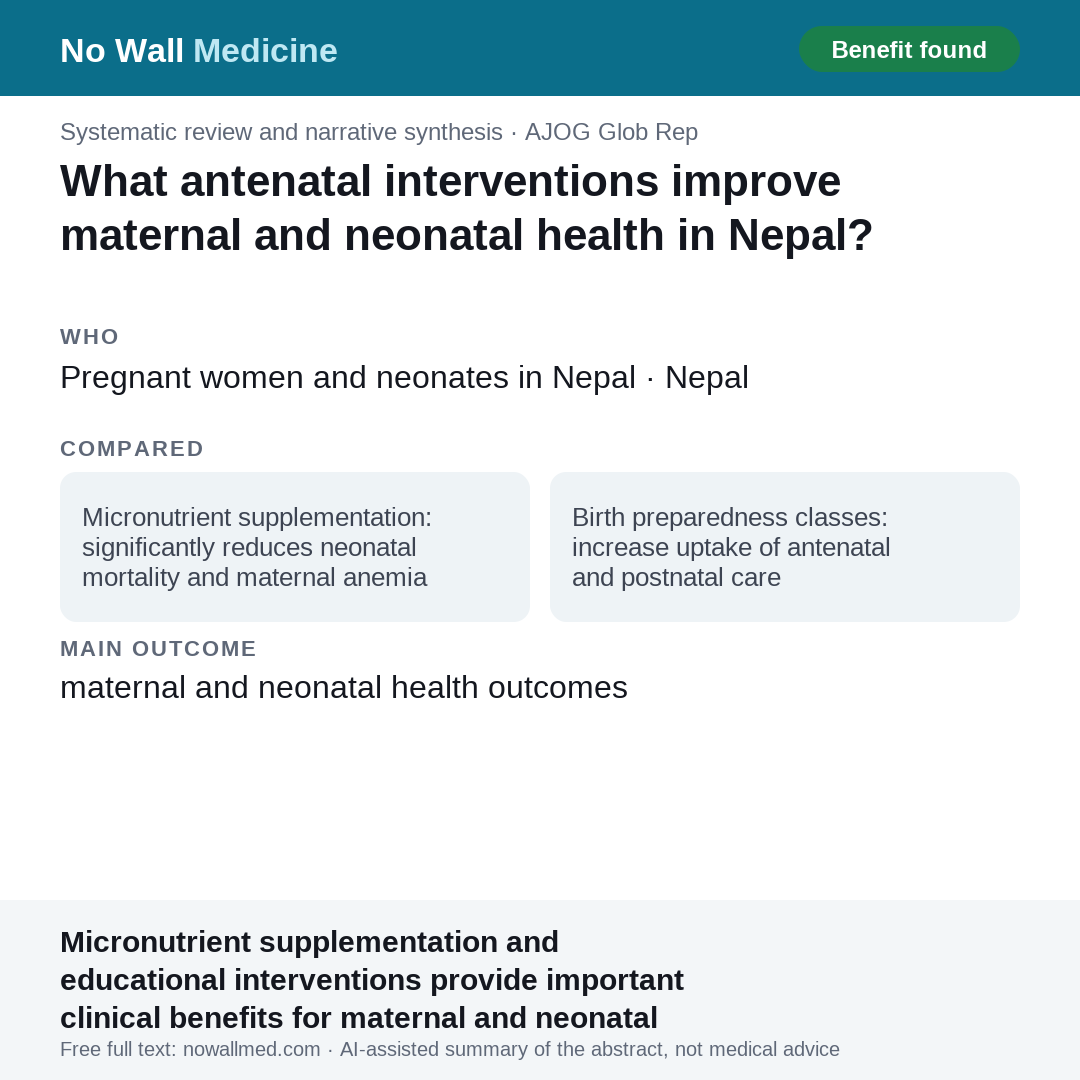
A systematic review and narrative synthesis of antenatal interventions to improve maternal and neonatal health in Nepal
Systematic review and narrative synthesisBenefit found
What antenatal interventions improve maternal and neonatal health in Nepal?
Who
25
Pregnant women and neonates in Nepal · Nepal
Compared
Micronutrient supplementation: significantly reduces neonatal mortality and maternal anemia
Birth preparedness classes: increase uptake of antenatal and postnatal care
Main outcome
maternal and neonatal health outcomes
Bottom line: Micronutrient supplementation and educational interventions provide important clinical benefits for maternal and neonatal health in Nepal.
Limitation: Less than a quarter were randomized controlled trials and many were single-site or short-term.
AJOG Glob Rep · 2022-03-07Download image
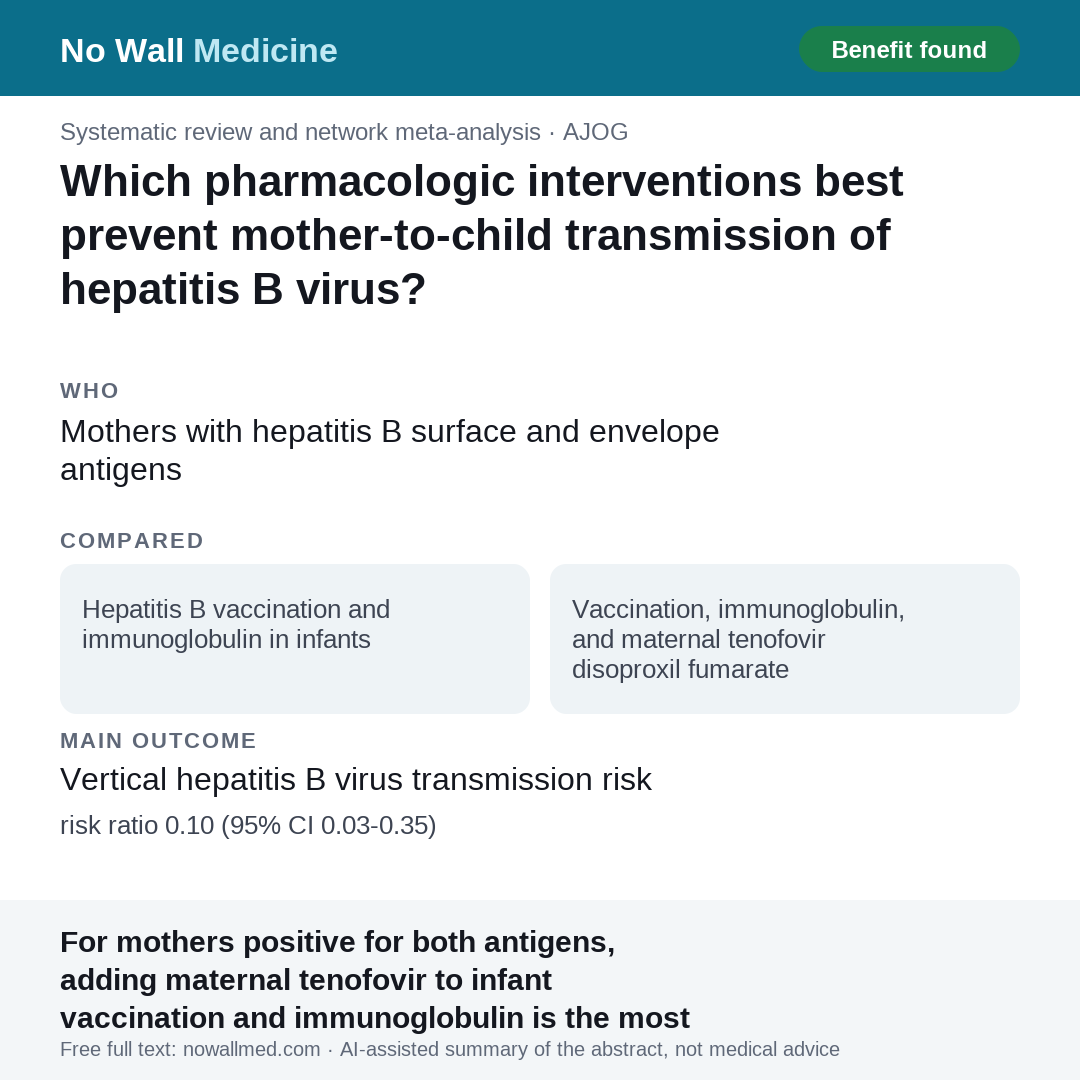
Comparative efficacy and safety of pharmacologic interventions to prevent mother-to-child transmission of hepatitis B virus: a systematic review and network meta-analysis
Systematic review and network meta-analysisBenefit found
Which pharmacologic interventions best prevent mother-to-child transmission of hepatitis B virus?
Who
Mothers with hepatitis B surface and envelope antigens
Compared
Hepatitis B vaccination and immunoglobulin in infants
Vaccination, immunoglobulin, and maternal tenofovir disoproxil fumarate
Main outcome
Vertical hepatitis B virus transmission risk
Result: risk ratio 0.10 (95% CI 0.03-0.35)
Bottom line: For mothers positive for both antigens, adding maternal tenofovir to infant vaccination and immunoglobulin is the most effective prevention.
Limitation: Limited evidence for mothers with mixed, unknown, or negative hepatitis B envelope antigen status.
AJOG · 2022-03-06Download image
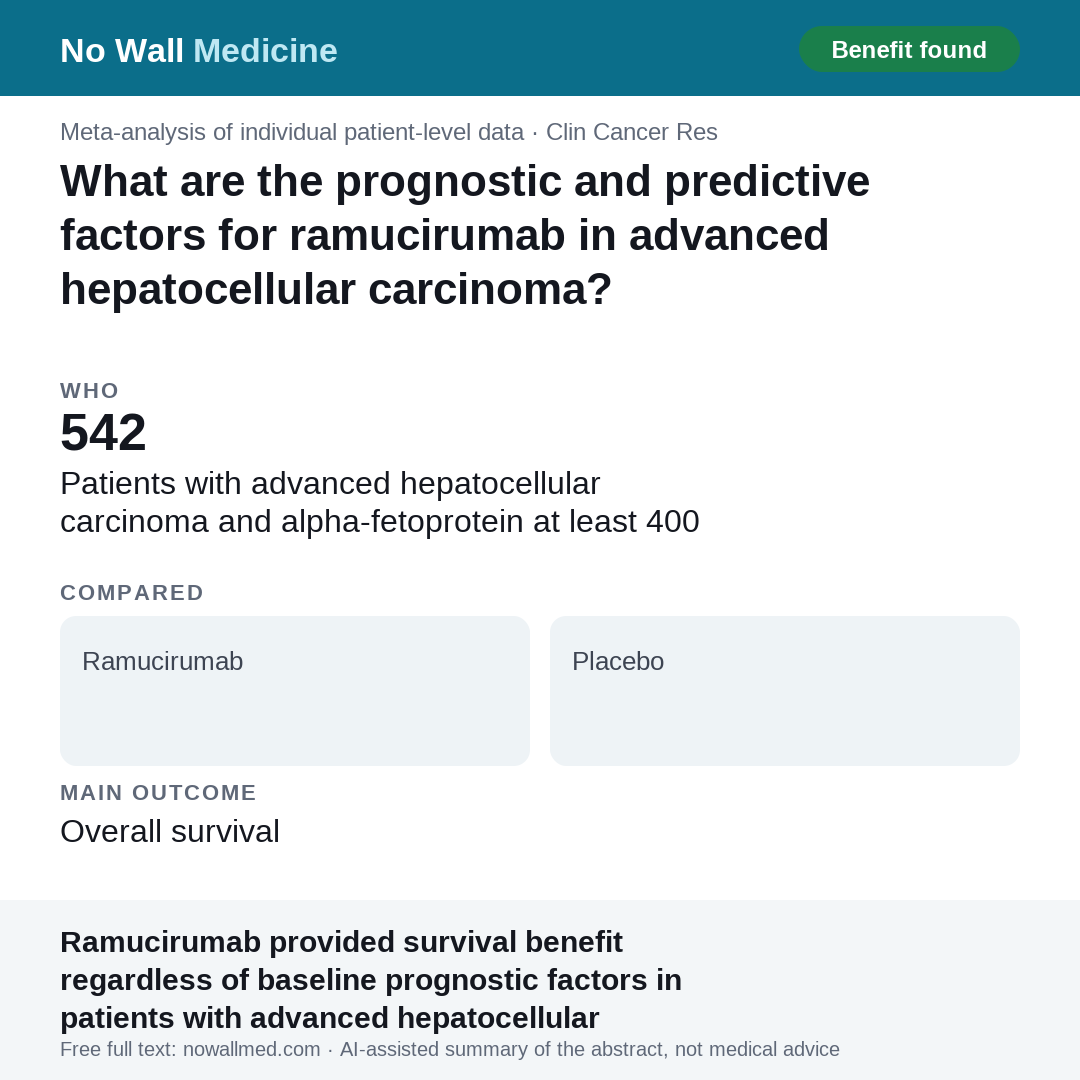
Prognostic and Predictive Factors in Patients with Advanced HCC and Elevated Alpha-Fetoprotein Treated with Ramucirumab in Two Randomized Phase III Trials
Meta-analysis of individual patient-level dataBenefit found
What are the prognostic and predictive factors for ramucirumab in advanced hepatocellular carcinoma?
Who
542
Patients with advanced hepatocellular carcinoma and alpha-fetoprotein at least 400 ng/mL
Compared
Ramucirumab
Placebo
Main outcome
Overall survival
Result: hazard ratio 0.64 (95% confidence interval 0.49-0.84)
Bottom line: Ramucirumab provided survival benefit regardless of baseline prognostic factors in patients with advanced hepatocellular carcinoma.
Clin Cancer Res · 2022-03-06Download image
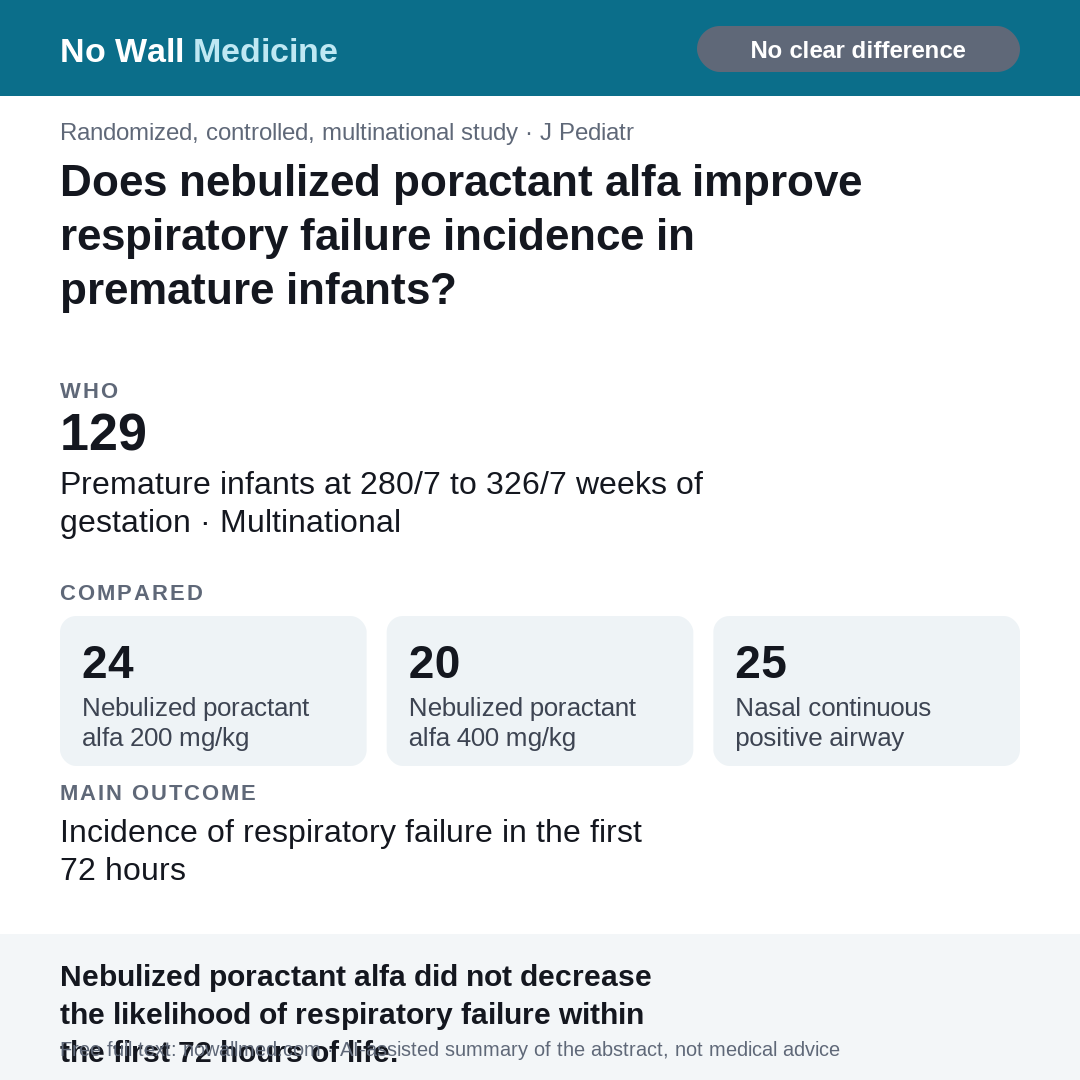
A Randomized, Controlled Trial to Investigate the Efficacy of Nebulized Poractant Alfa in Premature Babies with Respiratory Distress Syndrome
Randomized, controlled, multinational studyNo clear difference
Does nebulized poractant alfa improve respiratory failure incidence in premature infants?
Who
129
Premature infants at 280/7 to 326/7 weeks of gestation · Multinational
Compared
24Nebulized poractant alfa 200 mg/kg (57%)
20Nebulized poractant alfa 400 mg/kg (49%)
25Nasal continuous positive airway pressure alone (58%)
Main outcome
Incidence of respiratory failure in the first 72 hours
Bottom line: Nebulized poractant alfa did not decrease the likelihood of respiratory failure within the first 72 hours of life.
J Pediatr · 2022-03-05Download image
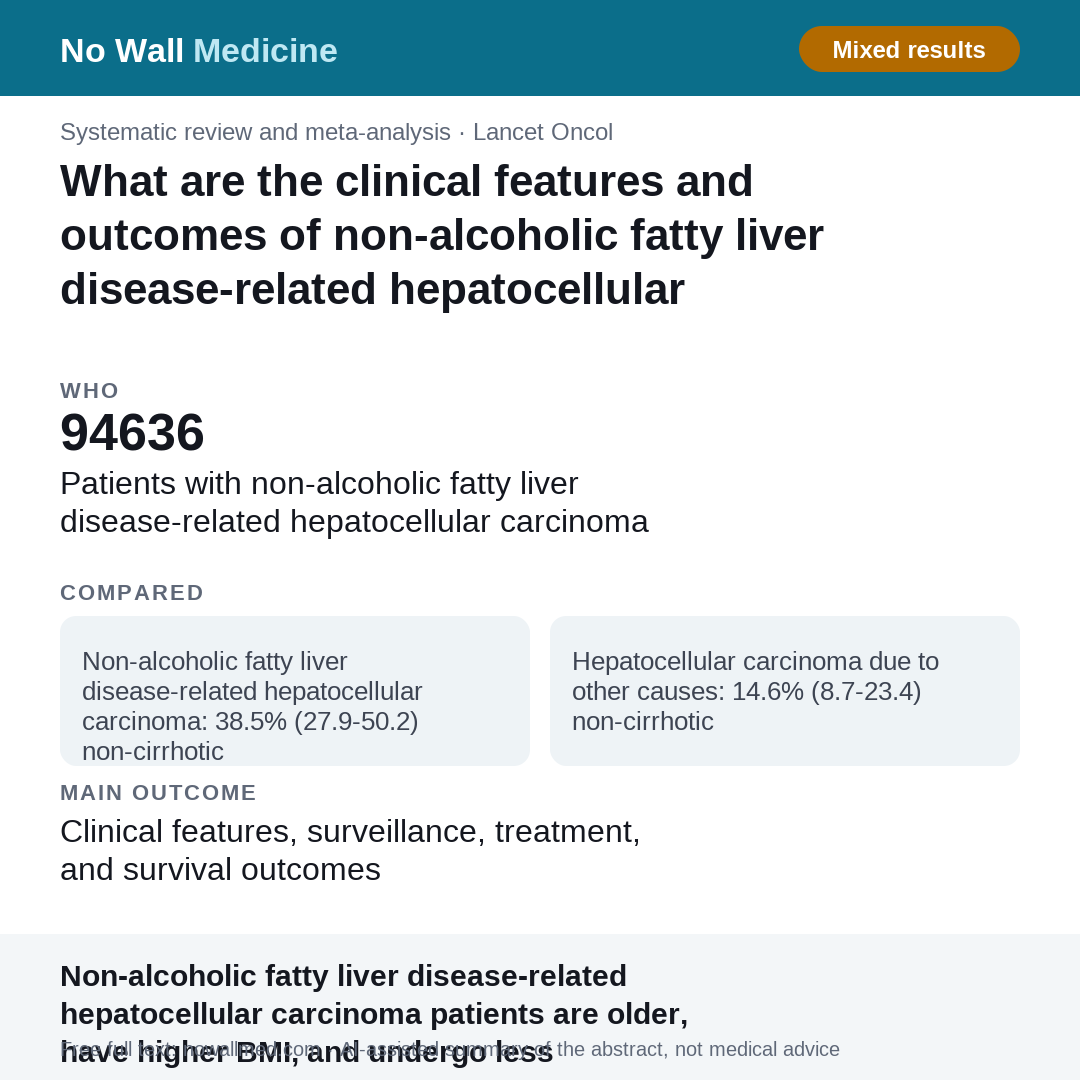
Clinical characteristics, surveillance, treatment allocation, and outcomes of non-alcoholic fatty liver disease-related hepatocellular carcinoma: a systematic review and meta-analysis
Systematic review and meta-analysisMixed results
What are the clinical features and outcomes of non-alcoholic fatty liver disease-related hepatocellular carcinoma?
Who
94636
Patients with non-alcoholic fatty liver disease-related hepatocellular carcinoma
Compared
Non-alcoholic fatty liver disease-related hepatocellular carcinoma: 38.5% (27.9-50.2) non-cirrhotic
Hepatocellular carcinoma due to other causes: 14.6% (8.7-23.4) non-cirrhotic
Main outcome
Clinical features, surveillance, treatment, and survival outcomes
Result: hazard ratio 1.05 (95% CI 0.92-1.20) for overall survival
Bottom line: Non-alcoholic fatty liver disease-related hepatocellular carcinoma patients are older, have higher BMI, and undergo less surveillance than other causes.
Limitation: There was substantial heterogeneity in most analyses (I2>75%)
Lancet Oncol · 2022-03-04Download image
Development of methodology for assessing steroid-tapering in clinical trials for biologics in asthma
Methodology development studyUnclear result
How can methodology for assessing steroid-tapering in biologics clinical trials be developed?
Who
Patients with asthma
Compared
asthma biologics
placebo
Main outcome
oral corticosteroid use
Bottom line: The study describes evolving methodologies for assessing oral corticosteroid-sparing effects in asthma biologic trials.
Respir Res · 2022-03-04Download image

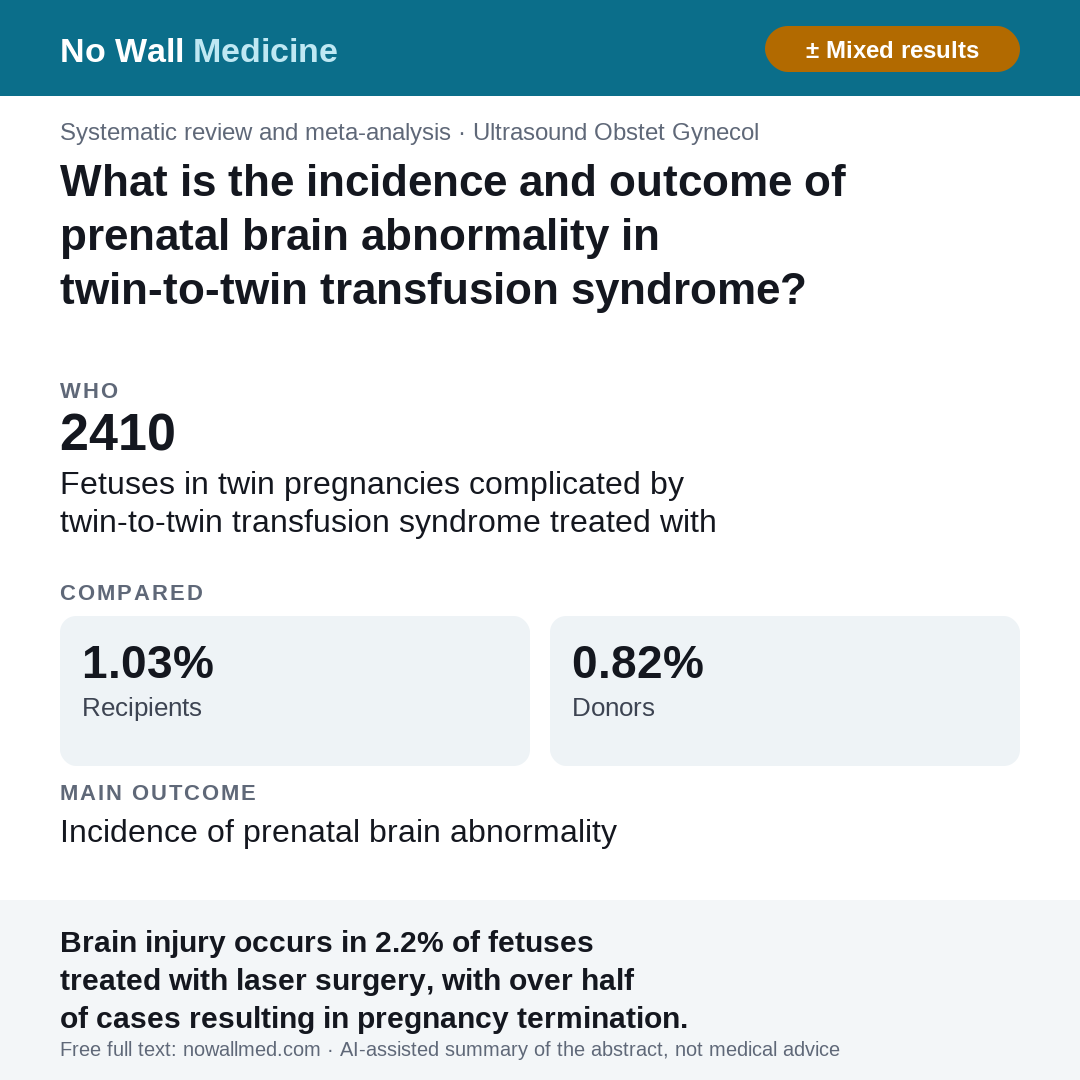
Incidence and outcome of prenatal brain abnormality in twin-to-twin transfusion syndrome: systematic review and meta-analysis
Systematic review and meta-analysisMixed results
What is the incidence and outcome of prenatal brain abnormality in twin-to-twin transfusion syndrome?
Who
2410
Fetuses in twin pregnancies complicated by twin-to-twin transfusion syndrome treated with laser surgery
Compared
1.03%Recipients
0.82%Donors
Main outcome
Incidence of prenatal brain abnormality
Result: 2.2% (52/2410)
Bottom line: Brain injury occurs in 2.2% of fetuses treated with laser surgery, with over half of cases resulting in pregnancy termination.
Ultrasound Obstet Gynecol · 2022-03-03Download image