Visual abstracts
New randomized trials and meta-analyses from leading journals at a glance: who was studied, what was compared, and what was found. Every paper is free to read in full.
All specialtiesCardiology 423Oncology 340Gastroenterology & Hepatology 173Infectious Disease 341Neurology 194Psychiatry & Mental Health 291Pulmonology 193Critical Care 135Endocrinology & Diabetes 264Pediatrics 205Surgery 147Orthopedics & Sports Medicine 91Neurosurgery 27Cardiothoracic & Vascular Surgery 51Plastic & Reconstructive Surgery 83Nephrology 83Rheumatology 85Hematology 104Dermatology 44Ophthalmology 77Obstetrics & Gynecology 133Public & Global Health 133Radiology & Imaging 41Anesthesiology 79Urology 100ENT (Otolaryngology) 53Emergency Medicine 44Allergy & Immunology 50Geriatrics 124Family Medicine & Primary Care 75Medical Genetics & Genomics 41Pathology & Laboratory Medicine 6Physical Medicine & Rehabilitation 112Palliative Care 64Nutrition 150Digital Health & AI 374General Medicine 51
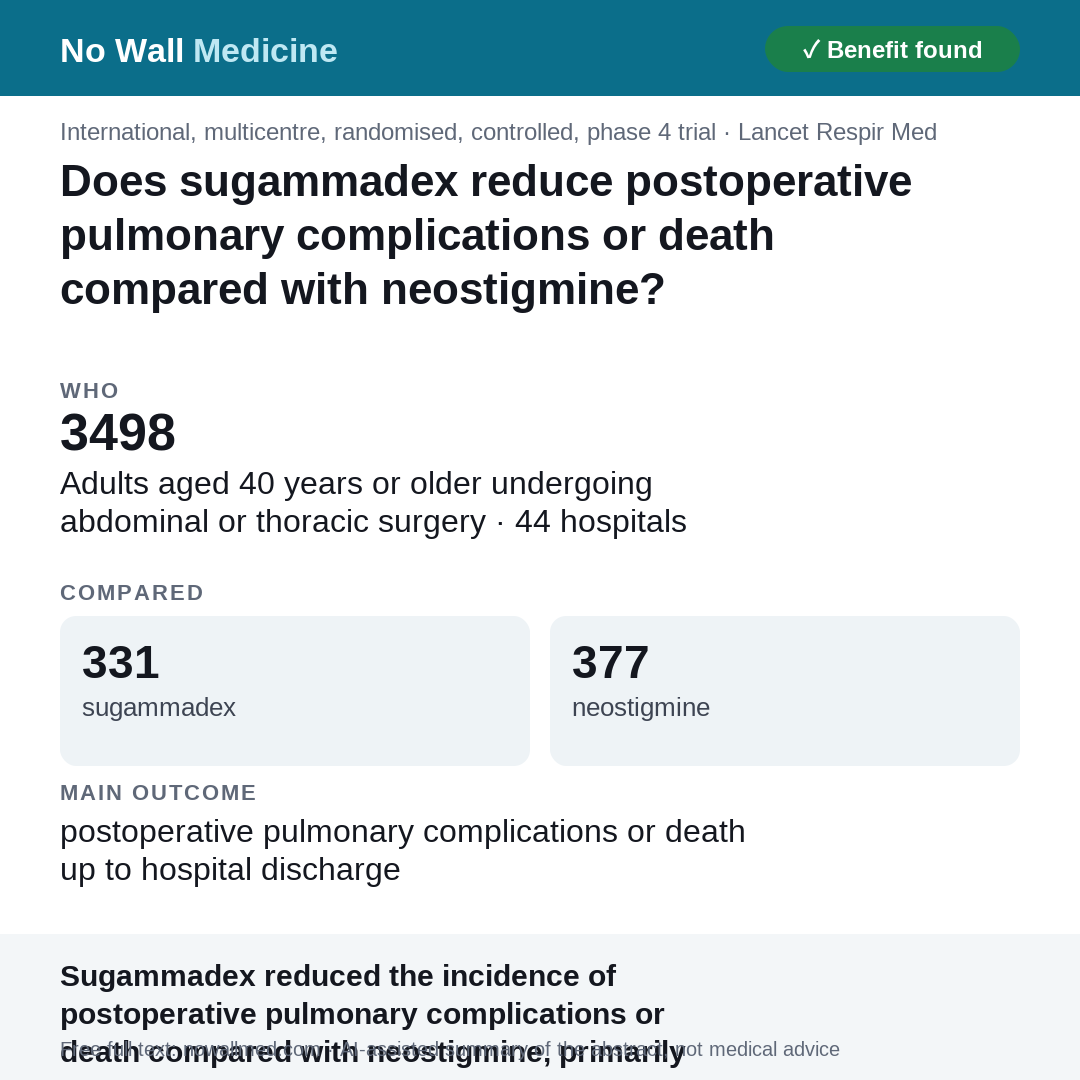
Sugammadex versus neostigmine for reversal of neuromuscular blockade and postoperative pulmonary complications (SNaPP): an international, randomised, controlled, phase 4 trial
International, multicentre, randomised, controlled, phase 4 trialBenefit found
Does sugammadex reduce postoperative pulmonary complications or death compared with neostigmine?
Who
3498
Adults aged 40 years or older undergoing abdominal or thoracic surgery · 44 hospitals in Australia, Aotearoa New Zealand, and Hong Kong
Compared
331sugammadex (19·0%)
377neostigmine (21·5%)
Main outcome
postoperative pulmonary complications or death up to hospital discharge
Result: risk ratio 0·88 (95% CI 0·77-1·00)
Bottom line: Sugammadex reduced the incidence of postoperative pulmonary complications or death compared with neostigmine, primarily driven by reduced atelectasis.
Funded by: Australian Medical Research Future Fund and Hong Kong Health and Medical Research Fund
Lancet Respir Med · 2026-06-09Download image
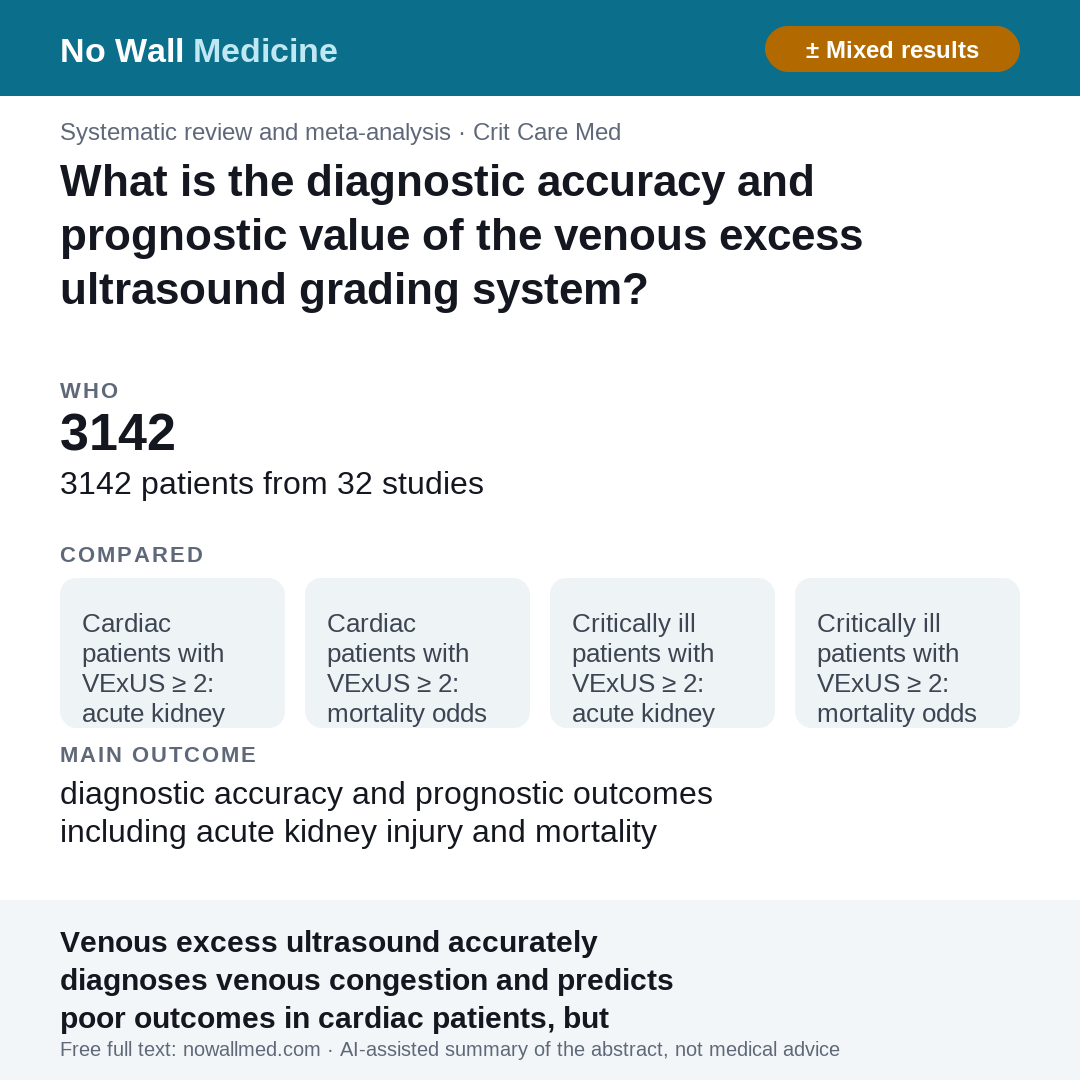
Diagnostic and Prognostic Value of the Venous Excess Ultrasound Grading System (VExUS): A Systematic Review and Meta-Analysis
Systematic review and meta-analysisMixed results
What is the diagnostic accuracy and prognostic value of the venous excess ultrasound grading system?
Who
3142
3142 patients from 32 studies
Compared
Cardiac patients with VExUS ≥ 2: acute kidney injury odds ratio 4.44 (95% CI 2.34-8.43)
Cardiac patients with VExUS ≥ 2: mortality odds ratio 3.17 (95% CI 1.30-7.75)
Critically ill patients with VExUS ≥ 2: acute kidney injury odds ratio 1.45 (95% CI 0.70-2.99)
Critically ill patients with VExUS ≥ 2: mortality odds ratio 1.25 (95% CI 0.77-2.03)
Main outcome
diagnostic accuracy and prognostic outcomes including acute kidney injury and mortality
Bottom line: Venous excess ultrasound accurately diagnoses venous congestion and predicts poor outcomes in cardiac patients, but results are unclear for critically ill patients.
Limitation: No meta-analysis could be performed for the diagnostic studies.
Crit Care Med · 2026-06-09Download image
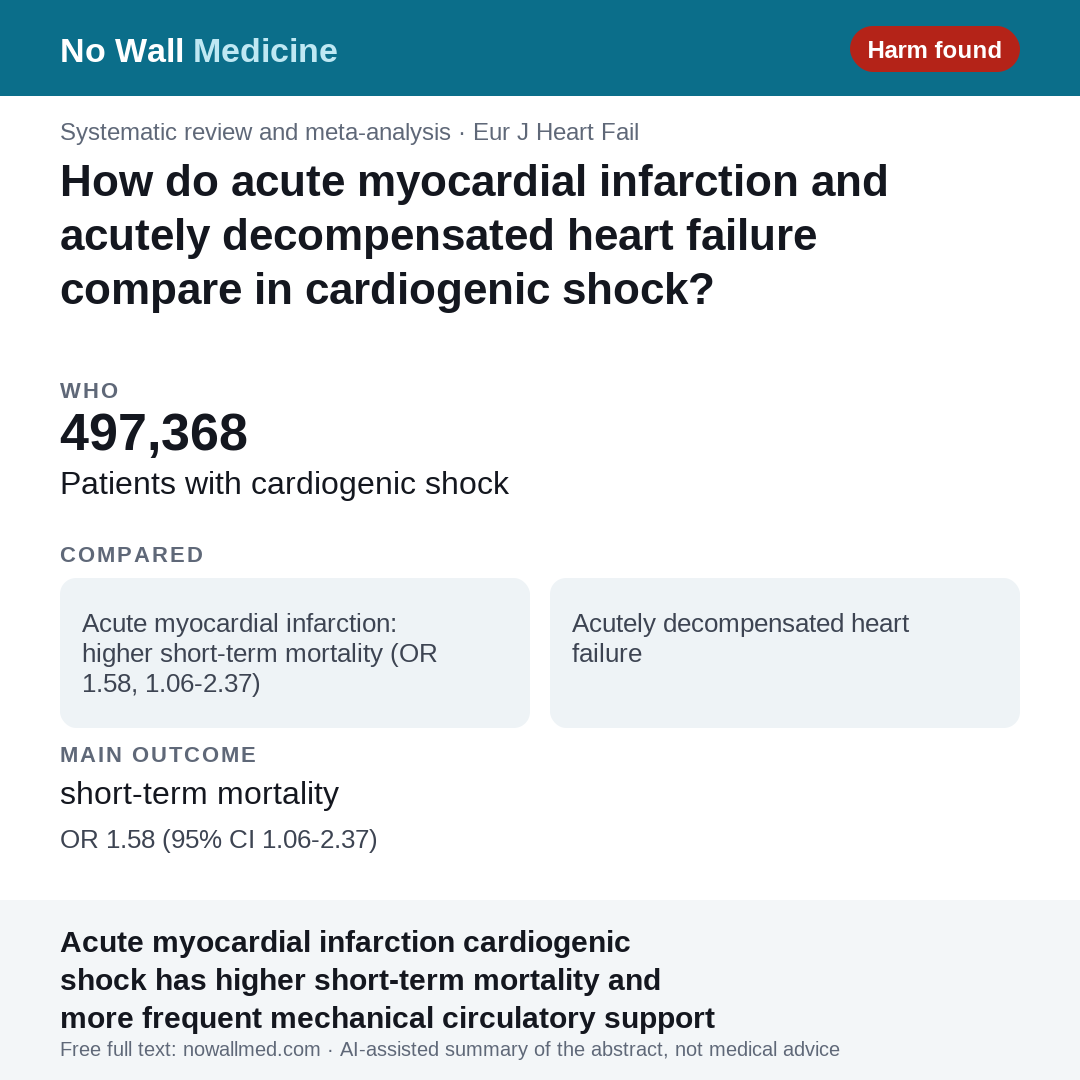
Acute Myocardial Infarction versus Acute Decompensated Heart Failure in Cardiogenic Shock: A Systematic Review and Meta-Analysis of Clinical Phenotypes and Mortality
Systematic review and meta-analysisHarm found
How do acute myocardial infarction and acutely decompensated heart failure compare in cardiogenic shock?
Who
497,368
Patients with cardiogenic shock
Compared
Acute myocardial infarction: higher short-term mortality (OR 1.58, 1.06-2.37)
Acutely decompensated heart failure
Main outcome
short-term mortality
Result: OR 1.58 (95% CI 1.06-2.37)
Bottom line: Acute myocardial infarction cardiogenic shock has higher short-term mortality and more frequent mechanical circulatory support than heart failure cardiogenic shock.
Limitation: Phenotype-defining variables were extractable in less than 1.1% of the pooled cohort.
Eur J Heart Fail · 2026-06-09Download image
Duration of antibiotic therapy for bacteraemia in immune compromised hosts-a post-hoc subgroup analysis of the Bacteremia Antibiotic Length Actually Needed For Clinical Effectiveness (BALANCE) randomized clinical trial
Post-hoc subgroup analysis of a randomized clinical trialNo clear difference
Is 7 days of antibiotics noninferior to 14 days for immune compromised bacteraemia patients?
Who
1037
Immune compromised patients with bacteraemia
Compared
7 days of antibiotics: 106/528 (20.1%)
14 days of antibiotics: 120/507 (23.7%)
Main outcome
90-day mortality
Result: risk difference, -3.6%; 95% CI, -8.6-1.4
Bottom line: In immune compromised patients, 7 days of antibiotic therapy was sufficient compared to 14 days for bacteraemia.
Limitation: This was a post-hoc subgroup analysis.
Clin Microbiol Infect · 2026-06-09Download image

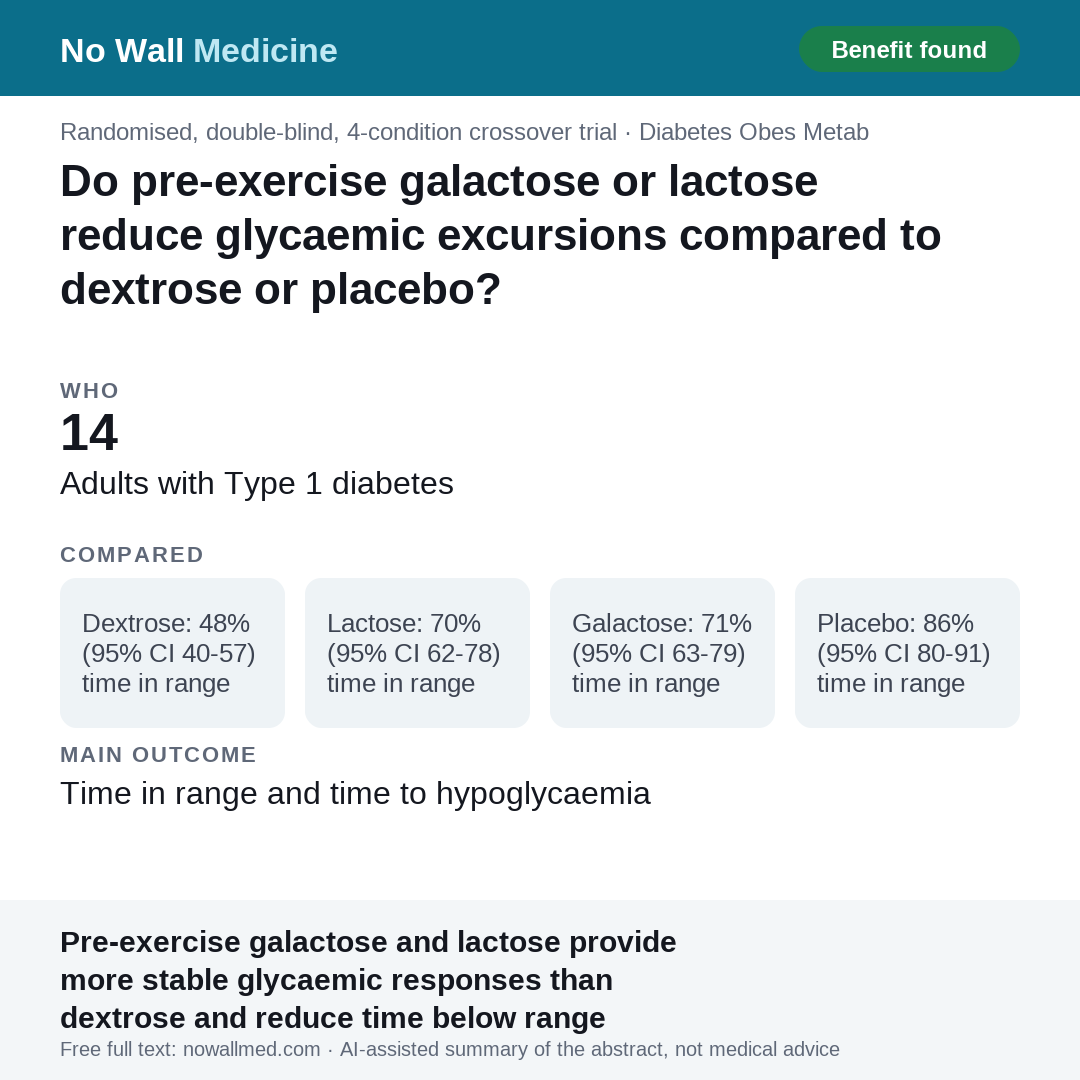
Pre-Exercise Galactose or Lactose Reduces Glycaemic Excursions During Exercise in Adults With Type 1 Diabetes: A Randomised, Double-Blind, Crossover Trial
Randomised, double-blind, 4-condition crossover trialBenefit found
Do pre-exercise galactose or lactose reduce glycaemic excursions compared to dextrose or placebo?
Who
14
Adults with Type 1 diabetes
Compared
Dextrose: 48% (95% CI 40-57) time in range
Lactose: 70% (95% CI 62-78) time in range
Galactose: 71% (95% CI 63-79) time in range
Placebo: 86% (95% CI 80-91) time in range
Main outcome
Time in range and time to hypoglycaemia
Bottom line: Pre-exercise galactose and lactose provide more stable glycaemic responses than dextrose and reduce time below range compared to placebo.
Diabetes Obes Metab · 2026-06-09Download image
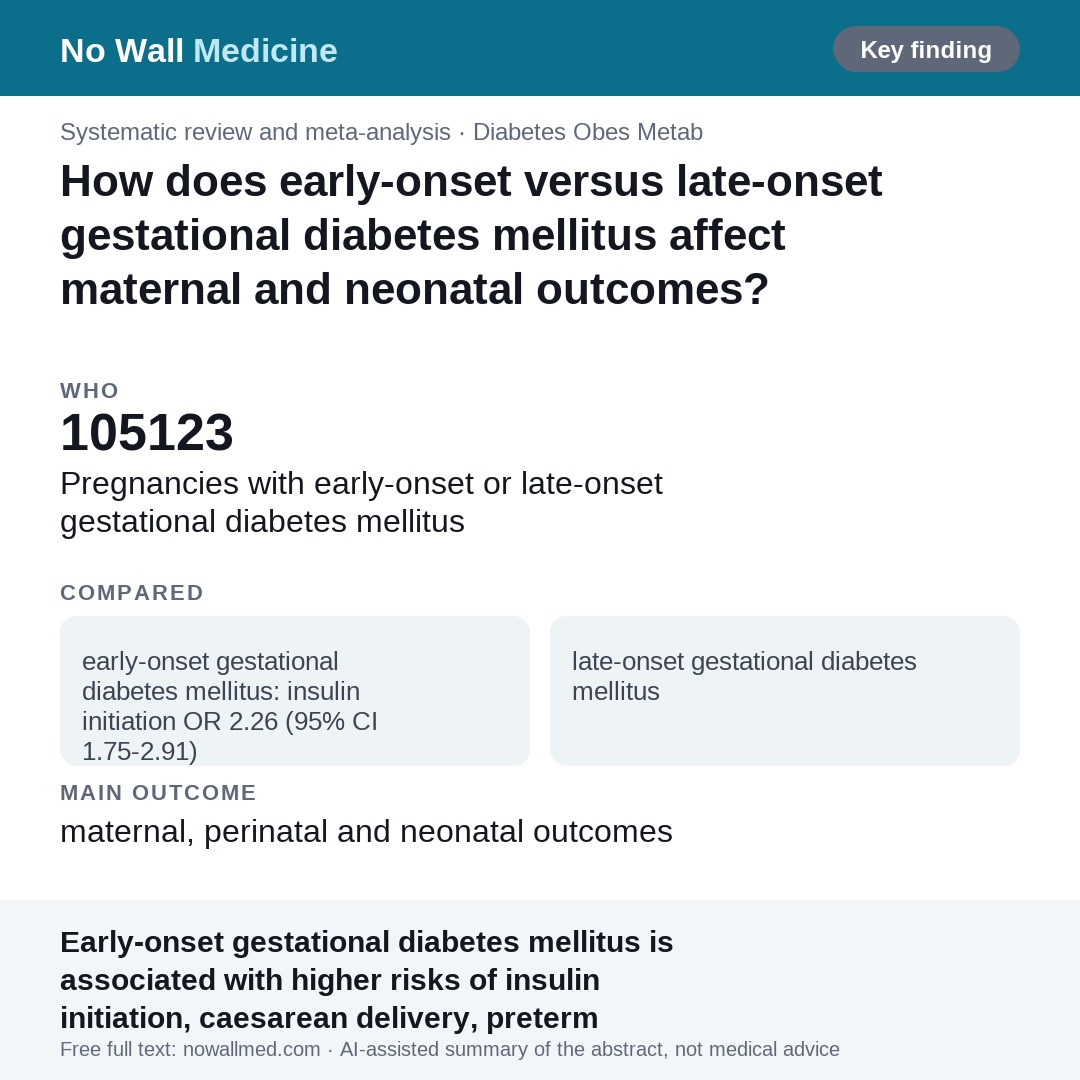
Early-Onset Versus Late-Onset Gestational Diabetes Mellitus: A Systematic Review and Meta-Analysis of Maternal, Perinatal and Neonatal Outcomes
Systematic review and meta-analysisHarm found
How does early-onset versus late-onset gestational diabetes mellitus affect maternal and neonatal outcomes?
Who
105123
Pregnancies with early-onset or late-onset gestational diabetes mellitus
Compared
early-onset gestational diabetes mellitus: insulin initiation OR 2.26 (95% CI 1.75-2.91)
late-onset gestational diabetes mellitus
Main outcome
maternal, perinatal and neonatal outcomes
Result: insulin initiation OR 2.26 (95% CI 1.75-2.91)
Bottom line: Early-onset gestational diabetes mellitus is associated with higher risks of insulin initiation, caesarean delivery, preterm birth, and neonatal complications.
Diabetes Obes Metab · 2026-06-09Download image
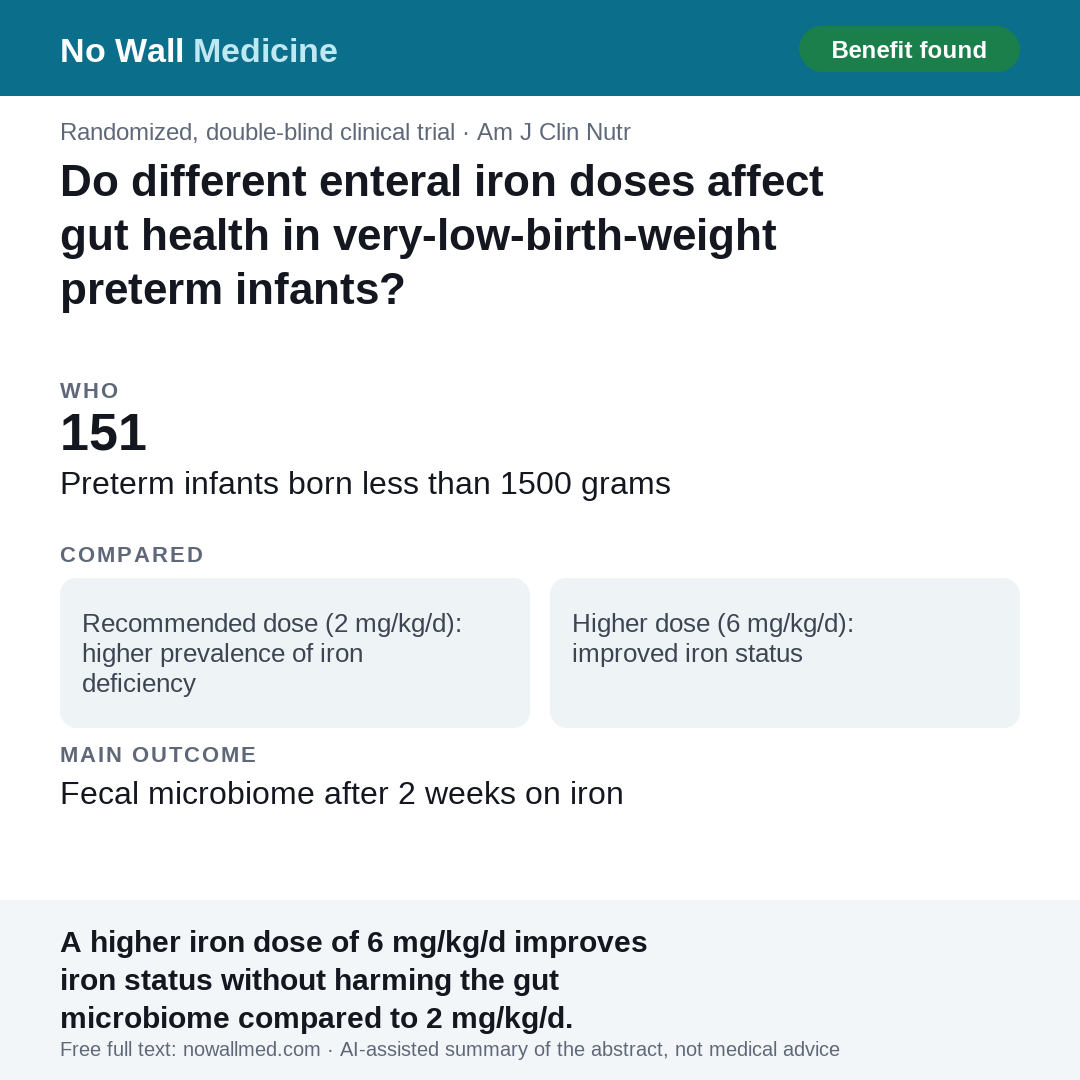
Enteral iron dose effect on iron storage, intestinal barrier, and gut microbiome in preterm infants: a randomized clinical trial
Randomized, double-blind clinical trialBenefit found
Do different enteral iron doses affect gut health in very-low-birth-weight preterm infants?
Who
151
Preterm infants born less than 1500 grams
Compared
Recommended dose (2 mg/kg/d): higher prevalence of iron deficiency
Higher dose (6 mg/kg/d): improved iron status
Main outcome
Fecal microbiome after 2 weeks on iron
Bottom line: A higher iron dose of 6 mg/kg/d improves iron status without harming the gut microbiome compared to 2 mg/kg/d.
Limitation: Subgroup analysis of singletons showed significant differences in temporal shifts in bacterial community structure.
Am J Clin Nutr · 2026-06-09Download image
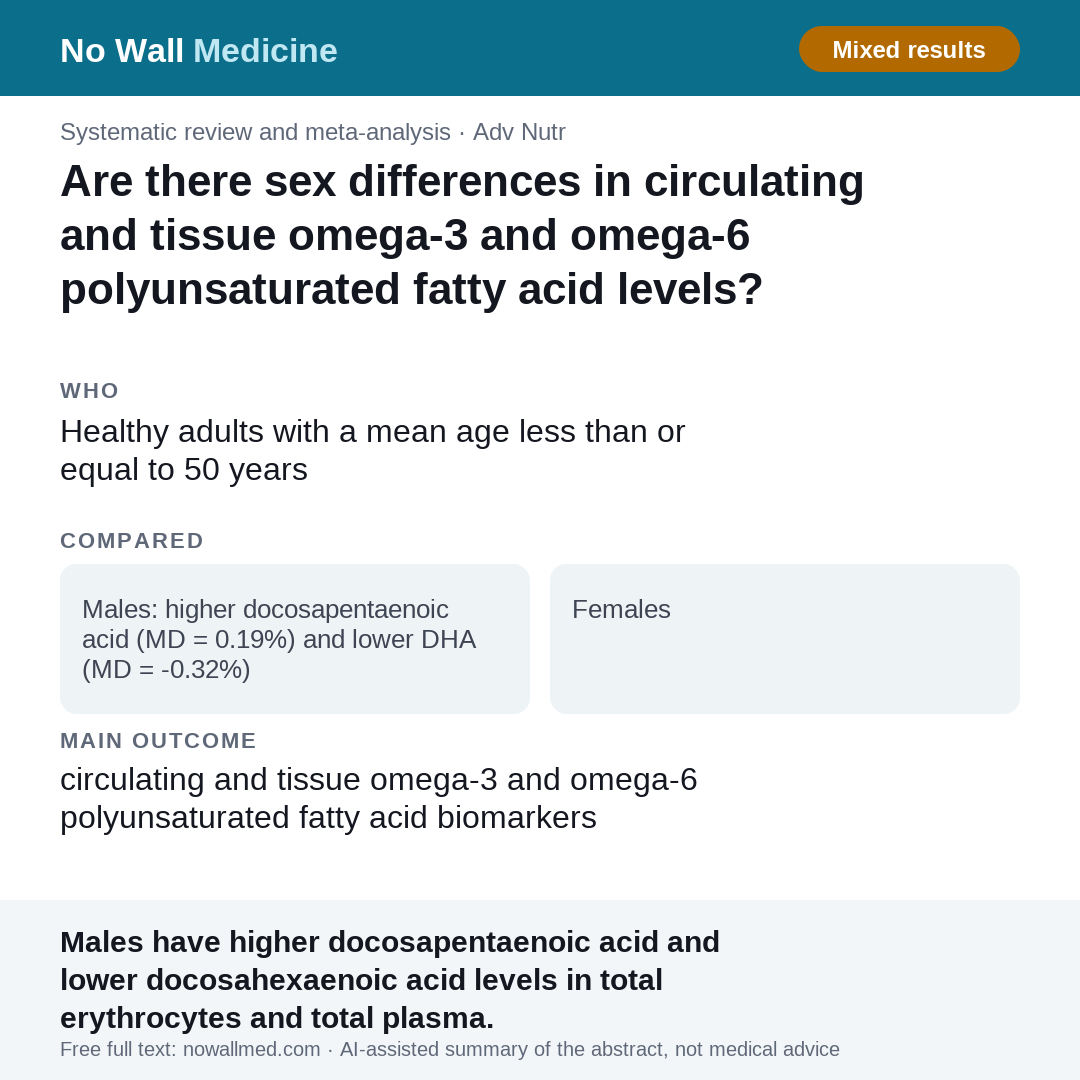
Sex Differences in Omega-3 and Omega-6 PUFA Status: A Systematic Review and Meta-analysis of Cross-Sectional Comparisons
Systematic review and meta-analysisMixed results
Are there sex differences in circulating and tissue omega-3 and omega-6 polyunsaturated fatty acid levels?
Who
Healthy adults with a mean age less than or equal to 50 years
Compared
Males: higher docosapentaenoic acid (MD = 0.19%) and lower DHA (MD = -0.32%)
Females
Main outcome
circulating and tissue omega-3 and omega-6 polyunsaturated fatty acid biomarkers
Result: MD = 0.19%, 95% CI: 0.10%, 0.27% for docosapentaenoic acid; MD = -0.32%, 95% CI: -0.46%, -0.18% for DHA
Bottom line: Males have higher docosapentaenoic acid and lower docosahexaenoic acid levels in total erythrocytes and total plasma.
Limitation: The certainty of the evidence for all outcomes was graded as low or very low.
Adv Nutr · 2026-06-09Download image
Mobile intervention for emerging adults with regular cannabis use: a micro-randomized trial
Micro-randomized trialMixed results
Does a personalized just-in-time adaptive intervention improve engagement and cannabis use?
Who
122
Emerging adults with regular cannabis use
Compared
Intervention message delivery: b = 0.044; 95% CI: 0.018, 0.070
No message: b = 0.008; 95% CI: -0.003, 0.020
Main outcome
Proximal engagement and proximal cannabis use
Bottom line: The intervention increased proximal engagement but did not affect proximal cannabis use among emerging adults.
Funded by: National Institute of Health and the Brzoznowski family
Lancet Reg Health Am · 2026-06-09Download image

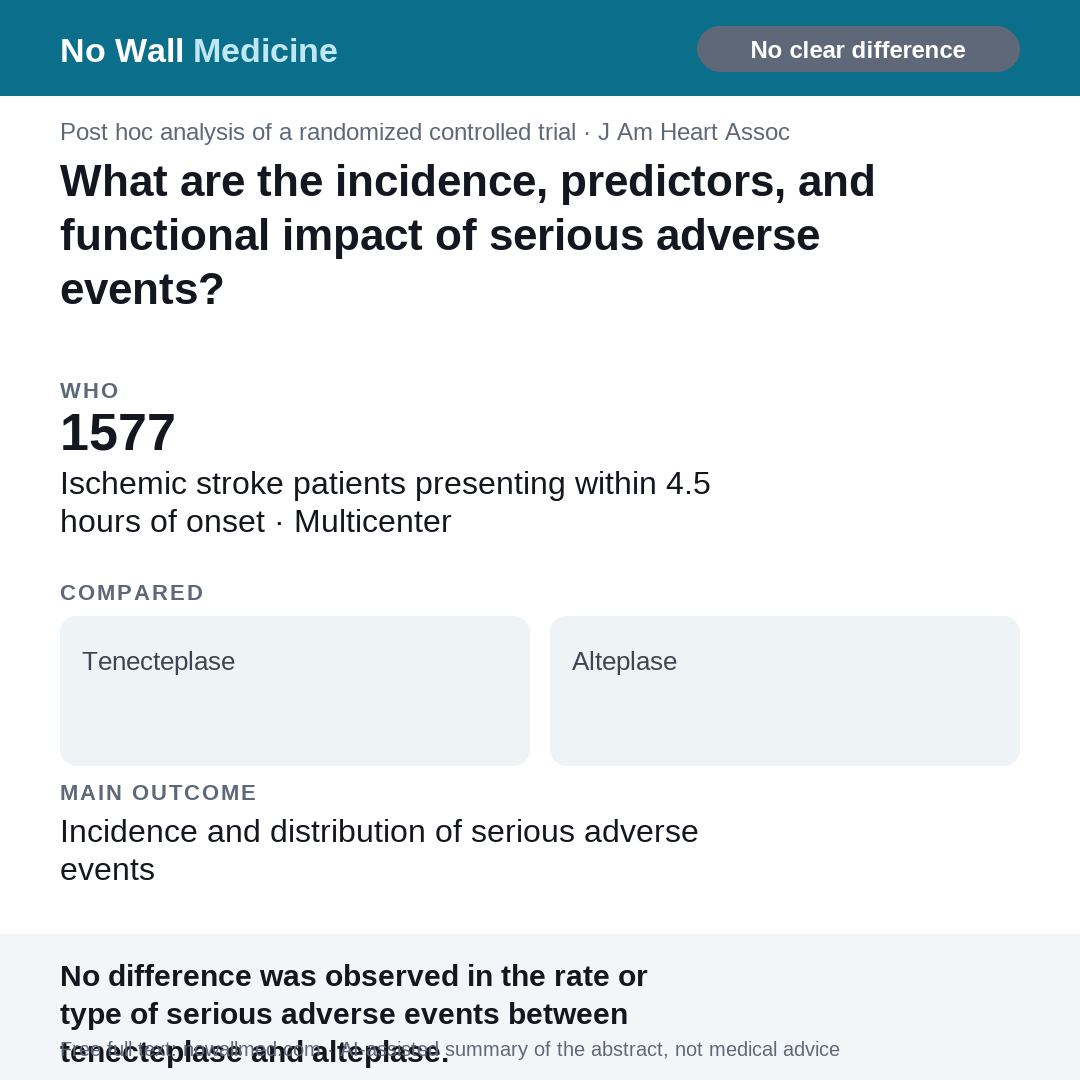
Predictors and Consequences of Serious Adverse Events in Patients Treated With Thrombolysis: A Prespecified Secondary Analysis of the AcT Trial
Post hoc analysis of a randomized controlled trialNo clear difference
What are the incidence, predictors, and functional impact of serious adverse events?
Who
1577
Ischemic stroke patients presenting within 4.5 hours of onset · Multicenter
Compared
Tenecteplase
Alteplase
Main outcome
Incidence and distribution of serious adverse events
Bottom line: No difference was observed in the rate or type of serious adverse events between tenecteplase and alteplase.
J Am Heart Assoc · 2026-06-09Download image
Large Core Stroke Thrombectomy Is Safe and Effective Regardless of Prior Antithrombotic or Thrombolytic Treatment: A Secondary Analysis of the Randomized TENSION Trial
Prospective randomized open-label blinded-end point clinical trialBenefit found
Is endovascular thrombectomy safe and effective regardless of prior antithrombotic or thrombolytic treatment?
Who
246
Patients with acute ischemic stroke, large vessel occlusion, and large infarct
Compared
Endovascular thrombectomy with medical therapy
Medical therapy alone
Main outcome
Functional outcome at 90 days
Bottom line: Endovascular thrombectomy is safe and effective regardless of prior antiplatelet, anticoagulant, or intravenous thrombolysis treatment.
J Am Heart Assoc · 2026-06-09Download image

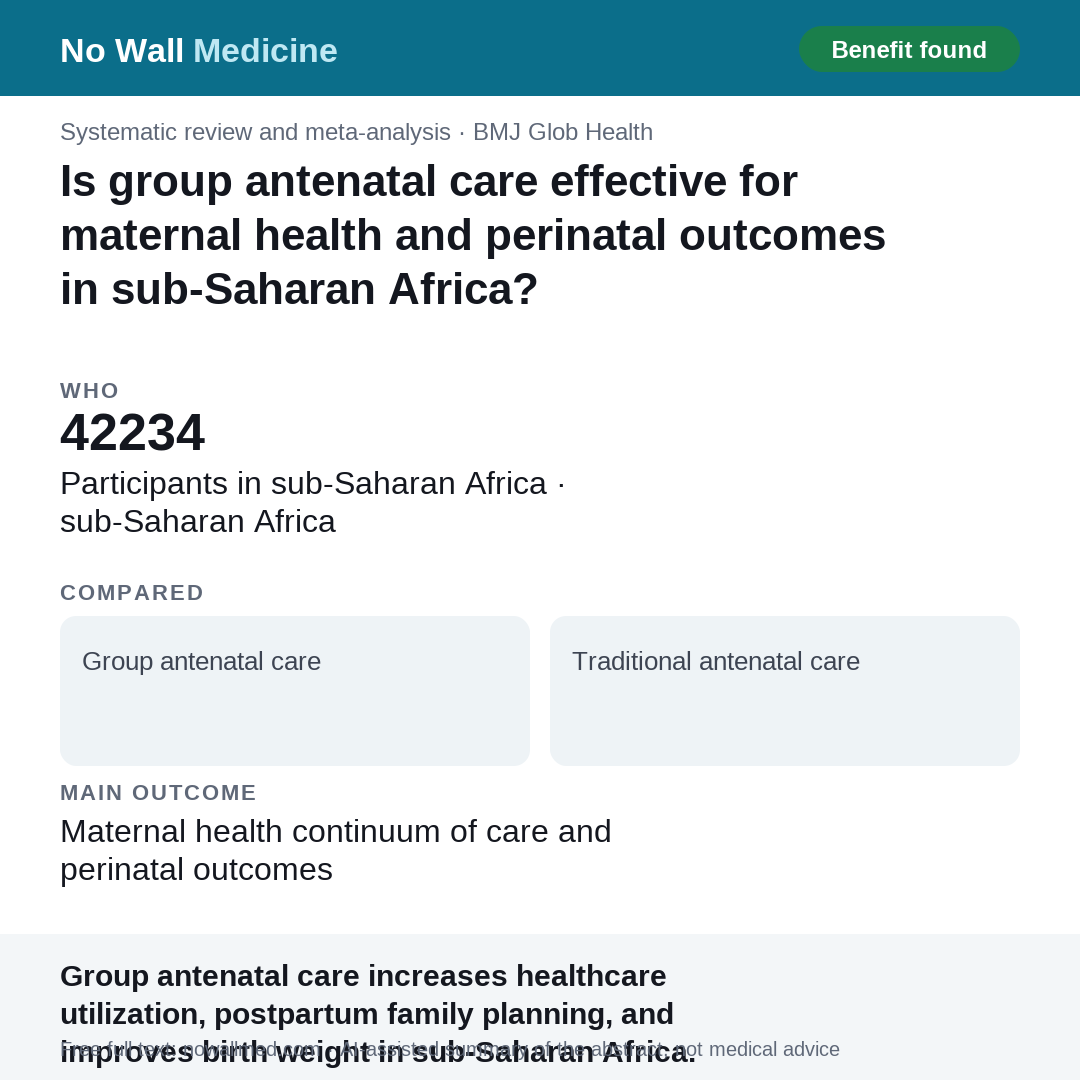
Feasibility, acceptability and effectiveness of group antenatal care on maternal health continuum of care and perinatal outcomes in sub-Saharan Africa: a systematic review and meta-analysis
Systematic review and meta-analysisBenefit found
Is group antenatal care effective for maternal health and perinatal outcomes in sub-Saharan Africa?
Who
42234
Participants in sub-Saharan Africa · sub-Saharan Africa
Compared
Group antenatal care
Traditional antenatal care
Main outcome
Maternal health continuum of care and perinatal outcomes
Result: risk ratio 1.45 (95% CI 1.22 to 2.82) for four or more visits
Bottom line: Group antenatal care increases healthcare utilization, postpartum family planning, and improves birth weight in sub-Saharan Africa.
Limitation: No cost-effectiveness studies of group antenatal care were identified in sub-Saharan Africa.
BMJ Glob Health · 2026-06-09Download image
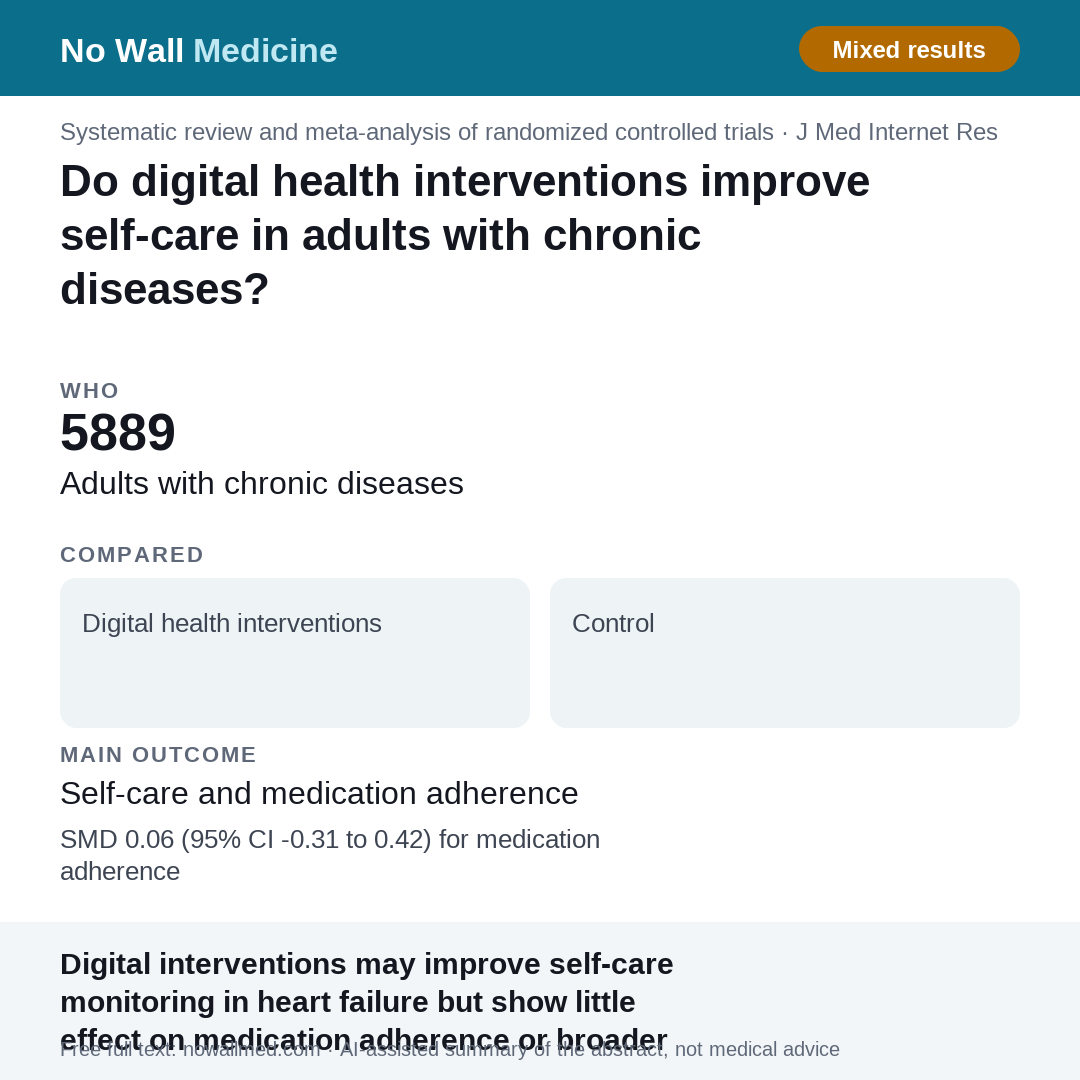
Effectiveness of Digital Health Interventions to Improve Self-Care in Patients With Chronic Diseases: Systematic Review and Meta-Analysis of Randomized Controlled Trials
Systematic review and meta-analysis of randomized controlled trialsMixed results
Do digital health interventions improve self-care in adults with chronic diseases?
Who
5889
Adults with chronic diseases
Compared
Digital health interventions
Control
Main outcome
Self-care and medication adherence
Result: SMD 0.06 (95% CI -0.31 to 0.42) for medication adherence
Bottom line: Digital interventions may improve self-care monitoring in heart failure but show little effect on medication adherence or broader behavioral maintenance.
Limitation: Methodological heterogeneity, small sample sizes, short follow-up periods, and varied outcome measures.
J Med Internet Res · 2026-06-09Download image
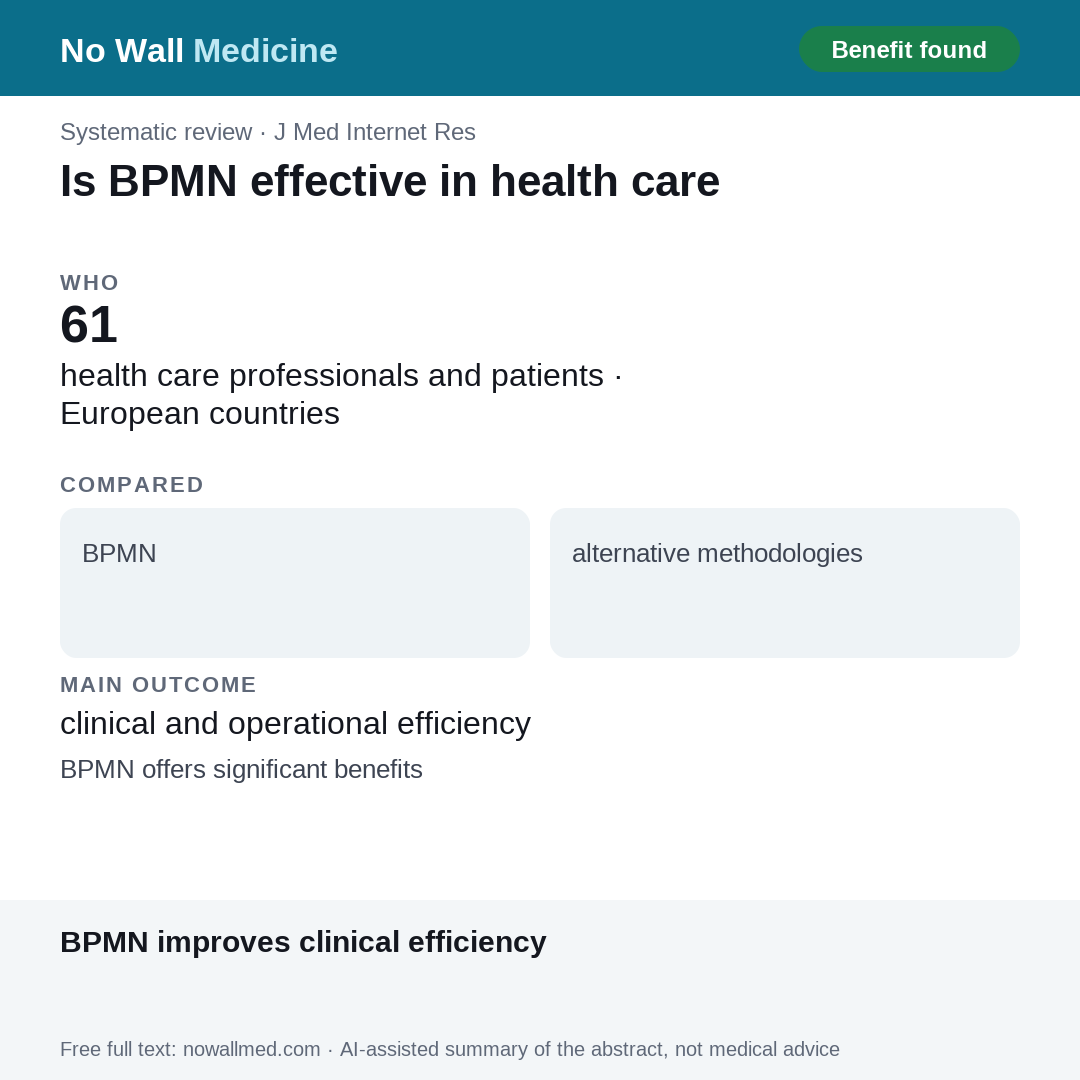
The Implementation of a Business Process Model and Notation for Modeling Patient Health Care Trajectories: Systematic Review
Systematic reviewBenefit found
Is BPMN effective in health care
Who
61
health care professionals and patients · European countries
Compared
BPMN
alternative methodologies
Main outcome
clinical and operational efficiency
Result: BPMN offers significant benefits
Bottom line: BPMN improves clinical efficiency
Limitation: methodological quality and generalizability
J Med Internet Res · 2026-06-09Download image
Comparative screening accuracy of the Modified Checklist for Autism in Toddlers, Revised with Follow-Up (M-Chat-R/F) for early autism spectrum disorder: a systematic review
Systematic reviewMixed results
What is the screening accuracy of the M-CHAT-R/F compared to other autism screening tools?
Who
12633
Children aged 12-48 months
Compared
M-CHAT-R/F: variable sensitivity, high negative predictive value, variable specificity, and low positive predictive value
Alternative screening tools
Main outcome
Screening accuracy metrics for autism spectrum disorder
Bottom line: The M-CHAT-R/F has high negative predictive value but variable sensitivity and low positive predictive value, creating false-positive burdens.
Limitation: Accuracy is highly age-dependent, with performance degrading outside the 16-30-month window.
Fam Med Community Health · 2026-06-09Download image

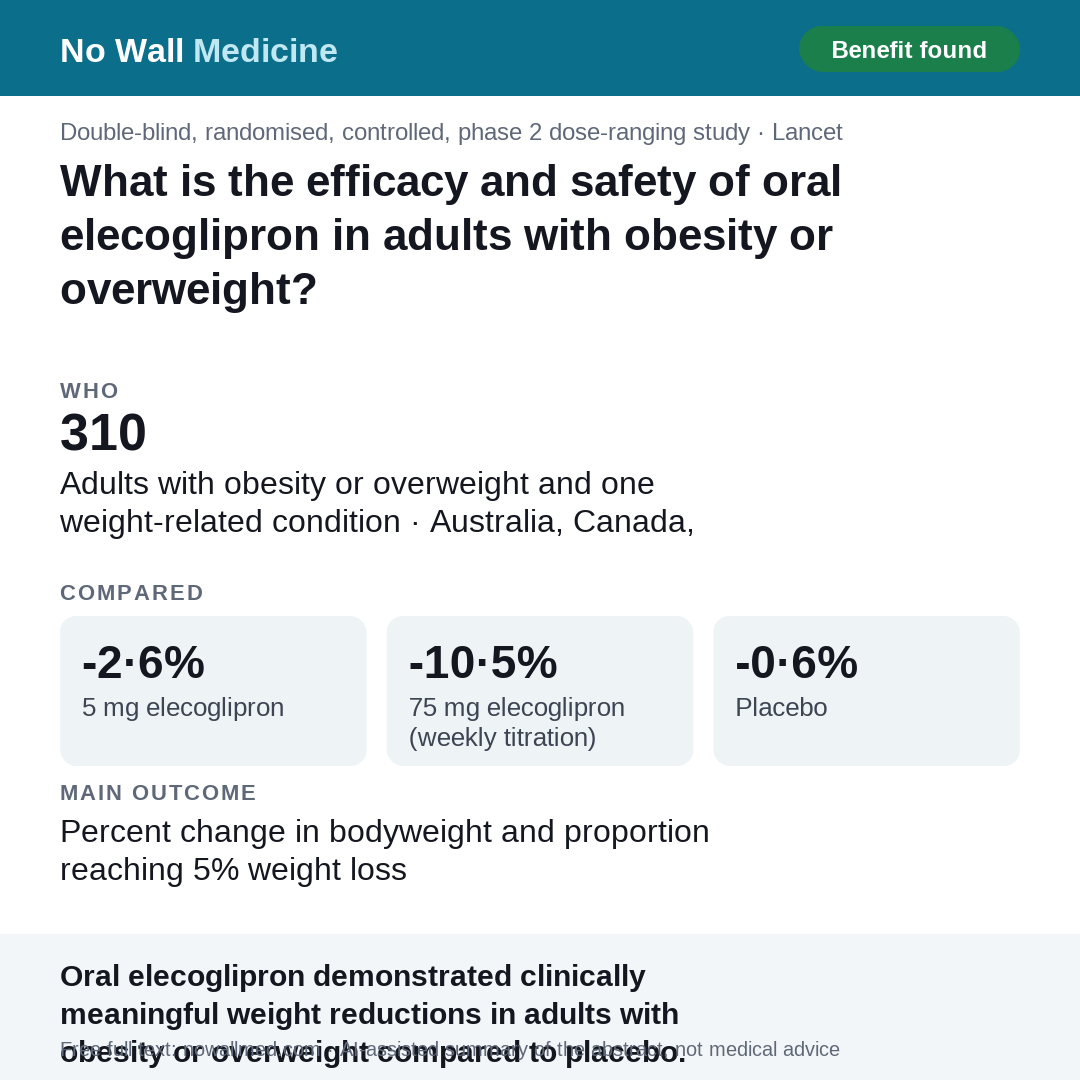
Elecoglipron, an oral small molecule GLP-1 receptor agonist in adults with obesity or overweight (VISTA): a multicentre, phase 2, randomised, placebo-controlled clinical trial
Double-blind, randomised, controlled, phase 2 dose-ranging studyBenefit found
What is the efficacy and safety of oral elecoglipron in adults with obesity or overweight?
Who
310
Adults with obesity or overweight and one weight-related condition · Australia, Canada, Germany, Japan, Taiwan, UK, and USA
Compared
-2·6%5 mg elecoglipron
-10·5%75 mg elecoglipron (weekly titration)
-0·6%Placebo
Main outcome
Percent change in bodyweight and proportion reaching 5% weight loss
Bottom line: Oral elecoglipron demonstrated clinically meaningful weight reductions in adults with obesity or overweight compared to placebo.
Funded by: AstraZeneca
Lancet · 2026-06-08Download image
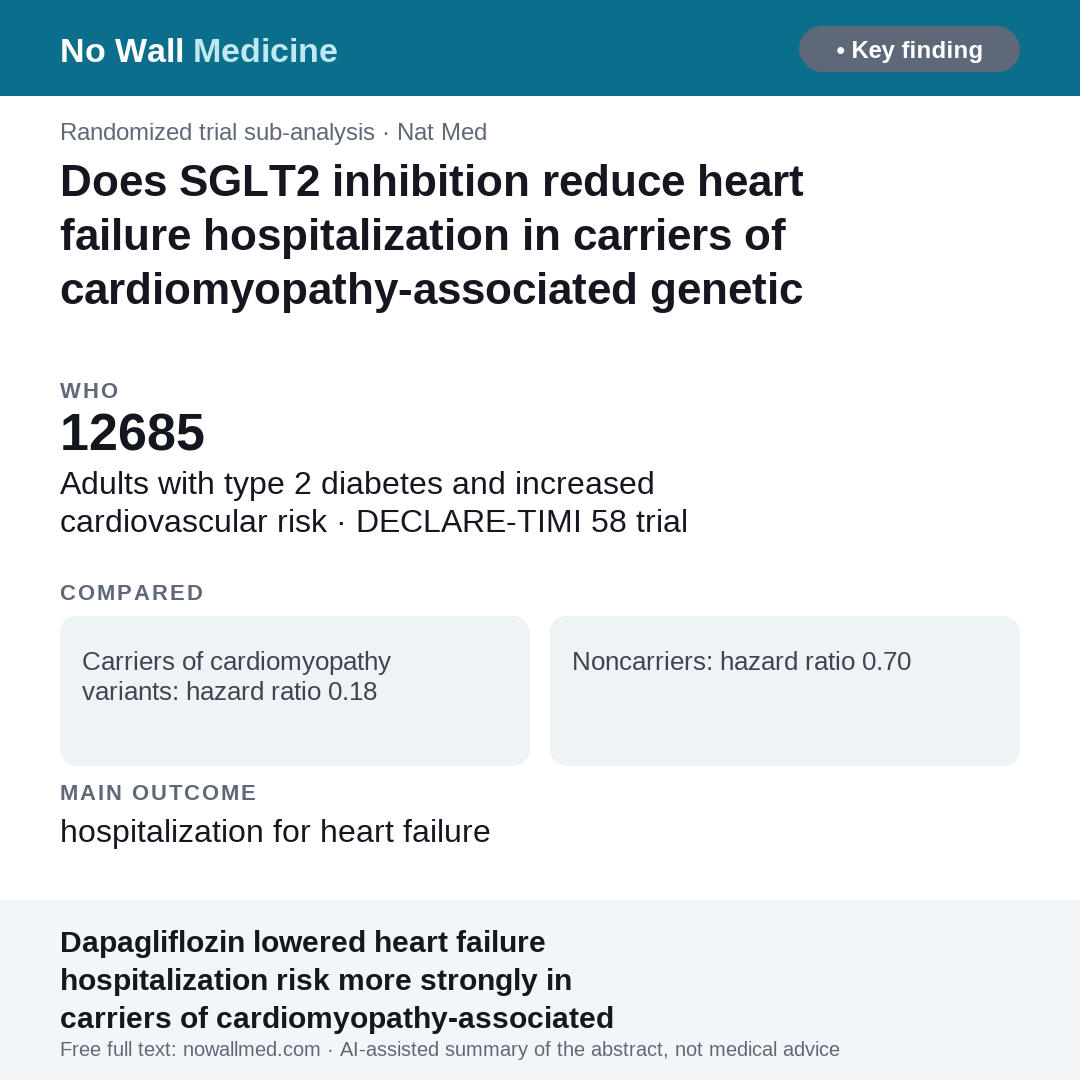
Effects of SGLT2 inhibition on incident heart failure in carriers of cardiomyopathy-associated genetic variants
Randomized trial sub-analysisBenefit found
Does SGLT2 inhibition reduce heart failure hospitalization in carriers of cardiomyopathy-associated genetic variants?
Who
12685
Adults with type 2 diabetes and increased cardiovascular risk · DECLARE-TIMI 58 trial
Compared
Carriers of cardiomyopathy variants: hazard ratio 0.18
Noncarriers: hazard ratio 0.70
Main outcome
hospitalization for heart failure
Result: hazard ratio 0.18 (95% confidence interval 0.04-0.86) vs hazard ratio 0.70 (95% confidence interval 0.57-0.86)
Bottom line: Dapagliflozin lowered heart failure hospitalization risk more strongly in carriers of cardiomyopathy-associated genetic variants than in noncarriers.
Nat Med · 2026-06-08Download image
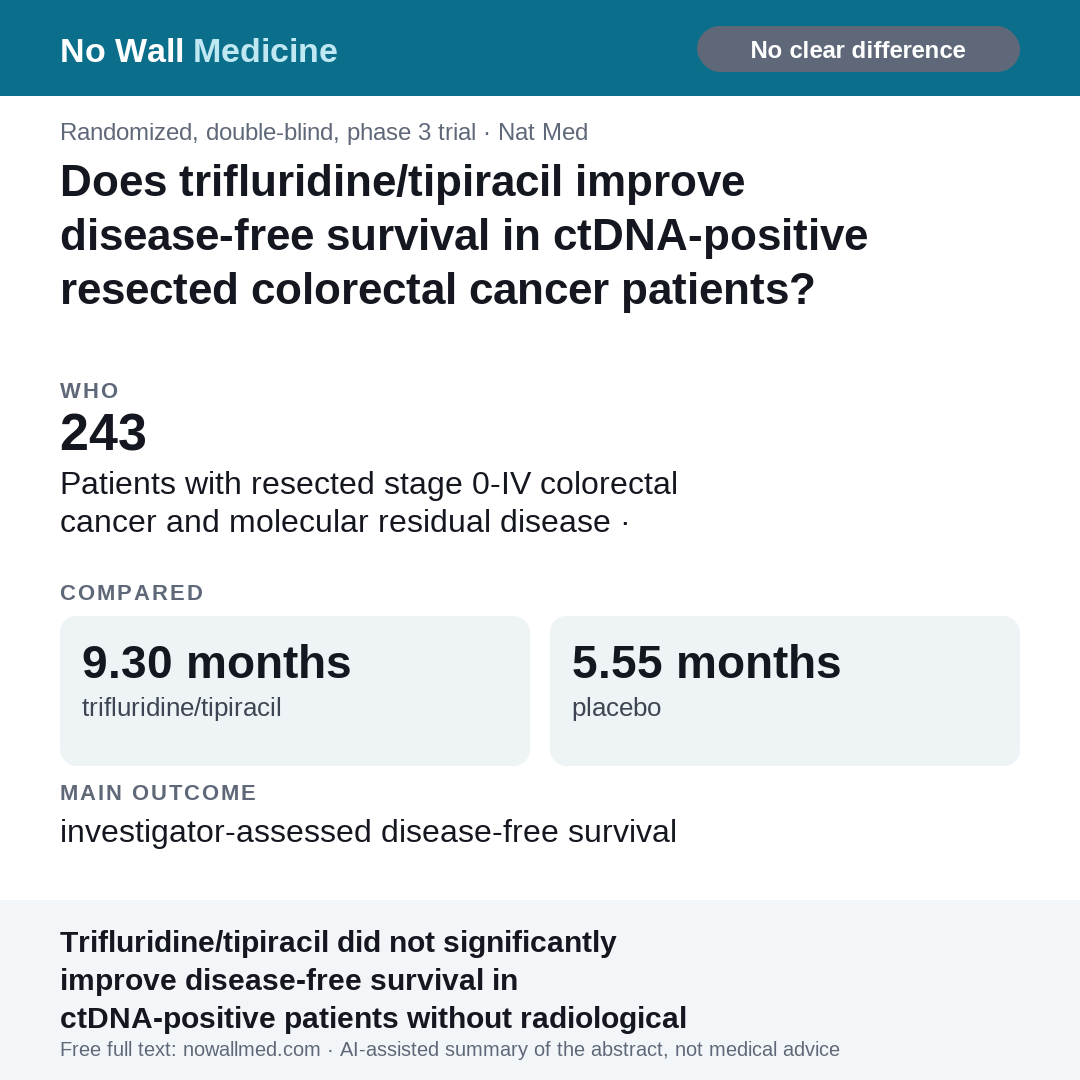
Post-adjuvant chemotherapy in ctDNA-positive patients with resected colorectal cancer: a randomized phase 3 trial
Randomized, double-blind, phase 3 trialNo clear difference
Does trifluridine/tipiracil improve disease-free survival in ctDNA-positive resected colorectal cancer patients?
Who
243
Patients with resected stage 0-IV colorectal cancer and molecular residual disease · CIRCULATE-Japan platform
Compared
9.30 monthstrifluridine/tipiracil
5.55 monthsplacebo
Main outcome
investigator-assessed disease-free survival
Result: hazard ratio 0.79 (95% confidence interval: 0.60-1.05)
Bottom line: Trifluridine/tipiracil did not significantly improve disease-free survival in ctDNA-positive patients without radiological disease.
Nat Med · 2026-06-08Download image
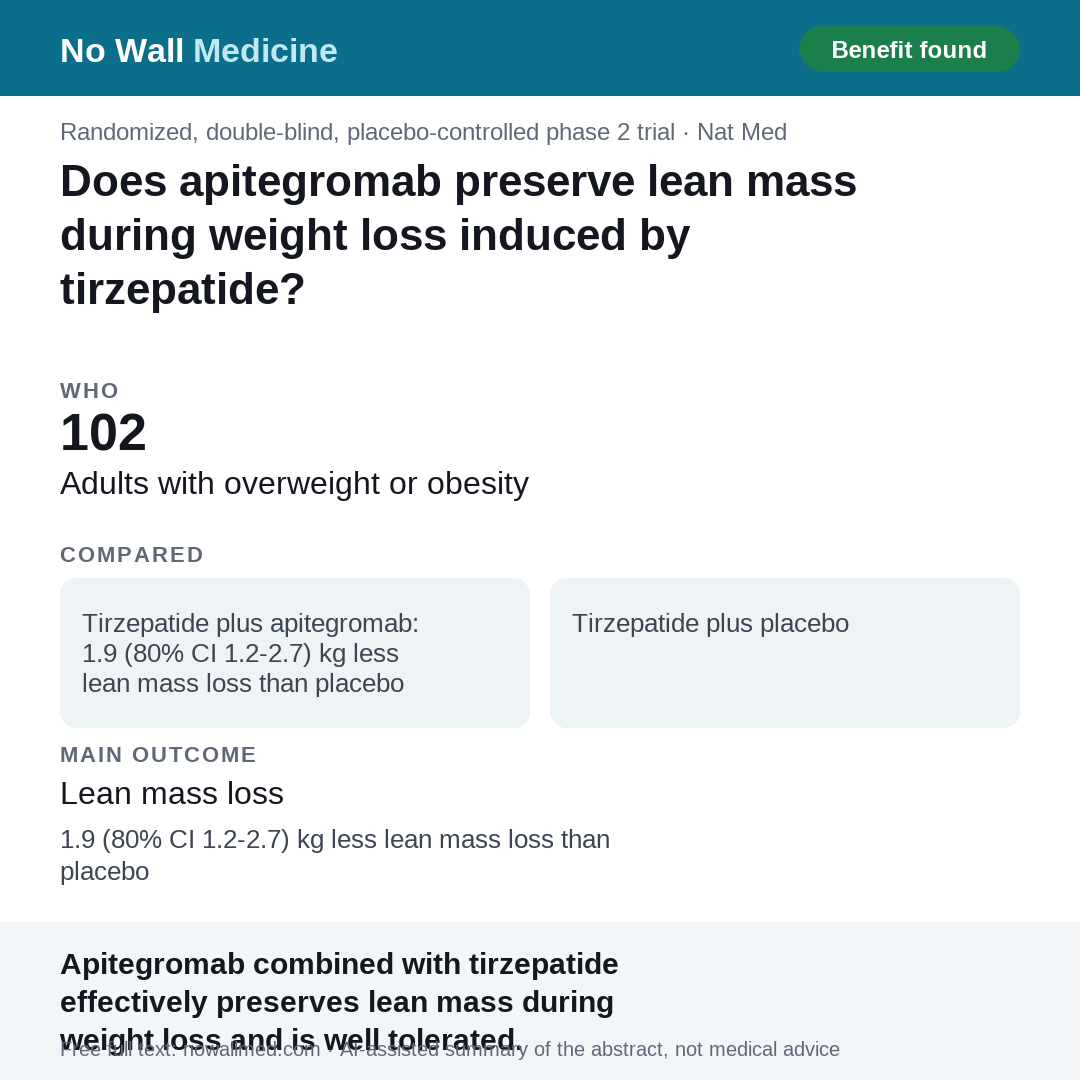
Apitegromab for lean mass preservation during tirzepatide-induced weight loss: a randomized, double-blind, placebo-controlled phase 2 trial
Randomized, double-blind, placebo-controlled phase 2 trialBenefit found
Does apitegromab preserve lean mass during weight loss induced by tirzepatide?
Who
102
Adults with overweight or obesity
Compared
Tirzepatide plus apitegromab: 1.9 (80% CI 1.2-2.7) kg less lean mass loss than placebo
Tirzepatide plus placebo
Main outcome
Lean mass loss
Result: 1.9 (80% CI 1.2-2.7) kg less lean mass loss than placebo
Bottom line: Apitegromab combined with tirzepatide effectively preserves lean mass during weight loss and is well tolerated.
Nat Med · 2026-06-08Download image
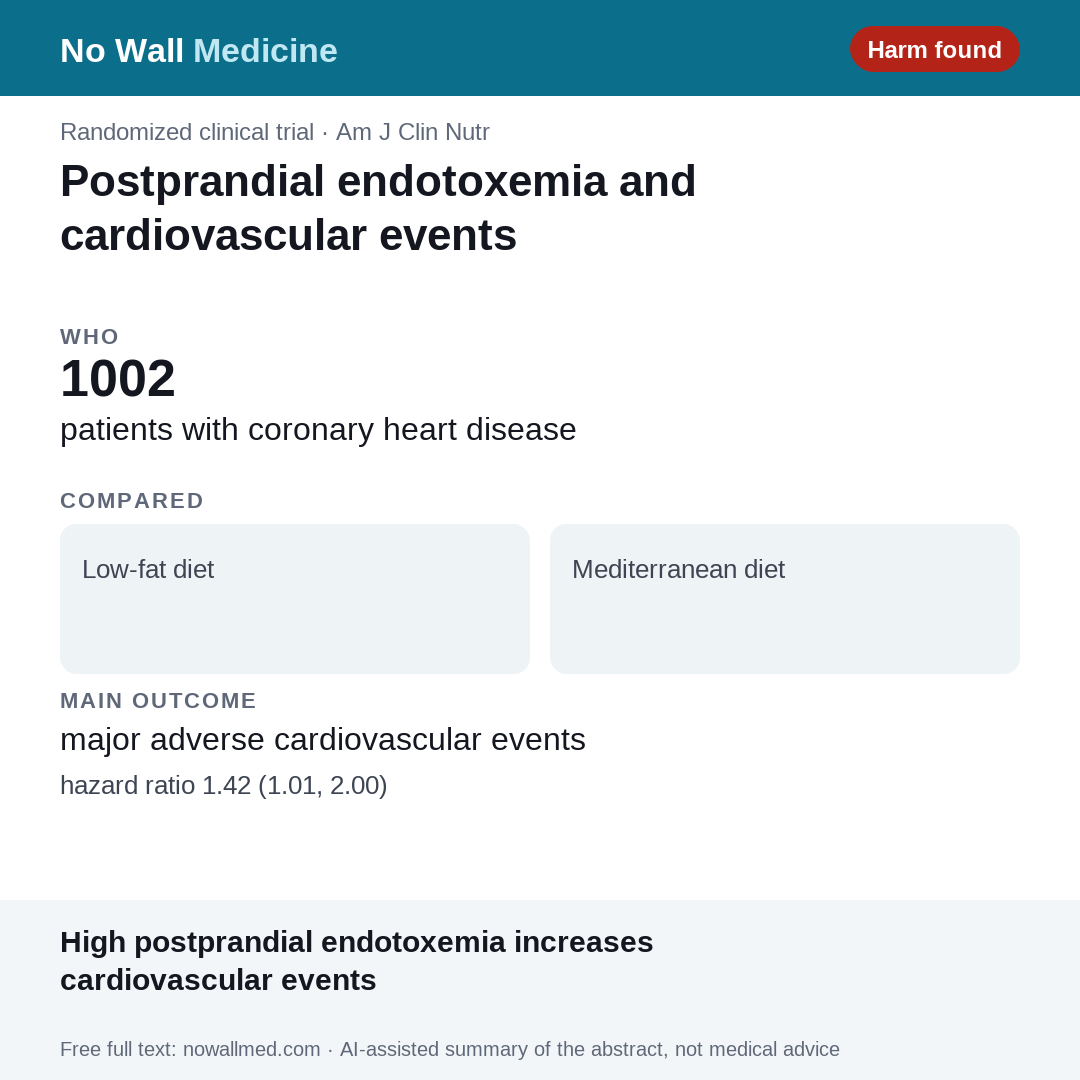
High postprandial endotoxemia is associated with recurrence of cardiovascular events in patients with coronary heart disease: from the CORDIOPREV randomized clinical trial
Randomized clinical trialHarm found
Postprandial endotoxemia and cardiovascular events
Who
1002
patients with coronary heart disease
Compared
Low-fat diet
Mediterranean diet
Main outcome
major adverse cardiovascular events
Result: hazard ratio 1.42 (1.01, 2.00)
Bottom line: High postprandial endotoxemia increases cardiovascular events
Am J Clin Nutr · 2026-06-08Download image