Visual abstracts
New randomized trials and meta-analyses from leading journals at a glance: who was studied, what was compared, and what was found. Every paper is free to read in full.
All specialtiesCardiology 4877Oncology 4138Gastroenterology & Hepatology 1942Infectious Disease 3837Neurology 1905Psychiatry & Mental Health 2273Pulmonology 2143Critical Care 1365Endocrinology & Diabetes 2580Pediatrics 2980Surgery 2559Orthopedics & Sports Medicine 931Neurosurgery 537Cardiothoracic & Vascular Surgery 674Plastic & Reconstructive Surgery 591Nephrology 1133Rheumatology 823Hematology 1109Dermatology 621Ophthalmology 543Obstetrics & Gynecology 1686Public & Global Health 1058Radiology & Imaging 648Anesthesiology 986Urology 764ENT (Otolaryngology) 503Emergency Medicine 511Allergy & Immunology 313Geriatrics 981Family Medicine & Primary Care 562Medical Genetics & Genomics 676Pathology & Laboratory Medicine 159Physical Medicine & Rehabilitation 757Palliative Care 444Nutrition 1588Digital Health & AI 2201General Medicine 321
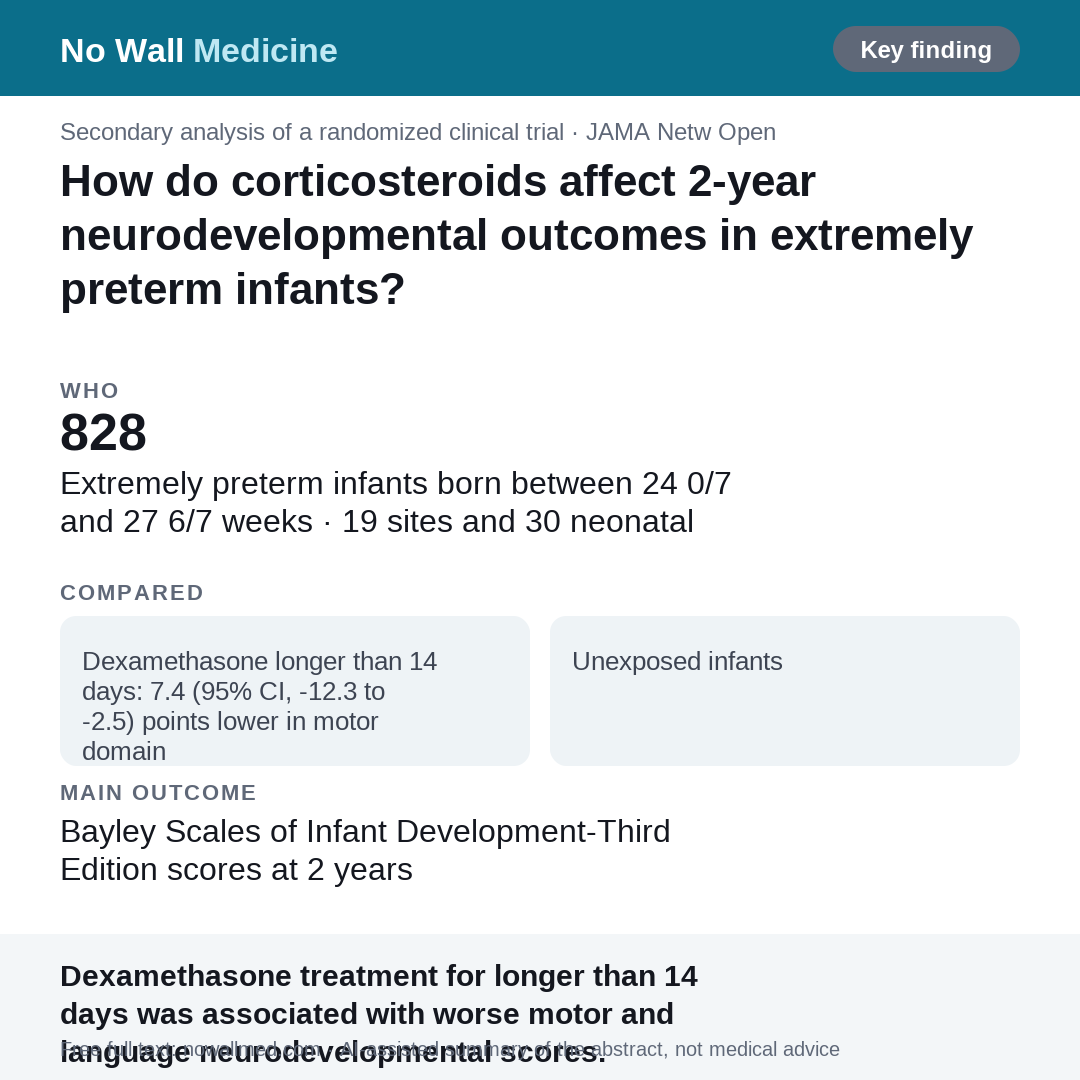
Dexamethasone, Prednisolone, and Methylprednisolone Use and 2-Year Neurodevelopmental Outcomes in Extremely Preterm Infants
Secondary analysis of a randomized clinical trialHarm found
How do corticosteroids affect 2-year neurodevelopmental outcomes in extremely preterm infants?
Who
828
Extremely preterm infants born between 24 0/7 and 27 6/7 weeks · 19 sites and 30 neonatal intensive care units in the US
Compared
Dexamethasone longer than 14 days: 7.4 (95% CI, -12.3 to -2.5) points lower in motor domain
Unexposed infants
Main outcome
Bayley Scales of Infant Development-Third Edition scores at 2 years
Result: mean scores 7.4 (95% CI, -12.3 to -2.5) points lower in motor domain
Bottom line: Dexamethasone treatment for longer than 14 days was associated with worse motor and language neurodevelopmental scores.
Limitation: Potential unmeasured differences in the clinical conditions of exposed versus unexposed infants may contribute to findings.
JAMA Netw Open · 2022-03-01Download image
Development of Cancer Among Patients With Pediatric-Onset Inflammatory Bowel Disease: A Meta-analysis of Population-Based Studies
Meta-analysis of 5 population-based cohort studiesHarm found
What is the relative rate of cancer among patients with pediatric-onset inflammatory bowel disease?
Who
19812
Individuals with pediatric-onset inflammatory bowel disease · North America and Europe
Compared
2.46Pediatric-onset inflammatory bowel disease (95% CI, 2.06-2.93)
General pediatric populations
Main outcome
Relative rate of cancer
Result: pRR, 2.46; 95% CI, 2.06-2.93
Bottom line: Patients with pediatric-onset inflammatory bowel disease have a 2.46-fold increased rate of cancer compared to general pediatric populations.
JAMA Netw Open · 2022-03-01Download image

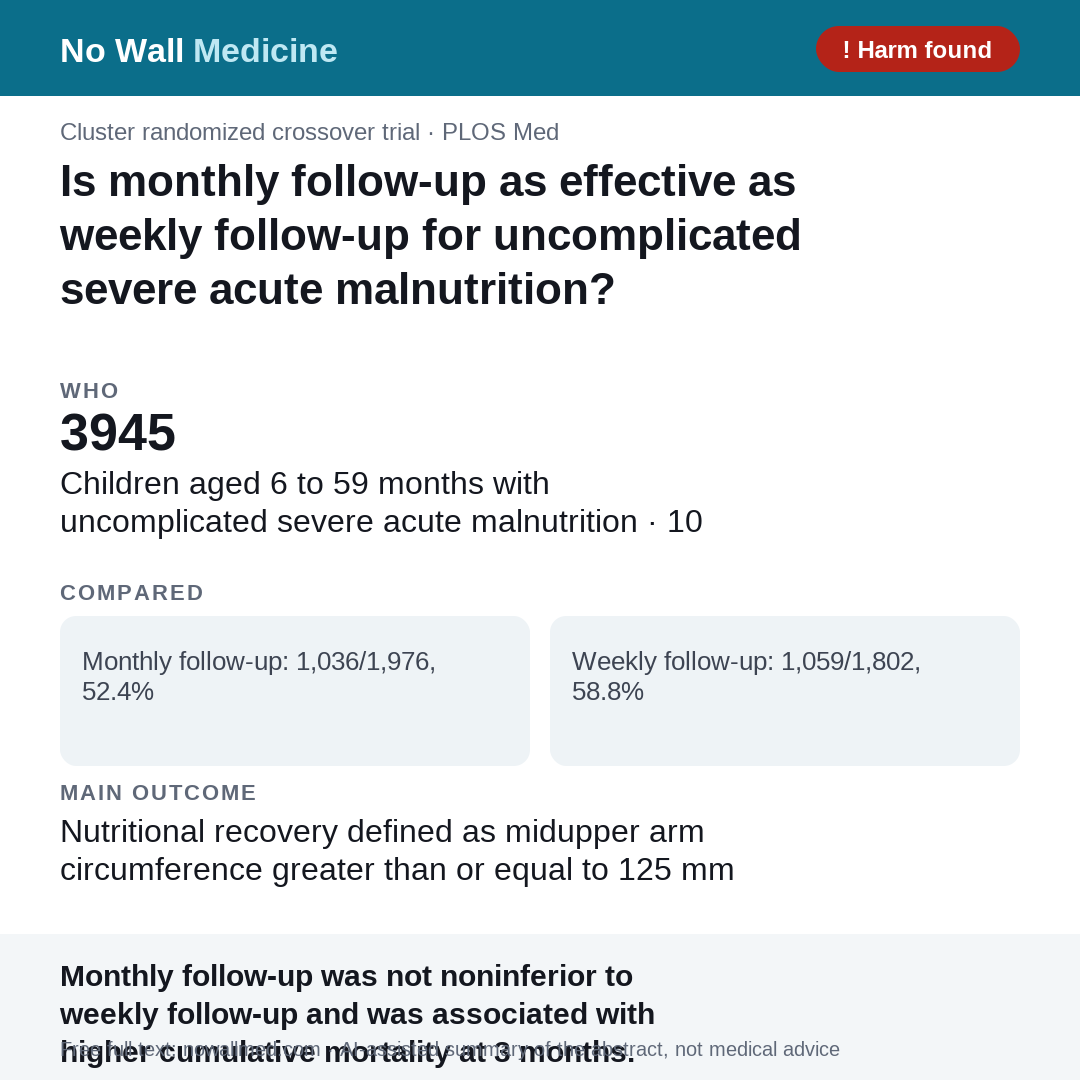
Effectiveness of a monthly schedule of follow-up for the treatment of uncomplicated severe acute malnutrition in Sokoto, Nigeria: A cluster randomized crossover trial
Cluster randomized crossover trialHarm found
Is monthly follow-up as effective as weekly follow-up for uncomplicated severe acute malnutrition?
Who
3945
Children aged 6 to 59 months with uncomplicated severe acute malnutrition · 10 health centers in Sokoto, Nigeria
Compared
Monthly follow-up: 1,036/1,976, 52.4%
Weekly follow-up: 1,059/1,802, 58.8%
Main outcome
Nutritional recovery defined as midupper arm circumference greater than or equal to 125 mm
Result: risk difference: -6.8% (lower bound of the confidence interval was -11.5%)
Bottom line: Monthly follow-up was not noninferior to weekly follow-up and was associated with higher cumulative mortality at 3 months.
Limitation: Results may depend on context-specific factors including baseline care and clinical status of children.
PLOS Med · 2022-03-01Download image
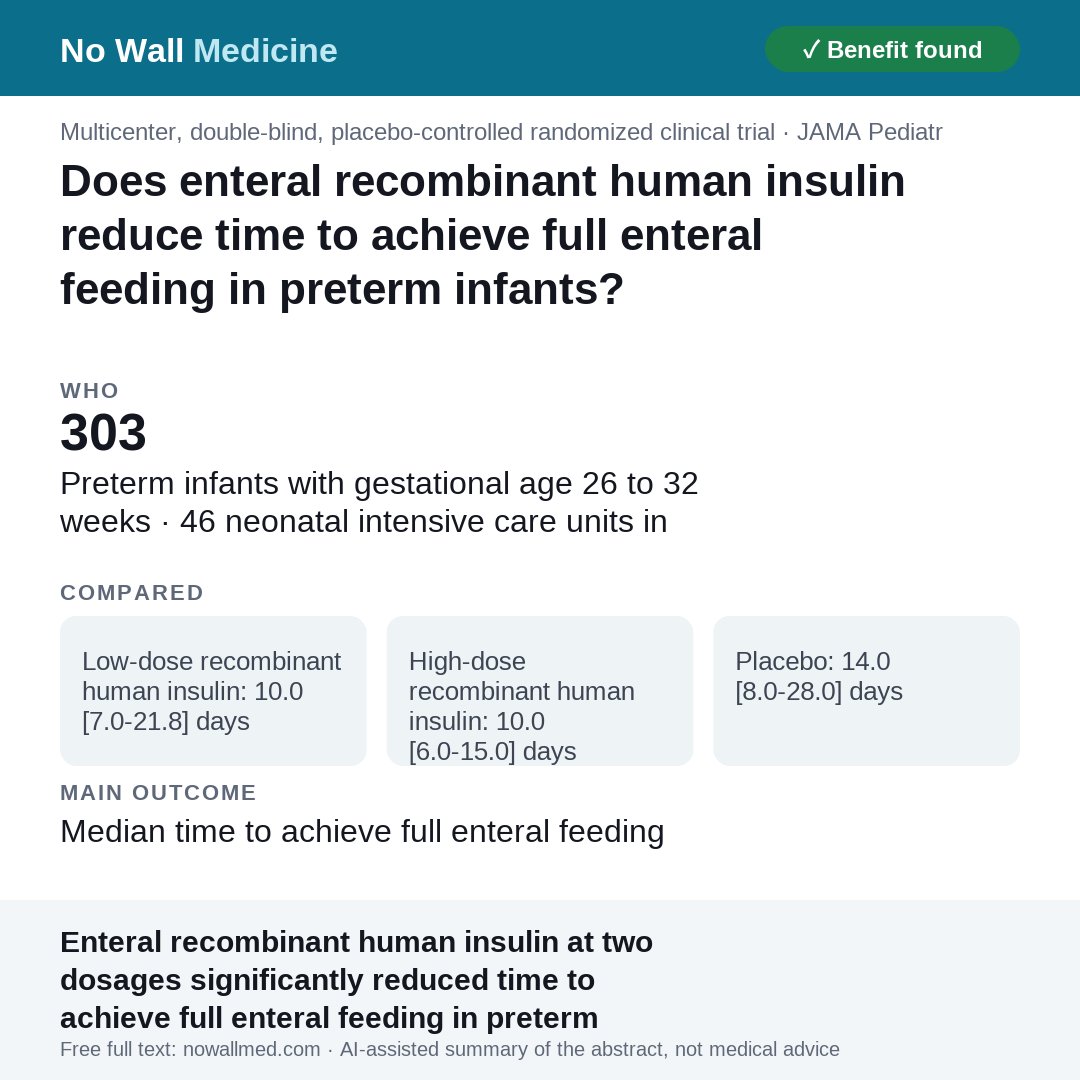
Efficacy and Safety of Enteral Recombinant Human Insulin in Preterm Infants: A Randomized Clinical Trial
Multicenter, double-blind, placebo-controlled randomized clinical trialBenefit found
Does enteral recombinant human insulin reduce time to achieve full enteral feeding in preterm infants?
Who
303
Preterm infants with gestational age 26 to 32 weeks · 46 neonatal intensive care units in Europe, Israel, and the US
Compared
Low-dose recombinant human insulin: 10.0 [7.0-21.8] days
High-dose recombinant human insulin: 10.0 [6.0-15.0] days
Placebo: 14.0 [8.0-28.0] days
Main outcome
Median time to achieve full enteral feeding
Result: difference in median (95% CI) time to FEF was 4.0 (1.0-8.0) days for low-dose and 4.0 (1.0-7.0) days for high-dose
Bottom line: Enteral recombinant human insulin at two dosages significantly reduced time to achieve full enteral feeding in preterm infants.
JAMA Pediatr · 2022-03-01Download image
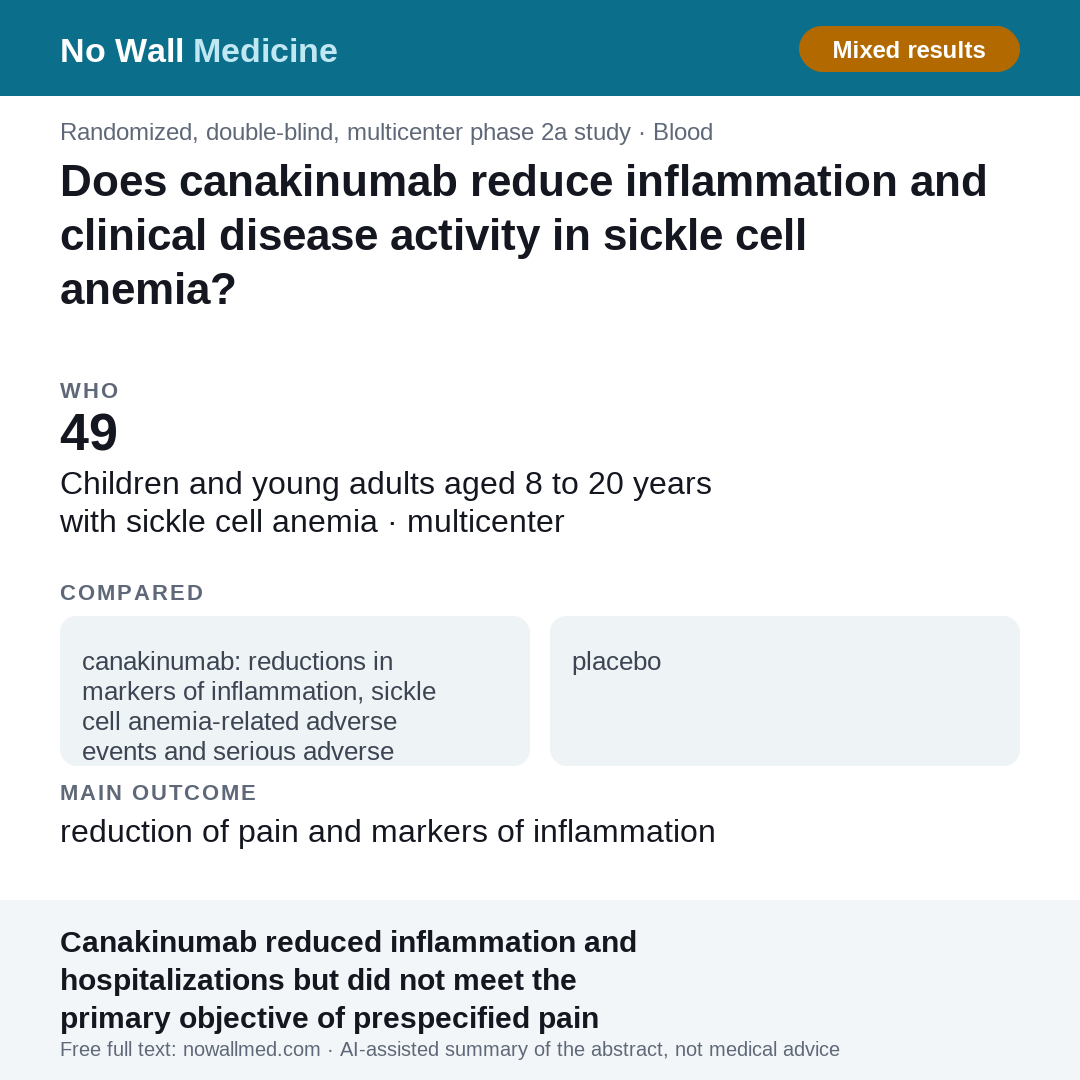
A randomized, placebo-controlled, double-blind trial of canakinumab in children and young adults with sickle cell anemia
Randomized, double-blind, multicenter phase 2a studyMixed results
Does canakinumab reduce inflammation and clinical disease activity in sickle cell anemia?
Who
49
Children and young adults aged 8 to 20 years with sickle cell anemia · multicenter
Compared
canakinumab: reductions in markers of inflammation, sickle cell anemia-related adverse events and serious adverse events, and number and duration of hospitalizations
placebo
Main outcome
reduction of pain and markers of inflammation
Bottom line: Canakinumab reduced inflammation and hospitalizations but did not meet the primary objective of prespecified pain reduction.
Blood · 2022-03-01Download image
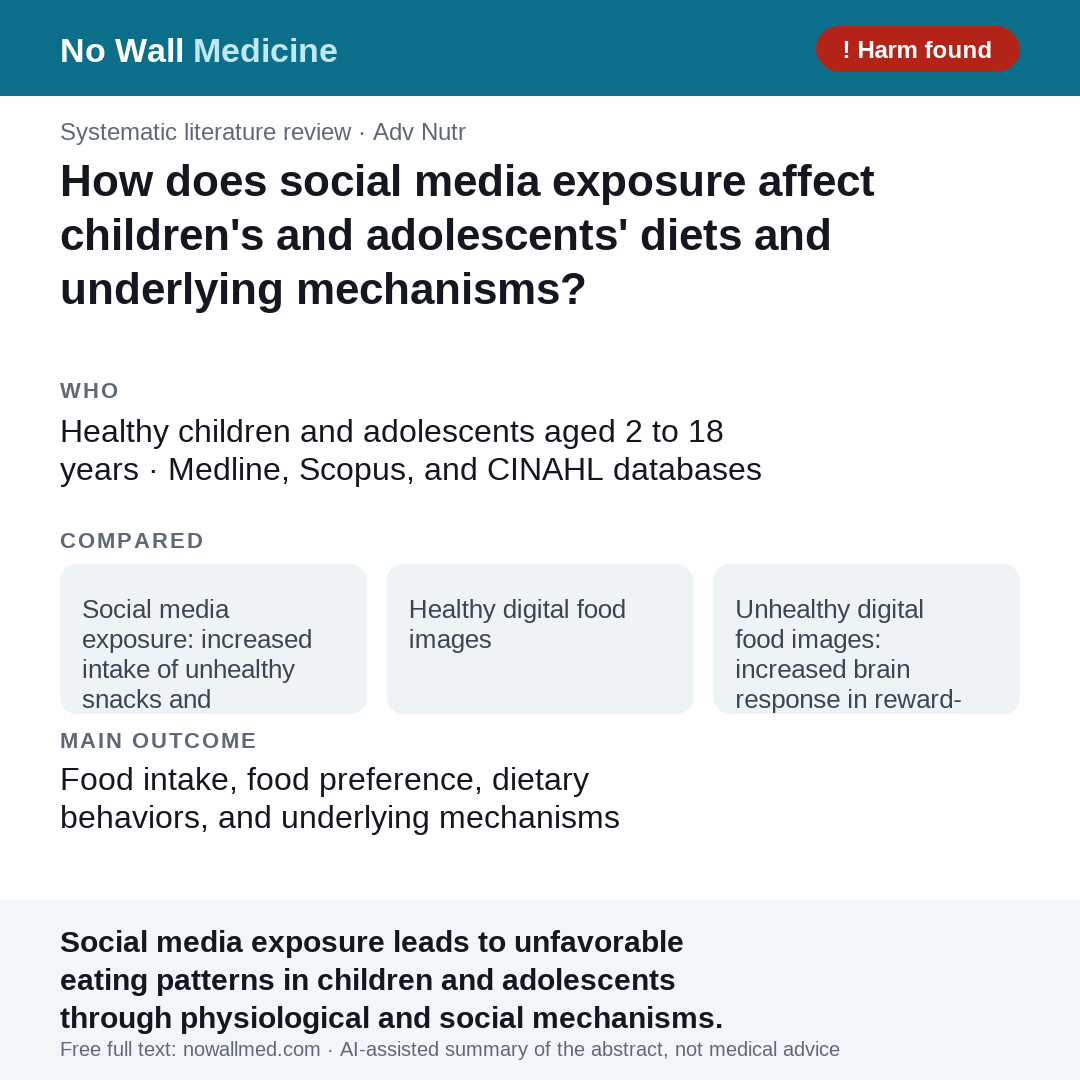
Social Media and Children's and Adolescents' Diets: A Systematic Review of the Underlying Social and Physiological Mechanisms
Systematic literature reviewHarm found
How does social media exposure affect children's and adolescents' diets and underlying mechanisms?
Who
35
Healthy children and adolescents aged 2 to 18 years · Medline, Scopus, and CINAHL databases
Compared
Social media exposure: increased intake of unhealthy snacks and sugar-sweetened beverages
Healthy digital food images
Unhealthy digital food images: increased brain response in reward- and attention-related regions
Main outcome
Food intake, food preference, dietary behaviors, and underlying mechanisms
Bottom line: Social media exposure leads to unfavorable eating patterns in children and adolescents through physiological and social mechanisms.
Adv Nutr · 2022-02-27Download image
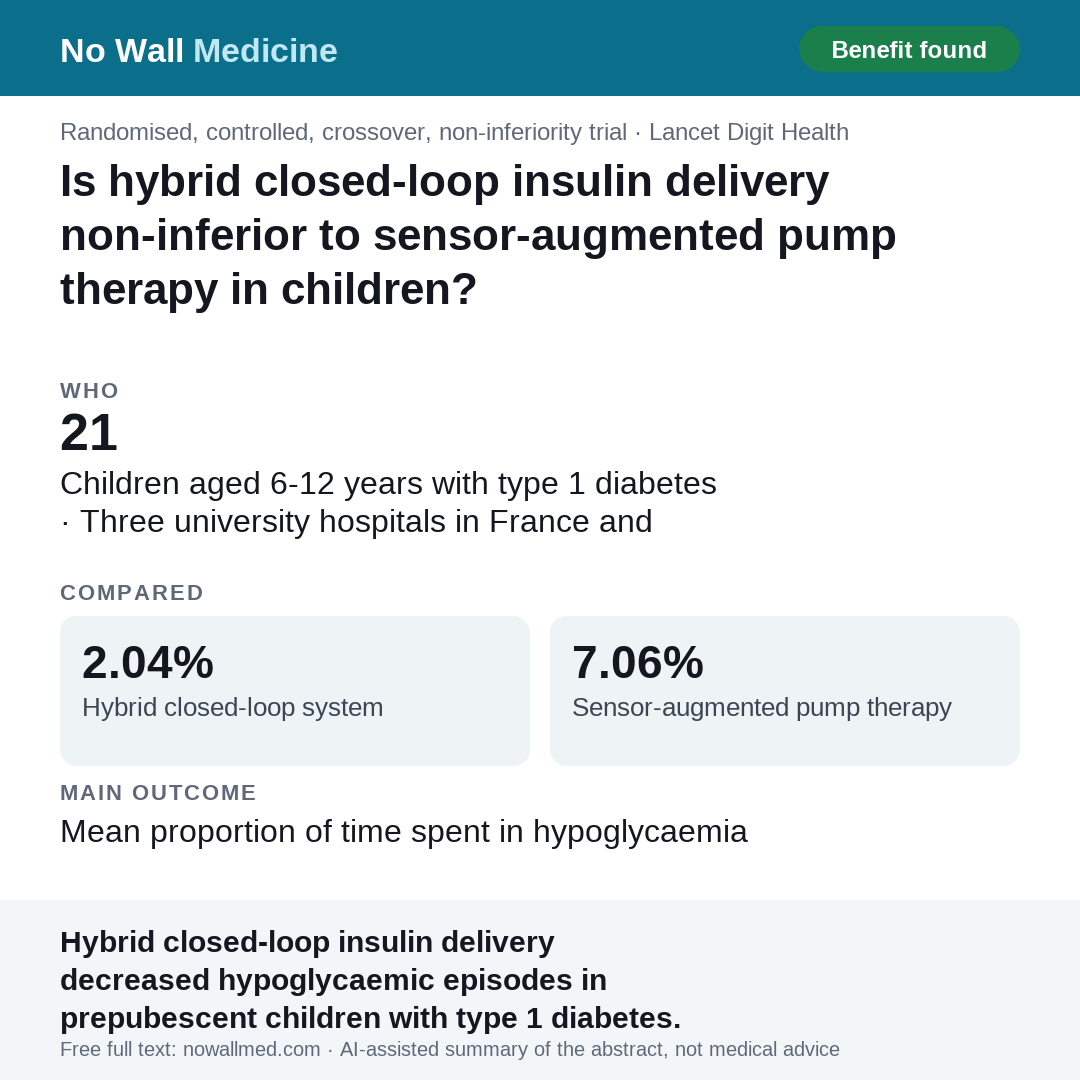
Hybrid closed-loop insulin delivery versus sensor-augmented pump therapy in children aged 6-12 years: a randomised, controlled, cross-over, non-inferiority trial
Randomised, controlled, crossover, non-inferiority trialBenefit found
Is hybrid closed-loop insulin delivery non-inferior to sensor-augmented pump therapy in children?
Who
21
Children aged 6-12 years with type 1 diabetes · Three university hospitals in France and Belgium
Compared
2.04%Hybrid closed-loop system (95% CI 0.44 to 3.64)
7.06%Sensor-augmented pump therapy (5.46 to 8.66)
Main outcome
Mean proportion of time spent in hypoglycaemia
Result: non-inferiority one-sided p<0.0001
Bottom line: Hybrid closed-loop insulin delivery decreased hypoglycaemic episodes in prepubescent children with type 1 diabetes.
Funded by: Diabeloop
Lancet Digit Health · 2022-02-26Download image
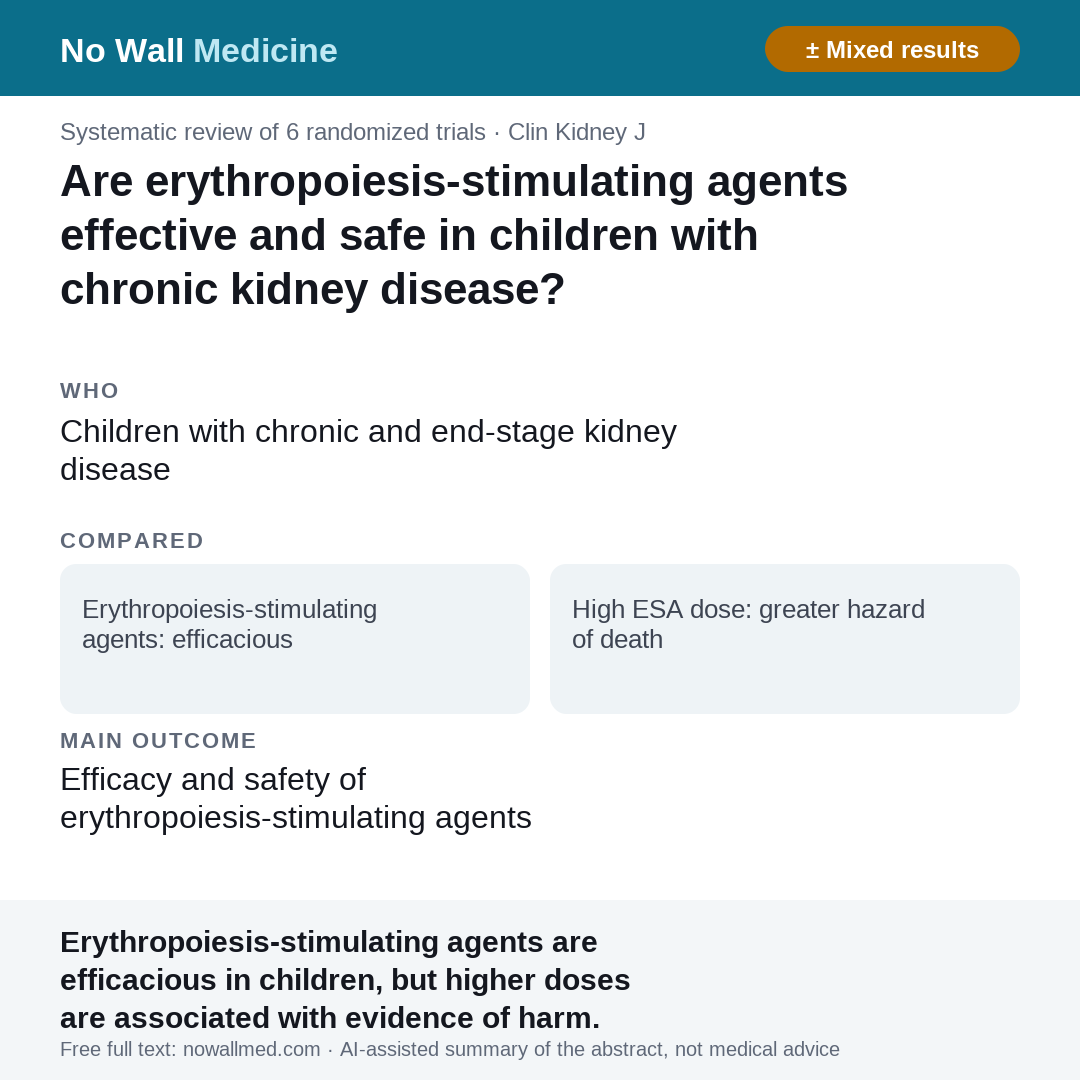
Use of erythropoiesis-stimulating agents in children with chronic kidney disease: a systematic review
Systematic review of 6 randomized trialsMixed results
Are erythropoiesis-stimulating agents effective and safe in children with chronic kidney disease?
Who
Children with chronic and end-stage kidney disease
Compared
Erythropoiesis-stimulating agents: efficacious
High ESA dose: greater hazard of death
Main outcome
Efficacy and safety of erythropoiesis-stimulating agents
Bottom line: Erythropoiesis-stimulating agents are efficacious in children, but higher doses are associated with evidence of harm.
Limitation: Recruitment to studies was a consistent challenge.
Clin Kidney J · 2022-02-26Download image
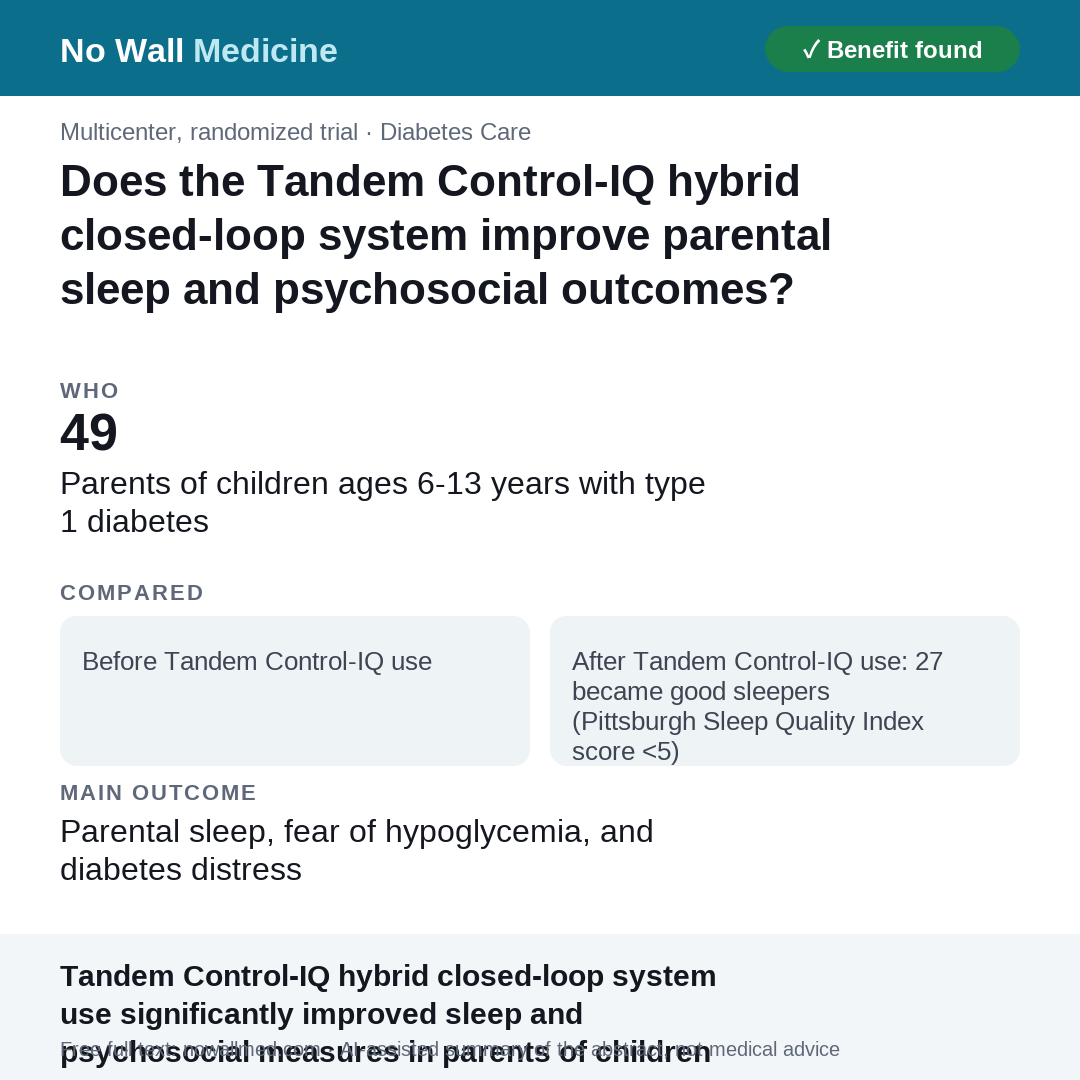
Improvements in Parental Sleep, Fear of Hypoglycemia, and Diabetes Distress With Use of an Advanced Hybrid Closed-Loop System
Multicenter, randomized trialBenefit found
Does the Tandem Control-IQ hybrid closed-loop system improve parental sleep and psychosocial outcomes?
Who
49
Parents of children ages 6-13 years with type 1 diabetes
Compared
Before Tandem Control-IQ use
After Tandem Control-IQ use: 27 became good sleepers (Pittsburgh Sleep Quality Index score <5)
Main outcome
Parental sleep, fear of hypoglycemia, and diabetes distress
Bottom line: Tandem Control-IQ hybrid closed-loop system use significantly improved sleep and psychosocial measures in parents of children with type 1 diabetes.
Diabetes Care · 2022-02-25Download image
Clinical presentation, microbiological aetiology and disease course in patients with flu-like illness: a post hoc analysis of randomised controlled trial data
Post hoc analysis of a randomized trialNo clear difference
Do clinical presentation and illness course differ between viral and bacterial respiratory tract infections?
Who
3266
Patients with flu-like illness in primary care · 15 European countries
Compared
Possible bacterial pathogen isolated: less prominent congested nose (odds ratio 0.55)
Possible bacterial pathogen isolated: acute cough (odds ratio 0.42)
Viral aetiology
Main outcome
Clinical presentation, illness course, and complications
Result: odds ratio 0.55 (95% confidence interval 0.35 to 0.86) for congested nose; odds ratio 0.42 (95% confidence interval 0.27 to 0.65) for acute cough
Bottom line: Microbiological testing in primary care for flu-like illness has limited value as clinical presentation and disease course do not differ by aetiology.
Br J Gen Pract · 2022-02-24Download image

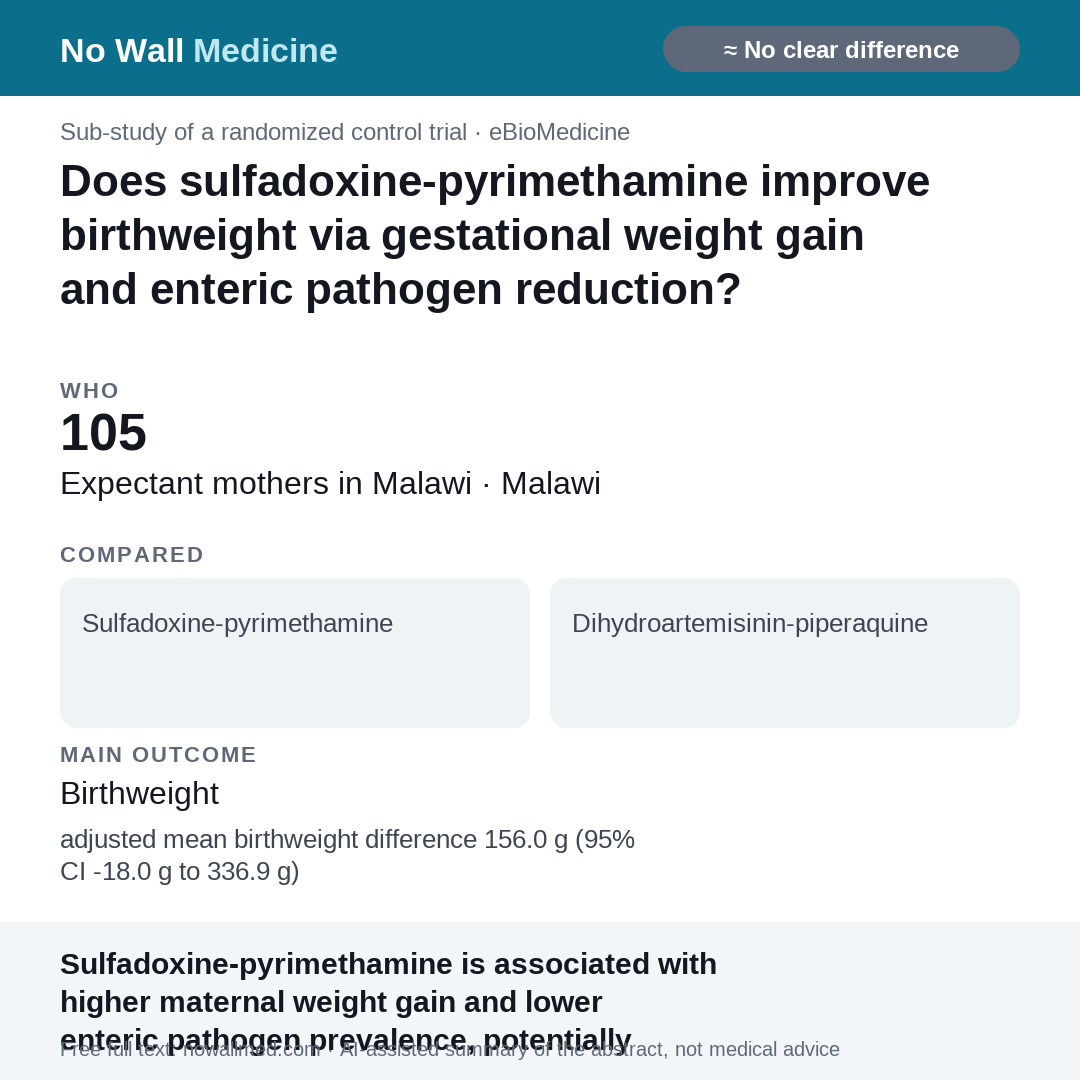
The positive effect of malaria IPTp-SP on birthweight is mediated by gestational weight gain but modifiable by maternal carriage of enteric pathogens
Sub-study of a randomized control trialNo clear difference
Does sulfadoxine-pyrimethamine improve birthweight via gestational weight gain and enteric pathogen reduction?
Who
105
Expectant mothers in Malawi · Malawi
Compared
Sulfadoxine-pyrimethamine
Dihydroartemisinin-piperaquine
Main outcome
Birthweight
Result: adjusted mean birthweight difference 156.0 g (95% CI -18.0 g to 336.9 g)
Bottom line: Sulfadoxine-pyrimethamine is associated with higher maternal weight gain and lower enteric pathogen prevalence, potentially improving birthweight.
eBioMedicine · 2022-02-23Download image
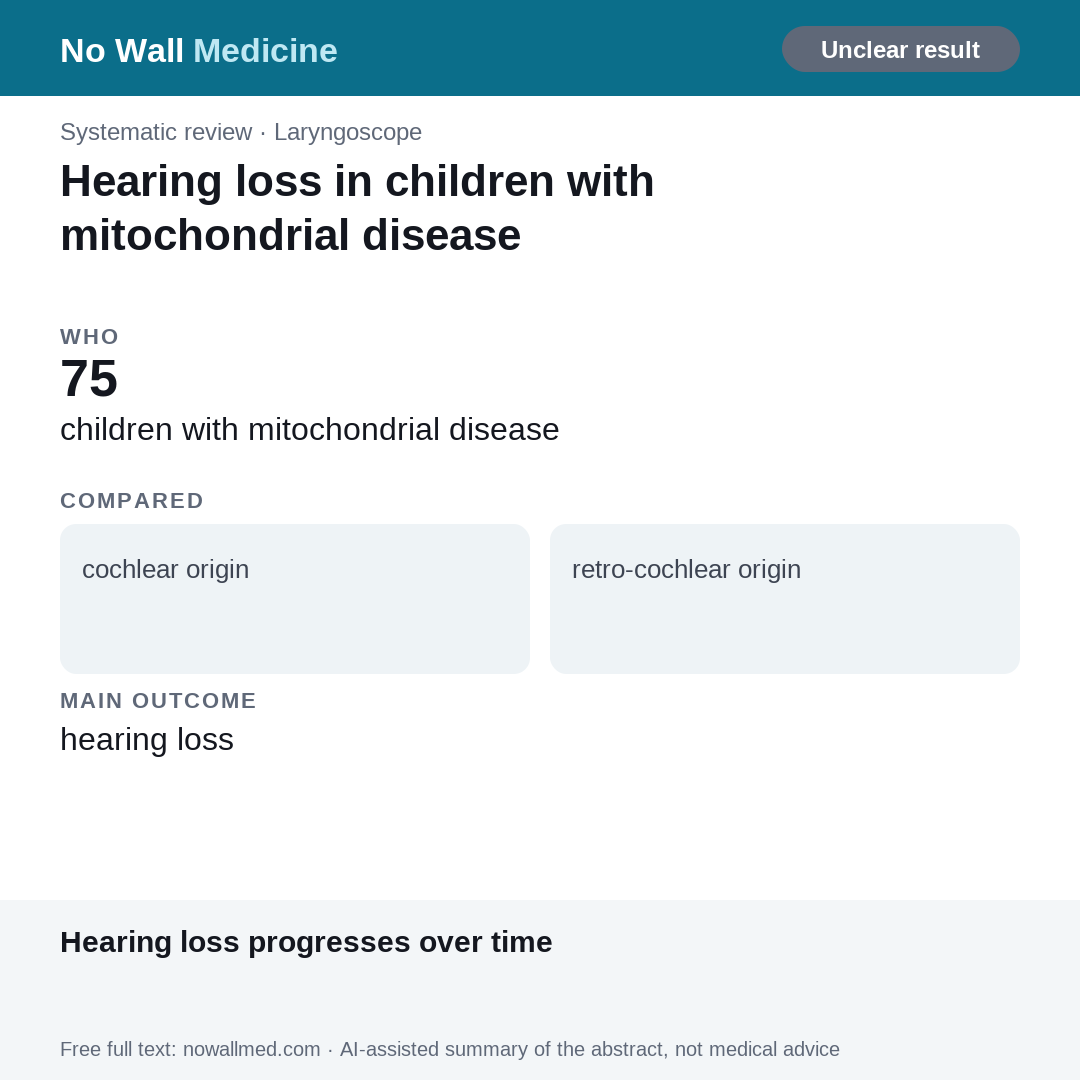
Mitochondrial Disease and Hearing Loss in Children: A Systematic Review
Systematic reviewUnclear result
Hearing loss in children with mitochondrial disease
Who
75
children with mitochondrial disease
Compared
cochlear origin
retro-cochlear origin
Main outcome
hearing loss
Bottom line: Hearing loss progresses over time
Limitation: inhomogeneous reporting
Laryngoscope · 2022-02-21Download image
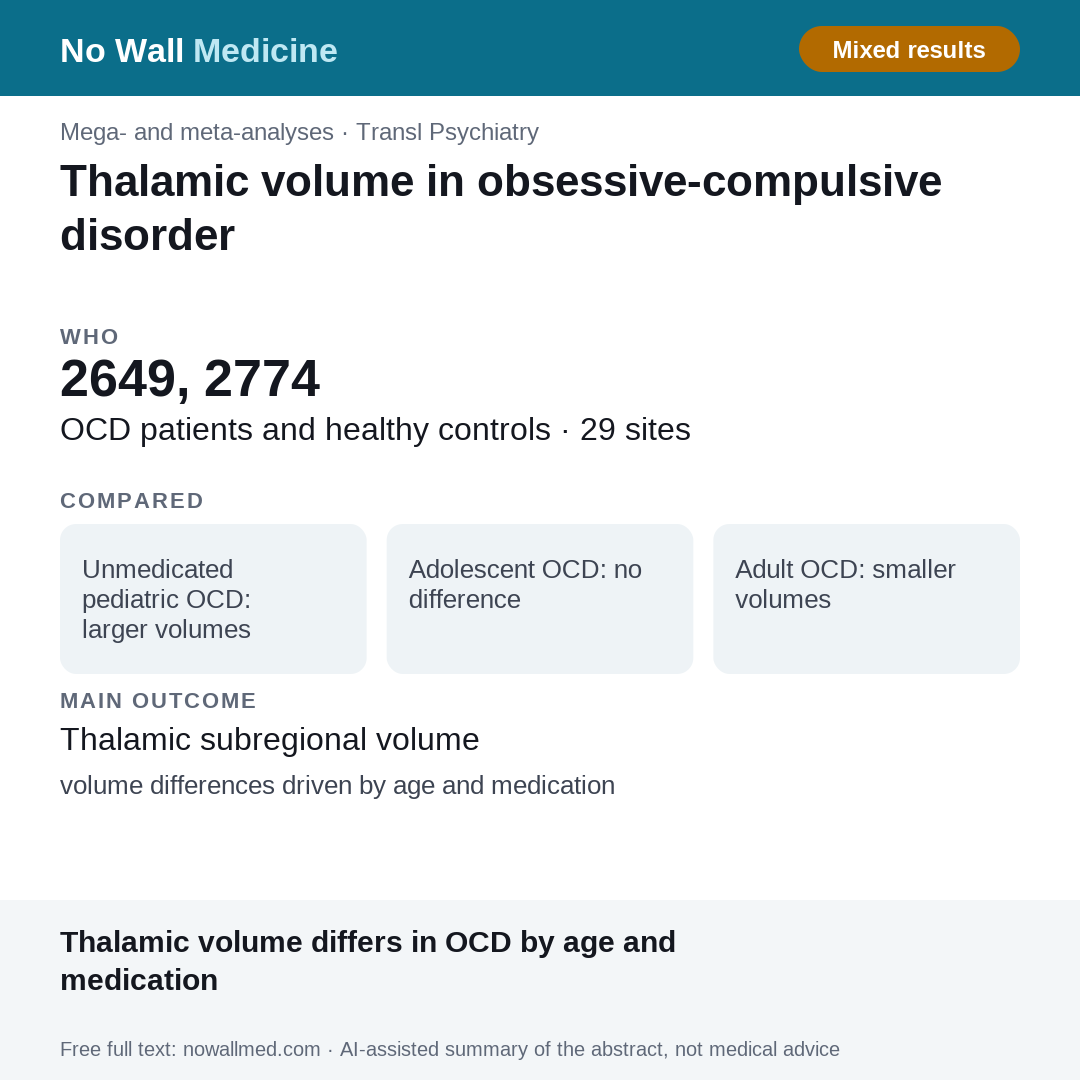
The thalamus and its subnuclei-a gateway to obsessive-compulsive disorder
Mega- and meta-analysesMixed results
Thalamic volume in obsessive-compulsive disorder
Who
2649, 2774
OCD patients and healthy controls · 29 sites
Compared
Unmedicated pediatric OCD: larger volumes
Adolescent OCD: no difference
Adult OCD: smaller volumes
Main outcome
Thalamic subregional volume
Result: volume differences driven by age and medication
Bottom line: Thalamic volume differs in OCD by age and medication
Transl Psychiatry · 2022-02-21Download image
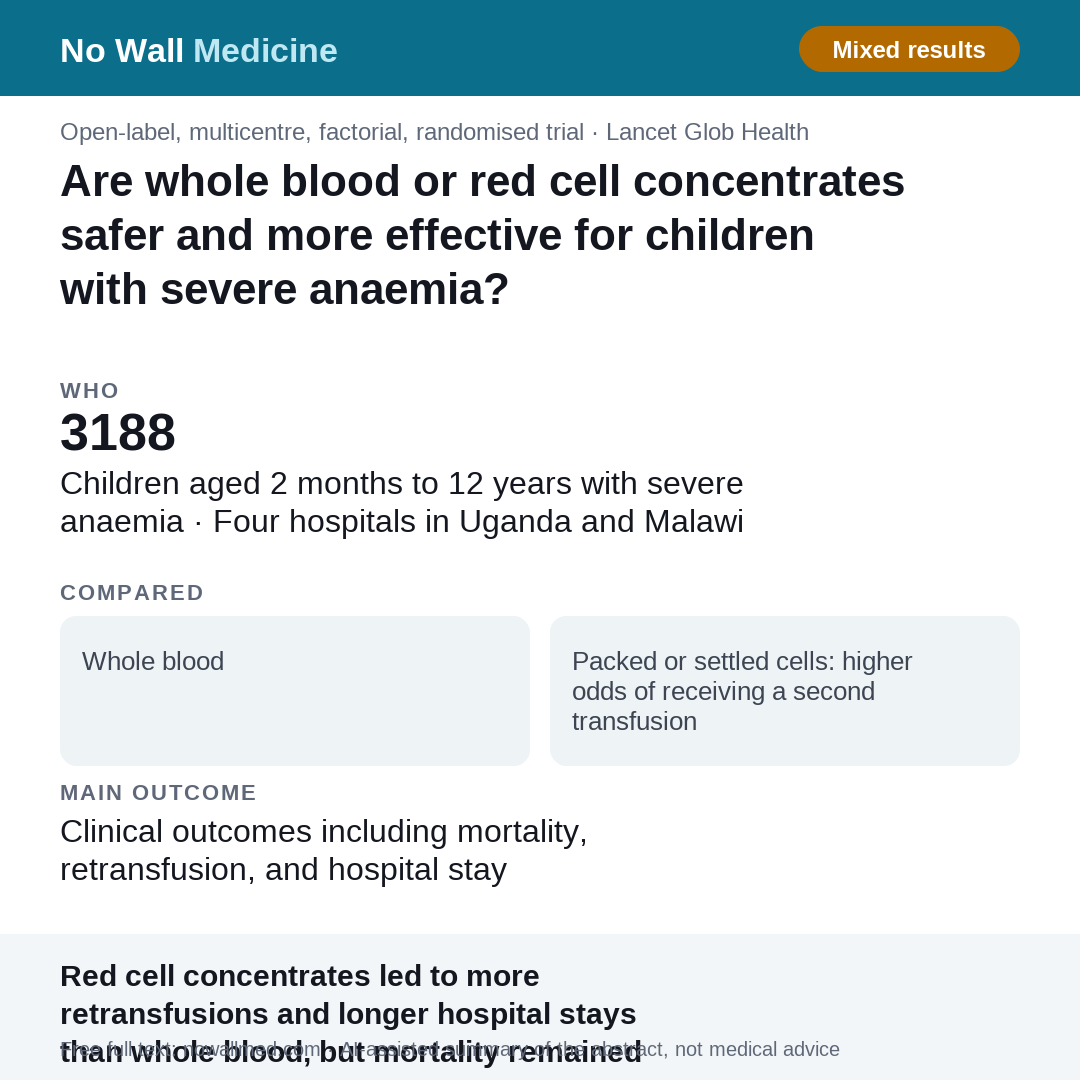
Whole blood versus red cell concentrates for children with severe anaemia: a secondary analysis of the Transfusion and Treatment of African Children (TRACT) trial
Open-label, multicentre, factorial, randomised trialMixed results
Are whole blood or red cell concentrates safer and more effective for children with severe anaemia?
Who
3188
Children aged 2 months to 12 years with severe anaemia · Four hospitals in Uganda and Malawi
Compared
Whole blood
Packed or settled cells: higher odds of receiving a second transfusion
Main outcome
Clinical outcomes including mortality, retransfusion, and hospital stay
Result: odds ratio 2.32 (95% CI 1.30 to 4.12) for packed cells
Bottom line: Red cell concentrates led to more retransfusions and longer hospital stays than whole blood, but mortality remained unchanged.
Funded by: UK Medical Research Council and Department for International Development
Lancet Glob Health · 2022-02-19Download image
Prevalence of hypoxaemia in children with pneumonia in low-income and middle-income countries: a systematic review and meta-analysis
Systematic review and meta-analysisBenefit found
What is the prevalence of hypoxaemia in children with pneumonia in low- and middle-income countries?
Who
Children under five years of age with pneumonia · Low-income and middle-income countries
Compared
31%All children with WHO-classified pneumonia (95% CI 26-36)
41%Very severe or severe pneumonia (33-49)
8%Non-severe pneumonia (3-16)
Main outcome
Prevalence of hypoxaemia (SpO2 <90%)
Bottom line: Hypoxaemia is highly prevalent among children with severe pneumonia in low- and middle-income countries, necessitating improved oxygen security.
Funded by: UK National Institute for Health Research
Lancet Glob Health · 2022-02-19Download image

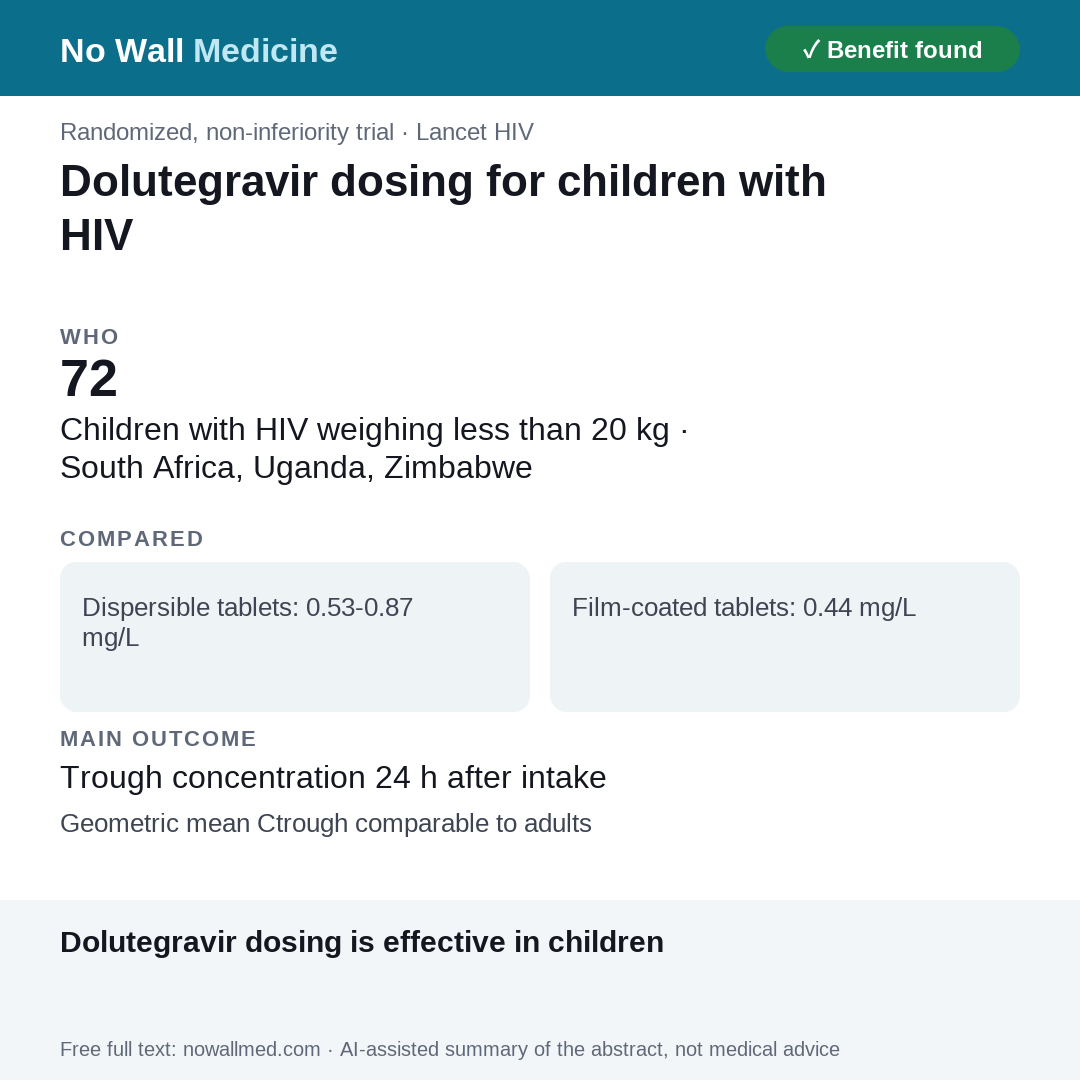
Dolutegravir dosing for children with HIV weighing less than 20 kg: pharmacokinetic and safety substudies nested in the open-label, multicentre, randomised, non-inferiority ODYSSEY trial
Randomized, non-inferiority trialBenefit found
Dolutegravir dosing for children with HIV
Who
72
Children with HIV weighing less than 20 kg · South Africa, Uganda, Zimbabwe
Compared
Dispersible tablets: 0.53-0.87 mg/L
Film-coated tablets: 0.44 mg/L
Main outcome
Trough concentration 24 h after intake
Result: Geometric mean Ctrough comparable to adults
Bottom line: Dolutegravir dosing is effective in children
Limitation: High variability in pharmacokinetic parameters
Funded by: Paediatric European Network for Treatment of AIDS Foundation
Lancet HIV · 2022-02-18Download image
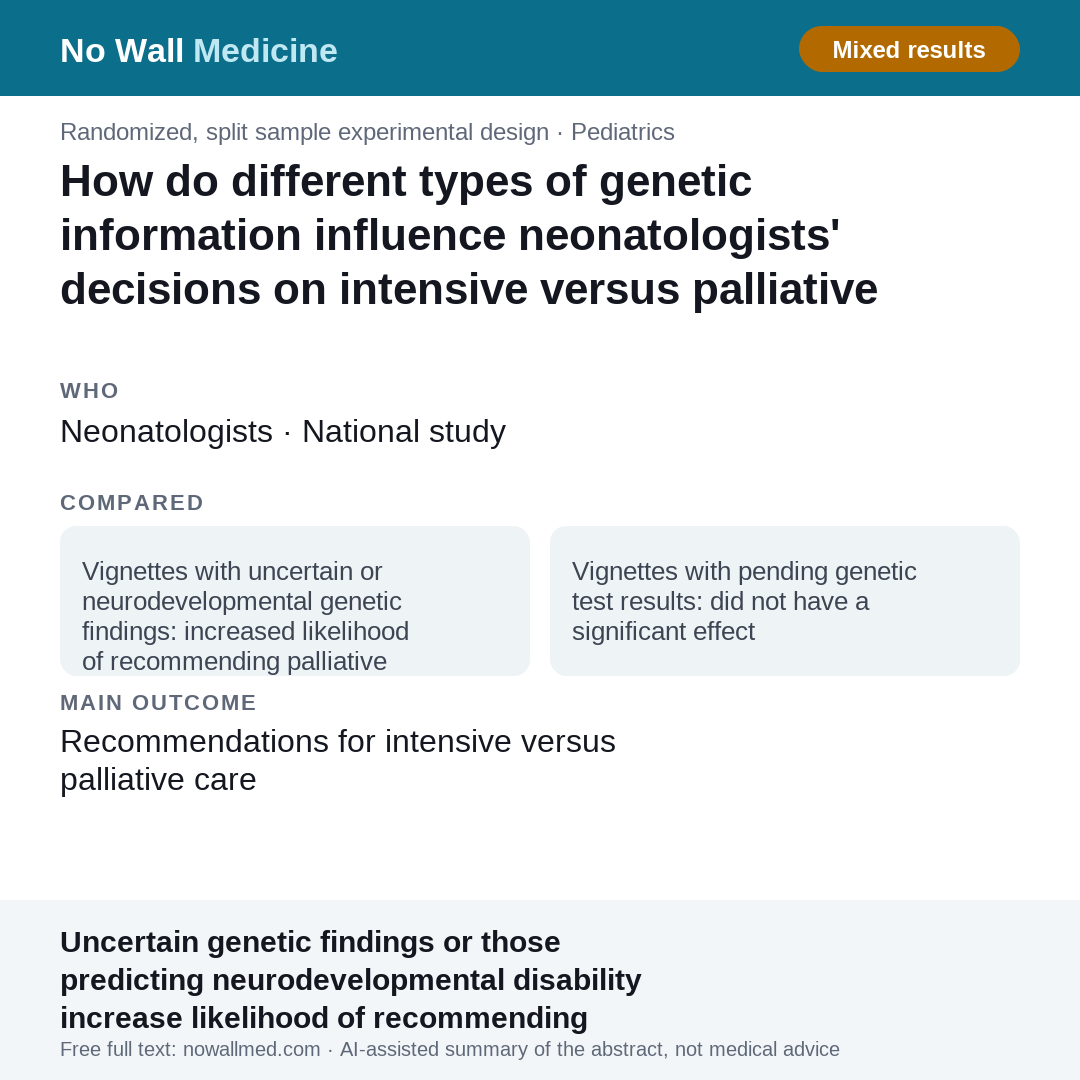
Influence of Genetic Information on Neonatologists' Decisions: A Psychological Experiment
Randomized, split sample experimental designMixed results
How do different types of genetic information influence neonatologists' decisions on intensive versus palliative care?
Who
Neonatologists · National study
Compared
Vignettes with uncertain or neurodevelopmental genetic findings: increased likelihood of recommending palliative rather than intensive care
Vignettes with pending genetic test results: did not have a significant effect
Main outcome
Recommendations for intensive versus palliative care
Bottom line: Uncertain genetic findings or those predicting neurodevelopmental disability increase likelihood of recommending palliative care over intensive care.
Pediatrics · 2022-02-17Download image
Dupilumab ocular side effects in patients with atopic dermatitis: a systematic review
Systematic reviewMixed results
What is the incidence of dupilumab-induced ocular surface disease in atopic dermatitis patients?
Who
Patients with moderate-to-severe atopic dermatitis
Compared
Dupilumab in atopic dermatitis
Other conditions or placebo
Main outcome
Dupilumab-induced ocular surface disease
Bottom line: Dupilumab-induced ocular surface disease occurs most frequently in atopic dermatitis patients compared to other conditions.
Limitation: Further studies are warranted to establish a causal relationship between dupilumab and ocular surface disease.
J Eur Acad Dermatol Venereol · 2022-02-17Download image

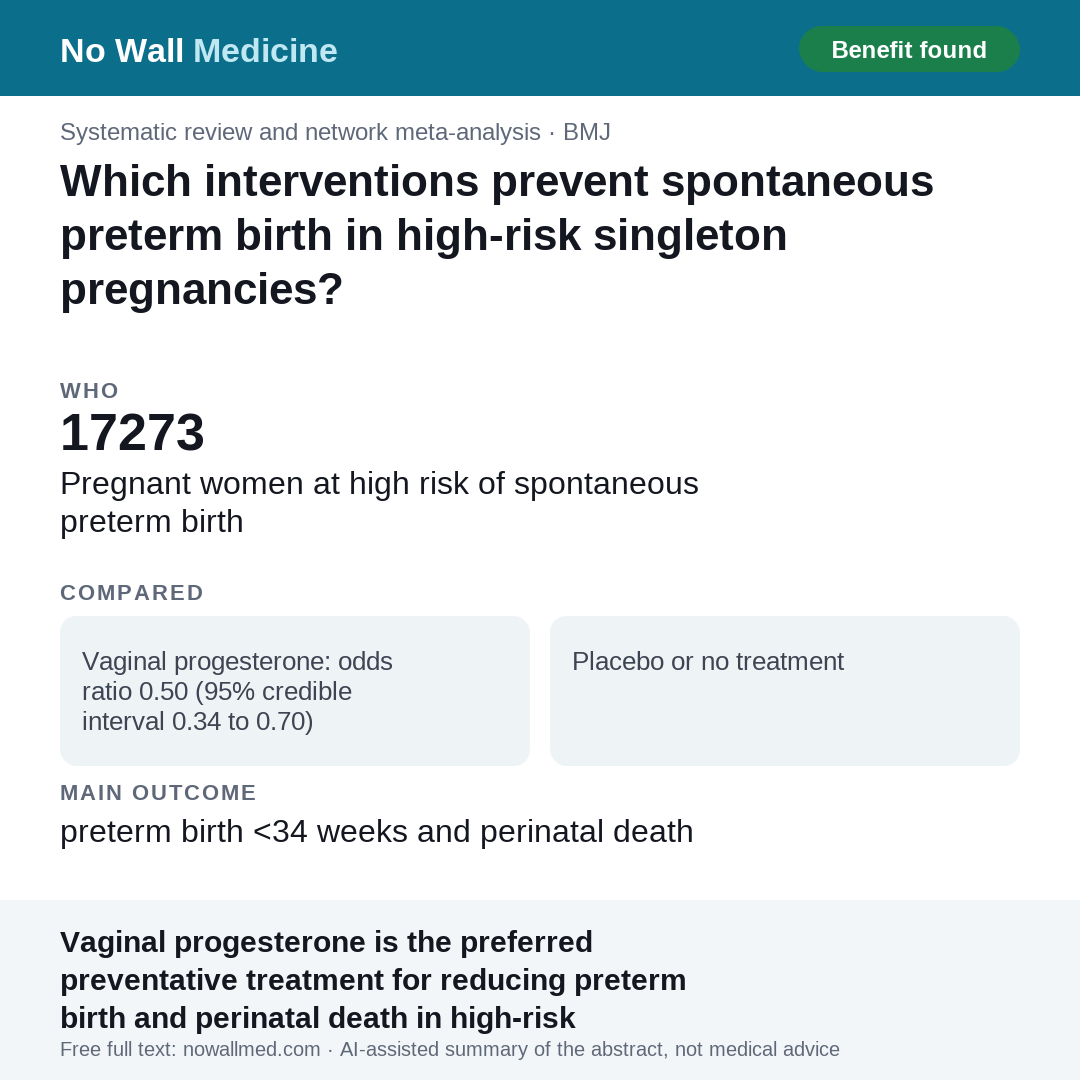
Interventions to prevent spontaneous preterm birth in women with singleton pregnancy who are at high risk: systematic review and network meta-analysis
Systematic review and network meta-analysisBenefit found
Which interventions prevent spontaneous preterm birth in high-risk singleton pregnancies?
Who
17273
Pregnant women at high risk of spontaneous preterm birth
Compared
Vaginal progesterone: odds ratio 0.50 (95% credible interval 0.34 to 0.70)
Placebo or no treatment
Main outcome
preterm birth <34 weeks and perinatal death
Result: odds ratio 0.50 (95% credible interval 0.34 to 0.70)
Bottom line: Vaginal progesterone is the preferred preventative treatment for reducing preterm birth and perinatal death in high-risk women.
BMJ · 2022-02-15Download image
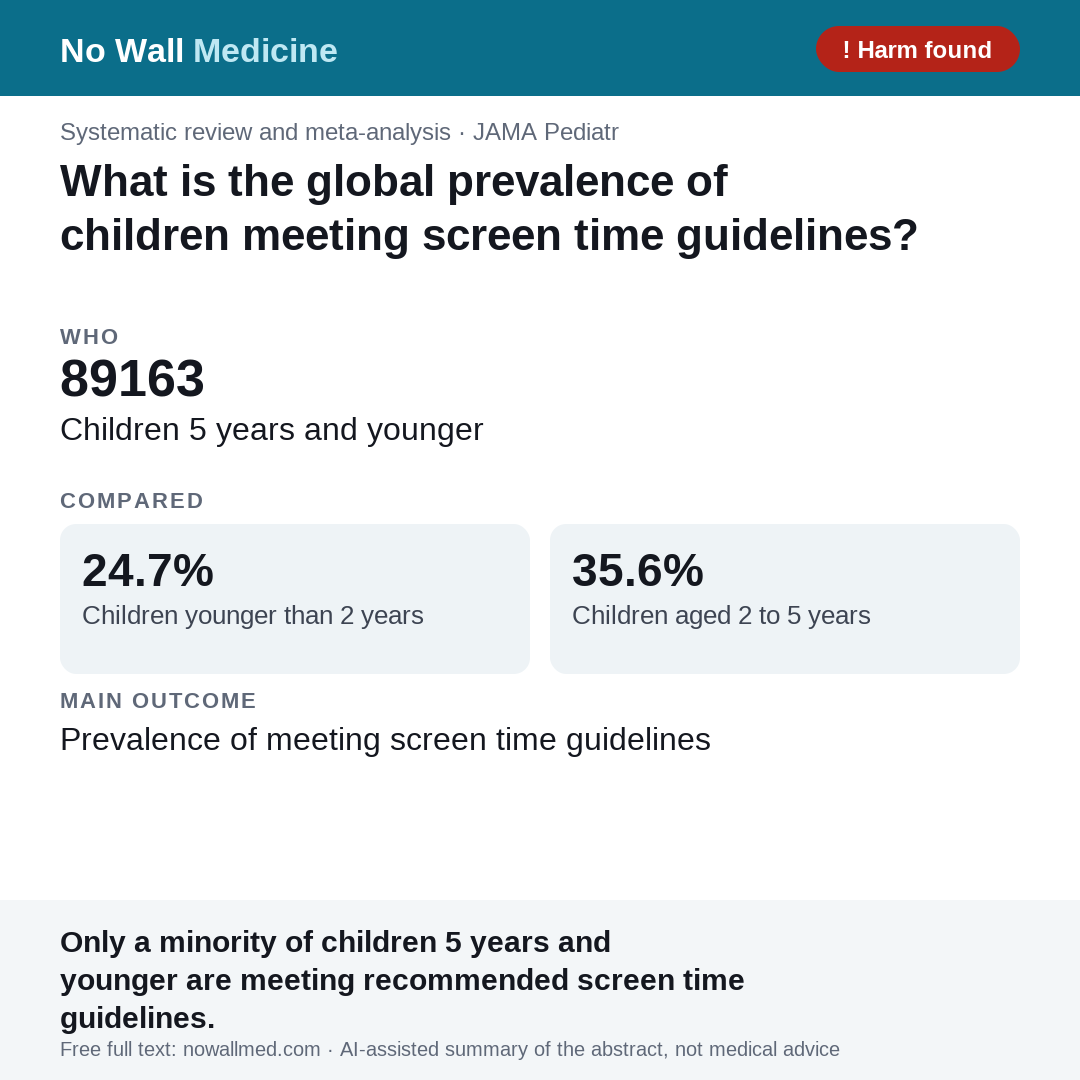
Global Prevalence of Meeting Screen Time Guidelines Among Children 5 Years and Younger: A Systematic Review and Meta-analysis
Systematic review and meta-analysisHarm found
What is the global prevalence of children meeting screen time guidelines?
Who
89163
Children 5 years and younger
Compared
24.7%Children younger than 2 years (95% CI, 19.0%-31.5%)
35.6%Children aged 2 to 5 years (95% CI, 30.6%-40.9%)
Main outcome
Prevalence of meeting screen time guidelines
Bottom line: Only a minority of children 5 years and younger are meeting recommended screen time guidelines.
JAMA Pediatr · 2022-02-15Download image