Visual abstracts
New randomized trials and meta-analyses from leading journals at a glance: who was studied, what was compared, and what was found. Every paper is free to read in full.
All specialtiesCardiology 4877Oncology 4138Gastroenterology & Hepatology 1942Infectious Disease 3837Neurology 1905Psychiatry & Mental Health 2273Pulmonology 2143Critical Care 1365Endocrinology & Diabetes 2580Pediatrics 2980Surgery 2559Orthopedics & Sports Medicine 931Neurosurgery 537Cardiothoracic & Vascular Surgery 674Plastic & Reconstructive Surgery 591Nephrology 1133Rheumatology 823Hematology 1109Dermatology 621Ophthalmology 543Obstetrics & Gynecology 1686Public & Global Health 1058Radiology & Imaging 648Anesthesiology 986Urology 764ENT (Otolaryngology) 503Emergency Medicine 511Allergy & Immunology 313Geriatrics 981Family Medicine & Primary Care 562Medical Genetics & Genomics 676Pathology & Laboratory Medicine 159Physical Medicine & Rehabilitation 757Palliative Care 444Nutrition 1588Digital Health & AI 2201General Medicine 321
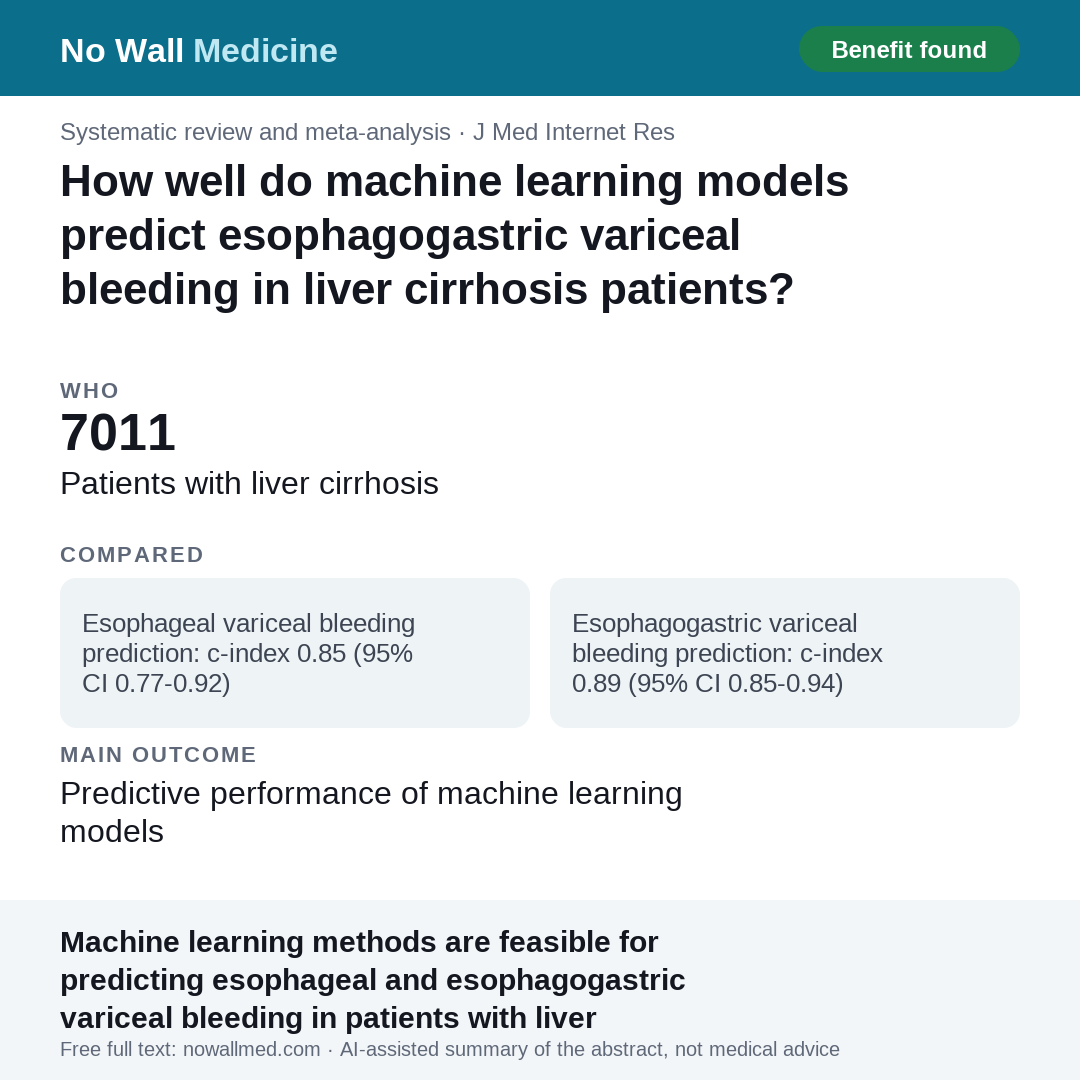
Machine Learning in Predicting the Risk of Esophagogastric Variceal Bleeding Among Patients With Liver Cirrhosis: Systematic Review and Meta-Analysis
Systematic review and meta-analysisBenefit found
How well do machine learning models predict esophagogastric variceal bleeding in liver cirrhosis patients?
Who
7011
Patients with liver cirrhosis
Compared
Esophageal variceal bleeding prediction: c-index 0.85 (95% CI 0.77-0.92)
Esophagogastric variceal bleeding prediction: c-index 0.89 (95% CI 0.85-0.94)
Main outcome
Predictive performance of machine learning models
Result: c-index 0.85 (95% CI 0.77-0.92) for esophageal and 0.89 (95% CI 0.85-0.94) for esophagogastric
Bottom line: Machine learning methods are feasible for predicting esophageal and esophagogastric variceal bleeding in patients with liver cirrhosis.
Limitation: The number of included original studies is limited.
J Med Internet Res · 2026-04-08Download image
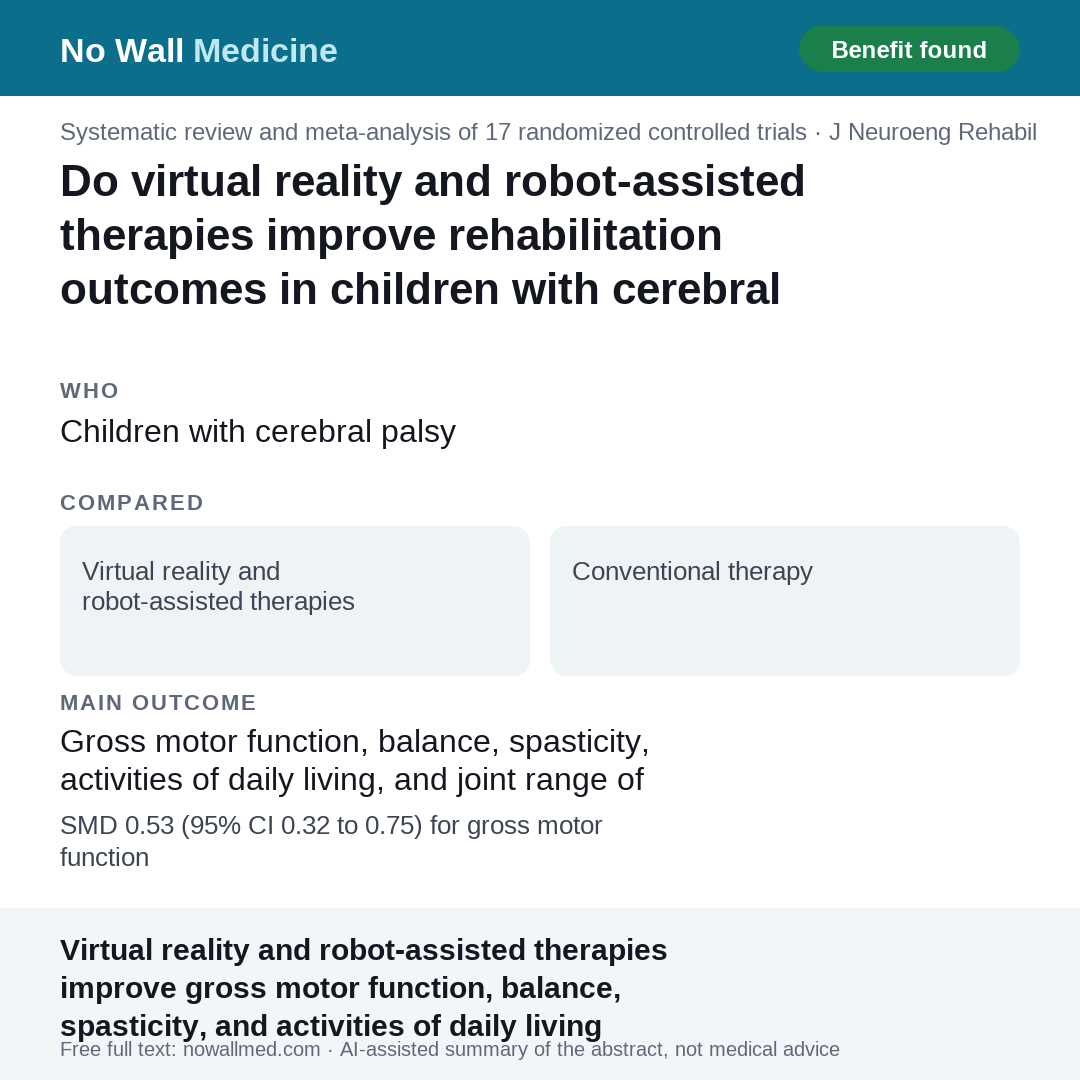
Effects of virtual reality and robot-assisted therapy on rehabilitation outcomes in cerebral palsy: a systematic review and meta-analysis
Systematic review and meta-analysis of 17 randomized controlled trialsBenefit found
Do virtual reality and robot-assisted therapies improve rehabilitation outcomes in children with cerebral palsy?
Who
Children with cerebral palsy
Compared
Virtual reality and robot-assisted therapies
Conventional therapy
Main outcome
Gross motor function, balance, spasticity, activities of daily living, and joint range of motion
Result: SMD 0.53 (95% CI 0.32 to 0.75) for gross motor function
Bottom line: Virtual reality and robot-assisted therapies improve gross motor function, balance, spasticity, and activities of daily living in children with cerebral palsy.
Limitation: The findings were exploratory due to the limited number of included studies and certainty of evidence was very low to moderate.
J Neuroeng Rehabil · 2026-04-08Download image
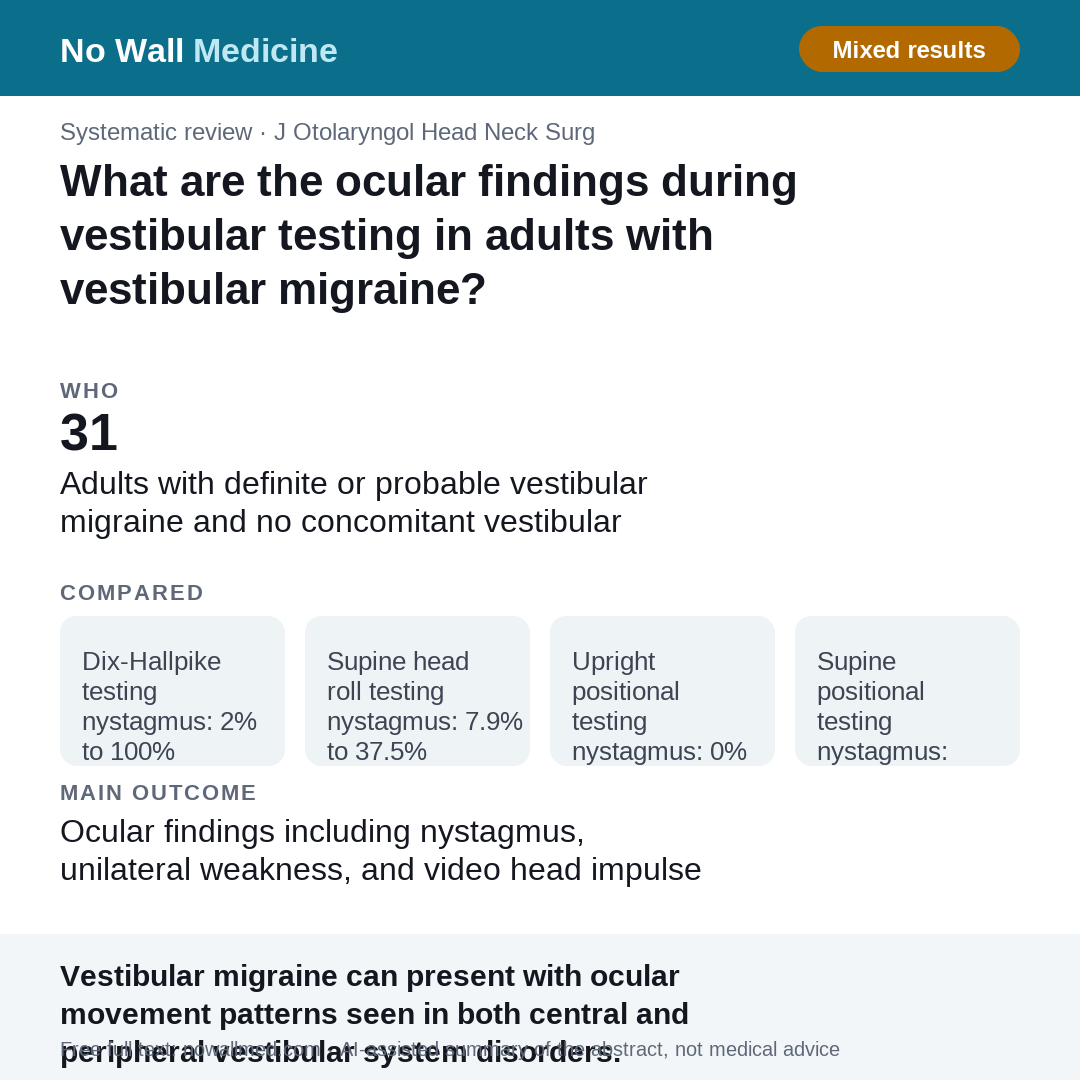
Ocular Findings During Vestibular Testing in Vestibular Migraine: Systematic Review
Systematic reviewMixed results
What are the ocular findings during vestibular testing in adults with vestibular migraine?
Who
31
Adults with definite or probable vestibular migraine and no concomitant vestibular disorders
Compared
Dix-Hallpike testing nystagmus: 2% to 100%
Supine head roll testing nystagmus: 7.9% to 37.5%
Upright positional testing nystagmus: 0% to 100%
Supine positional testing nystagmus: 42.1% to 95.5%
Main outcome
Ocular findings including nystagmus, unilateral weakness, and video head impulse testing
Bottom line: Vestibular migraine can present with ocular movement patterns seen in both central and peripheral vestibular system disorders.
Limitation: Future studies should focus on further describing the characteristics of nystagmus and associated symptoms.
J Otolaryngol Head Neck Surg · 2026-04-08Download image
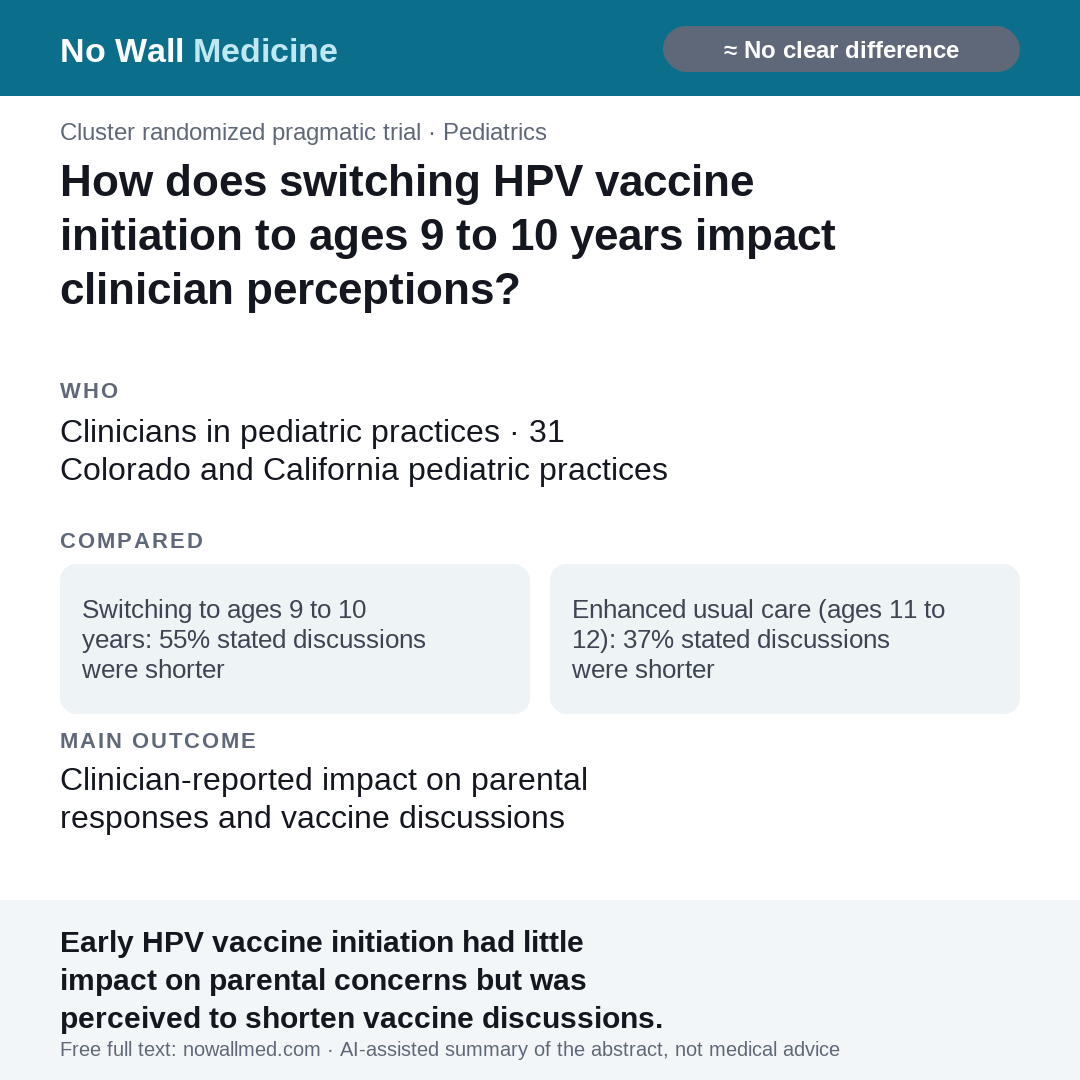
Clinician Perceptions of the Impact of Switching HPV Vaccine Initiation to 9-10 Years
Cluster randomized pragmatic trialNo clear difference
How does switching HPV vaccine initiation to ages 9 to 10 years impact clinician perceptions?
Who
Clinicians in pediatric practices · 31 Colorado and California pediatric practices
Compared
Switching to ages 9 to 10 years: 55% stated discussions were shorter
Enhanced usual care (ages 11 to 12): 37% stated discussions were shorter
Main outcome
Clinician-reported impact on parental responses and vaccine discussions
Bottom line: Early HPV vaccine initiation had little impact on parental concerns but was perceived to shorten vaccine discussions.
Pediatrics · 2026-04-07Download image
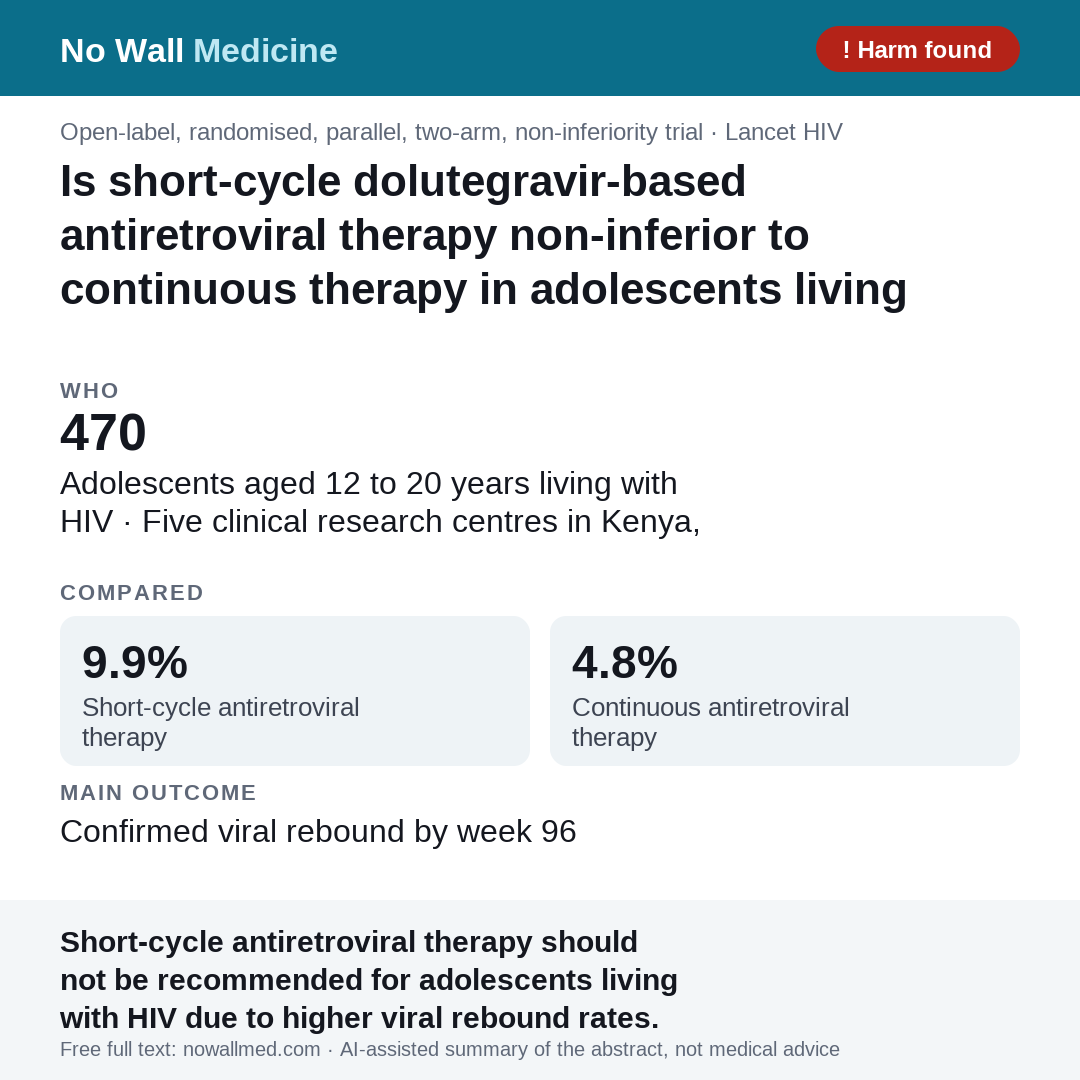
Efficacy and safety of short-cycle, dolutegravir-based antiretroviral therapy in adolescents living with HIV (BREATHER Plus): a multicentre, open-label, randomised, parallel, two-arm, non-inferiority trial
Open-label, randomised, parallel, two-arm, non-inferiority trialHarm found
Is short-cycle dolutegravir-based antiretroviral therapy non-inferior to continuous therapy in adolescents living with HIV?
Who
470
Adolescents aged 12 to 20 years living with HIV · Five clinical research centres in Kenya, South Africa, Uganda, and Zimbabwe
Compared
9.9%Short-cycle antiretroviral therapy (95% CI 6.4-14.3)
4.8%Continuous antiretroviral therapy (2.6-7.8)
Main outcome
Confirmed viral rebound by week 96
Result: estimated difference of 5.1% (99% CI -0.8 to 11.5)
Bottom line: Short-cycle antiretroviral therapy should not be recommended for adolescents living with HIV due to higher viral rebound rates.
Funded by: European and Developing Countries Clinical Trials Partnership, UK Medical Research Council
Lancet HIV · 2026-04-07Download image
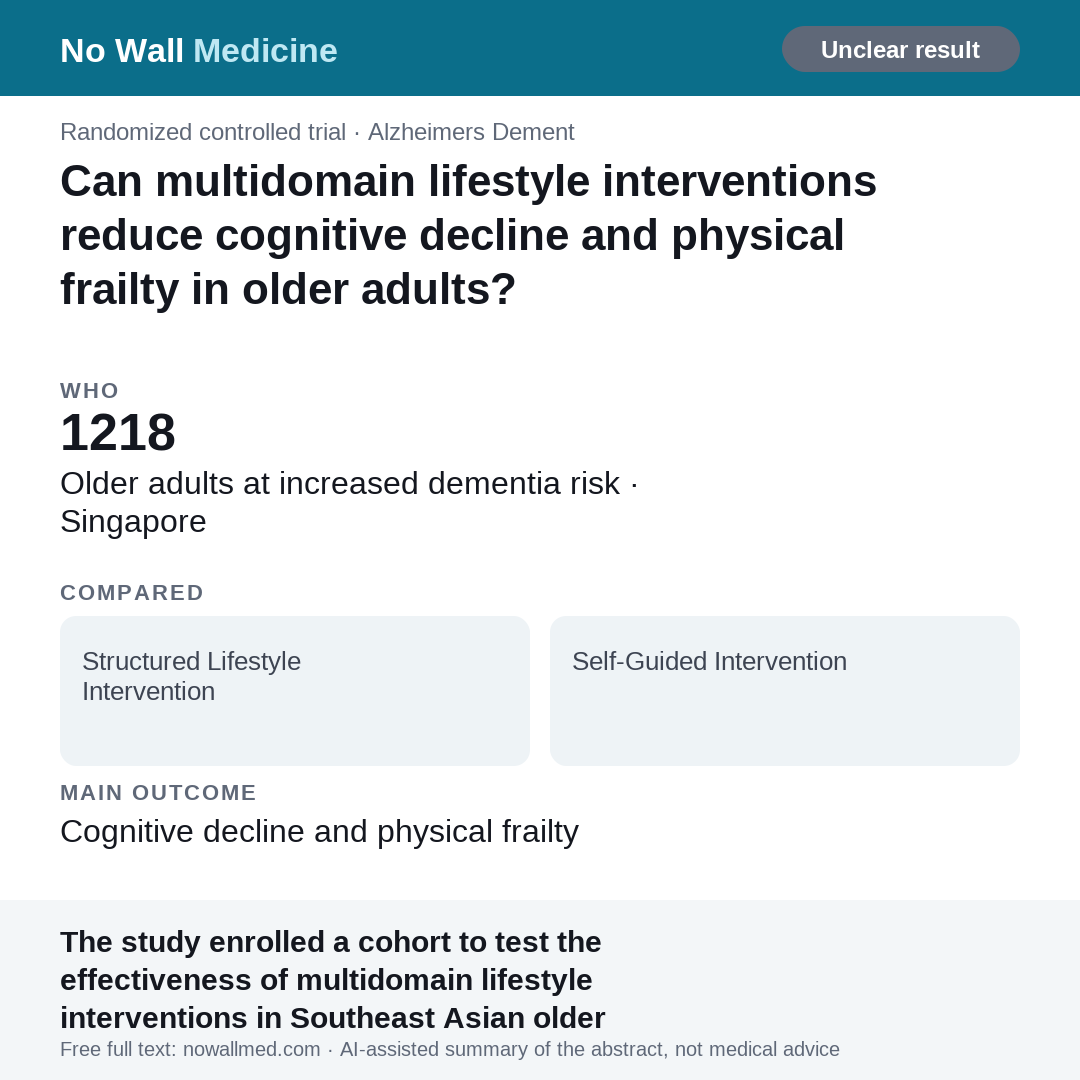
Baseline characteristics of the SINgapore GERiatric Intervention Study to Reduce Cognitive Decline and Physical Frailty (SINGER) multidomain dementia prevention randomized controlled trial and insights from the recruitment process
Randomized controlled trialUnclear result
Can multidomain lifestyle interventions reduce cognitive decline and physical frailty in older adults?
Who
1218
Older adults at increased dementia risk · Singapore
Compared
Structured Lifestyle Intervention
Self-Guided Intervention
Main outcome
Cognitive decline and physical frailty
Bottom line: The study enrolled a cohort to test the effectiveness of multidomain lifestyle interventions in Southeast Asian older adults.
Limitation: Pandemic disruptions and operational challenges during recruitment.
Alzheimers Dement · 2026-04-07Download image
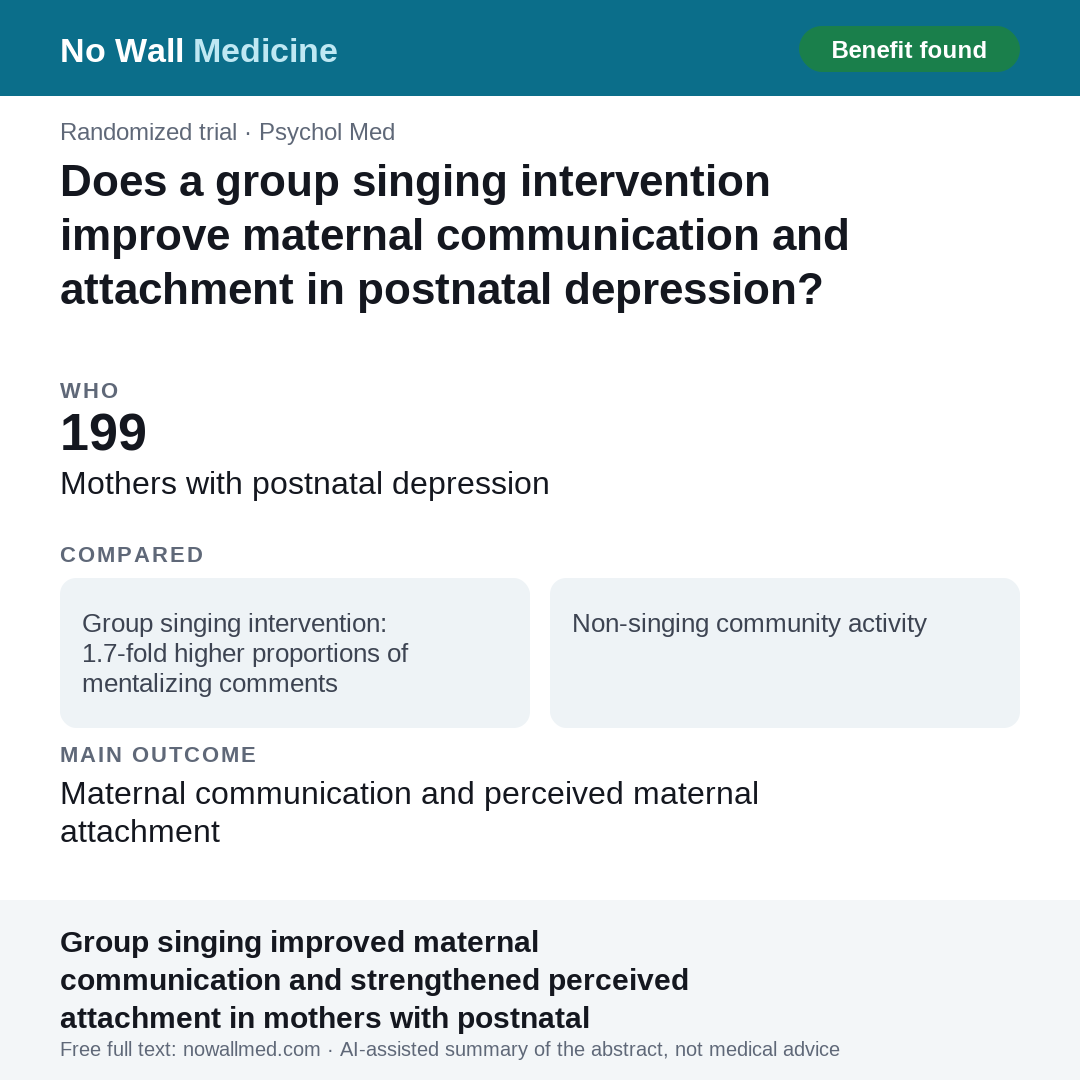
Maternal communication and attachment following a group singing intervention for postnatal depression: findings from the SHAPER-PND trial
Randomized trialBenefit found
Does a group singing intervention improve maternal communication and attachment in postnatal depression?
Who
199
Mothers with postnatal depression
Compared
Group singing intervention: 1.7-fold higher proportions of mentalizing comments
Non-singing community activity
Main outcome
Maternal communication and perceived maternal attachment
Bottom line: Group singing improved maternal communication and strengthened perceived attachment in mothers with postnatal depression.
Psychol Med · 2026-04-07Download image
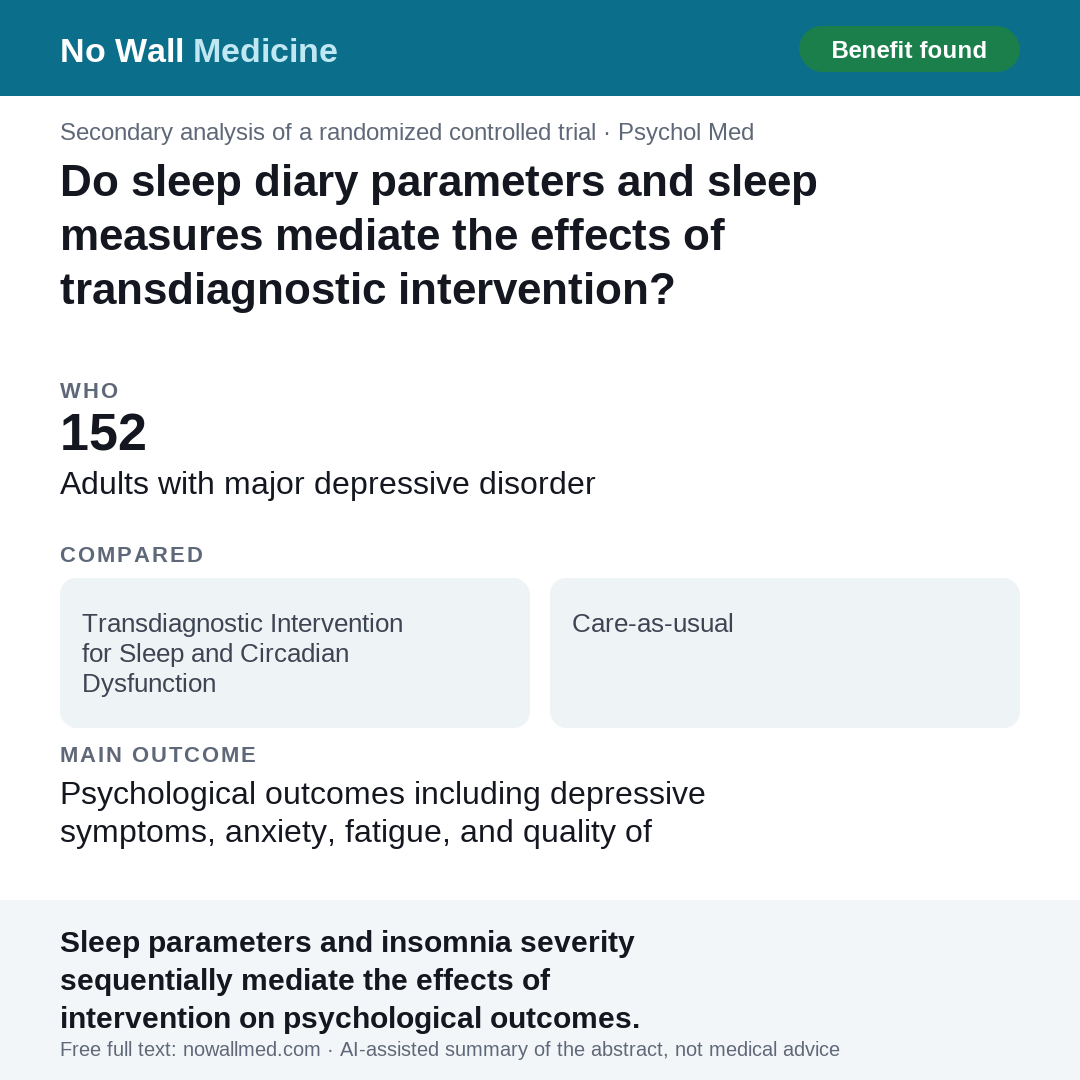
Sleep diary-derived parameters and sleep measures mediate the efficacy of transdiagnostic sleep and circadian intervention for depression
Secondary analysis of a randomized controlled trialBenefit found
Do sleep diary parameters and sleep measures mediate the effects of transdiagnostic intervention?
Who
152
Adults with major depressive disorder
Compared
Transdiagnostic Intervention for Sleep and Circadian Dysfunction
Care-as-usual
Main outcome
Psychological outcomes including depressive symptoms, anxiety, fatigue, and quality of life
Bottom line: Sleep parameters and insomnia severity sequentially mediate the effects of intervention on psychological outcomes.
Psychol Med · 2026-04-07Download image
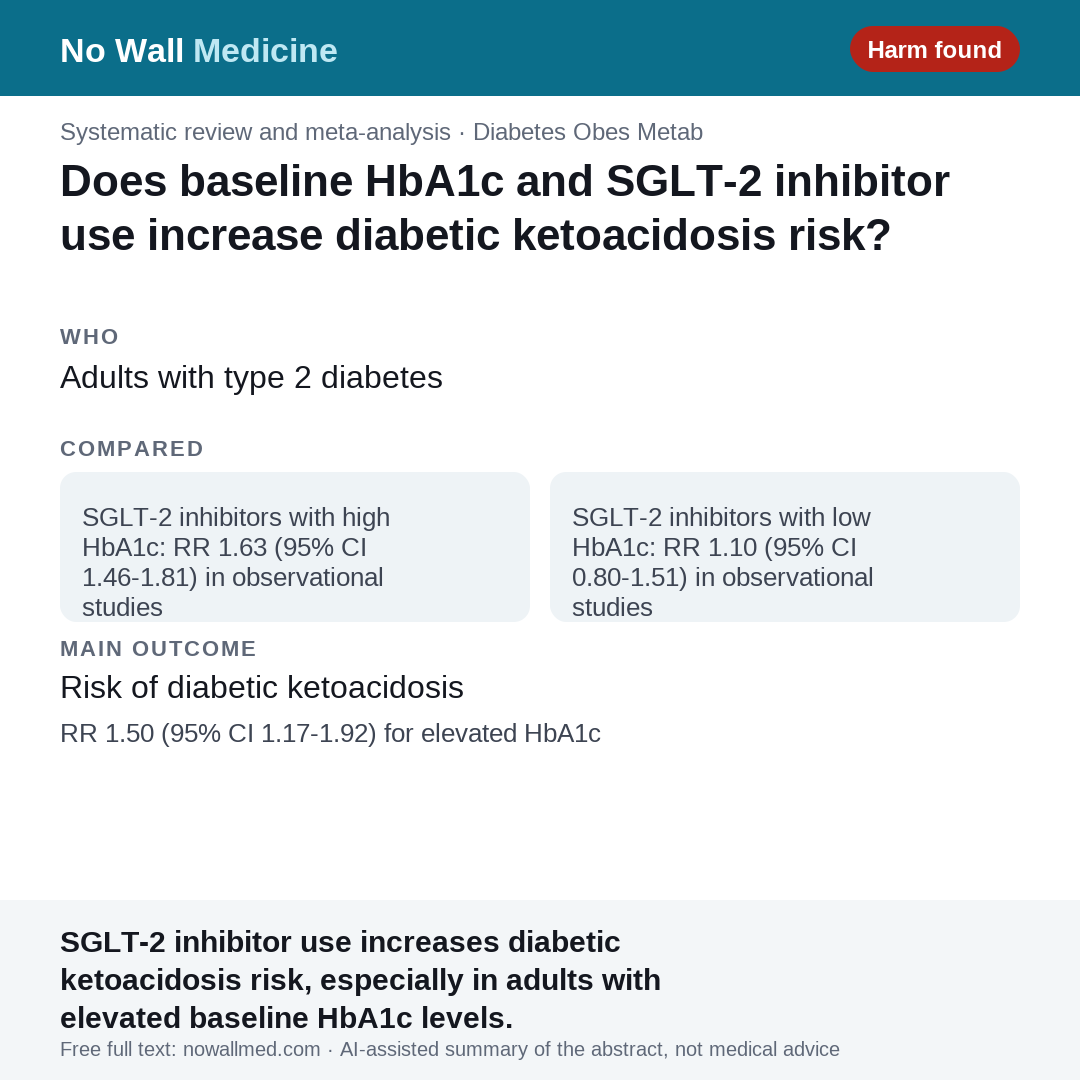
Interrelationship Between Baseline HbA1c, SGLT-2 Inhibitor Use and Risk of Diabetic Ketoacidosis in Adults With Type 2 Diabetes: A Systematic Review and Meta-Analysis
Systematic review and meta-analysisHarm found
Does baseline HbA1c and SGLT-2 inhibitor use increase diabetic ketoacidosis risk?
Who
Adults with type 2 diabetes
Compared
SGLT-2 inhibitors with high HbA1c: RR 1.63 (95% CI 1.46-1.81) in observational studies
SGLT-2 inhibitors with low HbA1c: RR 1.10 (95% CI 0.80-1.51) in observational studies
Main outcome
Risk of diabetic ketoacidosis
Result: RR 1.50 (95% CI 1.17-1.92) for elevated HbA1c
Bottom line: SGLT-2 inhibitor use increases diabetic ketoacidosis risk, especially in adults with elevated baseline HbA1c levels.
Limitation: The narrow range of HbA1c values across studies limits definitive conclusions.
Diabetes Obes Metab · 2026-04-07Download image
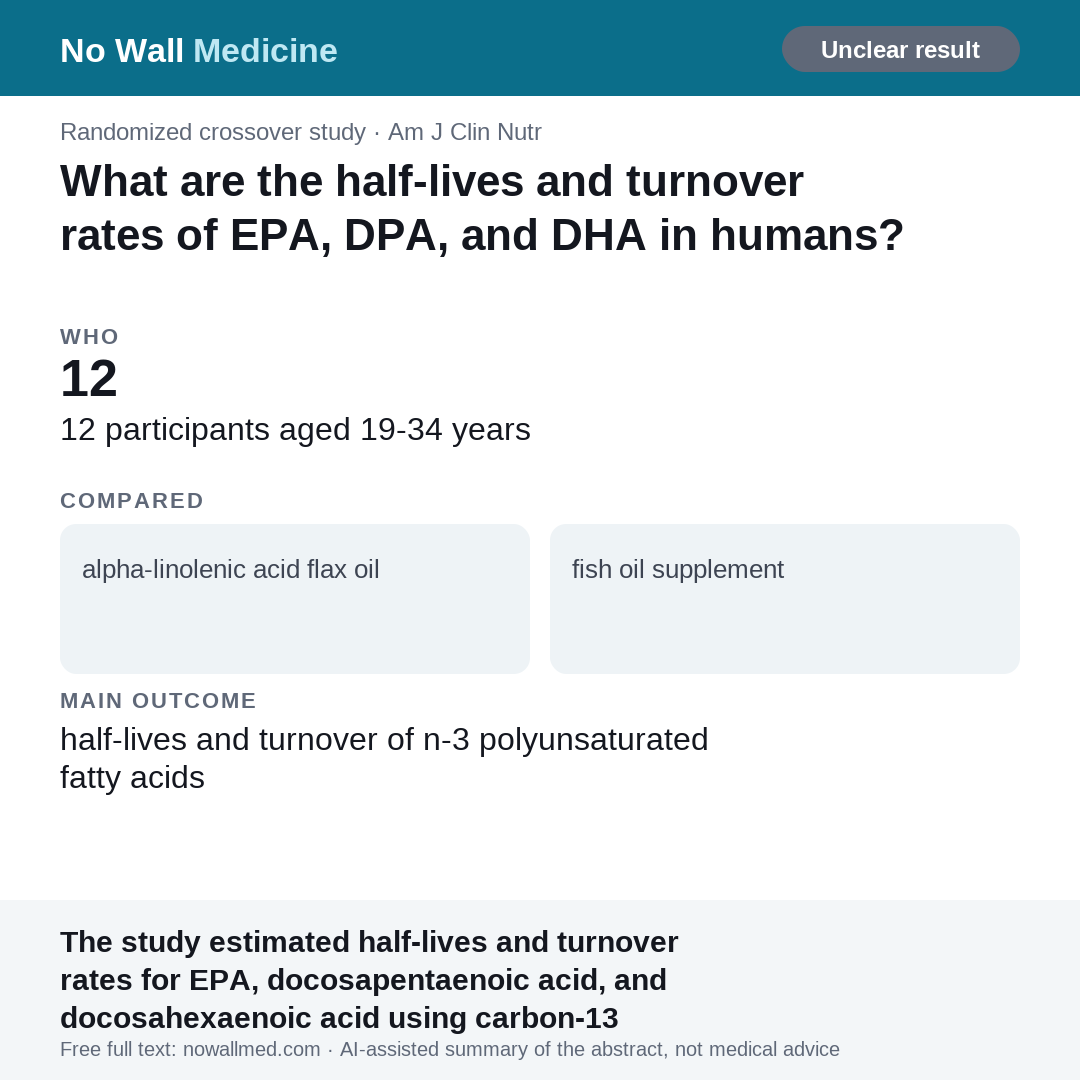
Determining the half-life and turnover rate of EPA, n-3 docosapentaenoic acid, and DHA in humans using the natural abundance of carbon-13: a secondary analysis of a randomized clinical trial
Randomized crossover studyUnclear result
What are the half-lives and turnover rates of EPA, DPA, and DHA in humans?
Who
12
12 participants aged 19-34 years
Compared
alpha-linolenic acid flax oil
fish oil supplement
Main outcome
half-lives and turnover of n-3 polyunsaturated fatty acids
Bottom line: The study estimated half-lives and turnover rates for EPA, docosapentaenoic acid, and docosahexaenoic acid using carbon-13 signatures.
Am J Clin Nutr · 2026-04-07Download image
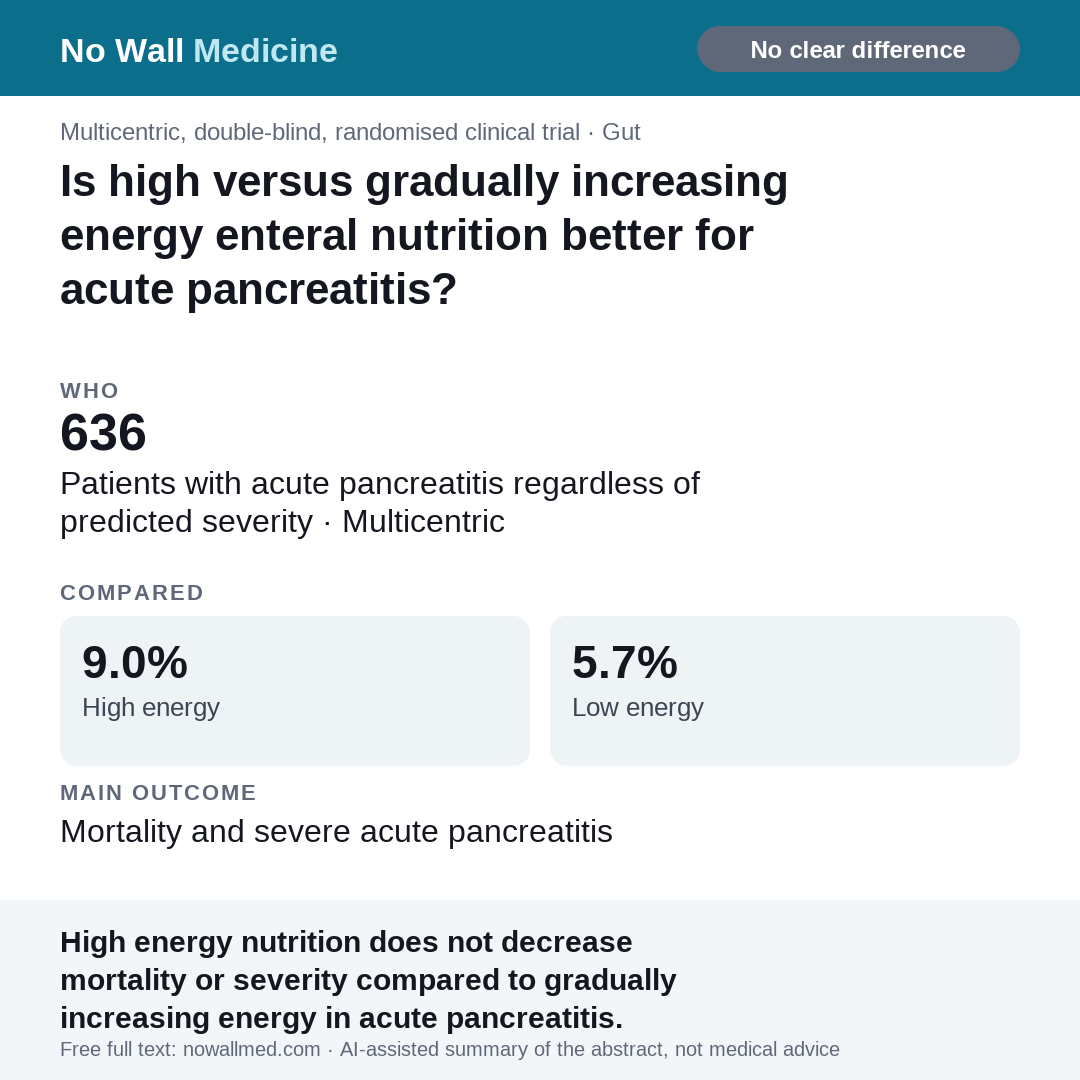
High versus gradually increasing energy nutrition in the early phase of acute pancreatitis (GOULASH): a multicentre double-blind randomised clinical trial
Multicentric, double-blind, randomised clinical trialNo clear difference
Is high versus gradually increasing energy enteral nutrition better for acute pancreatitis?
Who
636
Patients with acute pancreatitis regardless of predicted severity · Multicentric
Compared
9.0%High energy (28/312)
5.7%Low energy (18/307)
Main outcome
Mortality and severe acute pancreatitis
Bottom line: High energy nutrition does not decrease mortality or severity compared to gradually increasing energy in acute pancreatitis.
Gut · 2026-04-07Download image
Clinical characteristics and outcomes of adult IDH-mutant brainstem gliomas: Institutional case series and systematic review
Institutional case series and reviewBenefit found
Outcomes of adult IDH-mutant brainstem gliomas
Who
84
Adults with IDH-mutant brainstem gliomas · One institution and literature
Compared
77.3 monthsNon-canonical IDH variants
Canonical IDH variants
Main outcome
Median overall survival
Result: hazard ratio 0.37 (no confidence interval given)
Bottom line: Non-canonical IDH variants predict improved survival
Limitation: Small cohort size
Neurooncol Adv · 2026-04-07Download image

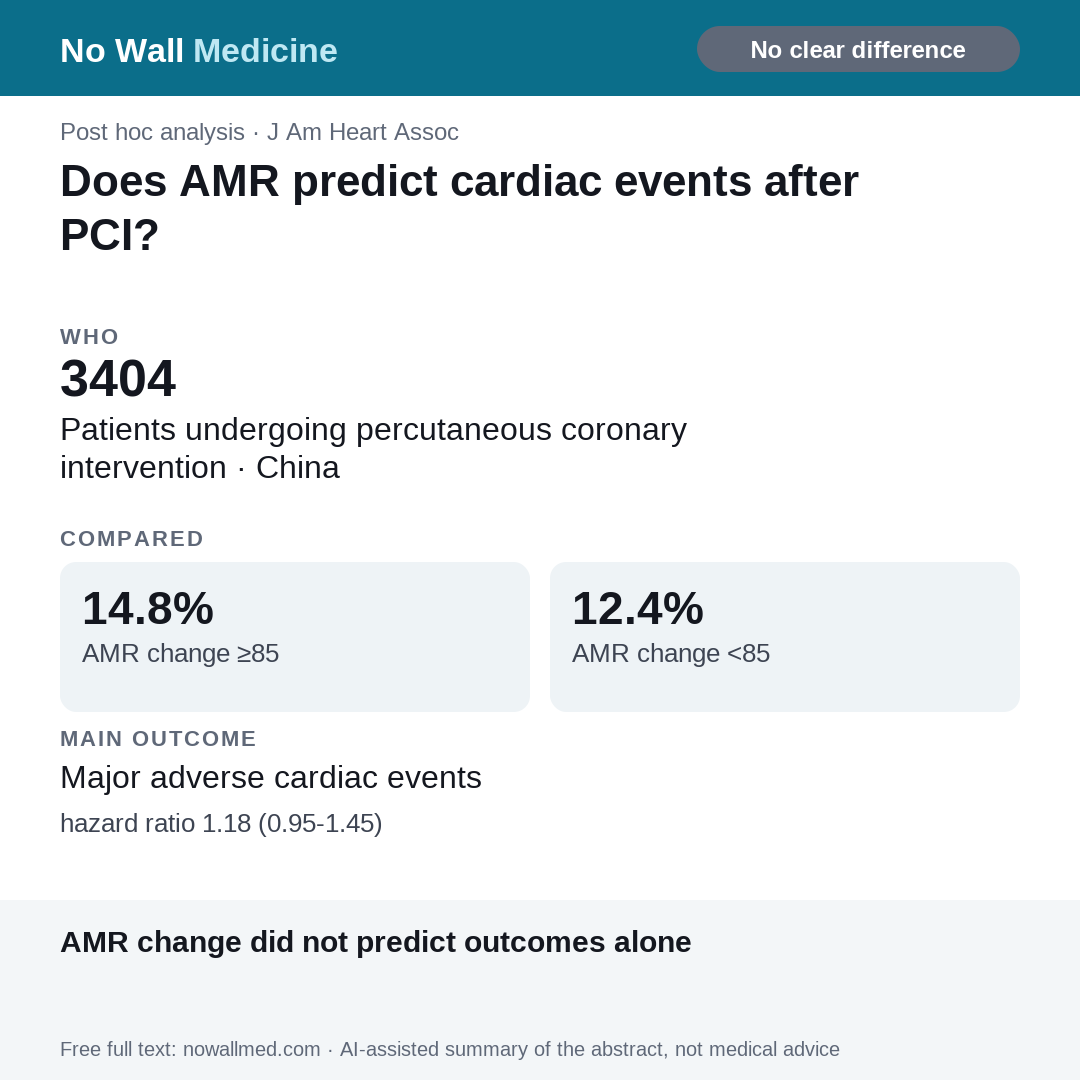
Prognostic Value of Angiographic Microcirculatory Resistance After Coronary Intervention: Insights From the FAVOR III China Trial
Post hoc analysisNo clear difference
Does AMR predict cardiac events after PCI?
Who
3404
Patients undergoing percutaneous coronary intervention · China
Compared
14.8%AMR change ≥85
12.4%AMR change <85
Main outcome
Major adverse cardiac events
Result: hazard ratio 1.18 (0.95-1.45)
Bottom line: AMR change did not predict outcomes alone
J Am Heart Assoc · 2026-04-07Download image
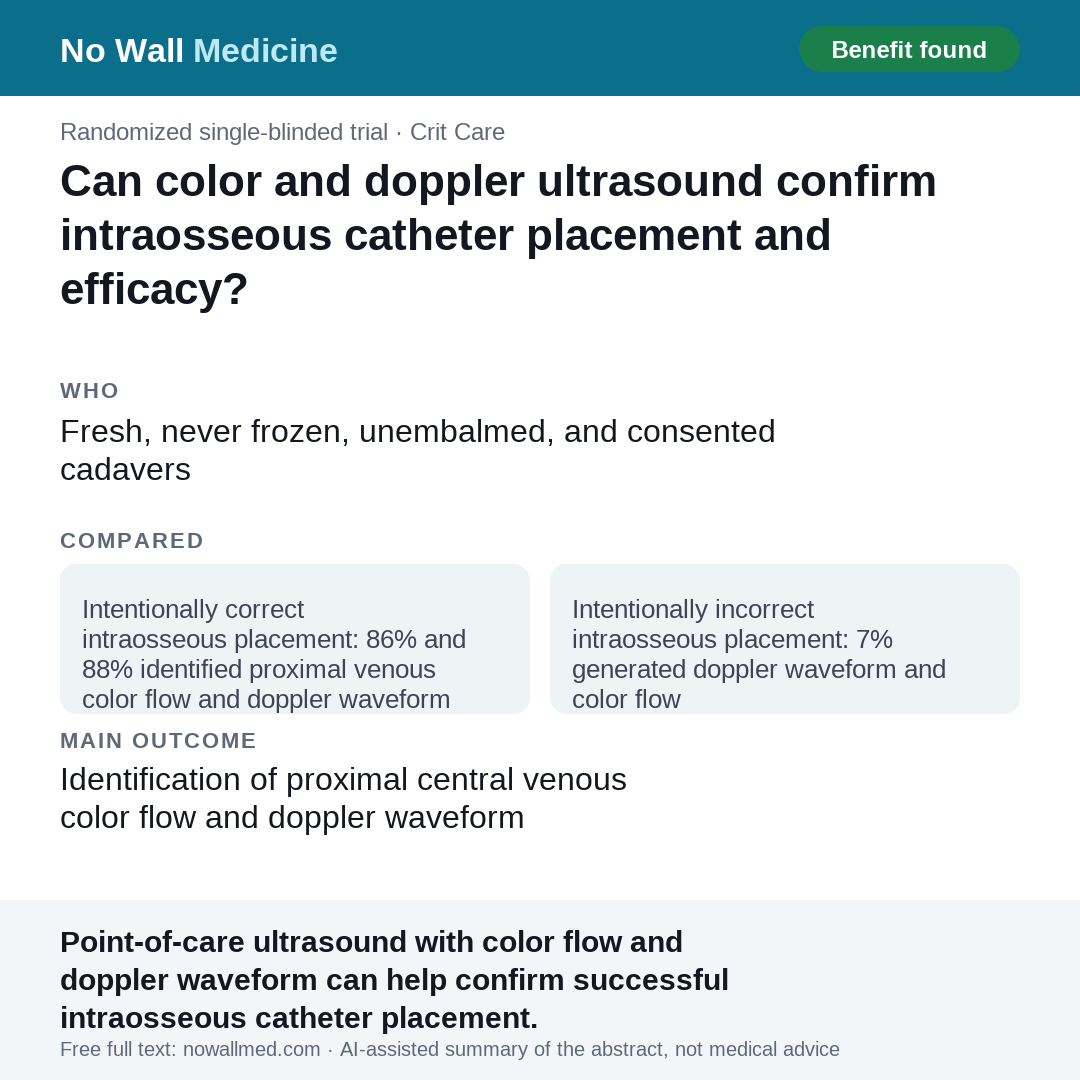
Intraosseous catheter confirmation with central venous color flow and doppler waveform, a randomized single-blinded trial
Randomized single-blinded trialBenefit found
Can color and doppler ultrasound confirm intraosseous catheter placement and efficacy?
Who
Fresh, never frozen, unembalmed, and consented cadavers
Compared
Intentionally correct intraosseous placement: 86% and 88% identified proximal venous color flow and doppler waveform
Intentionally incorrect intraosseous placement: 7% generated doppler waveform and color flow
Main outcome
Identification of proximal central venous color flow and doppler waveform
Bottom line: Point-of-care ultrasound with color flow and doppler waveform can help confirm successful intraosseous catheter placement.
Crit Care · 2026-04-07Download image
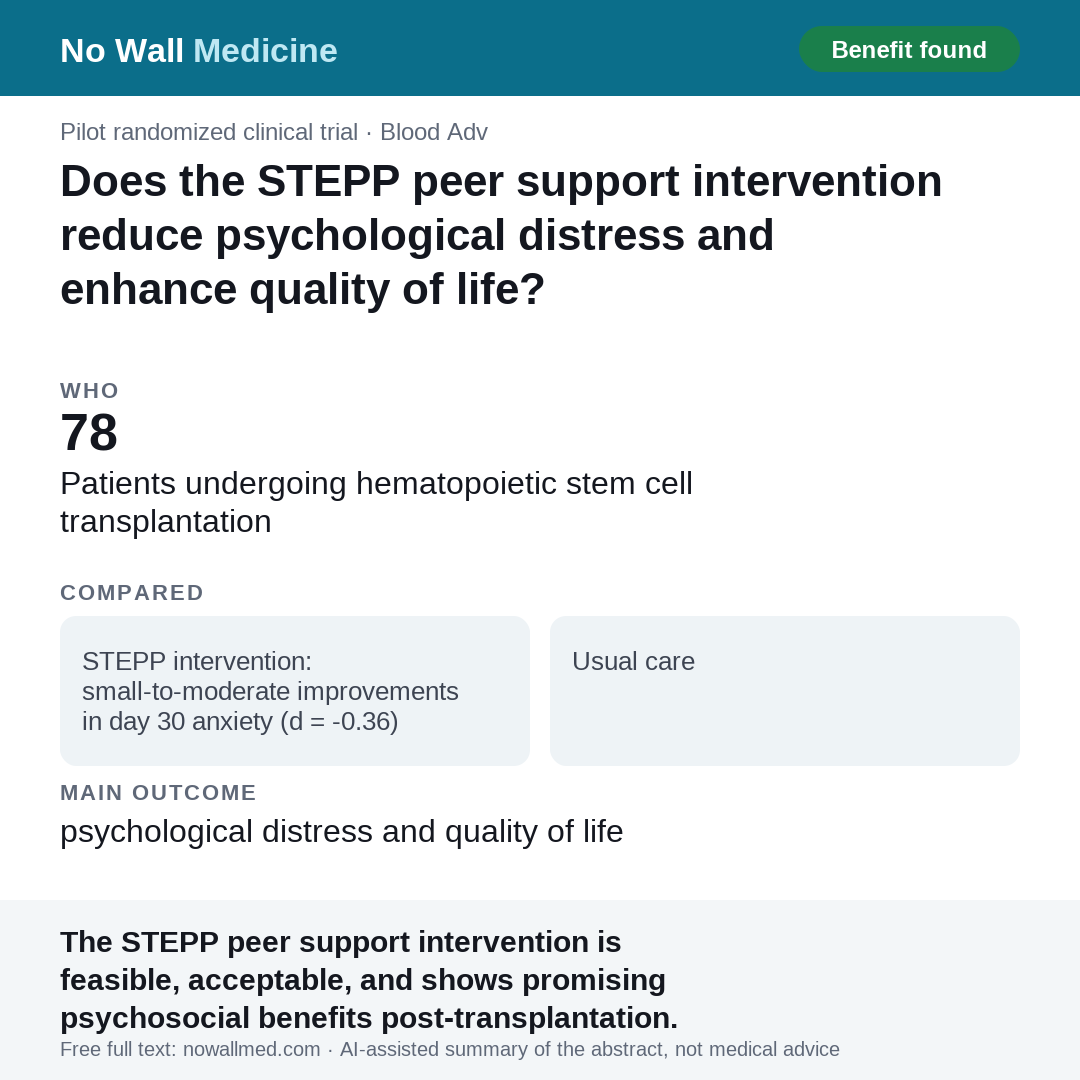
A pilot randomized clinical trial of a peer support intervention for hematopoietic stem cell transplantation
Pilot randomized clinical trialBenefit found
Does the STEPP peer support intervention reduce psychological distress and enhance quality of life?
Who
78
Patients undergoing hematopoietic stem cell transplantation
Compared
STEPP intervention: small-to-moderate improvements in day 30 anxiety (d = -0.36)
Usual care
Main outcome
psychological distress and quality of life
Bottom line: The STEPP peer support intervention is feasible, acceptable, and shows promising psychosocial benefits post-transplantation.
Limitation: This was a pilot study warranting a fully powered multisite efficacy trial.
Blood Adv · 2026-04-07Download image
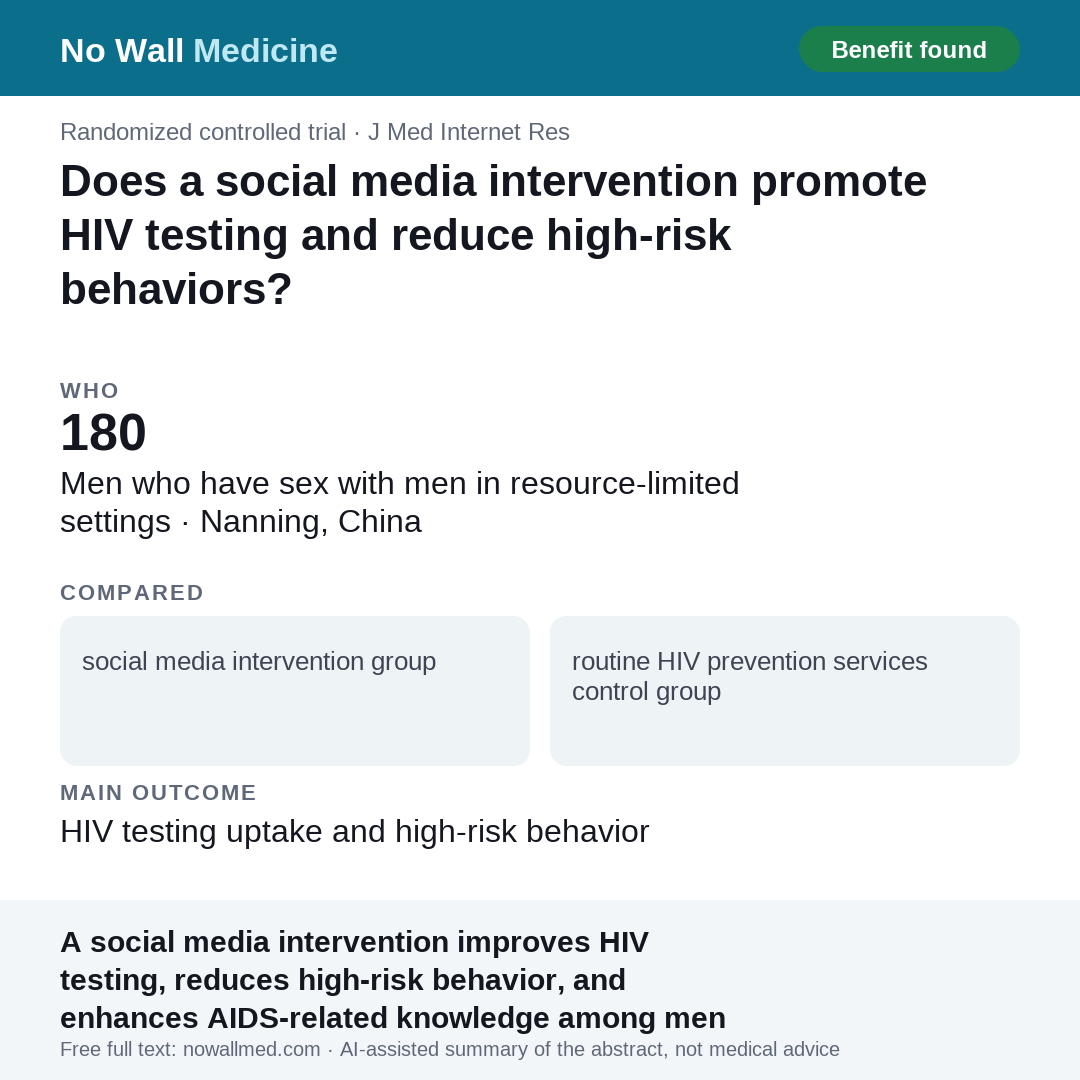
Social Media Intervention Based on the Information-Motivation-Behavioral Skills Model Promotes HIV Testing and Reduces High-Risk Behaviors Among Men Who Have Sex With Men in Resource-Limited Settings in China: Randomized Controlled Trial
Randomized controlled trialBenefit found
Does a social media intervention promote HIV testing and reduce high-risk behaviors?
Who
180
Men who have sex with men in resource-limited settings · Nanning, China
Compared
Social media intervention group
Routine HIV prevention services control group
Main outcome
HIV testing uptake and high-risk behavior
Result: risk ratio 1.739 (95% CI 1.110-2.730) for HIV testing
Bottom line: A social media intervention increased HIV testing, HIV self-testing, and consistent condom use among men who have sex with men.
J Med Internet Res · 2026-04-07Download image
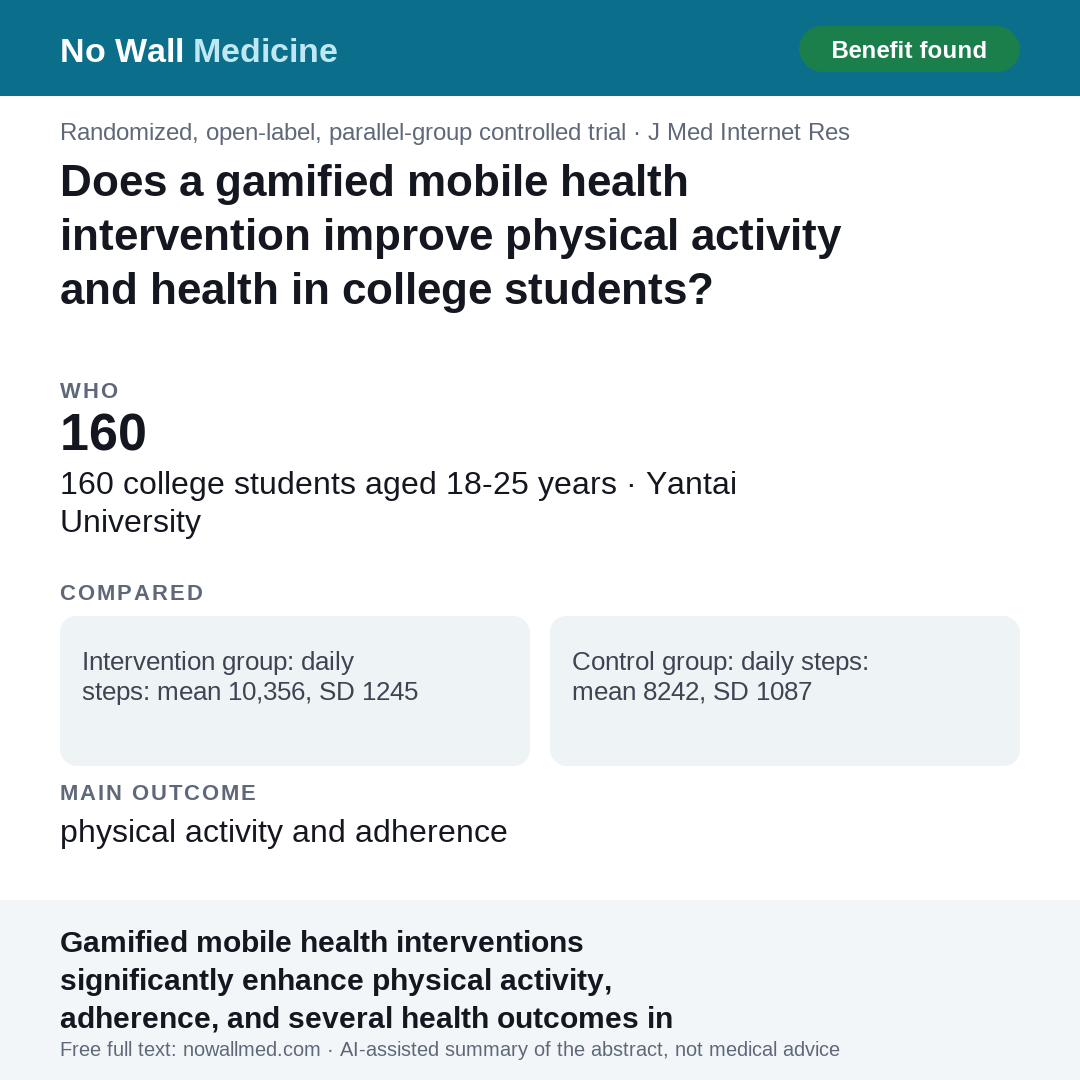
A Gamified Mobile Health Intervention to Promote Physical Activity, Executive Function, and Mental Health in College Students: Randomized Controlled Trial
Randomized, open-label, parallel-group controlled trialBenefit found
Does a gamified mobile health intervention improve physical activity and health in college students?
Who
160
160 college students aged 18-25 years · Yantai University
Compared
Intervention group: daily steps: mean 10,356, SD 1245
Control group: daily steps: mean 8242, SD 1087
Main outcome
physical activity and adherence
Result: daily steps: d=1.81, 95% CI 1.44-2.18
Bottom line: Gamified mobile health interventions significantly enhance physical activity, adherence, and several health outcomes in college students.
J Med Internet Res · 2026-04-07Download image
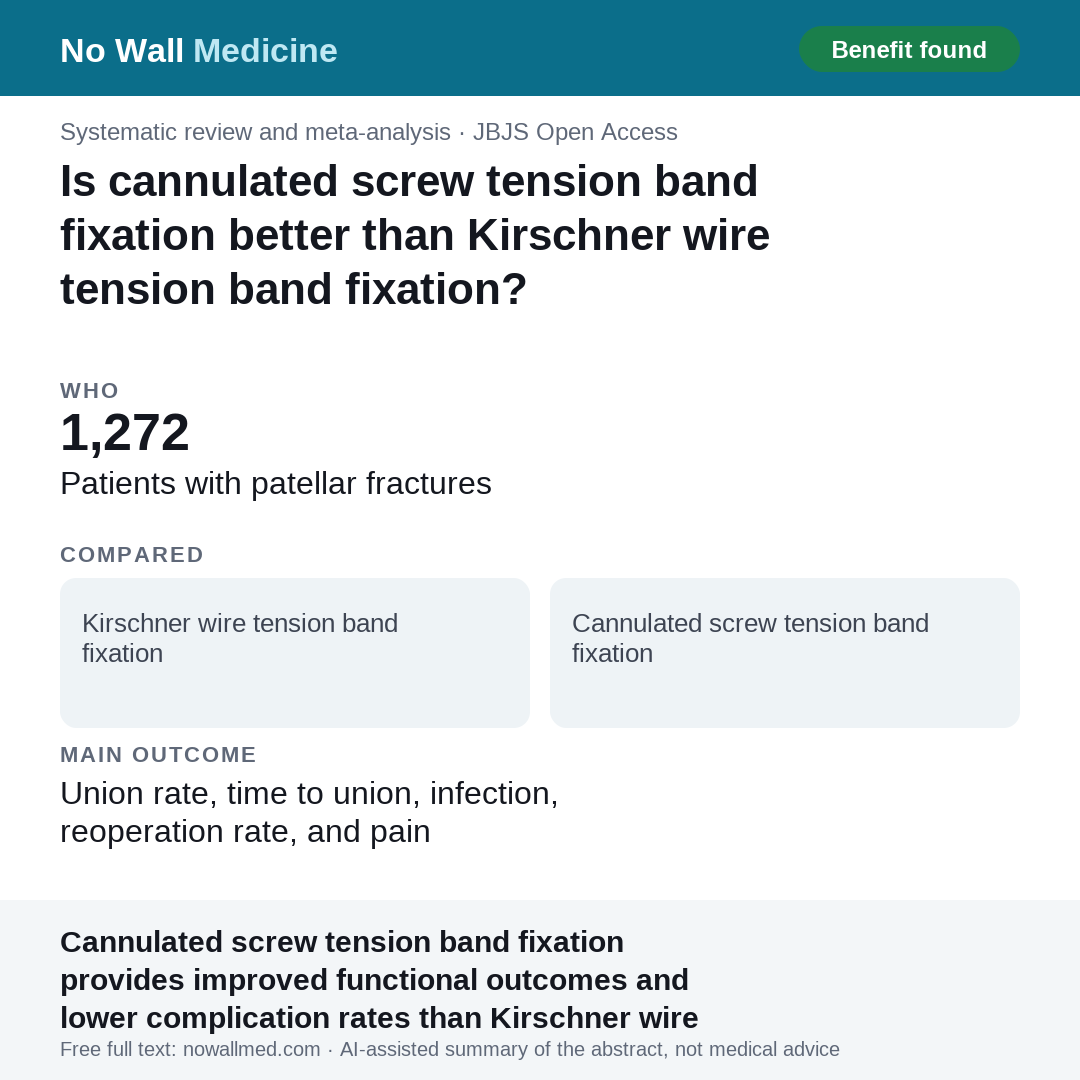
Tension Band Fixation for Patellar Fractures Using K-Wires Versus Cannulated Screws: A Systematic Review and Meta-Analysis
Systematic review and meta-analysisBenefit found
Is cannulated screw tension band fixation better than Kirschner wire tension band fixation?
Who
1,272
Patients with patellar fractures
Compared
Kirschner wire tension band fixation
Cannulated screw tension band fixation
Main outcome
Union rate, time to union, infection, reoperation rate, and pain
Bottom line: Cannulated screw tension band fixation provides improved functional outcomes and lower complication rates than Kirschner wire tension band fixation.
JBJS Open Access · 2026-04-07Download image
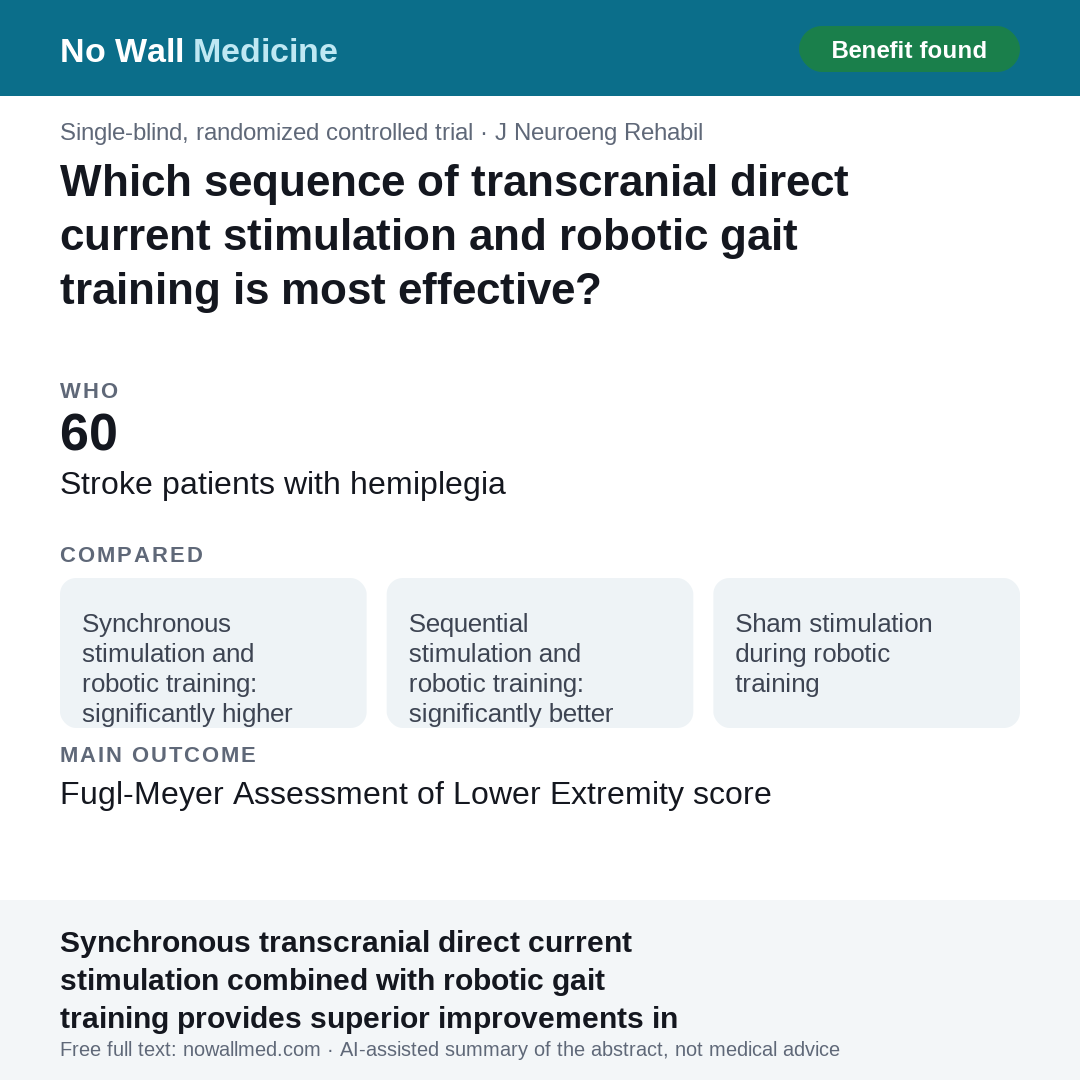
The recovery of lower limb function in stroke patients: which sequence of transcranial direct current stimulation combined with lower limb rehabilitation robot is most effective-A randomized controlled trial
Single-blind, randomized controlled trialBenefit found
Which sequence of transcranial direct current stimulation and robotic gait training is most effective?
Who
60
Stroke patients with hemiplegia
Compared
Synchronous stimulation and robotic training: significantly higher scores than sequential and sham groups
Sequential stimulation and robotic training: significantly better than sham stimulation group
Sham stimulation during robotic training
Main outcome
Fugl-Meyer Assessment of Lower Extremity score
Bottom line: Synchronous transcranial direct current stimulation combined with robotic gait training provides superior improvements in motor function, balance, and walking ability.
J Neuroeng Rehabil · 2026-04-07Download image
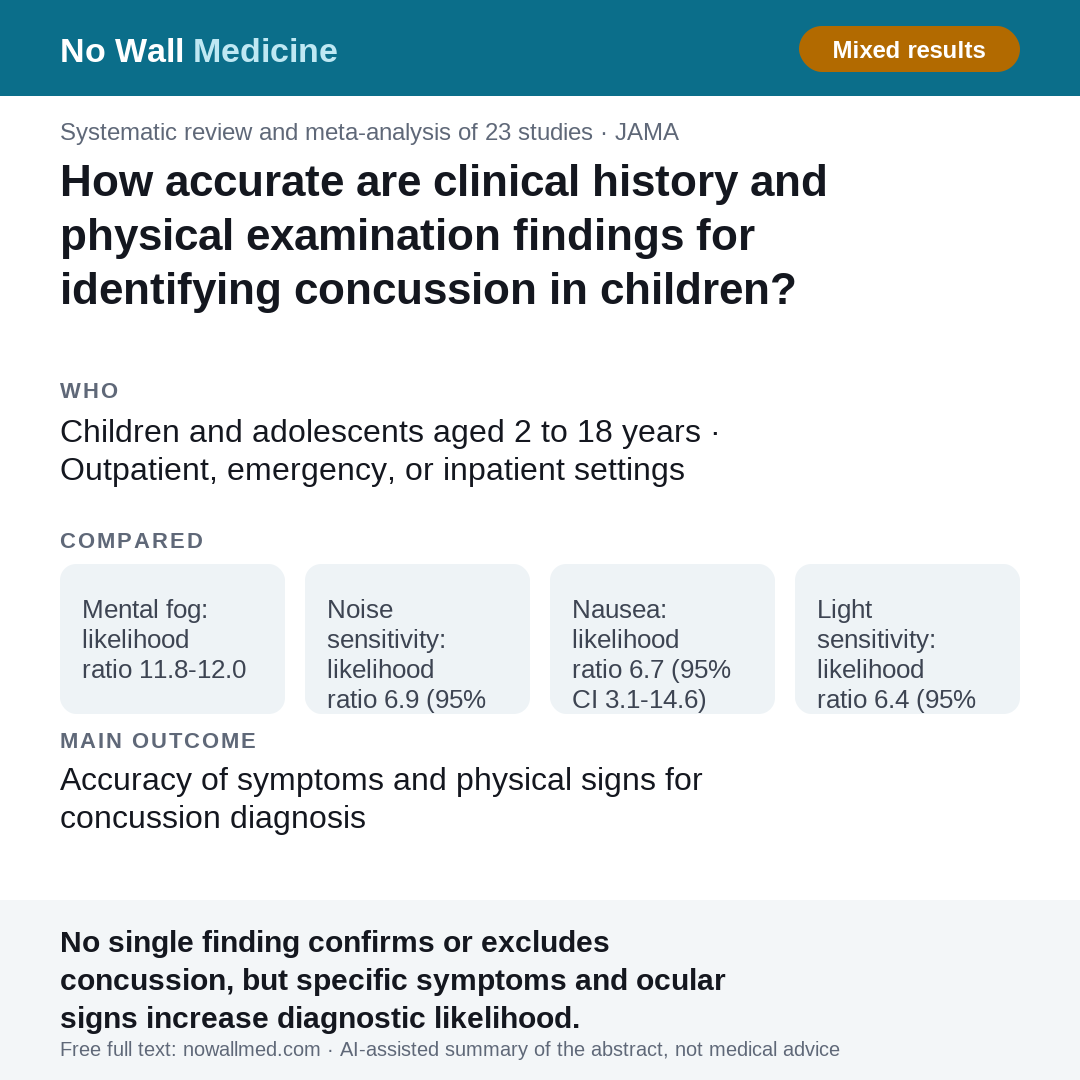
Does This Child Have a Concussion?: The Rational Clinical Examination Systematic Review
Systematic review and meta-analysis of 23 studiesMixed results
How accurate are clinical history and physical examination findings for identifying concussion in children?
Who
Children and adolescents aged 2 to 18 years · Outpatient, emergency, or inpatient settings
Compared
Mental fog: likelihood ratio 11.8-12.0
Noise sensitivity: likelihood ratio 6.9 (95% CI 3.6-13.1)
Nausea: likelihood ratio 6.7 (95% CI 3.1-14.6)
Light sensitivity: likelihood ratio 6.4 (95% CI 2.1-19.7)
Main outcome
Accuracy of symptoms and physical signs for concussion diagnosis
Bottom line: No single finding confirms or excludes concussion, but specific symptoms and ocular signs increase diagnostic likelihood.
Limitation: Included studies were observational with level 4 evidence and case-control design.
JAMA · 2026-04-06Download image