Visual abstracts
New randomized trials and meta-analyses from leading journals at a glance: who was studied, what was compared, and what was found. Every paper is free to read in full.
All specialtiesCardiology 4876Oncology 4136Gastroenterology & Hepatology 1942Infectious Disease 3834Neurology 1902Psychiatry & Mental Health 2273Pulmonology 2143Critical Care 1364Endocrinology & Diabetes 2580Pediatrics 2980Surgery 2556Orthopedics & Sports Medicine 931Neurosurgery 537Cardiothoracic & Vascular Surgery 674Plastic & Reconstructive Surgery 590Nephrology 1133Rheumatology 823Hematology 1109Dermatology 621Ophthalmology 543Obstetrics & Gynecology 1686Public & Global Health 1058Radiology & Imaging 648Anesthesiology 986Urology 764ENT (Otolaryngology) 503Emergency Medicine 511Allergy & Immunology 313Geriatrics 978Family Medicine & Primary Care 562Medical Genetics & Genomics 676Pathology & Laboratory Medicine 159Physical Medicine & Rehabilitation 757Palliative Care 444Nutrition 1588Digital Health & AI 2197General Medicine 319
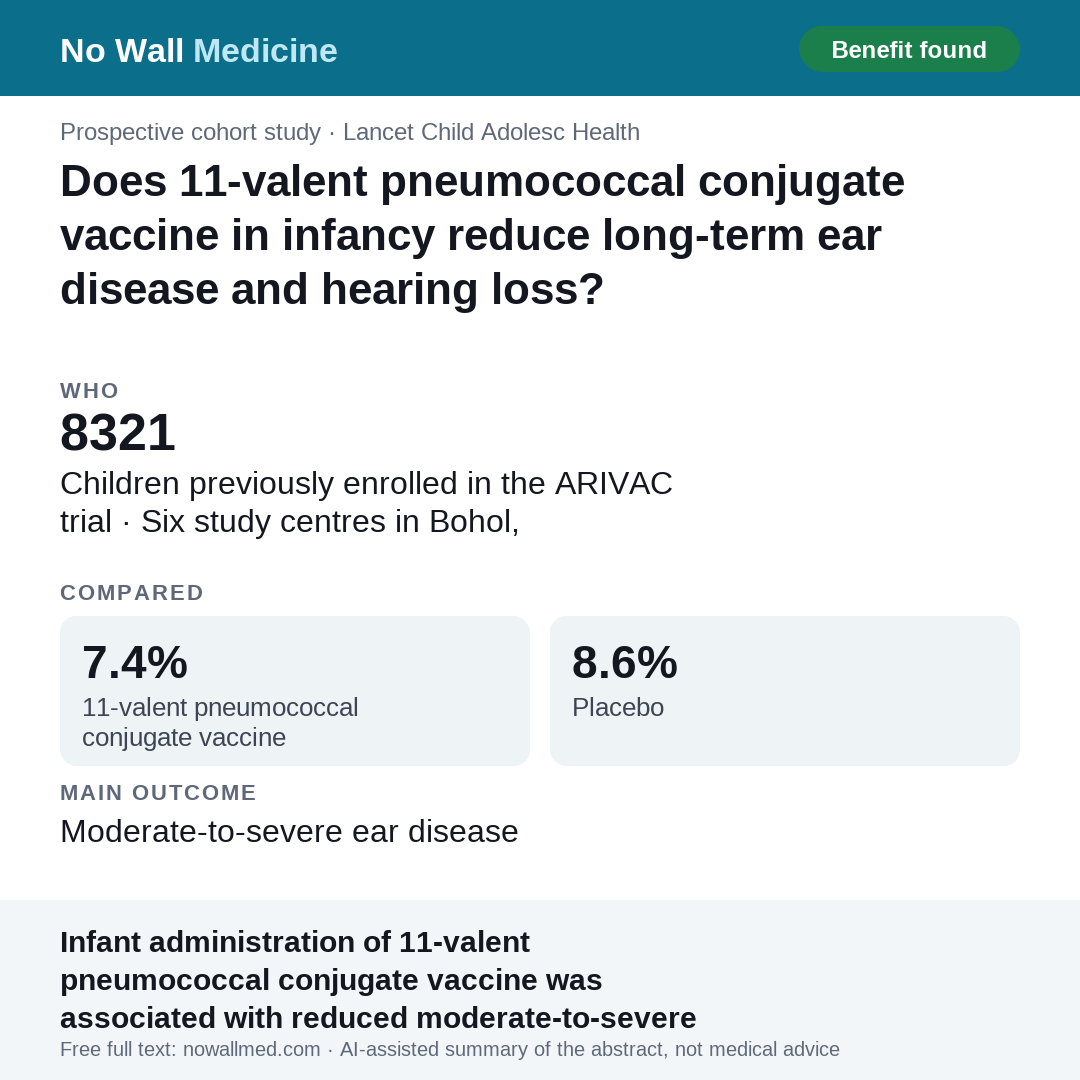
Otitis media sequelae and hearing in adolescence after administration of an 11-valent conjugate pneumococcal vaccine in infancy: a prospective cohort study with long-term follow-up of the ARIVAC trial
Prospective cohort studyBenefit found
Does 11-valent pneumococcal conjugate vaccine in infancy reduce long-term ear disease and hearing loss?
Who
8321
Children previously enrolled in the ARIVAC trial · Six study centres in Bohol, Philippines
Compared
7.4%11-valent pneumococcal conjugate vaccine (310/4188)
8.6%Placebo (356/4133)
Main outcome
Moderate-to-severe ear disease
Result: absolute risk reduction 1.2% (95% CI 0.0-2.4)
Bottom line: Infant administration of 11-valent pneumococcal conjugate vaccine was associated with reduced moderate-to-severe ear disease in adolescence.
Funded by: Bill & Melinda Gates Foundation
Lancet Child Adolesc Health · 2024-07-31Download image
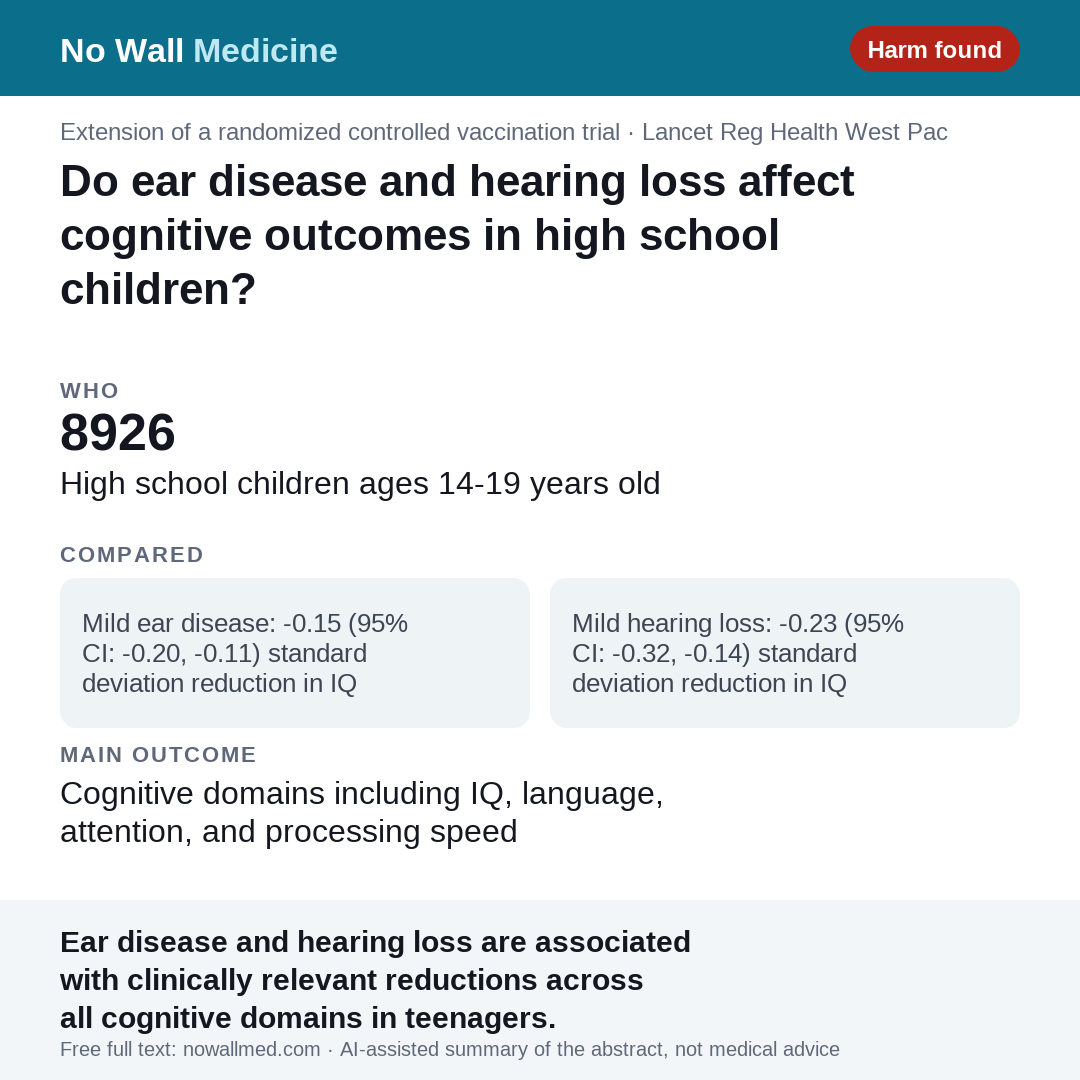
Ear disease, hearing loss, and cognitive outcomes in high school children who were previous participants in a randomized placebo controlled trial of an 11 valent conjugate pneumococcal vaccine administered in infancy
Extension of a randomized controlled vaccination trialHarm found
Do ear disease and hearing loss affect cognitive outcomes in high school children?
Who
8926
High school children ages 14-19 years old
Compared
Mild ear disease: -0.15 (95% CI: -0.20, -0.11) standard deviation reduction in IQ
Mild hearing loss: -0.23 (95% CI: -0.32, -0.14) standard deviation reduction in IQ
Main outcome
Cognitive domains including IQ, language, attention, and processing speed
Bottom line: Ear disease and hearing loss are associated with clinically relevant reductions across all cognitive domains in teenagers.
Funded by: Bill and Melinda Gates Foundation
Lancet Reg Health West Pac · 2024-07-31Download image
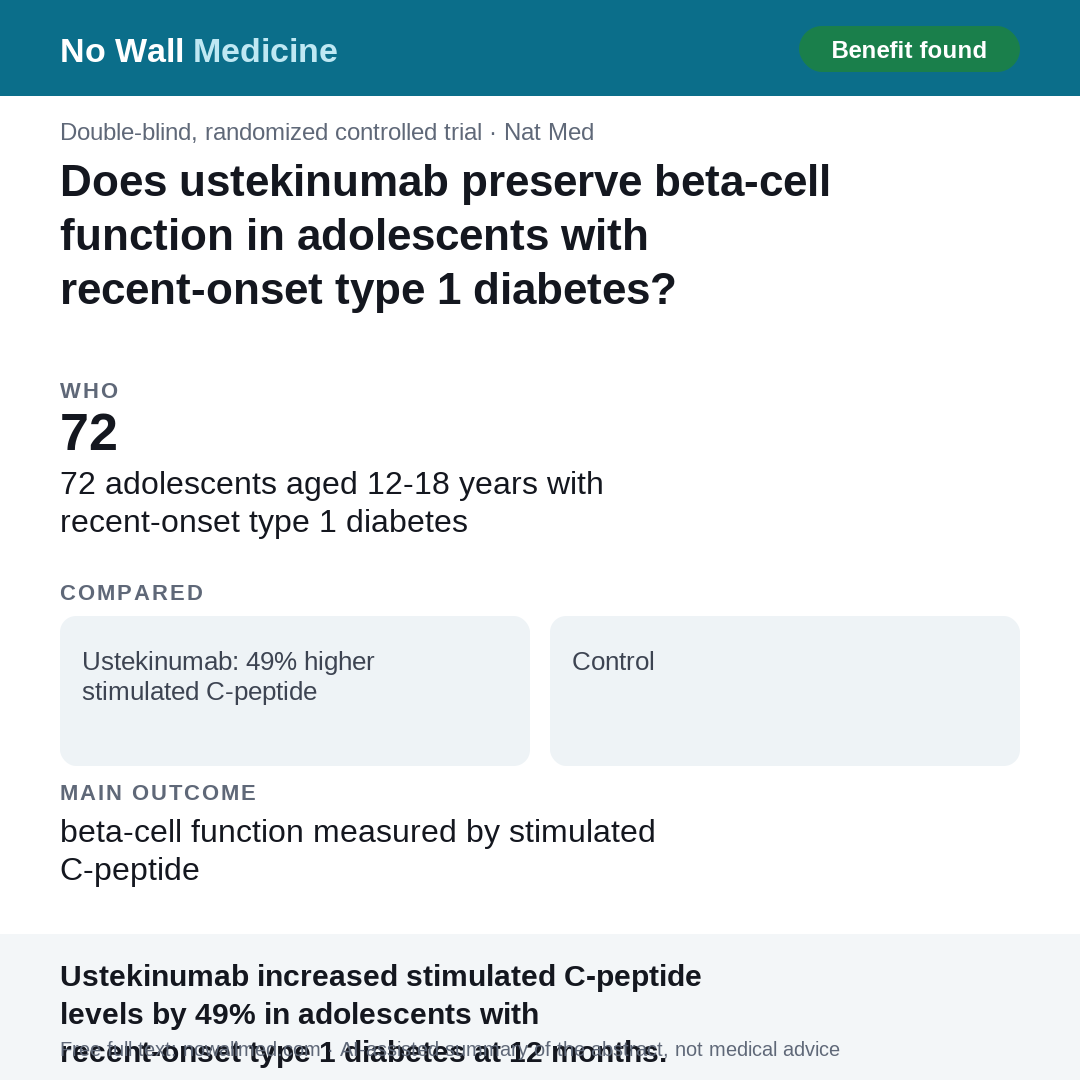
Ustekinumab for type 1 diabetes in adolescents: a multicenter, double-blind, randomized phase 2 trial
Double-blind, randomized controlled trialBenefit found
Does ustekinumab preserve beta-cell function in adolescents with recent-onset type 1 diabetes?
Who
72
72 adolescents aged 12-18 years with recent-onset type 1 diabetes
Compared
Ustekinumab: 49% higher stimulated C-peptide
Control
Main outcome
beta-cell function measured by stimulated C-peptide
Bottom line: Ustekinumab increased stimulated C-peptide levels by 49% in adolescents with recent-onset type 1 diabetes at 12 months.
Nat Med · 2024-07-30Download image
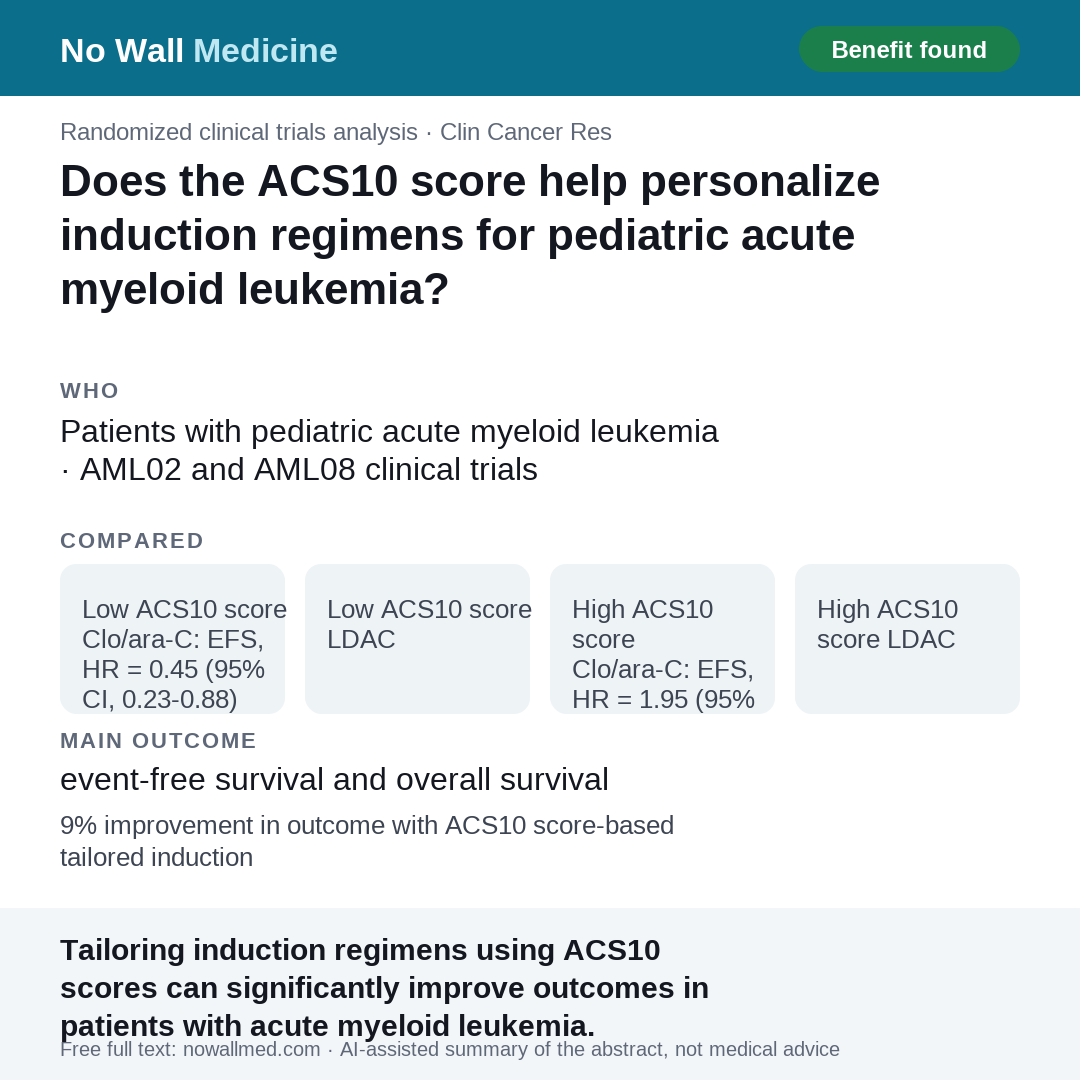
Pharmacogenomic Score Effectively Personalizes Treatment of Acute Myeloid Leukemia
Randomized clinical trials analysisBenefit found
Does the ACS10 score help personalize induction regimens for pediatric acute myeloid leukemia?
Who
Patients with pediatric acute myeloid leukemia · AML02 and AML08 clinical trials
Compared
Low ACS10 score Clo/ara-C: EFS, HR = 0.45 (95% CI, 0.23-0.88)
Low ACS10 score LDAC
High ACS10 score Clo/ara-C: EFS, HR = 1.95 (95% CI, 1.05-3.63)
High ACS10 score LDAC
Main outcome
event-free survival and overall survival
Result: 9% improvement in outcome with ACS10 score-based tailored induction
Bottom line: Tailoring induction regimens using ACS10 scores can significantly improve outcomes in patients with acute myeloid leukemia.
Clin Cancer Res · 2024-07-30Download image
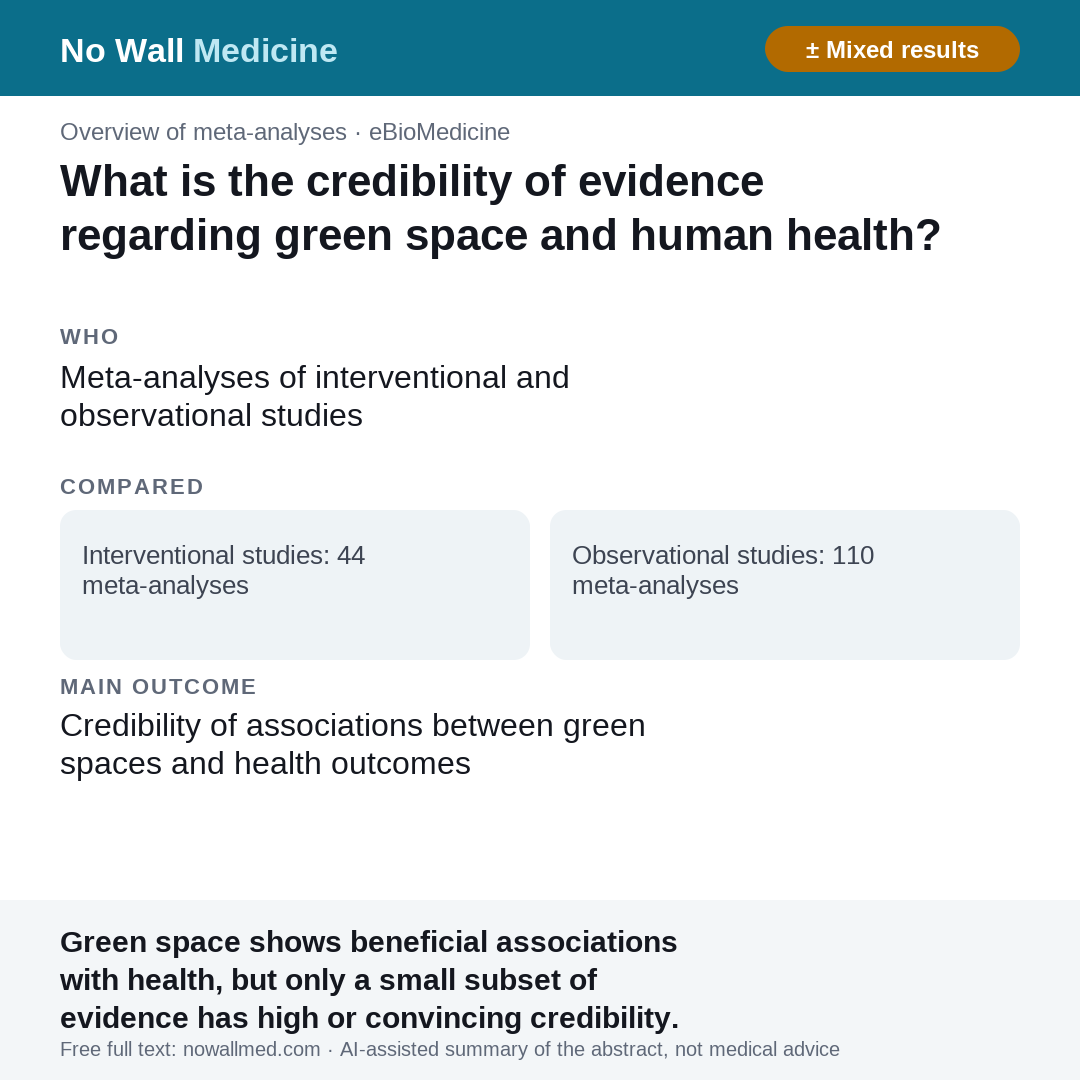
Credibility of the evidence on green space and human health: an overview of meta-analyses using evidence grading approaches
Overview of meta-analysesMixed results
What is the credibility of evidence regarding green space and human health?
Who
Meta-analyses of interventional and observational studies
Compared
Interventional studies: 44 meta-analyses
Observational studies: 110 meta-analyses
Main outcome
Credibility of associations between green spaces and health outcomes
Bottom line: Green space shows beneficial associations with health, but only a small subset of evidence has high or convincing credibility.
Limitation: Future better designed primary studies and meta-analyses are needed to provide higher quality evidence.
Funded by: National Natural Science Foundation of China and others
eBioMedicine · 2024-07-29Download image
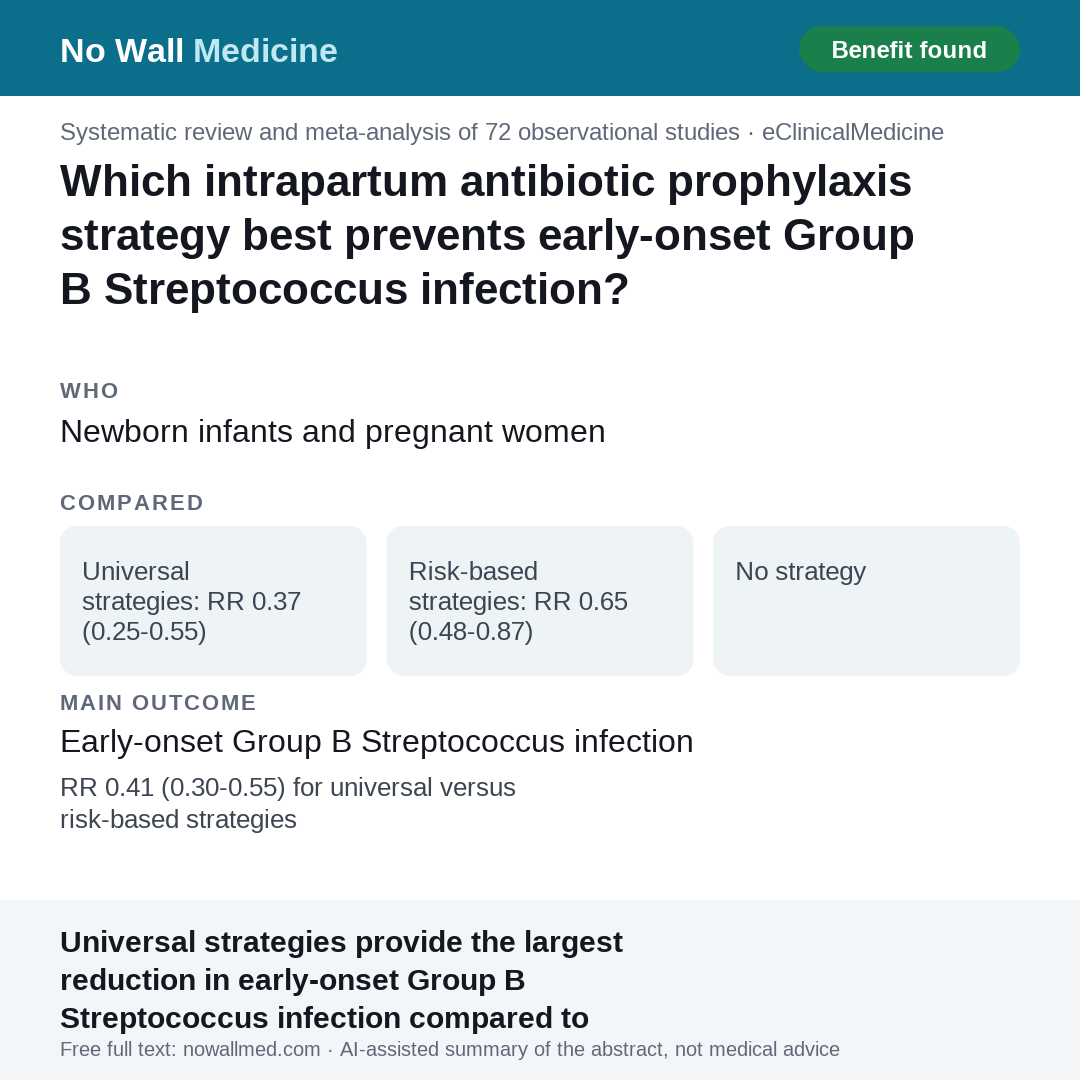
Intrapartum antibiotic prophylaxis to prevent Group B streptococcal infections in newborn infants: a systematic review and meta-analysis comparing various strategies
Systematic review and meta-analysis of 72 observational studiesBenefit found
Which intrapartum antibiotic prophylaxis strategy best prevents early-onset Group B Streptococcus infection?
Who
Newborn infants and pregnant women
Compared
Universal strategies: RR 0.37 (0.25-0.55)
Risk-based strategies: RR 0.65 (0.48-0.87)
No strategy
Main outcome
Early-onset Group B Streptococcus infection
Result: RR 0.41 (0.30-0.55) for universal versus risk-based strategies
Bottom line: Universal strategies provide the largest reduction in early-onset Group B Streptococcus infection compared to risk-based strategies.
Funded by: UNDP-UNFPA-UNICEF-WHO-World Bank Special Programme
eClinicalMedicine · 2024-07-28Download image
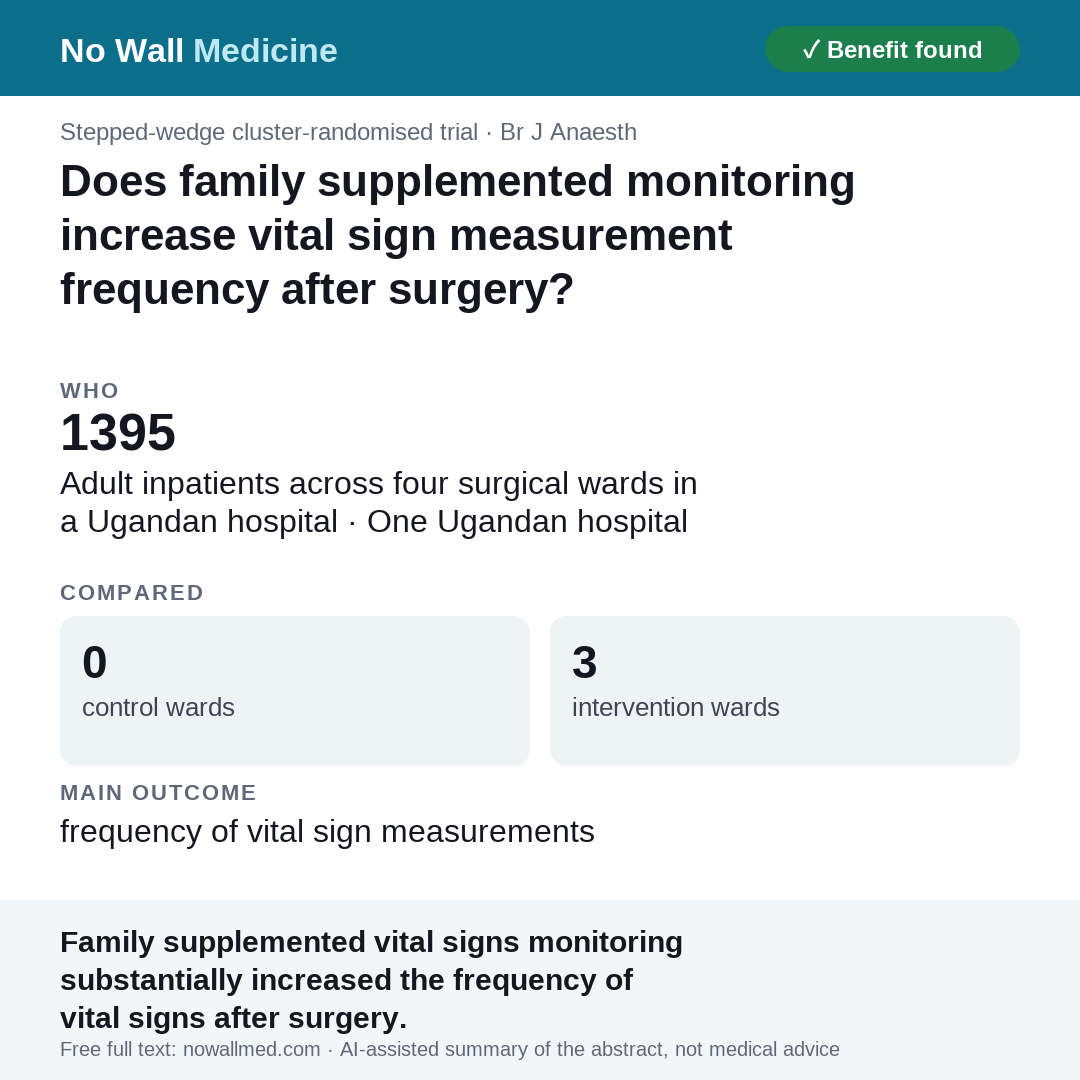
Family supplemented patient monitoring after surgery (SMARTER): a pilot stepped-wedge cluster-randomised trial
Stepped-wedge cluster-randomised trialBenefit found
Does family supplemented monitoring increase vital sign measurement frequency after surgery?
Who
1395
Adult inpatients across four surgical wards in a Ugandan hospital · One Ugandan hospital
Compared
0control wards (0-1)
3intervention wards (1-8)
Main outcome
frequency of vital sign measurements
Result: incident rate ratio 12.4, 95% confidence interval 8.8-17.5
Bottom line: Family supplemented vital signs monitoring substantially increased the frequency of vital signs after surgery.
Br J Anaesth · 2024-07-27Download image
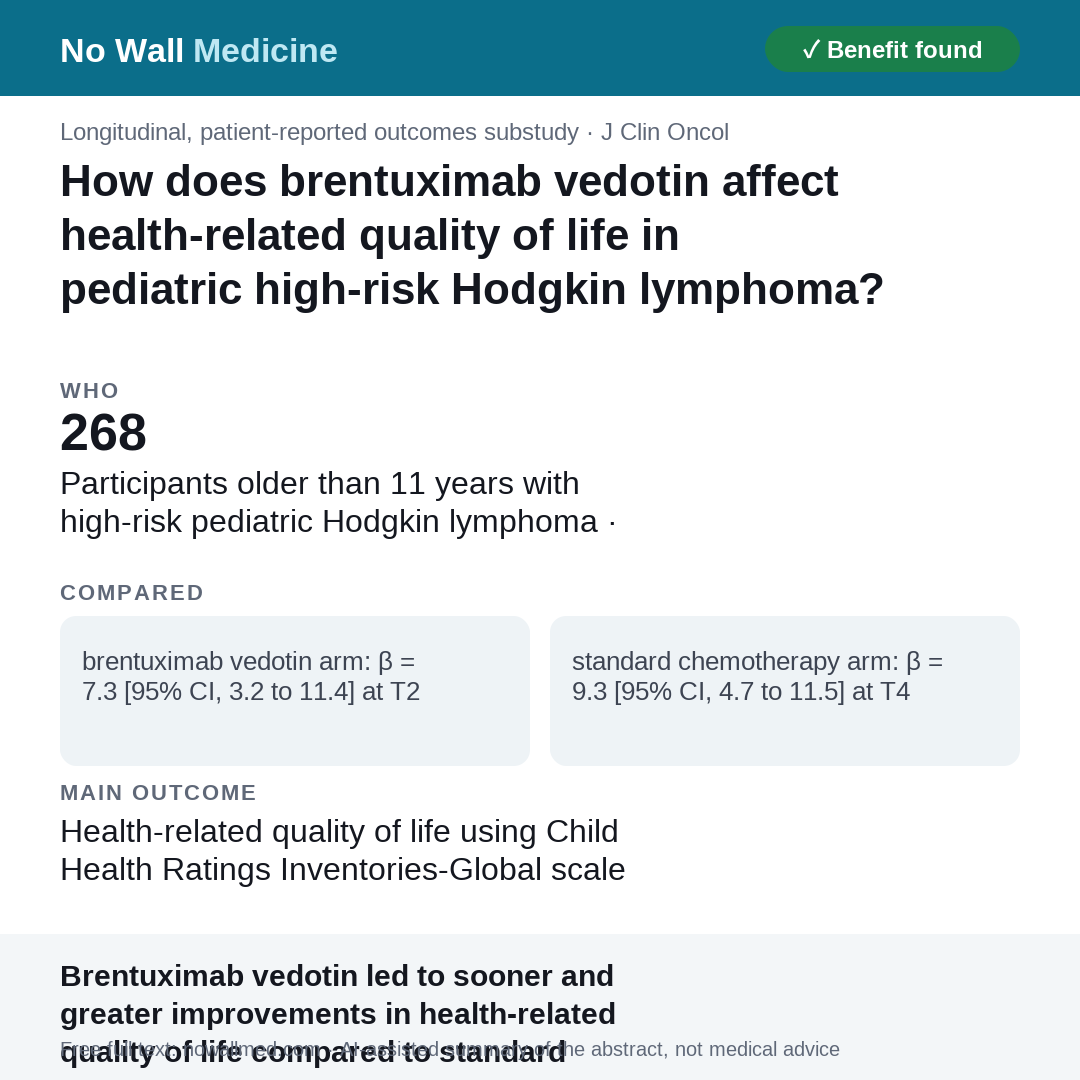
Longitudinal Health-Related Quality of Life Among Patients With High-Risk Pediatric Hodgkin Lymphoma Treated on the Children's Oncology Group AHOD 1331 Study
Longitudinal, patient-reported outcomes substudyBenefit found
How does brentuximab vedotin affect health-related quality of life in pediatric high-risk Hodgkin lymphoma?
Who
268
Participants older than 11 years with high-risk pediatric Hodgkin lymphoma · Children's Oncology Group AHOD 1331 study
Compared
brentuximab vedotin arm: β = 7.3 [95% CI, 3.2 to 11.4] at T2
standard chemotherapy arm: β = 9.3 [95% CI, 4.7 to 11.5] at T4
Main outcome
Health-related quality of life using Child Health Ratings Inventories-Global scale
Result: difference in change β = 5.1 [95% CI, -0.2 to 10.3]
Bottom line: Brentuximab vedotin led to sooner and greater improvements in health-related quality of life compared to standard chemotherapy.
J Clin Oncol · 2024-07-26Download image
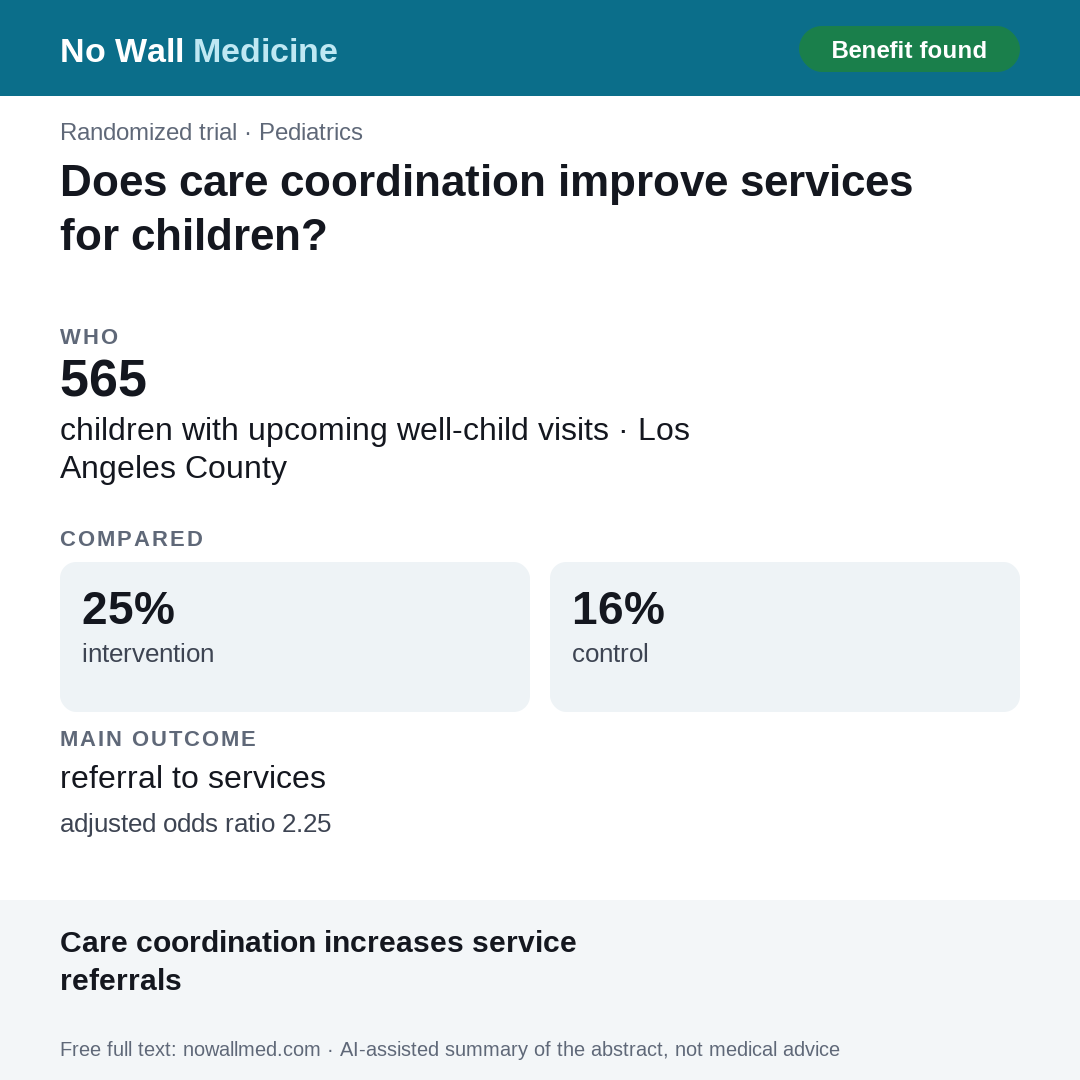
Early Childhood Care Coordination Through 211: A Randomized Clinical Trial
Randomized trialBenefit found
Does care coordination improve services for children?
Who
565
children with upcoming well-child visits · Los Angeles County
Compared
25%intervention
16%control
Main outcome
referral to services
Result: adjusted odds ratio 2.25
Bottom line: Care coordination increases service referrals
Pediatrics · 2024-07-26Download image
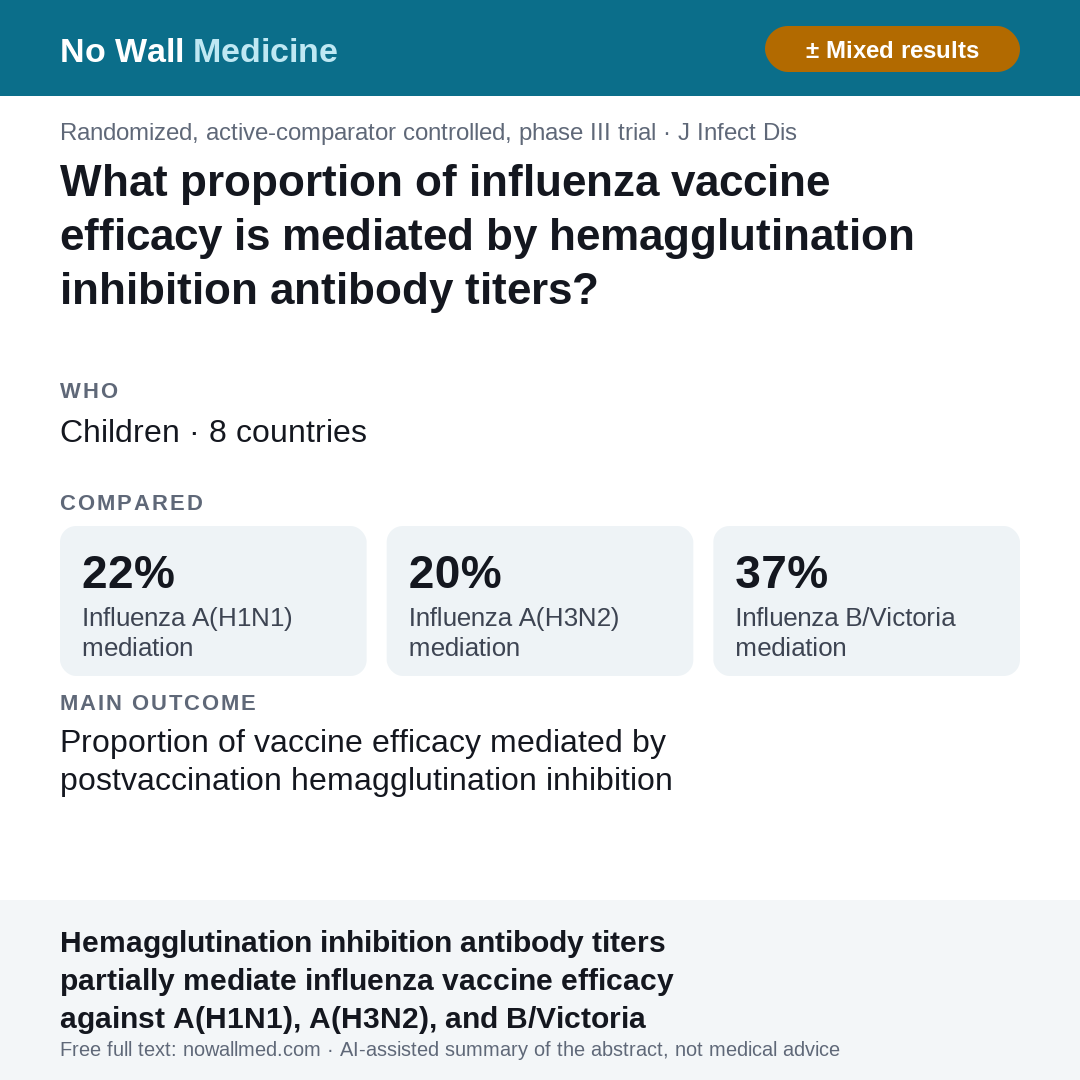
Hemagglutination Inhibition Antibody Titers as Mediators of Influenza Vaccine Efficacy Against Symptomatic Influenza A(H1N1), A(H3N2), and B/Victoria Virus Infections
Randomized, active-comparator controlled, phase III trialMixed results
What proportion of influenza vaccine efficacy is mediated by hemagglutination inhibition antibody titers?
Who
Children · 8 countries
Compared
22%Influenza A(H1N1) mediation (95% confidence interval, 18%--47%)
20%Influenza A(H3N2) mediation (16%-39%)
37%Influenza B/Victoria mediation (26%-85%)
Main outcome
Proportion of vaccine efficacy mediated by postvaccination hemagglutination inhibition antibody titers
Bottom line: Hemagglutination inhibition antibody titers partially mediate influenza vaccine efficacy against A(H1N1), A(H3N2), and B/Victoria viruses.
J Infect Dis · 2024-07-26Download image
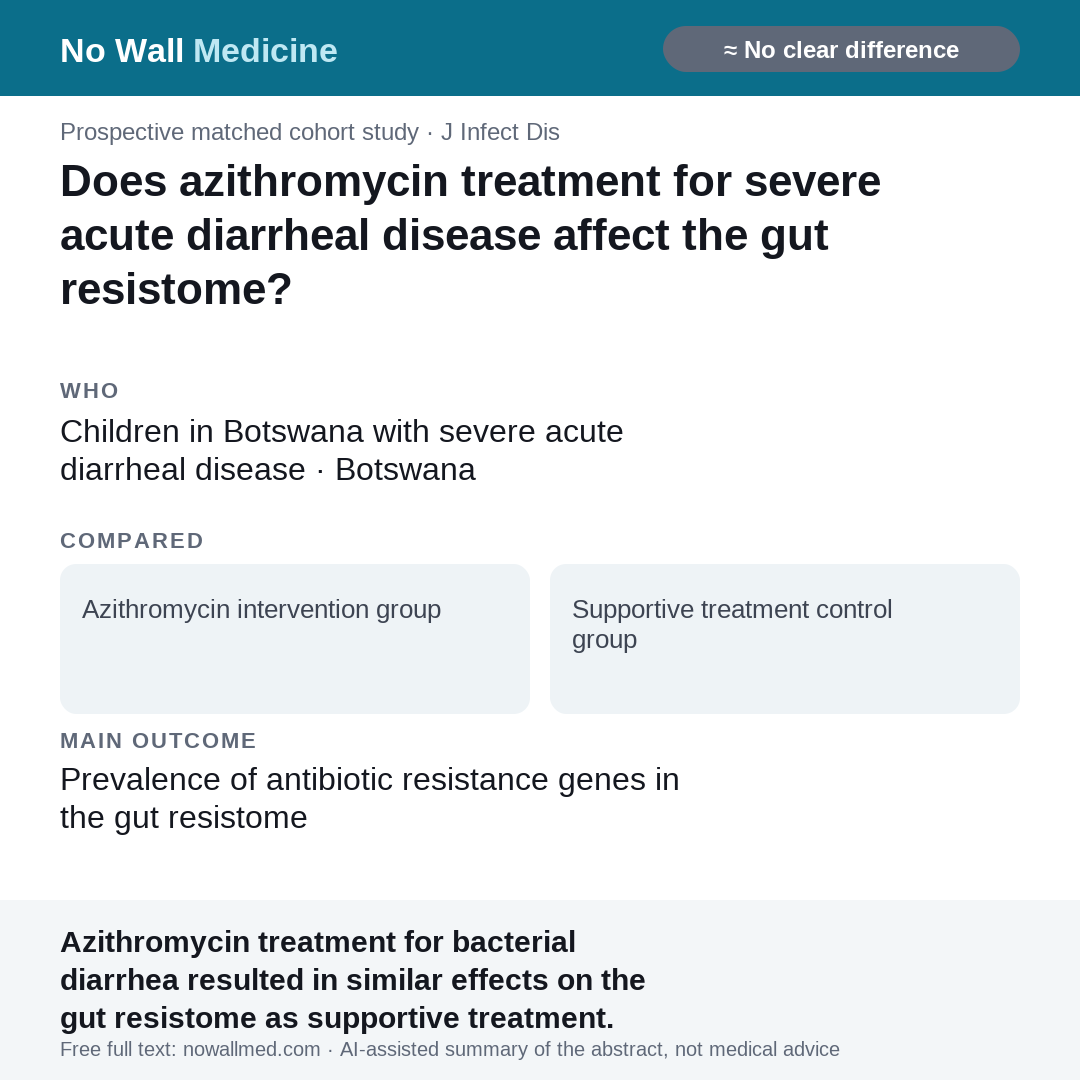
Minimal Impact on the Resistome of Children in Botswana After Azithromycin Treatment for Acute Severe Diarrheal Disease
Prospective matched cohort studyNo clear difference
Does azithromycin treatment for severe acute diarrheal disease affect the gut resistome?
Who
Children in Botswana with severe acute diarrheal disease · Botswana
Compared
Azithromycin intervention group
Supportive treatment control group
Main outcome
Prevalence of antibiotic resistance genes in the gut resistome
Bottom line: Azithromycin treatment for bacterial diarrhea resulted in similar effects on the gut resistome as supportive treatment.
J Infect Dis · 2024-07-26Download image
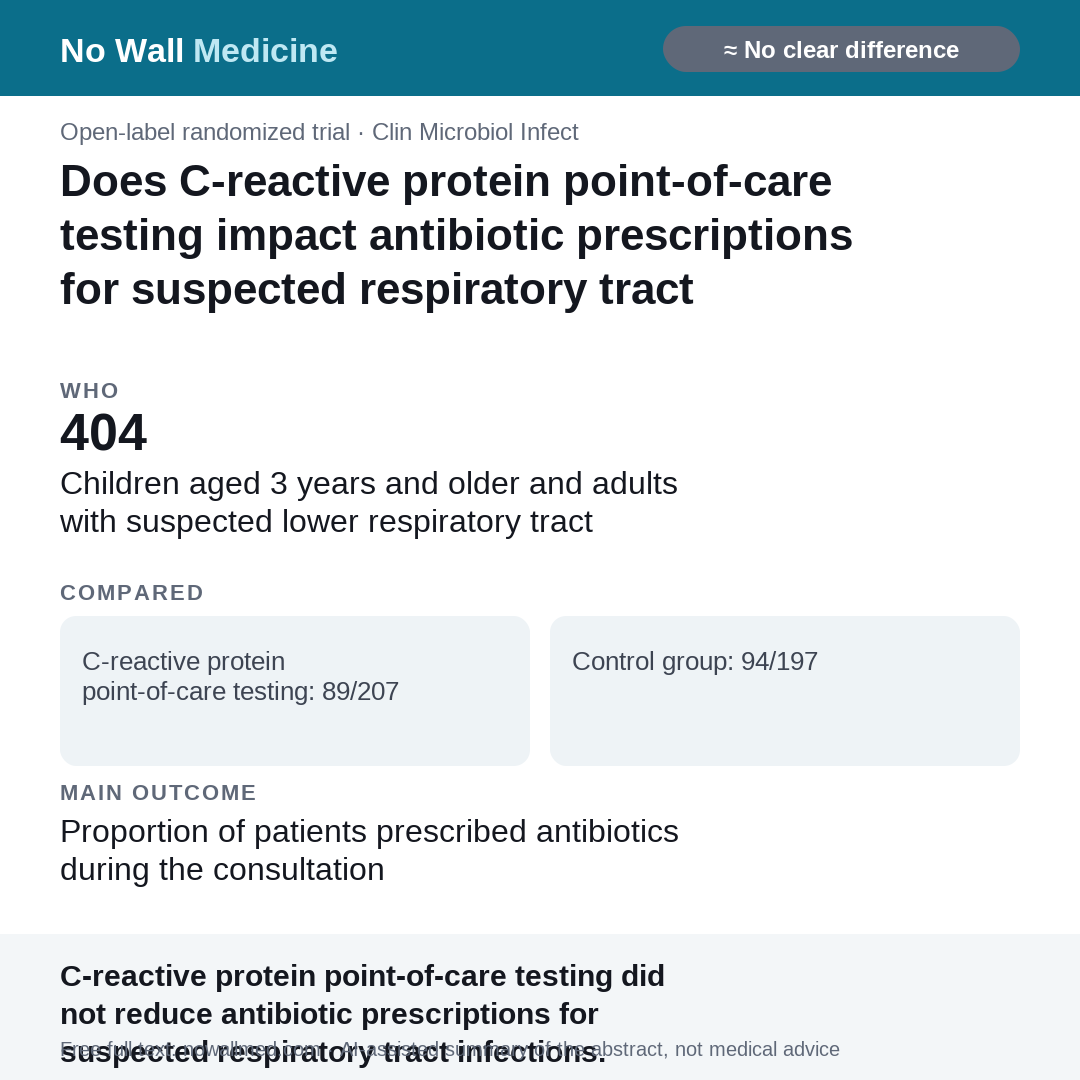
Impact of C-reactive protein point-of-care testing on antibiotic prescriptions for children and adults with suspected respiratory tract infections in primary care: a French patient-level randomized controlled superiority trial
Open-label randomized trialNo clear difference
Does C-reactive protein point-of-care testing impact antibiotic prescriptions for suspected respiratory tract infections?
Who
404
Children aged 3 years and older and adults with suspected lower respiratory tract infections · 26 general practitioners in France
Compared
C-reactive protein point-of-care testing: 89/207
Control group: 94/197
Main outcome
Proportion of patients prescribed antibiotics during the consultation
Result: -4.7 CI: -14.4, 5.0
Bottom line: C-reactive protein point-of-care testing did not reduce antibiotic prescriptions for suspected respiratory tract infections.
Clin Microbiol Infect · 2024-07-26Download image
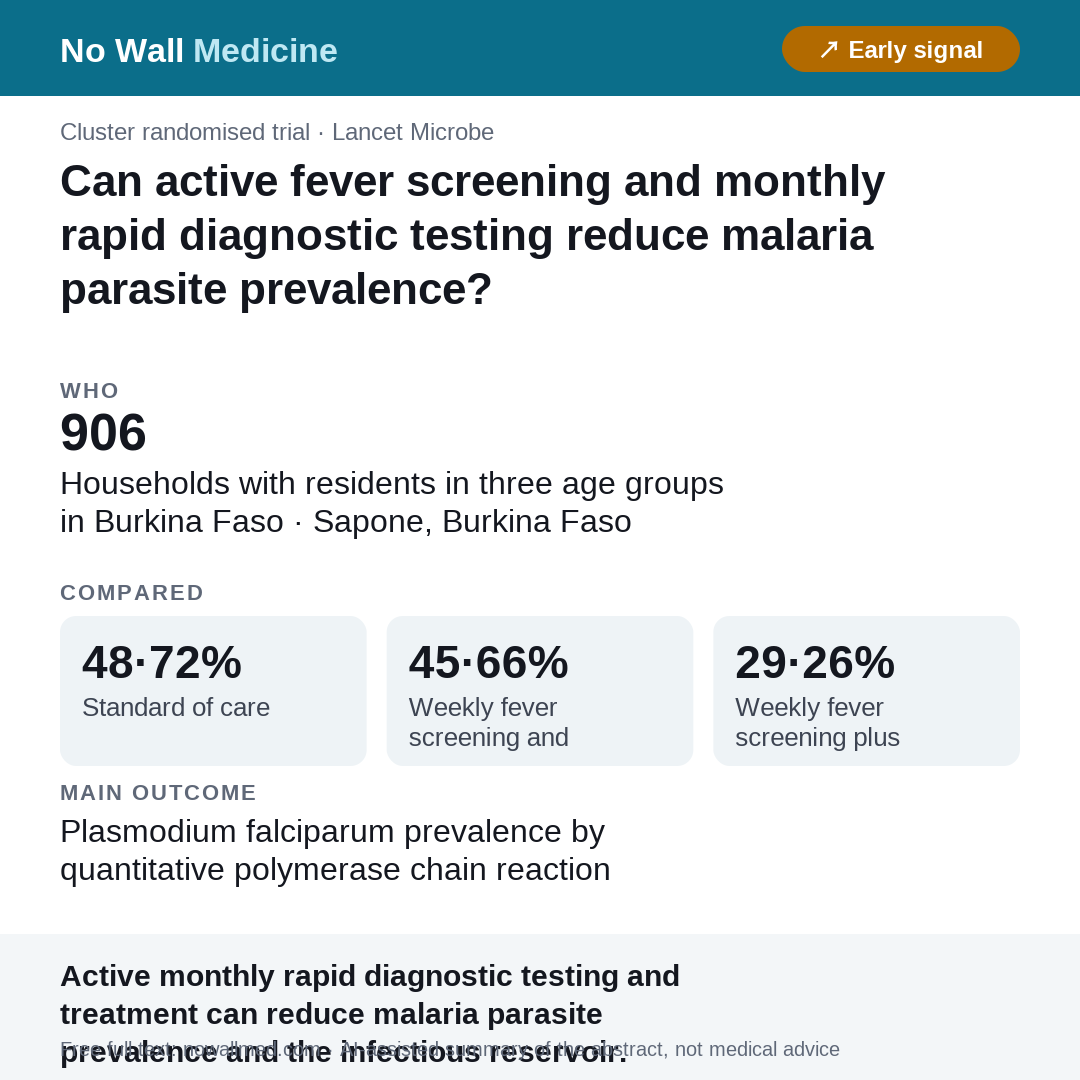
Effect of weekly fever-screening and treatment and monthly RDT testing and treatment on the infectious reservoir of malaria parasites in Burkina Faso: a cluster-randomised trial
Cluster randomised trialBenefit found
Can active fever screening and monthly rapid diagnostic testing reduce malaria parasite prevalence?
Who
906
Households with residents in three age groups in Burkina Faso · Sapone, Burkina Faso
Compared
48·72%Standard of care (133/273)
45·66%Weekly fever screening and treatment (121/265)
29·26%Weekly fever screening plus monthly rapid diagnostic testing (79/270)
Main outcome
Plasmodium falciparum prevalence by quantitative polymerase chain reaction
Result: risk ratio 0·65 (95% CI 0·52-0·81)
Bottom line: Active monthly rapid diagnostic testing and treatment can reduce malaria parasite prevalence and the infectious reservoir.
Lancet Microbe · 2024-07-25Download image
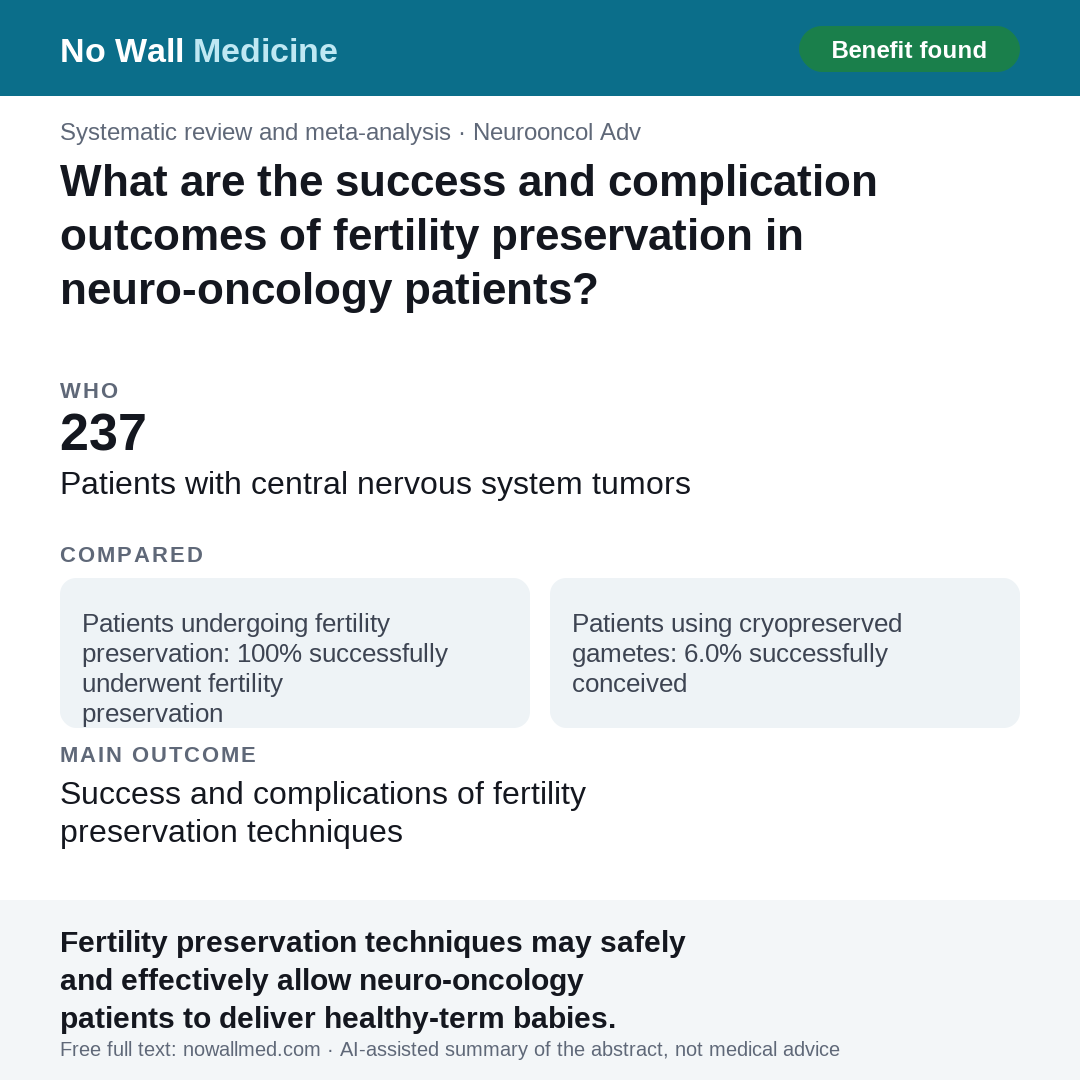
Fertility preserving techniques in neuro-oncology patients: A systematic review
Systematic review and meta-analysisBenefit found
What are the success and complication outcomes of fertility preservation in neuro-oncology patients?
Who
237
Patients with central nervous system tumors
Compared
Patients undergoing fertility preservation: 100% successfully underwent fertility preservation
Patients using cryopreserved gametes: 6.0% successfully conceived
Main outcome
Success and complications of fertility preservation techniques
Bottom line: Fertility preservation techniques may safely and effectively allow neuro-oncology patients to deliver healthy-term babies.
Limitation: Further studies concerning risks, long-term pregnancy outcomes, and cost-effectiveness are needed.
Neurooncol Adv · 2024-07-25Download image
The elements of end-of-life care provision in paediatric intensive care units: a systematic integrative review
Systematic integrative reviewUnclear result
Elements of end-of-life care in PICUs
Who
Children in paediatric intensive care units
Compared
Healthcare professionals
Families
Main outcome
End-of-life care provision
Bottom line: End-of-life care in PICUs varies by preferences
BMC Palliat Care · 2024-07-25Download image
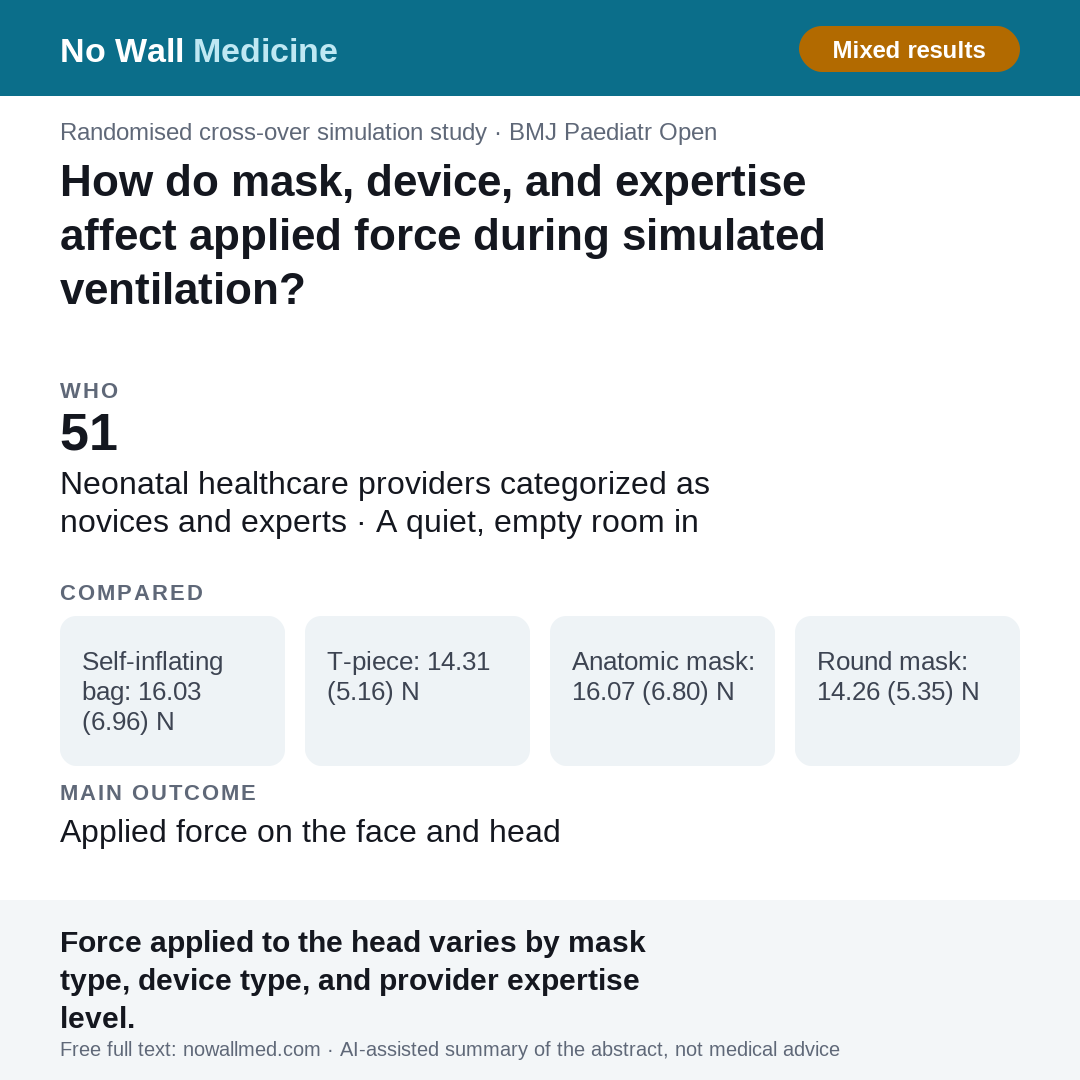
Characterising applied forces during positive pressure ventilation: a randomised cross-over simulation study
Randomised cross-over simulation studyMixed results
How do mask, device, and expertise affect applied force during simulated ventilation?
Who
51
Neonatal healthcare providers categorized as novices and experts · A quiet, empty room in the children's hospital
Compared
Self-inflating bag: 16.03 (6.96) N
T-piece: 14.31 (5.16) N
Anatomic mask: 16.07 (6.80) N
Round mask: 14.26 (5.35) N
Main outcome
Applied force on the face and head
Bottom line: Force applied to the head varies by mask type, device type, and provider expertise level.
BMJ Paediatr Open · 2024-07-24Download image
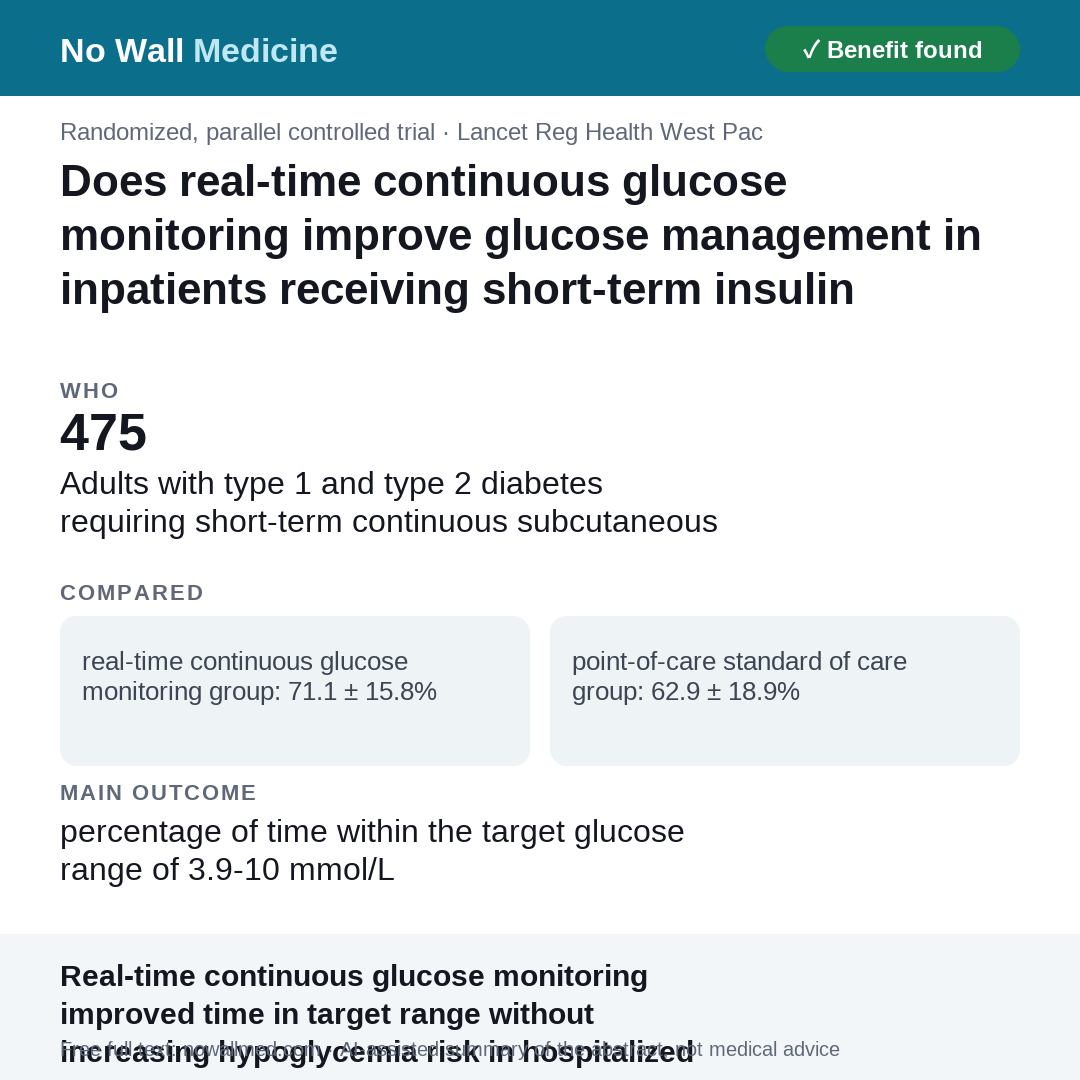
Real-time continuous glucose monitoring-guided glucose management in inpatients with diabetes receiving short-term continuous subcutaneous insulin infusion: a randomized clinical trial
Randomized, parallel controlled trialBenefit found
Does real-time continuous glucose monitoring improve glucose management in inpatients receiving short-term insulin infusion?
Who
475
Adults with type 1 and type 2 diabetes requiring short-term continuous subcutaneous insulin infusion · Endocrinology wards in a tertiary hospital in Shanghai
Compared
real-time continuous glucose monitoring group: 71.1 ± 15.8%
point-of-care standard of care group: 62.9 ± 18.9%
Main outcome
percentage of time within the target glucose range of 3.9-10 mmol/L
Result: mean difference of 8.2% (95% CI 5.1-11.4%, P < 0.001)
Bottom line: Real-time continuous glucose monitoring improved time in target range without increasing hypoglycemia risk in hospitalized patients.
Funded by: Shanghai Academic Research Leader and other Shanghai programs
Lancet Reg Health West Pac · 2024-07-21Download image
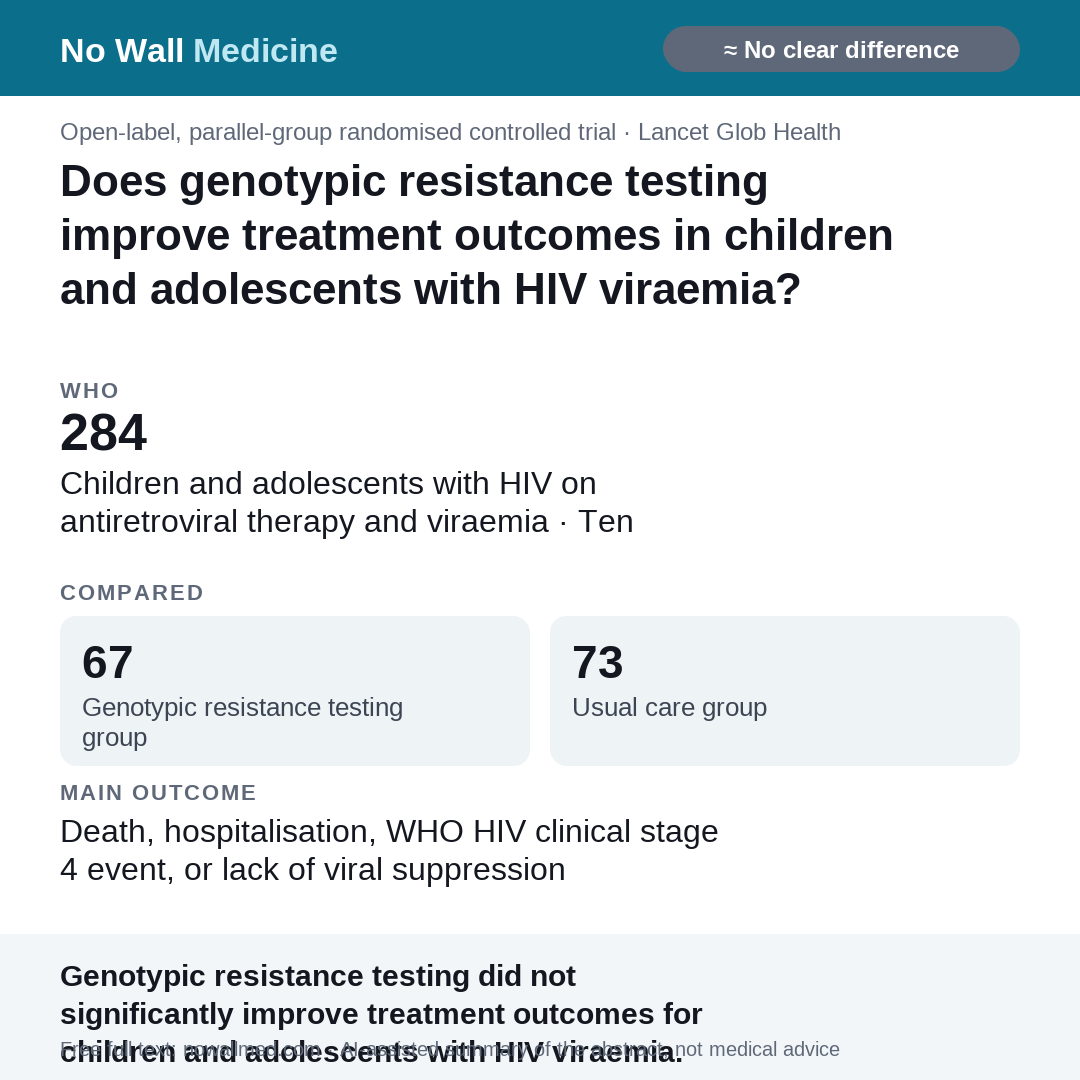
Resistance-informed versus empirical management of viraemia in children and adolescents with HIV in Lesotho and Tanzania (GIVE MOVE trial): a multisite, open-label randomised controlled trial
Open-label, parallel-group randomised controlled trialNo clear difference
Does genotypic resistance testing improve treatment outcomes in children and adolescents with HIV viraemia?
Who
284
Children and adolescents with HIV on antiretroviral therapy and viraemia · Ten clinical centres and hospitals in Lesotho and Tanzania
Compared
67Genotypic resistance testing group (47%)
73Usual care group (52%)
Main outcome
Death, hospitalisation, WHO HIV clinical stage 4 event, or lack of viral suppression
Result: adjusted odds ratio 0·79 (95% CI 0·49 to 1·27)
Bottom line: Genotypic resistance testing did not significantly improve treatment outcomes for children and adolescents with HIV viraemia.
Funded by: Fondation Botnar, Swiss National Science Foundation, and Bangerter-Rhyner Foundation
Lancet Glob Health · 2024-07-20Download image
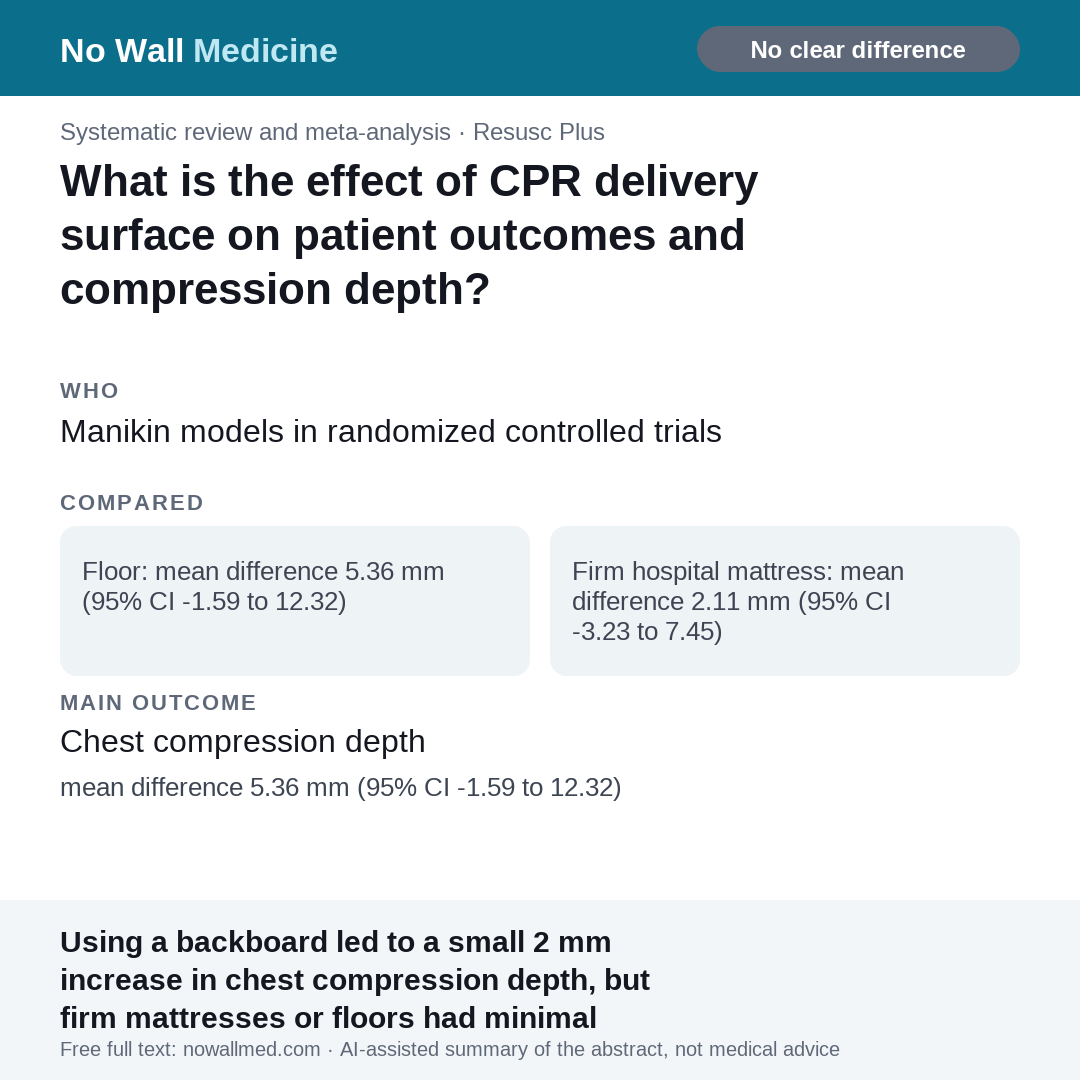
The optimal surface for delivery of CPR: An updated systematic review and meta-analysis
Systematic review and meta-analysisNo clear difference
What is the effect of CPR delivery surface on patient outcomes and compression depth?
Who
Manikin models in randomized controlled trials
Compared
Floor: mean difference 5.36 mm (95% CI -1.59 to 12.32)
Firm hospital mattress: mean difference 2.11 mm (95% CI -3.23 to 7.45)
Main outcome
Chest compression depth
Result: mean difference 5.36 mm (95% CI -1.59 to 12.32)
Bottom line: Using a backboard led to a small 2 mm increase in chest compression depth, but firm mattresses or floors had minimal impact.
Limitation: Certainty of evidence was low and studies used manikins due to lack of human studies.
Resusc Plus · 2024-07-20Download image
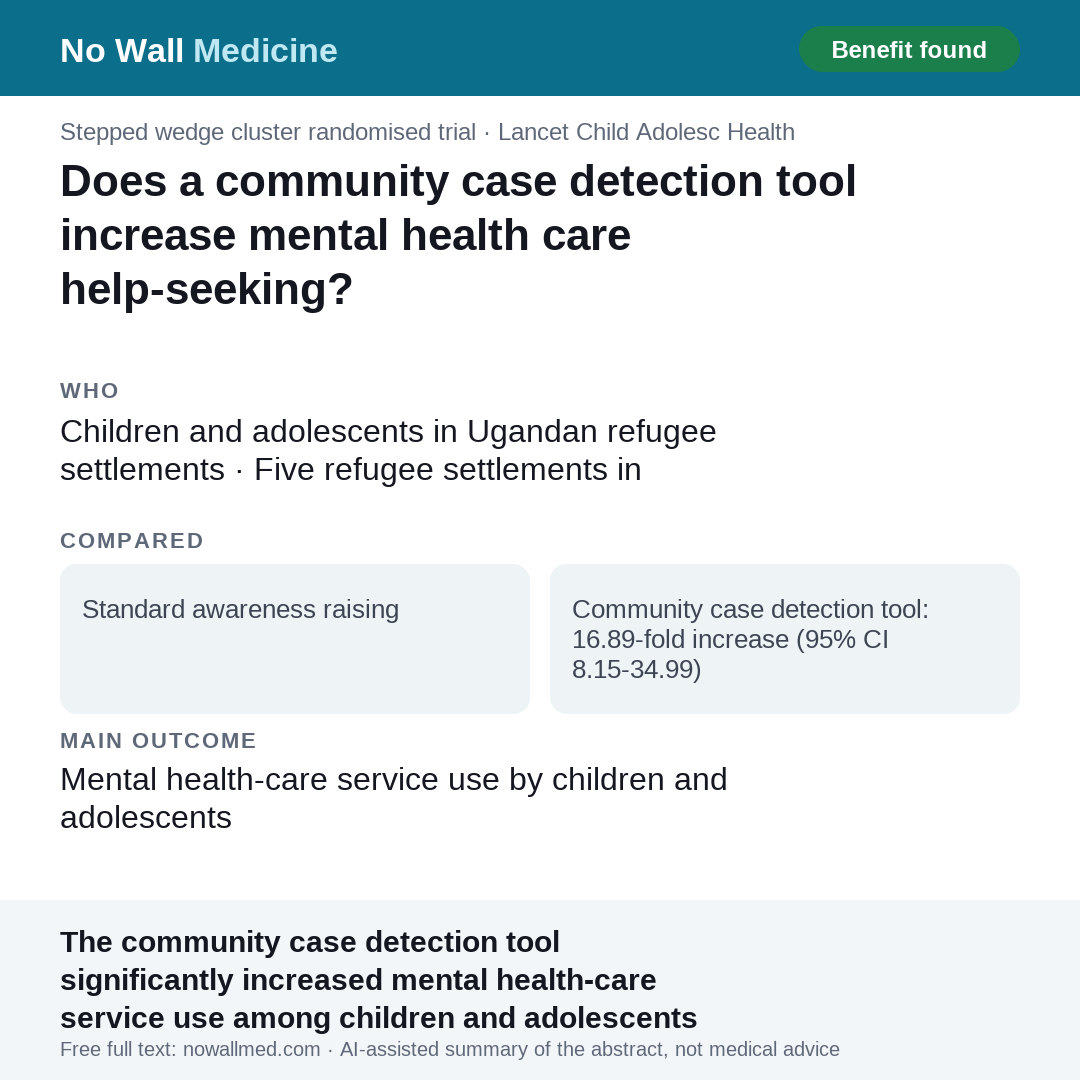
A community case detection tool to promote help-seeking for mental health care among children and adolescents in Ugandan refugee settlements: a stepped wedge cluster randomised trial
Stepped wedge cluster randomised trialBenefit found
Does a community case detection tool increase mental health care help-seeking?
Who
Children and adolescents in Ugandan refugee settlements · Five refugee settlements in Uganda
Compared
Standard awareness raising
Community case detection tool: 16.89-fold increase (95% CI 8.15-34.99)
Main outcome
Mental health-care service use by children and adolescents
Result: incidence rate ratio 16.89 (95% CI 8.15 to 34.99)
Bottom line: The community case detection tool significantly increased mental health-care service use among children and adolescents in refugee settlements.
Funded by: Sint Antonius Stichting Projects
Lancet Child Adolesc Health · 2024-07-19Download image