Visual abstracts
New randomized trials and meta-analyses from leading journals at a glance: who was studied, what was compared, and what was found. Every paper is free to read in full.
All specialtiesCardiology 4832Oncology 4114Gastroenterology & Hepatology 1934Infectious Disease 3824Neurology 1899Psychiatry & Mental Health 2257Pulmonology 2082Critical Care 1345Endocrinology & Diabetes 2572Pediatrics 2940Surgery 2525Orthopedics & Sports Medicine 926Neurosurgery 534Cardiothoracic & Vascular Surgery 671Plastic & Reconstructive Surgery 591Nephrology 1124Rheumatology 823Hematology 1104Dermatology 621Ophthalmology 543Obstetrics & Gynecology 1684Public & Global Health 1056Radiology & Imaging 641Anesthesiology 962Urology 754ENT (Otolaryngology) 503Emergency Medicine 489Allergy & Immunology 313Geriatrics 981Family Medicine & Primary Care 541Medical Genetics & Genomics 675Pathology & Laboratory Medicine 157Physical Medicine & Rehabilitation 751Palliative Care 424Nutrition 1580Digital Health & AI 2195General Medicine 321
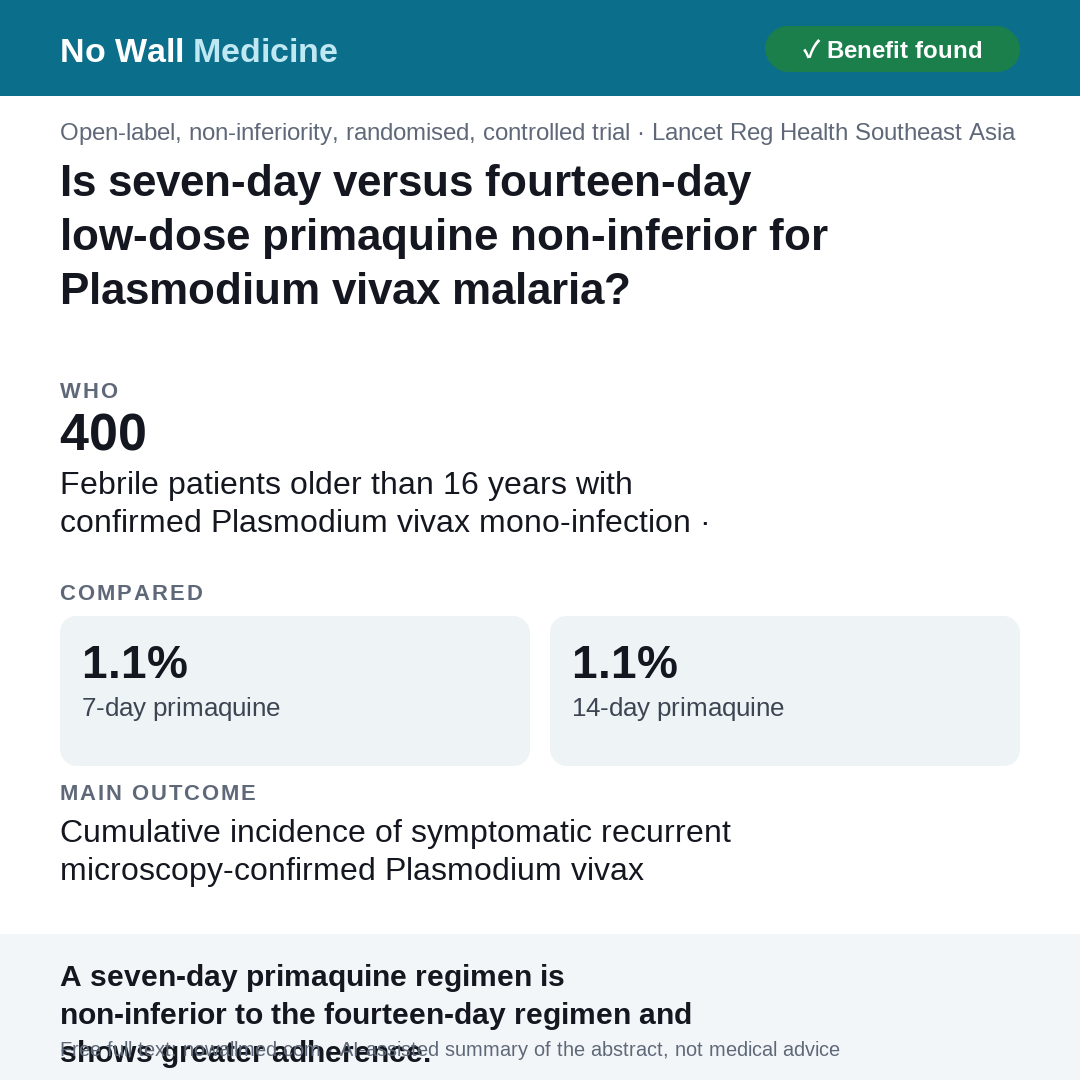
Seven-day versus fourteen-day low-dose primaquine for Plasmodium vivax malaria in India: an open-label, non-inferiority, randomised, controlled trial
Open-label, non-inferiority, randomised, controlled trialBenefit found
Is seven-day versus fourteen-day low-dose primaquine non-inferior for Plasmodium vivax malaria?
Who
400
Febrile patients older than 16 years with confirmed Plasmodium vivax mono-infection · Two sites in India
Compared
1.1%7-day primaquine (95% CI 0.0-4.1)
1.1%14-day primaquine (95% CI 0.0-4.4)
Main outcome
Cumulative incidence of symptomatic recurrent microscopy-confirmed Plasmodium vivax parasitaemia
Bottom line: A seven-day primaquine regimen is non-inferior to the fourteen-day regimen and shows greater adherence.
Limitation: The overall number of recurrences was lower than anticipated, limiting the precision of the estimates.
Funded by: Infectious Diseases Data Observatory and Bill & Melinda Gates Foundation
Lancet Reg Health Southeast Asia · 2026-08-25Download image
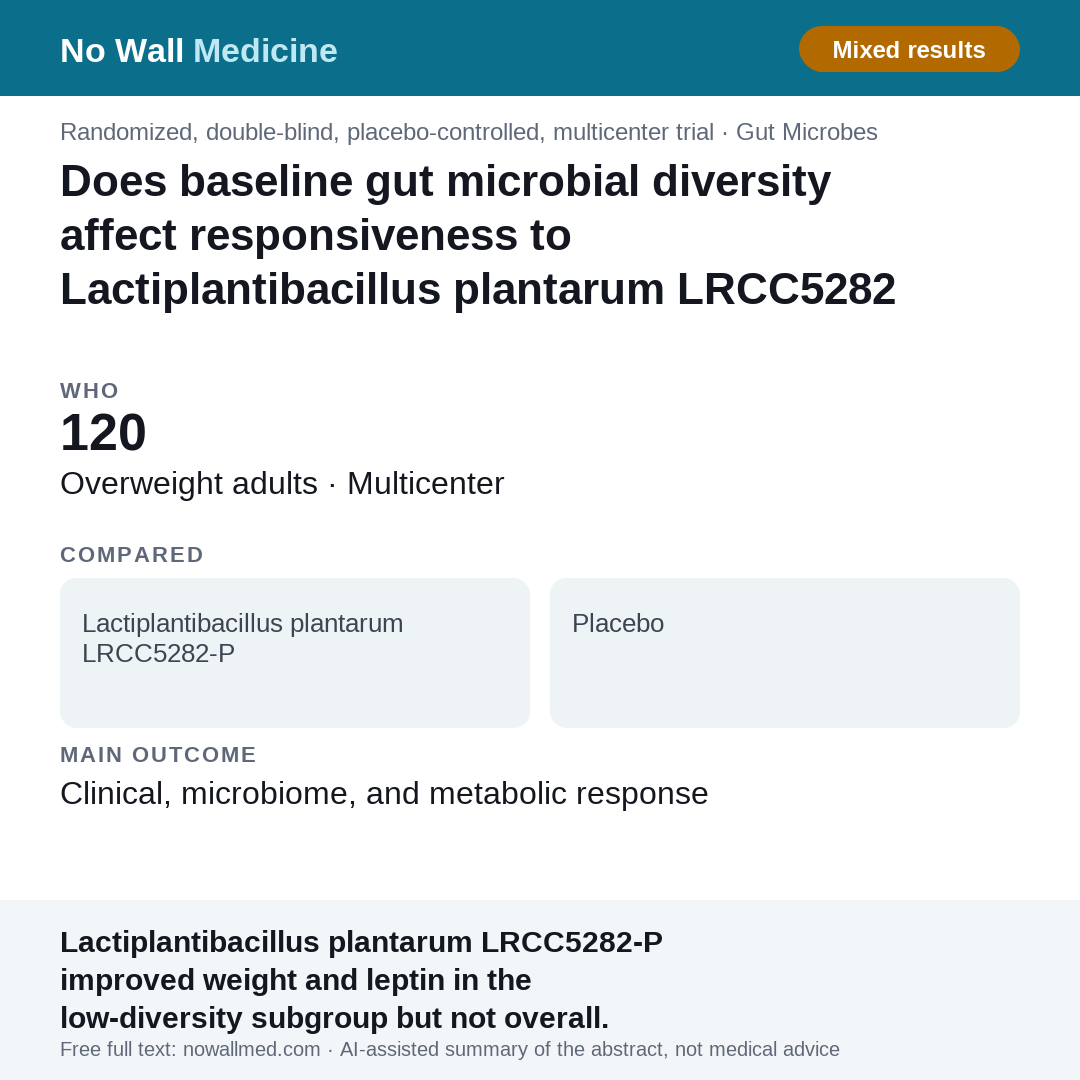
Gut microbial diversity at baseline conditions the clinical, microbiome, and metabolic response to paraprobiotic Lactiplantibacillus plantarum LRCC5282 in overweight adults
Randomized, double-blind, placebo-controlled, multicenter trialMixed results
Does baseline gut microbial diversity affect responsiveness to Lactiplantibacillus plantarum LRCC5282 in overweight adults?
Who
120
Overweight adults · Multicenter
Compared
Lactiplantibacillus plantarum LRCC5282-P
Placebo
Main outcome
Clinical, microbiome, and metabolic response
Bottom line: Lactiplantibacillus plantarum LRCC5282-P improved weight and leptin in the low-diversity subgroup but not overall.
Limitation: Further studies are warranted to elucidate the biological pathways underlying this responsiveness.
Gut Microbes · 2026-08-25Download image
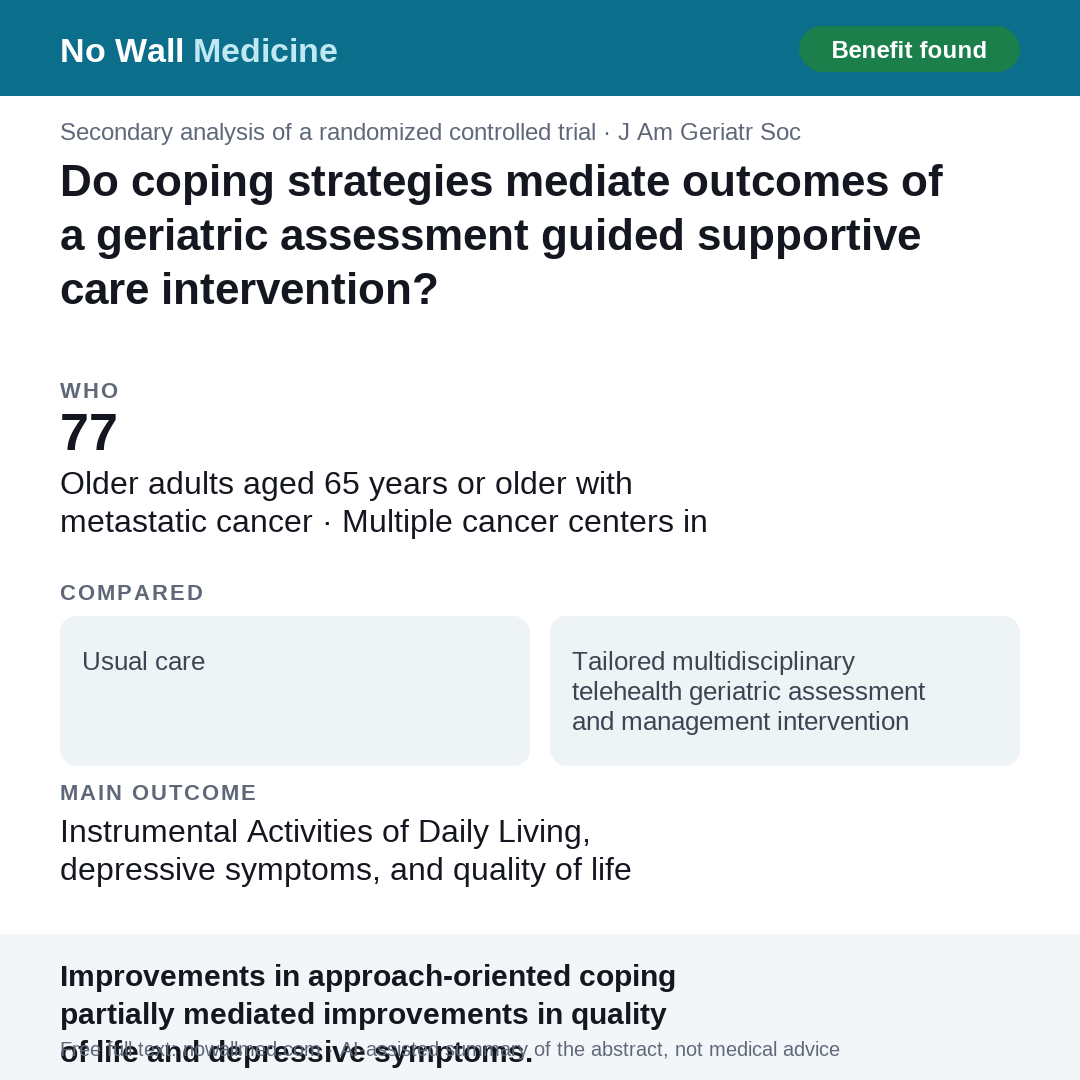
Mechanisms of Benefit in Geriatric Assessment (GA): Approach-Oriented Coping Mediates Outcomes of a GA-Guided Supportive Care Intervention (GAIN-S)
Secondary analysis of a randomized controlled trialBenefit found
Do coping strategies mediate outcomes of a geriatric assessment guided supportive care intervention?
Who
77
Older adults aged 65 years or older with metastatic cancer · Multiple cancer centers in Brazil
Compared
Usual care
Tailored multidisciplinary telehealth geriatric assessment and management intervention
Main outcome
Instrumental Activities of Daily Living, depressive symptoms, and quality of life
Bottom line: Improvements in approach-oriented coping partially mediated improvements in quality of life and depressive symptoms.
J Am Geriatr Soc · 2026-08-24Download image
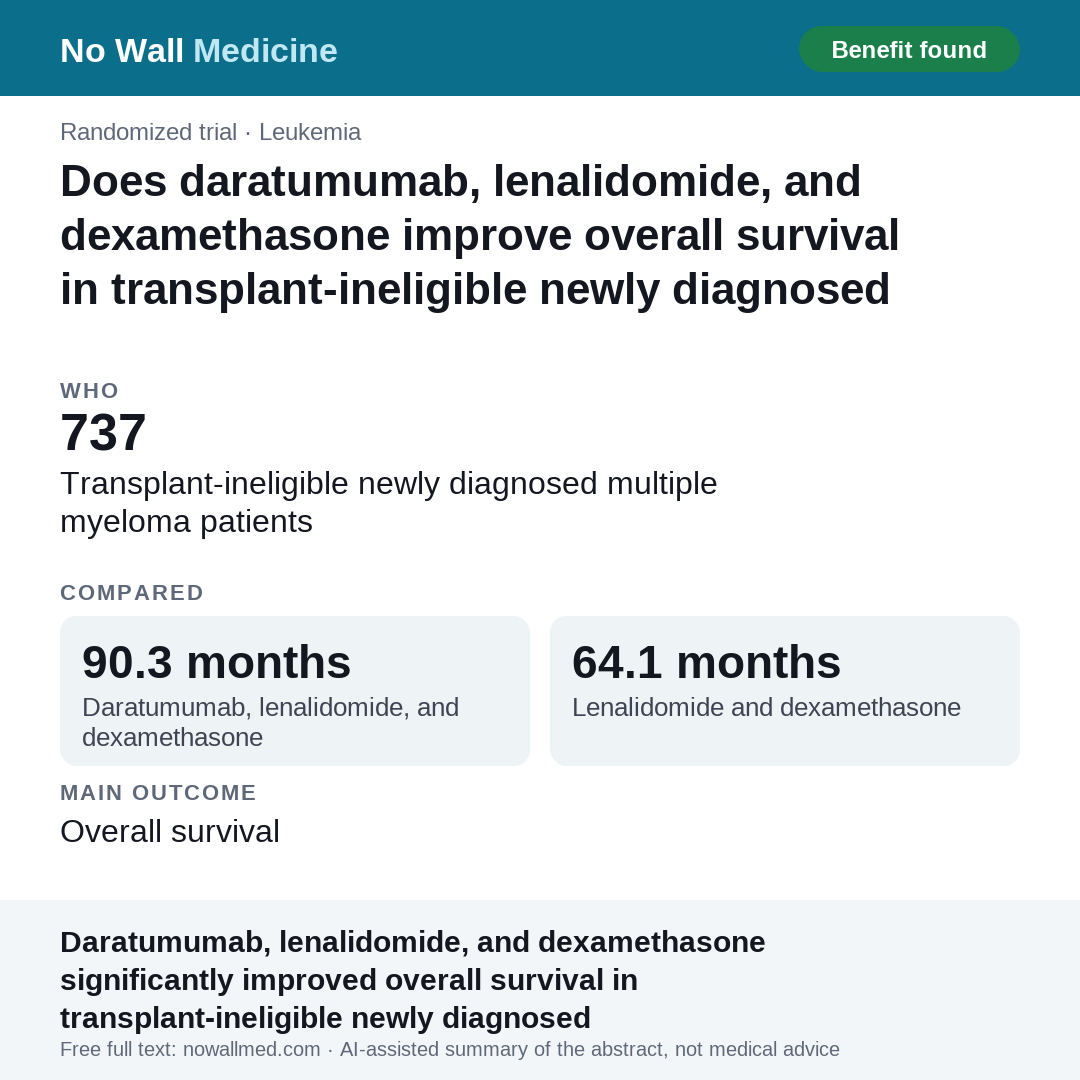
Daratumumab, lenalidomide, and dexamethasone in transplant-ineligible newly diagnosed multiple myeloma: MAIA final survival analysis
Randomized trialBenefit found
Does daratumumab, lenalidomide, and dexamethasone improve overall survival in transplant-ineligible newly diagnosed multiple myeloma?
Who
737
Transplant-ineligible newly diagnosed multiple myeloma patients
Compared
90.3 monthsDaratumumab, lenalidomide, and dexamethasone
64.1 monthsLenalidomide and dexamethasone
Main outcome
Overall survival
Result: hazard ratio 0.67 (95% CI 0.55-0.82)
Bottom line: Daratumumab, lenalidomide, and dexamethasone significantly improved overall survival in transplant-ineligible newly diagnosed multiple myeloma.
Leukemia · 2026-08-24Download image
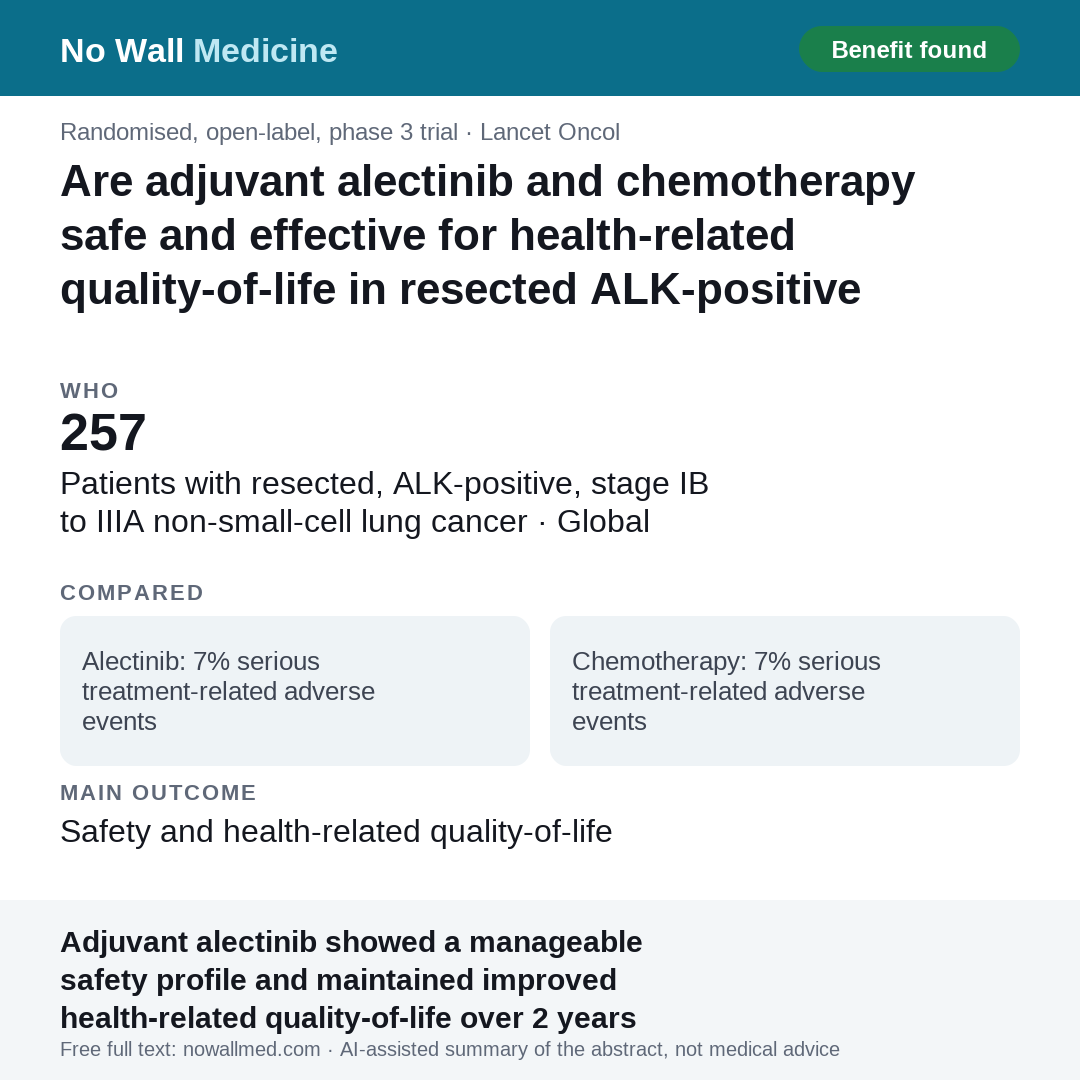
Adjuvant alectinib versus chemotherapy in resected ALK-positive non-small-cell lung cancer (ALINA): health-related quality-of-life and safety outcomes from a randomised, open-label, phase 3 trial
Randomised, open-label, phase 3 trialBenefit found
Are adjuvant alectinib and chemotherapy safe and effective for health-related quality-of-life in resected ALK-positive NSCLC?
Who
257
Patients with resected, ALK-positive, stage IB to IIIA non-small-cell lung cancer · Global
Compared
Alectinib: 7% serious treatment-related adverse events
Chemotherapy: 7% serious treatment-related adverse events
Main outcome
Safety and health-related quality-of-life
Bottom line: Adjuvant alectinib showed a manageable safety profile and maintained improved health-related quality-of-life over 2 years of treatment.
Funded by: F Hoffmann-La Roche
Lancet Oncol · 2026-08-24Download image
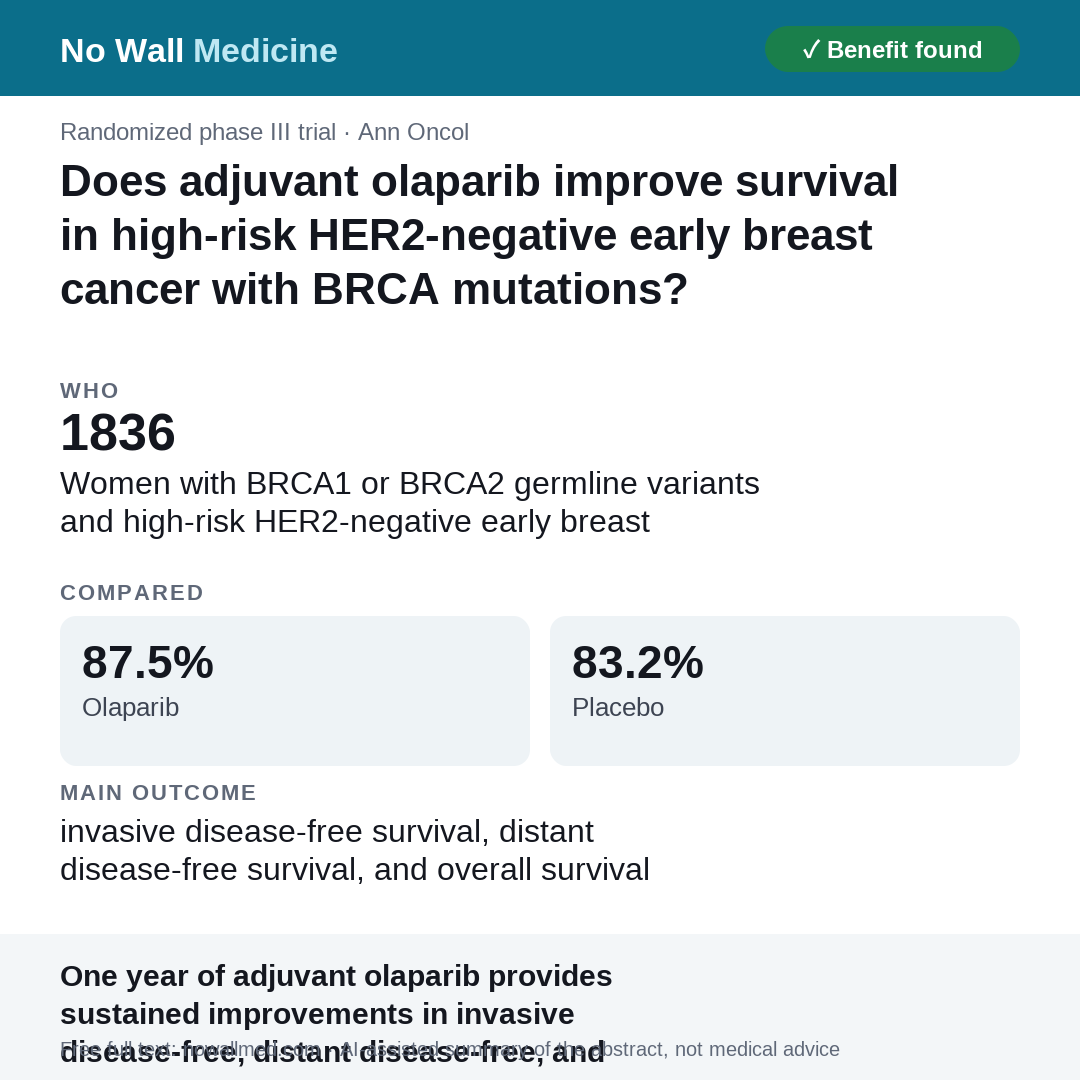
Sustained benefit of adjuvant olaparib in women with germline BRCA1- and BRCA2-associated high-risk HER2-negative early breast cancer: updated results from the OlympiA phase III trial
Randomized phase III trialBenefit found
Does adjuvant olaparib improve survival in high-risk HER2-negative early breast cancer with BRCA mutations?
Who
1836
Women with BRCA1 or BRCA2 germline variants and high-risk HER2-negative early breast cancer
Compared
87.5%Olaparib
83.2%Placebo
Main outcome
invasive disease-free survival, distant disease-free survival, and overall survival
Result: hazard ratio 0.72 (95% CI 0.56-0.93) for overall survival
Bottom line: One year of adjuvant olaparib provides sustained improvements in invasive disease-free, distant disease-free, and overall survival.
Ann Oncol · 2026-08-24Download image
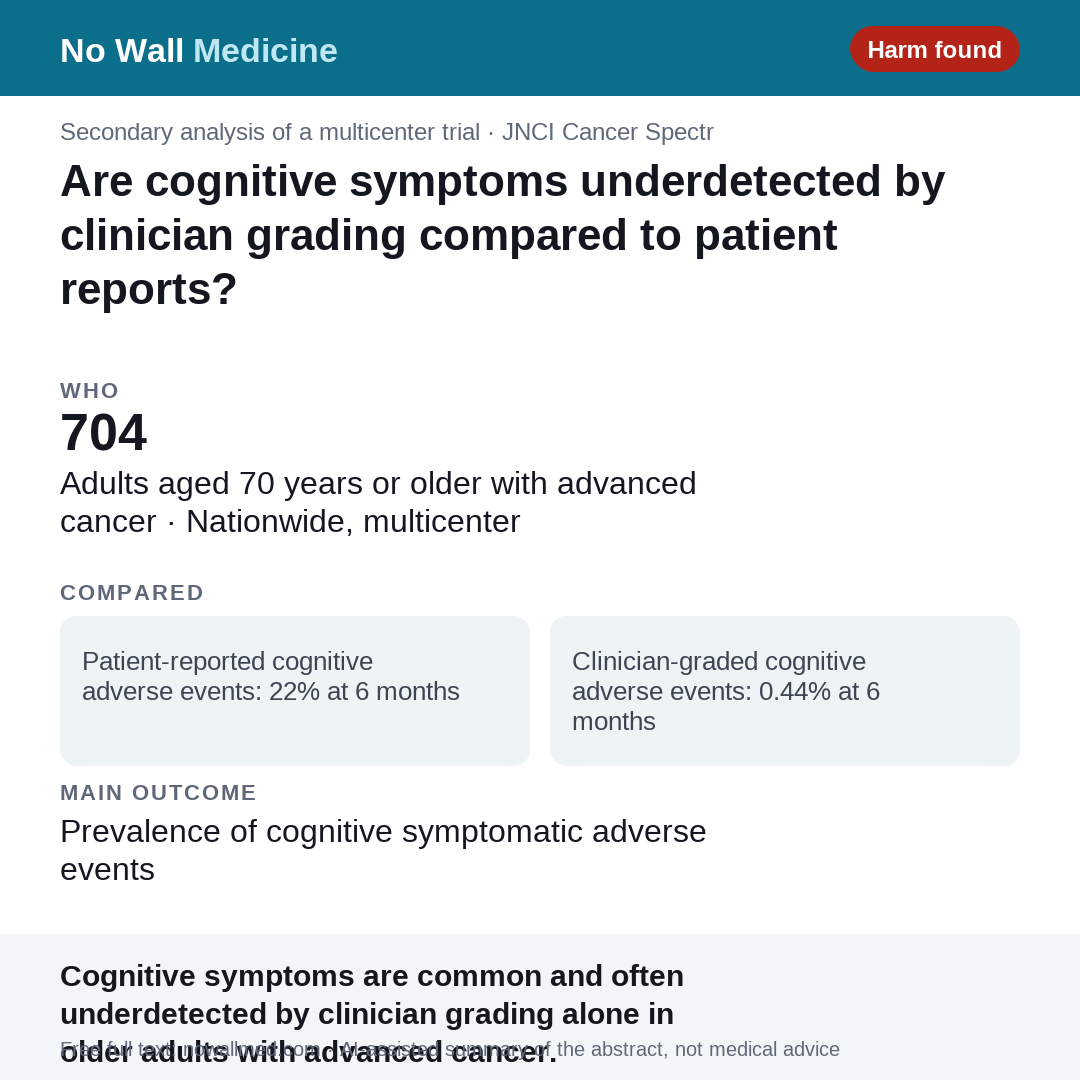
Prevalence of patient-reported and clinician-graded cognitive symptomatic adverse events in older patients with advanced cancer
Secondary analysis of a multicenter trialHarm found
Are cognitive symptoms underdetected by clinician grading compared to patient reports?
Who
704
Adults aged 70 years or older with advanced cancer · Nationwide, multicenter
Compared
Patient-reported cognitive adverse events: 22% at 6 months
Clinician-graded cognitive adverse events: 0.44% at 6 months
Main outcome
Prevalence of cognitive symptomatic adverse events
Bottom line: Cognitive symptoms are common and often underdetected by clinician grading alone in older adults with advanced cancer.
JNCI Cancer Spectr · 2026-08-24Download image
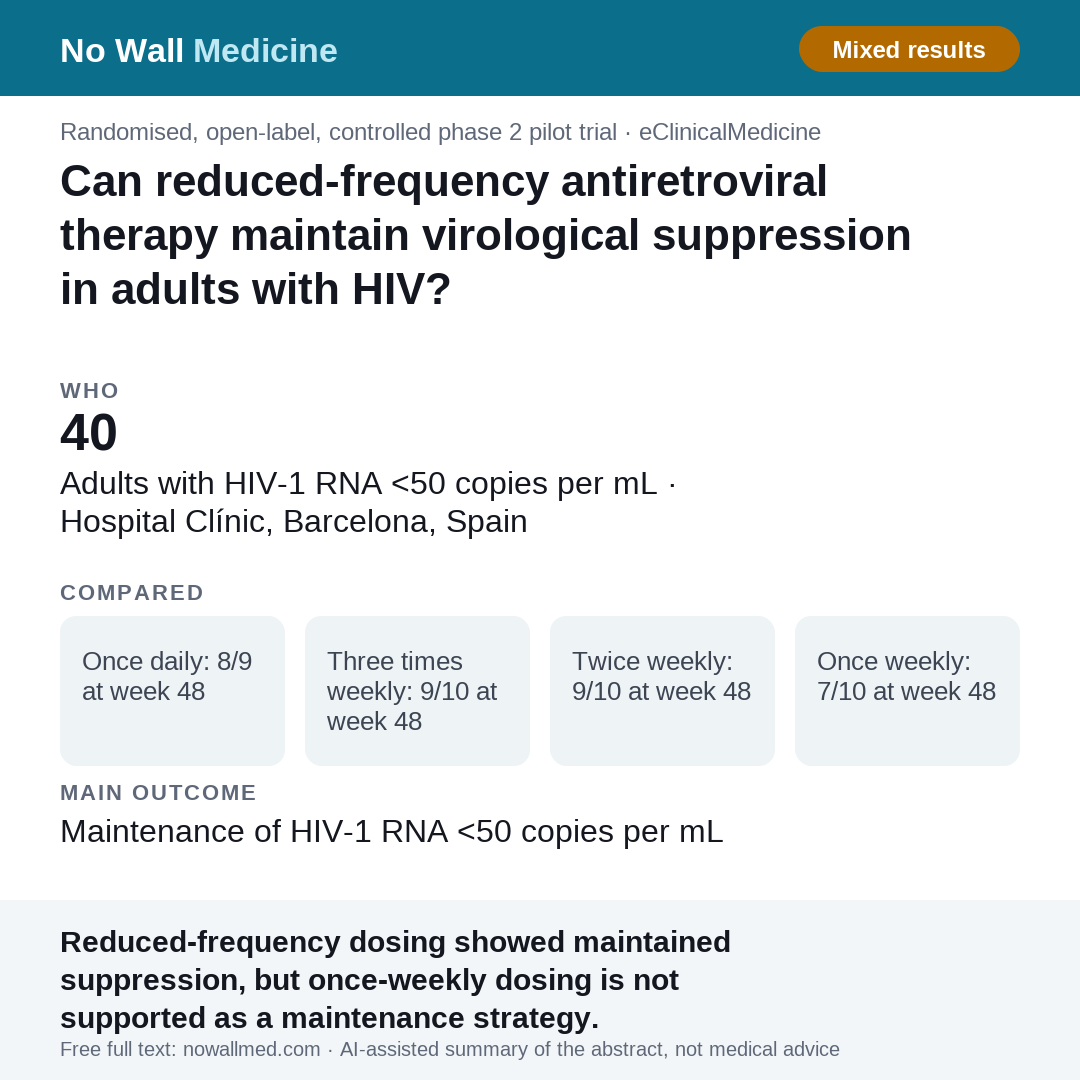
Reduced-frequency bictegravir, emtricitabine, and tenofovir alafenamide in virologically suppressed adults with HIV: a single-centre randomised phase 2 pilot trial in Spain
Randomised, open-label, controlled phase 2 pilot trialMixed results
Can reduced-frequency antiretroviral therapy maintain virological suppression in adults with HIV?
Who
40
Adults with HIV-1 RNA <50 copies per mL · Hospital Clínic, Barcelona, Spain
Compared
Once daily: 8/9 at week 48
Three times weekly: 9/10 at week 48
Twice weekly: 9/10 at week 48
Once weekly: 7/10 at week 48
Main outcome
Maintenance of HIV-1 RNA <50 copies per mL
Bottom line: Reduced-frequency dosing showed maintained suppression, but once-weekly dosing is not supported as a maintenance strategy.
Funded by: Instituto de Salud Carlos
eClinicalMedicine · 2026-08-23Download image
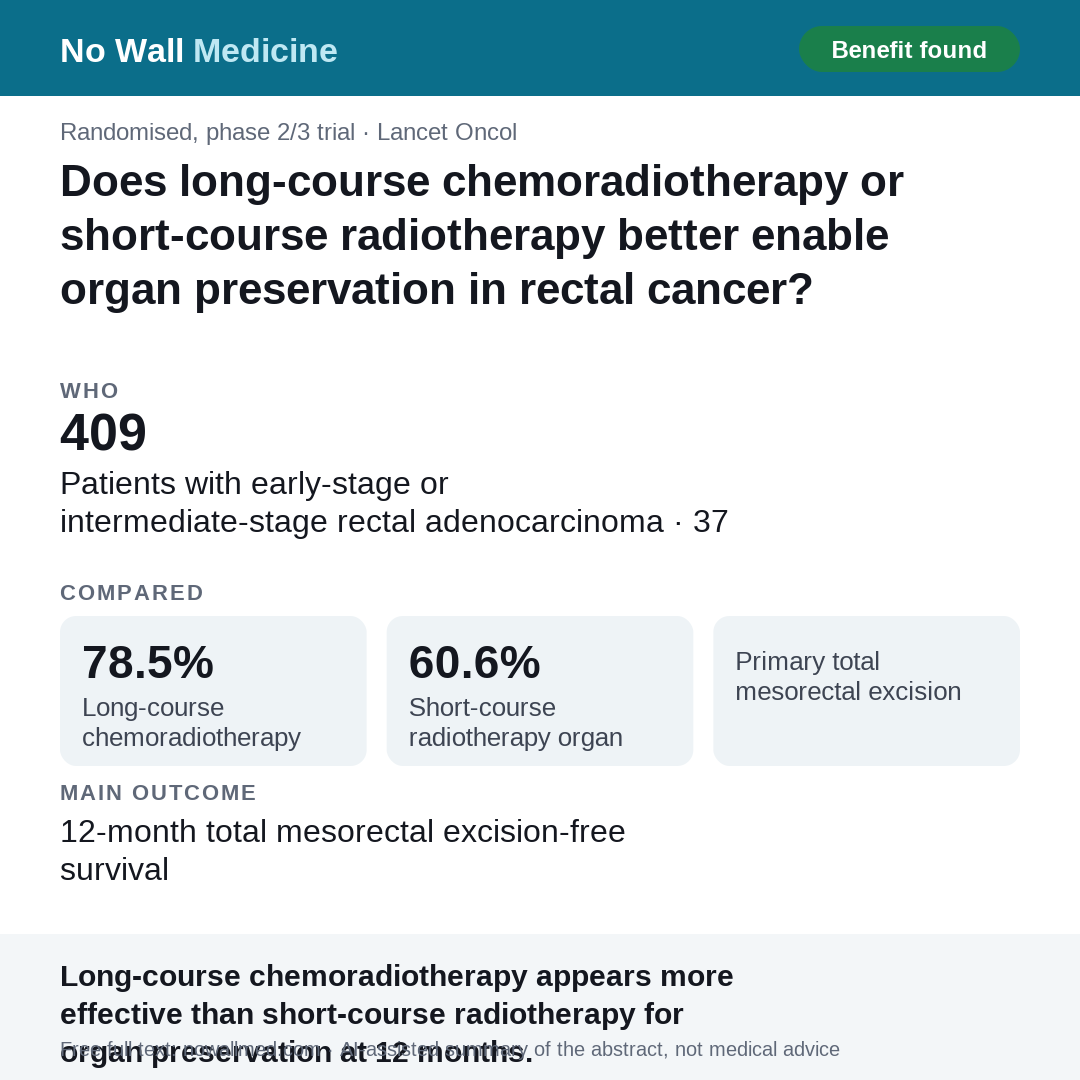
Chemoradiotherapy versus short-course radiotherapy for response-adapted organ preservation in early-stage and intermediate-stage rectal cancer (STAR-TREC): 12-month results of an international, multicentre, open-label, parallel-group, randomised, phase 2/3 trial
Randomised, phase 2/3 trialBenefit found
Does long-course chemoradiotherapy or short-course radiotherapy better enable organ preservation in rectal cancer?
Who
409
Patients with early-stage or intermediate-stage rectal adenocarcinoma · 37 sites in five European countries
Compared
78.5%Long-course chemoradiotherapy organ preservation (95% CI 72.4-85.1)
60.6%Short-course radiotherapy organ preservation (53.6-68.4)
Primary total mesorectal excision
Main outcome
12-month total mesorectal excision-free survival
Result: hazard ratio 1.90 (95% CI 1.29-2.81)
Bottom line: Long-course chemoradiotherapy appears more effective than short-course radiotherapy for organ preservation at 12 months.
Lancet Oncol · 2026-08-23Download image
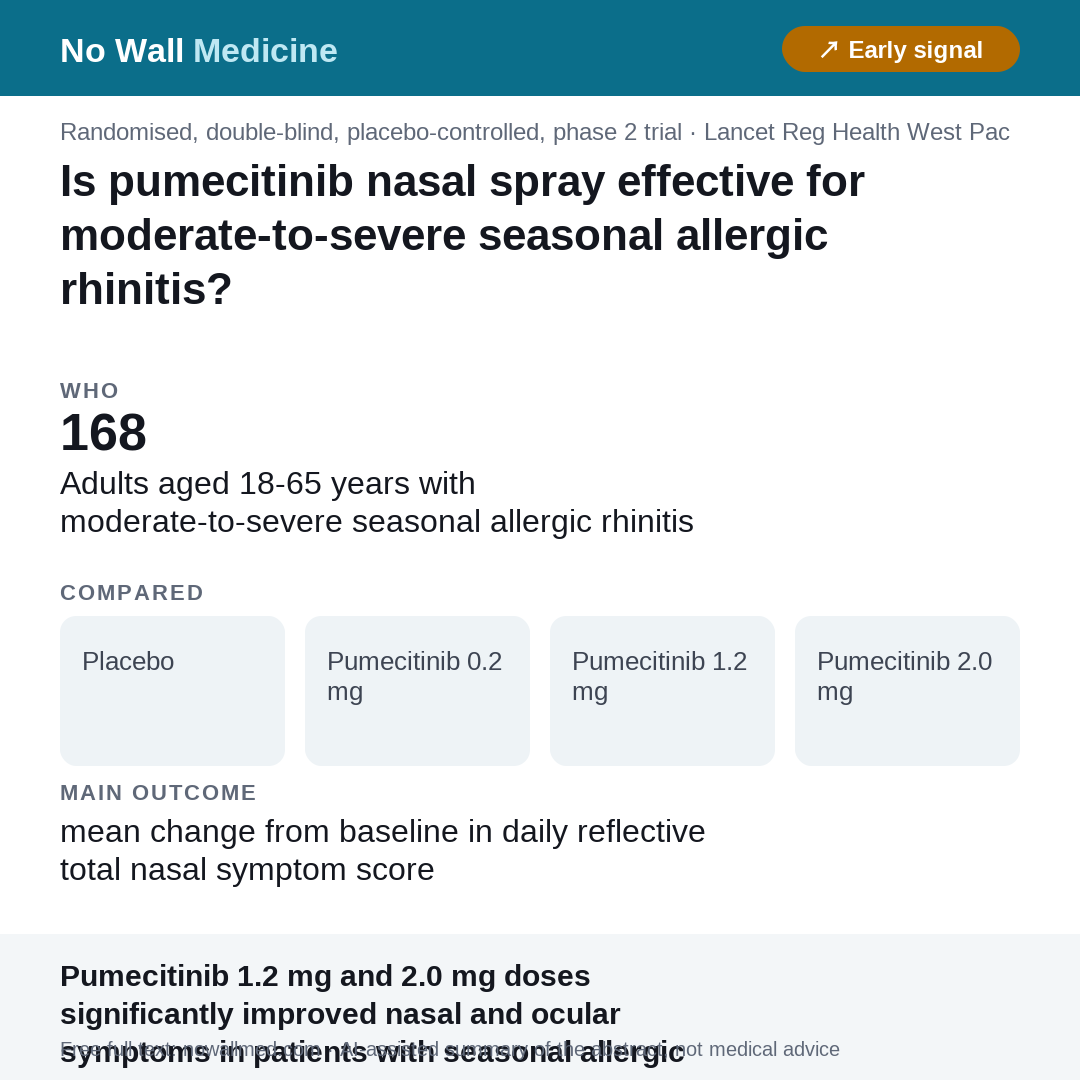
Efficacy, safety, and pharmacokinetics of pumecitinib nasal spray for moderate-to-severe seasonal allergic rhinitis: a multicentre, double-blind, randomised, placebo-controlled, phase 2 trial
Randomised, double-blind, placebo-controlled, phase 2 trialEarly signal
Is pumecitinib nasal spray effective for moderate-to-severe seasonal allergic rhinitis?
Who
168
Adults aged 18-65 years with moderate-to-severe seasonal allergic rhinitis · 20 centres in China
Compared
Placebo
Pumecitinib 0.2 mg
Pumecitinib 1.2 mg
Pumecitinib 2.0 mg
Main outcome
mean change from baseline in daily reflective total nasal symptom score
Result: least-squares mean difference -1·2 (95% CI -2·2 to -0·2) for 1.2 mg and 2.0 mg
Bottom line: Pumecitinib 1.2 mg and 2.0 mg doses significantly improved nasal and ocular symptoms in patients with seasonal allergic rhinitis.
Funded by: PrimeGenX Therapeutics Co., Ltd.
Lancet Reg Health West Pac · 2026-08-23Download image
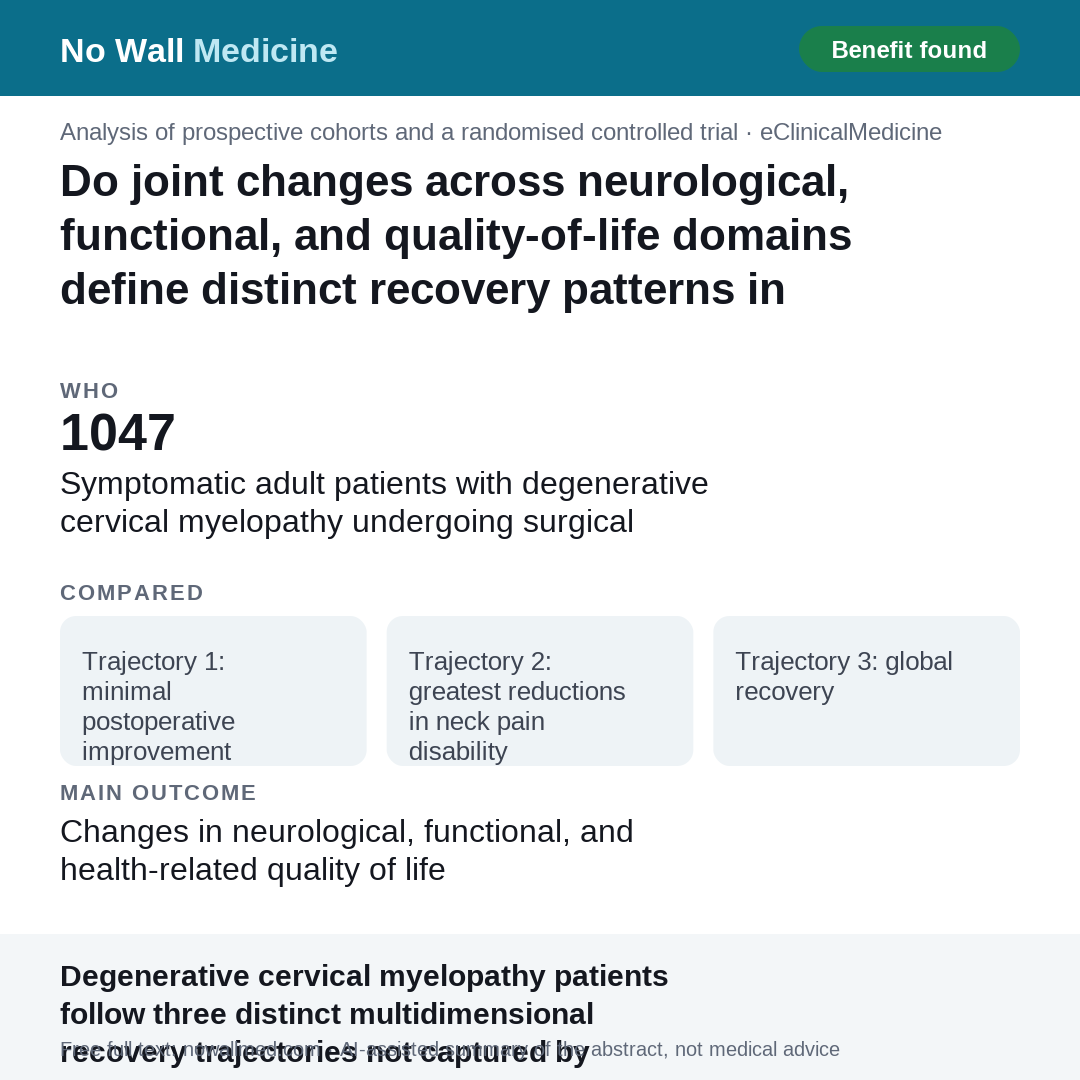
Identification, validation, and prediction of longitudinal recovery phenotypes in degenerative cervical myelopathy: analysis of prospective cohorts and a randomised controlled trial
Analysis of prospective cohorts and a randomised controlled trialBenefit found
Do joint changes across neurological, functional, and quality-of-life domains define distinct recovery patterns in degenerative cervical myelopathy?
Who
1047
Symptomatic adult patients with degenerative cervical myelopathy undergoing surgical treatment · Clinic-based cohorts
Compared
Trajectory 1: minimal postoperative improvement
Trajectory 2: greatest reductions in neck pain disability
Trajectory 3: global recovery
Main outcome
Changes in neurological, functional, and health-related quality of life
Result: odds ratio 10.90 (95% CI 6.15-19.32) for neurological MCID
Bottom line: Degenerative cervical myelopathy patients follow three distinct multidimensional recovery trajectories not captured by neurological severity alone.
eClinicalMedicine · 2026-08-22Download image
Improvement in neuropsychological function with memantine treatment among patients with systemic lupus erythematosus: a phase 2 randomised placebo-controlled clinical trial
Randomised, placebo-controlled 12-week clinical trialBenefit found
Does memantine improve cognitive function in adults with systemic lupus erythematosus?
Who
43
Adults with systemic lupus erythematosus and neuropsychological dysfunction · Multisite
Compared
Memantine: median change: +8
Placebo: median change: +5
Main outcome
Change in Repeatable Battery for the Assessment of Neuropsychological Status total score
Bottom line: Memantine treatment for 12 weeks improved objective neuropsychological function in patients with systemic lupus erythematosus.
Ann Rheum Dis · 2026-08-22Download image
The potential of [18F]FDG PET/MRI for identifying pain sources in patients with diagnostically challenging chronic hip pain after total hip replacement
Randomized studyBenefit found
Does [18F]FDG PET/MRI help identify pain sources in chronic hip pain after total hip replacement?
Who
20
Patients with persistent hip pain of unclear origin after total hip replacement
Compared
PET/MRI-guided clinical management: 8/10 patients established final expert diagnosis
Regular diagnostic work-up: 5/10 patients established final expert diagnosis
Main outcome
Establishment of final expert diagnosis and pain scores
Bottom line: PET/MRI shows potential for identifying pain sources in patients with challenging chronic hip pain.
Eur J Nucl Med Mol Imaging · 2026-08-22Download image
Effect of food swap recommendations on the healthfulness and carbon footprint of grocery purchases in a naturalistic online store: A randomized parallel trial
Randomized parallel trialBenefit found
Do food swap recommendations improve healthfulness and reduce carbon footprint of grocery purchases?
Who
1201
United States adults ages 18 and older · Naturalistic online grocery store
Compared
Climate swaps: healthfulness B=2.4 (95% CI [1.1, 3.7]), carbon footprint B=-3.3 kg CO2-eq per kg (95% CI [-4.6, -2.1])
Health swaps: healthfulness B=4.7 (95% CI [3.3, 6.0]), carbon footprint B=-0.4 (95% CI [-1.7, 0.8])
Climate and health swaps: healthfulness B=4.0 (95% CI [2.7, 5.4]), carbon footprint B=-2.8 (95% CI [-4.1, -1.6])
Control
Main outcome
Healthfulness score and carbon footprint of grocery selections
Bottom line: Recommending food swaps improved healthfulness and reduced carbon footprint in online grocery selections.
Limitation: Sample differed from the US population and results may not generalize to brick-and-mortar stores.
PLOS Med · 2026-08-21Download image

Atezolizumab with or without tiragolumab in unresectable esophageal squamous-cell carcinoma following definitive concurrent chemoradiotherapy (SKYSCRAPER-07): a randomised, phase III study
Randomised, placebo-controlled, phase III trialMixed results
Does atezolizumab with or without tiragolumab improve survival in unresectable esophageal squamous-cell carcinoma?
Who
760
Adult patients with unresectable esophageal squamous-cell carcinoma after chemoradiotherapy · 166 centres in 28 countries
Compared
atezolizumab plus tiragolumab
atezolizumab plus placebo
placebo
Main outcome
investigator-assessed progression-free survival and overall survival
Result: hazard ratio 0.91 (95% CI 0.70-1.18) for atezolizumab plus tiragolumab versus placebo
Bottom line: Atezolizumab plus tiragolumab did not improve survival, but atezolizumab plus placebo significantly improved overall survival versus placebo.
Ann Oncol · 2026-08-21Download image
Robotic-arm-assisted versus conventional total knee replacement (RACER-Knee): a pragmatic, multicentre, participant-masked and assessor-masked, superiority, randomised controlled trial
Pragmatic, superiority, randomised controlled trialNo clear difference
Does robotic-arm-assisted versus conventional total knee replacement improve clinical efficacy and cost-effectiveness?
Who
339
Patients with advanced knee osteoarthritis · Ten hospitals in Great Britain
Compared
49.2Mako robotic-arm-assisted system (SD 28.4; n=154)
50.2Conventional instruments (29.9; n=158)
Main outcome
Forgotten Joint Score at 12 months
Result: adjusted mean difference -1.5 (95% CI -7.5 to 4.5; p=0.62)
Bottom line: Robotic-arm-assisted total knee replacement was more costly and provided no clinically meaningful patient benefit compared to conventional instruments.
Funded by: UK National Institute for Health and Care Research
Lancet · 2026-08-20Download image
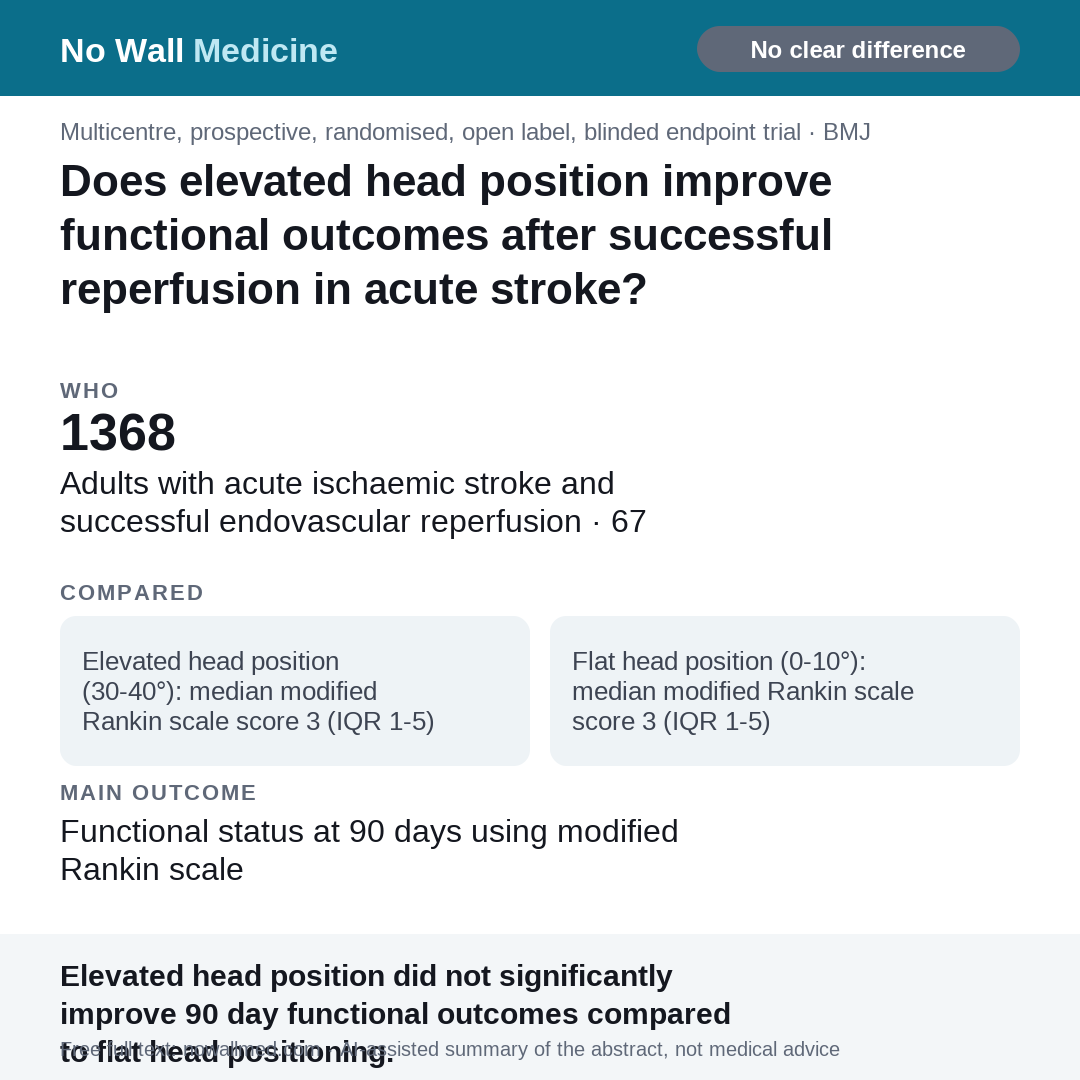
Head positioning after endovascular therapy for acute stroke due to large vessel occlusion (HeadSOAR): multicentre randomised controlled trial
Multicentre, prospective, randomised, open label, blinded endpoint trialNo clear difference
Does elevated head position improve functional outcomes after successful reperfusion in acute stroke?
Who
1368
Adults with acute ischaemic stroke and successful endovascular reperfusion · 67 comprehensive stroke centres in China
Compared
Elevated head position (30-40°): median modified Rankin scale score 3 (IQR 1-5)
Flat head position (0-10°): median modified Rankin scale score 3 (IQR 1-5)
Main outcome
Functional status at 90 days using modified Rankin scale
Result: adjusted generalised odds ratio 1.12 (95% CI 0.97 to 1.29)
Bottom line: Elevated head position did not significantly improve 90 day functional outcomes compared to flat head positioning.
BMJ · 2026-08-20Download image
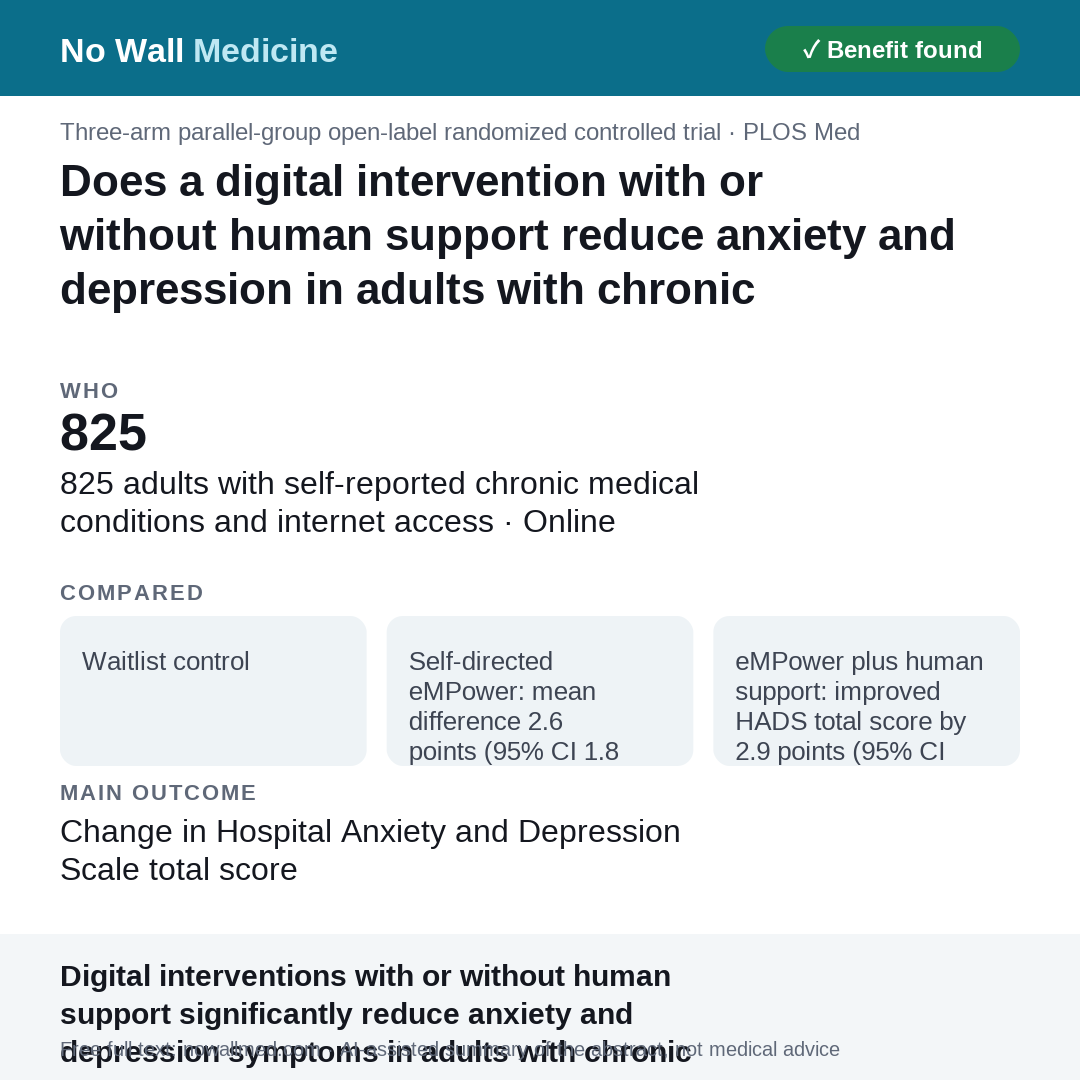
Effect of a digital intervention on mental health symptoms in adults with chronic conditions: A three-arm randomized controlled trial
Three-arm parallel-group open-label randomized controlled trialBenefit found
Does a digital intervention with or without human support reduce anxiety and depression in adults with chronic conditions?
Who
825
825 adults with self-reported chronic medical conditions and internet access · Online recruitment and delivery across 13 countries
Compared
Waitlist control
Self-directed eMPower: mean difference 2.6 points (95% CI 1.8 to 3.5)
eMPower plus human support: improved HADS total score by 2.9 points (95% CI 2.0 to 3.8)
Main outcome
Change in Hospital Anxiety and Depression Scale total score
Result: 2.9 points (95% CI 2.0 to 3.8)
Bottom line: Digital interventions with or without human support significantly reduce anxiety and depression symptoms in adults with chronic medical conditions.
Limitation: Waitlist control design, self-reported diagnoses, 12-week follow-up, and a predominantly female, highly educated sample.
PLOS Med · 2026-08-20Download image
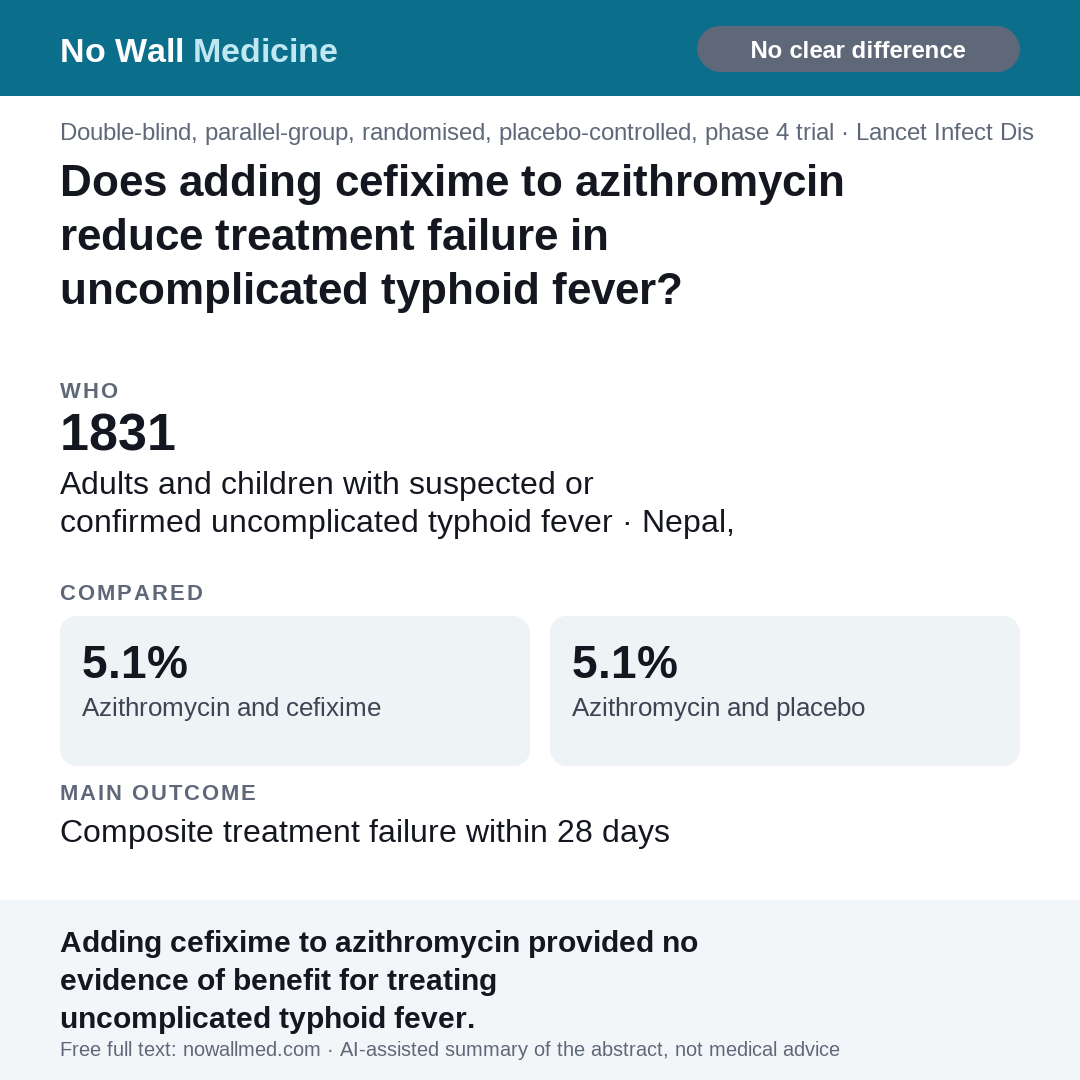
Azithromycin with or without cefixime for suspected or culture-confirmed uncomplicated typhoid fever in Nepal, Bangladesh, and Pakistan (ACT-South Asia): a double-blind, parallel-group, randomised, placebo-controlled, phase 4 trial
Double-blind, parallel-group, randomised, placebo-controlled, phase 4 trialNo clear difference
Does adding cefixime to azithromycin reduce treatment failure in uncomplicated typhoid fever?
Who
1831
Adults and children with suspected or confirmed uncomplicated typhoid fever · Nepal, Bangladesh, and Pakistan
Compared
5.1%Azithromycin and cefixime
5.1%Azithromycin and placebo
Main outcome
Composite treatment failure within 28 days
Result: absolute risk difference -0.00 percentage points, 95% CI -2.08 to 2.08
Bottom line: Adding cefixime to azithromycin provided no evidence of benefit for treating uncomplicated typhoid fever.
Funded by: Department of Health and Social Care, FCDO, Medical Research Council, Wellcome Trust
Lancet Infect Dis · 2026-08-20Download image
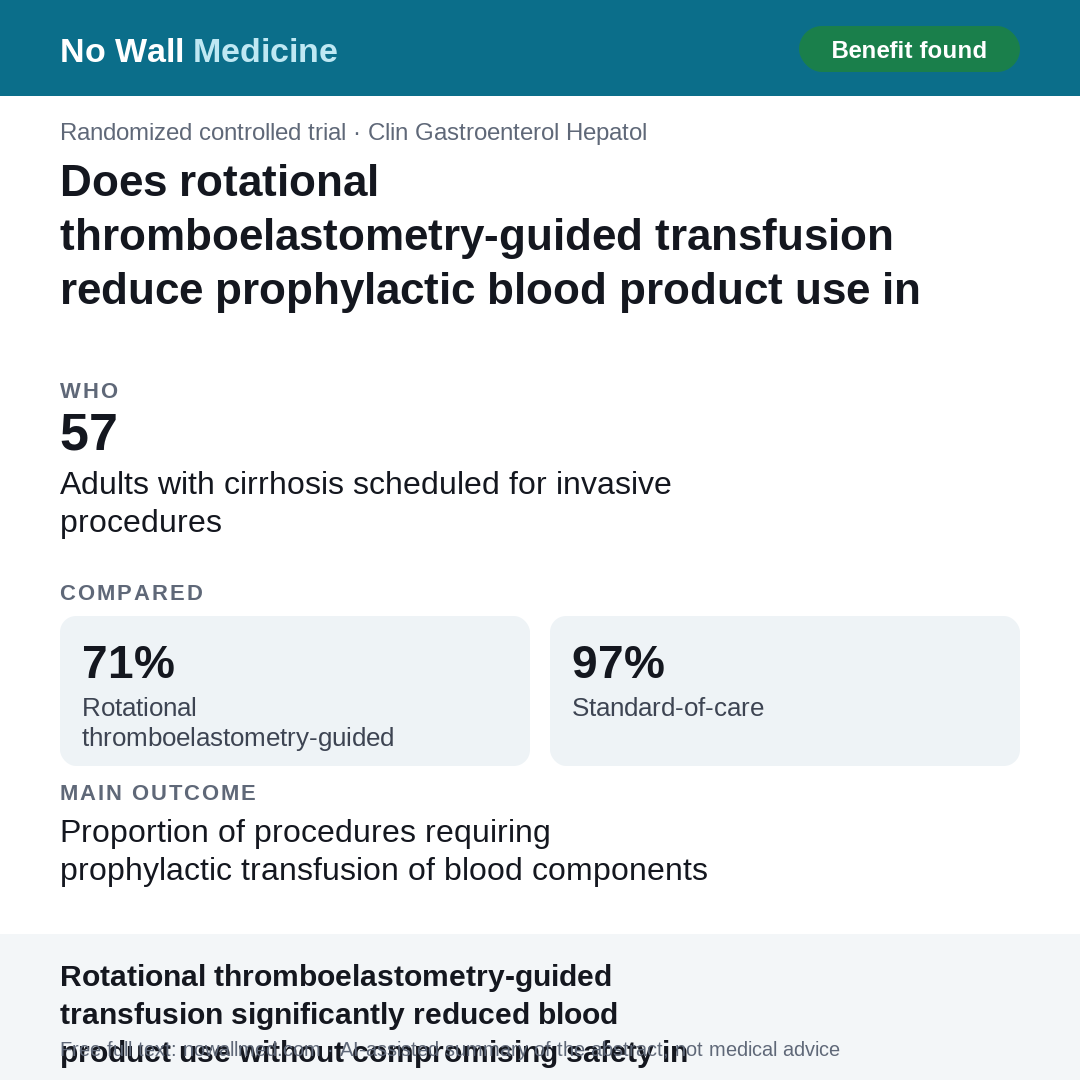
Rotational Thromboelastometry-Guided Blood Product Transfusion in Patients With Cirrhosis Having Invasive Procedures: A Randomized Controlled Trial
Randomized controlled trialBenefit found
Does rotational thromboelastometry-guided transfusion reduce prophylactic blood product use in patients with cirrhosis?
Who
57
Adults with cirrhosis scheduled for invasive procedures
Compared
71%Rotational thromboelastometry-guided
97%Standard-of-care
Main outcome
Proportion of procedures requiring prophylactic transfusion of blood components
Bottom line: Rotational thromboelastometry-guided transfusion significantly reduced blood product use without increasing bleeding complications in patients with cirrhosis.
Clin Gastroenterol Hepatol · 2026-08-20Download image