Visual abstracts
New randomized trials and meta-analyses from leading journals at a glance: who was studied, what was compared, and what was found. Every paper is free to read in full.
All specialtiesCardiology 4877Oncology 4138Gastroenterology & Hepatology 1942Infectious Disease 3837Neurology 1905Psychiatry & Mental Health 2273Pulmonology 2143Critical Care 1365Endocrinology & Diabetes 2580Pediatrics 2980Surgery 2559Orthopedics & Sports Medicine 931Neurosurgery 537Cardiothoracic & Vascular Surgery 674Plastic & Reconstructive Surgery 591Nephrology 1133Rheumatology 823Hematology 1109Dermatology 621Ophthalmology 543Obstetrics & Gynecology 1686Public & Global Health 1058Radiology & Imaging 648Anesthesiology 986Urology 764ENT (Otolaryngology) 503Emergency Medicine 511Allergy & Immunology 313Geriatrics 981Family Medicine & Primary Care 562Medical Genetics & Genomics 676Pathology & Laboratory Medicine 159Physical Medicine & Rehabilitation 757Palliative Care 444Nutrition 1588Digital Health & AI 2201General Medicine 321
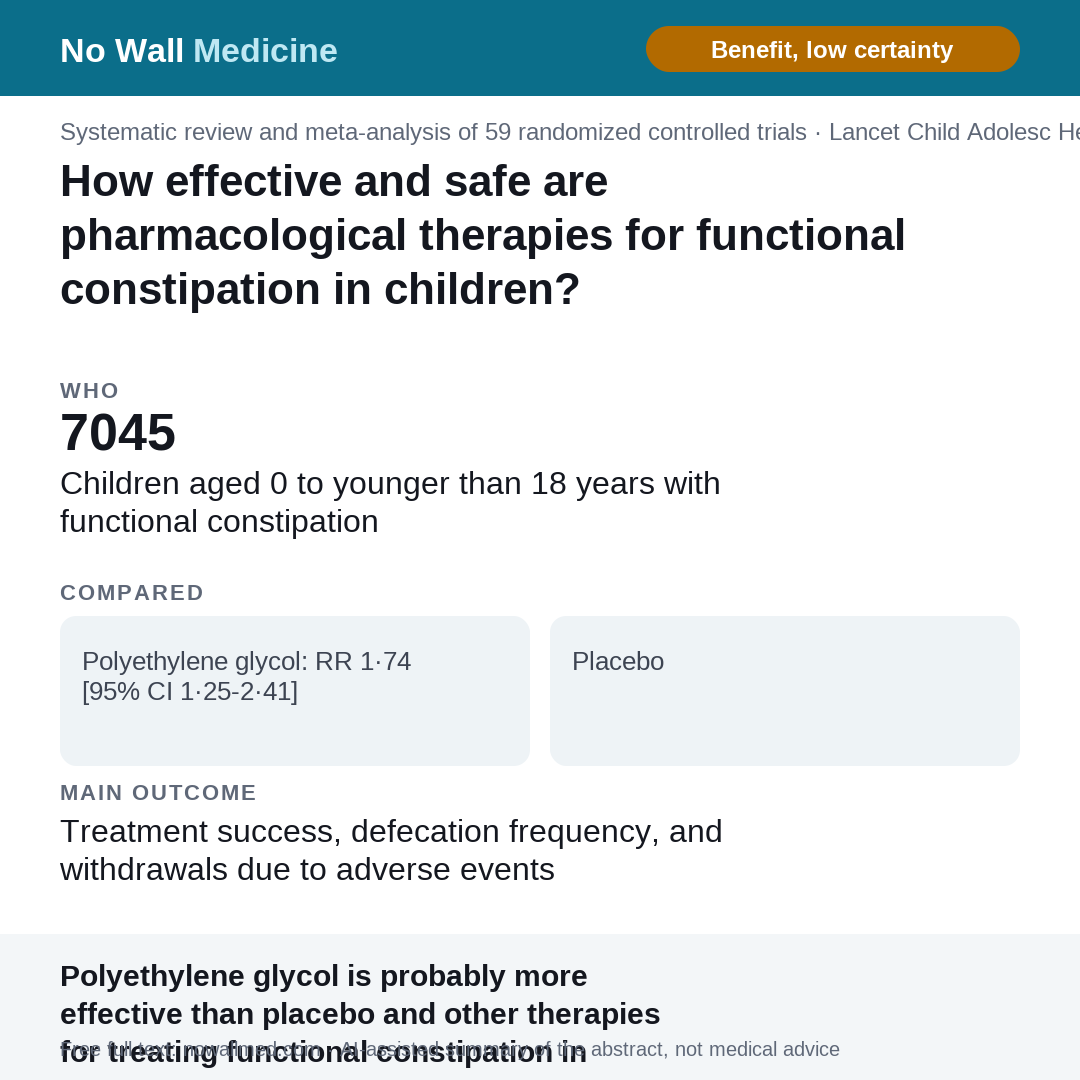
Efficacy and safety of pharmacological therapies for functional constipation in children: a systematic review and meta-analysis
Systematic review and meta-analysis of 59 randomized controlled trialsBenefit found
How effective and safe are pharmacological therapies for functional constipation in children?
Who
7045
Children aged 0 to younger than 18 years with functional constipation
Compared
Polyethylene glycol: RR 1·74 [95% CI 1·25-2·41]
Placebo
Main outcome
Treatment success, defecation frequency, and withdrawals due to adverse events
Result: RR 1·74 [95% CI 1·25-2·41]
Bottom line: Polyethylene glycol is probably more effective than placebo and other therapies for treating functional constipation in children.
Lancet Child Adolesc Health · 2025-10-13Download image
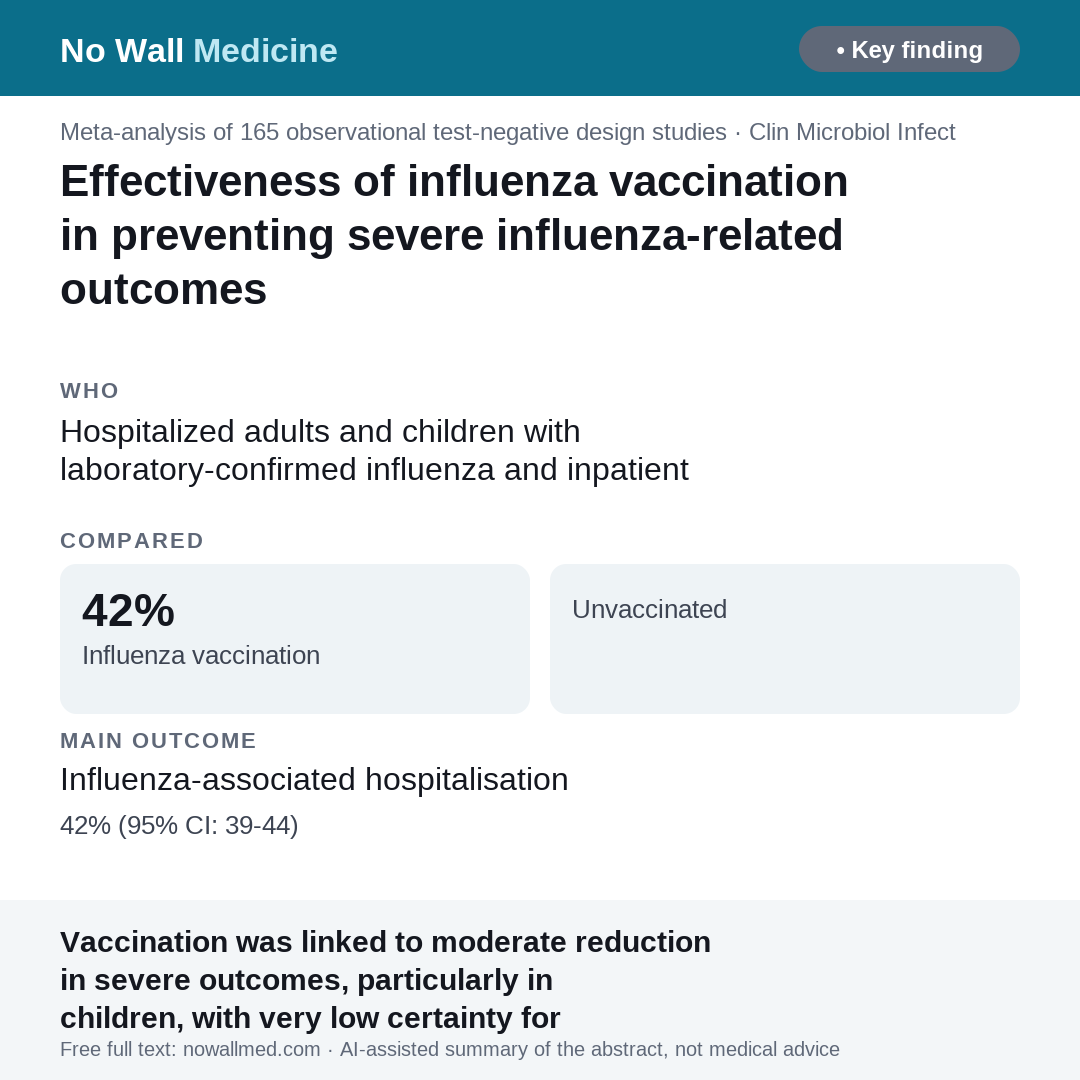
Effectiveness of influenza vaccination to prevent severe disease: a systematic review and meta-analysis of test-negative design studies
Meta-analysis of 165 test-negative design studiesBenefit found
Is influenza vaccination effective in preventing severe influenza-related outcomes?
Who
Hospitalized adults and children with laboratory-confirmed influenza
Compared
Influenza vaccination
No vaccination
Main outcome
Severe influenza-related outcomes
Result: 42% (95% CI: 39-44) against influenza-associated hospitalisation
Bottom line: Influenza vaccination moderately reduces severe outcomes, particularly in children and against influenza A(H1N1).
Limitation: Certainty of evidence was low to very low for most outcomes.
Clin Microbiol Infect · 2025-10-13Download image
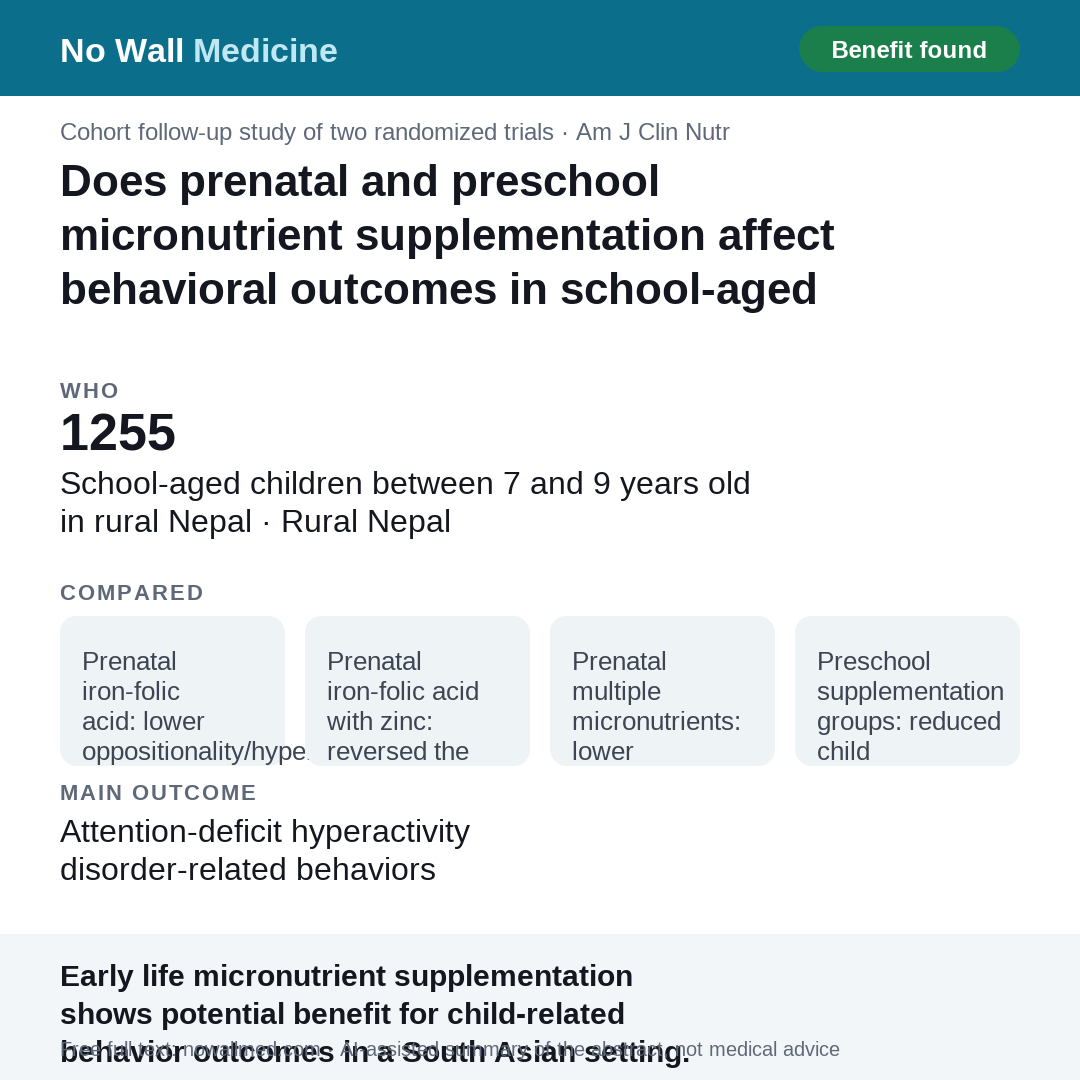
Prenatal and preschool micronutrient supplementation and behavioral outcomes in school-aged children in Nepal-a cohort study
Cohort follow-up study of two randomized trialsBenefit found
Does prenatal and preschool micronutrient supplementation affect behavioral outcomes in school-aged children?
Who
1255
School-aged children between 7 and 9 years old in rural Nepal · Rural Nepal
Compared
Prenatal iron-folic acid: lower oppositionality/hyperactivity and inattention scores
Prenatal iron-folic acid with zinc: reversed the positive effect seen with iron-folic acid
Prenatal multiple micronutrients: lower oppositionality and/or hyperactivity score
Preschool supplementation groups: reduced child inattention when assessed by parents
Main outcome
Attention-deficit hyperactivity disorder-related behaviors
Bottom line: Early life micronutrient supplementation shows potential benefit for child-related behavior outcomes in a South Asian setting.
Am J Clin Nutr · 2025-10-13Download image
Effect of neuromuscular blocking agents on tracheal intubation quality in paediatric patients: a systematic review using network meta-analysis and meta-regression
Systematic review and network meta-analysisBenefit found
How do different neuromuscular blocking agents affect tracheal intubation quality in paediatric patients?
Who
8008
Healthy paediatric participants aged 0 to 12 years
Compared
Non depolarising neuromuscular blocking agents: excellent (OR: 2.97 [1.82-5.10]) and acceptable (OR: 2.29 [1.14-4.39]) intubation conditions
Intubation without neuromuscular blocking agents
Main outcome
excellent and acceptable tracheal intubation conditions
Bottom line: Non depolarising neuromuscular blocking agents enhance excellent and acceptable intubation conditions in paediatric patients.
Br J Anaesth · 2025-10-10Download image

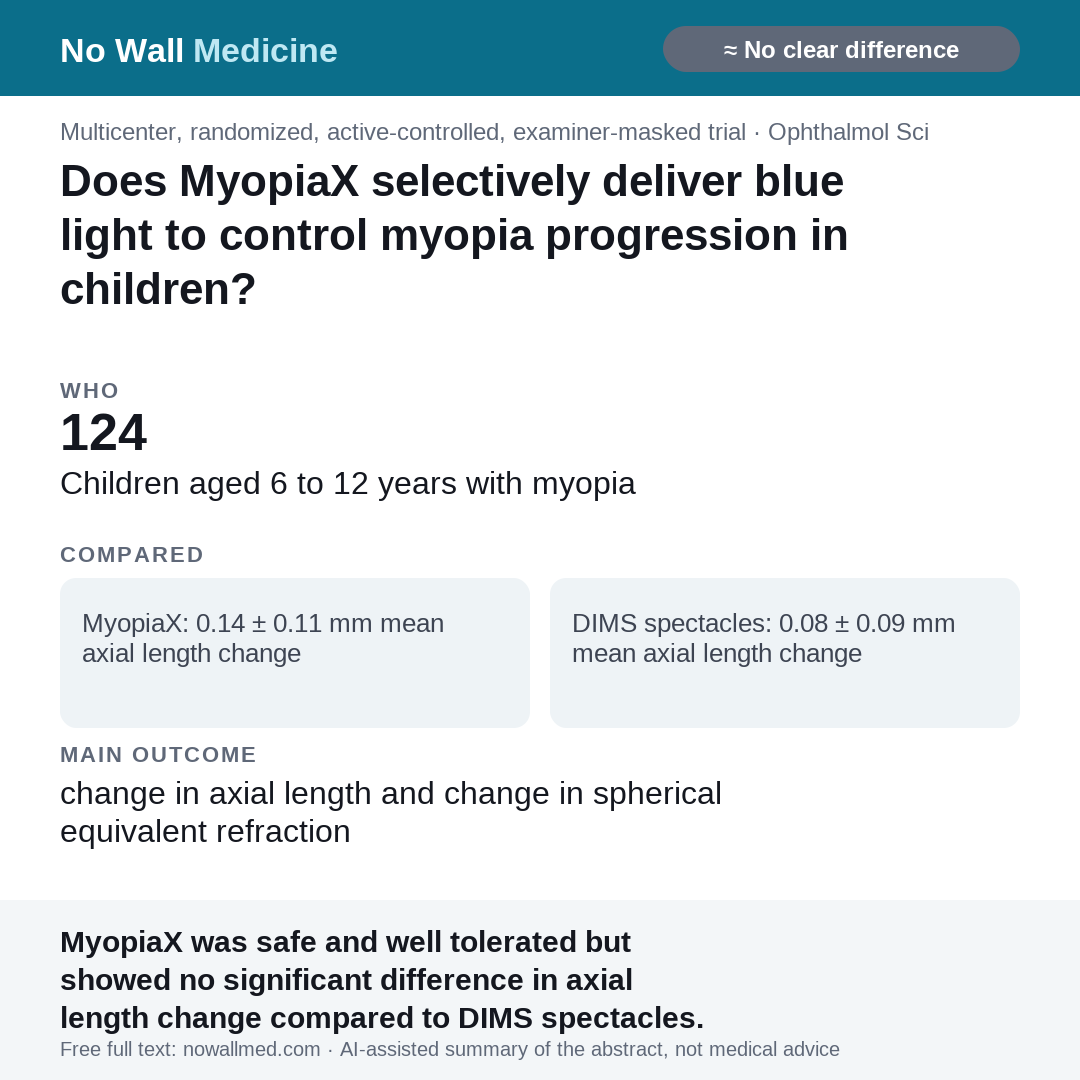
MyopiaX-1 Safety and Efficacy of a Novel Approach to Slow Juvenile Myopia Progression: A Multicenter, Randomized, Controlled Trial
Multicenter, randomized, active-controlled, examiner-masked trialNo clear difference
Does MyopiaX selectively deliver blue light to control myopia progression in children?
Who
124
Children aged 6 to 12 years with myopia
Compared
MyopiaX: 0.14 ± 0.11 mm mean axial length change
DIMS spectacles: 0.08 ± 0.09 mm mean axial length change
Main outcome
change in axial length and change in spherical equivalent refraction
Bottom line: MyopiaX was safe and well tolerated but showed no significant difference in axial length change compared to DIMS spectacles.
Ophthalmol Sci · 2025-10-10Download image
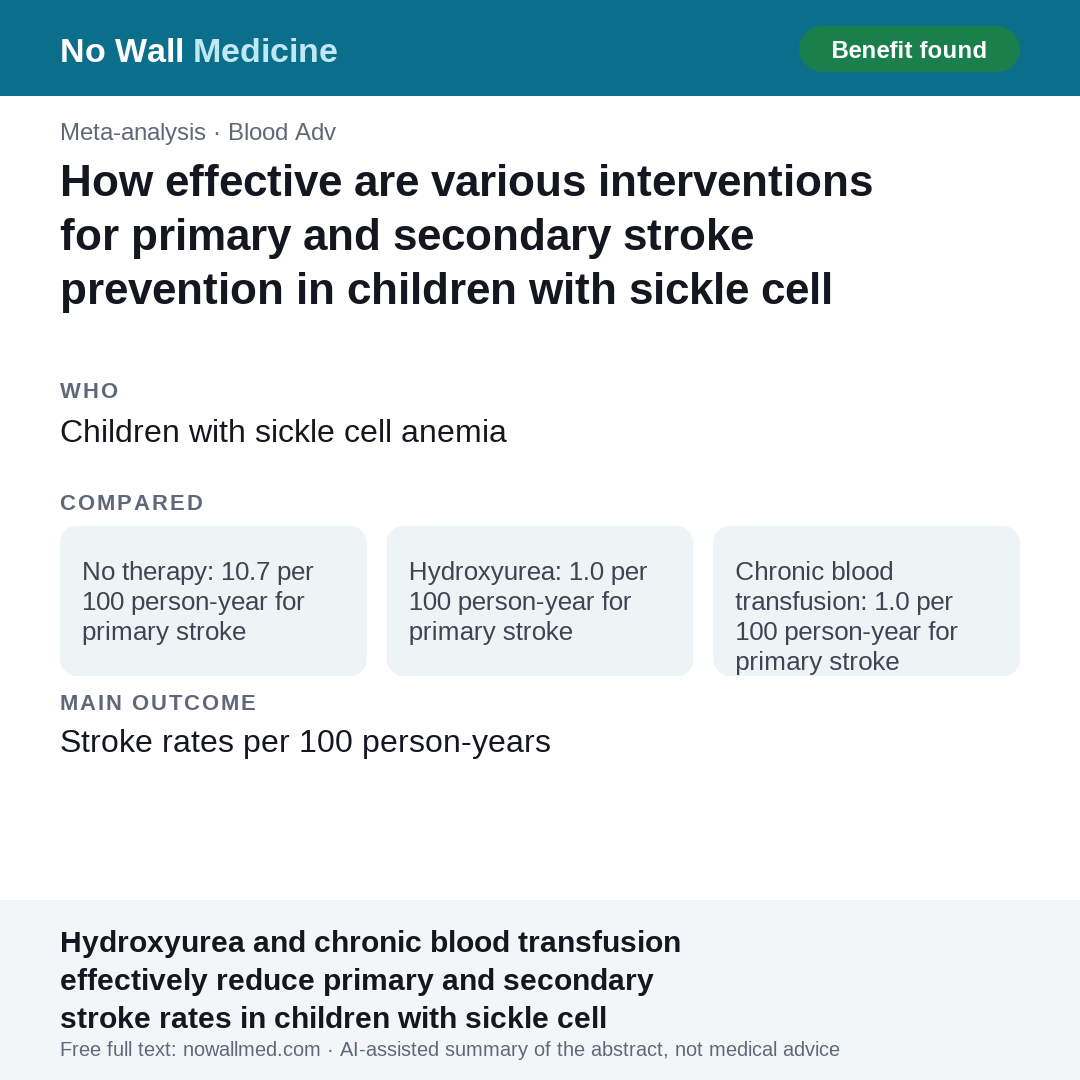
Primary and secondary stroke prophylaxis in children with sickle cell anemia: a meta-analysis
Meta-analysisBenefit found
How effective are various interventions for primary and secondary stroke prevention in children with sickle cell anemia?
Who
Children with sickle cell anemia
Compared
No therapy: 10.7 per 100 person-year for primary stroke
Hydroxyurea: 1.0 per 100 person-year for primary stroke
Chronic blood transfusion: 1.0 per 100 person-year for primary stroke
Main outcome
Stroke rates per 100 person-years
Bottom line: Hydroxyurea and chronic blood transfusion effectively reduce primary and secondary stroke rates in children with sickle cell anemia.
Blood Adv · 2025-10-10Download image
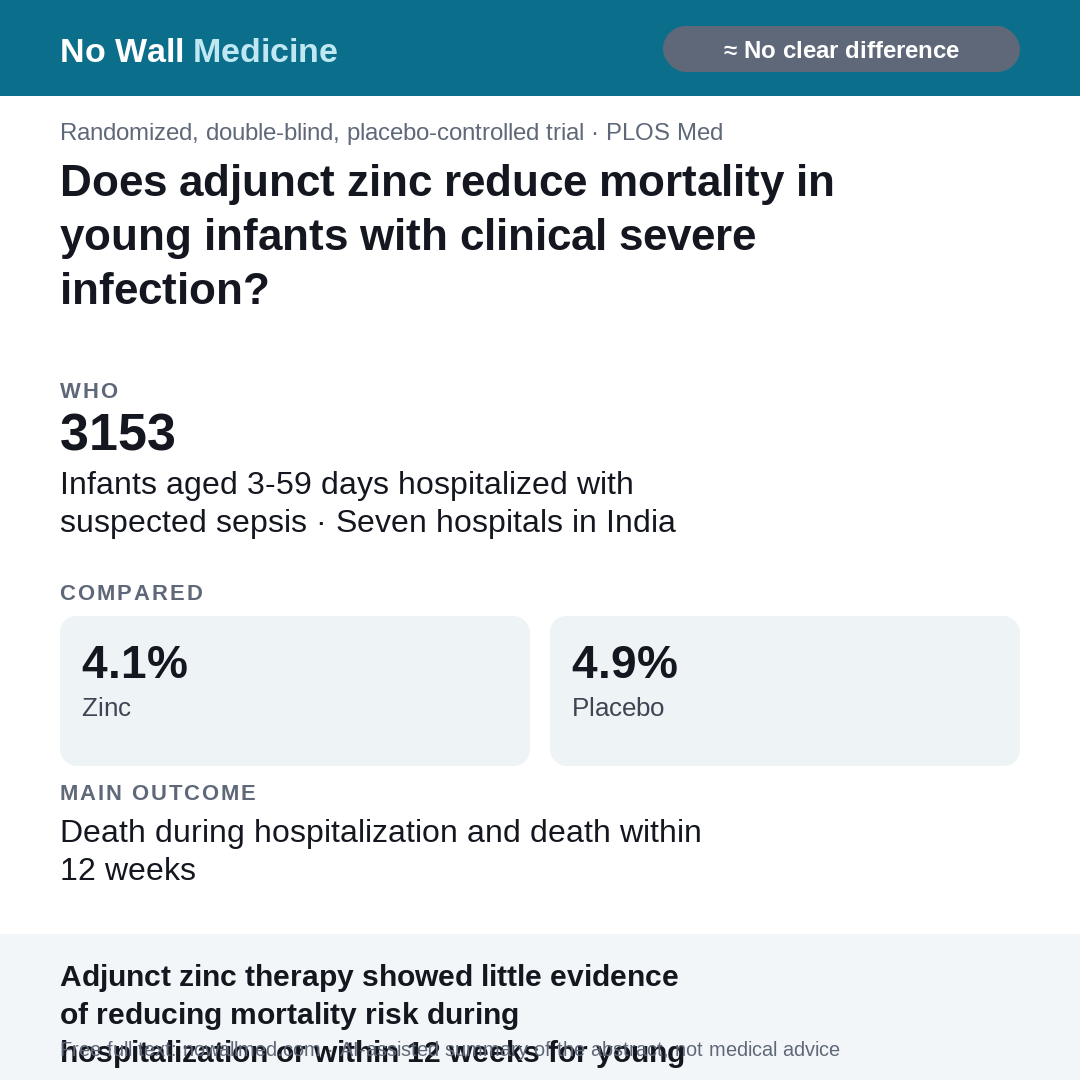
Zinc as adjunct treatment for clinical severe infection in young infants: A randomized double-blind placebo-controlled trial in India and Nepal
Randomized, double-blind, placebo-controlled trialNo clear difference
Does adjunct zinc reduce mortality in young infants with clinical severe infection?
Who
3153
Infants aged 3-59 days hospitalized with suspected sepsis · Seven hospitals in India and Nepal
Compared
4.1%Zinc
4.9%Placebo
Main outcome
Death during hospitalization and death within 12 weeks
Result: relative risk 0.83 (95% CI 0.60 to 1.15)
Bottom line: Adjunct zinc therapy showed little evidence of reducing mortality risk during hospitalization or within 12 weeks for young infants.
Limitation: Underpowered due to lower-than-anticipated event rates and a shortfall in achieved sample size.
PLOS Med · 2025-10-09Download image
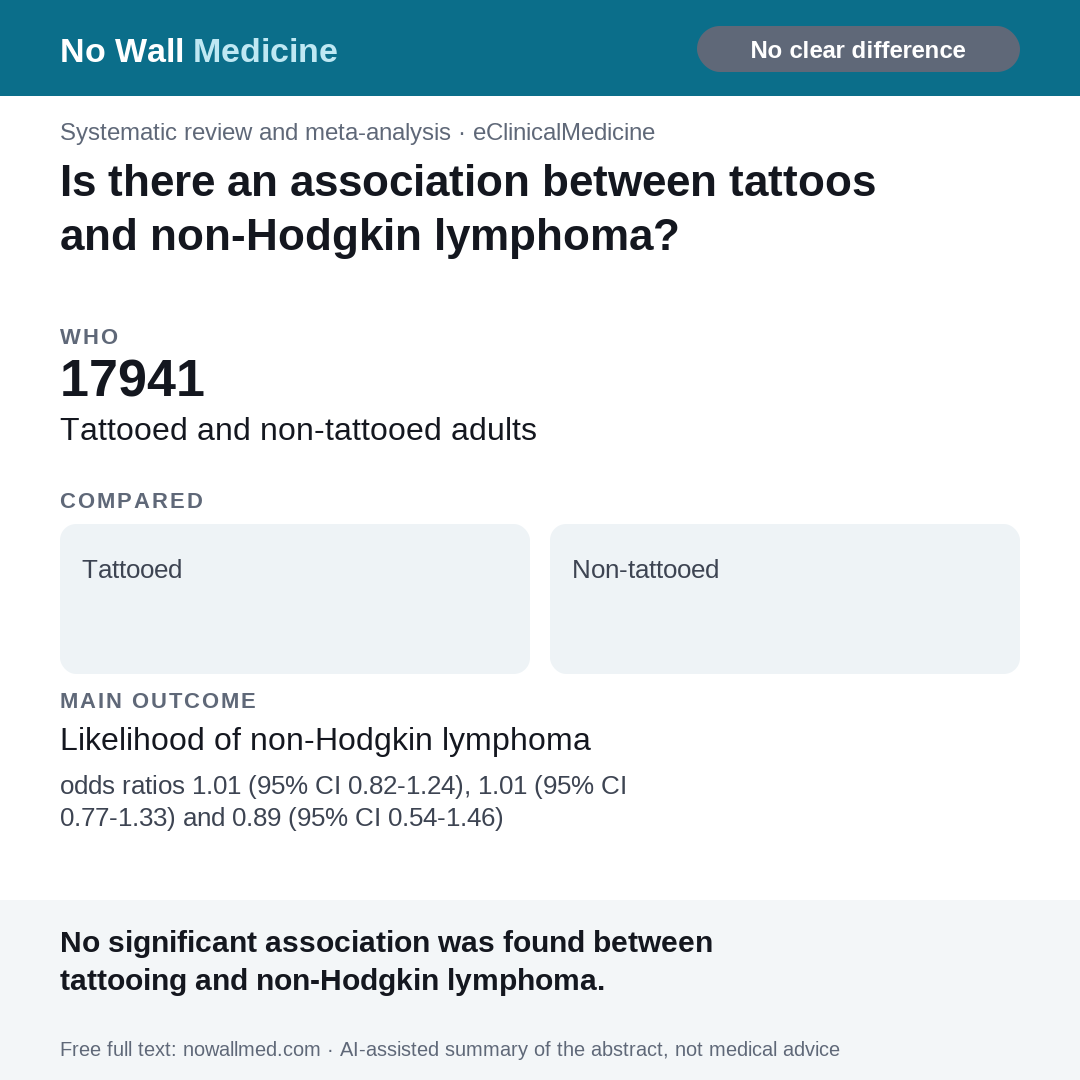
Investigating the potential association between tattoos and lymphoma: an exploratory systematic review and meta-analysis
Systematic review and meta-analysisNo clear difference
Is there an association between tattoos and non-Hodgkin lymphoma?
Who
17941
Tattooed and non-tattooed adults
Compared
Tattooed
Non-tattooed
Main outcome
Likelihood of non-Hodgkin lymphoma
Result: odds ratios 1.01 (95% CI 0.82-1.24), 1.01 (95% CI 0.77-1.33) and 0.89 (95% CI 0.54-1.46)
Bottom line: No significant association was found between tattooing and non-Hodgkin lymphoma.
Limitation: Low certainty of evidence due to lack of high-quality studies with similar methodologies.
eClinicalMedicine · 2025-10-09Download image
Non-invasive respiratory support in pediatric patients with acute hypoxemic respiratory failure: a systematic review and network meta-analysis of randomized controlled trials
Network meta-analysis of 30 randomized controlled trialsBenefit found
Which non-invasive respiratory support modalities are most effective for children with acute hypoxemic respiratory failure?
Who
8163
Children with acute hypoxemic respiratory failure
Compared
Continuous positive airway pressure: RR 0.61 (95% CI 0.38-0.97) for invasive mechanical ventilation
Standard oxygen therapy
Main outcome
Need of invasive mechanical ventilation
Result: risk ratio 0.61 (95% CI 0.38 to 0.97)
Bottom line: Continuous positive airway pressure reduces invasive mechanical ventilation risk compared to standard oxygen therapy in children.
Limitation: The certainty of evidence for non-invasive ventilation was very low.
Funded by: Foundation of the First Hospital of Lanzhou University and others
eClinicalMedicine · 2025-10-09Download image
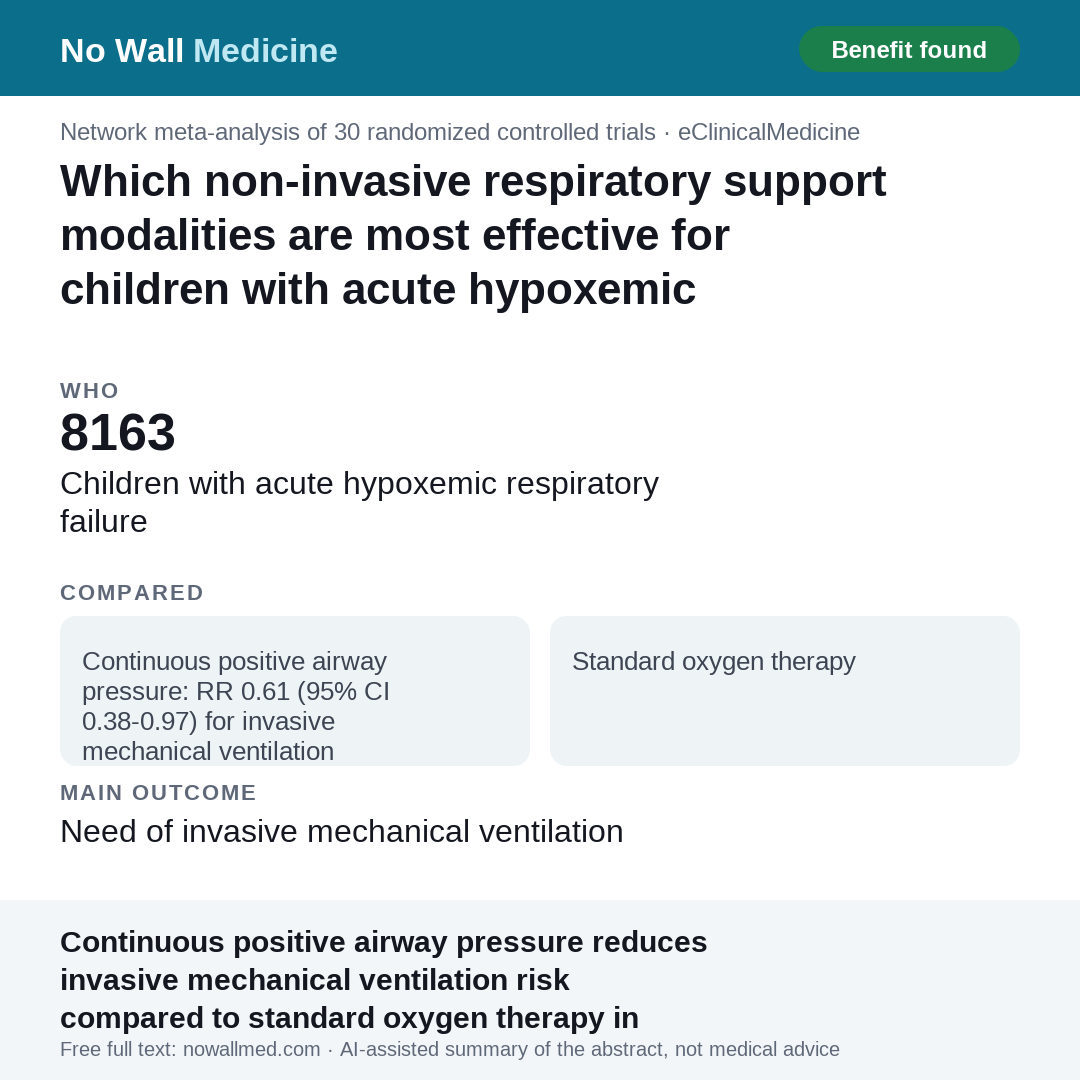
Observation or Otolaryngology Surveillance After Ventilation Tube Insertion in Children: The ConVenTu Noninferiority Randomized Clinical Trial
Multicenter noninferiority randomized clinical trialBenefit found
Is general practitioner observation noninferior to specialist follow-up for audiometric outcomes after ventilation tube insertion?
Who
305
Children aged 3 to 10 years requiring ventilation tube insertion · 6 Norwegian ear, nose, and throat departments
Compared
General practitioner observation: 0.16 dB [1-sided 97.5% CI lower bound, -1.52 dB]
Specialist follow-up
Main outcome
difference in means of pure-tone averages at 2 years
Result: 0.16 dB [1-sided 97.5% CI lower bound, -1.52 dB]
Bottom line: General practitioner observation yielded noninferior audiometric outcomes compared to specialist follow-up 2 years after ventilation tube insertion.
JAMA Otolaryngol · 2025-10-09Download image
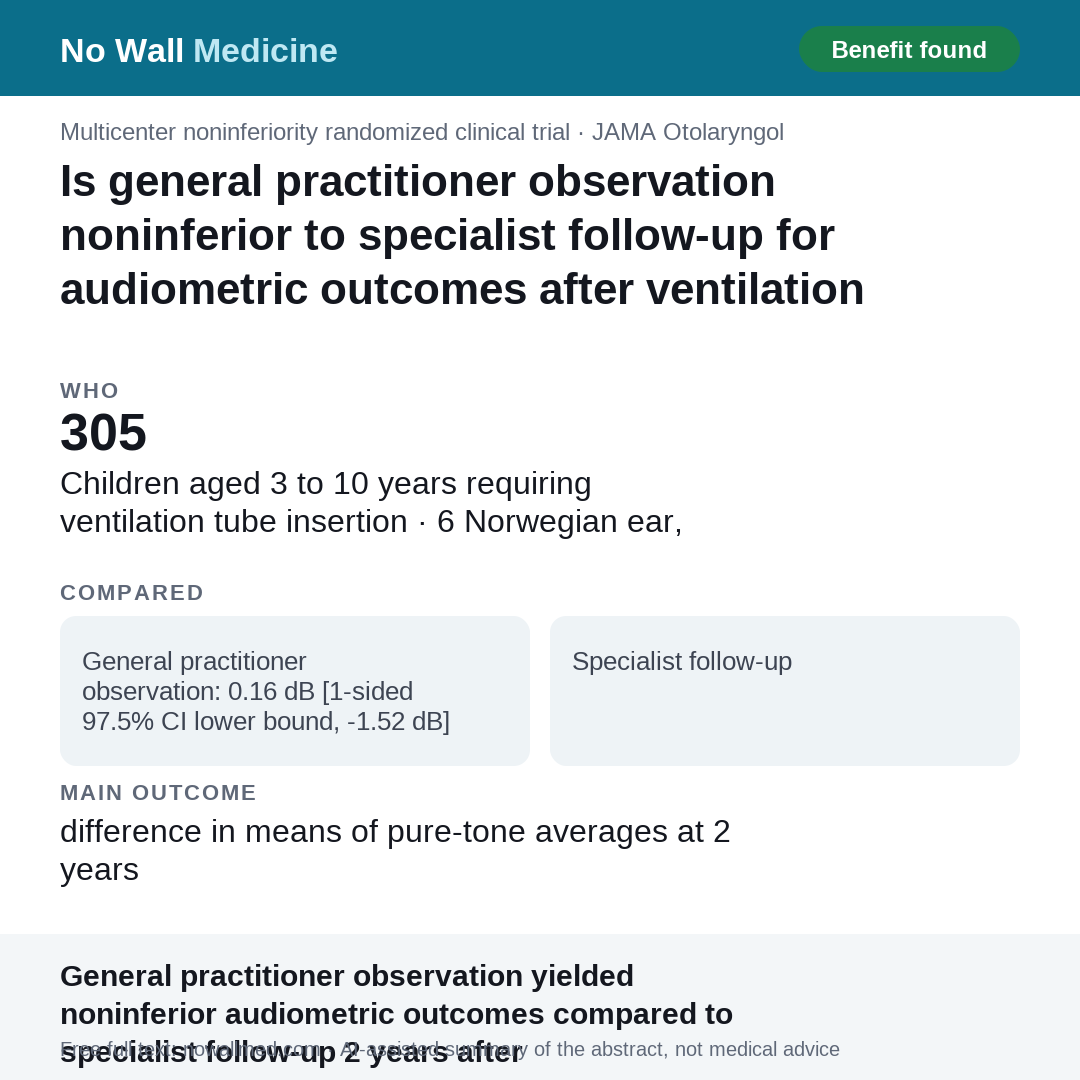
SQ House Dust Mite Sublingual Immunotherapy Tablet in Children With Allergic Asthma: A Randomised Phase III Trial
Randomised, double-blind, placebo-controlled trialNo clear difference
Does house dust mite sublingual immunotherapy tablet improve asthma exacerbations in children?
Who
533
Children aged 5 to 17 years with house dust mite allergic asthma
Compared
SQ house dust mite sublingual immunotherapy tablet
Placebo
Main outcome
Annualised rate of clinically relevant asthma exacerbations
Result: rate ratio 0.89 (95% CI: 0.60, 1.31)
Bottom line: The house dust mite sublingual immunotherapy tablet was well tolerated but did not show superiority over placebo.
Limitation: Asthma exacerbation rates were much lower than expected due to the coronavirus disease 2019 pandemic.
Allergy · 2025-10-09Download image
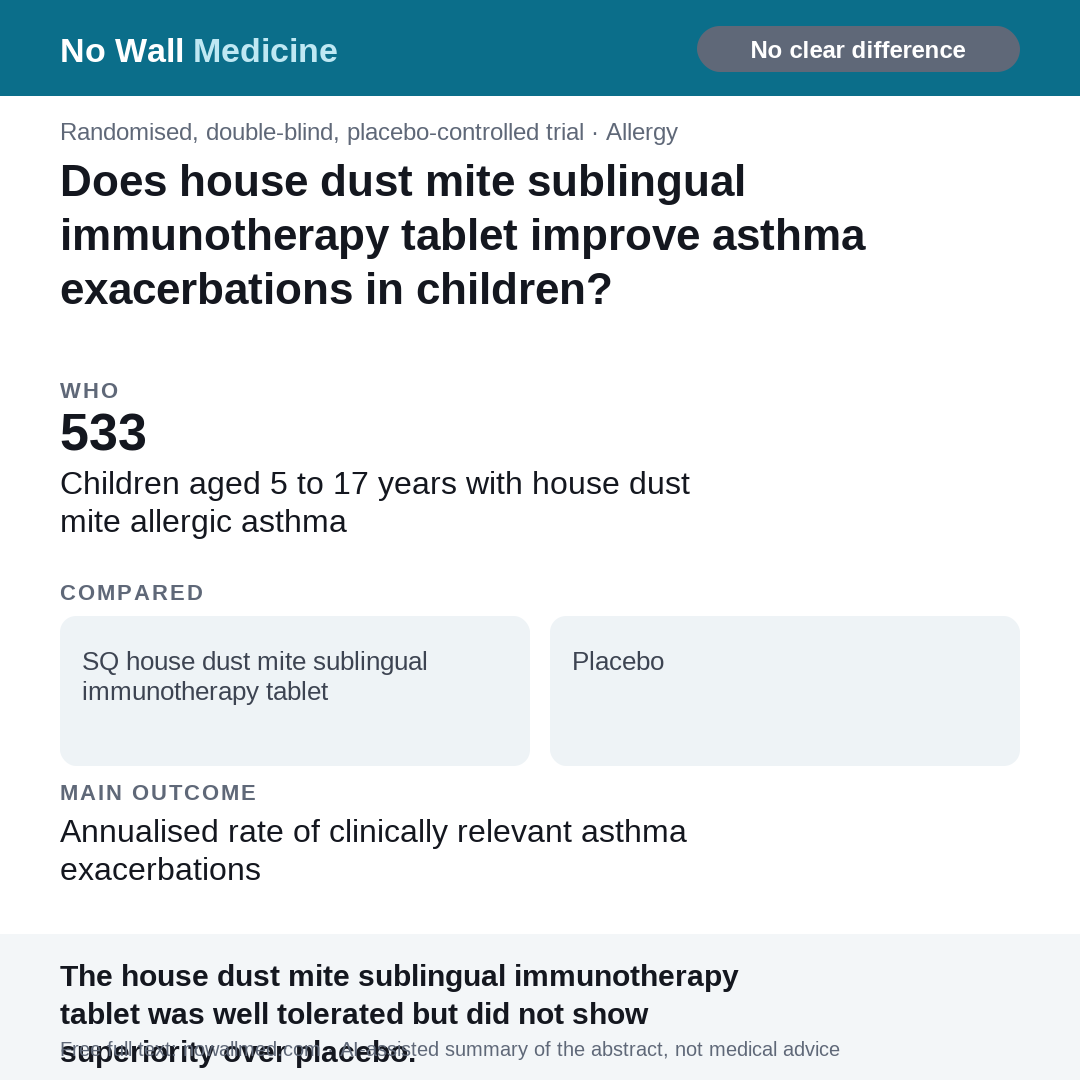
Randomized Trial of Targeted Indoor Spraying to Prevent Aedes-Borne Diseases
Unblinded, cluster-randomized trialNo clear difference
Does targeted indoor residual spraying prevent Aedes-borne diseases?
Who
4461
Children 2 to 15 years of age · Merida, Mexico
Compared
Intervention: 198 cases among 2239 participants
Control: 199 cases among 2222 participants
Main outcome
Laboratory-confirmed, symptomatic Aedes-borne disease
Result: efficacy, 3.9% (95% CI, -28.1 to 26.7)
Bottom line: Targeted indoor residual spraying did not significantly lower the cumulative incidence of Aedes-borne diseases compared to routine vector control.
Funded by: National Institutes of Health and Innovative Vector Control Consortium
NEJM · 2025-10-08Download image
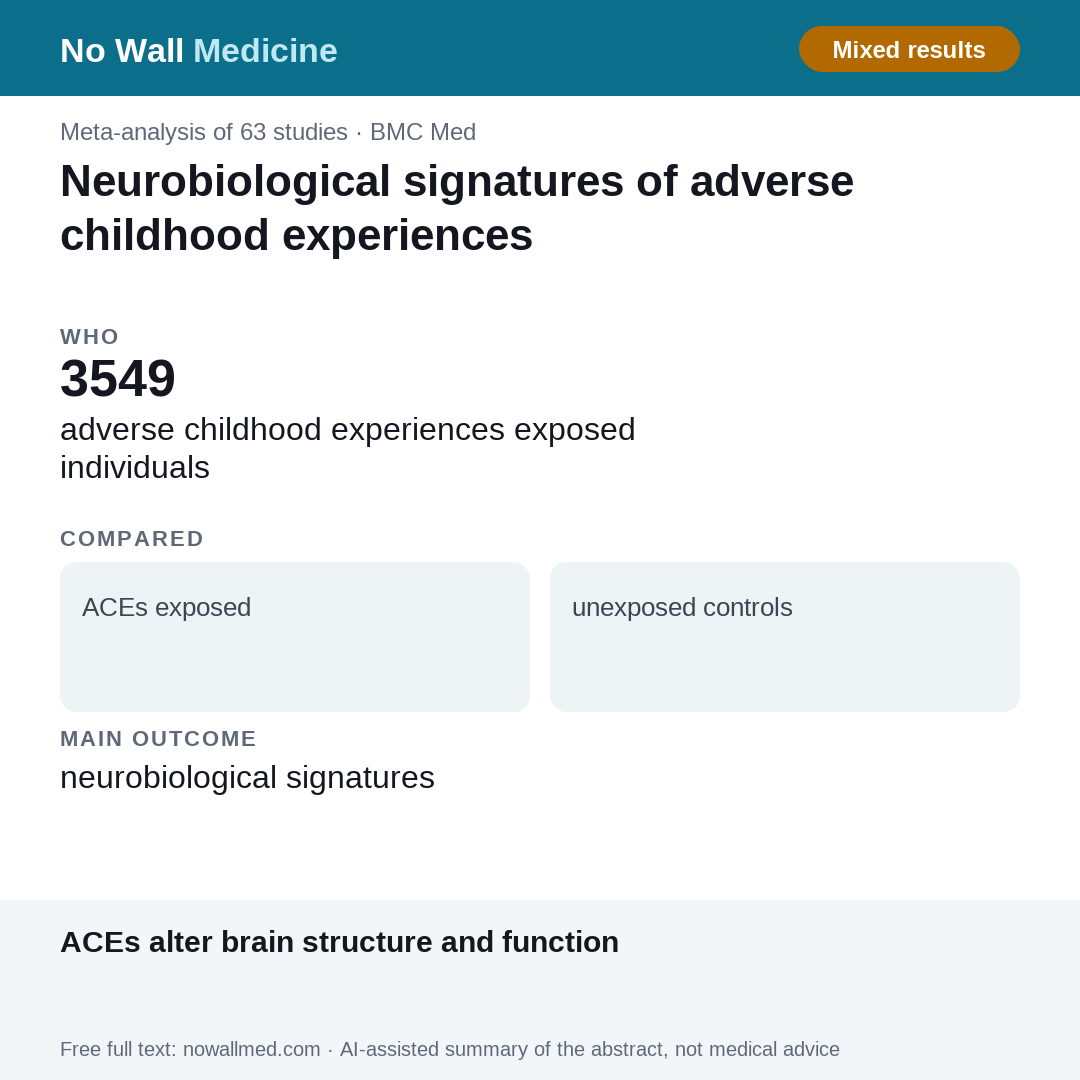
The multimodal neuroimaging signatures and gene expression profiles for adverse childhood experiences
Meta-analysis of 63 studiesMixed results
Neurobiological signatures of adverse childhood experiences
Who
3549
adverse childhood experiences exposed individuals
Compared
ACEs exposed
unexposed controls
Main outcome
neurobiological signatures
Bottom line: ACEs alter brain structure and function
BMC Med · 2025-10-08Download image
Sustained Effectiveness of a 211 Call Center With Early Childhood Care Coordination
Randomized trialBenefit found
Does early childhood care coordination sustain increased referrals and service receipt over 24 months?
Who
565
Children aged 11 to 42 months without developmental delays · 4 clinic systems in Los Angeles County
Compared
Intervention (care coordination): 43% referrals and 28% enrolled in services
Control (usual care alone): 35% referrals and 20% enrolled in services
Main outcome
Referrals made, services received, and time to service receipt
Bottom line: Care coordination through 211LA resulted in more referrals, more service enrollment, and earlier service receipt over 24 months.
Pediatrics · 2025-10-08Download image

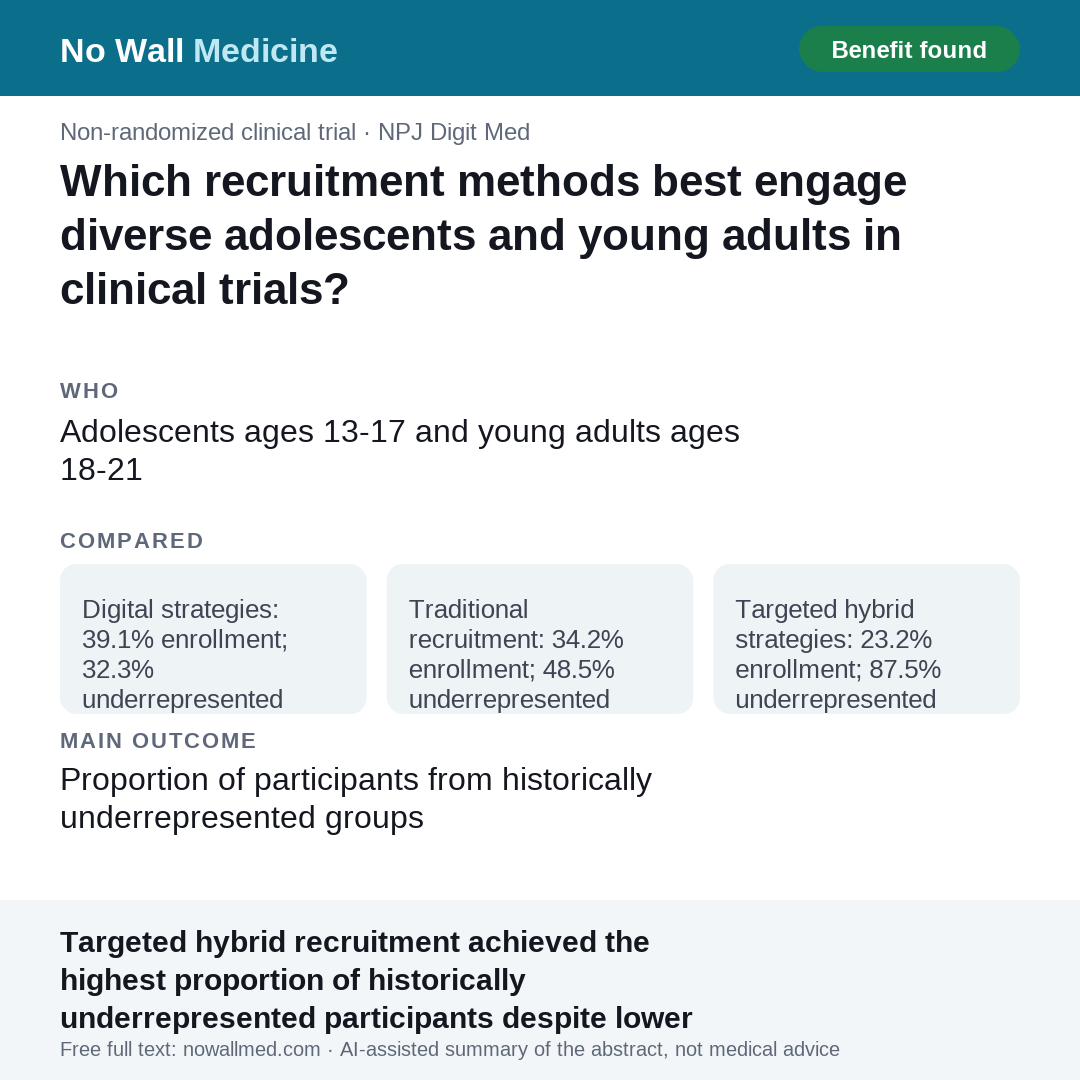
Representation is power: traditional, hybrid, and digital recruitment results from a non-randomized clinical trial engaging adolescents
Non-randomized clinical trialBenefit found
Which recruitment methods best engage diverse adolescents and young adults in clinical trials?
Who
Adolescents ages 13-17 and young adults ages 18-21
Compared
Digital strategies: 39.1% enrollment; 32.3% underrepresented groups
Traditional recruitment: 34.2% enrollment; 48.5% underrepresented groups
Targeted hybrid strategies: 23.2% enrollment; 87.5% underrepresented groups
Main outcome
Proportion of participants from historically underrepresented groups
Result: p < 0.001
Bottom line: Targeted hybrid recruitment achieved the highest proportion of historically underrepresented participants despite lower overall enrollment.
Limitation: Non-randomized clinical trial design
NPJ Digit Med · 2025-10-07Download image
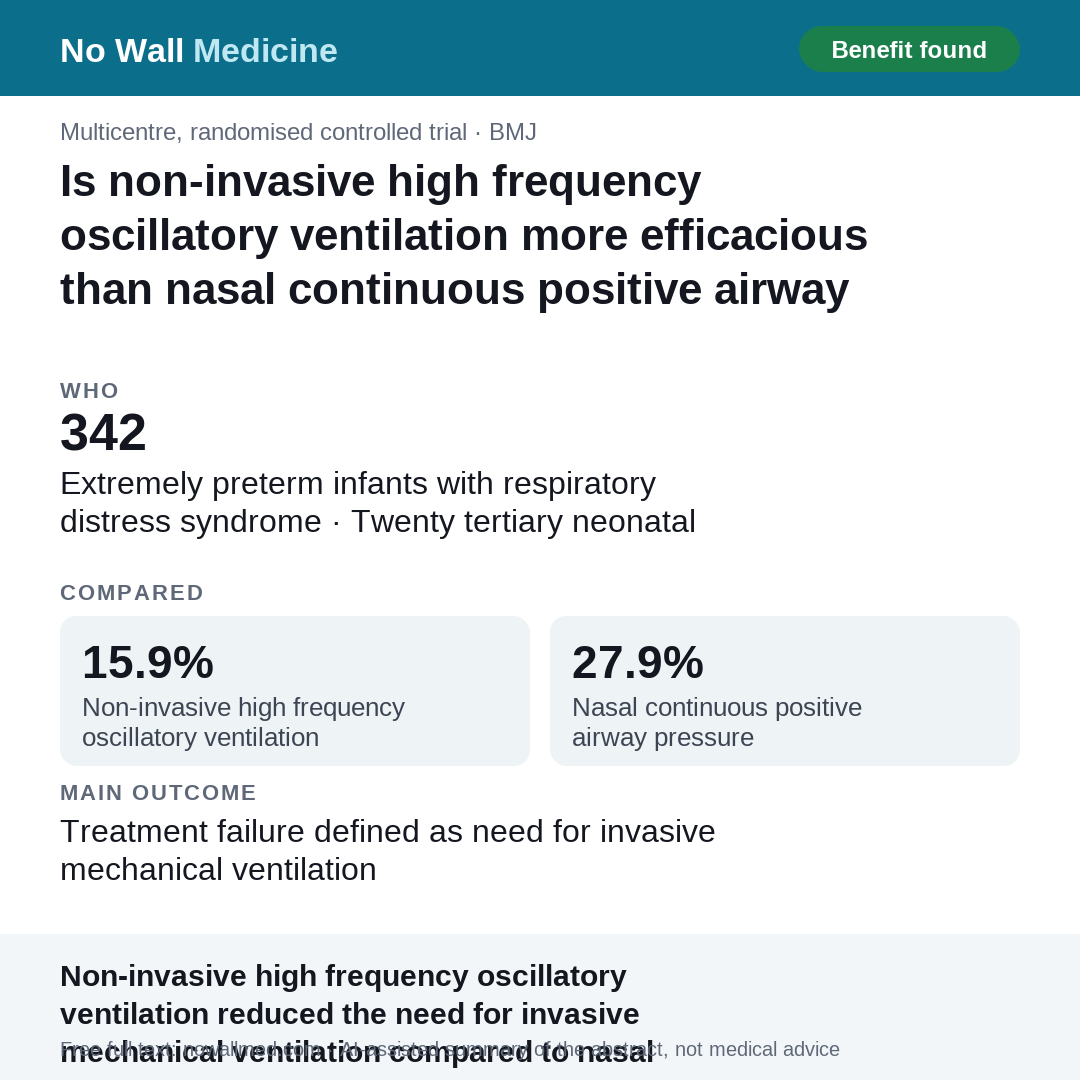
Non-invasive high frequency oscillatory ventilation for primary respiratory support in extremely preterm infants: multicentre randomised controlled trial
Multicentre, randomised controlled trialBenefit found
Is non-invasive high frequency oscillatory ventilation more efficacious than nasal continuous positive airway pressure?
Who
342
Extremely preterm infants with respiratory distress syndrome · Twenty tertiary neonatal intensive care units in China
Compared
15.9%Non-invasive high frequency oscillatory ventilation
27.9%Nasal continuous positive airway pressure
Main outcome
Treatment failure defined as need for invasive mechanical ventilation
Result: risk difference -12.0 percentage points, 95% confidence interval -20.7 to -3.4
Bottom line: Non-invasive high frequency oscillatory ventilation reduced the need for invasive mechanical ventilation compared to nasal continuous positive airway pressure.
BMJ · 2025-10-06Download image
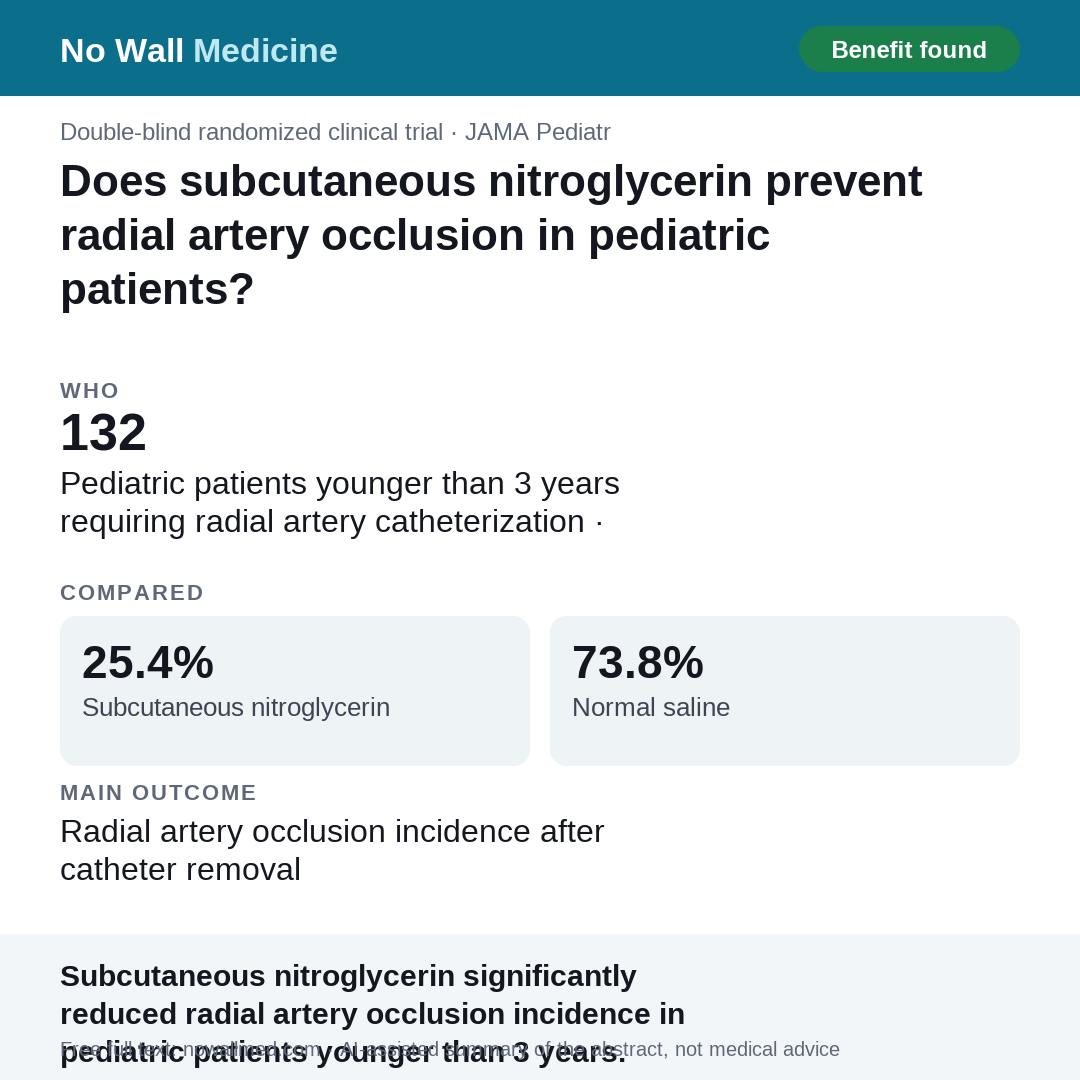
Subcutaneous Nitroglycerin to Prevent Radial Artery Occlusion in Pediatric Patients: A Randomized Clinical Trial
Double-blind randomized clinical trialBenefit found
Does subcutaneous nitroglycerin prevent radial artery occlusion in pediatric patients?
Who
132
Pediatric patients younger than 3 years requiring radial artery catheterization · Single tertiary center
Compared
25.4%Subcutaneous nitroglycerin (17 of 67)
73.8%Normal saline (48 of 65)
Main outcome
Radial artery occlusion incidence after catheter removal
Result: odds ratio 0.12 (95% CI 0.06-0.26)
Bottom line: Subcutaneous nitroglycerin significantly reduced radial artery occlusion incidence in pediatric patients younger than 3 years.
JAMA Pediatr · 2025-10-06Download image
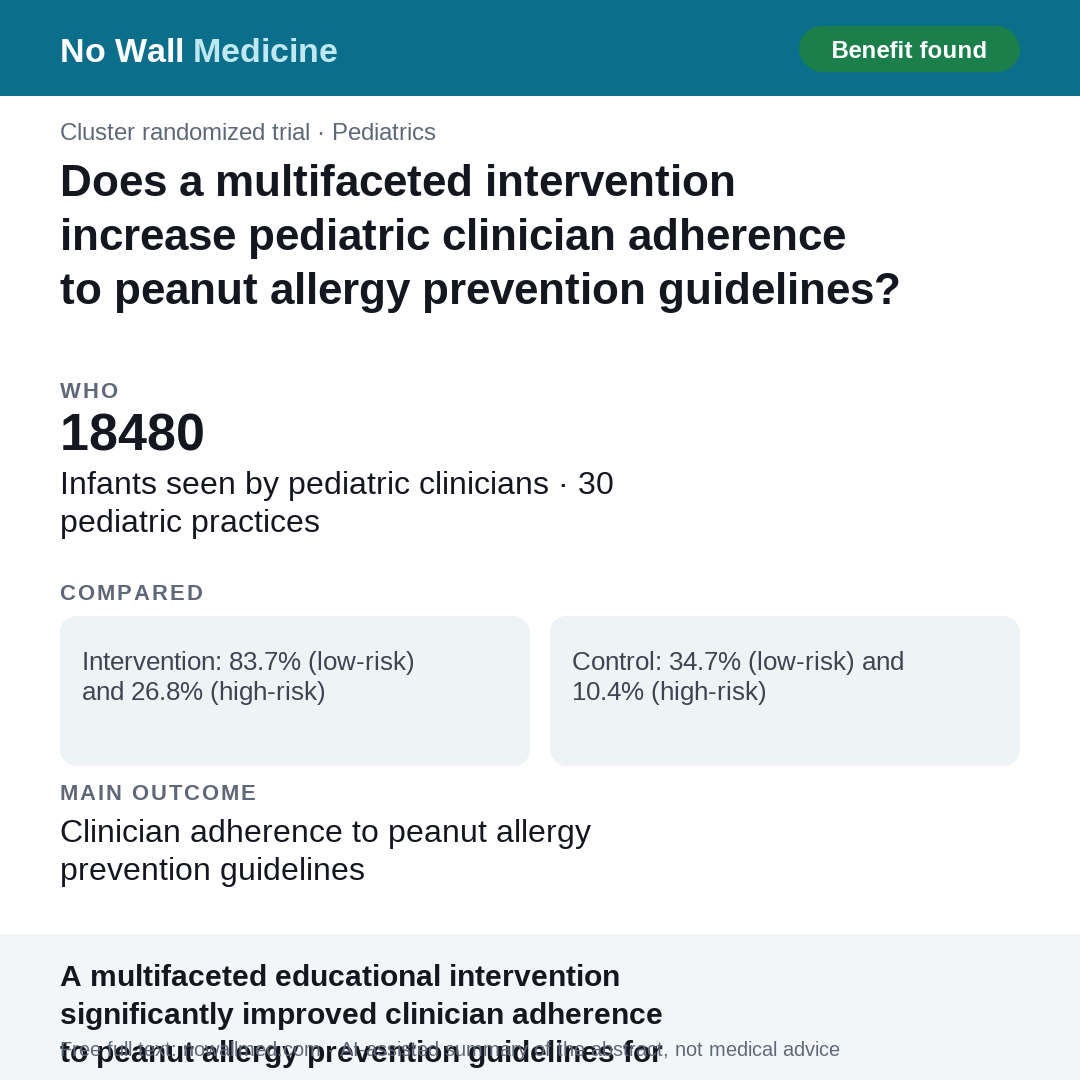
Pediatric Clinician Adherence to Peanut Allergy Prevention Guidelines: A Randomized Trial
Cluster randomized trialBenefit found
Does a multifaceted intervention increase pediatric clinician adherence to peanut allergy prevention guidelines?
Who
18480
Infants seen by pediatric clinicians · 30 pediatric practices
Compared
Intervention: 83.7% (low-risk) and 26.8% (high-risk)
Control: 34.7% (low-risk) and 10.4% (high-risk)
Main outcome
Clinician adherence to peanut allergy prevention guidelines
Result: odds ratio 14.6 (95% CI, 7.0-30.5) for low-risk infants
Bottom line: A multifaceted educational intervention significantly improved clinician adherence to peanut allergy prevention guidelines for low and high-risk infants.
Pediatrics · 2025-10-06Download image
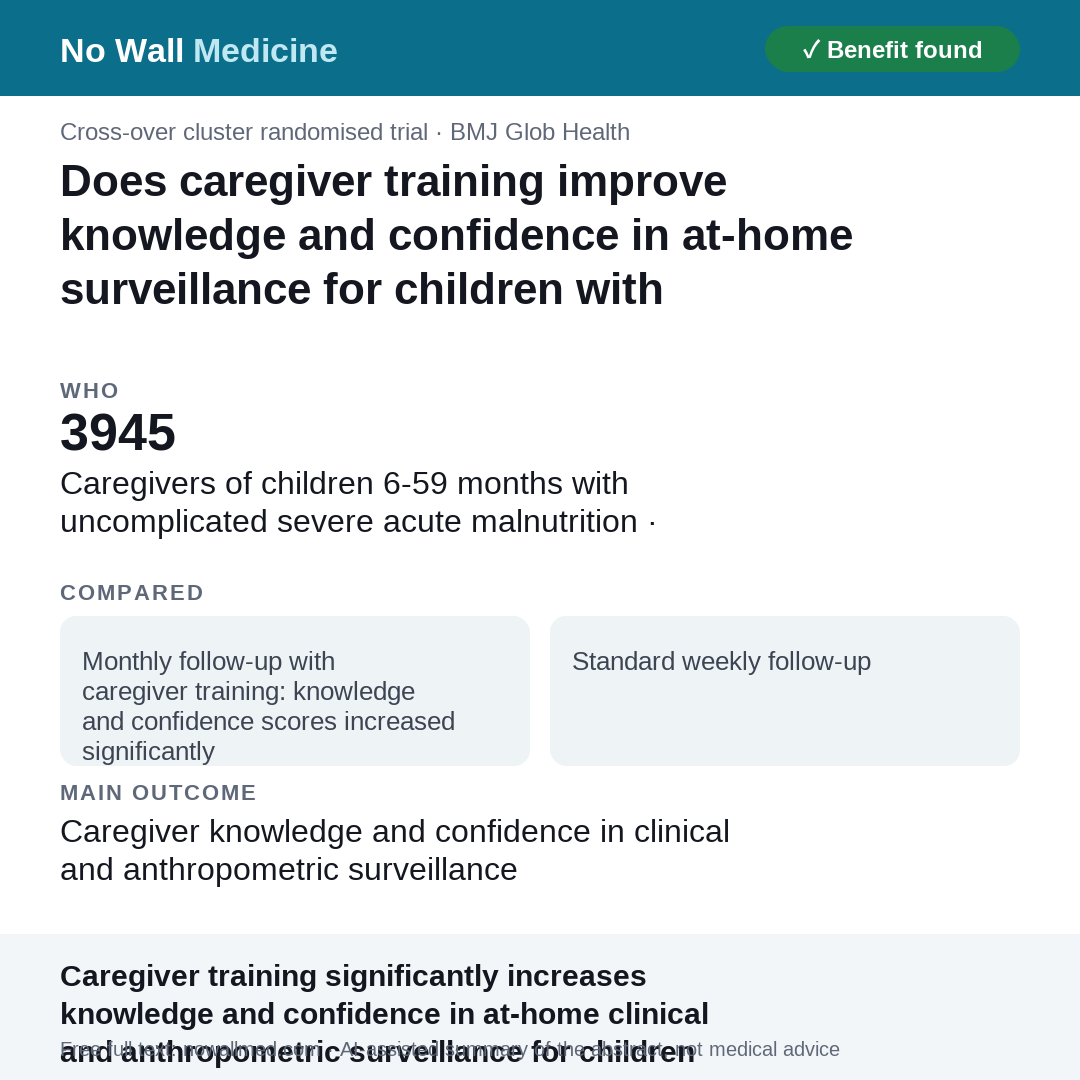
Effect of caregiver training on knowledge and confidence of at-home clinical and anthropometric surveillance of children with uncomplicated severe acute malnutrition: analysis of a cross-over cluster randomised trial in Sokoto, Nigeria
Cross-over cluster randomised trialBenefit found
Does caregiver training improve knowledge and confidence in at-home surveillance for children with malnutrition?
Who
3945
Caregivers of children 6-59 months with uncomplicated severe acute malnutrition · Sokoto, Nigeria
Compared
Monthly follow-up with caregiver training: knowledge and confidence scores increased significantly
Standard weekly follow-up
Main outcome
Caregiver knowledge and confidence in clinical and anthropometric surveillance
Bottom line: Caregiver training significantly increases knowledge and confidence in at-home clinical and anthropometric surveillance for children with malnutrition.
BMJ Glob Health · 2025-10-06Download image
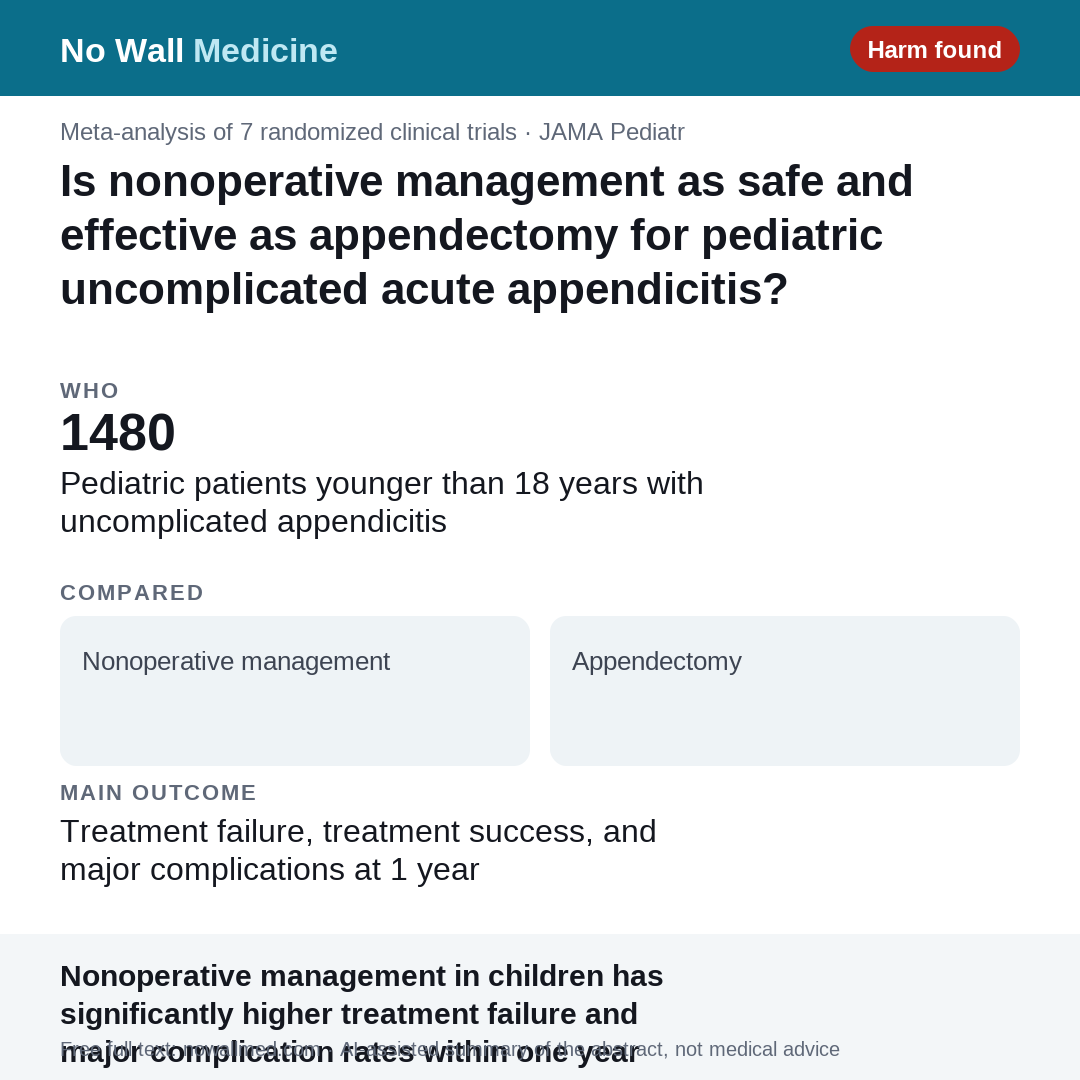
Reevaluating Nonoperative Management for Pediatric Uncomplicated Acute Appendicitis: A Systematic Review and Meta-Analysis
Meta-analysis of 7 randomized clinical trialsHarm found
Is nonoperative management as safe and effective as appendectomy for pediatric uncomplicated acute appendicitis?
Who
1480
Pediatric patients younger than 18 years with uncomplicated appendicitis
Compared
Nonoperative management
Appendectomy
Main outcome
Treatment failure, treatment success, and major complications at 1 year
Result: risk ratio 4.97 (95% CI, 3.57-6.91) for treatment failure
Bottom line: Nonoperative management in children has significantly higher treatment failure and major complication rates within one year compared to appendectomy.
JAMA Pediatr · 2025-10-05Download image