Visual abstracts
New randomized trials and meta-analyses from leading journals at a glance: who was studied, what was compared, and what was found. Every paper is free to read in full.
All specialtiesCardiology 4877Oncology 4138Gastroenterology & Hepatology 1942Infectious Disease 3837Neurology 1905Psychiatry & Mental Health 2273Pulmonology 2143Critical Care 1365Endocrinology & Diabetes 2580Pediatrics 2980Surgery 2559Orthopedics & Sports Medicine 931Neurosurgery 537Cardiothoracic & Vascular Surgery 674Plastic & Reconstructive Surgery 591Nephrology 1133Rheumatology 823Hematology 1109Dermatology 621Ophthalmology 543Obstetrics & Gynecology 1686Public & Global Health 1058Radiology & Imaging 648Anesthesiology 986Urology 764ENT (Otolaryngology) 503Emergency Medicine 511Allergy & Immunology 313Geriatrics 981Family Medicine & Primary Care 562Medical Genetics & Genomics 676Pathology & Laboratory Medicine 159Physical Medicine & Rehabilitation 757Palliative Care 444Nutrition 1588Digital Health & AI 2201General Medicine 321
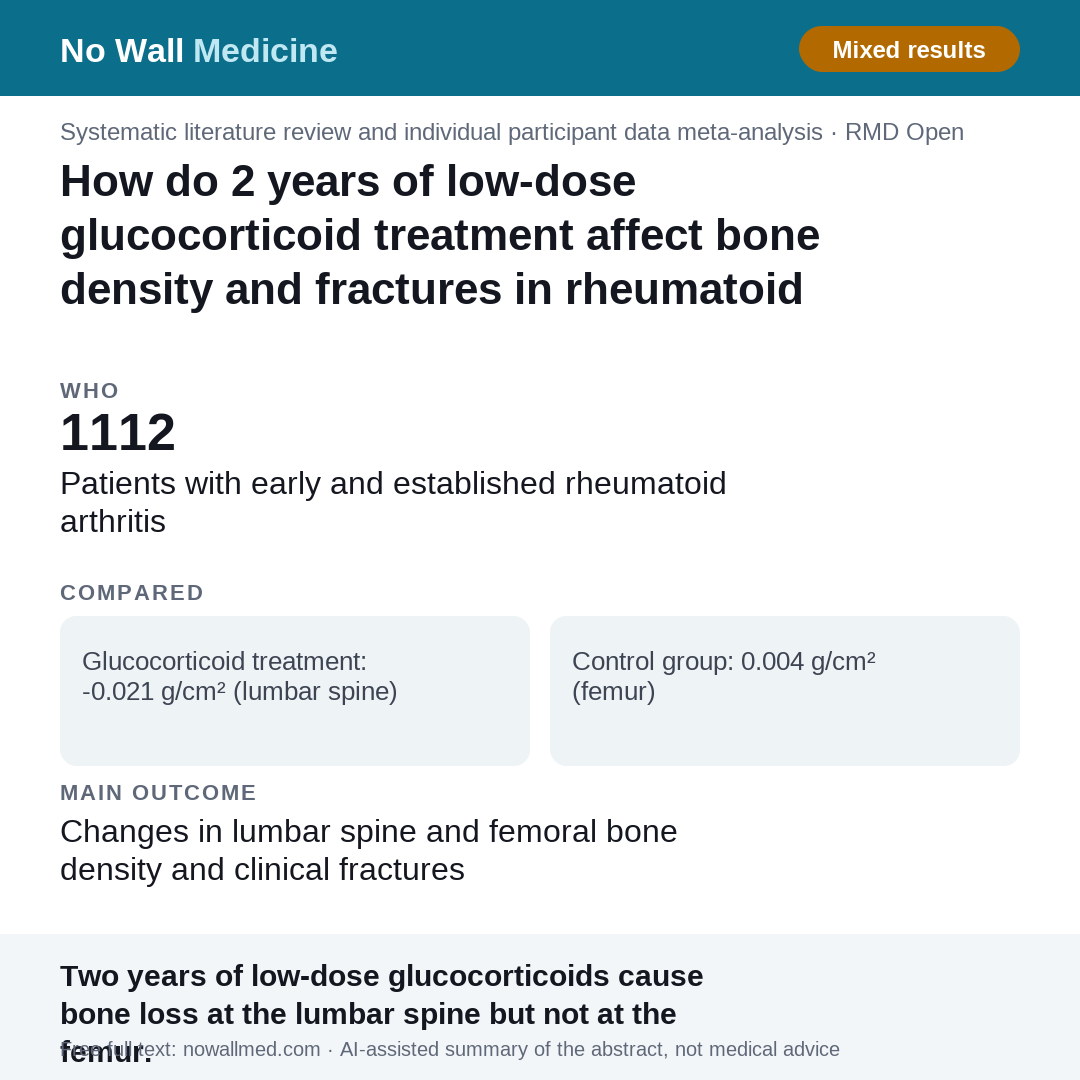
Changes in bone mineral density and fractures during 2 years of low-dose glucocorticoid treatment for rheumatoid arthritis: a systematic literature review and individual participant data meta-analysis
Systematic literature review and individual participant data meta-analysisMixed results
How do 2 years of low-dose glucocorticoid treatment affect bone density and fractures in rheumatoid arthritis?
Who
1112
Patients with early and established rheumatoid arthritis
Compared
Glucocorticoid treatment: -0.021 g/cm² (lumbar spine)
Control group: 0.004 g/cm² (femur)
Main outcome
Changes in lumbar spine and femoral bone density and clinical fractures
Result: -0.021 g/cm² (95% CI -0.037 to -0.005) for lumbar spine
Bottom line: Two years of low-dose glucocorticoids cause bone loss at the lumbar spine but not at the femur.
RMD Open · 2026-05-07Download image
GenAI-Supported Virtual Patients in Health Care Education: Systematic Review
Systematic review of 15 studiesBenefit found
What is the educational impact of generative artificial intelligence supported virtual patients?
Who
645
Students in nursing, medicine, pharmacy, radiography, and medical first-responder training
Compared
Generative artificial intelligence supported virtual patients: consistently improved outcomes relative to control conditions
Control conditions
Main outcome
User perceptions, communication skills, clinical reasoning, and performance
Bottom line: Generative artificial intelligence supported virtual patients show feasibility, acceptability, and promising outcomes for health care skills development.
Limitation: Brief intervention durations, reliance on single-session interactions, and lack of underpinning educational theory.
J Med Internet Res · 2026-05-07Download image

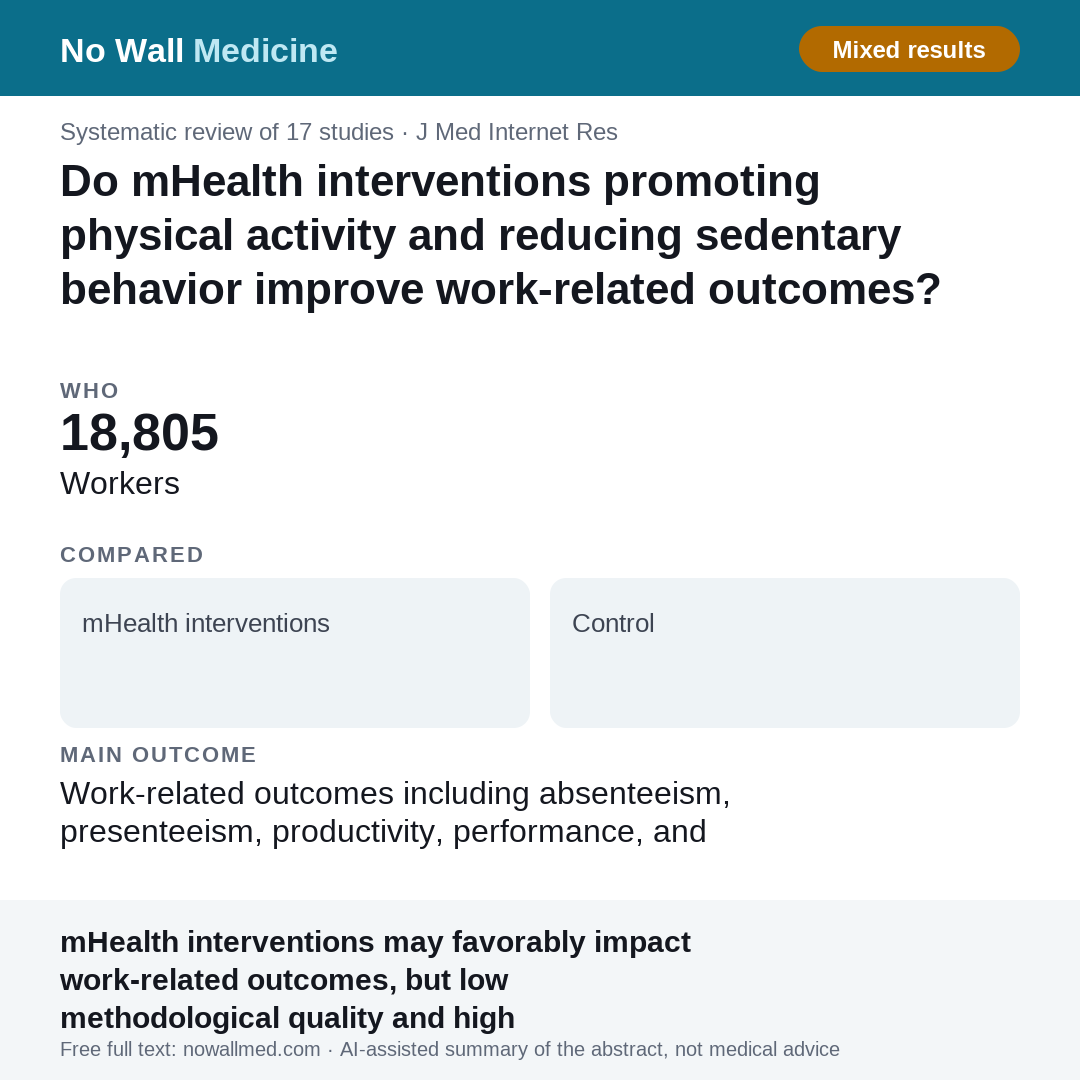
Effectiveness of mHealth Interventions Aimed at Promoting Physical Activity and Reducing Sedentary Behavior on Work-Related Outcomes Among Workers: Systematic Review
Systematic review of 17 studiesMixed results
Do mHealth interventions promoting physical activity and reducing sedentary behavior improve work-related outcomes?
Who
18,805
Workers
Compared
mHealth interventions
Control
Main outcome
Work-related outcomes including absenteeism, presenteeism, productivity, performance, and workability
Bottom line: mHealth interventions may favorably impact work-related outcomes, but low methodological quality and high heterogeneity prevent definitive conclusions.
Limitation: High risk of bias and considerable heterogeneity across studies due to diverse characteristics and assessment tools.
J Med Internet Res · 2026-05-07Download image
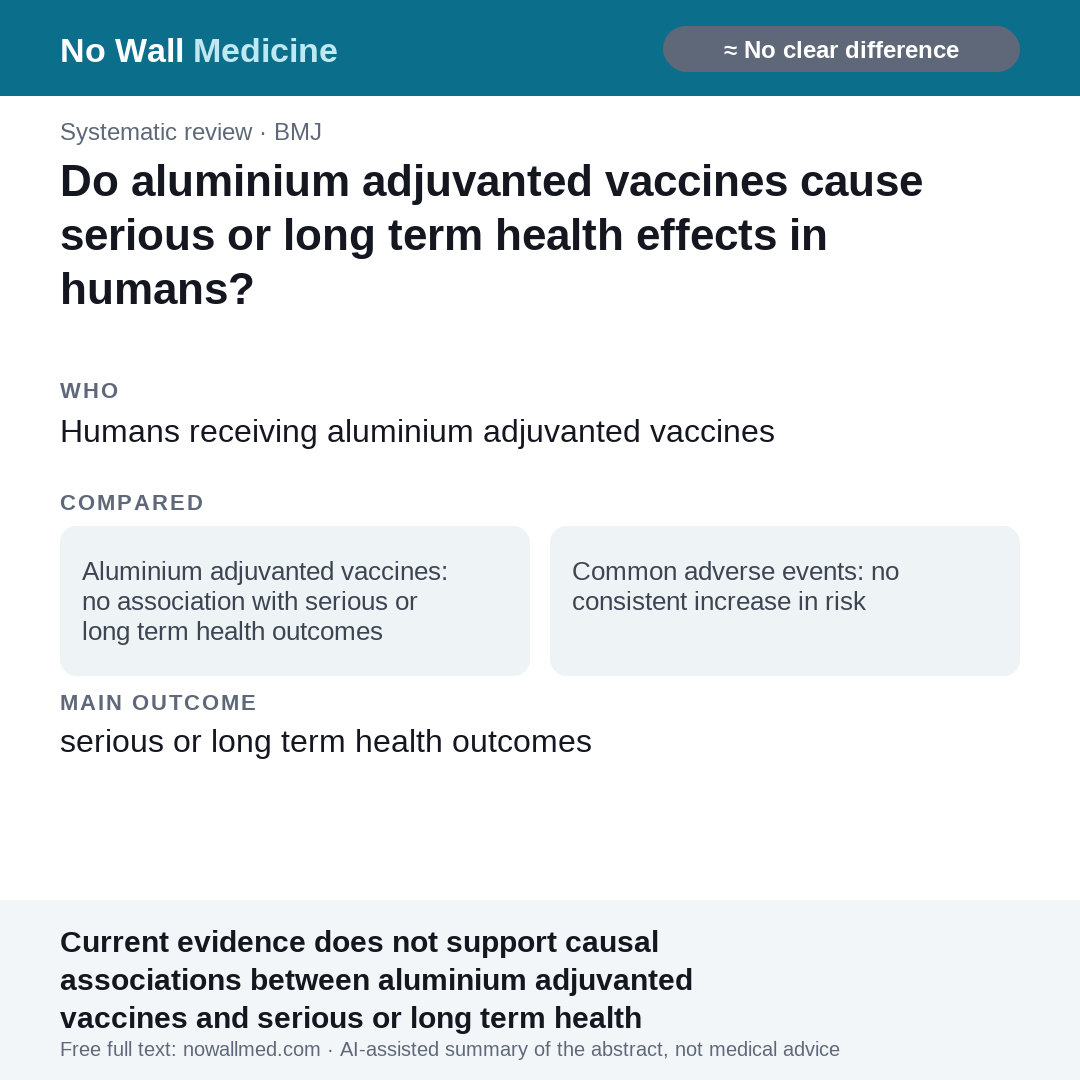
Aluminium adjuvants in vaccines and potential health effects: systematic review
Systematic reviewNo clear difference
Do aluminium adjuvanted vaccines cause serious or long term health effects in humans?
Who
59
Humans receiving aluminium adjuvanted vaccines
Compared
Aluminium adjuvanted vaccines: no association with serious or long term health outcomes
Common adverse events: no consistent increase in risk
Main outcome
serious or long term health outcomes
Bottom line: Current evidence does not support causal associations between aluminium adjuvanted vaccines and serious or long term health outcomes.
Limitation: Evidence was dominated by methodologically limited studies with high risk of bias.
BMJ · 2026-05-06Download image
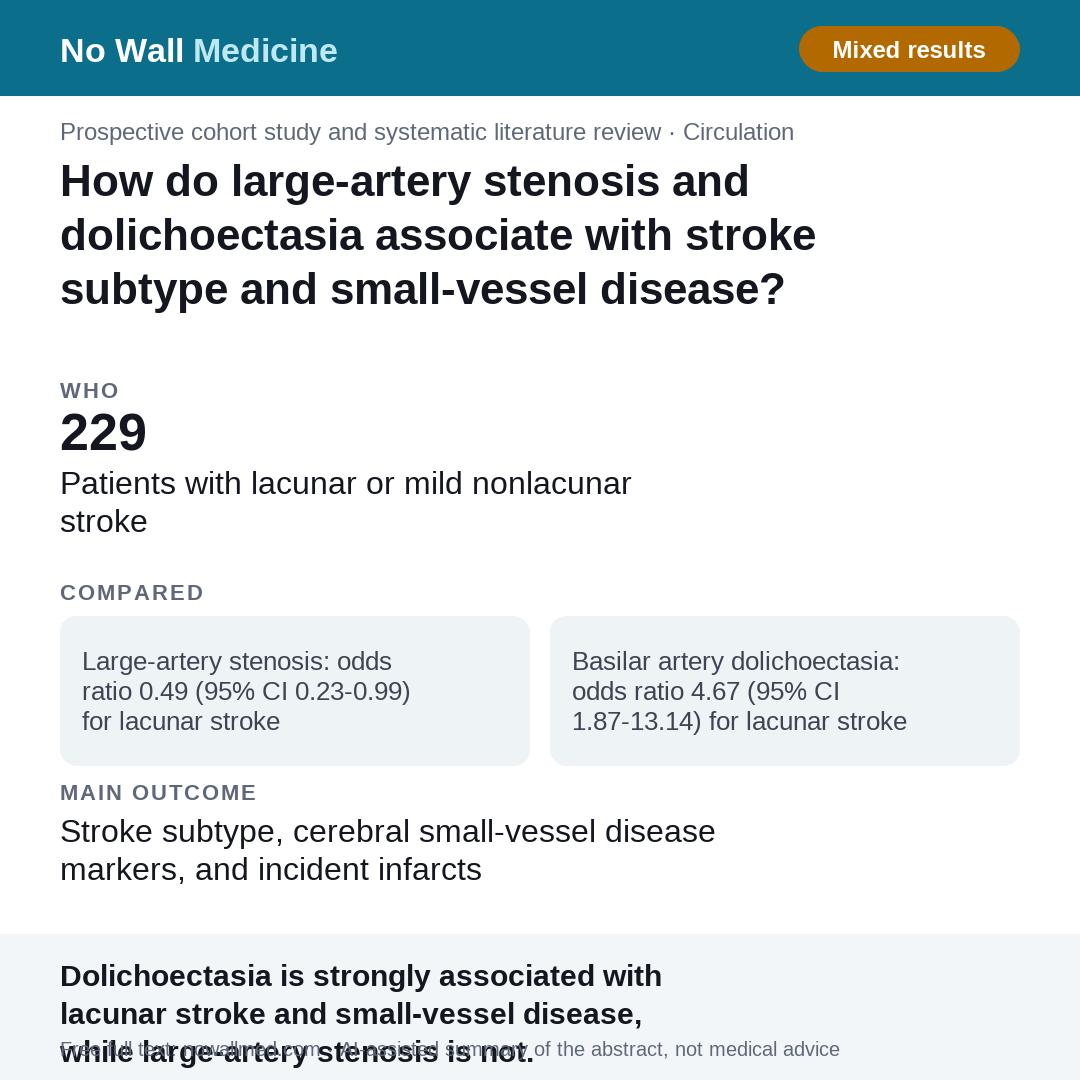
Implications of Cranial Arterial Stenosis and Dolichoectasia for Cerebral Small-Vessel Disease Etiopathogenesis: Findings From a Prospective Mild Stroke Cohort
Prospective cohort study and systematic literature reviewMixed results
How do large-artery stenosis and dolichoectasia associate with stroke subtype and small-vessel disease?
Who
229
Patients with lacunar or mild nonlacunar stroke
Compared
Large-artery stenosis: odds ratio 0.49 (95% CI 0.23-0.99) for lacunar stroke
Basilar artery dolichoectasia: odds ratio 4.67 (95% CI 1.87-13.14) for lacunar stroke
Main outcome
Stroke subtype, cerebral small-vessel disease markers, and incident infarcts
Result: odds ratio 4.67 (95% CI 1.87-13.14) for lacunar stroke with dolichoectasia
Bottom line: Dolichoectasia is strongly associated with lacunar stroke and small-vessel disease, while large-artery stenosis is not.
Circulation · 2026-05-06Download image
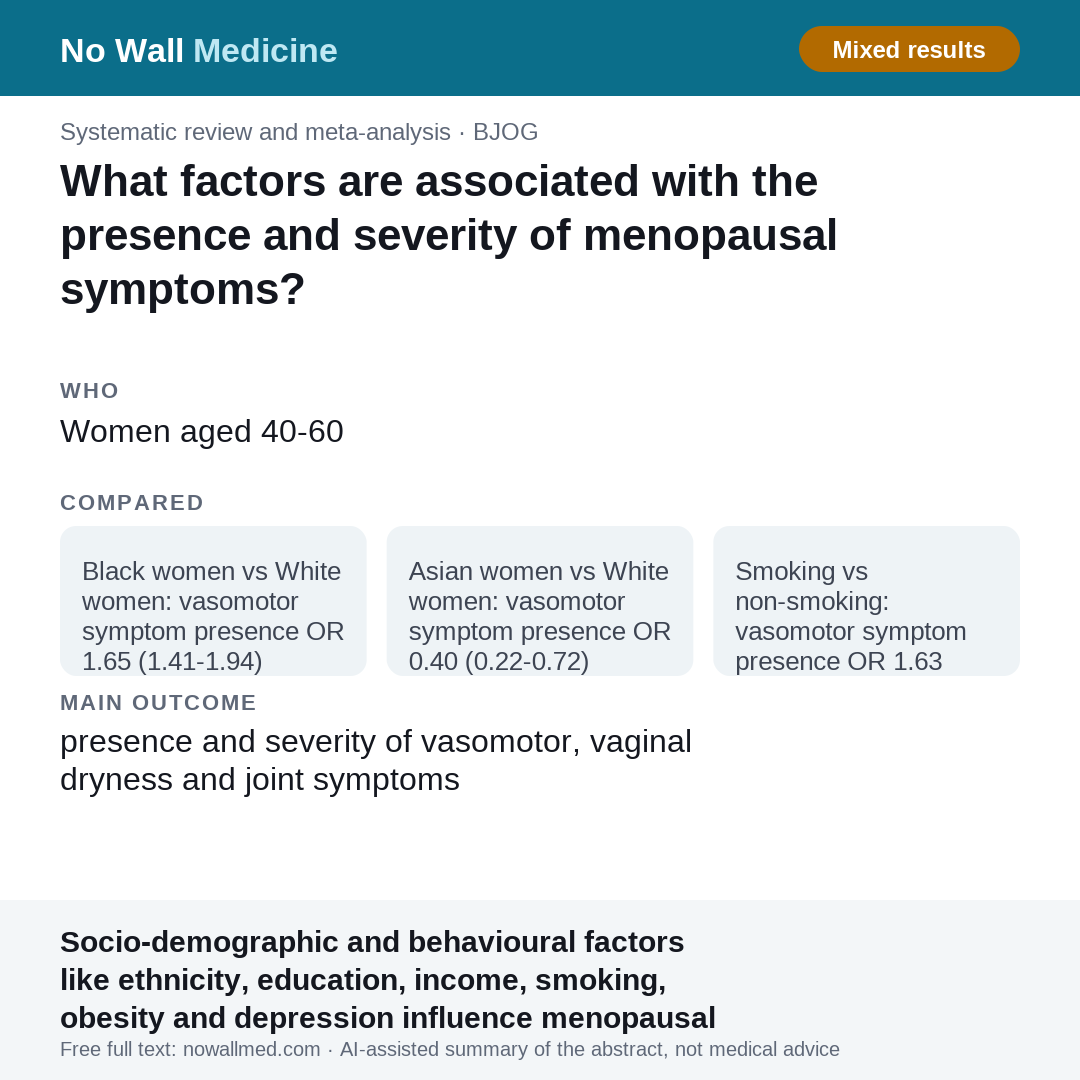
Factors Associated With Menopause Symptoms: A Systematic Review and Meta-Analysis
Systematic review and meta-analysisMixed results
What factors are associated with the presence and severity of menopausal symptoms?
Who
Women aged 40-60
Compared
Black women vs White women: vasomotor symptom presence OR 1.65 (1.41-1.94)
Asian women vs White women: vasomotor symptom presence OR 0.40 (0.22-0.72)
Smoking vs non-smoking: vasomotor symptom presence OR 1.63 (1.30-2.04)
Main outcome
presence and severity of vasomotor, vaginal dryness and joint symptoms
Bottom line: Socio-demographic and behavioural factors like ethnicity, education, income, smoking, obesity and depression influence menopausal symptoms.
BJOG · 2026-05-06Download image
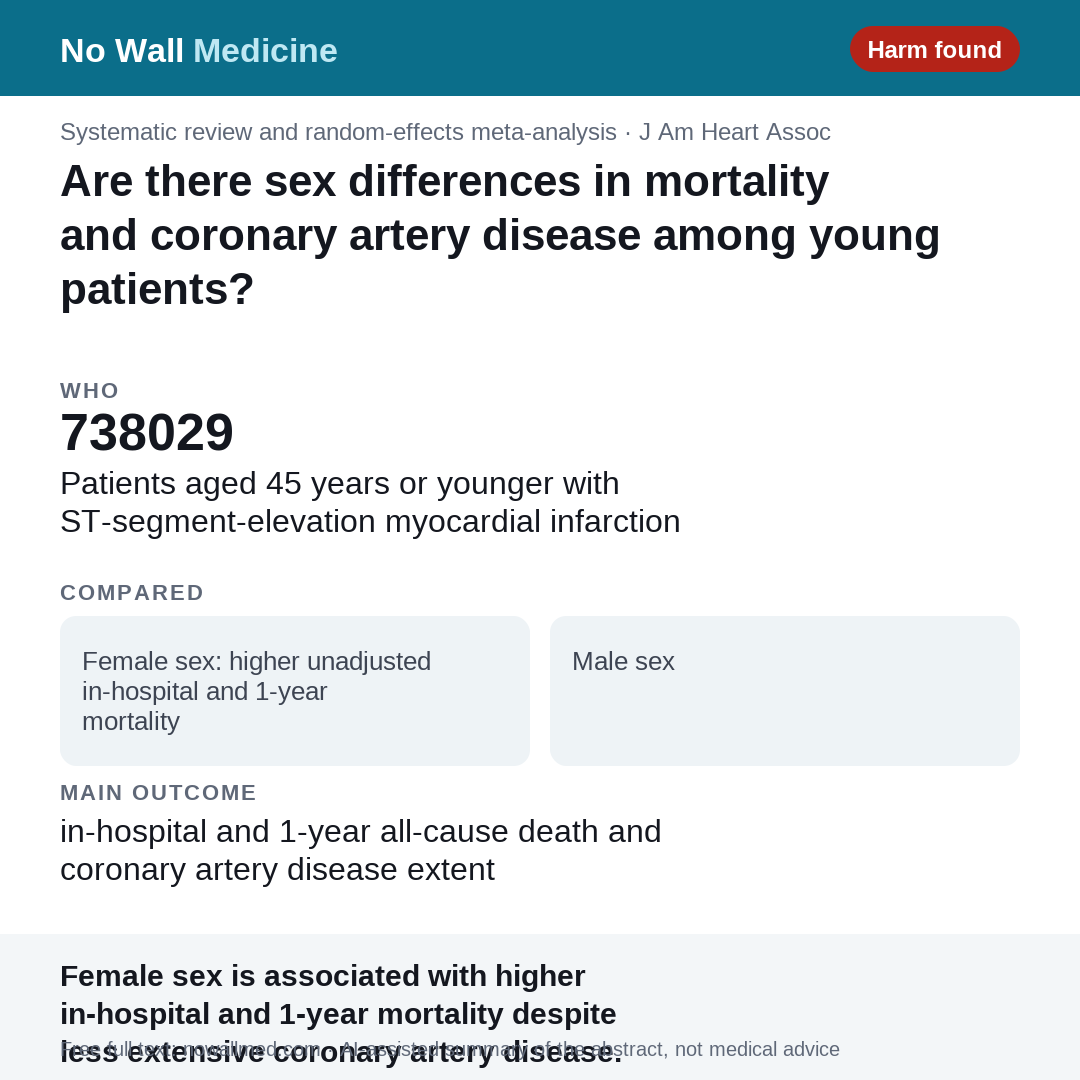
Sex Differences Among Young Patients With ST-Segment-Elevation Myocardial Infarction: A Systematic Review and Meta-Analysis
Systematic review and random-effects meta-analysisHarm found
Are there sex differences in mortality and coronary artery disease among young patients?
Who
738029
Patients aged 45 years or younger with ST-segment-elevation myocardial infarction
Compared
Female sex: higher unadjusted in-hospital and 1-year mortality
Male sex
Main outcome
in-hospital and 1-year all-cause death and coronary artery disease extent
Result: RR 1.56 (95% CI 1.40-1.74) for in-hospital and RR 1.78 (95% CI 1.50-2.12) for 1-year mortality
Bottom line: Female sex is associated with higher in-hospital and 1-year mortality despite less extensive coronary artery disease.
Limitation: Further studies adjusting for comorbidities and standardizing coronary artery disease definitions are needed.
J Am Heart Assoc · 2026-05-06Download image
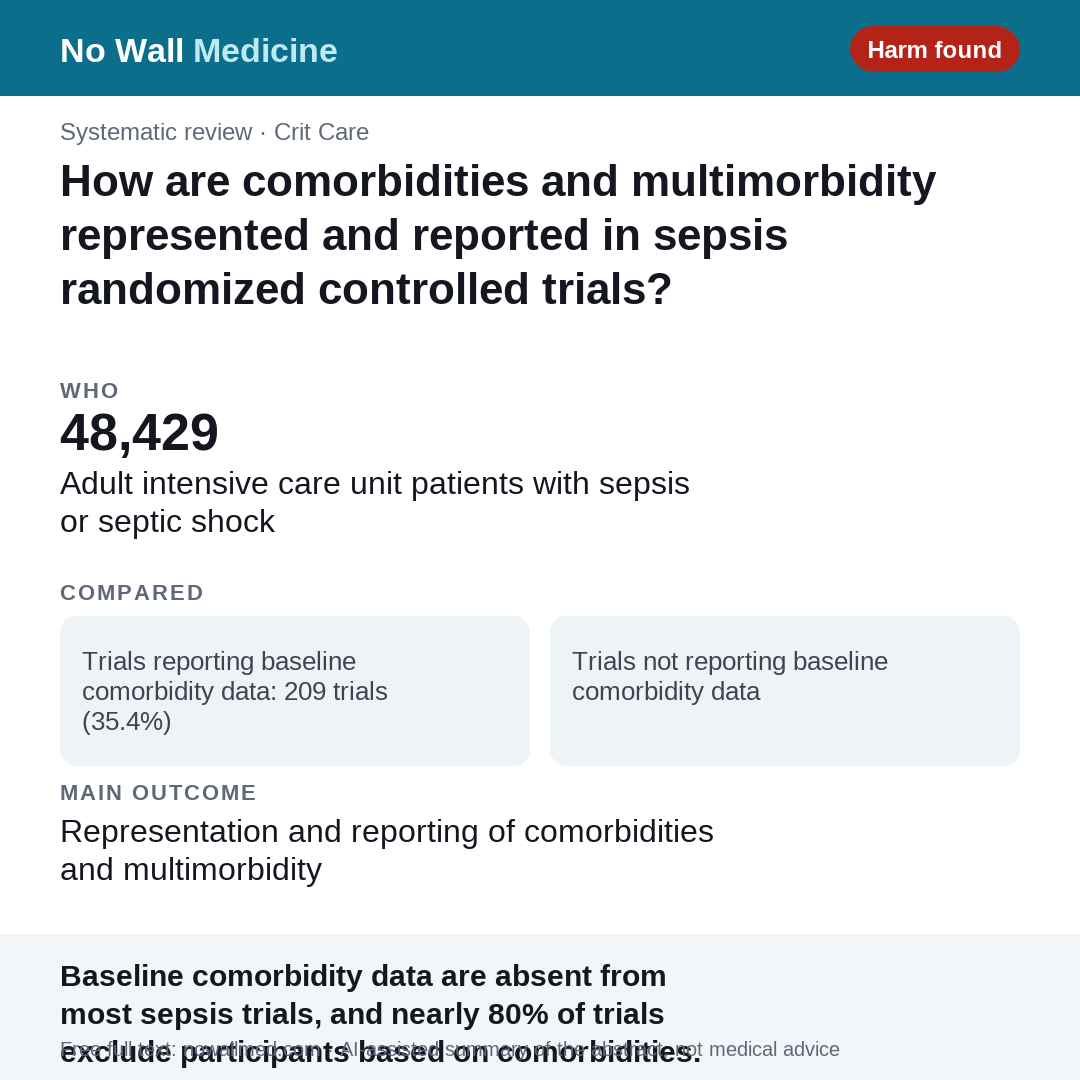
Prevalence and representation of comorbidities and multimorbidity in randomised controlled trials in sepsis or septic shock: a systematic review
Systematic reviewHarm found
How are comorbidities and multimorbidity represented and reported in sepsis randomized controlled trials?
Who
48,429
Adult intensive care unit patients with sepsis or septic shock
Compared
Trials reporting baseline comorbidity data: 209 trials (35.4%)
Trials not reporting baseline comorbidity data
Main outcome
Representation and reporting of comorbidities and multimorbidity
Result: OR 1.08, 95% CI 1.06-1.11
Bottom line: Baseline comorbidity data are absent from most sepsis trials, and nearly 80% of trials exclude participants based on comorbidities.
Crit Care · 2026-05-06Download image
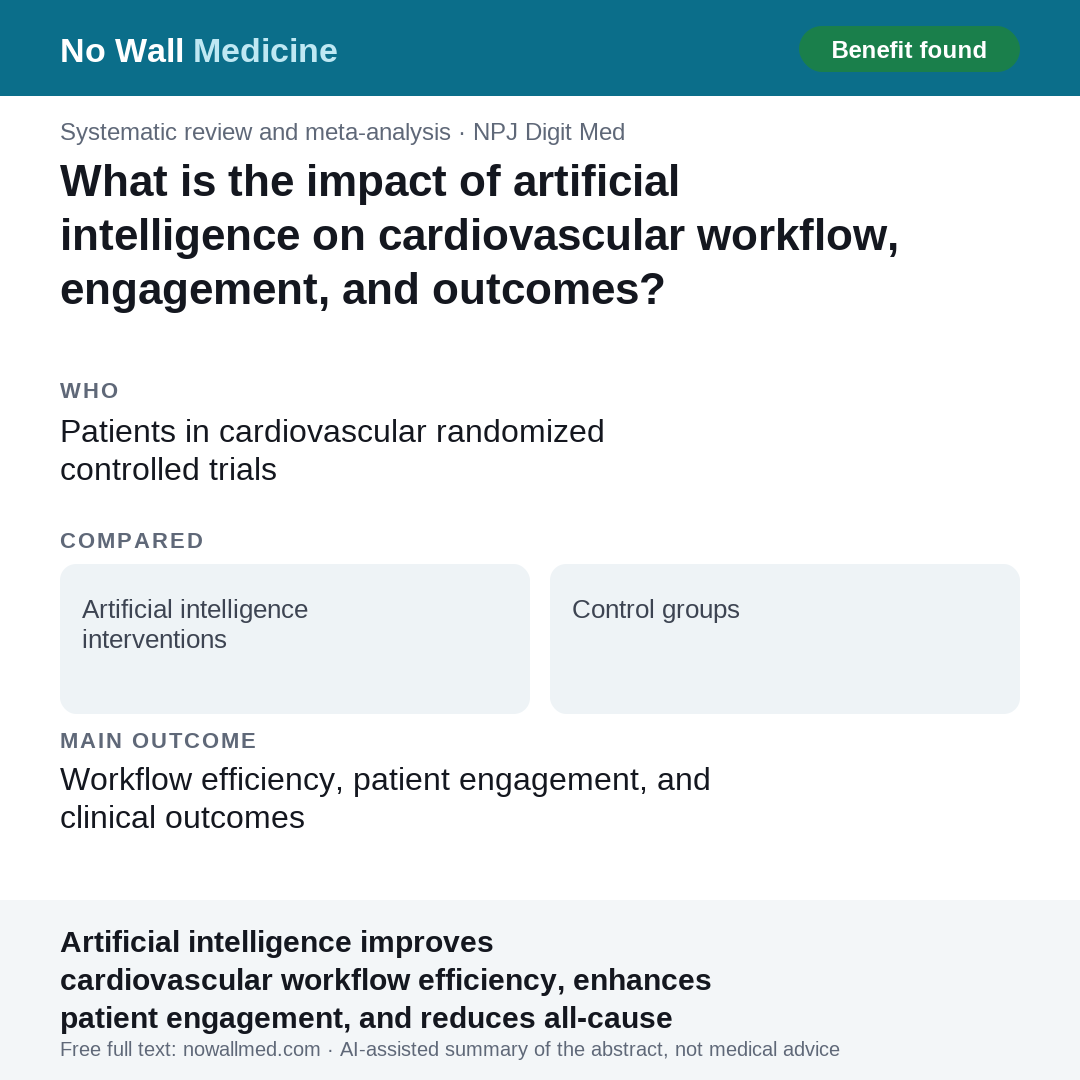
Impact of artificial intelligence on cardiovascular workflow, engagement, and outcomes: a systematic review
Systematic review and meta-analysisBenefit found
What is the impact of artificial intelligence on cardiovascular workflow, engagement, and outcomes?
Who
Patients in cardiovascular randomized controlled trials
Compared
Artificial intelligence interventions
Control groups
Main outcome
Workflow efficiency, patient engagement, and clinical outcomes
Result: mortality RR 0.84 (95% CI 0.75-0.94)
Bottom line: Artificial intelligence improves cardiovascular workflow efficiency, enhances patient engagement, and reduces all-cause mortality.
Limitation: Restricted blinding and insufficient sham-artificial intelligence controls.
NPJ Digit Med · 2026-05-06Download image
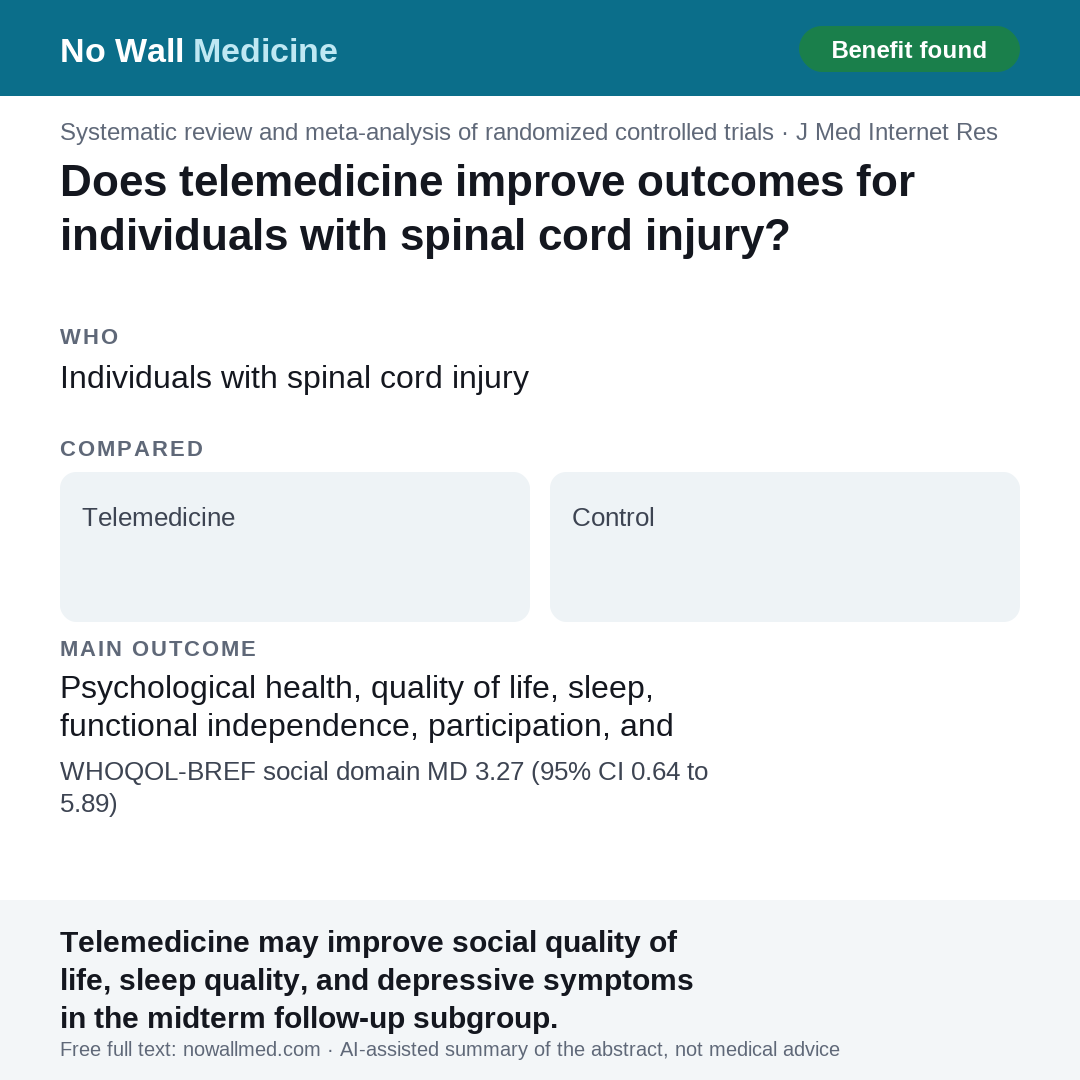
Multidimensional Effects of Telemedicine on Patients With Spinal Cord Injury: Systematic Review and Meta-Analysis of Randomized Controlled Trials
Systematic review and meta-analysis of randomized controlled trialsBenefit found
Does telemedicine improve outcomes for individuals with spinal cord injury?
Who
Individuals with spinal cord injury
Compared
Telemedicine
Control
Main outcome
Psychological health, quality of life, sleep, functional independence, participation, and pain
Result: WHOQOL-BREF social domain MD 3.27 (95% CI 0.64 to 5.89)
Bottom line: Telemedicine may improve social quality of life, sleep quality, and depressive symptoms in the midterm follow-up subgroup.
Limitation: Approximately half of the studies were rated as low risk, with others having some concerns or high risk.
J Med Internet Res · 2026-05-06Download image
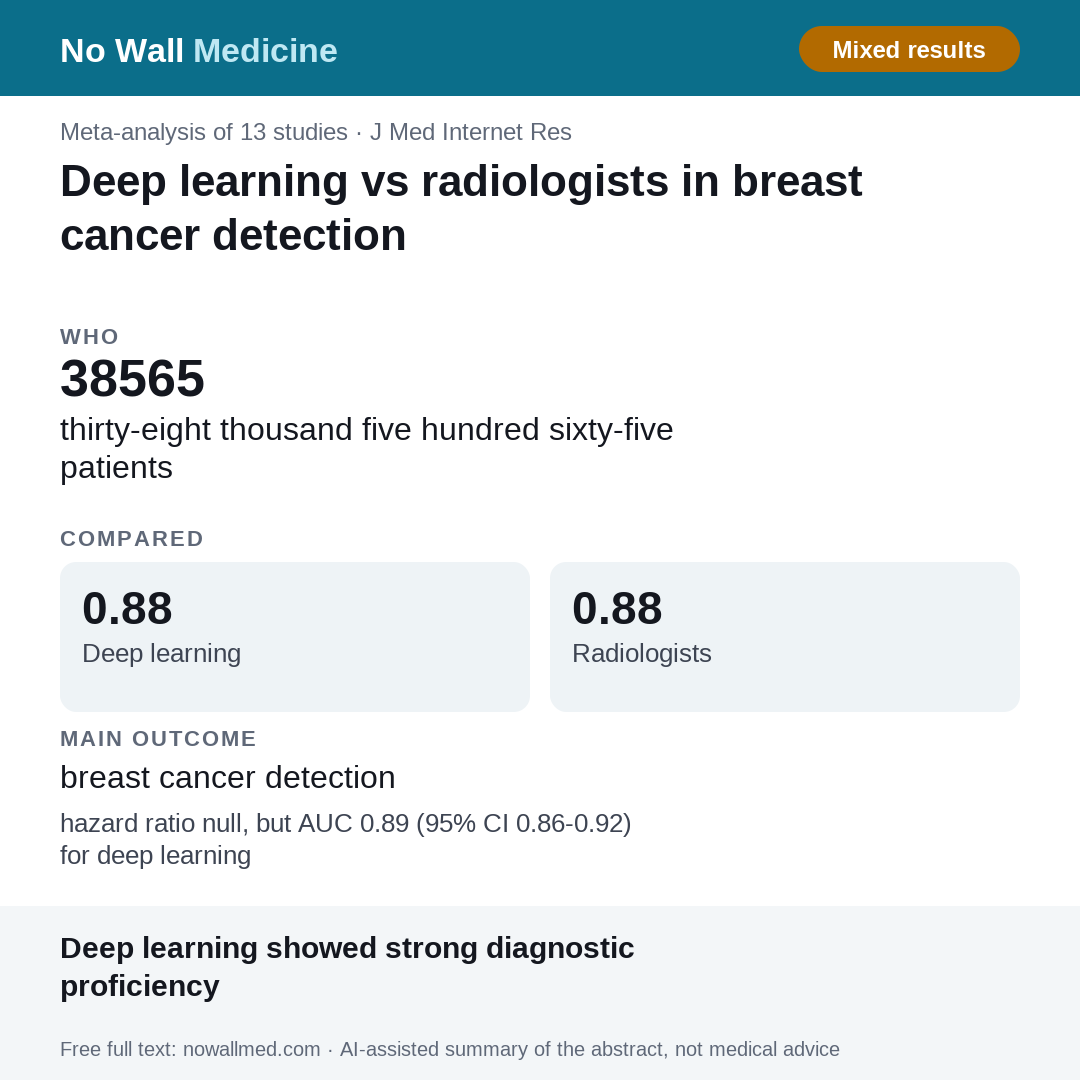
Deep Learning Algorithms Versus Radiologists in Digital Breast Tomosynthesis for Breast Cancer Detection: Systematic Review and Meta-Analysis
Meta-analysis of 13 studiesMixed results
Deep learning vs radiologists in breast cancer detection
Who
38565
thirty-eight thousand five hundred sixty-five patients
Compared
0.88Deep learning (95% CI 0.80-0.93)
0.88Radiologists
Main outcome
breast cancer detection
Result: hazard ratio null, but AUC 0.89 (95% CI 0.86-0.92) for deep learning
Bottom line: Deep learning showed strong diagnostic proficiency
Limitation: validation methods heterogeneity
J Med Internet Res · 2026-05-06Download image
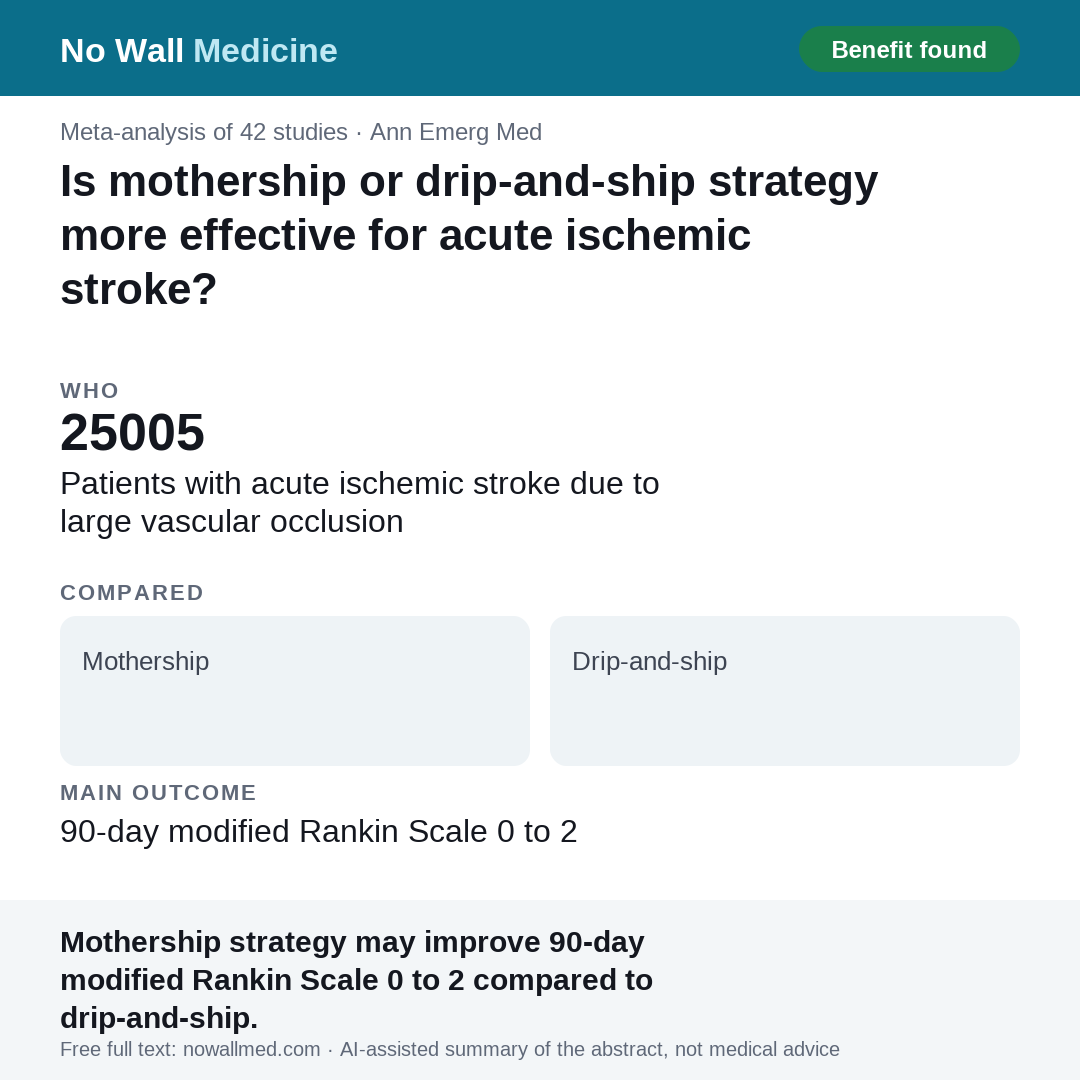
Mothership and Drip-and-Ship Strategies in Mechanical Thrombectomy for Acute Ischemic Stroke
Meta-analysis of 42 studiesBenefit found
Is mothership or drip-and-ship strategy more effective for acute ischemic stroke?
Who
25005
Patients with acute ischemic stroke due to large vascular occlusion
Compared
Mothership
Drip-and-ship
Main outcome
90-day modified Rankin Scale 0 to 2
Result: odds ratio 1.15 (95% confidence interval 1.03 to 1.29)
Bottom line: Mothership strategy may improve 90-day modified Rankin Scale 0 to 2 compared to drip-and-ship.
Ann Emerg Med · 2026-05-05Download image
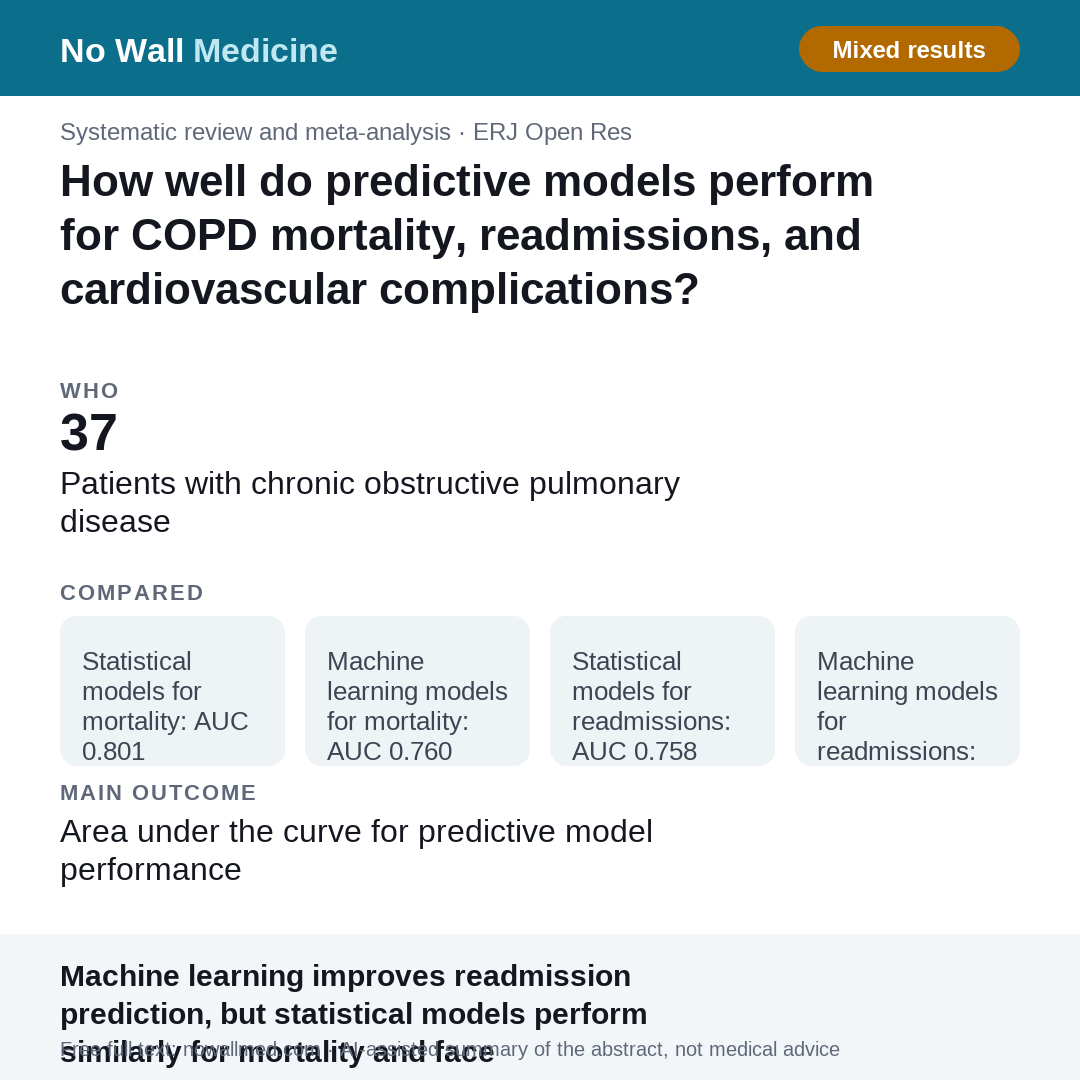
Predictive models for mortality readmission events and cardiovascular complications in patients with COPD: a systematic review and meta-analysis
Systematic review and meta-analysisMixed results
How well do predictive models perform for COPD mortality, readmissions, and cardiovascular complications?
Who
37
Patients with chronic obstructive pulmonary disease
Compared
Statistical models for mortality: AUC 0.801
Machine learning models for mortality: AUC 0.760
Statistical models for readmissions: AUC 0.758
Machine learning models for readmissions: AUC 0.812
Main outcome
Area under the curve for predictive model performance
Result: Statistical models pooled AUC 0.787 (95% CI 0.755-0.816)
Bottom line: Machine learning improves readmission prediction, but statistical models perform similarly for mortality and face generalisability challenges.
Limitation: External validation often reduced machine learning model performance, raising concerns about overfitting.
ERJ Open Res · 2026-05-05Download image
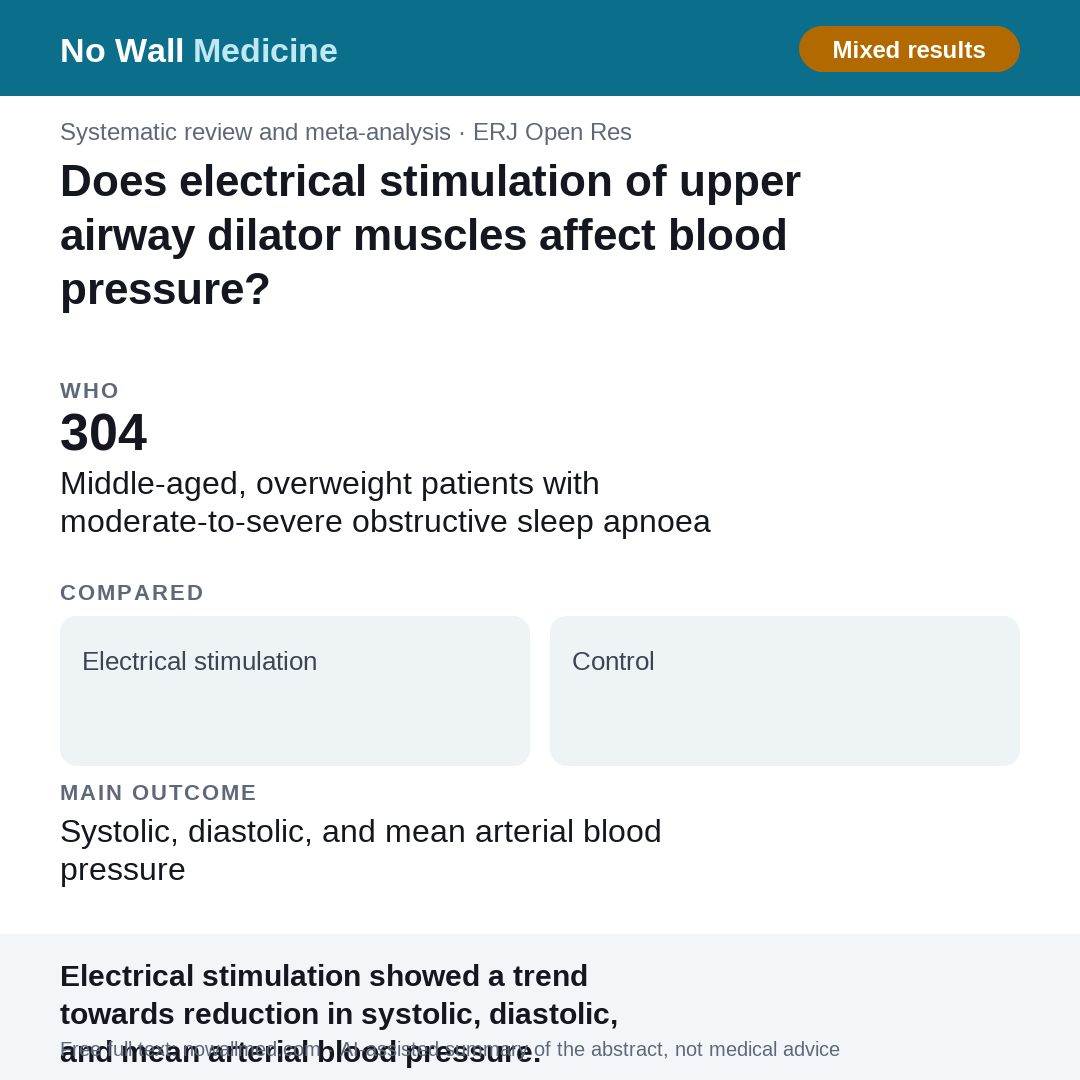
The effect of electrical stimulation of the upper airway dilator muscles on blood pressure in healthy volunteers and patients with obstructive sleep apnoea: a systematic review and meta-analysis
Systematic review and meta-analysisMixed results
Does electrical stimulation of upper airway dilator muscles affect blood pressure?
Who
304
Middle-aged, overweight patients with moderate-to-severe obstructive sleep apnoea
Compared
Electrical stimulation
Control
Main outcome
Systolic, diastolic, and mean arterial blood pressure
Result: systolic (-3.44, 95% CI -7.98-1.10 mmHg), diastolic (-3.41, 95% CI -8.10-1.27 mmHg), and mean arterial blood pressure (-5.69, 95% CI -13.66-2.28 mmHg)
Bottom line: Electrical stimulation showed a trend towards reduction in systolic, diastolic, and mean arterial blood pressure.
Limitation: Further studies on normal subjects and patients with obstructive sleep apnoea are required.
ERJ Open Res · 2026-05-05Download image
A systematic review of infectious disease outbreaks and violence against women and girls: changes in magnitude, mechanisms and lessons for the future
Systematic reviewHarm found
How do infectious disease outbreaks and public health responses impact violence against women and girls?
Who
Women and girls in low-income and middle-income countries · Low-income and middle-income countries
Compared
During COVID-19 pandemic: increased
Pre-pandemic levels
Main outcome
Magnitude of violence against women and girls
Bottom line: Evidence indicates increased violence against women and girls during the first year of the COVID-19 pandemic.
BMJ Glob Health · 2026-05-05Download image

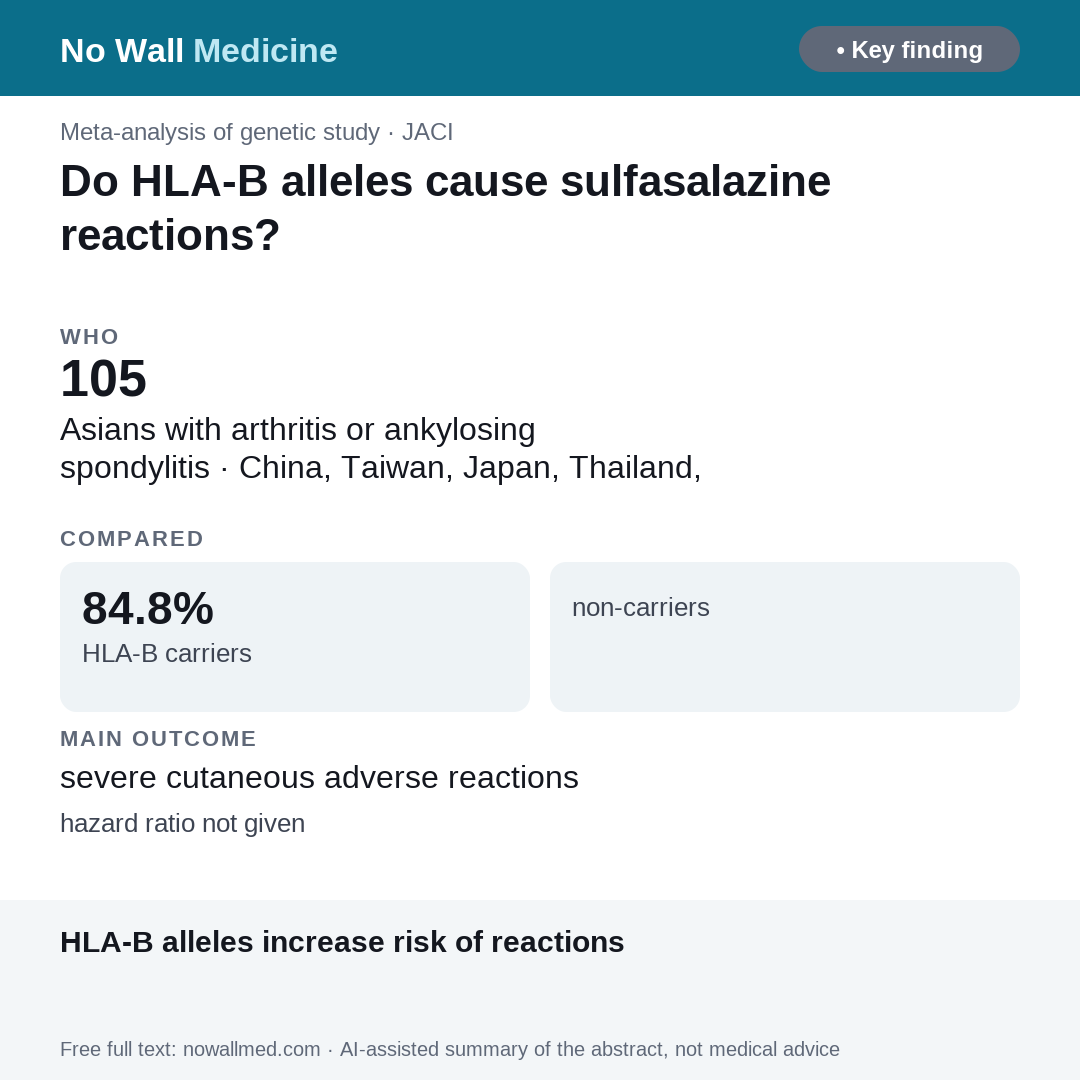
HLA-B alleles confer susceptibility to sulfasalazine-induced severe cutaneous adverse reactions
Meta-analysis of genetic studyHarm found
Do HLA-B alleles cause sulfasalazine reactions?
Who
105
Asians with arthritis or ankylosing spondylitis · China, Taiwan, Japan, Thailand, Malaysia
Compared
84.8%HLA-B carriers
non-carriers
Main outcome
severe cutaneous adverse reactions
Result: hazard ratio not given
Bottom line: HLA-B alleles increase risk of reactions
JACI · 2026-05-04Download image
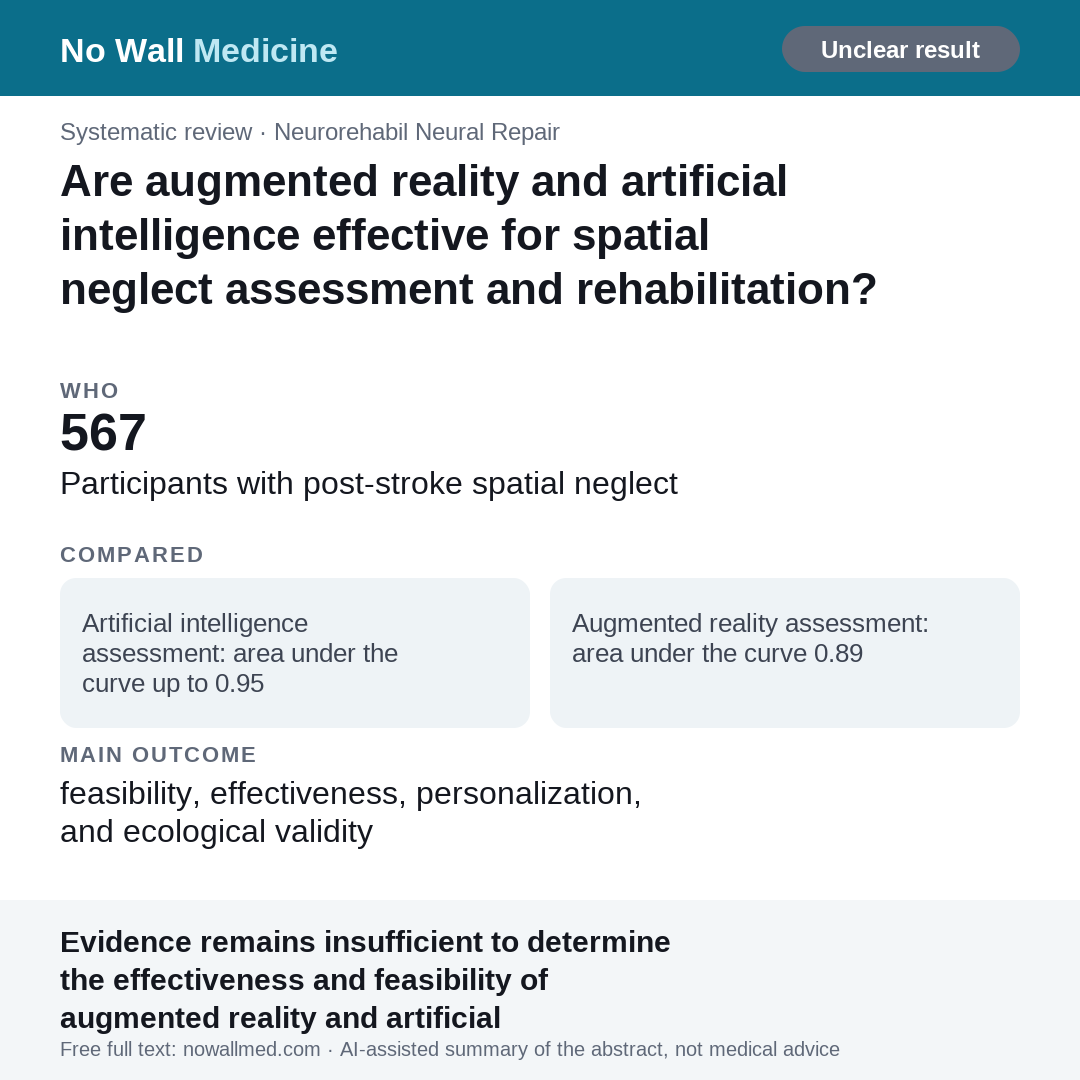
Augmented Reality and Artificial Intelligence for the Assessment and Rehabilitation of Spatial Neglect: A Systematic Review
Systematic reviewUnclear result
Are augmented reality and artificial intelligence effective for spatial neglect assessment and rehabilitation?
Who
567
Participants with post-stroke spatial neglect
Compared
Artificial intelligence assessment: area under the curve up to 0.95
Augmented reality assessment: area under the curve 0.89
Main outcome
feasibility, effectiveness, personalization, and ecological validity
Bottom line: Evidence remains insufficient to determine the effectiveness and feasibility of augmented reality and artificial intelligence for spatial neglect.
Limitation: Small sample sizes, methodological heterogeneity, and limited number of randomized controlled trials.
Neurorehabil Neural Repair · 2026-05-04Download image
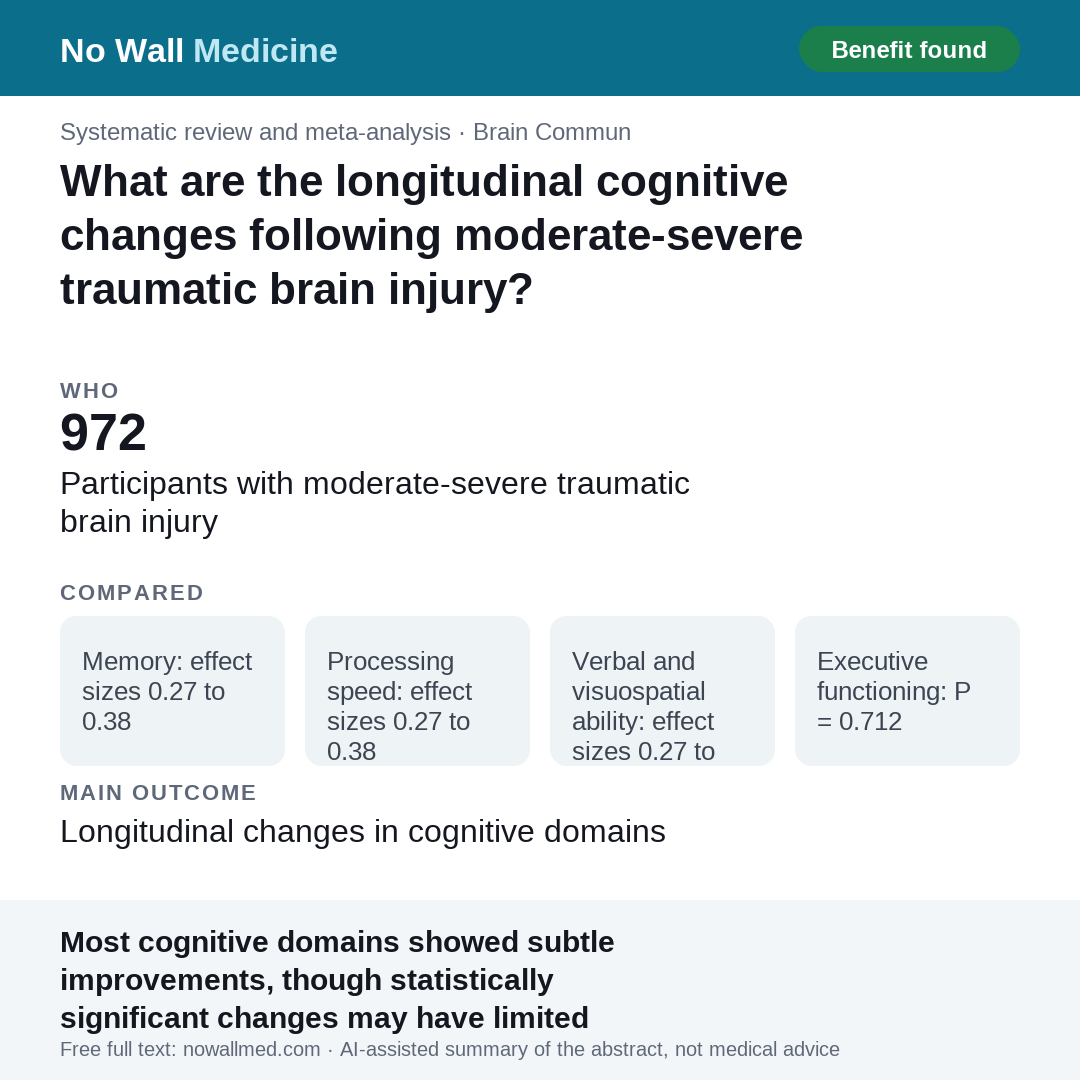
Longitudinal changes in cognitive ability following traumatic brain injury: a systematic review and meta-analysis
Systematic review and meta-analysisBenefit found
What are the longitudinal cognitive changes following moderate-severe traumatic brain injury?
Who
972
Participants with moderate-severe traumatic brain injury
Compared
Memory: effect sizes 0.27 to 0.38
Processing speed: effect sizes 0.27 to 0.38
Verbal and visuospatial ability: effect sizes 0.27 to 0.38
Executive functioning: P = 0.712
Main outcome
Longitudinal changes in cognitive domains
Bottom line: Most cognitive domains showed subtle improvements, though statistically significant changes may have limited clinical significance.
Limitation: Statistically significant improvements have limited clinical significance.
Brain Commun · 2026-05-04Download image
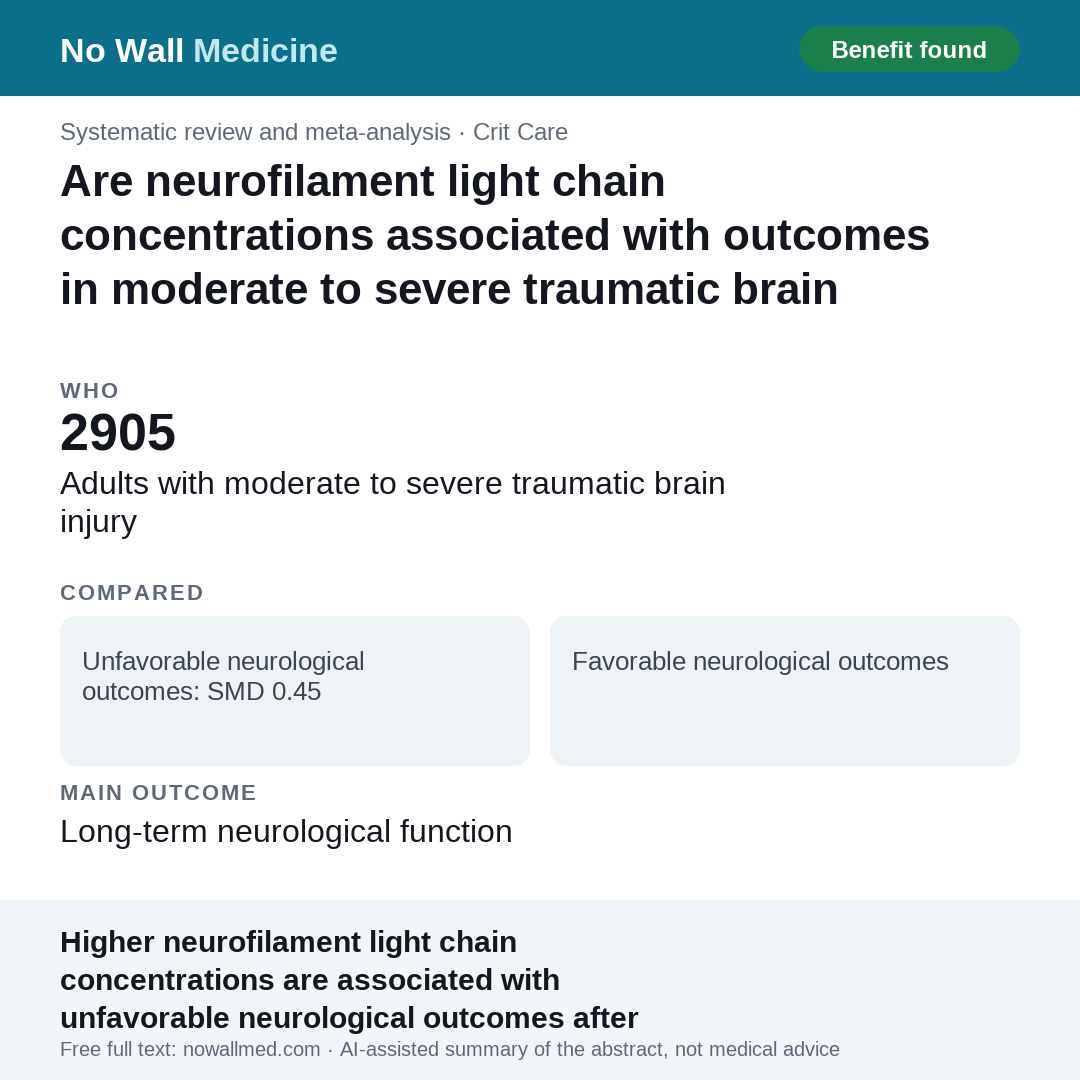
Association between neurofilament light chain concentrations and outcomes in patients with moderate to severe traumatic brain injury: a systematic review and meta-analysis
Systematic review and meta-analysisBenefit found
Are neurofilament light chain concentrations associated with outcomes in moderate to severe traumatic brain injury?
Who
2905
Adults with moderate to severe traumatic brain injury
Compared
Unfavorable neurological outcomes: SMD 0.45
Favorable neurological outcomes
Main outcome
Long-term neurological function
Result: SMD 0.45 (95% CI 0.33-0.56)
Bottom line: Higher neurofilament light chain concentrations are associated with unfavorable neurological outcomes after moderate-to-severe traumatic brain injury.
Limitation: Certainty of evidence was very low due to risk of bias, inconsistency, and imprecision.
Crit Care · 2026-05-04Download image
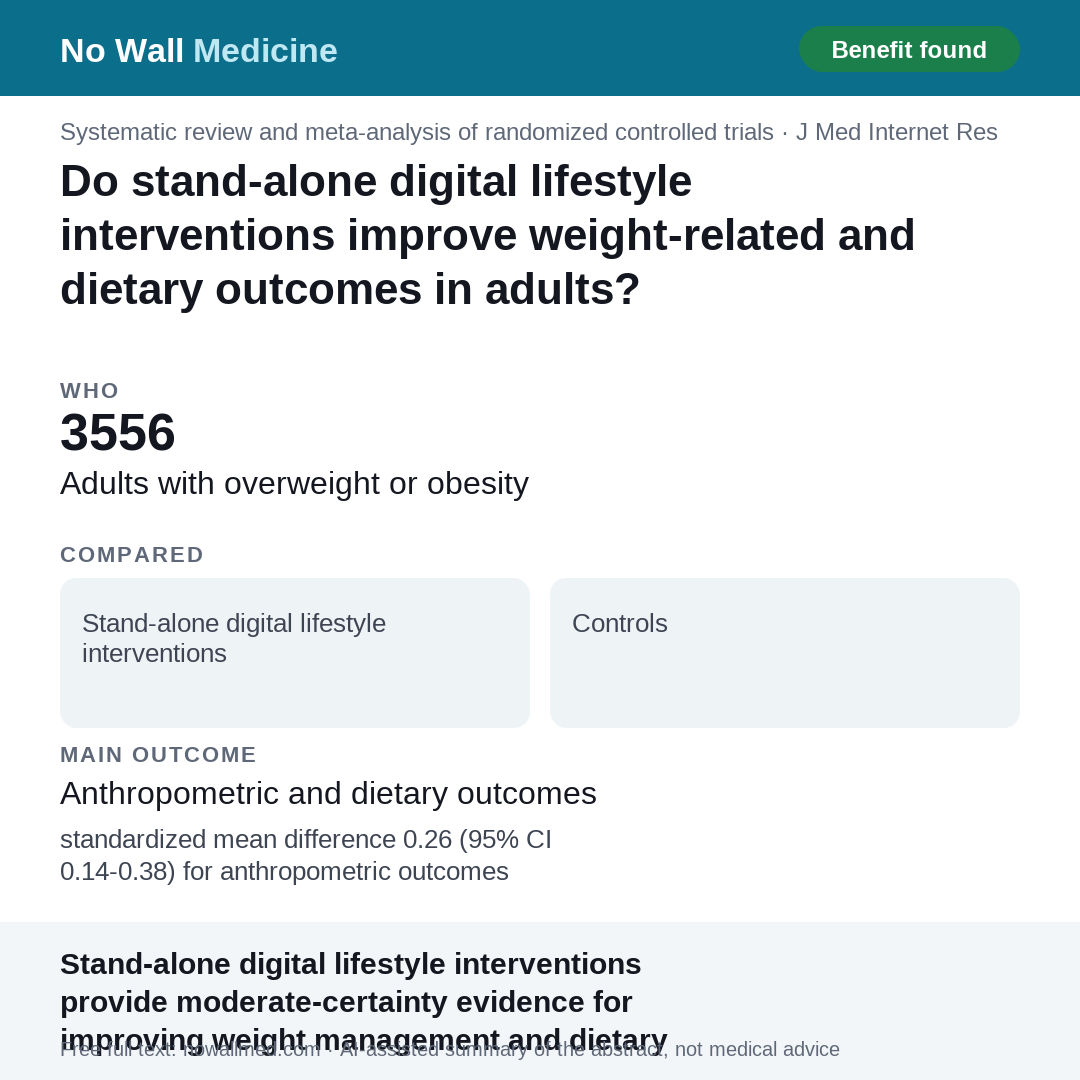
Effects of Stand-Alone Digital Lifestyle Interventions on Weight-Related Outcomes in Adults With Overweight or Obesity: Systematic Review and Meta-Analysis of Randomized Controlled Trials
Systematic review and meta-analysis of randomized controlled trialsBenefit found
Do stand-alone digital lifestyle interventions improve weight-related and dietary outcomes in adults?
Who
3556
Adults with overweight or obesity
Compared
Stand-alone digital lifestyle interventions
Controls
Main outcome
Anthropometric and dietary outcomes
Result: standardized mean difference 0.26 (95% CI 0.14-0.38) for anthropometric outcomes
Bottom line: Stand-alone digital lifestyle interventions provide moderate-certainty evidence for improving weight management and dietary outcomes without human intervention.
Limitation: Substantial statistical heterogeneity was observed and prediction intervals included zero.
J Med Internet Res · 2026-05-04Download image