Visual abstracts
New randomized trials and meta-analyses from leading journals at a glance: who was studied, what was compared, and what was found. Every paper is free to read in full.
All specialtiesCardiology 4877Oncology 4138Gastroenterology & Hepatology 1942Infectious Disease 3837Neurology 1905Psychiatry & Mental Health 2273Pulmonology 2143Critical Care 1365Endocrinology & Diabetes 2580Pediatrics 2980Surgery 2559Orthopedics & Sports Medicine 931Neurosurgery 537Cardiothoracic & Vascular Surgery 674Plastic & Reconstructive Surgery 591Nephrology 1133Rheumatology 823Hematology 1109Dermatology 621Ophthalmology 543Obstetrics & Gynecology 1686Public & Global Health 1058Radiology & Imaging 648Anesthesiology 986Urology 764ENT (Otolaryngology) 503Emergency Medicine 511Allergy & Immunology 313Geriatrics 981Family Medicine & Primary Care 562Medical Genetics & Genomics 676Pathology & Laboratory Medicine 159Physical Medicine & Rehabilitation 757Palliative Care 444Nutrition 1588Digital Health & AI 2201General Medicine 321
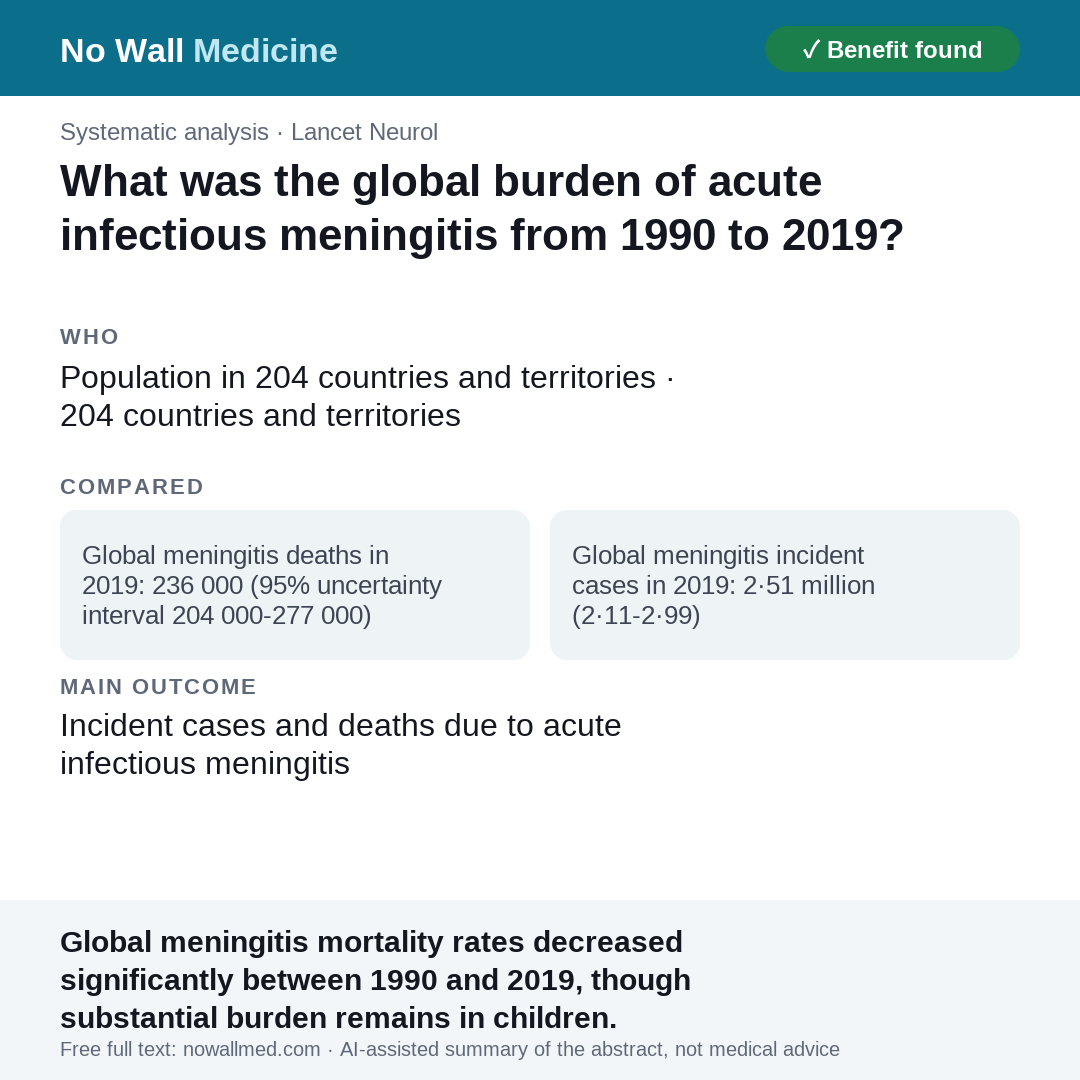
Global, regional, and national burden of meningitis and its aetiologies, 1990-2019: a systematic analysis for the Global Burden of Disease Study 2019
Systematic analysisBenefit found
What was the global burden of acute infectious meningitis from 1990 to 2019?
Who
Population in 204 countries and territories · 204 countries and territories
Compared
Global meningitis deaths in 2019: 236 000 (95% uncertainty interval 204 000-277 000)
Global meningitis incident cases in 2019: 2·51 million (2·11-2·99)
Main outcome
Incident cases and deaths due to acute infectious meningitis
Bottom line: Global meningitis mortality rates decreased significantly between 1990 and 2019, though substantial burden remains in children.
Funded by: Bill & Melinda Gates Foundation
Lancet Neurol · 2023-07-22Download image
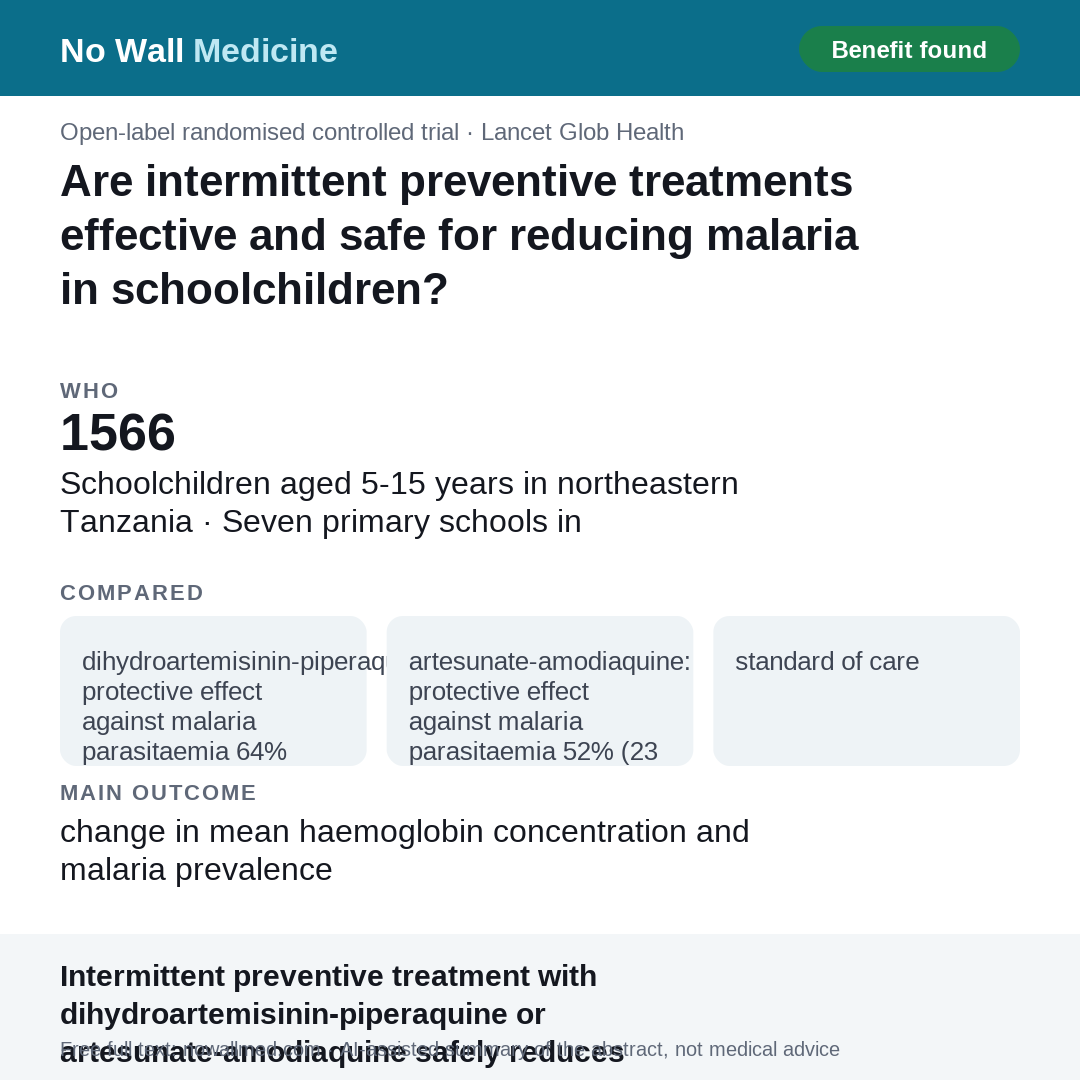
Effectiveness and safety of intermittent preventive treatment with dihydroartemisinin-piperaquine or artesunate-amodiaquine for reducing malaria and related morbidities in schoolchildren in Tanzania: a randomised controlled trial
Open-label randomised controlled trialBenefit found
Are intermittent preventive treatments effective and safe for reducing malaria in schoolchildren?
Who
1566
Schoolchildren aged 5-15 years in northeastern Tanzania · Seven primary schools in northeastern Tanzania
Compared
dihydroartemisinin-piperaquine: protective effect against malaria parasitaemia 64% (95% CI 39 to 79)
artesunate-amodiaquine: protective effect against malaria parasitaemia 52% (23 to 70)
standard of care
Main outcome
change in mean haemoglobin concentration and malaria prevalence
Result: protective effect against malaria parasitaemia 64% (95% CI 39 to 79)
Bottom line: Intermittent preventive treatment with dihydroartemisinin-piperaquine or artesunate-amodiaquine safely reduces malaria parasitaemia and clinical malaria in schoolchildren.
Lancet Glob Health · 2023-07-21Download image
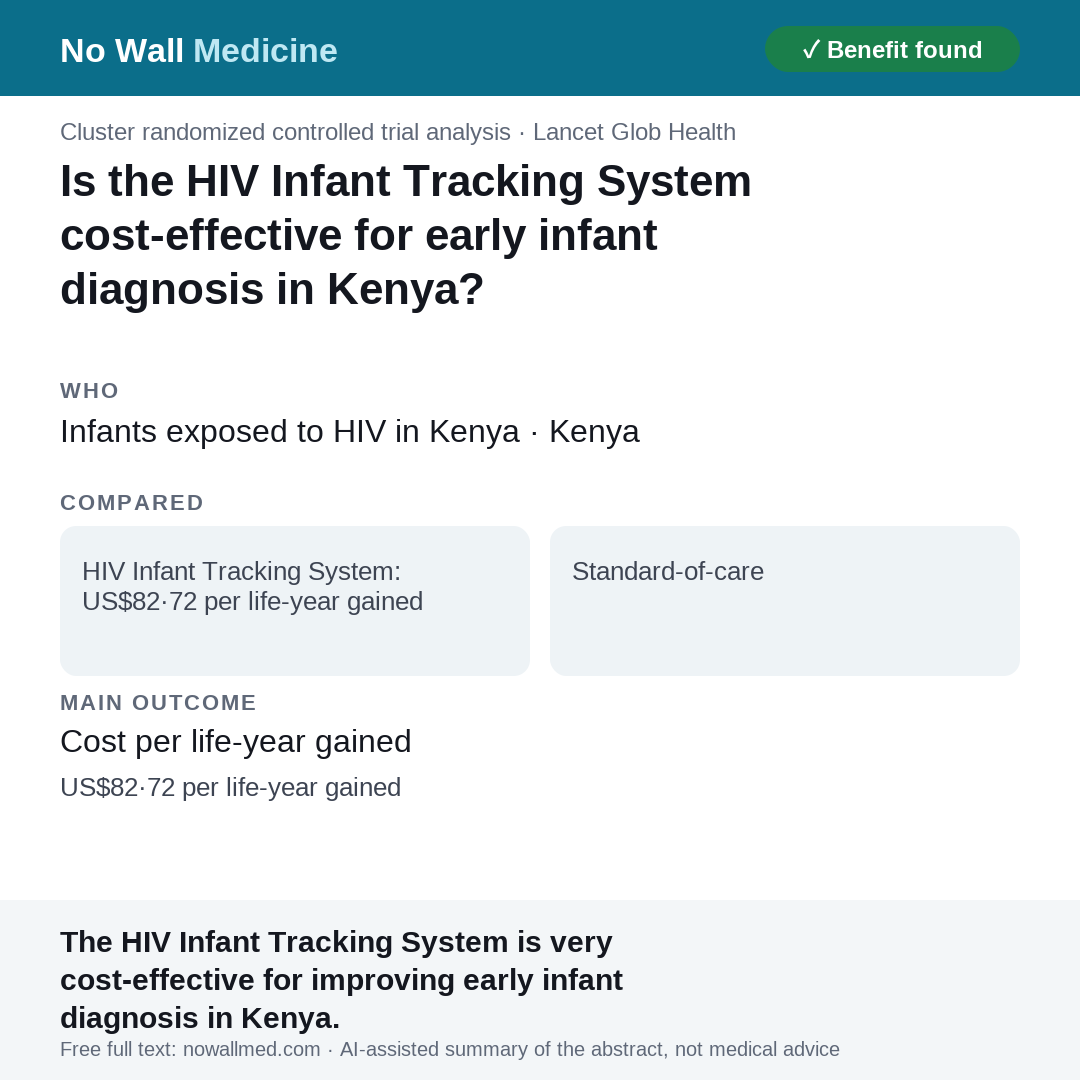
Incorporating the HIV Infant Tracking System into standard-of-care early infant diagnosis of HIV services in Kenya: a cost-effectiveness analysis of the HITSystem randomised trial
Cluster randomized controlled trial analysisBenefit found
Is the HIV Infant Tracking System cost-effective for early infant diagnosis in Kenya?
Who
Infants exposed to HIV in Kenya · Kenya
Compared
HIV Infant Tracking System: US$82·72 per life-year gained
Standard-of-care
Main outcome
Cost per life-year gained
Result: US$82·72 per life-year gained
Bottom line: The HIV Infant Tracking System is very cost-effective for improving early infant diagnosis in Kenya.
Funded by: US National Institute of Child Health and Human Development
Lancet Glob Health · 2023-07-21Download image
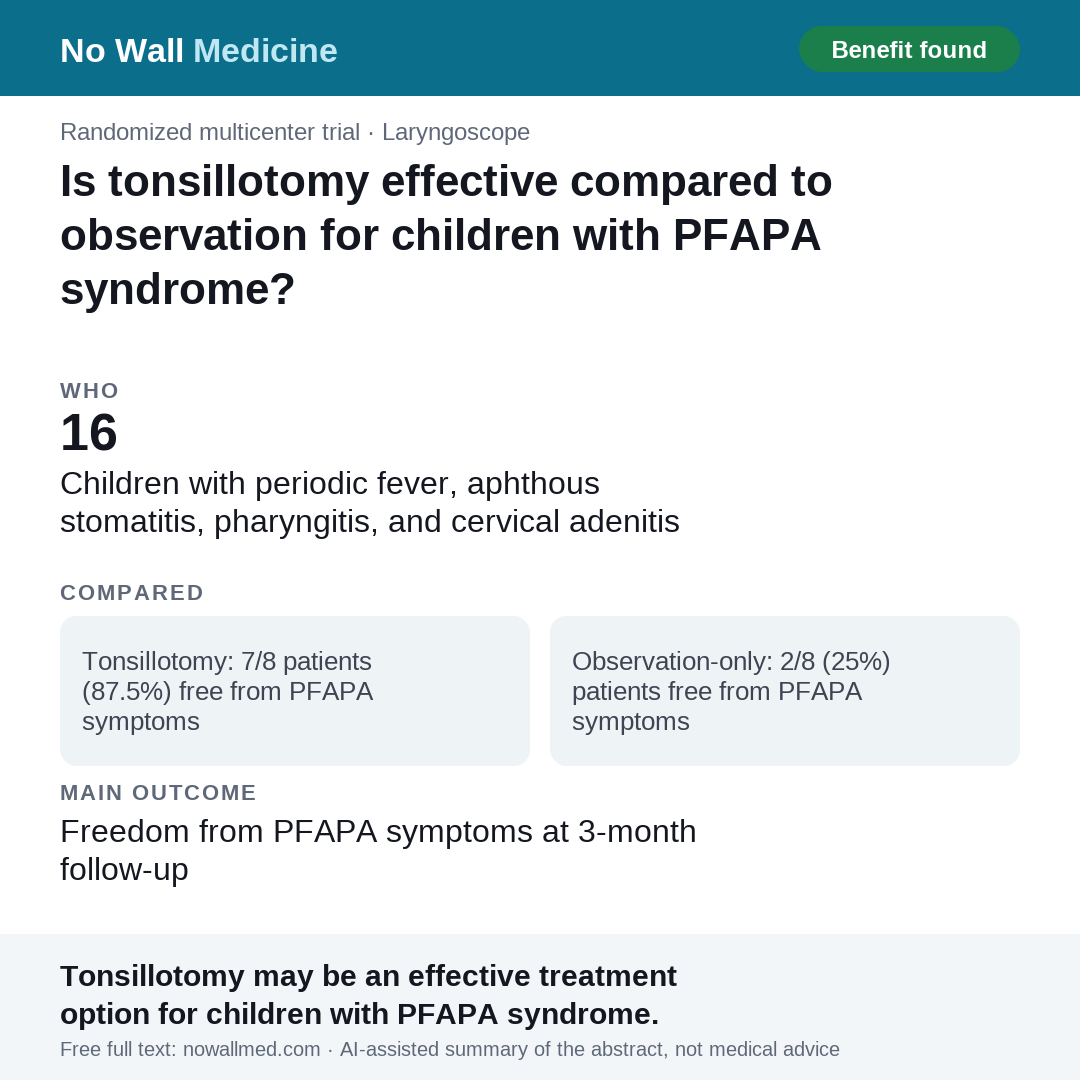
Tonsillotomy for Periodic Fever Syndrome: A Randomized and Controlled Trial
Randomized multicenter trialBenefit found
Is tonsillotomy effective compared to observation for children with PFAPA syndrome?
Who
16
Children with periodic fever, aphthous stomatitis, pharyngitis, and cervical adenitis syndrome · Multicenter
Compared
Tonsillotomy: 7/8 patients (87.5%) free from PFAPA symptoms
Observation-only: 2/8 (25%) patients free from PFAPA symptoms
Main outcome
Freedom from PFAPA symptoms at 3-month follow-up
Result: 95% CI 13% to 87%; p = 0.0021
Bottom line: Tonsillotomy may be an effective treatment option for children with PFAPA syndrome.
Laryngoscope · 2023-07-21Download image
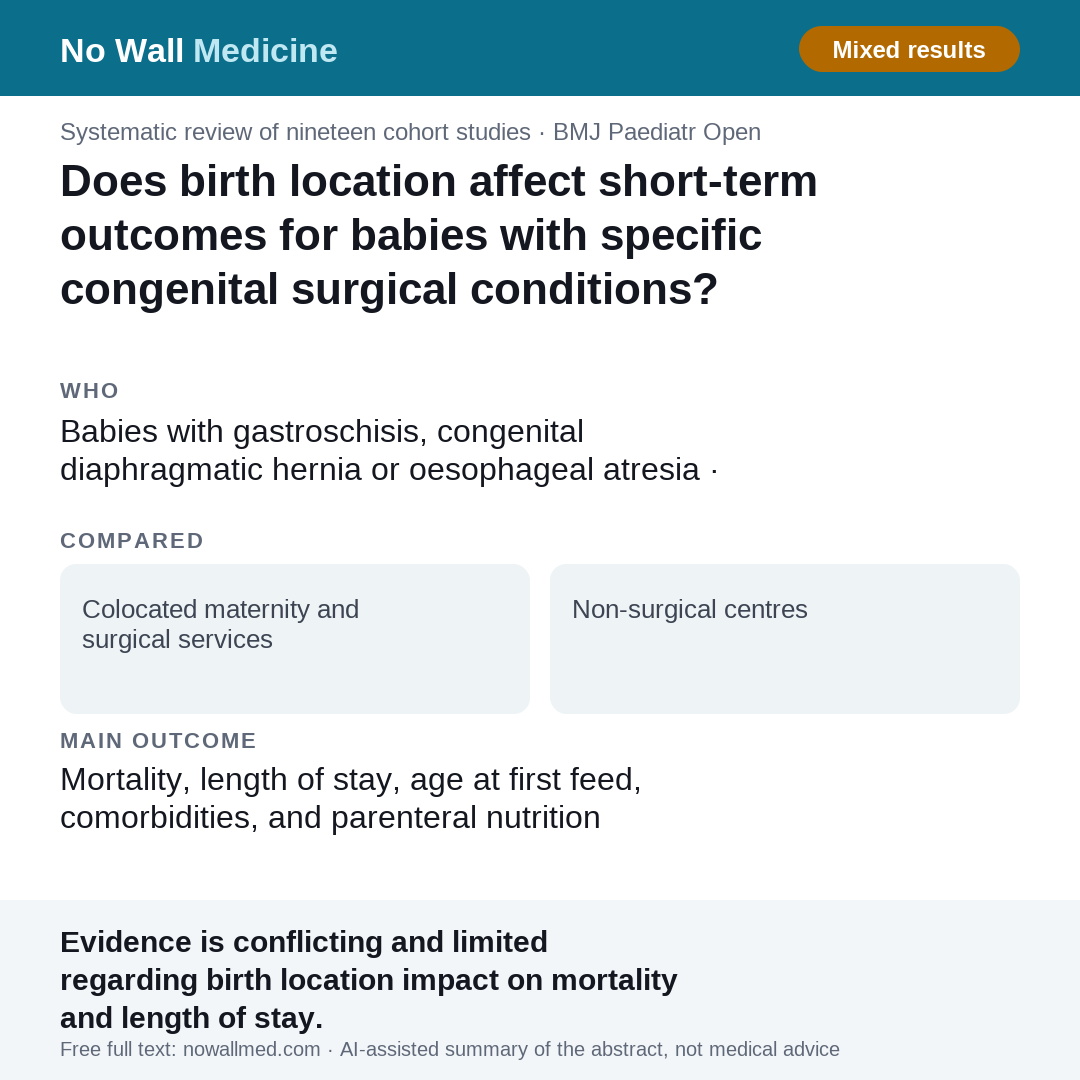
Association between birth location and short-term outcomes for babies with gastroschisis, congenital diaphragmatic hernia and oesophageal fistula: a systematic review
Systematic review of nineteen cohort studiesMixed results
Does birth location affect short-term outcomes for babies with specific congenital surgical conditions?
Who
Babies with gastroschisis, congenital diaphragmatic hernia or oesophageal atresia · High income countries
Compared
Colocated maternity and surgical services
Non-surgical centres
Main outcome
Mortality, length of stay, age at first feed, comorbidities, and parenteral nutrition
Bottom line: Evidence is conflicting and limited regarding birth location impact on mortality and length of stay.
Limitation: Significant heterogeneity, potential for bias and paucity of strong evidence.
BMJ Paediatr Open · 2023-07-21Download image
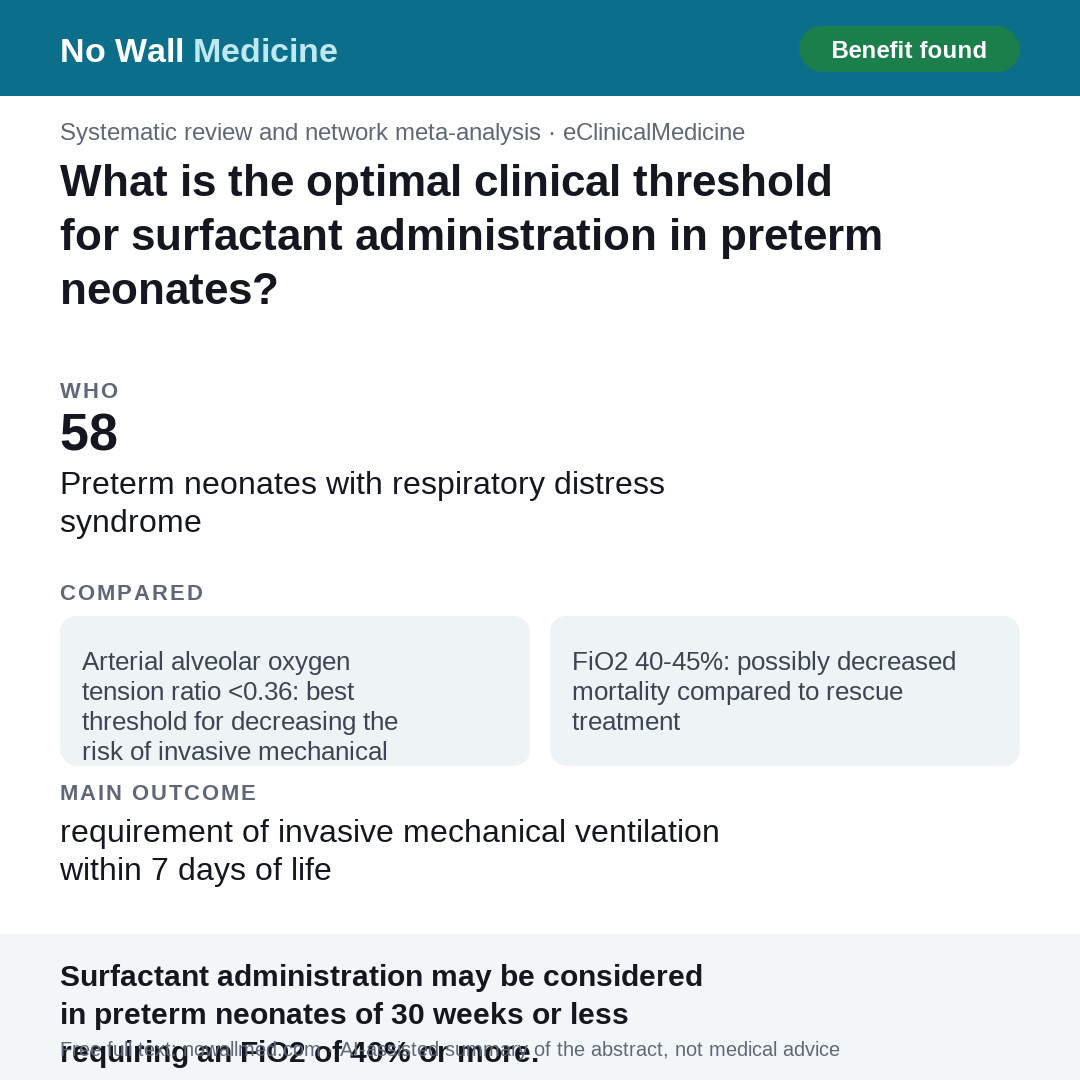
Clinical decision thresholds for surfactant administration in preterm infants: a systematic review and network meta-analysis
Systematic review and network meta-analysisBenefit found
What is the optimal clinical threshold for surfactant administration in preterm neonates?
Who
58
Preterm neonates with respiratory distress syndrome
Compared
Arterial alveolar oxygen tension ratio <0.36: best threshold for decreasing the risk of invasive mechanical ventilation
FiO2 40-45%: possibly decreased mortality compared to rescue treatment
Main outcome
requirement of invasive mechanical ventilation within 7 days of life
Bottom line: Surfactant administration may be considered in preterm neonates of 30 weeks or less requiring an FiO2 of 40% or more.
Limitation: Very low certainty of evidence and insufficient evidence for comparing 30% versus 40% FiO2 thresholds.
eClinicalMedicine · 2023-07-20Download image
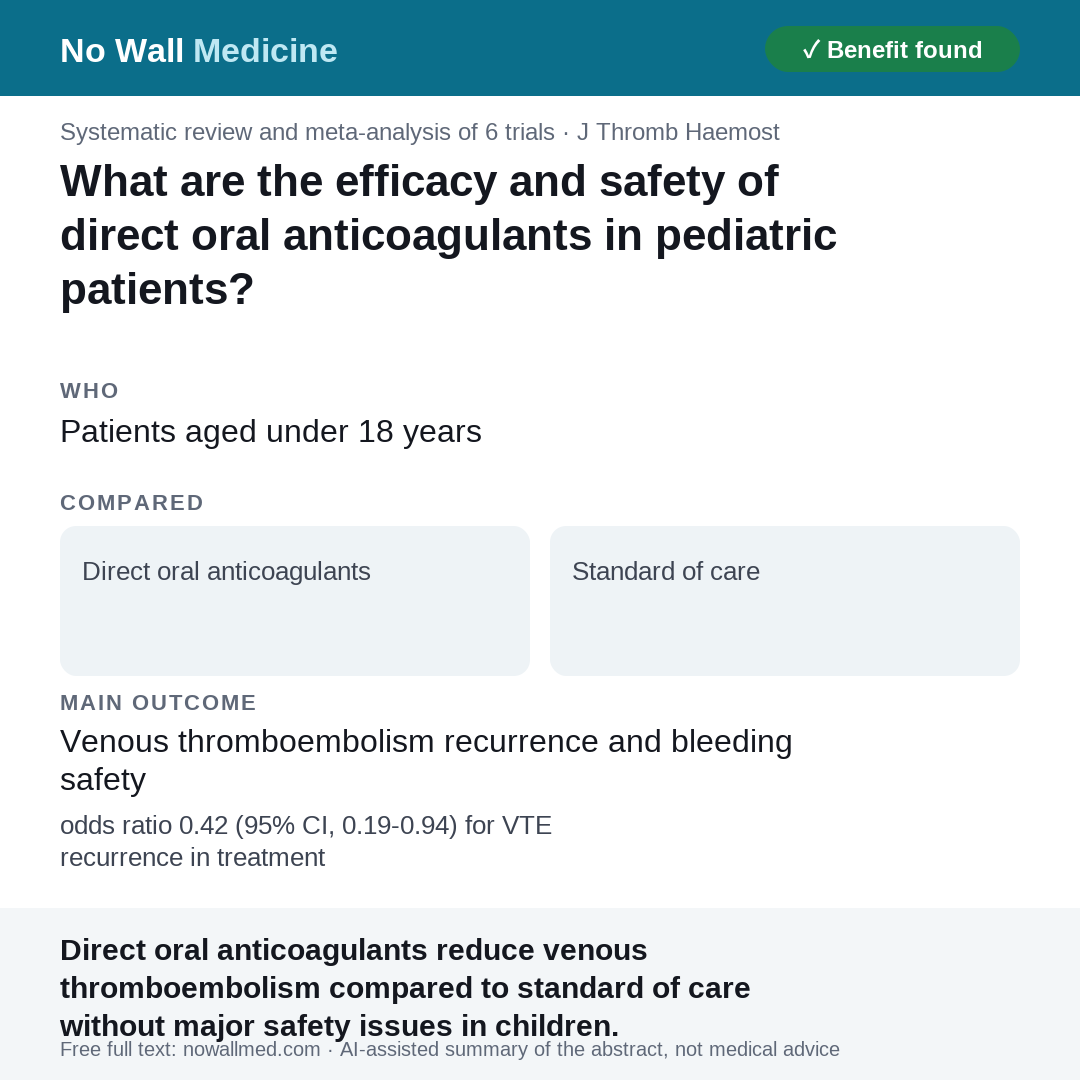
Efficacy and safety of direct oral anticoagulants in the pediatric population: a systematic review and a meta-analysis
Systematic review and meta-analysis of 6 trialsBenefit found
What are the efficacy and safety of direct oral anticoagulants in pediatric patients?
Who
Patients aged under 18 years
Compared
Direct oral anticoagulants
Standard of care
Main outcome
Venous thromboembolism recurrence and bleeding safety
Result: odds ratio 0.42 (95% CI, 0.19-0.94) for VTE recurrence in treatment
Bottom line: Direct oral anticoagulants reduce venous thromboembolism compared to standard of care without major safety issues in children.
J Thromb Haemost · 2023-07-20Download image
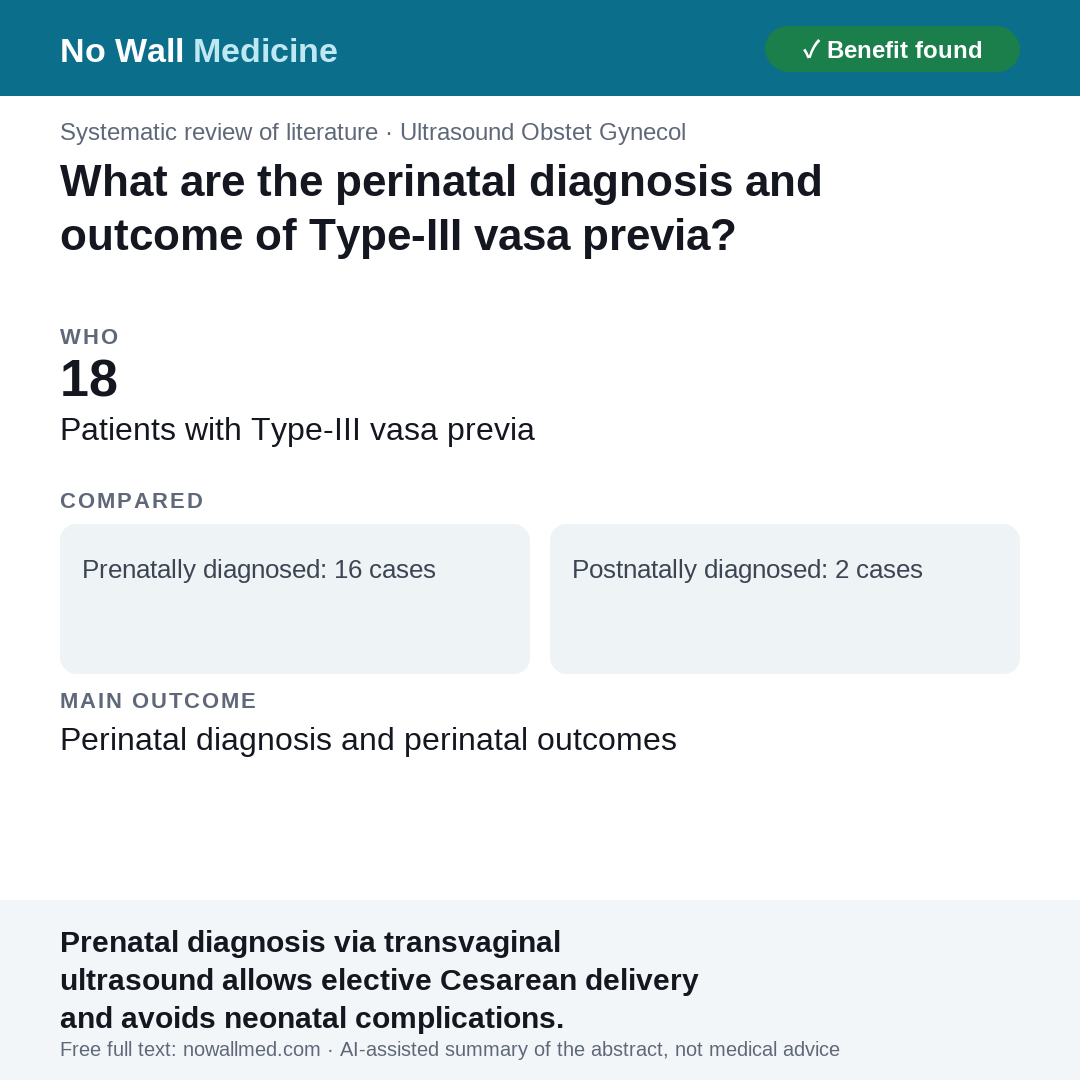
Prenatal diagnosis and postnatal outcome of Type-III vasa previa: systematic review of literature
Systematic review of literatureBenefit found
What are the perinatal diagnosis and outcome of Type-III vasa previa?
Who
18
Patients with Type-III vasa previa
Compared
Prenatally diagnosed: 16 cases
Postnatally diagnosed: 2 cases
Main outcome
Perinatal diagnosis and perinatal outcomes
Bottom line: Prenatal diagnosis via transvaginal ultrasound allows elective Cesarean delivery and avoids neonatal complications.
Limitation: Type-III vasa previa is a rare form with few reported cases in the literature.
Ultrasound Obstet Gynecol · 2023-07-20Download image
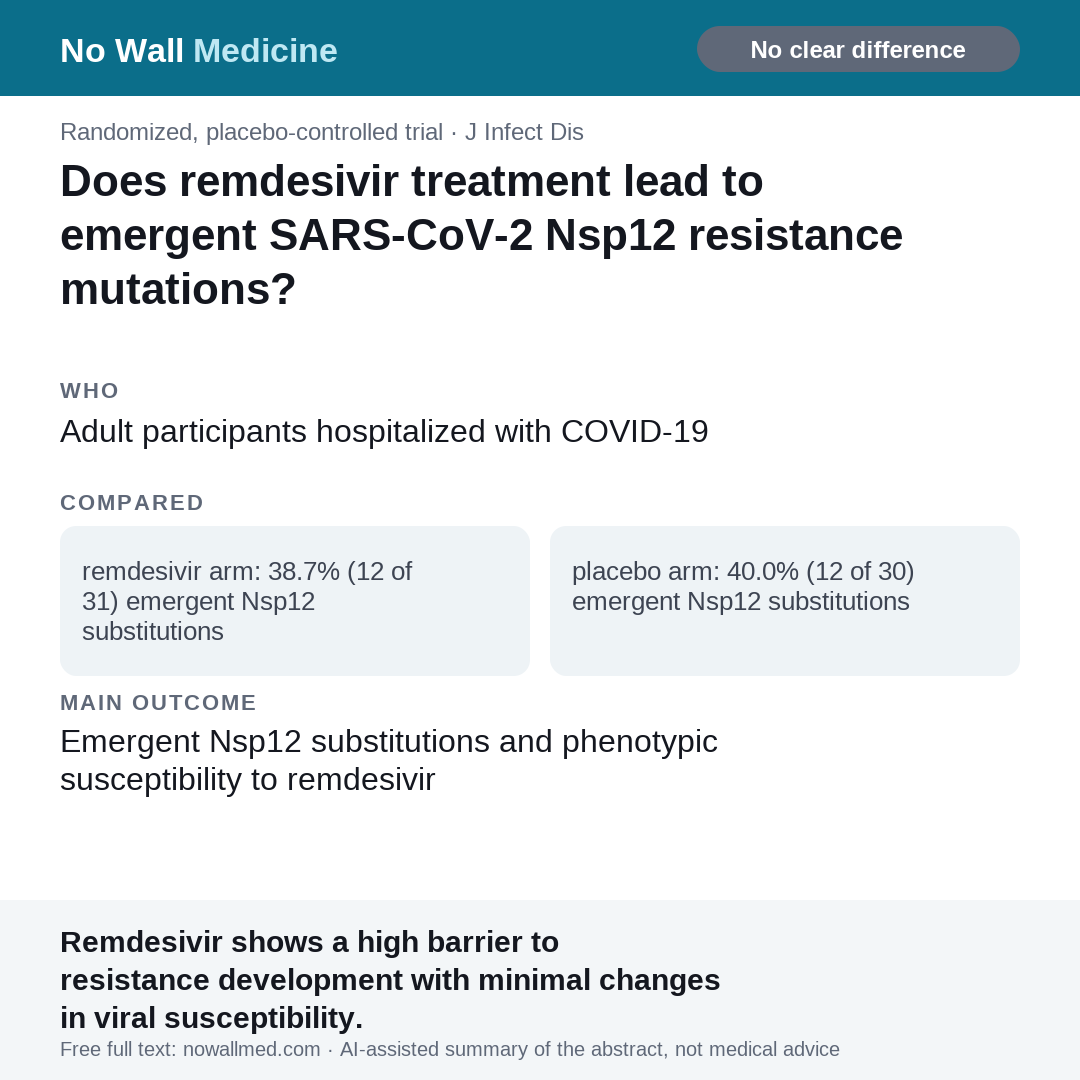
Viral Resistance Analyses From the Remdesivir Phase 3 Adaptive COVID-19 Treatment Trial-1 (ACTT-1)
Randomized, placebo-controlled trialNo clear difference
Does remdesivir treatment lead to emergent SARS-CoV-2 Nsp12 resistance mutations?
Who
Adult participants hospitalized with COVID-19
Compared
remdesivir arm: 38.7% (12 of 31) emergent Nsp12 substitutions
placebo arm: 40.0% (12 of 30) emergent Nsp12 substitutions
Main outcome
Emergent Nsp12 substitutions and phenotypic susceptibility to remdesivir
Bottom line: Remdesivir shows a high barrier to resistance development with minimal changes in viral susceptibility.
J Infect Dis · 2023-07-19Download image
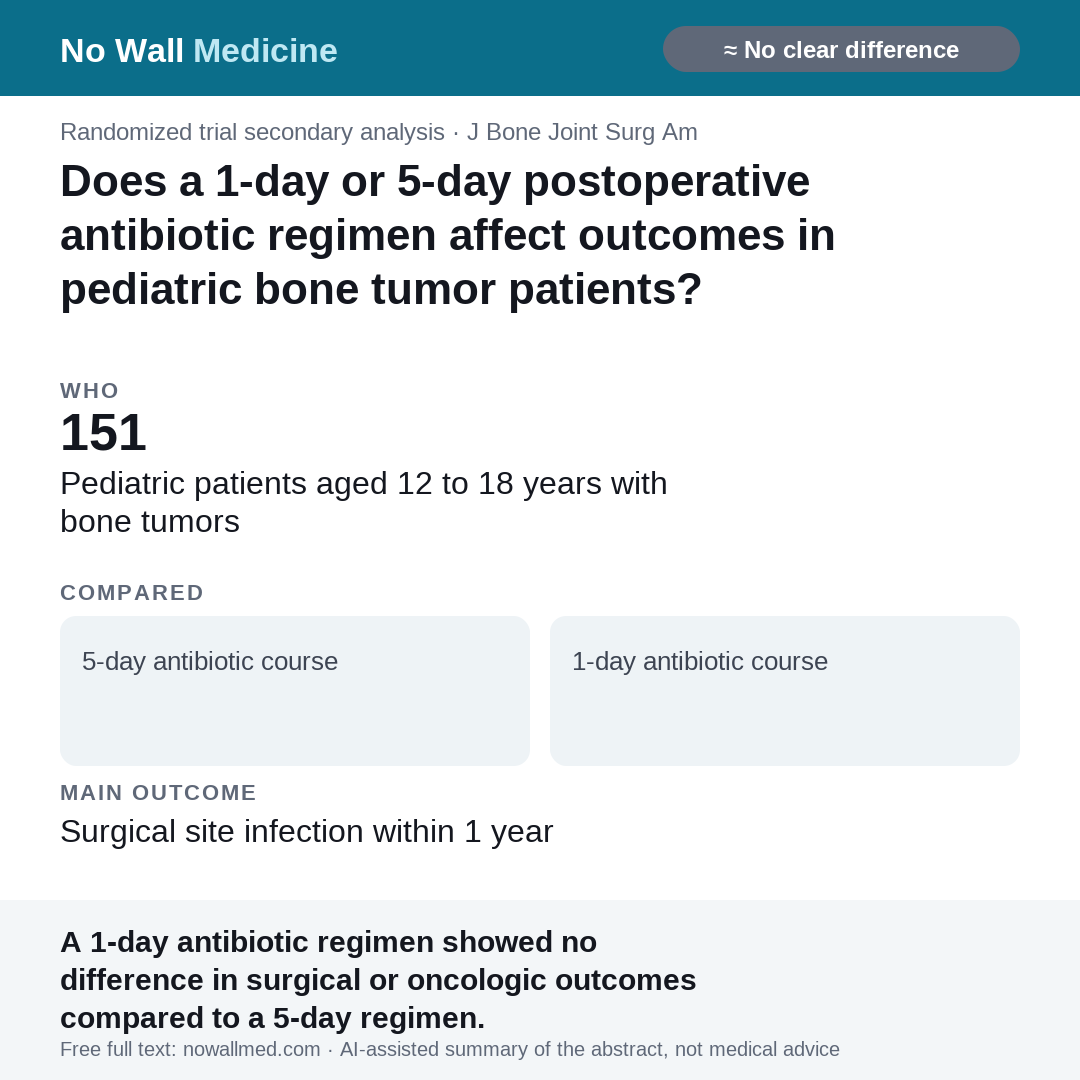
Operative Treatment and Outcomes of Pediatric Patients with an Extremity Bone Tumor: A Secondary Analysis of the PARITY Trial Data
Randomized trial secondary analysisNo clear difference
Does a 1-day or 5-day postoperative antibiotic regimen affect outcomes in pediatric bone tumor patients?
Who
151
Pediatric patients aged 12 to 18 years with bone tumors
Compared
5-day antibiotic course
1-day antibiotic course
Main outcome
Surgical site infection within 1 year
Result: hazard ratio 0.92 (95% CI 0.4 to 1.9)
Bottom line: A 1-day antibiotic regimen showed no difference in surgical or oncologic outcomes compared to a 5-day regimen.
J Bone Joint Surg Am · 2023-07-19Download image
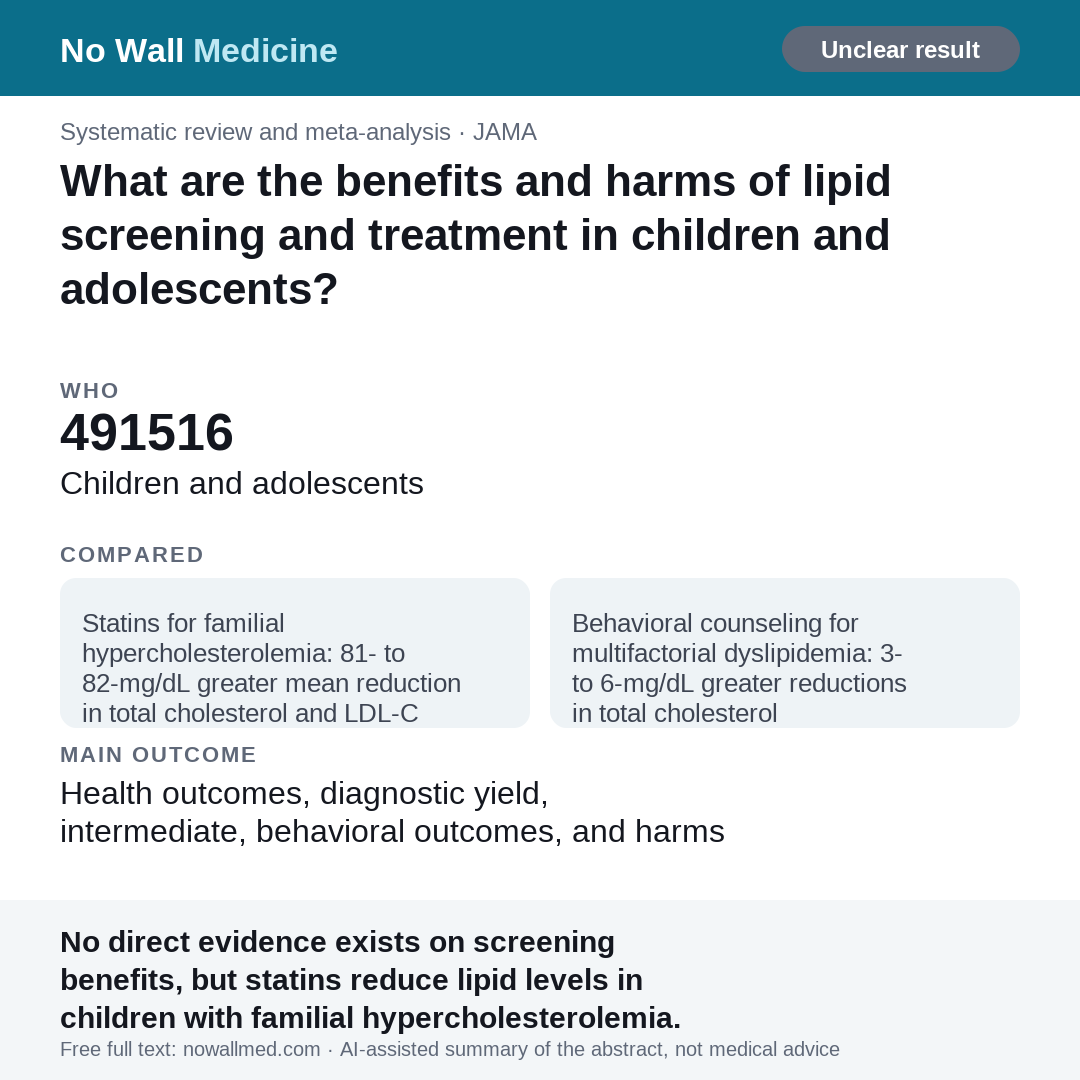
Screening for Lipid Disorders in Children and Adolescents: Updated Evidence Report and Systematic Review for the US Preventive Services Task Force
Systematic review and meta-analysisUnclear result
What are the benefits and harms of lipid screening and treatment in children and adolescents?
Who
491516
Children and adolescents
Compared
Statins for familial hypercholesterolemia: 81- to 82-mg/dL greater mean reduction in total cholesterol and LDL-C
Behavioral counseling for multifactorial dyslipidemia: 3- to 6-mg/dL greater reductions in total cholesterol
Main outcome
Health outcomes, diagnostic yield, intermediate, behavioral outcomes, and harms
Bottom line: No direct evidence exists on screening benefits, but statins reduce lipid levels in children with familial hypercholesterolemia.
JAMA · 2023-07-18Download image
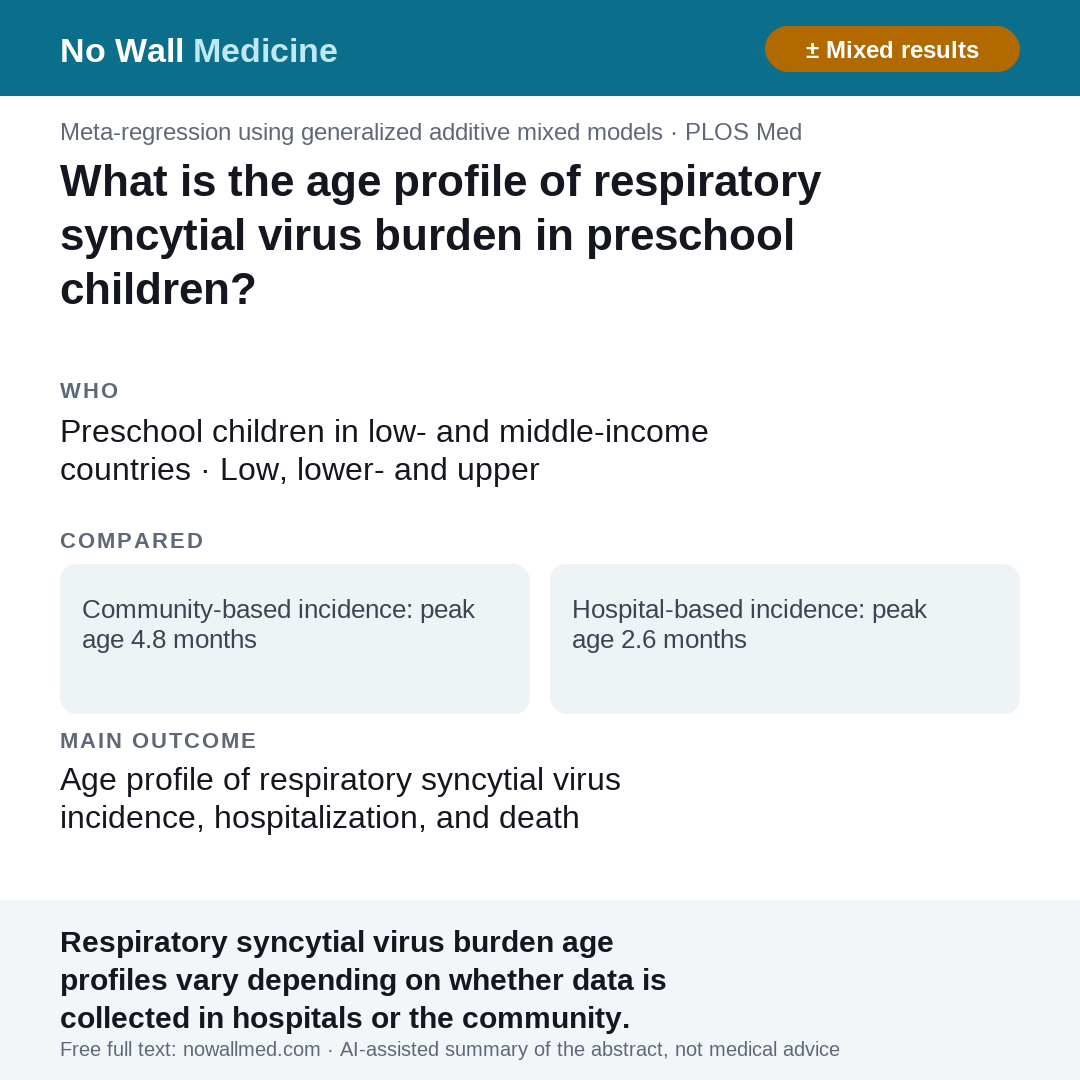
The age profile of respiratory syncytial virus burden in preschool children of low- and middle-income countries: A semi-parametric, meta-regression approach
Meta-regression using generalized additive mixed modelsMixed results
What is the age profile of respiratory syncytial virus burden in preschool children?
Who
Preschool children in low- and middle-income countries · Low, lower- and upper middle-income countries
Compared
Community-based incidence: peak age 4.8 months
Hospital-based incidence: peak age 2.6 months
Main outcome
Age profile of respiratory syncytial virus incidence, hospitalization, and death
Bottom line: Respiratory syncytial virus burden age profiles vary depending on whether data is collected in hospitals or the community.
Limitation: Sparsity of data, especially for low-income countries, and differences in access to care.
PLOS Med · 2023-07-17Download image
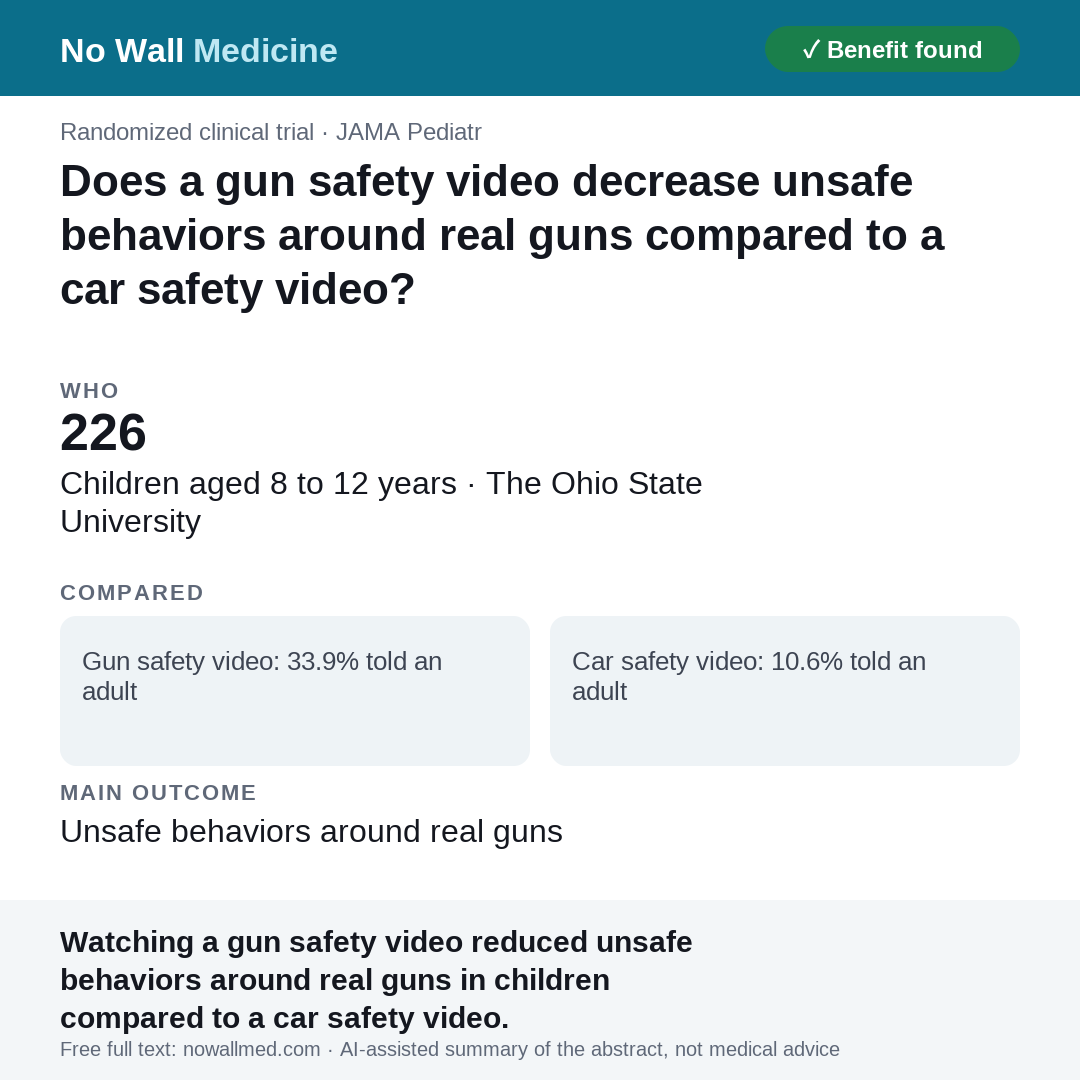
Effect of a Gun Safety Video on Children's Behavior Around Real Guns: A Randomized Clinical Trial
Randomized clinical trialBenefit found
Does a gun safety video decrease unsafe behaviors around real guns compared to a car safety video?
Who
226
Children aged 8 to 12 years · The Ohio State University
Compared
Gun safety video: 33.9% told an adult
Car safety video: 10.6% told an adult
Main outcome
Unsafe behaviors around real guns
Bottom line: Watching a gun safety video reduced unsafe behaviors around real guns in children compared to a car safety video.
JAMA Pediatr · 2023-07-17Download image
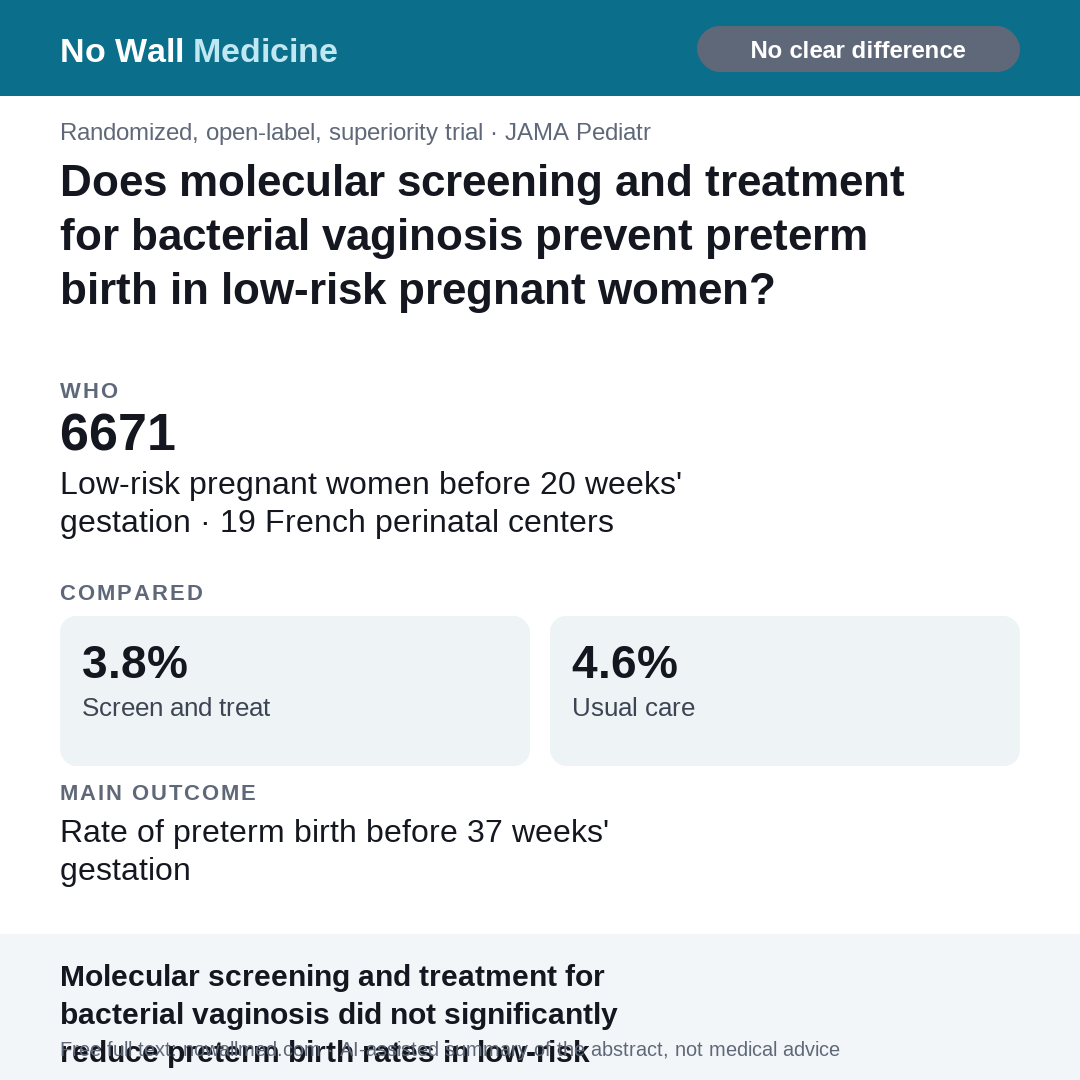
Effectiveness and Costs of Molecular Screening and Treatment for Bacterial Vaginosis to Prevent Preterm Birth: The AuTop Randomized Clinical Trial
Randomized, open-label, superiority trialNo clear difference
Does molecular screening and treatment for bacterial vaginosis prevent preterm birth in low-risk pregnant women?
Who
6671
Low-risk pregnant women before 20 weeks' gestation · 19 French perinatal centers
Compared
3.8%Screen and treat (127/3333)
4.6%Usual care (153/3338)
Main outcome
Rate of preterm birth before 37 weeks' gestation
Result: risk ratio 0.83 (95% CI, 0.66-1.05)
Bottom line: Molecular screening and treatment for bacterial vaginosis did not significantly reduce preterm birth rates in low-risk pregnant women.
JAMA Pediatr · 2023-07-17Download image
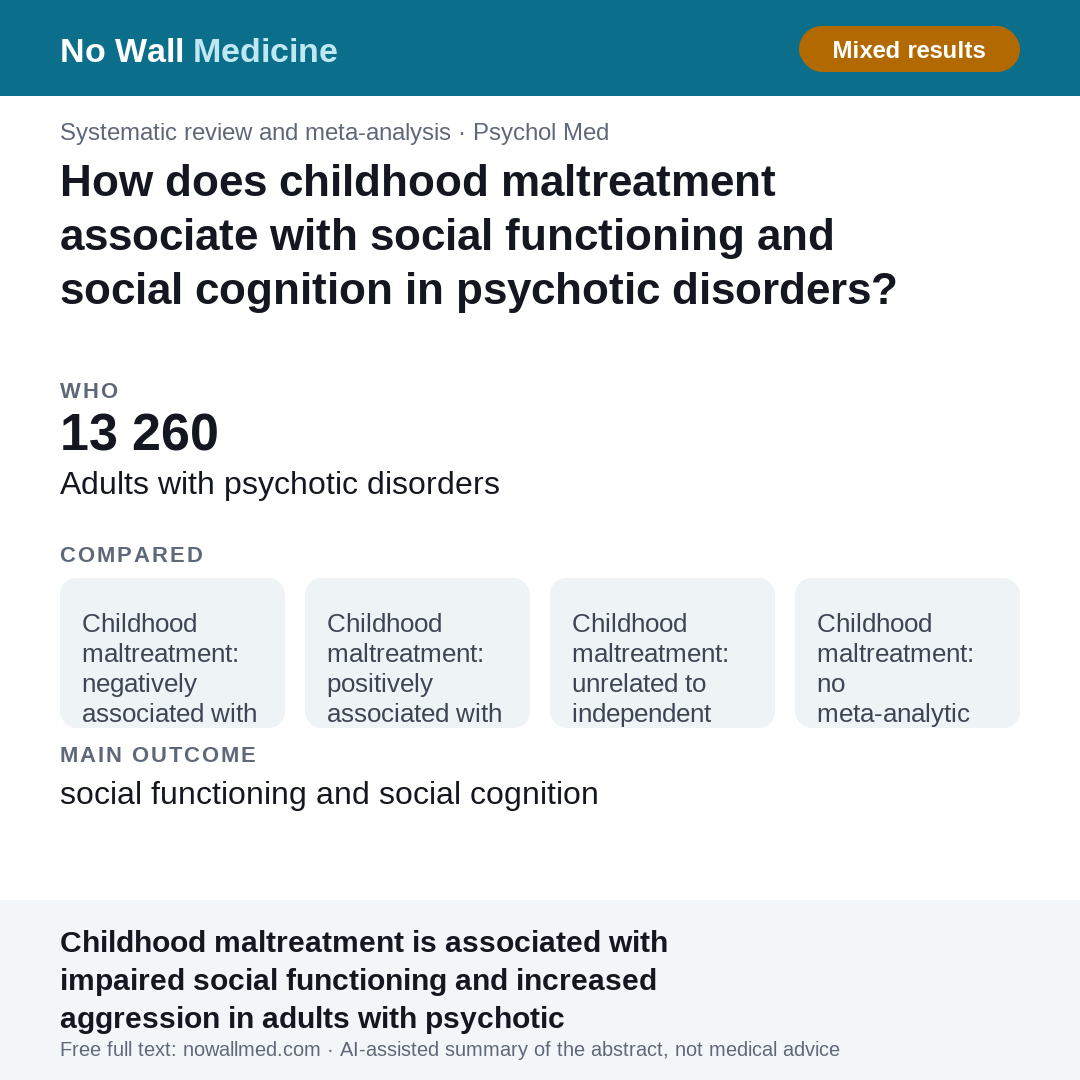
Examining associations, moderators and mediators between childhood maltreatment, social functioning, and social cognition in psychotic disorders: a systematic review and meta-analysis
Systematic review and meta-analysisMixed results
How does childhood maltreatment associate with social functioning and social cognition in psychotic disorders?
Who
13 260
Adults with psychotic disorders
Compared
Childhood maltreatment: negatively associated with global social functioning and interpersonal relations
Childhood maltreatment: positively associated with aggressive behaviour
Childhood maltreatment: unrelated to independent living or occupational functioning
Childhood maltreatment: no meta-analytic evidence of associations with social cognition
Main outcome
social functioning and social cognition
Bottom line: Childhood maltreatment is associated with impaired social functioning and increased aggression in adults with psychotic disorders.
Limitation: Associations were of small magnitude and few studies assessed subtypes and social cognition.
Psychol Med · 2023-07-17Download image
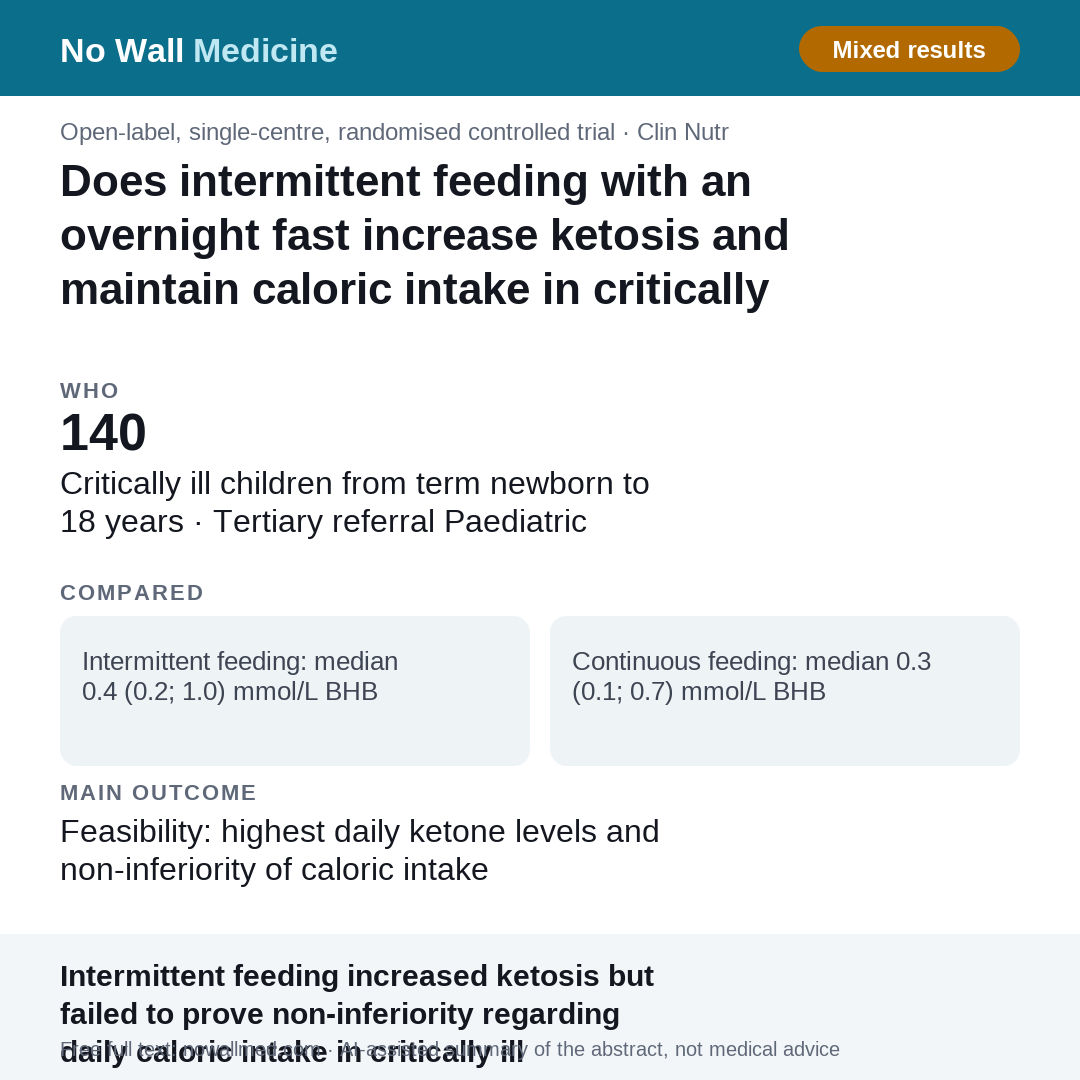
Intermittent feeding with an overnight fast versus 24-h feeding in critically ill neonates, infants, and children: An open-label, single-centre, randomised controlled trial
Open-label, single-centre, randomised controlled trialMixed results
Does intermittent feeding with an overnight fast increase ketosis and maintain caloric intake in critically ill children?
Who
140
Critically ill children from term newborn to 18 years · Tertiary referral Paediatric Intensive Care Unit in the Netherlands
Compared
Intermittent feeding: median 0.4 (0.2; 1.0) mmol/L BHB
Continuous feeding: median 0.3 (0.1; 0.7) mmol/L BHB
Main outcome
Feasibility: highest daily ketone levels and non-inferiority of caloric intake
Bottom line: Intermittent feeding increased ketosis but failed to prove non-inferiority regarding daily caloric intake in critically ill children.
Limitation: Non-inferiority regarding daily caloric intake was not proven, so feasibility could not be shown.
Clin Nutr · 2023-07-15Download image
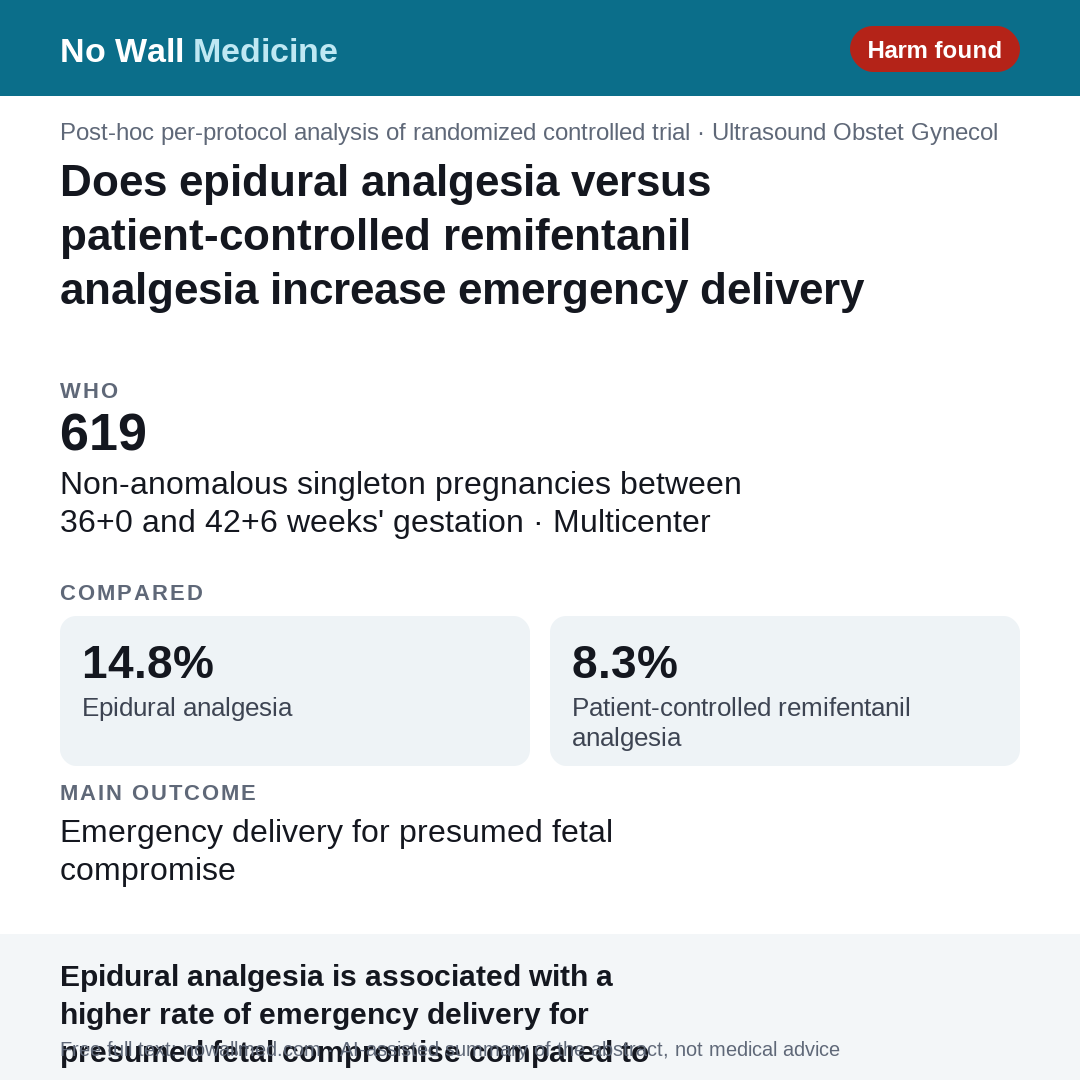
Epidural analgesia and emergency delivery for presumed fetal compromise: post-hoc analysis of RAVEL multicenter randomized controlled trial
Post-hoc per-protocol analysis of randomized controlled trialHarm found
Does epidural analgesia versus patient-controlled remifentanil analgesia increase emergency delivery for presumed fetal compromise?
Who
619
Non-anomalous singleton pregnancies between 36+0 and 42+6 weeks' gestation · Multicenter
Compared
14.8%Epidural analgesia
8.3%Patient-controlled remifentanil analgesia
Main outcome
Emergency delivery for presumed fetal compromise
Result: odds ratio 1.69 (95% CI 1.01-2.83)
Bottom line: Epidural analgesia is associated with a higher rate of emergency delivery for presumed fetal compromise compared to patient-controlled remifentanil analgesia.
Limitation: Post-hoc per-protocol analysis
Ultrasound Obstet Gynecol · 2023-07-14Download image
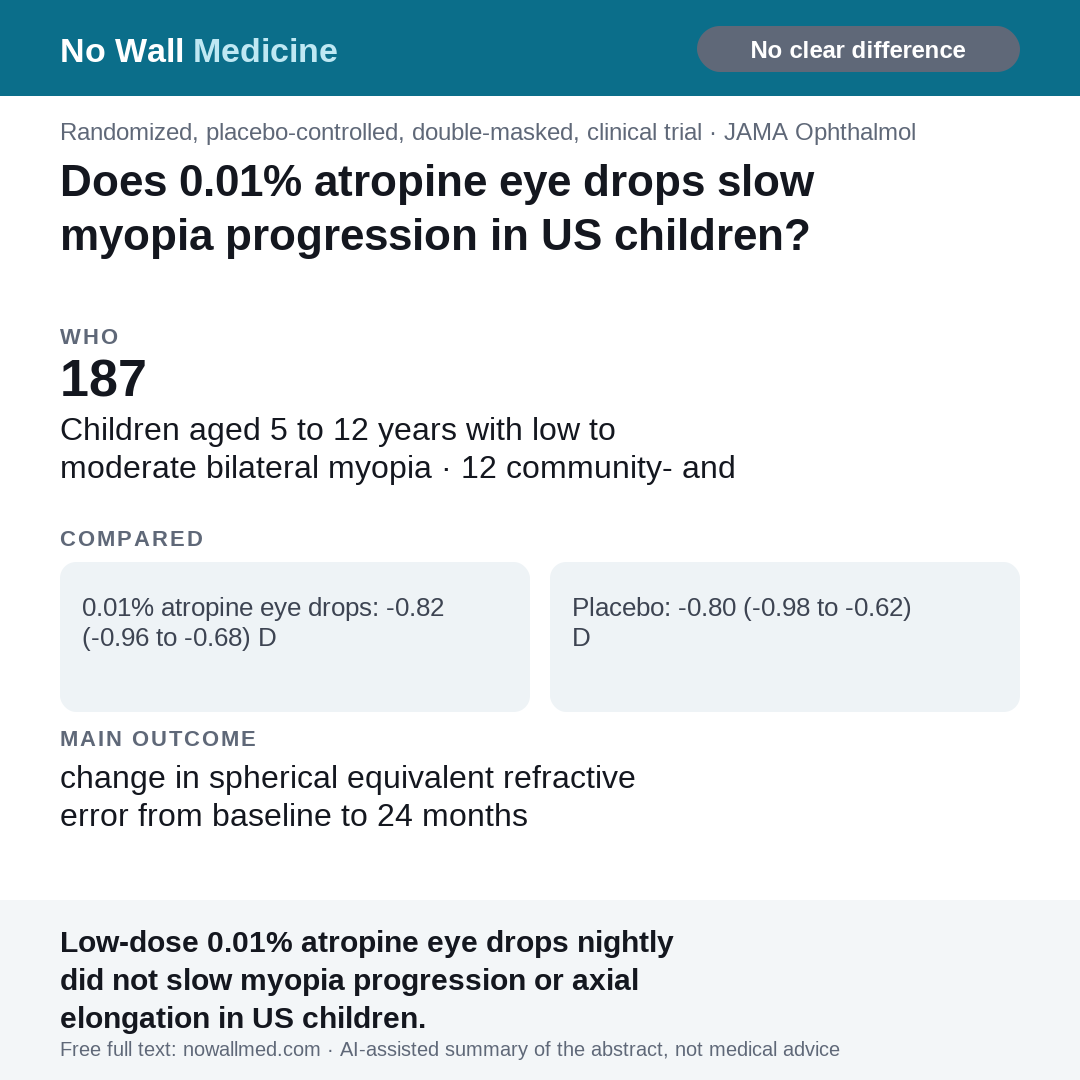
Low-Dose 0.01% Atropine Eye Drops vs Placebo for Myopia Control: A Randomized Clinical Trial
Randomized, placebo-controlled, double-masked, clinical trialNo clear difference
Does 0.01% atropine eye drops slow myopia progression in US children?
Who
187
Children aged 5 to 12 years with low to moderate bilateral myopia · 12 community- and institution-based practices in the US
Compared
0.01% atropine eye drops: -0.82 (-0.96 to -0.68) D
Placebo: -0.80 (-0.98 to -0.62) D
Main outcome
change in spherical equivalent refractive error from baseline to 24 months
Result: adjusted difference = -0.02 D (95% CI, -0.19 to +0.15 D)
Bottom line: Low-dose 0.01% atropine eye drops nightly did not slow myopia progression or axial elongation in US children.
JAMA Ophthalmol · 2023-07-13Download image
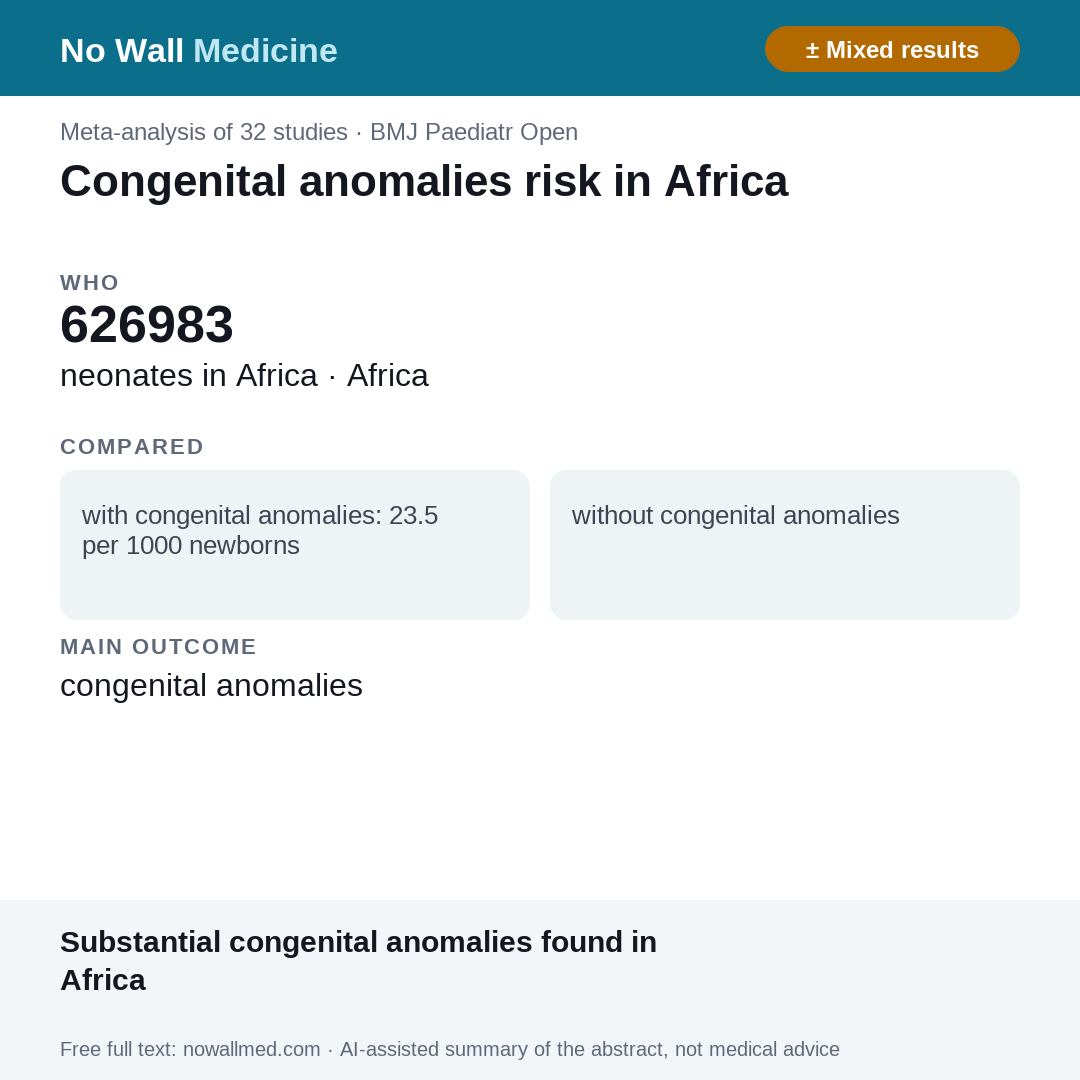
Congenital anomalies and risk factors in Africa: a systematic review and meta-analysis
Meta-analysis of 32 studiesMixed results
Congenital anomalies risk in Africa
Who
626983
neonates in Africa · Africa
Compared
with congenital anomalies: 23.5 per 1000 newborns
without congenital anomalies
Main outcome
congenital anomalies
Bottom line: Substantial congenital anomalies found in Africa
BMJ Paediatr Open · 2023-07-11Download image
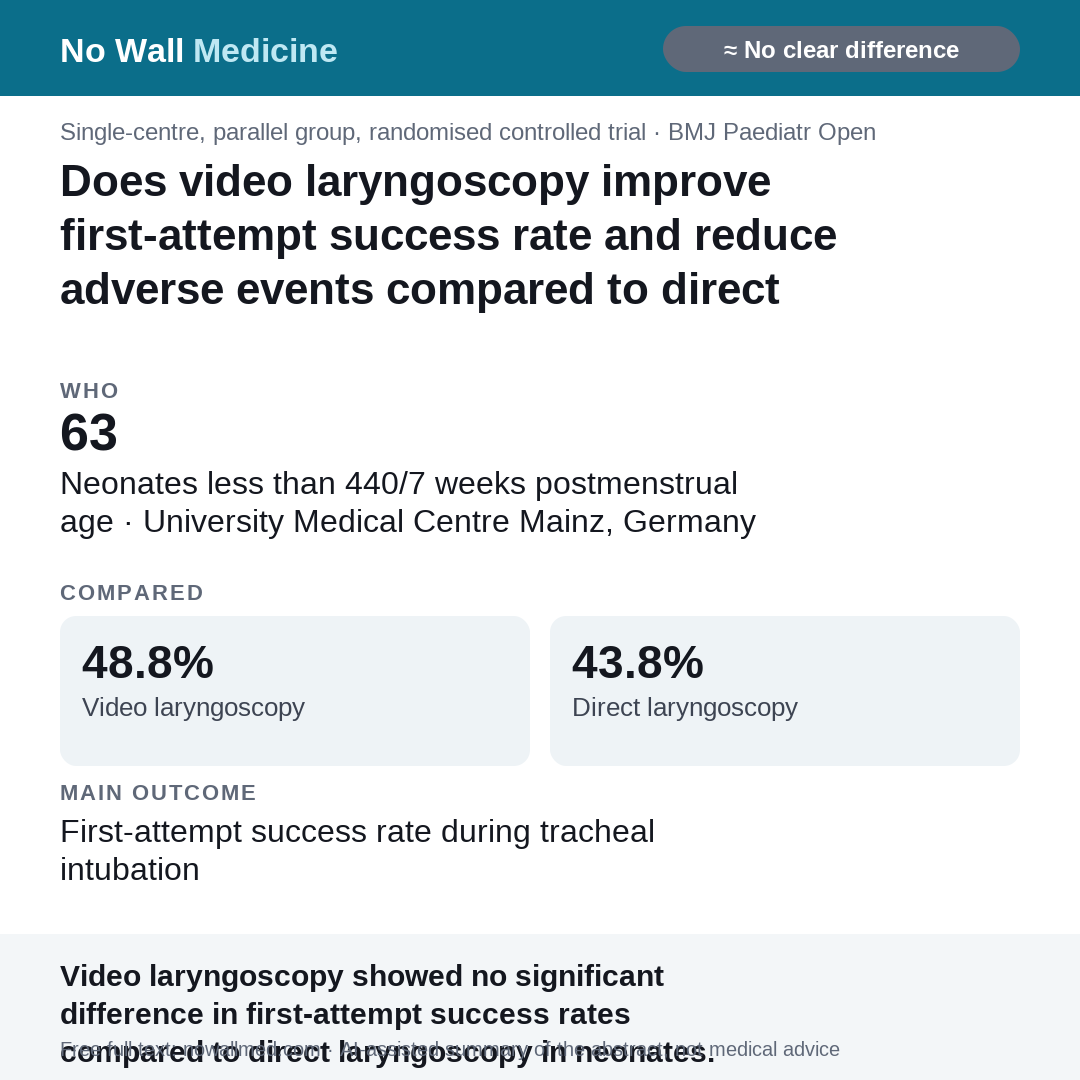
Video versus direct laryngoscopy to improve the success rate of nasotracheal intubations in the neonatal intensive care setting: a randomised controlled trial
Single-centre, parallel group, randomised controlled trialNo clear difference
Does video laryngoscopy improve first-attempt success rate and reduce adverse events compared to direct laryngoscopy?
Who
63
Neonates less than 440/7 weeks postmenstrual age · University Medical Centre Mainz, Germany
Compared
48.8%Video laryngoscopy (20/41)
43.8%Direct laryngoscopy (21/48)
Main outcome
First-attempt success rate during tracheal intubation
Result: OR 1.22, 95% CI 0.51 to 2.88
Bottom line: Video laryngoscopy showed no significant difference in first-attempt success rates compared to direct laryngoscopy in neonates.
BMJ Paediatr Open · 2023-07-11Download image