Visual abstracts
New randomized trials and meta-analyses from leading journals at a glance: who was studied, what was compared, and what was found. Every paper is free to read in full.
All specialtiesCardiology 855Oncology 770Gastroenterology & Hepatology 311Infectious Disease 626Neurology 354Psychiatry & Mental Health 430Pulmonology 370Critical Care 259Endocrinology & Diabetes 484Pediatrics 542Surgery 349Orthopedics & Sports Medicine 166Neurosurgery 115Cardiothoracic & Vascular Surgery 87Plastic & Reconstructive Surgery 144Nephrology 197Rheumatology 108Hematology 183Dermatology 81Ophthalmology 97Obstetrics & Gynecology 266Public & Global Health 168Radiology & Imaging 104Anesthesiology 128Urology 162ENT (Otolaryngology) 114Emergency Medicine 103Allergy & Immunology 58Geriatrics 160Family Medicine & Primary Care 111Medical Genetics & Genomics 91Pathology & Laboratory Medicine 27Physical Medicine & Rehabilitation 149Palliative Care 81Nutrition 223Digital Health & AI 462General Medicine 101
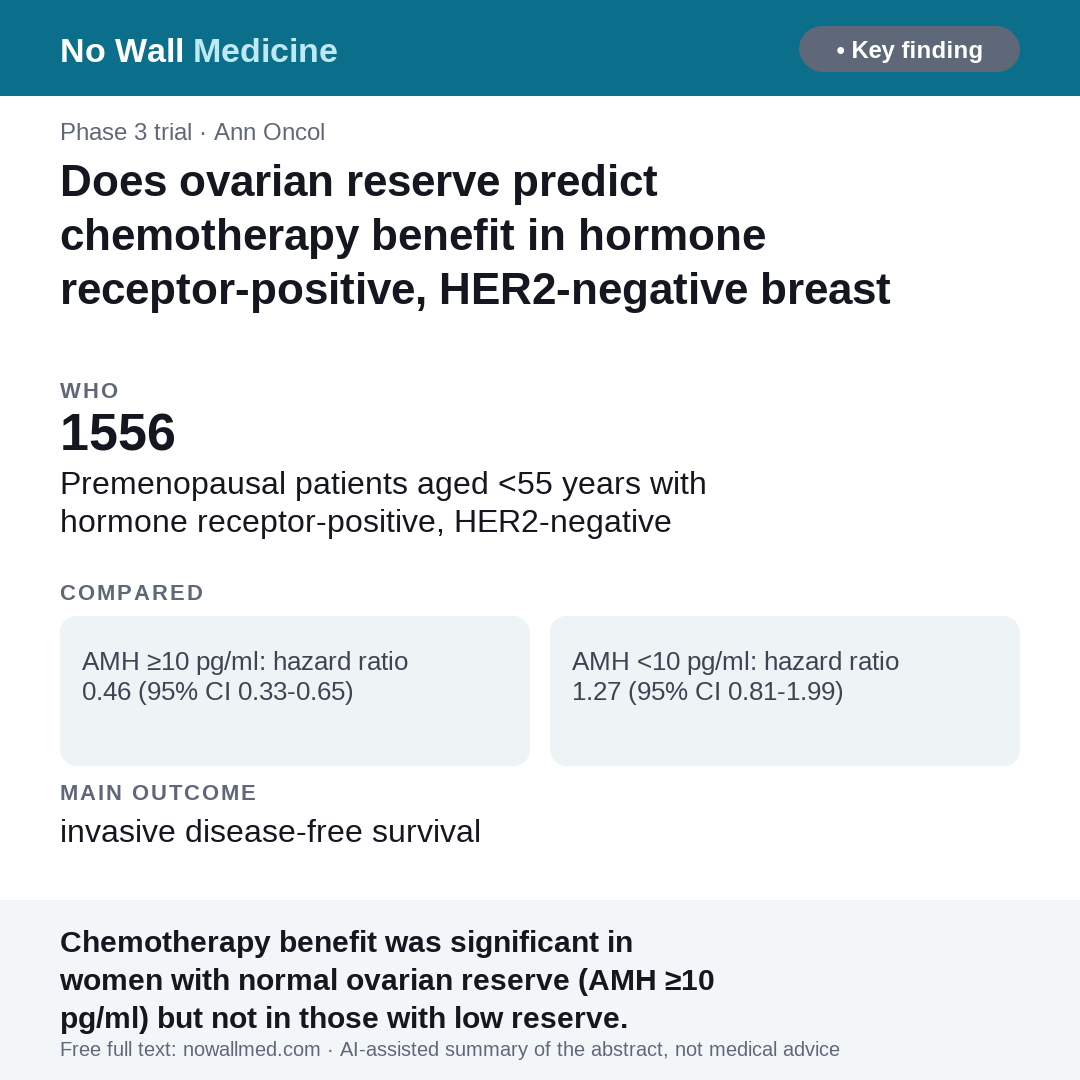
Ovarian reserve as a measure of adjuvant chemotherapy benefit in hormone receptor positive (HR-positive), HER2-negative, node-positive breast cancer in SWOG S1007 (RxPONDER)
Phase 3 trialBenefit found
Does ovarian reserve predict chemotherapy benefit in hormone receptor-positive, HER2-negative breast cancer?
Who
1556
Premenopausal patients aged <55 years with hormone receptor-positive, HER2-negative breast cancer
Compared
AMH ≥10 pg/ml: hazard ratio 0.46 (95% CI 0.33-0.65)
AMH <10 pg/ml: hazard ratio 1.27 (95% CI 0.81-1.99)
Main outcome
invasive disease-free survival
Result: hazard ratio 0.46 (95% CI 0.33-0.65)
Bottom line: Chemotherapy benefit was significant in women with normal ovarian reserve (AMH ≥10 pg/ml) but not in those with low reserve.
Ann Oncol · 2026-07-24Download image
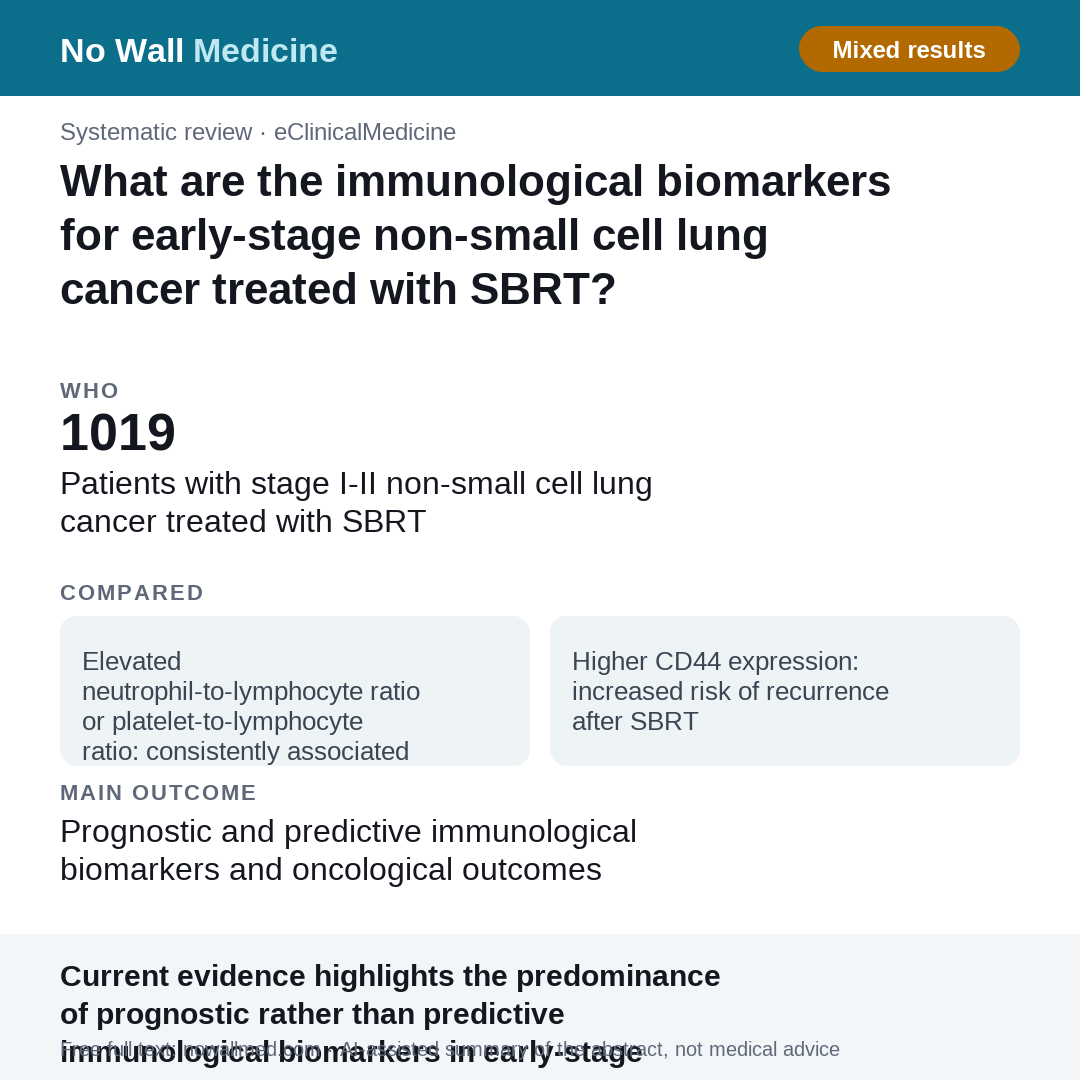
Immunological biomarkers for precision stereotactic body radiation therapy in early-stage non-small cell lung cancer: a systematic review
Systematic reviewMixed results
What are the immunological biomarkers for early-stage non-small cell lung cancer treated with SBRT?
Who
1019
Patients with stage I-II non-small cell lung cancer treated with SBRT
Compared
Elevated neutrophil-to-lymphocyte ratio or platelet-to-lymphocyte ratio: consistently associated with poorer survival
Higher CD44 expression: increased risk of recurrence after SBRT
Main outcome
Prognostic and predictive immunological biomarkers and oncological outcomes
Bottom line: Current evidence highlights the predominance of prognostic rather than predictive immunological biomarkers in early-stage non-small cell lung cancer.
Limitation: Heterogeneity in biomarkers, outcome definitions, and analytical approaches prevented formal meta-analysis.
Funded by: MONDRIAN trial
eClinicalMedicine · 2026-07-24Download image
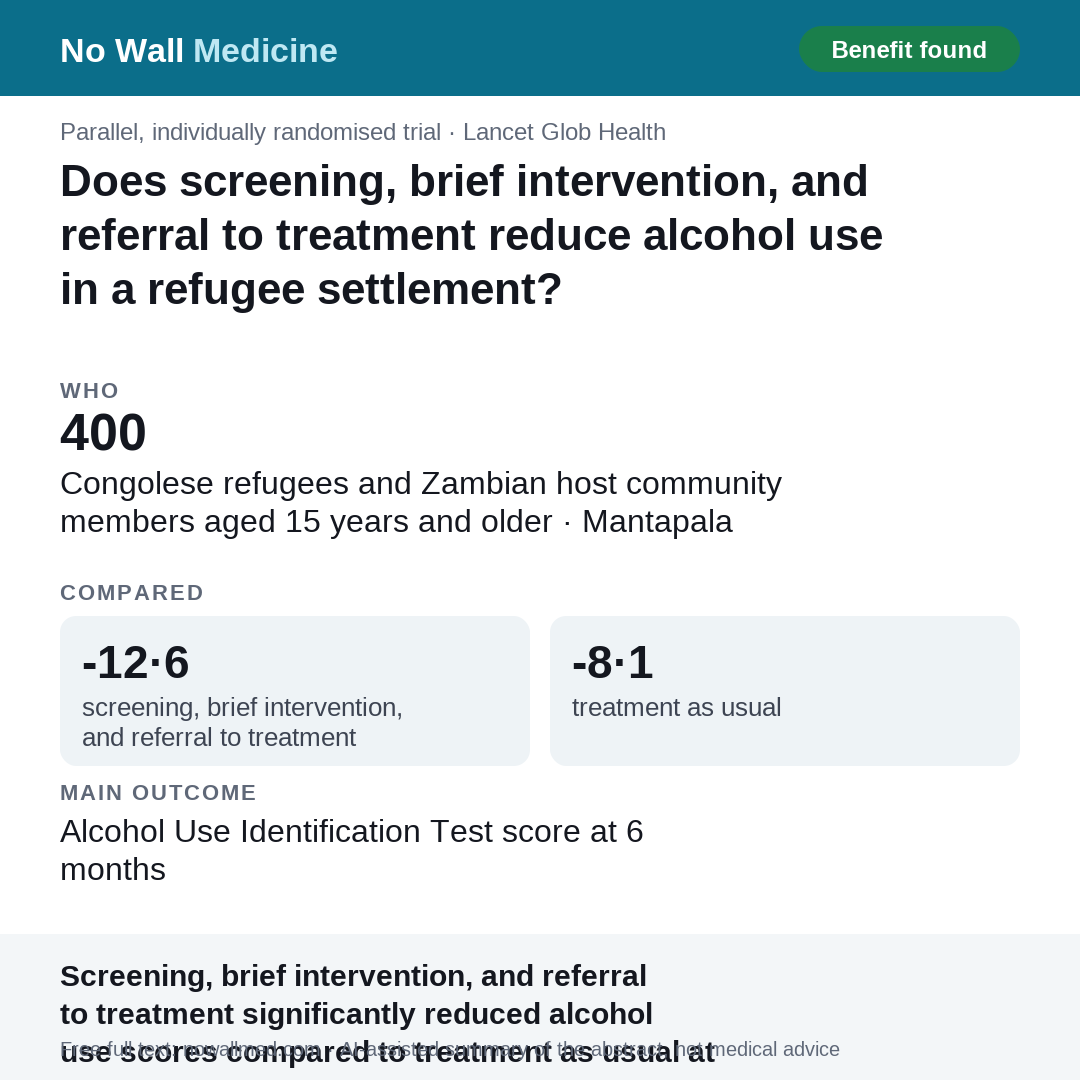
Screening, brief intervention, and referral to treatment compared with treatment as usual for alcohol use in an integrated refugee settlement in Zambia: a hybrid, type 1, randomised controlled trial
Parallel, individually randomised trialBenefit found
Does screening, brief intervention, and referral to treatment reduce alcohol use in a refugee settlement?
Who
400
Congolese refugees and Zambian host community members aged 15 years and older · Mantapala refugee settlement in Zambia
Compared
-12·6Screening, brief intervention, and referral to treatment (95% CI -14·3 to -11·0)
-8·1Treatment as usual (-9·8 to -6·3)
Main outcome
Alcohol Use Identification Test score at 6 months
Result: -4·6 (95% CI -6·9 to -2·2)
Bottom line: Screening, brief intervention, and referral to treatment significantly reduced alcohol use compared to treatment as usual in a refugee settlement.
Funded by: Elrha's Research for Health in Humanitarian Crises Programme
Lancet Glob Health · 2026-07-24Download image
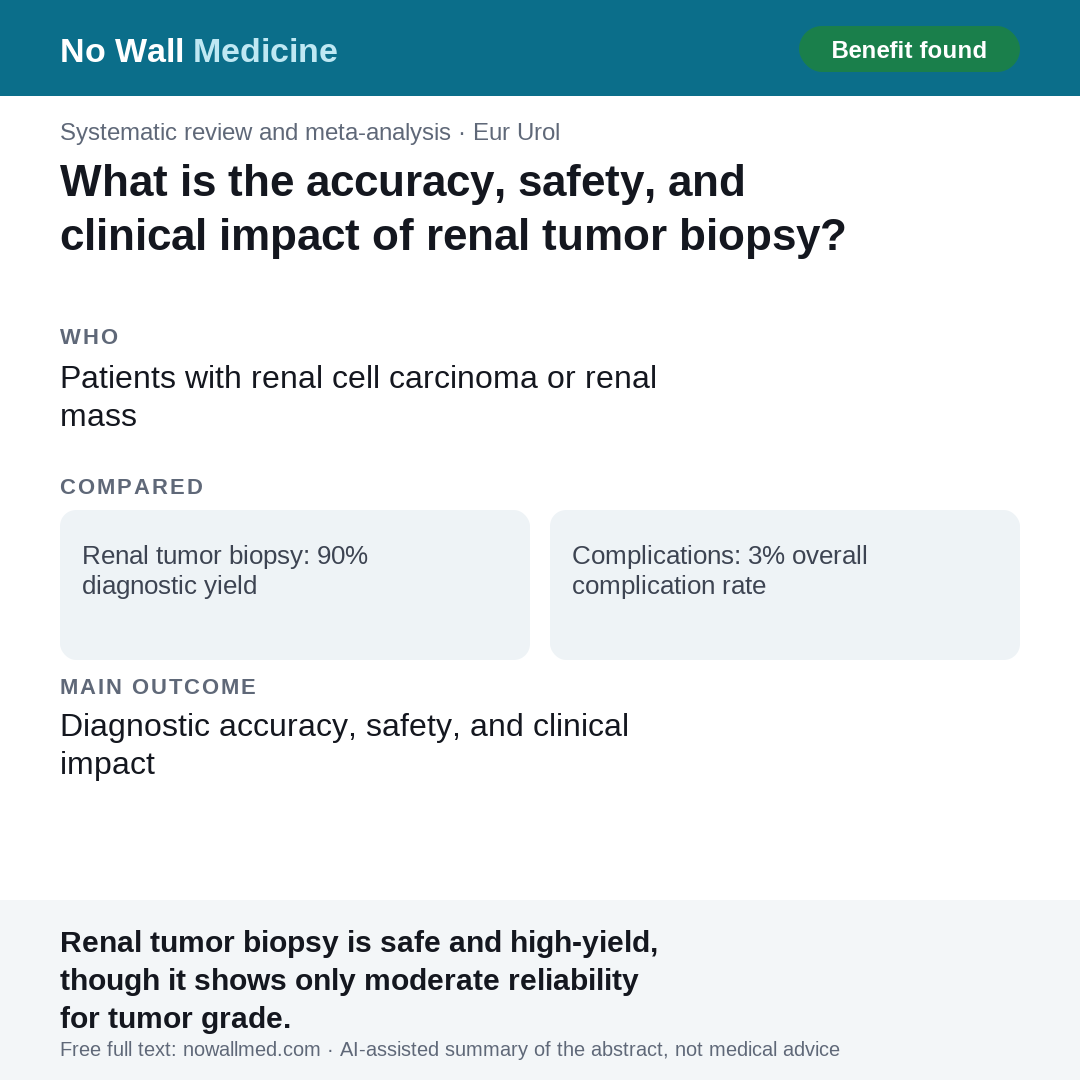
Systematic Review and Meta-analysis on Renal Tumor Biopsy: Accuracy, Safety, and Impact on Clinical Decision-making
Systematic review and meta-analysisBenefit found
What is the accuracy, safety, and clinical impact of renal tumor biopsy?
Who
Patients with renal cell carcinoma or renal mass
Compared
Renal tumor biopsy: 90% diagnostic yield
Complications: 3% overall complication rate
Main outcome
Diagnostic accuracy, safety, and clinical impact
Bottom line: Renal tumor biopsy is safe and high-yield, though it shows only moderate reliability for tumor grade.
Limitation: Most studies were predominantly retrospective and at high risk of bias.
Eur Urol · 2026-07-24Download image
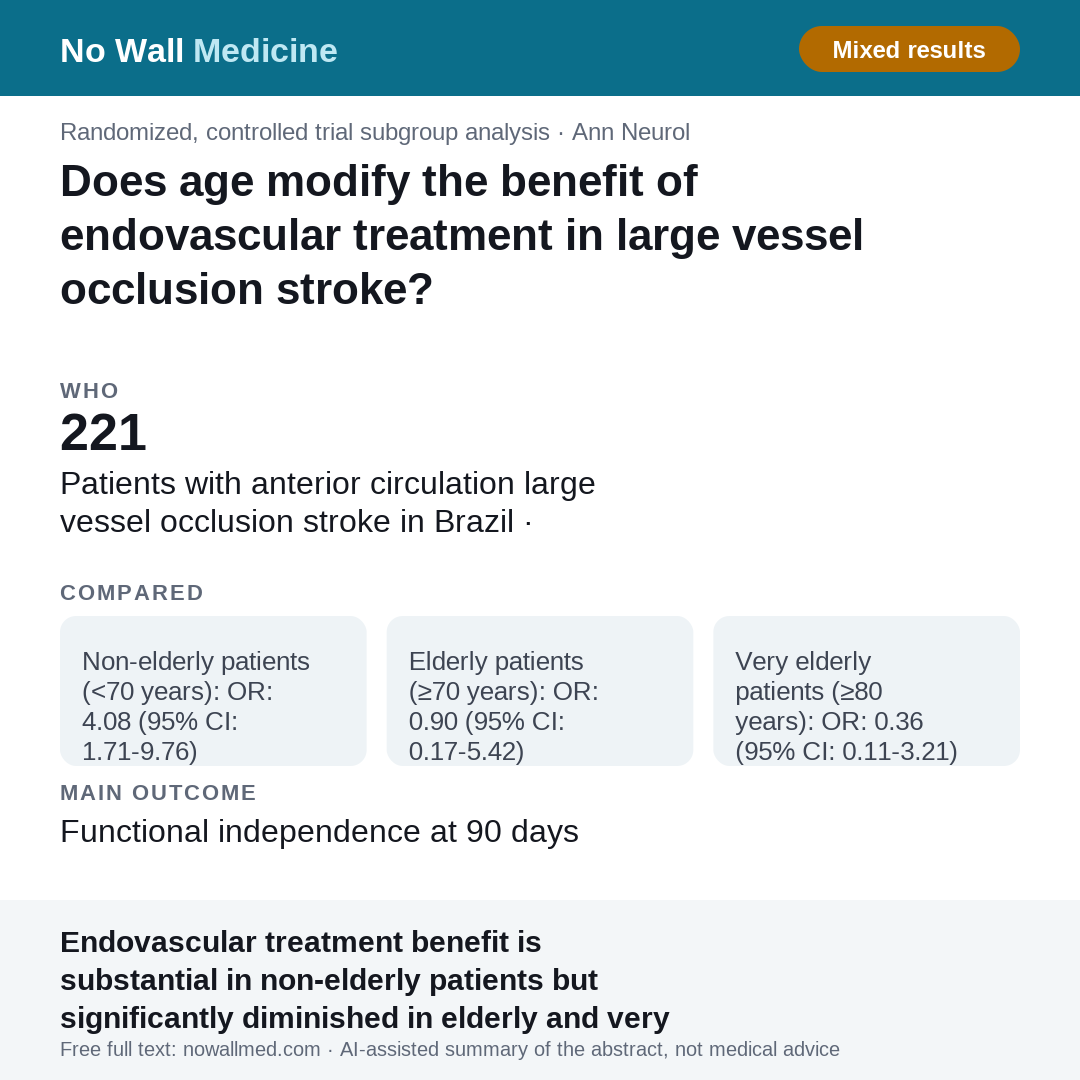
Age Is an Effect Modifier of Thrombectomy Benefit in a Socioeconomically Vulnerable Stroke Population
Randomized, controlled trial subgroup analysisMixed results
Does age modify the benefit of endovascular treatment in large vessel occlusion stroke?
Who
221
Patients with anterior circulation large vessel occlusion stroke in Brazil · Multicenter, public healthcare system in Brazil
Compared
Non-elderly patients (<70 years): OR: 4.08 (95% CI: 1.71-9.76)
Elderly patients (≥70 years): OR: 0.90 (95% CI: 0.17-5.42)
Very elderly patients (≥80 years): OR: 0.36 (95% CI: 0.11-3.21)
Main outcome
Functional independence at 90 days
Result: pinteraction = 0.03
Bottom line: Endovascular treatment benefit is substantial in non-elderly patients but significantly diminished in elderly and very elderly patients.
Limitation: Further studies are needed to understand the mechanism underlying these findings.
Ann Neurol · 2026-07-24Download image
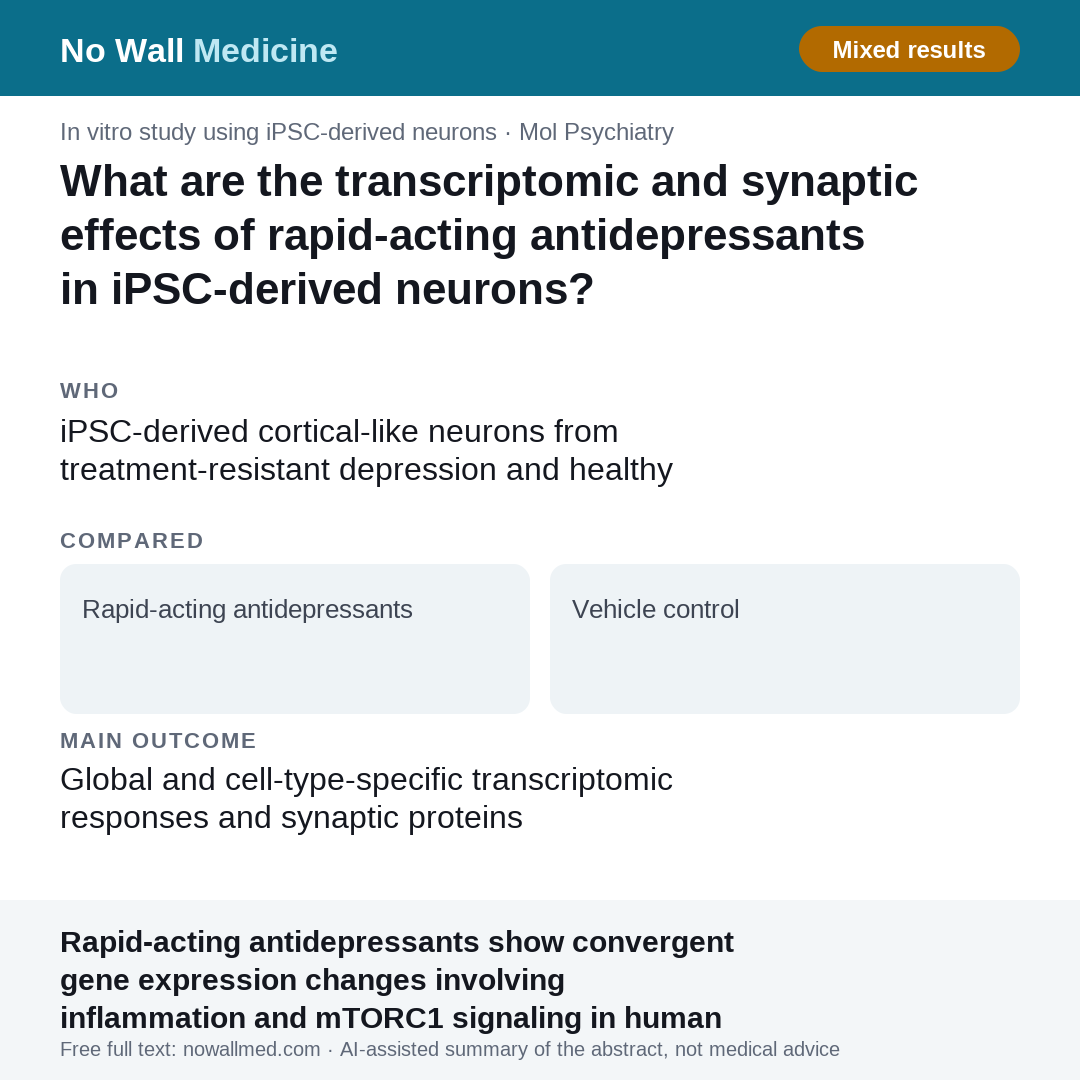
Time-dependent effects of rapid-acting antidepressants in iPSC-derived neurons from treatment-resistant depression and healthy volunteers
In vitro study using iPSC-derived neuronsMixed results
What are the transcriptomic and synaptic effects of rapid-acting antidepressants in iPSC-derived neurons?
Who
iPSC-derived cortical-like neurons from treatment-resistant depression and healthy volunteers
Compared
Rapid-acting antidepressants
Vehicle control
Main outcome
Global and cell-type-specific transcriptomic responses and synaptic proteins
Bottom line: Rapid-acting antidepressants show convergent gene expression changes involving inflammation and mTORC1 signaling in human iPSC-derived neurons.
Mol Psychiatry · 2026-07-24Download image
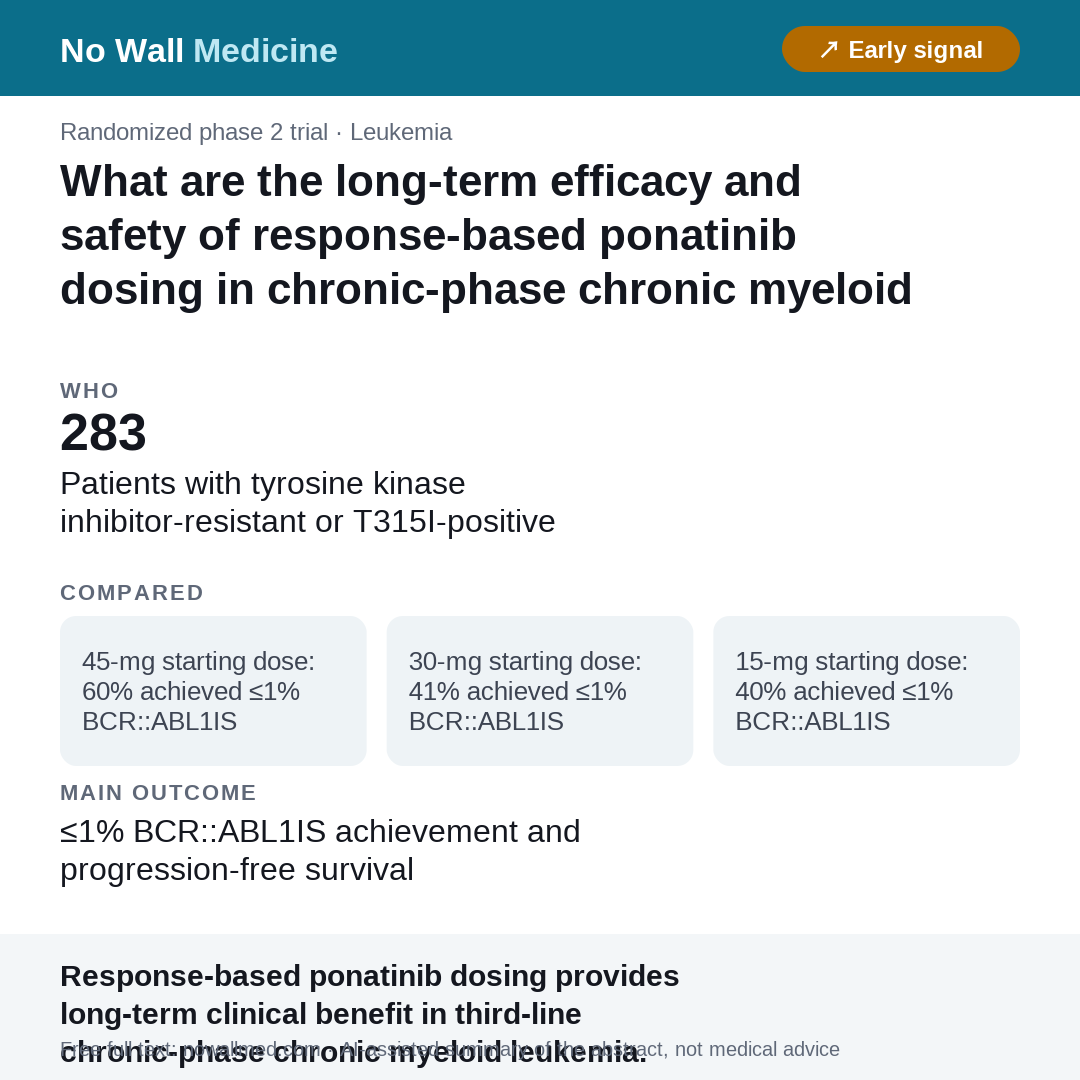
Five-year follow-up of OPTIC: long-term efficacy, safety, and mutation analyses of ponatinib in chronic-phase chronic myeloid leukemia from a randomized phase 2 trial
Randomized phase 2 trialBenefit found
What are the long-term efficacy and safety of response-based ponatinib dosing in chronic-phase chronic myeloid leukemia?
Who
283
Patients with tyrosine kinase inhibitor-resistant or T315I-positive chronic-phase chronic myeloid leukemia
Compared
45-mg starting dose: 60% achieved ≤1% BCR::ABL1IS
30-mg starting dose: 41% achieved ≤1% BCR::ABL1IS
15-mg starting dose: 40% achieved ≤1% BCR::ABL1IS
Main outcome
≤1% BCR::ABL1IS achievement and progression-free survival
Bottom line: Response-based ponatinib dosing provides long-term clinical benefit in third-line chronic-phase chronic myeloid leukemia.
Leukemia · 2026-07-24Download image
Measuring patient disability in the peri-operative period using the WHODAS 2.0 questionnaire: a systematic review
Systematic reviewMixed results
Surgical effect on disability
Who
Surgical patients
Compared
Orthopaedic surgery: 10-37% reduction
Cancer surgery: 1-8% increase
Main outcome
Disability after surgery
Bottom line: Surgery type influences disability
Anaesthesia · 2026-07-24Download image

Microbiota Signatures in Early Life and Their Association With Food Allergy: A Systematic Review
Systematic review and narrative synthesisBenefit found
Are early life microbiota signatures associated with subsequent food allergy or sensitization?
Who
6530
Infants, children, and adolescents up to 18 years of age
Compared
Food allergy cases: lower diversity, early beta-divergence, enrichment of Proteobacteria and Enterobacteriaceae
Controls
Main outcome
Food allergy or food sensitization outcomes
Bottom line: Early life microbial configurations, including lower diversity and specific taxa depletion, are associated with food allergy susceptibility.
Limitation: Moderate risk of bias, residual confounding, and heterogeneous outcome definitions.
Allergy · 2026-07-24Download image

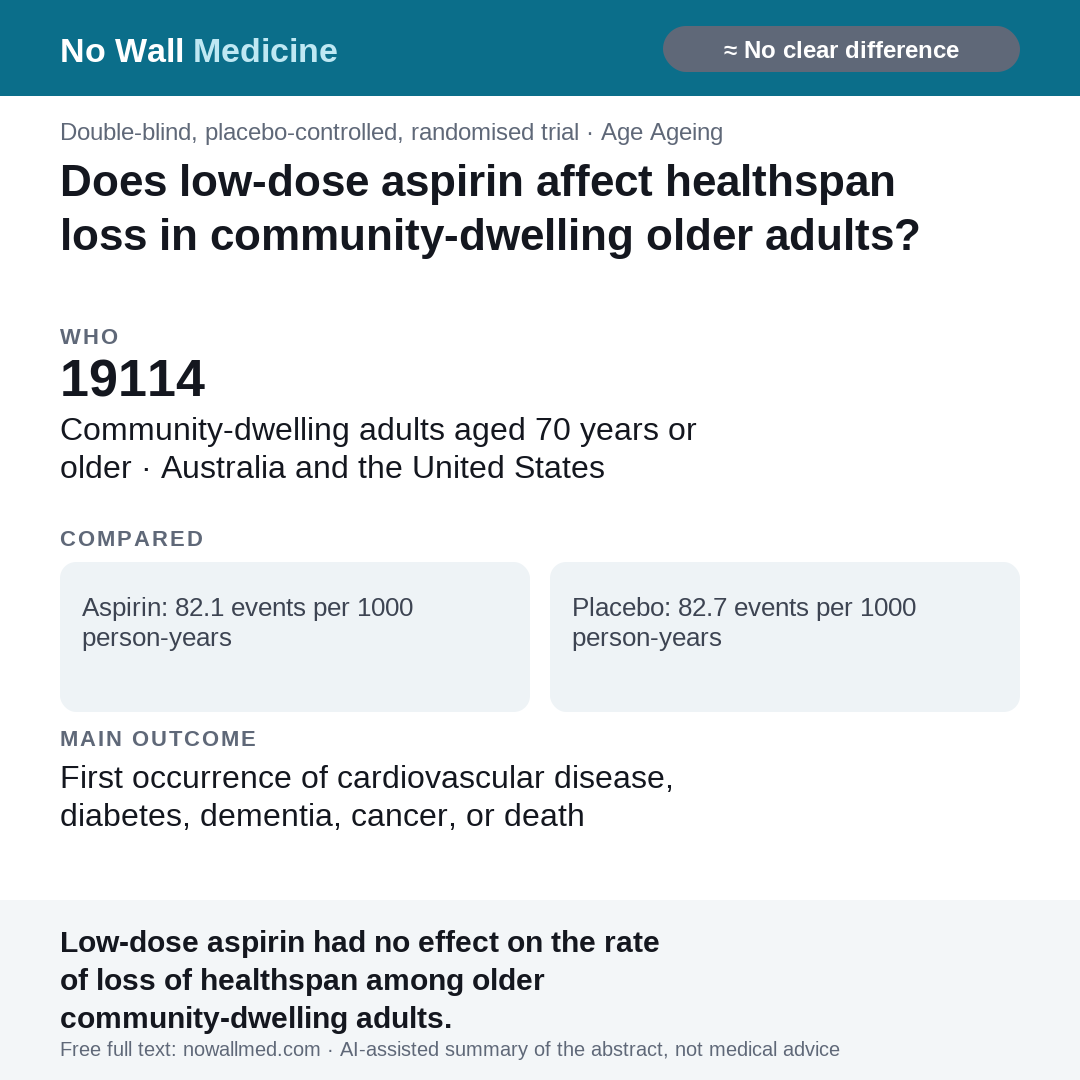
Effect of aspirin on healthspan in community-dwelling older adults: the ASPirin in reducing events in the elderly study
Double-blind, placebo-controlled, randomised trialNo clear difference
Does low-dose aspirin affect healthspan loss in community-dwelling older adults?
Who
19114
Community-dwelling adults aged 70 years or older · Australia and the United States
Compared
Aspirin: 82.1 events per 1000 person-years
Placebo: 82.7 events per 1000 person-years
Main outcome
First occurrence of cardiovascular disease, diabetes, dementia, cancer, or death
Result: hazard ratio 0.98 (95% CI: 0.92-1.05)
Bottom line: Low-dose aspirin had no effect on the rate of loss of healthspan among older community-dwelling adults.
Age Ageing · 2026-07-24Download image
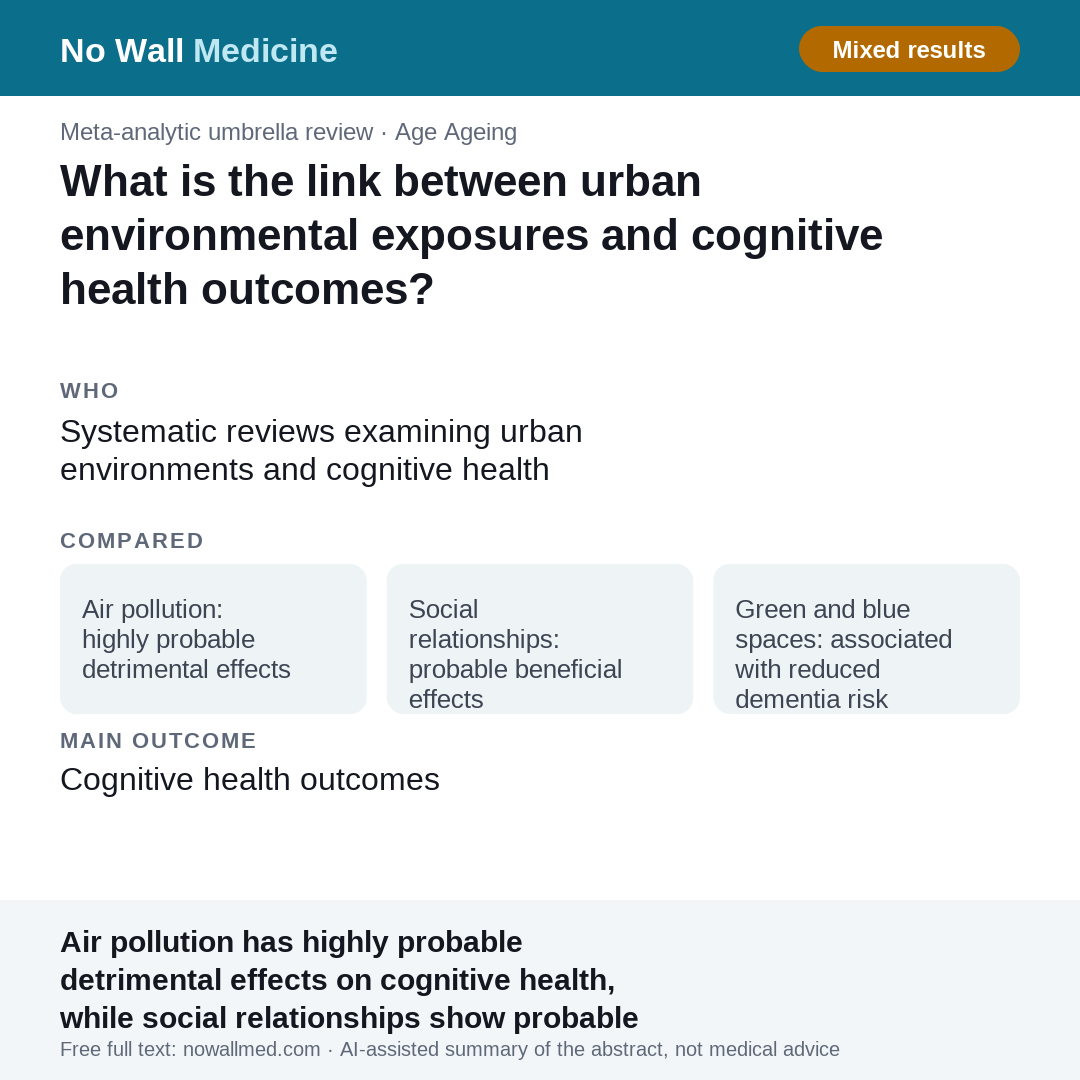
A meta-analytical umbrella review assessing urban environment exposures and cognitive health outcomes
Meta-analytic umbrella reviewMixed results
What is the link between urban environmental exposures and cognitive health outcomes?
Who
Systematic reviews examining urban environments and cognitive health
Compared
Air pollution: highly probable detrimental effects
Social relationships: probable beneficial effects
Green and blue spaces: associated with reduced dementia risk
Main outcome
Cognitive health outcomes
Bottom line: Air pollution has highly probable detrimental effects on cognitive health, while social relationships show probable benefits.
Limitation: Research gaps identified for travel behaviour, urban design, noise, light exposure and underexplored pollutants.
Age Ageing · 2026-07-24Download image
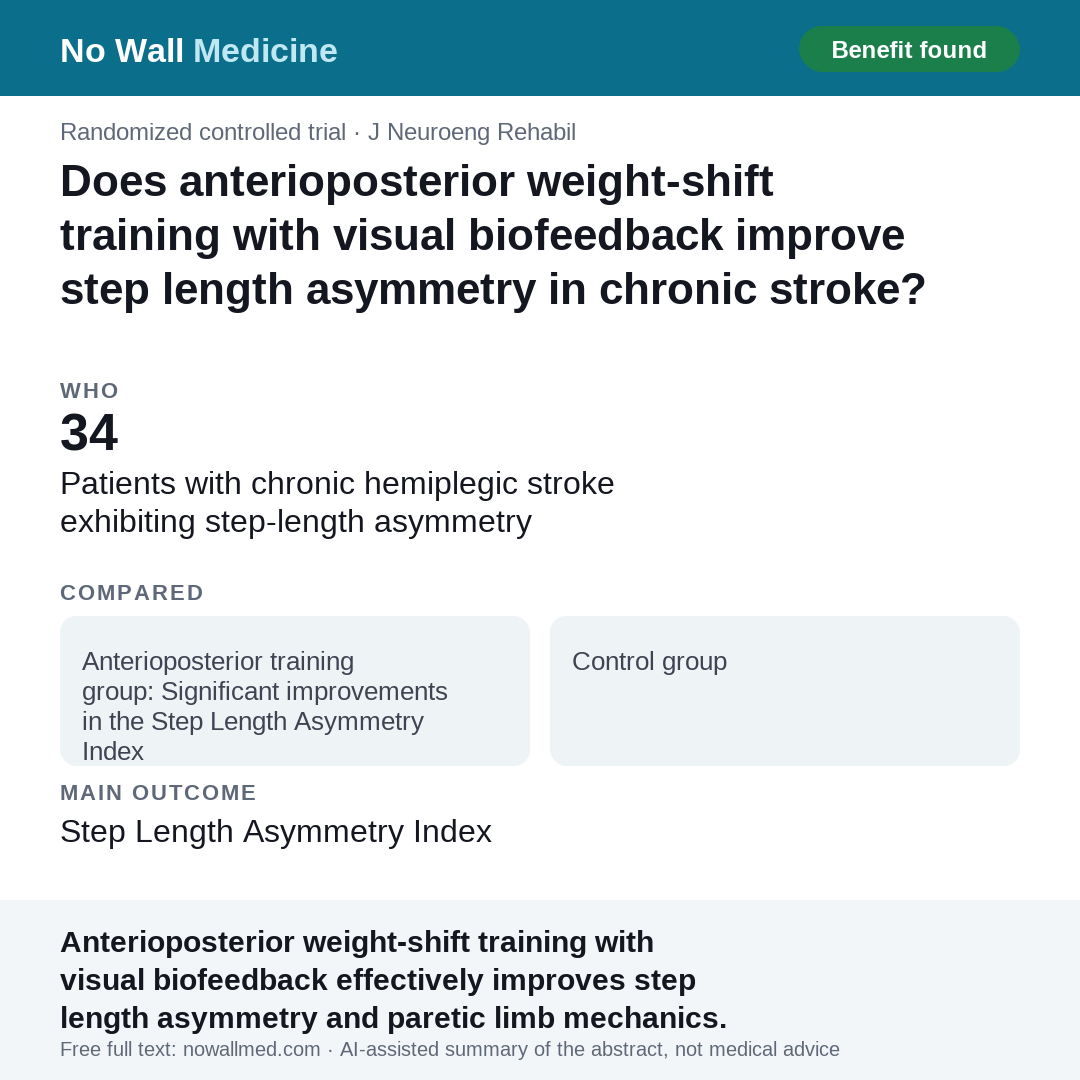
Efficacy of anterioposterior weight-shift training with visual biofeedback for step length asymmetry and functional mobility in chronic stroke: a randomized controlled trial
Randomized controlled trialBenefit found
Does anterioposterior weight-shift training with visual biofeedback improve step length asymmetry in chronic stroke?
Who
34
Patients with chronic hemiplegic stroke exhibiting step-length asymmetry
Compared
Anterioposterior training group: Significant improvements in the Step Length Asymmetry Index
Control group
Main outcome
Step Length Asymmetry Index
Bottom line: Anterioposterior weight-shift training with visual biofeedback effectively improves step length asymmetry and paretic limb mechanics.
J Neuroeng Rehabil · 2026-07-24Download image
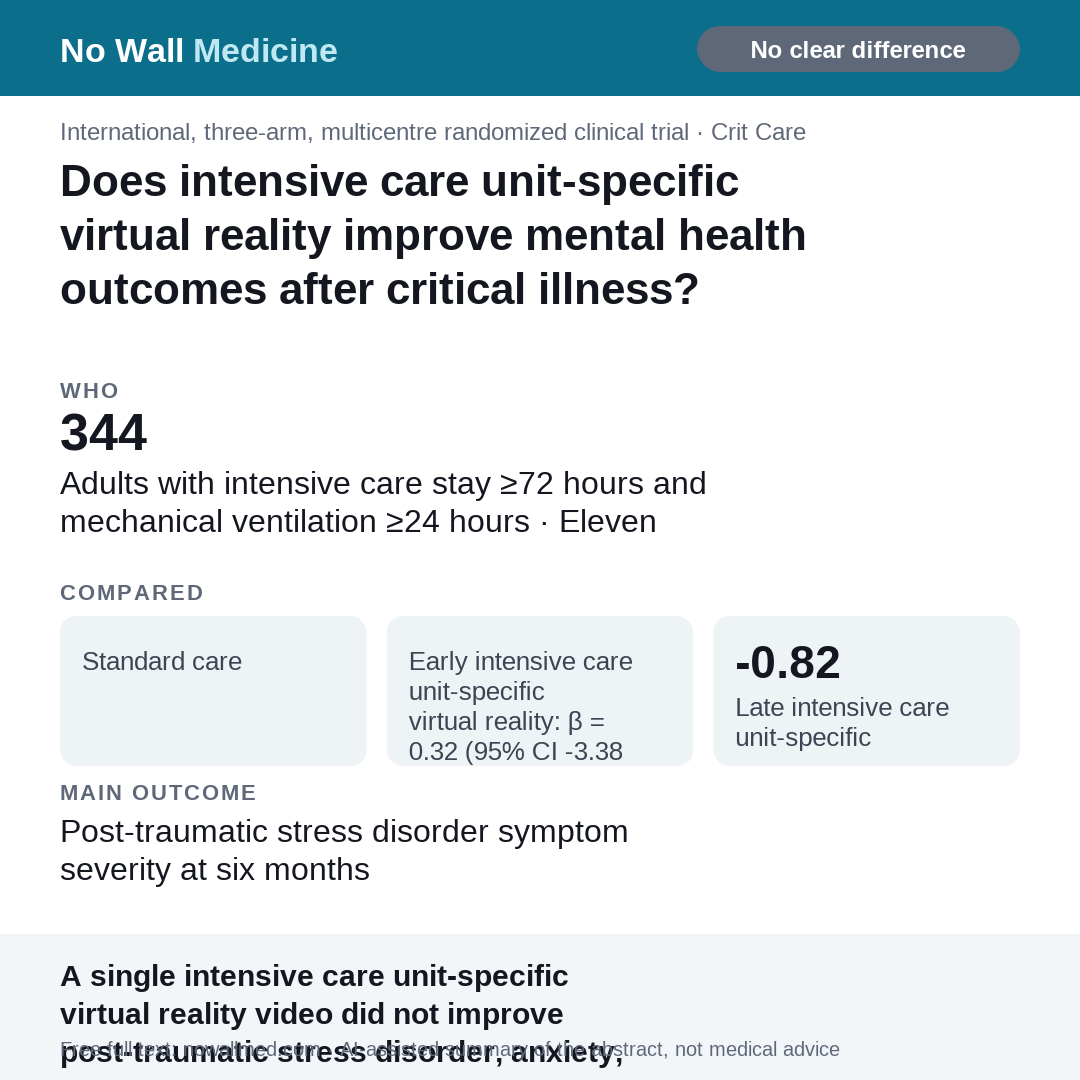
ICU-specific virtual reality for mental health after critical illness: an international three-arm randomized clinical trial
International, three-arm, multicentre randomized clinical trialNo clear difference
Does intensive care unit-specific virtual reality improve mental health outcomes after critical illness?
Who
344
Adults with intensive care stay ≥72 hours and mechanical ventilation ≥24 hours · Eleven hospitals
Compared
Standard care
Early intensive care unit-specific virtual reality: β = 0.32 (95% CI -3.38 to 4.02)
-0.82Late intensive care unit-specific virtual reality (95% CI -4.62 to 2.97)
Main outcome
Post-traumatic stress disorder symptom severity at six months
Result: β = 0.32 (95% CI -3.38 to 4.02) for early vs control
Bottom line: A single intensive care unit-specific virtual reality video did not improve post-traumatic stress disorder, anxiety, depression, or quality of life.
Limitation: Findings should not be generalized to multi-session, therapist-guided, or personalized virtual reality interventions.
Crit Care · 2026-07-24Download image
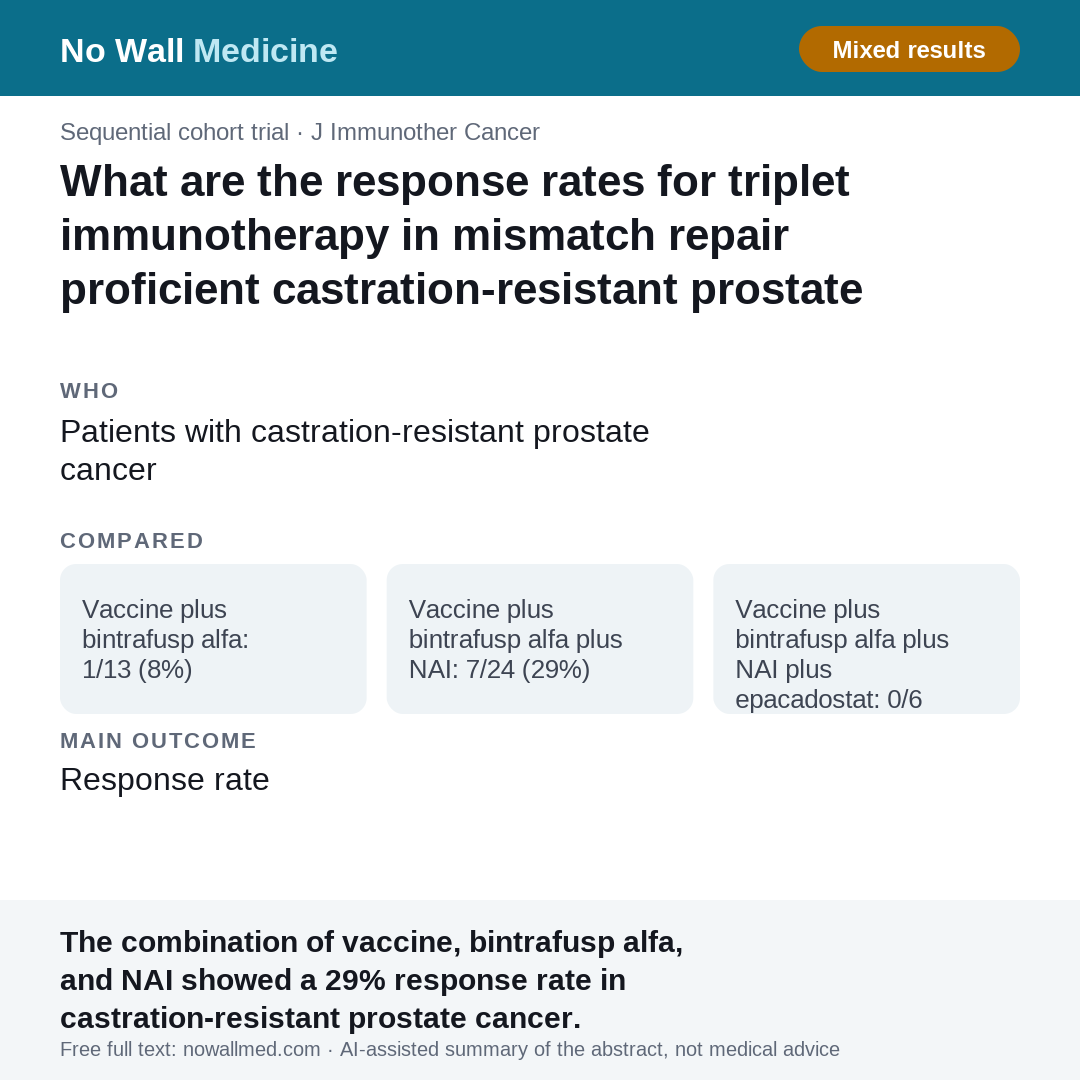
Durable responses to triplet immunotherapy targeting TGF-β, PD-L1, and tumor antigen, with an IL-15 receptor superagonist in mismatch repair proficient castration-resistant prostate cancer
Sequential cohort trialMixed results
What are the response rates for triplet immunotherapy in mismatch repair proficient castration-resistant prostate cancer?
Who
Patients with castration-resistant prostate cancer
Compared
Vaccine plus bintrafusp alfa: 1/13 (8%)
Vaccine plus bintrafusp alfa plus NAI: 7/24 (29%)
Vaccine plus bintrafusp alfa plus NAI plus epacadostat: 0/6 (0%)
Main outcome
Response rate
Bottom line: The combination of vaccine, bintrafusp alfa, and NAI showed a 29% response rate in castration-resistant prostate cancer.
J Immunother Cancer · 2026-07-24Download image
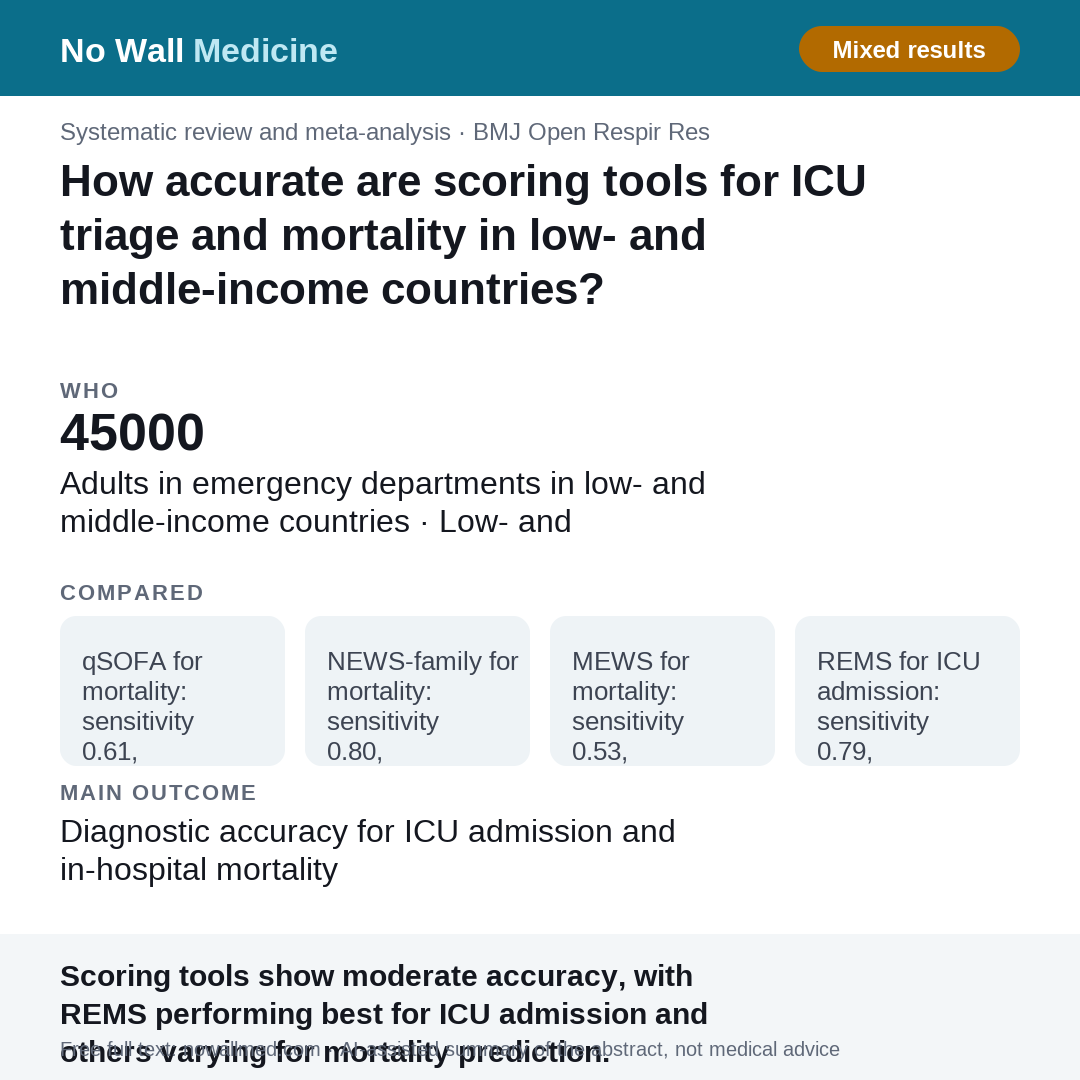
Accuracy of prognostic scoring tools for ICU triage and mortality among patients in low- and middle-income countries: a systematic review and meta-analysis
Systematic review and meta-analysisMixed results
How accurate are scoring tools for ICU triage and mortality in low- and middle-income countries?
Who
45000
Adults in emergency departments in low- and middle-income countries · Low- and middle-income countries
Compared
qSOFA for mortality: sensitivity 0.61, specificity 0.73 (AUC=0.67)
NEWS-family for mortality: sensitivity 0.80, specificity 0.56 (AUC=0.68)
MEWS for mortality: sensitivity 0.53, specificity 0.83 (AUC=0.68)
REMS for ICU admission: sensitivity 0.79, specificity 0.85 (AUC=0.81)
Main outcome
Diagnostic accuracy for ICU admission and in-hospital mortality
Bottom line: Scoring tools show moderate accuracy, with REMS performing best for ICU admission and others varying for mortality prediction.
Limitation: Considerable heterogeneity was observed across studies.
BMJ Open Respir Res · 2026-07-24Download image
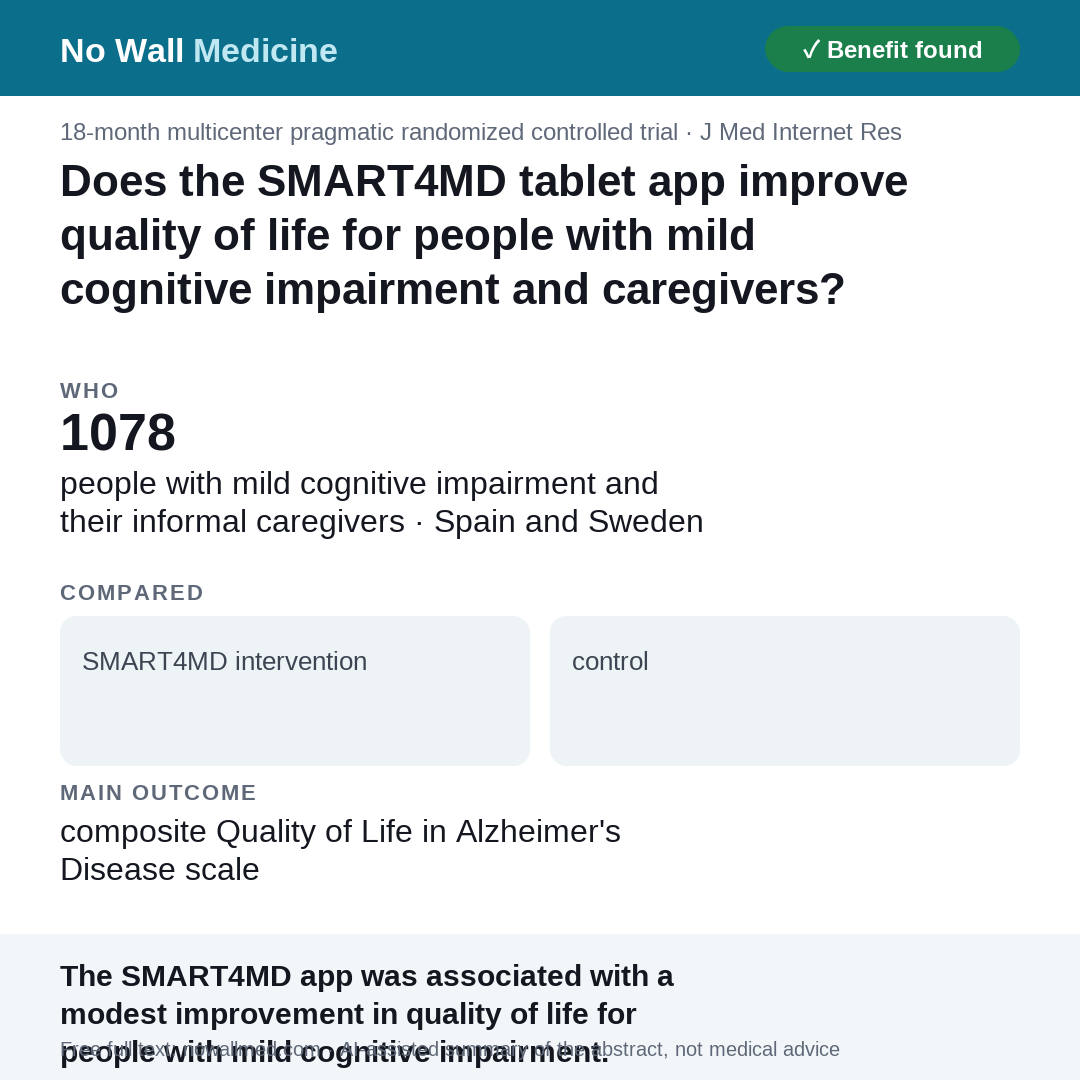
Effects of the Digital App "Support, Monitoring and Reminder Technology for Mild Dementia" (SMART4MD) on People With Mild Cognitive Impairment and Their Informal Caregivers: 18-Month Multicenter Pragmatic Randomized Controlled Trial
18-month multicenter pragmatic randomized controlled trialBenefit found
Does the SMART4MD tablet app improve quality of life for people with mild cognitive impairment and caregivers?
Who
1078
people with mild cognitive impairment and their informal caregivers · Spain and Sweden
Compared
SMART4MD intervention
control
Main outcome
composite Quality of Life in Alzheimer's Disease scale
Result: mean difference 0.75 (95% CI 0.07-1.42)
Bottom line: The SMART4MD app was associated with a modest improvement in quality of life for people with mild cognitive impairment.
Limitation: Exploratory outcomes were not adjusted for multiplicity and should be interpreted with caution.
J Med Internet Res · 2026-07-24Download image
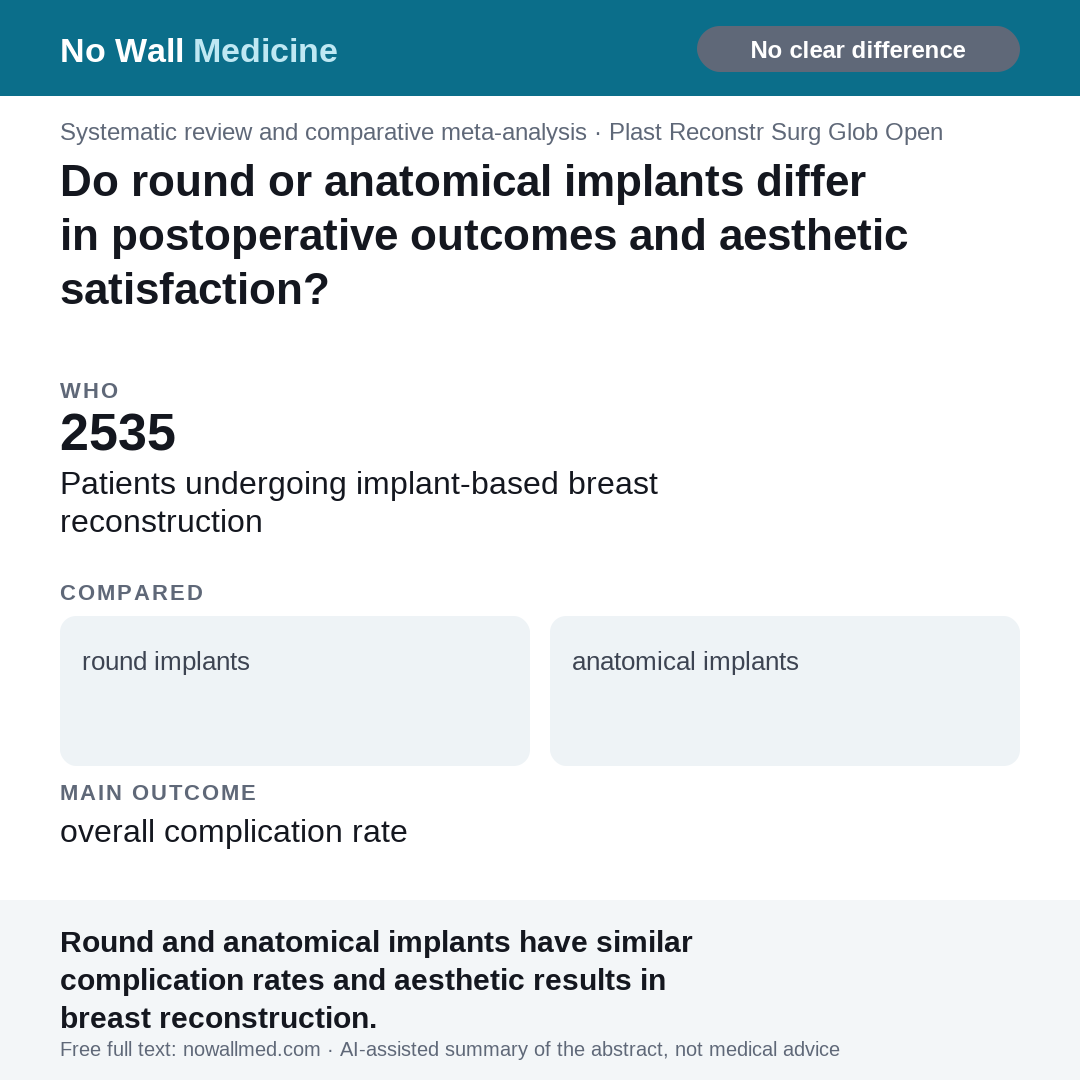
Round Versus Anatomical Implants in Breast Reconstruction: A Systematic Review and Meta-analysis
Systematic review and comparative meta-analysisNo clear difference
Do round or anatomical implants differ in postoperative outcomes and aesthetic satisfaction?
Who
2535
Patients undergoing implant-based breast reconstruction
Compared
round implants
anatomical implants
Main outcome
overall complication rate
Result: odds ratio 0.46 (95% CI 0.14-1.48)
Bottom line: Round and anatomical implants have similar complication rates and aesthetic results in breast reconstruction.
Plast Reconstr Surg Glob Open · 2026-07-24Download image
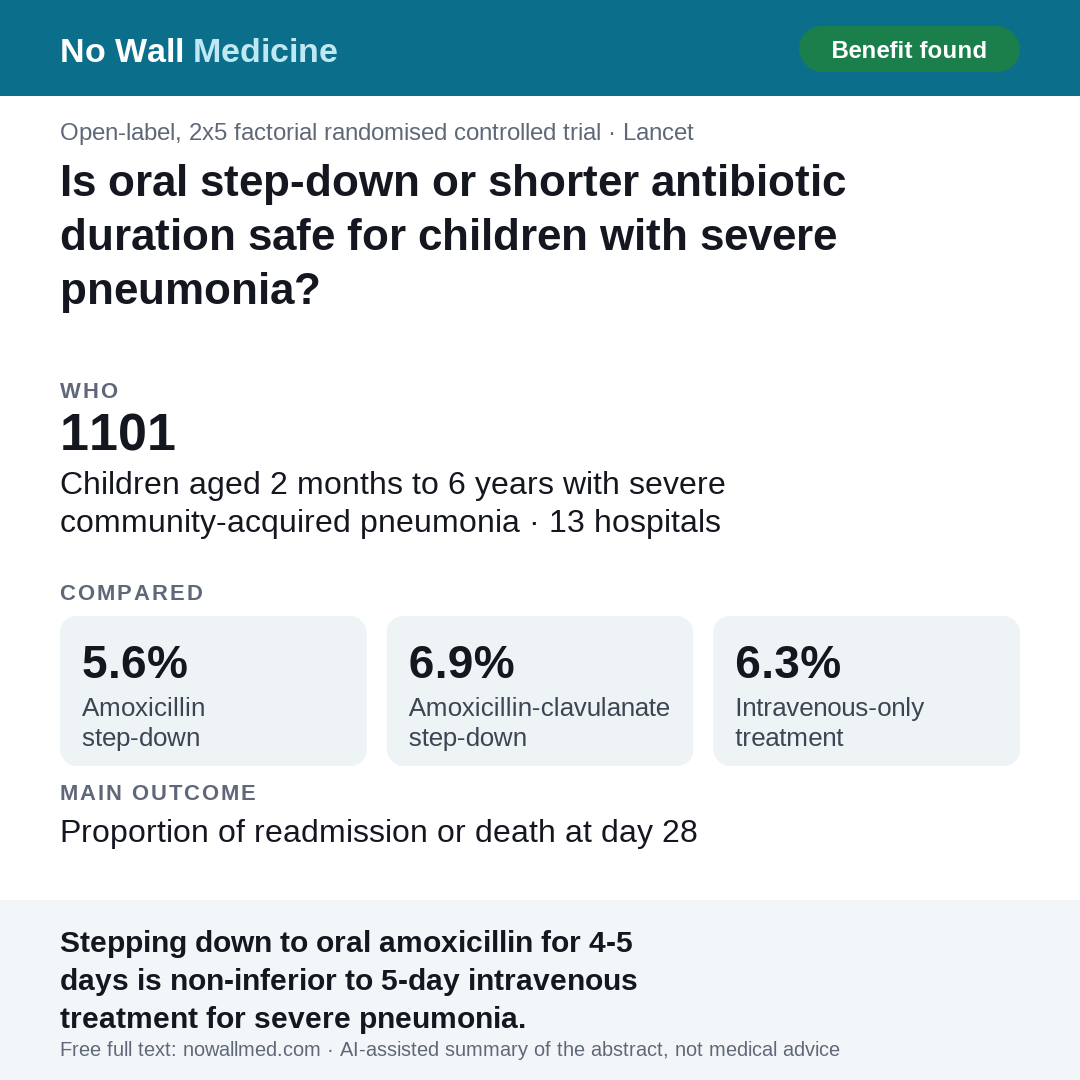
Oral step-down, optimal drug, and total duration of antibiotic treatment in African children hospitalised with severe community-acquired pneumonia (PediCAP): a factorial randomised controlled trial
Open-label, 2x5 factorial randomised controlled trialBenefit found
Is oral step-down or shorter antibiotic duration safe for children with severe pneumonia?
Who
1101
Children aged 2 months to 6 years with severe community-acquired pneumonia · 13 hospitals across five sub-Saharan African countries
Compared
5.6%Amoxicillin step-down (27/484)
6.9%Amoxicillin-clavulanate step-down (33/475)
6.3%Intravenous-only treatment (6/96)
Main outcome
Proportion of readmission or death at day 28
Result: adjusted risk difference 1.3% (95% CI -1.8 to 4.4)
Bottom line: Stepping down to oral amoxicillin for 4-5 days is non-inferior to 5-day intravenous treatment for severe pneumonia.
Funded by: Second European and Developing Countries Clinical Trials Partnership
Lancet · 2026-07-23Download image
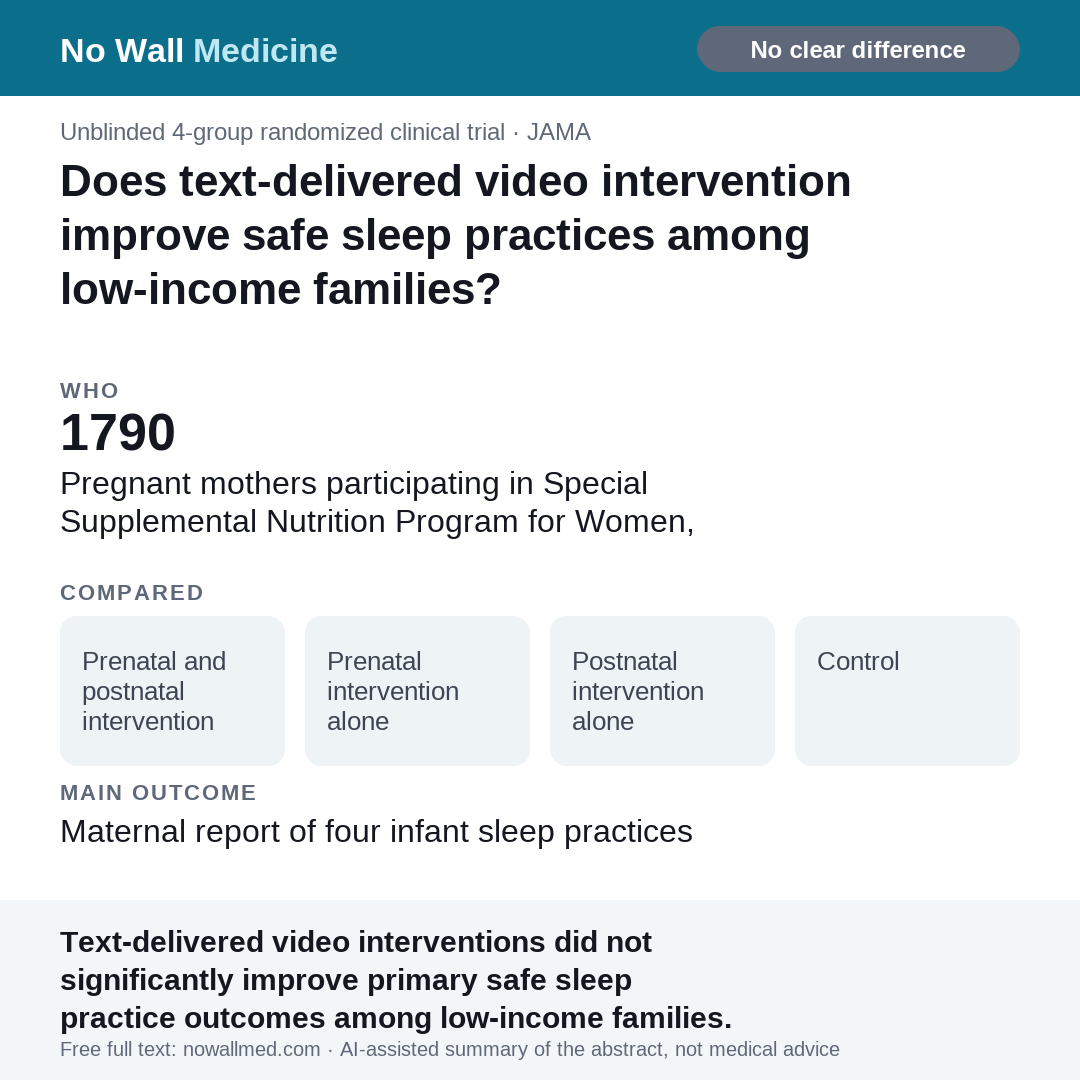
Safe Sleep Video Intervention via Text Messaging to Low-Income Families: The SMARTER Randomized Clinical Trial
Unblinded 4-group randomized clinical trialNo clear difference
Does text-delivered video intervention improve safe sleep practices among low-income families?
Who
1790
Pregnant mothers participating in Special Supplemental Nutrition Program for Women, Infants, and Children · WIC and Federally Qualified Health Centers in 18 states
Compared
Prenatal and postnatal intervention
Prenatal intervention alone
Postnatal intervention alone
Control
Main outcome
Maternal report of four infant sleep practices
Bottom line: Text-delivered video interventions did not significantly improve primary safe sleep practice outcomes among low-income families.
JAMA · 2026-07-23Download image
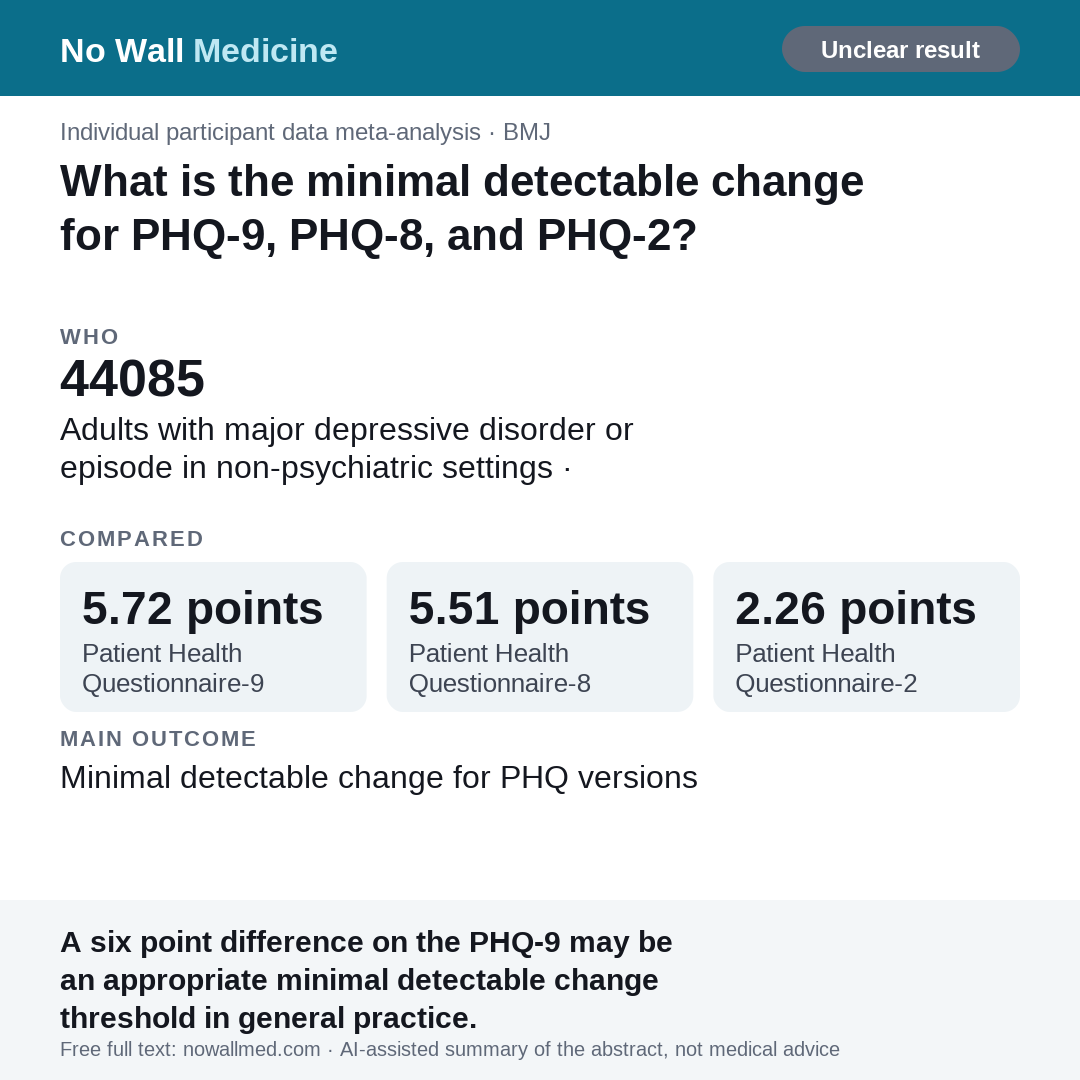
Minimal detectable change of the Patient Health Questionnaire-9, Patient Health Questionnaire-8, and Patient Health Questionnaire-2: individual patient data meta-analysis
Individual participant data meta-analysisUnclear result
What is the minimal detectable change for PHQ-9, PHQ-8, and PHQ-2?
Who
44085
Adults with major depressive disorder or episode in non-psychiatric settings · Non-psychiatric settings
Compared
5.72 pointsPatient Health Questionnaire-9 (95% CI 5.54 to 5.90)
5.51 pointsPatient Health Questionnaire-8 (95% CI 5.33 to 5.68)
2.26 pointsPatient Health Questionnaire-2 (95% CI 2.15 to 2.37)
Main outcome
Minimal detectable change for PHQ versions
Bottom line: A six point difference on the PHQ-9 may be an appropriate minimal detectable change threshold in general practice.
BMJ · 2026-07-23Download image