Visual abstracts
New randomized trials and meta-analyses from leading journals at a glance: who was studied, what was compared, and what was found. Every paper is free to read in full.
All specialtiesCardiology 2447Oncology 2079Gastroenterology & Hepatology 931Infectious Disease 1519Neurology 978Psychiatry & Mental Health 1142Pulmonology 1021Critical Care 678Endocrinology & Diabetes 1267Pediatrics 1429Surgery 1244Orthopedics & Sports Medicine 446Neurosurgery 299Cardiothoracic & Vascular Surgery 268Plastic & Reconstructive Surgery 366Nephrology 509Rheumatology 345Hematology 528Dermatology 279Ophthalmology 287Obstetrics & Gynecology 796Public & Global Health 445Radiology & Imaging 332Anesthesiology 490Urology 409ENT (Otolaryngology) 306Emergency Medicine 277Allergy & Immunology 152Geriatrics 514Family Medicine & Primary Care 282Medical Genetics & Genomics 262Pathology & Laboratory Medicine 77Physical Medicine & Rehabilitation 408Palliative Care 206Nutrition 636Digital Health & AI 1197General Medicine 177
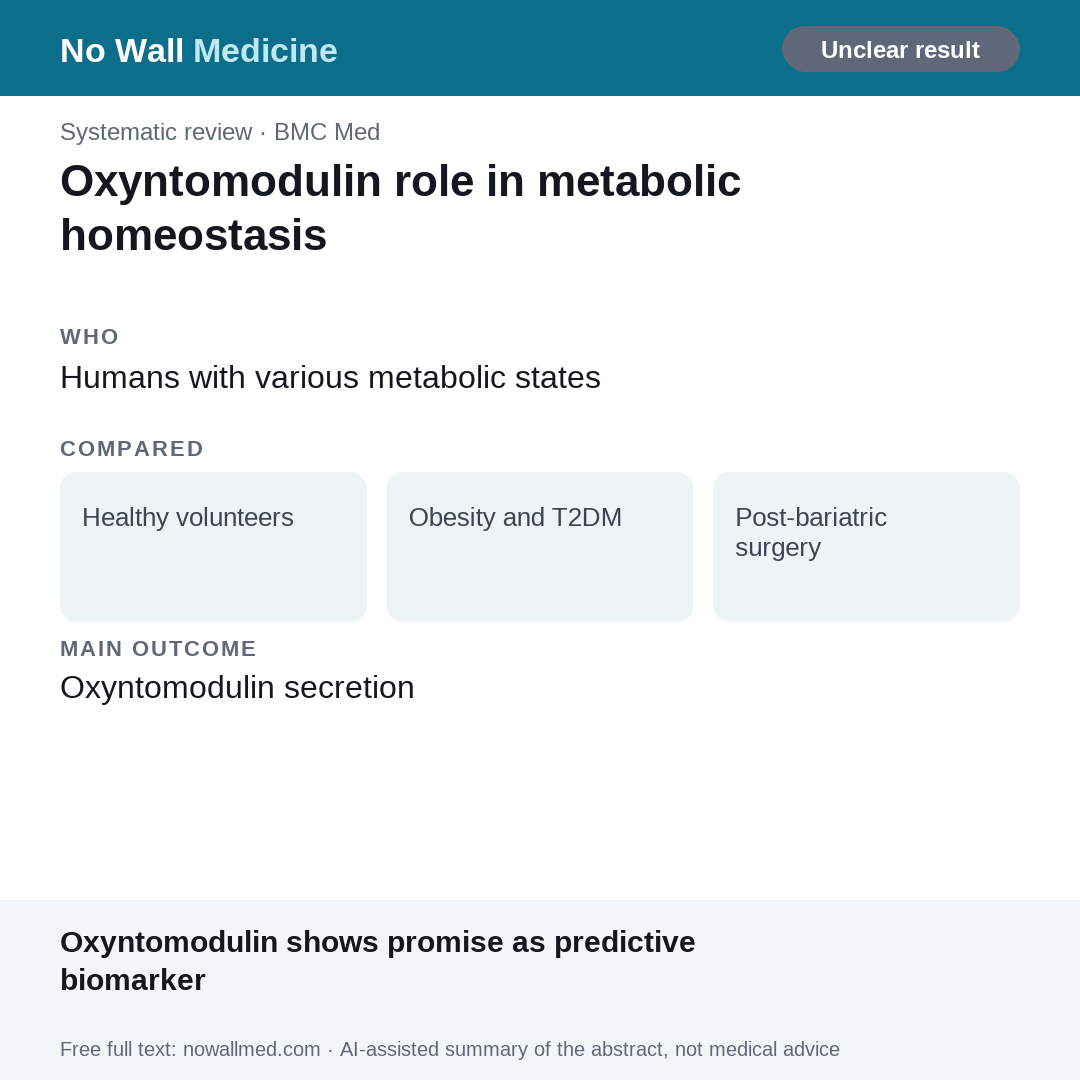
Endogenous oxyntomodulin in metabolic homeostasis and clinical utility as a prognostic biomarker: a systematic review
Systematic reviewUnclear result
Oxyntomodulin role in metabolic homeostasis
Who
Humans with various metabolic states
Compared
Healthy volunteers
Obesity and T2DM
Post-bariatric surgery
Main outcome
Oxyntomodulin secretion
Bottom line: Oxyntomodulin shows promise as predictive biomarker
BMC Med · 2026-08-22Download image
The impact of cannabis on clinical outcomes in burn patients: A systematic review
Systematic reviewMixed results
How does cannabis exposure impact clinical outcomes in burn patients?
Who
Hospitalized burn patients of any age · North America and Europe
Compared
Cannabis exposure
No cannabis exposure
Main outcome
Mortality, infection, graft success, thromboembolism, and length of stay
Bottom line: Cannabis exposure does not appear to worsen survival but may increase infectious, respiratory, and thromboembolic complications.
Limitation: Retrospective design, inconsistent exposure definitions, and confounding from polysubstance use.
Burns · 2026-08-22Download image

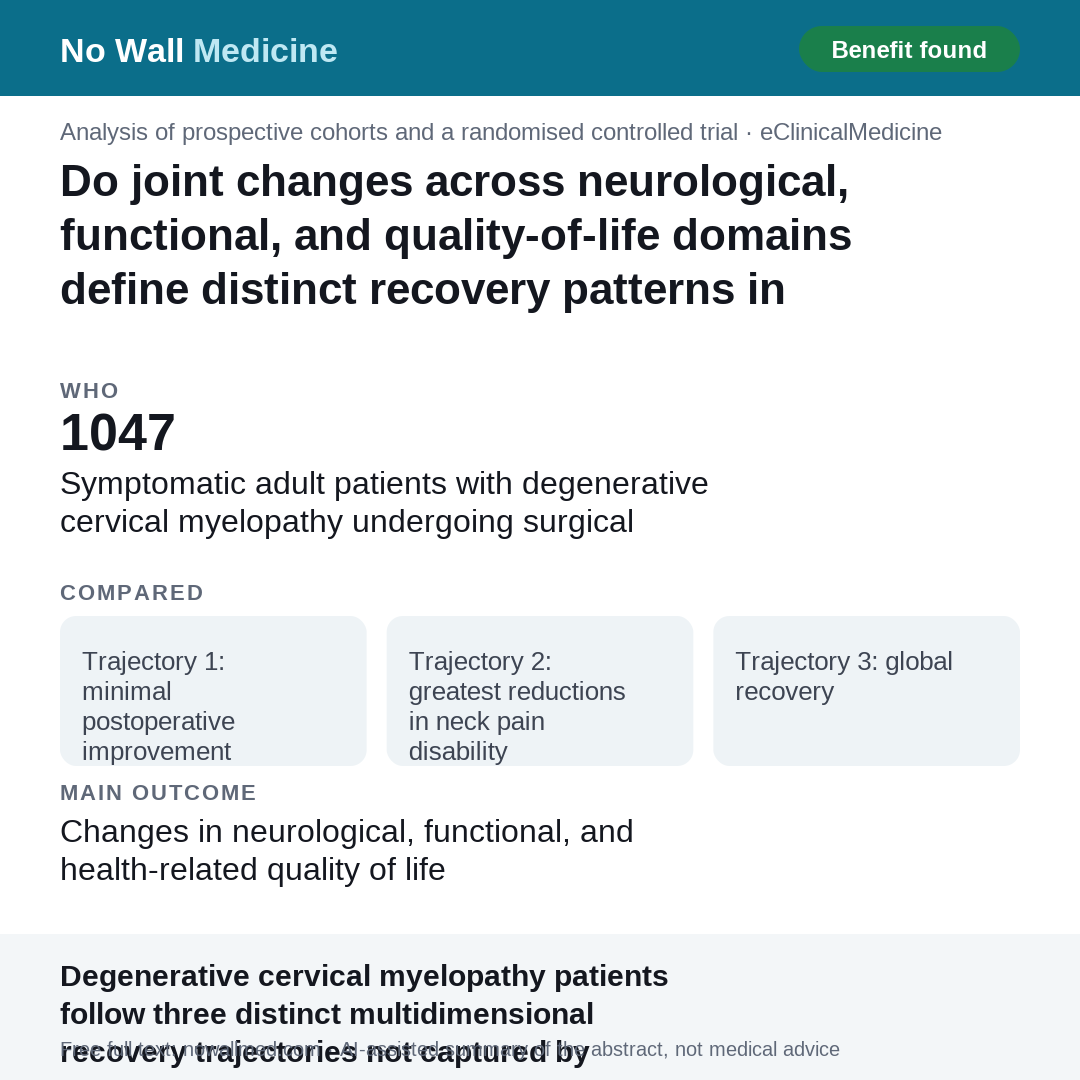
Identification, validation, and prediction of longitudinal recovery phenotypes in degenerative cervical myelopathy: analysis of prospective cohorts and a randomised controlled trial
Analysis of prospective cohorts and a randomised controlled trialBenefit found
Do joint changes across neurological, functional, and quality-of-life domains define distinct recovery patterns in degenerative cervical myelopathy?
Who
1047
Symptomatic adult patients with degenerative cervical myelopathy undergoing surgical treatment · Clinic-based cohorts
Compared
Trajectory 1: minimal postoperative improvement
Trajectory 2: greatest reductions in neck pain disability
Trajectory 3: global recovery
Main outcome
Changes in neurological, functional, and health-related quality of life
Result: odds ratio 10.90 (95% CI 6.15-19.32) for neurological MCID
Bottom line: Degenerative cervical myelopathy patients follow three distinct multidimensional recovery trajectories not captured by neurological severity alone.
eClinicalMedicine · 2026-08-22Download image
Improvement in neuropsychological function with memantine treatment among patients with systemic lupus erythematosus: a phase 2 randomised placebo-controlled clinical trial
Randomised, placebo-controlled 12-week clinical trialBenefit found
Does memantine improve cognitive function in adults with systemic lupus erythematosus?
Who
43
Adults with systemic lupus erythematosus and neuropsychological dysfunction · Multisite
Compared
Memantine: median change: +8
Placebo: median change: +5
Main outcome
Change in Repeatable Battery for the Assessment of Neuropsychological Status total score
Bottom line: Memantine treatment for 12 weeks improved objective neuropsychological function in patients with systemic lupus erythematosus.
Ann Rheum Dis · 2026-08-22Download image

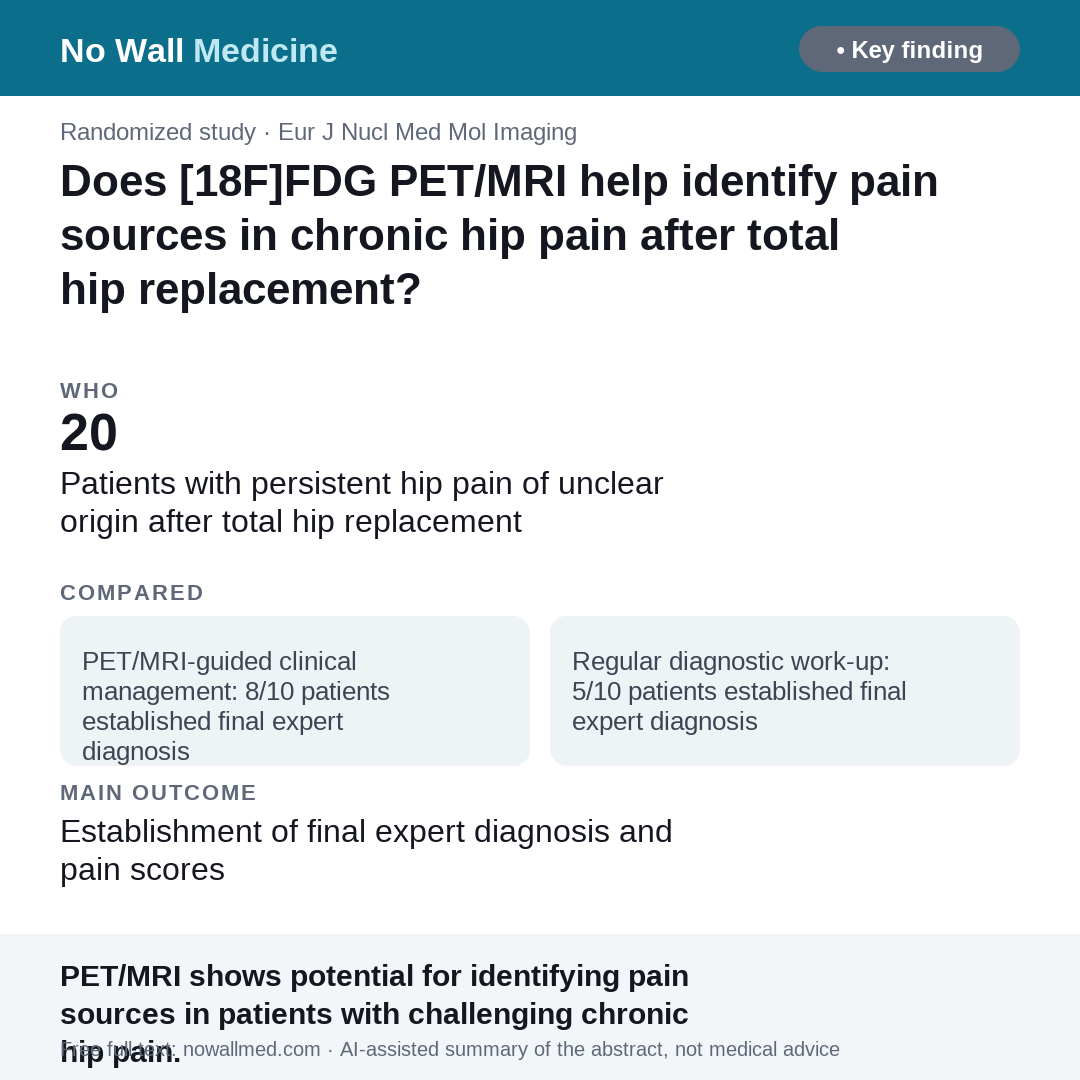
The potential of [18F]FDG PET/MRI for identifying pain sources in patients with diagnostically challenging chronic hip pain after total hip replacement
Randomized studyBenefit found
Does [18F]FDG PET/MRI help identify pain sources in chronic hip pain after total hip replacement?
Who
20
Patients with persistent hip pain of unclear origin after total hip replacement
Compared
PET/MRI-guided clinical management: 8/10 patients established final expert diagnosis
Regular diagnostic work-up: 5/10 patients established final expert diagnosis
Main outcome
Establishment of final expert diagnosis and pain scores
Bottom line: PET/MRI shows potential for identifying pain sources in patients with challenging chronic hip pain.
Eur J Nucl Med Mol Imaging · 2026-08-22Download image
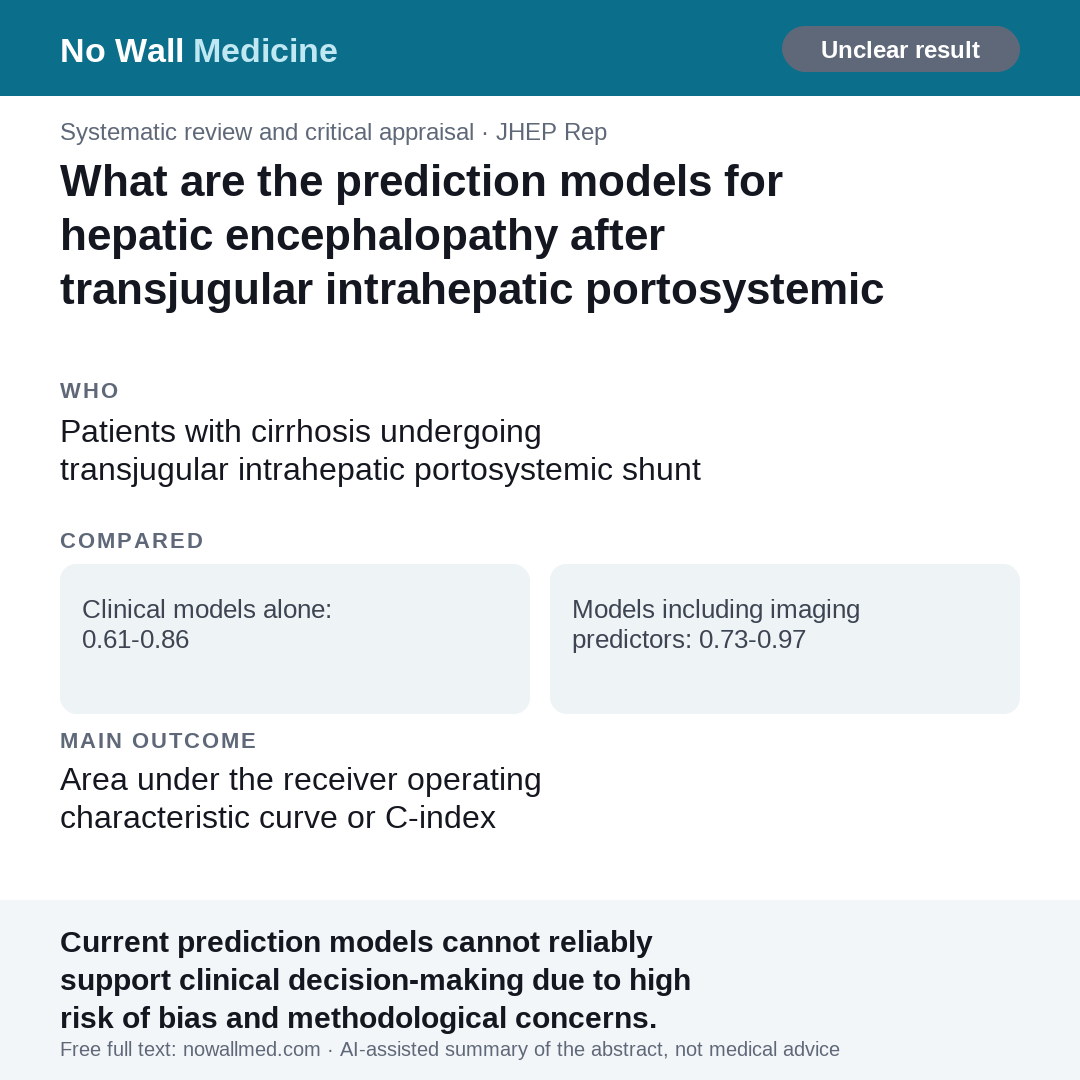
Risk prediction models for hepatic encephalopathy post-transjugular intrahepatic portosystemic shunt: A systematic review and critical appraisal
Systematic review and critical appraisalUnclear result
What are the prediction models for hepatic encephalopathy after transjugular intrahepatic portosystemic shunt?
Who
Patients with cirrhosis undergoing transjugular intrahepatic portosystemic shunt · 25 cohorts from Asia (93%)
Compared
Clinical models alone: 0.61-0.86
Models including imaging predictors: 0.73-0.97
Main outcome
Area under the receiver operating characteristic curve or C-index
Bottom line: Current prediction models cannot reliably support clinical decision-making due to high risk of bias and methodological concerns.
Limitation: High risk of bias, inappropriate patient exclusion, low events-per-variable ratio, and inadequate validation.
JHEP Rep · 2026-08-22Download image
Pancreatic surgery and length of hospital stay: meta-analysis of randomized clinical trials
Meta-analysis of 186 randomized clinical trialsMixed results
What factors influence length of hospital stay in pancreatic surgery?
Who
28 381
Patients undergoing pancreatic surgery · Multiple countries
Compared
Minimally invasive surgery
Open surgery
Main outcome
Length of hospital stay
Result: mean difference 2 days (95% c.i. -2.79 to -0.85)
Bottom line: Length of hospital stay varies significantly by country, type of resection, and surgical access.
Limitation: Substantial statistical heterogeneity based on country, operation type, and access.
BJS Open · 2026-08-22Download image

Systematic review of buried flap reconstructions after nipple-sparing mastectomy
Systematic reviewNo clear difference
What are the outcomes of autologous buried-free flap reconstructions after nipple-sparing mastectomy?
Who
385
Patients undergoing autologous breast reconstruction after nipple-sparing mastectomy
Compared
buried-free flap: flap loss 1.5%
non-buried flaps: flap loss 1.8%
Main outcome
safety, efficacy, and complication rates
Bottom line: Buried-free flap reconstruction after nipple-sparing mastectomy is safe and technically feasible with comparable complication rates.
JPRAS Open · 2026-08-22Download image

Effect of food swap recommendations on the healthfulness and carbon footprint of grocery purchases in a naturalistic online store: A randomized parallel trial
Randomized parallel trialBenefit found
Do food swap recommendations improve healthfulness and reduce carbon footprint of grocery purchases?
Who
1201
United States adults ages 18 and older · Naturalistic online grocery store
Compared
Climate swaps: healthfulness B=2.4 (95% CI [1.1, 3.7]), carbon footprint B=-3.3 kg CO2-eq per kg (95% CI [-4.6, -2.1])
Health swaps: healthfulness B=4.7 (95% CI [3.3, 6.0]), carbon footprint B=-0.4 (95% CI [-1.7, 0.8])
Climate and health swaps: healthfulness B=4.0 (95% CI [2.7, 5.4]), carbon footprint B=-2.8 (95% CI [-4.1, -1.6])
Control
Main outcome
Healthfulness score and carbon footprint of grocery selections
Bottom line: Recommending food swaps improved healthfulness and reduced carbon footprint in online grocery selections.
Limitation: Sample differed from the US population and results may not generalize to brick-and-mortar stores.
PLOS Med · 2026-08-21Download image

Atezolizumab with or without tiragolumab in unresectable esophageal squamous-cell carcinoma following definitive concurrent chemoradiotherapy (SKYSCRAPER-07): a randomised, phase III study
Randomised, placebo-controlled, phase III trialMixed results
Does atezolizumab with or without tiragolumab improve survival in unresectable esophageal squamous-cell carcinoma?
Who
760
Adult patients with unresectable esophageal squamous-cell carcinoma after chemoradiotherapy · 166 centres in 28 countries
Compared
atezolizumab plus tiragolumab
atezolizumab plus placebo
placebo
Main outcome
investigator-assessed progression-free survival and overall survival
Result: hazard ratio 0.91 (95% CI 0.70-1.18) for atezolizumab plus tiragolumab versus placebo
Bottom line: Atezolizumab plus tiragolumab did not improve survival, but atezolizumab plus placebo significantly improved overall survival versus placebo.
Ann Oncol · 2026-08-21Download image

Comparative efficacy of non-pharmacological interventions on executive function and attentional control in children and adolescents with ADHD: a Bayesian network meta-analysis based on task-based cognitive outcomes
Bayesian random-effects network meta-analysisBenefit found
How do non-pharmacological interventions compare for executive function and attentional control in ADHD?
Who
4628
Children and adolescents with ADHD aged 6-18 years
Compared
Multicomponent interventions: inhibitory control Hedges' g = 0.63
Cognitive Training: inhibitory control Hedges' g = 0.61
Control
Main outcome
task-based executive function and attentional control performance
Bottom line: Multicomponent interventions and Cognitive Training show consistent improvements in objective executive and attentional tasks for pediatric ADHD.
Transl Psychiatry · 2026-08-21Download image

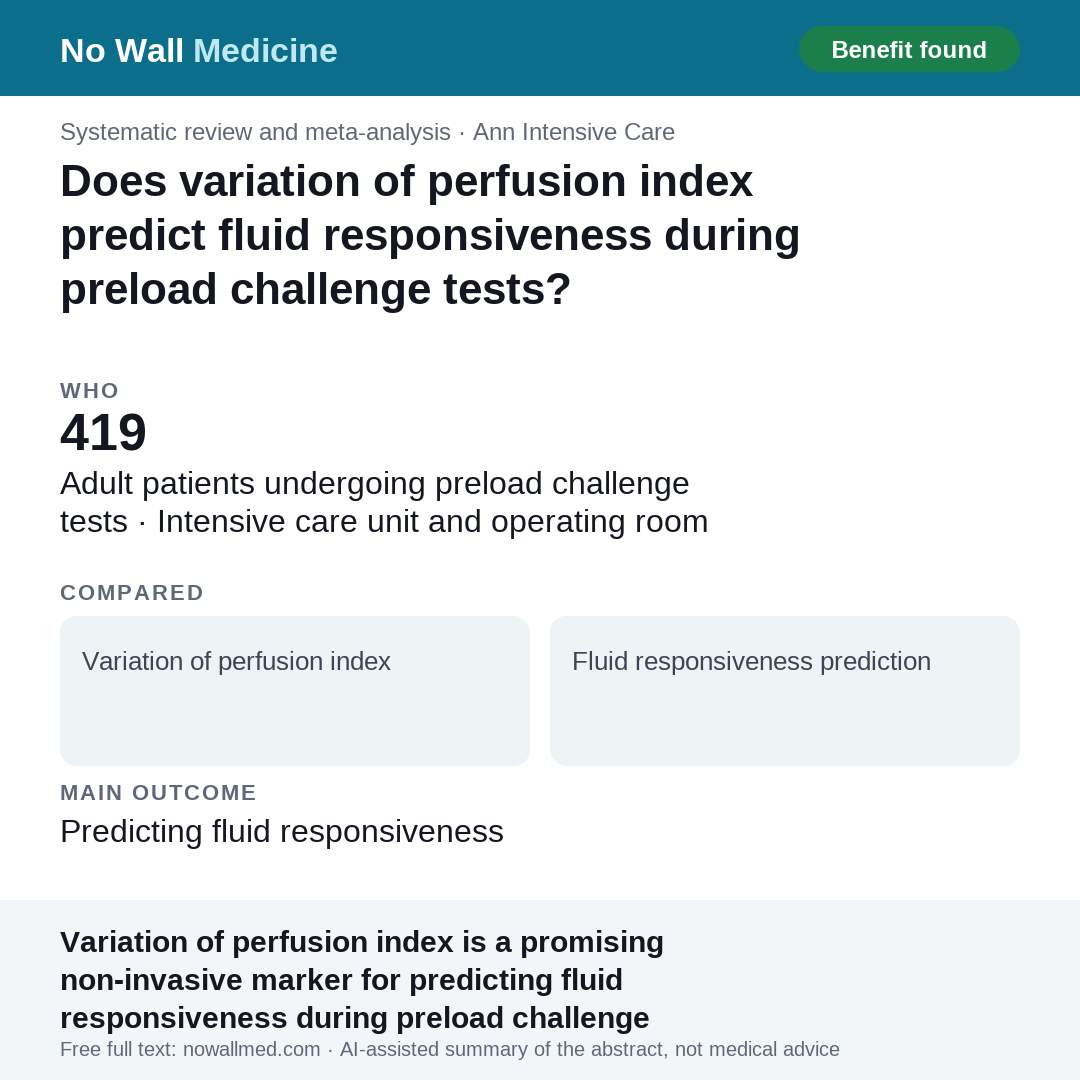
Variation of perfusion index to evaluate fluid responsiveness during the preload challenge tests: a systematic review and meta-analysis
Systematic review and meta-analysisBenefit found
Does variation of perfusion index predict fluid responsiveness during preload challenge tests?
Who
419
Adult patients undergoing preload challenge tests · Intensive care unit and operating room
Compared
Variation of perfusion index
Fluid responsiveness prediction
Main outcome
Predicting fluid responsiveness
Result: AUROC 0.88 (95% CI 0.85 to 0.90)
Bottom line: Variation of perfusion index is a promising non-invasive marker for predicting fluid responsiveness during preload challenge tests.
Limitation: The current evidence base remains limited, heterogeneous, and at risk of bias.
Ann Intensive Care · 2026-08-21Download image
Psychosocial coping with intensive care delirium: a mixed-methods systematic review of patient and family perspectives
Mixed-methods systematic reviewMixed results
What psychosocial coping strategies do intensive care unit patients and families use during delirium?
Who
Intensive care unit patients and their family caregivers · Seven countries
Compared
Patients: problem-focused, emotion-focused, and meaning-based strategies
Families: supporting patients and managing their own distress
Main outcome
Psychosocial coping strategies employed during intensive care unit delirium
Bottom line: Patients and families use diverse coping strategies, with families serving as a primary resource for patients.
Crit Care · 2026-08-21Download image

BIOCARD framework: integrating fecal bile acids, lipids, and metabolites to assess response to a cardiovascular health intervention
Randomized controlled trialBenefit found
Can the BIOCARD framework assess response to a cardiovascular health intervention?
Who
Caregiver-child participants
Compared
multicomponent garden-based intervention
education-only control group
Main outcome
fecal bile acids, lipids, and metabolites
Bottom line: The BIOCARD framework identifies molecular variations that complement traditional clinical indicators in cardiovascular health interventions.
Limitation: Traditional clinical indicators showed limited sensitivity for detecting intervention-related differences.
Gut Microbes · 2026-08-21Download image

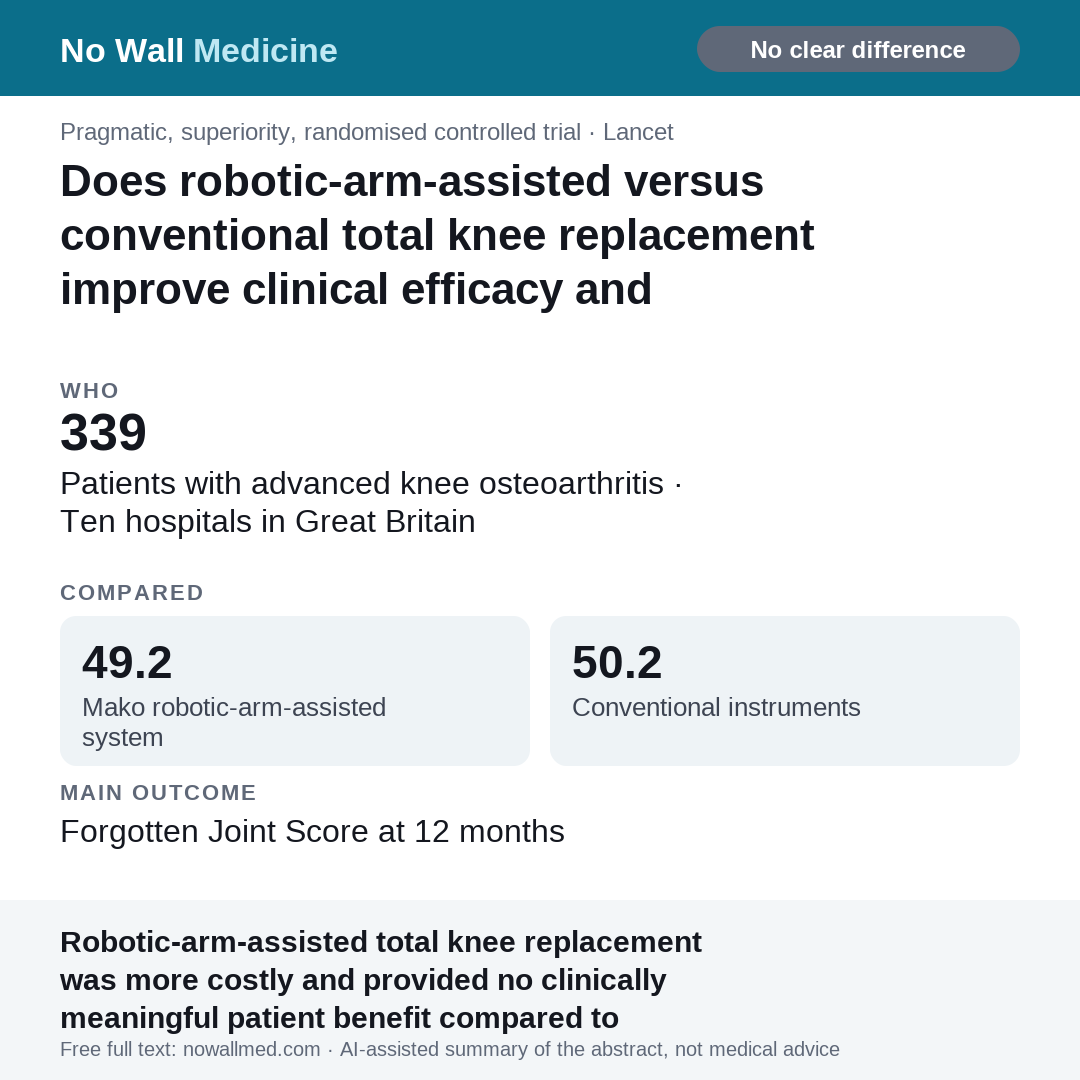
Robotic-arm-assisted versus conventional total knee replacement (RACER-Knee): a pragmatic, multicentre, participant-masked and assessor-masked, superiority, randomised controlled trial
Pragmatic, superiority, randomised controlled trialNo clear difference
Does robotic-arm-assisted versus conventional total knee replacement improve clinical efficacy and cost-effectiveness?
Who
339
Patients with advanced knee osteoarthritis · Ten hospitals in Great Britain
Compared
49.2Mako robotic-arm-assisted system (SD 28.4; n=154)
50.2Conventional instruments (29.9; n=158)
Main outcome
Forgotten Joint Score at 12 months
Result: adjusted mean difference -1.5 (95% CI -7.5 to 4.5; p=0.62)
Bottom line: Robotic-arm-assisted total knee replacement was more costly and provided no clinically meaningful patient benefit compared to conventional instruments.
Funded by: UK National Institute for Health and Care Research
Lancet · 2026-08-20Download image
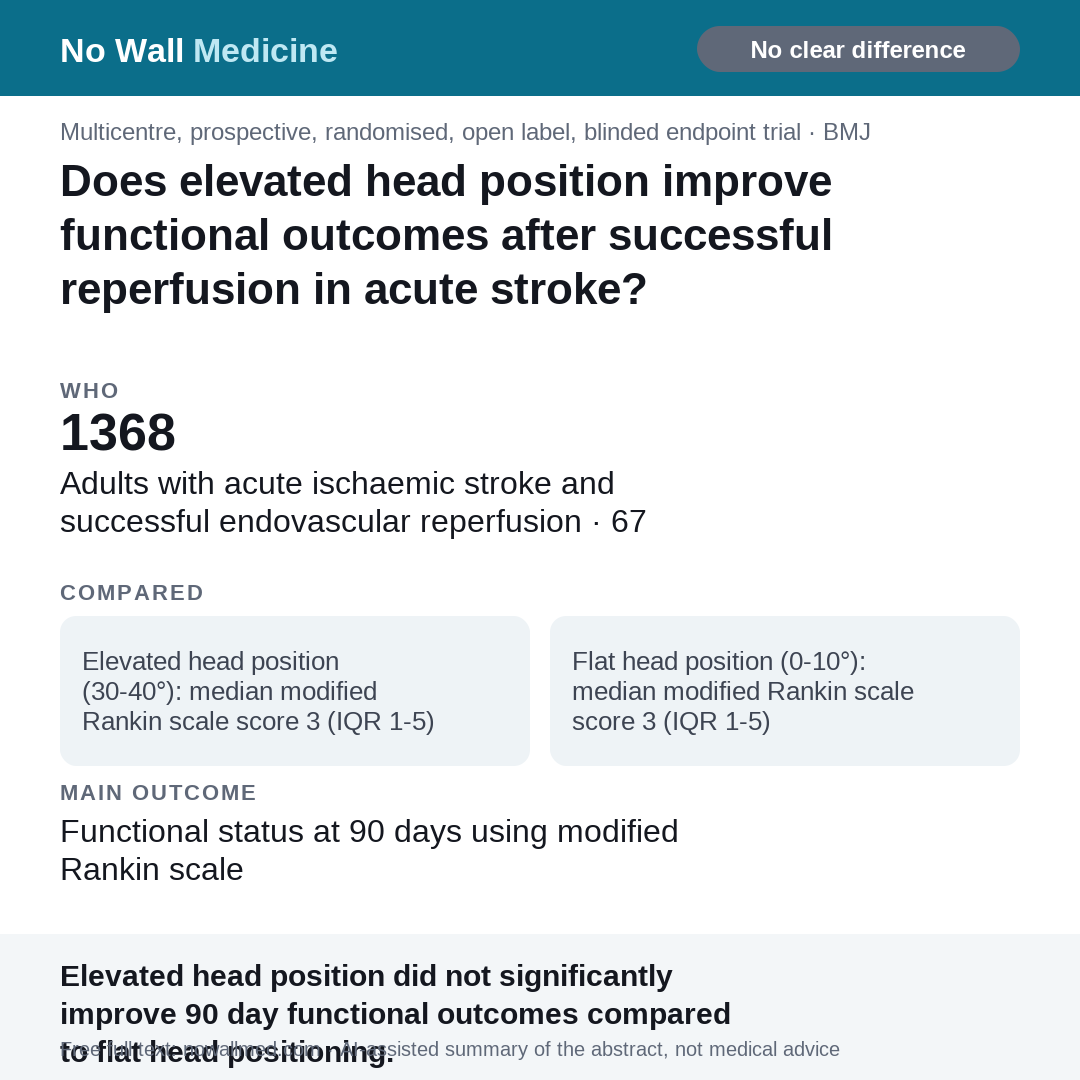
Head positioning after endovascular therapy for acute stroke due to large vessel occlusion (HeadSOAR): multicentre randomised controlled trial
Multicentre, prospective, randomised, open label, blinded endpoint trialNo clear difference
Does elevated head position improve functional outcomes after successful reperfusion in acute stroke?
Who
1368
Adults with acute ischaemic stroke and successful endovascular reperfusion · 67 comprehensive stroke centres in China
Compared
Elevated head position (30-40°): median modified Rankin scale score 3 (IQR 1-5)
Flat head position (0-10°): median modified Rankin scale score 3 (IQR 1-5)
Main outcome
Functional status at 90 days using modified Rankin scale
Result: adjusted generalised odds ratio 1.12 (95% CI 0.97 to 1.29)
Bottom line: Elevated head position did not significantly improve 90 day functional outcomes compared to flat head positioning.
BMJ · 2026-08-20Download image
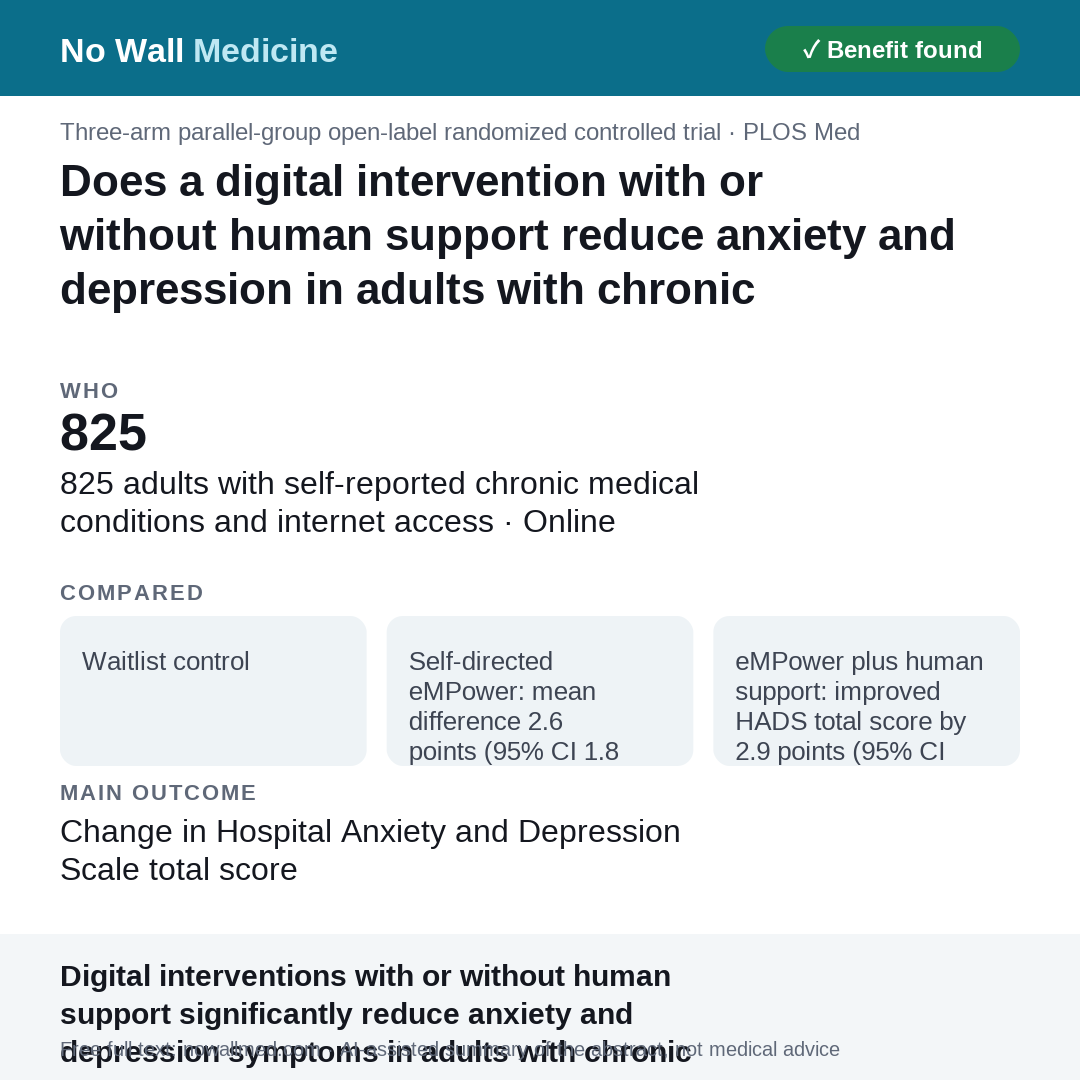
Effect of a digital intervention on mental health symptoms in adults with chronic conditions: A three-arm randomized controlled trial
Three-arm parallel-group open-label randomized controlled trialBenefit found
Does a digital intervention with or without human support reduce anxiety and depression in adults with chronic conditions?
Who
825
825 adults with self-reported chronic medical conditions and internet access · Online recruitment and delivery across 13 countries
Compared
Waitlist control
Self-directed eMPower: mean difference 2.6 points (95% CI 1.8 to 3.5)
eMPower plus human support: improved HADS total score by 2.9 points (95% CI 2.0 to 3.8)
Main outcome
Change in Hospital Anxiety and Depression Scale total score
Result: 2.9 points (95% CI 2.0 to 3.8)
Bottom line: Digital interventions with or without human support significantly reduce anxiety and depression symptoms in adults with chronic medical conditions.
Limitation: Waitlist control design, self-reported diagnoses, 12-week follow-up, and a predominantly female, highly educated sample.
PLOS Med · 2026-08-20Download image
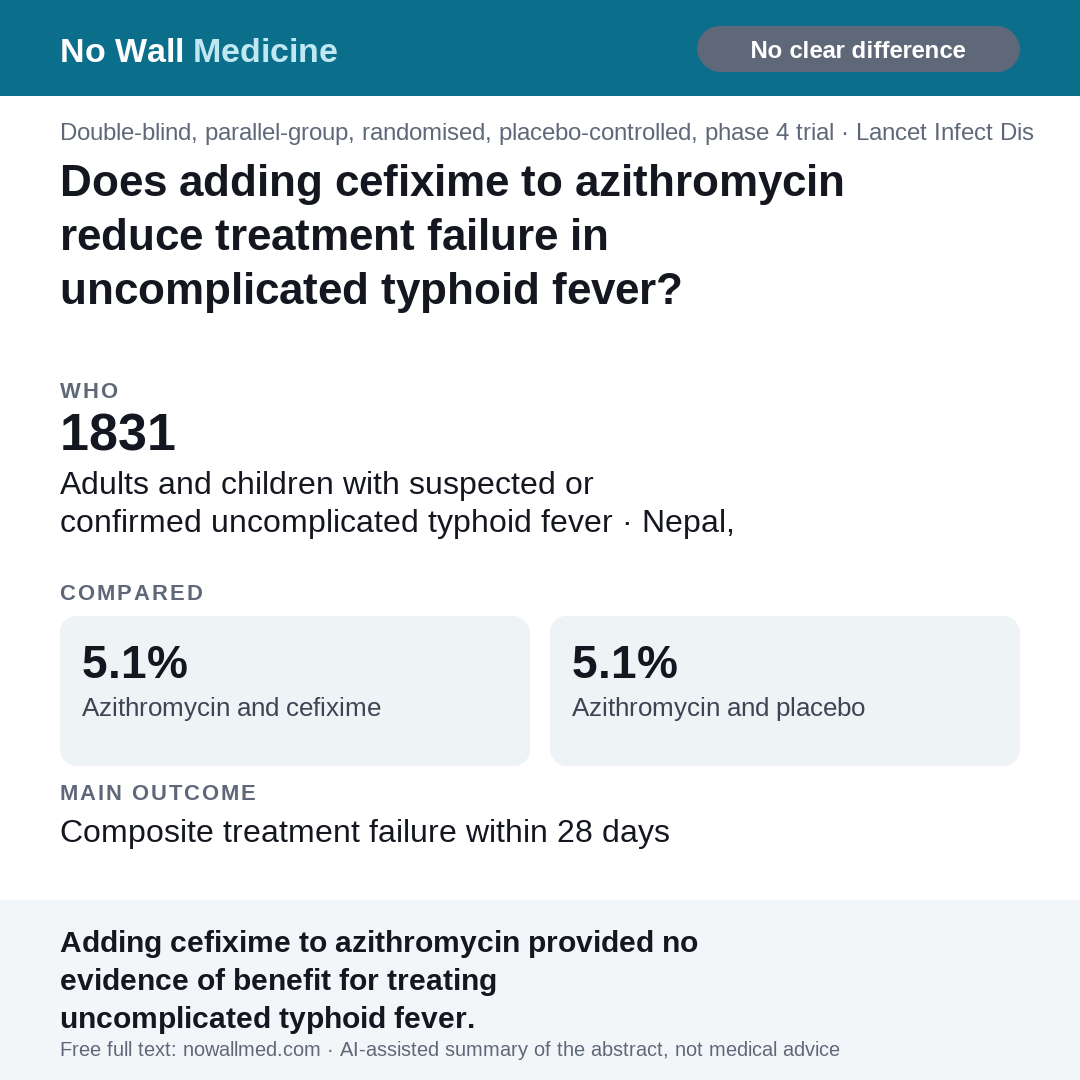
Azithromycin with or without cefixime for suspected or culture-confirmed uncomplicated typhoid fever in Nepal, Bangladesh, and Pakistan (ACT-South Asia): a double-blind, parallel-group, randomised, placebo-controlled, phase 4 trial
Double-blind, parallel-group, randomised, placebo-controlled, phase 4 trialNo clear difference
Does adding cefixime to azithromycin reduce treatment failure in uncomplicated typhoid fever?
Who
1831
Adults and children with suspected or confirmed uncomplicated typhoid fever · Nepal, Bangladesh, and Pakistan
Compared
5.1%Azithromycin and cefixime
5.1%Azithromycin and placebo
Main outcome
Composite treatment failure within 28 days
Result: absolute risk difference -0.00 percentage points, 95% CI -2.08 to 2.08
Bottom line: Adding cefixime to azithromycin provided no evidence of benefit for treating uncomplicated typhoid fever.
Funded by: Department of Health and Social Care, FCDO, Medical Research Council, Wellcome Trust
Lancet Infect Dis · 2026-08-20Download image
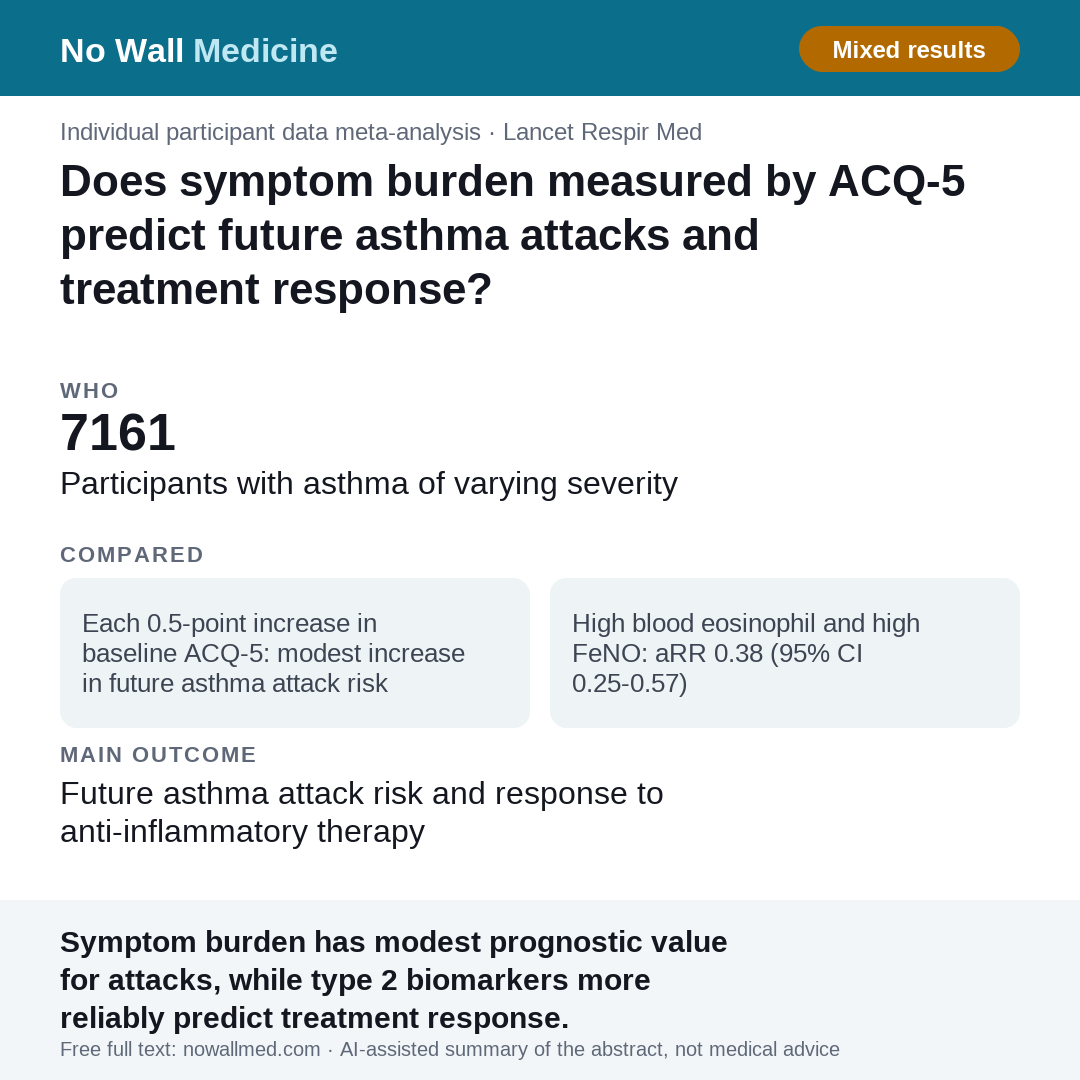
Symptom burden to characterise, predict, and prevent asthma attacks: a patient-level meta-analysis of randomised trials and translational prospective studies
Individual participant data meta-analysisMixed results
Does symptom burden measured by ACQ-5 predict future asthma attacks and treatment response?
Who
7161
Participants with asthma of varying severity
Compared
Each 0.5-point increase in baseline ACQ-5: modest increase in future asthma attack risk
High blood eosinophil and high FeNO: aRR 0.38 (95% CI 0.25-0.57)
Main outcome
Future asthma attack risk and response to anti-inflammatory therapy
Result: adjusted rate ratio 1.09 (95% CI 1.06-1.12)
Bottom line: Symptom burden has modest prognostic value for attacks, while type 2 biomarkers more reliably predict treatment response.
Funded by: National Institute for Health and Care Research and others
Lancet Respir Med · 2026-08-20Download image
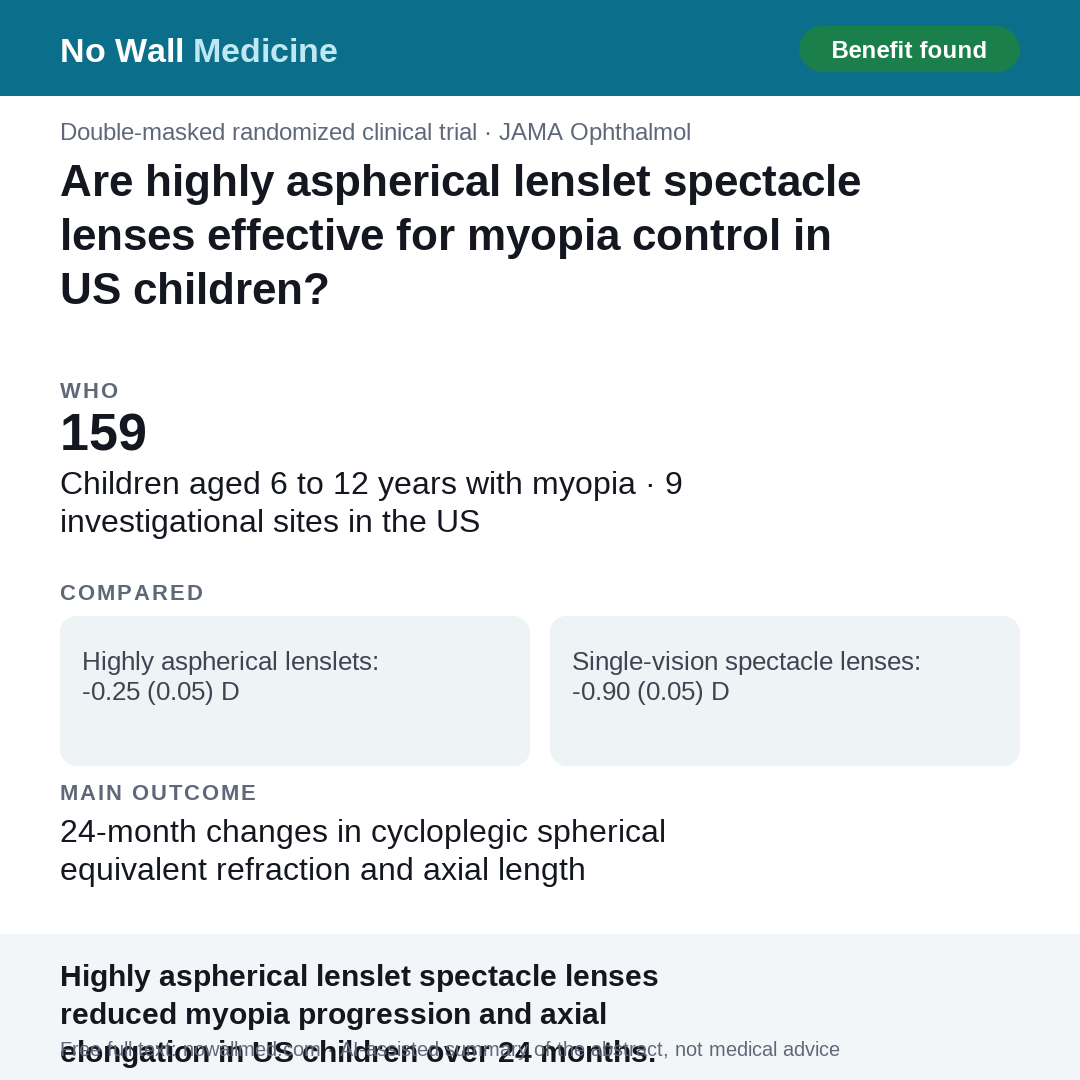
Spectacle Lenses With Highly Aspherical Lenslets for Myopia Control: A Randomized Clinical Trial
Double-masked randomized clinical trialBenefit found
Are highly aspherical lenslet spectacle lenses effective for myopia control in US children?
Who
159
Children aged 6 to 12 years with myopia · 9 investigational sites in the US
Compared
Highly aspherical lenslets: -0.25 (0.05) D
Single-vision spectacle lenses: -0.90 (0.05) D
Main outcome
24-month changes in cycloplegic spherical equivalent refraction and axial length
Result: difference, 0.64 D; 95% CI, 0.50 to 0.79
Bottom line: Highly aspherical lenslet spectacle lenses significantly reduced myopia progression and axial elongation in US children over 24 months.
JAMA Ophthalmol · 2026-08-20Download image