Visual abstracts
New randomized trials and meta-analyses from leading journals at a glance: who was studied, what was compared, and what was found. Every paper is free to read in full.
All specialtiesCardiology 904Oncology 809Gastroenterology & Hepatology 330Infectious Disease 647Neurology 371Psychiatry & Mental Health 446Pulmonology 387Critical Care 270Endocrinology & Diabetes 495Pediatrics 566Surgery 365Orthopedics & Sports Medicine 167Neurosurgery 116Cardiothoracic & Vascular Surgery 88Plastic & Reconstructive Surgery 145Nephrology 202Rheumatology 111Hematology 194Dermatology 86Ophthalmology 106Obstetrics & Gynecology 278Public & Global Health 183Radiology & Imaging 109Anesthesiology 135Urology 168ENT (Otolaryngology) 115Emergency Medicine 104Allergy & Immunology 63Geriatrics 165Family Medicine & Primary Care 115Medical Genetics & Genomics 93Pathology & Laboratory Medicine 28Physical Medicine & Rehabilitation 149Palliative Care 82Nutrition 228Digital Health & AI 466General Medicine 104
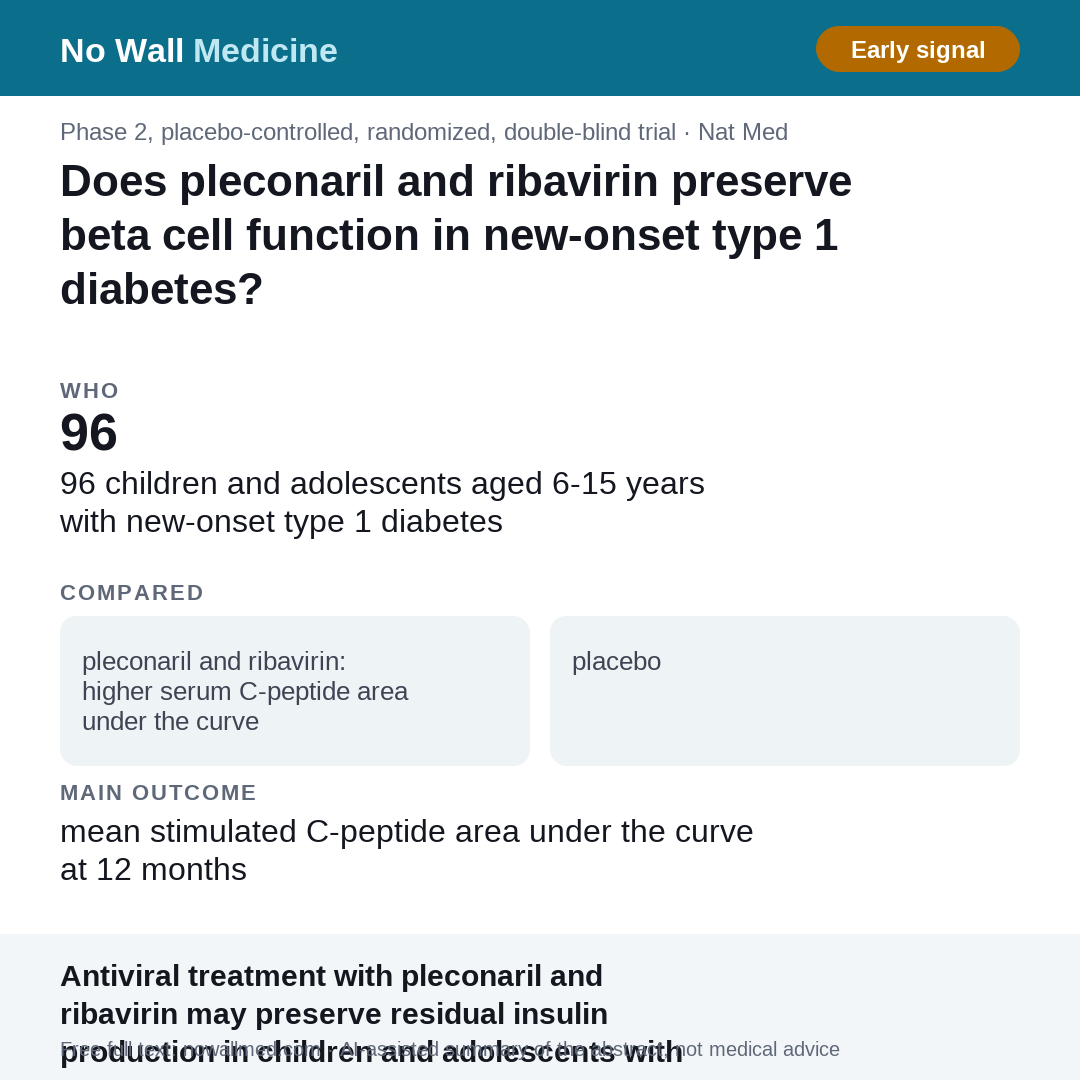
Pleconaril and ribavirin in new-onset type 1 diabetes: a phase 2 randomized trial
Phase 2, placebo-controlled, randomized, double-blind trialBenefit found
Does pleconaril and ribavirin preserve beta cell function in new-onset type 1 diabetes?
Who
96
96 children and adolescents aged 6-15 years with new-onset type 1 diabetes
Compared
pleconaril and ribavirin: higher serum C-peptide area under the curve
placebo
Main outcome
mean stimulated C-peptide area under the curve at 12 months
Result: average marginal effect 0.057 (95% confidence interval 0.004-0.11)
Bottom line: Antiviral treatment with pleconaril and ribavirin may preserve residual insulin production in children and adolescents with new-onset type 1 diabetes.
Nat Med · 2023-10-04Download image
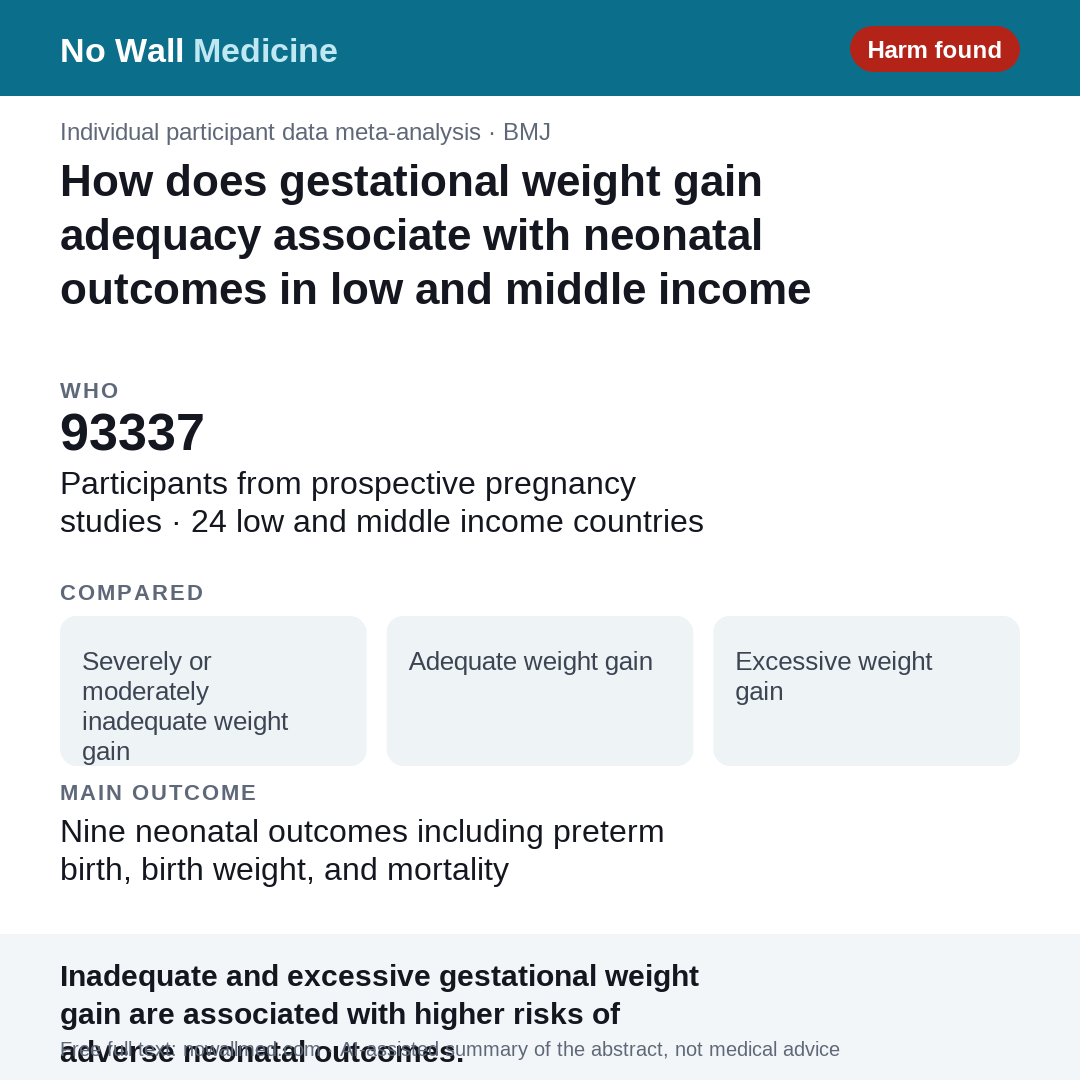
Suboptimal gestational weight gain and neonatal outcomes in low and middle income countries: individual participant data meta-analysis
Individual participant data meta-analysisHarm found
How does gestational weight gain adequacy associate with neonatal outcomes in low and middle income countries?
Who
93337
Participants from prospective pregnancy studies · 24 low and middle income countries
Compared
Severely or moderately inadequate weight gain
Adequate weight gain
Excessive weight gain
Main outcome
Nine neonatal outcomes including preterm birth, birth weight, and mortality
Bottom line: Inadequate and excessive gestational weight gain are associated with higher risks of adverse neonatal outcomes.
Limitation: Further research is needed to assess optimal weight gain ranges for low and middle income countries.
BMJ · 2023-09-21Download image
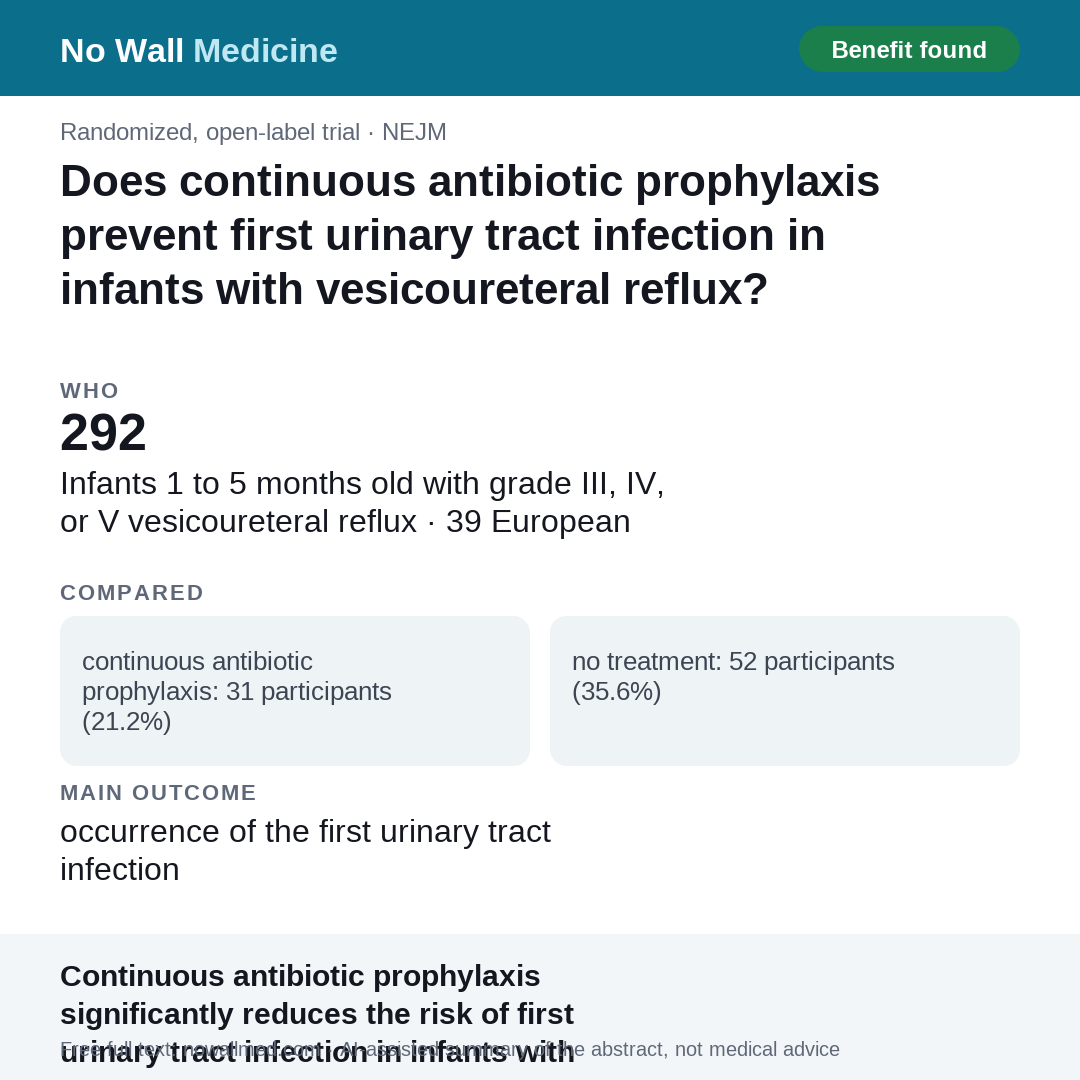
Antibiotic Prophylaxis in Infants with Grade III, IV, or V Vesicoureteral Reflux
Randomized, open-label trialBenefit found
Does continuous antibiotic prophylaxis prevent first urinary tract infection in infants with vesicoureteral reflux?
Who
292
Infants 1 to 5 months old with grade III, IV, or V vesicoureteral reflux · 39 European centers
Compared
continuous antibiotic prophylaxis: 31 participants (21.2%)
no treatment: 52 participants (35.6%)
Main outcome
occurrence of the first urinary tract infection
Result: hazard ratio 0.55 (95% CI 0.35 to 0.86)
Bottom line: Continuous antibiotic prophylaxis significantly reduces the risk of first urinary tract infection in infants with high-grade vesicoureteral reflux.
Funded by: Italian Ministry of Health and others
NEJM · 2023-09-12Download image
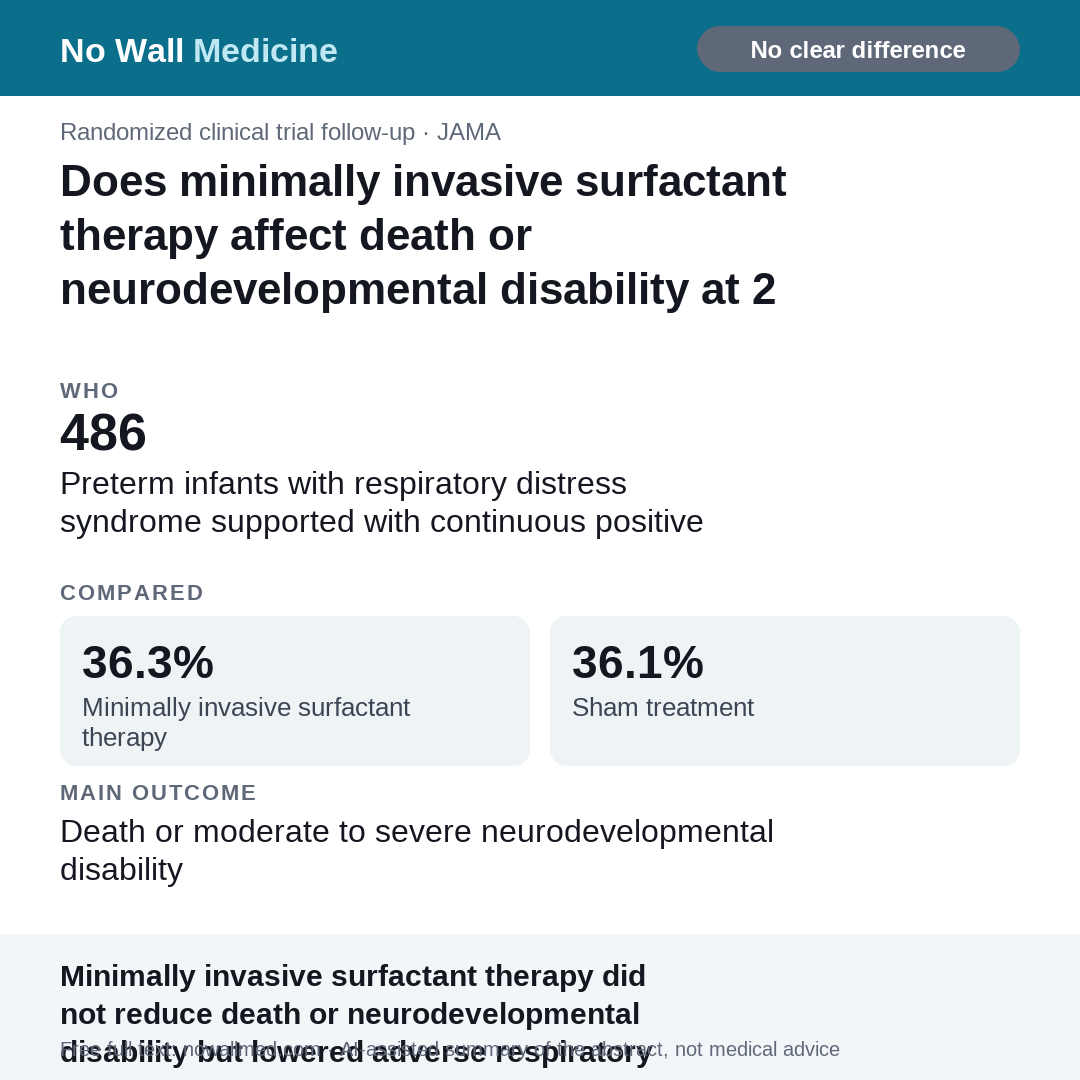
Two-Year Outcomes After Minimally Invasive Surfactant Therapy in Preterm Infants: Follow-Up of the OPTIMIST-A Randomized Clinical Trial
Randomized clinical trial follow-upNo clear difference
Does minimally invasive surfactant therapy affect death or neurodevelopmental disability at 2 years?
Who
486
Preterm infants with respiratory distress syndrome supported with continuous positive airway pressure · 33 tertiary-level neonatal intensive care units in 11 countries
Compared
36.3%Minimally invasive surfactant therapy
36.1%Sham treatment
Main outcome
Death or moderate to severe neurodevelopmental disability
Result: relative risk 1.0 (95% CI 0.81-1.24)
Bottom line: Minimally invasive surfactant therapy did not reduce death or neurodevelopmental disability but lowered adverse respiratory outcomes.
JAMA · 2023-09-11Download image
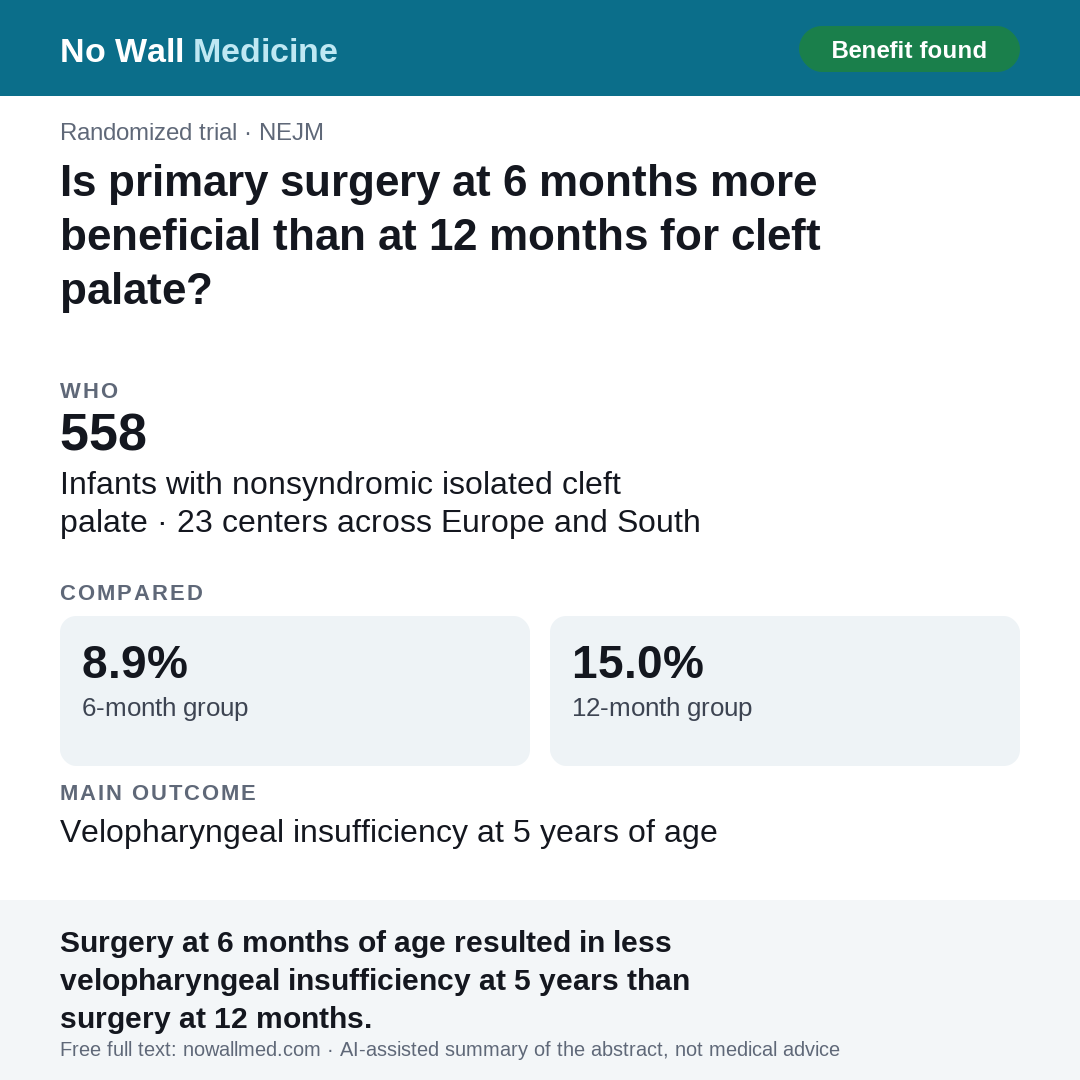
Timing of Primary Surgery for Cleft Palate
Randomized trialBenefit found
Is primary surgery at 6 months more beneficial than at 12 months for cleft palate?
Who
558
Infants with nonsyndromic isolated cleft palate · 23 centers across Europe and South America
Compared
8.9%6-month group (21/235)
15.0%12-month group (34/226)
Main outcome
Velopharyngeal insufficiency at 5 years of age
Result: risk ratio 0.59 (95% CI 0.36 to 0.99)
Bottom line: Surgery at 6 months of age resulted in less velopharyngeal insufficiency at 5 years than surgery at 12 months.
Funded by: National Institute of Dental and Craniofacial Research
NEJM · 2023-08-30Download image
Balancing risks and benefits of cannabis use: umbrella review of meta-analyses of randomised controlled trials and observational studies
Umbrella review of meta-analysesMixed results
What are the risks and benefits of cannabis, cannabinoids, and cannabis based medicines?
Who
People with various conditions, healthy people, pregnant women, and drivers
Compared
Cannabis based medicines: increased adverse events related to the central nervous system 2.84 (95% confidence interval 2.16 to 3.73)
Cannabidiol: 50% reduction of seizures 0.59 (0.38 to 0.92)
Cannabis in general population: worsened positive psychotic symptoms 5.21 (3.36 to 8.01)
Main outcome
efficacy and safety of cannabis, cannabinoids, or cannabis based medicines
Bottom line: Cannabis based medicines show benefits for epilepsy, chronic pain, and multiple sclerosis, but carry significant psychiatric and physical risks.
BMJ · 2023-08-30Download image

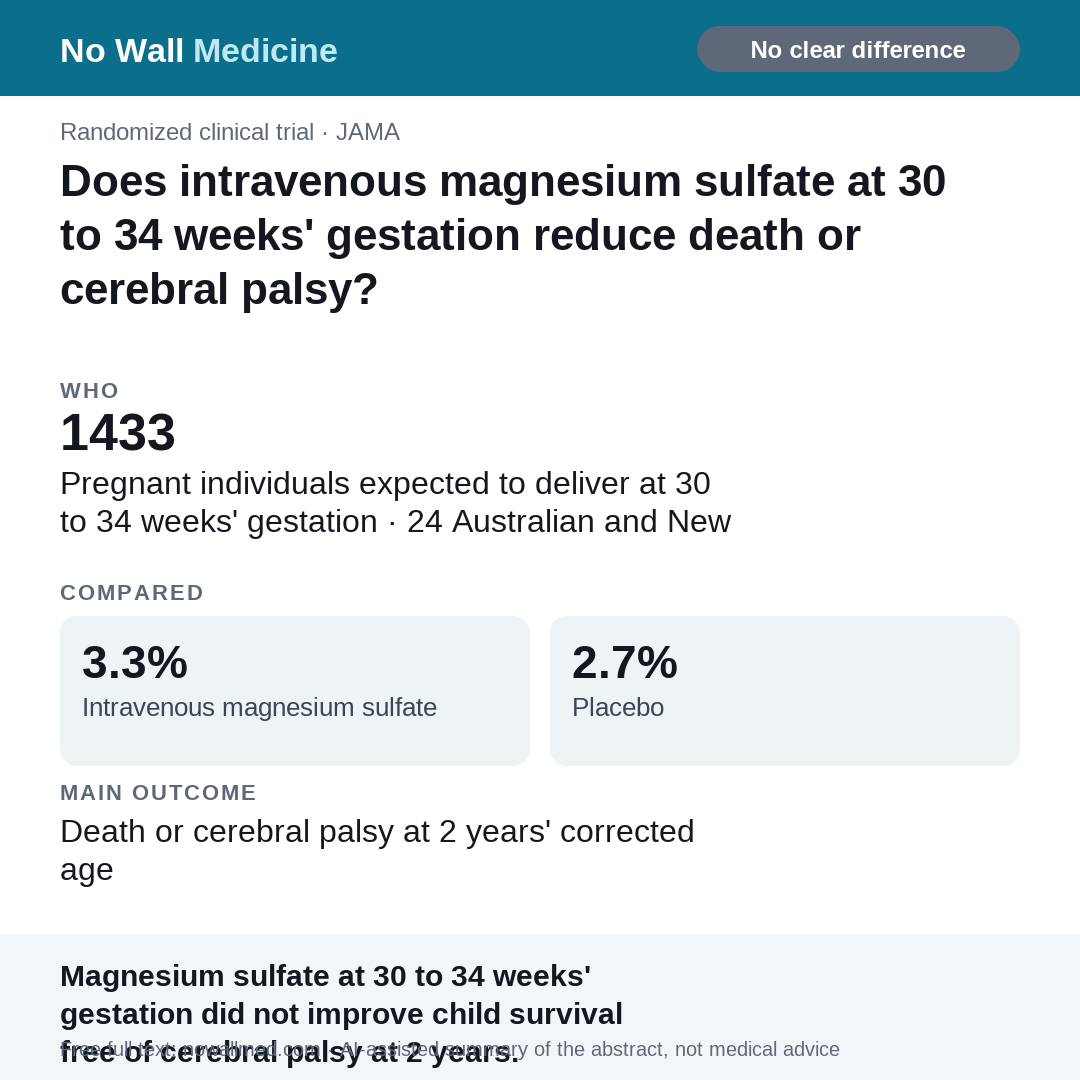
Prenatal Intravenous Magnesium at 30-34 Weeks' Gestation and Neurodevelopmental Outcomes in Offspring: The MAGENTA Randomized Clinical Trial
Randomized clinical trialNo clear difference
Does intravenous magnesium sulfate at 30 to 34 weeks' gestation reduce death or cerebral palsy?
Who
1433
Pregnant individuals expected to deliver at 30 to 34 weeks' gestation · 24 Australian and New Zealand hospitals
Compared
3.3%Intravenous magnesium sulfate (23 of 691 children)
2.7%Placebo (18 of 674 children)
Main outcome
Death or cerebral palsy at 2 years' corrected age
Result: risk difference 0.61% (95% CI -1.27% to 2.50%)
Bottom line: Magnesium sulfate at 30 to 34 weeks' gestation did not improve child survival free of cerebral palsy at 2 years.
Limitation: The study had limited power to detect small between-group differences.
JAMA · 2023-08-15Download image
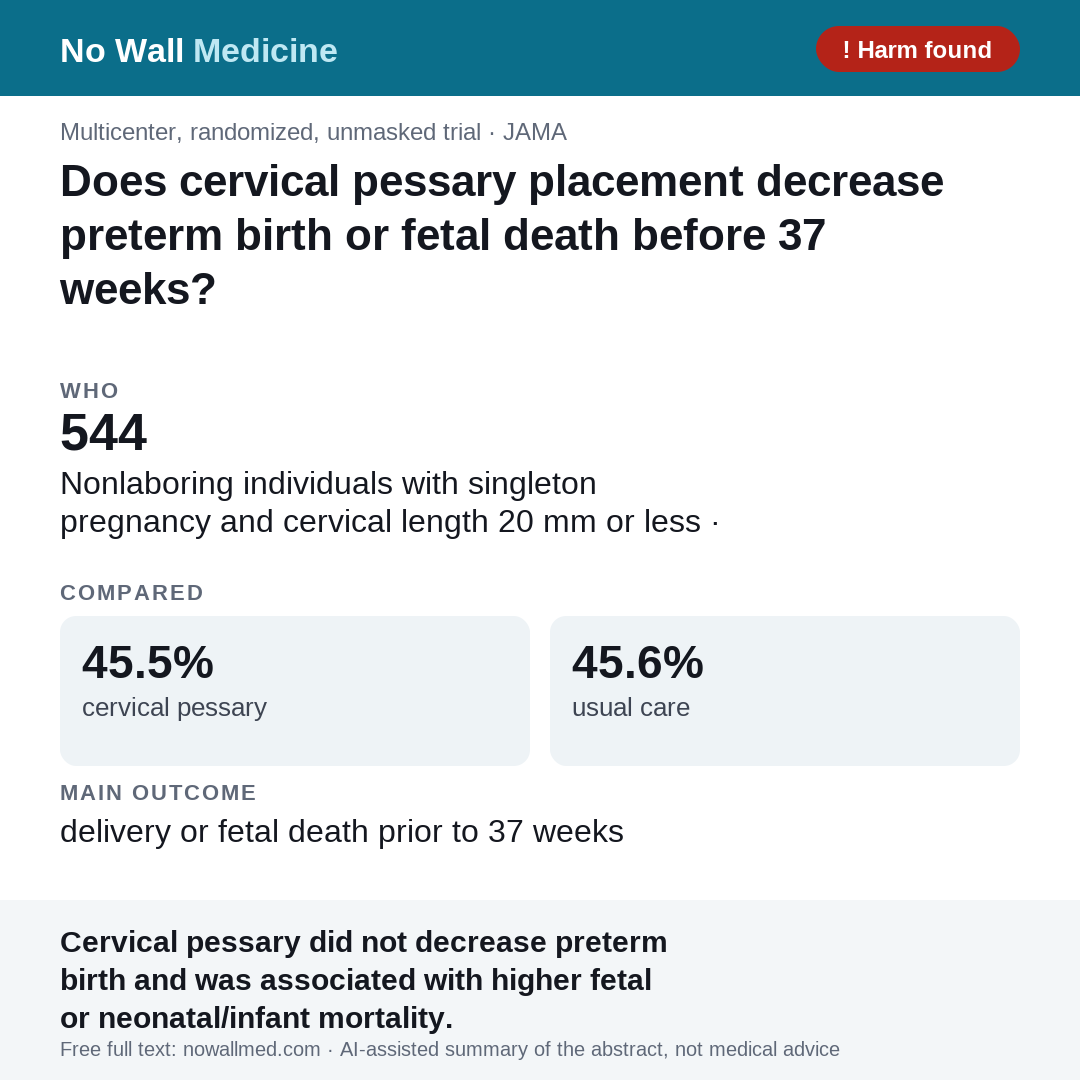
Cervical Pessary for Prevention of Preterm Birth in Individuals With a Short Cervix: The TOPS Randomized Clinical Trial
Multicenter, randomized, unmasked trialHarm found
Does cervical pessary placement decrease preterm birth or fetal death before 37 weeks?
Who
544
Nonlaboring individuals with singleton pregnancy and cervical length 20 mm or less · 12 centers in the United States
Compared
45.5%cervical pessary
45.6%usual care
Main outcome
delivery or fetal death prior to 37 weeks
Result: relative risk 1.00 (95% CI, 0.83-1.20)
Bottom line: Cervical pessary did not decrease preterm birth and was associated with higher fetal or neonatal/infant mortality.
JAMA · 2023-07-25Download image
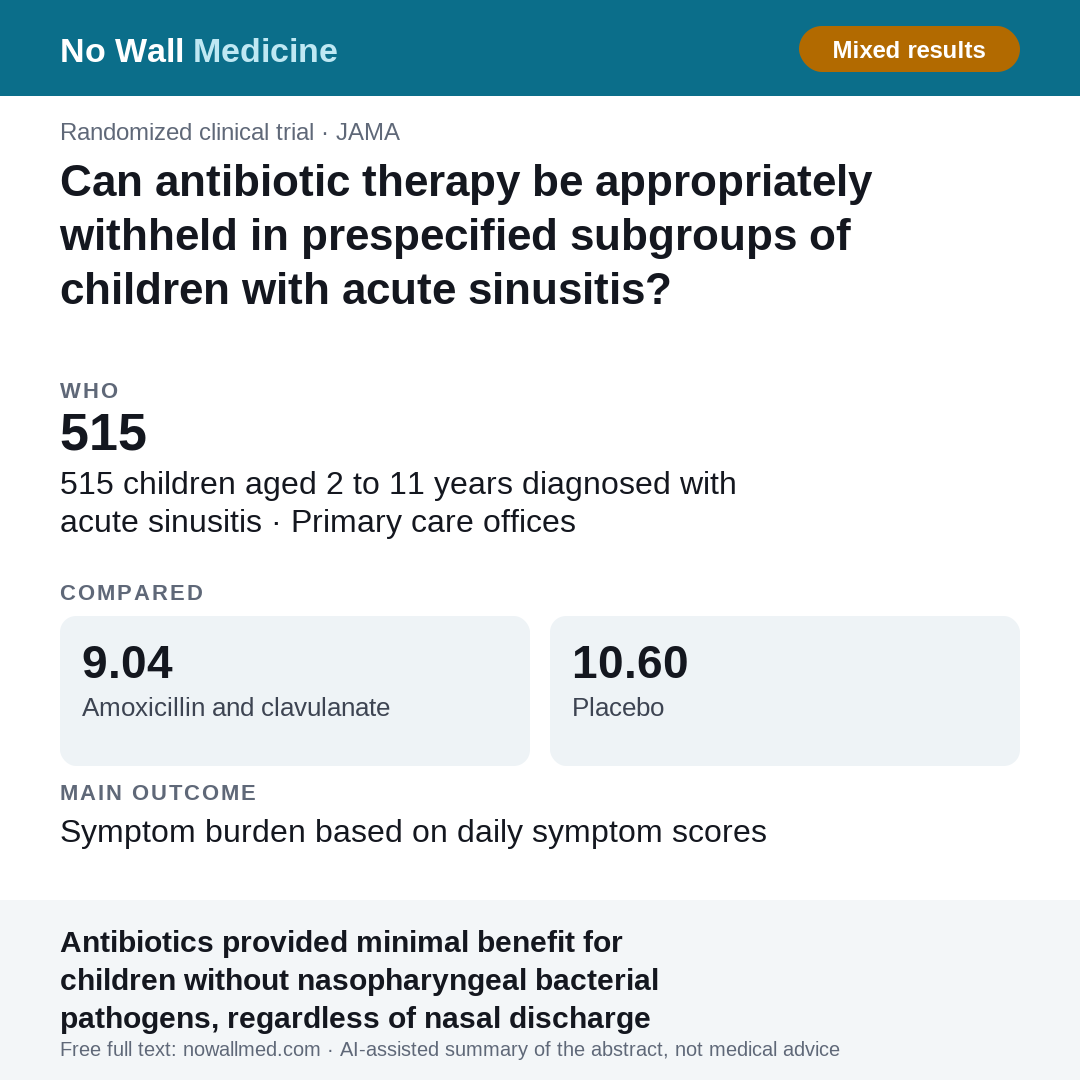
Identifying Children Likely to Benefit From Antibiotics for Acute Sinusitis: A Randomized Clinical Trial
Randomized clinical trialMixed results
Can antibiotic therapy be appropriately withheld in prespecified subgroups of children with acute sinusitis?
Who
515
515 children aged 2 to 11 years diagnosed with acute sinusitis · Primary care offices affiliated with 6 US institutions
Compared
9.04Amoxicillin and clavulanate (95% CI, 8.71 to 9.37)
10.60Placebo (95% CI, 10.27 to 10.93)
Main outcome
Symptom burden based on daily symptom scores
Result: -1.69 (95% CI, -2.07 to -1.31)
Bottom line: Antibiotics provided minimal benefit for children without nasopharyngeal bacterial pathogens, regardless of nasal discharge color.
JAMA · 2023-07-25Download image
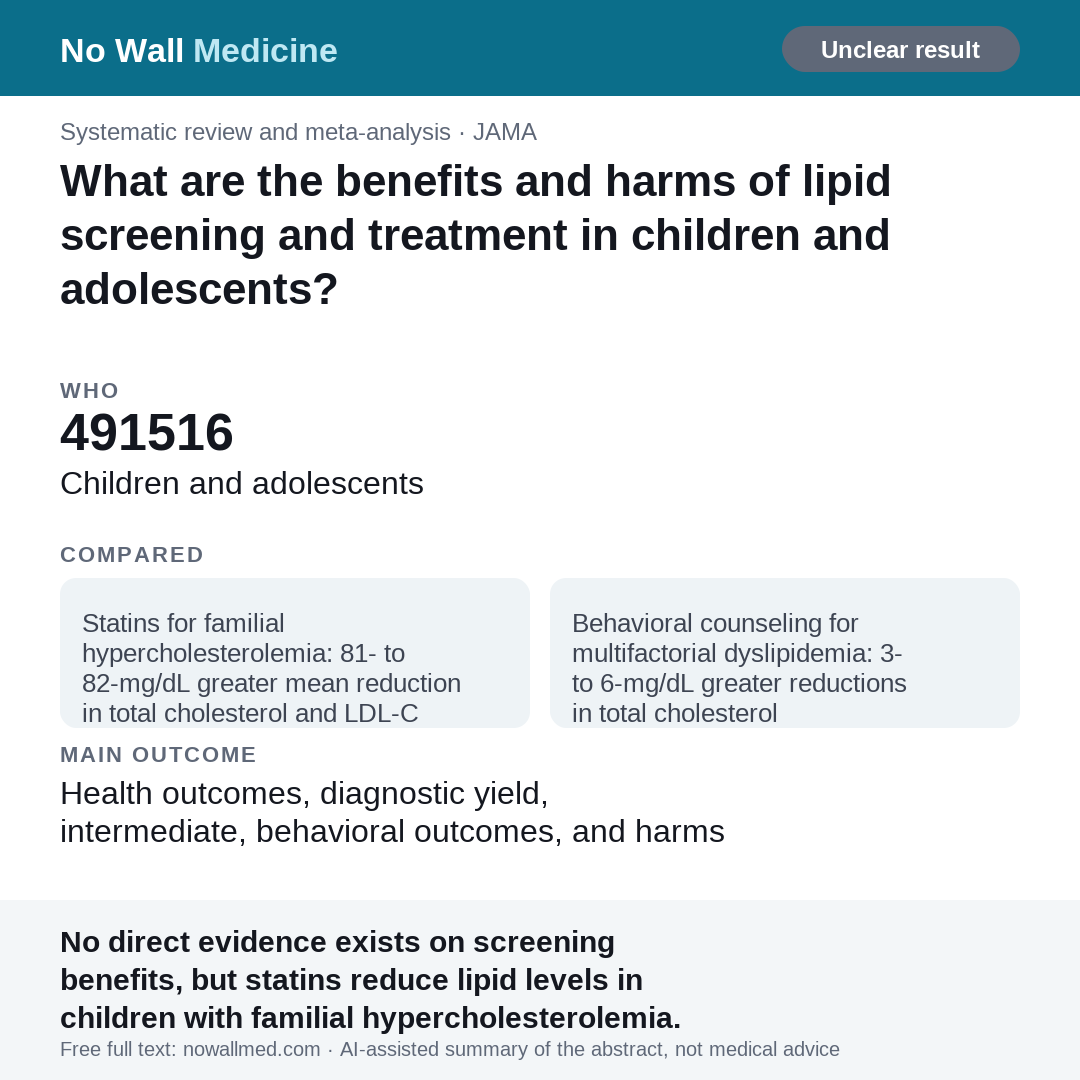
Screening for Lipid Disorders in Children and Adolescents: Updated Evidence Report and Systematic Review for the US Preventive Services Task Force
Systematic review and meta-analysisUnclear result
What are the benefits and harms of lipid screening and treatment in children and adolescents?
Who
491516
Children and adolescents
Compared
Statins for familial hypercholesterolemia: 81- to 82-mg/dL greater mean reduction in total cholesterol and LDL-C
Behavioral counseling for multifactorial dyslipidemia: 3- to 6-mg/dL greater reductions in total cholesterol
Main outcome
Health outcomes, diagnostic yield, intermediate, behavioral outcomes, and harms
Bottom line: No direct evidence exists on screening benefits, but statins reduce lipid levels in children with familial hypercholesterolemia.
JAMA · 2023-07-18Download image
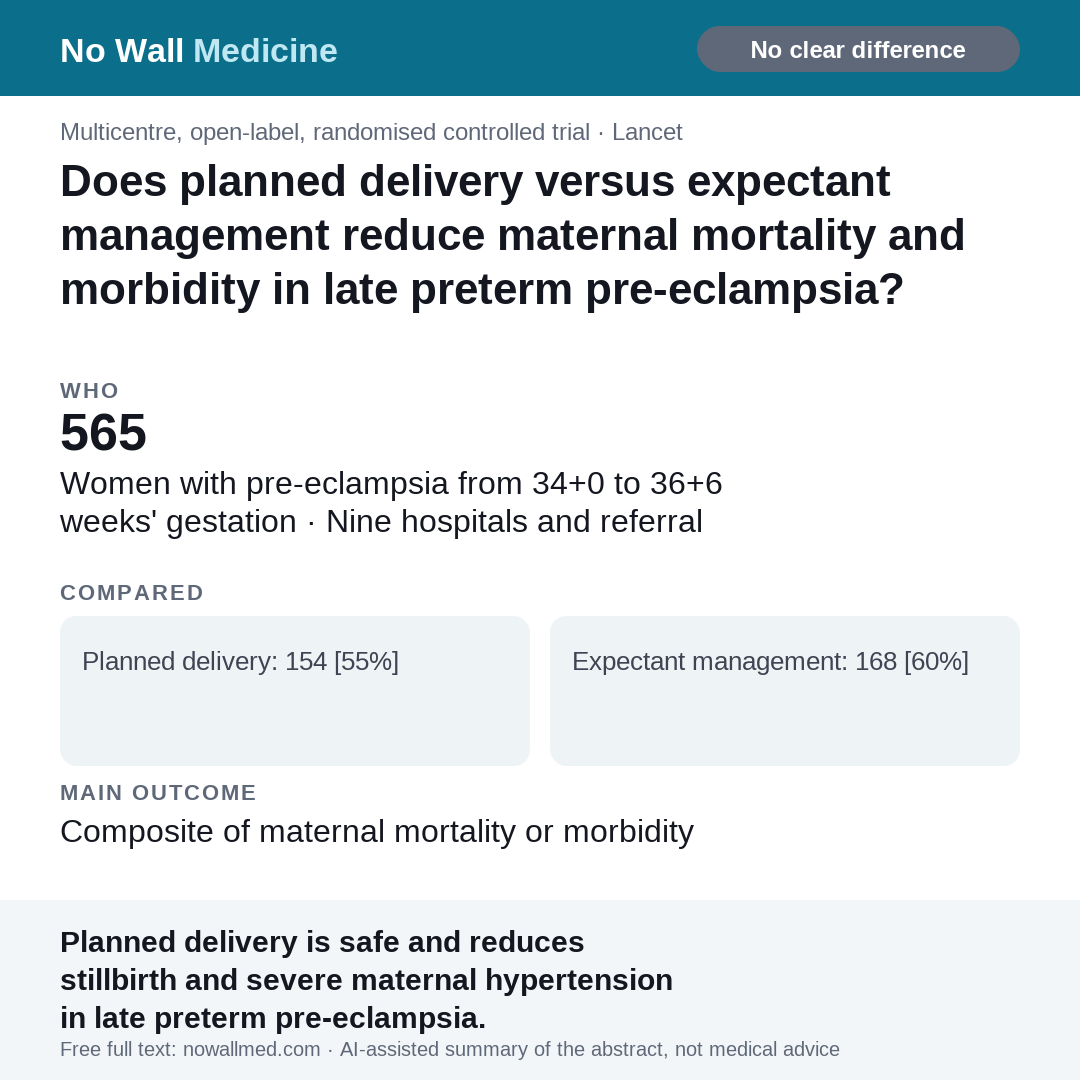
Planned delivery or expectant management for late preterm pre-eclampsia in low-income and middle-income countries (CRADLE-4): a multicentre, open-label, randomised controlled trial
Multicentre, open-label, randomised controlled trialNo clear difference
Does planned delivery versus expectant management reduce maternal mortality and morbidity in late preterm pre-eclampsia?
Who
565
Women with pre-eclampsia from 34+0 to 36+6 weeks' gestation · Nine hospitals and referral facilities in India and Zambia
Compared
Planned delivery: 154 [55%]
Expectant management: 168 [60%]
Main outcome
Composite of maternal mortality or morbidity
Result: adjusted risk ratio 0·91, 95% CI 0·79 to 1·05
Bottom line: Planned delivery is safe and reduces stillbirth and severe maternal hypertension in late preterm pre-eclampsia.
Funded by: UK Medical Research Council and Indian Department of Biotechnology
Lancet · 2023-06-29Download image
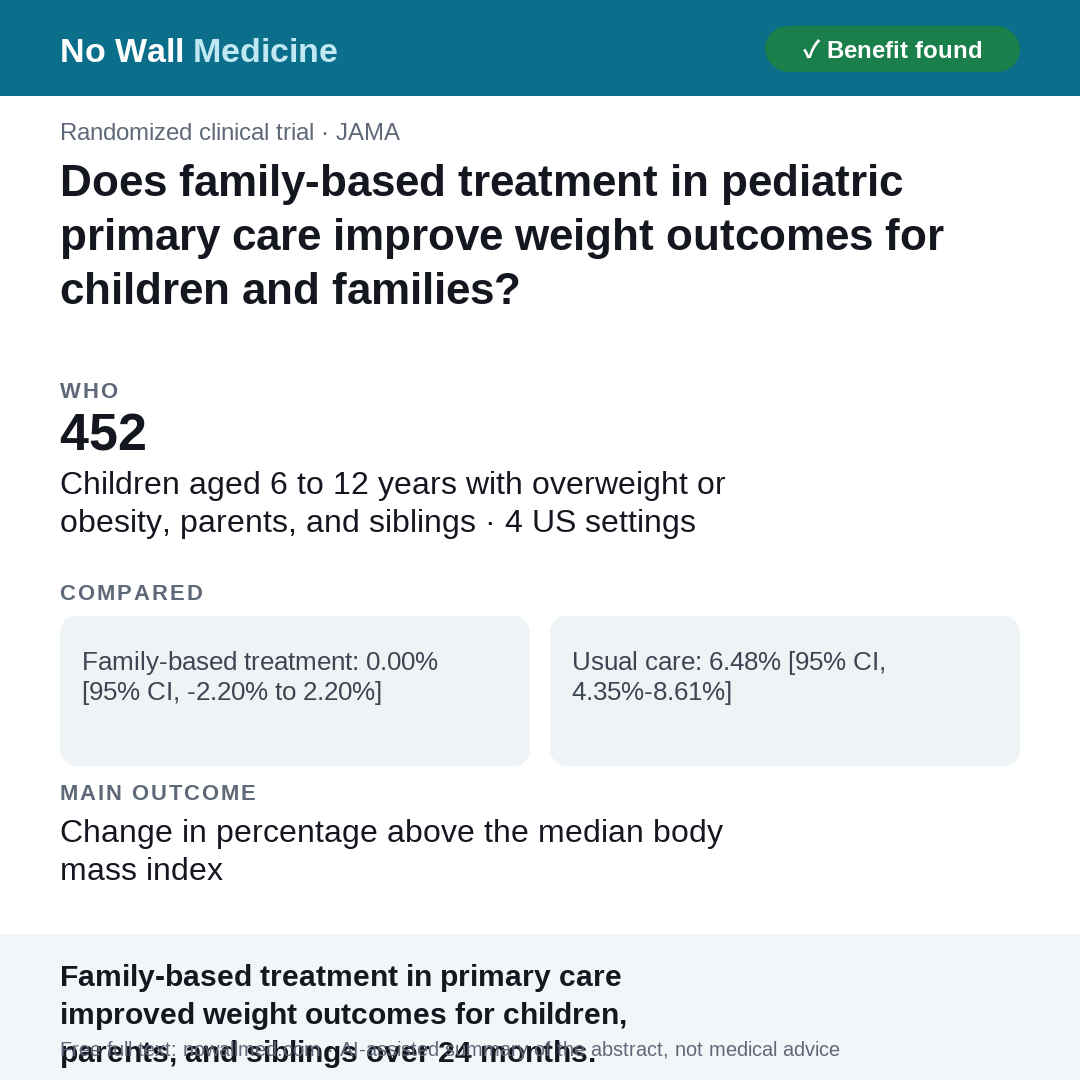
Family-Based Behavioral Treatment for Childhood Obesity Implemented in Pediatric Primary Care: A Randomized Clinical Trial
Randomized clinical trialBenefit found
Does family-based treatment in pediatric primary care improve weight outcomes for children and families?
Who
452
Children aged 6 to 12 years with overweight or obesity, parents, and siblings · 4 US settings
Compared
Family-based treatment: 0.00% [95% CI, -2.20% to 2.20%]
Usual care: 6.48% [95% CI, 4.35%-8.61%]
Main outcome
Change in percentage above the median body mass index
Result: -6.21% [95% CI, -10.14% to -2.29%]
Bottom line: Family-based treatment in primary care improved weight outcomes for children, parents, and siblings over 24 months.
JAMA · 2023-06-14Download image
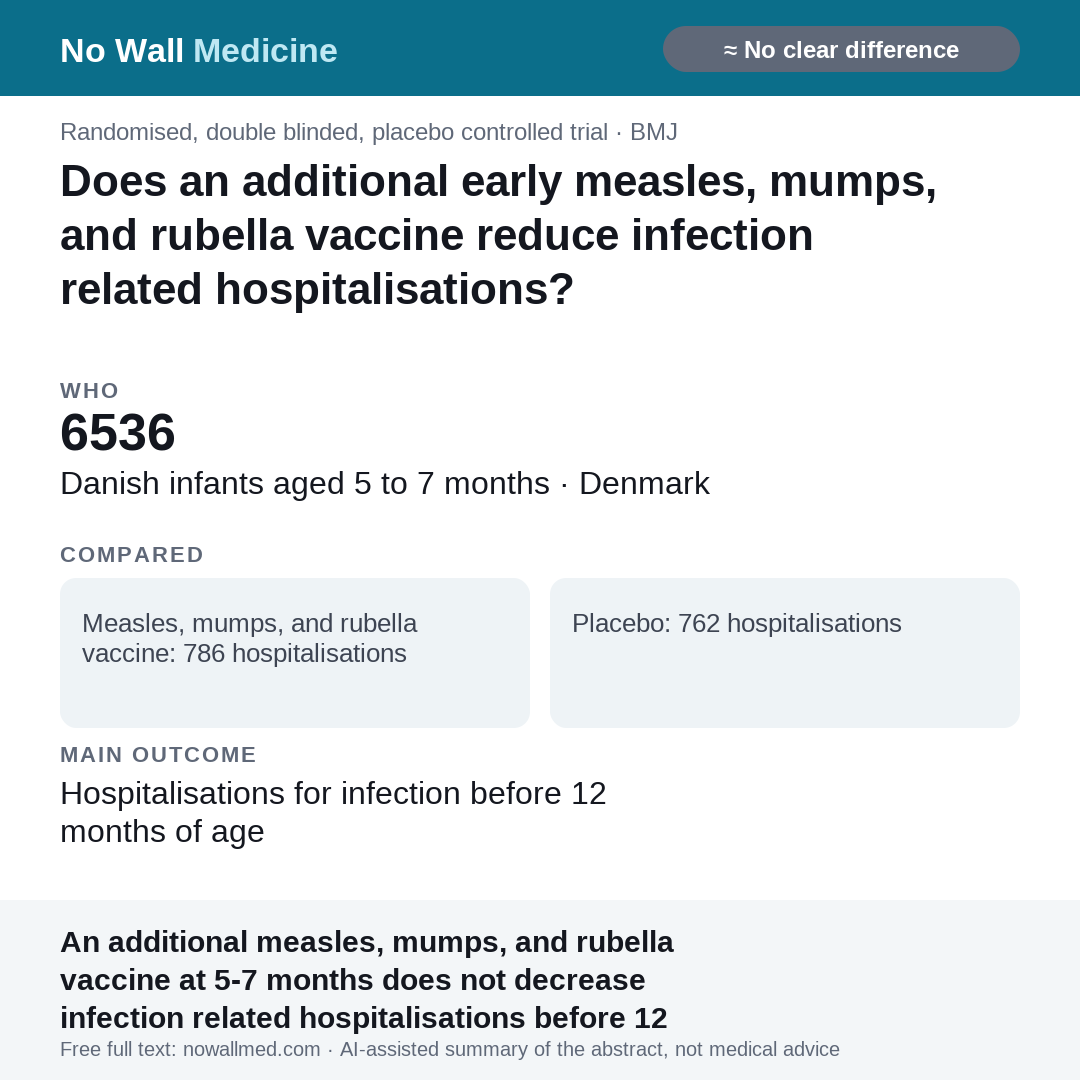
Measles, mumps, and rubella vaccine at age 6 months and hospitalisation for infection before age 12 months: randomised controlled trial
Randomised, double blinded, placebo controlled trialNo clear difference
Does an additional early measles, mumps, and rubella vaccine reduce infection related hospitalisations?
Who
6536
Danish infants aged 5 to 7 months · Denmark
Compared
Measles, mumps, and rubella vaccine: 786 hospitalisations
Placebo: 762 hospitalisations
Main outcome
Hospitalisations for infection before 12 months of age
Result: hazard ratio 1.03 (95% confidence interval 0.91 to 1.18)
Bottom line: An additional measles, mumps, and rubella vaccine at 5-7 months does not decrease infection related hospitalisations before 12 months.
BMJ · 2023-06-07Download image
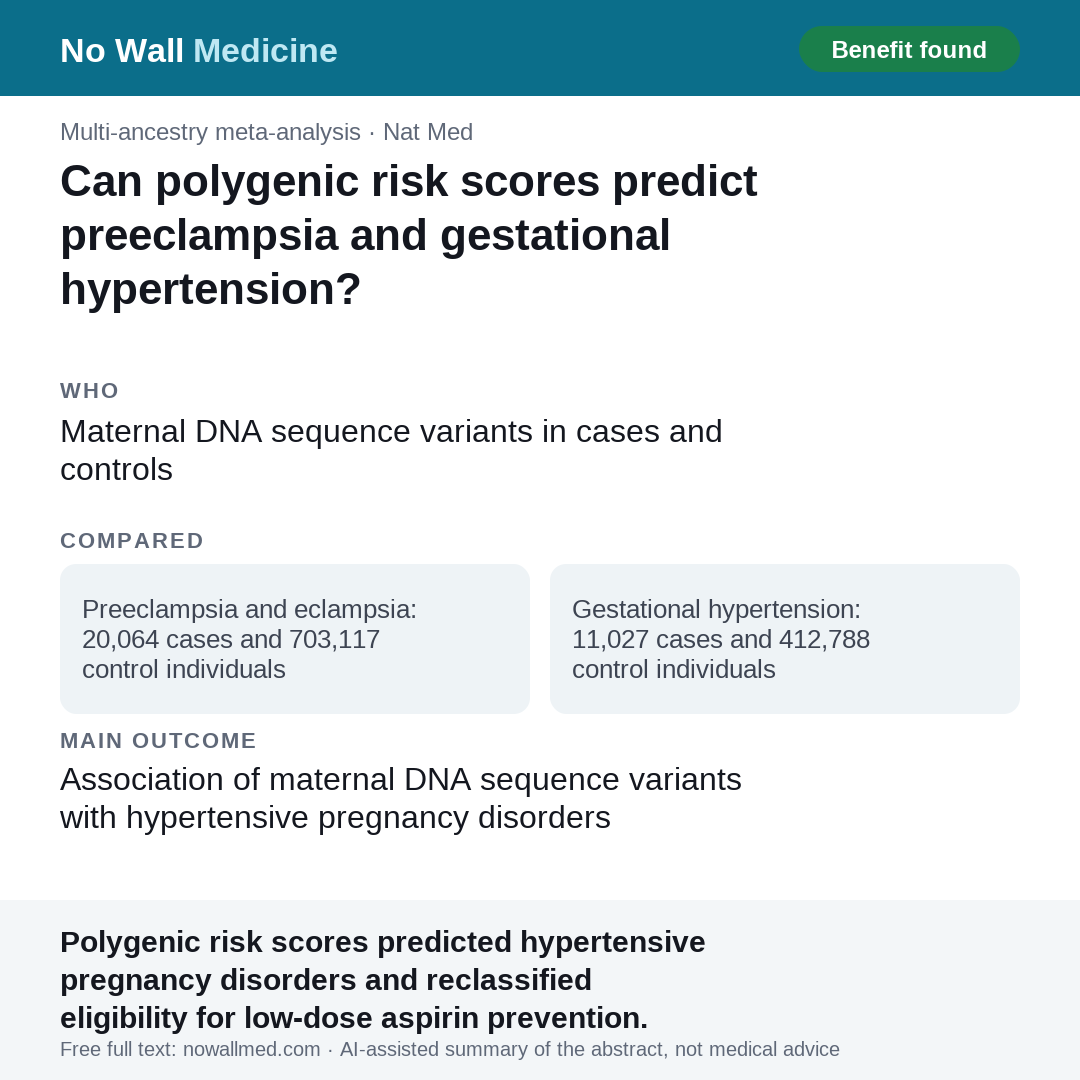
Polygenic prediction of preeclampsia and gestational hypertension
Multi-ancestry meta-analysisBenefit found
Can polygenic risk scores predict preeclampsia and gestational hypertension?
Who
Maternal DNA sequence variants in cases and controls
Compared
Preeclampsia and eclampsia: 20,064 cases and 703,117 control individuals
Gestational hypertension: 11,027 cases and 412,788 control individuals
Main outcome
Association of maternal DNA sequence variants with hypertensive pregnancy disorders
Bottom line: Polygenic risk scores predicted hypertensive pregnancy disorders and reclassified eligibility for low-dose aspirin prevention.
Nat Med · 2023-05-29Download image
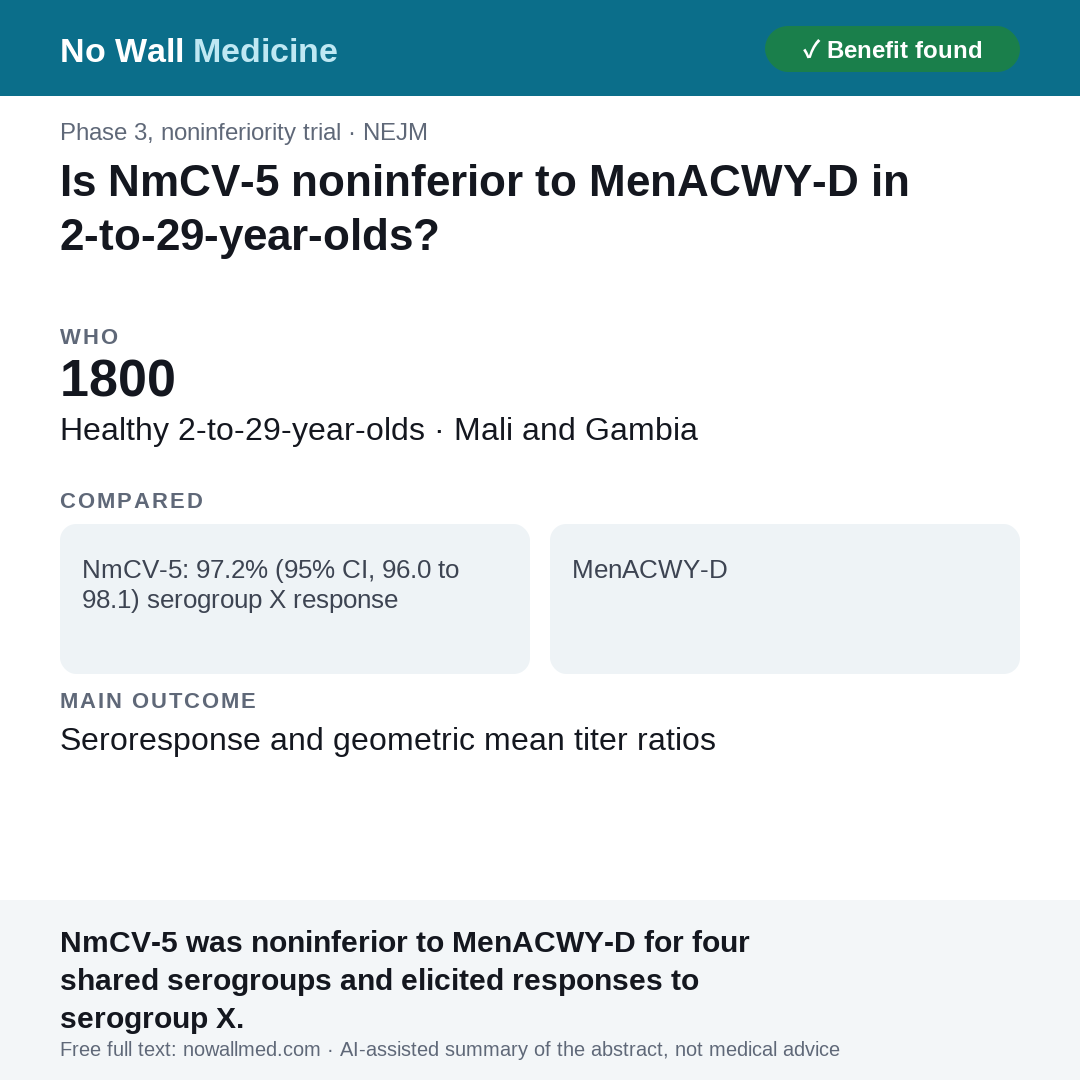
Meningococcal ACWYX Conjugate Vaccine in 2-to-29-Year-Olds in Mali and Gambia
Phase 3, noninferiority trialBenefit found
Is NmCV-5 noninferior to MenACWY-D in 2-to-29-year-olds?
Who
1800
Healthy 2-to-29-year-olds · Mali and Gambia
Compared
NmCV-5: 97.2% (95% CI, 96.0 to 98.1) serogroup X response
MenACWY-D
Main outcome
Seroresponse and geometric mean titer ratios
Bottom line: NmCV-5 was noninferior to MenACWY-D for four shared serogroups and elicited responses to serogroup X.
Funded by: United Kingdom Foreign, Commonwealth, and Development Office and others
NEJM · 2023-05-24Download image
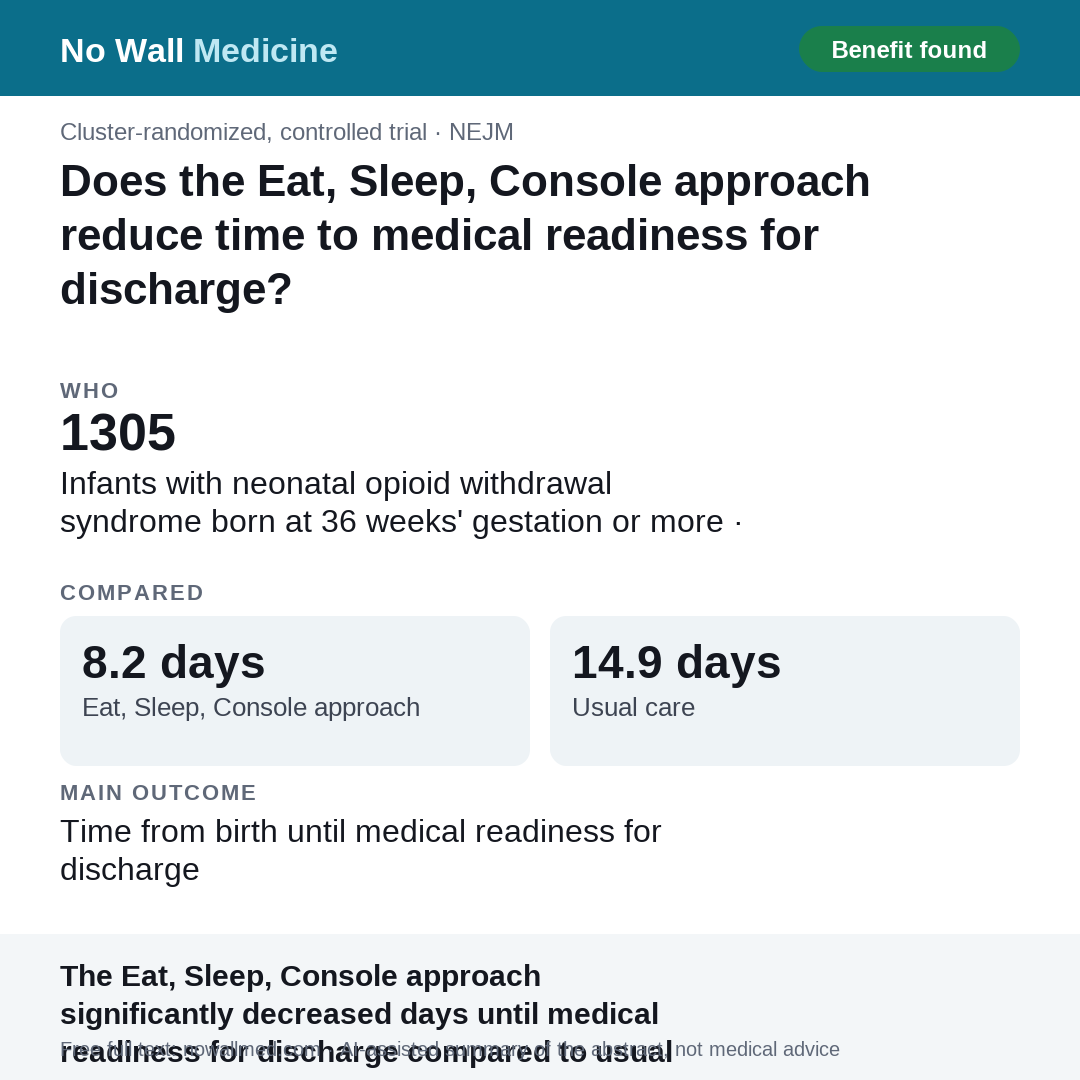
Eat, Sleep, Console Approach or Usual Care for Neonatal Opioid Withdrawal
Cluster-randomized, controlled trialBenefit found
Does the Eat, Sleep, Console approach reduce time to medical readiness for discharge?
Who
1305
Infants with neonatal opioid withdrawal syndrome born at 36 weeks' gestation or more · 26 United States hospitals
Compared
8.2 daysEat, Sleep, Console approach
14.9 daysUsual care
Main outcome
Time from birth until medical readiness for discharge
Result: rate ratio 0.55 (95% CI, 0.46 to 0.65)
Bottom line: The Eat, Sleep, Console approach significantly decreased days until medical readiness for discharge compared to usual care.
Funded by: National Institutes of Health Helping End Addiction Long-term Initiative
NEJM · 2023-04-30Download image
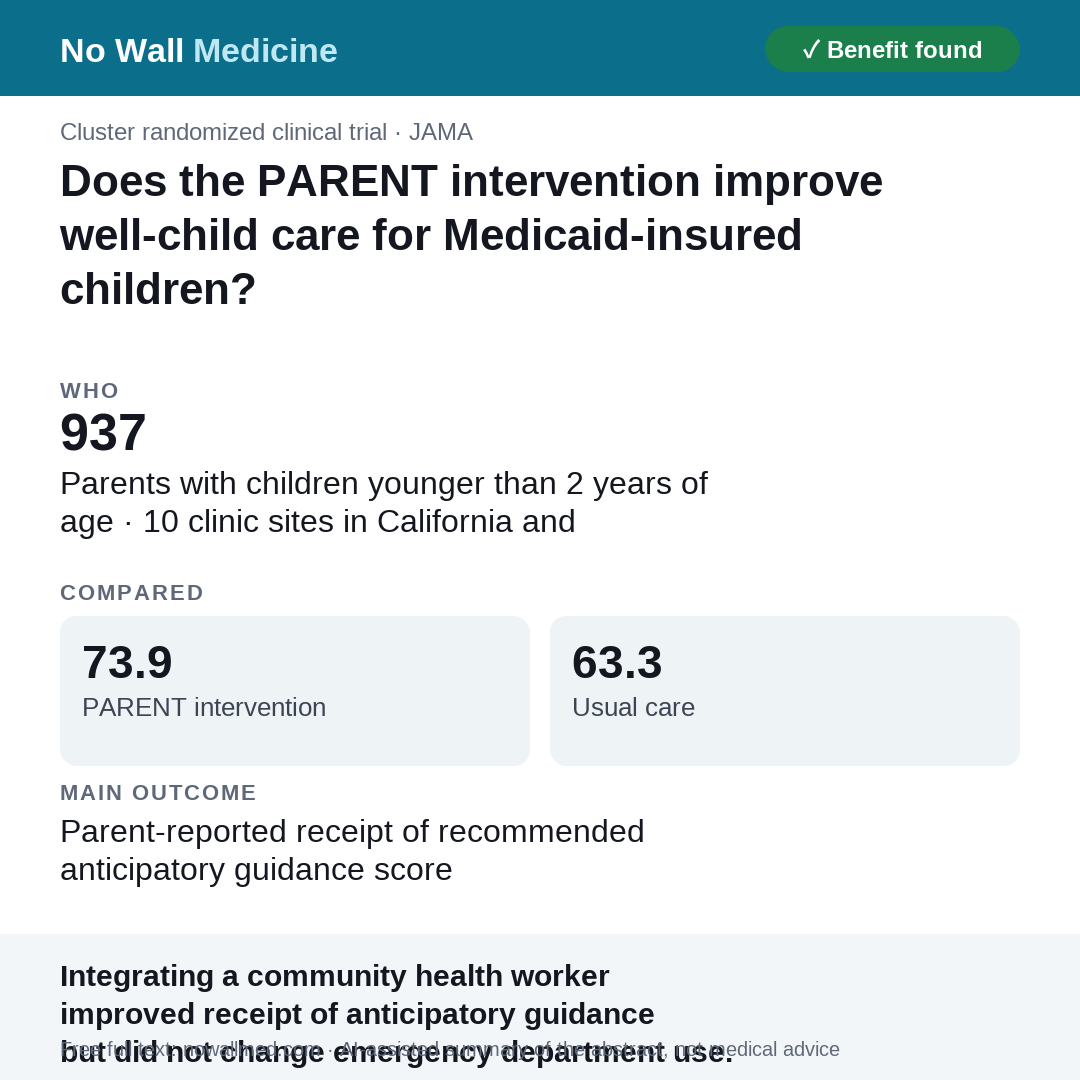
Community Health Workers in Early Childhood Well-Child Care for Medicaid-Insured Children: A Randomized Clinical Trial
Cluster randomized clinical trialBenefit found
Does the PARENT intervention improve well-child care for Medicaid-insured children?
Who
937
Parents with children younger than 2 years of age · 10 clinic sites in California and Washington
Compared
73.9PARENT intervention (SD, 23.4)
63.3Usual care (SD, 27.8)
Main outcome
Parent-reported receipt of recommended anticipatory guidance score
Result: adjusted absolute difference, 11.01 (95% CI, 6.44 to 15.59)
Bottom line: Integrating a community health worker improved receipt of anticipatory guidance but did not change emergency department use.
JAMA · 2023-04-30Download image
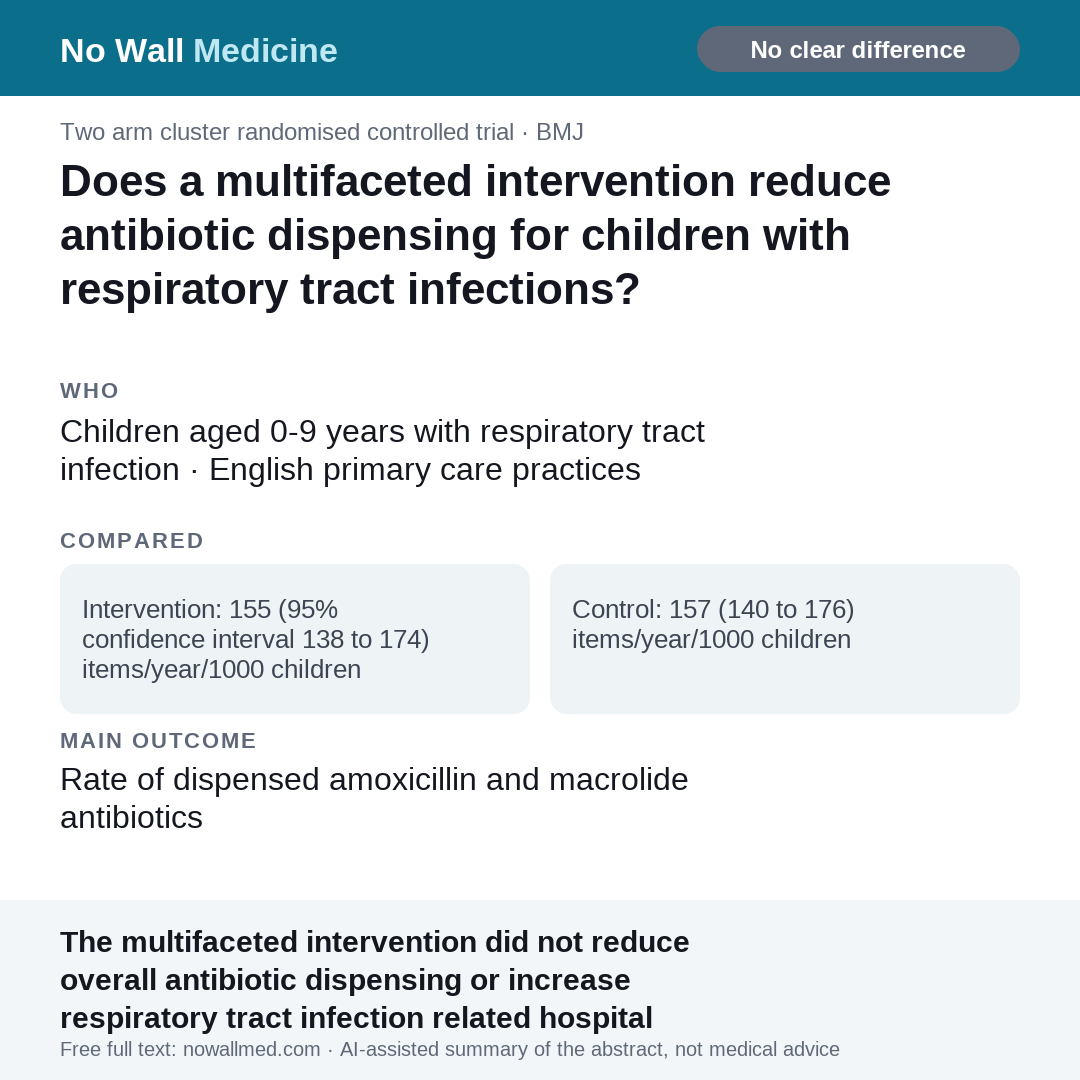
Multi-faceted intervention to improve management of antibiotics for children presenting to primary care with acute cough and respiratory tract infection (CHICO): efficient cluster randomised controlled trial
Two arm cluster randomised controlled trialNo clear difference
Does a multifaceted intervention reduce antibiotic dispensing for children with respiratory tract infections?
Who
Children aged 0-9 years with respiratory tract infection · English primary care practices
Compared
Intervention: 155 (95% confidence interval 138 to 174) items/year/1000 children
Control: 157 (140 to 176) items/year/1000 children
Main outcome
Rate of dispensed amoxicillin and macrolide antibiotics
Result: rate ratio 1.011, 95% confidence interval 0.992 to 1.029
Bottom line: The multifaceted intervention did not reduce overall antibiotic dispensing or increase respiratory tract infection related hospital admissions.
BMJ · 2023-04-26Download image
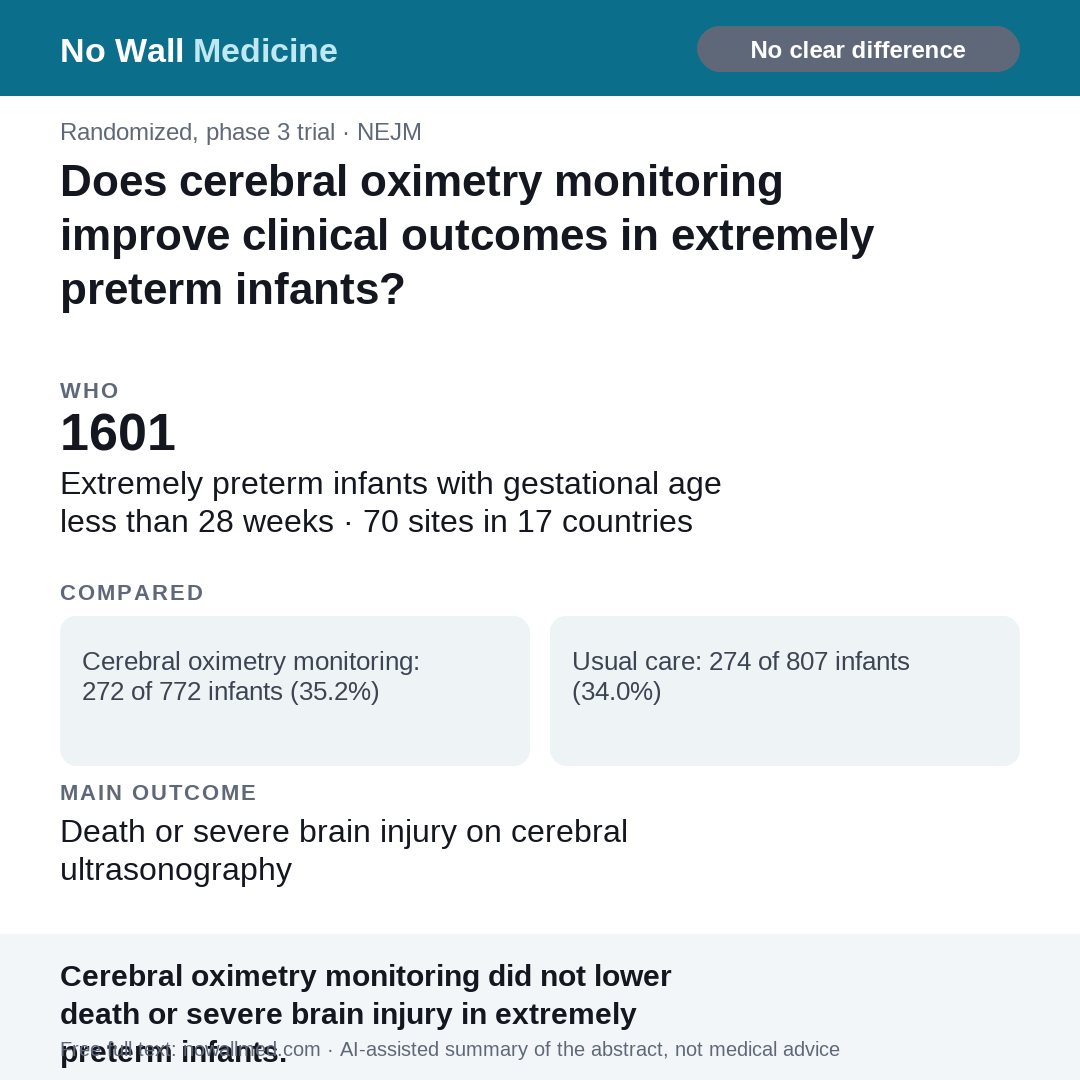
Cerebral Oximetry Monitoring in Extremely Preterm Infants
Randomized, phase 3 trialNo clear difference
Does cerebral oximetry monitoring improve clinical outcomes in extremely preterm infants?
Who
1601
Extremely preterm infants with gestational age less than 28 weeks · 70 sites in 17 countries
Compared
Cerebral oximetry monitoring: 272 of 772 infants (35.2%)
Usual care: 274 of 807 infants (34.0%)
Main outcome
Death or severe brain injury on cerebral ultrasonography
Result: relative risk 1.03 (95% confidence interval, 0.90 to 1.18)
Bottom line: Cerebral oximetry monitoring did not lower death or severe brain injury in extremely preterm infants.
Funded by: Elsass Foundation and others
NEJM · 2023-04-19Download image
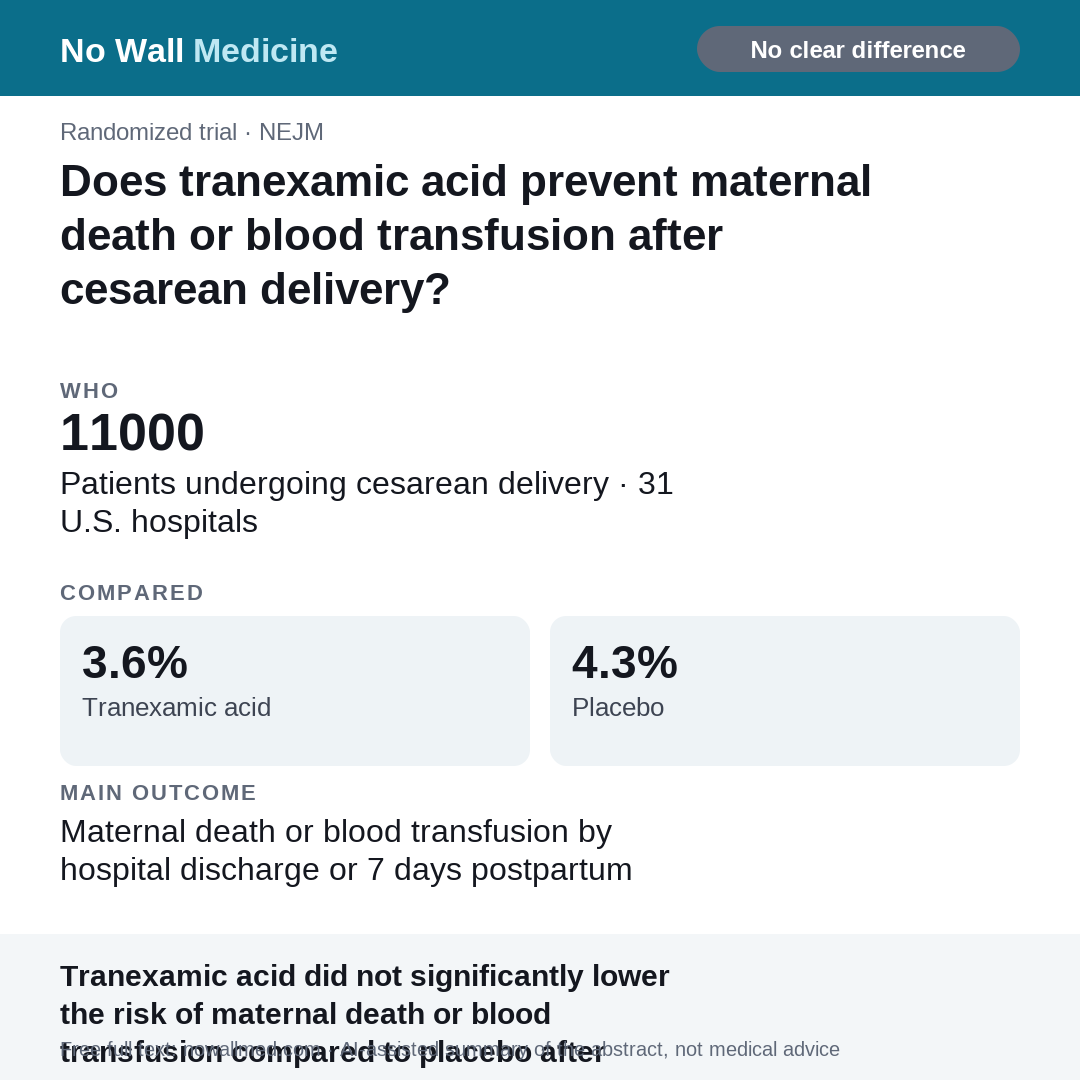
Tranexamic Acid to Prevent Obstetrical Hemorrhage after Cesarean Delivery
Randomized trialNo clear difference
Does tranexamic acid prevent maternal death or blood transfusion after cesarean delivery?
Who
11000
Patients undergoing cesarean delivery · 31 U.S. hospitals
Compared
3.6%Tranexamic acid (201/5525)
4.3%Placebo (233/5470)
Main outcome
Maternal death or blood transfusion by hospital discharge or 7 days postpartum
Result: adjusted relative risk 0.89 (95.26% CI 0.74 to 1.07)
Bottom line: Tranexamic acid did not significantly lower the risk of maternal death or blood transfusion compared to placebo after cesarean delivery.
Funded by: Eunice Kennedy Shriver National Institute of Child Health and Human Development
NEJM · 2023-04-12Download image